ব্র্যান্ডগুলো প্রায়শই রিটেইল আউটলেট চালুর জন্য বাণিজ্যিক প্রিন্টিং পদ্ধতি নির্বিচারে বেছে নিতে গিয়ে লাভের অংশ হারায়। ভুল প্রয়োগ পদ্ধতি বেছে নিলে তা আপনার পণ্যের কাঠামোগত অখণ্ডতা নষ্ট করে এবং দোকানের মেঝেতে এর দৃশ্যগত বিশৃঙ্খলাও সৃষ্টি করে।.
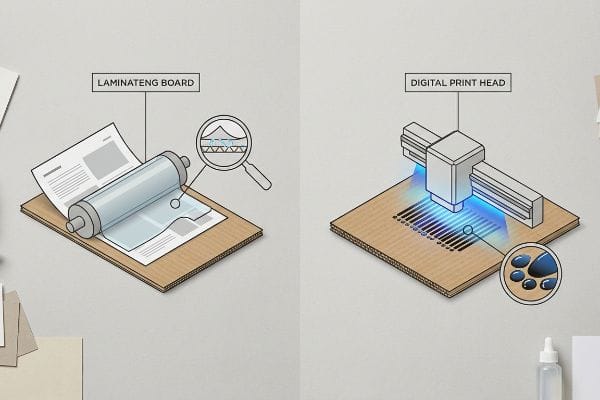
করোগেটেড ডিসপ্লে তৈরির জন্য লিথো এবং ডিজিটাল প্রিন্টিং দুটি স্বতন্ত্র উৎপাদন পদ্ধতি। অফসেট লিথোগ্রাফি পদ্ধতিতে আঠা ব্যবহার করে প্রিন্ট করা শিটগুলোকে শক্ত বোর্ডের উপর স্তরিত করা হয়, অন্যদিকে ডাইরেক্ট ডিজিটাল পদ্ধতিতে ইউভি আলোর মাধ্যমে কালি তাৎক্ষণিকভাবে শুকিয়ে যায়। এদের মধ্যে কোনটি বেছে নেওয়া হবে, তার উপরই ন্যূনতম অর্ডারের পরিমাণ, সরবরাহের সময় এবং কাঠামোগত ফ্ল্যাট-প্যাক লজিস্টিকস নির্ভর করে।.
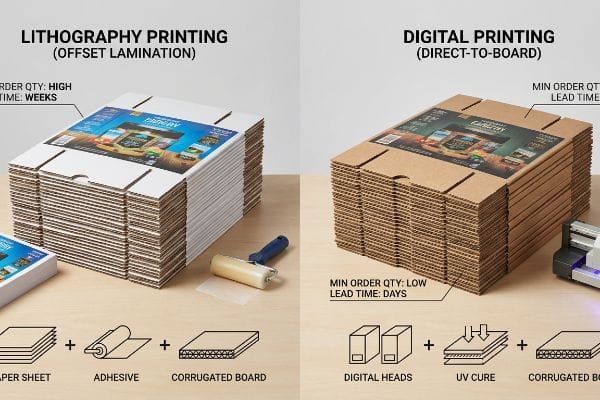
একজন কারখানার প্রকৌশলী হিসেবে আমি পর্দার সুন্দর রঙ দেখি না; আমি দেখি স্বয়ংক্রিয় সংযোজনের সময় ভেজা কালি এবং ঘন আঠার রসায়ন কীভাবে কাঁচা কাগজের তন্তুর সাথে ভৌতভাবে প্রতিক্রিয়া করে।.
লিথো কি ডিজিটালের চেয়ে ভালো?
শুধুমাত্র প্রিন্টের মানই শ্রেষ্ঠত্ব নির্ধারণ করে না। আসল পরীক্ষা হলো, আপনার নির্বাচিত কালি সরবরাহ ব্যবস্থাটি আপনার সামগ্রিক উৎপাদন সময়সূচী এবং খুচরা বাজারে পণ্য ছাড়ার কৌশলের সাথে কতটা সামঞ্জস্যপূর্ণ।.
এটা নির্ভর করে। লিথো প্রিন্টিং বিপুল পরিমাণে উৎপাদনের জন্য অতুলনীয় উচ্চ-মানের রেজোলিউশন এবং নিখুঁত প্যানটোন স্পট কালার ম্যাচিং প্রদান করে। তবে, এর জন্য ব্যয়বহুল মেটাল প্লেটিং এবং ওয়েট ল্যামিনেশনের প্রয়োজন হয়, যা দ্রুতগতির রিটেইল প্যাকেজিংয়ের জন্য চটপটে ও প্লেট-বিহীন ডিজিটাল ফ্ল্যাটবেড বিকল্পগুলোর তুলনায় এটিকে একটি ধীর এবং অধিক মূলধনী বিনিয়োগে পরিণত করে।.
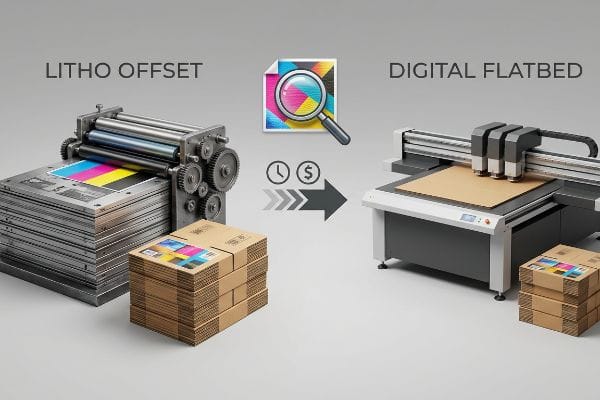
ক্রেতারা যখন উৎকৃষ্ট মানের জন্য চাপ দেন, তখন তারা প্রায়শই এর পেছনের লজিস্টিকসকে উপেক্ষা করে ধরে নেন যে, খুচরা বাজারে গ্রহণযোগ্যতা পাওয়ার জন্য প্রচলিত অফসেট প্রক্রিয়াই একমাত্র বৈধ পথ।.
প্লেটিং খরচ বনাম উচ্চ-নির্ভরযোগ্য আউটপুট ম্যাট্রিক্স
যখন আমি ক্লায়েন্টের ডাইলাইন অডিট করি, তখন আমি ক্রমাগত দেখি যে প্রকিউরমেন্ট মডেলগুলো টিমগুলোকে ব্যাচ সাইজ নির্বিশেষে প্রতিটি প্রচারমূলক রোলআউটের জন্য অফসেট লিথোগ্রাফি নির্দিষ্ট করতে চালিত করে। এটি একটি সাধারণ ফাঁদ যা এমনকি অভিজ্ঞ ক্রেতাদেরও কাবু করে ফেলে, যারা মনে করেন যে সত্যিকারের রিটেইল-রেডি কনট্রাস্ট অর্জনের একমাত্র উপায় হলো প্রচলিত বাণিজ্যিক প্রক্রিয়া। তারা যা বুঝতে ব্যর্থ হন তা হলো, ঐতিহ্যবাহী লিথো পদ্ধতিতে প্রতিটি CMYK1 (সায়ান, ম্যাজেন্টা, ইয়েলো, ব্ল্যাক) কালার লেয়ারের জন্য ভৌত ধাতব প্লেট তৈরি করতে হয়, যা শুরুতেই বিশাল সেটআপ ফি চাপিয়ে দেয় এবং একটিও বাক্স কাটার আগেই লিড টাইম মারাত্মকভাবে বাড়িয়ে দেয়।
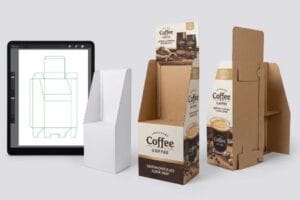
আমার প্রতিষ্ঠানে আমি নিয়মিত দেখি যে ব্র্যান্ডগুলো একটি পুরোনো লিথো-ল্যামিনেশন পাইপলাইনের মাধ্যমে দ্রুত ২০০ ইউনিটের একটি ট্রায়াল সম্পন্ন করার জন্য জোর করে। ফ্ল্যাট ভেক্টর ক্যাড (কম্পিউটার-এইডেড ডিজাইন) দেখতে নিখুঁত মনে হলেও, কারখানায় প্রাথমিক প্রি-প্রোডাকশন পরীক্ষার সময় আমাদের ৬-কালার হাইডেলবার্গ অফসেট প্রেসে শুধুমাত্র প্লেট রেজিস্ট্রেশনের জন্যই সেটআপের সময় পুরো চার দিন লেগে যায়। একটি কঠোর টুলিং প্রোটোকল প্রয়োগ করে, আমি তাদের স্বল্প-পরিমাণের ক্যাম্পেইনগুলোকে আমাদের কংসবার্গ সিএনসি (কম্পিউটার নিউমেরিক্যাল কন্ট্রোল) কাটিং টেবিল এবং হাই-স্পিড ইউভি ডিজিটাল ফ্ল্যাটবেডের সাথে যুক্ত করে স্থানান্তর করেছি। এটি মেটাল প্লেটের বাধা সম্পূর্ণরূপে দূর করে, যার ফলে প্রিন্টিং তাৎক্ষণিকভাবে শুরু করা সম্ভব হয়। এই অতিরিক্ত জটিল সেটআপ পর্যায়গুলো বাদ দিয়ে, আমি নিশ্চিত করি যে কো-প্যাকিং অ্যাসেম্বলির সময় কয়েক ঘণ্টা কমে আসে, যা ক্লায়েন্টদের অপ্রয়োজনীয় টুলিং ফি বাবদ হাজার হাজার টাকা বাঁচায় এবং একই সাথে ৩২ইসিটি (এজ ক্রাশ টেস্ট) ঢেউখেলানো ডিসপ্লেগুলো সম্পূর্ণ ফ্ল্যাট অবস্থায় পাঠানো নিশ্চিত করে । যেহেতু ঢেউখেলানো কার্ডবোর্ড ভাঁজ করা অবস্থায় পাঠানো হয়, তাই এক কন্টেইনার ভাঁজ করা কার্ডবোর্ড ৪টি আগে থেকে জোড়া লাগানো শক্ত ডিসপ্লের কন্টেইনারের কাজ করে³ , যা আপনার ক্যাম্পেইনের মোট ROI-এর জন্য একটি বিশাল মালবাহী খরচ গুণক হিসেবে কাজ করে।
| মেট্রিক ফোকাস | উত্তরাধিকার অনুমান | প্রকৌশলগত বাস্তবতা |
|---|---|---|
| সেটআপের গতি | ৪-৫ দিন (প্লেটিং)4 | তাৎক্ষণিক ফাইল স্থানান্তর |
| মূলধনী ব্যয় | ভারী প্রাথমিক সরঞ্জাম | টুলিং ফি শূন্য |
| সর্বোত্তম আয়তন | ২০০০+ ইউনিট5 | ১০০ থেকে ১,০০০ ইউনিট6 |
যখন একটি দ্রুত-সম্পাদনযোগ্য ক্যাম্পেইনের জন্য ক্ষিপ্রতা প্রয়োজন, তখন আমি ব্র্যান্ডগুলোকে মেটাল প্লেটের পেছনে তাদের মার্কেটিং বাজেট অপচয় করতে দিই না। রান সাইজের সাথে মেশিন পাইপলাইনকে নিখুঁতভাবে মেলানোর মাধ্যমেই আমি আপনার সময়সীমা রক্ষা করি এবং আপনার লাভের মার্জিন সুরক্ষিত করি।.
🛠️ হার্ভির ডেস্ক: কালি শুকানোর আগেই কি আপনার অতিরিক্ত সেটআপ ফি স্বল্পমেয়াদী প্রচারমূলক বিজ্ঞাপনের ROI-কে মারাত্মকভাবে ক্ষতিগ্রস্ত করছে? 👉 একটি ফ্রি প্রিন্ট মেথডোলজি অডিট করান ↗ — আমি ২৪ ঘণ্টার মধ্যে প্রতিটি স্ট্রাকচারাল ফাইল ব্যক্তিগতভাবে পর্যালোচনা করি।
লিথোগ্রাফির অসুবিধাগুলো কী কী?
ঐতিহ্যবাহী অফসেট উৎপাদন পদ্ধতির সবচেয়ে বড় হুমকি দুর্বল রঙ মেলানো নয়। বরং এটি হলো বোর্ডের অভ্যন্তরে ঘটে চলা এক অদৃশ্য, অত্যন্ত ধ্বংসাত্মক রাসায়নিক বিক্রিয়া।.
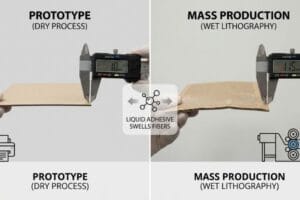
লিথোগ্রাফির অসুবিধাগুলোর মধ্যে রয়েছে আর্দ্রতার কারণে কাঠামোগত মারাত্মক বিকৃতি, দীর্ঘ শুকানোর সময় এবং উচ্চ প্রাথমিক সরঞ্জাম খরচ। ল্যামিনেশনের সময় প্রয়োজনীয় জল-ভিত্তিক আঠা ছিদ্রযুক্ত ঢেউখেলানো কাগজের স্তরে শোষিত হয়ে প্রচণ্ড পৃষ্ঠটান সৃষ্টি করে, যার ফলে কারখানার সাধারণ বাতাসে শুকানোর সময় সমতল প্যানেলগুলো তীব্রভাবে ভেতরের দিকে বেঁকে যায়।.
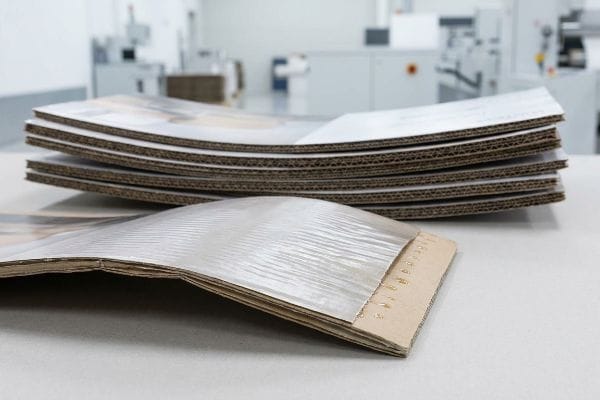
ক্রেতারা মনে করেন যে একটি রিজিড বোর্ডের উপর উন্নত মানের প্রিন্ট করা টপ-শিট লাগালে একটি স্থায়ীভাবে সমতল প্যানেল তৈরি হয়, কিন্তু পদার্থবিদ্যা ভিন্ন কথা বলে।.
পিভিএ আর্দ্রতা বিকৃতি
যখন আমি আগত প্যাকেজিং স্পেসিফিকেশনগুলো পর্যালোচনা করি, তখন আমি ক্রমাগত দেখি ডিজাইনাররা লিথো-ল্যামিনেশনকে একটি শুষ্ক, ঘর্ষণহীন নান্দনিক উন্নতি হিসেবে বিবেচনা করছেন। তারা এমন সমতল ভেক্টর ডাইলাইন জমা দেন যা করোগেটেড ক্যালিপার এবং একটি পুরু বি-ফ্লুট বোর্ডের সাথে টপ-শিটকে সংযুক্ত করার জন্য প্রয়োজনীয় বিপুল পরিমাণ তরল আঠাকে পুরোপুরি উপেক্ষা করে। তারা এই রাসায়নিক বাস্তবতাটিকে সম্পূর্ণ অগ্রাহ্য করেন যে এই ভেজা আঠাকে অবশেষে শুকিয়ে, সংকুচিত হয়ে, এবং খুচরা কাঠামোর পুরো পৃষ্ঠ জুড়ে টানার বল প্রয়োগ করতে হবে।
আমার কারখানায়, আমি নিয়মিতই দেখি তাত্ত্বিক নকশা যখন কাগজের কাঁচা রসায়নের সংস্পর্শে আসে তখন কী ঘটে। আমরা ল্যামিনেশনের জন্য জল-ভিত্তিক পিভিএ (পলিভিনাইল অ্যাসিটেট) আঠা ব্যবহার করি। যখন আমি একটি অনিয়ন্ত্রিত ৬০-ইঞ্চি (১৫২.৪ সেমি) সাইড প্যানেলের আর্দ্রতা শোষণ পরিমাপ করি, তখন শুকিয়ে যাওয়া পিভিএ প্রচণ্ড পৃষ্ঠটান তৈরি করে , যার ফলে পুরো ডিসপ্লে ওয়ালটি আলুর চিপসের মতো ভেতরের দিকে বেঁকে যায় এবং ইন্টারলকিং স্লটের টলারেন্স ০.১৪ ইঞ্চি (৩.৫ মিমি) পর্যন্ত বিচ্যুত হয় । কারখানায় আমার বিশ বছরের অভিজ্ঞতা আমাকে একটি কঠোর কিওর ওয়েট প্রোটোকল ডিজাইন করতে শিখিয়েছে। ভেজা বোর্ডগুলোকে ২৪ ঘণ্টার জন্য নির্দিষ্ট ডেড-ওয়েট প্রেসার প্লেটের নিচে স্তূপ করে রেখে এবং একটি ব্যাক-লাইনারসহ ভারসাম্যপূর্ণ ডুপ্লেক্স বোর্ড কাঠামো নির্দিষ্ট করে, আমি পৃষ্ঠটানকে সম্পূর্ণরূপে নিষ্ক্রিয় করি। এই ফ্ল্যাট-কিওর ভৌত রসায়ন প্রয়োগ করে, আমি নিশ্চিত করি যে চূড়ান্ত মার্চেন্ডাইজারটি খুচরা বিক্রির ফ্লোরে পুরোপুরি সোজা হয়ে দাঁড়াবে , যা অ্যাসেম্বলির ঘর্ষণ কমায় এবং বাঁকা বা বিকৃত দেয়ালের কারণে চালান বাতিল হওয়ার ঝুঁকি সম্পূর্ণরূপে দূর করে।
| কাঠামোগত মেট্রিক | জেনেরিক ল্যামিনেশন | ইঞ্জিনিয়ারড কিউর প্রোটোকল |
|---|---|---|
| প্যানেলের সমতলতা | তীব্র অন্তর্মুখী নমন10 | নিখুঁতভাবে উল্লম্ব সহনশীলতা |
| আঠার রসায়ন | অনিয়ন্ত্রিত বাষ্পীভবন | চাপ-নিরাময়কৃত পিভিএ11 |
| সমাবেশ ঘর্ষণ | সেটআপের সময় ট্যাবগুলো ছিঁড়ে যায় | ঘর্ষণহীন কো-প্যাকিং |
ভেজা ঢেউখেলানো বোর্ড স্বাভাবিকভাবে শুকাতে দিলে তা কাঠামোগত ব্যর্থতার একটি নিশ্চিত কারণ। আমি প্রতিটি ল্যামিনেটেড প্যানেলকে একটি চাপযুক্ত কিউরিং চক্রের মধ্যে দিয়ে নিয়ে যাই, কারণ একটি বাঁকা ডিসপ্লে কোনোভাবেই খুচরা বিক্রির গতিশীল ওজন ধরে রাখতে পারে না।.
🛠️ হার্ভির ডেস্ক: বাস্তব জগতের আর্দ্রতার ওঠানামায় আপনার বর্তমান সাইডকিক ডিসপ্লেটি কি বেঁকে যাওয়া বা ভেঙে যাওয়ার ঝুঁকিতে আছে? 👉 একটি ফ্ল্যাটনেস স্ট্রেস টেস্টের জন্য অনুরোধ করুন ↗ — ১০০% গোপনীয়। আপনার অপ্রকাশিত রিটেইল ডিজাইনগুলো আমার কাছে সুরক্ষিত।
প্রিন্ট নাকি লিথোগ্রাফ, কোনটা বেশি ভালো?
সাধারণ ডাইরেক্ট প্রিন্টের সাথে ল্যামিনেটেড লিথোগ্রাফের তুলনা করতে হলে স্বয়ংক্রিয় ডাই-কাটিংয়ের যান্ত্রিক সহনশীলতা বোঝা প্রয়োজন। এটি কেবল চাক্ষুষ পছন্দের বিষয় নয়।.
প্রিন্ট বা লিথোগ্রাফের বিতর্কটি মূলত মাধ্যম বা সাবস্ট্রেটের উপর কালির ভৌত প্রয়োগকে কেন্দ্র করে হয়ে থাকে। একটি লিথোগ্রাফ ল্যামিনেটেড টপ-শিটের মাধ্যমে উন্নততর দৃশ্যমান গভীরতা প্রদান করে, যার জন্য প্রশস্ততর মেকানিক্যাল ব্লিড মার্জিনের প্রয়োজন হয়। একটি ডাইরেক্ট প্রিন্ট আরও নিখুঁত রেজিস্ট্রেশন টলারেন্স প্রদান করে, কিন্তু উচ্চমানের খুচরা বিক্রয়ের জন্য প্রায়শই প্রিমিয়াম, ফটোরিয়ালিস্টিক গ্লস ফিনিশকে বিসর্জন দিতে হয়।.
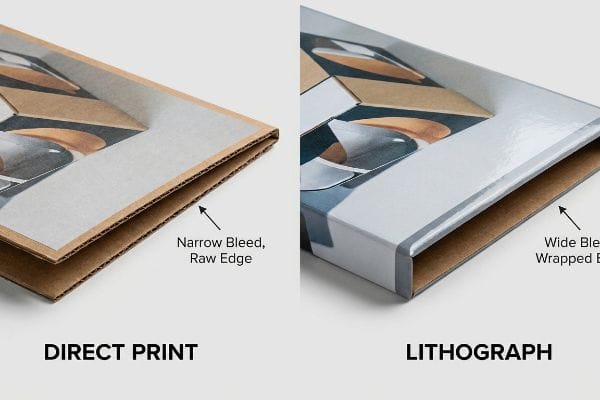
ডিজিটাল স্ক্রিন থেকে বাস্তব ভাঁজ করা কার্টনে উচ্চ-গতির উৎপাদন যন্ত্রপাতির অভ্যন্তরে ঘটে যাওয়া লুকানো যান্ত্রিক পরিবর্তনগুলো উন্মোচিত হয়।
স্তরায়ন স্থানান্তরের পেছনের প্রকৌশলগত কৌশল
সাধারণ প্রিন্টিং এবং লিথোগ্রাফির মধ্যে ভৌত পার্থক্য বোঝার জন্য, আমাদের অবশ্যই ভৌত মাউন্টিং প্রক্রিয়াটি বস্তুনিষ্ঠভাবে পরীক্ষা করতে হবে। প্রচলিত ডাইরেক্ট প্রিন্টিং-এ সরাসরি একটি সাবস্ট্রেটের উপর কালি প্রয়োগ করা হয়, যার অর্থ গ্রাফিকটি বোর্ডের কাঠামোগত স্থানাঙ্কে স্থায়ীভাবে আবদ্ধ থাকে। তবে, লিথোগ্রাফিতে গ্রাফিকটি একটি পৃথক, পাতলা টপ-শিট ১২- এর উপর প্রিন্ট করা হয়, যা পরবর্তী একটি উৎপাদন পর্যায়ে পুরু, খাঁজকাটা ঢেউখেলানো কোর ১৩- এর সাথে যান্ত্রিকভাবে আঠা দিয়ে লাগাতে হয় ।
যেহেতু লিথোগ্রাফি এই দুটি পৃথক উপাদানকে উচ্চ গতিতে সারিবদ্ধ করতে এবং একসাথে চাপ দিতে স্বয়ংক্রিয় মেশিনের উপর নির্ভর করে, তাই একটি স্বাভাবিক যান্ত্রিক তারতম্য ঘটে। উপরের শীটটি ঢেউখেলানো পেছনের অংশের সাথে সংযুক্ত হওয়ার সময় শারীরিকভাবে সামান্য সরে যায়। এই নড়াচড়ার ক্ষতিপূরণ দিতে, প্যাকেজিং ইঞ্জিনিয়াররা গাণিতিকভাবে আর্টওয়ার্কের ব্লিড মার্জিন বাড়িয়ে দেন—প্রায়শই এটিকে শারীরিক কাটার রেখার বাইরে একটি কঠোর ০.৫-ইঞ্চি (১২.৭ মিমি) সুরক্ষা জালপর্যন্ত । এই পরিকল্পিত ব্লিড নিশ্চিত করে যে যখন স্টিলের রুল ডাই অবশেষে আকৃতিটি ছাপিয়ে দেয়, তখন মুদ্রিত গ্রাফিকটি প্রতিটি উন্মুক্ত প্রান্তকে সম্পূর্ণরূপে আবৃত করে। প্রিপ্রেস আরআইপি (রাস্টার ইমেজ প্রসেসর) সফটওয়্যারে এই যান্ত্রিক ল্যামিনেশন সরণ গণনা না করলে, চূড়ান্ত ভাঁজ করা ডিসপ্লেতে কাঁচা বাদামী কার্ডবোর্ডের প্রান্ত, যা উচ্চমানের মার্কিন খুচরা দোকানের জন্য প্রয়োজনীয় প্রিমিয়াম নান্দনিকতাকে নষ্ট করে দিত।
| প্রক্রিয়া মেকানিক | সরাসরি প্রয়োগ | ল্যামিনেটেড লিথোগ্রাফ |
|---|---|---|
| রক্তক্ষরণ সহনশীলতা | ০.১২৫ ইঞ্চি (৩.১ মিমি) | ০.৫ ইঞ্চি (১২.৭ মিমি) |
| সাবস্ট্রেট বন্ডিং | এক-ধাপ নিরাময় | বহু-ধাপ আনুগত্য |
| প্রান্তের চেহারা | কাঁচা বাঁশি দৃশ্যমান | সম্পূর্ণরূপে মোড়ানো গ্রাফিক্স |
আমি আমার ইঞ্জিনিয়ারিং দলগুলোকে শেখাই যে, প্যাকেজিং-এ নির্ভুলতা মানে মেশিনের ত্রুটি দূর করা নয়; বরং স্টিলের ব্লেডগুলো বোর্ডে আঘাত করার আগেই গাণিতিকভাবে সেই ত্রুটির পরিকল্পনা করা।.
🛠️ হার্ভিস ডেস্ক: আপনার ডাই-কাট করা প্রান্তগুলো থেকে কি কাঁচা বাদামী কার্ডবোর্ড বেরিয়ে এসে শেলফে আপনার ব্র্যান্ডের প্রিমিয়াম সৌন্দর্য নষ্ট করছে? 👉 একটি ফ্রি প্রিপ্রেস ব্লিড অডিট দাবি করুন ↗ — মাঝখানে কোনো অ্যাকাউন্ট ম্যানেজার নেই। আপনি সরাসরি স্ট্রাকচারাল ইঞ্জিনিয়ারদের সাথে কথা বলবেন।
ডিজিটাল প্রিন্টিংয়ের অসুবিধাগুলো কী কী?
যদিও সরাসরি ডিজিটাল কর্মপ্রক্রিয়া ধাতব প্লেটের ব্যবহার দূর করে এবং বাজারে পণ্য আনার গতি বাড়ায়, কিন্তু যখন ব্র্যান্ডগুলো বিভিন্ন মিশ্র মাধ্যমে নিখুঁত কর্পোরেট রঙের সামঞ্জস্য চায়, তখন এগুলো গুরুতর সীমাবদ্ধতা তৈরি করে।.
ডিজিটাল প্রিন্টিংয়ের অসুবিধাগুলোর মধ্যে রয়েছে প্রকৃত প্যানটোন স্পট কালার ফ্লাড করতে না পারা; এর পরিবর্তে এটি CMYK অপটিক্যাল ব্লেন্ডিংয়ের ওপর নির্ভর করে, যা সিল না করা ঢেউখেলানো বোর্ডে ঘোলাটে দেখাতে পারে। এছাড়াও, উচ্চ-ভলিউম অফসেট প্রেসের তুলনায় ডিজিটাল ফ্ল্যাটবেডের প্রতি ইউনিটের উৎপাদন গতি উল্লেখযোগ্যভাবে কম, যা ব্যাপক খুচরা বিপণনের জন্য এটিকে আর্থিকভাবে অকার্যকর করে তোলে।.
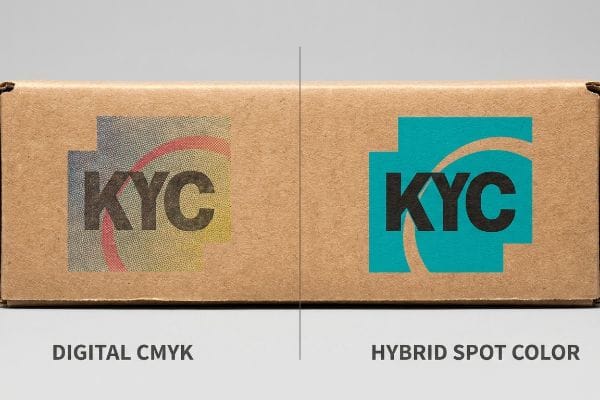
প্যাকেজিং উপকরণের উপর কঠোরভাবে সুরক্ষিত কর্পোরেট ব্র্যান্ডের রঙ হুবহু ফুটিয়ে তোলার জন্য ডিজিটাল প্রিন্টারের উপর নির্ভর করলে প্রায়শই তার ফল হয় দৃশ্যগত বিপর্যয়।.
CMYK হাফটোন মাড ট্র্যাপ
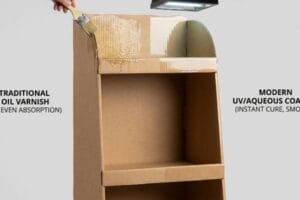
যখন আমি ক্লায়েন্টের ডাইলাইন অডিট করি, তখন আমি ক্রমাগত দেখি যে মার্কেটিং টিমগুলো সম্পূর্ণভাবে স্ট্যান্ডার্ড প্রসেস ফরম্যাটে তৈরি ডিজিটাল আর্টওয়ার্ক জমা দেয়, এই ভেবে যে একটি ডাইরেক্ট ডিজিটাল প্রিন্টার তাদের ব্যাকলিট কম্পিউটার স্ক্রিনের সাথে নির্বিঘ্নে মিলে যাবে। তারা অন্ধভাবে এই ফাইলটিকে গণ-উৎপাদনে ঠেলে দেয়, এটা সম্পূর্ণ উপেক্ষা করে যে একটি অত্যন্ত ছিদ্রযুক্ত টেস্টলাইনারে 15 আঘাত করার সময় ক্ষুদ্র, ওভারল্যাপিং ডিজিটাল কালির ফোঁটাগুলো ভৌতভাবে কীভাবে আচরণ করে । তারা ধরে নেয় যে ডিজিটাল প্রিন্টহেড একটি সিল করা টপ-কোট 16 ছাড়াই কাঁচা কাগজের পদার্থবিদ্যাকে জয় করতে পারে ।
আমার প্রতিষ্ঠানে, আমি নিয়মিতভাবে বিশাল ব্র্যান্ড লোগোর জন্য শুধুমাত্র ডিজিটাল প্রসেস কালারের উপর নির্ভর করার পরিণাম দেখতে পাই। যখন আমি ডিজিটাল ফ্ল্যাটবেড থেকে প্রাথমিক স্ট্রাইক-অফগুলো বের করে আনি এবং কঠোর D50 রিটেইল লাইটিং-এর নিচে পিগমেন্টগুলো পরিমাপ করি, তখন দেখা যায় CMYK হাফটোন ডটগুলো ফাইবারের মধ্যে অসমভাবে শোষিত হয়ে গেছে 17 , যার ফলে একটি দানাদার, বিবর্ণ লোগো তৈরি হয় এবং এতে একটি বিশাল ডেল্টা-ই কালার শিফট 18 দেখা দেয় । ক্লায়েন্টের প্রকিউরমেন্ট টিম প্রায়শই সেটআপ ফি-তে কিছু পয়সা বাঁচানোর জন্য এই ঘোলাটে রঙটি মেনে নিতে চেষ্টা করে। আমি স্পেকট্রোফটোমিটারের রিডিংগুলো বের করে প্রমাণ করেছিলাম যে আমাদের আপোসকৃত ব্র্যান্ডিং মেনে নেওয়ার কোনো প্রয়োজন নেই; আমি ফাইলটি হাতে নিয়ে, প্রাথমিক লোগো লেয়ারটি আলাদা করে, এবং ডিজিটাল বেসের উপর একটি সুনির্দিষ্ট, সিঙ্গেল-মিক্স পিএমএস (প্যান্টোন ম্যাচিং সিস্টেম) স্পট কালার ইঙ্ক প্রয়োগ করার জন্য এটিকে একটি হাইব্রিড প্রেসে পাঠিয়েছিলাম। প্রকিউরমেন্ট টিম আমাকে প্রিপ্রেস প্রোফাইলটি সামঞ্জস্য করার অনুমতি দেওয়ার পর, এই স্পট কালার ইনজেকশনটি হাফটোনের দানাদার ভাবটি সম্পূর্ণরূপে দূর করে দেয়। এই হাইব্রিড কালার ম্যানেজমেন্ট প্রয়োগের মাধ্যমে আমি নিশ্চিত করি যে ডিসপ্লেটি ২০ ফুট (৬.১ মিটার) দূর থেকেও উচ্চ-কনট্রাস্ট দৃশ্যমানতা বজায় রাখে, যা দোকানের করিডোরে ক্রেতাদের তাৎক্ষণিক আকর্ষণ বাড়ায় এবং একই সাথে ব্র্যান্ডের মান লঙ্ঘনের জন্য খুচরা বিক্রেতাদের দ্বারা পণ্য সরাসরি প্রত্যাখ্যান হওয়া প্রতিরোধ করে।
| রঙের মেকানিক | বিশুদ্ধ ডিজিটাল CMYK | হাইব্রিড স্পট প্রোটোকল |
|---|---|---|
| পিগমেন্ট ডেলিভারি | ওভারল্যাপিং কালির ফোঁটা19 | প্রি-মিক্সড সলিড ফ্লাড20 |
| প্রান্তের বৈসাদৃশ্য | দানাদার ও বিবর্ণ | অত্যন্ত স্পষ্ট দৃশ্যমানতা |
| খুচরা দৃশ্যমানতা | পটভূমির সাথে মিশে যায় | ২০-ফুট ব্যাঘাত21 |
আমি কখনোই একটি অসংযোজিত ডিজিটাল CMYK মিক্সকে মূল ব্র্যান্ড লোগো নষ্ট করতে দিই না। একটি বড় দোকানের দৃশ্যগত বিশৃঙ্খলার মাঝেও আপনার ডিসপ্লে যাতে টিকে থাকে, তা নিশ্চিত করার একমাত্র উপায় হলো পিগমেন্টের একটি জোরালো ও ঘন প্রলেপ দেওয়া।.
🛠️ হার্ভিস ডেস্ক: সরাসরি ঢেউখেলানো ফ্ল্যাট-প্যাকে প্রিন্ট করার পর আপনার কর্পোরেট লোগোটি কি ঘোলাটে, দানাদার বা রঙ পাল্টে যাওয়া দেখাচ্ছে? 👉 একটি ডেল্টা-ই কালার স্ট্র্যাটেজি রিভিউ-এর জন্য অনুরোধ করুন ↗ — আমি ২৪ ঘণ্টার মধ্যে প্রতিটি স্ট্রাকচারাল ফাইল ব্যক্তিগতভাবে পর্যালোচনা করি।
উপসংহার
সাধারণ প্রিন্টিং ধারণার উপর নির্ভর করলে অনিবার্যভাবে মারাত্মক রাসায়নিক বিকৃতি, CMYK হাফটোন অস্পষ্টতা এবং ব্যাপক এজ-ব্লিড ব্যর্থতা দেখা দেবে, যা আপনার রিটেইল স্ট্রাকচারাল ইন্টিগ্রিটিকে ভেঙে চুরমার করে দেবে। শুধুমাত্র গত মাসেই, আমার স্ট্রাকচারাল অডিট ৩টি ব্র্যান্ডকে ১০,০০০ ডলারেরও বেশি মূল্যের বাতিল ইনভেন্টরি এবং রিটেইলার চার্জব্যাক এড়াতে সাহায্য করেছে। দোকানের কঠোর পরিস্থিতিতে আপনার ডিসপ্লেগুলো যাতে বেঁকে না যায়, তা নিশ্চিত করতে আমাকে ব্যক্তিগতভাবে আপনার স্ট্রাকচারাল ফাইলগুলো একটি ব্যাপক করোগেটেড ল্যামিনেশন ও প্রিপ্রেস অডিটের মধ্য দিয়ে চালাতে দিন ↗, যা মসৃণ অ্যাসেম্বলি এবং চূড়ান্ত ভিজ্যুয়াল ডিসরাপশন নিশ্চিত করবে।
"মুদ্রণ প্রক্রিয়া: অফসেট প্রিন্টিং – ওয়ালসওয়ার্থ", https://www.walsworth.com/blog/the-printing-process-offset-printing। [বাণিজ্যিক মুদ্রণ প্রক্রিয়ার উপর একটি প্রযুক্তিগত ম্যানুয়াল নিশ্চিত করবে যে অফসেট লিথোগ্রাফিতে CMYK প্রক্রিয়ায় ব্যবহৃত প্রতিটি রঙের স্তরের জন্য আলাদা ভৌত প্লেটের প্রয়োজন হয়]। প্রমাণের ভূমিকা: প্রযুক্তিগত বিবরণ; উৎসের ধরণ: শিল্প ম্যানুয়াল। সমর্থন করে: লিথোগ্রাফিক সেটআপের সাথে সম্পর্কিত উপরি খরচ এবং লিড টাইম। পরিধি নোট: স্ট্যান্ডার্ড অফসেট লিথোগ্রাফির ক্ষেত্রে প্রযোজ্য, ডিজিটাল প্রিন্টিংয়ের ক্ষেত্রে নয়]। ↩
"[পিডিএফ] করোগেটেড বোর্ড স্পেসিফিকেশন – ফাইবার বক্স অ্যাসোসিয়েশন", https://www.fibrebox.org/assets/2025/09/Walmart_Corrugated-Board_Specifications_Automation_Packaging_Standards.pdf। [এজ ক্রাশ টেস্ট (ECT)-এর জন্য শিল্প মানগুলি ৩২ ECT করোগেটেড উপাদানের স্ট্যাকিং শক্তি এবং ভারবহন ক্ষমতা নির্ধারণ করে]। প্রমাণের ভূমিকা: প্রযুক্তিগত স্পেসিফিকেশন; উৎসের ধরণ: উপাদান প্রকৌশল মান। সমর্থন: কাঠামোগত অখণ্ডতা। পরিধি নোট: ECT মানগুলি বোর্ডের ফ্লুট এবং গঠনের জন্য নির্দিষ্ট। ↩
"ফ্ল্যাট প্যাক বনাম অ্যাসেম্বলড কার্ডবোর্ড ডিসপ্লে: খরচ, শিপিং ও সেটআপ", https://leader-display.com/flat-pack-vs-assembled-cardboard-display/। [রিটেইল প্যাকেজিংয়ের জন্য লজিস্টিকস বেঞ্চমার্কগুলো রিজিড থেকে কোলাপসিবল করোগেটেড ডিসপ্লেতে স্থানান্তরের ফলে শিপিংয়ের পরিমাণে কী পরিমাণ হ্রাস পায়, তা পরিমাপ করে]। প্রমাণের ভূমিকা: পরিমাণগত যাচাইকরণ; উৎসের ধরণ: লজিস্টিকস শিল্প প্রতিবেদন। সমর্থন করে: ফ্রেট মাল্টিপ্লায়ার এবং ROI। পরিধি নোট: পণ্যের জ্যামিতি অনুসারে প্রকৃত অনুপাত পরিবর্তিত হয়। ↩
"অফসেট প্রিন্টিং – উইকিপিডিয়া", https://en.wikipedia.org/wiki/Offset_printing। [বাণিজ্যিক মুদ্রণের উপর শিল্প-মান নির্দেশিকাগুলো প্লেট তৈরি, কিউরিং এবং প্রেস ক্যালিব্রেশনের জন্য প্রয়োজনীয় সাধারণ সময় যাচাই করবে]। প্রমাণের ভূমিকা: তথ্যগত যাচাই; উৎসের ধরণ: প্রযুক্তিগত ম্যানুয়াল। সমর্থন করে: প্রচলিত লিথোগ্রাফির সেটআপ গতি। পরিধি সংক্রান্ত টীকা: সময়সীমা প্রতিষ্ঠানের সক্ষমতা অনুযায়ী পরিবর্তিত হয়। ↩
"অফসেট বনাম ডিজিটাল প্রিন্টিং: আকার, রঙ ও খরচের তুলনা", https://theprintauthority.com/printing/offset_vs_digital_printing/। [প্রিন্টিং খরচ বিশ্লেষণ বিষয়ক গবেষণাপত্রগুলিতে সাধারণত সেই উৎপাদন সীমা নির্ধারণ করা হয়, যেখানে অফসেট লিথোগ্রাফির উচ্চ সেটআপ খরচ কম ইউনিট-প্রতি খরচের দ্বারা পুষিয়ে যায়]। প্রমাণের ভূমিকা: অর্থনৈতিক মানদণ্ড; উৎসের ধরণ: শিল্প খাতের শ্বেতপত্র। সমর্থন করে: লিথোগ্রাফির জন্য সর্বোত্তম পরিমাণ। পরিধি সংক্রান্ত টীকা: সীমাটি কাজের জটিলতার উপর নির্ভর করে। ↩
"প্রিন্ট রান সম্পর্কে যা জানা প্রয়োজন: স্বল্প-পরিমাণ বনাম বৃহৎ-পরিমাণ প্রিন্টিং", https://www.ambrosetheprinter.com/blog/what-to-know-about-print-runs-short-run-vs-large-volume-printing। [ডিজিটাল প্রেসের প্রযুক্তিগত স্পেসিফিকেশনগুলো স্বল্প-পরিমাণ উৎপাদনের জন্য কার্যকারিতার সেই পরিসরটির রূপরেখা দেয়, যেখানে টুলিং খরচ অনুপস্থিত থাকে]। প্রমাণের ভূমিকা: প্রযুক্তিগত স্পেসিফিকেশন; উৎসের ধরণ: যন্ত্রপাতির ম্যানুয়াল। সমর্থন করে: ডিজিটাল প্রিন্টিংয়ের জন্য সর্বোত্তম পরিমাণ। পরিধি সংক্রান্ত টীকা: প্রেস প্রযুক্তি অনুযায়ী পরিবর্তিত হয়। ↩
"ল্যামিনেশন প্রক্রিয়ায় আর্দ্রতার প্রভাব – এআইসিসি নাউ", https://now.aiccbox.org/effects-of-moisture-in-the-lamination-process/। [আঠার রসায়ন বা প্যাকেজিং ইঞ্জিনিয়ারিং-এর উপর একটি প্রযুক্তিগত উৎস ব্যাখ্যা করবে যে কীভাবে জল-ভিত্তিক আঠা বাষ্পীভবনের সময় সংকুচিত হয়, যা সাবস্ট্রেটের উপর টানজনিত পীড়ন সৃষ্টি করে]। প্রমাণের ভূমিকা: প্রযুক্তিগত প্রক্রিয়া; উৎসের ধরণ: ইঞ্জিনিয়ারিং ম্যানুয়াল। সমর্থন করে: আর্দ্রতাজনিত বিকৃতির ভৌত কারণ। পরিধিগত টীকা: বিশেষভাবে লিথো-ল্যামিনেশনে ব্যবহৃত জল-ভিত্তিক আঠাকে নির্দেশ করে। ↩
"[পিডিএফ] ঢেউখেলানো বোর্ডের মোচড়–কারণ ও প্রতিকার – TAPPI.org", https://imisrise.tappi.org/download.aspx?key=92APR097। [বস্তুবিজ্ঞানের কোনো রেফারেন্সে বিশদভাবে বর্ণনা করা থাকবে যে কীভাবে পিভিএ আঠা থেকে জলের বাষ্পীভবন ছিদ্রযুক্ত সেলুলোজ সাবস্ট্রেটে অসম সংকোচন এবং পৃষ্ঠটান তৈরি করে, যা বক্রতার দিকে পরিচালিত করে]। প্রমাণের ভূমিকা: প্রযুক্তিগত যাচাইকরণ; উৎসের ধরণ: বস্তুবিজ্ঞানের পাঠ্যপুস্তক। সমর্থন করে: সাবস্ট্রেটের বেঁকে যাওয়ার ভৌত কারণ। পরিধির টীকা: জল-ভিত্তিক আঠার জন্য নির্দিষ্ট। ↩
"কোরুগেটেড বক্সের ডাইমেনশন টলারেন্সের সম্পূর্ণ নির্দেশিকা – ইউপ্যাক", https://www.upack.in/blog/post/complete-guide-on-corrugated-box-dimension-tolerance?srsltid=AfmBOoq_LWSDMt97Zeg0w9zQc4SG6M0I63L11lt0rcVdpk7ttW4LgaNE। [প্যাকেজিং ইঞ্জিনিয়ারিং স্ট্যান্ডার্ডগুলো আর্দ্রতাজনিত কারণে বেঁকে যাওয়া বড় আকারের কোরুগেটেড বোর্ডের জন্য সাধারণ ডাইমেনশনাল ডেভিয়েশন মেট্রিক্স প্রদান করে থাকে]। প্রমাণের ভূমিকা: পরিমাণগত বেঞ্চমার্ক; উৎসের ধরণ: ইন্ডাস্ট্রি স্ট্যান্ডার্ড। সাপোর্টস: কাঠামোগত টলারেন্স হ্রাসের মাত্রা। পরিধি নোট: সাবস্ট্রেট গ্রেড এবং প্যানেলের আকারের উপর নির্ভর করে পরিবর্তিত হয়। ↩
"উন্নয়নে অ্যাডিটিভ ম্যানুফ্যাকচারিং কৌশলের ব্যবহার...", https://pmc.ncbi.nlm.nih.gov/articles/PMC11054453/। [আঠার রসায়নের উপর একটি প্রামাণ্য উৎস ব্যাখ্যা করে যে কীভাবে সাধারণ PVA ল্যামিনেশনের সময় অসম আর্দ্রতা হ্রাস অভ্যন্তরীণ চাপ সৃষ্টি করে, যা কাঠামোগত বাঁকের দিকে পরিচালিত করে]। প্রমাণের ভূমিকা: কার্যকারণ ব্যাখ্যা; উৎসের ধরণ: প্রযুক্তিগত ম্যানুয়াল। সমর্থন: প্যানেলের সমতলতার উপর সাধারণ ল্যামিনেশনের প্রভাব। পরিধি নোট: বিশেষভাবে অফসেট বোর্ডে PVA-ভিত্তিক আঠার ক্ষেত্রে প্রযোজ্য। ↩
"PVA/PEGDA-এর তাপীয় স্থিতিশীলতা এবং বিয়োজন প্রক্রিয়া …", https://pmc.ncbi.nlm.nih.gov/articles/PMC12566940/। [কিউরিং প্রোটোকলের উপর প্রযুক্তিগত ডকুমেন্টেশনে দেখানো হয়েছে যে, PVA সেটিং প্রক্রিয়ার সময় নিয়ন্ত্রিত চাপ প্রয়োগ করে কীভাবে বোর্ডের বেঁকে যাওয়া প্রতিরোধ করা হয়]। প্রমাণের ভূমিকা: প্রযুক্তিগত স্পেসিফিকেশন; উৎসের ধরণ: উৎপাদন মান। সমর্থন করে: প্রকৌশলগত কিউর প্রোটোকলের কার্যকারিতা। পরিধি টীকা: শিল্প ল্যামিনেশন প্রক্রিয়ার ক্ষেত্রে প্রযোজ্য। ↩
"প্যাকেজিং প্রিন্টিং-এর জন্য লিথো ল্যামিনেশন বিষয়ক ১০১ নির্দেশিকা", https://gleepackaging.com/litho-lamination-for-packaging-printing/। [প্যাকেজিং উৎপাদন বিষয়ক একটি প্রযুক্তিগত ম্যানুয়ালে লিথোগ্রাফিক ল্যামিনেশনে প্রিন্টিং পর্যায় এবং মাউন্টিং পর্যায়ের পৃথকীকরণের বিস্তারিত বিবরণ থাকে]। প্রমাণের ভূমিকা: প্রক্রিয়া যাচাইকরণ; উৎসের ধরণ: প্রযুক্তিগত ম্যানুয়াল। সমর্থন করে: লিথোগ্রাফের যান্ত্রিক পার্থক্য। পরিধিগত টীকা: বিশেষভাবে লিথো-ল্যাম প্যাকেজিং-কে নির্দেশ করে। ↩
"কোরুগেটেড কার্ডবোর্ডে লিথো মাউন্টিং নিয়ে পর্যালোচনা… – PrintPlanet.com", https://printplanet.com/threads/looking-into-litho-mounting-on-corrugated.19545/। [কোরুগেটেড প্যাকেজিং-এর জন্য শিল্প মানগুলি ফ্লুটিং-এর সাথে মুদ্রিত লাইনার সংযুক্ত করার জন্য প্রয়োজনীয় আঠালো বন্ধন প্রক্রিয়াকে সংজ্ঞায়িত করে]। প্রমাণের ভূমিকা: প্রযুক্তিগত স্পেসিফিকেশন; উৎসের ধরণ: শিল্প মান। সমর্থন করে: লিথোগ্রাফির দ্বিতীয় উৎপাদন পর্যায়। পরিধি টীকা: বন্ধন পদ্ধতির উপর আলোকপাত করে। ↩
"লিথোগ্রাফিক ল্যামিনেশন – প্যাকলেন", https://packlane.com/support/lithographic-lamination?srsltid=AfmBOopYUuMvhgEggrvxfEWXJ-Z-PyqWsqi9CYj2jw0d0WSPknXZsPiP। [একটি শিল্প-মানসম্মত প্যাকেজিং ম্যানুয়াল ল্যামিনেশন প্রক্রিয়ার সময় রেজিস্ট্রেশন শিফট পূরণের জন্য ব্যবহৃত প্রয়োজনীয় ব্লিড মার্জিন নির্দিষ্ট করে]। প্রমাণের ভূমিকা: প্রযুক্তিগত স্পেসিফিকেশন; উৎসের ধরণ: শিল্প হ্যান্ডবুক। সমর্থন করে: লিথোগ্রাফ করা ঢেউখেলানো ডিসপ্লের জন্য নির্দিষ্ট ০.৫-ইঞ্চি ব্লিডের প্রয়োজনীয়তা। পরিধি সংক্রান্ত টীকা: যন্ত্রপাতির ত্রুটির উপর ভিত্তি করে সঠিক পরিমাপে তারতম্য হতে পারে। ↩
"ডিজিটাল করোগেটেড প্রিন্টিং-এর প্রচলিত ধারণা খণ্ডন – পেপার৩৬০", https://paper360.tappi.org/2024/10/18/myths-of-digital-corrugated-printing-debunked/। [কালি-সাবস্ট্রেটের মিথস্ক্রিয়ার উপর প্রযুক্তিগত গবেষণা ব্যাখ্যা করে যে কীভাবে কালির ফোঁটাগুলি সিলবিহীন ছিদ্রযুক্ত টেস্টলাইনারের উপর ছড়িয়ে পড়ে এবং মিশে যায়, যার ফলে ডট গেইন বৃদ্ধি পায় এবং রঙ ঘোলাটে হয়ে যায়]। প্রমাণের ভূমিকা: প্রযুক্তিগত যাচাইকরণ; উৎসের ধরণ: প্রযুক্তিগত শ্বেতপত্র। সমর্থন: ছিদ্রযুক্ত পৃষ্ঠে কালির আচরণ। পরিধি সংক্রান্ত টীকা: বিশেষভাবে করোগেটেড সাবস্ট্রেটের জন্য প্রযোজ্য। ↩
"[পিডিএফ] অ্যাশল্যান্ড কোটিংস", https://www.ashland.com/file_source/Ashland/Industries/Packaging%20Printing%20and%20Graphics/PC-13666.1_Coatings_Digital.pdf। [শিল্প মুদ্রণ মান অনুযায়ী, কাঁচা, কোটিংবিহীন কাগজে কালির শোষণ নিয়ন্ত্রণ করতে এবং রঙের ঘনত্ব বজায় রাখতে একটি সিল করা টপ-কোট বা প্রাইমার প্রয়োজন]। প্রমাণের ভূমিকা: প্রযুক্তিগত আবশ্যকতা; উৎসের ধরণ: শিল্প স্পেসিফিকেশন। সমর্থন: টপ-কোটের আবশ্যকতা। পরিধি টীকা: উচ্চ-ছিদ্রযুক্ত সাবস্ট্রেটের ক্ষেত্রে প্রযোজ্য। ↩
"[পিডিএফ] ১. ডট গেইন হলো কালি শোষিত হওয়ার ফলে হাফটোন ডটের আকারের বৃদ্ধি...", https://www.coloradomesa.edu/art/documents/student-resources/study-guide-2019.pdf। [প্রিন্ট সায়েন্সের উৎসগুলো ব্যাখ্যা করে যে কীভাবে ছিদ্রযুক্ত পৃষ্ঠে হাফটোন ডটগুলো অসম শোষণ এবং ডট গেইন ঘটায়, যার ফলে একটি ঘোলাটে দৃশ্যমান চেহারা তৈরি হয়]। প্রমাণের ভূমিকা: প্রযুক্তিগত যাচাইকরণ; উৎসের ধরণ: শিল্প খাতের শ্বেতপত্র। সমর্থন করে: এই দাবি যে, সিলবিহীন পৃষ্ঠে ডিজিটাল CMYK প্রক্রিয়ার রঙগুলো ক্ষতিগ্রস্ত হয়। পরিধি সংক্রান্ত টীকা: বিশেষভাবে ছিদ্রযুক্ত বা সিলবিহীন ঢেউখেলানো বোর্ডের জন্য প্রযোজ্য। ↩
"রঙের নির্ভুলতা এবং ডেল্টা ই-এর ব্যাখ্যা: বিবেচ্য বিষয়সমূহ …", https://formlabs.com/blog/color-accuracy-delta-e/। [কালারমেট্রি স্ট্যান্ডার্ড অনুযায়ী, ডেল্টা-ই হলো অনুভূত রঙের পার্থক্যের একটি পরিমাণগত পরিমাপ, যা কালির শোষণ অসামঞ্জস্যপূর্ণ হলে বৃদ্ধি পায়]। প্রমাণের ভূমিকা: প্রযুক্তিগত বৈধতা; উৎসের ধরণ: অ্যাকাডেমিক পাঠ্যপুস্তক। সমর্থন করে: এই দাবি যে, শোষণজনিত সমস্যা পরিমাপযোগ্য রঙের বিচ্যুতির কারণ। পরিধি টীকা: সাধারণ রঙ বিজ্ঞান এবং গুণমান নিয়ন্ত্রণে প্রযোজ্য। ↩
"কালার হাফটোনস", http://facweb.cs.depaul.edu/sgrais/color_halftones.htm। [ডিজিটাল প্রিন্টিং প্রক্রিয়ার উপর প্রযুক্তিগত ডকুমেন্টেশন ব্যাখ্যা করে যে কীভাবে হাফটোন ডটের ওভারলে-র মাধ্যমে CMYK রঙ অর্জন করা হয়]। প্রমাণের ভূমিকা: প্রযুক্তিগত ব্যাখ্যা; উৎসের ধরণ: প্রিন্টিং শিল্পের ম্যানুয়াল। সমর্থন করে: ডিজিটাল CMYK পিগমেন্ট সরবরাহের প্রক্রিয়া। পরিধি নোট: স্ট্যান্ডার্ড হাফটোন-ভিত্তিক ডিজিটাল ওয়ার্কফ্লোতে প্রযোজ্য। ↩
"প্যাকেজিং প্রিন্টিং-এ CMYK বনাম স্পট কালার", https://meyers.com/meyers-blog/cmyk-vs-spot-colors-in-packaging-printing-what-cpg-brands-need-to-know/। [কালার প্রিন্টিং-এর প্রামাণ্য উৎসগুলো স্পট কালার ডেলিভারিকে ডট প্যাটার্নের পরিবর্তে আগে থেকে মেশানো পিগমেন্টের একটি নিরেট, সুষম প্রয়োগ হিসেবে চিহ্নিত করে]। প্রমাণের ভূমিকা: প্রযুক্তিগত ব্যাখ্যা; উৎসের ধরণ: প্রিন্টিং পাঠ্যপুস্তক। সমর্থন: হাইব্রিড স্পট প্রোটোকলের কার্যপ্রণালী। পরিধি টীকা: স্পট-কালার বা হাইব্রিড প্রিন্টিং পদ্ধতির জন্য নির্দিষ্ট। ↩
"CMYK বনাম স্পট কালার: কোন প্রক্রিয়াটি সেরা – প্রাইম লাইন প্যাকেজিং", https://www.primelinepackaging.com/blog/spot-color-vs-cmyk-understanding-the-differences-and-choosing-the-right-method-for-your-packaging/। [দৃশ্যগত উপলব্ধি সমীক্ষা বা খুচরা বিপণন গবেষণা থেকে পরিমাণগত তথ্য পাওয়া যাবে যে, কোন দূরত্বে সলিড স্পট কালারগুলো CMYK হাফটোনের চেয়ে বেশি কনট্রাস্ট এবং দৃশ্যমানতা অর্জন করে]। প্রমাণের ভূমিকা: মেট্রিক যাচাইকরণ; উৎসের ধরণ: দৃশ্যবিজ্ঞান সমীক্ষা। সমর্থন করে: খুচরা দৃশ্যমানতার কার্যকারিতা। পরিধি সংক্রান্ত টীকা: পারিপার্শ্বিক আলো এবং সাবস্ট্রেটের প্রতিফলন ক্ষমতার উপর নির্ভরশীল। ↩