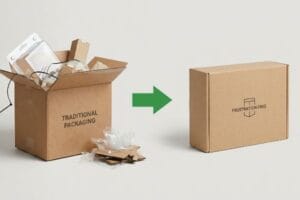
আপনার রিটেইল পণ্য উন্মোচনের সময় গ্রাফিক্সের ঘষা লাগা এবং পরিবেশগত নিয়মকানুন মেনে চলা নিয়ে হিমশিম খাচ্ছেন? পরিবহনের ঘর্ষণে যখন সাধারণ বার্নিশ অকার্যকর হয়ে পড়ে, তখন সঠিক জল-ভিত্তিক ফিনিশই আপনার সবচেয়ে শক্তিশালী প্রতিরক্ষা ব্যবস্থা হয়ে ওঠে।.
জলীয় আবরণ হলো একটি দ্রুত-শুকানো, জল-ভিত্তিক এবং পরিবেশ-বান্ধব তরল পলিমার যা মুদ্রিত প্যাকেজিং উপকরণে প্রয়োগ করা হয়। এটি একটি প্রতিরক্ষামূলক, স্বচ্ছ স্তর প্রদান করে যা ময়লা, দাগ এবং আঙুলের ছাপ প্রতিরোধ করে, পাশাপাশি করোগেটেড ডিসপ্লে এবং ফোল্ডিং কার্টনের দৃশ্যমান আকর্ষণ বৃদ্ধি করে এবং কঠোর বৈশ্বিক পুনর্ব্যবহারযোগ্যতার মান বজায় রাখে।.
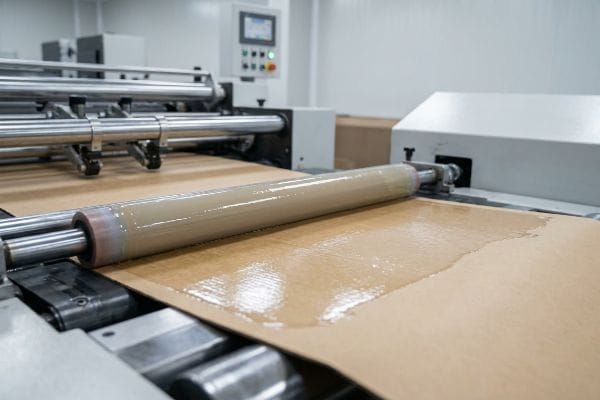
আরেকটি ডাইলাইন অনুমোদন করার আগে, এই রাসায়নিক প্রতিবন্ধকগুলো উচ্চ-গতির স্বয়ংক্রিয় যন্ত্রপাতির সাথে কীভাবে কাজ করে তা বোঝা একটি কঠোর আবশ্যকতা। আসুন, আমি আপনাকে দেখাই কীভাবে আমরা আপনার ব্র্যান্ডের সুনাম রক্ষা করার জন্য কারখানার ফ্লোরে এই বিজ্ঞান প্রয়োগ করি।.
জলীয় আবরণ কী?
বেশিরভাগ ব্র্যান্ডই মনে করে যে সব সুরক্ষামূলক প্রলেপ একই রকম, যতক্ষণ না তাদের পাঠানো পণ্যগুলো বিবর্ণ ও জীর্ণ অবস্থায় এসে পৌঁছায়।.
জলীয় আবরণ একটি বিশেষায়িত জল-ভিত্তিক সিল্যান্ট হিসেবে কাজ করে যা মুদ্রিত কালিকে ভৌত ঘর্ষণ থেকে রক্ষা করে। বিষাক্ত দ্রাবকের পরিবর্তে সেলুলোজ ও জল ব্যবহার করার ফলে, এটি থার্মাল ড্রায়ারের নিচে তাৎক্ষণিকভাবে জমাট বাঁধে এবং একটি স্থিতিস্থাপক ও পরিবেশ-বান্ধব প্রতিবন্ধক তৈরি করে, যা বিপুল পরিমাণে রিটেইল ডিসপ্লে উৎপাদনের জন্য অপরিহার্য।.
মৌলিক রসায়ন বোঝাটা কেবল শুরু। এর আসল উপযোগিতা তখনই প্রকাশ পায়, যখন আমরা সংযোজনের সময় এই তরল স্তরটিকে নির্দিষ্ট যান্ত্রিক কাজ সম্পাদনের জন্য প্রকৌশলগতভাবে তৈরি করি।.
কৈশিক সীল মেকানিক্স
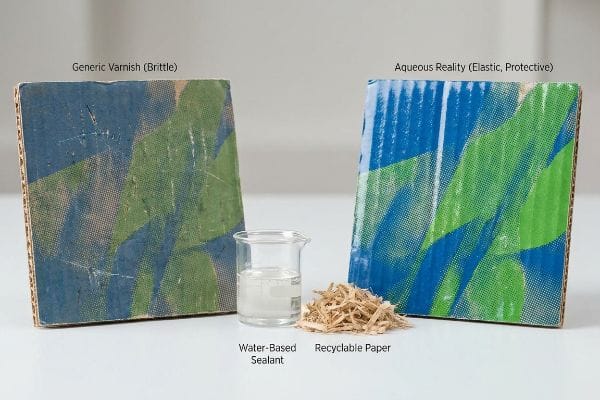
জলীয় প্রলেপকে একটি শ্বাসপ্রশ্বাসযোগ্য বর্মের আণুবীক্ষণিক স্তর হিসেবে ভাবুন। কাঁচা ঢেউখেলানো বোর্ডে প্রয়োগ করা হলে, জল সঙ্গে সঙ্গে বাষ্পীভূত হয়ে যায় এবং পিছনে একটি জমাট বাঁধা পলিমার ম্যাট্রিক্স রেখে যায় যা কালির রঞ্জক পদার্থগুলিকে1 নিরাপদে যথাস্থানে আটকে রাখে। এটি ছিদ্রযুক্ত কাগজের তন্তুগুলিকে পারিপার্শ্বিক আর্দ্রতা2, যা একটি স্থিতিশীল পৃষ্ঠ ঢাল হিসাবে কাজ করে।
আধুনিক রিটেইল ক্যাম্পেইনের জন্য, এই কোটিংটি শুধুমাত্র একটি নান্দনিক চাকচিক্য হিসেবে নয়, বরং উপস্থাপনার একটি অপরিহার্য সুরক্ষাকবচ হিসেবে কাজ করে। ওয়াটার-বেসড সিল্যান্ট ছাড়া, সাধারণ ঢেউখেলানো ডিসপ্লেগুলো পরিবহনের সময় ঘর্ষণের কারণে দ্রুত নষ্ট হয়ে যায় এবং বড় বড় দোকানে পৌঁছানোর পর সেগুলোর ব্র্যান্ডিং মারাত্মকভাবে লেপ্টে যায়। কাগজের উপরের স্তরে এই স্থিতিস্থাপক আবরণটি যুক্ত করার ফলে, প্রিন্ট করা গ্রাফিক্সগুলো অত্যন্ত নমনীয় এবং নিখুঁত থাকে। এটি নিশ্চিত করে যে দোকানের তীব্র আলোতেও আপনার ব্র্যান্ডের রঙগুলো উজ্জ্বলভাবে ফুটে ওঠে এবং গুদাম থেকে শুরু করে ক্রেতার শপিং কার্ট পর্যন্ত সম্পূর্ণ দৃশ্যমান সামঞ্জস্য বজায় থাকে।
| বৈশিষ্ট্য | জেনেরিক বার্নিশ | জলীয় বাস্তবতা |
|---|---|---|
| নিরাময়ের গতি | ধীর জারণ প্রক্রিয়া | ইনস্ট্যান্ট থার্মাল ড্রাই3 |
| নমনীয়তা | অনমনীয় এবং অত্যন্ত ভঙ্গুর | অত্যন্ত স্থিতিস্থাপক ম্যাট্রিক্স4 |
| পুনর্ব্যবহারযোগ্যতা | শক্তিশালী পৃথকীকরণ প্রয়োজন | ১০০% কার্বসাইড প্রস্তুত5 |
খুচরা বাজারে পণ্য প্রসারের জন্য জল-ভিত্তিক সিল্যান্ট বাধ্যতামূলক করলে শুকানোর ক্ষেত্রে বড় ধরনের প্রতিবন্ধকতা দূর হয়। আপনার উৎপাদন লাইন দ্রুত সচল রাখুন এবং একই সাথে নিশ্চিত করুন যে আপনার গুরুত্বপূর্ণ প্রচারমূলক ডিসপ্লেগুলো বাণিজ্যিক গুদামে পরিবহনের সময়কার কঠোর ও অবিরাম ঘর্ষণ সহজেই সহ্য করতে পারে।.
🛠️ হার্ভির ডেস্ক: আপনার ডিসপ্লেগুলো দোকানে পৌঁছানোর আগেই কি ঘষা লাগা গ্রাফিক্স এবং কালির দাগ আপনার ব্র্যান্ডের ভাবমূর্তি নষ্ট করে দিচ্ছে? 👉 একটি ফ্রি স্ট্রাকচারাল ডাইলাইন অডিট করান ↗ — আমি ২৪ ঘণ্টার মধ্যে প্রতিটি স্ট্রাকচারাল ফাইল ব্যক্তিগতভাবে পর্যালোচনা করি।
প্যাকেজিং আবরণ কি?
কোনো প্রতিবন্ধক ছাড়া ছিদ্রযুক্ত কার্ডবোর্ডে সরাসরি কালি লাগানো একটি লজিস্টিক ঝুঁকি। আপনি মূলত একটি উচ্চ ঘর্ষণযুক্ত খুচরা পরিবেশে একটি আবরণহীন স্পঞ্জ পাঠাচ্ছেন।.
প্যাকেজিং কোটিং হলো এক প্রকার প্রকৌশলগত তরল প্রতিবন্ধক যা মুদ্রিত পৃষ্ঠতলের উপর প্রয়োগ করা হয়, যা আর্দ্রতা, ঘর্ষণ এবং যান্ত্রিক ছিঁড়ে যাওয়ার বিরুদ্ধে বাধ্যতামূলক সুরক্ষা প্রদান করে। ম্যাট থেকে শুরু করে হাই-গ্লস পর্যন্ত বিভিন্ন ধরনের এই শিল্পজাত ফিনিশগুলোই নির্ধারণ করে যে একটি স্ট্রাকচারাল ডিসপ্লে স্বয়ংক্রিয় প্যাকিং লাইন এবং অপ্রত্যাশিত রিটেইল ফ্লোরের পরিবেশে কতটা ভালোভাবে টিকে থাকবে।.

গ্রাফিক ডিজাইনাররা যেখানে স্টুডিওর আলোতে এই ফিনিশিংগুলো কেমন দেখায় তার ওপর মনোযোগ দেন, সেখানে আমার অগ্রাধিকার হলো সমুদ্রপথে পরিবহন এবং বড় বড় দোকানের মেঝের কঠোর বাস্তবতায় এগুলো কীভাবে টিকে থাকে।.
"মপ গার্ড" রাসায়নিক প্রতিরক্ষা ব্যবস্থা
সুন্দর, প্রলেপহীন কাঁচা ক্রাফট ডিজাইনগুলো প্রায়শই দোকানের মেঝেতে রাখার জন্য বেছে নেওয়া হয় এই ধারণার ওপর ভিত্তি করে যে, একটি প্রাকৃতিক রূপ স্থায়িত্বের ইঙ্গিত দেয়। তবে, গ্রাফিক টিমগুলো যে বিষয়টি হিসাব করতে ব্যর্থ হয় তা হলো বড় বড় রিটেইলারদের দৈনন্দিন রক্ষণাবেক্ষণ ব্যবস্থা, যেখানে স্বয়ংক্রিয় ফ্লোর স্ক্রাবারগুলো মার্চেন্ডাইজারগুলোর নিচের প্রান্তে সরাসরি রাসায়নিকভাবে পরিশোধিত পানি ছিটিয়ে দেয় ।
আর্দ্রতার এই ঝুঁকি অরক্ষিত রিটেইল ডিসপ্লেগুলির জন্য একটি বিশাল দুর্বলতা তৈরি করে। কাঁচা ঢেউখেলানো ফ্লুটিং একটি বিশাল সলতের মতো কাজ করে; এমনকি সামান্য জল জমে থাকলেও তা কৈশিক ক্রিয়া শুরু করতে পারে যা দ্রুত কাগজের তন্তুগুলিকে ফুলিয়ে তোলে7 এবং কাঠামোগত ভারবহন ক্ষমতাকে সম্পূর্ণরূপে নষ্ট করে দেয়। এই বাস্তবতা মোকাবেলা করার জন্য, ডাইলাইনের একেবারে নীচের কয়েক ইঞ্চিতে একটি নির্দিষ্ট শক্তিশালী আর্দ্রতা প্রতিবন্ধক প্রয়োগ করা যেতে পারে। এই অদৃশ্য মপ গার্ডটি তাৎক্ষণিকভাবে জলকে প্রতিহত করে, তন্তুগুলিকে ভিজে যাওয়া থেকে রক্ষা করে এবং ইউনিটের বাকি অংশকে সম্পূর্ণরূপে পুনর্ব্যবহারযোগ্য রাখে8, যা নিশ্চিত করে যে ভিত্তিটি কয়েক সপ্তাহের কঠোর ব্যবহারেও টিকে থাকবে।
| মেট্রিক | প্রলেপহীন ভিত্তি | মপ-গার্ড বাস্তবতা |
|---|---|---|
| আর্দ্রতা গ্রহণ | দ্রুত কৈশিক শোষণ | পৃষ্ঠতলে শূন্য অনুপ্রবেশ9 |
| কাঠামোগত অখণ্ডতা | গুরুতর ভিত্তি বাঁকানোর ঝুঁকি | সম্পূর্ণ BCT লোড ধরে রাখে10 |
| ফ্লোর সারভাইভাল | এক সপ্তাহের মধ্যে ব্যর্থ হয় | কয়েক সপ্তাহ ধরে টিকে থাকার নিশ্চয়তা11 |
ময়লা মোছার কয়েক ফোঁটা জল যেন একটি সুন্দরভাবে নির্মিত ঢেউখেলানো কাঠামোকে নষ্ট করতে না পারে। রিটেইল ফ্লোরে বড় ধরনের বিপর্যয়কর ব্যর্থতা থেকে সুরক্ষার জন্য একটি সুনির্দিষ্ট আর্দ্রতা প্রতিবন্ধক স্থাপন করাই হলো সবচেয়ে সস্তা ও নির্ভরযোগ্য উপায়।.
🛠️ হার্ভির ডেস্ক: আপনার বর্তমান ফ্লোর ডিসপ্লে কি পারিপার্শ্বিক আর্দ্রতা শোষণ করছে এবং আর্দ্র ক্লাব স্টোরগুলিতে এর ভিত্তি মারাত্মকভাবে ধসে পড়ার ঝুঁকি তৈরি করছে? 👉 বিনামূল্যে বেস টলারেন্স চেকের জন্য অনুরোধ করুন ↗ — ১০০% গোপনীয়। আপনার অপ্রকাশিত রিটেইল ডিজাইনগুলো আমার কাছে সুরক্ষিত।
পিএলএ এবং জলীয় আবরণের মধ্যে পার্থক্য কী?
ভুল পরিবেশ-বান্ধব ফিনিশ বেছে নিলে তা অনিচ্ছাকৃতভাবে আপনার ব্র্যান্ডকে পুনর্ব্যবহারের এক দুঃস্বপ্নে আটকে ফেলতে পারে, যার ফলে উত্তর আমেরিকার প্রধান খুচরা বিক্রেতাদের কাছ থেকে বিপুল পরিমাণ জরিমানা হতে পারে।.
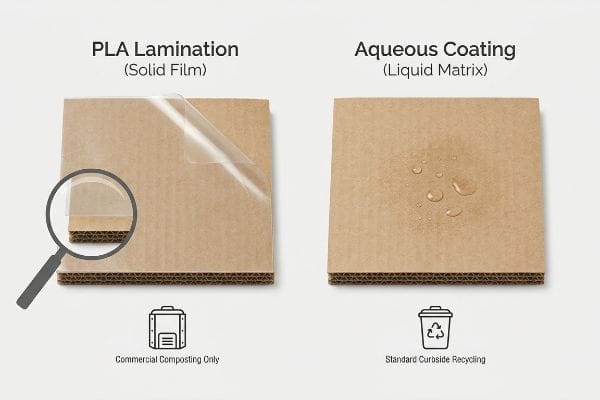
পিএলএ এবং জলীয় আবরণের মধ্যে পার্থক্য হলো, পিএলএ একটি কঠিন জৈব-প্লাস্টিক ফিল্ম হিসেবে কাজ করে যার জন্য বাণিজ্যিক কম্পোস্টিং প্রয়োজন, অন্যদিকে জলীয় আবরণ হলো একটি তরল, জল-ভিত্তিক ফর্মুলা। জলীয় আবরণ প্যাকেজিংকে সাধারণ কার্বসাইড রিসাইক্লিং প্রক্রিয়ার জন্য সম্পূর্ণরূপে একক উপাদান হিসেবে থাকতে সাহায্য করে।.
উভয় উপাদানই টেকসই বলে দাবি করে, কিন্তু বাছাই লাইনে তাদের ভৌত আচরণই নির্ধারণ করে যে আপনার ডিসপ্লেটি আসলে পুনর্ব্যবহার করা হবে নাকি আবর্জনার স্তূপে ফেলে দেওয়া হবে।.
একক-উপাদান পুনর্ব্যবহারের আদেশ
সুরক্ষামূলক আবরণ বাছাই করতে গিয়ে প্রায়শই পরিবেশগত সম্মতি এবং বাহ্যিক সৌন্দর্যের মধ্যে একটি ভ্রান্ত দ্বিধা তৈরি হয়। অনেক ব্র্যান্ড ভুলবশত পিএলএ (PLA) বেছে নেয়, যা কাগজের উপর স্তরিত একটি কঠিন স্বচ্ছ স্টিকারের মতো কাজ করে। যদিও এটি জৈব-উপাদান থেকে তৈরি, এটি একটি স্বতন্ত্র ভৌত স্তর গঠন করে যা সাধারণ কাগজ মণ্ড তৈরির প্রক্রিয়ার সময় সক্রিয়ভাবে জলকে বিকর্ষণ করে12।
এটি শূন্য-বর্জ্য উদ্যোগে মনোযোগী বড় খুচরা চেইনগুলির জন্য সম্মতি পালনে ব্যাপক বাধা সৃষ্টি করে। যখন ডিসপ্লেগুলি বায়োপ্লাস্টিক ফিল্ম দিয়ে আবৃত করা হয়, তখন সেগুলির জন্য প্রায়শই বিশেষায়িত বাণিজ্যিক কম্পোস্টিং সুবিধার প্রয়োজন হয়,যা বেশিরভাগ স্থানীয় পৌরসভা সমর্থন করে না। জলীয় ফর্মুলেশনগুলি একটি কঠিন ফিল্মের পরিবর্তে একটি আণুবীক্ষণিক রঞ্জক হিসাবে কাজ করে এই লজিস্টিক দুঃস্বপ্নকে সম্পূর্ণরূপে এড়িয়ে যায়। যেহেতু জল-ভিত্তিক রেজিন কোনো ভারী পলিমার অবশিষ্টাংশ না রেখে নির্বিঘ্নে দ্রবীভূত হয়, তাই সম্পূর্ণ ঢেউখেলানো কাঠামোটি সাধারণ কার্বসাইড রিসাইক্লিং প্রবাহের সাথে সম্পূর্ণরূপে সামঞ্জস্যপূর্ণযাআপনার ব্র্যান্ডকে খুচরা বিক্রেতাদের কঠোর টেকসইতার নির্দেশনার সাথে সঙ্গতিপূর্ণ রাখে।
| মেট্রিক | পিএলএ ল্যামিনেশন | জলীয় আবরণ |
|---|---|---|
| ভৌত কাঠামো | কঠিন জৈব-প্লাস্টিক ফিল্ম | তরল পলিমার ম্যাট্রিক্স |
| নিষ্পত্তি পদ্ধতি | বাণিজ্যিক কম্পোস্টের ব্যাপক প্রয়োজন15 | স্ট্যান্ডার্ড OCC পুনর্ব্যবহার প্রবাহ16 |
| খুচরা ঘর্ষণ | উচ্চ বাছাই শ্রম প্রয়োজন | কোনো শ্রমের প্রয়োজন নেই |
স্থানীয় রিসাইক্লিং সেন্টারে নতুন কোনো ঝামেলা তৈরি না করে, বরং নিয়ম-কানুন সংক্রান্ত সমস্যা সমাধানের জন্যই ডিজাইন করুন। তরল জল-ভিত্তিক ফিনিশের উপর নির্ভর করলে তা নিশ্চিত করে যে আপনার প্যাকেজিং খুচরা বিক্রেতাদের কঠোর ESG নির্দেশাবলী এবং এর ব্যবহার শেষে বর্জ্য নিষ্কাশন প্রক্রিয়াকেও জটিল করে না।
🛠️ হার্ভিস ডেস্ক: মিশ্র প্লাস্টিক এবং ল্যামিনেটেড ফিল্ম কি গোপনে আপনার রিটেইল ক্যাম্পেইনগুলোকে কঠোর কমপ্লায়েন্স টিমের নজরে আনছে? 👉 একটি বিনামূল্যে ESG ম্যাটেরিয়াল অডিট দাবি করুন ↗ — মাঝখানে কোনো অ্যাকাউন্ট ম্যানেজার নেই। আপনি সরাসরি স্ট্রাকচারাল ইঞ্জিনিয়ারদের সাথে কথা বলবেন।
জলীয় আবরণে কি প্লাস্টিক থাকে?
'কোটিং' শব্দটি শুনলেই অনেক ক্রয়কারী দল লুকানো মাইক্রোপ্লাস্টিক নিয়ে আতঙ্কিত হয়ে পড়ে, কিন্তু এর রাসায়নিক বাস্তবতা আরও অনেক বেশি সূক্ষ্ম এবং সুপরিকল্পিত।.
না। প্রচলিত জলীয় আবরণে কোনো কঠিন প্লাস্টিকের ফিল্ম বা ক্ষতিকর স্থায়ী রাসায়নিক পদার্থ থাকে না। এটি একটি প্রতিরক্ষামূলক স্তর তৈরি করতে পানি, প্রাকৃতিক রেজিন এবং সেলুলোজের মিশ্রণের উপর নির্ভর করে। এটি নিশ্চিত করে যে চূড়ান্ত ঢেউখেলানো ডিসপ্লেটি সম্পূর্ণরূপে কম্পোস্টযোগ্য, পুনঃমজ্জাযোগ্য এবং কঠোরভাবে মানসম্মত থাকে।.
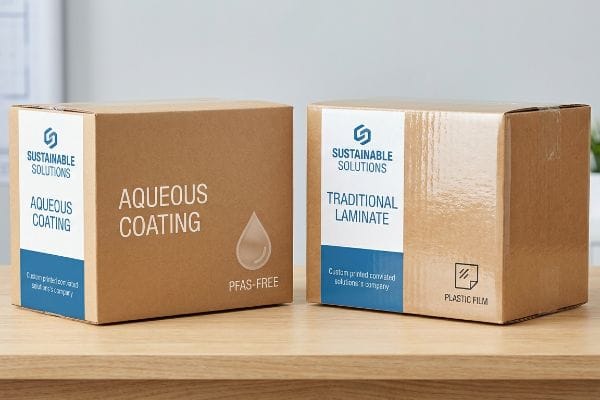
প্রচলিত প্লাস্টিকের অনুপস্থিতির অর্থ এই নয় যে এর স্থায়িত্ব কমে গেছে। এর জন্য কেবল তরল পলিমার এবং স্তরীয় টান সম্পর্কে গভীরতর বোঝাপড়ার প্রয়োজন।.
PFAS-মুক্ত রাসায়নিক ক্রমাঙ্কন
দ্রুত বিক্রীত ভোগ্যপণ্যের দরপত্র নিরীক্ষা করার সময় , ক্রেতারা ক্রমাগত পুরু প্লাস্টিকের আস্তরণের দাবি করেন, শুধুমাত্র এই ভয়ে যে সাধারণ জল-ভিত্তিক প্রলেপ পরিবহনের সময় নষ্ট হয়ে যাবে। তারা ধরে নেন যে, যদি মূল উপাদানটি পুরু পলিথিনে মোড়ানো না থাকে, তবে প্যালেটের প্রচণ্ড ঘর্ষণে উচ্চ-ঘনত্বের কালি অনিবার্যভাবে উঠে যাবে।
এই ব্যাপক ভুল ধারণাটির কারণে ব্র্যান্ডগুলো প্রায়শই শুধুমাত্র উচ্চ পিচ্ছিল-প্রতিরোধ ক্ষমতা বজায় রাখার জন্য অজান্তেই PFAS নামক বিষাক্ত রাসায়নিকযুক্ত সেকেলে তরল বার্নিশ অনুমোদন করে থাকে। কারখানার ফ্লোরে , এটি নিয়ন্ত্রক সম্মতি সংক্রান্ত ব্যাপক ঝুঁকি তৈরি করে। সঠিক ফর্মুলেশন ডেটা সংগ্রহ করে, আমরা একটি নির্ভুলভাবে ক্যালিব্রেটেড PFAS-মুক্ত জলীয় মিশ্রণ তৈরি করতে পারি যা সিন্থেটিকের স্থায়িত্বের প্রতিদ্বন্দ্বী। প্রয়োগের সময় অ্যানিলক্স রোলারের চাপকে আণুবীক্ষণিক ০.০২ মিমি পর্যন্ত সামঞ্জস্য করে , আমরা সম্পূর্ণ নিরাপদ, জল-ভিত্তিক রেজিন ব্যবহার করে একটি ত্রুটিহীন, আঁচড়-প্রতিরোধী ম্যাট ফিনিশ অর্জন করি। এই পরিবর্তনটি উপকরণ তালিকা থেকে বিষাক্ত উপাদানগুলোকে সম্পূর্ণরূপে নির্মূল করে এবং একই সাথে নিরবচ্ছিন্ন স্বয়ংক্রিয় প্যাকেজিং লাইনের জন্য প্রয়োজনীয় চরম যান্ত্রিক সহনশীলতা বজায় রাখে।
| মেট্রিক | লিগ্যাসি ভার্নিশ | PFAS-মুক্ত জলীয় |
|---|---|---|
| রাসায়নিক ঝুঁকি | উচ্চ নিয়ন্ত্রক ব্যর্থতার সম্ভাবনা19 | সম্পূর্ণরূপে সঙ্গতিপূর্ণ এবং নিরাপদ |
| পুনঃমজ্জাযোগ্যতা | বিষাক্ত অবশিষ্টাংশ রেখে যায়20 | পাত্রে পরিষ্কারভাবে দ্রবীভূত হয়21 |
| সরবরাহ শৃঙ্খল প্রবাহ | বন্দরে বিলম্বের উচ্চ ঝুঁকি | বাধাহীন সীমান্ত প্রবেশ |
সেকেলে রাসায়নিক ধারণার কারণে একটি নিখুঁতভাবে পরিকল্পিত খুচরা সরবরাহ শৃঙ্খলকে পুরোপুরি নষ্ট হতে দেবেন না। একটি অত্যন্ত পরিমার্জিত, জল-ভিত্তিক ফর্মুলেশন ব্যবহার করলে বৈশ্বিক নিয়ন্ত্রক জটিলতা দূর হয় এবং একই সাথে সর্বোচ্চ ভৌত সুরক্ষা নিশ্চিত হয়।.
🛠️ হার্ভির ডেস্ক: আপনার পুরোনো বার্নিশে থাকা লুকানো PFAS রাসায়নিক কি আপনার আসন্ন খাদ্য ও পানীয় খুচরা ব্যবসার প্রসারকে আইনি প্রত্যাখ্যানের ঝুঁকিতে ফেলছে? 👉 একটি বিনামূল্যে PFAS কমপ্লায়েন্স রিভিউ নিন ↗ — আমি ২৪ ঘণ্টার মধ্যে প্রতিটি স্ট্রাকচারাল ফাইল ব্যক্তিগতভাবে পর্যালোচনা করি।
উপসংহার
তরল পলিমারের সুনির্দিষ্ট কৈশিক সীল সুরক্ষিত করা হোক বা ১৮৫ পাউন্ড (৮৩.৯ কেজি) ওজনের ভিত্তির ভয়াবহ ধস রোধ করার জন্য একটি নির্দিষ্ট মপ গার্ড ডিজাইন করা হোক, রিটেইল ফ্লোরে টিকে থাকার জন্য কঠোর ভৌত রসায়নের প্রয়োজন হয়। শুধুমাত্র গত মাসেই, আমার স্ট্রাকচারাল অডিট ৩টি ব্র্যান্ডকে বাতিল হওয়া পণ্য এবং রিটেইলার চার্জব্যাক বাবদ ১০,০০০ ডলারের বেশি সাশ্রয় করতে সাহায্য করেছে। আরেকটি বড় আকারের উৎপাদন শুরু করার অনুমোদন দেওয়ার আগে, আমাকে ব্যক্তিগতভাবে আপনার স্ট্রাকচারাল ফাইলগুলো আমার ফ্রি স্ট্রাকচারাল ডাইলাইন অডিটের মাধ্যমে পরীক্ষা করতে দিন ↗, যা উপাদানের লুকানো দুর্বলতাগুলো উন্মোচন করবে এবং একটি নির্বিঘ্ন রোলআউটের নিশ্চয়তা দেবে।
"[পিডিএফ] পৃষ্ঠতল পরিবর্তনের সাথে মুদ্রিত কালির আসঞ্জন পরীক্ষা …", https://scholarsarchive.byu.edu/context/facpub/article/6245/viewcontent/Adhesion_Testing_of_Conductive_Inks_rev_9_Journal_of_Adhesion_final.pdf। [মুদ্রণ রসায়নের উপর প্রযুক্তিগত নথি যাচাই করবে যে জলীয় আবরণ শুকানোর পর কালির রঞ্জক পদার্থকে আবদ্ধ করার জন্য একটি পলিমার ফিল্ম তৈরি করে]। প্রমাণের ভূমিকা: প্রযুক্তিগত যাচাইকরণ; উৎসের ধরণ: শিল্প শ্বেতপত্র। সমর্থন: রাসায়নিক গঠন এবং কার্যকারিতা। পরিধি টীকা: জল-ভিত্তিক পলিমার আবরণের ক্ষেত্রে প্রযোজ্য। ↩
"[পিডিএফ] প্রতিবন্ধক আবরণের উপর প্রাক-আবরণ স্তরের প্রভাব", https://digitalcommons.library.umaine.edu/cgi/viewcontent.cgi?article=4835&context=etd। [প্যাকেজিং-এর উপর পদার্থ বিজ্ঞান গবেষণা নিশ্চিত করবে যে জলীয় আবরণ সেলুলোজ তন্তুতে আর্দ্রতা বাষ্পের প্রবেশ হ্রাস করে]। প্রমাণের ভূমিকা: কার্যকারিতা যাচাইকরণ; উৎসের ধরণ: পদার্থ বিজ্ঞান জার্নাল। সমর্থন করে: আর্দ্রতা প্রতিবন্ধক ক্ষমতা। পরিধি টীকা: আবরণের পুরুত্ব অনুসারে কার্যকারিতা পরিবর্তিত হয়। ↩
"IST METZ: UV কিউরিং বনাম থার্মাল ড্রাইং | পলিমারাইজেশন – ইউটিউব", https://www.youtube.com/watch?v=c1zfBecDSog। [একটি প্রযুক্তিগত ম্যানুয়াল বা বস্তু বিজ্ঞান বিষয়ক গবেষণাপত্রে ব্যাখ্যা করা থাকবে যে, অক্সিডেটিভ কিউরিং-এর তুলনায় কীভাবে জলীয় আবরণ বাষ্পীভবন এবং তাপের মাধ্যমে দ্রুত শুকিয়ে যায়]। প্রমাণের ভূমিকা: প্রযুক্তিগত যাচাইকরণ; উৎসের ধরণ: প্রযুক্তিগত ডেটা শিট। সমর্থন করে: কিউরিং-এর গতির সুবিধা। পরিধি টীকা: শিল্পক্ষেত্রে ব্যবহৃত থার্মাল ড্রাইং সরঞ্জামের জন্য নির্দিষ্ট। ↩
"একটি … ব্যবহার করে তৈরি বহুমুখী, শক্ত অথচ নমনীয় আবরণ – পিএমসি", https://pmc.ncbi.nlm.nih.gov/articles/PMC9109054/। [পলিমার বিজ্ঞান গবেষণা জল-ভিত্তিক আবরণকে নমনীয়তা প্রদানকারী ক্রস-লিঙ্কিং এবং ম্যাট্রিক্স কাঠামোর বর্ণনা দেয়]। প্রমাণের ভূমিকা: ভৌত বৈশিষ্ট্যের বৈধতা; উৎসের ধরণ: পিয়ার-রিভিউড জার্নাল। সমর্থন: নমনীয়তার তুলনা। পরিধির টীকা: ব্যবহৃত নির্দিষ্ট রেজিনের উপর নির্ভরশীল। ↩
"গ্রীষ্মকালীন রোড ট্রিপ: টেকসই পেপারবোর্ড কোটিং", https://www.packagingdigest.com/sustainability/summer-road-trip-paperboard-coatings। [শিল্পের পুনর্ব্যবহারযোগ্যতার মানদণ্ড প্রত্যয়ন করবে যে জলীয় কোটিং কাগজের পুনর্ব্যবহারযোগ্য প্রবাহকে দূষিত করে না এবং পৌর প্রক্রিয়াকরণের সাথে সামঞ্জস্যপূর্ণ]। প্রমাণের ভূমিকা: সম্মতি যাচাই; উৎসের ধরণ: শিল্প মানদণ্ড। সমর্থন করে: পুনর্ব্যবহারযোগ্যতার দাবি। পরিধি সংক্রান্ত টীকা: স্থানীয় পৌরসভার নির্দেশিকা সাপেক্ষে। ↩
"টয়লেট পেপার দিয়ে কীভাবে বাস্তবসম্মত সমুদ্রের জল তৈরি করবেন...", https://www.youtube.com/watch?v=2TwpB7sVMn8। [খুচরা দোকানের রক্ষণাবেক্ষণ ম্যানুয়াল এবং শিল্প মানদণ্ডে স্বয়ংক্রিয় মেঝে পরিষ্কার করার যন্ত্রের কার্যপ্রণালী এবং ব্যবহৃত ডিটারজেন্টের রাসায়নিক গঠন বর্ণনা করা হয়েছে]। প্রমাণের ভূমিকা: তথ্যগত সমর্থন; উৎসের ধরণ: শিল্প রক্ষণাবেক্ষণ নির্দেশিকা। সমর্থন করে: নির্দিষ্ট পরিবেশগত ঝুঁকি, যার জন্য ফ্লোর ডিসপ্লের জন্য প্রতিরক্ষামূলক আবরণের প্রয়োজন। পরিধি সংক্রান্ত টীকা: মূলত বড় আকারের খুচরা দোকানের পরিবেশের উপর দৃষ্টি নিবদ্ধ করা হয়েছে। ↩
"কার্ডবোর্ড প্যাকেজিং-এর একটি সরলীকৃত গতিশীল শক্তি বিশ্লেষণ...", https://pmc.ncbi.nlm.nih.gov/articles/PMC10385285/। [একটি প্রকৌশল গবেষণা বা বস্তুবিজ্ঞান বিষয়ক তথ্যসূত্র ব্যাখ্যা করে যে, কীভাবে সেলুলোজ তন্তুতে জল শোষণের ফলে হাইগ্রোস্কোপিক প্রসারণ ঘটে এবং করোগেটেড বোর্ডে সংকোচন শক্তি হ্রাস পায়]। প্রমাণের ভূমিকা: প্রযুক্তিগত যাচাইকরণ; উৎসের ধরণ: বস্তুবিজ্ঞান পাঠ্যপুস্তক। সমর্থন করে: ছিদ্রযুক্ত আধারে কাঠামোগত ব্যর্থতার প্রক্রিয়া। পরিধি টীকা: বিশেষভাবে সেলুলোজ-ভিত্তিক করোগেটেড উপকরণের ক্ষেত্রে প্রযোজ্য। ↩
"[পিডিএফ] ঢেউখেলানো কার্ডবোর্ডের পুনঃমজ্জাকরণ এবং পুনর্ব্যবহারের জন্য স্বেচ্ছামূলক মান...", https://ptacts.uspto.gov/ptacts/public-informations/petitions/1558049/download-documents?artifactId=PUg7-sUKgXoOatgTOs-GLJqU-WHJUZd5E2A6MCAqZmTTS-FVIbOd_YY। [পুনর্ব্যবহারকারী সংস্থাগুলির শিল্প মানগুলি বর্ণনা করে যে কীভাবে পুনঃমজ্জাকরণের সময় পুনর্ব্যবহৃত ফাইবার প্রবাহকে দূষিত না করে স্থানীয় বা নির্বাচিত প্রতিবন্ধক আবরণগুলি প্রক্রিয়াজাত করা হয়]। প্রমাণের ভূমিকা: সম্মতি যাচাই; উৎসের ধরণ: শিল্প মান/নিয়ন্ত্রক সংস্থা। সমর্থন করে: এই দাবি যে নির্দিষ্ট আবরণগুলি পুনর্ব্যবহারযোগ্যতা বজায় রাখে। পরিধি নোট: বৈধতা আবরণে ব্যবহৃত নির্দিষ্ট পলিমার বা মোমের উপর নির্ভর করে। ↩
"[পিডিএফ] প্লাস্টিকে জলীয় বাষ্পের প্রবেশ্যতা", https://www.pnnl.gov/main/publications/external/technical_reports/PNNL-26070.pdf। [ব্যারিয়ার কোটিং-এর উপর টেকনিক্যাল ডেটাশিট বা পদার্থ বিজ্ঞান বিষয়ক গবেষণা আর্দ্রতা প্রবেশ্যতা এবং পৃষ্ঠতলে অনুপ্রবেশের হার যাচাই করবে]। প্রমাণের ভূমিকা: যাচাইকরণ; উৎসের ধরণ: টেকনিক্যাল ডেটাশিট। সমর্থন করে: আর্দ্রতা গ্রহণ প্রতিরোধ। পরিধি সংক্রান্ত টীকা: কোটিং-এর পুরুত্ব এবং সাবস্ট্রেটের ছিদ্রময়তার উপর নির্ভরশীল। ↩
"ঢেউখেলানো বোর্ডের বাক্সের সংকোচন শক্তির প্রাক্কলন …", https://pmc.ncbi.nlm.nih.gov/articles/PMC8467740/। [বক্স কম্প্রেশন টেস্টের জন্য ASTM মান ব্যবহার করে তুলনামূলক পরীক্ষাগার পরীক্ষার প্রতিবেদন কাঠামোগত ভারবহন ক্ষমতার সংরক্ষণ প্রদর্শন করবে]। প্রমাণের ভূমিকা: যাচাইকরণ; উৎসের ধরণ: পরীক্ষাগার পরীক্ষার প্রতিবেদন। সমর্থন: কাঠামোগত অখণ্ডতা। পরিধি টীকা: বোর্ডের গ্রেড এবং ফ্লুট প্রোফাইলের উপর ভিত্তি করে BCT-এর ফলাফল ভিন্ন হতে পারে। ↩
"প্যাকেজিং কোটিংস মার্কেট সাইজ অ্যান্ড ট্রেন্ডস রিপোর্ট, ২০৩৩", https://www.persistencemarketresearch.com/market-research/packaging-coatings-market.asp। [খুচরা বিক্রয়কেন্দ্রে পরিবেশগত চাপ পরীক্ষা বা দীর্ঘমেয়াদী কেস স্টাডি কোটিং-এর কার্যক্ষম জীবনকালকে বৈধতা দেবে]। প্রমাণের ভূমিকা: যাচাইকরণ; উৎসের ধরণ: কেস স্টাডি। সমর্থন করে: মেঝের টিকে থাকার সময়কাল। পরিধি সংক্রান্ত টীকা: স্থায়িত্ব মেঝে পরিষ্কারের ফ্রিকোয়েন্সি এবং রাসায়নিক সংস্পর্শের উপর নির্ভরশীল। ↩
"ইলেকট্রোস্পান বায়োপলিমার দ্বারা প্রলিপ্ত অতি-প্রতিরোধী কাগজ এবং …", https://pmc.ncbi.nlm.nih.gov/articles/PMC8706152/। [বায়ো-প্লাস্টিকের উপর একটি প্রযুক্তিগত সমীক্ষা যাচাই করবে যে পিএলএ ফিল্ম একটি হাইড্রোফোবিক প্রতিবন্ধক তৈরি করে যা সাধারণ হাইড্রোপাল্পিংয়ের সময় ফাইবারের মুক্তি রোধ করে]। প্রমাণের ভূমিকা: প্রযুক্তিগত যাচাইকরণ; উৎসের ধরণ: শিল্প প্রযুক্তিগত প্রতিবেদন। সমর্থন করে: এই দাবি যে পিএলএ আবরণ রাস্তার ধারের কাগজ পুনর্ব্যবহারকে বাধা দেয়। পরিধি টীকা: প্রচলিত যান্ত্রিক পাল্পিং প্রক্রিয়ার ক্ষেত্রে প্রযোজ্য। ↩
"পলিল্যাকটিক অ্যাসিড (পিএলএ)-কে একটি স্বল্প-বিয়োজনযোগ্য পদার্থে পরিণত করার জন্য এর জীবনচক্র মূল্যায়ন...", https://pmc.ncbi.nlm.nih.gov/articles/PMC8199738/। [জৈব-বিয়োজনযোগ্য পলিমার বিষয়ক একটি নির্ভরযোগ্য উৎস নিশ্চিত করবে যে পিএলএ-আবৃত উপকরণগুলির জন্য উচ্চ-তাপমাত্রার শিল্পভিত্তিক কম্পোস্টিং প্রয়োজন এবং এগুলিকে সাধারণ কার্বসাইড রিসাইক্লিং পদ্ধতিতে প্রক্রিয়াজাত করা যায় না। প্রমাণের ভূমিকা: প্রযুক্তিগত যাচাইকরণ; উৎসের ধরণ: পরিবেশগত শিল্প মান। সমর্থন করে: বায়োপ্লাস্টিক ফিল্ম নিষ্পত্তির লজিস্টিকগত অসুবিধা। পরিধি টীকা: পিএলএ এবং অনুরূপ বায়োপ্লাস্টিকের জন্য নির্দিষ্ট।] ↩
"টেকসই প্রভাব বিবেচনা: পেপারবোর্ড কোটিং – জেনপ্যাক", https://www.zenpack.us/blog/paperboard-coatings-sustainability-impact/। [প্রযুক্তিগত প্যাকেজিং নির্দেশিকা যাচাই করবে যে জল-ভিত্তিক জলীয় কোটিং পাল্পিং প্রক্রিয়াকে দূষিত করে না, যার ফলে সাবস্ট্রেটটি একক উপাদান হিসাবে পুনর্ব্যবহার করা যায়। প্রমাণের ভূমিকা: প্রযুক্তিগত যাচাইকরণ; উৎসের ধরণ: পুনর্ব্যবহারকারী সংস্থার নির্দেশিকা। সমর্থন করে: জলীয় কোটিংযুক্ত ঢেউখেলানো কাঠামোর পুনর্ব্যবহারযোগ্যতা। পরিধি নোট: জল-ভিত্তিক রেজিনের ক্ষেত্রে প্রযোজ্য।] ↩
"পিএলএ ল্যামিনেশন ফিল্ম: টেকসই উন্নয়নের জন্য পরিবেশ-বান্ধব বিকল্প…", https://naturepoly.com/pla-lamination-film-sustainable-packaging/। [জৈব-বিয়োজনযোগ্য পলিমার বিষয়ক একটি নির্ভরযোগ্য উৎস যাচাই করে জানাবে যে, পিএলএ পচানোর জন্য উচ্চ-তাপমাত্রার শিল্পভিত্তিক কম্পোস্টিং কেন্দ্রের প্রয়োজন হয়, কারণ এটি বাড়ির কম্পোস্ট বা ল্যান্ডফিলে পচে যায় না]। প্রমাণের ভূমিকা: প্রযুক্তিগত বিবরণ; উৎসের ধরণ: পরিবেশগত মান। সমর্থন করে: পিএলএ-এর নিষ্পত্তি সংক্রান্ত সীমাবদ্ধতা। পরিধি টীকা: বিশেষভাবে শিল্পভিত্তিক কম্পোস্টিং মানকে নির্দেশ করে।] ↩
"[পিডিএফ] এসপিসি গাইড: আপনার কাগজের প্যাকেজিং পুনর্ব্যবহারযোগ্য কিনা তা কীভাবে জানবেন", https://sustainablepackaging.org/wp-content/uploads/2023/01/SPC_Paper-Pkg-Report_FINAL.pdf। [কাগজ পুনর্ব্যবহারকারী সমিতিগুলোর প্রযুক্তিগত নির্দেশিকা নিশ্চিত করবে যে জলীয় আবরণগুলো পুনরায় মণ্ড তৈরিযোগ্য এবং পুরাতন ঢেউখেলানো কন্টেইনার (OCC) পুনর্ব্যবহার প্রক্রিয়ার সাথে সামঞ্জস্যপূর্ণ]। প্রমাণের ভূমিকা: প্রযুক্তিগত সামঞ্জস্য; উৎসের ধরণ: শিল্প মান। সমর্থন করে: জলীয় আবরণের পুনর্ব্যবহারযোগ্যতা। পরিধির টীকা: ব্যবহৃত নির্দিষ্ট পলিমার ম্যাট্রিক্সের উপর নির্ভরশীল।] ↩
"PFAS-মুক্ত জলীয় খাদ্য প্যাকেজিং কোটিং বাজার", https://www.futuremarketinsights.com/reports/pfas-free-aqueous-food-packaging-coatings-market। [একটি প্রামাণ্য রাসায়নিক বিশ্লেষণ বা নিয়ন্ত্রক প্রতিবেদন পিচ্ছিল-প্রতিরোধ ক্ষমতা অর্জনের জন্য তরল বার্নিশে PFAS-এর ঐতিহাসিক ব্যবহার নিশ্চিত করবে]। প্রমাণের ভূমিকা: তথ্যগত যাচাইকরণ; উৎসের ধরণ: রাসায়নিক বিশ্লেষণ প্রতিবেদন। সমর্থন: পুরোনো কোটিংগুলিতে PFAS-এর উপস্থিতি। পরিধির টীকা: পুরোনো শিল্প ফর্মুলেশনগুলির মধ্যে সীমাবদ্ধ। ↩
"সফট টাচ ও ম্যাট কোটিং-এর জন্য চেম্বার্ড অ্যানিলক্স — কম্প্যাক", https://www.kompactech.com/news/kompac-chambered-anilox-for-soft-touch-matte-coatings। [প্রযুক্তিগত প্রিন্টিং ম্যানুয়ালগুলো রোলারের চাপের সূক্ষ্ম সমন্বয় এবং জলীয় কোটিং-এর ফলে সৃষ্ট পৃষ্ঠতলের ফিনিশের মধ্যেকার সম্পর্ক যাচাই করবে]। প্রমাণের ভূমিকা: প্রযুক্তিগত স্পেসিফিকেশন; উৎসের ধরণ: ইঞ্জিনিয়ারিং ম্যানুয়াল। সমর্থন: আঁচড়-প্রতিরোধী ফিনিশের জন্য নির্ভুলতার প্রয়োজনীয়তা। পরিধি সংক্রান্ত টীকা: উচ্চমানের ফ্লেক্সোগ্রাফিক সরঞ্জামের জন্য নির্দিষ্ট। ↩
"খাদ্য প্যাকেজিং-এ PFAS মূল্যায়নের জন্য একটি ঝুঁকি ম্যাট্রিক্সের উন্নয়ন", https://pmc.ncbi.nlm.nih.gov/articles/PMC13074049/। [PFAS এবং বিপজ্জনক রাসায়নিক পদার্থ সম্পর্কিত নিয়ন্ত্রক সংস্থাগুলির নির্দেশিকায় পুরোনো বার্নিশগুলিকে নিয়ম লঙ্ঘনের জন্য উচ্চ-ঝুঁকিপূর্ণ হিসাবে তালিকাভুক্ত করা হয়েছে]। প্রমাণের ভূমিকা: নিয়ন্ত্রক যাচাইকরণ; উৎসের ধরণ: সরকারি প্রবিধান/সংস্থার প্রতিবেদন। সমর্থন করে: রাসায়নিক ঝুঁকি মূল্যায়ন। পরিধি টীকা: এখতিয়ারভেদে ভিন্ন হয় (যেমন, EU REACH বা EPA)। ↩
"বর্জ্য কাগজ থেকে ফিলার এবং রাসায়নিক বিকারক অপসারণ...", https://pmc.ncbi.nlm.nih.gov/articles/PMC12662857/। [কাগজ পুনর্ব্যবহার এবং রাসায়নিক প্রলেপের উপর একটি নির্ভরযোগ্য উৎস ব্যাখ্যা করে যে কীভাবে পুরোনো বার্নিশগুলো বিষাক্ত অবশিষ্টাংশ দ্বারা পুনঃমজ্জা প্রক্রিয়াকে দূষিত করে]। প্রমাণের ভূমিকা: প্রযুক্তিগত যাচাইকরণ; উৎসের ধরণ: পরিবেশগত রসায়ন গবেষণা। সমর্থন: পুনঃমজ্জাযোগ্যতার তুলনা। পরিধি টীকা: অ-জলীয় বার্নিশের জন্য নির্দিষ্ট। ↩
"ফাইবার-ভিত্তিক পণ্যের জন্য PFAS-মুক্ত জৈব-ভিত্তিক প্রতিবন্ধক আবরণ...", https://www.canr.msu.edu/resources/pfas-free-biobased-barrier-coating-for-fiber-based-packaging। [প্রযুক্তিগত স্পেসিফিকেশন বা পুনর্ব্যবহারযোগ্যতার শংসাপত্র প্রমাণ করে যে PFAS-মুক্ত জলীয় আবরণগুলি পাল্পিং প্রক্রিয়ার সময় সম্পূর্ণরূপে দ্রবণীয় বা পৃথকযোগ্য]। প্রমাণের ভূমিকা: প্রযুক্তিগত যাচাইকরণ; উৎসের ধরণ: শিল্প মান/শ্বেতপত্র। সমর্থন: PFAS-মুক্ত জলীয় আবরণের সুবিধাসমূহ। পরিধিগত টীকা: আদর্শ শিল্প পুনর্ব্যবহারযোগ্য ভ্যাটকে বোঝায়। ↩