ভিড়ে ঠাসা দোকানের করিডোরে নিজের পণ্য তুলে ধরতে হিমশিম খাচ্ছেন? ভুল ধরনের ডিসপ্লে বেছে নিলে আপনার মার্কেটিং বাজেট নষ্ট হয় এবং কেনার জন্য প্রস্তুত ও আগ্রহী ক্রেতাদের কাছে আপনার পণ্য অদৃশ্য হয়ে যায়।.
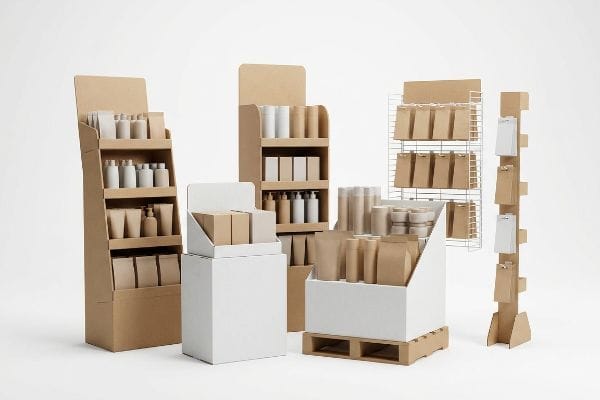
বিভিন্ন ধরণের পিওপি ডিসপ্লের মধ্যে রয়েছে ফ্লোর স্ট্যান্ডার, কাউন্টারটপ ইউনিট, প্যালেট মার্চেন্ডাইজার, সাইডকিক এবং ক্লিপ স্ট্রিপ। এই পরিকল্পিত কাঠামোগুলো কৌশলগতভাবে পণ্য সাজিয়ে রাখে, ক্রেতাদের চলাচলের পথকে জোরালোভাবে ব্যাহত করে এবং বিভিন্ন ধরণের দোকানের বিন্যাস ও অধিক ভিড়ের চেকআউট জোনে তাৎক্ষণিক কেনাকাটায় উৎসাহিত করে।.
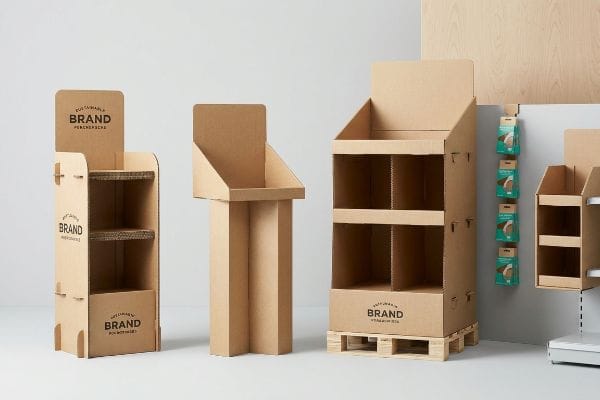
কিন্তু সঠিক কাঠামো নির্বাচন করা কেবল একটি সাধারণ ক্যাটালগ দেখার মধ্যেই সীমাবদ্ধ নয়; এর জন্য ভৌত পদার্থবিদ্যার সাথে বাণিজ্যিক রিয়েল এস্টেটের সামঞ্জস্য বিধান করা প্রয়োজন।.
উদাহরণসহ পাঁচ ধরনের ডিসপ্লে কী কী?
আদর্শ পণ্য বিন্যাস কাঠামো নির্বাচনই নির্ধারণ করে দেয় আপনার ব্র্যান্ডের অবস্থান কোথায় হবে। প্রতিটি নির্দিষ্ট বিভাগের একটি স্বতন্ত্র ছাপ থাকে, যা দোকানের বিভিন্ন অংশে ক্রেতাদের নানা ধরনের আচরণের সাথে সংযোগ স্থাপন করে।.
পাঁচ ধরনের ডিসপ্লে হলো ফ্লোর ইউনিট, কাউন্টারটপ ট্রে, প্যালেট স্কার্ট, ইনলাইন শেলফ বিন এবং সাইডকিক ক্লিপ স্ট্রিপ। এর উদাহরণগুলোর মধ্যে রয়েছে ক্লাব স্টোরের বিশাল আকারের স্বতন্ত্র প্যালেট থেকে শুরু করে রেজিস্টারের পাশে রাখার মতো ছোট আকারের পিডিকিউ (প্রোডাক্ট ডিসপ্লে কোয়ার্টার) ট্রে, যা বিশেষভাবে জনবহুল রিটেইল পরিবেশে দ্রুত ও তাৎক্ষণিক কেনাকাটার জন্য ডিজাইন করা হয়েছে।.
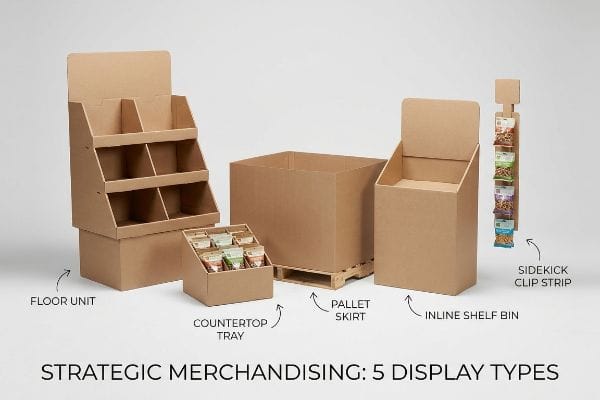
এই বিভাগগুলো বোঝা সহজ, কিন্তু দেশব্যাপী বাস্তবায়নের ক্ষেত্রে এগুলো প্রয়োগ করতে গেলে কঠোর ভৌত সীমাবদ্ধতা দেখা দেয়।.
স্টোর জোন জুড়ে কৌশলগত মার্চেন্ডাইজিং
ব্র্যান্ডগুলো প্রায়শই ধরে নেয় যে, একটিমাত্র ডিসপ্লে ডিজাইনকে ৫০% ছোট করে সহজেই চেকআউট কাউন্টার ইউনিট হিসেবে ব্যবহার করা যায়। এমনকি অভিজ্ঞ ক্রয় দলগুলোও এই বিষয়টি উপেক্ষা করে, এই ভেবে যে যেকোনো কাঠামোই নিখুঁতভাবে খাপ খাইয়ে নেওয়া যায়। তারা রিটেইল স্পেসকে অত্যন্ত সুসংগঠিত কৌশলগত অঞ্চল হিসেবে না দেখে, একটি সাধারণ ফাঁকা ক্যানভাস হিসেবে বিবেচনা করে ।
বাস্তবে, ক্রেতাদের আচরণের উপর ভিত্তি করে দোকানের বিভিন্ন অংশের জন্য সম্পূর্ণ ভিন্ন কৌশলগত পদ্ধতির প্রয়োজন হয়। ভিড়ে ঠাসা করিডোরে ফ্লোর ইউনিটগুলোকে দূর থেকে দৃষ্টি আকর্ষণ করতে হয় , অন্যদিকে চেকআউট ট্রেগুলোকে ক্যাশিয়ারের কর্মক্ষেত্র অগোছালো না করে তাৎক্ষণিক ও বাধাহীন কেনাকাটায় উৎসাহিত করতে হয়। এই স্বতন্ত্র মার্চেন্ডাইজিং কৌশলগুলোকে আলাদা করার মাধ্যমে, আপনি নিশ্চিত করেন যে উভয় বিন্যাসই তাদের নির্দিষ্ট পরিবেশের জন্য সর্বোত্তমভাবে তৈরি হয়েছে। ক্রেতার তাৎক্ষণিক মানসিকতার সাথে সরাসরি স্থানিক বিন্যাসকে মানিয়ে নেওয়ার ফলে স্টোর ম্যানেজাররা এমন বেমানান ও অনুপযুক্ত ইউনিট বাতিল করেন না, যা চেকআউট প্রক্রিয়ার স্বাভাবিক প্রবাহে বাধা সৃষ্টি করে।
| নতুনদের সাধারণ ভুল | প্রো ফিক্স | খুচরা-ফ্লোর সুবিধা |
|---|---|---|
| কাউন্টারের জন্য ফ্লোর ইউনিট ছোট করা | ফ্লোর এবং পাল্টা কৌশল পৃথকীকরণ | কাউন্টারের বিশ্রী জঞ্জাল প্রতিরোধ করে |
| ক্রেতাদের স্বতন্ত্র মানসিকতা উপেক্ষা করা | দ্রুত আবেগপ্রবণ কেনাকাটার জন্য অপ্টিমাইজ করা3 | রেজিস্টার রূপান্তর বৃদ্ধি করে |
| সমস্ত স্থানকে সমানভাবে বিবেচনা করা | সুনির্দিষ্ট অঞ্চল অনুযায়ী পদচিহ্ন তৈরি করা | দোকানের উচ্চতর সম্মতি নিশ্চিত করে4 |
নির্ধারিত রিটেইল জোনের জন্য বিশেষভাবে ডিজাইন করা হলে আপনার ক্যাম্পেইন ক্রেতাদের সাথে সংযোগ স্থাপন করতে পারে। দোকানের স্বতন্ত্র আচরণের সাথে আপনার কৌশলকে মানিয়ে নিলে তা আপনার বিনিয়োগকে সুরক্ষিত রাখে এবং মূল্যবান ফ্লোর স্পেসের সর্বোচ্চ ব্যবহার নিশ্চিত করে।.
🛠️ হার্ভির ডেস্ক: আপনার নতুন কাউন্টার ট্রে-টি কঠোর ADA ফরোয়ার্ড রিচ লিমিট লঙ্ঘন করছে কিনা, তা নিয়ে নিশ্চিত নন? 👉 আপনার ডিজাইনটি যাচাই করিয়ে নিন ↗ — আমার ডেস্কে সরাসরি অ্যাক্সেস। কোনো স্বয়ংক্রিয় সেলস স্প্যাম নেই, আমি কথা দিচ্ছি।
ডিসপ্লের চারটি মৌলিক প্রকার কী কী?
ভৌত আকৃতির বাইরেও, প্রদর্শনীগুলোকে তাদের স্থানিক পরিধি এবং সময়কালের ভিত্তিতে শ্রেণিবদ্ধ করা হয়। এই প্রাথমিক বিন্যাসগুলো বোঝাই হলো সেরা মানের স্থান নিয়ে দর কষাকষির মূল চাবিকাঠি।.
ডিসপ্লের চারটি মৌলিক ধরন হলো সম্পূর্ণ প্যালেট, অর্ধেক প্যালেট, এক-চতুর্থাংশ প্যালেট এবং ইনলাইন শেলফ ইউনিট। এই নির্দিষ্ট আকারের বিন্যাসগুলো ব্র্যান্ডগুলোকে দোকানের সেরা জায়গা ব্যবহারের সুযোগ করে দেয় এবং ভারী শপিং কার্টের চলাচলে বাধা না দিয়ে বা নিরাপত্তা বিধি লঙ্ঘন না করে, খুচরা বিক্রেতাদের সুনির্দিষ্ট চলাচলের পথে প্রচারমূলক অভিযানগুলোকে নির্বিঘ্নে একীভূত করতে সাহায্য করে।.
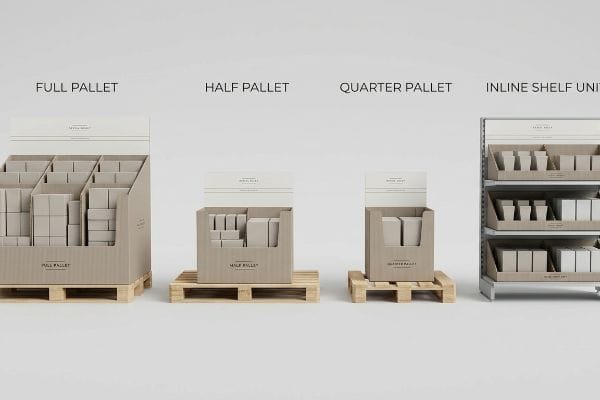
তবে, পুরো একটি কাঠের ভিত্তি একচেটিয়া করে ফেলার ধারণাটি একটি ব্যয়বহুল ফাঁদ যা ব্র্যান্ডের প্রসারকে নষ্ট করে দেয়।.
ভগ্নাংশ বিন্যাসের কৌশলগত শক্তি
ব্র্যান্ডগুলো প্রায়শই বড় বড় রিটেইলারদের কাছে ৪৮ ×৪০ ইঞ্চির পূর্ণ আকারের ফ্লোর ডিসপ্লে উপস্থাপন করে , কিন্তু মূল্যবান করিডোরের জায়গা কঠোরভাবে সীমিত থাকার কারণে তা দ্রুত প্রত্যাখ্যাত হয়। এটি একটি সাধারণ ফাঁদ যা অনভিজ্ঞ ক্রয় দলগুলোকে কাবু করে ফেলে, যারা মনে করে যে একটি ক্যাম্পেইন সফল হতে হলে পুরো প্ল্যাটফর্ম জুড়ে এর আধিপত্য বিস্তার করতে হবে। এই 'হয় সব পাবে, নয়তো কিছুই পাবে না' ধরনের মানসিকতা ছোট পরিসরের লঞ্চগুলোকে মারাত্মকভাবে সীমাবদ্ধ করে দেয়।
সেরা মানের রিটেইল স্পেস নিশ্চিত করার জন্য সবসময় বিশাল জায়গার প্রয়োজন হয় না। সবচেয়ে কার্যকর মার্চেন্ডাইজিং কৌশলটি কঠোর রিটেইলার ফ্লোর প্ল্যানের সাথে নির্বিঘ্নে মানিয়ে নেওয়ার জন্য স্ট্যান্ডার্ড ভগ্নাংশীয় মাত্রা ব্যবহার করে । ছোট , খণ্ডিত জায়গা গ্রহণ করার মাধ্যমে, একাধিক পরিপূরক পণ্যের সারি করিডোরকে দৃশ্যত বিশৃঙ্খল না করেই কার্যকরভাবে একটি প্রচারমূলক স্থান ভাগ করে নিতে পারে। এই সহযোগিতামূলক রিটেইল পদ্ধতি আপনার পণ্য স্থাপনের অনুমোদন দেওয়ার জন্য একজন স্টোর ক্রেতার ইচ্ছাকে উল্লেখযোগ্যভাবে উন্নত করে। ভগ্নাংশীয় জ্যামিতির সাথে মানিয়ে নেওয়া রিটেইল ম্যানেজারদের প্রয়োজনীয় লেআউটের নমনীয়তা প্রদান করে, যা সেই স্থানিক প্রতিবন্ধকতাকে সম্পূর্ণরূপে দূর করে, যার কারণে প্রায়শই সদর দফতরে উচ্চাকাঙ্ক্ষী নতুন পণ্যের উন্মোচন প্রত্যাখ্যাত হয়।
| নতুনদের সাধারণ ভুল | প্রো ফিক্স | খুচরা-ফ্লোর সুবিধা |
|---|---|---|
| অতিরিক্ত বড় পূর্ণ প্যালেট স্থাপন করা | সঠিক ভগ্নাংশ প্যালেট মাত্রা ব্যবহার করে ৭ | ক্রেতার অনুমোদনের সম্ভাবনা বেশি |
| সম্পূর্ণ ডিসপ্লে প্ল্যাটফর্মের দাবি | স্থানগুলিকে চতুর্থাংশ ইউনিটে বিভক্ত করা8 | সংকীর্ণ করিডোরের ঘনত্ব সর্বাধিক করে |
| খুচরা বিক্রেতার স্থানের সীমাবদ্ধতা উপেক্ষা করা | ছোট স্ট্যান্ডার্ড আকারে ইঞ্জিনিয়ারিং ৯ | ক্রেতাদের চলাচল মসৃণ রাখে |
ফ্র্যাকশনাল লেআউট গ্রহণ করলে রিটেইল ম্যানেজাররা তাদের কাঙ্ক্ষিত স্থানিক নমনীয়তা লাভ করেন। এর ফলে সেইসব পরিচালনগত জটিলতা দূর হয়, যার কারণে সাধারণত উচ্চাভিলাষী প্রচারণামূলক কর্মসূচিগুলো ক্রেতার কাছে প্রত্যাখ্যাত হয়।.
🛠️ হার্ভির ডেস্ক: আপনি কি আপনার বিশাল ফ্লোর ডিসপ্লেটি বড় বড় রিটেইল ক্রেতাদের কাছ থেকে অনুমোদন করাতে হিমশিম খাচ্ছেন? 👉 আমার সাইজিং গাইড ডাউনলোড করুন ↗ — নিরাপদে ডাউনলোড করুন। পরবর্তীতে কোনো প্রশ্ন থাকলে আমার ইনবক্স খোলা আছে।
ডিসপ্লে তিন প্রকারের হয় কী কী?
পণ্য বিপণনের বিকল্পগুলো সীমিত করতে গেলে প্রায়শই অস্থায়ী, আধা-স্থায়ী এবং স্থায়ী বিষয়গুলোর ওপর মনোযোগ কেন্দ্রীভূত হয়। প্রতিটি স্তরের জন্য প্রচার অভিযান পরিকল্পনায় কৌশলগতভাবে ভিন্ন পদ্ধতির প্রয়োজন হয়।.
স্থায়িত্বের ভিত্তিতে তিন ধরনের ডিসপ্লেকে শ্রেণীবদ্ধ করা হয়: অস্থায়ী ঢেউখেলানো কার্ডবোর্ডের ইউনিট, আধা-স্থায়ী বহু-উপাদানযুক্ত বিন এবং স্থায়ী ধাতব কাঠামো। অস্থায়ী ডিসপ্লে কয়েক সপ্তাহ টিকে থাকে, আধা-স্থায়ী কাঠামো কয়েক মাস টিকে থাকে এবং মজবুত স্থায়ী ইউনিটগুলো খুচরা বিক্রয়কেন্দ্রে বছরের পর বছর ধরে ক্রেতাদের দৈনন্দিন কঠোর ব্যবহার সহ্য করে।.
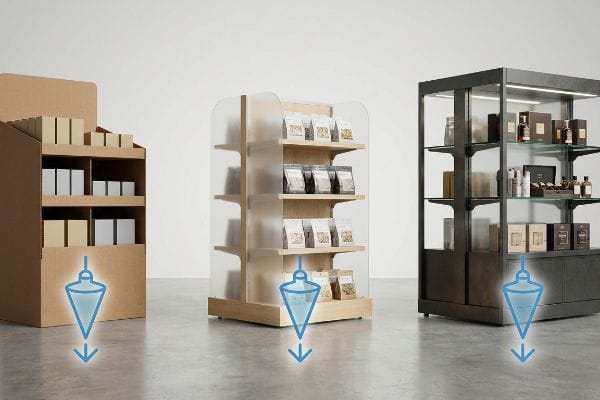
কিন্তু যখন আপনি এমন অস্থায়ী প্রদর্শনীর নির্মাণ করেন যা স্থায়ী উচ্চতায় পৌঁছায়, তখন পদার্থবিজ্ঞানের মৌলিক নীতি হঠাৎ করেই আপনার সবচেয়ে বড় শত্রু হয়ে দাঁড়ায়।.
ডিসপ্লের ভরকেন্দ্র সুরক্ষিত করা
ব্র্যান্ডগুলো প্রায়শই ব্যস্ততম করিডোরে জায়গা নিশ্চিত করার জন্য তাদের সাধারণ পূর্ণ-আকারের ফ্লোর ডিসপ্লেগুলোকে ছোট করে কোয়ার্টার-প্যালেট আকারে নিয়ে আসে, কিন্তু তারা এর আসল লম্বা গড়নটি বজায় রাখার চেষ্টা করে। তারা এই কাঠামোটিকে একটি ডিজিটাল রেন্ডারিংয়ের মতো ব্যবহার করে এবং খুচরা ব্যবসার মৌলিক নিরাপত্তা নির্দেশিকাগুলোকে পুরোপুরি উপেক্ষা করে। এই ওপরের দিকে ভারী নকশার কৌশলটি ব্যস্ত কেনাকাটার করিডোরগুলোতে উল্লেখযোগ্য অস্থিতিশীলতা তৈরি করে ।
দৈনন্দিন খুচরা বিক্রির পরিবেশে, ভারী শপিং কার্ট এবং দ্রুত চলমান ভিড়ের মধ্যে দিয়ে যাওয়ার সময় লম্বা ও সরু কাঠামো একটি মৌলিক ঝুঁকি তৈরি করে। ধারাবাহিক স্থিতিশীলতা বজায় রাখতে এবং ক্রেতার অভিজ্ঞতা সুরক্ষিত করার জন্য আদর্শ খুচরা বিক্রয় কৌশলের একটি কঠোরভাবে পরিকল্পিত ভরকেন্দ্র থাকা আবশ্যক । ভারযুক্ত ভিত্তি ব্যবহার করে অথবা সবচেয়ে ভারী পণ্যগুলো নিচের তাকে রেখে , ব্র্যান্ডগুলো স্বাভাবিকভাবেই ইউনিটটির ভরকেন্দ্রকে নিচে নামিয়ে আনে। এই সুচিন্তিত বিন্যাস দোকানে সাধারণ লেনদেনের সময় দুর্ঘটনাবশত উল্টে যাওয়া প্রতিরোধ করে, এবং এটি নিশ্চিত করে যে প্রচারণাটি তার নির্ধারিত প্রচারমূলক জীবনকাল জুড়ে অপ্রয়োজনীয় দায়বদ্ধতা তৈরি না করেই দৃষ্টিনন্দন এবং দৃঢ়ভাবে খাড়া থাকে।
| নতুনদের সাধারণ ভুল | প্রো ফিক্স | খুচরা-ফ্লোর সুবিধা |
|---|---|---|
| লম্বা ডিসপ্লেগুলিকে অতিরিক্ত সংকীর্ণ রাখা | একটি কৌশলগত ভারযুক্ত ভিত্তি পরিকল্পনা করা | গাড়ির ধাক্কায় উল্টে যাওয়া প্রতিরোধ করে |
| উপরে ভারী জিনিসপত্র লোড করা | ভারী SKU-গুলিকে নিচের তাকগুলিতে নোঙর করা | স্বাভাবিকভাবেই মাধ্যাকর্ষণ কেন্দ্রকে নিচে নামিয়ে আনে13 |
| মেঝের মৌলিক নিরাপত্তা উপেক্ষা করা | ভিত্তিগত পদচিহ্ন প্রসারিত করা | খুচরা বিক্রেতার সাধারণ দায়বদ্ধতা দূর করে14 |
আধুনিক রিটেইল পরিকল্পনায় একটি স্থিতিশীল ভরকেন্দ্র নিশ্চিত করা একটি অলঙ্ঘনীয় নীতি। ওজন কমালে আপনার ইউনিটটি পুরো প্রচারণার সময়কাল জুড়ে নিরাপদে ও মজবুতভাবে দাঁড়িয়ে থাকে।.
🛠️ হার্ভিস ডেস্ক: আপনার লম্বা মার্চেন্ডাইজারটি উল্টে গিয়ে রিটেইলার সেফটি অডিটে ফেল করতে পারে ভেবে চিন্তিত? 👉 একটি স্ট্যাবিলিটি চেকের জন্য অনুরোধ করুন ↗ — কোনো ফর্ম নেই যা অবিরাম সেলস কলের কারণ হয়। শুধু খাঁটি সুবিধা।
পণ্য বিপণনের পাঁচটি প্রকার কী কী?
মার্চেন্ডাইজিং হলো খুচরা ব্যবসার নীরব বিক্রয়কর্মী। এর অন্তর্ভুক্ত বিষয়গুলো হলো দৃশ্যগত পরিবর্তন, ক্রস-মার্চেন্ডাইজিং, ইন্টারেক্টিভ সম্পৃক্ততা, ডিজিটাল ইন্টিগ্রেশন এবং কঠোর স্থানিক বিন্যাস অপ্টিমাইজেশন।.
পাঁচ ধরনের মার্চেন্ডাইজিংয়ের মধ্যে রয়েছে ভিজ্যুয়াল ডিসপ্লে অর্গানাইজেশন, ক্রস-ক্যাটাগরি পেয়ারিং, প্রোমোশনাল প্রোডাক্ট প্লেসমেন্ট, সিজনাল ক্যাম্পেইন থিম এবং অমনিচ্যানেল ডিজিটাল ইন্টিগ্রেশন। এই কৌশলগুলো ইচ্ছাকৃতভাবে রিটেইল পরিবেশকে এমনভাবে পরিচালনা করে যাতে ক্রেতার তাৎক্ষণিক মনোযোগ আকর্ষণ করা যায়, মানসিক প্রতিবন্ধকতা ব্যাপকভাবে কমানো যায় এবং ভোক্তার চূড়ান্ত ক্রয়ের পথকে দ্রুততর করা যায়।.
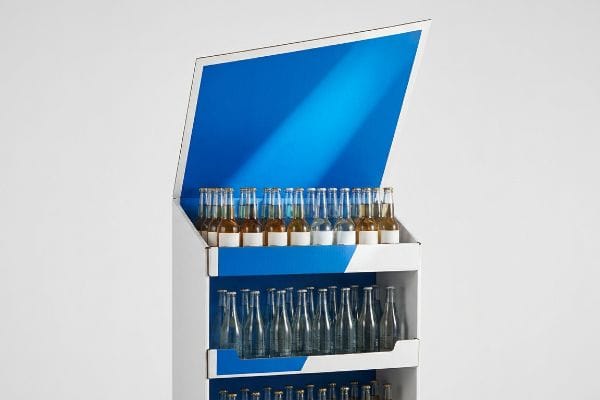
কিন্তু যখন মেশিনগুলো চলতে শুরু করে এবং আপনার গ্রাফিক্সগুলো আসল খুচরা বিক্রির দোকানে পৌঁছায়, তখন শুধু তত্ত্ব জানাই যথেষ্ট নয়।.
কারখানার মেঝেতে কেন প্রচলিত দৃশ্যগত প্রবাহ ব্যর্থ হয়
নবীন বিপণন দলগুলো প্রায়শই শুধুমাত্র উজ্জ্বল, ব্যাকলিট কম্পিউটার মনিটরে কাছ থেকে দেখার জন্য খুচরা দোকানের বিন্যাস ডিজাইন করে, ক্রেতারা কীভাবে ভিড়ভরা পথ দিয়ে চলাচল করে সেই বাস্তবতাকে উপেক্ষা করে। তারা তাদের কাঠামোগত ডাইলাইনগুলোকে ছোট ছোট লেখা এবং জটিল গ্রাফিক্স দিয়ে সাজিয়ে তোলে, এই ভেবে যে ভোক্তারা থেমে প্রতিটি খুঁটিনাটি পড়বে। এটি ব্যাপক দৃশ্যগত জঞ্জাল তৈরি করে যা মৌলিক মার্চেন্ডাইজিং কৌশল বাস্তবায়নে সম্পূর্ণরূপে ব্যর্থ হয়১৫।
একটি নিখুঁত ল্যাবে একটি ডিসপ্লেকে আকর্ষণীয় করে তোলা সহজ, কিন্তু যখন আপনি ৫০০টি ডিসপ্লে স্বল্প-আলোকিত বড় বড় দোকানে পাঠান, তখন এক কঠিন বাস্তবতার মুখোমুখি হতে হয়। আমার প্রতিষ্ঠানে আমি নিয়মিত দেখি ক্লায়েন্টরা এমন আর্টওয়ার্ক জমা দেয় যা রিটেইলের স্থানিক আকর্ষণের নিয়মগুলোকে পুরোপুরি উপেক্ষা করে। আমি কারখানার ফ্লোরে একটি ৩৬০-ইঞ্চি (৯১৪৪ মিমি) দূর থেকে সরাসরি দেখে এটি পরীক্ষা করি, এবং যদি আমি ব্র্যান্ডের নামটি পড়তে না পারি, তবে সেই ক্যাম্পেইনটি ইতিমধ্যেই ব্যর্থ। আমি আক্ষরিক অর্থেই দেখেছি, রিটেইলের তীব্র আলোর ঝলকানি একটি লেখা-বহুল, সমতল ডিসপ্লেকে পুরোপুরি ম্লান করে দিয়েছে, কারণ সেখানে কোনো দৃশ্যগত আকর্ষণ ছিল না। আমি ডিজাইন ফাইলগুলো বের করে এনে প্রমাণ করেছি যে আমাদের আরও মার্কেটিং কপির প্রয়োজন ছিল না—আমাদের প্রয়োজন ছিল আকর্ষণীয় ডাই-কাট আকৃতি এবং দূর থেকে দৃষ্টি আকর্ষণের জন্য পিএমএস (প্যান্টোন ম্যাচিং সিস্টেম) স্পট কালার ফ্লাড, যা শেলফের গঠনকে ৫০-ইঞ্চি (১২৭০ মিমি) স্ট্রাইক জোনের জন্য অপ্টিমাইজ করবে । পণ্যের ৮৫% দৃশ্যমানতা নিশ্চিত করার জন্য সামনের ধরে রাখার প্রান্তটি কেটে ফেলার মাধ্যমে, আমি চূড়ান্ত ৩-ইঞ্চি (৭৬.২ মিমি) স্পর্শকাতর রূপান্তরকে ঘর্ষণহীন করি, যা প্রত্যাশিত বিক্রয় বৃদ্ধিকে আনুমানিক ২০% বাড়িয়ে তোলে ১৭ ।
| নতুনদের সাধারণ ভুল | প্রো ফিক্স | খুচরা-ফ্লোর সুবিধা |
|---|---|---|
| শুধুমাত্র মনিটরে ডিজাইন করা | দূরবর্তী স্থানিক নিয়ম ব্যবহার করে ১৮ | দূরের সারিগুলো থেকেও চলাচল শনাক্ত করে |
| ক্ষুদ্র বিপণন লেখার উপর নির্ভর করা | গাঢ় প্যানটোন স্পট ফ্লাড ব্যবহার করে19 | পথের দৃশ্যমান জঞ্জাল দূর করে |
| উচ্চ ধারণক্ষমতা সম্পন্ন ঠোঁট ব্যবহার করে | ৮৫% দৃশ্যমানতার জন্য ঠোঁট কাটা20 | চূড়ান্ত আবেগপ্রবণ কেনাকাটা ত্বরান্বিত করে |
আমি প্রতিটি ইউনিট এমনভাবে ডিজাইন করি যাতে তা দূর থেকেও দৃষ্টি আকর্ষণ করে। আপনার ডিসপ্লে যদি দূর থেকে লোক টানতে না পারে, তবে বিশ্বের সেরা মার্চেন্ডাইজিং কৌশলও আপনার মুনাফা বাঁচাতে পারবে না।.
🛠️ হার্ভির ডেস্ক: আপনার বর্তমান শিল্পকর্মটি কি ফ্লুরোসেন্ট আলোর নিচে দূর থেকে দৃষ্টিবিভ্রমের গাণিতিক সীমা পূরণ করে? 👉 আপনার ডাইলাইন ফাইলটি পাঠান ↗ — গণ-উৎপাদনে বাজেট অপচয় করার আগে আমি এর গাণিতিক হিসাবটি ভালোভাবে পরীক্ষা করে দেখব।
উপসংহার
আপনি আরও সস্তা বিক্রেতা বেছে নিতে পারেন, কিন্তু যখন সেই ভারি কোয়ার্টার-প্যালেটটি একটি ব্যস্ত করিডোরে কাত হয়ে ভেঙে পড়ে, তখন এটি একটি বিশাল নিরাপত্তা ঝুঁকি তৈরি করে, যা খুচরা বিক্রেতার তাৎক্ষণিক প্রত্যাখ্যানের কারণ হয় এবং প্রকল্পের লাভের মার্জিন সম্পূর্ণরূপে নষ্ট করে দেয়। আমার শীর্ষ ১০ জন খুচরা গ্রাহক প্রিন্ট প্রত্যাখ্যান শূন্যে নামিয়ে আনার নিশ্চয়তা দিতে ঠিক এই স্পেক শিটটিই ব্যবহার করেন। কাঠামোগত পদার্থবিদ্যা নিয়ে অনুমান করা বন্ধ করুন এবং উৎপাদনের আগেই মারাত্মক ভারসাম্যহীনতার ত্রুটি ধরতে আমার ফ্রি ডাইলাইন অডিট ↗- এর মাধ্যমে আমাকে ব্যক্তিগতভাবে আপনার জ্যামিতি নিরীক্ষা করতে দিন।
"একটি আকর্ষণীয় রিটেইল স্টোর লেআউট ডিজাইন করার চূড়ান্ত নির্দেশিকা", https://spc-retail.com/the-ultimate-guide-to-designing-an-engaging-retail-store-layout/। রিটেইল ব্যবস্থাপনার নির্ভরযোগ্য উৎসগুলো ব্যাখ্যা করে যে, ক্রেতাদের চলাচল এবং বিক্রয় বৃদ্ধিকে সর্বোত্তম করতে স্টোরের লেআউটগুলোকে কীভাবে নির্দিষ্ট কৌশলগত অঞ্চলে (যেমন, ডিকম্প্রেশন জোন, পাওয়ার আইল, পয়েন্ট-অফ-পারচেজ) ভাগ করা হয়। প্রমাণের ভূমিকা: ধারণাগত ভিত্তি; উৎসের ধরন: ইন্ডাস্ট্রি ম্যানুয়াল বা অ্যাকাডেমিক পাঠ্যপুস্তক। সমর্থন করে: এই দাবি যে, রিটেইল স্পেস কোনো সাধারণ ক্যানভাস নয়, বরং এটি স্বতন্ত্র অঞ্চলের একটি সমষ্টি। পরিধি সংক্রান্ত টীকা: ভৌত ইট-পাথরের রিটেইল পরিবেশের উপর দৃষ্টি নিবদ্ধ। ↩
"ভোক্তা ক্রয়ের উপর বিভিন্ন ধরণের ইন-স্টোর ডিসপ্লের প্রভাব...", https://www.sciencedirect.com/science/article/abs/pii/S0022435921000634। অধিক জনসমাগমপূর্ণ এলাকায় স্বতন্ত্র ইউনিটগুলির জন্য উচ্চ দৃশ্যমানতার প্রয়োজনীয়তা ব্যাখ্যা করে এমন ভিজ্যুয়াল মার্চেন্ডাইজিং নির্দেশিকা। প্রমাণের ভূমিকা: নকশার নীতি; উৎসের ধরণ: মার্চেন্ডাইজিং পাঠ্যপুস্তক। সমর্থন করে: ফ্লোর ইউনিটের জন্য ভিজ্যুয়াল প্রয়োজনীয়তা। পরিধি নোট: স্বতন্ত্র রিটেইল ডিসপ্লের ক্ষেত্রে প্রযোজ্য। ↩
"অনলাইনে হুট করে কেনার প্রবণতাকে প্রভাবিত করে এমন বিষয়গুলোর উপর একটি বিশদ গবেষণা...", https://pmc.ncbi.nlm.nih.gov/articles/PMC11336989/। নির্ভরযোগ্য রিটেইল সাইকোলজি গবেষণা দেখায় যে, কীভাবে পয়েন্ট-অফ-পারচেজ অপটিমাইজেশন সরাসরি রেজিস্টার কনভার্সন রেট বৃদ্ধির সাথে সম্পর্কিত। প্রমাণের ভূমিকা: কার্যকারণ সম্পর্ক; উৎসের ধরণ: রিটেইল ইন্ডাস্ট্রির গবেষণা। সমর্থন করে: বিক্রয়ের উপর হুট করে কেনার কৌশলের প্রভাব। পরিধি নোট: চেকআউট জোনের আচরণের উপর আলোকপাত করে। ↩
"প্ল্যানোগ্রাম কমপ্লায়েন্স: দ্য আল্টিমেট গাইড | সেফটি কালচার", https://safetyculture.com/topics/planogram/planogram-compliance। রিটেইল অপারেশনাল ডেটা থেকে জানা যায় যে, দোকানের নির্দিষ্ট জোনের জন্য মার্চেন্ডাইজিং ফুটপ্রিন্ট তৈরি করলে বাস্তবায়ন ত্রুটি কমে এবং কমপ্লায়েন্সের হার বাড়ে। প্রমাণের ভূমিকা: অপারেশনাল মেট্রিক; উৎসের ধরণ: রিটেইল ম্যানেজমেন্ট জার্নাল। সমর্থন করে: জোন-ভিত্তিক পরিকল্পনা এবং কমপ্লায়েন্সের মধ্যে সংযোগ। পরিধি নোট: প্রধানত চেইন রিটেইল পরিবেশের জন্য প্রযোজ্য। ↩
"প্যালেট সাইজ গাইড – মাত্রা ও প্রকারভেদের ব্যাখ্যা – ৪৮ফোর্টি", https://www.48forty.com/blog/pallet-size-guide-dimensions-types-explained। জিএমএ (GMA) প্যালেট স্পেসিফিকেশনের উপর ভিত্তি করে পূর্ণ-আকারের রিটেইল ফ্লোর ডিসপ্লের জন্য ৪৮×৪০ ইঞ্চি মাত্রাকে শিল্প মান হিসাবে যাচাইকরণ। প্রমাণের ভূমিকা: তথ্যগত যাচাইকরণ; উৎসের ধরণ: শিল্প মান/লজিস্টিকস গাইড। সমর্থন করে: স্ট্যান্ডার্ড ডিসপ্লে মাত্রা। পরিধি নোট: উত্তর আমেরিকার রিটেইল পরিবেশের জন্য প্রাথমিক মান। ↩
"রিটেইল লেআউট অপটিমাইজেশন: ডিজিটাল টুইনসের মাধ্যমে আরও ভালো স্টোর | ম্যাটারপোর্ট", https://matterport.com/blog/retail-layout-optimization?srsltid=AfmBOorDPalYX6agpMlCeFTMf_bCXdGq9t-SkXiYh1gluDNKsyjOMbhi। রিটেইল মার্চেন্ডাইজিং স্ট্যান্ডার্ডের উপর ইন্ডাস্ট্রির ডকুমেন্টেশন যাচাই করে যে, কঠোর ফ্লোর প্ল্যান এবং নিরাপত্তা প্রয়োজনীয়তা পূরণের জন্য ভগ্নাংশযুক্ত ডিসপ্লে ডাইমেনশন ব্যবহার করা হয়। প্রমাণের ভূমিকা: প্রযুক্তিগত স্পেসিফিকেশন; উৎসের ধরণ: ট্রেড পাবলিকেশন। সমর্থন করে: রিটেইলে ভগ্নাংশযুক্ত লেআউটের কার্যকারিতা। পরিধি নোট: প্রাথমিকভাবে বিগ-বক্স রিটেইল পরিবেশের জন্য প্রযোজ্য। ↩
"আমি কীভাবে একটি কোয়ার্টার প্যালেট ডিসপ্লে অর্ডার করব? – পপডিসপ্লে", https://popdisplay.me/how-do-i-order-a-quarter-pallet-display/। খুচরা পণ্য বিপণনে ব্যবহৃত ভগ্নাংশ প্যালেটের জন্য প্রমিত পরিমাপের যাচাইকরণ। প্রমাণের ভূমিকা: প্রযুক্তিগত স্পেসিফিকেশন; উৎসের ধরণ: লজিস্টিকস ম্যানুয়াল। সমর্থন করে: ক্রেতার অনুমোদন বাড়ানোর জন্য সুনির্দিষ্ট মাত্রা ব্যবহার। পরিধি সংক্রান্ত টীকা: খুচরা বিক্রেতা ভেদে মাত্রা ভিন্ন হতে পারে। ↩
"১৪ ধরনের রিটেইল ডিসপ্লে | শিকাগো, আইএল – ভার্টহাইমার বক্স", https://wertheimerbox.com/types-of-retail-displays/। ডিসপ্লে প্ল্যাটফর্মকে কোয়ার্টার ইউনিটে বিভক্ত করে কীভাবে রিটেইল ফ্লোরের জায়গার সর্বোত্তম ব্যবহার করা যায় এবং আইলের ঘনত্ব বাড়ানো যায়, তার বিশ্লেষণ। প্রমাণের ভূমিকা: শিল্পের সেরা অনুশীলন; উৎসের ধরণ: রিটেইল ম্যানেজমেন্ট গাইড। সমর্থন করে: সংকীর্ণ আইলে জায়গার সর্বোচ্চ ব্যবহার। পরিধি নোট: বিশেষভাবে অধিক জনসমাগমপূর্ণ রিটেইল পরিবেশের জন্য প্রযোজ্য। ↩
"আইল উইডথ প্ল্যানিং: দ্য ইন্ডিপেন্ডেন্ট রিটেইলার'স গাইড টু ট্র্যাফিক ফ্লো", https://www.storesupply.com/customer-connection/store-aisle-planning-traffic-flow-guide?srsltid=AfmBOoryHiE09pMCsxDwGkKz-jNpp8PTT0jxmOIjc_v1IxgHFN5fR1-U। ক্রেতাদের চলাচলে বাধা কমানো এবং সুরক্ষা বিধি মেনে চলার জন্য ডিজাইন করা শিল্প-মানসম্মত ডিসপ্লে আকারের ডকুমেন্টেশন। প্রমাণের ভূমিকা: স্থানিক মান; উৎসের ধরণ: স্টোর পরিকল্পনা নির্দেশিকা। সমর্থন করে: ছোট পরিসরের মাধ্যমে ক্রেতাদের অবাধ চলাচল বজায় রাখা। পরিধি সংক্রান্ত টীকা: প্রধানত বিগ-বক্স রিটেইল পরিসরের জন্য প্রযোজ্য। ↩
"অস্থায়ী ডিসপ্লেতে স্থিতিশীলতা ও কাঠামোগত সমর্থন নিশ্চিত করুন", https://www.ud-direct.com/blog/tips-and-tricks-to-ensure-stability-and-structure-support-in-temporary-displays। প্রামাণ্য খুচরা নিরাপত্তা মান ব্যাখ্যা করে যে কীভাবে ভিত্তির সাপেক্ষে ভরকেন্দ্রকে উপরে তুললে উল্টে যাওয়ার ঝুঁকি বাড়ে। প্রমাণের ভূমিকা: প্রযুক্তিগত যাচাইকরণ; উৎসের ধরণ: নিরাপত্তা নির্দেশিকা। সমর্থন: উপরের দিকে ভারী মাত্রা এবং কাঠামোগত অস্থিতিশীলতার মধ্যে সংযোগ। পরিধি নোট: স্বতন্ত্রভাবে স্থাপিত পয়েন্ট-অফ-পারচেজ ফিক্সচারের জন্য নির্দিষ্ট। ↩
"কার্যকরী ডিসপ্লে এবং গ্রাহক প্রবাহের জন্য খুচরা দোকানের নকশা", https://www.business.qld.gov.au/industries/manufacturing-retail/retail-wholesale/retail-displays। শিল্প নিরাপত্তা মান এবং মার্চেন্ডাইজিং নির্দেশিকা যা খুচরা ডিসপ্লেতে স্থিতিশীল ভরকেন্দ্রের প্রয়োজনীয়তা ব্যাখ্যা করে। প্রমাণের ভূমিকা: শিল্প মান যাচাইকরণ; উৎসের ধরণ: খুচরা নিরাপত্তা ম্যানুয়াল। সমর্থন করে: এই দাবি যে ভরকেন্দ্রের পরিকল্পনা করা একটি প্রচলিত অনুশীলন। পরিধি নোট: শুধুমাত্র ফ্রিস্ট্যান্ডিং ডিসপ্লের জন্য নির্দিষ্ট। ↩
"অস্থায়ী রিটেইল ডিসপ্লের ভারবহন ক্ষমতা – ইউডি ডিরেক্ট", https://www.ud-direct.com/blog/temporary-retail-display-load-bearing-capabilities। রিটেইল ফিক্সচারের স্থিতিশীলতা নিশ্চিত করতে এবং উল্টে যাওয়া রোধ করার জন্য ভার বণ্টনের প্রযুক্তিগত নির্দেশিকা। প্রমাণের ভূমিকা: প্রযুক্তিগত নিশ্চিতকরণ; উৎসের ধরণ: মার্চেন্ডাইজিং ইঞ্জিনিয়ারিং গাইড। সমর্থন করে: ভরকেন্দ্র নিচে নামানোর জন্য বটম-লোডিং-এর কার্যকারিতা। পরিধি নোট: রিটেইলে সাধারণ পদার্থবিজ্ঞানের প্রয়োগ। ↩
"ভারকেন্দ্র | ফিজিক্স ভ্যান – ইউনিভার্সিটি অফ ইলিনয়", https://van.physics.illinois.edu/ask/listing/74। কোনো কাঠামোর গোড়ায় ভারী ভর রাখলে কীভাবে স্থিতিশীলতা বাড়ে এবং উল্টে যাওয়া প্রতিরোধ করে তার প্রযুক্তিগত ব্যাখ্যা। প্রমাণের ভূমিকা: প্রযুক্তিগত যাচাইকরণ; উৎসের ধরণ: পদার্থবিদ্যা বা কাঠামোগত প্রকৌশল ম্যানুয়াল। সমর্থন করে: এই দাবি যে নিচ থেকে ভারী জিনিস রাখলে স্থিতিশীলতা বাড়ে। পরিধি টীকা: সাধারণ ভৌত নীতি। ↩
"খুচরা নির্মিত পরিবেশে প্রাঙ্গণের নিরাপত্তা বিষয়ক বিশেষজ্ঞ নিবন্ধ", https://www.robsonforensic.com/articles/retail-premises-liability-expert। দায়বদ্ধতা হ্রাস করার জন্য উল্টে যাওয়ার ঝুঁকি প্রতিরোধের বিষয়ে খুচরা নিরাপত্তা মান এবং OSHA নির্দেশিকার নথি। প্রমাণের ভূমিকা: নিয়ন্ত্রক যাচাইকরণ; উৎসের ধরণ: কর্মক্ষেত্রের নিরাপত্তা নির্দেশিকা বা আইনি সম্মতি ম্যানুয়াল। সমর্থন করে: এই দাবি যে বর্ধিত পরিধি দায়বদ্ধতা হ্রাস করে। পরিধি সংক্রান্ত টীকা: আঞ্চলিক নিরাপত্তা আইন অনুসারে পরিবর্তিত হয়। ↩
"[পিডিএফ] ভোক্তার উপর চাক্ষুষ সংকেত এবং পরিষেবা আচরণের প্রভাব...", https://digitalcommons.usu.edu/cgi/viewcontent.cgi?article=1210&context=honors। পরিবেশগত মনোবিজ্ঞান এবং খুচরা নকশার উপর প্রামাণ্য গবেষণা প্রমাণ করে যে উচ্চ চাক্ষুষ কোলাহল জ্ঞানীয় ভার বৃদ্ধি করে, যা ভোক্তার ক্রয়ের পথকে ব্যাহত করে। প্রমাণের ভূমিকা: কার্যকারণ সম্পর্ক; উৎসের ধরণ: পিয়ার-রিভিউড গবেষণা। সমর্থন করে: এই দাবি যে অগোছালো বিন্যাস পণ্য বিপণনের লক্ষ্যকে দুর্বল করে। পরিধি নোট: বিশেষভাবে ভৌত পয়েন্ট-অফ-পারচেজ ডিসপ্লে সম্পর্কিত। ↩
"[পিডিএফ] খুচরা মুদি দোকানের জন্য নির্দেশিকা – এরগনোমিক্স ফর দ্য … – ওএসএইচএ", https://www.osha.gov/sites/default/files/publications/OSHA3192.pdf। খুচরা পরিবেশে ক্রেতাদের জন্য সর্বোত্তম দৃশ্যমানতা এবং নাগালের অঞ্চলের জন্য শিল্প মান যাচাইকরণ। প্রমাণের ভূমিকা: প্রযুক্তিগত বৈধতা; উৎসের ধরণ: খুচরা নকশা ম্যানুয়াল বা এরগনোমিক গবেষণা। সমর্থন করে: পণ্যের প্রতি মনোযোগ সর্বাধিক করার জন্য ব্যবহৃত নির্দিষ্ট পরিমাপ। পরিধি নোট: দোকানের বিভাগ অনুযায়ী ভিন্ন হতে পারে। ↩
"শেলফে প্রায় রিয়েল-টাইম দৃশ্যমানতার গুরুত্ব – সার্কানা", https://www.circana.com/post/the-importance-of-near-real-time-on-shelf-visibility। পণ্যের বর্ধিত দৃশ্যমানতা এবং স্পর্শযোগ্যতার সাথে বিক্রয় বৃদ্ধির শতাংশের সম্পর্ক স্থাপনকারী গবেষণালব্ধ তথ্য। প্রমাণের ভূমিকা: পরিমাণগত সমর্থন; উৎসের ধরণ: বাজার গবেষণা প্রতিবেদন বা খুচরা বিক্রয়ের কেস স্টাডি। সমর্থন করে: এই দাবি যে দৃশ্যমানতার সর্বোত্তম ব্যবহার একটি নির্দিষ্ট বিক্রয় বৃদ্ধি ঘটায়। পরিধি সংক্রান্ত টীকা: সাধারণ শিল্প মানদণ্ডের উপর ভিত্তি করে। ↩
"ভিজ্যুয়াল মার্চেন্ডাইজিং সার্ভিসেস অ্যান্ড স্ট্র্যাটেজি | টি-রক গ্লোবাল", https://trocglobal.com/visual-merchandising/। দৃষ্টিরেখা এবং স্থানিক জ্যামিতি সম্পর্কিত স্থাপত্য ও মার্চেন্ডাইজিং নীতিগুলি নির্ধারণ করে যে গ্রাহকরা দূর থেকে ডিসপ্লেগুলিকে কীভাবে উপলব্ধি করে। প্রমাণের ভূমিকা: ধারণাগত কাঠামো; উৎসের ধরণ: পাঠ্যপুস্তক। সমর্থন করে: দূর থেকে ট্র্যাফিক আকর্ষণ করার জন্য স্থানিক নিয়মের ব্যবহার। পরিধি টীকা: দোকানের বিন্যাস এবং ভিজ্যুয়াল ফ্লো-এর জন্য নির্দিষ্ট। ↩
"স্পট কালার বনাম প্রসেস কালার প্রিন্টিং – প্যানটোন", https://www.pantone.com/articles/technical/spot-vs-process-color?srsltid=AfmBOopu31HDf1ASiu-dfZa13euXcJBbgegQxdn8zNIrhiMza69GX8rx। কালার সায়েন্স এবং গ্রাফিক ডিজাইন স্ট্যান্ডার্ড ব্যাখ্যা করে কেন রিটেইল পরিবেশে CMYK-এর তুলনায় স্পট কালার উচ্চতর স্যাচুরেশন এবং ভিজিবিলিটি প্রদান করে। প্রমাণের ভূমিকা: টেকনিক্যাল স্পেসিফিকেশন; উৎসের ধরণ: ডিজাইন ম্যানুয়াল। সমর্থন করে: ভিজ্যুয়াল ক্ল্যাটার বা চাক্ষুষ জঞ্জাল ভেদ করতে স্পট ফ্লাডের কার্যকারিতা। পরিধি নোট: প্রিন্ট প্রোডাকশন এবং ভিজ্যুয়াল পারসেপশনের উপর আলোকপাত করে। ↩
"খুচরা দোকানের তাকের গড় উচ্চতা কত? – পপডিসপ্লে", https://popdisplay.me/what-is-the-average-retail-shelf-height/। খুচরা দোকানের সরঞ্জাম নকশার জন্য প্রযুক্তিগত নির্দেশিকা পণ্যের প্রদর্শনকে সর্বোত্তম করতে নির্দিষ্ট দৃশ্যমানতার শতাংশ প্রদান করে। প্রমাণের ভূমিকা: প্রযুক্তিগত পরিমাপ; উৎসের ধরণ: শিল্প মান। সমর্থন করে: এই দাবি যে, তাকের প্রান্তের উচ্চতা একটি নির্দিষ্ট দৃশ্যমানতার সীমায় কমিয়ে আনলে বিক্রি বাড়ে। পরিধি সংক্রান্ত টীকা: পয়েন্ট-অফ-পারচেজ ডিসপ্লের ক্ষেত্রে প্রযোজ্য। ↩