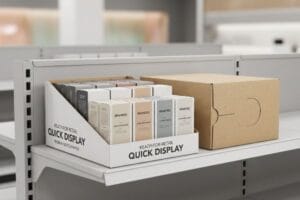
একটি আধুনিক ওষুধের দোকানে ঢুকলে, দৃশ্যমান প্রতিযোগিতা তীব্র হয়, এবং একজন রোগীর মনোযোগ আকর্ষণ করার জন্য শুধু ধাতব তাকে বাক্স সাজিয়ে রাখার চেয়ে অনেক বেশি কিছু প্রয়োজন হয়।.
ফার্মেসি ডিসপ্লেতে যেসব পণ্যের বিজ্ঞাপন দেওয়া হয়, তার মধ্যে রয়েছে প্রেসক্রিপশন ছাড়া ওষুধ, দৈনন্দিন ভিটামিন, ব্যক্তিগত যত্নের সামগ্রী, প্রসাধনী, প্রাথমিক চিকিৎসার সরঞ্জাম এবং স্বাস্থ্য ও সুস্থতা বিষয়ক পণ্য। সুসংগঠিত ফিজিক্যাল মার্চেন্ডাইজার ব্যবহার করে ওষুধের দোকানের ব্যস্ত করিডোরে ব্র্যান্ডের দৃশ্যমানতা বাড়ানো যায়, যা রোগীদের স্বাস্থ্য চিকিৎসা সম্পর্কে নিরাপদে শিক্ষিত করার পাশাপাশি তাদের তাৎক্ষণিক কেনাকাটায় উৎসাহিত করে।.

এই জায়গাগুলোতে কী মানানসই, তা বোঝাটা কেবল অর্ধেক কাজ; স্বাস্থ্যসেবা খাতের বিশৃঙ্খল খুচরা বিক্রির পরিবেশে টিকে থাকার মতো একটি ডিসপ্লেকে বাস্তবিকভাবে কীভাবে ডিজাইন করতে হয়, তা জানাই আসলে আপনার মার্কেটিং বাজেটকে সুরক্ষিত রাখে।.
ফার্মেসিতে কোন কোন ওষুধের বিজ্ঞাপন দেওয়া যেতে পারে?
ওটিসি (ওভার-দ্য-কাউন্টার) ব্র্যান্ডগুলো সর্দি-কাশির ওষুধের তাকে আধিপত্য বিস্তারের জন্য প্রতিনিয়ত লড়াই করে, কিন্তু দোকানের জায়গা নিশ্চিত করাটা কেবল প্রথম ধাপ।.
ফার্মেসিতে বিজ্ঞাপিত ঔষধগুলোর মধ্যে রয়েছে প্রেসক্রিপশন ছাড়া অ্যালার্জির উপশমকারী, ব্যথা নিরাময়ের ঔষধ, হজম সহায়ক, সর্দি-কাশির ওষুধ এবং শিশুদের জন্য সিরাপ। কৌশলগত ভিজ্যুয়াল মার্চেন্ডাইজিং এই অনুমোদিত ঔষধগুলোকে বিশেষভাবে তুলে ধরে, যা নিশ্চিত করে যে তাড়াহুড়োয় থাকা ক্রেতারা দোকানে উপস্থিত ব্যস্ত স্বাস্থ্যকর্মীদের সাথে সরাসরি পরামর্শ ছাড়াই দ্রুত তাদের উপসর্গ-নির্দিষ্ট উপশম খুঁজে নিতে পারেন।.
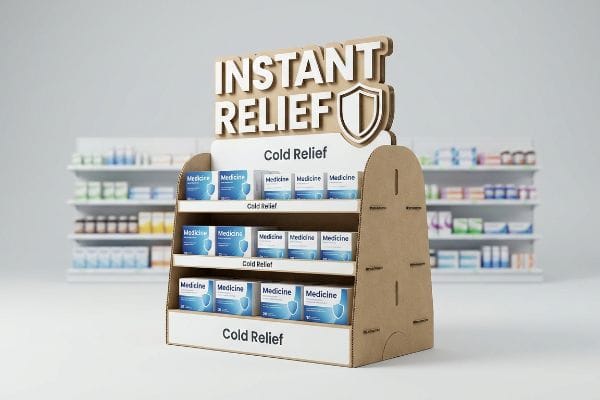
জটিল চিকিৎসা সংক্রান্ত দাবিগুলোকে বাস্তব খুচরা বিক্রয় কাঠামোতে রূপান্তর করার জন্য কঠোর শৃঙ্খলা প্রয়োজন, অন্যথায় মূল বার্তাটি কোলাহলের মধ্যে হারিয়ে যায়।.
ওটিসি ব্র্যান্ডগুলির জন্য জ্ঞানীয় ভারাক্রান্ততা এড়ানো
এমনকি অভিজ্ঞ বিপণন দলগুলোও প্রায়শই একটি ভৌত ঢেউখেলানো ডিসপ্লেকে ক্লিনিকাল ওয়েবসাইটের মতো বিবেচনা করার ফাঁদে পড়ে । তারা হেডার এবং সাইড প্যানেল জুড়ে প্রতিটি উপসর্গ, সক্রিয় উপাদান এবং আইনি দাবিত্যাগ ছাপানোর চেষ্টা করে, এই ভেবে যে বেশি তথ্য স্বাভাবিকভাবেই রোগীর আস্থা তৈরি করে।
পর্যালোচনার জন্য যখন ফ্ল্যাট ডাইলাইনগুলো আমার ডেস্কে আসে, তখন আমি এই জিনিসটা প্রায়ই দেখি। ব্র্যান্ডটি একটি ১৮-ইঞ্চি (৪৫৭ মিমি) হেডার কার্ডের মধ্যে ভোক্তা আচরণের উপর করা সাত স্তরের গবেষণাকে ঠাসাঠাসি করে ঢুকিয়ে দেওয়ার চেষ্টা করে। একটি দ্রুতগতির ফার্মেসির পরিবেশে, এই লেখা-বহুল পদ্ধতিটি ব্যাপক মানসিক চাপ সৃষ্টি করে¹।তাড়াহুড়ো করা ক্রেতারা পাঁচ ফুট দূর থেকে ৮-পয়েন্টের ফন্ট বুঝতে পারে না²;ছোট ছোট লেখার ঝাপসা ভাবটাকে শুধু একটা ধূসর দাগের মতো দেখায়। মূল বার্তাটি খুঁজে বের করার জন্য আমাকে একটি মোটা লাল মার্কার বের করে মার্কেটিংয়ের অতিরঞ্জিত কথাবার্তার অনুচ্ছেদগুলো হাতে কেটে বাদ দিতে হয়। অপ্রয়োজনীয় লেখাগুলো নির্মমভাবে বাদ দিয়ে এবং মূল স্বস্তির কারণটিকে আলাদা করার জন্য একটি বিশাল ডাই-কাট ফোকাল পয়েন্ট ব্যবহার করে, আমি নিশ্চিত করি যে মনস্তাত্ত্বিক উদ্দীপকটি সঙ্গে সঙ্গে সক্রিয় হয়ে ওঠে, যা ক্রেতাদের বিভ্রান্তি রোধ করে এবং ক্যাম্পেইনটিকে পুরোপুরি উপেক্ষিত হওয়া থেকে বাঁচায়।
| নতুনদের সাধারণ ভুল | প্রো ফিক্স | খুচরা-ফ্লোর সুবিধা |
|---|---|---|
| হেডারে সম্পূর্ণ উপাদানের তালিকা প্রিন্ট করা | একক লক্ষণ বিচ্ছিন্নতা | ১০ ফুট দূর থেকেও দৃষ্টি আকর্ষণ করে।3 |
| সমতল, আয়তক্ষেত্রাকার হেডার কার্ড | 3D ডাই-কাট ফোকাল পয়েন্ট | তাৎক্ষণিক দৃষ্টিবিভ্রাট সৃষ্টি করে4 |
| সকল আইনি পাঠ্যের জন্য উপযুক্ত ছোট ফন্ট। | আইনি লেখা পেছনের প্যানেলে সরানো | জ্ঞানীয় কেনাকাটার অতিরিক্ত চাপ প্রতিরোধ করে5 |
যখন আপনি উদ্দেশ্যটিকে একটিমাত্র দৃশ্যমান উদ্দীপকে সীমাবদ্ধ করে ফেলেন, তখন আপনি রোগীকে পড়তে বাধ্য করা বন্ধ করে দেন এবং তাকে প্রতিক্রিয়া জানাতে বাধ্য করতে শুরু করেন।.
🛠️ হার্ভির ডেস্ক: আপনার ওষুধের ডিসপ্লেগুলো কি এমন অতিরিক্ত জিনিসপত্রে ভরা যা তাৎক্ষণিক বিক্রি কমিয়ে দিচ্ছে? 👉 আমাকে আপনার ফ্ল্যাট ডাইলাইন পাঠান ↗ — সরাসরি আমার ডেস্কে অ্যাক্সেস। কোনো স্বয়ংক্রিয় সেলস স্প্যাম থাকবে না, আমি কথা দিচ্ছি।
একজন ফার্মাসিস্ট কী কী বিষয়ে সাহায্য করতে পারেন?
ফার্মাসিস্টের ভূমিকা শুধু ওষুধ গণনার মধ্যেই সীমাবদ্ধ নয়; তাঁরা স্থানীয় সম্প্রদায়ের প্রধান স্বাস্থ্যশিক্ষক।.
একজন ফার্মাসিস্ট যেসব বিষয়ে সাহায্য করতে পারেন তার মধ্যে রয়েছে ঔষধ চিকিৎসা ব্যবস্থাপনা, দীর্ঘস্থায়ী রোগ সম্পর্কে শিক্ষা, টিকা প্রদান এবং ঔষধের বিরূপ প্রতিক্রিয়া পর্যবেক্ষণ। রোগীরা প্রেসক্রিপশনের জন্য অপেক্ষা করার সময়, রিটেইল ডিসপ্লেগুলো প্রায়শই বাড়িতে নিয়ে যাওয়ার জন্য তথ্যমূলক পুস্তিকা বিতরণ করে অথবা জটিল স্বাস্থ্য ডিভাইসগুলো ব্যাখ্যা করে এমন ডিজিটাল স্ক্রিন যুক্ত করার মাধ্যমে এই ক্লিনিক্যাল পরিষেবাগুলোকে সহায়তা করে।.
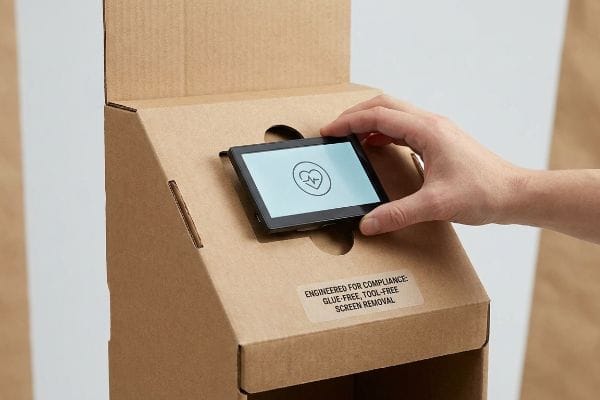
ব্র্যান্ডগুলো যখন তাদের প্যাকেজিং-এ ভৌত হার্ডওয়্যার ব্যবহার করে এই শিক্ষামূলক প্রক্রিয়াটিকে স্বয়ংক্রিয় করার চেষ্টা করে, তখন তারা প্রায়শই একটি গুরুতর নিয়ম-কানুন সংক্রান্ত ফাঁদে পা দেয়।.
ইন্টারেক্টিভ হেলথ কিয়স্কের ফাঁদ
ফার্মাসিস্টদের ব্লাড গ্লুকোজ মনিটর বা ডিজিটাল ব্লাড প্রেশার কাফের মতো জটিল ডিভাইসগুলো ব্যাখ্যা করতে সাহায্য করার জন্য, ব্র্যান্ডগুলো তাদের করোগেটেড ফ্লোর ইউনিটে। ধারণা করা হয় যে, ডাইনামিক ভিডিও কন্টেন্ট একটি নীরব সহকারী হিসেবে কাজ করবে, কিন্তু ডিজাইনাররা প্রায়শই এই ইলেকট্রনিক উপাদানগুলোকে হেভি-ডিউটি পার্মানেন্ট আঠা6।
এটি একটি বিশাল ত্রুটি যা একটি সহায়ক শিক্ষামূলক উপকরণকে একটি পরিচালনগত দুঃস্বপ্নে পরিণত করে। আমার প্রতিষ্ঠানে যখন আমরা যন্ত্রাংশ খোলার পদ্ধতির কার্যকারিতা পরীক্ষা করি, তখন আমি এটি ঘটতে দেখি। ক্যাম্পেইন শেষ হলে, তাড়াহুড়োয় থাকা ফার্মেসির কর্মচারীদের কাছে শিল্পজাত আঠা সাবধানে আলাদা করার সময় থাকে না। আমি আক্ষরিক অর্থেই ভঙ্গুর প্লাস্টিকের তীক্ষ্ণ, মটমট শব্দ শুনেছি, যখন একজন কর্মচারী কার্ডবোর্ডটি বেলার মেশিনে ফেলার আগে শুধু স্ক্রিনটি ছিঁড়ে বের করার জন্য হিংস্রভাবে হাউজিংটিতে আঘাত করে। যদি তারা এটি বের করতে ব্যর্থ হয়, তবে মিশ্র উপাদানগুলো সাধারণ কাগজের স্রোতে মিশে যায়, যার ফলে খুচরা বিক্রেতার জন্য মারাত্মক বিপজ্জনক বর্জ্যের জরিমানা হয় । আমি একটি সুনির্দিষ্ট ফ্রিকশন-লক হার্ডওয়্যার ক্যাভিটি ডিজাইন করে এর সমাধান করি, যা স্থায়ী আঠাকে সম্পূর্ণরূপে দূর করে, এবং কোনো সরঞ্জাম ছাড়াই তিন সেকেন্ডের কম সময়ে ইলেকট্রনিক উপাদানটিকে নিরাপদে বের করে আনতে সাহায্য করে।
| নতুনদের সাধারণ ভুল | প্রো ফিক্স | খুচরা-ফ্লোর সুবিধা |
|---|---|---|
| কার্ডবোর্ডে স্ক্রিন আঠা দিয়ে লাগানো | ঘর্ষণ-লক ডাই-কাট গহ্বর | ৩ সেকেন্ডে হার্ডওয়্যার অপসারণের সুবিধা দেয়8 |
| ধরে নেওয়া হচ্ছে কেরানিরা ইউনিটগুলো ভেঙে ফেলবে | টুল-মুক্ত পপ-আউট প্যানেল | আক্রমণাত্মকভাবে ডিসপ্লে ভাঙা প্রতিরোধ করে |
| কাগজের প্রবাহের সাথে ই-বর্জ্য মেশানো | ১০০% পৃথক কাঠামোগত নকশা | বিপজ্জনক বর্জ্যের জরিমানা বাতিল করে9 |
একটি ডিসপ্লের জীবনচক্রের শেষের দিকের প্রকৌশল, বিক্রয়কেন্দ্রে এর উদ্বোধনের প্রকৌশলের মতোই গুরুত্বপূর্ণ।.
🛠️ হার্ভির ডেস্ক: আপনি কি আপনার অস্থায়ী ডিসপ্লেতে ইলেকট্রনিক্স পণ্য আঠা দিয়ে লাগিয়ে খুচরা বিক্রেতাদের কাছ থেকে বিশাল অঙ্কের জরিমানার ঝুঁকি নিচ্ছেন? 👉 চলুন আপনার হার্ডওয়্যার অডিট করা যাক ↗ — নিরাপদে ডাউনলোড করুন। পরবর্তীতে কোনো প্রশ্ন থাকলে আমার ইনবক্স খোলা আছে।
ফার্মেসিতে গ্রাহক আকর্ষণ করার উপায় কী?
সাদা আলো, জীবাণুমুক্ত তাক এবং একই রকম মোড়কের আধিপত্যে থাকা পরিবেশে স্বতন্ত্র হতে হলে প্রচলিত জ্যামিতিক গঠনে পরিবর্তন আনা প্রয়োজন।.
ফার্মেসি পরিবেশে গ্রাহকদের আকৃষ্ট করতে ব্র্যান্ডগুলোকে অবশ্যই উচ্চ-বৈসাদৃশ্যপূর্ণ সেকেন্ডারি প্যাকেজিং, অপ্রতিসম পণ্য বিন্যাস এবং স্পষ্ট শিক্ষামূলক বার্তা ব্যবহার করতে হবে। প্রেসক্রিপশন কাউন্টারের কাছে বা জনবহুল মোড়ে কৌশলগতভাবে এই কাঠামোগত মার্চেন্ডাইজারগুলো স্থাপন করলে তা কেনাকাটার প্রচলিত ধারাকে ব্যাহত করে, দৃষ্টি আকর্ষণ করে এবং স্বতঃস্ফূর্ত কেনাকাটাকে উল্লেখযোগ্যভাবে বাড়িয়ে তোলে।.
তবে, একটি তাকে যত বেশি সম্ভব পণ্য ঠাসাঠাসি করে রাখার আকাঙ্ক্ষা প্রায়শই সেই দৃশ্যগত আকর্ষণকেই নষ্ট করে দেয়, যা আপনি তৈরি করার চেষ্টা করছেন।.
অপ্রতিসাম্য দিয়ে জীবাণুমুক্ত ছক ভাঙা
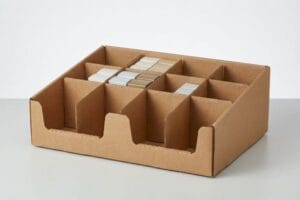
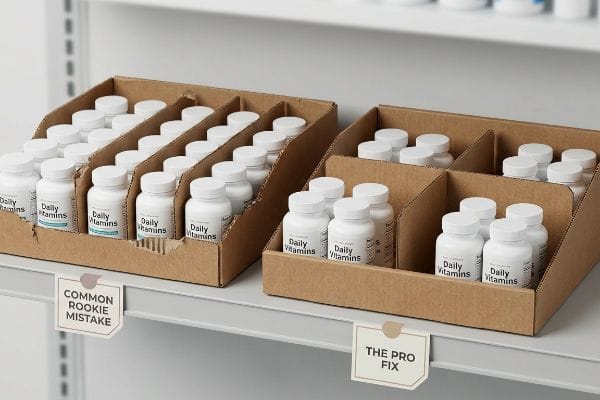
দৈনিক ভিটামিন বা খাদ্য সম্পূরক চালু করার সময়, ক্রয়কারী দলগুলো প্রায়শই ডিসপ্লে ট্রে-র ভিতরে একটি নিখুঁতভাবে প্রতিসম, ঘন সন্নিবিষ্ট গ্রিড দাবি করে । তারা সাফল্য গণনা করে সম্পূর্ণরূপে মজুত ঘনত্বের উপর ভিত্তি করে , এই ধারণা করে যে একটি তাকে ৪০টি বোতল ঠেসে রাখলে স্থানের তুলনায় বেশি লাভ হয়।
প্রতিসাম্যের প্রতি এই আবেশ দোকানের দৈনন্দিন কার্যক্রমের সময় ব্যাপক শারীরিক ঘর্ষণ তৈরি করে। আমার পরীক্ষাগারে, আমি নিয়মিতভাবে এই উচ্চ-ঘনত্বের ট্রেগুলিতে পণ্য পুনরায় সাজানোর পদ্ধতি মূল্যায়ন করি। যখন পণ্যগুলি কোনো ছাড় ছাড়াই কাঁধে কাঁধ মিলিয়ে ঠাসাঠাসি করে রাখা হয়, তখন কর্মচারীদের বোতলগুলিকে সজোরে স্লটের মধ্যে ঢোকাতে হয়। আমি 32ECT (এজ ক্রাশ টেস্ট) টেস্টলাইনার11 , যখন চাপের কারণে এর কাঁচা ধরে রাখার কিনারাটি বেঁকে যায়। আমি একটি কঠোর মডিউলার ডিভাইডার সিস্টেম প্রয়োগ করে এটি সম্পূর্ণরূপে দূর করি, যা স্বাভাবিকভাবেই পণ্যগুলিকে তিন বা পাঁচটির অপ্রতিসম দলে বিভক্ত করে। এটি কেবল ক্রেতার দৃষ্টি আকর্ষণকারী একটি মনস্তাত্ত্বিক চাক্ষুষ উত্তেজনা তৈরি করে না, বরং এটি গাণিতিকভাবে একটি 0.25-ইঞ্চি (6.35 মিমি) শারীরিক ফাঁকা স্থান নিশ্চিত করে, কার্ডবোর্ড ছেঁড়া রোধ করে এবং তাক সাজানোর গতি আনুমানিক 25%12।
| নতুনদের সাধারণ ভুল | প্রো ফিক্স | খুচরা-ফ্লোর সুবিধা |
|---|---|---|
| শূন্য-ক্লিয়ারেন্স পণ্য গ্রিড | ০.২৫-ইঞ্চি জ্যামিতিক সহনশীলতা13 | কাঁচা কার্ডবোর্ড ছিঁড়ে যাওয়া প্রতিরোধ করে |
| পুরোপুরি প্রতিসম সারি | ৩-৫-৭ অপ্রতিসম বিভাজক14 | মনস্তাত্ত্বিক চাক্ষুষ উত্তেজনা তৈরি করে |
| কেরানিদের জিনিসপত্র চেপে ধরতে বাধ্য করা | মডুলার ভাসমান পার্টিশন | দৈনিক পণ্য পুনরায় মজুত করার প্রক্রিয়াকে দ্রুততর করে। |
পুনরায় মজুত করার মাত্র একদিন পরেই যদি একটি উৎকৃষ্ট স্বাস্থ্যপণ্য রাখার ট্রে-টি ক্ষতিগ্রস্ত ও অবহেলিত দেখায়, তবে আপনি সেটি বিক্রি করতে পারবেন না।.
🛠️ হার্ভিস ডেস্ক: আপনার বর্তমান শেলফ ট্রে কি খুব আঁটসাঁট, যার ফলে জিনিসপত্র পুনরায় সাজানোর সময় কার্ডবোর্ড ছিঁড়ে যাচ্ছে? 👉 একটি ফ্রি ক্লিয়ারেন্স চেক নিন ↗ — কোনো ফর্ম নেই যা অবিরাম সেলস কলের কারণ হয়। শুধু খাঁটি সুবিধা।
ফার্মেসির ৫টি নিয়ম কী?
রিটেইল হেলথকেয়ারে সাফল্য শুধু ভালো গ্রাফিক্সের উপরই নির্ভর করে না; এটি মৌলিক ব্যবসায়িক এবং স্থানিক কাঠামোর উপরও ব্যাপকভাবে নির্ভরশীল।.
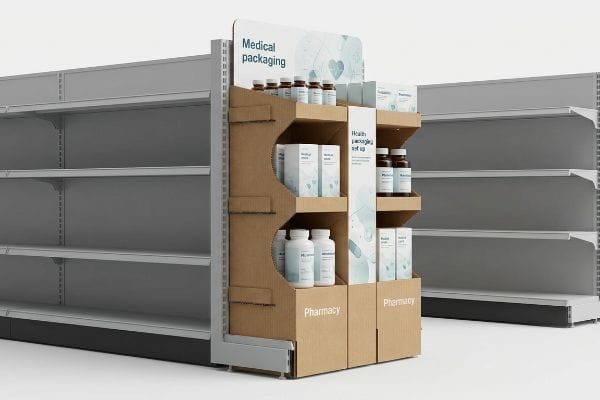
ফার্মেসির ৫টি নিয়ম সরাসরি রিটেইল মার্চেন্ডাইজিংয়ের পাঁচটি মৌলিক অধিকারকে নির্দেশ করে: সঠিক পণ্য, সঠিক পরিমাণে, সঠিক দামে, সঠিক সময়ে এবং সঠিক স্থানে সরবরাহ করা। এই লজিস্টিক স্তম্ভগুলোর মধ্যে সামঞ্জস্য বিধান নিশ্চিত করে যে, ফিজিক্যাল ডিসপ্লেগুলো বিশৃঙ্খল স্বাস্থ্যসেবা রিটেইল পরিবেশেও টিকে থাকতে পারে।.
কিন্তু যখন মেশিনগুলো চলতে শুরু করে এবং প্যালেটগুলো রিসিভিং ডকে পৌঁছায়, তখন শুধু তত্ত্ব জানাই যথেষ্ট নয়।.
কেন তাত্ত্বিক ফার্মেসি বাস্তবায়ন বাস্তবে ব্যর্থ হয়
এটি একটি সাধারণ ফাঁদ যা এমনকি অভিজ্ঞ ক্রয় দলগুলোকেও কাবু করে ফেলে: তারা একটি উৎকৃষ্ট স্বাস্থ্য পণ্যের জন্য সুন্দর ও কাঠামোগতভাবে মজবুত একটি ডিসপ্লে ডিজাইন করে, কিন্তু তারা লক্ষ্যবস্তু ফার্মেসি চেইনের নির্দিষ্ট ভৌত সীমাবদ্ধতার সাথে সেটিকে মেলাতে পুরোপুরি ব্যর্থ হয়। তারা ধরে নেয় যে একটি সর্বজনীন CAD (কম্পিউটার-এইডেড ডিজাইন) ফাইল বিভিন্ন ফার্মেসির বিন্যাসে নির্বিঘ্নে প্রয়োগ করা যাবে।.
এটা শুধু তত্ত্ব নয়; আমি টেস্টিং ফ্লোরে এর প্রয়োগ দেখি, যখন কোনো ক্লায়েন্ট আমার কাছে আগে থেকে তৈরি করা একটি ইউনিট নিয়ে আসে যা একজন রিটেইলার এইমাত্র বাতিল করেছে। ব্র্যান্ডটি একটি চমৎকার এন্ড-ক্যাপ ইউনিট যা ছিল ২০ ইঞ্চি (৫০৮ মিমি) গভীর, কিন্তু তারা সম্পূর্ণ উপেক্ষা করেছিল যে নির্দিষ্ট ফার্মেসি চেইনটি সমস্ত প্রচারমূলক ফিক্সচারের জন্য কঠোরভাবে সর্বোচ্চ ১৪-ইঞ্চি (৩৫৫ মিমি) গভীরতা১৫।আমি দেখেছি, একটি সম্পূর্ণ ভর্তি ট্রে কোনো সৌজন্য ছাড়াই পেছনের ঘরে সশব্দে ফেলে দেওয়া হচ্ছে, কারণ এটি করিডোরের বাইরে ঝুলে ছিল, যা হোঁচট খাওয়ার ঝুঁকি তৈরি করছিল। এর সমাধান করতে, আমি এক টুকরো কার্ডবোর্ড কাটার আগেই রিটেইলারের সঠিক ফ্রেমওয়ার্ক ম্যাট্রিক্সটি সংগ্রহ করি, অতিরিক্ত বড় বেসটি বাদ দিই এবং একটি কাস্টমাইজড গভীরতার প্রোফাইল ডিজাইন করি। এই কঠোর ভৌত অ্যালাইনমেন্ট প্রয়োগ করার মাধ্যমে, আমি নিশ্চিত করি যে ইউনিটটি বিদ্যমান গন্ডোলা শেলফে নিখুঁতভাবে বসে যায়, যা ব্যয়বহুল তাৎক্ষণিক প্রত্যাখ্যান প্রতিরোধ করে এবং প্রকল্পের লাভের মার্জিন রক্ষা করে।
| নতুনদের সাধারণ ভুল | প্রো ফিক্স | খুচরা-ফ্লোর সুবিধা |
|---|---|---|
| একটি সর্বজনীন CAD ফাইল ব্যবহার করে | খুচরা বিক্রেতা-নির্দিষ্ট স্থানিক ম্যাপিং16 | গোপনে তথ্য ফাঁস প্রতিরোধ করে |
| করিডোরের ছাড়ের সীমা উপেক্ষা করা | কঠোর গভীরতা সীমাবদ্ধতা প্রকৌশল17 | হোঁচট খাওয়ার ঝুঁকি দূর করে |
| দোকানের তাকের উচ্চতা অনুমান করা | গন্ডোলার সুনির্দিষ্ট নকশার সাথে খাপ খাইয়ে নেওয়া18 | ঘর্ষণহীন ইনস্টলেশন নিশ্চিত করে |
গঠনগতভাবে নিখুঁত একটি প্রদর্শনীও সম্পূর্ণ মূল্যহীন, যদি তা বিক্রি করতে সম্মত হওয়া দোকানটির ভেতরে শারীরিকভাবে স্থাপন করা না যায়।.
🛠️ হার্ভির ডেস্ক: আপনার টার্গেট ফার্মেসি চেইনের অনুমোদিত শেলফের সর্বোচ্চ সঠিক গভীরতা কি আপনি জানেন? 👉 আমাকে আপনার ডাইলাইন ফাইলটি পাঠান ↗ — গণ-উৎপাদনে বাজেট অপচয় করার আগে আমি এর হিসাব পুঙ্খানুপুঙ্খভাবে পরীক্ষা করে দেখব।
উপসংহার
আপনি এমন একজন বিক্রেতা বেছে নিতে পারেন যিনি কেবল আপনার আর্টওয়ার্ক প্রিন্ট করেন, কিন্তু যখন সেই ঠাসাঠাসি করে সাজানো ডিসপ্লের কারণে দোকানের কর্মচারী এর কাঁচা ধারকটি জোর করে ছিঁড়ে ফেলেন, তখন সেই ক্ষতিগ্রস্ত উপস্থাপনাটি আপনার তাৎক্ষণিক বিক্রির হার মারাত্মকভাবে কমিয়ে দেবে এবং আপনার পুরো রিটেইল প্লেসমেন্ট ফি-ই নষ্ট করে দেবে। ৫০০-র বেশি ব্র্যান্ড ম্যানেজার ঠিক এই মারাত্মক প্রাথমিক পর্যায়ের ভুলগুলো এড়ানোর জন্য আমার প্রিপ্রেস চেকলিস্ট ব্যবহার করেন। ক্লিয়ারেন্স এবং টলারেন্স নিয়ে অনুমান করা বন্ধ করুন, এবং গণ-উৎপাদনে যাওয়ার আগে এই লুকানো সমস্যাগুলো ধরতে আমাকে ব্যক্তিগতভাবে আপনার স্ট্রাকচারাল ফাইলগুলো আমার ফ্রি ডাইলাইন অডিট ↗- এর মাধ্যমে পরীক্ষা করতে দিন।
"স্বাস্থ্যের নকশায় জ্ঞানীয় ভার তত্ত্বের প্রয়োগ...", https://pmc.ncbi.nlm.nih.gov/articles/PMC12246501/। খুচরা বিক্রয় পরিবেশে জ্ঞানীয় ভার তত্ত্বের উপর গবেষণা এই দাবিকে সমর্থন করে যে অতিরিক্ত তথ্য সিদ্ধান্ত গ্রহণ এবং প্রক্রিয়াকরণের গতিকে বাধাগ্রস্ত করে। প্রমাণের ভূমিকা: তাত্ত্বিক বৈধতা; উৎসের ধরণ: অ্যাকাডেমিক জার্নাল। সমর্থন করে: তথ্যের ঘনত্ব এবং জ্ঞানীয় ভারাক্রান্ততার মধ্যে সংযোগ। পরিধি টীকা: বিশেষভাবে উচ্চ-চাপযুক্ত বা উচ্চ-গতির কেনাকাটার পরিবেশের ক্ষেত্রে প্রযোজ্য। ↩
"বে এরিয়া সাইনের জন্য সর্বোত্তম ফন্ট সাইজ – এসএফ বে সাইনস", https://www.sfbaysigns.com/notes/mastering-the-art-of-choosing-the-right-font-size-for-your-signs। পরিবেশগত গ্রাফিক ডিজাইনের জন্য পাঠযোগ্যতার মান এবং দৃষ্টিশক্তির পরিমাপক নির্দিষ্ট দেখার দূরত্ব থেকে পাঠযোগ্যতার জন্য প্রয়োজনীয় ন্যূনতম ফন্ট সাইজ নির্ধারণ করে। প্রমাণের ভূমিকা: প্রযুক্তিগত বিবরণ; উৎসের ধরণ: প্রবেশগম্যতা নির্দেশিকা। সমর্থন করে: এই দাবি যে পাঁচ ফুট দূর থেকে ৮ পয়েন্ট ফন্ট অপাঠ্য। পরিধির টীকা: সাধারণ মানুষের দৃষ্টিশক্তির উপর ভিত্তি করে। ↩
"খুচরা বিক্রয়কেন্দ্র নির্বাচনে দৃশ্যমানতা ও সাইনেজের ভূমিকা – কেনমার", https://kennmar.com/the-role-of-visibility-signage-in-retail-site-selection/। খুচরা বিক্রয়ে চাক্ষুষ উপলব্ধির উপর একটি প্রামাণ্য উৎস সেই দূরত্বকে যাচাই করবে যেখান থেকে সংক্ষিপ্ত শিরোনামগুলো ক্রেতাদের কাছে পাঠযোগ্য হয়ে ওঠে। প্রমাণের ভূমিকা: সমর্থন; উৎসের ধরণ: খুচরা বিক্রয়কেন্দ্রের নকশা নির্দেশিকা; সমর্থন করে: দূর থেকে দৃশ্যমানতার জন্য লক্ষণ-ভিত্তিক পৃথকীকরণের কার্যকারিতা। পরিধি সংক্রান্ত টীকা: ফন্টের আকার এবং কনট্রাস্টের উপর নির্ভরশীল। ↩
"পয়েন্ট-অফ-পারচেজ ইনসাইটস: রিটেইল পপ-এর প্রভাব...", https://www.bcipkg.com/point-of-purchase-insights-the-impact-of-retail-pop-displays-on-consumer-behavior/। রিটেইল পরিবেশে আই-ট্র্যাকিং গবেষণা নিশ্চিত করবে যে, ফ্ল্যাট কার্ডের তুলনায় আয়তক্ষেত্রাকার নয় এমন আকৃতিগুলো দৃষ্টি আকর্ষণ বৃদ্ধি করে। প্রমাণের ভূমিকা: সমর্থন; উৎসের ধরণ: মার্কেটিং গবেষণা প্রতিবেদন; সমর্থন করে: ফার্মেসির করিডোরে ৩ডি ফোকাল পয়েন্টের কার্যকারিতা। পরিধি টীকা: পয়েন্ট-অফ-সেল উপকরণের উপর দৃষ্টি নিবদ্ধ। ↩
"সাইনেজে জ্ঞানীয় ভার হ্রাস – সাইনবক্সের শ্বেতপত্র", https://www.signbox.co.uk/reducing-cognitive-load-in-signage-how-psychology-shapes-wayfinding-design/। ভোক্তা মনোবিজ্ঞানের উপর একাডেমিক গবেষণা ব্যাখ্যা করে যে কীভাবে ডিসপ্লেতে দৃশ্যমান জঞ্জাল এবং অপ্রয়োজনীয় লেখা কমালে জ্ঞানীয় ভার কমে। প্রমাণের ভূমিকা: সমর্থন; উৎসের ধরণ: একাডেমিক জার্নাল; সমর্থন করে: আইনি লেখার অবস্থান এবং ক্রেতার জ্ঞানীয় ক্ষমতার মধ্যে সংযোগ। পরিধি টীকা: উচ্চ-ঘনত্বের ওটিসি খুচরা পরিবেশের ক্ষেত্রে প্রযোজ্য। ↩
"ইলেকট্রনিক্স খোলার জন্য চাহিদা অনুযায়ী অপসারণযোগ্য আঠালো টেপ...", https://www.futuremarketinsights.com/reports/debonding-on-demand-adhesive-tapes-for-electronics-dismantling-market। প্রযুক্তিগত নকশার স্পেসিফিকেশন বা টেকসই প্রতিবেদন, যা অস্থায়ী কার্ডবোর্ড ডিসপ্লেতে ইলেকট্রনিক্স ইনস্টল করার সময় অপসারণযোগ্য নয় এমন আঠার ব্যবহারকে তুলে ধরে। প্রমাণের ভূমিকা: প্রযুক্তিগত যাচাইকরণ; উৎসের ধরণ: উৎপাদন নির্দেশিকা। সমর্থন করে: এমন নির্মাণ পদ্ধতি সম্পর্কিত দাবি যা খোলাকে বাধা দেয়। পরিধির টীকা: POS উপকরণে সমন্বিত ইলেকট্রনিক্স সংযোজনের জন্য নির্দিষ্ট। ↩
"সাধারণ পুনর্ব্যবহারযোগ্য জিনিস কীভাবে পুনর্ব্যবহার করবেন | ইউএস ইপিএ", https://www.epa.gov/recycle/how-do-i-recycle-common-recyclables। বাণিজ্যিক প্রতিষ্ঠানগুলোর জন্য পৌরসভার কাগজ পুনর্ব্যবহার প্রক্রিয়ায় ই-বর্জ্য দূষণ সংক্রান্ত পরিবেশগত বিধিমালা এবং আর্থিক জরিমানার যাচাইকরণ। প্রমাণের ভূমিকা: তথ্যগত যাচাইকরণ; উৎসের ধরণ: সরকারি পরিবেশগত নিয়ন্ত্রক সংস্থা। সমর্থন করে: ই-বর্জ্যের অনুপযুক্ত নিষ্পত্তির আইনি এবং আর্থিক পরিণতি। পরিধি সংক্রান্ত টীকা: জরিমানার পরিমাণ আঞ্চলিক এখতিয়ার অনুযায়ী পরিবর্তিত হয়। ↩
"ক্র্যানিওম্যাক্সিলোফেসিয়াল ট্রমাতে হার্ডওয়্যার অপসারণ – পিএমসি – এনআইএইচ", https://pmc.ncbi.nlm.nih.gov/articles/PMC4888926/। আঠার তুলনায় ফ্রিকশন-লক প্রক্রিয়া ব্যবহার করে হার্ডওয়্যার নিষ্কাশনের গতির প্রযুক্তিগত যাচাইকরণ। প্রমাণের ভূমিকা: কর্মক্ষমতার মেট্রিক; উৎসের ধরণ: শিল্প নকশার স্পেসিফিকেশন। সমর্থন করে: ফ্রিকশন-লক ডাই-কাট ক্যাভিটির কার্যকারিতা। পরিধি নোট: সময় নির্দিষ্ট হার্ডওয়্যারের মাত্রার উপর নির্ভরশীল। ↩
"ইলেকট্রনিক্স ও ই-বর্জ্য – ডিএসএনওয়াই – এনওয়াইসি.গভ", https://www.nyc.gov/site/dsny/collection/get-rid-of/electronics.page। বাণিজ্যিক পরিবেশে পৌরসভার কাগজ পুনর্ব্যবহারযোগ্য বর্জ্যের সাথে ইলেকট্রনিক বর্জ্য মেশানোর জন্য আইনগত শাস্তির নথি। প্রমাণের ভূমিকা: নিয়ন্ত্রক সম্মতি; উৎসের ধরণ: পরিবেশ আইন বা বর্জ্য ব্যবস্থাপনা নির্দেশিকা। সমর্থন: পৃথক কাঠামোগত নকশার আর্থিক সুবিধা। পরিধি সংক্রান্ত টীকা: জরিমানা স্থানীয় এবং জাতীয় এখতিয়ার অনুযায়ী ভিন্ন হয়। ↩
"২০২৫ সালের জন্য ৩৩টি ইনভেন্টরি ম্যানেজমেন্ট কেপিআই এবং মেট্রিক – নেটস্যুট", https://www.netsuite.com/portal/resource/articles/inventory-management/inventory-management-kpis-metrics.shtml। রিটেইল স্পেস ম্যানেজমেন্টের জন্য ইন্ডাস্ট্রির স্ট্যান্ডার্ডগুলো প্রায়শই প্রতি বর্গফুট বা রৈখিক ফুটে বিক্রয়ের মাধ্যমে সাফল্য পরিমাপ করে, যা সরাসরি ইনভেন্টরি ডেনসিটির সাথে সম্পর্কিত। প্রমাণের ভূমিকা: ইন্ডাস্ট্রির প্রচলিত পদ্ধতিকে সমর্থন করা; উৎসের ধরণ: রিটেইল ম্যানেজমেন্ট গাইড। সমর্থন করে: এই ধারণাকে যে প্রকিউরমেন্ট টিমগুলো ডেনসিটিকে সাফল্যের মেট্রিক হিসেবে ব্যবহার করে। পরিধির নোট: প্রচলিত রিটেইল কেপিআই-কে বোঝায়। ↩
"শিপিং বক্সের শক্তি বোঝা – ইকোএনক্লোজ", https://www.ecoenclose.com/blog/understanding-shipping-box-strength/?srsltid=AfmBOoqWZLH_Wwi4908phjwe_BshDRuvqjLBaGJ6WCO4PwstftrkBeEP। ঢেউখেলানো প্যাকেজিংয়ের জন্য শিল্প মান ৩২ ECT-কে একটি নির্দিষ্ট এজ ক্রাশ টেস্ট রেটিং হিসাবে সংজ্ঞায়িত করে, যা কার্ডবোর্ডের ভারবহন ক্ষমতা নির্ধারণ করে। প্রমাণের ভূমিকা: প্রযুক্তিগত স্পেসিফিকেশন; উৎসের ধরণ: প্যাকেজিং শিল্প মান। সমর্থন করে: উচ্চ-ঘনত্বের ডিসপ্লেতে চাপের অধীনে উপাদানের বেঁকে যাওয়ার সম্ভাবনা। পরিধি নোট: উত্তর আমেরিকার ঢেউখেলানো উপকরণের জন্য মান। ↩
"খুচরা দোকানের শেলফের উপর প্যাকেজিংয়ের আকারের প্রভাব – পিকেজি ব্র্যান্ড ডিজাইন", https://www.pkgbranding.com/blog/packaging-size-retail-shelf-impact। খুচরা কার্যক্রম এবং কর্মদক্ষতা বিষয়ক গবেষণা ইঙ্গিত দেয় যে, পণ্য পুনরায় মজুত করার প্রক্রিয়ায় শারীরিক ঘর্ষণ কমানো এবং প্রবেশগম্যতা বৃদ্ধি করা শ্রমের সময় উল্লেখযোগ্যভাবে হ্রাস করে। প্রমাণের ভূমিকা: মেট্রিক যাচাইকরণ; উৎসের ধরণ: কর্মপরিচালনা গবেষণা। সমর্থন করে: এই দাবি যে মডিউলার ক্লিয়ারেন্স শেলফে পণ্য লোড করার গতি উন্নত করে। পরিধি সংক্রান্ত টীকা: প্রকৃত শতাংশ পণ্যের পরিমাণ এবং কর্মীদের প্রশিক্ষণের উপর নির্ভর করে। ↩
"খুচরা প্রদর্শনের জন্য অনমনীয় প্যাকেজিং: শেলফে উপস্থিতি সর্বাধিক করা...", https://www.eliteprintingandpackaging.com/blog/rigid-packaging-for-retail-displays/। পণ্যের প্যাকেজিংয়ের ঘর্ষণ রোধ করার জন্য খুচরা শেলফের প্রয়োজনীয় ফাঁকা স্থানের জন্য শিল্প প্রকৌশল মান। প্রমাণের ভূমিকা: প্রযুক্তিগত স্পেসিফিকেশন; উৎসের ধরণ: খুচরা ডিজাইন ম্যানুয়াল। সমর্থন: কার্ডবোর্ড ছিঁড়ে যাওয়া প্রতিরোধ। পরিধি নোট: উচ্চ-ঘনত্বের পণ্য গ্রিডের জন্য নির্দিষ্ট। ↩
"ভিজ্যুয়াল মার্চেন্ডাইজিং সার্ভিসেস অ্যান্ড স্ট্র্যাটেজি | টি-রক গ্লোবাল", https://trocglobal.com/visual-merchandising/। ভিজ্যুয়াল মার্চেন্ডাইজিং-এ 'সম্ভাবনার নিয়ম' এবং কীভাবে অপ্রতিসম বিন্যাস মনোযোগ আকর্ষণের জন্য জ্ঞানীয় চাক্ষুষ উত্তেজনা তৈরি করে, সে বিষয়ে গবেষণা। প্রমাণের ভূমিকা: মনস্তাত্ত্বিক নীতি; উৎসের ধরণ: ডিজাইন গবেষণা পত্র। সমর্থন: মনস্তাত্ত্বিক চাক্ষুষ উত্তেজনা। পরিধি টীকা: খুচরা পরিবেশে সাধারণ ভোক্তা আচরণ। ↩
"[পিডিএফ] ফার্মেসি সার্ভিস ডিজাইন গাইড", https://www.cfm.va.gov/til/dGuide/dgPharm.pdf। করিডোরের নিরাপত্তা এবং ADA বা OSHA নির্দেশিকা মেনে চলা নিশ্চিত করার জন্য রিটেইল ফিক্সচারের ক্ষেত্রে শিল্প-মানসম্মত গভীরতার সীমাবদ্ধতা যাচাইকরণ। প্রমাণের ভূমিকা: প্রযুক্তিগত স্পেসিফিকেশন; উৎসের ধরণ: রিটেইল মার্চেন্ডাইজিং ম্যানুয়াল বা নিরাপত্তা প্রবিধান। সমর্থন করে: এই দাবি যে, হোঁচট খাওয়ার ঝুঁকি প্রতিরোধ করার জন্য নির্দিষ্ট গভীরতার সীমা বাধ্যতামূলক করা হয়েছে। পরিধি সংক্রান্ত টীকা: সঠিক মাত্রা নির্দিষ্ট রিটেইল চেইন অনুযায়ী পরিবর্তিত হতে পারে। ↩
"খুচরা দোকানে ব্যাকরুমের স্থান বরাদ্দ – DSpace@MIT", https://dspace.mit.edu/entities/publication/c4bfa723-8f42-440d-ac05-409b8a7fc4e0। খুচরা দোকানের ব্যাকরুমে কীভাবে কাস্টমাইজড স্থানিক পরিকল্পনা ইনভেন্টরির অতিরিক্ত চাপ এবং অব্যবস্থাপনা কমায়, তার সংক্ষিপ্ত ব্যাখ্যা। প্রমাণের ভূমিকা: প্রযুক্তিগত যাচাইকরণ; উৎসের ধরণ: ফ্যাসিলিটি ম্যানেজমেন্ট গাইড। সমর্থন করে: সার্বজনীন CAD ফাইলের উপর নির্দিষ্ট ম্যাপিংয়ের কার্যকারিতা। পরিধি নোট: খুচরা লেআউট অপ্টিমাইজেশনের ক্ষেত্রে প্রযোজ্য। ↩
"[পিডিএফ] পাইকারি ও খুচরা বাণিজ্যে পিছলে পড়া, হোঁচট খাওয়া এবং পড়ে যাওয়া প্রতিরোধ...", https://stacks.cdc.gov/view/cdc/12092/cdc_12092_DS1.pdf?। খুচরা দোকানের করিডোরে প্রকৌশলগত গভীরতার সীমাবদ্ধতা কীভাবে দুর্ঘটনা প্রতিরোধের জন্য সুরক্ষা বিধি মেনে চলা নিশ্চিত করে, তার সংক্ষিপ্ত ব্যাখ্যা। প্রমাণের ভূমিকা: সুরক্ষা মান যাচাইকরণ; উৎসের ধরণ: পেশাগত সুরক্ষা নির্দেশিকা। সমর্থন করে: গভীরতার সীমাবদ্ধতা এবং ঝুঁকি নিরসনের মধ্যে সংযোগ। পরিধি টীকা: ADA এবং সুরক্ষা বিধি মেনে চলার উপর আলোকপাত করে। ↩
"গন্ডোলা শেল্ভিং ডাইমেনশনস গাইড", https://rackleaders.com/gondola-shelving-dimensions-guide/। নির্দিষ্ট প্রস্তুতকারকের শেল্ভিং ডাইমেনশনের সাথে সরঞ্জাম মেলানো কীভাবে ইনস্টলেশনের বিলম্ব এবং ভুল সংস্থাপন প্রতিরোধ করে তার সংক্ষিপ্ত ব্যাখ্যা। প্রমাণের ভূমিকা: পরিচালনগত সর্বোত্তম অনুশীলন; উৎসের ধরণ: রিটেইল ফিক্সচার ম্যানুয়াল। সমর্থন করে: বাধাহীন ইনস্টলেশনের জন্য সঠিক স্পেসিফিকেশন ব্যবহারের প্রয়োজনীয়তা। পরিধি নোট: ভৌত রিটেইল অবকাঠামোর জন্য নির্দিষ্ট। ↩