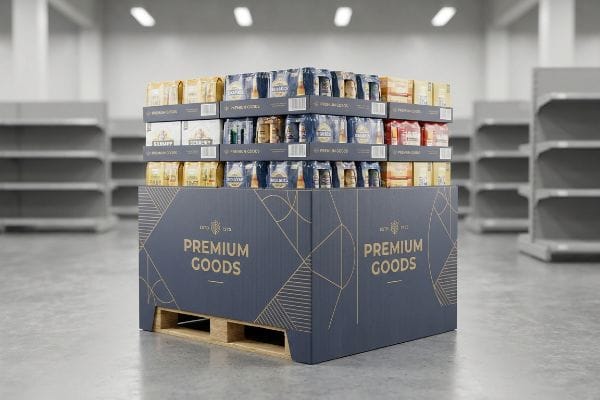
একটি বড় দোকানে প্রবেশ করলে ক্রেতাদের মনোযোগ আকর্ষণ করার জন্য আপনার হাতে মাত্র কয়েক সেকেন্ড সময় থাকে। কাঠের তৈরি শিপিং বেস খোলা অবস্থায় রেখে দেওয়া একটি প্রিমিয়াম পণ্যের উদ্বোধন নষ্ট করার একটি সহজ উপায়।.
প্যালেট স্কার্ট ডিসপ্লের জন্য সবচেয়ে উপযুক্ত পণ্যগুলির মধ্যে রয়েছে অধিক পরিমাণে বিক্রি হওয়া দ্রুত বিক্রীত ভোগ্যপণ্য, বড় আকারের মৌসুমী পণ্য এবং ক্লাব স্টোরের পানীয়ের মাল্টি-প্যাক। এই প্রিন্টেড র্যাপগুলি ব্যবহার করলে দৃষ্টিকটু কাঠের শিপিং বেসগুলি তাৎক্ষণিকভাবে ঢাকা পড়ে যায়, যা আপনার ব্র্যান্ডের উপস্থাপনাকে উন্নত করে এবং মূল কাঠামোগত সাপোর্টের কোনো পরিবর্তন না করেই রিটেইল ফ্লোরের প্রভাবকে সর্বাধিক করে তোলে।.
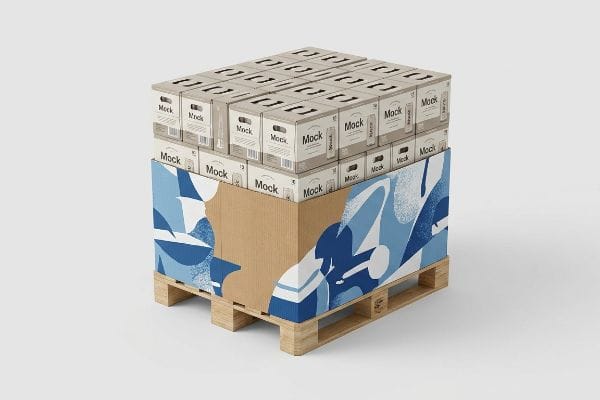
এই র্যাপগুলো কীভাবে কার্যকরভাবে ব্যবহার করতে হয় তা বোঝা, সাধারণ লজিস্টিকস এবং উচ্চ-রূপান্তরকারী রিটেইল এক্সিকিউশনের মধ্যেকার ব্যবধান পূরণ করে।.
প্যালেট স্কার্ট কী?
ব্র্যান্ডগুলো প্রিমিয়াম গ্রাফিক হেডারের পেছনে প্রচুর খরচ করে, কিন্তু ভিত্তির কথা পুরোপুরি ভুলে যায়।.
প্যালেট স্কার্ট হলো একটি মুদ্রিত ঢেউখেলানো কাগজের মোড়ক, যা বাল্ক মার্চেন্ডাইজিং ইউনিটের কাঁচা কাঠের ভিত্তি ঢেকে রাখার জন্য ডিজাইন করা হয়েছে। এই সুরক্ষামূলক আবরণটি শিল্পজাত শিপিং প্ল্যাটফর্মগুলোকে নির্বিঘ্নে সুসংহত রিটেইল বিজ্ঞাপনে রূপান্তরিত করে, যা দৃশ্যগত ব্যাঘাত রোধ করার পাশাপাশি বিগ-বক্স স্টোরের কঠোর নান্দনিক উপস্থাপনা নির্দেশিকাগুলোর সাথে সম্পূর্ণ সম্মতি নিশ্চিত করে।.
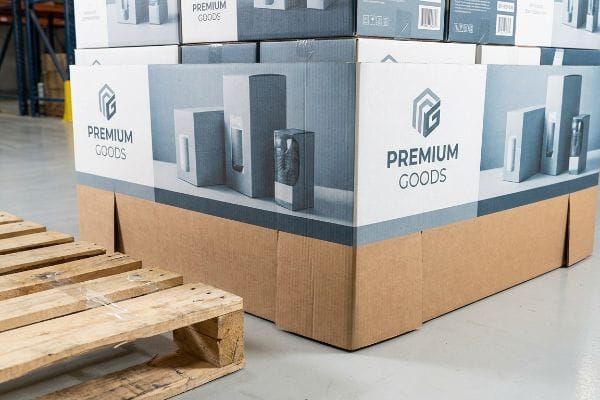
একটি সুপরিকল্পিত বেস র্যাপ শুধু দেখতেই সুন্দর নয়; এটি শপিং কার্টের তীব্র ধাক্কা থেকে আপনার পণ্যকে সক্রিয়ভাবে রক্ষা করে।.
কেন নগ্ন প্যালেট খুচরা ব্র্যান্ডিং নষ্ট করে
ব্র্যান্ডগুলো উচ্চমানের গ্রাফিক হেডার এবং কাস্টম প্রোডাক্ট ট্রে-এর । তবুও, এমনকি অভিজ্ঞ ক্রয় দলগুলোও প্রায়শই নিম্নস্তরটিকে উপেক্ষা করে, এই ভেবে যে দোকানটি কোনোভাবে এর শিল্পভিত্তিক কাঠামোকে আড়াল করে দেবে। এর ফলে, একটি প্রিমিয়াম পণ্য উপস্থাপনার নিচে ভাঙা কাঠ পুরোপুরি উন্মুক্ত হয়ে পড়ে।
যখন আমি বড় বড় রিটেইলারদের দোকানে ঘুরে দেখি, আমি প্রায়শই দেখি সুন্দরভাবে প্রিন্ট করা ডিসপ্লেগুলোর সৌন্দর্য নষ্ট করছে বিশ্রী শিপিং প্ল্যাটফর্ম। একটি সাধারণ ভুল ধারণা হলো, স্কার্টগুলো কেবলই আলংকারিক বা পরে যোগ করা একটি জিনিস, কিন্তু আসলে এগুলো একটি অত্যন্ত গুরুত্বপূর্ণ ভিজ্যুয়াল অ্যাঙ্কর হিসেবে কাজ করে। আমার দ্রুত চেকলিস্টটি হলো: ডেকের সঠিক উচ্চতা পরিমাপ করুন, মেঝে থেকে দূরত্ব 1 বিবেচনা করুন , এবং একটি সেলফ-লকিং ট্যাব 2 ব্যবহার করুন । আমার মনে আছে, আমি একজন দোকান কর্মচারীকে পনেরো মিনিট ধরে যুদ্ধ করতে দেখেছিলাম; তিনি একটি ফ্ল্যাট স্কার্টকে কোণার চারপাশে জোর করে ঘোরানোর জন্য স্বচ্ছ টেপ ছিঁড়ছিলেন এবং কাঁচা কাঠের টুকরোর তীক্ষ্ণ আঁচড়ে ব্যথায় কুঁকড়ে যাচ্ছিলেন। একটিও পণ্য বিক্রি হওয়ার আগেই এটি ব্র্যান্ডের ভাবমূর্তি পুরোপুরি নষ্ট করে দিয়েছিল।
| নতুনদের সাধারণ ভুল | প্রো ফিক্স | খুচরা-ফ্লোর সুবিধা |
|---|---|---|
| স্বচ্ছ টেপের উপর নির্ভর করা | আগে থেকে আঠা লাগানো স্বয়ংক্রিয় লকিং ট্যাব | একত্রিত করতে ১৫ মিনিট সময় বাঁচায়3 |
| মেঝের আর্দ্রতা উপেক্ষা করা | ২ ইঞ্চি (৫০ মিমি) পলি-কোট যোগ করা4 | ভেজা তলদেশের ধস প্রতিরোধ করে |
| পাতলা একক-দেয়াল বোর্ড | ডাবল-ওয়াল ঢেউখেলানো নির্মাণ5 | বারবার গাড়ির ধাক্কা সহ্য করে |
আমি কোনো ক্লায়েন্টকে ক্লাব স্টোরে খালি বেস পাঠাতে দিই না। সেই ইন্ডাস্ট্রিয়াল ভিত্তিটিকে মাস্কিং করলে আপনার ব্র্যান্ডের সুনাম সুরক্ষিত থাকে এবং এটি নিশ্চিত করে যে আপনার মার্কেটিং বার্তাটি উপর থেকে নিচ পর্যন্ত সম্পূর্ণ অক্ষত থাকে।.
🛠️ হার্ভির ডেস্ক: স্কার্ট করিডোরে পৌঁছানোর আগেই ছিঁড়ে যাওয়ায় হতাশ? 👉 একটি স্ট্রাকচারাল অডিটের জন্য অনুরোধ করুন ↗ — আমার ডেস্কে সরাসরি অ্যাক্সেস। কোনো স্বয়ংক্রিয় সেলস স্প্যাম নেই, আমি কথা দিচ্ছি।
কস্টকোতে প্যালেট প্রদর্শনের জন্য কী কী প্রয়োজনীয়তা রয়েছে?
ক্লাব চ্যানেলের জন্য ডিজাইন করা সাধারণ মুদি দোকানের।
কস্টকোর প্যালেট ডিসপ্লের জন্য চরম স্থায়িত্ব এবং নির্দিষ্ট স্থানিক মাপের প্রয়োজন হয়। আপনাকে এমন কাঠামো ডিজাইন করতে হবে যা বিশাল গতিশীল ভার বহন করতে সক্ষম এবং একই সাথে এর ভেতর দিয়ে ক্রেতাদের দেখার সুবিধাও বজায় রাখে। এই কঠোর নির্দেশিকাগুলো অনুসরণ করলে মারাত্মক কাঠামোগত ব্যর্থতা প্রতিরোধ করা যায়, দ্রুত পণ্য পুনরায় মজুত করা নিশ্চিত হয় এবং ক্লাব স্টোর ও ওয়্যারহাউসের পরিবেশের সাথে নির্বিঘ্ন একীকরণ নিশ্চিত হয়।.
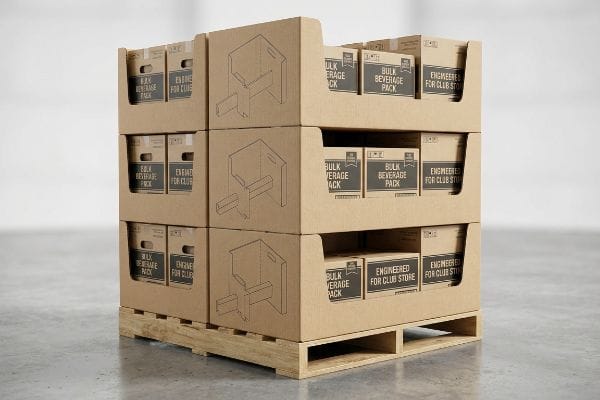
বিশাল পরিমাণে পণ্য পরিবহনের ক্ষেত্রে, আপনার ঢেউখেলানো বোর্ডের কাঠামোগত দৃঢ়তাই নির্ধারণ করে যে পণ্যটি পুনরায় মজুত করা হবে নাকি বাতিল করা হবে।.
কস্টকোর ২৫০০-পাউন্ড নিয়মের রহস্য উন্মোচন
ক্লাব স্টোর চ্যানেলে প্রবেশ করার জন্য সম্পূর্ণ ভিন্ন একটি কাঠামোগত মানসিকতার প্রয়োজন। বেশিরভাগ ডিজাইনার কেবল তাদের স্ট্যান্ডার্ড ফ্লোর ইউনিটগুলোকে, এবং আশা করেন যে একই ঢেউখেলানো কার্ডবোর্ডের কাঠামো বিপুল পরিমাণ পানীয় বা ইলেকট্রনিক্স পণ্যের ভার বহন করতে পারবে।
কস্টকো একটি কঠোর ‘শপ-থ্রু’ নীতি মেনে চলে, যার অর্থ হলো ক্রেতাদের অবশ্যই ফ্রেমের কোনো ক্ষতি না করে অন্তত তিন দিক থেকে পণ্য পর্যন্ত পৌঁছাতে সক্ষম হতে হবে। আমার কাছে প্রায়শই একটি প্রশ্ন আসে যে, সাধারণ বি-ফ্লুট বোর্ড এই চ্যানেলের জন্য যথেষ্ট শক্তিশালী কিনা। এটি নয়। আপনাকে অবশ্যই আপনার প্রিন্টারকে সুনির্দিষ্ট ডাইনামিক লোডের প্রয়োজনীয়তা জানাতে হবে। যদি আপনি তা না করেন, তাহলে একটি ভয়াবহ বিপর্যয়ের ঝুঁকি থাকে। আমি একবার একটি সস্তা সিঙ্গেল-ওয়াল বেস ভেঙে পড়ার বীভৎস শব্দ শুনেছিলাম, যখন একটি ফর্কলিফ্ট ২৫০০ পাউন্ড (১১৩৪ কেজি)বাল্ক পণ্য ফেলেছিল। পুরো কাঠামোটি চ্যাপ্টা হয়ে গিয়েছিল, যার ফলে ব্যাপক ঘর্ষণ সৃষ্টি হয়, অ্যাসেম্বলি লাইনের গতি আনুমানিক ৩০% কমে যায় এবং প্রকল্পের লাভের মার্জিন সম্পূর্ণরূপে নষ্ট হয়ে যায়।
| নতুনদের সাধারণ ভুল | প্রো ফিক্স | খুচরা-ফ্লোর সুবিধা |
|---|---|---|
| দুর্বল কেন্দ্রীয় বিভাজক | এইচ-ডিভাইডারের অভ্যন্তরীণ শক্তিবৃদ্ধি | ২,৫০০ পাউন্ড (১১৩৪ কেজি) পর্যন্ত ভার বহন করতে পারে।8 |
| বদ্ধ-বাক্স কাঠামো | প্রকৌশলগতভাবে তৈরি শপ-থ্রু জানালা | ক্লাব স্টোরের নির্দেশিকা মেনে চলে9 |
| স্ট্যান্ডার্ড নরম বার্নিশ | অ্যান্টি-স্কাফ ম্যাট ল্যামিনেশন | ভারী ঘর্ষণ প্রতিরোধ করে |
যেকোনো ক্লাব স্টোর রোলআউটের ক্ষেত্রে আমি সবসময় ৩.৫-এর একটি পরিকল্পিত সুরক্ষা ফ্যাক্টর বাধ্যতামূলক করি । ভিত্তিটিকে অতিরিক্ত মজবুত করে তৈরি করাটা শুধু নিয়ম মেনে চলার জন্যই নয়; এটি আপনার পণ্যকে দোকানের বাইরে রাখে এবং আপনার লাভের মার্জিন অক্ষুণ্ণ রাখে।
🛠️ হার্ভির ডেস্ক: ভাবছেন আপনার বর্তমান ডিজাইনটি কোনো ক্লাব স্টোরের ভারী ফর্কলিফ্টের ধাক্কা সহ্য করতে পারবে কি না, নাকি এটি একটি টাইম বোমা? 👉 আপনার স্পেকস চেক করুন ↗ — নিরাপদে ডাউনলোড করুন। পরবর্তীতে কোনো প্রশ্ন থাকলে আমার ইনবক্স খোলা আছে।
প্যালেট স্কার্টের আকার কত?
লজিস্টিকস রিটেইল ডিজাইনকে নির্দেশ করে, এর উল্টোটা নয়।.
একটি প্যালেট স্কার্টের আকার সরাসরি স্ট্যান্ডার্ড লজিস্টিক প্ল্যাটফর্মের সাথে মিলে যায়, যার পরিমাপ সাধারণত ঠিক ৪৮ বাই ৪০ ইঞ্চি। গ্রোসারি ম্যানুফ্যাকচারার্স অ্যাসোসিয়েশনের এই মাপ অনুযায়ী র্যাপ ডিজাইন করলে নিখুঁত অ্যালাইনমেন্ট নিশ্চিত হয়, যা বিপজ্জনক বাড়তি অংশ দূর করে এবং রিটেইল ফ্লোরে স্থাপনের সময় ভারী ফর্কলিফটের ধাক্কায় দৃষ্টিকটুভাবে বেঁকে যাওয়া প্রতিরোধ করে।.
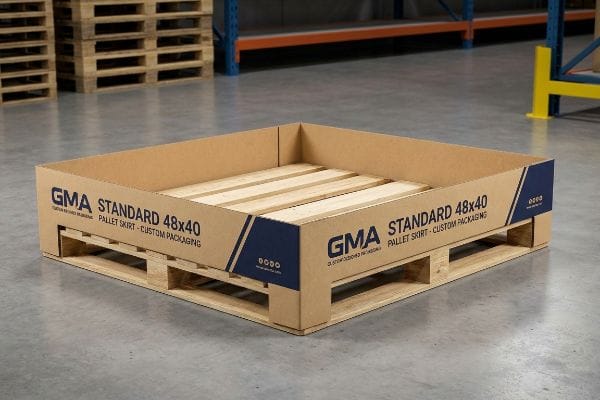
এই অনমনীয় ভৌত সীমানাগুলোকে সম্মান না করে আপনার গ্রাফিক্স ডিজাইন করলে তা পরিবহনের সময় ক্ষতিগ্রস্ত হওয়ার একটি নিশ্চিত কারণ।.
৪৮×৪০ ফুটপ্রিন্টে দক্ষতা অর্জন
বড় আকারের খুচরা বিক্রেতাদের জন্য ডিজাইন করার অর্থ হলো কঠোর স্থানিক সীমানা মেনে চলা। অনেক সৃজনশীল এজেন্সি আলাদাভাবে চোখে পড়ার জন্য নিজস্ব জ্যামিতিক নকশা তৈরি করে, এবং উত্তর আমেরিকার লজিস্টিক নেটওয়ার্কগুলোতে ব্যবহৃত প্রমিত ভৌত প্ল্যাটফর্মগুলোকে10।
একটি স্কার্টকে এমনভাবে ভাবুন যেন একটি নির্দিষ্ট ম্যানিকুইনের জন্য দর্জির তৈরি স্যুট বানানো হচ্ছে; যদি মাপে আধা ইঞ্চি (১২.৭ মিমি) তারতম্য হয়, তাহলে সেলাই ফেটে যাবে। একটি নির্ভরযোগ্য সাধারণ নিয়ম হলো, শুধুমাত্র জিএমএ (গ্রোসারি ম্যানুফ্যাকচারার্স অ্যাসোসিয়েশন)-এর ৪৮ বাই ৪০ ইঞ্চি (১২১৯ বাই ১০১৬ মিমি) স্ট্যান্ডার্ডমেনে । যদি আপনি এই নিয়ম থেকে বিচ্যুত হন, তবে দোকানের মেঝেতে বিশৃঙ্খলা ডেকে আনবেন। আমি প্রায়শই দেখি বড় আকারের স্কার্ট কিনারা থেকে ঝুলে পড়ছে এবং পাশ দিয়ে যাওয়া শপিং কার্টে আটকে যাচ্ছে। কাঁচা পেপারবোর্ড অতিরিক্ত ঝুলে থাকার কারণে ভিত্তি থেকে ছিঁড়ে যাওয়ার বিকট শব্দ একটি দুঃস্বপ্ন, যা নিশ্চিত করে যে দোকানের ম্যানেজাররা আপনার ডিজাইনটি সরাসরি রিসাইক্লিং বেলারে ফেলে দেবে।
| নতুনদের সাধারণ ভুল | প্রো ফিক্স | খুচরা-ফ্লোর সুবিধা |
|---|---|---|
| কাস্টম বেসের মাত্রা | ৪৮×৪০ ইঞ্চি (১২১৯×১০১৬ মিমি) সীমা | ডকে নির্বিঘ্ন প্রবেশ নিশ্চিত করে |
| ডেকের উচ্চতা উপেক্ষা করা | সঠিক ৫ ইঞ্চি (১২৭ মিমি) ক্লিয়ারেন্স | মেঝেতে দাগ পড়া প্রতিরোধ করে |
| আলগা কোণার মোড়ক | ইন্টারলকিং টেনশন ট্যাব | গ্রাফিক্সকে নিখুঁতভাবে টানটান রাখে |
আমি প্রতিটি র্যাপ টেমপ্লেট সেই অটল ভিত্তিকে কেন্দ্র করে তৈরি করি। লজিস্টিকস নেটওয়ার্কের ভৌত সীমাবদ্ধতাকে সম্মান করাই হলো আপনার মার্কেটিং বাজেটটি ট্রাক থেকে দোকানের তাক পর্যন্ত যাত্রাপথে টিকে থাকবে, তা নিশ্চিত করার একমাত্র উপায়।.
🛠️ হার্ভির ডেস্ক: একটি অনমনীয় ইন্ডাস্ট্রিয়াল বেসের উপর আপনার হাই-এন্ড গ্রাফিক্স নিখুঁতভাবে বসাতে হিমশিম খাচ্ছেন? 👉 আমার টেমপ্লেটটি ডাউনলোড করুন ↗ — কোনো ফর্ম নেই যা অবিরাম সেলস কলের কারণ হয়। শুধু খাঁটি মূল্য।
প্যালেট ডিসপ্লে কী?
দোকানের ক্রেতারা বেশি পরিমাণে জিনিস কিনতে ভালোবাসেন, কিন্তু তারা দোকানের মূল্যবান জায়গা ছাড়তে নারাজ।.
প্যালেট ডিসপ্লে হলো একটি স্বয়ংসম্পূর্ণ রিটেইল মার্চেন্ডাইজার যা সরাসরি একটি কাঠের শিপিং বেসের উপর তৈরি করা হয়। এই উচ্চ-ক্ষমতাসম্পন্ন কাঠামো ব্র্যান্ডগুলোকে বিপুল পরিমাণে পণ্য সরাসরি কারখানা থেকে রিটেইল আইলে পরিবহন করার সুযোগ দেয়, যা হাতে করে পণ্য সাজানোর সময়কে ব্যাপকভাবে কমিয়ে আনে এবং নিরবচ্ছিন্ন প্রচারমূলক বার্তা প্রদর্শনের ক্ষেত্র তৈরি করে।.
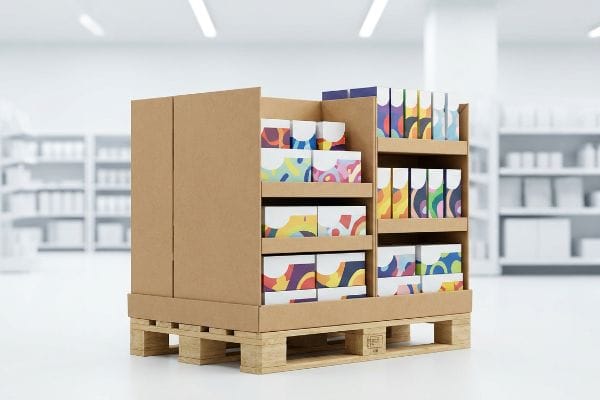
এই ফর্ম্যাটের সর্বোচ্চ ব্যবহার করতে কৌশলগত জ্যামিতির প্রয়োজন হয়, যা ছোট প্রচারণাগুলোকেও সেরা স্থান নিশ্চিত করতে সাহায্য করে।.
পূর্ণ-আকারের মনোলিথের বাইরে
বেশিরভাগ ব্র্যান্ড ম্যানেজারের জন্য চূড়ান্ত লক্ষ্য হলো প্রধান করিডোর জুড়ে থাকা একটি বিশাল, পণ্যে পরিপূর্ণ ইউনিট। তবে, শুধুমাত্র পূর্ণ-আকারের প্ল্যাটফর্মের উপর নির্ভর করলে, যে সমস্ত খুচরা বিক্রেতারা তাদের দোকানের জায়গা কঠোরভাবে পরিচালনা করেন, তাদের কাছ থেকে প্রায়শই পণ্য প্রত্যাখ্যাত হওয়ার হার অনেক বেশি হয় ।
একটি সাধারণ ভুল ধারণা হলো যে এই কাঠামোগুলোকে অবশ্যই একটি সম্পূর্ণ কাঠের ভিত্তি দখল করতে হবে। একটি নতুন বা বিশেষ পণ্য চালু করার সময়, বিশাল জায়গার দাবি করা ক্রেতাদের কাছ থেকে সরাসরি প্রত্যাখ্যান পাওয়ার একটি সহজ উপায়। পরিবর্তে, আমি সবসময় ভগ্নাংশ মাত্রা ব্যবহার করার পরামর্শ দিই, যেমন অর্ধেক বা এক-চতুর্থাংশ প্ল্যাটফর্ম 13। আমার মনে আছে, আমি একজন স্টোর ম্যানেজারকে একটি বিশাল ডিসপ্লেকে দোকানের শেষ প্রান্তের তাকের চারপাশে ঘোরাতে হিমশিম খেতে দেখেছিলাম , সেই সংকীর্ণ জায়গাটি প্রচণ্ড বাধা এবং হতাশার সৃষ্টি করছিল। গাণিতিকভাবে স্থানকে ভাগ করার মাধ্যমে, আপনি খুচরা বিক্রেতাদের একাধিক প্রচারণাকে মসৃণভাবে একত্রিত করার সুযোগ করে দেন, যা তাদের বিন্যাসের মাথাব্যথা কমিয়ে দেয় এবং সেরা, সহজে চোখে পড়ার মতো স্থান পাওয়ার সম্ভাবনা নাটকীয়ভাবে বাড়িয়ে তোলে।
| নতুনদের সাধারণ ভুল | প্রো ফিক্স | খুচরা-ফ্লোর সুবিধা |
|---|---|---|
| সম্পূর্ণ করিডোর দাবি করা | অর্ধ-প্যালেট কনফিগারেশন14 | ক্রেতাদের অনুমোদনের হার বৃদ্ধি করে |
| অপচয়কৃত খালি জায়গা | মডুলার অভ্যন্তরীণ বিভাজক15 | পণ্যের ঘনত্ব সর্বাধিক করে |
| দুর্বল কোণার জোড় | দ্বি-স্তর ঢেউখেলানো স্পাইন16 | কাঠামোগত হেলে পড়া বন্ধ করে |
প্রতিযোগিতামূলক রিটেইল স্পেসে প্রবেশের ক্ষেত্রে আমি ক্লায়েন্টদের ফ্র্যাকশনাল জ্যামিতির দিকে উৎসাহিত করি। এটি একটি মনোলিথের মতোই হুবহু একই রকম দৃশ্যগত পরিবর্তন আনে, কিন্তু এর সাথে থাকে সেই লজিস্টিক্যাল নমনীয়তা যা বিগ-বক্স স্টোরের ম্যানেজাররা আসলেই চান।.
🛠️ হার্ভির ডেস্ক: কঠোর স্টোর ক্রেতাদের দ্বারা আপনার বড় আকারের প্রচারমূলক পরিকল্পনাগুলো কি বারবার প্রত্যাখ্যাত হচ্ছে? 👉 একটি স্পেস অডিট দাবি করুন ↗ — আমার ডেস্কে সরাসরি প্রবেশাধিকার। কোনো স্বয়ংক্রিয় সেলস স্প্যাম নেই, আমি কথা দিচ্ছি।
খুচরা প্যালেট কী?
আইনি সীমা মেনে চলার জন্য দোকানে একটি মসৃণ অভিজ্ঞতা প্রদানে নিবিড় ব্যাকএন্ড ইঞ্জিনিয়ারিংয়ের প্রয়োজন হয়।.
রিটেইল প্যালেট হলো একটি প্রমিত লজিস্টিক্যাল প্ল্যাটফর্ম, যা বিশেষভাবে গ্রাহক-কেন্দ্রিক দোকানের পরিবেশের জন্য অপ্টিমাইজ করা হয়েছে। সাধারণ গুদামের ভিত্তির বিপরীতে, এই বিশেষায়িত ইউনিটগুলো নান্দনিক পরিচ্ছন্নতা এবং নিরাপত্তাকে অগ্রাধিকার দেয়। এটি কঠোর নিয়মকানুন মেনে চলা নিশ্চিত করার পাশাপাশি একটি অত্যন্ত স্থিতিশীল ও দৃষ্টিনন্দন ভিত্তি প্রদান করে, যা ব্যাপক প্রচারমূলক পণ্য প্রচারাভিযানকে সমর্থন করে।.
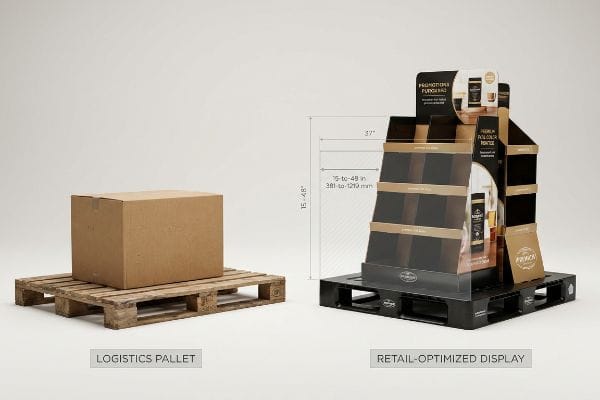
কিন্তু যখন গুদামের মেশিনগুলো চলতে শুরু করে এবং কাঠামোগত সীমাবদ্ধতা পরীক্ষা করা হয়, তখন ডিসপ্লে বেসের সংজ্ঞা জানাটাই যথেষ্ট নয়।.
বিক্রয় ক্ষেত্রে প্রচলিত লজিস্টিকস ভিত্তিগুলো কেন ব্যর্থ হয়
ব্র্যান্ডগুলো প্রায়শই ধরে নেয় যে, গুদামে ওজন ধরে রাখতে পারে এমন যেকোনো কাঠামোই অনায়াসে গ্রাহক-মুখী সারিতে স্থানান্তরিত হতে পারে। তারা একটি বিশাল পিওপি (পয়েন্ট অফ পারচেজ) ইউনিট নিয়ে তার নকশা ছোট করে ফেলার চেষ্টা করে, এবং আশা করে যে লজিস্টিকস প্ল্যাটফর্মটি একটি আকর্ষণীয় পিওএস (পয়েন্ট অফ সেল) কাউন্টার ডিসপ্লে হিসেবে কাজ করবে।.
আমার প্রতিষ্ঠানে , প্রি-প্রোডাকশন টেস্টিংয়ের সময় আমি নিয়মিতভাবে এই ‘সংকোচন করে মাপমতো করার’ ধারণার কুফল দেখতে পাই। ডিজাইনাররা ADA (আমেরিকানস উইথ ডিসএবিলিটিস অ্যাক্ট)-এর কঠোর স্থানিক নিয়মকানুন উপেক্ষা করে শুধুমাত্র লজিস্টিকস ফুটপ্রিন্টের উপর ভিত্তি করে তাদের ফাইল তৈরি করেন। যখন আমি টেস্টিং ফ্লোরে মকআপগুলো পরিমাপ করি, তখন প্রায়শই দেখি যে সেগুলোর সামনের দিকে পৌঁছানোর সীমা বাধ্যতামূলক ১৫ থেকে ৪৮ ইঞ্চি (৩৮১ থেকে ১২১৯ মিমি) পরিসরকে ঠিক ২.৪ ইঞ্চি (৬০ মিমি) ব্যবধানে অতিক্রম করে যাচ্ছে । আমার মাপার ফিতাটি সশব্দে পিছিয়ে আসার শব্দই হলো একটি ব্যর্থ অডিটের সংকেত। এটা শুধু তত্ত্ব নয়; যখন সেই নিয়ম-বহির্ভূত ইউনিটটি ফ্লোরে পৌঁছায়, তখন তা খুচরা বিক্রেতার দ্বারা তাৎক্ষণিক প্রত্যাখ্যান এবং কয়েক সপ্তাহের ব্যয়বহুল ম্যানুয়াল রিওয়ার্কের কারণ হয়ে দাঁড়ায়। POP এবং POS ইঞ্জিনিয়ারিং পাইপলাইনের কঠোর পৃথকীকরণ প্রয়োগ করে এবং আইনি সীমার সাথে সামঞ্জস্য রেখে কাঠামোগত হিসাব সমন্বয় করার মাধ্যমে, আমি নিশ্চিত করি যে প্রতি ইউনিটে কো-প্যাকিং অ্যাসেম্বলির সময় ৪২ সেকেন্ড কমে আসে, যা ক্লায়েন্টদের অপ্রত্যাশিত কমপ্লায়েন্স চার্জব্যাক বাবদ হাজার হাজার টাকা বাঁচিয়ে দেয়।
| নতুনদের সাধারণ ভুল | প্রো ফিক্স | খুচরা-ফ্লোর সুবিধা |
|---|---|---|
| আকার ছোট করে রদ করার জন্য পরিবর্তন | পৃথক ADA/GMA পাইপলাইন18 | খুচরা বিক্রেতার চার্জব্যাক প্রতিরোধ করে |
| পৌঁছানোর অঞ্চল উপেক্ষা করা | ১৫-৪৮ ইঞ্চি (৩৮১-১২১৯ মিমি) সীমা19 | আইনগত সম্মতি নিশ্চিত করে |
| অপরীক্ষিত প্রোটোটাইপ | প্রি-প্রোডাকশন 3D স্ট্রেস টেস্ট | ব্যাপক পুনঃকাজের বিলম্ব দূর করে |
আমি কখনোই লজিস্টিকস পরিধিকে গ্রাহক যোগাযোগের ক্ষেত্র নির্ধারণ করতে দিই না। ইঞ্জিনিয়ারিং পাইপলাইনগুলোকে আলাদা রাখলে আপনার ইউনিটগুলো সম্পূর্ণরূপে নিয়ম মেনে চলে, যা আপনার ব্র্যান্ডকে ক্ষুব্ধ স্টোর ম্যানেজারদের দ্বারা ব্যবসা থেকে সরিয়ে দেওয়া থেকে রক্ষা করে।.
🛠️ হার্ভির ডেস্ক: একটি ২-মিলিমিটার কাঠামোগত ত্রুটির কারণে ৫০০টি দোকানে পণ্য সরবরাহের পরিকল্পনা যেন ভেস্তে না যায়। 👉 আপনার ডাইলাইন ফাইলটি আমাকে পাঠান ↗ — গণ-উৎপাদনে বাজেট অপচয় করার আগে আমি এর গাণিতিক হিসাব স্ট্রেস-টেস্ট করে নেব।
উপসংহার
আপনি আরও সস্তা বিক্রেতা বেছে নিতে পারেন, কিন্তু যখন একটি গুদামে ভারী গতিশীল চাপের নিচে পরীক্ষা না করা একটি ঢেউখেলানো কার্ডবোর্ডের ভিত্তি বেঁকে যায়, যা অ্যাসেম্বলি লাইনের গতি আনুমানিক ৩০% কমিয়ে দেয় এবং আপনার লাভের মার্জিন নষ্ট করে দেয়, তখন প্রাথমিক সাশ্রয়ের কোনো অর্থই থাকে না। ৫০০-এর বেশি ব্র্যান্ড ম্যানেজার ঠিক এই মারাত্মক প্রাথমিক পর্যায়ের ভুলগুলো এড়ানোর জন্য আমার প্রিপ্রেস চেকলিস্ট ব্যবহার করেন। অন্ধ অনুমানের উপর ভিত্তি করে আপনার রিটেইল রোলআউটের ঝুঁকি নেওয়া বন্ধ করুন এবং ত্রুটিহীন বাস্তবায়ন নিশ্চিত করতে আমাকে আমার ফ্রি ডাইলাইন প্রি-ফ্লাইট অডিট ↗- এর মাধ্যমে আপনার কাঠামোগত সহনশীলতা ব্যক্তিগতভাবে নিরীক্ষা করতে দিন।
"প্যালেট ডিসপ্লের প্রকারভেদ: সম্পূর্ণ, অর্ধেক ও এক-চতুর্থাংশ – গ্রীনডট প্যাকেজিং", https://greendotpackaging.com/understanding-pallet-display-types-full-half-and-quarter-pallet-displays/। [খুচরা পণ্য সাজানোর স্পেসিফিকেশন অনুযায়ী, প্যালেট স্কার্টগুলো যাতে মাটিতে না ঘষে বা প্যালেটের ভিত্তি উন্মুক্ত না করে নিরাপদে ফিট হয়, তা নিশ্চিত করার জন্য ডেকের উচ্চতা এবং মেঝে থেকে দূরত্বের সঠিক পরিমাপ প্রয়োজন]। প্রমাণের ভূমিকা: ইনস্টলেশনের আবশ্যকতা; উৎসের ধরণ: খুচরা পরিচালন নির্দেশিকা। সমর্থন করে: ইনস্টলেশন চেকলিস্ট। পরিধি সংক্রান্ত টীকা: বাল্ক মার্চেন্ডাইজিং ইউনিটের ক্ষেত্রে প্রযোজ্য। ↩
"প্যালেট স্কার্ট – পিকেজি প্যাকেজিং", https://pkgpackaging.com/pallet-skirt/। [কোরুগেটেড রিটেইল র্যাপের জন্য প্যাকেজিং ইঞ্জিনিয়ারিং স্ট্যান্ডার্ডে কাঠামোগত স্থিতিশীলতা এবং আঠা ছাড়া সহজে সংযোজন নিশ্চিত করার জন্য সেলফ-লকিং ট্যাব মেকানিজমের উল্লেখ রয়েছে]। প্রমাণের ভূমিকা: প্রযুক্তিগত স্পেসিফিকেশন; উৎসের ধরণ: ইন্ডাস্ট্রিয়াল ডিজাইন ম্যানুয়াল। সমর্থন করে: স্থাপনের সর্বোত্তম অনুশীলন। পরিধি নোট: কোরুগেটেড প্যালেট স্কার্টের জন্য প্রযোজ্য। ↩
"পিএমআই ৩৮০ ডুয়াল ট্যাক প্যালেট টেপ | কীভাবে প্রয়োগ করবেন এবং পর্যালোচনা", https://www.youtube.com/watch?v=MVCgeLNE-uk। [খুচরা দোকানের ডিসপ্লে সেটআপে হাতে টেপ লাগানোর তুলনায় আগে থেকে আঠা লাগানো স্বয়ংক্রিয় লকিং ট্যাব ব্যবহারের মাধ্যমে যে সময় সাশ্রয় হয়, তার শিল্প মানদণ্ড]। প্রমাণের ভূমিকা: পরিমাণগত যাচাইকরণ; উৎসের ধরণ: শিল্প দক্ষতা প্রতিবেদন। সমর্থন করে: লকিং ট্যাবের শ্রম সাশ্রয়। পরিধি টীকা: আদর্শ প্যালেটের আকারের জন্য আনুমানিক। ↩
"আটলান্টিক-এর কাস্টম লার্জ প্যালেট কভার দিয়ে আপনার প্যালেট সুরক্ষিত রাখুন...", https://atlanticpoly.com/atlantic_poly_blog/protect-your-pallets-with-custom-large-pallet-covers-from-atlantic-poly-inc। [মেঝের আর্দ্রতা প্রবেশ থেকে ঢেউখেলানো কার্ডবোর্ডকে রক্ষা করার জন্য প্রয়োজনীয় ন্যূনতম পলি-কোটিং উচ্চতার ইঞ্জিনিয়ারিং স্পেসিফিকেশন]। প্রমাণের ভূমিকা: প্রযুক্তিগত স্পেসিফিকেশন; উৎসের ধরণ: প্যাকেজিং ইঞ্জিনিয়ারিং ম্যানুয়াল। সমর্থন: ভেজা তলা ধসে পড়া প্রতিরোধ। পরিধি নোট: কার্যকারিতা আবরণের পুরুত্বের উপর নির্ভর করে। ↩
"দ্বি-প্রাচীরযুক্ত ঢেউখেলানো বোর্ড প্যাকেজিংয়ের সর্বোত্তম নকশা – পিএমসি", https://pmc.ncbi.nlm.nih.gov/articles/PMC8950760/। [একক-প্রাচীরযুক্ত বিকল্পগুলোর তুলনায় দ্বি-প্রাচীরযুক্ত ঢেউখেলানো বোর্ডের বর্ধিত চাপ ও আঘাত প্রতিরোধ ক্ষমতা প্রদর্শনকারী তুলনামূলক কাঠামোগত তথ্য]। প্রমাণের ভূমিকা: উপাদানের বৈশিষ্ট্য যাচাই; উৎসের ধরণ: ঢেউখেলানো বোর্ডের প্রযুক্তিগত মান। সমর্থন: কার্টের আঘাতের বিরুদ্ধে স্থায়িত্ব। পরিধি সংক্রান্ত টীকা: সাধারণ খুচরা দোকানের মেঝের পরিবেশের জন্য প্রযোজ্য। ↩
"কস্টকো ডিসপ্লে কেসের প্রয়োজনীয়তা | পিয়ারসন প্যাকেজিং সিস্টেমস", https://pearsonpkg.com/es/resources/costco-display-case-requirements-specifications-for-bliss-style-boxes-benefitting-manufacturers-retailers-and-customers/। অফিসিয়াল কস্টকো ভেন্ডর নির্দেশিকা বা ক্লাব স্টোর ডিসপ্লে ম্যানুয়াল প্যালেট-ভিত্তিক পণ্যের জন্য প্রবেশগম্যতা এবং দৃশ্যমানতার মান নির্ধারণ করে। প্রমাণের ভূমিকা: যাচাইকরণ; উৎসের ধরণ: কর্পোরেট ভেন্ডর গাইড। সমর্থন করে: শপ-থ্রু ম্যান্ডেট। পরিধি নোট: ওয়্যারহাউস ক্লাব লেআউটের জন্য নির্দিষ্ট। ↩
"আমার প্যালেট কত ভার বহন করতে পারে?", https://unitload.vt.edu/education/white-papers/5-wp-load-carrying-capacity-of-pallets.html। ক্লাব চ্যানেলে ব্যবহৃত ইন্ডাস্ট্রিয়াল প্যালেট ডিসপ্লের জন্য প্রযুক্তিগত স্পেসিফিকেশনগুলো কাঠামোগত অখণ্ডতার জন্য প্রয়োজনীয় আদর্শ ভারবহন ক্ষমতার শর্তাবলি যাচাই করে। প্রমাণের ভূমিকা: প্রযুক্তিগত স্পেসিফিকেশন; উৎসের ধরণ: ইঞ্জিনিয়ারিং স্ট্যান্ডার্ড। সহায়ক: বাল্ক পণ্যের ওজন সীমা। পরিধি সংক্রান্ত টীকা: সর্বোচ্চ স্ট্যাটিক/ডাইনামিক ভারবহন ক্ষমতাকে বোঝায়। ↩
"কস্টকো প্যাকেজিং গাইড: কাঠামোগত প্রয়োজনীয়তা ও সর্বোত্তম অনুশীলন", https://greendotpackaging.com/costco-packaging-requirements/। [ক্লাব স্টোর প্যাকেজিং-এর উপর একটি প্রামাণ্য শিল্প নির্দেশিকা প্যালেটের স্থিতিশীলতার জন্য প্রয়োজনীয় নির্দিষ্ট ওজন ধারণক্ষমতার সীমা যাচাই করে]। প্রমাণের ভূমিকা: প্রযুক্তিগত স্পেসিফিকেশন; উৎসের ধরণ: শিল্প মান। সমর্থন করে: ডিসপ্লের জন্য কাঠামোগত ওজনের সীমা। পরিধি সংক্রান্ত টীকা: বিশেষভাবে ক্লাব-চ্যানেল প্যালেট কনফিগারেশনের ক্ষেত্রে প্রযোজ্য। ↩
"ক্লাব স্টোর ডিসপ্লে – অ্যাকশনপ্যাক", https://actionpakinc.com/packaging-methods/club-store-displays/। [ক্লাব স্টোরের জন্য খুচরা বিক্রেতার কমপ্লায়েন্স ম্যানুয়ালগুলোতে শপ-থ্রু প্যাকেজিং ডিজাইনের কাঠামোগত এবং দৃশ্যমানতার প্রয়োজনীয়তা নির্দিষ্ট করা থাকে]। প্রমাণের ভূমিকা: কমপ্লায়েন্স যাচাইকরণ; উৎসের ধরণ: ভেন্ডর ম্যানুয়াল। সমর্থন করে: খুচরা মানদণ্ডের সাথে ডিজাইনের সঙ্গতি। পরিধি সংক্রান্ত টীকা: দৃশ্যমানতা এবং প্রবেশগম্যতার উপর গুরুত্ব দেওয়া হয়েছে। ↩
"নর্থ আমেরিকান প্যালেট (জিএমএ): সাইজ ও স্পেসিফিকেশন – আইকনটেইনার্স", https://www.icontainers.com/help/north-american-pallet-gma-sizes-specficitations/। গ্রোসারি ম্যানুফ্যাকচারার্স অ্যাসোসিয়েশন (জিএমএ) দ্বারা প্রতিষ্ঠিত শিল্প মান, উত্তর আমেরিকার লজিস্টিকসের জন্য ৪৮×৪০ ইঞ্চি প্যালেটকে ভিত্তি হিসেবে সংজ্ঞায়িত করে। প্রমাণের ভূমিকা: প্রযুক্তিগত স্পেসিফিকেশন; উৎসের ধরণ: শিল্প মান। সমর্থন করে: এই দাবি যে উত্তর আমেরিকার লজিস্টিকস একটি নির্দিষ্ট মানসম্মত আকারের উপর নির্ভর করে। পরিধি নোট: প্রধান মনোযোগ জিএমএ প্যালেট মানের উপর। ↩
"স্ট্যান্ডার্ড প্যালেট সাইজ | চার্ট সহ – ক্যাম্পস প্যালেটস", https://www.kampspallets.com/standard-pallet-sizes-with-chart/। [লজিস্টিকস এবং প্যাকেজিং-এর জন্য একটি শিল্প-মান নির্দেশিকা নিশ্চিত করে যে গ্রোসারি ম্যানুফ্যাকচারার্স অ্যাসোসিয়েশন (GMA) উত্তর আমেরিকার প্যালেটগুলির জন্য ৪৮×৪০ ইঞ্চি ফুটপ্রিন্টকে স্ট্যান্ডার্ড হিসাবে নির্দিষ্ট করেছে]। প্রমাণের ভূমিকা: প্রযুক্তিগত স্পেসিফিকেশন; উৎসের ধরণ: শিল্প মান; সমর্থন করে: স্ট্যান্ডার্ড প্যালেটের মাত্রা; পরিধি নোট: প্রাথমিকভাবে উত্তর আমেরিকার খুচরা লজিস্টিকসের জন্য প্রযোজ্য। ↩
"প্যালেট ডিসপ্লে বনাম ফ্লোর ডিসপ্লে: পার্থক্য কী?", https://brownpackaging.com/pallet-display-vs-floor-display-what-is-the-difference/। [রিটেইল মার্চেন্ডাইজিং বা সাপ্লাই চেইন ম্যানেজমেন্টের একটি নির্ভরযোগ্য উৎস এমন ডেটা বা শিল্প বিশ্লেষণ প্রদান করবে যা নিশ্চিত করে যে, ফ্লোর স্পেসের সীমাবদ্ধতার কারণে বড় আকারের ডিসপ্লেগুলো প্রায়শই প্রত্যাখ্যাত হয়]। প্রমাণের ভূমিকা: সমর্থন; উৎসের ধরণ: শিল্প প্রতিবেদন। সমর্থন করে: ডিসপ্লের আকার এবং খুচরা বিক্রেতার গ্রহণযোগ্যতার মধ্যে সম্পর্ক। পরিধি নোট: খুচরা বিক্রেতার আকার এবং পণ্যের বিভাগ অনুসারে ভিন্ন হতে পারে। ↩
"কোয়ার্টার প্যালেটের সুযোগ অন্বেষণ ১ – প্যালেটওয়ান ইনকর্পোরেটেড", https://www.palletone.com/exploring-the-opportunity-for-quarter-pallets/। [খুচরা পণ্য বিপণনের জন্য শিল্প মানদণ্ড মেঝেতে জায়গার সর্বোত্তম ব্যবহারের জন্য ব্যবহৃত ভগ্নাংশ প্যালেট ফুটপ্রিন্টের নির্দিষ্টকরণ প্রদান করে]। প্রমাণের ভূমিকা: প্রযুক্তিগত নির্দিষ্টকরণ; উৎসের ধরণ: খুচরা বাণিজ্য প্রকাশনা। সমর্থন করে: স্থান নির্ধারণ সুরক্ষিত করার জন্য প্রমিত আকারের চেয়ে ছোট প্যালেট ব্যবহারের সম্ভাব্যতা। পরিধি সংক্রান্ত টীকা: বিশেষভাবে স্বতন্ত্র প্যালেট-ভিত্তিক ডিসপ্লের ক্ষেত্রে প্রযোজ্য। ↩
"প্যালেট ডিসপ্লে বাজার | বৈশ্বিক বাজার বিশ্লেষণ প্রতিবেদন – ২০৩৬", https://www.futuremarketinsights.com/reports/pallet-displays-market। [খুচরা বিক্রয় স্থানের ব্যবস্থাপনার উপর শিল্প প্রতিবেদনগুলো নিশ্চিত করে যে, মেঝেতে জায়গার সীমাবদ্ধতার কারণে ছোট আকারের বিন্যাস দোকান ক্রেতাদের কাছে অধিক গ্রহণযোগ্যতা পায়]। প্রমাণের ভূমিকা: তথ্যগত যাচাইকরণ; উৎসের ধরণ: শিল্প প্রতিবেদন। সমর্থন: অর্ধ-প্যালেট বিন্যাসের সুবিধা। পরিধি সংক্রান্ত টীকা: খুচরা খাত অনুযায়ী প্রভাব ভিন্ন হতে পারে। ↩
"খুচরা ব্যবহারের জন্য মডিউলার স্টোরেজ সিস্টেমকে কী কার্যকর করে তোলে? – পিভাটিক", https://pivatic.com/en/what-makes-modular-storage-systems-efficient-for-retail-use/। [মার্চেন্ডাইজিং গাইড ব্যাখ্যা করে কিভাবে মডিউলার অভ্যন্তরীণ ডিভাইডারগুলো স্থানের সর্বোত্তম ব্যবহার নিশ্চিত করে এবং একটি ডিসপ্লে পরিসরের মধ্যে পণ্যের ঘনত্ব সর্বাধিক করে তোলে]। প্রমাণের ভূমিকা: পরিচালনগত দক্ষতা; উৎসের ধরণ: খুচরা মার্চেন্ডাইজিং গাইড। সমর্থন করে: ঘনত্ব বাড়ানোর জন্য ডিভাইডারের ব্যবহার। পরিধি সংক্রান্ত টীকা: কার্যকারিতা পণ্যের আকারের উপর নির্ভর করে। ↩
"কোরুগেটেড বোর্ডের কাঠামোর একটি পর্যালোচনা – সাংহাই ডিই প্রিন্টেড বক্স", https://www.deprintedbox.com/blog/a-review-of-corrugated-board-structure/। [প্যাকেজিং ইঞ্জিনিয়ারিং ডকুমেন্টেশন প্রমাণ করে যে কোরুগেটেড বোর্ডের স্তর দ্বিগুণ করলে উল্লম্ব ভারবহন ক্ষমতা বৃদ্ধি পায় এবং কাঠামোগত হেলে পড়া প্রতিরোধ করে]। প্রমাণের ভূমিকা: প্রযুক্তিগত স্পেসিফিকেশন; উৎসের ধরণ: ইঞ্জিনিয়ারিং ম্যানুয়াল। সমর্থন: কোরুগেটেড ডিসপ্লের কাঠামোগত স্থিতিশীলতা। পরিধি নোট: কার্ডবোর্ড উপাদানের বৈশিষ্ট্যের জন্য নির্দিষ্ট। ↩
"অ্যাক্সেসিবল ডিজাইনের জন্য এডিএ স্ট্যান্ডার্ডস টাইটেল III রেগুলেশন ২৮ সিএফআর …", https://www.ada.gov/law-and-regs/design-standards/1991-design-standards/। [অ্যাক্সেসিবল ডিজাইনের জন্য এডিএ স্ট্যান্ডার্ডস হুইলচেয়ার ব্যবহারকারী ব্যক্তিদের জন্য প্রবেশগম্যতা নিশ্চিত করতে, বাধাহীনভাবে সামনের দিকে পৌঁছানোর জন্য অনুমোদিত উচ্চতার পরিসীমা নির্দিষ্ট করে]। প্রমাণের ভূমিকা: নিয়ন্ত্রক মেট্রিকের যাচাইকরণ; উৎসের ধরণ: আইনি কোড। সমর্থন: সামনের দিকে পৌঁছানোর উচ্চতার সীমা। পরিধি নোট: বাধাহীনভাবে পৌঁছানোর প্রয়োজনীয়তার জন্য নির্দিষ্ট। ↩
"স্ট্যান্ডার্ড প্যালেট সাইজ — ৪৮×৪০ জিএমএ এবং আরও ৬টি প্রচলিত মাপ", https://www.wearewarp.com/standard-pallet-sizes। [লজিস্টিকস শিল্পের নির্দেশিকা গ্রোসারি ম্যানুফ্যাকচারার্স অ্যাসোসিয়েশন (জিএমএ)-এর শিপিং স্ট্যান্ডার্ড এবং এডিএ-সম্মত রিটেইল সেলস ফ্লোরের প্রয়োজনীয়তার মধ্যে পার্থক্য ব্যাখ্যা করে। প্রমাণের ভূমিকা: শিল্প মান; উৎসের ধরণ: ট্রেড অ্যাসোসিয়েশন। সমর্থন করে: রিটেইলারের চার্জব্যাক প্রতিরোধ। পরিধি নোট: প্রাথমিকভাবে উত্তর আমেরিকার গ্রোসারি এবং বিগ-বক্স রিটেইলের জন্য প্রযোজ্য।] ↩
"অধ্যায় ৩: পরিচালনাযোগ্য অংশ – Access-Board.gov", https://www.access-board.gov/ada/guides/chapter-3-operable-parts/। [ADA Standards for Accessible Design-এর মতো একটি প্রামাণিক উৎস প্রবেশযোগ্য নাগালের জন্য প্রয়োজনীয় নির্দিষ্ট উচ্চতার পরিসীমা নিশ্চিত করে। প্রমাণের ভূমিকা: প্রযুক্তিগত বিবরণ; উৎসের ধরণ: সরকারি প্রবিধান। সমর্থন করে: নাগাল অঞ্চলের আইনি সম্মতি। পরিধি টীকা: বিশেষভাবে মার্কিন যুক্তরাষ্ট্রের জনসাধারণের প্রবেশযোগ্যতার মানদণ্ডের ক্ষেত্রে প্রযোজ্য।] ↩