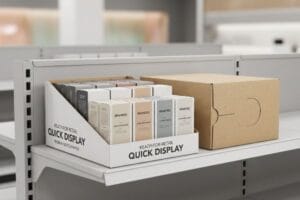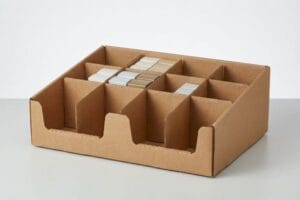
আপনি পণ্য উন্নয়নে লক্ষ লক্ষ টাকা ঢালেন, কিন্তু চূড়ান্ত বাস্তব স্পর্শবিন্দু—অর্থাৎ কার্ডবোর্ডের বাক্সটি—প্রায়শই উপেক্ষিত হয়। এটিই সেই নীরব বিক্রেতা, যা আপনার খুচরা বিপণন উদ্যোগকে সফল বা ব্যর্থ করে দেয়।.
প্যাকেজিং সিস্টেম হলো পণ্যকে উৎপাদন লাইন থেকে ভোক্তার হাতে পৌঁছে দেওয়ার জন্য পরিকল্পিত ভৌত আবদ্ধকরণ, কাঠামোগত সুরক্ষা এবং কৌশলগত বিপণন আবরণ। এটি লজিস্টিক নিয়মকানুন ও দৃশ্যগত যোগাযোগের মধ্যে সংযোগ স্থাপন করে, যা বৈশ্বিক সরবরাহ শৃঙ্খলে পণ্যের টিকে থাকা নিশ্চিত করার পাশাপাশি খুচরা পর্যায়ে বিক্রয় বৃদ্ধি করে।.
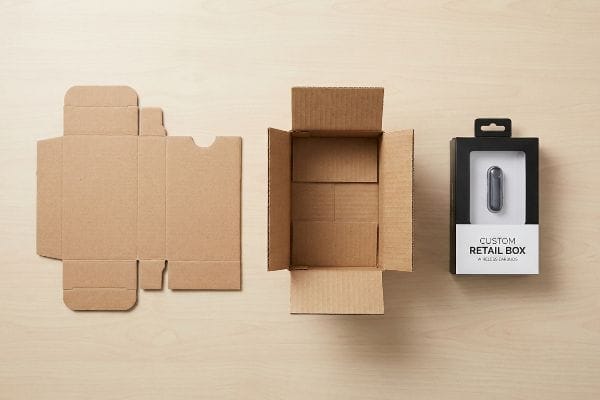
কিন্তু সেই ভৌত প্রতিবন্ধকটিকে কেবল একটি সস্তা কাগজের মোড়ক হিসেবে গণ্য করা থেকেই অধিকাংশ সরবরাহ শৃঙ্খল ব্যর্থতার সূত্রপাত হয়। চলুন বাক্সটির পেছনের কার্যপ্রণালীটি খতিয়ে দেখা যাক।.
প্যাকেজিং বলতে আপনি কী বোঝেন?
বেশিরভাগ ক্রয়কারী দল একটি বাক্সকে শুধুমাত্র তার একক খরচের ভিত্তিতে সংজ্ঞায়িত করে, এবং সেই পেপারবোর্ডটি যখন একটি আর্দ্র গুদামে পৌঁছায় তখন এর কাঠামোগত বাস্তবতাকে পুরোপুরি উপেক্ষা করে।.
প্যাকেজিং মানে চারটি 'সি'-এর মধ্যে ভারসাম্য রক্ষা করা: খরচ, ধারণা, সুবিধা এবং যোগাযোগ। এটি কেবল একটি নান্দনিক মোড়ক নয়, বরং একটি কার্যকরী প্রকৌশল কাঠামো, যা ভৌত পণ্য নিরাপদে বিতরণের জন্য এবং একই সাথে চূড়ান্ত ভোক্তার কাছে গুরুত্বপূর্ণ ব্র্যান্ড পরিচিতি ও নিয়ন্ত্রক তথ্য পৌঁছে দেওয়ার জন্য ডিজাইন করা হয়েছে।.
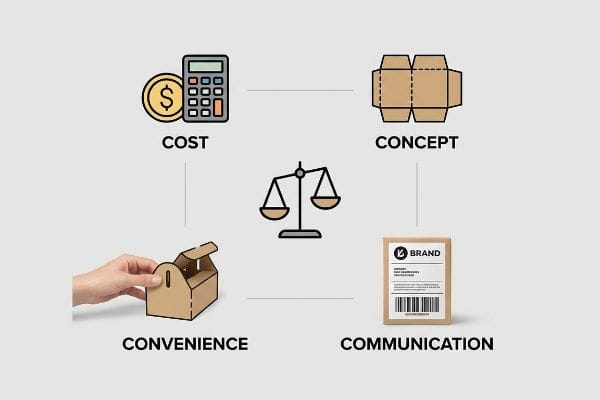
যখন আপনি সেই জটিল বাস্তুতন্ত্রকে একটিমাত্র স্প্রেডশিট লাইন আইটেমে নামিয়ে আনেন, তখন এর ভৌত কাঠামোটি নড়বড়ে হতে শুরু করে।.
প্যাকেজিং কৌশলে ৪ সি-এর ভারসাম্যহীনতা
অনেক ক্রয় বিভাগ শুধুমাত্র কাঁচামালের খরচের মূল মাপকাঠিটিকেই আলাদা করে ফেলে এবং এর উপরই কঠোরভাবে মনোযোগ দেয়, যার ফলে তারা শুরুতেই সামান্য কিছু পয়সা বাঁচানোর জন্য স্ট্রাকচারাল বোর্ডের মান কমিয়ে দেয়। তারা ধরে নেয় যে, সাধারণ ওপর থেকে চাপ প্রয়োগের ক্ষেত্রে একটি সস্তা টেস্টলাইনার বোর্ড জাদুর মতো হুবহু একটি ভার্জিন ক্রাফট বোর্ডের মতোই কাজ করবে । এটি একটি মারাত্মক ভারসাম্যহীনতা তৈরি করে যা প্যাকেজিং কাঠামোর অন্য তিনটি স্তম্ভকে সম্পূর্ণরূপে ধ্বংস করে দেয়। এর ফলে বাহ্যিক ধারণাটি ওজনের চাপে ভেঙে পড়ে, বিকৃত ডাইলাইনের কারণে সরবরাহ ব্যবস্থার সুবিধা নষ্ট হয়ে যায় এবং চূর্ণবিচূর্ণ গ্রাফিক্সের কারণে খুচরা বিক্রেতার কাছে পণ্যের বার্তা মুছে যায়।
উদীয়মান এফএমসিজি (দ্রুত বিক্রীত ভোগ্যপণ্য) ব্র্যান্ডগুলো যখন তাদের মুনাফার মার্জিন কমানোর চেষ্টা করে, তখন এই ঘটনা আমি প্রায়ই ঘটতে দেখি। একজন ক্লায়েন্ট আমাকে একটি ৩২ইসিটি (এজ ক্রাশ টেস্ট) বোর্ডকে নিম্নমানের ২৬ইসিটি২ , শুধুমাত্র বাইরের দিকে একটি চকচকে ফয়েল ল্যামিনেশনের জন্য অর্থ জোগাড় করতে। কিন্তু যখন সেই দুর্বল ডিসপ্লেটি কোনো বড় দোকানের, তখন একজন ক্লার্ক যখন ট্রে-তে জোর করে ভারী ক্যান রাখে, আপনি আক্ষরিক অর্থেই ভেতরের খাঁজগুলো ভেঙে পড়ার নরম, আঁশযুক্ত মচমচে শব্দ শুনতে পাবেন। আমি ক্রেতাদের সবসময় মনে করিয়ে দিই যে, কাঁচামালের উপর ০.১৫ ডলার সাশ্রয় করাটা খুচরা বিক্রেতার কাছ থেকে বিশাল অঙ্কের চার্জব্যাকের ঝুঁকি নেওয়ার মতো মূল্যবান নয়, যখন পুরো ডিসপ্লেটিকেই বিশ্রী স্বচ্ছ টেপ দিয়ে মেরামত করতে হয়।
| নতুনদের সাধারণ ভুল | প্রো ফিক্স | খুচরা-ফ্লোর সুবিধা |
|---|---|---|
| ফয়েলের জন্য ECT-র মান কমানো3 | শুরুতেই ৪ সি-এর ভারসাম্য রক্ষা করা | কোনো টেপের প্রয়োজন নেই। |
| শুধুমাত্র খরচ নিয়ে অতিরিক্ত চিন্তা করা | সুবিধার জন্য প্রকৌশল | ২৫ সেকেন্ড অ্যাসেম্বলি সাশ্রয় করে4 |
| বোর্ডের আর্দ্রতা উপেক্ষা করা | ৩২ECT বেসলাইন বজায় রেখে5 | তাক ভেঙে পড়া প্রতিরোধ করে |
শুধুমাত্র বাহ্যিক চাকচিক্যের জন্য আমি কখনো মূল কাঠামোগত কাঠামোর সাথে আপোস করি না। যখন আপনি মসৃণ সংযোজন এবং পরিবহনের সময় নিশ্চিতভাবে টিকে থাকার জন্য নকশা করেন, তখন সিস্টেমটি মারাত্মক ব্যর্থতার পরিবর্তে বিনিয়োগের উপর ইতিবাচক প্রতিদান দেয়।.
🛠️ হার্ভির ডেস্ক: আপনার ক্রয়ের লক্ষ্যগুলো কি গোপনে আপনার ডেস্কের কাঠামোগত অখণ্ডতা নষ্ট করে দিচ্ছে? 👉 একটি কাঠামোগত নিরীক্ষার জন্য অনুরোধ করুন ↗ — আমার ডেস্কে সরাসরি প্রবেশাধিকার। কোনো স্বয়ংক্রিয় বিক্রয় স্প্যাম থাকবে না, আমি কথা দিচ্ছি।
প্যাকেজিং তিন প্রকার কী কী?
আপনার পণ্যটি কীভাবে উৎপাদন লাইন থেকে তাক পর্যন্ত পৌঁছায়, তা বুঝতে হলে প্রাথমিক, মাধ্যমিক এবং তৃতীয় স্তরের মধ্যকার স্থানিক সম্পর্ক আয়ত্ত করা প্রয়োজন।.
তিন ধরনের প্যাকেজিং হলো প্রাথমিক (যা প্রকৃত পণ্য ধারণ করে), মাধ্যমিক (বিক্রয়ের জন্য প্রস্তুত ট্রে যা পণ্যগুলোকে একসাথে রাখে), এবং তৃতীয় (শক্তিশালী প্রধান শিপিং কার্টন)। পরিবহনের সময় সৃষ্ট গতিজনিত ধাক্কা থেকে ভেতরের পণ্যকে রক্ষা করার জন্য এবং মালামালের ধারণক্ষমতা সর্বোচ্চ করার জন্য এই তিনটি ভৌত স্তরকে অবশ্যই নির্বিঘ্নে একে অপরের সাথে সংযুক্ত হতে হবে।.
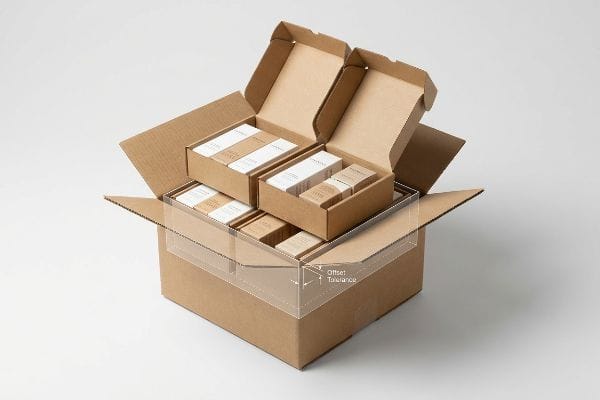
কিন্তু এদের মধ্যকার ভৌত ঘর্ষণ গণনা না করলে এই তিনটি শ্রেণি সম্পর্কে জানাটা অর্থহীন।.
খুচরা বিক্রয়ে কেন নেস্টেড প্যাকেজিং স্তরগুলি ব্যর্থ হয়
এমনকি অভিজ্ঞ ডিজাইনাররাও প্রায়শই সেকেন্ডারি রিটেইল ট্রে এবং টারশিয়ারি মাস্টার কার্টনের মধ্যেকার ভৌত মিথস্ক্রিয়াকে উপেক্ষা করেন এবং সেগুলোকে একটি নিখুঁত ১:১ মাত্রিক অনুপাতে ডিজাইন করেন। তারা ধরে নেন যে, একটি ২৪-ইঞ্চি (৬০.৯ সেমি) চওড়া রিটেইল ডিসপ্লেকে একটি ২৪-ইঞ্চি (৬০.৯ সেমি) চওড়া শিপিং বক্সের ঠিক ভিতরে রাখলে পরিবহনের সময় সর্বোচ্চ সুরক্ষা পাওয়া যায়। তবে, তারা কাঁচা করোগেটেড টেস্টলাইনারের নিজেদের মধ্যে ঘষা লাগার ফলে সৃষ্ট তীব্র পৃষ্ঠ ঘর্ষণকে সম্পূর্ণরূপে বিবেচনা করতে ব্যর্থ হন 6 ।
গ্রাহকরা প্রায়ই আমাকে জিজ্ঞাসা করেন, কেন তাদের সুন্দরভাবে প্রিন্ট করা সেকেন্ডারি ট্রে-গুলো দোকানে এসে পৌঁছায় সামনের কিনারা ছেঁড়া অবস্থায়। এমনটা হয় কারণ পরিবহনের সময় কার্ডবোর্ডের দেয়ালগুলো স্যান্ডপেপারের মতো একে অপরের সাথে শক্তভাবে আটকে যায়। আমি গতকালই দেখলাম, দোকানের একজন তাড়াহুড়ো করা কর্মচারী খুব জোরে একটির ভেতরে আরেকটি শক্তভাবে রাখা ডিসপ্লে টেনে খুলছেন; সেই কঠিন প্রতিরোধের কারণে মাস্টার শিপার থেকে ওটা বের করতে গিয়ে উপরের শিটটি ধরে রাখার কিনারা থেকে ছিঁড়ে ফেলতে বাধ্য হন। মাস্টার ক্যাভিটির মধ্যে ০.২৫ ইঞ্চি (৬.৩৫ মিমি) এর একটি ন্যূনতম জ্যামিতিক অফসেট টলারেন্স ডিজাইন করার মাধ্যমে , আমি সেই ঘর্ষণজনিত আটকে যাওয়াটা ভেঙে দিই এবং একটি মসৃণ ও ছেঁড়া-ফাটা ছাড়াই খোলার অভিজ্ঞতা নিশ্চিত করি।
| নতুনদের সাধারণ ভুল | প্রো ফিক্স | খুচরা-ফ্লোর সুবিধা |
|---|---|---|
| ১:১ নেস্টিং মাত্রা | ০.২৫-ইঞ্চি অফসেট টলারেন্স8 | ছিঁড়তে না পেরে আনপ্যাকিং |
| বোর্ডের ঘর্ষণ উপেক্ষা করা | গাণিতিক ক্লিয়ারেন্স বাফার9 | পুনরায় মজুত করার গতি বাড়ায় |
| কঠোর মাস্টার শিপার | প্রকৌশলগত গহ্বর সম্প্রসারণ10 | ছাপযুক্ত ঠোঁট রক্ষা করে |
আমি কখনোই একটি ফ্ল্যাট ডাইলাইনের গাণিতিক ভুলের কারণে কোনো দোকান কর্মচারীর কাজের বাস্তবতাকে প্রভাবিত হতে দিই না। সঠিক ক্লিয়ারেন্স টলারেন্স ক্ষতিগ্রস্ত সেকেন্ডারি ট্রে বাবদ হাজার হাজার টাকা বাঁচায়।.
🛠️ হার্ভির ডেস্ক: আপনার রিটেইল ট্রেগুলো কি মাস্টার শিপিং কার্টনের ভেতরে ক্রমাগত আটকে যায়? 👉 আপনার ডাইলাইনগুলো পরীক্ষা করিয়ে নিন ↗ — নিরাপদে ডাউনলোড করুন। পরবর্তীতে কোনো প্রশ্ন থাকলে আমার ইনবক্স খোলা আছে।
প্যাকেজিংয়ের ৫টি গুরুত্ব কী কী?
একটি বাক্স শুধু জিনিসপত্র ধারণ করে না; এটি একটি গুরুত্বপূর্ণ বাণিজ্যিক উপকরণ হিসেবে কাজ করে যা সরবরাহগত প্রয়োজনীয়তা এবং মানব মনস্তত্ত্বের মধ্যকার ব্যবধান পূরণ করে।.
প্যাকেজিংয়ের ৫টি গুরুত্বের মধ্যে রয়েছে পণ্যের ভৌত সুরক্ষা, পরিবেশগত নিয়ন্ত্রণ, নিয়ন্ত্রক তথ্যের আদান-প্রদান, সরবরাহ শৃঙ্খলের সুবিধা এবং বিক্রয়কেন্দ্রে বিপণন। এটি পরিবহনের সময় ক্ষতির বিরুদ্ধে প্রাথমিক ভৌত প্রতিবন্ধক হিসেবে কাজ করার পাশাপাশি একই সাথে একটি দৃশ্যমান আকর্ষণকারী হিসেবে কাজ করে, যা খুচরা দোকানের করিডোরে তাৎক্ষণিক বিক্রয় বাড়াতে সাহায্য করে।.
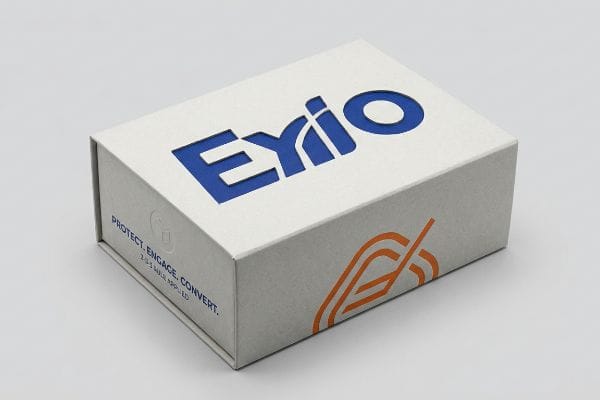
আপনি যদি শুধু বাহ্যিক আবরণের ওপর মনোযোগ দেন, তাহলে পণ্যটি প্রকৃতপক্ষে বিক্রি করার জন্য প্রয়োজনীয় মনস্তাত্ত্বিক যোগাযোগটি আপনি পুরোপুরি এড়িয়ে যাবেন।.
প্যাকেজিং যোগাযোগের ৩-৩-৩ নিয়ম
নবীন বিপণন দলগুলো প্রায়শই তাদের কাঠামোগত গ্রাফিক্স শুধুমাত্র ব্যাকলিট কম্পিউটার মনিটরে কাছ থেকে দেখার জন্য ডিজাইন করে, মানুষ কীভাবে দোকানের করিডোরে চলাচল করে সেই বাস্তবতাকে উপেক্ষা করে। তারা বুঝতে ব্যর্থ হয় যে একজন মার্চেন্ডাইজারকে ত্রিশ ফুট (৯.১ মিটার) দূর থেকে দৃষ্টি আকর্ষণ¹¹, তিন ফুট (০.৯ মিটার) দূরত্বে নির্দিষ্ট আগ্রহ তৈরি করতে হবে, এবং তিন ইঞ্চি (৭.৬ সেমি) দূরত্বে চূড়ান্ত বিক্রয় নিশ্চিত করতে হবে¹²। এই প্রতিটি স্বতন্ত্র দূরত্বের জন্য বিশেষভাবে ডিজাইন করা কাঠামোগত উপাদান ছাড়া, ইউনিটটি কেবল পটভূমির সাথে মিশে যায়।
এটাকে হাইওয়ের বিলবোর্ডের মতো ভাবুন; যদি আপনি একটি সাইনবোর্ডে এক প্যারাগ্রাফ লেখা ঠেসে দেন, চালকেরা সোজা পাশ কাটিয়ে চলে যাবে। আমি দেখেছি ব্র্যান্ডগুলো জটিল CMYK (সায়ান, ম্যাজেন্টা, ইয়েলো, কী/ব্ল্যাক) টেক্সটের পেছনে হাজার হাজার টাকা অপচয় করে, যা দোকানের তীব্র ফ্লুরোসেন্ট আলোর নিচে ঘোলাটে, অপাঠ্য ঝাপসা হয়ে যায়। যখন আমি ক্লায়েন্টদের অপ্রয়োজনীয় কোলাহল দূর করতে এবং ৩০ ফুটের সেই দৃষ্টি আকর্ষণের জন্য একটি বিশাল, ডাই-কাট প্যানটোন স্পট কালার ফ্লাড ব্যবহার করতে বাধ্য করি, তখন পার্থক্যটা তাৎক্ষণিক হয়। ৫০ ইঞ্চি (১২৭ সেমি) উচ্চতায় সেই দৃষ্টি আকর্ষণের কেন্দ্রবিন্দুতেপথচারীদের সরাসরি শেলফের দিকে টেনে নিয়ে যায়।
| নতুনদের সাধারণ ভুল | প্রো ফিক্স | খুচরা-ফ্লোর সুবিধা |
|---|---|---|
| নিচের স্তরগুলিতে ছোট লেখা | ৫০-ইঞ্চি স্ট্রাইক জোন লেআউট14 | করিডোরে পথচারীর আনাগোনা বাড়ায় |
| দূরত্বের স্কেলিং উপেক্ষা করা | ৩-৩-৩ স্থানিক নিয়ম15 | হুট করে কেনাকাটা করা ক্রেতাদের আকর্ষণ করে |
| ঘোলাটে CMYK টেক্সট ফ্লাড | প্যানটোন স্পট কালার ফোকাস16 | তাৎক্ষণিক ব্র্যান্ড স্বীকৃতি |
আমি এমন কাঠামো তৈরি করি যা মানুষের চোখকে সরাসরি আকৃষ্ট করে। যদি আপনার নকশাটি দূর থেকে চলাচলের পথে কোনো দৃষ্টিবিভ্রম সৃষ্টি না করে, তবে বাকি গ্রাফিক্সগুলো কার্যত অদৃশ্যই থেকে যায়।.
🛠️ হার্ভির ডেস্ক: আপনার বর্তমান রিটেইল আর্টওয়ার্ক কি অতিরিক্ত মানসিক চাপে ভুগছে? 👉 আপনার বিনামূল্যে লেআউট রিভিউ দাবি করুন ↗ — কোনো ফর্ম নেই যা অবিরাম সেলস কলের কারণ হয়। শুধু খাঁটি মূল্য।
মোড়কের উদ্দেশ্য কী?
আপনি বিশ্বের সবচেয়ে সুন্দর ব্র্যান্ড বার্তা তৈরি করতে পারেন, কিন্তু ভৌত কাঠামোটি যদি নিজের ভারেই ভেঙে পড়ে, তবে তার কোনো অর্থই থাকে না।.
প্যাকেজিংয়ের উদ্দেশ্য হলো বিশ্বব্যাপী সরবরাহ শৃঙ্খল জুড়ে আপনার পণ্যের গতিশীল টিকে থাকা নিশ্চিত করা। এটি সম্পূর্ণ কাঠামোগত অখণ্ডতা প্রদান করে এবং সমুদ্রপথে কন্টেইনারে পরিবহন ও ভারী খুচরা হ্যান্ডলিংয়ের সময় সংবেদনশীল পণ্যকে তীব্র কম্পনজনিত শিয়ার ফোর্স, আর্দ্রতা জনিত ক্লান্তি এবং সংকোচনমূলক ধস থেকে রক্ষা করে।.
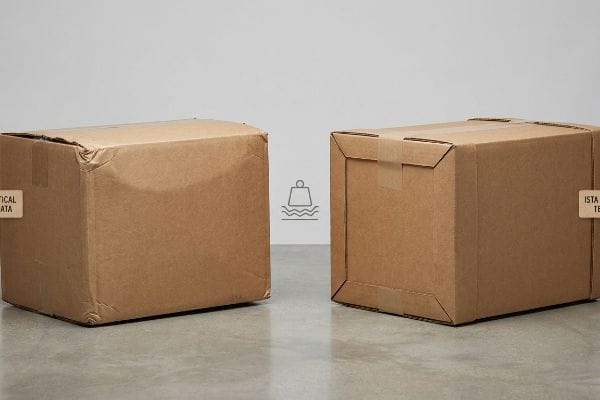
কিন্তু যখন মেশিনগুলো চলতে শুরু করে এবং একটি আর্দ্র বিতরণ কেন্দ্রে ভারী প্যালেটগুলো জোড়ায় জোড়ায় সাজানো হয়, তখন শুধু তত্ত্ব জানাই যথেষ্ট নয়।.
কেন তাত্ত্বিক প্যাকেজিং কারখানায় ব্যর্থ হয়
ক্রয়কারী দলগুলো প্রায়শই শুধুমাত্র কাঁচামালের বৈশিষ্ট্য মূল্যায়নের উপর ভিত্তি করে খুচরা দোকানের ডিসপ্লে অনুমোদন করে, এবং এর জন্য তারা ASTM স্ট্যান্ডার্ডের উপর ব্যাপকভাবে নির্ভর করে, যা একটি ফ্ল্যাট ঢেউতোলা বোর্ডের তাত্ত্বিক প্রান্তের সংকোচন রেটিং পরিমাপ করে 17। তারা ভুলভাবে ধরে নেয় যে একটি উচ্চ-মানের কাঁচামালের অনুরোধ করা হলেই তা স্বয়ংক্রিয়ভাবে একটি কাঠামোগতভাবে মজবুত খুচরা দোকানের ডিসপ্লে তৈরির নিশ্চয়তা দেয়। তবে, ফ্ল্যাট কাগজের তন্তুর সংকোচন সীমা জানাটা সম্পূর্ণ অকেজো হয়ে যায় যদি গতিশীল পরিবহনকালে সম্পূর্ণভাবে একত্রিত 3D বক্সের জ্যামিতিটি গতিশীলভাবে ছিঁড়ে যায় বা বেঁকে যায় 18 ।
ল্যাবে একটি ডিসপ্লেকে সোজা করে দাঁড় করানো সহজ, কিন্তু যখন আপনি দেশজুড়ে ৫০০টি ডিসপ্লে পাঠান, তখন এক কঠিন বাস্তবতার মুখোমুখি হতে হয়। আমার প্রতিষ্ঠানে আমি নিয়মিত দেখি যে ক্লায়েন্টরা এমন ডিজাইন জমা দেন যা ফ্ল্যাট-বোর্ড পরীক্ষায় উত্তীর্ণ হলেও, ফিজিক্যাল ISTA (ইন্টারন্যাশনাল সেফ ট্রানজিট অ্যাসোসিয়েশন)-এর ভাইব্রেশন সিমুলেশনের সময় পুরোপুরি ভেঙে পড়ে। আমি সম্প্রতি একটি ব্যাচের মাইক্রোমিটার রিডিং নিয়েছিলাম এবং প্রমাণ করেছি যে, ডাই-কাট করা কোণাগুলো প্যালেটের প্রান্তের সাথে সঠিকভাবে সারিবদ্ধ হতে ব্যর্থ হওয়ার মুহূর্তেই তাত্ত্বিক 32ECT শক্তি 24.3% কমে গিয়েছিল। স্ট্রাকচারাল CAD (কম্পিউটার-এইডেড ডিজাইন) ফাইলে 0.5 ইঞ্চি (12.7 মিমি) এর একটি কঠোর জিরো-ওভারহ্যাং টলারেন্স প্রয়োগ করে , আমি নিশ্চিত করেছি যে কাইনেটিক শকটি পরিষ্কারভাবে স্থানান্তরিত হয়েছে। এই সামান্য 12.7 মিমি সমন্বয় বেস বেঁকে যাওয়া প্রতিরোধ করে, যা ক্লায়েন্টদের নষ্ট হওয়া ইনভেন্টরি এবং খুচরা বিক্রেতাদের প্রত্যাখ্যানের জরিমানা বাবদ $4,500-এর বেশি সাশ্রয় করে।
| নতুনদের সাধারণ ভুল | প্রো ফিক্স | খুচরা-ফ্লোর সুবিধা |
|---|---|---|
| ফ্ল্যাট ASTM ডেটা বিশ্বাস করা | ISTA ডায়নামিক ট্রানজিট টেস্টিং21 | পরিবহনের সময় পিষ্ট হওয়া প্রতিরোধ করে |
| প্যালেটের ওভারহ্যাং অনুমোদিত | ০.৫-ইঞ্চি পদচিহ্ন হ্রাস | ১০০% বিসিটি বজায় রাখে22 |
| গতিশক্তি কম্পন উপেক্ষা করা | জ্যামিতিকভাবে আবদ্ধ কোণ23 | খুচরা বিক্রেতার চার্জব্যাক বন্ধ করে |
আমি কখনোই তাত্ত্বিক ল্যাব ডেটাকে প্রকৃত সাপ্লাই চেইন ফিজিক্সের ঊর্ধ্বে স্থান দিই না। একত্রিত জ্যামিতিক কাঠামোকে স্ট্রেস-টেস্ট করার মাধ্যমে আমি সেইসব অদৃশ্য দুর্বলতা দূর করি, যেগুলো মালামাল পরিবহনের সময় মারাত্মক ক্ষতির কারণ হয়।.
🛠️ হার্ভির ডেস্ক: একটি ২-মিলিমিটার কাঠামোগত ত্রুটির কারণে ৫০০টি দোকানে পণ্য সরবরাহের পরিকল্পনা যেন ভেস্তে না যায়। 👉 আপনার ডাইলাইন ফাইলটি আমাকে পাঠান ↗ — গণ-উৎপাদনে বাজেট অপচয় করার আগে আমি এর গাণিতিক হিসাব স্ট্রেস-টেস্ট করে নেব।
উপসংহার
আপনি সম্ভাব্য সর্বনিম্ন ইউনিট মূল্যে দর কষাকষি করতে পারেন, কিন্তু যখন সেই কাঠামোগত ত্রুটিযুক্ত মাস্টার কার্টনটি প্যালেটের বাইরে ঝুলে পড়ে এবং পরিবহনের সময় মারাত্মকভাবে বেঁকে যায়, তখন খুচরা বিক্রেতা তা সঙ্গে সঙ্গে প্রত্যাখ্যান করে, যা আপনার লাভের মার্জিন পুরোপুরি নষ্ট করে দেয়। ৫০০-এর বেশি ব্র্যান্ড ম্যানেজার ঠিক এই মারাত্মক প্রাথমিক পর্যায়ের ভুলগুলো এড়াতে আমার প্রিপ্রেস চেকলিস্ট ব্যবহার করেন। তাত্ত্বিক ল্যাব ডেটার উপর নির্ভর করা বন্ধ করুন এবং গণ- উৎপাদন শুরু করার আগে সেই লুকানো গতিজনিত দুর্বলতাগুলো উন্মোচন করতে আমাকে ব্যক্তিগতভাবে আপনার স্ট্রাকচারাল ফাইলগুলো একটি কঠোর ফ্রি ডাইলাইন অডিটের ↗ মধ্য দিয়ে চালাতে দিন।
"…সহ ঢেউখেলানো পেপারবোর্ড প্যাকেজের সংকোচন শক্তি", https://pmc.ncbi.nlm.nih.gov/articles/PMC10054506/। উল্লম্ব সংকোচনের অধীনে পুনর্ব্যবহৃত টেস্টলাইনার এবং ভার্জিন ক্রাফট বোর্ডের শক্তি প্রোফাইলের প্রযুক্তিগত তুলনা। প্রমাণের ভূমিকা: প্রযুক্তিগত যাচাইকরণ; উৎসের ধরণ: প্যাকেজিং ইঞ্জিনিয়ারিং গবেষণা; সমর্থন করে: পুনর্ব্যবহৃত এবং ভার্জিন ফাইবারের মধ্যে কাঠামোগত কর্মক্ষমতার পার্থক্য। পরিধি নোট: কর্মক্ষমতার ভিন্নতা জিএসএম এবং বোর্ড গ্রেডের উপর নির্ভর করে। ↩
"শিপিং বক্সের শক্তি বোঝা – ইকোএনক্লোজ", https://www.ecoenclose.com/blog/understanding-shipping-box-strength/?srsltid=AfmBOoo7tobcai_QSPQOjFgk9x__UfZvsCjiL1mTmmQdfV7e4nxgRH0u। উল্লম্ব সংকোচন শক্তির পরিমাপক হিসেবে এজ ক্রাশ টেস্ট (ECT) মেট্রিকের প্রযুক্তিগত যাচাইকরণ এবং ভারবহন ক্ষমতার উপর এই রেটিং কমানোর প্রভাব। প্রমাণের ভূমিকা: প্রযুক্তিগত যাচাইকরণ; উৎসের ধরণ: প্যাকেজিং শিল্পের মান। সমর্থন করে: এই দাবি যে ECT রেটিং কমালে বোর্ডের কাঠামোগত অখণ্ডতা দুর্বল হয়ে পড়ে। পরিধি সংক্রান্ত টীকা: মানটি সিঙ্গেল-ওয়াল করোগেটেড উপকরণের ক্ষেত্রে প্রযোজ্য। ↩
"ইন্টারফ্লুট বাকলিং-এর পরীক্ষা পদ্ধতি ও প্রভাব – বায়োরিসোর্সেস", https://bioresources.cnr.ncsu.edu/resources/overview-of-recent-studies-at-ipst-on-corrugated-board-edge-compression-strength-testing-methods-and-effects-of-interflute-buckling/। করোগেটেড পেপারবোর্ডে ফয়েল লাইনার সংযুক্ত করার সময় কাঠামোগত সুবিধা-অসুবিধা এবং আর্দ্রতার সাথে এর মিথস্ক্রিয়া সম্পর্কিত পদার্থ বিজ্ঞান বিষয়ক বিশ্লেষণ। প্রমাণের ভূমিকা: প্রযুক্তিগত বিশ্লেষণ; উৎসের ধরণ: প্যাকেজিং বিজ্ঞান বিষয়ক জার্নাল। সমর্থন: ফয়েল প্যাকেজিং ব্যবহার করার সময় ECT রেটিং কমানোর সাথে জড়িত ঝুঁকি। পরিধি টীকা: বিশেষভাবে আর্দ্র গুদাম অবস্থার জন্য প্রযোজ্য। ↩
"দক্ষতা এবং স্বয়ংক্রিয়তা: আধুনিকতার প্রযুক্তিগত ভিত্তি...", https://www.lantech.com/efficiency-and-automation-the-technological-basis-of-modern-packaging-lines/। শিল্প প্রকৌশলের ডেটা যা সাধারণ বাক্সের তুলনায় সুবিধামূলক নকশা ব্যবহার করার ফলে প্যাকেজিং অ্যাসেম্বলিতে সময় হ্রাসের পরিমাণ নির্ধারণ করে। প্রমাণের ভূমিকা: কর্মক্ষমতার মেট্রিক; উৎসের ধরণ: শিল্পভিত্তিক কেস স্টাডি। সমর্থন করে: অ্যাসেম্বলির সময় ২৫ সেকেন্ড হ্রাসের দাবি। পরিধি সংক্রান্ত টীকা: সময় সাশ্রয় প্রতি-ইউনিট অ্যাসেম্বলি চক্রের গড়ের উপর ভিত্তি করে গণনা করা হয়েছে। ↩
"ঢেউখেলানো বোর্ডের বাক্সের সংকোচনশীল শক্তির নিরূপণ...", https://pmc.ncbi.nlm.nih.gov/articles/PMC8467740/। এজ ক্রাশ টেস্ট (ECT) রেটিং সম্পর্কিত প্রযুক্তিগত নির্দেশিকা, যেখানে ব্যাখ্যা করা হয়েছে কেন খুচরা বিক্রয় পরিবেশে কাঠামোগত অখণ্ডতা বজায় রাখার জন্য ৩২ ECT-কে একটি ভিত্তিমান হিসেবে ব্যবহার করা হয়। প্রমাণের ভূমিকা: প্রযুক্তিগত স্পেসিফিকেশন; উৎসের ধরণ: শিল্প মান। সমর্থন করে: এই দাবি যে ৩২ ECT তাক ধসে পড়া প্রতিরোধ করে। পরিধি সংক্রান্ত টীকা: স্তূপীকরণের উচ্চতা এবং পারিপার্শ্বিক আর্দ্রতার উপর ভিত্তি করে কার্যকারিতা পরিবর্তিত হয়। ↩
"ঘর্ষণ সহগ পরীক্ষা | প্যাকেজিং এবং ইউনিট লোড কেন্দ্র …", https://unitload.vt.edu/facilities/corrugated-packaging-lab/cof-testing.html। ঢেউখেলানো কার্ডবোর্ডের ঘর্ষণ সহগের উপর একটি প্রযুক্তিগত গবেষণা বা প্যাকেজিং ইঞ্জিনিয়ারিং ম্যানুয়াল এই দাবিকে সমর্থন করে যে, একটির উপর আরেকটি প্রলেপহীন টেস্টলাইনারের সংস্পর্শে পৃষ্ঠীয় ঘর্ষণ তৈরি হয় যা একটির ভেতরে আরেকটি রাখা প্যাকেজিংয়ের চলাচলকে বাধাগ্রস্ত করতে পারে। প্রমাণের ভূমিকা: প্রযুক্তিগত যাচাইকরণ; উৎসের ধরণ: পদার্থ বিজ্ঞান জার্নাল। সমর্থন করে: ১:১ মাত্রিক অনুপাতের প্যাকেজিংয়ে ব্যর্থতার ভৌত কারণ। পরিধি সংক্রান্ত টীকা: বিশেষভাবে প্রলেপহীন ঢেউখেলানো উপকরণের ক্ষেত্রে প্রযোজ্য। ↩
"ঘর্ষণ সহগ (COF) মান কীভাবে প্যাকেজিংয়ের সাথে সম্পর্কিত হতে পারে...", https://www.rhopointamericas.com/faq/how-can-coefficient-of-friction-cof-values-relate-to-packaging-speeds/। ঘর্ষণজনিত ক্ষতি রোধ করার জন্য একটির ভেতরে আরেকটি রাখা প্যাকেজিং স্তরগুলোর মধ্যেকার ফাঁকা স্থানের জন্য একটি শিল্প-মানসম্মত ইঞ্জিনিয়ারিং স্পেসিফিকেশন প্রদান করে। প্রমাণের ভূমিকা: প্রযুক্তিগত যাচাইকরণ; উৎসের ধরণ: প্যাকেজিং ইঞ্জিনিয়ারিং ম্যানুয়াল। সমর্থন করে: ছিঁড়ে না গিয়ে খোলার জন্য নির্দিষ্ট টলারেন্স পরিমাপ। পরিধি সংক্রান্ত টীকা: করোগেটেড ফ্লুটের গ্রেডের উপর ভিত্তি করে পরিবর্তিত হতে পারে। ↩
"খাদ্য ও পানীয় প্যাকেজিংয়ের জন্য ঢেউখেলানো ট্রে", https://www.internationalpaper.com/packaging/corrugated-packaging/trays। আনপ্যাকিংয়ের সময় উপাদান ছিঁড়ে যাওয়া রোধ করার জন্য ০.২৫-ইঞ্চি অফসেট প্রস্তাবিত টলারেন্স কিনা, তা একটি শিল্প মান বা প্যাকেজিং ইঞ্জিনিয়ারিং ম্যানুয়াল দ্বারা যাচাই করা হবে। প্রমাণের ভূমিকা: প্রযুক্তিগত স্পেসিফিকেশন; উৎসের ধরণ: প্যাকেজিং ইঞ্জিনিয়ারিং ম্যানুয়াল। সমর্থন করে: নেস্টিং অফসেটের জন্য নির্দিষ্ট পরিমাপ। পরিধি নোট: উপাদানের পুরুত্ব এবং ক্যালিপারের উপর ভিত্তি করে টলারেন্স পরিবর্তিত হতে পারে। ↩
"[পিডিএফ] ঢেউখেলানো প্যাকেজিং উপকরণের সংরক্ষণ ও পরিচালনা", https://www.fibrebox.org/assets/2025/07/B155_TR2-3_Storage_and_Handling_2018_Edition.pdf। ঢেউখেলানো বোর্ডের ঘর্ষণ এবং ফিট টলারেন্স সম্পর্কিত প্রযুক্তিগত ডকুমেন্টেশন, পুনরায় মজুত করার গতি এবং সহজে অপসারণের সুবিধার্থে গণনাকৃত বাফারের ব্যবহারকে সমর্থন করে। প্রমাণের ভূমিকা: প্রক্রিয়া অপ্টিমাইজেশন; উৎসের ধরণ: লজিস্টিকস বা উৎপাদন সংক্রান্ত শ্বেতপত্র। সমর্থন করে: বোর্ডের ঘর্ষণ কাটিয়ে ওঠার জন্য ক্লিয়ারেন্স গণনার প্রয়োজনীয়তা। পরিধি সংক্রান্ত টীকা: প্রাথমিকভাবে ঢেউখেলানো কার্ডবোর্ডের প্রয়োগের ক্ষেত্রে প্রযোজ্য। ↩
"শ্যাফটের বিপরীতে চালিত লিপ সিল ইলাস্টোমারের বিশদ পৃষ্ঠ বিশ্লেষণ...", https://uknowledge.uky.edu/gradschool_theses/610/। মাস্টার শিপারদের জন্য প্যাকেজিং ডিজাইন স্ট্যান্ডার্ডে ব্যাখ্যা করা উচিত কীভাবে ক্যাভিটির মাত্রা সম্প্রসারণ সেকেন্ডারি প্যাকেজিংয়ের নান্দনিক প্রান্তগুলিতে (মুদ্রিত লিপ) যান্ত্রিক চাপ এবং ঘর্ষণ প্রতিরোধ করে। প্রমাণের ভূমিকা: নকশার নীতি; উৎসের ধরণ: শিল্প নকশা হ্যান্ডবুক। সমর্থন করে: কাঠামোগত সুরক্ষার জন্য ক্যাভিটি সম্প্রসারণের ব্যবহার। পরিধি নোট: উচ্চ-মানের মুদ্রিত পৃষ্ঠযুক্ত খুচরা প্যাকেজিংয়ের জন্য নির্দিষ্ট। ↩
"প্যাকেজিং ভেদ করে দেখা: পণ্য কীভাবে দৃষ্টি আকর্ষণ করে সে সম্পর্কে আই-ট্র্যাকিং প্রমাণ...", https://pmc.ncbi.nlm.nih.gov/articles/PMC13010595/। রিটেইল ডিজাইন সংক্রান্ত সাহিত্যে একটি দোকানের পরিবেশে প্রাথমিক দৃষ্টি আকর্ষণের জন্য প্রয়োজনীয় দূরত্বের সীমা নির্ধারণ করা হয়েছে। প্রমাণের ভূমিকা: প্রযুক্তিগত যাচাইকরণ; উৎসের ধরণ: ডিজাইন ম্যানুয়াল। সহায়ক: ভোক্তার প্রাথমিক মনোযোগের জন্য প্রয়োজনীয় দূরত্ব। পরিধি সংক্রান্ত টীকা: দোকানের আলোর ওপর নির্ভর করে কার্যকারিতা ভিন্ন হতে পারে। ↩
"ক্রয়কেন্দ্র: খুচরা বিক্রেতারা কীভাবে ক্রেতাদের প্রভাবিত করতে পারে …", https://blog.intouch.com/posts/points-of-purchase-displays। পণ্য বিপণনের মানদণ্ডগুলো চূড়ান্ত ভোক্তার সাথে মিথস্ক্রিয়া এবং বিক্রয় বাড়ানোর জন্য সূক্ষ্ম মুদ্রণ পড়ার জন্য প্রয়োজনীয় নৈকট্যকে চিহ্নিত করে। প্রমাণের ভূমিকা: প্রযুক্তিগত যাচাইকরণ; উৎসের ধরণ: খুচরা নির্দেশিকা। সমর্থন করে: চূড়ান্ত ভৌত রূপান্তরের দূরত্ব। পরিধির টীকা: পাঠ্যের পাঠযোগ্যতার উপর নির্ভরশীল। ↩
"কার্যকরী ডিসপ্লে এবং গ্রাহক প্রবাহের জন্য খুচরা দোকানের নকশা", https://www.business.qld.gov.au/industries/manufacturing-retail/retail-wholesale/retail-displays। রিটেইল আর্গোনমিক্স বা ভিজ্যুয়াল মার্চেন্ডাইজিং-এর একটি নির্ভরযোগ্য উৎস ক্রেতাদের আনাগোনা বাড়ানোর জন্য শেলফ-স্তরের ভিজ্যুয়াল এনগেজমেন্টের সর্বোত্তম উচ্চতা যাচাই করবে। প্রমাণের ভূমিকা: তথ্যগত যাচাইকরণ; উৎসের ধরণ: রিটেইল ডিজাইন নির্দেশিকা। সমর্থন করে: এই দাবি যে নির্দিষ্ট স্থাপনের উচ্চতা দৃশ্যমানতাকে সর্বোত্তম করে তোলে। পরিধি সংক্রান্ত টীকা: লক্ষ্যভুক্ত জনগোষ্ঠীর উচ্চতার উপর ভিত্তি করে সর্বোত্তম উচ্চতা পরিবর্তিত হতে পারে। ↩
"১৪ ধরনের রিটেইল ডিসপ্লে | শিকাগো, আইএল – ভার্টহাইমার বক্স", https://wertheimerbox.com/types-of-retail-displays/। রিটেইল পরিবেশে ভোক্তার চোখের স্তরে সর্বোত্তম দৃশ্যমানতার জন্য শিল্প-মানসম্মত 'স্ট্রাইক জোন' পরিমাপের যাচাইকরণ। প্রমাণের ভূমিকা: প্রযুক্তিগত বিবরণ; উৎসের ধরন: রিটেইল মার্কেটিং গাইড। সমর্থন করে: পণ্যের দৃশ্যমানতার জন্য নির্দিষ্ট উচ্চতায় স্থাপনের কার্যকারিতা। পরিধি সংক্রান্ত টীকা: শেলফের উচ্চতা এবং লক্ষ্যভুক্ত জনগোষ্ঠীর উপর নির্ভর করে পরিবর্তিত হতে পারে। ↩
"৩-সেকেন্ডের নিয়ম: একটি নিখুঁত প্যাকেজের সামনের প্যানেলের নকশা – ECRM", https://ecrm.marketgate.com/Blog/2022/04/The-3-Second-Rule-Designing-a-Perfect-Package-Front-Panel। এই ডকুমেন্টেশনটি সেই দূরত্ব এবং সময়সীমা সম্পর্কিত ৩-৩-৩ নিয়মটি ব্যাখ্যা করে, যার মধ্যে একজন গ্রাহক প্যাকেজিং-এর মূল তথ্য উপলব্ধি করেন। প্রমাণের ভূমিকা: তাত্ত্বিক কাঠামো; উৎসের ধরণ: মার্কেটিং পাঠ্যপুস্তক। সমর্থন করে: এই দাবি যে স্থানিক স্কেলিং তাৎক্ষণিক ক্রয়ের আচরণকে প্রভাবিত করে। পরিধি নোট: বিশেষভাবে খুচরা দোকানের করিডোরে চলাচলের ক্ষেত্রে প্রযোজ্য। ↩
"CMYK বনাম Pantone: কীভাবে নিশ্চিত করবেন আপনার রঙগুলো নিখুঁত দেখাবে …", https://crateform.com/blog/cmyk-vs-pantone-how-to-ensure-your-brand-colors-look-perfect-on-your-packaging/। প্রযুক্তিগত তুলনা যা দেখায় কিভাবে ব্র্যান্ড পরিচয়ের জন্য CMYK-এর তুলনায় Pantone স্পট কালারগুলো উন্নততর সামঞ্জস্য এবং প্রাণবন্ততা প্রদান করে। প্রমাণের ভূমিকা: প্রযুক্তিগত মান; উৎসের ধরণ: গ্রাফিক ডিজাইন ম্যানুয়াল। সমর্থন করে: রঙের নির্ভুলতা এবং তাৎক্ষণিক ব্র্যান্ড স্বীকৃতির মধ্যে সংযোগ। পরিধি সংক্রান্ত নোট: পেশাদার মুদ্রণ প্রক্রিয়ার মধ্যে সীমাবদ্ধ। ↩
"পূর্ণ-ক্ষেত্র স্ট্রেইন দ্বারা উন্নত নতুন এজ ক্রাশ টেস্ট কনফিগারেশন …", https://pmc.ncbi.nlm.nih.gov/articles/PMC8510352/। করোগেটেড ফাইবারবোর্ডের সংকোচন শক্তি পরিমাপের জন্য এজ ক্রাশ টেস্টিং (ECT)-এ ব্যবহৃত ASTM স্ট্যান্ডার্ডের প্রযুক্তিগত যাচাইকরণ। প্রমাণের ভূমিকা: যাচাইকরণ; উৎসের ধরণ: শিল্প মান। সমর্থন করে: প্রমিত কাঁচামাল মেট্রিক্সের উপর ক্রয়কারী দলগুলোর নির্ভরতা। পরিধি টীকা: বিশেষভাবে করোগেটেড ফাইবারবোর্ড সাবস্ট্রেটের ক্ষেত্রে প্রযোজ্য। ↩
"কার্ডবোর্ড প্যাকেজিং-এর একটি সরলীকৃত গতিশীল শক্তি বিশ্লেষণ...", https://pmc.ncbi.nlm.nih.gov/articles/PMC10385285/। কাঠামোগত জ্যামিতি এবং গতিশীল পরিবহন লোড কীভাবে এমন ব্যর্থতার ধরণ তৈরি করে যা কাঁচামালের পরীক্ষায় অনুমান করা যায় না, তার প্রযুক্তিগত ব্যাখ্যা। প্রমাণের ভূমিকা: প্রযুক্তিগত ব্যাখ্যা; উৎসের ধরণ: প্যাকেজিং ইঞ্জিনিয়ারিং ম্যানুয়াল। সমর্থন করে: এই দাবি যে, উপাদান-স্তরের শক্তি অ্যাসেম্বলি-স্তরের টিকে থাকার নিশ্চয়তা দেয় না। পরিধি নোট: স্থির উপাদান পরীক্ষার পরিবর্তে গতিশীল লোডের উপর আলোকপাত করে। ↩
"কোরুগেটেড বোর্ডের উপর প্যালেটের উপরের স্তরের দৃঢ়তার প্রভাবের অনুসন্ধান...", https://pmc.ncbi.nlm.nih.gov/articles/PMC8585293/। প্যাকেজিং বিজ্ঞানের প্রযুক্তিগত গবেষণাগুলো পরিমাপ করে যে, প্যালেটের প্রান্তের সাথে অসঙ্গত অবস্থান কীভাবে কোরুগেটেড বোর্ডের উল্লম্ব ভারবহন ক্ষমতাকে (ECT) ক্ষতিগ্রস্ত করে। প্রমাণের ভূমিকা: প্রযুক্তিগত যাচাইকরণ; উৎসের ধরণ: ইঞ্জিনিয়ারিং হোয়াইটপেপার। সমর্থন করে: এই দাবি যে অসঙ্গত অবস্থানের ফলে শক্তির উল্লেখযোগ্য হ্রাস ঘটে। পরিধি সংক্রান্ত টীকা: উপাদানের গ্রেড অনুযায়ী সঠিক শতাংশ পরিবর্তিত হতে পারে। ↩
"[পিডিএফ] করোগেটেড বোর্ড স্পেসিফিকেশন – ফাইবার বক্স অ্যাসোসিয়েশন", https://www.fibrebox.org/assets/2025/09/Walmart_Corrugated-Board_Specifications_Automation_Packaging_Standards.pdf। লজিস্টিকস এবং প্যাকেজিং স্ট্যান্ডার্ডগুলো পরিবহনের সময় কাঠামোগত স্থিতিশীলতা নিশ্চিত করতে এবং ভিত্তি বেঁকে যাওয়া রোধ করার জন্য সর্বোচ্চ অনুমোদিত ওভারহ্যাং-এর বিস্তারিত বিবরণ দেয়। প্রমাণের ভূমিকা: স্ট্যান্ডার্ড যাচাইকরণ; উৎসের ধরণ: শিল্প স্পেসিফিকেশন। সমর্থন: গতিজনিত অভিঘাত সরণের জন্য ০.৫ ইঞ্চি টলারেন্স সীমার কার্যকারিতা। পরিধি নোট: বিশেষত হেভি-ডিউটি ডিসপ্লে শিপিং-এর জন্য। ↩
"পরীক্ষা পদ্ধতি – আন্তর্জাতিক নিরাপদ ট্রানজিট অ্যাসোসিয়েশন", https://ista.org/test_procedures.php। প্রামাণ্য প্যাকেজিং মানগুলি ব্যাখ্যা করে যে বাস্তব জগতের পিষ্ট হওয়ার পূর্বাভাস দেওয়ার জন্য কেন স্ট্যাটিক ASTM ডেটার চেয়ে ডায়নামিক ট্রানজিট টেস্টিং শ্রেয়তর। প্রমাণের ভূমিকা: প্রযুক্তিগত বৈধতা; উৎসের ধরণ: শিল্প মান। সমর্থন করে: স্ট্যাটিক ডেটার তুলনায় ISTA পরীক্ষার কার্যকারিতা। পরিধি নোট: বিশেষভাবে ঢেউখেলানো শিপিং কন্টেইনারের ক্ষেত্রে প্রযোজ্য। ↩
"[পিডিএফ] বক্সের সংকোচন শক্তির উপর প্যালেট ওভারহ্যাং-এর প্রভাব", https://admin.fibrebox.org/wp-content/uploads/2025/07/Pallet_Overhang_Phase_2.pdf। ইঞ্জিনিয়ারিং ডেটা দেখায় যে প্যালেট ওভারহ্যাং বাদ দিলে স্তূপীকৃত লোডের উল্লম্ব সংকোচন শক্তির (BCT) উল্লেখযোগ্য হ্রাস রোধ করা যায়। প্রমাণের ভূমিকা: পরিমাণগত প্রমাণ; উৎসের ধরণ: ইঞ্জিনিয়ারিং হোয়াইটপেপার। সমর্থন করে: ফুটপ্রিন্ট হ্রাস এবং কাঠামোগত অখণ্ডতার মধ্যে সংযোগ। পরিধি নোট: স্তূপীকৃত প্যালেটাইজড লোডের জন্য নির্দিষ্ট। ↩
"উন্নত স্থায়িত্বের জন্য উদ্ভাবনী নকশার ঢেউখেলানো বোর্ডের প্যাকেজিং...", https://bioresources.cnr.ncsu.edu/resources/corrugated-board-packaging-with-innovative-design-for-enhanced-durability-during-transport/। প্যাকেজিং ডিজাইনের উপর প্রযুক্তিগত ডকুমেন্টেশন দেখায় কিভাবে কাঠামোগত লকিং ব্যবস্থা কম্পন প্রশমিত করে পণ্যের ক্ষতি এবং এর সাথে সম্পর্কিত খুচরা বিক্রেতার ফি প্রতিরোধ করে। প্রমাণের ভূমিকা: ডিজাইন যাচাইকরণ; উৎসের ধরণ: প্রযুক্তিগত ম্যানুয়াল। সমর্থন: কম্পনজনিত ক্ষতি কমাতে কর্নার লকের ভূমিকা। পরিধি নোট: অনমনীয় প্যাকেজিং কাঠামোর উপর আলোকপাত। ↩