দোকানের করিডোরে ভারী তরল পণ্যগুলোকে সোজাভাবে দাঁড় করিয়ে রাখতে হিমশিম খাচ্ছেন? পানীয় পণ্যের নকশা শুধু গ্রাফিক্সের মধ্যেই সীমাবদ্ধ নয়; মেঝের ভয়াবহ ধস রোধ করতে এর জন্য কাঠামোগত গণিতেরও প্রয়োজন হয়।.
একটি পানীয় ডিসপ্লে তৈরি করার জন্য চরম ওজন ধারণ ক্ষমতা, কাঠামোগত পদার্থবিদ্যা, আর্দ্রতা প্রতিরোধ ক্ষমতা এবং ব্র্যান্ডের দৃশ্যমানতার মধ্যে ভারসাম্য রক্ষা করতে হয়। প্রকৌশলীরা অধিক চলাচলকারী গ্রাহকদের নিরাপত্তা এবং সর্বোচ্চ খুচরা কার্যকারিতা নিশ্চিত করার জন্য হেভি-ডিউটি ঢেউখেলানো কার্ডবোর্ডের খাঁজ, শক্তিশালী ভারবাহী স্তর, জলরোধী নিচের আস্তরণ এবং ADA-সম্মত (আমেরিকানস উইথ ডিসএবিলিটিস অ্যাক্ট) মাপকে অগ্রাধিকার দেন।.
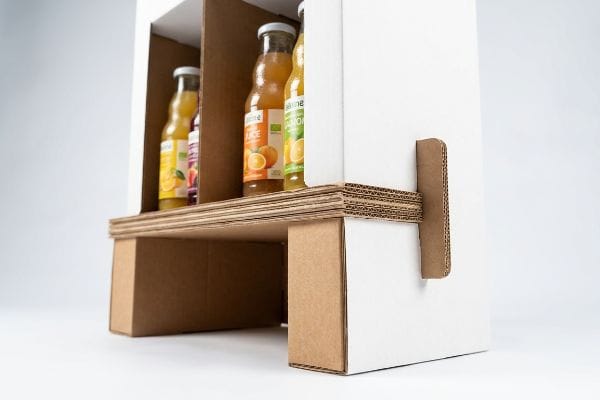
তাত্ত্বিক শিল্পকর্ম থেকে বাস্তব পণ্য বিপণনে রূপান্তরের জন্য কঠোর সরবরাহ-সংক্রান্ত বাস্তবতাগুলো সামাল দিতে হয়।.
প্রদর্শন এলাকা তৈরি করার সময় কোন বিষয়গুলি বিবেচনা করা হয়?
একটিও বাক্স কাটার আগে খুচরা বিক্রয় পরিবেশে সুনির্দিষ্ট স্থানিক পরিকল্পনা প্রয়োজন।.
একটি ডিসপ্লে এলাকা নির্বাচনের ক্ষেত্রে করিডোরের ভৌত মাপ, সর্বোচ্চ গতিশীল ওজন ধারণ ক্ষমতা, কাঠামোগত প্যালেটের সামঞ্জস্যতা এবং ক্রেতাদের চলাচল প্রবাহ ইত্যাদি বিষয়গুলো বিবেচনা করা হয়। যথাযথ স্থানিক পণ্যসজ্জা নিশ্চিত করে যে, দোকানের ব্যস্ততম সংযোগস্থলগুলোতে কোনো বাধা সৃষ্টি না করে এর ভৌত কাঠামোটি স্ট্যান্ডার্ড ফ্র্যাকশনাল প্যালেটগুলোর জন্য নির্বিঘ্নে উপযুক্ত হয়।.
মেঝের স্থান চিহ্নিত করা প্রকৌশল প্রক্রিয়ার কেবল শুরু।.
খুচরা পদচিহ্নে ভারী-তরল ফাঁদ
এমনকি অভিজ্ঞ ডিজাইনাররাও প্রায়শই মেঝেতে জায়গার পরিকল্পনা করার সময় তরল পদার্থের নির্দিষ্ট ভৌত ঘনত্বকে উপেক্ষা করেন। তারা শুধুমাত্র নান্দনিক অনুপাতের উপর ভিত্তি করে একটি দৃষ্টিনন্দন নকশা তৈরি করেন, এই ভেবে যে সাধারণ ঢেউখেলানো তক্তা তাকের ভেতরের সমস্ত জিনিস ধরে রাখতে পারবে। এই পদ্ধতিটি এক কেস স্পোর্টস ড্রিঙ্কসকে এক কেস আলুর চিপসের মতো বিবেচনা করে, এবং স্তূপীকৃত কাঁচ বা ঘন PET বোতলের দ্বারা সৃষ্ট বিশাল নিম্নমুখী সংকোচন শক্তিকে উপেক্ষা করে ।
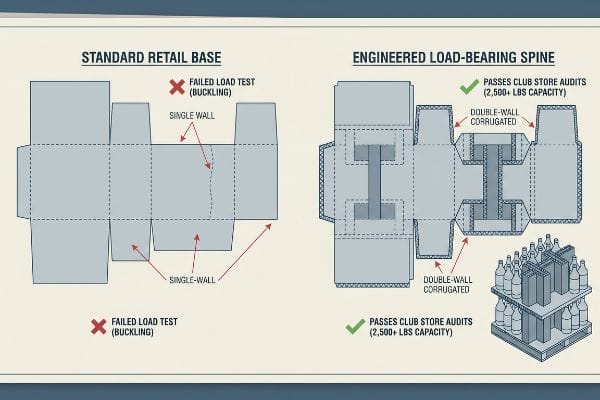
আমার প্রতিষ্ঠানে আমি নিয়মিতই দেখি, সুন্দরভাবে ডিজাইন করা ফাইলগুলো ক্লাব স্টোরের মতো পরিবেশে। একবার একজন ক্লায়েন্ট একটি সাধারণ বেস জমা দিয়েছিলেন এই ভেবে যে এটি ২০০ পাউন্ড (৯০.৭ কেজি) এনার্জি ড্রিংকস ধরে রাখতে পারবে, কিন্তু যেই মুহূর্তে আমি নিচের তাকে ওজনগুলো রাখলাম, আমি ভেতরের বি-ফ্লুটটি সঙ্গে সঙ্গে বেঁকে যাওয়ার একটি তীক্ষ্ণ, বিশ্রী মচমচে শব্দ শুনতে পেলাম। এটি ঠিক করার জন্য, আমি ভেতরে একটি ডাবল-ওয়াল করোগেটেড স্পাইন তৈরি করি, যা এর ডাইনামিক লোড ক্যাপাসিটি ২,৫০০ পাউন্ড (১১৩৩.৯ কেজি)-এরও , যাতে এটি কস্টকো এবং স্যাম'স ক্লাবের কঠোর মান পূরণ করতে পারে। এই কাঠামোগত আপগ্রেডটি পরিবহনের সময় হওয়া ক্ষতি সম্পূর্ণরূপে দূর করে এবং খুচরা বিক্রেতার দ্বারা পণ্য বাতিল হওয়ার একটি প্রবল সম্ভাবনা রোধ করে, যার ফলে ব্র্যান্ডটি বিপুল পরিমাণ রিভার্স লজিস্টিকস ফি থেকে রক্ষা পায়।
| নতুনদের সাধারণ ভুল | প্রো ফিক্স | খুচরা-ফ্লোর সুবিধা |
|---|---|---|
| তরলের ওজন ঘনত্ব উপেক্ষা করা | ডাবল-ওয়াল অভ্যন্তরীণ লোড স্পাইন | নিম্ন-স্তরের বাঁশি পিষে ফেলা বন্ধ করে। |
| স্ট্যান্ডার্ড কর্নার জয়েন্ট ব্যবহার করে | উচ্চ-সংকোচন ইসিটি ইন্টারলকিং | ক্লাব স্টোরের কঠোর নিরীক্ষায় উত্তীর্ণ হয় |
| একক তাকগুলিতে অতিরিক্ত জিনিসপত্র রাখা | গাণিতিকভাবে ভারসাম্যপূর্ণ স্তরের সীমা | তাক ভেঙে পড়ার দুর্ঘটনা প্রতিরোধ করে |
সুন্দর শিল্পকর্ম দিয়ে আমি দুর্বল কাঠামোগত পদার্থবিদ্যাকে ঢেকে ফেলতে দেব না। প্রতিটি তরল পণ্যকে একটি ভারবাহী স্থাপত্য স্তম্ভের মতো বিবেচনা করে, আমি নিশ্চয়তা দিই যে আপনার ইউনিটগুলো আমার কারখানার মেঝে থেকে চূড়ান্ত খুচরা দোকানের তাক পর্যন্ত বিশৃঙ্খল যাত্রাটি অক্ষত অবস্থায় পার করবে।.
🛠️ হার্ভির ডেস্ক: আপনার বর্তমান ফ্লোর মার্চেন্ডাইজাররা কি গাণিতিকভাবে ভারী তরল পণ্য বহনের জন্য উপযুক্ত? 👉 একটি বিনামূল্যে পেলোড অডিটের জন্য অনুরোধ করুন ↗ — আমার ডেস্কে সরাসরি অ্যাক্সেস। কোনো স্বয়ংক্রিয় সেলস স্প্যাম নেই, আমি কথা দিচ্ছি।
ভিজ্যুয়াল মার্চেন্ডাইজিংয়ের এমন চারটি প্রধান উপাদান কী যা গ্রাহকদের আকৃষ্ট করে ও ধরে রাখে?
তৃষ্ণার্ত ক্রেতার মনোযোগ আকর্ষণ করতে হলে তাৎক্ষণিক ও তীব্র বৈসাদৃশ্যপূর্ণ দৃশ্যগত বিঘ্ন ঘটানো প্রয়োজন।.
ভিজ্যুয়াল মার্চেন্ডাইজিং-এর প্রধান উপাদানগুলোর মধ্যে রয়েছে নিখুঁত রঙের সঠিকতা, কাঠামোগত আকৃতির পরিবর্তন, মানুষের উচ্চতায় পণ্যের সর্বোত্তম অবস্থান এবং সুস্পষ্ট ব্র্যান্ডিং ক্রমবিন্যাস। নির্দিষ্ট স্থানে আলোকসজ্জা এবং নির্দিষ্ট স্থানের রঙের সঠিক স্যাচুরেশন নিশ্চিত করে যে, সুপারমার্কেটের ভিড়ে ঠাসা করিডোরের বিশৃঙ্খল পটভূমির বিপরীতে পণ্যটি যেন স্পষ্টভাবে ফুটে ওঠে।.
কিন্তু একটি উজ্জ্বল ডিজিটাল ধারণাকে সাধারণ কার্ডবোর্ডে রূপ দিলে তাৎক্ষণিক রাসায়নিক ঘর্ষণ সৃষ্টি হয়।.
কার্ডবোর্ডে ডিজিটাল পানীয় ব্র্যান্ডগুলো কেন ম্লান দেখায়
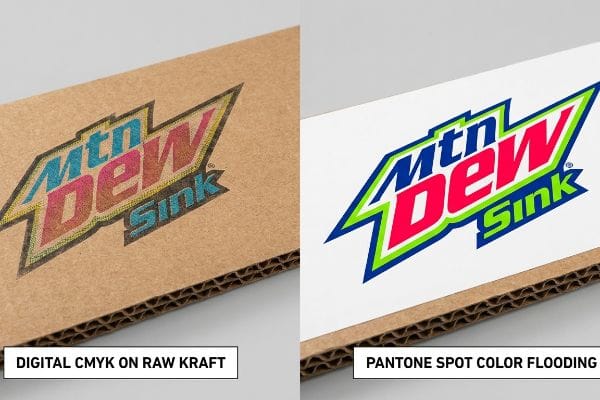
মার্কেটিং টিমগুলো প্রায়শই কর্পোরেট লোগোগুলোকে স্ট্যান্ডার্ড CMYK (সায়ান, ম্যাজেন্টা, ইয়েলো, কী/ব্ল্যাক) ফরম্যাটে রূপান্তর করে, এই ভেবে যে প্রসেস প্রিন্টিং তাদের উজ্জ্বল ডিজিটাল স্ক্রিনের সাথে নিখুঁতভাবে মিলে যাবে। তারা উচ্চ-রেজোলিউশনের পিডিএফগুলোতে অনুমোদন দেয়, এই বিশ্বাসে যে চার-রঙা মিশ্রণ প্রক্রিয়াটি বিশাল প্যালেট স্কার্ট এবং সাইড প্যানেল জুড়ে তাদের প্রাণবন্ত ব্র্যান্ড পরিচিতিকে স্বাভাবিকভাবেই ফুটিয়ে তুলবে।
কঠোর বাস্তবতা তখনই সামনে আসে যখন সেই ক্ষুদ্র, একে অপরের উপর থাকা CMYK হাফটোন ডটগুলো ছিদ্রযুক্ত কাঁচা ঢেউখেলানো কাগজের তন্তুর মধ্যে অসমভাবে শোষিত হয়ে যায়৩।আমার মনে আছে, আমি একটি খোলা টেস্টলাইনারের উপর সদ্য ছাপা একটি এনার্জি ড্রিংকের লোগোর উপর আমার বুড়ো আঙুল ঘষছিলাম, কাগজের গুঁড়ো গুঁড়ো প্রতিরোধ অনুভব করছিলাম, এবং দেখছিলাম কারখানার তীব্র ফ্লুরোসেন্ট আলোর নিচে নিওন সবুজ রঙটা পুরোপুরি ধুয়ে গিয়ে একটা দানাদার, ঘোলাটে জলাভূমিতে পরিণত হয়েছে। আমি সাথে সাথেই একটি কঠোর স্পট কালার ফ্লাড প্রোটোকল প্রয়োগ করি, অপটিক্যাল ব্লেন্ডের পরিবর্তে একটিমাত্র, নিখুঁতভাবে মেশানো PMS (প্যান্টোন ম্যাচিং সিস্টেম) কালি৪।এই পিগমেন্ট স্যাচুরেশন হাফটোন গ্রেইনকে সম্পূর্ণরূপে দূর করে দেয়, ২০ ফুট দূর থেকেও ব্র্যান্ডের উচ্চ-কন্ট্রাস্ট দৃশ্যমানতাকে সর্বোচ্চ করে তোলে এবং খুচরা দোকানে হুট করে কেনার প্রবণতায় ব্যাপক বৃদ্ধি ঘটায়।
| নতুনদের সাধারণ ভুল | প্রো ফিক্স | খুচরা-ফ্লোর সুবিধা |
|---|---|---|
| বিশ্বাসযোগ্য ডিজিটাল CMYK রূপান্তর | প্যানটোন স্পট কালার ফ্লাডিং | ২০ ফুট দূর থেকেও লোগো স্পষ্টভাবে ফুটে ওঠে তা নিশ্চিত করে। |
| কাঁচা ক্রাফট কাগজের উপর সরাসরি প্রিন্টিং | সাদা বেস ইঙ্ক প্রাইমার স্তর | রঙকে ঘোলাটে হওয়া থেকে বিরত রাখে |
| দোকানের আলোর প্রভাব উপেক্ষা করা | উচ্চ-বৈসাদৃশ্য রঞ্জক সম্পৃক্ততা | ক্রেতাদের দৃষ্টি তাৎক্ষণিকভাবে আকর্ষণ করে। |
আমি সস্তা ফোর-কালার প্রসেসের অনুমাননির্ভর খেলার মাধ্যমে আপনার ব্র্যান্ডের রঙ নিয়ে কখনো ঝুঁকি নিই না। ফিজিক্যাল স্পেকট্রোফটোমিটার পরীক্ষা বাধ্যতামূলক করার ফলে আপনার স্বতন্ত্র রঙগুলো মনোযোগ আকর্ষণ করে এবং প্রকৃত বিক্রির গতি বাড়ায়।.
🛠️ হার্ভির ডেস্ক: ভাবছেন কেন আপনার সর্বশেষ করোগেটেড কার্ডবোর্ডের চালানে উজ্জ্বল পানীয়ের লোগোটি এত গাঢ়ভাবে ছাপা হয়েছে? 👉 CMYK ব্রেকডাউন চেকটি দেখুন ↗ — নিরাপদে ডাউনলোড করুন। পরবর্তীতে কোনো প্রশ্ন থাকলে আমার ইনবক্স খোলা আছে।
একটি ডিসপ্লের উপাদানগুলো কী কী?
একটি ভৌত মার্চেন্ডাইজারকে ব্যবচ্ছেদ করলে এর একাধিক লুকানো ভারবাহী স্তর প্রকাশিত হয়।.
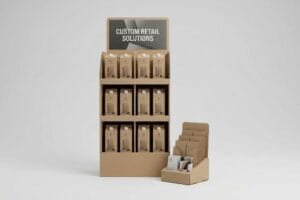
একটি ডিসপ্লের উপাদানগুলোর মধ্যে রয়েছে মূল ভিত্তি, ভার বহনকারী তাকের স্তর, পরস্পর সংযুক্ত পার্শ্ব প্যানেল, অভ্যন্তরীণ কাঠামোগত বিভাজক এবং প্রচারমূলক হেডার। প্রতিটি স্বতন্ত্র উপাদানকে অবশ্যই নির্ভুলভাবে ভৌতভাবে পরস্পরের সাথে সংযুক্ত হতে হবে, যাতে কোনো রকম ব্যর্থতা ছাড়াই গতিশীল ভারের বল সমগ্র ঢেউখেলানো কাঠামোর উপর সমানভাবে বণ্টিত হয়।.
সবচেয়ে বিপজ্জনক অংশটি হলো সেটিই, যেটি সবচেয়ে ভারী পণ্যটিকে সরাসরি মেঝের উপরে ধরে রাখে।.
ঝুলে পড়া পানীয়ের তাকের অদৃশ্য পদার্থবিদ্যা
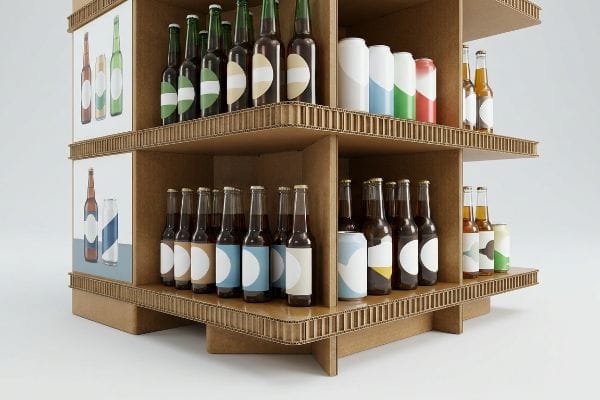
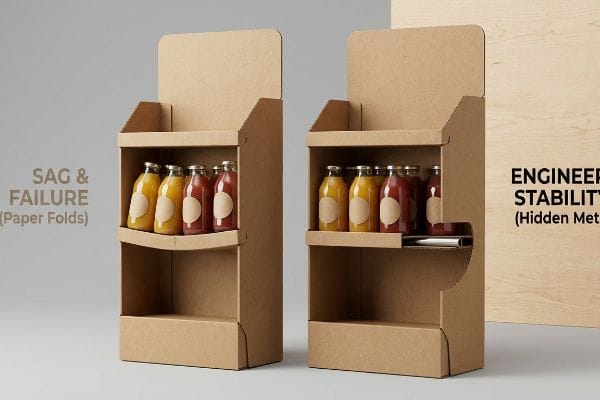
এটি একটি সাধারণ ফাঁদ যা এমনকি অভিজ্ঞ ক্রয় দলগুলোকেও কাবু করে ফেলে: তারা ধরে নেয় যে সাধারণ ভাঁজ করা ঢেউখেলানো কার্ডবোর্ডের তাকের কিনারা অনির্দিষ্টকালের জন্য একাধিক সারির ভারী কাচের বোতল ঝুলিয়ে রাখতে পারবে। তারা একটি রিটেইল ট্রে- একটি নিরেট কাঠের কড়িকাঠের মতো বিবেচনা করে এবং আশা করে যে কাগজের একটি সাধারণ ভাঁজ সপ্তাহের পর সপ্তাহ মাধ্যাকর্ষণকে প্রতিরোধ করবে।
বিষয়টিকে এমন একটি ঝুলন্ত সেতুর মতো ভাবুন যা কোনো স্টিলের তার ছাড়াই যানজট সামলানোর চেষ্টা করছে। আমি সম্প্রতি একটি ব্যর্থ জুস ক্যাম্পেইনের অডিট করেছিলাম, যেখানে আর্দ্র পরিবেশে মাত্র তিন দিন থাকার পরেই ট্রে-গুলোর সামনের কিনারা পুরো ০.৭৫ ইঞ্চি (১৯ মিমি) বেঁকে গিয়েছিল , যার ফলে ভারী কাচের বোতলগুলো আক্ষরিক অর্থেই সামনের দিকে পিছলে গিয়ে মেঝেতে পড়ে ভেঙে যাওয়ার উপক্রম হয়েছিল। আমি সঙ্গে সঙ্গে ডাই-লাইনগুলোতে একটি লুকানো স্টিলের টিউবের সাপোর্ট বার যুক্ত করে দিই, যা সামনের কিনারার নিচে অদৃশ্যভাবে লুকানো ছিল। এই প্রকৌশলগত শক্তিবৃদ্ধি ট্রে-গুলোর ঝুলে পড়া পুরোপুরি বন্ধ করে দেয়, ব্র্যান্ডের দায়বদ্ধতার ঝুঁকি ব্যাপকভাবে কমিয়ে আনে এবং পুরো ৬০ দিনের প্রচারণার সময়কাল জুড়ে পণ্যটিকে কেনাকাটার জন্য পুরোপুরি উপযুক্ত রাখে।
| নতুনদের সাধারণ ভুল | প্রো ফিক্স | খুচরা-ফ্লোর সুবিধা |
|---|---|---|
| বোতলের জন্য কাগজের ভাঁজের উপর নির্ভর করা | লুকানো ইস্পাত সাপোর্ট টিউব7 | তাকগুলোকে পুরোপুরি সমতল রাখে |
| দীর্ঘমেয়াদী মহাকর্ষীয় সরণ উপেক্ষা করা ৮ | শক্তিশালী ইন্টারলকিং সাইড ট্যাব | বোতল পিছলে বেরিয়ে যাওয়া আটকায় |
| শারীরিক বোঝা পরীক্ষা এড়িয়ে যাওয়া | ৩.৫ গুণ নিরাপত্তা ফ্যাক্টর ইঞ্জিনিয়ারিং9 | ব্যাপক দায়বদ্ধতার দাবি প্রতিরোধ করে |
আমি এমন মার্চেন্ডাইজিং ইউনিট যা মাধ্যাকর্ষণকে সম্মান করে, সস্তা কাগজের কৌশল দিয়ে এর বিরুদ্ধে লড়াই করে না। লুকানো ধাতব পরিকাঠামো যুক্ত করার মাধ্যমে এটি নিশ্চিত করা হয় যে আপনার ভারী পণ্যগুলো যেকোনো দোকানে নিরাপদ, সমতল এবং উৎকৃষ্ট মানের থাকবে।
🛠️ হার্ভির ডেস্ক: ভারী তরল পণ্যের ভারে আপনার ঢেউখেলানো টিনের তাকগুলো কি বেঁকে যাচ্ছে? 👉 আপনার স্ট্রাকচারাল স্ট্রেস টেস্টটি দাবি করুন ↗ — কোনো ফর্ম নেই যা অবিরাম সেলস কলের কারণ হয়। শুধু খাঁটি মূল্য।
ভিজ্যুয়াল মার্চেন্ডাইজিংয়ের চারটি সবচেয়ে গুরুত্বপূর্ণ উপাদান কী কী?
সুপারমার্কেটের করিডোরের কঠোর পরিবেশ থেকে নিজেদের রক্ষা করার উপরেই খুচরা ব্যবসার দীর্ঘস্থায়িত্ব নির্ভর করে।.
ভিজ্যুয়াল মার্চেন্ডাইজিংয়ের গুরুত্বপূর্ণ উপাদানগুলোর মধ্যে রয়েছে কাঠামোগত স্থায়িত্ব, আর্দ্রতা প্রতিরোধ ক্ষমতা, ব্র্যান্ডের জন্য সর্বোত্তম ব্যবধান এবং বাধাহীনভাবে পণ্য পুনরায় সাজানোর সক্ষমতা। এই নির্দিষ্ট ভৌত সুরক্ষা ব্যবস্থাগুলো প্রয়োগ করা নিশ্চিত করে যে, মার্চেন্ডাইজিং ইউনিটটি দোকানের দৈনন্দিন কঠোর কার্যকলাপ, যেমন ভেজা মেঝে মোছা, সহ্য করতে পারে এবং একই সাথে এর নিখুঁত ও উচ্চমানের প্রচারমূলক নান্দনিকতাও বজায় রাখে।.
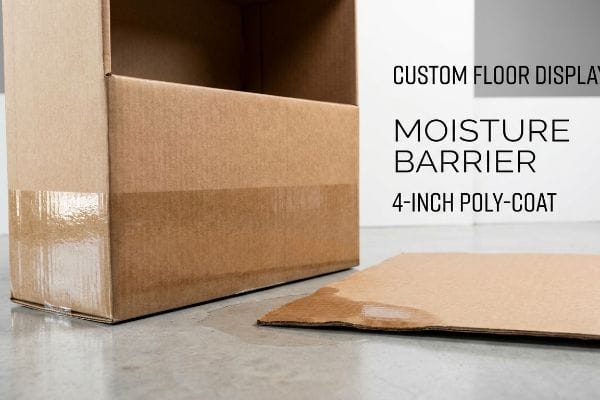
পৃথিবীর সমস্ত চমৎকার গ্রাফিক ডিজাইনও এমন একটি ভিত্তিকে বাঁচাতে পারবে না যা নোংরা জল শোষণ করে।.
"ভেজা তলা" খুচরা দোকানের মেঝের মহামারী
ব্র্যান্ড ম্যানেজাররা প্রায়শই মেঝে পর্যন্ত বিস্তৃত চোখধাঁধানো পূর্ণাঙ্গ গ্রাফিক্স অনুমোদন করেন, এই ভেবে যে খুচরা বিক্রির পরিবেশটি একটি ফটোগ্রাফি স্টুডিওর মতোই পরিষ্কার। তারা ভুলে যান যে সুপারমার্কেটের মেঝে প্রতি রাতে স্বয়ংক্রিয় স্ক্রাবিং মেশিন এবং তাড়াহুড়ো করা নাইট-শিফটের কর্মীরা ভারী, ভেজা মপ দিয়ে কঠোরভাবে পরিষ্কার করে।
নোংরা জলের ডোবায় বসে থাকা একটি প্রিমিয়াম পানীয় ডিসপ্লের চেয়ে ব্র্যান্ডের সুনামের জন্য ক্ষতিকর আর কিছুই নেই । আমি দেখেছি কাঁচা ঢেউখেলানো কার্ডবোর্ডের ভিত্তিগুলো একটি বিশাল স্পঞ্জের মতো আর্দ্রতা শুষে নেয়, এবং এর ভেজা, ক্ষতিগ্রস্ত তন্তুগুলো নরম মণ্ডে পরিণত হয়ে অবশেষে পুরো কাঠামোটিকে ভেঙে ফেলে। এর মোকাবিলায়, আমি প্রতিটি ফ্লোর-স্ট্যান্ডিং ইউনিটের একেবারে নিচের ৪ ইঞ্চি (১০১.৬ মিমি) অংশে একটি স্বচ্ছ পলি-কোট বা বার্নিশ ব্যারিয়ার প্রয়োগ করা বাধ্যতামূলক করেছি । এই তরল পলিমার ম্যাট্রিক্স একটি অদৃশ্য ঢাল হিসেবে কাজ করে, যা মোছার জলকে শারীরিকভাবে প্রতিহত করে এবং ভিত্তির স্তরের অকাল ক্ষয়ের কারণে হওয়া প্রতিস্থাপন খরচে ব্র্যান্ডগুলোকে আনুমানিক ২০% সাশ্রয় করে ।
| নতুনদের সাধারণ ভুল | প্রো ফিক্স | খুচরা-ফ্লোর সুবিধা |
|---|---|---|
| নিচের প্রান্তগুলো অমসৃণ এবং ছিদ্রযুক্ত রেখে দেওয়া | ৪-ইঞ্চি স্বচ্ছ পলি-কোটেড বাধা13 | ময়লা মোছার জল সঙ্গে সঙ্গে দূর করে। |
| বিপদজনক অঞ্চলে গ্রাফিক্স প্রিন্ট করা | মপের উপরে মূল লোগোগুলোকে স্থাপন করা | ব্র্যান্ডের বার্তা নিখুঁত রাখে |
| সস্তা একক-প্রাচীর ভিত্তি ব্যবহার করে | দ্বৈত-প্রাচীর আর্দ্রতা প্রতিরোধ14 | ভিত্তি ধসে পড়া রোধ করে |
আমি রিটেইল ফ্লোরের কঠিন বাস্তবতার উপর মনোযোগ দিই, যাতে আপনার মার্কেটিং টিমকে তা নিয়ে ভাবতে না হয়। এই কঠিন বাস্তবতাকে আড়াল করে রাখলে আপনার ক্যাম্পেইনটি প্রথম দিনের মতোই ষাটতম দিনেও সতেজ দেখায়।.
🛠️ হার্ভির ডেস্ক: আপনার বর্তমান ফ্লোর ইউনিটটি কি ক্যাম্পেইন শেষ হওয়ার আগেই পানি শোষণ করে ভেঙে পড়ে? 👉 একটি ময়েশ্চার ব্যারিয়ার অডিটের জন্য অনুরোধ করুন ↗ — আমার ডেস্কে সরাসরি অ্যাক্সেস। কোনো স্বয়ংক্রিয় সেলস স্প্যাম থাকবে না, আমি কথা দিচ্ছি।
ভিএম এবং ডিসপ্লের বিভিন্ন উপাদানগুলো কী কী?
ব্যাপক পরিসরে পণ্য উন্মোচনের অর্থ হলো পরিবহনের সময়কার বিশৃঙ্খল বায়ুমণ্ডলীয় পরিস্থিতির জন্য প্রস্তুত থাকা।.
বিভিন্ন ভিএম (VM) এবং ডিসপ্লে উপাদানের মধ্যে রয়েছে পরস্পর সংযুক্ত ক্যাড (কম্পিউটার-এইডেড ডিজাইন) আর্কিটেকচার, বায়ুমণ্ডলীয় টলারেন্স বাফার, নির্দিষ্ট মেটেরিয়াল ফ্লুটিং এবং স্বয়ংক্রিয় কো-প্যাকিং প্যারামিটার। ভৌত পরিবেশগত পরিবর্তনের সাথে খাপ খাইয়ে নেওয়ার জন্য প্রতিটি উপাদানকে অবশ্যই গাণিতিকভাবে নির্ভুলভাবে স্কেল করতে হবে, যা খুচরা বিক্রেতাদের কর্মীদের দ্বারা ছিঁড়ে যাওয়া বা কাঠামোগত ব্যর্থতা ছাড়াই মসৃণ হস্তচালিত সংযোজন নিশ্চিত করে।.
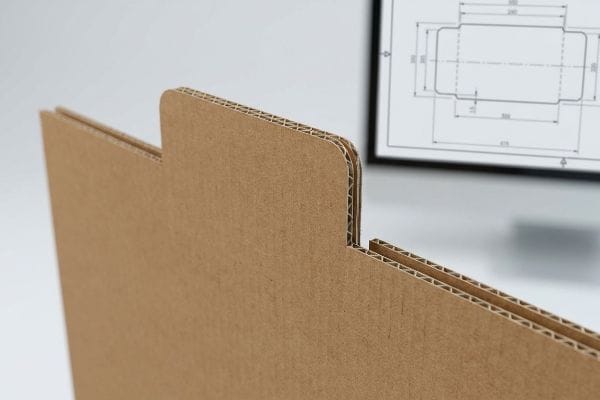
কিন্তু যখন মেশিনগুলো চলতে শুরু করে এবং কার্গোর দরজাগুলো বন্ধ হয়ে যায়, তখন শুধু তত্ত্ব জানাই যথেষ্ট নয়।.
আর্দ্র গুদামঘরে নিখুঁত CAD জ্যামিতি কেন ব্যর্থ হয়
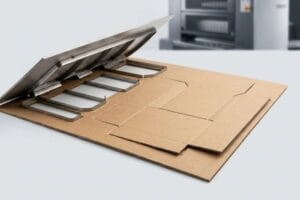
তাপমাত্রা-নিয়ন্ত্রিত অফিসে ফ্ল্যাট-প্যাকের নকশা করার সময় ডিজাইনাররা নিখুঁতভাবে আঁটসাঁট ফিটের প্রত্যাশায় বোর্ডের সঠিক শুষ্ক মাপ অনুযায়ী প্রতিটি ট্যাব এবং স্লটকে অত্যন্ত সতর্কতার সাথে সারিবদ্ধ করেন। তারা ধরে নেন যে, ঠিক ৩.১৭ মিমি (০.১২ ইঞ্চি) মাপে কাটা একটি স্লটদেশের অন্য প্রান্তে অবস্থিত কোনো আর্দ্র ফুলফিলমেন্ট সেন্টারে পৌঁছানোর পরেও পুরোপুরি ঠিকঠাক কাজ করবে।
আমার কারখানায় আমি প্রতিদিন এই পারিপার্শ্বিক বাস্তবতা পরীক্ষা করি, কারণ ঢেউখেলানো কাগজ হলো একটি জীবন্ত, শ্বাসপ্রশ্বাস নেওয়া স্পঞ্জের মতো। একবার আমি ৩২ইসিটি (এজ ক্রাশ টেস্ট) টেস্টলাইনারের একটি ব্যাচ পরিমাপ করেছিলাম, যা একটি আর্দ্র সমুদ্রযাত্রার সময় পারিপার্শ্বিক আর্দ্রতা শোষণ করে অদৃশ্যভাবে ০.০৪ ইঞ্চি (১ মিমি) ফুলে গিয়েছিল, যার ফলে আগে থেকে হিসাব করা রিসিভিং স্লটগুলো অসম্ভব রকমের আঁটসাঁট হয়ে গিয়েছিল। যখন কো-প্যাকিং টিম ফুলে যাওয়া অংশগুলোকে জোর করে একসাথে জোড়া লাগানোর চেষ্টা করছিল, আমি উপরের শিটটি ছিঁড়ে যাওয়ার স্পষ্ট, ভয়াবহ শব্দ শুনতে পেলাম। আমি আমাদের ফাইলে একটি স্বয়ংক্রিয় আর্দ্রতা বাফার যুক্ত করে এর স্থায়ী সমাধান করেছি, যা গাণিতিকভাবে প্রতিটি ইন্টারলকে সঠিক ক্লিয়ারেন্স টলারেন্স যোগ করে। এই সূক্ষ্ম সমন্বয় প্রয়োগ করার মাধ্যমে, আমি নিশ্চিত করি যে প্রতি ইউনিটে অ্যাসেম্বলির সময় প্রায় ৪৫ সেকেন্ড কমে আসে, যা ক্লায়েন্টদের অপ্রত্যাশিত ম্যানুয়াল শ্রমের জরিমানা বাবদ হাজার হাজার টাকা বাঁচায়।
| নতুনদের সাধারণ ভুল | প্রো ফিক্স | খুচরা-ফ্লোর সুবিধা |
|---|---|---|
| সম্পূর্ণ শুষ্ক ক্যালিপারের জন্য ডিজাইন করা | ইঞ্জিনিয়ারড ক্যাড আর্দ্রতা বাফার17 | ঘর্ষণহীন ও দ্রুত সেটআপের সুযোগ দেয় |
| সংকীর্ণ স্লটে জোর করে ঢোকানো | গাণিতিক ক্লিয়ারেন্স সম্প্রসারণ18 | উপরের চাদর ছিঁড়ে যাওয়া রোধ করে |
| আঞ্চলিক গুদামের আবহাওয়া উপেক্ষা করা | পূর্বাভাসমূলক আর্দ্রতা প্রকৌশল19 | কো-প্যাকিং শ্রম খরচ কমায় |
আমি এক মিলিমিটার অদৃশ্য কাগজের প্রসারণকেও আপনার পণ্য সরবরাহের সময়সূচী নষ্ট করতে দেব না। বায়ুমণ্ডলীয় পদার্থবিদ্যার জন্য আগে থেকেই হিসাব করা নিশ্চিত করে যে, বৈশ্বিক সরবরাহ শৃঙ্খলের কঠোর বাস্তবতা সত্ত্বেও আপনার কাঠামোগত অখণ্ডতা টিকে থাকবে।.
🛠️ হার্ভির ডেস্ক: আপনার বর্তমান ইন্টারলকিং ডাইলাইনে আর্দ্রতার কারণে স্ফীতি সহ্য করার সঠিক ক্ষমতা কতটুকু, তা কি আপনি জানেন? 👉 আপনার ডাইলাইন ফাইলটি আমাকে পাঠান ↗ — গণ-উৎপাদনে বাজেট অপচয় করার আগে আমি এর গাণিতিক হিসাবটি স্ট্রেস-টেস্ট করে দেখব।
উপসংহার
আপনি আরও সস্তা বিক্রেতা বেছে নিতে পারেন, কিন্তু যখন একটি আর্দ্র করিডোরে তরল পানীয়ের বিশাল ভারে সেই অতিরিক্ত বোঝাই বি-ফ্লুটটি ভেঙে পড়ে, যার ফলে এর ভিত্তি মারাত্মকভাবে বেঁকে যায় এবং খুচরা বিক্রেতা সাথে সাথে তা বাতিল করে দেয়, আর সপ্তাহব্যাপী ব্যয়বহুল ম্যানুয়াল পুনর্নির্মাণের প্রয়োজন হয়, তখন প্রাথমিক সাশ্রয়টুকু উবে যায়। আমার শীর্ষ ১০ জন খুচরা গ্রাহক প্রিন্ট বাতিলের হার শূন্যে নামিয়ে আনার নিশ্চয়তা দিতে ঠিক এই স্পেক শিটটিই ব্যবহার করেন। কাঠামোগত পদার্থবিদ্যা নিয়ে অনুমান করা বন্ধ করুন এবং ব্যাপক উৎপাদন শুরু হওয়ার আগেই মারাত্মক ভারবহন ত্রুটিগুলো ধরতে আমাকে ব্যক্তিগতভাবে আমার ফ্রি ডাইলাইন প্রি-ফ্লাইট অডিট ↗- এর মাধ্যমে আপনার ভারী পেলোড ফাইলগুলো পরীক্ষা করতে দিন।
"ঢেউখেলানো কাগজের প্যাকেজের সংকোচন শক্তি …", https://pmc.ncbi.nlm.nih.gov/articles/PMC10054506/। [একটি নির্ভরযোগ্য প্যাকেজিং ইঞ্জিনিয়ারিং উৎস তরল-ভর্তি PET বা কাচের পাত্রের ওজনের সাপেক্ষে ঢেউখেলানো বোর্ডের স্থির এবং গতিশীল ভার বহনের সীমা পরিমাপ করে থাকে]। প্রমাণের ভূমিকা: প্রযুক্তিগত স্পেসিফিকেশন; উৎসের ধরণ: প্যাকেজিং ইঞ্জিনিয়ারিং স্ট্যান্ডার্ড। সমর্থন করে: তরল প্রদর্শনের জন্য ওজন ভার গণনার প্রয়োজনীয়তা। পরিধি টীকা: সাধারণ খুচরা প্রদর্শন সামগ্রীর ক্ষেত্রে প্রযোজ্য। ↩
"কস্টকো এবং স্যাম'স ক্লাবের প্যালেট ডিসপ্লে-এর সম্পূর্ণ নির্দেশিকা", https://www.bay-cities.com/resources/blogs/the-complete-guide-to-costco-and-sams-club-pallet-displays/। ক্লাব স্টোরের জন্য প্রামাণ্য খুচরা কমপ্লায়েন্স ম্যানুয়ালগুলিতে ভারী পণ্যের চাপে কাঠামোগত ব্যর্থতা রোধ করার জন্য করোগেটেড ডিসপ্লেগুলির ন্যূনতম ডাইনামিক লোড ধারণক্ষমতা নির্দিষ্ট করা থাকে। প্রমাণের ভূমিকা: প্রযুক্তিগত যাচাইকরণ; উৎসের ধরণ: শিল্প কমপ্লায়েন্স নির্দেশিকা। সমর্থন করে: ক্লাব স্টোর পরিবেশের জন্য কাঠামোগত ওজনের মান। পরিধি সংক্রান্ত টীকা: ডিসপ্লের মাত্রা এবং উপাদানের গ্রেডের উপর ভিত্তি করে নির্দিষ্ট সীমা পরিবর্তিত হতে পারে। ↩
"স্পট কালার এবং CMYK কালারের মধ্যে পার্থক্য", https://www.deprintedbox.com/blog/spot-vs-process-color/। [কালি-সাবস্ট্রেট মিথস্ক্রিয়া সম্পর্কিত প্রযুক্তিগত সাহিত্যে ব্যাখ্যা করা হয়েছে যে কীভাবে কাঁচা ঢেউখেলানো বোর্ডের ছিদ্রযুক্ত গঠন CMYK প্রসেস প্রিন্টিংয়ে অসম শোষণ এবং ডট গেইন ঘটায়]। প্রমাণের ভূমিকা: প্রযুক্তিগত যাচাইকরণ; উৎসের ধরণ: প্রিন্টিং সায়েন্স ম্যানুয়াল। সমর্থন: সাবস্ট্রেটে কালি শোষণের সমস্যা। পরিধি নোট: অ-সিল করা টেস্টলাইনারের জন্য নির্দিষ্ট। ↩
"CMYK বনাম স্পট কালার: কোন প্রক্রিয়াটি সেরা – প্রাইম লাইন প্যাকেজিং", https://www.primelinepackaging.com/blog/spot-color-vs-cmyk-understanding-the-differences-and-choosing-the-right-method-for-your-packaging/। [পেশাদার প্যাকেজিং নির্দেশিকা অনুযায়ী, ছিদ্রযুক্ত উপাদানের ক্ষেত্রে CMYK মিশ্রণের তুলনায় স্পট কালার উন্নততর অস্বচ্ছতা এবং স্যাচুরেশন প্রদান করে]। প্রমাণের ভূমিকা: প্রযুক্তিগত যাচাইকরণ; উৎসের ধরণ: গ্রাফিক আর্টস স্ট্যান্ডার্ড। সমর্থন করে: ব্র্যান্ডের দৃশ্যমানতার জন্য PMS কালির ব্যবহার। পরিধি সংক্রান্ত টীকা: উচ্চ-কন্ট্রাস্ট ব্র্যান্ড কালারের ক্ষেত্রে প্রযোজ্য। ↩
"[পিডিএফ] বাক্সের সংকোচন শক্তির উপর আর্দ্রতার পরিমাণের প্রভাব: এফবিএ বিসিটি …", https://rbi.gatech.edu/sites/default/files/2025-12/4effects-of-moisture-content-on-box-compression-strength.pdf। [প্যাকেজিং উপকরণের উপর প্রযুক্তিগত নথিতে ব্যাখ্যা করা হয়েছে যে কীভাবে বর্ধিত আর্দ্রতা করোগেটেড ফাইবারবোর্ডের কাঠামোগত অখণ্ডতা এবং ভারবহন ক্ষমতা হ্রাস করে, যার ফলে বিকৃতি ঘটে]। প্রমাণের ভূমিকা: তথ্যগত যাচাইকরণ; উৎসের ধরণ: প্রযুক্তিগত ম্যানুয়াল। সমর্থন করে: এই দাবি যে পরিবেশগত আর্দ্রতা কার্ডবোর্ড ডিসপ্লেতে ভৌত শিথিলতা সৃষ্টি করে। পরিধি নোট: প্রকৃত বিকৃতির হার ফ্লুটিং গ্রেড এবং আপেক্ষিক আর্দ্রতার শতাংশের উপর নির্ভর করে। ↩
"খুচরা প্রদর্শনীর জন্য করোগেটের ৯টি সুবিধা – বে সিটিজ প্যাকেজিং", https://www.bay-cities.com/resources/blogs/9-benefits-of-corrugate-for-retail-displays/। [পয়েন্ট-অফ-পারচেজ ডিসপ্লের জন্য ইঞ্জিনিয়ারিং গাইডগুলোতে ডাইনামিক পেলোডের অধীনে কাঠামোগত ব্যর্থতা প্রশমিত করার জন্য স্টিল ইনসার্টের মতো হাইব্রিড উপাদান শক্তিবর্ধকের ব্যবহারের বিস্তারিত বিবরণ দেওয়া হয়েছে]। প্রমাণের ভূমিকা: প্রযুক্তিগত যাচাইকরণ; উৎসের ধরণ: উৎপাদন নির্দেশিকা। সমর্থন: স্তরের ঝুলে পড়া দূরীকরণে স্টিল শক্তিবর্ধকের কার্যকারিতা। পরিধি নোট: বিশেষভাবে ভারী পানীয় বা কাচের বোতলের ডিসপ্লের জন্য প্রযোজ্য। ↩
"বিয়ার ফ্লোর কার্ডবোর্ড ডিসপ্লে স্ট্যান্ড – ডোজপ্যাকেজিং", https://www.dozpackaging.com/products/beer-floor-cardboard-display-stands। [পয়েন্ট-অফ-পারচেজ ডিসপ্লের জন্য শিল্প উৎপাদন নির্দেশিকাগুলোতে শেলফের সমতলতা বজায় রাখার জন্য ধাতব সাপোর্টের সংযোজনের বিস্তারিত বিবরণ দেওয়া হয়েছে]। প্রমাণের ভূমিকা: শিল্প অনুশীলন; উৎসের ধরণ: উৎপাদন নির্দেশিকা। সাপোর্ট: শেলফ ঝুলে পড়া রোধ করার জন্য কাঠামোগত সমাধান। পরিধি নোট: হেভি-ডিউটি পেপারবোর্ড মার্চেন্ডাইজারদের জন্য সাধারণ। ↩
"Corrugated Displays: Pros, Cons, and Beyond – Bamko", https://bamko.net/blog/corrugated-displays। [পদার্থবিজ্ঞান বিষয়ক সাহিত্যে ব্যাখ্যা করা হয়েছে কীভাবে ধ্রুবক ভার সময়ের সাথে সাথে পলিমার এবং কাগজ-ভিত্তিক কাঠামোগত উপকরণে স্থায়ী বিকৃতি ঘটায়]। প্রমাণের ভূমিকা: বৈজ্ঞানিক নীতি; উৎসের ধরণ: পদার্থবিজ্ঞানের পাঠ্যপুস্তক। সমর্থন: কাঠামোগত ব্যর্থতা রোধ করার জন্য শক্তিশালী পার্শ্ব ট্যাবের প্রয়োজনীয়তা। পরিধি টীকা: ধ্রুবক পীড়নের অধীনে থাকা অধাতব কাঠামোগত উপকরণের ক্ষেত্রে প্রযোজ্য। ↩
"অস্থায়ী খুচরা ডিসপ্লের ভারবহন ক্ষমতা – ইউডি ডিরেক্ট", https://www.ud-direct.com/blog/temporary-retail-display-load-bearing-capabilities। [খুচরা সরঞ্জামাদির জন্য কাঠামোগত প্রকৌশল নির্দেশিকা সর্বোচ্চ ভারের অধীনে ধস রোধ করার জন্য প্রয়োজনীয় সুরক্ষা গুণাঙ্ক নির্ধারণ করে]। প্রমাণের ভূমিকা: প্রযুক্তিগত স্পেসিফিকেশন; উৎসের ধরণ: প্রকৌশল মান। সমর্থন: অতিরিক্ত প্রকৌশলের মাধ্যমে দায়ের দাবি প্রতিরোধ। পরিধি টীকা: বিশেষভাবে ভারী-ভার বহনকারী পানীয় রাখার তাকের জন্য প্রযোজ্য। ↩
"খুচরা ও মুদি দোকানের জন্য সেরা ক্লিনিং রোবট (২০২৬) – স্প্রাউটমেশন", https://sproutmation.com/blog/retail-grocery-cleaning-robot। [খুচরা কার্যক্রমের ম্যানুয়াল এবং সুবিধা ব্যবস্থাপনার নির্দেশিকাগুলোতে স্বাস্থ্যকর অবস্থা নিশ্চিত করার জন্য ইন্ডাস্ট্রিয়াল স্ক্রাবার এবং ভেজা মোপিং ব্যবহার করে রাতে মেঝে পরিষ্কার করার কথা উল্লেখ করা হয়েছে]। প্রমাণের ভূমিকা: মৌলিক তথ্য; উৎসের ধরণ: শিল্প কার্যক্রমের ম্যানুয়াল। সমর্থন করে: আর্দ্রতা-প্রতিরোধী মার্চেন্ডাইজিং উপকরণের প্রয়োজনীয়তা। পরিধি সংক্রান্ত টীকা: দোকানের লোকজনের আনাগোনার উপর ভিত্তি করে এর পুনরাবৃত্তি পরিবর্তিত হতে পারে। ↩
"আপনারা কি পরিবেশ-বান্ধব ঢেউখেলানো কাগজের মেঝের ডিসপ্লে সরবরাহ করেন? – পপডিসপ্লে", https://popdisplay.me/do-you-offer-eco-friendly-corrugated-floor-displays/। [পয়েন্ট-অফ-পারচেজ ডিসপ্লে প্রস্তুতকারকদের প্রযুক্তিগত বিবরণ ঢেউখেলানো কাগজের ভিত্তির উপর আর্দ্রতা-প্রতিরোধী আবরণের আদর্শ উচ্চতা নিশ্চিত করবে]। প্রমাণের ভূমিকা: প্রযুক্তিগত বিবরণ; উৎসের ধরণ: প্রস্তুতকারকের ম্যানুয়াল/প্রযুক্তিগত নির্দেশিকা। সমর্থন করে: আর্দ্রতা প্রতিরোধের জন্য নির্দিষ্ট প্রয়োগ পদ্ধতি। পরিধি সংক্রান্ত টীকা: আদর্শ উচ্চতা পণ্যের ধরণ অনুযায়ী পরিবর্তিত হতে পারে। ↩
"কোরুগেটেড প্লাস্টিক ট্রে-এর বাজার বিশ্লেষণ এবং প্রবৃদ্ধির পূর্বাভাস …", https://www.indexbox.io/blog/corrugated-plastic-trays-market-forecast-points-higher-toward-2035-driven-by-retail-and-logistics-modernization/। [খুচরা ডিসপ্লের স্থায়িত্বের উপর শিল্প প্রতিবেদন বা কেস স্টাডিগুলো কোরুগেটেড বেসে আর্দ্রতা প্রতিরোধক ব্যবহার করার ফলে প্রতিস্থাপন খরচের হ্রাসকে পরিমাণগতভাবে প্রকাশ করবে]। প্রমাণের ভূমিকা: পরিমাণগত যাচাইকরণ; উৎসের ধরণ: শিল্প প্রতিবেদন/বাজার বিশ্লেষণ। সমর্থন করে: আর্দ্রতা সুরক্ষার আর্থিক সুবিধা। পরিধি সংক্রান্ত টীকা: খুচরা পরিবেশ অনুযায়ী অনুমান ভিন্ন হতে পারে। ↩
"[পিডিএফ] সুরক্ষামূলক আবরণ, পরিদর্শন এবং রক্ষণাবেক্ষণের নির্দেশিকা", https://www.usbr.gov/tsc/techreferences/mands/mands-pdfs/GuideToProtectiveCoatingsInspectionMaintenance2012_508.pdf। [পয়েন্ট-অফ-পারচেজ (POP) ডিসপ্লের জন্য শিল্প মান যাচাই করে যে নিচের প্রান্তে থাকা পলি-আবরণ মেঝে পরিষ্কারের সময় পানি চুইয়ে পড়া প্রতিরোধ করে]। প্রমাণের ভূমিকা: প্রযুক্তিগত স্পেসিফিকেশন; উৎসের ধরণ: শিল্প নির্দেশিকা। সমর্থন করে: আর্দ্রতা প্রতিবন্ধকের কার্যকারিতা। পরিধি টীকা: বিশেষভাবে ছিদ্রযুক্ত কার্ডবোর্ড ডিসপ্লের জন্য। ↩
"ডাবল ওয়াল করোগেটেড বক্স – হেভি-ডিউটি, এখনই কিনুন", https://theboxology.us/product/double-wall-corrugated-boxes/। [কোরুগেটেড উপকরণের প্রযুক্তিগত বিবরণ থেকে জানা যায় যে, ডাবল-ওয়াল নির্মাণ আর্দ্রতার সংস্পর্শে এলে এর সংকোচন শক্তি এবং কাঠামোগত ধসের প্রতিরোধ ক্ষমতা উল্লেখযোগ্যভাবে বৃদ্ধি করে]। প্রমাণের ভূমিকা: উপকরণের বৈশিষ্ট্য; উৎসের ধরণ: ইঞ্জিনিয়ারিং ম্যানুয়াল। সমর্থন: খুচরা প্রদর্শনীর ভিত্তির স্থায়িত্ব। পরিধি সংক্রান্ত টীকা: কার্যকারিতা ব্যবহৃত লাইনারের নির্দিষ্ট গ্রেডের উপর নির্ভর করে। ↩
"আর্দ্রতা এবং তাপমাত্রার প্রভাব …এর যান্ত্রিক বৈশিষ্ট্যের উপর", https://bioresources.cnr.ncsu.edu/resources/influence-of-humidity-and-temperature-on-mechanical-properties-of-corrugated-board-numerical-investigation/। [প্যাকেজিং ইঞ্জিনিয়ারিং-এর একটি নির্ভরযোগ্য উৎস ব্যাখ্যা করে যে কীভাবে আর্দ্রতা শোষণ ফাইবার-ভিত্তিক বোর্ডে হাইগ্রোস্কোপিক প্রসারণ ঘটায়, যা সুনির্দিষ্ট CAD টলারেন্স পরিবর্তন করে দেয়]। প্রমাণের ভূমিকা: প্রযুক্তিগত যাচাইকরণ; উৎসের ধরণ: পদার্থ বিজ্ঞান হ্যান্ডবুক। সমর্থন করে: আর্দ্র পরিবেশে কঠোর টলারেন্সের ব্যর্থতা। পরিধি টীকা: বিশেষভাবে করোগেটেড কার্ডবোর্ডের মতো হাইগ্রোস্কোপিক উপকরণের ক্ষেত্রে প্রযোজ্য। ↩
"...এর সংকোচন শক্তির উপর আপেক্ষিক আর্দ্রতার প্রভাব", https://open.clemson.edu/all_theses/3225/। [কোরুগেটেড প্যাকেজিং উপকরণের উপর প্রযুক্তিগত নথিপত্র টেস্টলাইনারের হাইগ্রোস্কোপিক বৈশিষ্ট্য এবং উচ্চ আর্দ্রতার সংস্পর্শে এলে সেগুলোর মাত্রিক অস্থিতিশীলতা সম্পর্কে তথ্য প্রদান করে]। প্রমাণের ভূমিকা: প্রযুক্তিগত যাচাইকরণ; উৎসের ধরণ: বস্তু বিজ্ঞান হ্যান্ডবুক। সমর্থন করে: এই দাবি যে 32ECT উপাদান আর্দ্রতার কারণে প্রসারিত হয়। পরিধি টীকা: প্রসারণের হার নির্দিষ্ট ফাইবারের গঠন এবং আর্দ্রতার মাত্রা অনুসারে পরিবর্তিত হয়। ↩
"খুচরা বিক্রয় ডিসপ্লের জন্য CAD ডিজাইন: আমরা কীভাবে ধারণাকে বাস্তবে পরিণত করি...", https://imagecoltd.com/news/cad-design-for-retail-displays-how-we-turn-ideas-into-physical-designs/। [বস্তু বিজ্ঞান বা শিল্প নকশার কোনো উৎস ব্যাখ্যা করবে যে কীভাবে প্রসারণ সহগ গণনা করা আর্দ্র পরিবেশে স্থাপনের সমস্যা প্রতিরোধ করে]। প্রমাণের ভূমিকা: প্রযুক্তিগত স্পেসিফিকেশন; উৎসের ধরণ: শিল্প প্রকৌশল ম্যানুয়াল। সমর্থন করে: ডিসপ্লের স্থিতিশীলতার জন্য CAD-এ আর্দ্রতা বাফারের প্রয়োজনীয়তা। পরিধি নোট: বিশেষভাবে ঢেউখেলানো কার্ডবোর্ডের মতো আর্দ্রতা শোষণকারী উপকরণের ক্ষেত্রে প্রযোজ্য। ↩
"কার্ডবোর্ডের ফ্লোর ডিসপ্লে স্ট্যান্ডগুলো কি ভাঁজ না করে পাঠানো যায়? – পপডিসপ্লে", https://popdisplay.me/can-the-cardboard-floor-display-stands-be-shipped-flat/। [প্যাকেজিং ডিজাইনের উপর প্রামাণ্য নির্দেশিকাগুলোতে বিস্তারিতভাবে বর্ণনা করা হয়েছে যে, কীভাবে বিভিন্ন পরিস্থিতিতে অ্যাসেম্বলির সময় টলারেন্স বৃদ্ধি করে কাঠামোগত ব্যর্থতা এবং ছিঁড়ে যাওয়া প্রতিরোধ করা যায়]। প্রমাণের ভূমিকা: প্রযুক্তিগত সর্বোত্তম অনুশীলন; উৎসের ধরণ: প্যাকেজিং শিল্পের মান। সমর্থন করে: ক্লিয়ারেন্স প্রসারণ এবং উপাদানের ক্ষতি হ্রাসের মধ্যে সংযোগ। পরিধি নোট: অ্যাসেম্বলি টলারেন্সের উপর আলোকপাত করে। ↩
"প্যাকেজ করা কঠিন পদার্থের আর্দ্রতা শোষণ পূর্বাভাসের জন্য একটি নতুন মডেল...", https://pubmed.ncbi.nlm.nih.gov/12672617/। [সাপ্লাই চেইন লজিস্টিকস গবেষণা দেখায় যে পরিবেশগত অবস্থার জন্য উপকরণের স্পেসিফিকেশন অপ্টিমাইজ করলে অ্যাসেম্বলি ত্রুটি এবং শ্রম ওভারহেড হ্রাস পায়]। প্রমাণের ভূমিকা: অর্থনৈতিক প্রভাব; উৎসের ধরণ: সাপ্লাই চেইন হোয়াইট পেপার। সমর্থন করে: এই দাবি যে আর্দ্রতা ইঞ্জিনিয়ারিং কো-প্যাকিং শ্রম খরচ কমায়। পরিধি নোট: আঞ্চলিক জলবায়ু পরিবর্তনশীলতার উপর নির্ভরশীল। ↩