টেকসই উপকরণ গ্রহণ করার জন্য প্রসাধনী ব্র্যান্ডগুলোর ওপর প্রচণ্ড চাপ রয়েছে, কিন্তু ভৌত সরবরাহ শৃঙ্খলের হিসাব-নিকাশ উপেক্ষা করলে প্রায়শই কাঠামোগত পতন ঘটে এবং খুচরা পর্যায়ে ব্যাপক মুনাফা হ্রাস পায়।.
সবচেয়ে টেকসই প্রসাধনী প্যাকেজিং কঠিন বায়ো-প্লাস্টিকের পরিবর্তে তরল জলীয় আবরণে সিল করা ১০০% পুনর্ব্যবহারযোগ্য ঢেউখেলানো কার্ডবোর্ডের উপর নির্ভর করে। এই একক-উপাদানের প্রকৌশল নিশ্চিত করে যে সম্পূর্ণ রিটেইল ডিসপ্লেটি সাধারণ পুনঃমজ্জা প্রক্রিয়ার সময় নির্বিঘ্নে দ্রবীভূত হয়ে যায়, যা বিশেষায়িত বাণিজ্যিক কম্পোস্টিংয়ের প্রয়োজনীয়তাকে সম্পূর্ণরূপে এড়িয়ে যায়।.
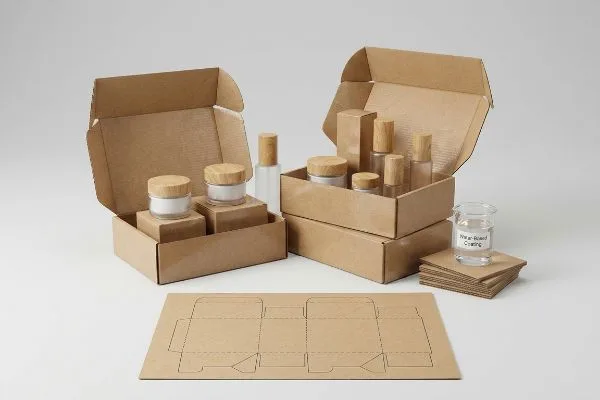
পরিবেশবান্ধব উপকরণ ব্যবহারের বিষয়টি শুধু বাহ্যিক সৌন্দর্যের মধ্যেই সীমাবদ্ধ নয়; আপনার ডিসপ্লেগুলো যেন খুচরা বিক্রির তাক পর্যন্ত পৌঁছানোর গতিময় যাত্রাটি সফলভাবে সম্পন্ন করতে পারে, তা নিশ্চিত করার জন্য কঠোর কাঠামোগত পদার্থবিদ্যার জ্ঞান প্রয়োজন।.
প্রসাধনীর সবচেয়ে টেকসই প্যাকেজিং কোনটি?
ব্র্যান্ডগুলো প্রায়শই ধরে নেয় যে, খুচরা ব্যবসার টেকসই নিয়মকানুন প্রতিপালন এবং দীর্ঘমেয়াদী সরবরাহ শৃঙ্খলের সাফল্যের জন্য যেকোনো উদ্ভিদ-ভিত্তিক উপাদানই একটি অব্যর্থ সমাধান।.
সবচেয়ে টেকসই প্রসাধনী প্যাকেজিং-এ উচ্চ-কার্যক্ষমতাসম্পন্ন খাঁজকাটা উপাদানের সাথে জল-ভিত্তিক পৃষ্ঠতল প্রক্রিয়াকরণ পদ্ধতি ব্যবহার করা হয়। পেট্রোলিয়াম-ভিত্তিক ল্যামিনেশন বা ভারী পিভিসি ক্লিপের মতো মিশ্র-উপাদানের অংশগুলিকে সম্পূর্ণরূপে বাদ দিয়ে, এই সুবিন্যস্ত পদ্ধতিটি ঝামেলাহীনভাবে রাস্তার পাশে পুনর্ব্যবহারযোগ্যতা নিশ্চিত করে এবং একই সাথে আপনার পাইকারি চালানের সামগ্রিক কার্বন পদচিহ্ন ব্যাপকভাবে হ্রাস করে।.
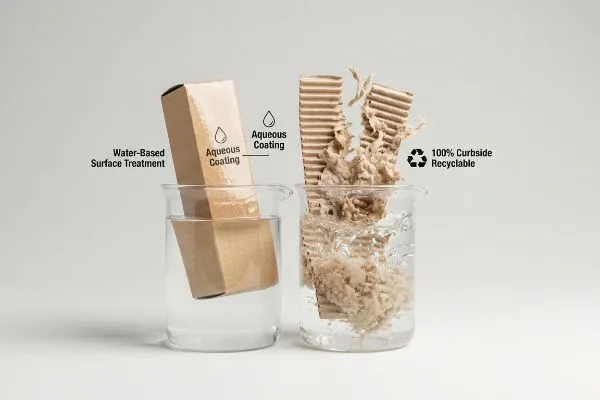
প্রকৃত পরিবেশগত নিয়ম মেনে চলার অর্থ হলো, এই নির্দিষ্ট উপাদানগুলো যখন অবশেষে পৌরসভার পুনর্ব্যবহার প্রক্রিয়ায় প্রবেশ করে, তখন তাদের রাসায়নিক আচরণ বোঝা।.
জলীয় কার্বসাইড পুনঃমজ্জাযোগ্যতার ভৌত রসায়ন
সাধারণ পিএলএ (পলিল্যাকটিক অ্যাসিড) ফিল্মকে কাগজের স্পঞ্জের চারপাশে মোড়ানো একটি জেদি প্লাস্টিকের রেইনকোটের মতো ভাবুন। যদিও এটি প্রযুক্তিগতভাবে ভুট্টা থেকে তৈরি, এই কঠিন প্রতিবন্ধকটি সাধারণ ওসিসি (পুরানো ঢেউখেলানো কন্টেইনার) পুনঃমজ্জা তৈরির সময় জলকে ভৌতভাবে বিকর্ষণ করে¹ । অন্যদিকে, তরল জলীয় প্রলেপ একটি আণুবীক্ষণিক পলিমার গ্লেজের মতো কাজ করে; এগুলি তাকের উপর একটি প্রয়োজনীয় আর্দ্রতা প্রতিবন্ধক হিসেবে কাজ করে কিন্তু শিল্প কারখানার কাগজের কলের ভ্যাটে যান্ত্রিকভাবে আলোড়িত হলে সঙ্গে সঙ্গে দ্রবীভূত হয়ে যায়² ।
আমি সাধারণ বর্জ্য প্রবাহে নতুন সাবস্ট্রেট রসায়নের যান্ত্রিক আচরণ যাচাই করার জন্য ক্রমাগত মূল্যায়ন করি। এর লক্ষ্য হলো ঘর্ষণহীন পুনর্ব্যবহার। যখন ডিজাইনাররা প্রসাধনী কার্টন রক্ষা করার জন্য পুরু বায়ো-প্লাস্টিক ল্যামিনেশন বাধ্যতামূলক করেন, তখন তারা অনিচ্ছাকৃতভাবে একটি মিশ্র-উপাদানের ফাঁদ তৈরি করেন যা পৌরসভার বাছাই কেন্দ্রগুলো নিয়মিতভাবে সরাসরি ল্যান্ডফিলে পাঠিয়ে দেয়৩।একটি উচ্চ-কঠিন জলীয় পলিমার ম্যাট্রিক্স৪ , আমি নিশ্চিত করি যে উচ্চ-আর্দ্রতার পরিবহনের সময় কাঠামোগত আর্দ্রতা প্রতিবন্ধকটি সম্পূর্ণ অক্ষত থাকে, এবং একই সাথে রাস্তার পাশে পুনরায় মণ্ড তৈরির প্রকৃত যোগ্যতা কঠোরভাবে বজায় থাকে। এই একক-উপাদানের পদ্ধতিটি যেকোনো সঙ্গতিপূর্ণ বৈশ্বিক খুচরা প্রসারের জন্য পরম ভিত্তিগত স্থাপত্য হিসেবে কাজ করে।
| লেপের ধরণ | পুনরায় পাল্পিং আচরণ | খুচরা বিক্রেতা সম্মতি |
|---|---|---|
| ঐতিহ্যবাহী পিইটি ফিল্ম | উচ্চ ঘর্ষণ প্রত্যাখ্যান5 | স্বয়ংক্রিয় নিরীক্ষা ব্যর্থতা |
| কঠিন পিএলএ বায়োপ্লাস্টিক | বাণিজ্যিক কম্পোস্ট প্রয়োজন6 | ল্যান্ডফিলের উচ্চ ঝুঁকি |
| তরল জলীয় রেজিন | ১০০% পানিতে দ্রবণীয়7 | নির্বিঘ্ন OCC অনুমোদন |
আমি স্থায়ী প্লাস্টিকের আস্তরণ দিয়ে অস্থায়ী বাহ্যিক প্রদর্শনী তৈরি করতে অস্বীকার করি। প্রকৃত টেকসইতার জন্য প্রয়োজন, কারখানায় প্রথম পাতাটি ছাপানোর আগেই আপনার ভৌত উপকরণগুলোকে বিদ্যমান পৌর পুনর্ব্যবহার পরিকাঠামোর সাথে সামঞ্জস্যপূর্ণ করা।.
🛠️ হার্ভিস ডেস্ক: আপনার ভারী চেকআউট ট্রেগুলো কি দোকানে পৌঁছানোর আগেই আপনার শিপিংয়ের ROI (বিনিয়োগের উপর আয়) কমিয়ে দিচ্ছে? 👉 একটি বিনামূল্যে ফ্রেট ডেনসিটি অডিটের জন্য অনুরোধ করুন ↗ — আমি ২৪ ঘণ্টার মধ্যে প্রতিটি স্ট্রাকচারাল ফাইল ব্যক্তিগতভাবে পর্যালোচনা করি।
পরিবেশ-বান্ধব প্যাকেজিংয়ের খরচ কি বেশি?
ক্রয়কারী দলগুলো সহজাতভাবেই টেকসই উপকরণগুলোকে একটি অতিরিক্ত বিপণন ব্যয় হিসেবে দেখে, যা তাদের ত্রৈমাসিক পরিচালন বাজেটকে স্বাভাবিকভাবেই ধ্বংস করে দেবে।.
এটা নির্ভর করে। দামী বায়োপ্লাস্টিকের ওপর অন্ধভাবে নির্ভর করলে পরিবেশ-বান্ধব প্যাকেজিংয়ের প্রাথমিক খরচ বেশি হয়, কিন্তু সঠিকভাবে ডিজাইন করা হলে এটি আপনার মোট মালিকানা খরচ (TCO) ব্যাপকভাবে কমিয়ে দেয়। ফ্ল্যাট-প্যাক ঢেউখেলানো কার্ডবোর্ডের ডিজাইন ব্যবহার করলে কন্টেইনারে মাল পরিবহনের বিশাল জরিমানা এড়ানো যায়, ফলে পুরো খুচরা বিক্রয় চক্র জুড়ে পরিবেশ-বান্ধব প্যাকেজিং উল্লেখযোগ্যভাবে সস্তা হয়ে ওঠে।.
প্রকৃত আর্থিক বিপদ কাঁচামালের খরচে নয়, বরং ব্র্যান্ডগুলো তাদের টেকসই বিনিয়োগের ক্ষতিপূরণ করতে যে ভ্রান্ত কাঠামোগত আপোস করে, তার মধ্যেই নিহিত।.
কসমেটিক ইসিটি ডাউনগ্রেডের সাপ্লাই চেইন গণিত
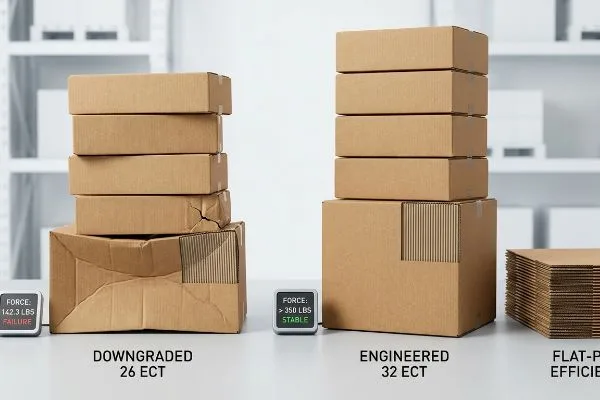
যখন আমি ক্লায়েন্টের ডাইলাইন অডিট করি, তখন আমি ক্রমাগত দেখি যে প্রকিউরমেন্ট টিমগুলো ব্যয়বহুল পরিবেশ-বান্ধব মার্কেটিং ফিনিশের জন্য অর্থায়নের উদ্দেশ্যে গোপনে ভিত্তি বোর্ডের গ্রেড কমিয়ে দেয়। তারা ধরে নেয় যে, কোর ফ্লুটিং-এর গ্রেড ৩২ ইসিটি (এজ ক্রাশ টেস্ট) স্ট্যান্ডার্ড থেকে কমিয়ে একটি সস্তা ২৬ ইসিটি ৮-এ নামিয়ে আনলে তা একটি নিখুঁত টপ শিটের নিচে অলক্ষ্যে থেকে যাবে। এই ভ্রান্ত সাশ্রয় সমুদ্রপথে পরিবহনের গতিজনিত চাপকে সম্পূর্ণরূপে উপেক্ষা করে, যার ফলে যখন সাধারণ ওয়্যারহাউস প্যালেটের ওপর থেকে চাপে মাস্টার কার্টনটি অনিবার্যভাবে বেঁকে যায়, তখন কাঁচামাল সাশ্রয়ের বিষয়টি পুরোপুরি অকেজো হয়ে পড়ে ৯ ।
এটা শুধু তত্ত্ব নয়—আমি নিজে টেস্টিং ফ্লোরে এমনটা ঘটতে দেখি, যখন ব্র্যান্ডগুলো ফাঁপা আবরণের মধ্যে ভারী কাচের প্রসাধনী বোতল পাঠানোর চেষ্টা করে। গত মাসে, একজন ক্লায়েন্ট একটি ফাইল পাঠিয়েছিলেন এই ভেবে যে তাদের নিম্নমানের ২৬ ইসিটি বেসটি একটি দীর্ঘ সমুদ্রযাত্রা নিরাপদে সহ্য করতে পারবে। যখন আমি আগে থেকে ভরা ডিসপ্লেটি আমাদের হাইড্রোলিক কম্প্রেশন প্রেসের নিচে রাখলাম, তখন ঠিক ১৪২.৩ পাউন্ড (৬৪.৫ কেজি) নিম্নমুখী চাপে এর কোণার খাঁজগুলো বেঁকে যায়, যার ফলে পাশের দেয়ালে ১.১৮ ইঞ্চি (২৯.৯ মিমি) একটি মারাত্মক ফোলাভাব তৈরি হয়। দুর্বল ফ্রেমটিকে শক্তিশালী করার জন্য তাদের মোটা, দামী প্লাস্টিকের ইনসার্ট কিনতে বাধ্য করার পরিবর্তে, আমি বেসটিকে আবার একটি ভার্জিন ৩২ ইসিটি ক্রাফট লাইনার১০- এবং পুনর্ব্যবহার-অযোগ্য ধাতব ফিল্মগুলো সরিয়ে ফেলি, সেগুলোর জায়গায় একটি হাই-সলিড গ্লস অ্যাকুয়াস কোট লাগিয়ে দিই। এর ফলে প্রান্তের সঠিক চাপ সহনশীলতা পুনরুদ্ধার করে, আমি তাদের ফ্ল্যাট-প্যাক কন্টেইনারের ঘনত্ব বাড়িয়েছি, যা আমাদের প্রতি প্যালেটে ১৪% বেশি ইউনিট রাখার১১। এই গাণিতিক সমন্বয়ের ফলে শেষ পর্যন্ত তাদের চূড়ান্ত পণ্যমূল্য ইউনিটপ্রতি আনুমানিক ১.১৫ ডলার কমে আসে এবং পরিবহনকালীন ক্ষতি সম্পূর্ণরূপে দূর হয়।
| ব্যয় মেট্রিক | ২৬ ইসিটি অবনমন করা হয়েছে | ইঞ্জিনিয়ারড ৩২ ইসিটি |
|---|---|---|
| মালবাহী ঘনত্ব | কম দক্ষতা | সর্বোচ্চ ফ্ল্যাট-প্যাক ফলন12 |
| পরিবহন ক্ষতি | মারাত্মক কোণার চাপ13 | শূন্য মালবাহী ক্ষতি14 |
| চূড়ান্ত প্রাপ্ত ROI | লাভের মার্জিন মুছে গেছে | ইতিবাচক ব্যয় সাশ্রয় |
আমি ক্লায়েন্টদের শুধুমাত্র বাহ্যিক সৌন্দর্যবর্ধনের জন্য তাদের কাঠামোগত অখণ্ডতা নষ্ট করতে দিই না। নিখুঁত ঢেউখেলানো কার্ডবোর্ডের প্রকৌশলের উপর নির্ভর করলে, অতিরিক্ত খালি জায়গার জন্য চড়া মাল পরিবহনের জরিমানা দেওয়ার চেয়ে মোট খরচ সবসময়ই কম হয়।.
🛠️ হার্ভির ডেস্ক: গুদামের বাস্তব আর্দ্রতার কারণে আপনার বর্তমান কসমেটিক ডিসপ্লেটি কি মারাত্মকভাবে বেঁকে যাওয়ার ঝুঁকিতে আছে? 👉 একটি মেটেরিয়াল স্ট্রেস ডায়াগনোসিস করান ↗ — ১০০% গোপনীয়। আপনার অপ্রকাশিত রিটেইল ডিজাইনগুলো আমার কাছে সুরক্ষিত।
কীভাবে একটি পরিবেশ-বান্ধব প্যাকেজিং ব্যবসা শুরু করবেন?
একটি সফল পরিবেশবান্ধব ব্র্যান্ড চালু করার জন্য এমন একটি সরবরাহ শৃঙ্খল নিশ্চিত করা প্রয়োজন, যা অবিরাম লজিস্টিক চাপের মধ্যেও কার্যকরভাবে কাজ করতে পারে।.
একটি পরিবেশ-বান্ধব প্যাকেজিং ব্যবসা শুরু করার জন্য যাচাইযোগ্য চেইন অফ কাস্টডি তৈরি করা এবং কঠোর ভৌত কর্মক্ষমতার মান প্রয়োগ করা প্রয়োজন। স্থায়িত্ব এবং বাণিজ্যিক সম্ভাব্যতা উভয়ই সর্বাধিক করার জন্য আপনাকে অবশ্যই উচ্চ পুনর্ব্যবহারযোগ্য সাবস্ট্রেট সংগ্রহ করতে হবে, কঠোর ISTA (ইন্টারন্যাশনাল সেফ ট্রানজিট অ্যাসোসিয়েশন) ট্রানজিট পরীক্ষা বাধ্যতামূলক করতে হবে এবং ফ্ল্যাট-প্যাক শিপিংয়ের জন্য আপনার স্ট্রাকচারাল ডাইলাইনগুলিকে অপ্টিমাইজ করতে হবে।.
তবে, ভিড়ে ঠাসা রিটেইল ফ্লোরে আপনার ব্র্যান্ডের বাহ্যিক বিশ্বাসযোগ্যতা নষ্ট করার সবচেয়ে দ্রুততম উপায় হলো, চোখ বুজে কোনো পুরোনো মার্কেটিং কৌশল অনুসরণ করা।.
সেলুলোজ ফাইবার নিঃশেষিত হওয়ার যান্ত্রিক বাস্তবতা
নতুন ব্র্যান্ডগুলো প্রায়শই তাদের হেভি-ডিউটি কসমেটিক ডিসপ্লেগুলোর, এই ভেবে যে এর ভৌত অখণ্ডতা নতুন বোর্ডের মতোই থাকবে। আমার পরীক্ষাগারে আমি প্রমাণ করেছি যে, অতিরিক্ত পুনর্ব্যবহৃত কাগজের ফাইবারগুলো পাঁচ থেকে সাতবার পুনঃমজ্জা তৈরির চক্রের পর আণুবীক্ষণিকভাবে ছোট হয়ে যায় এবং কাঠামোগতভাবে দুর্বল হয়ে পড়ে15।যখন এই ভঙ্গুর ফাইবারগুলো প্রচণ্ড ঊর্ধ্বমুখী চাপের সম্মুখীন হয়, তখন অভ্যন্তরীণ খাঁজগুলোতে প্রয়োজনীয় দৃঢ়তার অভাব দেখা দেয় এবং সেগুলো সঙ্গে সঙ্গে ভেঙে পড়ে।
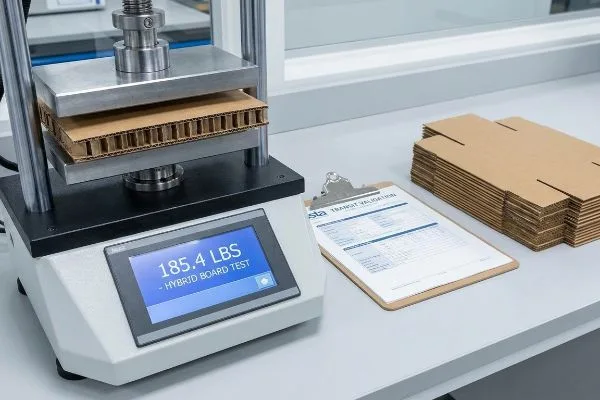
এটা শুধু তত্ত্ব নয়—গত মাসে একটি নতুন ইন্ডিপেন্ডেন্ট কসমেটিকস ব্র্যান্ডের জন্য সম্পূর্ণ রিসাইকেল করা একটি ফ্লোর স্ট্যান্ডের কার্যকারিতা যাচাই করতে গিয়ে আমি এই কঠিন শিক্ষাটি পেয়েছি। ২০২২ সালে, আমি আমার প্রধান প্যাকেজিং ইঞ্জিনিয়ার, মার্ককে, ১০০% পোস্ট-কনজিউমার বি-ফ্লুট বোর্ডের একটি ব্যাচের উপর TAPPI T811 এজ ক্রাশ টেস্ট ১৬ চালাতে বলেছিলাম । আমার স্পষ্টভাবে মনে আছে, আমি স্ট্রাকচারাল বেসলাইনের জন্য অপেক্ষা করতে করতে প্রেসার গেজটিকে বাড়তে দেখছিলাম। মাত্র ২৮.৭ পাউন্ড (১৩.০ কেজি) চাপে, আমি ভেতরের আর্চগুলো ভেঙে যাওয়ার একটি তীক্ষ্ণ, শুকনো মচমচে শব্দ শুনতে পেলাম। উপাদানটি ভৌতভাবে স্তরচ্যুত হয়ে যায়, এবং টেস্টিং প্রেসের স্টিলের অ্যানভিলের উপর একটি সূক্ষ্ম, গুঁড়ো ধুলো রেখে যায়। আমরা অবিলম্বে গবেষণা ও উন্নয়ন (R&D) কার্যক্রমটি থামিয়ে দিই এবং কারখানার ফ্লোরে থাকা রোটারি স্লটারের দিকে মনোযোগ দিই। মার্ক ভঙ্গুর বোর্ডটির উপর যান্ত্রিক চাপ কমাতে ডাই-কাটিং প্রেসার পুনরায় ক্যালিব্রেট করেন এবং ভার বহনকারী ফ্লুটগুলোর মধ্যে সরাসরি ভার্জিন ক্রাফট উপাদানের একটি সুনির্দিষ্ট ৩০% অনুপাত ১৭ ইনজেক্ট করেন। লম্বা ও তাজা কাগজের তন্তুর এই কৌশলগত সংযোজন তাৎক্ষণিকভাবে এর গতিশীল সংকোচন শক্তিকে একটি নিরাপদ ১৮৫.৪ পাউন্ড (৮৪.০ কেজি) ক্ষমতায় পুনরুদ্ধার করেছে। উপাদানের এই নিখুঁত ক্রমাঙ্কন কেবল ভিত্তিটিকে বেঁকে যাওয়া থেকে রক্ষা করেনি; এটি ভারী অভ্যন্তরীণ ঠেকনার প্রয়োজনীয়তাও দূর করেছে, যার ফলে ক্লায়েন্টের প্রতি ইউনিটে কাঁচামালের খরচে আনুমানিক ১৮% সাশ্রয় হয়েছে এবং তাদের পণ্য বাজারে ছাড়ার সময় খুচরা বিক্রেতাদের কাছ থেকে আসা মারাত্মক চার্জব্যাক থেকে সুরক্ষিত থেকেছে। আমি আমার পরীক্ষাগারে সময় ও অর্থ ব্যয় করি, যাতে খুচরা বিক্রির বাজারে আপনার মুনাফা নষ্ট না হয়।
| বোর্ডের গঠন | অভ্যন্তরীণ বাঁশির অনমনীয়তা | ডাইনামিক টপ-লোড |
|---|---|---|
| ১০০% পুনর্ব্যবহৃত | সংক্ষিপ্ত / ভঙ্গুর18 | তাৎক্ষণিক প্রাচীর ধস |
| স্ট্যান্ডার্ড ওসিসি | ক্ষুদ্র ফাটল প্রবণ | ISTA যাচাইকরণে ব্যর্থ হয়19 |
| ৩০% ভার্জিন হাইব্রিড | সর্বোচ্চ খিলান শক্তি20 | ভারী পরিবহন সত্ত্বেও টিকে থাকে |
আমি অপরীক্ষিত পরিবেশগত আদর্শবাদের কারণে কাঠামোগত অখণ্ডতাকে কোনোভাবেই ক্ষুণ্ণ হতে দেব না। ভারী খুচরা পণ্যের ভার সফলভাবে বহন করার জন্য গুরুত্বপূর্ণ পীড়ন অঞ্চলগুলিতে নির্দিষ্ট ভার্জিন ফাইবার প্রবেশ করানো অপরিহার্য।.
🛠️ হার্ভিস ডেস্ক: আপনার পরবর্তী রিটেইল রোলআউটের সময় আপনার ১০০% রিসাইকেল করা কাগজের বেসগুলো কি বড় ধরনের কমপ্লায়েন্স ব্যর্থতার ঝুঁকি তৈরি করছে? 👉 একটি ফ্রি স্ট্রাকচারাল বোর্ড অডিট দাবি করুন ↗ — মাঝখানে কোনো অ্যাকাউন্ট ম্যানেজার নেই। আপনি সরাসরি স্ট্রাকচারাল ইঞ্জিনিয়ারদের সাথে কথা বলবেন।
টেকসই প্যাকেজিংয়ের ৭টি ‘R’ কী কী?
সবুজ সরবরাহ ব্যবস্থার তাত্ত্বিক কাঠামোগুলো সম্পূর্ণ অকেজো হয়ে পড়ে, যদি সেগুলো কারখানার কঠোর উৎপাদন পরিবেশে টিকে থাকতে না পারে।.
টেকসই প্যাকেজিংয়ের ৭টি ‘আর’ হলো পুনর্বিবেচনা (Rethink), বর্জন (Refuse), হ্রাস (Reduce), পুনঃব্যবহার (Reuse), পুনঃউদ্দেশ্য সাধন (Repurpose), পুনর্ব্যবহার (Recycle), এবং পচন (Rot)। পাইকারি প্রসাধনী খাতে, এই নীতিগুলো অপ্রয়োজনীয় মিশ্র প্লাস্টিক বর্জন করা, ফ্ল্যাট-প্যাক লজিস্টিকসের জন্য কাঠামোগত ঢেউখেলানো কার্ডবোর্ডের ডাইলাইনগুলোকে উন্নত করা, এবং এমন একক উপাদানের ডিসপ্লে তৈরি করার নির্দেশ দেয় যা সহজেই সাধারণ পৌর বর্জ্য প্রবাহে মিশে যায়।.
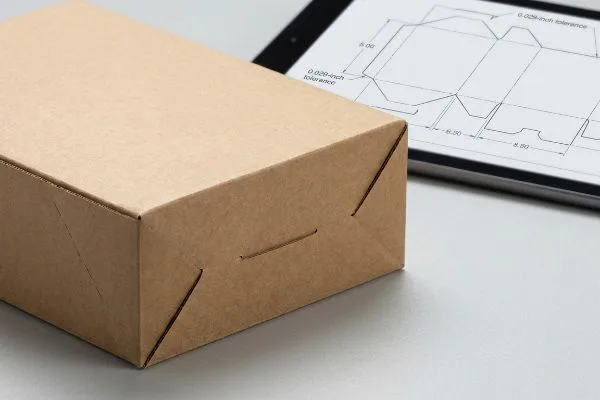
এই পরিবেশগত নীতিগুলি বাস্তবায়নের সবচেয়ে দ্রুততম উপায় হলো প্রাথমিক CAD (কম্পিউটার-এইডেড ডিজাইন) ড্রাফটিং পর্যায়েই মিশ্র-উপাদানের উপর নির্ভরশীলতা কঠোরভাবে নির্মূল করা।.
একক উপাদানে তৈরি অরিগামি তালার গতিগত নির্ভুলতা
যখন আমি কাঠামোগত ফাইলগুলো মূল্যায়ন করি, তখন আমি ক্রমাগত দেখি যে ক্রয় দলগুলো সামান্য কিছু টাকা বাঁচানোর জন্য নির্বিচারে মূল ঢেউতোলা বোর্ডের গ্রেড কমিয়ে দিয়ে RFQ (রিকোয়েস্ট ফর রিকোয়ারমেন্ট) জারি করে, এবং পরবর্তীতে দুর্বল হয়ে পড়া ডিসপ্লেটিকে একসাথে ধরে রাখার জন্য দামী পিভিসি (পলিভিনাইল ক্লোরাইড) ক্লিপ ব্যবহার বাধ্যতামূলক করে। তারা ধরে নেয় যে দ্রুতগতির রিটেইল অ্যাসেম্বলির জন্য এই প্লাস্টিকের জোড়াগুলো একটি অপরিহার্য আপদ। এই খণ্ডিত পদ্ধতিটি সরাসরি পৌরসভার কাগজের প্রবাহে মারাত্মক মিশ্র-উপাদানের দূষণ প্রবেশ করিয়ে21।
এটা শুধু তত্ত্ব নয়—আমি টেস্টিং ফ্লোরে এমনটা ঘটতে দেখি, যখন পুরোনো কসমেটিক ব্র্যান্ডগুলো তাদের পুরোনো ডিজাইনগুলোকে আধুনিক ESG-সম্মত সাপ্লাই চেইনে খাপ খাওয়ানোর চেষ্টা করে। গত মাসে, একটি RFQ (রিকোয়েস্ট ফর কোয়ালিফিকেশন) আসে, যার সাবস্ট্রেটটি মারাত্মকভাবে ফাঁপা ছিল এবং এর ভিত্তিটি ছিঁড়ে যাওয়া থেকে বাঁচানোর জন্য ভারী প্লাস্টিকের ফ্রিকশন ক্লিপের প্রয়োজন ছিল। আমি কাঁচা বোর্ডটির মাইক্রোমিটার রিডিং নিয়ে ক্লায়েন্টকে প্রমাণ করে দেখাই যে আমার দামী প্লাস্টিকের ক্লিপের কোনো প্রয়োজন নেই; আমার শুধু একটি উপযুক্ত স্ট্রাকচারাল বোর্ডে ০.০২৯-ইঞ্চি (০.৭৪ মিমি) আরও টাইট ফোল্ড টলারেন্স দরকার ছিল। প্রকিউরমেন্ট টিম আমাকে এক্সেল BOM (বিল অফ মেটেরিয়ালস) পরিবর্তন করার অনুমতি দেওয়ার পর, উপাদানটি নিজেই মূল কাজটি করে দেয়। আমি প্লাস্টিকের হার্ডওয়্যারগুলো বদলে ইঞ্জিনিয়ারড অরিগামি-স্টাইলের মেল/ফিমেল ইন্টারলকিং পেপার ট্যাব ব্যবহার করি এবং আমাদের সফটওয়্যারে সুনির্দিষ্ট বেন্ড অ্যালাউন্স প্রয়োগ করি। এই সূক্ষ্ম সহনশীলতা প্রয়োগের মাধ্যমে, আমি নিশ্চিত করেছি যে কো-প্যাকিং অ্যাসেম্বলির সময় প্রতি ইউনিটে গড়ে 34 সেকেন্ড কমে গেছে22, যা ফুলফিলমেন্ট লাইনকে ব্যাপকভাবে ত্বরান্বিত করেছে এবং ক্লায়েন্টের হাজার হাজার ম্যানুয়াল শ্রমের খরচ বাঁচিয়েছে, একই সাথে 100% কার্বসাইড রিসাইক্লিবিলিটি অর্জন করেছে23।
| বাঁধার পদ্ধতি | মিশ্র বর্জ্যের প্রভাব | সমাবেশ ঘর্ষণ |
|---|---|---|
| ভারী পিভিসি ক্লিপ | ল্যান্ডফিল দূষণ24 | উচ্চ কায়িক শ্রম |
| স্ট্যান্ডার্ড টেপ | ভিজ্যুয়াল ব্র্যান্ডিং ক্ষতি | টিয়ার্স টপ শিট |
| অরিগামি কাগজের ট্যাব | ১০০% কার্বসাইড নিয়ম মেনে চলে25 | ঘর্ষণহীন কো-প্যাকিং26 |
আমার ডিজাইন করা প্রতিটি রিটেইল ক্যাম্পেইন থেকে আমি কঠোরভাবে বিভিন্ন উপাদানের হার্ডওয়্যার বাদ দিই। প্রকৃত টেকসই মানে দামী পরিবেশবান্ধব অ্যাকসেসরিজ কেনা নয়; বরং এটি হলো নির্মম, ডেটা-নির্ভর জ্যামিতিক সরলীকরণ বাস্তবায়ন করা।.
🛠️ হার্ভির ডেস্ক: অপ্রয়োজনীয় প্লাস্টিকের ক্লিপ এবং অগোছালো টেপ কি আপনার কো-প্যাকিং লাইনের গতি কমিয়ে দিচ্ছে এবং আপনার ESG স্কোর নষ্ট করছে? 👉 বিনামূল্যে ডাইলাইন সরলীকরণের জন্য অনুরোধ করুন ↗ — আমি ২৪ ঘণ্টার মধ্যে প্রতিটি স্ট্রাকচারাল ফাইল ব্যক্তিগতভাবে পর্যালোচনা করি।
উপসংহার
পরিবেশ-বান্ধব পাইকারি প্যাকেজিংয়ের কঠিন পদার্থবিদ্যায় দক্ষতা অর্জন করার অর্থ হলো, ফাঁপা পুনর্ব্যবহারযোগ্য ভিত্তি এবং মিশ্র উপাদানের ফাঁদ যাতে আপনার খুচরা মুনাফা নষ্ট করতে না পারে, তা সক্রিয়ভাবে প্রতিরোধ করা। শুধুমাত্র গত মাসেই, আমার কাঠামোগত নিরীক্ষা ৩টি ব্র্যান্ডকে বাতিল হওয়া পণ্যসামগ্রী এবং খুচরা বিক্রেতাদের চার্জব্যাক বাবদ ১০,০০০ ডলারেরও বেশি সাশ্রয় করতে সাহায্য করেছে। আপনার পরবর্তী ভঙ্গুর প্রসাধনী পণ্যের বাজারজাতকরণ চূড়ান্ত করার আগে, আপনার পরিচালন বাজেট নষ্ট না করেই আপনার করোগেটেড ডিসপ্লেগুলো যাতে বৈশ্বিক সরবরাহ শৃঙ্খল অতিক্রম করতে পারে, তা নিশ্চিত করতে আমাকে ব্যক্তিগতভাবে আপনার কাঠামোগত ফাইলগুলো একটি বিনামূল্যে ফ্রেট ডেনসিটি অডিটের (Free Freight Density Audit) মধ্য দিয়ে চালাতে দিন।
"ফাংশনালাইজড পিএলএ সহ পুনর্ব্যবহারযোগ্য এবং জৈব-বিয়োজনযোগ্য কাগজের আবরণ...", https://pmc.ncbi.nlm.nih.gov/articles/PMC11948148/। সাধারণ ঢেউখেলানো কার্ডবোর্ড পাল্পিংয়ের সময় পিএলএ-এর হাইড্রোফোবিক বৈশিষ্ট্য কীভাবে ফাইবারের নির্গমন প্রতিরোধ করে, তার প্রযুক্তিগত যাচাইকরণ। প্রমাণের ভূমিকা: প্রযুক্তিগত যাচাইকরণ; উৎসের ধরণ: বস্তু বিজ্ঞান জার্নাল। সমর্থন করে: এই দাবি যে পিএলএ পুনঃপাল্পিং-এ বাধা হিসেবে কাজ করে। পরিধি টীকা: বিশেষভাবে ওসিসি স্ট্রিমের জন্য। ↩
"প্যাকেজিং-এ জলীয় আবরণ: প্রক্রিয়া, প্রকারভেদ, সুবিধাসমূহ, …", https://packhit.com/packaging/finishes/coating/aqueous/। শিল্পভিত্তিক পাল্পিং প্রক্রিয়ার সময় জলীয় পলিমার ডিসপারশনগুলো যে ভেঙে যায় এবং ছড়িয়ে পড়ে, তার প্রমাণ। প্রমাণের ভূমিকা: প্রযুক্তিগত যাচাইকরণ; উৎসের ধরণ: প্যাকেজিং ইঞ্জিনিয়ারিং গবেষণা। সমর্থন করে: এই দাবি যে জলীয় ফিনিশগুলো পুনর্ব্যবহারের জন্য বাধাহীন। পরিধি টীকা: শিল্প-স্তরের যান্ত্রিক পাল্পারের উপর আলোকপাত করে। ↩
"প্রচলিত প্লাস্টিকের জৈব-বিয়োজনযোগ্য এবং কম্পোস্টযোগ্য বিকল্প", https://pmc.ncbi.nlm.nih.gov/articles/PMC2873018/। প্রামাণ্য বর্জ্য ব্যবস্থাপনা তথ্য বা পৌরসভা নির্দেশিকা যা নিশ্চিত করে যে মিশ্র-উপাদানের বায়ো-প্লাস্টিক ল্যামিনেশনগুলি সাধারণ ম্যাটেরিয়াল রিকভারি ফ্যাসিলিটি (MRF)-তে পুনর্ব্যবহারযোগ্য নয়। প্রমাণের ভূমিকা: যাচাইকরণ; উৎসের ধরণ: সরকারি প্রতিবেদন। সমর্থন করে: এই দাবি যে ল্যামিনেশনগুলি পুনর্ব্যবহারে ব্যর্থতার কারণ। পরিধি টীকা: কার্যকারিতা আঞ্চলিক অবকাঠামোর উপর নির্ভরশীল। ↩
"কাগজ এবং প্যাকেজিং অ্যাপ্লিকেশনের জন্য ব্যারিয়ার কোটিং", https://www.mcpolymers.com/library/barrier-coatings-for-paper-and-packaging-applications। প্রযুক্তিগত বস্তু বিজ্ঞানের তথ্য যা প্রমাণ করে যে উচ্চ-কঠিন জলীয় কোটিং একটি কাঠামোগত আর্দ্রতা প্রতিবন্ধক প্রদান করে এবং একই সাথে কাগজের সাধারণ পুনঃমণ্ড তৈরির প্রক্রিয়ার সাথে সামঞ্জস্যপূর্ণ থাকে। প্রমাণের ভূমিকা: প্রযুক্তিগত বৈধতা; উৎসের ধরণ: অ্যাকাডেমিক জার্নাল/প্রযুক্তিগত ডেটাশিট। সমর্থন করে: এই দাবি যে এই রসায়ন পুনর্ব্যবহারযোগ্যতা বিসর্জন না দিয়েই আর্দ্রতা প্রতিরোধ সক্ষম করে। পরিধি নোট: বিশেষভাবে ঢেউখেলানো বোর্ডের উপর কোটিং-কে বোঝায়। ↩
"[পিডিএফ] প্রলিপ্ত কাগজ থেকে প্রাপ্ত পলিমার দূষকের প্রভাব …", https://open.clemson.edu/cgi/viewcontent.cgi?article=5690&context=all_theses। কাগজ পুনঃমজ্জাকরণ ব্যবস্থায় অদ্রবণীয় পিইটি (PET) ফিল্ম কীভাবে যান্ত্রিক প্রত্যাখ্যান ঘটায় তার প্রযুক্তিগত বিশ্লেষণ। প্রমাণের ভূমিকা: প্রক্রিয়া যাচাইকরণ; উৎসের ধরণ: বর্জ্য ব্যবস্থাপনা গবেষণা। সমর্থন: পুনঃমজ্জাকরণ আচরণের উপর পিইটি (PET) ফিল্মের প্রভাব। পরিধি টীকা: শিল্প পাল্পার মেকানিক্সের উপর দৃষ্টি নিবদ্ধ। ↩
"কম্পোস্টেবল উপাদানের উন্নয়ন এবং প্রয়োগের সমন্বয়...", https://www.sciencedirect.com/science/article/pii/S2590332226000102। সার্টিফিকেশন মান যা নিশ্চিত করে যে কার্যকরভাবে পচনের জন্য পিএলএ-এর উচ্চ-তাপমাত্রার শিল্প পরিবেশ প্রয়োজন। প্রমাণের ভূমিকা: নিয়ন্ত্রক যাচাইকরণ; উৎসের ধরণ: শিল্প মান। সমর্থন করে: পিএলএ নিষ্পত্তির সীমাবদ্ধতা। পরিধি নোট: বাড়িতে কম্পোস্ট করার ক্ষমতা অন্তর্ভুক্ত নয়। ↩
"লেপযুক্ত ঢেউখেলানো পেপারবোর্ডের পুনঃমজ্জাযোগ্যতা", https://imisrise.tappi.org/download.aspx?key=91OCT079। রাসায়নিক বিবরণ যা জল-ভিত্তিক পাল্পিং প্রক্রিয়ায় জলীয় রেজিনের দ্রবণীয়তা প্রদর্শন করে। প্রমাণের ভূমিকা: প্রযুক্তিগত বিবরণ; উৎসের ধরণ: বস্তু বিজ্ঞান গবেষণা। সমর্থন করে: জলীয় রেজিনের পুনঃমজ্জাযোগ্যতা। পরিধি টীকা: নির্দিষ্ট রেজিনের রসায়নের উপর ভিত্তি করে দ্রবণীয়তা পরিবর্তিত হয়। ↩
"শিপিং বক্সের শক্তি বোঝা", https://www.ecoenclose.com/blog/understanding-shipping-box-strength/?srsltid=AfmBOor9LLnBDQ7va8OucFMwZMUx1pd-aEiNm87XswW40egPUvHCdqnN। করোগেটেড ফাইবারবোর্ডে ৩২ এবং ২৬ এজ ক্রাশ টেস্ট রেটিং-এর মধ্যে কাঠামোগত ভারবহন ক্ষমতার পার্থক্যের প্রযুক্তিগত ব্যাখ্যা। প্রমাণের ভূমিকা: প্রযুক্তিগত স্পেসিফিকেশন; উৎসের ধরণ: প্যাকেজিং ইঞ্জিনিয়ারিং স্ট্যান্ডার্ড। সমর্থন করে: দুটি গ্রেডের মধ্যে উপাদানগত শক্তির পার্থক্য। পরিধি নোট: করোগেটেড কার্ডবোর্ড স্ট্যান্ডার্ডের জন্য নির্দিষ্ট। ↩
"কোরুগেটেড কার্ডবোর্ডের উপর প্যালেটের টপ-ডেক স্টিফনেসের প্রভাবের অনুসন্ধান...", https://pmc.ncbi.nlm.nih.gov/articles/PMC8585293/। গুদাম পরিবেশে উল্লম্ব সংকোচনের অধীনে কাঠামোগত ব্যর্থতার সাথে হ্রাসকৃত ECT রেটিং-এর পারস্পরিক সম্পর্ক প্রদর্শনকারী প্রকৌশলগত ডেটা। প্রমাণের ভূমিকা: প্রযুক্তিগত কার্যকারণ; উৎসের ধরণ: লজিস্টিকস এবং প্যাকেজিং গবেষণা। সমর্থন করে: এই দাবি যে ECT-এর মান কমালে বাক্স ভেঙে পড়ে। পরিধি সংক্রান্ত টীকা: নির্দিষ্ট প্যালেটের উচ্চতা এবং লোডের ওজনের উপর নির্ভরশীল। ↩
"কোরুগেটেড বক্সের শক্তি নির্দেশিকা: ফ্লুট গ্রেড, ইসিটি রেটিং এবং ওয়াল...", https://anchorbox.com/corrugated-box-strength/। ২৬ এজ ক্রাশ টেস্ট (ইসিটি) রেটিংযুক্ত কোরুগেটেড বোর্ডের প্রযুক্তিগত বিবরণ, যা যাচাই করে যে এটি সাধারণত ভারী কাঁচের বাহ্যিক ভারের জন্য অপর্যাপ্ত কিনা। প্রমাণের ভূমিকা: প্রযুক্তিগত যাচাইকরণ; উৎসের ধরণ: প্যাকেজিং ইঞ্জিনিয়ারিং স্ট্যান্ডার্ড। সমর্থন করে: এই দাবি যে ২৬ ইসিটি একটি 'ডাউনগ্রেড' যা নির্দিষ্ট ওজনের অধীনে ব্যর্থ হওয়ার ঝুঁকিপূর্ণ। পরিধি সংক্রান্ত টীকা: মাঝারি ওজনের কোরুগেটেড বোর্ডের জন্য নির্দিষ্ট। ↩
"ECT রেটিং-এর ব্যাখ্যা: আপনার করোগেটেড প্যাকেজিং-এর জন্য এর অর্থ কী", https://epackagesupply.com/blogs/packaging-guide/ect-ratings-explained-what-they-mean-for-your-corrugated-packaging?srsltid=AfmBOopeqllrdTwyXZZkyfrzMHLbBs1kZL7jirbF5sMz-Btm2VyO5rMc। স্ট্রাকচারাল ইন্টিগ্রিটি (ECT) অপ্টিমাইজ করার মাধ্যমে কীভাবে আরও ঘন প্যাকিং কনফিগারেশন এবং উচ্চতর প্যালেট দক্ষতা অর্জন করা যায়, সে সম্পর্কিত ইন্ডাস্ট্রির ডেটা। প্রমাণের ভূমিকা: পরিমাণগত বেঞ্চমার্ক; উৎসের ধরণ: লজিস্টিকস কেস স্টাডি। সমর্থন করে: এই দাবি যে, ECT শক্তি বৃদ্ধি করলে তা সুরক্ষামূলক ভয়েড-ফিল কমিয়ে দিয়ে আশ্চর্যজনকভাবে প্যালেটের ঘনত্ব বাড়াতে পারে। পরিধি সংক্রান্ত নোট: নির্দিষ্ট পণ্যের আকারের উপর নির্ভরশীল। ↩
"শিপিং বক্সের শক্তি বোঝা – ইকোএনক্লোজ", https://www.ecoenclose.com/blog/understanding-shipping-box-strength/?srsltid=AfmBOoqVNTmWPAzSlmfdsSnGDVFlFkiMPFs8nBcMrhhle-I0PnKilB89। ফ্ল্যাট-প্যাক কনফিগারেশনে ৩২টি ইঞ্জিনিয়ারড ইসিটি (ECT) উপকরণের জন্য প্যালেটাইজেশন দক্ষতা এবং ভলিউমেট্রিক ইল্ডের বিশ্লেষণ। প্রমাণের ভূমিকা: দক্ষতার বেঞ্চমার্ক; উৎসের ধরণ: সাপ্লাই চেইন অপটিমাইজেশন স্টাডি। সমর্থন করে: উচ্চ-শক্তির ইঞ্জিনিয়ারড উপকরণের লজিস্টিক্যাল সুবিধা। পরিধি নোট: নির্দিষ্ট বক্সের আকারের উপর নির্ভর করে ইল্ড পরিবর্তিত হয়। ↩
"ঢেউখেলানো বোর্ডের সংকোচন শক্তির প্রাক্কলন …", https://pmc.ncbi.nlm.nih.gov/articles/PMC8467740/। পরিবহনের সময় ২৬টি ECT ঢেউখেলানো উপাদানের কাঠামোগত ব্যর্থতার স্থান এবং চাপজনিত ঝুঁকির প্রযুক্তিগত যাচাইকরণ। প্রমাণের ভূমিকা: প্রযুক্তিগত যাচাইকরণ; উৎসের ধরণ: প্যাকেজিং ইঞ্জিনিয়ারিং গবেষণা। সমর্থন: নিম্ন ECT রেটিং এবং বর্ধিত পরিবহন ক্ষতির মধ্যে সম্পর্ক। পরিধি টীকা: সাধারণ পরিবহন পরিবেশের জন্য প্রযোজ্য। ↩
"নিরাপদ পরিবহনের জন্য শিপিংয়ের ক্ষতি কমানোর প্যাকেজিং কৌশল...", https://txpackaging.com/reduce-shipping-damage-packaging/?srsltid=AfmBOopfooTkB246ggynJOBSeZ_KqF1OXs6X5UXGaxLYqKqdUGVAGl8Z। নিম্ন গ্রেডের তুলনায় প্রকৌশলগতভাবে উন্নত ৩২ ECT স্পেসিফিকেশন ব্যবহার করলে কার্গোর ক্ষতি কীভাবে কমে, তা প্রদর্শনকারী গবেষণালব্ধ তথ্য। প্রমাণের ভূমিকা: কর্মক্ষমতার পরিমাপক; উৎসের ধরণ: লজিস্টিকস শিল্পের প্রতিবেদন। সমর্থন করে: এই দাবি যে উচ্চতর ECT রেটিং ট্রানজিট-সম্পর্কিত পণ্যের ক্ষতি দূর করে। পরিধি সংক্রান্ত টীকা: সঠিক স্ট্যাকিং এবং হ্যান্ডলিংয়ের উপর নির্ভরশীল। ↩
"কাগজ এবং পেপারবোর্ডের শক্তি বজায় রাখার সম্ভাবনা...", https://bioresources.cnr.ncsu.edu/resources/prospects-for-maintaining-strength-of-paper-and-paperboard-products-while-using-less-forest-resources-a-review/। সেলুলোজ ফাইবারের অবক্ষয় সম্পর্কিত প্রযুক্তিগত সাহিত্যে বারবার পুনর্ব্যবহার চক্রের ফলে ফাইবারের দৈর্ঘ্য এবং শক্তির হ্রাস ব্যাখ্যা করা হয়েছে। প্রমাণের ভূমিকা: তথ্যগত যাচাইকরণ; উৎসের ধরণ: পদার্থ বিজ্ঞান জার্নাল। সমর্থন করে: কাঠামোগত ব্যর্থতার আগে নির্দিষ্ট সংখ্যক পুনঃমজ্জা চক্র। পরিধি টীকা: মণ্ডের ধরণ এবং প্রক্রিয়াকরণ পদ্ধতির উপর ভিত্তি করে পরিবর্তিত হতে পারে। ↩
"পূর্ণ-ক্ষেত্র স্ট্রেইন দ্বারা উন্নত নতুন এজ ক্রাশ টেস্ট কনফিগারেশন …", https://pmc.ncbi.nlm.nih.gov/articles/PMC8510352/। করোগেটেড ফাইবারবোর্ডের এজ ক্রাশ টেস্ট (ECT) পরিমাপের জন্য শিল্প মানদণ্ড হিসেবে TAPPI T811 স্ট্যান্ডার্ডের যাচাইকরণ। প্রমাণের ভূমিকা: প্রযুক্তিগত বৈধতা; উৎসের ধরণ: শিল্প মান। সমর্থন করে: কাঠামোগত অখণ্ডতার জন্য একটি নির্দিষ্ট মানসম্মত পরীক্ষার ব্যবহার। পরিধি টীকা: ফ্লুটগুলির সংকোচন শক্তির উপর আলোকপাত করে। ↩
"ঢেউখেলানো কাগজের মোড়কের পরিবেশগত প্রভাব", https://www.internationalpaper.com/resources/blog/environmental-impact-corrugated-packaging-why-balanced-fiber-approach-best। দীর্ঘ-তন্তুযুক্ত ভার্জিন ক্রাফট পাল্পের সংযোজন কীভাবে পুনর্ব্যবহৃত সেলুলোজ সাবস্ট্রেটের ডাইনামিক কম্প্রেশন স্ট্রেংথ এবং কাঠামোগত স্থিতিশীলতা উন্নত করে তার বিশ্লেষণ। প্রমাণের ভূমিকা: প্রযুক্তিগত যৌক্তিকতা; উৎসের ধরণ: পদার্থ বিজ্ঞান জার্নাল। সমর্থন করে: ভার-বহনকারী মোড়কে হাইব্রিড ফাইবার কম্পোজিশনের কার্যকারিতা। পরিধি নোট: বোর্ডের গ্রেডের উপর ভিত্তি করে নির্দিষ্ট শতাংশ পরিবর্তিত হতে পারে। ↩
"ল্যাবরেটরিতে সেলুলোজ ডেরিভেটিভের অবক্ষয়, মানুষ...", https://pmc.ncbi.nlm.nih.gov/articles/PMC9277587/। পিয়ার-রিভিউড বস্তু বিজ্ঞান গবেষণা ব্যাখ্যা করে যে কীভাবে বারবার পুনর্ব্যবহার চক্র সেলুলোজ ফাইবারকে ছোট করে, যার ফলে কাঠামোগত অখণ্ডতা হ্রাস পায়। প্রমাণের ভূমিকা: কার্যপ্রণালীগত ব্যাখ্যা; উৎসের ধরণ: পাণ্ডিত্যপূর্ণ জার্নাল। সমর্থন করে: ফাইবার নিঃশেষিত হওয়ার দাবি। পরিধি নোট: যান্ত্রিক পাল্পিং প্রক্রিয়ার জন্য নির্দিষ্ট। ↩
"কোরুগেটেড বোর্ডের প্রান্ত নিয়ে IPST-তে সাম্প্রতিক গবেষণার সংক্ষিপ্ত বিবরণ …", https://bioresources.cnr.ncsu.edu/resources/overview-of-recent-studies-at-ipst-on-corrugated-board-edge-compression-strength-testing-methods-and-effects-of-interflute-buckling/। ইন্টারন্যাশনাল সেফ ট্রানজিট অ্যাসোসিয়েশন (ISTA)-এর প্রযুক্তিগত মানগুলো ডাইনামিক লোড পরীক্ষার জন্য এমন মানদণ্ড প্রদান করে, যা মানক OCC প্রায়শই পূরণ করতে ব্যর্থ হয়। প্রমাণের ভূমিকা: প্রযুক্তিগত বৈধতা; উৎসের ধরণ: শিল্প মান। সমর্থন করে: মানক পুনর্ব্যবহৃত উপাদানের ব্যর্থতার হার। পরিধি সংক্রান্ত টীকা: নির্দিষ্ট ISTA পরীক্ষা সিরিজের উপর নির্ভরশীল (যেমন, 3A বা 2A)। ↩
"ঢেউখেলানো কাগজের প্যাকেজের সংকোচন শক্তি …", https://pmc.ncbi.nlm.nih.gov/articles/PMC10054506/। ১০০% পুনর্ব্যবহৃত এবং ভার্জিন-হাইব্রিড মিশ্রণের মধ্যে তুলনামূলক প্রযুক্তিগত তথ্য দীর্ঘ ভার্জিন ফাইবারের অতিরিক্ত শক্তি প্রদর্শন করে। প্রমাণের ভূমিকা: অভিজ্ঞতালব্ধ তুলনা; উৎসের ধরণ: প্রযুক্তিগত ডেটাশিট। সমর্থন করে: হাইব্রিড বোর্ডের কাঠামোগত শ্রেষ্ঠত্ব। পরিধির টীকা: ভার্জিন ফাইবারের শতাংশ এবং উৎসের উপর নির্ভর করে পরিবর্তিত হয়। ↩
"পুনর্ব্যবহারযোগ্য দূষণ কী? | আমাদের প্রকৃতিতে – ইউডব্লিউ সাসটেইনেবিলিটি", https://sustainability.uw.edu/blog/recycling-contamination। ম্যাটেরিয়াল রিকভারি ফ্যাসিলিটি (MRF) এবং পরিবেশ সংস্থাগুলোর প্রামাণ্য নির্দেশিকা ব্যাখ্যা করে যে, কীভাবে পিভিসি-র মতো কাগজ-বহির্ভূত দূষক পদার্থ পাল্পিং প্রক্রিয়াকে বাধাগ্রস্ত করে এবং পুনর্ব্যবহৃত ফাইবারের গুণমান হ্রাস করে। প্রমাণের ভূমিকা: প্রযুক্তিগত যাচাইকরণ; উৎসের ধরণ: শিল্প মান/পরিবেশগত গবেষণা। সমর্থন করে: এই দাবি যে মিশ্র-উপাদানের অংশ কাগজের পুনর্ব্যবহারকে ব্যাহত করে। পরিধি টীকা: পৌর বর্জ্য প্রবাহে যান্ত্রিক দূষণের জন্য নির্দিষ্ট। ↩
"কীভাবে কালি এবং আবরণ একক-উপাদান প্যাকেজিং সক্ষম করতে পারে", https://www.inxinternational.com/blog/inks-coatings-enable-mono-material-packaging। শিল্পক্ষেত্রের মানদণ্ড বা কেস স্টাডি যা প্লাস্টিকের ক্লিপের পরিবর্তে ইঞ্জিনিয়ারড পেপার ইন্টারলক ব্যবহার করে ম্যানুয়াল অ্যাসেম্বলির সময় হ্রাসের বিষয়টি প্রমাণ করে। প্রমাণের ভূমিকা: পরিমাণগত যাচাইকরণ; উৎসের ধরণ: শিল্পক্ষেত্রের শ্বেতপত্র। সমর্থন করে: নির্ভুল ভাঁজ থেকে প্রাপ্ত কর্মদক্ষতা বৃদ্ধি। পরিধি সংক্রান্ত টীকা: ফলাফল পণ্যের মাত্রা এবং অ্যাসেম্বলির জটিলতার উপর নির্ভরশীল। ↩
"একক-উপাদান প্যাকেজিং: পুনর্ব্যবহার প্রক্রিয়াকে সরলীকরণ", https://www.berlinpackaging.com/insights/sustainability/mono-material-packaging-simplifies-the-recycling-process?srsltid=AfmBOop7KzCnmOPMFmllbsVCk0vffR7u4k_LKrHZsE8_97pDZVlWMrvH। বর্জ্য ব্যবস্থাপনা নির্দেশিকা যা নিশ্চিত করে যে প্লাস্টিকের আঠা বা ক্লিপ ছাড়া একক-উপাদানের কাগজের কাঠামো পৌরসভার পুনর্ব্যবহারযোগ্য প্রবাহের সাথে সম্পূর্ণরূপে সামঞ্জস্যপূর্ণ। প্রমাণের ভূমিকা: সম্মতি যাচাই; উৎসের ধরণ: নিয়ন্ত্রক মান। সমর্থন করে: উপাদান পরিবর্তনের স্থায়িত্বের দাবি। পরিধি নোট: পৌরসভার সাধারণ প্রক্রিয়াকরণ ক্ষমতার উপর ভিত্তি করে। ↩
"পলিভিনাইল ক্লোরাইডের উপস্থিতির সাথে সম্পর্কিত ঝুঁকি...", https://pmc.ncbi.nlm.nih.gov/articles/PMC10779931/। ল্যান্ডফিল পরিবেশে পিভিসি ক্লিপের লিচিং এবং অবক্ষয় বৈশিষ্ট্যের বিশ্লেষণ। প্রমাণের ভূমিকা: পরিবেশগত প্রভাব; উৎসের ধরণ: বৈজ্ঞানিক গবেষণা। সমর্থন করে: এই দাবি যে পিভিসি ক্লিপ দূষণ ঘটায়। পরিধিগত টীকা: জৈব-অবক্ষয়যোগ্য পিভিসি প্রকারভেদ অন্তর্ভুক্ত নয়। ↩
"একক-উপাদান প্যাকেজিং: পুনর্ব্যবহার প্রক্রিয়াকে সরলীকরণ", https://www.berlinpackaging.com/insights/sustainability/mono-material-packaging-simplifies-the-recycling-process?srsltid=AfmBOoqehoIVMMMLExzMQVdErYndWypaHq9C2MX1Q6brcvvEsz9SRdpk। প্রযুক্তিগত যাচাইকরণ যে একক-উপাদানের কাগজের লকগুলি রাস্তার ধার থেকে সংগ্রহের জন্য পৌরসভার পুনর্ব্যবহার নির্দেশিকা পূরণ করে। প্রমাণের ভূমিকা: প্রত্যয়ন; উৎসের ধরণ: বর্জ্য ব্যবস্থাপনা প্রবিধান। সমর্থন করে: অরিগামি ট্যাবের জন্য টেকসইতার দাবি। পরিধির টীকা: আঞ্চলিক কেন্দ্রের সক্ষমতার উপর নির্ভরশীল। ↩
"বেলনাকার বস্তুতে এবং তা থেকে সফট অরিগামিকে প্যাকিং ও স্থাপন করা...", https://pmc.ncbi.nlm.nih.gov/articles/PMC5043326/। প্রচলিত ফাস্টেনার এবং অরিগামি-ভিত্তিক লকিং মেকানিজমের মধ্যে অ্যাসেম্বলি গতি এবং যান্ত্রিক ঘর্ষণের উপর তুলনামূলক গবেষণা। প্রমাণের ভূমিকা: পরিচালনগত দক্ষতা; উৎসের ধরণ: শিল্প প্রকৌশল বিশ্লেষণ। সমর্থন: ঘর্ষণহীন অ্যাসেম্বলির দাবি। পরিধি নোট: নির্দিষ্ট প্যাকেজিং মাত্রার মধ্যে সীমাবদ্ধ। ↩