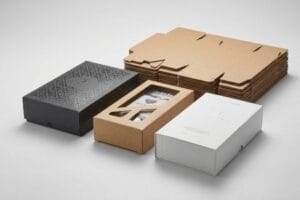
রিটেইল ডিসপ্লের অগণিত বিকল্পের মধ্যে থেকে সঠিকটি বেছে নিতে হিমশিম খাচ্ছেন ? ভুল কাঠামো বেছে নেওয়ার অর্থ হলো বাজেটের অপচয় এবং শূন্য বিক্রি। চলুন, বড় আকারের রিটেইল স্টোরগুলোতে ঠিক কী কার্যকর, তা বিশদভাবে আলোচনা করা যাক।
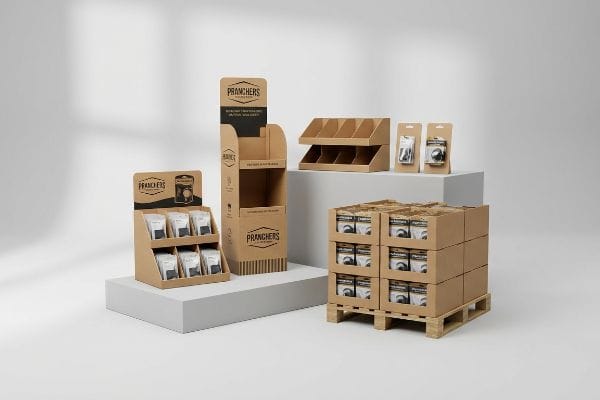
পিওপি ডিসপ্লের প্রকারভেদগুলোর মধ্যে রয়েছে ফ্লোর স্ট্যান্ড, কাউন্টারটপ ইউনিট, প্যালেট বিল্ড, শেলফ ট্রে এবং হ্যাং ট্যাব। প্রতিটি স্বতন্ত্র ফরম্যাট বিশ্বব্যাপী খুচরা পরিবেশের মধ্যে ভোক্তাদের আচরণের নির্দিষ্ট অঞ্চলগুলোকে লক্ষ্য করে তৈরি করা হয়। এগুলো কৌশলগতভাবে এমনভাবে ডিজাইন করা হয় যাতে প্রচলিত দৃশ্যগত বিন্যাসকে ব্যাহত করা যায়, পণ্যের দৃশ্যমানতা সর্বাধিক করা যায় এবং চেকআউটের সময় নির্বিঘ্নে উচ্চ-রূপান্তরকারী তাৎক্ষণিক ক্রয়ের সিদ্ধান্তকে প্রভাবিত করা যায়।.
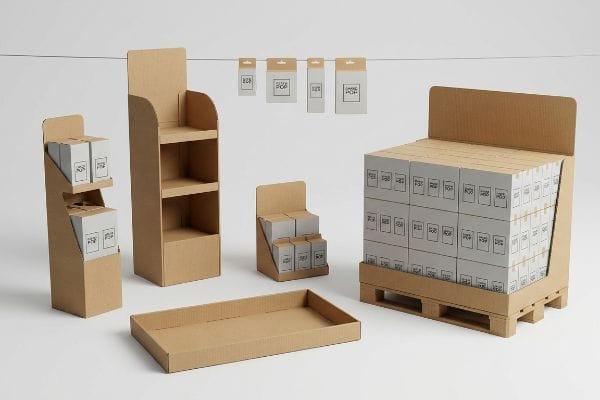
কিন্তু শুধু নাম জানাই যথেষ্ট নয়; একটি বিশৃঙ্খল দোকানের মেঝের শারীরিক ঘর্ষণে সেগুলো কীভাবে টিকে থাকে, তা বোঝাই আসলে আপনার মুনাফার মার্জিনকে রক্ষা করে।.
উদাহরণসহ পাঁচ ধরনের ডিসপ্লে কী কী?
ব্র্যান্ডগুলো ক্রমাগত আমার কাছে এমন একটি পরিবর্তনযোগ্য ডিসপ্লে চায় যা যেকোনো জায়গায় কাজ করে। এটি একটি মারাত্মক ভ্রান্ত ধারণা, যার কারণে আপনার পণ্যটি প্রথম দিনেই স্টোর ম্যানেজারদের দ্বারা প্রত্যাখ্যাত হবে।.
পাঁচ ধরনের ডিসপ্লে হলো ফ্লোর স্ট্যান্ড, কাউন্টারটপ ইউনিট, প্যালেট সেটআপ, শেলফ মার্চেন্ডাইজার এবং এন্ডক্যাপ। উদাহরণস্বরূপ, স্বতন্ত্র ফ্লোর ইউনিটগুলো দোকানের মাঝের করিডোরগুলোতে প্রাধান্য বিস্তার করে, অন্যদিকে ছোট আকারের কাউন্টারটপ ট্রেগুলো ক্যাশ কাউন্টারে ক্রেতাদের তাৎক্ষণিক কেনাকাটায় উৎসাহিত করে। দোকানের বাধ্যতামূলক নিয়মকানুন নিরাপদে মেনে চলার জন্য প্রতিটি ভৌত কাঠামোর ক্ষেত্রেই কঠোর ও স্বতন্ত্র স্থানিক প্রকৌশলের প্রয়োজন হয়।.
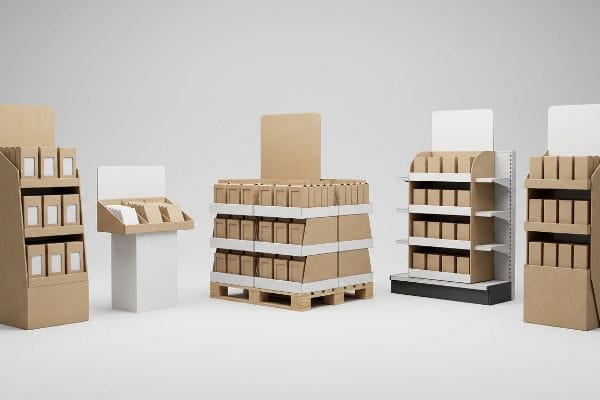
সেই পাঁচটি বিভাগকে একটি সুন্দর ডিজিটাল উপস্থাপনা থেকে বাস্তব রূপ দিতে সম্পূর্ণ আলাদা প্রকৌশলগত গণিতের প্রয়োজন হয়।.
কেন ফ্লোর ডিসপ্লে ছোট করলে কাউন্টারটপের অভিজ্ঞতা নষ্ট হয়
ট্রেডিং কোম্পানিগুলো প্রায়শই একটি সর্বজনীন CAD (কম্পিউটার-এইডেড ডিজাইন) ফাইল উপস্থাপন করে, যেখানে একটি বিশাল ফ্লোর ইউনিটকে সহজেই ৫০% ছোট করে POS (পয়েন্ট অফ সেল) কাউন্টার ইউনিট হিসেবে ব্যবহার করা যায়। তারা এই দুটি পৃথক অঞ্চলের জন্য প্রযোজ্য কঠোর লজিস্টিক নিয়মগুলো।তাদের ধারণা করা হয় যে, কার্ডবোর্ড একটি ডিজিটাল ছবির মতো নিখুঁতভাবে স্কেল করা যায়, যা আপনার টুলিং খরচ বাঁচিয়ে দেয়।
কারখানার ফ্লোরে আমি এই আনাড়িদের ভুলটা প্রায়ই দেখি। একজন ক্রেতা একটি হেভি-ডিউটি ফ্লোর ডিজাইন ছোট করার চেষ্টা করে, এবং ADA-এর নিয়ম অনুযায়ী ১৫ থেকে ৪৮ ইঞ্চি (৩৮১ থেকে ১২১৯ মিমি) ফরওয়ার্ড রিচ কমপ্লায়েন্স উইন্ডোকে পুরোপুরি উপেক্ষা করে । আমার মনে আছে, আমি একজন কো-প্যাকারকে ঘামতে এবং গালিগালাজ করতে দেখেছিলাম, যখন সে একটি অতি ক্ষুদ্র আকারের বি-ফ্লুট লকিং ট্যাবকে একটি ছোট করা স্লটে জোর করে ঢোকানোর চেষ্টা করছিল। আপনি আক্ষরিক অর্থেই ভার্জিন ক্রাফট বোর্ড ছিঁড়ে যাওয়ার বিকট, বীভৎস শব্দ শুনতে পেতেন, কারণ করোগেটেড কাপড়ের আসল পুরুত্বের কারণে ওই ছোট আকারে এটি সহজে বাঁকানো যায় না। এর সমাধান করতে, আমি ইঞ্জিনিয়ারিং পাইপলাইনগুলোকে স্থায়ীভাবে আলাদা করে দিয়েছি: ফ্লোর ইউনিটগুলোকে ৪৮×৪০ ইঞ্চি (১২১৯×১০১৬ মিমি) GMA প্যালেট লিমিটের সাথে যুক্ত করা হয়, আর চেকআউট ইউনিটগুলো একটি পাতলা ই-ফ্লুটে নেমে আসে। এর ফলে, নিয়ম না মানা রেজিস্টার ইউনিটগুলো প্রত্যাখ্যানকারী খুচরা বিক্রেতাদের কাছ থেকে আসা বিপুল পরিমাণ চার্জব্যাক প্রতিরোধ করা যায়।
| নতুনদের সাধারণ ভুল | প্রো ফিক্স | খুচরা-ফ্লোর সুবিধা |
|---|---|---|
| কাউন্টারের আকারের সাথে ফ্লোর CAD ফাইলগুলির স্কেলিং | ই-ফ্লুটের উপকরণে নেমে আসা4 | অ্যাসেম্বলির সময় ট্যাব ছিঁড়ে যাওয়া রোধ করে। |
| চেকআউট উচ্চতার নিয়ম উপেক্ষা করা | ADA পৌঁছানোর মানদণ্ড অনুযায়ী নোঙর করা5 | স্টোর ম্যানেজারের প্রত্যাখ্যান প্রতিরোধ করে |
| মোটা ইন্টারলকিং ট্যাব পুনরায় ব্যবহার করা | ঘর্ষণ ক্লিয়ারেন্সের পুনঃপ্রকৌশল | কো-প্যাকিংয়ের গতি ২০% বাড়ায়6 |
আমি আকার ছোট করার সংক্ষিপ্ত পদ্ধতি ব্যবহার করতে অস্বীকার করি, কারণ এগুলো কাঠামোগত অখণ্ডতাকে মৌলিকভাবে নষ্ট করে দেয়। প্রতিটি ডিসপ্লে ধরনের জন্য আলাদা ফাইল তৈরি করা নিশ্চিত করে যে, আপনার ব্র্যান্ডটি তাড়াহুড়ো করা খুচরা বিক্রেতাদের কঠোর ব্যবহার সহ্য করতে পারে এবং এর জন্য অগোছালো স্বচ্ছ টেপের প্রয়োজন হয় না।.
🛠️ হার্ভির ডেস্ক: আপনার কাউন্টারটপ ট্রে-তে ভুল পুরুত্বের উপাদান ব্যবহার করা হচ্ছে কিনা, তা নিয়ে নিশ্চিত নন? 👉 আমাকে আপনার ফ্ল্যাট ডাইলাইন পাঠান ↗ — সরাসরি আমার ডেস্কে অ্যাক্সেস। কোনো স্বয়ংক্রিয় সেলস স্প্যাম নেই, আমি কথা দিচ্ছি।
মার্চেন্ডাইজিং-এর ৪টি প্রকার কী কী?
শেলফে বাক্স রাখা হলো পণ্য মজুত করা, বিপণন নয়। প্রকৃত বিপণনের জন্য প্রয়োজন এমন স্থানিক কৌশল, যা একজন তাড়াহুড়ো করা ক্রেতাকে মুহূর্তের মধ্যে তার গতানুগতিক অভ্যাস থেকে সক্রিয়ভাবে বের করে আনে।.
মার্চেন্ডাইজিং চার প্রকারের হয়: ভিজ্যুয়াল, রিটেইল, অমনিচ্যানেল এবং ডিজিটাল। ভৌত রিটেইল পরিবেশে, ভিজ্যুয়াল মার্চেন্ডাইজিং মনস্তাত্ত্বিক উত্তেজনা তৈরি করার জন্য কৌশলগত পণ্য স্থাপন, কালার ব্লকিং এবং সুবিন্যস্ত ডিসপ্লের উপর ব্যাপকভাবে নির্ভর করে। এই কৌশলগত বিন্যাস জোরালোভাবে ভোক্তার মনোযোগ আকর্ষণ করে এবং সক্রিয়ভাবে ভৌত বিক্রয়ের হার বৃদ্ধি করে।.
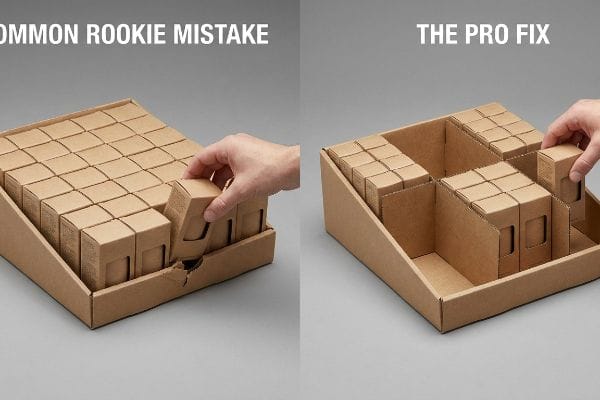
কিন্তু দৃশ্যমান পণ্য সাজানোর কৌশলটি সঙ্গে সঙ্গে ভেস্তে যায়, যদি কার্ডবোর্ডের তৈরি ভৌত কাঠামোটিই দোকান কর্মচারীর পণ্য পুনরায় সাজানোর চেষ্টায় সক্রিয়ভাবে বাধা দেয়।.
ভিজ্যুয়াল মার্চেন্ডাইজিংয়ের জন্য ৩-৫-৭ অপ্রতিসাম্য নিয়ম
নবীন ডিজাইনাররা প্রায়শই একটিমাত্র ডিসপ্লে শেলফে পণ্যের একটি ঘন, নিখুঁতভাবে প্রতিসম গ্রিড ফ্ল্যাট-প্যাক করার চেষ্টা করেন। মূল ধারণাটি হলো, সর্বোচ্চ ঘনত্ব স্বাভাবিকভাবেই অধিক বিক্রয় নিশ্চিত করে7।তারা একটি রিটেইল ট্রে-কে গুদামের স্টোরেজ বিনের মতো ব্যবহার করে, উপলব্ধ স্থানের প্রতিটি শেষ মিলিমিটার নিংড়ে নিতে জিনিসপত্রগুলো একটার সাথে আরেকটা লাগিয়ে আঁটসাঁটভাবে ঠেসে রাখে।
একটি ভিড়ে ঠাসা সাবওয়ে গাড়ির কথা ভাবুন—যখন মানুষ খুব গাদাগাদি করে থাকে, তখন কাউকেই আলাদাভাবে চোখে পড়ে না। আমি দেখি ব্র্যান্ডগুলো ভিজ্যুয়াল মার্চেন্ডাইজিং-এ ব্যর্থ হয়, কারণ নিখুঁতভাবে সমান পণ্যের ব্লকগুলো ক্রেতাদের দৃষ্টি এড়িয়ে যায় এবং তারা পাশ কাটিয়ে চলে যায়। আরও খারাপ ব্যাপার হলো, এই প্রতিসম অতিরিক্ত ভিড় পণ্য পুনরায় সাজানোর সময় প্রচণ্ড শারীরিক ঘর্ষণ সৃষ্টি করে। আমি করিডোরে দাঁড়িয়ে দেখেছি ক্লার্করা আঁটসাঁট ট্রে থেকে আগ্রাসীভাবে পণ্য টেনে বের করছে, যার ফলে চাপের কারণে কাঁচা ঢেউখেলানো কার্ডবোর্ডের ধার ছিঁড়ে যাওয়ার বিশ্রী শব্দ হচ্ছে। আমার সাধারণ নিয়ম হলো ৩-৫-৭ নিয়মটি কঠোরভাবে প্রয়োগ করা । আমি বিশেষ মডিউলার ডিভাইডার তৈরি করি যা স্বাভাবিকভাবেই পণ্যকে অপ্রতিসম, বিজোড়-সংখ্যার গুচ্ছে বিভক্ত করে। এই অন্তর্নির্মিত ০.২৫-ইঞ্চি (৬.৩৫ মিমি) শারীরিক ফাঁকা স্থান ক্রেতার দৃষ্টি আকর্ষণ করার জন্য একটি ভিজ্যুয়াল টেনশন তৈরি করে, এবং একই সাথে ঘর্ষণহীন ও ছিঁড়ে যাওয়া ছাড়াই পণ্য পুনরায় সাজানো নিশ্চিত করে ।
| নতুনদের সাধারণ ভুল | প্রো ফিক্স | খুচরা-ফ্লোর সুবিধা |
|---|---|---|
| পণ্যগুলিকে একটি আঁটসাঁট গ্রিডে প্যাক করা | ৩-৫-৭ অপ্রতিসাম্য নিয়ম ব্যবহার করে ১০ | ক্রেতার দৃষ্টি দ্রুত আকর্ষণ করে। |
| শারীরিক আঙুলের ছাড়পত্র উপেক্ষা করা | ০.২৫-ইঞ্চি (৬.৩৫ মিমি) ফাঁক যোগ করা11 | কেরানিদের ঠোঁট ছিঁড়তে বাধা দেয় |
| ট্রেগুলিকে গুদামের বিন হিসাবে বিবেচনা করা | মডিউলার SKU বিভাজক একীভূত করা | মিশ্র পণ্য লাইনগুলিকে সংগঠিত রাখে |
আমি পণ্যের নিখুঁত ঘনত্বের চেয়ে স্থানিক ফাঁকা জায়গাকে বেশি গুরুত্ব দিই। একটি ট্রে-তে জোর করে নিখুঁতভাবে সমান গ্রিড বসাতে গেলে, ভোক্তা সেটি স্পর্শ করার আগেই আপনার ব্র্যান্ডের ক্ষতি হওয়াটা নিশ্চিত।.
🛠️ হার্ভির ডেস্ক: আপনার পণ্যগুলো কি এত ঘন করে প্যাক করা যে ক্লার্করা আপনার ট্রে ছিঁড়ে ফেলছে? 👉 আমাকে আপনার লেআউটটি পর্যালোচনা করতে দিন ↗ — নিরাপদে ডাউনলোড করুন। পরবর্তীতে কোনো প্রশ্ন থাকলে আমার ইনবক্স খোলা আছে।
দোকানের বিন্যাসের ৪টি প্রকার কী কী?
একজন দক্ষ মার্চেন্ডাইজারকে যদি দোকানের ভুল বিন্যাসে রাখা হয়, তবে তিনি একটি অদৃশ্য বাধা হয়ে দাঁড়ান। আপনি যদি তাদের করিডোরের সাথে আপনার কাজের জায়গা মিলিয়ে না নেন, তবে তারা আপনাকে দোকানের মেঝেতে জায়গা দেবে না।.
দোকানের বিন্যাসের ৪টি ধরন হলো গ্রিড, ফ্রি-ফ্লো, লুপ এবং স্পাইন ডিজাইন। প্রতিটি স্বতন্ত্র বিন্যাসই ক্রেতাদের দোকানের করিডোর বা পথ ধরে চলাচল করার পদ্ধতিকে বাস্তবিকভাবে নির্ধারণ করে দেয়। মার্চেন্ডাইজারদের অবশ্যই এই জ্যামিতিক চলাচল প্রবাহের সাথে নিখুঁতভাবে সামঞ্জস্য রাখতে হয়, এবং নিশ্চিত করতে হয় যেন প্রচারমূলক ডিসপ্লেগুলো মনোযোগ আকর্ষণ করে, অথচ কখনোই বিপজ্জনক প্রতিবন্ধকতায় পরিণত না হয় বা খুচরা বিক্রেতার কঠোর নিয়মকানুন লঙ্ঘন না করে।.
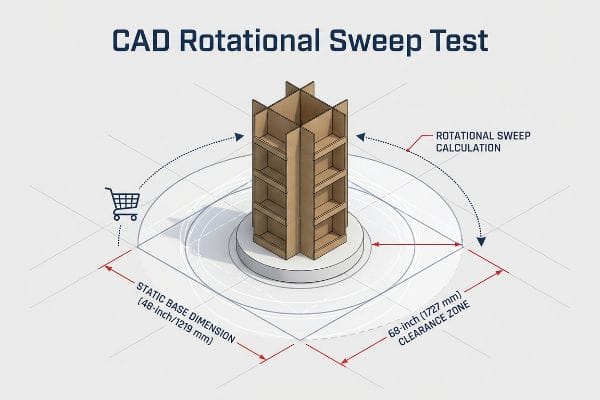
এই ফ্লোর প্ল্যানগুলো বোঝা অত্যন্ত গুরুত্বপূর্ণ, বিশেষ করে যখন উচ্চাকাঙ্ক্ষী ব্র্যান্ডগুলো সংকীর্ণ গ্রিড আইলগুলোতে ঘূর্ণায়মান কাইনেটিক ডিসপ্লে স্থাপন করার চেষ্টা করে।.
গ্রিডে টিকে থাকা: ঘূর্ণনজনিত ঝাড়ু বিপদ
ক্রয়কারী দলগুলো প্রায়শই ৩৬০-ডিগ্রি ঘূর্ণনশীল ফ্লোর ডিসপ্লে শুধুমাত্র সেগুলোর স্থির, সম্মুখ-মুখী মাপের ওপর ভিত্তি করে। তারা ধরে নেয় যে, একটি ৪৮-ইঞ্চি (১২১৯ মিমি) চওড়া ডিসপ্লে একটি নির্দিষ্ট গ্রিড বিন্যাসের মধ্যে থাকা আদর্শ ৪৮-ইঞ্চি (১২১৯ মিমি) রিটেইল এন্ডক্যাপ স্পেসে নিখুঁতভাবে এঁটে যায়। তারা ডিসপ্লেটির প্রকৃত ঘূর্ণন ব্যাসার্ধ পরীক্ষা না করেই ফাইলটি অনুমোদন করে দেয়।
একটি স্পিনার ডিজাইন করা অনেকটা একটি লম্বা ট্রাক পার্ক করার মতো; এর দোলনের বিষয়টিও বিবেচনা করতে হয়। যেহেতু একটি আয়তাকার ভিত্তির কর্ণ তার প্রস্থের চেয়ে উল্লেখযোগ্যভাবে লম্বা হয়, তাই ইউনিটটি ঘোরানোর ফলে এর অনমনীয় কোণাগুলো বাইরের দিকে বেঁকে যায়। আমার কাছে ক্রেতারা আতঙ্কিত হয়ে ফোন করেছেন কারণ তাদের বিশাল ৪৮-ইঞ্চি (১২১৯ মিমি) স্পিনারটি একটি ৬৮-ইঞ্চি (১৭২৭ মিমি) ক্লিয়ারেন্স জোন তৈরি করেছে, যা পাশ দিয়ে যাওয়া শপিং কার্টগুলোকে সজোরে ধাক্কা দিচ্ছে এবং ব্যস্ত পথ আটকে দিচ্ছে। ঘূর্ণন টর্ক আটকে গেলে আপনি মেঝের সাথে ভিত্তির ঘষা লাগার কর্কশ শব্দ শুনতে পাবেন। এটি এড়ানোর জন্য, আমি আমাদের CAD সফটওয়্যারে একটি কঠোর ঘূর্ণন সরণ গণনা বাধ্যতামূলক করেছি। মূল কাঠামোকে গাণিতিকভাবে ২৪×২০ ইঞ্চি (৬০৯×৫০৮ মিমি) এর মতো সুনির্দিষ্ট ভগ্নাংশ প্যালেট জ্যামিতিতে সীমাবদ্ধ করে , আমি নিশ্চিত করি যে ঘূর্ণায়মান কোণাগুলো খুচরা বিক্রেতার নির্ধারিত পথের ক্লিয়ারেন্সের মধ্যে নিরাপদে থাকে।
| নতুনদের সাধারণ ভুল | প্রো ফিক্স | খুচরা-ফ্লোর সুবিধা |
|---|---|---|
| স্থির সম্মুখ মাত্রা ব্যবহার করে | সর্বোচ্চ তির্যক বাঁক ব্যাসার্ধ গণনা করা14 | ডিসপ্লেগুলোকে কার্টে ধাক্কা খাওয়া থেকে বিরত রাখে |
| পূর্ণ আকারের ঘূর্ণায়মান ভিত্তি জোর করে | ২৪×২০ ইঞ্চি (৬০৯×৫০৮ মিমি) ভগ্নাংশ ব্যবহার করে ১৫ | কঠোর গ্রিড আইল সীমা মেনে চলে |
| ক্লিয়ারেন্স জোনের নিয়ম উপেক্ষা করা | CAD ঘূর্ণন সুইপ পরীক্ষা চালানো হচ্ছে16 | তাৎক্ষণিক মেঝে অপসারণ প্রতিরোধ করে |
ব্যাপক উৎপাদন শুরু হওয়ার আগে আমি গাণিতিকভাবে প্রতিটি ঘূর্ণনশীল কর্ণের নকশা তৈরি করি। ঘূর্ণন ব্যাসার্ধের পদার্থবিদ্যাকে উপেক্ষা করলে তা কেবল ডিসপ্লেরই ক্ষতি করে না; এটি এমন একটি দায়বদ্ধতার ঝুঁকি তৈরি করে যা প্রচারণাকেই ধ্বংস করে দেয়।.
🛠️ হার্ভির ডেস্ক: আপনার ডিসপ্লের ঘূর্ণায়মান কোণাগুলো কি পাশ দিয়ে যাওয়া শপিং কার্টের সাথে ধাক্কা খাবে? 👉 একটি সুইপ ক্যালকুলেশনের জন্য অনুরোধ করুন ↗ — এমন কোনো ফর্ম নেই যা অবিরাম সেলস কলের কারণ হয়। শুধু খাঁটি মূল্য।
পণ্য বিপণনের ৫টি প্রকার কী কী?
আপনার পণ্য বিপণন কৌশলকে একটিমাত্র তাক থেকে একটি বিশাল ক্লাব স্টোরে প্রসারিত করতে হলে বৈশ্বিক সরবরাহ শৃঙ্খলের কঠোর বাস্তবতাকে মোকাবিলা করতে হয়। এখানে তাত্ত্বিক বস্তুগত শক্তির কোনো মূল্য নেই।.
মার্চেন্ডাইজিংয়ের ৫টি প্রকারের মধ্যে সাধারণত ভিজ্যুয়াল, প্রোডাক্ট, রিটেইল, ডিজিটাল এবং অমনিচ্যানেল কৌশল অন্তর্ভুক্ত থাকে। যখন বৃহৎ পরিসরে ভৌত পণ্যের মার্চেন্ডাইজিং করা হয়, তখন কাঠামোগত অখণ্ডতা সর্বোচ্চ অগ্রাধিকার পায়। মূল প্যাকেজিংয়ের জ্যামিতিতে যেকোনো অসামঞ্জস্য সরাসরি পরিবহনের সময় মারাত্মক ক্ষতির কারণ হয়, যা উদ্দিষ্ট ভিজ্যুয়াল মার্কেটিংয়ের প্রভাবকে সম্পূর্ণরূপে নষ্ট করে দেয়।.
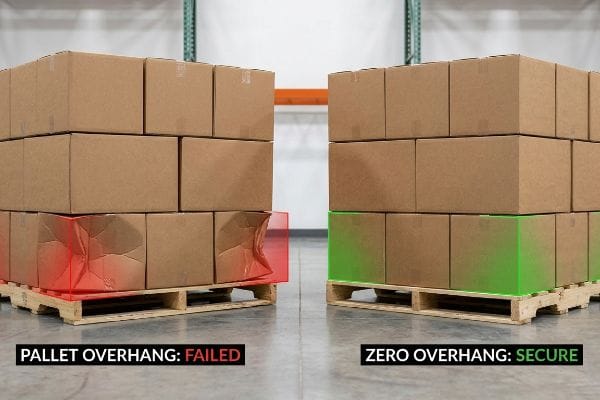
ল্যাবে একটি ডিসপ্লে দাঁড় করানো সহজ, কিন্তু যখন আপনি সমুদ্রের ওপার থেকে ৫০০টি ডিসপ্লে পাঠান, তখন এক কঠিন বাস্তবতার মুখোমুখি হতে হয়।.
কারখানার মেঝেতে কেন পাইকারি পণ্য ব্যবস্থাপনা ভেস্তে যায়
ক্রয়কারী দলগুলো প্রায়শই শিপিং ঘনত্ব সর্বাধিক করার জন্য মাস্টার কার্টনের মাত্রা বাড়িয়ে দেয়, এই ভেবে যে একটি হেভি-ডিউটি ঢেউখেলানো বোর্ডের কাঁচা BCT (বক্স কম্প্রেশন টেস্ট) মেট্রিক্স১৭ পণ্যগুলিকে রক্ষা করবে। তারা স্ট্যান্ডার্ড কাঠের প্যালেট স্ট্যাকিংয়ের জ্যামিতিক পদার্থবিদ্যাকে১৮। এটি একেবারে ডাইলাইন পর্যায়ে একটি মারাত্মক ত্রুটিপূর্ণ কাঠামোগত অনুমান তৈরি করে।
এটা শুধু তত্ত্ব নয়—ব্র্যান্ডগুলো যখন লজিস্টিকসকে ফাঁকি দেওয়ার চেষ্টা করে, তখন আমি টেস্টিং ফ্লোরে এমনটা ঘটতে দেখি। একটি মাস্টার কার্টন তার উল্লম্ব সংকোচন শক্তির প্রায় ৬০% পর্যন্ত কঠোরভাবে তার চারটি কোণার বিন্যাস থেকে অর্জন করে। যদি কোনো ক্রেতা কার্টনের ভিত্তি এমনভাবে প্রসারিত করে যে এটি একটি স্ট্যান্ডার্ড ৪৮×৪০ ইঞ্চি (১২১৯×১০১৬ মিমি) জিএমএ প্যালেটেরবাইরে মাত্র ০.৬২ ইঞ্চি (১৫.৭ মিমি) ঝুলে থাকে, তাহলে সেই কাঠামোগত কোণাগুলো কোনো ভার বহন করে না। সম্প্রতি একটি ISTA (ইন্টারন্যাশনাল সেফ ট্রানজিট অ্যাসোসিয়েশন) ডাইনামিক ট্রানজিট সিমুলেশনের সময়, আমি দেখেছি যে অবলম্বনহীন নিচের স্তরটি দৃশ্যত বাইরের দিকে বেঁকে যায়, এবং এর পরপরই গুদামের ওপরের ভারী ওজনের নিচে ৩২ECT টেস্টলাইনারটি সঙ্গে সঙ্গে বেঁকে গিয়ে কানে তালা লাগানোর মতো শব্দ করে। এর সমাধান করতে, আমি একটি কঠোর জিরো-ওভারহ্যাং বাউন্ডিং বক্স প্রোটোকল বাধ্যতামূলক করেছি। আমি স্ট্রাকচারাল সফটওয়্যারে কার্টনের সর্বোচ্চ অনুমোদিত ভিত্তি কৃত্রিমভাবে ঠিক ০.৫ ইঞ্চি (১২.৭ মিমি) কমিয়ে দিই। এই সুনির্দিষ্ট সহনশীলতা প্রয়োগের মাধ্যমে, আমি গুরুত্বপূর্ণ ৬০% কোণার সংকোচন শক্তি পুনরুদ্ধার করি, যা পরিবহনের সময় হওয়া ক্ষতি সম্পূর্ণরূপে দূর করে এবং সমুদ্রপথে কন্টেইনার বোঝাই করার সময় মজুদ পণ্যের আনুমানিক ২৫% ক্ষতি প্রতিরোধ করে।
| নতুনদের সাধারণ ভুল | প্রো ফিক্স | খুচরা-ফ্লোর সুবিধা |
|---|---|---|
| ঘনত্ব বাড়ানোর জন্য কার্টন প্রসারিত করা | পদচিহ্ন ০.৫ ইঞ্চি (১২.৭ মিমি) সংকুচিত করা হচ্ছে21 | কাঠামোগত কোণগুলিকে সমর্থন করে রাখে |
| প্যালেটের সামান্য বাড়তি অংশ অনুমোদিত | শূন্য-ওভারহ্যাং বাউন্ডিং বক্স প্রয়োগ করা22 | সর্বনিম্ন স্তরের নিষ্পেষণ ক্ষতি প্রতিরোধ করে |
| কাঁচামাল ইত্যাদির উপর নির্ভর করা | ডাইনামিক কর্নার BCT লোড যাচাইকরণ23 | সম্পূর্ণ চালান ধসে পড়া প্রতিরোধ করে |
আমি কখনোই ক্লায়েন্টের সামান্য শিপিং ঘনত্বের ইচ্ছার কারণে প্যালেটের মৌলিক জ্যামিতিকে বিচ্যুত হতে দিই না। যদি কোণাগুলো কাঠ থেকে ঝুলে থাকে, তবে আপনার মার্চেন্ডাইজিং ক্যাম্পেইন শুরুতেই ব্যর্থ হবে।.
🛠️ হার্ভির ডেস্ক: একটি ২-মিলিমিটার কাঠামোগত ত্রুটির কারণে ৫০০টি দোকানে পণ্য সরবরাহের পরিকল্পনা যেন ভেস্তে না যায়। 👉 আপনার ডাইলাইন ফাইলটি আমাকে পাঠান ↗ — গণ-উৎপাদনে বাজেট অপচয় করার আগে আমি এর গাণিতিক হিসাব স্ট্রেস-টেস্ট করে নেব।
উপসংহার
শিপিং ঘনত্ব বাড়ানোর জন্য আপনি একটি সস্তা বিক্রেতা বেছে নিতে পারেন, কিন্তু যখন প্যালেটের নিচের স্তরটি বাইরে বেরিয়ে আসে এবং একটি আর্দ্র গুদামে মারাত্মকভাবে বেঁকে যায়, তখন এর ফলে হওয়া ক্ষতি আপনার ক্যাম্পেইনের লাভের ২৫% সঙ্গে সঙ্গে শেষ করে দেবে। ৫০০-এর বেশি ব্র্যান্ড ম্যানেজার ঠিক এই মারাত্মক প্রাথমিক পর্যায়ের ভুলগুলো এড়াতে আমার প্রিপ্রেস চেকলিস্ট ব্যবহার করেন। কম্প্রেশন টলারেন্স নিয়ে অনুমান করা বন্ধ করুন এবং গণ-উৎপাদন শুরু করার আগেই এই লুকানো লজিস্টিক ঝুঁকিগুলো ধরতে আমাকে ব্যক্তিগতভাবে আপনার স্ট্রাকচারাল ফাইলগুলো আমার ফ্রি ডাইলাইন অডিট ↗- এর মাধ্যমে পরীক্ষা করতে দিন।
"ডিসপ্লে কমপ্লায়েন্সের একটি বিশদ নির্দেশিকা | সেফটি কালচার", https://safetyculture.com/topics/visual-merchandising/display-compliance। ইন্ডাস্ট্রি রিটেইল ম্যানুয়াল এবং স্টোর কমপ্লায়েন্স গাইডগুলো ফ্লোর-স্ট্যান্ডিং ইউনিট এবং কাউন্টারটপ POS ডিসপ্লের জন্য আলাদা স্থানিক, নিরাপত্তা এবং প্রবেশগম্যতার প্রয়োজনীয়তা নির্ধারণ করে। প্রমাণের ভূমিকা: যাচাইকরণ; উৎসের ধরণ: ইন্ডাস্ট্রি স্ট্যান্ডার্ড। সমর্থন করে: ডিসপ্লে জোনগুলোর জন্য স্বতন্ত্র লজিস্টিক্যাল সীমাবদ্ধতার অস্তিত্ব। পরিধি নোট: বিগ-বক্স এবং স্পেশালিটি রিটেইলের ক্ষেত্রে প্রযোজ্য। ↩
"অধ্যায় ৩: পরিচালনাযোগ্য অংশ – Access-Board.gov", https://www.access-board.gov/ada/guides/chapter-3-operable-parts/। রিটেইল ডিসপ্লের পরিচালনাযোগ্য অংশগুলোর জন্য সামনের দিকে নাগালের পরিসীমা সংক্রান্ত ADA অ্যাক্সেসিবিলিটি নির্দেশিকার যাচাইকরণ। প্রমাণের ভূমিকা: প্রযুক্তিগত যাচাইকরণ; উৎসের ধরণ: সরকারি প্রবিধান। সমর্থন করে: দোকানের নিয়ম মেনে চলার জন্য প্রয়োজনীয় নির্দিষ্ট নাগালের সীমা। পরিধি সংক্রান্ত টীকা: বিশেষভাবে মার্কিন ADA মানদণ্ডের সাথে সম্পর্কিত। ↩
"৪৮×৪০" জিএমএ প্যালেটস | বৃহত্তম প্যালেট প্রস্তুতকারক ও সরবরাহকারী", https://www.palletone.com/products/gma-pallets/। গ্রোসারি ম্যানুফ্যাকচারার্স অ্যাসোসিয়েশন কর্তৃক প্রতিষ্ঠিত আদর্শ প্যালেটের মাপের নিশ্চিতকরণ। প্রমাণের ভূমিকা: শিল্প মান যাচাইকরণ; উৎসের ধরণ: শিল্প সমিতি। সমর্থন করে: ফ্লোর ইউনিট ইঞ্জিনিয়ারিংয়ের জন্য মাত্রিক ভিত্তি। পরিধি টীকা: উত্তর আমেরিকার খুচরা লজিস্টিকসের জন্য প্রযোজ্য। ↩
"[পিডিএফ] করোগেটেড বোর্ডের স্পেসিফিকেশন – ফাইবার বক্স অ্যাসোসিয়েশন", https://www.fibrebox.org/assets/2025/09/Walmart_Corrugated-Board_Specifications_Automation_Packaging_Standards.pdf। এর পুরুত্ব এবং চাপ প্রতিরোধ ক্ষমতার কারণে কেন ই-ফ্লুট করোগেটেড কার্ডবোর্ড ছোট আকারের রিটেইল ডিসপ্লের জন্য প্রযুক্তিগত মান হিসেবে বিবেচিত হয়, তার ব্যাখ্যা। প্রমাণের ভূমিকা: প্রযুক্তিগত স্পেসিফিকেশন; উৎসের ধরণ: উৎপাদন নির্দেশিকা। সমর্থন করে: কাউন্টার ডিসপ্লের জন্য উপাদান নির্বাচন। পরিধি নোট: করোগেটেড প্যাকেজিংয়ের জন্য নির্দিষ্ট। ↩
"বিক্রয় ও পরিষেবা কাউন্টার – Access-Board.gov", https://www.access-board.gov/ada/guides/animations/sales-and-service-counters.html। খুচরা পরিবেশে প্রবেশগম্যতার জন্য সর্বোচ্চ নাগালের উচ্চতা সংক্রান্ত আমেরিকানস উইথ ডিসএবিলিটিস অ্যাক্ট (ADA)-এর প্রয়োজনীয়তার যাচাইকরণ। প্রমাণের ভূমিকা: সম্মতি; উৎসের ধরণ: নিয়ন্ত্রক মান। সমর্থন: খুচরা প্রদর্শনের জন্য উচ্চতার প্রয়োজনীয়তা। পরিধি টীকা: মার্কিন-কেন্দ্রিক প্রবিধান। ↩
"ঘর্ষণ সহগ (COF) মান কীভাবে প্যাকেজিংয়ের সাথে সম্পর্কিত হতে পারে...", https://www.rhopointamericas.com/faq/how-can-coefficient-of-friction-cof-values-relate-to-packaging-speeds/। শিল্প ডেটা বা কেস স্টাডি যা কো-প্যাকিংয়ে অপ্টিমাইজ করা ট্যাব টলারেন্স এবং অ্যাসেম্বলি দক্ষতার মধ্যে পারস্পরিক সম্পর্ক প্রদর্শন করে। প্রমাণের ভূমিকা: পরিমাণগত মেট্রিক; উৎসের ধরণ: অপারেশনাল কেস স্টাডি। সমর্থন করে: ঘর্ষণ ক্লিয়ারেন্স পুনঃ-ইঞ্জিনিয়ারিংয়ের সুবিধা। পরিধি নোট: গড় দক্ষতা বৃদ্ধি। ↩
"ডিজিটালের জন্য একটি কনভার্সন রেট অপটিমাইজেশন ফ্রেমওয়ার্ক তৈরি করা...", https://pmc.ncbi.nlm.nih.gov/articles/PMC8864459/। রিটেইল সাইকোলজি এবং ভিজ্যুয়াল মার্চেন্ডাইজিং বিষয়ক সাহিত্য পণ্যের ঘনত্ব, ভিজ্যুয়াল ক্ল্যাটার এবং ভোক্তার কনভার্সন রেটের মধ্যেকার পারস্পরিক সম্পর্ক বিশ্লেষণ করে এটি নির্ধারণ করার জন্য যে, উচ্চতর ঘনত্ব প্রকৃতপক্ষে বিক্রয় বৃদ্ধি করে কিনা। প্রমাণের ভূমিকা: বৈধতা যাচাই; উৎসের ধরণ: মার্কেটিং গবেষণা বা রিটেইল শিল্প সমীক্ষা। সমর্থন করে: ঘনত্ব-থেকে-বিক্রয় পারস্পরিক সম্পর্কের বৈধতা বা ভ্রান্তি। পরিধি সংক্রান্ত টীকা: পণ্যের বিভাগ এবং দোকানের বিন্যাস অনুযায়ী প্রভাব ভিন্ন হতে পারে। ↩
"ভিজ্যুয়াল মার্চেন্ডাইজিং-এ তিনের নিয়ম: একটি সহজ অথচ কার্যকর...", https://www.linkedin.com/posts/visual-merchandiser_visualmerchandising-retaildesign-vmdisplaytips-activity-7387144667760439296-9fEU। দৃষ্টি আকর্ষণ করার জন্য বিজোড় সংখ্যার গ্রুপিং-এর একটি স্বীকৃত ভিজ্যুয়াল মার্চেন্ডাইজিং স্ট্যান্ডার্ড হিসেবে ৩-৫-৭ নিয়মের যাচাইকরণ। প্রমাণের ভূমিকা: প্রযুক্তিগত যাচাইকরণ; উৎসের ধরণ: রিটেইল ডিজাইন গাইড। সমর্থন করে: অপ্রতিসম ক্লাস্টারিং-এর কার্যকারিতা। পরিধি সংক্রান্ত টীকা: এটি একটি স্বত্বাধিকারযুক্ত বা শিল্প-নির্দিষ্ট হিউরিস্টিক হতে পারে। ↩
"শেলফ-রেডি প্যাকেজিং-এর জন্য ৫টি আবশ্যকতা", https://greatnorthernpackaging.com/2025/11/19/5-requirements-for-shelf-ready-packaging/। প্রযুক্তিগত তথ্য যা নির্দিষ্ট ক্লিয়ারেন্স প্রস্থ নিশ্চিত করে, যা পণ্য পুনরায় মজুত করার সময় ভৌত ঘর্ষণ এবং উপাদানের ক্ষয় হ্রাস করে। প্রমাণের ভূমিকা: প্রযুক্তিগত স্পেসিফিকেশন; উৎসের ধরণ: শিল্প নকশা মান। সমর্থন করে: ছিঁড়ে না গিয়ে পুনরায় মজুত করার দাবি। পরিধি সংক্রান্ত টীকা: বিশেষভাবে ঢেউখেলানো কাগজের প্যাকেজিং-এর জন্য প্রযোজ্য। ↩
"ভিজ্যুয়াল মার্চেন্ডাইজিং সার্ভিসেস অ্যান্ড স্ট্র্যাটেজি | টি-রক গ্লোবাল", https://trocglobal.com/visual-merchandising/। ভিজ্যুয়াল প্যাটার্ন ভাঙতে এবং ক্রেতাদের মনোযোগ আকর্ষণ করতে বিজোড় সংখ্যায় (৩, ৫, বা ৭) পণ্য একত্রিত করার কার্যকারিতা নিশ্চিতকারী একটি নির্ভরযোগ্য উৎস। প্রমাণের ভূমিকা: প্রযুক্তিগত যাচাইকরণ; উৎসের ধরণ: রিটেইল ডিজাইন গাইড। সমর্থন করে: এই দাবি যে অপ্রতিসমতা দ্রুত দৃষ্টি আকর্ষণ করে। পরিধি সংক্রান্ত টীকা: প্রয়োগ শেলফের গভীরতা এবং পণ্যের আকারের উপর নির্ভর করে। ↩
"অ্যাক্সেসিবল ডিজাইনের জন্য ADA স্ট্যান্ডার্ডস টাইটেল III রেগুলেশন 28 CFR …", https://www.ada.gov/law-and-regs/design-standards/1991-design-standards/। পণ্য হ্যান্ডলিং এবং পুনরায় স্টক করার সময় শেলফের কিনারা ক্ষতিগ্রস্ত হওয়া থেকে রক্ষা করার জন্য আঙুলের ফাঁকা স্থানের জন্য প্রচলিত শিল্প পরিমাপ যাচাইকরণ। প্রমাণের ভূমিকা: স্পেসিফিকেশন যাচাই; উৎসের ধরণ: স্টোর ফিক্সচার উৎপাদন স্ট্যান্ডার্ড। সমর্থন করে: পুনরায় স্টক করার জন্য ফাঁকা স্থানের প্রযুক্তিগত প্রয়োজনীয়তা। পরিধি নোট: প্রাথমিকভাবে ধাতব শেলভিং সিস্টেমের ক্ষেত্রে প্রযোজ্য। ↩
"ক্ষেত্রফল থেকে বর্গক্ষেত্রের কর্ণ নির্ণয় | জ্যামিতি – ইউটিউব", https://www.youtube.com/watch?v=y1mL1oJPESw। জ্যামিতিক গণনার যাচাইকরণ, যেখানে একটি বর্গাকার বা আয়তাকার ভিত্তির কর্ণ ঘূর্ণনের সময় মোট ক্লিয়ারেন্স ব্যাসার্ধ নির্ধারণ করে। প্রমাণের ভূমিকা: প্রযুক্তিগত যাচাইকরণ; উৎসের ধরণ: জ্যামিতিক সূত্র। সমর্থন করে: এই দাবি যে একটি ৪৮-ইঞ্চি ভিত্তির জন্য প্রায় ৬৮-ইঞ্চি ক্লিয়ারেন্স প্রয়োজন। পরিধি সংক্রান্ত টীকা: অনমনীয় আয়তাকার ভিত্তির ক্ষেত্রে প্রযোজ্য। ↩
"স্ট্যান্ডার্ড প্যালেট সাইজ কী এবং কেন এটি গুরুত্বপূর্ণ?", https://crateandpack.com/what-are-standard-pallet-sizes-and-why-does-it-matter/। আইলের নিয়ম মেনে চলা নিশ্চিত করতে ব্যবহৃত ইন্ডাস্ট্রি-স্ট্যান্ডার্ড রিটেইল ডিসপ্লের মাপ এবং ফ্র্যাকশনাল প্যালেট ফুটপ্রিন্টের যাচাইকরণ। প্রমাণের ভূমিকা: ইন্ডাস্ট্রি স্ট্যান্ডার্ড; উৎসের ধরণ: রিটেইল মার্চেন্ডাইজিং গাইড। সমর্থন করে: আইল ব্লক হওয়া এড়াতে নির্দিষ্ট মাপের ব্যবহার। পরিধি সংক্রান্ত নোট: খুচরা বিক্রেতা ভেদে মাপ ভিন্ন হতে পারে। ↩
"অফিসিয়াল স্টোর ডিসপ্লেস®: শপ ডিসপ্লে কেস, স্টোর ফিক্সচার …", https://storedisplays.com/?srsltid=AfmBOor5YZ9f42zaF6ZOdqvGd3iativZ8SFtR6bn07p_ODQ2G6MhCUJk। রিটেইল ফিক্সচার ডিজাইনের জন্য ইন্ডাস্ট্রির স্ট্যান্ডার্ডগুলো ব্যাখ্যা করে যে, কীভাবে ডায়াগোনাল টার্নিং রেডিয়াস গণনা করে এটা নিশ্চিত করা হয় যে ডিসপ্লেগুলো শপিং কার্টের চলাচলে বাধা সৃষ্টি করবে না। প্রমাণের ভূমিকা: প্রযুক্তিগত যাচাইকরণ; উৎসের ধরণ: ইন্ডাস্ট্রি ম্যানুয়াল। সমর্থন করে: কার্টের সংঘর্ষ প্রতিরোধ। পরিধি নোট: উচ্চ-চলাচলের গ্রিড লেআউটের জন্য নির্দিষ্ট। ↩
"আমি কীভাবে একটি কোয়ার্টার প্যালেট ডিসপ্লে অর্ডার করব? – পপডিসপ্লে", https://popdisplay.me/how-do-i-order-a-quarter-pallet-display। ফিক্সচারের স্পেসিফিকেশনে সাধারণত কঠোর গ্রিড আইল ক্লিয়ারেন্স সীমার মধ্যে ফিট করার জন্য ২৪×২০ ইঞ্চি বেসকে একটি স্ট্যান্ডার্ড হিসাবে উল্লেখ করা থাকে। প্রমাণের ভূমিকা: পরিমাপ যাচাই; উৎসের ধরণ: পণ্যের স্পেসিফিকেশন শিট। সমর্থন করে: গ্রিড আইলের সাথে নির্দিষ্ট বেস আকারের সামঞ্জস্য। পরিধি সংক্রান্ত নোট: খুচরা বিক্রেতা ভেদে ভিন্ন হতে পারে। ↩
"রিটেইল স্পেস প্ল্যানিং: প্রসেস ও বেস্ট প্র্যাকটিসেস – ম্যাটারপোর্ট", https://matterport.com/blog/retail-space-planning?srsltid=AfmBOorwhr8Qd_eQ5925M8KeOmR5na2CVEHlnB14301VBex2pDSabrGP। স্টোর প্ল্যানিং সফটওয়্যারের টেকনিক্যাল ডকুমেন্টেশনে, ঘূর্ণায়মান ফিক্সচারগুলো নির্ধারিত ক্লিয়ারেন্স জোনের মধ্যে থাকছে কিনা তা যাচাই করার পদ্ধতি হিসেবে রোটেশনাল সুইপ টেস্টের বর্ণনা দেওয়া হয়েছে। প্রমাণের ভূমিকা: পদ্ধতি যাচাইকরণ; উৎসের ধরন: টেকনিক্যাল সফটওয়্যার গাইড। সমর্থন করে: ফ্লোর অপসারণ রোধে CAD-এর ব্যবহার। পরিধি নোট: ডিজিটাল প্ল্যানিং পর্যায়গুলিতে প্রযোজ্য। ↩
"ঢেউখেলানো বোর্ডের বাক্সের সংকোচন শক্তির প্রাক্কলন …", https://pmc.ncbi.nlm.nih.gov/articles/PMC8467740/। ঢেউখেলানো শিপিং কন্টেইনারের ভারবহন ক্ষমতা পরিমাপের জন্য প্রমিত প্রযুক্তিগত মেট্রিক হিসাবে BCT-এর যাচাইকরণ। প্রমাণের ভূমিকা: প্রযুক্তিগত সংজ্ঞা; উৎসের ধরণ: প্যাকেজিং ইঞ্জিনিয়ারিং স্ট্যান্ডার্ড। সমর্থন করে: কাঠামোগত শক্তি মূল্যায়নের জন্য BCT-এর ব্যবহার। পরিধি টীকা: স্তূপীকরণের দিক নির্বিশেষে কাঁচা নিষ্পেষণ শক্তি পরিমাপ করে। ↩
"[পিডিএফ] "ঢেউখেলানো বাক্সের ভার বিতরণের উপর প্রভাবের অনুসন্ধান", https://www.unitload.vt.edu/content/dam/unitload_vt_edu/graduate-research-and-subpages-pictures-and-docs/thesis-and-dissertations-/Clayton%20-%20ETD%20-%20Investigation%20of%20the%20Effect%20of%20Corrugated%20Boxes%20on%20the%20Distribution%20of%20Compression%20Stresses%20on%20the%20Top%20Surface%20of%20Wooden%20Pallets.pdf। কলাম বনাম ইন্টারলকড-এর মতো স্ট্যাকিং প্যাটার্ন কীভাবে ভার বিতরণকে পরিবর্তন করে এবং BCT মানের তুলনায় বাক্সের কার্যকর শক্তি হ্রাস করে তার প্রযুক্তিগত ব্যাখ্যা। প্রমাণের ভূমিকা: প্রযুক্তিগত নীতি; উৎসের ধরণ: লজিস্টিকস ইঞ্জিনিয়ারিং ম্যানুয়াল। সমর্থন করে: এই দাবি যে প্যালেটের জ্যামিতি কাঠামোগত অখণ্ডতাকে প্রভাবিত করে। পরিধি টীকা: ভার স্থানান্তরের পদার্থবিদ্যার উপর আলোকপাত করে। ↩
"[পিডিএফ] ইউনিটাইজড বক্সের সংকোচন শক্তির উপর প্যালেটাইজড বক্স অফসেটের প্রভাব...", https://digitalcommons.calpoly.edu/cgi/viewcontent.cgi?article=1067&context=it_fac। করোগেটেড বক্সের স্ট্যাকিং শক্তিতে কোণার সারিবদ্ধতা কীভাবে অবদান রাখে তার প্রযুক্তিগত যাচাইকরণ। প্রমাণের ভূমিকা: তথ্য যাচাই; উৎসের ধরণ: প্যাকেজিং ইঞ্জিনিয়ারিং হ্যান্ডবুক। সমর্থন করে: এই দাবি যে কোণার সারিবদ্ধতা হলো সংকোচন শক্তির প্রধান চালিকাশক্তি। পরিধি নোট: করোগেটেড গ্রেড এবং বক্সের ডিজাইনের উপর ভিত্তি করে শতাংশ পরিবর্তিত হতে পারে। ↩
"কোরুগেটেড কার্ডবোর্ডের উপর প্যালেটের টপ-ডেকের দৃঢ়তার প্রভাবের অনুসন্ধান...", https://pmc.ncbi.nlm.nih.gov/articles/PMC8585293/। প্যালেটের ওভারহ্যাংয়ের কারণে সৃষ্ট সংকোচন শক্তির লগারিদমিক হ্রাসের যাচাইকরণ। প্রমাণের ভূমিকা: প্রযুক্তিগত স্পেসিফিকেশন; উৎসের ধরণ: লজিস্টিকস স্ট্যান্ডার্ড বা ISTA রিপোর্ট। সমর্থন করে: এই দাবি যে ছোট ওভারহ্যাং কাঠামোগত কোণার সাপোর্ট দূর করে। পরিধি নোট: স্ট্যান্ডার্ড GMA প্যালেটের মাপের জন্য নির্দিষ্ট। ↩
"ঢেউখেলানো কাগজের মোড়কের পরিবেশগত প্রভাব", https://www.internationalpaper.com/resources/blog/environmental-impact-corrugated-packaging-why-balanced-fiber-approach-best। প্যালেটের আকারের তুলনায় কার্টন সামান্য ছোট করে তৈরি করলে কীভাবে কোণাগুলো জুড়ে উল্লম্ব লোডের পথগুলো সারিবদ্ধ থাকে, তার ব্যাখ্যা। প্রমাণের ভূমিকা: প্রযুক্তিগত বিবরণ; উৎসের ধরণ: প্যাকেজিং ইঞ্জিনিয়ারিং ম্যানুয়াল। সমর্থন: কোণাগুলোর কাঠামোগত অখণ্ডতা। পরিধির টীকা: প্যালেটযুক্ত ঢেউখেলানো কাগজের শিপিং কন্টেইনারের জন্য নির্দিষ্ট। ↩
"বাক্সের সংকোচন শক্তির উপর প্যালেট ওভারহ্যাং-এর প্রভাব বিষয়ক পূর্বাভাস মডেলিং", https://vtechworks.lib.vt.edu/items/d6fb70fe-bf11-40d2-a44c-3ba7918d06e3। যেকোনো প্যালেট ওভারহ্যাং কীভাবে কার্টনের নিচের স্তরের স্ট্যাকিং শক্তিকে উল্লেখযোগ্যভাবে হ্রাস করে, তার বিশ্লেষণ। প্রমাণের ভূমিকা: শিল্প মান; উৎসের ধরণ: লজিস্টিকস হোয়াইট পেপার। সমর্থন: পিষ্ট হওয়ার ক্ষতি প্রতিরোধ। পরিধি টীকা: গুদামে স্ট্যাকিং-এর পদার্থবিদ্যার উপর আলোকপাত করে। ↩
"BCT ও ECT পরীক্ষা: ঢেউতোলা বাক্সের শক্তি নিরূপণ | মেট্রোপ্যাক", https://www.metropack.eu/definition/materials/corrugated-cardboard/ect-edge-crush-test-and-bct-box-compression-test-corrugated-box। এজ ক্রাশ টেস্ট (ECT) এবং বক্স কম্প্রেশন টেস্ট (BCT)-এর মধ্যে তুলনা করে দেখানো হয়েছে যে, কাঁচামালের শক্তির চেয়ে বাক্সের মোট শক্তি কেন ব্যর্থতার একটি ভালো পূর্বাভাসক। প্রমাণের ভূমিকা: প্রযুক্তিগত পদ্ধতি; উৎসের ধরন: পদার্থ বিজ্ঞান বিষয়ক জার্নাল। সমর্থন: চালানের সময় ধসে পড়া প্রতিরোধ। পরিধি টীকা: কাঁচামালের বৈশিষ্ট্য এবং কাঠামোগত কর্মক্ষমতার মধ্যে পার্থক্য নিরূপণ করে। ↩