মোমবাতির ব্র্যান্ড চালু করা বেশ রোমাঞ্চকর, কিন্তু ভাঙা কাচ এবং তেলচিটে দাগযুক্ত কার্ডবোর্ড আপনার আভিজাত্যপূর্ণ ভাবমূর্তিকে মুহূর্তেই নষ্ট করে দেবে। আসুন এমন প্যাকেজিং তৈরি করি যা আপনার পণ্য এবং মুনাফাকে সত্যিই সুরক্ষিত রাখে।.
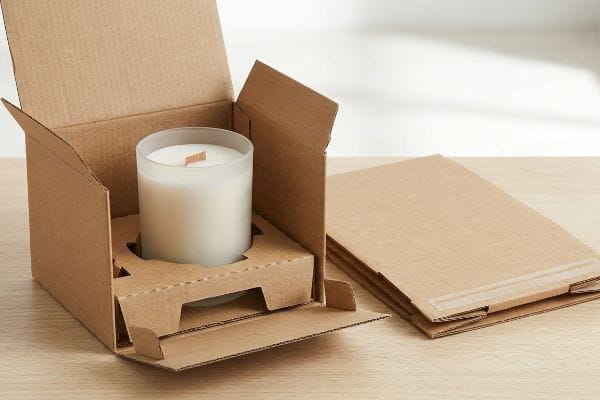
কাস্টম ক্রাফট মোমবাতির বাক্স তৈরি করতে, আস্তরণবিহীন কাঁচা পেপারবোর্ডের সাথে বিশেষ দ্রাবক-প্রতিরোধী আঠা এবং আঘাত-শোষণকারী কাঠামোগত ইনসার্ট যুক্ত করা হয়। এই সুনির্দিষ্ট উৎপাদন প্রক্রিয়াটি নিশ্চিত করে যে পরিবহনের সময় ভারী কাচের জারগুলো নিরাপদে ঝুলে থাকে, যা বিশ্বজুড়ে বিভিন্ন লজিস্টিক পরিবেশে সুগন্ধি তেলের স্থানান্তর এবং ব্যয়বহুল খুচরা প্রত্যাখ্যান সম্পূর্ণরূপে প্রতিরোধ করে।.
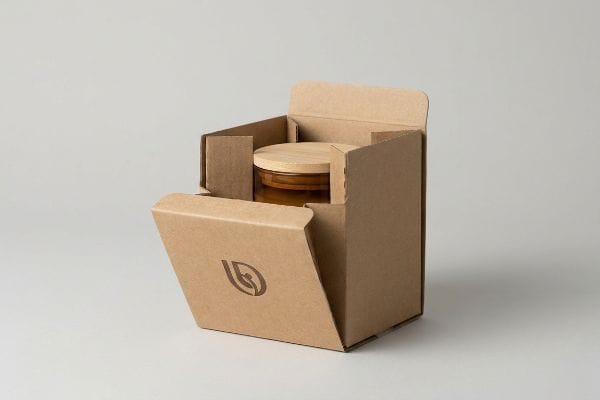
নিখুঁত সুগন্ধ ডিজাইন করাটা কেবল অর্ধেক কাজ; যদি বাক্সটি ত্রুটিপূর্ণ হয়, তবে গ্রাহক তা কখনোই কেনেন না। চলুন মোমবাতির প্যাকেজিংয়ের যান্ত্রিক বাস্তবতাগুলো খতিয়ে দেখা যাক।.
আমি কীভাবে নিজের মোমবাতির পাত্র তৈরি করতে পারি?
আপনি নিখুঁত মোম ঢেলেছেন এবং একটি সুন্দর কাচের জারও বেছে নিয়েছেন, কিন্তু এটিকে রাখবেন কীভাবে? সঠিক বাইরের আবরণ নির্বাচন করা কেবল সৌন্দর্যবর্ধনের জন্য নয়, বরং এটি একটি কাঠামোগত প্রয়োজনীয়তাও বটে।.
নিজের মোমবাতির পাত্র তৈরি করার জন্য এমন সেকেন্ডারি প্যাকেজিং উপকরণ বেছে নিতে হয় যা উদ্বায়ী জৈব যৌগকে সক্রিয়ভাবে প্রতিরোধ করে। উচ্চ-মানের আস্তরণবিহীন ক্রাফট পেপারবোর্ডের সাথে বিশেষ হট-মেল্ট আঠা ব্যবহার করতে হবে, যাতে গুদামে সংরক্ষণের সময় ঘনীভূত সুগন্ধি তেল এর ছিদ্রযুক্ত তন্তুতে প্রবেশ করে পাত্রের নিচের ফ্ল্যাপগুলোকে গলিয়ে ফেলতে না পারে।.
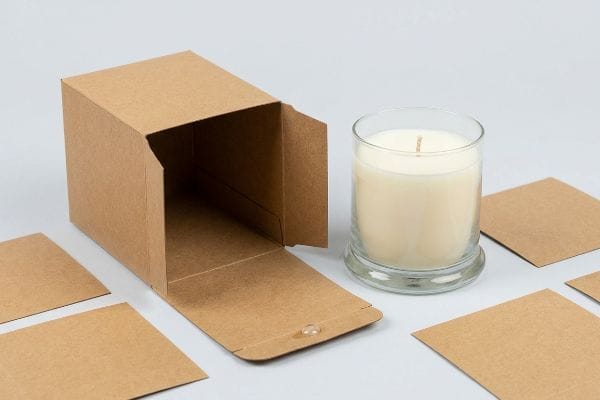
একটি সুন্দর পাত্রের কোনো মূল্যই থাকে না, যদি তা গলে যাওয়া কাগজের বাক্সের তলা দিয়ে নিচে পড়ে যায়।.
বিশেষভাবে তৈরি মোমবাতির পাত্রে সুগন্ধের স্থানান্তর প্রতিরোধ
নতুন ব্র্যান্ড প্রতিষ্ঠাতারা প্রায়শই সাধারণ আস্তরণবিহীন ক্রাফট পেপারবোর্ড১ , কারণ এটি আধুনিক ভোক্তাদের কাঙ্ক্ষিত সেই প্রিমিয়াম, রুচিশীল নান্দনিকতা প্রদান করে। তারা সাধারণত ধরে নেন যে, যেকোনো সাধারণ ফোল্ডিং কার্টনই খুচরা দোকানের তাকে একটি কাচের জারকে নিরাপদে ধরে রাখতে পারবে। পণ্য এবং প্যাকেজিংয়ের মধ্যে রাসায়নিক সম্পর্ক না বুঝেই, তারা বাক্সটি সিল করার জন্য সাধারণ জল-ভিত্তিক পিভিএ (পলিভিনাইল অ্যাসিটেট) আঠা২-এর । এই গতানুগতিক পদ্ধতিটি জারের ভিতরে ঘটে চলা উদ্বায়ী রাসায়নিক প্রক্রিয়াকে সম্পূর্ণরূপে উপেক্ষা করে।
উষ্ণ আবহাওয়ায় ব্র্যান্ডগুলো যখন তীব্র সুগন্ধযুক্ত মোমবাতি পাঠায়, তখন আমি এই ফাঁদটি প্রায়ই দেখতে পাই। ঘনীভূত সুগন্ধি তেলগুলো গ্যাস আকারে নির্গত হয়ে সরাসরি ছিদ্রযুক্ত কাগজের মধ্যে প্রবেশ করে এবং সাধারণ আঠাকে এমনভাবে গলিয়ে দেয়যে, শেষ পর্যন্ত একটি ভারী কাঁচের জার নিচের ঢাকনা ভেঙে পড়ার বিকট শব্দ শোনা যায়। আমি এর সমাধান করি ঢাকনাগুলোকে দ্রাবক-প্রতিরোধী ইভা (ইথিলিন-ভিনাইল অ্যাসিটেট) হট-মেল্ট আঠাদিয়ে, যা বাক্সটিকে পুরোপুরি অক্ষত রাখে এবং ব্র্যান্ডকে ব্যাপক ভাঙনের দায় থেকে বাঁচায়।
| নতুনদের সাধারণ ভুল | প্রো ফিক্স | খুচরা-ফ্লোর সুবিধা |
|---|---|---|
| সাধারণ জল-ভিত্তিক আঠা ব্যবহার করে | দ্রাবক-প্রতিরোধী ইভিএ আঠা5 | নিচের ফ্ল্যাপ ফেটে যাওয়া রোধ করে |
| অপরিহার্য তেলের গ্যাস নির্গমন উপেক্ষা করা | বাষ্প-প্রতিরোধক যান্ত্রিক তালা6 | তাকগুলোকে তেলের দাগ থেকে মুক্ত রাখে |
| শুধুমাত্র নান্দনিকতার জন্য আকার নির্ধারণ করা হয়েছে। | ক্র্যাশ-বটম ঘর্ষণ বন্ধ7 | বাক্স একত্রিত করার সময় কমিয়ে দেয় |
ভারী কাঁচ এবং এসেনশিয়াল অয়েলের মতো পণ্যের ক্ষেত্রে আমি কাঁচা ক্রাফট বক্সের বিষয়টি কখনোই ভাগ্যের উপর ছেড়ে দিই না। রাসায়নিকভাবে অভেদ্য হট-মেল্ট আঠা ব্যবহার নিশ্চিত করে যে আপনার পণ্যটি আমার কারখানা থেকে গ্রাহকের হাতে পৌঁছানো পর্যন্ত পুরো যাত্রাপথটি নিরাপদে সম্পন্ন হবে।.
🛠️ হার্ভির ডেস্ক: আপনার বর্তমান ক্রাফট বাক্সগুলোর জোড়ায় কি কালচে, তেল চিটচিটে দাগ দেখা যাচ্ছে? 👉 একটি মেটেরিয়াল অডিট করান ↗ — সরাসরি আমার ডেস্কে অ্যাক্সেস। কোনো স্বয়ংক্রিয় সেলস স্প্যাম নেই, আমি কথা দিচ্ছি।
কীভাবে আপনার নিজস্ব কাস্টম প্যাকেজিং তৈরি করবেন?
বাক্সের ভেতরে আসল মোমবাতিটি প্রদর্শন করা বিক্রয় বাড়ানোর একটি পরীক্ষিত উপায়। তবে, কাঠামোগতভাবে গুরুত্বপূর্ণ একটি পেপারবোর্ড প্যানেলে ছিদ্র করলে তাৎক্ষণিক যান্ত্রিক ঝুঁকি তৈরি হয়।.
কাঁচা ক্রাফট পেপারবোর্ডে স্বচ্ছ দেখার জানালা যুক্ত করার সময় নিজস্ব কাস্টম প্যাকেজিং তৈরির জন্য পৃষ্ঠটানের সঠিক হিসাব করা প্রয়োজন। অত্যন্ত স্থিতিস্থাপক ও জলবায়ু-প্রতিরোধী আঠা ব্যবহার নিশ্চিত করে যে, সাধারণ তাপমাত্রার ওঠানামার কারণে শক্ত প্লাস্টিকের উইন্ডো ফিল্মগুলো প্রচণ্ডভাবে বেঁকে যায় না বা কার্টন থেকে পুরোপুরি খুলে পড়ে না।.
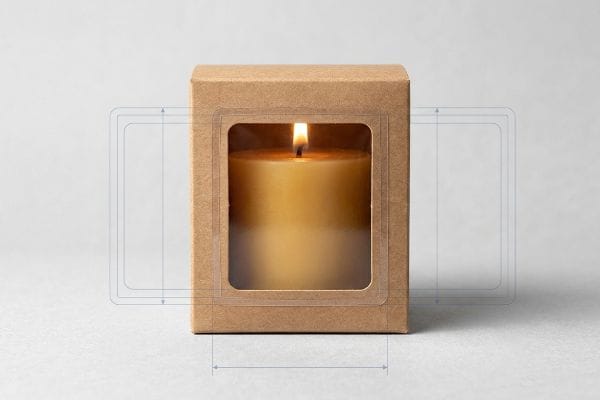
পরিবহনের সময় আর্দ্রতা পরিবর্তনের কারণে একটি দামী ডিসপ্লে বক্সের নিজের আকৃতি নষ্ট হয়ে যেতে দেখাটা অত্যন্ত হতাশাজনক।.
কাস্টম প্যাকেজিংয়ের জন্য উইন্ডো প্যাচ তৈরিতে দক্ষতা অর্জন
অনেক স্টার্টআপ ব্র্যান্ড তাদের কাস্টম মোমবাতিগুলো ভোক্তাদের কাছে দৃশ্যমান করতে চায়, তাই তারা একটি স্ট্যান্ডার্ড ডাই-কাট উইন্ডো প্যাচের অনুরোধ করে। তারা সাধারণত কারখানাকে পাতলা পেপারবোর্ডের ফাঁকা অংশের উপর সরাসরি একটি শক্ত স্বচ্ছ পলিমার ফিল্ম আঠা দিয়ে লাগিয়ে দিতে নির্দেশ দেয়। কম্পিউটার স্ক্রিনে, এটিকে খুচরা দোকানের তাকের জন্য একটি সহজ, মার্জিত সমাধান বলে মনে হয়। বাস্তব জগতে, দুটি সম্পূর্ণ ভিন্ন উপাদানকে একসাথে জোড়া লাগালে একটি তীব্র পৃষ্ঠটান সংঘাত তৈরি হয়8।
কারণ উচ্চ আর্দ্রতায় অনমনীয় প্লাস্টিক এবং ছিদ্রযুক্ত ক্রাফট পেপার সম্পূর্ণ ভিন্ন হারে প্রসারিত হয় , তাই আমি প্রায়শই দেখি সাধারণ আঠা ব্যর্থ হয়, যার ফলে বাক্সটি আলুর চিপসের মতো তীব্রভাবে ভেতরের দিকে বেঁকে যায়। বেঁকে যাওয়া কাগজের এই দৃঢ় প্রতিরোধের কারণে দোকানের কর্মচারীদের পক্ষে বাক্সগুলো পরিচ্ছন্নভাবে সাজিয়ে রাখা অসম্ভব হয়ে পড়ে, যার ফলে খুচরা দোকানে পণ্য উপস্থাপন অগোছালো এবং একদিকে হেলে থাকা অবস্থায় দেখায়। আমি এর সমাধান করি নমনীয় পিএলএ (পলিল্যাকটিক অ্যাসিড) উইন্ডো ফিল্ম এবং স্থিতিস্থাপক আঠার ব্যবহার বাধ্যতামূলক করে , যা বাক্সটিকে শ্বাস নিতে, পুরোপুরি সমতল থাকতে এবং খুচরা বিক্রেতার ব্যয়বহুল চার্জব্যাক এড়াতে সাহায্য করে।
| নতুনদের সাধারণ ভুল | প্রো ফিক্স | খুচরা-ফ্লোর সুবিধা |
|---|---|---|
| শক্ত প্লাস্টিকের জানালার ফিল্ম ব্যবহার করে | নমনীয় পিএলএ বা সেলুলোজ ফিল্ম11 | বাক্সের উপরিভাগ বেঁকে যাওয়া প্রতিরোধ করে |
| সাধারণ শক্ত আঠা প্রয়োগ | জলবায়ু-প্রতিরোধী স্থিতিস্থাপক আঠা12 | জানালা খুলে যাওয়া বন্ধ করে। |
| উপাদানের প্রসারণ হার উপেক্ষা করা | পরিকল্পিত উত্তেজনা-উপশমকারী স্কোরিং13 | তাকগুলো নিখুঁতভাবে সাজানো নিশ্চিত করে |
আপনার জানালাযুক্ত কার্টনগুলোর সুনির্দিষ্ট জ্যামিতিক আকৃতি বজায় রাখতে আমি ডাইনামিক ইলাস্টিক আঠার ওপর নির্ভর করি। পদার্থবিজ্ঞানের নিয়মের বিরুদ্ধে লড়াই করা একটি ব্যর্থ প্রচেষ্টা, কিন্তু এর সাথে তাল মিলিয়ে নকশা করলে একটি নিখুঁত উপস্থাপনা নিশ্চিত হয়।.
🛠️ হার্ভির ডেস্ক: আপনার জানালাযুক্ত বাক্সগুলো কি ভেতরের দিকে বেঁকে যাচ্ছে এবং দোকানের তাকে সমানভাবে সাজানো যাচ্ছে না? 👉 কাঠামোগত পর্যালোচনার জন্য অনুরোধ করুন ↗ — নিরাপদে ডাউনলোড করুন। পরবর্তীতে কোনো প্রশ্ন থাকলে আমার ইনবক্স খোলা আছে।
কোথায় ফরমায়েশি মোমবাতির বাক্স পাওয়া যাবে?
সরবরাহকারী খুঁজে পাওয়া সহজ, কিন্তু এমন একজন উৎপাদন অংশীদার বিরল যিনি কাগজের তন্তুর আণুবীক্ষণিক সীমাবদ্ধতা বোঝেন। উৎকৃষ্ট মানের ফিনিশের জন্য নিখুঁত যান্ত্রিক নির্ভুলতা প্রয়োজন।
ফরমায়েশি মোমবাতির বাক্স তৈরি করতে এমন একটি বিশেষায়িত কারখানার সাথে অংশীদারিত্ব করতে হয়, যারা থ্রিডি ফয়েল এমবসিং প্রক্রিয়ার সময় কাগজের তন্তুর টান কঠোরভাবে নিয়ন্ত্রণ করে। একজন দক্ষ নির্মাতা গাণিতিকভাবে গভীর স্পর্শযোগ্য টেক্সচারগুলোকে গুরুত্বপূর্ণ ভারবাহী ভাঁজগুলো থেকে দূরে সরিয়ে দেন, যা বাক্সের মারাত্মক ফেটে যাওয়া পুরোপুরি প্রতিরোধ করে এবং পণ্য পরিবহনের সময় সর্বোচ্চ সংকোচন শক্তি বজায় রাখে।.
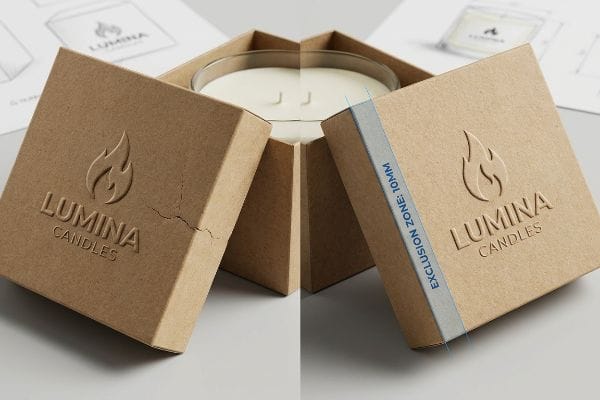
একটি সুন্দর এমবস করা লোগো বিরাট দায়ে পরিণত হয়, যদি তা আপনার প্যাকেজিংয়ের কাঠামোগত কোণাগুলোকে ক্ষতিগ্রস্ত করে।.
কাস্টম ক্যান্ডেল বক্সে এমবসিং ফেটে যাওয়া প্রতিরোধ করা
প্যাকেজিং পার্টনার খোঁজার সময়, মার্কেটিং টিমগুলো তাদের ব্র্যান্ডের মান উন্নত করার জন্য এমন কারখানাগুলোকে বিশেষভাবে অগ্রাধিকার দেয় যারা গভীর, বিলাসবহুল 3D এমবসিং তৈরি করতে পারে। শেলফে এর দৃশ্যমান প্রভাব সর্বাধিক করার জন্য তারা প্রায়শই এই ভারী স্পর্শযোগ্য উপাদানগুলো কার্টনের একেবারে কিনারে স্থাপন করে। এই নান্দনিক পছন্দটি এই ধারণার উপর ভিত্তি করে করা হয় যে, পেপারবোর্ডকে বাইরের দিকে প্রসারিত করলে এর ভারবহন ক্ষমতার উপর কোনো প্রভাব পড়ে না। দুর্ভাগ্যবশত, অতিরিক্ত এমবসিং কাঁচা সেলুলোজ ফাইবারগুলোকে স্থায়ীভাবে পাতলা করে দেয়14।
যদি আপনি একটি কার্যকরী ভাঁজের (15) খুব কাছে একটি গভীর এমবস করেন , তাহলে দ্বিগুণ চাপে থাকা তন্তুগুলো দুর্বল হয়ে পড়ে, এবং স্বয়ংক্রিয় ভাঁজের সময় আমি আক্ষরিক অর্থেই শুকনো কাগজ মটমট করে ভাঙার শব্দ শুনতে পাই। এই আণুবীক্ষণিক বিস্ফোরণ বাক্সের উল্লম্ব শক্তিকে সম্পূর্ণরূপে নষ্ট করে দেয়, যার ফলে একটি বোঝাই করা মাস্টার কার্টনের ৪৫ পাউন্ড (২০.৪ কেজি) ওজনের ( 16 ) নিচে নিচের স্তরগুলো থেঁতলে যায় । আমি একটি কঠোর বর্জন অঞ্চল প্রয়োগ করে এটি প্রতিরোধ করি, কাঠামোগত ভাঁজগুলো থেকে এমবসিংকে দূরে সরিয়ে দিই, যাতে এটা নিশ্চিত করা যায় যে বাক্সগুলো একটিও কোণা থেঁতলে না গিয়ে বহু-অক্ষীয় ফর্কলিফ্ট হ্যান্ডলিং সহ্য করতে পারে।
| নতুনদের সাধারণ ভুল | প্রো ফিক্স | খুচরা-ফ্লোর সুবিধা |
|---|---|---|
| প্রাথমিক ভাঁজের রেখার উপর এমবসিং | কঠোর ১০ মিমি (১ সেমি) বর্জন এলাকা17 | কোণার ফাইবার ছিঁড়ে যাওয়া রোধ করে |
| কাগজের তন্তুর নিঃশেষিত হওয়াকে উপেক্ষা করা | বিশেষায়িত পলিমার ম্যাট্রিক্স চ্যানেল18 | সম্পূর্ণ বক্স কম্প্রেশন বজায় রাখে |
| শুধুমাত্র চেহারা দেখে উৎস সন্ধান | কাঠামোগত CAD (কম্পিউটার-এইডেড ডিজাইন) মডেল যাচাইকরণ19 | নিচের স্তরের পিষে যাওয়া প্রতিরোধ করে |
কাটিং ডাই তৈরি করার আগেই আমি সবসময় গাণিতিকভাবে গভীর স্পর্শযোগ্য টেক্সচারকে কার্যকরী ভাঁজ থেকে আলাদা করে ফেলি। আপনার কাগজের অখণ্ডতা রক্ষা করা এটা নিশ্চিত করে যে, একটি উৎকৃষ্ট নান্দনিকতা যেন গোপনে আপনার সরবরাহ শৃঙ্খলকে ক্ষতিগ্রস্ত না করে।.
🛠️ হার্ভিস ডেস্ক: আপনার বিলাসবহুল এমবসড লোগোটি কি গোপনে আপনার ফোল্ডিং কার্টনের কোণাগুলো দুর্বল করে দিচ্ছে? 👉 আপনার প্রি-ফ্লাইট চেক দাবি করুন ↗ — কোনো ফর্ম নেই যা অবিরাম সেলস কলের কারণ হয়। শুধু খাঁটি মূল্য।
কীভাবে নিজের পছন্দমতো মোমবাতি তৈরি করবেন?
একটি বিলাসবহুল পণ্য তৈরিতে শুধু মোম আর সলতের চেয়েও বেশি কিছু জড়িত থাকে। যদি আপনি সেই ভঙ্গুর কাচের জারটিকে গাণিতিকভাবে বাইরের জগৎ থেকে বিচ্ছিন্ন না করেন, তবে তা ভেঙে চুরমার হয়ে যাবে।.
বিশেষভাবে তৈরি মোমবাতি বানানোর জন্য এর সেকেন্ডারি প্যাকেজিংয়ের ভেতরে একটি সুনির্দিষ্ট কাইনেটিক সাসপেনশন ভয়েড বা শূন্যস্থান তৈরি করতে হয়। কাচের পাত্রের সাথে শক্ত করে পেপারবোর্ড মোড়ানোর পরিবর্তে, থার্মোফর্মড বা ডাই-কাট ইনসার্ট ব্যবহার করে একটি গাণিতিক স্থানিক বাফার তৈরি করা হয়, যা গতিশীল পতনের ধাক্কা সম্পূর্ণরূপে শোষণ করে এবং গুদামজাতকরণের সময় পণ্যের মারাত্মক ভাঙন প্রতিরোধ করে।.
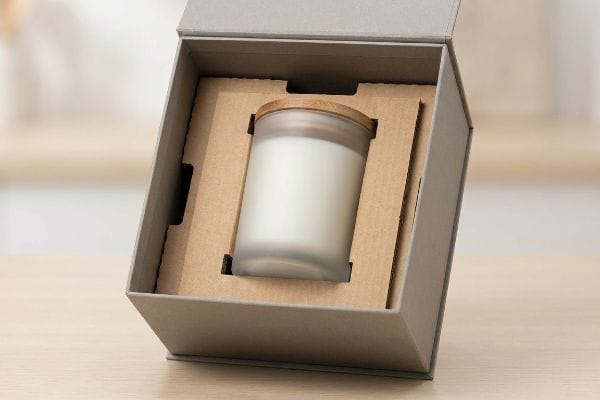
পরীক্ষাগারে নিয়ন্ত্রিতভাবে ফেলে দিলে কাঁচের পাত্র অক্ষত রাখা সহজ, কিন্তু যখন আপনি দেশজুড়ে এক প্যালেট ভর্তি পাত্র চালান করেন, তখন এক কঠিন বাস্তবতার মুখোমুখি হতে হয়।.
কারখানায় কেন আঁটসাঁট ১:১ প্যাকেজিং ব্যর্থ হয়
ক্রয়কারী দলগুলো প্রায়শই তাদের প্রাথমিক কাচের পাত্রের বাইরের সঠিক মাপ নিয়ে দ্বিতীয় পর্যায়ের প্যাকেজিংয়ের মাত্রা নির্ধারণ করে। তারা যৌক্তিকভাবে ধরে নেয় যে, একটি আঁটসাঁট ও নিখুঁত ফিট বাক্সের ভেতরে পণ্যের নড়াচড়া প্রতিরোধ করে সর্বোচ্চ নিরাপত্তা প্রদান করে। এই পদ্ধতিটি একটি স্থির CAD ফাইলে অত্যন্ত কার্যকর বলে মনে হয়, কারণ এটি কাঁচামালের ব্যবহার কমিয়ে আনে। কিন্তু, এটি একটি সংঘাতপূর্ণ সরবরাহ শৃঙ্খলের মধ্য দিয়ে চলাচলকারী ভারী ও ভঙ্গুর পণ্যের গতিশীল বাস্তবতাকে সম্পূর্ণরূপে উপেক্ষা করে ।
আমার প্রতিষ্ঠানে, আমি নিয়মিত দেখি ক্লায়েন্টরা এমন ডিজাইন জমা দেন যেখানে তাদের ভারী কাঁচের জারের সাথে সাধারণ এসবিএস (সলিড ব্লিচড সালফেট) বোর্ড শক্তভাবে মোড়ানো থাকে। যখন আমি এই হুবহু ১:১ অনুপাতের বাক্সগুলোকে একটি আইএসটিএ (ইন্টারন্যাশনাল সেফ ট্রানজিট অ্যাসোসিয়েশন) ৩এ ড্রপ টেস্ট২১-এর, তখন গতিজনিত ধাক্কা সরাসরি পাতলা কাগজের দেয়ালের মধ্য দিয়ে স্থানান্তরিত হয়, এবং কাঁচ ভাঙার বিকট শব্দ পরীক্ষার পুরো মেঝে জুড়ে প্রতিধ্বনিত হয়। ভেতরের ফাঁকা স্থানটি প্রসারিত করে এবং একটি কাস্টম ডাই-কাট ইনসার্ট ব্যবহার করে একটি সুনির্দিষ্ট ০.১২৫-ইঞ্চি (৩.১৭ মিমি) সাসপেনশন ভয়েড২২ , আমি আঘাতটিকে বিচ্ছিন্ন করি, কাঁচ ভাঙা সম্পূর্ণরূপে দূর করি এবং ক্লায়েন্টদের এলটিএল (লেস-দ্যান-ট্রাকলোড) মাল পরিবহনের ক্ষতির দাবির ক্ষেত্রে হাজার হাজার টাকা বাঁচাই।
| নতুনদের সাধারণ ভুল | প্রো ফিক্স | খুচরা-ফ্লোর সুবিধা |
|---|---|---|
| বাইরের বাক্সটির আকার জারের সাথে ১:১ অনুপাতে হবে। | পরিকল্পিত ০.১২৫-ইঞ্চি (৩.১৭ মিমি) শূন্যস্থান23 | সরাসরি আঘাতে ভেঙে যাওয়া প্রতিরোধ করে |
| আঁটসাঁট বাইরের কাগজের বোর্ডের উপর নির্ভর করে | অভ্যন্তরীণ ডাই-কাট সাসপেনশন ইনসার্ট24 | গতিশক্তিজনিত পতন নিরাপদে শোষণ করে |
| গতিশীল ট্রানজিট কম্পন উপেক্ষা করা | ISTA 3A ট্রানজিট সিমুলেশন টেস্টিং25 | মাল পরিবহনের দাবি ব্যাপকভাবে হ্রাস করে |
অভ্যন্তরীণ সাসপেনশনের হিসাব নিখুঁত না হওয়া পর্যন্ত আমি কাচ-ধারণকারী কোনো কাঠামোগত ফাইল অনুমোদন করতে অস্বীকার করছি। একটি কঠোর সরবরাহ শৃঙ্খল থেকে আপনার মুনাফা রক্ষা করার একমাত্র নির্ভরযোগ্য উপায় হলো আবদ্ধ বাতাসকে যান্ত্রিক শক অ্যাবজরবার হিসেবে ব্যবহার করা।.
🛠️ হার্ভির ডেস্ক: একটি ২-মিলিমিটার কাঠামোগত ত্রুটির কারণে ৫০০টি দোকানে পণ্য সরবরাহের পরিকল্পনা যেন ভেস্তে না যায়। 👉 আপনার ডাইলাইন ফাইলটি আমাকে পাঠান ↗ — গণ-উৎপাদনে বাজেট অপচয় করার আগে আমি এর গাণিতিক হিসাব স্ট্রেস-টেস্ট করে নেব।
উপসংহার
আপনি আরও সস্তা বিক্রেতা বেছে নিতে পারেন, কিন্তু যখন একটি উষ্ণ গুদামে সেই ঘনীভূত সুগন্ধি তেল আপনার নিচের ফ্ল্যাপগুলোকে গলিয়ে দেবে, তখন আপনাকে খুচরা বিক্রেতার কাছ থেকে তাৎক্ষণিক প্রত্যাখ্যান এবং কয়েক সপ্তাহ ধরে ব্যয়বহুল হাতে পুনরায় প্যাকিং করার সম্মুখীন হতে হবে। আমার শীর্ষ ১০ জন খুচরা গ্রাহক প্রিন্ট প্রত্যাখ্যান শূন্যে নামিয়ে আনার নিশ্চয়তা দিতে ঠিক এই স্পেক শিটটিই ব্যবহার করেন। সাসপেনশন টলারেন্স নিয়ে অনুমান করা বন্ধ করুন এবং গণ-উৎপাদনের জন্য অর্থ পরিশোধ করার আগেই মারাত্মক যান্ত্রিক ত্রুটিগুলো ধরার জন্য আমাকে ব্যক্তিগতভাবে আমার ফ্রি ডাইলাইন অডিট ↗- এর মাধ্যমে আপনার স্ট্রাকচারাল ফাইলগুলো পরীক্ষা করতে দিন।
"প্যাকেজিং উপকরণ থেকে রাসায়নিক যৌগের স্থানান্তর...", https://pmc.ncbi.nlm.nih.gov/articles/PMC11475518/। বস্তুবিজ্ঞান কীভাবে আস্তরণবিহীন ক্রাফট পেপারের সচ্ছিদ্রতা এবং উদ্বায়ী জৈব যৌগ শোষণের প্রবণতাকে বৈধতা দেয় তার সংক্ষিপ্ত ব্যাখ্যা। প্রমাণের ভূমিকা: প্রযুক্তিগত যাচাইকরণ; উৎসের ধরণ: প্যাকেজিং ইঞ্জিনিয়ারিং ম্যানুয়াল। সমর্থন করে: এই দাবি যে আস্তরণবিহীন পৃষ্ঠতল সুগন্ধির স্থানান্তর হতে দেয়। পরিধি টীকা: শুধুমাত্র নন-কোটেড পেপারবোর্ডের জন্য প্রযোজ্য। ↩
"এসেনশিয়াল অয়েল এবং উদ্বায়ী জৈব পদার্থের মৌলিক রসায়ন...", https://pmc.ncbi.nlm.nih.gov/articles/PMC8955314/। সুগন্ধি VOC-এর সংস্পর্শে এলে জল-ভিত্তিক PVA আঠা কীভাবে ক্ষয়প্রাপ্ত হয়, রাসায়নিক বিশ্লেষণের মাধ্যমে তার সংবেদনশীলতা নিশ্চিত করার সংক্ষিপ্ত ব্যাখ্যা। প্রমাণের ভূমিকা: প্রযুক্তিগত যাচাইকরণ; উৎসের ধরণ: রসায়ন বিজ্ঞান জার্নাল। সমর্থন করে: এই দাবি যে, উচ্চ-সুগন্ধিযুক্ত প্যাকেজিংয়ের জন্য PVA একটি অনুপযুক্ত সিল্যান্ট। পরিধি নোট: শুধুমাত্র জল-ভিত্তিক ফর্মুলেশনের মধ্যে সীমাবদ্ধ। ↩
"খাদ্য প্যাকেজিং এবং রাসায়নিক স্থানান্তর – পিএমসি – এনআইএইচ", https://pmc.ncbi.nlm.nih.gov/articles/PMC12096275/। সুগন্ধি তেলে থাকা উদ্বায়ী জৈব যৌগসমূহ কীভাবে গ্যাস নির্গমনের মাধ্যমে ছিদ্রযুক্ত মাধ্যমে প্রবেশ করে তার প্রযুক্তিগত ব্যাখ্যা। প্রমাণের ভূমিকা: কার্যপ্রণালীর প্রমাণ; উৎসের ধরন: পদার্থ বিজ্ঞান বিষয়ক জার্নাল। সমর্থিত বিষয়: প্যাকেজিং-এ সুগন্ধির স্থানান্তর। পরিধিগত টীকা: বিশেষভাবে আস্তরণবিহীন সেলুলোজ-ভিত্তিক উপকরণের জন্য প্রযোজ্য। ↩
"ইভিএ/অ্যারোমেটিক হাইড্রোকার্বনের হট-মেল্ট আঠালো বৈশিষ্ট্য...", https://www.sciencedirect.com/science/article/abs/pii/S0143749603000691। সাধারণ আঠার তুলনায় জৈব দ্রাবক এবং এসেনশিয়াল অয়েলের বিরুদ্ধে ইথিলিন-ভিনাইল অ্যাসিটেট (ইভিএ) পলিমারের রাসায়নিক প্রতিরোধ ক্ষমতার প্রোফাইলের যাচাইকরণ। প্রমাণের ভূমিকা: উপাদানের স্পেসিফিকেশন; উৎসের ধরণ: টেকনিক্যাল ডেটা শিট। সমর্থন: কাঠামোগত ব্যর্থতা প্রতিরোধে ইভিএ আঠার কার্যকারিতা। পরিধি নোট: ইভিএ-এর দ্রাবক-প্রতিরোধী গ্রেডগুলির উপর আলোকপাত করে। ↩
"প্যাকেজিং-এ আঠা এবং সিল্যান্ট: কার্যকরী ভূমিকা এবং …", https://pmc.ncbi.nlm.nih.gov/articles/PMC13258176/। শিল্প আঠার উপর একটি নির্ভরযোগ্য উৎস নিশ্চিত করবে যে, জল-ভিত্তিক আঠার তুলনায় ইভা (EVA) আঠা এসেনশিয়াল অয়েল এবং দ্রাবকের বিরুদ্ধে উন্নততর প্রতিরোধ ক্ষমতা প্রদান করে, যা কাঠামোগত ব্যর্থতা প্রতিরোধ করে। প্রমাণের ভূমিকা: প্রযুক্তিগত স্পেসিফিকেশন; উৎসের ধরণ: বস্তু বিজ্ঞান ম্যানুয়াল। সমর্থন: নিচের ফ্ল্যাপ ফেটে যাওয়া রোধ করতে ইভা (EVA) আঠার ব্যবহার। পরিধি নোট: সুগন্ধি প্যাকেজিং-এ আঠা প্রয়োগের জন্য নির্দিষ্ট। ↩
"ভেপার ব্যারিয়ার প্যাকেজিং: এটি কী এবং কাদের এটি প্রয়োজন", https://cratingtechnology.com/vapor-barrier-packaging/। সুগন্ধি প্যাকেজিং সম্পর্কিত প্রযুক্তিগত ডকুমেন্টেশনে ব্যাখ্যা করা হয় যে কীভাবে ভেপার ব্যারিয়ার এবং নির্দিষ্ট লকিং মেকানিজম কন্টেইনারের দেয়াল ভেদ করে সুগন্ধির অণু এবং তেলকে বাইরে বেরিয়ে যাওয়া থেকে প্রতিরোধ করে। প্রমাণের ভূমিকা: কার্যপ্রণালী যাচাইকরণ; উৎসের ধরণ: প্যাকেজিং ইঞ্জিনিয়ারিং গাইড। সমর্থন করে: খুচরা দোকানের তাকগুলিতে তেলের দাগ প্রতিরোধ। পরিধি নোট: রাসায়নিক পদার্থের স্থানান্তর প্রতিরোধের উপর আলোকপাত করে। ↩
"ক্র্যাশ লক বক্স | অটো বটম বক্স", https://www.smurfitwestrock.com/products/packaging/corrugated/crashlock-boxes। প্যাকেজিং শিল্পের মানদণ্ড অনুযায়ী, অ্যাসেম্বলির গতি এবং কাঠামোগত স্থিতিশীলতার ক্ষেত্রে ক্র্যাশ-বটম ক্লোজারকে অন্যান্য ফোল্ডিং স্টাইলের সাথে তুলনা করা হয়। প্রমাণের ভূমিকা: কার্যকারিতার পরিমাপক; উৎসের ধরণ: শিল্প বাণিজ্য প্রকাশনা। সমর্থন করে: এই দাবি যে ক্র্যাশ-বটম ক্লোজার অ্যাসেম্বলির সময়কে দ্রুততর করে। পরিধি সংক্রান্ত টীকা: প্যাকেজিং অ্যাসেম্বলির কার্যকারিতার মধ্যে সীমাবদ্ধ। ↩
"কাগজের মোড়ক এবং আসঞ্জনের প্রধান কৌশলসমূহ", https://www.baumerhhs.com/news/baumer-hhs-blog/blog-beitrag/paper-packaging-and-principal-mechanisms-of-adhesion। নন-পোলার পলিমার ফিল্ম এবং ছিদ্রযুক্ত পেপারবোর্ড সাবস্ট্রেটের মধ্যে পৃষ্ঠশক্তির পার্থক্যের প্রযুক্তিগত ব্যাখ্যা। প্রমাণের ভূমিকা: প্রযুক্তিগত বৈধতা; উৎসের ধরণ: পদার্থ বিজ্ঞান পাঠ্যপুস্তক বা প্রকৌশল ম্যানুয়াল। সমর্থন করে: এই দাবি যে ভিন্নধর্মী পদার্থের বৈশিষ্ট্য আসঞ্জন ব্যর্থতার কারণ। পরিধি টীকা: অনমনীয় প্লাস্টিক এবং সেলুলোসিক পদার্থের উপর আলোকপাত করে। ↩
"তাপীয় প্রসারণ সহগ এবং আর্দ্রতার প্রভাব...", https://pmc.ncbi.nlm.nih.gov/articles/PMC8587952/। আর্দ্রতার চাপে পলিমার এবং সেলুলোজ-ভিত্তিক কাগজের প্রসারণ সহগের তুলনামূলক প্রযুক্তিগত বস্তুবিজ্ঞান সংক্রান্ত তথ্য। প্রমাণের ভূমিকা: প্রযুক্তিগত যাচাইকরণ; উৎসের ধরণ: বস্তুবিজ্ঞান জার্নাল। সমর্থন: কাঠামোগত ব্যর্থতা এবং বেঁকে যাওয়ার ভৌত ভিত্তি। পরিধি সংক্রান্ত টীকা: নির্দিষ্ট প্লাস্টিক রেজিন এবং কাগজের গ্রেডের উপর ভিত্তি করে হার পরিবর্তিত হয়। ↩
"ফোল্ডিং কার্টনের জন্য উইন্ডো প্যাকেজিং – ফিল্মের বিকল্পসমূহ", https://www.netpak.com/en/packaging-resources/industry-articles/window-packaging-folding-cartons-film-choices/। হাইব্রিড প্যাকেজিং-এ ডিফারেনশিয়াল এক্সপ্যানশন স্ট্রেস প্রশমিত করার জন্য বায়োপ্লাস্টিক ফিল্ম এবং ফ্লেক্সিবল বন্ডিং এজেন্ট ব্যবহারের উপর ইঞ্জিনিয়ারিং নির্দেশিকা। প্রমাণের ভূমিকা: প্রযুক্তিগত যাচাইকরণ; উৎসের ধরণ: প্যাকেজিং ইঞ্জিনিয়ারিং হ্যান্ডবুক। সমর্থন করে: বেঁকে যাওয়া প্রতিরোধে নির্দিষ্ট উপাদান সংমিশ্রণের কার্যকারিতা। পরিধি নোট: বিশেষভাবে ফ্লেক্সিবিলিটি মডিফায়ার সহ পিএলএ ব্লেন্ডের ক্ষেত্রে প্রযোজ্য। ↩
"নমনীয় বনাম অনমনীয় প্যাকেজিং: ২০২৫ সালে কোনটি শ্রেয়?", https://www.packagingbest.com/blog/flexible-vs-rigid-packaging/। নিম্ন-মডিউলাস নমনীয় ফিল্ম কীভাবে পেপারবোর্ড সাবস্ট্রেটের উপর যান্ত্রিক চাপ কমিয়ে বিকৃতি রোধ করে তার ব্যাখ্যা। প্রমাণের ভূমিকা: প্রযুক্তিগত যাচাইকরণ; উৎসের ধরণ: পদার্থ বিজ্ঞান জার্নাল। সমর্থন: বাক্স বেঁকে যাওয়া রোধ করার জন্য উপাদান নির্বাচন। পরিধি নোট: পেপারবোর্ডের জিএসএম-এর উপর নির্ভরশীল। ↩
"নির্ভরযোগ্য আঠালো বন্ধনের দিকে: একটি ব্যাপক পর্যালোচনা … – পিএমসি", https://pmc.ncbi.nlm.nih.gov/articles/PMC12195023/। বন্ধন ব্যর্থতা রোধ করার জন্য স্থিতিস্থাপক আঠার তাপীয় প্রসারণ ও সংকোচন শোষণ করার ক্ষমতা সম্পর্কিত প্রমাণ। প্রমাণের ভূমিকা: প্রযুক্তিগত বিবরণ; উৎসের ধরণ: আঠালো প্রকৌশল ম্যানুয়াল। সমর্থন: জানালা খুলে যাওয়া প্রতিরোধ। পরিধি টীকা: তাপমাত্রার পরিসর অনুযায়ী পরিবর্তিত হয়। ↩
"শস্য ও মিষ্টান্নের প্যাকেজিং: পটভূমি, প্রয়োগ এবং শেলফ...", https://pmc.ncbi.nlm.nih.gov/articles/PMC8909407/। স্তূপীকৃত প্যাকেজিং-এ লম্বতা বজায় রাখার জন্য কৌশলগত স্কোরিং কীভাবে উপাদানের টান নিয়ন্ত্রণ করে তার প্রযুক্তিগত ব্যাখ্যা। প্রমাণের ভূমিকা: নকশার নীতি; উৎসের ধরণ: প্যাকেজিং ইঞ্জিনিয়ারিং পাঠ্যপুস্তক। সমর্থন: শেলফে স্তূপীকরণের স্থিতিশীলতা। পরিধি টীকা: উচ্চ-প্রসারণশীল উপকরণের জন্য নির্দিষ্ট। ↩
"যান্ত্রিক ও কোমলতার উপর এমবসিং চাপের প্রভাব...", https://pmc.ncbi.nlm.nih.gov/articles/PMC9228970/। কাগজ বিজ্ঞান বা প্যাকেজিং ইঞ্জিনিয়ারিংয়ের একটি প্রযুক্তিগত উৎস এমবসিং প্রক্রিয়ার কারণে সৃষ্ট যান্ত্রিক বিকৃতি এবং উপাদানের পুরুত্ব হ্রাসের বিষয়টি ব্যাখ্যা করবে। প্রমাণের ভূমিকা: প্রযুক্তিগত যাচাইকরণ; উৎসের ধরণ: পদার্থ বিজ্ঞান হ্যান্ডবুক। সমর্থন করে: এই দাবি যে এমবসিং কাঠামোগত ঘনত্ব হ্রাস করে। পরিধিগত টীকা: বিশেষভাবে সেলুলোজ-ভিত্তিক সাবস্ট্রেটের ক্ষেত্রে প্রযোজ্য। ↩
"টিস্যু পেপার পণ্যের বৈশিষ্ট্যের উপর রূপান্তর প্রক্রিয়ার প্রভাব", https://bioresources.cnr.ncsu.edu/resources/converting-operations-impact-on-tissue-paper-product-properties-a-review/। এমবসিং কীভাবে পীড়ন ঘনত্ব তৈরি করে যা স্কোর লাইনের অখণ্ডতা এবং ভাঁজের সহনশীলতাকে ক্ষতিগ্রস্ত করে, তার ব্যাখ্যা। প্রমাণের ভূমিকা: প্রযুক্তিগত যাচাইকরণ; উৎসের ধরণ: প্যাকেজিং ইঞ্জিনিয়ারিং ম্যানুয়াল। সমর্থন: এমবসিং-এর অবস্থান এবং ফাইবারের ক্ষয়ের মধ্যে কার্যকারণ সম্পর্ক। পরিধি টীকা: উচ্চ-জিএসএম কার্ডস্টকের ক্ষেত্রে প্রযোজ্য। ↩
"প্যালেটের উপরের স্তরের দৃঢ়তার প্রভাবের অনুসন্ধান … – পিএমসি", https://pmc.ncbi.nlm.nih.gov/articles/PMC8585293/। স্ট্যান্ডার্ড মাস্টার কার্টনের ভারবহন ক্ষমতার যাচাইকরণ এবং কীভাবে কাঠামোগত ত্রুটি নির্দিষ্ট ওজনের সীমার নিচে উল্লম্ব ধসের কারণ হয়। প্রমাণের ভূমিকা: পরিমাণগত যাচাইকরণ; উৎসের ধরণ: লজিস্টিকস শিল্পের মান। সমর্থন: ভারবহন ক্ষমতার উপর ফাইবার ব্লোআউটের প্রভাব। পরিধি সংক্রান্ত টীকা: স্ট্যান্ডার্ড ক্যান্ডেল বক্সের মাত্রা ধরে নেওয়া হয়েছে। ↩
"যান্ত্রিকতার উপর অ্যানালগ এবং ডিজিটাল ক্রিজ লাইনের প্রভাব...", https://pmc.ncbi.nlm.nih.gov/articles/PMC9268991/। প্যাকেজিং ইঞ্জিনিয়ারিং গাইড থেকে নেওয়া প্রযুক্তিগত স্পেসিফিকেশন, যেখানে ফাইবারের ব্যর্থতা রোধ করার জন্য এমবস করা অংশ এবং ভাঁজের লাইনের মধ্যে প্রয়োজনীয় বাফারের বিশদ বিবরণ দেওয়া হয়েছে। প্রমাণের ভূমিকা: প্রযুক্তিগত স্পেসিফিকেশন; উৎসের ধরণ: ইঞ্জিনিয়ারিং ম্যানুয়াল। সমর্থন করে: ১০ মিমি বর্জন অঞ্চলের কার্যকারিতা। পরিধি সংক্রান্ত টীকা: কাগজের ওজন/জিএসএম-এর উপর ভিত্তি করে নির্দিষ্ট বিবরণ ভিন্ন হতে পারে। ↩
"পলিমার-ম্যাট্রিক্স কম্পোজিট: এর প্রভাবের বৈশিষ্ট্য নিরূপণ … – পিএমসি", https://pmc.ncbi.nlm.nih.gov/articles/PMC10253506/। কাগজের তন্তুকে শক্তিশালী করতে এবং সংকোচনের অধীনে কাঠামোগত ক্ষয় রোধ করতে পলিমার-মিশ্রিত চ্যানেলের ব্যবহার সম্পর্কিত বস্তুবিজ্ঞানের তথ্য। প্রমাণের ভূমিকা: প্রযুক্তিগত যাচাইকরণ; উৎসের ধরণ: বস্তুবিজ্ঞান গবেষণা। সমর্থন: বক্স কম্প্রেশন বজায় রাখা। পরিধি টীকা: বিশেষায়িত উচ্চ-মানের আবরণের ক্ষেত্রে প্রযোজ্য। ↩
"একাধিক প্যাকেজিং-এর প্রান্ত থেঁতলে যাওয়া প্রতিরোধের সরলীকৃত মডেলিং...", https://pmc.ncbi.nlm.nih.gov/articles/PMC9821909/। খুচরা প্যাকেজিং-এর থেঁতলে যাওয়া এড়ানোর জন্য স্ট্রেস টেস্টিং এবং এর সংকোচন শক্তি পূর্বাভাসের উদ্দেশ্যে কম্পিউটার-এইডেড ডিজাইন ব্যবহারের শিল্প মান। প্রমাণের ভূমিকা: প্রক্রিয়া যাচাইকরণ; উৎসের ধরণ: শিল্প মান। সমর্থন: নিচের স্তরের থেঁতলে যাওয়া প্রতিরোধ। পরিধি সংক্রান্ত টীকা: নির্ভুলতা সিমুলেশনের বিশ্বস্ততার উপর নির্ভরশীল। ↩
"তরল এবং কাঁচের পাত্রের মতো ভঙ্গুর জিনিসপত্রের জন্য কেন বিশেষায়িত শক-রোধী ব্যবস্থা প্রয়োজন...", https://www.infinitypak.com/why-fragile-items-like-liquids-and-glassware-need-specialized-shock-packaging/। প্রামাণ্য প্যাকেজিং ইঞ্জিনিয়ারিং নির্দেশিকা ব্যাখ্যা করে যে, পরিবহনের সময় সাসপেনশন ভয়েডের অনুপস্থিতি কীভাবে গতিশক্তিকে সরাসরি ভঙ্গুর সামগ্রীতে স্থানান্তরিত হতে দেয়। প্রমাণের ভূমিকা: প্রযুক্তিগত যাচাইকরণ; উৎসের ধরণ: ইঞ্জিনিয়ারিং স্ট্যান্ডার্ড। সমর্থন করে: এই দাবি যে আঁটসাঁট প্যাকেজিং ভঙ্গুর পণ্য রক্ষা করতে ব্যর্থ হয়। পরিধি নোট: ডাইনামিক ইমপ্যাক্ট লোডের ক্ষেত্রে প্রযোজ্য। ↩
"পরীক্ষা পদ্ধতি", https://ista.org/test_procedures.php। প্যাকেজিংয়ের অখণ্ডতা পরীক্ষা করার জন্য পার্সেল ডেলিভারি সিস্টেমের পীড়ন অনুকরণে শিল্প মানদণ্ড হিসেবে ISTA 3A স্ট্যান্ডার্ডের যাচাইকরণ। প্রমাণের ভূমিকা: প্রযুক্তিগত মান; উৎসের ধরণ: শিল্প নিয়ন্ত্রক সংস্থা। সমর্থন করে: পরীক্ষা পদ্ধতির বৈধতা। পরিধি টীকা: ছোট পার্সেল ডেলিভারি সিমুলেশনের উপর দৃষ্টি নিবদ্ধ। ↩
"কাঁচের প্যাকেজিংয়ের জন্য ইমপ্যাক্ট টেস্টিং এবং কীভাবে ভাঙন প্রতিরোধ করা যায়...", https://www.aegg.co.uk/blog/impact-testing-for-glass-packaging-and-how-to-prevent-breakage-on-impact। প্রযুক্তিগত তথ্য যা প্রদর্শন করে কীভাবে সেকেন্ডারি প্যাকেজিংয়ের নির্দিষ্ট স্থানিক বাফারগুলো গতিশক্তি হ্রাস করে এবং ভঙ্গুর সামগ্রীতে জি-ফোর্স স্থানান্তর কমায়। প্রমাণের ভূমিকা: প্রযুক্তিগত স্পেসিফিকেশন; উৎসের ধরণ: প্যাকেজিং ইঞ্জিনিয়ারিং হ্যান্ডবুক। সমর্থন করে: এই দাবি যে একটি সুনির্দিষ্ট শূন্যস্থান ভাঙন দূর করে। পরিধি নোট: কার্যকারিতা উপাদানের ঘনত্বের উপর নির্ভর করে। ↩
"কাঁচের প্যাকেজিং: কন্টেইনার থেকে এনক্যাপসুলেশন কম্পোজিশন পর্যন্ত …", https://pmc.ncbi.nlm.nih.gov/articles/PMC12897758/। প্রামাণ্য প্যাকেজিং ইঞ্জিনিয়ারিং ম্যানুয়ালগুলিতে পরিবহনের সময় কাঁচের সাথে খোলসের সংঘর্ষ প্রতিরোধ করার জন্য ন্যূনতম ফাঁকা স্থানের স্পেসিফিকেশন দেওয়া থাকে। প্রমাণের ভূমিকা: প্রযুক্তিগত স্পেসিফিকেশন; উৎসের ধরণ: শিল্প ম্যানুয়াল। সমর্থন করে: ভেঙে যাওয়া রোধ করার জন্য সুনির্দিষ্ট ফাঁকা স্থানের ব্যবহার। পরিধি সংক্রান্ত টীকা: কাঁচের পুরুত্বের উপর ভিত্তি করে মাত্রা পরিবর্তিত হতে পারে। ↩
"সাসপেনশন প্যাকেজিং কাইনেম্যাটিক্স", https://racklify.com/encyclopedia/kinematics-of-shock-absorption-the-mechanical-physics-of-suspension-packaging/। কাঠামোগত প্যাকেজিং গবেষণা দেখায় কিভাবে সাসপেনশন ইনসার্ট গতিশক্তি অপচয় করার জন্য পণ্যকে বাইরের দেয়াল থেকে বিচ্ছিন্ন করে। প্রমাণের ভূমিকা: প্রযুক্তিগত পদ্ধতি; উৎসের ধরণ: প্রকৌশল গবেষণা। সমর্থন করে: ফোঁটা শোষণে সাসপেনশন ইনসার্টের কার্যকারিতা। পরিধি টীকা: ঢেউখেলানো এবং পেপারবোর্ড উপকরণের উপর দৃষ্টি নিবদ্ধ। ↩
"মেডিকেল ডিভাইস প্যাকেজিং-এর জন্য ISTA 3A টেস্টিং | LSO", https://lso-inc.com/medical-package-testing/standards/ista/ista-standard-3a/। ইন্টারন্যাশনাল সেফ ট্রানজিট অ্যাসোসিয়েশন (ISTA) 3A স্ট্যান্ডার্ডটি পার্সেল ডেলিভারির পরিবেশ অনুকরণ করার জন্য ব্যবহৃত নির্দিষ্ট কম্পন এবং ড্রপ টেস্টগুলোকে সংজ্ঞায়িত করে। প্রমাণের ভূমিকা: শিল্প মান; উৎসের ধরণ: নিয়ন্ত্রক সার্টিফিকেশন। সমর্থন করে: এই দাবি যে সিমুলেশন টেস্টিং মালবাহী খরচ সংক্রান্ত দাবি হ্রাস করে। পরিধি সংক্রান্ত টীকা: বিশেষভাবে ছোট পার্সেল ডেলিভারি সিস্টেমের ক্ষেত্রে প্রযোজ্য। ↩