পয়েন্ট-অফ-পারচেজ সেটআপে অনেক বেশি সময় লাগার কারণে ক্যাম্পেইন শুরু করতে হিমশিম খাচ্ছেন? কাউন্টারটপ ইউনিট দ্রুত স্থাপন করতে গেলে এর কাঠামোগত দৃঢ়তা বা দৃষ্টিনন্দনতার সাথে কোনো আপোস করতে হয় না।.
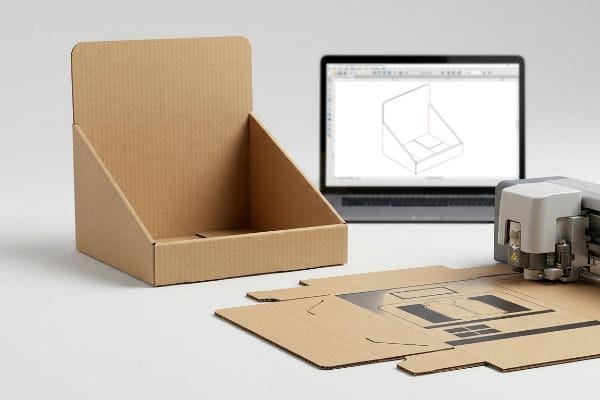
দ্রুত ও সহজে কাস্টম কাউন্টার ডিসপ্লে কার্ডবোর্ড বক্স তৈরি করার জন্য হালকা ওজনের ই-ফ্লুট ঢেউখেলানো বোর্ডকে আগে থেকে আঠা লাগানো, ফ্ল্যাট-প্যাক কাঠামোতে রূপান্তর করতে হয়। প্রমিত CAD টেমপ্লেট এবং সরাসরি বোর্ডে ডিজিটাল প্রিন্টিং ব্যবহার করার ফলে প্রচলিত টুলিংয়ের প্রয়োজন হয় না, যা ব্র্যান্ডগুলোকে টেকসই এবং দ্রুত একত্রিত করা যায় এমন রিটেইল মার্চেন্ডাইজার দ্রুত স্থাপন করতে সক্ষম করে।.
কিন্তু কারখানার মেঝেতে স্বয়ংক্রিয় যন্ত্রগুলো চলতে শুরু করলে শুধু তত্ত্ব জানাই যথেষ্ট নয়।.
কীভাবে আপনার নিজের পছন্দমতো কার্ডবোর্ডের বাক্স তৈরি করবেন?
আপনার নিজস্ব কার্ডবোর্ড সেটআপ এখন আগের চেয়েও সহজ।
নিজস্ব কাস্টম কার্ডবোর্ড বাক্স তৈরি করতে হলে সাধারণ ওয়েব গ্রাফিক্স থেকে সুনির্দিষ্ট প্যারামেট্রিক ইঞ্জিনিয়ারিং-এর দিকে যেতে হয়। ব্র্যান্ডিং প্রয়োগ করার আগে ডিজাইনারদের অবশ্যই কাঠামোগত বাঁকের ছাড়, ফ্লুটের দিক এবং লকিং ট্যাবের ক্লিয়ারেন্স গণনা করতে হয়, যাতে বাক্সটির ভৌত জ্যামিতি পরিবর্তনশীল খুচরা ওজনের সীমাবদ্ধতার চাপে ভেঙে না পড়ে পণ্যকে নিরাপদে ধরে রাখতে পারে।.
কিন্তু স্ক্রিনে সুন্দর গ্রাফিক ডিজাইন করা অর্থহীন, যদি অ্যাসেম্বলির সময় ফিজিক্যাল বোর্ডটি ভেঙে যায়।.
কারখানায় ওয়েব-ভিত্তিক ডাইলাইন কেন ব্যর্থ হয়
এমনকি অভিজ্ঞ ক্রয় দলগুলোও প্রায়শই গ্রাফিক ডিজাইনারদের দিয়ে সাধারণ ওয়েব টুল ব্যবহার করে সরাসরি জটিল ইন্টারলকিং ট্যাব আঁকিয়ে প্রাথমিক খরচ কমানোর চেষ্টা করে 1। তারা ধরে নেয় যে, যদি ডিজিটাল ক্যানভাসে দৃশ্যমান রেখাগুলো নিখুঁতভাবে মিলে যায়, তাহলে প্যাকিং লাইনে চূড়ান্ত ঢেউখেলানো ইউনিটটি কোনো ঘর্ষণ ছাড়াই স্বাভাবিকভাবে ভাঁজ হয়ে যাবে।
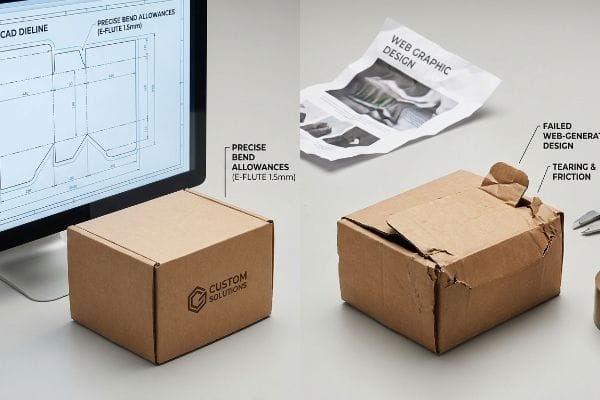
এটা শুধু তত্ত্ব নয়—আমি টেস্টিং ফ্লোরে এর সম্মুখীন হই। সম্প্রতি একজন ক্লায়েন্ট একটি অত্যন্ত ভারবাহী রেজিস্টার ইউনিটের জন্য একটি ওয়েব-জেনারেটেড ফ্ল্যাট ফাইল নিয়ে এসেছিলেন। ডিজাইনটিতে ০.০৬-ইঞ্চি (১.৫ মিমি) ই-ফ্লুট পুরুত্বের।আমার প্রাথমিক ভাঁজ করার চেষ্টার সময়, টাইট ট্যাবগুলো কাঁচা কাগজের কিনারাগুলোকে প্রচণ্ডভাবে আটকে ফেলছিল। আমি অ্যাসেম্বলি টিমকে হিমশিম খেতে দেখেছি, হেডার প্যানেলটিকে জোর করে জায়গায় বসানোর চেষ্টা করতে গিয়েই তারা প্রিন্ট করা উপরের শীটটি ছিঁড়ে ফেলছিল। আমি ফাইলটি নিয়ে, ওয়েব ডাইলাইনটি বাতিল করে, সরাসরি আমার ক্যাড সিস্টেম থেকে একটি প্রি-ইঞ্জিনিয়ার্ড পিডিএফ তৈরি করি। জটিল কাঠামোগত গণিতকে নিচের স্তরে লক করে এবং ক্লায়েন্টকে শুধুমাত্র সারফেস গ্রাফিক্স প্রয়োগ করার মধ্যে সীমাবদ্ধ রেখে, আমি গাণিতিকভাবে প্রতিটি স্লটে একটি ০.২৫-ইঞ্চি (৬.৩৫ মিমি) ক্লিয়ারেন্স বাফার অন্তর্ভুক্ত করতে বাধ্য করি। এই কাঠামোগত পুনঃডিজাইনটি পৃষ্ঠটান দূর করে, কো-প্যাকিং লাইনের গতি আনুমানিক ৩০% বাড়িয়ে দেয় এবং ব্যয়বহুল ম্যানুয়াল রিওয়ার্ক ফি বাতিল করে।
| ইঞ্জিনিয়ারড সলিউশন | শারীরিক ফলাফল | আর্থিক ROI |
|---|---|---|
| পূর্ব-প্রকৌশলকৃত CAD টেমপ্লেট | শূন্য-ঘর্ষণ লকিং ট্যাব | সমাবেশের সময় কমিয়ে আনে |
| নিষিদ্ধ ওয়েব-টুল জ্যামিতি3 | কাগজ ছেঁড়া দূর করা হয়েছে | ম্যানুয়াল পুনঃকাজের ফি কমায় |
| ৬.৩৫ মিমি ক্লিয়ারেন্স বাফার4 | পরিষ্কার কাঠামোগত ভাঁজ | কো-প্যাকিং শ্রম খরচ কমায় |
আপনার রিটেইল রোলআউটে আনাড়ি ওয়েব গণিতের কোনো স্থান নেই। আমার লক করা স্ট্রাকচারাল টেমপ্লেটগুলো দিয়ে শুরু করুন, একটি গাণিতিকভাবে সঠিক ভিত্তির ওপর আপনার গ্রাফিক্স প্রয়োগ করুন, এবং আপনার ডিসপ্লেগুলো প্রতিবারই নিখুঁতভাবে তৈরি হবে।.
🛠️ হার্ভির ডেস্ক: আপনার বর্তমান ডাইলাইনগুলো কি ই-ফ্লুট বোর্ডের ভৌত পুরুত্বের সাথে গাণিতিকভাবে সামঞ্জস্য রাখছে? 👉 আপনার প্যাকেজিং জ্যামিতি নিরীক্ষা করুন ↗ — আমি ২৪ ঘণ্টার মধ্যে প্রতিটি স্ট্রাকচারাল ফাইল ব্যক্তিগতভাবে পর্যালোচনা করি।
আমি কি আমার পছন্দমতো একটি রিটেইল ডিসপ্লে বক্স বানিয়ে নিতে পারি?
যেকোনো আকারের ব্র্যান্ডের জন্যই নিজস্ব প্রয়োজন অনুযায়ী পয়েন্ট-অফ-সেল ফিক্সচার নিশ্চিত করা সম্পূর্ণ সহজলভ্য।.
হ্যাঁ। একটি কাস্টম রিটেইল ডিসপ্লে বক্স তৈরি করার ক্ষেত্রে, বিক্রয়কেন্দ্রের নির্দিষ্ট পরিবেশ অনুযায়ী এর কাঠামোগত উপাদানগুলোর মাপ ঠিক করতে হয়। নির্মাতারা উচ্চ-রেজোলিউশন প্রিন্টিং এবং বিশেষায়িত মাইক্রো-ফ্লুট সাবস্ট্রেট ব্যবহার করে অস্থায়ী ঢেউখেলানো কার্ডবোর্ডের ইউনিটগুলো এমনভাবে ডিজাইন করেন, যা ভারী ভোগ্যপণ্য বহনে সক্ষম হয় এবং চেকআউট কাউন্টারের কঠোর স্থানিক সীমাবদ্ধতার মধ্যে ব্র্যান্ডের দৃশ্যমানতা সর্বোচ্চ করে তোলে।.
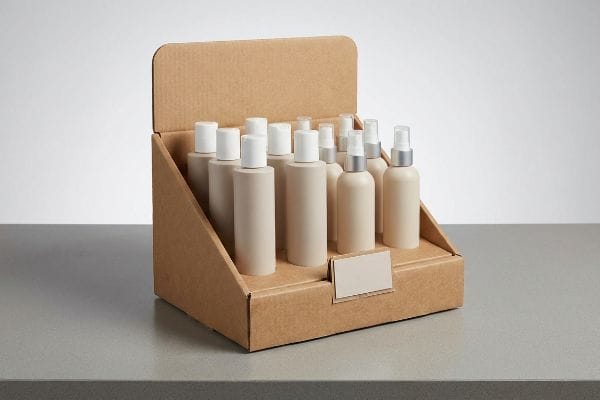
তথাপি, একটি ক্যাশ রেজিস্টার জোনের মধ্যে জায়গা করে দেওয়ার জন্য একটি বিশাল কাঠামোগত প্রচারাভিযানকে ছোট করতে গেলে তীব্র যান্ত্রিক ঘর্ষণের সৃষ্টি হয়।.
বিপর্যয়কর "শ্রিন্ক-টু-ফিট" কাউন্টারটপ স্কেলিং ত্রুটি
ব্র্যান্ড টিমগুলো প্রায়শই ধরে নেয় যে একটি সর্বজনীন ফাইল সব মাপেই কাজ করে, এবং তারা একটি পরীক্ষিত ও মজবুত ফ্লোর মার্চেন্ডাইজারকে নিয়ে সেটির আকার ৫০% কমিয়ে কাউন্টারটপ ইউনিট হিসেবে ব্যবহার করে । তারা আশা করে যে ভারী বোর্ডটি অর্ধেক আকারেও জাদুকরীভাবে একই রকম আচরণ করবে, এবং কাগজের তন্তুর ভৌত সীমাবদ্ধতাকে উপেক্ষা করে ।
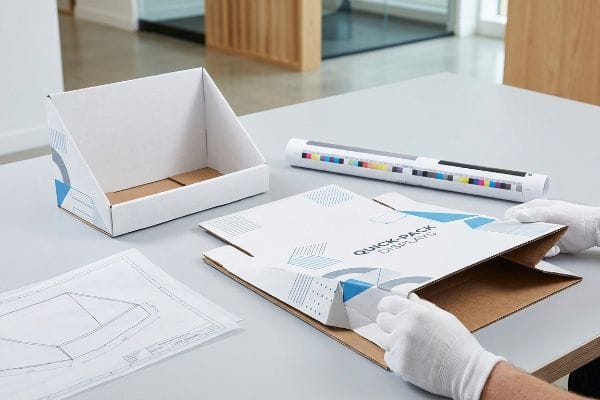
এটা শুধু তত্ত্ব নয়—নতুন ফ্র্যাঞ্চাইজি ক্লায়েন্টদের অন্তর্ভুক্ত করার সময় আমি টেস্টিং ফ্লোরে এই সমস্যার সম্মুখীন হই। একটি এজেন্সি একটি বড় কসমেটিক লঞ্চের। যখন আমি কংসবার্গ সিএনসি (কম্পিউটার নিউমেরিক্যাল কন্ট্রোল) কাটিং টেবিল থেকে প্রথম সাদা নমুনাটি নামালাম, তখনই ব্যর্থতাটি চোখে পড়ল। পুরু ০.১২-ইঞ্চি (৩ মিমি) বি-ফ্লুট বোর্ড৬ নতুন করে কমানো ক্ষুদ্র অনুপাতের চারপাশে শারীরিকভাবে বাঁকতে পারছিল না। ভাঁজের ব্যাসার্ধ এতটাই সংকীর্ণ ছিল যে, আমি যখন সামনের প্রান্তটি লক করার চেষ্টা করছিলাম, তখন ভার্জিন ক্রাফট লাইনারটি ভেঙে যাওয়ার বিকট, বীভৎস শব্দ শুনতে পেলাম। আমি প্রেসগুলো থামিয়ে দিলাম এবং উপকরণের একটি সম্পূর্ণ আপগ্রেড সম্পন্ন করলাম। আমি সাবস্ট্রেটটিকে একটি উচ্চ-ঘনত্বের, পাতলা ই-ফ্লুট৭-এ এবং সংকীর্ণ বাঁকের ব্যাসার্ধের সাথে মানিয়ে নেওয়ার জন্য ফ্রিকশন লকগুলোকে সম্পূর্ণরূপে নতুন করে ডিজাইন করলাম। এই সাবস্ট্রেট এবং জ্যামিতিক পরিবর্তনটি পরিষ্কার ভাঁজের রেখাগুলো ফিরিয়ে আনল, যার ফলে নোংরা প্যাকিং টেপের প্রয়োজনীয়তা সম্পূর্ণরূপে দূর হলো এবং ক্লায়েন্টের আনুষঙ্গিক উপকরণের খরচও ব্যাপকভাবে কমে গেল।
| ইঞ্জিনিয়ারড সলিউশন | শারীরিক ফলাফল | আর্থিক ROI |
|---|---|---|
| ই-ফ্লুট উপাদান রূপান্তর | পরিষ্কার ভাঁজ ব্যাসার্ধ | টেপ ও আঠার খরচ দূর করে8 |
| পুনঃপ্রকৌশলকৃত ঘর্ষণ লক | শূন্য ভাঙা পেপারবোর্ড9 | খুচরা ইনস্টলেশন দ্রুততর করে |
| মাইক্রো-অনুপাত স্কেলিং | স্থিতিশীল রেজিস্টার ফুটপ্রিন্ট | দোকানের প্রত্যাখ্যান প্রতিরোধ করে10 |
চেকআউট কাউন্টারে জোর করে মেঝের সমতলের জ্যামিতি চাপিয়ে দেওয়ার চেষ্টা বন্ধ করুন। আমি প্রতিটি কাঠামোগত স্তরকে গাণিতিকভাবে আলাদা করি, যাতে আপনার কম্প্যাক্ট ইউনিটগুলো সুন্দরভাবে জোড়া লাগে, ওজন ধরে রাখতে পারে এবং কখনোই টেপ দিয়ে জোড়া লাগানো কোনো হাই স্কুল প্রজেক্টের মতো না দেখায়।.
🛠️ হার্ভির ডেস্ক: আপনি কি কখনো পরীক্ষা করে দেখেছেন যে আপনার বর্তমান ফ্লোর ডাইলাইনটি ৫০% গাণিতিক হ্রাস সহ্য করতে পারে কি না? 👉 একটি মাইক্রো-ফ্লুট প্রোটোটাইপের জন্য অনুরোধ করুন ↗ — ১০০% গোপনীয়। আপনার অপ্রকাশিত রিটেইল ডিজাইনগুলো আমার কাছে সুরক্ষিত।
ফরমায়েশি কার্ডবোর্ডের বাক্স বানাতে কত খরচ হয়?
আপনার প্রাথমিক উৎপাদন বাজেট বোঝাটাই আপনার প্রচারণার সম্পূর্ণ গতিপথ নির্ধারণ করে দেয়।.
বিশেষভাবে তৈরি কার্ডবোর্ডের বাক্সের খরচ মূলত নির্ভর করে কাঠামোগত প্রকৌশলগত সিদ্ধান্ত, বোর্ডের গ্রেড স্পেসিফিকেশন এবং মুদ্রণের পরিমাণের উপর। ক্রয়কারী দলগুলোকে কাঁচামালের ঘনত্ব এবং বাহ্যিক সৌন্দর্যের মধ্যে ভারসাম্য রক্ষা করতে হয়, কারণ সঠিক সংকোচন শক্তিতে বিনিয়োগ করলে তা শেষ পর্যন্ত পরিবহনের সময় মারাত্মক ক্ষতি এবং খুচরা বিক্রেতাদের বিপুল পরিমাণ অর্থ ফেরতের হাত থেকে রক্ষা করে।.
তবে, প্রাথমিক একক খরচ নিয়ে অতিরিক্ত চিন্তা প্রায়শই ক্রয় দলগুলোকে সরাসরি একটি মারাত্মক আর্থিক ফাঁদে ফেলে দেয়।.
কসমেটিক বোর্ড ডাউনগ্রেডের মারাত্মক ফাঁদ
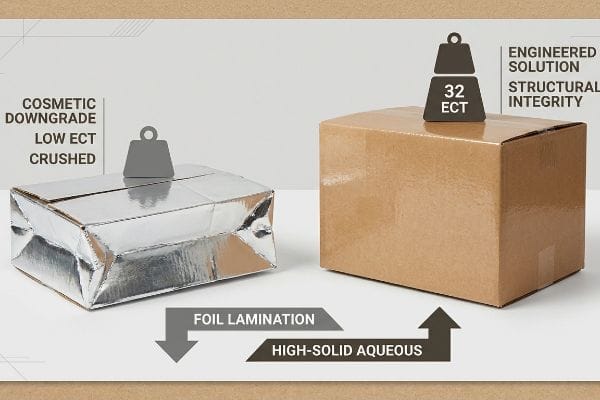
এটি একটি সাধারণ ফাঁদ যা এমনকি অভিজ্ঞ ক্রয় দলগুলোকেও কাবু করে ফেলে: সম্পূর্ণ ফয়েল ল্যামিনেশনের মতো ব্যয়বহুল বাহ্যিক প্রলেপকে অলঙ্ঘনীয় বিপণন নির্দেশ হিসেবে গণ্য করা। বাজেট অপরিবর্তিত রাখতে, তারা গোপনে মূল ঢেউতোলা বোর্ডের ECT (এজ ক্রাশ টেস্ট) রেটিং ৩২ পাউন্ড/ইঞ্চি থেকে কমিয়ে ২৬ পাউন্ড/ইঞ্চি (৫.৭ কিলোনিউটন/মিটার থেকে ৪.৫ কিলোনিউটন/মিটার) করে দেয় , এই ভেবে যে চকচকে বাইরের আবরণটি কাগজের অভ্যন্তরীণ ঘনত্বের ঘাটতি পূরণ করে দেবে।
এটা শুধু তত্ত্ব নয়—আমি এটা কঠিনভাবে শিখেছি। ২০২১ সালে, আমি আমার প্রধান প্যাকেজিং ইঞ্জিনিয়ার, মার্ককে, ভারী কাউন্টারটপ বিনের একটি ব্যাচ তৈরি করতে বলেছিলাম, যেখানে ক্লায়েন্ট একটি ধাতব ফিল্ম ব্যবহারের সুবিধার জন্য প্রিমিয়াম বোর্ডের পরিবর্তে একটি সস্তা গ্রেডের বোর্ড ব্যবহার করার জন্য জোর দিয়েছিল। আমরা ভেবেছিলাম যে ফয়েলের টান শক্তি হয়তো ওপর থেকে চাপ দিয়ে সাজানোর চাপ সহ্য করার জন্য যথেষ্ট পৃষ্ঠটান তৈরি করবে। দুই দিন পর ক্লাইমেট চেম্বারে, আমি দেখলাম নিচের পুরো স্তরটি দৃশ্যত বাইরের দিকে বেঁকে গেল, এবং তারপরেই আমি ১৮৫.৫ পাউন্ড (৮৪.১ কেজি) কৃত্রিম প্যালেটের ওজনের নিচে খাঁজগুলো সম্পূর্ণ ভেঙে পড়ার চাপা মচমচ শব্দ শুনতে পেলাম। ফয়েলটি এটিকে বাঁচাতে পারেনি; এটি কেবল একটি খুব চকচকে থেঁতলানো বাক্স তৈরি করেছিল। আমি সঙ্গে সঙ্গে ক্লায়েন্টের অনুরোধ উপেক্ষা করে সোজা কারখানার ফ্লোরে চলে গেলাম এবং আমার সোর্সিং ম্যাট্রিক্স পুনরায় সাজিয়ে নিলাম। আমি উপাদানটিকে একটি ভার্জিন ৩২ ইসিটি স্ট্যান্ডার্ড ১২- এ ফিরিয়ে আনলাম এবং ভারী প্লাস্টিকের ফয়েলের পরিবর্তে একটি হাই-সলিড গ্লস অ্যাকুয়াস কোটিং ১৩ প্রয়োগ করে কাঙ্ক্ষিত প্রিমিয়াম প্রতিফলন অর্জন করলাম । এই উপাদান পরিবর্তন শুধু ভিত্তিটিকে বেঁকে যাওয়া থেকে আটকায়নি; এটি ভৌত মজুদকে সম্পূর্ণরূপে সুরক্ষিত করেছিল, যার ফলে খুচরা বিক্রেতার চার্জব্যাকের ঝুঁকি দূর হয় এবং ক্যাম্পেইনের মার্জিন রক্ষা পায়।
| ইঞ্জিনিয়ারড সলিউশন | শারীরিক ফলাফল | আর্থিক ROI |
|---|---|---|
| ৩২ ইসিটি ভার্জিন ক্রাফট আপগ্রেড14 | উচ্চ-সংকোচন কাঠামোগত কোর | খুচরা বিক্রেতার চার্জব্যাক দূর করে15 |
| উচ্চ-কঠিন জলীয় আবরণ16 | ফয়েল ছাড়া প্রিমিয়াম গ্লস | কাঁচামালের খরচ কমায় |
| নিষিদ্ধ ইসিটি বোর্ডের অবনমন | সর্বনিম্ন স্তরে শূন্য বাঁকানো | বিশাল প্রচারণার ব্যবধান রক্ষা করে |
বাহ্যিক বাড়তি চাকচিক্য যেন আপনার ইউনিটের কাঠামোগত অখণ্ডতা নষ্ট না করে। আমি প্রথমে টিকে থাকার কথা মাথায় রেখেই ডিজাইন করি, এবং বিশ্বব্যাপী মাল পরিবহনের জন্য প্রয়োজনীয় গতিশীল সংকোচন শক্তিকে অক্ষুণ্ণ রেখে বিলাসবহুল নান্দনিকতা নিশ্চিত করতে উচ্চ-ক্ষমতাসম্পন্ন কোটিং ব্যবহার করি।.
🛠️ হার্ভির ডেস্ক: শুধু একটি চকচকে ল্যামিনেশনের খরচ জোগাতে আপনি কি গোপনে আপনার বোর্ডের ECT রেটিং কমিয়ে দিচ্ছেন? 👉 একটি ফ্রি BOM অডিট করান ↗ — মাঝখানে কোনো অ্যাকাউন্ট ম্যানেজার নেই। আপনি সরাসরি স্ট্রাকচারাল ইঞ্জিনিয়ারদের সাথে কথা বলবেন।
কীভাবে একটি প্যাকেজিং বক্স ডিজাইন তৈরি করবেন?
ব্র্যান্ডের রূপকল্পকে বাস্তব স্থাপত্যে রূপান্তর করা একটি অত্যন্ত প্রযুক্তিগত প্রক্রিয়া।.
প্যাকেজিং বক্সের ডিজাইন তৈরি করার জন্য প্রাথমিক ভেক্টর আর্টওয়ার্কে উপাদানের পুরুত্বের সঠিক হিসাব অন্তর্ভুক্ত করতে হয়। প্যাকেজিং ইঞ্জিনিয়ারদের অবশ্যই প্রতিটি ভাঁজ এবং খাঁজে সঠিক বাঁকের ছাড় এবং মাত্রাগত সহনশীলতা প্রয়োগ করতে হয়, যাতে মূল উপাদানটি বেঁকে যাওয়া, ছিঁড়ে যাওয়া বা অতিরিক্ত ঘর্ষণ সৃষ্টি না করে নির্বিঘ্নে একে অপরের সাথে আটকে যায়।.
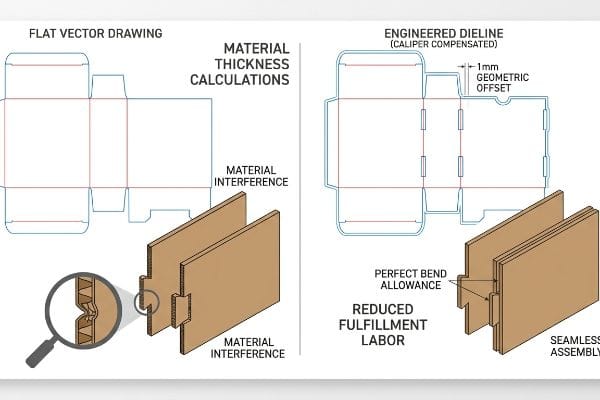
কিন্তু যখন ভৌত বোর্ডটি ৯০-ডিগ্রি ভাঁজ করার সময় উপাদান ক্ষয় করতে শুরু করে, তখন সমতল ভেক্টর অঙ্কনগুলো মূলত অকেজো হয়ে পড়ে।.
কেন বেন্ড অ্যালাউন্সের অনুপস্থিতি কো-প্যাকিং মার্জিন নষ্ট করে
গ্রাফিক ডিজাইনাররা প্রায়শই তাদের ডিজিটাল সফটওয়্যারে সংযোগকারী ট্যাব এবং ভাঁজ করার স্লটগুলো ঠিক সংলগ্ন প্যানেলের সমান প্রস্থে তৈরি করেন। তারা ডাইলাইনটিকে একটি পাতলা প্রিন্টার কাগজের মতো বিবেচনা করেন এবং ভাঁজ করা ঢেউখেলানো বোর্ড১৭ যখন ভেতরের দিকে বাঁকে, তখন
এটা শুধু তত্ত্ব নয়—আমি টেস্টিং ফ্লোরে এই সমস্যার সম্মুখীন হই। একটি বিশাল পানীয় প্রস্তুতকারক সংস্থা আমাকে একটি অনুমোদিত প্যাকেজিং ডিজাইন পাঠিয়েছিল, যেখানে ই-ফ্লুট উপাদানের পুরুত্বকে পুরোপুরি উপেক্ষা করা হয়েছিল। যখন আমরা প্রথম সাদা নমুনাটি অ্যাসেম্বল করছিলাম, আমি একটি আটকে থাকা সাইড প্যানেলের উপরের শিটটি ছিঁড়ে ফেলি এবং অনুভব করি যে ছোট আকারের স্লটের ভিতরে থেঁতলে যাওয়া ফ্লুটগুলো শক্তভাবে আটকে আছে। ০.০৬-ইঞ্চি (১.৫ মিমি) বোর্ডটি৯০ -ডিগ্রি বাঁকানোর সময় উপাদান ক্ষয় করেছিল, যার মানে গ্রহণকারী স্লটটি এখন গাণিতিকভাবে খুব সংকীর্ণ হয়ে গেছে। আমি মাইক্রোমিটারের রিডিং নিয়ে প্রমাণ করলাম যে আমার দামী প্লাস্টিকের ক্লিপ বা পাতলা বোর্ডের প্রয়োজন নেই—আমার শুধু একটি অত্যন্ত সুনির্দিষ্ট জ্যামিতিক অফসেট দরকার ছিল। আমি CAD ফাইলটি পুনরায় প্রোগ্রাম করি যাতে এটি স্বয়ংক্রিয়ভাবে ক্যালিপার ক্ষতিপূরণ অ্যালগরিদম প্রয়োগ করে, গ্রহণকারী স্লটগুলিকে ঠিক ০.০৪ ইঞ্চি (১ মিমি) প্রশস্ত করে। এই সূক্ষ্ম সমন্বয়টি শারীরিক ঘর্ষণকে সম্পূর্ণরূপে দূর করে, ম্যানুয়াল অ্যাসেম্বলি প্রক্রিয়াকে ব্যাপকভাবে ত্বরান্বিত করে এবং ফুলফিলমেন্ট শ্রম বাজেট কমিয়ে দেয়।
| ইঞ্জিনিয়ারড সলিউশন | শারীরিক ফলাফল | আর্থিক ROI |
|---|---|---|
| ক্যালিপার ক্ষতিপূরণ অ্যালগরিদম20 | নিখুঁত বাঁকানোর ছাড় | হাতে করে জোড়া লাগানোর সময় কমায় |
| ১ মিমি জ্যামিতিক অফসেট21 | ঘর্ষণহীন স্লট প্রবেশ | পরিপূর্ণতার শ্রম খরচ কমায় |
| কঠোর মাইক্রোমিটার যাচাইকরণ | চূর্ণবিচূর্ণ বাঁশি নির্মূল করা হয়েছে22 | উপরের চাদর ক্ষতিগ্রস্ত হওয়া থেকে রক্ষা করে |
একটি সুন্দর নকশার কোনো মূল্যই থাকে না, যদি কো-প্যাকিং টিমকে রাবারের হাতুড়ি দিয়ে প্যানেলগুলো ঠুকতে হয়। প্রতিটি ভাঁজের ব্যাসার্ধ গাণিতিকভাবে গণনা করা নিশ্চিত করে যে আপনার ডিসপ্লেগুলো প্রোডাকশন লাইনে অনায়াসে জোড়া লাগে।.
🛠️ হার্ভির ডেস্ক: আপনার বর্তমান ডিজাইন এজেন্সি কি আপনার নির্বাচিত বোর্ড গ্রেডের ফিজিক্যাল ফোল্ড ক্যালিপার (ভাঁজের প্রকৃত পরিমাপ) আসলেই গণনা করছে? 👉 একটি 3D স্ট্রাকচারাল স্ট্রেস সিমুলেশনের জন্য অনুরোধ করুন ↗ — আমি ২৪ ঘণ্টার মধ্যে প্রতিটি স্ট্রাকচারাল ফাইল ব্যক্তিগতভাবে পর্যালোচনা করি।
উপসংহার
প্রিমিয়াম কসমেটিক ফয়েল কেনার জন্য আপনি আপনার করোগেটেড বোর্ডের মান কমিয়ে কিছু পয়সা বাঁচাতে পারেন, কিন্তু যখন ভারী প্যালেটের চাপে সেই দুর্বল ২৬ ইসিটি বেসটি অনিবার্যভাবে ভেঙে পড়ে, তখন আপনি পণ্যের ব্যাপক ক্ষতি এবং খুচরা বিক্রেতার দ্বারা তাৎক্ষণিক প্রত্যাখ্যান নিশ্চিত করেন। শুধুমাত্র গত মাসেই, আমার স্ট্রাকচারাল অডিট ৩টি ব্র্যান্ডকে বাতিল হওয়া ইনভেন্টরি এবং খুচরা বিক্রেতার চার্জব্যাক বাবদ ১০,০০০ ডলারের বেশি সাশ্রয় করতে সাহায্য করেছে। ভুল স্ট্রাকচারাল গণনার পেছনে আপনার মার্কেটিং বাজেটের অপচয় বন্ধ করুন এবং সর্বোচ্চ টিকে থাকা ও বিটুবি লাভজনকতা নিশ্চিত করতে আমাকে ব্যক্তিগতভাবে আপনার পরবর্তী রিটেইল রোলআউটের পরিকল্পনা করতে দিন ↗ ।
"কাস্টম প্যাকেজিং এবং …-এ ডাইলাইনের সম্পূর্ণ নির্দেশিকা", https://gentlever.com/dielines-for-custom-packaging-and-printing/। করোগেটেড কার্ডবোর্ডে উপাদানের পুরুত্ব (ক্যালিপার) এবং ভাঁজের মার্জিন হিসাব করার জন্য সাধারণ ভেক্টর গ্রাফিক টুলগুলিতে কেন প্যারামেট্রিক ক্ষমতার অভাব রয়েছে, তার প্রযুক্তিগত ব্যাখ্যা। প্রমাণের ভূমিকা: প্রযুক্তিগত যৌক্তিকতা; উৎসের ধরণ: প্যাকেজিং ইঞ্জিনিয়ারিং পাঠ্যপুস্তক। সমর্থন করে: ইন্টারলকিং ট্যাবের জন্য সাধারণ ওয়েব টুল ব্যবহারের অদক্ষতা। পরিধি নোট: বি-ফ্লুট এবং সি-ফ্লুট করোগেটেড উপাদানের ক্ষেত্রে প্রযোজ্য। ↩
"কার্ডবোর্ডের পুরুত্ব নির্দেশিকা", https://www.aopackmachine.com/cardboard-thickness-guide/?srsltid=AfmBOop9Kh_PeefNfcoCwE5DfsgrFe62PTEW4PNcUJVqMAraO8kMpK3g। ই-ফ্লুট করোগেটেড বোর্ডের জন্য প্রচলিত শিল্প পরিমাপের যাচাইকরণ। প্রমাণের ভূমিকা: প্রযুক্তিগত স্পেসিফিকেশন; উৎসের ধরণ: শিল্প মান/উৎপাদকের ডেটা। সমর্থন করে: উপাদানের পুরুত্ব পরিমাপের নির্ভুলতা। পরিধি সংক্রান্ত টীকা: উৎপাদক ভেদে সামান্য ভিন্ন হতে পারে। ↩
"যান্ত্রিক ক্ষেত্রে অ্যানালগ এবং ডিজিটাল ক্রিজ লাইনের প্রভাব...", https://pmc.ncbi.nlm.nih.gov/articles/PMC9268991/। উৎপাদন সংক্রান্ত প্রতিবেদন, যেখানে স্বয়ংক্রিয় ওয়েব-টুল ডাইলাইনে নির্দিষ্ট জ্যামিতিক ত্রুটির বিস্তারিত বিবরণ দেওয়া হয়েছে, যা উপাদানের উপর চাপ সৃষ্টি করে এবং ছিঁড়ে যাওয়ার কারণ হয়। প্রমাণের ভূমিকা: কার্যকারণমূলক প্রমাণ; উৎসের ধরণ: উৎপাদন সংক্রান্ত শ্বেতপত্র। সমর্থন করে: এই দাবি যে, নির্দিষ্ট ওয়েব-টুল জ্যামিতি পরিহার করলে কাগজ ছেঁড়া প্রতিরোধ করা যায়। পরিধি সংক্রান্ত টীকা: স্বয়ংক্রিয় CAD-টু-ডাইকাট কার্যপ্রবাহের ক্ষেত্রে প্রযোজ্য। ↩
"ঢেউখেলানো কাগজের প্যাকেজের সংকোচন শক্তি …", https://pmc.ncbi.nlm.nih.gov/articles/PMC10054506/। প্রযুক্তিগত প্যাকেজিং ইঞ্জিনিয়ারিং মান যা ঢেউখেলানো কার্ডবোর্ডে পরিষ্কার কাঠামোগত ভাঁজ নিশ্চিত করার জন্য প্রয়োজনীয় নির্দিষ্ট ক্লিয়ারেন্স দূরত্ব যাচাই করে। প্রমাণের ভূমিকা: প্রযুক্তিগত স্পেসিফিকেশন; উৎসের ধরণ: ইঞ্জিনিয়ারিং ম্যানুয়াল। সমর্থন করে: এই দাবি যে একটি ৬.৩৫ মিমি বাফার ভাঁজকে সর্বোত্তম করে তোলে। পরিধি নোট: উপাদানের পুরুত্ব এবং ফ্লুটের ধরনের উপর ভিত্তি করে কার্যকারিতা পরিবর্তিত হতে পারে। ↩
"কোরুগেটেড বক্সের চূড়ান্ত নির্দেশিকা: প্রকারভেদ, ব্যবহার ও …", https://pakfactory.com/blog/corrugated-box-101?srsltid=AfmBOor5uDP3VsPJc4wf7-2AzSzjkqOCt8ayzzxizdBDzTzILWILNzgt। প্যাকেজিং ডিজাইনের রৈখিক স্কেলিং কেন ব্যর্থ হয় তার প্রযুক্তিগত ব্যাখ্যা, কারণ উপাদানের পুরুত্ব এবং ফাইবারের শক্তি আকারের সাথে সমানুপাতিকভাবে বাড়ে না। প্রমাণের ভূমিকা: প্রযুক্তিগত যাচাইকরণ; উৎসের ধরণ: প্যাকেজিং ইঞ্জিনিয়ারিং ম্যানুয়াল। সমর্থন: আকার ছোট করার সময় কাগজ-ভিত্তিক উপাদানের কাঠামোগত সীমাবদ্ধতা। পরিধি সংক্রান্ত টীকা: শুধুমাত্র করোগেটেড এবং ফোল্ডিং কার্টন উপকরণের জন্য প্রযোজ্য। ↩
"কোরুগেটেড বোর্ড এবং উপকরণের গ্রেড – প্যাকেজিং কৌশল", https://www.packagingstrategies.com/articles/96269-corrugated-board-and-material-grades। কোরুগেটেড উপকরণের জন্য প্রযুক্তিগত শিল্প মান বি-ফ্লুট বোর্ডের নামমাত্র পুরুত্ব নিশ্চিত করে। প্রমাণের ভূমিকা: তথ্যগত যাচাই; উৎসের ধরণ: প্রযুক্তিগত স্পেসিফিকেশন ম্যানুয়াল। সমর্থন করে: উপকরণের মাত্রার নির্ভুলতা। পরিধি সংক্রান্ত টীকা: প্রস্তুতকারক ভেদে সামান্য পার্থক্য থাকতে পারে। ↩
"কোরুগেটেড বাক্সে ফ্লুট বোঝার নির্দেশিকা – জেন্টলেভার", https://gentlever.com/flutes-types-sizes-and-thickness-in-corrugated-boxes/। কোরুগেটেড প্যাকেজিং-এর উপর মেটেরিয়াল সায়েন্স ডকুমেন্টেশন ব্যাখ্যা করে কেন B-ফ্লুটের চেয়ে ছোট ভাঁজের ব্যাসার্ধ এবং উচ্চতর প্রিন্ট রেজোলিউশনের জন্য E-ফ্লুট বেশি পছন্দনীয়। প্রমাণের ভূমিকা: প্রযুক্তিগত যাচাইকরণ; উৎসের ধরণ: প্যাকেজিং ইঞ্জিনিয়ারিং নির্দেশিকা। সমর্থন করে: কম্প্যাক্ট জ্যামিতির জন্য সাবস্ট্রেট পরিবর্তনের কার্যকারিতা। পরিধি নোট: মাইক্রো-ফ্লুটের বৈশিষ্ট্যের উপর আলোকপাত করে। ↩
"উন্নত স্থায়িত্বের জন্য উদ্ভাবনী নকশার ঢেউখেলানো বোর্ডের প্যাকেজিং...", https://bioresources.cnr.ncsu.edu/resources/corrugated-board-packaging-with-innovative-design-for-enhanced-durability-during-transport/। ই-ফ্লুটের কাঠামোগত বৈশিষ্ট্যের প্রযুক্তিগত বিশ্লেষণ যা স্ব-লকিং নকশাকে আঠার খরচ কমাতে সক্ষম করে। প্রমাণের ভূমিকা: প্রযুক্তিগত বৈধতা; উৎসের ধরণ: প্যাকেজিং ইঞ্জিনিয়ারিং নির্দেশিকা। সমর্থন করে: উপাদান পরিবর্তনের খরচ-সাশ্রয়ী দাবি। পরিধি টীকা: স্ব-লকিং কাঠামোর জন্য নির্দিষ্ট। ↩
"ভারবহন ক্ষমতার উপর ছিদ্রের প্রভাব অনুসন্ধান...", https://pmc.ncbi.nlm.nih.gov/articles/PMC11396172/। অপ্টিমাইজড ফ্রিকশন লক জ্যামিতির মাধ্যমে উপাদানের পীড়ন এবং ছিঁড়ে যাওয়া হ্রাস সংক্রান্ত প্রকৌশলগত তথ্য। প্রমাণের ভূমিকা: প্রযুক্তিগত বিবরণ; উৎসের ধরণ: বস্তু বিজ্ঞান গবেষণা। সমর্থন: বোর্ডের ফাটল নির্মূল করার দাবি। পরিধি সংক্রান্ত টীকা: পেপারবোর্ডের জিএসএম (GSM) অনুযায়ী ফলাফল ভিন্ন হতে পারে। ↩
"ফ্রন্টেজ জোনে খুচরা পণ্য প্রদর্শন", https://www.seattle.gov/transportation/permits-and-services/permits/applicant-guides/ag-1091a। খুচরা বিক্রেতার নিয়ম মেনে চলার জন্য প্রয়োজনীয় পয়েন্ট-অফ-সেল ফুটপ্রিন্টের স্থিতিশীলতা এবং মাত্রা সম্পর্কিত শিল্প নির্দেশিকা। প্রমাণের ভূমিকা: নিয়ম মেনে চলার যাচাইকরণ; উৎসের ধরণ: খুচরা মার্চেন্ডাইজিং ম্যানুয়াল। সমর্থন করে: স্কেলিং এবং খুচরা গ্রহণযোগ্যতার মধ্যে সম্পর্ক। পরিধি নোট: বিভিন্ন খুচরা চেইনের ক্ষেত্রে ভিন্ন হয়। ↩
"মুলেন টেস্ট বনাম এজ ক্রাশ টেস্ট বক্স", https://crownpack.com/wp-content/uploads/2023/11/Crown-Packaging-Mullen-vs-ECT-Whitepaper.pdf। করোগেটেড বোর্ডের জন্য স্ট্যান্ডার্ড ECT রেটিং-এর যাচাইকরণ এবং lbs/in থেকে kN/m-এ রূপান্তরের নির্ভুলতা। প্রমাণের ভূমিকা: প্রযুক্তিগত যাচাইকরণ; উৎসের ধরণ: শিল্প প্যাকেজিং মান। সমর্থন: কাঠামোগত অখণ্ডতার স্পেসিফিকেশন। পরিধি নোট: স্ট্যান্ডার্ড করোগেটেড কার্ডবোর্ডের ক্ষেত্রে প্রযোজ্য। ↩
"ফ্লুট গ্রেড, ইসিটি রেটিং এবং দেয়ালের পুরুত্বের ব্যাখ্যা ২০২৫", https://anchorbox.com/corrugated-box-strength/। একটি প্রামাণ্য বাহ্যিক উৎস কীভাবে এই দাবিকে সমর্থন করে তার সংক্ষিপ্ত ব্যাখ্যা। প্রমাণের ভূমিকা: প্রযুক্তিগত স্পেসিফিকেশন; উৎসের ধরণ: প্যাকেজিং ইঞ্জিনিয়ারিং স্ট্যান্ডার্ড। সমর্থন করে: ৩২ ইসিটি বোর্ডের কাঠামোগত ভারবহন ক্ষমতা। পরিধি সংক্রান্ত টীকা: একক-প্রাচীরযুক্ত ঢেউখেলানো কাগজের উপকরণের জন্য নির্দিষ্ট। ↩
"প্রিন্টিং এবং অন্যান্য ক্ষেত্রে জলীয় (AQ) কোটিং-এর উপকারিতা অন্বেষণ...", https://www.linkedin.com/pulse/exploring-benefits-aqueous-aq-coating-printing-packaging-pakfactory। একটি প্রামাণ্য বাহ্যিক উৎস কীভাবে এই দাবিকে সমর্থন করে তার সংক্ষিপ্ত ব্যাখ্যা। প্রমাণের ভূমিকা: উপাদানের তুলনা; উৎসের ধরণ: শিল্প মুদ্রণ নির্দেশিকা। সমর্থন করে: প্রতিফলন এবং সুরক্ষার জন্য ফয়েলের একটি কার্যকর বিকল্প হিসেবে জলীয় কোটিং-এর ব্যবহার। পরিধিগত টীকা: বাণিজ্যিক অফসেট বা ফ্লেক্সোগ্রাফিক মুদ্রণকে বোঝায়। ↩
"শিপিং বক্সের শক্তি বোঝা – ইকোএনক্লোজ", https://www.ecoenclose.com/blog/understanding-shipping-box-strength/?srsltid=AfmBOop-7qM6xGPQF86aAcIGEyDTbOXNgj4g1Xuj7r3l2lJ3TzWwBVbI। একটি প্রামাণিক বাহ্যিক উৎস কীভাবে এই দাবিকে সমর্থন করে তার সংক্ষিপ্ত ব্যাখ্যা। প্রমাণের ভূমিকা: প্রযুক্তিগত স্পেসিফিকেশন; উৎসের ধরণ: প্যাকেজিং ইঞ্জিনিয়ারিং ম্যানুয়াল। সমর্থন করে: ৩২ ইসিটি ভার্জিন ক্রাফট এবং উচ্চ-সংকোচন কাঠামোগত অখণ্ডতার মধ্যে সম্পর্ক। পরিধি নোট: ঢেউখেলানো কার্ডবোর্ডের মানগুলির ক্ষেত্রে প্রযোজ্য। ↩
"কন্ট্রাক্ট প্যাকেজিং-এর কোন ভুলগুলো রিটেইলার চার্জব্যাকের কারণ হয়?", https://www.industrialpackaging.com/blog/copacker-mistakes-retailer-chargebacks। একটি নির্ভরযোগ্য বাহ্যিক উৎস কীভাবে এই দাবিকে সমর্থন করে তার সংক্ষিপ্ত ব্যাখ্যা। প্রমাণের ভূমিকা: শিল্প মান; উৎসের ধরণ: রিটেইল লজিস্টিকস নির্দেশিকা। সমর্থন করে: প্যাকেজিং-এর দৃঢ়তার নির্দিষ্টকরণ (যেমন ECT) এবং শিপিং জরিমানা/চার্জব্যাক প্রতিরোধের মধ্যে সংযোগ। পরিধি নোট: বিশেষভাবে বিগ-বক্স রিটেইল লজিস্টিকসের জন্য প্রযোজ্য। ↩
"জলীয় আবরণ কী? সুবিধা, প্রয়োগ এবং কেন...", https://millionpack.com/aqueous-coating/। একটি নির্ভরযোগ্য বাহ্যিক উৎস কীভাবে এই দাবিকে সমর্থন করে তার সংক্ষিপ্ত ব্যাখ্যা। প্রমাণের ভূমিকা: উপাদানের বৈশিষ্ট্য যাচাই; উৎসের ধরণ: মুদ্রণ শিল্পের নির্দেশিকা। সমর্থন করে: চকচকে ফিনিশের জন্য ফয়েলের একটি সাশ্রয়ী বিকল্প হিসেবে উচ্চ-কঠিন জলীয় আবরণের ব্যবহার। পরিধি টীকা: শিল্প মুদ্রণ প্রয়োগের উপর দৃষ্টি নিবদ্ধ। ↩
"একটি পাঁচ-স্তরীয় বস্তুর নমন দৃঢ়তার বিশ্লেষণাত্মক নির্ধারণ...", https://pmc.ncbi.nlm.nih.gov/articles/PMC8777652/। প্রযুক্তিগত প্যাকেজিং ইঞ্জিনিয়ারিং স্ট্যান্ডার্ডগুলি ব্যাখ্যা করে যে কীভাবে উপাদানের পুরুত্ব (ক্যালিপার) সঠিক ফিট এবং কাঠামোগত অখণ্ডতা নিশ্চিত করার জন্য নির্দিষ্ট নমন ছাড়ের প্রয়োজনীয়তা তৈরি করে। প্রমাণের ভূমিকা: প্রযুক্তিগত বৈধতা; উৎসের ধরণ: ইঞ্জিনিয়ারিং ম্যানুয়াল। সমর্থন করে: ডাইলাইন ডিজাইনে উপাদানের পুরুত্ব বিবেচনা করার প্রয়োজনীয়তা। পরিধি নোট: বিশেষভাবে ঢেউখেলানো এবং ভারী-গেজ সাবস্ট্রেটের ক্ষেত্রে প্রযোজ্য। ↩
"কার্ডবোর্ডের পুরুত্ব নির্দেশিকা", https://www.aopackmachine.com/cardboard-thickness-guide/?srsltid=AfmBOooRgTV1PUWH7nDvQhZvl6P0vVBWqSObKCQp6aw2RQTts_z6GZL-। শিল্প উপকরণ স্পেসিফিকেশন শিটগুলো ই-ফ্লুট করোগেটেড বোর্ডের সাধারণ পুরুত্বের পরিসীমা যাচাই করে। প্রমাণের ভূমিকা: তথ্যগত যাচাই; উৎসের ধরণ: প্রযুক্তিগত স্পেসিফিকেশন শিট। সমর্থন করে: সাবস্ট্রেটের দাবিকৃত উপকরণের পুরুত্ব। পরিধি নোট: প্রস্তুতকারকের উপর ভিত্তি করে ভিন্নতা থাকতে পারে। ↩
"বেন্ড অ্যালাউন্স এবং বেন্ড ডিডাকশন গণনার নির্দেশিকা", https://sendcutsend.com/blog/guide-to-calculating-bend-allowance-and-bend-deduction/?srsltid। প্যাকেজিং ইঞ্জিনিয়ারিং ম্যানুয়ালগুলিতে একটি ভাঁজের বাইরের ব্যাসার্ধ বিবেচনা করার জন্য বেন্ড অ্যালাউন্স এবং স্লট অফসেট কীভাবে গণনা করতে হয় তা সংজ্ঞায়িত করা হয়েছে। প্রমাণের ভূমিকা: প্রযুক্তিগত যাচাইকরণ; উৎসের ধরণ: ইঞ্জিনিয়ারিং হ্যান্ডবুক। সমর্থন করে: ইন্টারলকিং স্লটের জন্য CAD-এ জ্যামিতিক অফসেটের প্রয়োজনীয়তা। পরিধি নোট: নির্দিষ্ট অফসেটগুলি উপাদানের ক্যালিপার এবং ভাঁজের কোণ অনুসারে পরিবর্তিত হয়। ↩
"Corrugated Design", https://groups.google.com/g/comp.cad.solidworks/c/bV6mhVT7YiQ। প্রযুক্তিগত নথি যা ব্যাখ্যা করে কিভাবে ক্যালিপার পরিমাপ অ্যালগরিদম করোগেটেড বোর্ডে নির্ভুল বেন্ড অ্যালাউন্স নিশ্চিত করে। প্রমাণের ভূমিকা: প্রযুক্তিগত যাচাইকরণ; উৎসের ধরণ: ইঞ্জিনিয়ারিং ম্যানুয়াল। সমর্থন: অ্যালগরিদম এবং বেন্ড নির্ভুলতার মধ্যে পারস্পরিক সম্পর্ক। পরিধি নোট: স্বয়ংক্রিয় ডাই-কাটিং এর জন্য প্রযোজ্য। ↩
"স্ট্রাকচারাল প্যাকেজিং ডিজাইন: মূল উপাদান এবং প্রক্রিয়া – আরকে", https://www.arkay.com/resources/structural-packaging-design। ঘর্ষণহীন অ্যাসেম্বলি নিশ্চিত করার জন্য প্যাকেজিং স্লটে জ্যামিতিক অফসেটের শিল্প মান। প্রমাণের ভূমিকা: স্পেসিফিকেশন যাচাইকরণ; উৎসের ধরণ: প্রযুক্তিগত মান। সমর্থন করে: স্লটিংয়ের জন্য ১ মিমি অফসেটের কার্যকারিতা। পরিধি সংক্রান্ত টীকা: উপাদানের পুরুত্ব অনুসারে পরিবর্তিত হয়। ↩
"ঢেউখেলানো বোর্ডের প্রান্তের চাপ প্রতিরোধ ক্ষমতার মূল্যায়ন...", https://pmc.ncbi.nlm.nih.gov/articles/PMC9961700/। ভাঁজের চাপের মাইক্রোমিটার-স্তরের যাচাইকরণ কীভাবে ঢেউখেলানো বোর্ডের খাঁজের পতন রোধ করে, সে বিষয়ে গবেষণা। প্রমাণের ভূমিকা: কার্যকারণ সম্পর্কীয় প্রমাণ; উৎসের ধরণ: পদার্থ বিজ্ঞান বিষয়ক গবেষণাপত্র। সমর্থন: যাচাইকরণ এবং কাঠামোগত অখণ্ডতার মধ্যে সংযোগ। পরিধিগত টীকা: শুধুমাত্র ঢেউখেলানো কার্ডবোর্ডের জন্য প্রযোজ্য। ↩