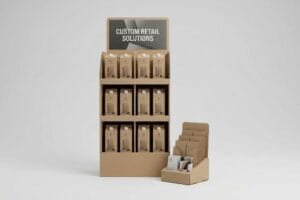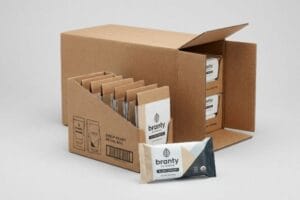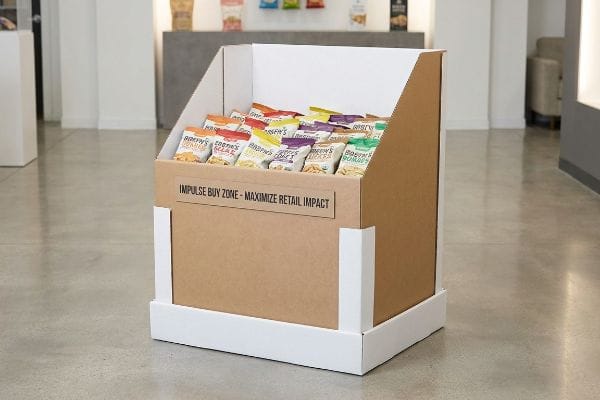
খুচরা ব্যবসা এক নির্মম যুদ্ধক্ষেত্র। আপনার দোকানের ডিসপ্লে বিনগুলো যদি তিন সেকেন্ডের মধ্যে মনোযোগ আকর্ষণ করতে ব্যর্থ হয়, তাহলে আপনি ইতিমধ্যেই পাশের প্রতিযোগীর কাছে বিক্রিটি হারিয়ে ফেলেছেন।.
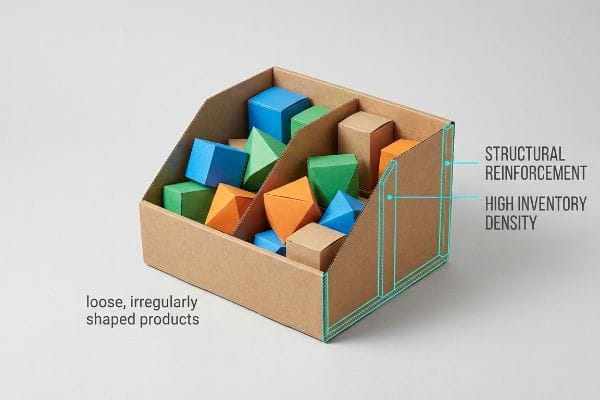
দোকানের জন্য ডিসপ্লে বিন হলো স্ব-স্থিতিশীল, খোলা-শীর্ষযুক্ত খুচরা পণ্য রাখার স্ট্যান্ড, যা বিশেষভাবে আলগা ও অনিয়মিত আকারের পণ্য রাখার জন্য ডিজাইন করা হয়েছে। এগুলি অধিক ব্যবহৃত স্থানের সর্বোচ্চ ব্যবহার নিশ্চিত করে, ক্রেতাদের দ্রুত ও তাৎক্ষণিক কেনাকাটায় উৎসাহিত করে, পণ্য পুনরায় মজুত করার ঝামেলা কমায় এবং মজুতের ঘনত্ব বৃদ্ধি করে। কার্যকর বিনগুলিতে কাঠামোগত শক্তিবৃদ্ধির ব্যবস্থা থাকে, যা ভারী পণ্যের চাপে পাশের দেয়াল ফুলে ওঠা প্রতিরোধ করে।.
সুনির্দিষ্ট সুবিধাগুলিতে যাওয়ার আগে, আমাদের আলোচনা করতে হবে কেন মৌলিক পণ্য বিপণন কৌশল বিক্রয়কেন্দ্রে আপনার টিকে থাকাকে নির্ধারণ করে।.
দোকানে পণ্য কার্যকরভাবে প্রদর্শন করার গুরুত্ব কী?
আপনার কাছে বাজারের সেরা পণ্যটি থাকতে পারে, কিন্তু যদি তা কোনো বড় দোকানের বিশৃঙ্খল তাকের সাথে মিশে যায়, তবে আপনার খুচরা বিক্রয় অভিযান শুরুতেই ব্যর্থ হবে।.
দোকানে পণ্য কার্যকরভাবে প্রদর্শন করার গুরুত্ব হলো পরিকল্পিত দৃশ্যগত বিঘ্নের মাধ্যমে ক্রেতার মনোযোগ আকর্ষণ করা। যথাযথ পণ্যসজ্জা ক্রেতাদের চলাচলকে পরিচালিত করে, উচ্চ-লাভজনক পণ্যগুলোকে তুলে ধরে এবং তাৎক্ষণিক আবেগপ্রবণ ক্রয়ের আচরণকে উৎসাহিত করে, যা নিষ্ক্রিয় ব্র্যান্ড সচেতনতা এবং বিক্রয়কেন্দ্রে সরাসরি বিক্রয়ের মধ্যেকার গুরুত্বপূর্ণ ব্যবধান পূরণ করে।.
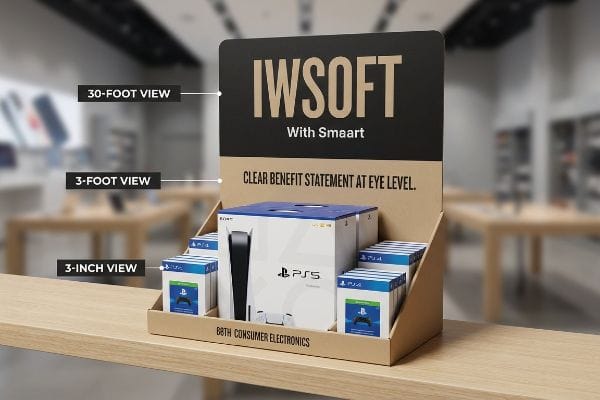
এই মনস্তাত্ত্বিক আকর্ষণটি বোঝা সহজ, কিন্তু একটি বিশাল খুচরা বিক্রয়কেন্দ্রে এটিকে বাস্তবে প্রয়োগ করার জন্য কঠোর স্থানিক গণিতের প্রয়োজন হয়।.
স্টোর এনগেজমেন্টের জন্য ৩-৩-৩ নিয়মটি আয়ত্ত করা
এমনকি অভিজ্ঞ ডিজাইনাররাও প্রায়শই বড় আকারের খুচরা দোকানের স্থানিক বাস্তবতা উপেক্ষা করেন। তারা ব্যাকলিট কম্পিউটার মনিটরে সুন্দর গ্রাফিক্স ডিজাইন করেন, এই ভেবে যে ক্রেতারা থেমে প্রতিটি শব্দ পড়বে। বাস্তবে, দ্রুত হাঁটার গতিতে শপিং কার্ট ঠেলে নিয়ে যাওয়া একজন ক্রেতা দৃষ্টিগতভাবে অভিভূত হয়ে পড়েন এবং এমন সবকিছু উপেক্ষা করেন যা তার অভ্যস্ত পর্যবেক্ষণের ধরণকে তাৎক্ষণিকভাবে ব্যাহত করে না ।
আমি প্রায়শই দেখি ব্র্যান্ডগুলো তাদের বেস প্যানেলে ছোট, জটিল সুবিধার তালিকা ছাপানোর চেষ্টা করে। এটা একটা চিরাচরিত ফাঁদ। আমি আমার ক্লায়েন্টদের "৩-৩-৩ নিয়ম২" ব্যাখ্যা করি: আপনার ডিসপ্লেকে অবশ্যই একটি বিশাল ডাই-কাট আকৃতি ব্যবহার করে ৩০ ফুট (৯.১ মিটার) দূর থেকে শারীরিকভাবে দৃষ্টি আকর্ষণ করতে হবে, ৩ ফুট (০.৯ মিটার) দূরত্বে একটি মূল অফারের মাধ্যমে আগ্রহ জাগাতে হবে, এবং ৩ ইঞ্চি (৭৬.২ মিমি) দূরত্বে স্পর্শের মাধ্যমে বিক্রয় বাড়াতে হবে। আমার মনে আছে, একবার এক দোকানের কর্মচারীকে একটি পণ্য বের করতে হিমশিম খেতে দেখেছিলাম, কারণ এর ধরে রাখার কিনারাটি খুব উঁচু ছিল, যা কাঁচা পেপারবোর্ডের সাথে প্রচণ্ড ঘর্ষণ সৃষ্টি করছিল এবং ব্র্যান্ডের লোগোটি পুরোপুরি ঢেকে দিচ্ছিল। আমরা সামনের কিনারাটি কেটে এর সমাধান করেছিলাম, যাতে পণ্যটি ৮৫% দেখা যায়৩, শারীরিক ঘর্ষণ দূর করে এবং সাথে সাথেই তাৎক্ষণিক বিক্রয় বাড়িয়ে দিয়েছিলাম।
| নতুনদের সাধারণ ভুল | প্রো ফিক্স | খুচরা-ফ্লোর সুবিধা |
|---|---|---|
| ক্ষুদ্র, লেখাবহুল গ্রাফিক্স | ৩০-ফুট বিশাল ডাই-কাট আকার | করিডোর স্ক্যানিং প্যাটার্ন ব্যাহত করে |
| উঁচু ঠোঁট | ৮৫% দৃশ্যমানতার জন্য ঠোঁট কাটা4 | ঘর্ষণহীন স্পর্শ রূপান্তর |
| স্থানিক দূরত্ব উপেক্ষা করা | ৩-৩-৩ স্থানিক নিয়ম5 | পথচারী চলাচল তাৎক্ষণিকভাবে শনাক্ত করে |
আমি প্রতিটি ইউনিটকে এই তিনটি নির্দিষ্ট দূরত্বের সীমায় পৌঁছানোর জন্য কঠোরভাবে ডিজাইন করি। যদি আপনার কাঠামোটি ত্রিশ ফুট দূর থেকে তাদের আকর্ষণ করতে না পারে, তবে আপনার তিন-ইঞ্চি রূপান্তর কৌশলটি সম্পূর্ণ অকেজো।.
🛠️ হার্ভির ডেস্ক: ত্রিশ ফুট দূর থেকে দেখলে আপনার ডিসপ্লেগুলো কি দোকানের পারিপার্শ্বিকতার সাথে মিশে যাচ্ছে? 👉 একটি স্পেশাল ডিজাইন পর্যালোচনার জন্য অনুরোধ করুন ↗ — সরাসরি আমার ডেস্কে অ্যাক্সেস। কোনো স্বয়ংক্রিয় সেলস স্প্যাম থাকবে না, আমি কথা দিচ্ছি।
দোকানে পণ্য বিক্রির সুবিধাগুলো কী কী?
ডিজিটাল মার্কেটিং সুনির্দিষ্ট তথ্য সরবরাহ করে, কিন্তু বাস্তব খুচরা ব্যবসা এমন কিছু দেয় যা ই-কমার্স অনুকরণ করতে পারে না: তাৎক্ষণিক স্পর্শজনিত তৃপ্তি এবং স্বতঃস্ফূর্তভাবে সরাসরি পণ্য কেনার প্রবল শক্তি।.
ইন-স্টোর রিটেইলিংয়ের সুবিধাগুলোর মধ্যে রয়েছে তাৎক্ষণিক পণ্য প্রাপ্তি, শিপিং বিলম্বের সম্পূর্ণ বিলোপ এবং শারীরিক আবেগকে কাজে লাগানোর অনন্য ক্ষমতা। বাস্তব দোকান ব্র্যান্ডগুলোকে এমন স্পর্শযোগ্য মার্চেন্ডাইজার নিয়োগের সুযোগ দেয়, যা ক্রেতার মনস্তত্ত্বকে কাজে লাগিয়ে উচ্চ গ্রাহক অধিগ্রহণ খরচ ছাড়াই তাৎক্ষণিক ও বিপুল পরিমাণে বিক্রয় বৃদ্ধি করে।.
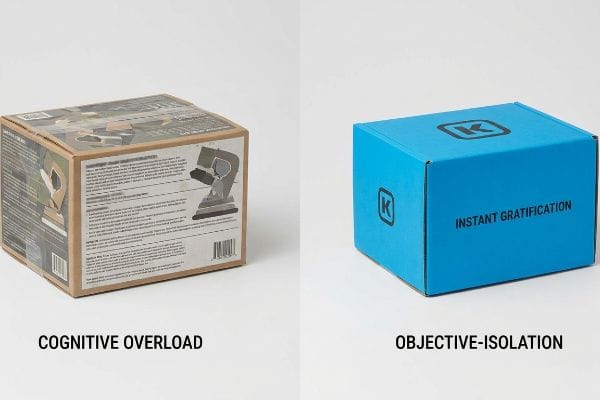
এই শারীরিক সুবিধাকে সত্যিকার অর্থে কাজে লাগাতে হলে, আপনাকে অবশ্যই ক্রেতাকে অতিরিক্ত মানসিক চাপ থেকে কঠোরভাবে রক্ষা করতে হবে।.
জ্ঞানীয় অতিরিক্ত চাপের ফাঁদ এড়ানো
একজন ক্রেতা ঠিক কী কারণে কেনাকাটা করে, তা বোঝার জন্য মার্কেটিং দলগুলো প্রায়শই "সেভেন ও'স" কাঠামোর মতো ব্যাপক ভোক্তা আচরণের প্রোফাইল তৈরি করতে মাসব্যাপী সময় ব্যয় করে। মারাত্মক ভুলটি তখনই ঘটে, যখন তারা এই মনস্তাত্ত্বিক গবেষণার সাতটি কৌশলগত স্তরকেই সরাসরি ঢেউখেলানো পাশের প্যানেলগুলোতে ছাপানোর চেষ্টা করে।.
সম্প্রতি একজন ক্রেতা আমাকে জিজ্ঞাসা করেছিলেন, কেন তাদের পুঙ্খানুপুঙ্খভাবে গবেষণা করা প্রচারণাটি বিক্রি বাড়াতে ব্যর্থ হয়েছে। যখন তারা আমাকে পণ্যের নমুনাটি পাঠিয়েছিল, আমি দেখলাম প্রতিটি পণ্যের বৈশিষ্ট্য বিস্তারিতভাবে বর্ণনা করা ছোট ছোট অক্ষরে লেখা অনুচ্ছেদ, যা এক মাথা ঘুরিয়ে দেওয়ার মতো দৃশ্যগত জঞ্জাল তৈরি করেছে। আমি তাদের বলেছিলাম যে এটি মস্তিষ্কের উপর প্রচণ্ড চাপ সৃষ্টি করে; একজন তাড়াহুড়ো করা ক্রেতা তিন সেকেন্ডের মধ্যে এত লেখায় ভরা একটি বিলবোর্ড বুঝতে পারে না।আমি সবসময় একটি "বস্তুনিষ্ঠ-বিচ্ছিন্নকরণ" পদ্ধতি প্রয়োগ করি, যেখানে আমি নির্মমভাবে অপ্রয়োজনীয় লেখা বাদ দিই এবং পটভূমিকে একটিমাত্র, উচ্চ-কন্ট্রাস্টের প্যানটোন স্পট কালার দিয়ে ভরিয়ে দিই। দৃশ্যগত জঞ্জাল দূর করার মাধ্যমে, আমরা কেনার সঠিক উপলক্ষটিকে আলাদা করে ফেলি, যা নিশ্চিত করে যে অতিরিক্ত পড়ার ঝামেলা ছাড়াই ভোক্তার মনস্তাত্ত্বিক উদ্দীপকটি সঙ্গে সঙ্গে সক্রিয় হয়।
| নতুনদের সাধারণ ভুল | প্রো ফিক্স | খুচরা-ফ্লোর সুবিধা |
|---|---|---|
| পাঠ্যের অনুচ্ছেদ মুদ্রণ করা | উদ্দেশ্য-বিচ্ছিন্নকরণ প্রোটোকল | জ্ঞানীয় অতিরিক্ত চাপ প্রতিরোধ করে7 |
| মৃদু, জটিল শিল্পকর্ম | প্যানটোন স্পট কালার ফ্লাডস8 | দ্রুত হুট করে কেনার প্রবণতা তৈরি করে। |
| পণ্যের প্রতিটি বৈশিষ্ট্য বিক্রি করা | একটি ক্রয়ের উপলক্ষকে বিচ্ছিন্ন করা | ক্রয়ের পথ সুগম করে |
আমি বিপণনের বাড়াবাড়িকে একজন বাস্তব পণ্য বিক্রেতার সর্বনাশ করতে দেব না। বার্তাটিকে একটিমাত্র সুস্পষ্ট ও কাঠামোগত কেন্দ্রবিন্দুতে সংক্ষেপিত করার মাধ্যমেই প্রকৃতপক্ষে দোকানে আসা ক্রেতাদের ক্রেতায় রূপান্তরিত করা যায়।.
🛠️ হার্ভির ডেস্ক: আপনার ডিসপ্লেতে থাকা শিল্পকর্ম কি আপনার মস্তিষ্কে অতিরিক্ত চাপ সৃষ্টি করছে এবং আপনার তাৎক্ষণিক বিক্রি কমিয়ে দিচ্ছে? 👉 ভিজ্যুয়াল হায়ারার্কি গাইডটি ডাউনলোড করুন ↗ — নিরাপদে ডাউনলোড করুন। পরবর্তীতে কোনো প্রশ্ন থাকলে আমার ইনবক্স খোলা আছে।
যেকোনো খুচরা বিক্রয় পরিবেশে ডিসপ্লে এত গুরুত্বপূর্ণ কেন?
কৌশলগত প্রদর্শন ছাড়া একটি দোকান অগোছালো গুদাম ছাড়া আর কিছুই নয়। প্রদর্শন হলো সেই নীরব বিক্রয়কর্মী, যা সক্রিয়ভাবে বিশৃঙ্খলাকে সংগঠিত করে এবং ক্রেতার দৃষ্টিকে থামতে বাধ্য করে।.
যেকোনো খুচরা বিক্রয় পরিবেশে ডিসপ্লে গুরুত্বপূর্ণ, কারণ এগুলো পণ্যের একটি দৃশ্যগত স্তরবিন্যাস তৈরি করে, একঘেয়ে করিডোরগুলোকে আকর্ষণীয় করে তোলে এবং উৎকৃষ্ট মানের পণ্যকে সাধারণ পণ্য থেকে আলাদা করে রাখে। সুনির্দিষ্ট কাঠামোগত জ্যামিতি ব্যবহারের মাধ্যমে, এই ডিসপ্লেগুলো ক্রেতাদের স্বতঃস্ফূর্ত গতিবিধিকে ইচ্ছাকৃতভাবে ব্যাহত করে, যার ফলে নিষ্ক্রিয়ভাবে পণ্য দেখার অভ্যাসটি কার্যকরভাবে সক্রিয় শারীরিক অংশগ্রহণ এবং পরিমাপযোগ্য বিক্রয়ে রূপান্তরিত হয়।.
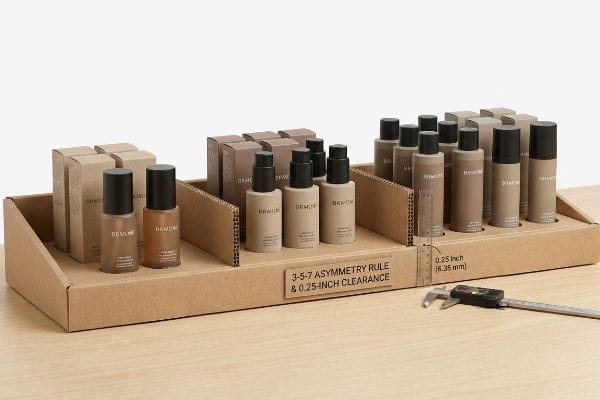
কিন্তু শুধু তাকের ওপর পণ্য রাখলেই যথেষ্ট নয়; আপনি পণ্যগুলোকে বাহ্যিকভাবে কীভাবে সাজিয়ে রাখেন, তার ওপরই নির্ভর করে গ্রাহক সেগুলোর প্রতি আদৌ আগ্রহী হবে কি না।.
অপ্রতিসম চাক্ষুষ উত্তেজনার শক্তি
এটি একটি সাধারণ ফাঁদ যা এমনকি অভিজ্ঞ ক্রয় দলগুলোকেও কাবু করে ফেলে: একটিমাত্র ডিসপ্লে শেলফে পণ্যের একটি ঘন, নিখুঁতভাবে প্রতিসম গ্রিডকে ফ্ল্যাট-প্যাক করার চেষ্টা করা। তারা স্বাভাবিকভাবেই ধরে নেয় যে একটি আঁটসাঁট বর্গক্ষেত্রে সর্বাধিক পরিমাণ ইনভেন্টরি প্যাক করলে সেই স্থানের জন্য বিনিয়োগের সর্বোচ্চ প্রতিদান পাওয়াযায় ।
এটিকে একটি নিখুঁতভাবে ছাঁটা লনের মতো ভাবুন; এটি দেখতে মনোরম, কিন্তু আপনার চোখ এর পাশ দিয়ে চলে যায় কারণ আপনার দৃষ্টিকে আটকানোর মতো কিছুই নেই। আমি ব্র্যান্ডগুলোকে "৩-৫-৭ অপ্রতিসাম্য নিয়ম" শেখাই। যখন আপনি পণ্যগুলো পাশাপাশি রাখেন, তখন দোকানের কর্মচারীরা প্রায়শই পণ্য পুনরায় সাজানোর সময় ট্রেতে আঁটসাঁট জিনিসগুলো জোর করে ঢোকানোর চেষ্টা করতে গিয়ে কাঁচা ঢেউখেলানো কার্ডবোর্ডের ধার ছিঁড়ে ফেলেন, যার ফলে একটি বিশ্রী, ছেঁড়া ধার তৈরি হয়। আমি বিশেষ মডিউলার ডিভাইডার তৈরি করি যা স্বাভাবিকভাবেই পণ্যগুলোকে বিজোড় সংখ্যার গুচ্ছে বিভক্ত করে, একটি মনস্তাত্ত্বিক চাক্ষুষ উত্তেজনা তৈরি করে যা মানুষের চোখকে থামতে বাধ্য করে১০।এটি একটি সুনির্দিষ্ট ০.২৫-ইঞ্চি (৬.৩৫ মিমি) ভৌত ব্যবধান১১, যা দোকানে তাড়াহুড়ো করে পণ্য পুনরায় সাজানোর সময় পেপারবোর্ড ছেঁড়া সম্পূর্ণরূপে দূর করে এবং চাক্ষুষ আকর্ষণ বাড়ায়।
| নতুনদের সাধারণ ভুল | প্রো ফিক্স | খুচরা-ফ্লোর সুবিধা |
|---|---|---|
| প্রতিসম, ঘন গ্রিড | ৩-৫-৭ বিজোড় সংখ্যার গ্রুপিং12 | চাক্ষুষ সম্পৃক্ততা জোরদার করে |
| শূন্য শারীরিক ব্যবধান | ০.২৫-ইঞ্চি ডিভাইডার ক্লিয়ারেন্স13 | পেপারবোর্ড ছিঁড়ে যাওয়া বন্ধ করে। |
| স্থির ঘনত্ব সর্বাধিক করা | মডুলার ক্লাস্টার ডিভাইডার | দৈনিক পণ্য পুনরায় মজুত করার প্রক্রিয়াকে দ্রুততর করে। |
অতিরিক্ত একটি ইউনিট ঠেসেঠুসে রাখার জন্য আমি শেলফের খালি জায়গার সাথে কখনো আপোস করি না। অন্তর্নির্মিত কাঠামোগত ফাঁকা স্থান ডিসপ্লেটিকে বাহ্যিক ক্ষতি থেকে রক্ষা করার পাশাপাশি সক্রিয়ভাবে বিক্রি বাড়াতেও সাহায্য করে।.
🛠️ হার্ভির ডেস্ক: আপনার পণ্যগুলো কি এত ঘন করে সাজানো যে কর্মচারীরা আপনার ডিসপ্লে ট্রে ছিঁড়ে ফেলছে? 👉 একটি ফ্রি ডিভাইডার ব্লুপ্রিন্ট নিন ↗ — কোনো ফর্ম নয় যা অবিরাম সেলস কলের কারণ হয়। শুধু খাঁটি মূল্য।
ডাম্প বিন ডিসপ্লে কী?
যখন আপনাকে বিপুল পরিমাণে খোলা, বাক্সবিহীন বা ছাড়ের পণ্য দ্রুত সরাতে হয়, তখন সাধারণ কাঠামোবদ্ধ তাক ব্যর্থ হয়। আপনার একটি বিশেষভাবে তৈরি বড় আকারের কন্টেইনার প্রয়োজন।.
ডাম্প বিন ডিসপ্লে হলো একটি বড়, খোলা মুখের খুচরা বিক্রয় পাত্র, যা প্রচুর পরিমাণে খোলা ও অনিয়মিত আকারের পণ্য রাখার জন্য তৈরি করা হয়। ক্রেতাদের দ্রুত খোঁজাখুঁজি করতে উৎসাহিত করার জন্য এগুলো কৌশলগতভাবে জনবহুল দোকানের সংযোগস্থলে স্থাপন করা হয়, যা দ্রুত বিক্রি হওয়া ভোগ্যপণ্য, মৌসুমী প্রচার এবং ছাড়ের পণ্যের জন্য এগুলোকে অত্যন্ত কার্যকর করে তোলে।.
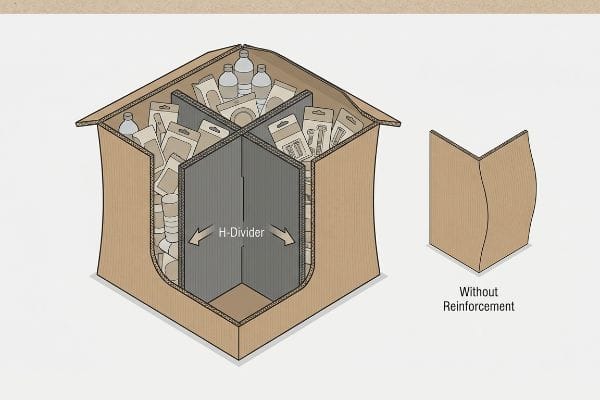
কিন্তু তত্ত্ব জানাটাই যথেষ্ট নয়, যখন মেশিনগুলো চলতে শুরু করে এবং মাধ্যাকর্ষণ আপনার এলোমেলো জিনিসপত্রের দখল নিয়ে নেয়।.
কারখানার মেঝেতে কেন সাধারণ বিনগুলো ব্যর্থ হয়
ডিজাইনাররা প্রায়শই বিশাল খোলা-মুখো বাক্স ডিজাইন করেন এই ভেবে যে, স্ট্যান্ডার্ড ৩২ইসিটি (এজ ক্রাশ টেস্ট) ঢেউখেলানো বোর্ড স্বাভাবিকভাবেই শত শত আলগা জিনিসের পার্শ্বীয় চাপ ধারণ করতে পারবে। তারা বাক্সটিকে একটি সাধারণ বড় আকারের বাক্সের মতো বিবেচনা করেন, এবং ক্রেতারা যখন মজুদের মধ্যে খোঁজাখুঁজি করে তখন যে গতিশীল ওজন স্থানান্তর ঘটে, তা সম্পূর্ণ উপেক্ষা করেন।
ল্যাবে একটি ডিসপ্লে সোজা করে দাঁড় করানো সহজ, কিন্তু বোতলজাত পানি বা খোলা হার্ডওয়্যারের, তখন এক কঠিন বাস্তবতার মুখোমুখি হতে হয়। আমার প্রতিষ্ঠানে আমি নিয়মিত দেখি যে সাধারণ খোলা মুখের বিনগুলো "ডাম্প বিন বাল্জ" বা "ডাম্প বিন বাল্জ" সমস্যায় ভোগে। কোণাগুলোকে স্থিতিশীল রাখার জন্য অবিচ্ছিন্ন উপরের ফ্ল্যাপ না থাকায়, খোলা জিনিসপত্রের পার্শ্বীয় চাপ বাইরের দিকে ঠেলে দেয়, যার ফলে মাঝের প্যানেলগুলো দৃশ্যত বেঁকে যায় এবং মুচড়ে পড়ে। আমি গাণিতিকভাবে এই বহির্মুখী শিয়ার ফোর্স পরীক্ষা করি এবং যখন পণ্যের পরিমাণ বেশি থাকে, তখন আমি একটি অভ্যন্তরীণ "এইচ-ডিভাইডার" বা একটি লুকানো "বেলি ব্যান্ড" শক্তিবর্ধক কাঠামো বাধ্যতামূলক করি। ঠিক ০.১১ ইঞ্চি (২.৮ মিমি) বি-ফ্লুট ব্যবহার করে একটি অতিরিক্ত অভ্যন্তরীণ সাপোর্ট স্পাইন তৈরি করার মাধ্যমে, আমি বহির্মুখী চাপকে প্রতিহত করি, যা নিশ্চিত করে যে পাশের দেয়ালগুলো পুরোপুরি সোজা থাকে এবং দেয়াল ফেটে যাওয়ার মতো মারাত্মক দুর্ঘটনা প্রতিরোধ করে। এর ফলে ক্লায়েন্টদের হাতে করে পুনরায় প্যাক করার খরচ বাবদ হাজার হাজার টাকা বেঁচে যায়।
| নতুনদের সাধারণ ভুল | প্রো ফিক্স | খুচরা-ফ্লোর সুবিধা |
|---|---|---|
| পার্শ্বীয় চাপ উপেক্ষা করা | অভ্যন্তরীণ এইচ-ডিভাইডার স্পাইন | পার্শ্ব দেয়ালের স্ফীতি রোধ করে |
| স্ট্যান্ডার্ড খোলা-শীর্ষ বাক্স | লুকানো বেলি ব্যান্ড সাপোর্ট | মেঝে ফেটে যাওয়া প্রতিরোধ করে |
| ফ্ল্যাট ৩২ইসিটি-র উপর নির্ভর করে | ডাইনামিক পেলোড টেস্টিং | খুচরা বিক্রেতার সম্মতি নিশ্চিত করে |
আমি আশাবাদী বস্তুগত অনুমানকে আপনার প্রচারণার টিকে থাকা নির্ধারণ করতে দিই না। একটি সুনির্দিষ্ট অভ্যন্তরীণ শক্তিবৃদ্ধি এমন একটি বুলেটপ্রুফ কাঠামো তৈরি করে যা সবচেয়ে আগ্রাসী ক্রেতার তছনছ করাকেও প্রতিরোধ করতে পারে।.
🛠️ হার্ভির ডেস্ক: আপনার ভারী ও খোলা পণ্যগুলোর কারণে কি আপনার বর্তমান বিনগুলো ফুলে উঠছে এবং বেঁকে যাচ্ছে? 👉 আমাকে আপনার ডাইলাইন ফাইলটি পাঠান ↗ — গণ-উৎপাদনে বাজেট অপচয় করার আগে আমি এর গাণিতিক হিসাবটি স্ট্রেস-টেস্ট করে দেখব।
উপসংহার
আপনি আরও সস্তা বিক্রেতা বেছে নিতে পারেন, কিন্তু যখন ভারী ও আলগা পণ্যের চাপে সেই মজবুতিহীন খোলা মুখের বিনটির পাশের দেয়াল ফেটে যায়, যা খুচরা বিক্রেতার করিডোর খালি করার গতি আনুমানিক ৪৫% কমিয়ে দেয়, তখন তা আপনার ক্যাম্পেইনের লাভের মার্জিন পুরোপুরি নষ্ট করে দেয়। আমার সেরা ১০ জন খুচরা বিক্রেতা ক্লায়েন্ট প্রিন্ট বাতিল হওয়ার সম্ভাবনা শূন্যে নামিয়ে আনার নিশ্চয়তা দিতে ঠিক এই স্পেসিফিকেশন শিটটিই ব্যবহার করেন। ডাইনামিক লোড টলারেন্স নিয়ে অনুমান করা বন্ধ করুন এবং ব্যাপক উৎপাদনের আগেই মারাত্মক কাঠামোগত ত্রুটিগুলো ধরতে আমার ফ্রি ডাম্প বিন ইঞ্জিনিয়ারিং রিভিউ ↗- এর মাধ্যমে আমাকে ব্যক্তিগতভাবে আপনার অভ্যন্তরীণ মজবুতিগুলো নিরীক্ষা করতে দিন।
"আই-ট্র্যাকিং ব্যবহার করে ভোক্তার মনোযোগ এবং উদ্দীপনা মূল্যায়ন...", https://pmc.ncbi.nlm.nih.gov/articles/PMC8380820/। দোকানের করিডোর দিয়ে যাওয়ার সময় ক্রেতারা কীভাবে চাক্ষুষ তথ্য প্রক্রিয়াজাত করে, সে বিষয়ে রিটেইল সাইকোলজি বা আই-ট্র্যাকিং গবেষণা থেকে প্রাপ্ত প্রমাণ। প্রমাণের ভূমিকা: আচরণগত দাবির সমর্থন; উৎসের ধরণ: অ্যাকাডেমিক গবেষণা বা শিল্প গবেষণা। সমর্থন করে: ভোক্তার সম্পৃক্ততার জন্য চাক্ষুষ বিঘ্নের প্রয়োজনীয়তা। পরিধি নোট: বিশেষভাবে উচ্চ-পরিমাণ খুচরা পরিবেশের জন্য প্রযোজ্য। ↩
"আপনার কাস্টম স্টোর ডিসপ্লের জন্য ৩-এর নিয়মের গুরুত্ব", https://mcintyredisplays.com/blog/custom-store-displays/। মনোযোগ আকর্ষণ এবং রূপান্তর চালনার জন্য ভিজ্যুয়াল মার্চেন্ডাইজিং দূরত্বের একটি শিল্প-মান নির্দেশিকা। প্রমাণের ভূমিকা: ধারণাগত কাঠামো; উৎসের ধরণ: খুচরা বিপণন নির্দেশিকা। সমর্থন করে: নির্দিষ্ট দূরত্ব-ভিত্তিক এনগেজমেন্ট কৌশল। পরিধি নোট: দোকানের আকারের উপর নির্ভর করে পরিবর্তিত হতে পারে। ↩
"পয়েন্ট অফ পারচেজ: খুচরা বিক্রেতারা কীভাবে ক্রেতাদের প্রভাবিত করতে পারে...", https://blog.intouch.com/posts/points-of-purchase-displays। ব্র্যান্ড পরিচিতি বজায় রাখতে এবং তাৎক্ষণিক ক্রয়কে উৎসাহিত করতে প্রয়োজনীয় পণ্যের দৃশ্যমানতার ন্যূনতম শতাংশ সম্পর্কিত শিল্প মানদণ্ড। প্রমাণের ভূমিকা: প্রযুক্তিগত মেট্রিক; উৎসের ধরণ: ভিজ্যুয়াল মার্চেন্ডাইজিং গবেষণা। সমর্থন করে: এই দাবি যে ৮৫% দৃশ্যমানতা বর্ধিত বিক্রয়ের সাথে সম্পর্কিত। পরিধি নোট: পয়েন্ট-অফ-সেল ডিসপ্লের জন্য নির্দিষ্ট। ↩
"খুচরা দোকানের তাকের গড় উচ্চতা কত? – পপডিসপ্লে", https://popdisplay.me/what-is-the-average-retail-shelf-height/। একটি শিল্প মান বা আর্গোনমিক গবেষণা যা নিশ্চিত করে যে, তাকের নির্দিষ্ট প্রান্তসীমার উচ্চতা একটি নির্দিষ্ট শতাংশ পর্যন্ত পণ্যের দৃশ্যমানতাকে সর্বোত্তম করে তোলে। প্রমাণের ভূমিকা: প্রযুক্তিগত বিবরণ; উৎসের ধরণ: খুচরা দোকানের নকশার ম্যানুয়াল। সমর্থন করে: দৃশ্যমানতার জন্য তাকের প্রান্তসীমা কমানোর কার্যকারিতা। পরিধি সংক্রান্ত টীকা: পণ্যের বিভাগ অনুযায়ী ভিন্ন হতে পারে। ↩
"ভিজ্যুয়াল মার্চেন্ডাইজিংয়ের সদ্ব্যবহার: সংযোগ স্থাপন ও মনোযোগ আকর্ষণের ৩টি কৌশল...", https://spc-retail.com/3-tips-to-connect-and-capture-shoppers-attention/। গ্রাহকের মনোযোগ আকর্ষণের জন্য ৩-৩-৩ নিয়মটি ব্যাখ্যা করে এমন একটি মার্কেটিং বা ভিজ্যুয়াল মার্চেন্ডাইজিং কাঠামো। প্রমাণের ভূমিকা: তাত্ত্বিক কাঠামো; উৎসের ধরণ: রিটেইল মার্কেটিং গাইড। সমর্থন করে: এই দাবি যে একটি নির্দিষ্ট স্থানিক নিয়ম ক্রেতাদের আকর্ষণ করে। পরিধি টীকা: রিটেইল সাইকোলজির জন্য নির্দিষ্ট। ↩
"বিজ্ঞাপনের প্রভাব সমীক্ষা: বিলবোর্ডের পেছনের বিজ্ঞান...", https://timessquarebillboard.com/blog/advertising-impact-studies-the-science-behind-billboard-effectiveness/। চাক্ষুষ উপলব্ধি বা ভোক্তা মনোবিজ্ঞানের উপর একটি প্রামাণ্য গবেষণা বহিরাঙ্গনের বিজ্ঞাপন প্রক্রিয়াকরণে সময়ের সীমাবদ্ধতাকে বৈধতা দেয়। প্রমাণের ভূমিকা: তথ্যগত যাচাইকরণ; উৎসের ধরণ: অ্যাকাডেমিক গবেষণা। সমর্থন করে: এই দাবি যে, দ্রুতগতির পরিবেশে পাঠ্য-বহুল দৃশ্য জ্ঞানীয় ভারাক্রান্ততা সৃষ্টি করে। পরিধি টীকা: দ্রুতগতির গণপরিবহন বা কেনাকাটার পরিবেশের ক্ষেত্রে প্রযোজ্য। ↩
"[পিডিএফ] রিটেইল ওভারলোড: কেনাকাটার অভিজ্ঞতায় বিভ্রান্তি", https://www.leedsbeckett.ac.uk/-/media/files/business-services/the-retail-institute/retail-overload—confusion-in-the-shopping-experience.pdf। খুচরা বিক্রয় পরিবেশে তথ্যের ঘনত্ব সরলীকরণ কীভাবে গ্রাহকের মানসিক ক্লান্তি কমায়, সে বিষয়ে মনস্তাত্ত্বিক গবেষণা। প্রমাণের ভূমিকা: তাত্ত্বিক বৈধতা; উৎসের ধরণ: অ্যাকাডেমিক জার্নাল। সমর্থন করে: এই দাবি যে বস্তুনিষ্ঠ-বিচ্ছিন্নতা জ্ঞানীয় ভারাক্রান্ততা প্রতিরোধ করে। পরিধি টীকা: দৃশ্যগত যোগাযোগের জন্য নির্দিষ্ট। ↩
"বিপণনে ব্যবহৃত রঙের মনস্তত্ত্ব: একটি সংক্ষিপ্ত বিবরণ | ইউএসসি এমএপিপি …", https://appliedpsychologydegree.usc.edu/blog/color-psychology-used-in-marketing-an-overview। আবেগীয় প্রতিক্রিয়া এবং তাৎক্ষণিক ক্রয়ের কার্যকলাপকে উদ্দীপ্ত করতে উচ্চ-বৈসাদৃশ্যপূর্ণ, নির্দিষ্ট রঙের প্যালেট ব্যবহারের উপর বিপণন গবেষণা। প্রমাণের ভূমিকা: কার্যকারণ সম্পর্ক; উৎসের ধরণ: নিউরোমার্কেটিং গবেষণা। সমর্থন করে: এই দাবি যে, উজ্জ্বল রঙের সমাহার দ্রুত আবেগপ্রবণ ক্রয়কে উদ্দীপ্ত করে। পরিধি টীকা: চাক্ষুষ উদ্দীপকের উপর আলোকপাত করে। ↩
"[পিডিএফ] পণ্যের ঘনত্বের প্রভাব অনুভূত মূল্য এবং গুণমানের উপর", https://aquila.usm.edu/cgi/viewcontent.cgi?article=1258&context=honors_theses। রিটেইল সাইকোলজি বা স্পেস প্ল্যানিং-এর একটি প্রামাণ্য উৎস বিশ্লেষণ করবে যে, কৌশলগত ব্যবধানের তুলনায় উচ্চ-ঘনত্বের প্রতিসম গ্রিড প্রকৃতপক্ষে ROI অপ্টিমাইজ করে কিনা। প্রমাণের ভূমিকা: পাল্টা যুক্তির বৈধতা যাচাই; উৎসের ধরণ: রিটেইল অ্যানালিটিক্স গবেষণা। সমর্থন করে: এই ধারণা যে অনুভূত মূল্য পরিমাণের সাথে সম্পর্কিত নয়। পরিধি নোট: ভোক্তার আচরণ এবং রূপান্তর হারের উপর দৃষ্টি নিবদ্ধ করে। ↩
"প্যাকের সামনের দিকের প্রতিসাম্য দৃষ্টি আকর্ষণে প্রভাব ফেলে – ScienceDirect.com", https://www.sciencedirect.com/science/article/abs/pii/S0969698919303893। দৃষ্টিগত উপলব্ধি এবং গেস্টাল্ট নীতির উপর একাডেমিক গবেষণা ব্যাখ্যা করে যে কীভাবে অপ্রতিসাম্য এবং টান মানুষের দৃষ্টিতে মনোযোগ আকর্ষণকে উদ্দীপিত করে। প্রমাণের ভূমিকা: তাত্ত্বিক ভিত্তি; উৎসের ধরণ: পিয়ার-রিভিউড মনোবিজ্ঞান জার্নাল। সমর্থন করে: এই দাবি যে বিজোড়-সংখ্যার ক্লাস্টার স্বয়ংক্রিয় ব্রাউজিংয়ে বাধা দেয়। পরিধি নোট: জ্ঞানীয় ভার এবং স্ক্যানিং প্যাটার্নের উপর আলোকপাত। ↩
"১৪ ধরনের রিটেইল ডিসপ্লে | শিকাগো, আইএল – ভার্টহাইমার বক্স", https://wertheimerbox.com/types-of-retail-displays/। পয়েন্ট-অফ-পারচেজ (POP) ডিসপ্লের জন্য শিল্পক্ষেত্রের প্রযুক্তিগত স্পেসিফিকেশনগুলো উপাদানের উপর চাপ এবং ছিঁড়ে যাওয়া রোধ করার জন্য প্রয়োজনীয় সর্বোত্তম ক্লিয়ারেন্সকে বৈধতা দেয়। প্রমাণের ভূমিকা: প্রযুক্তিগত যাচাইকরণ; উৎসের ধরণ: উৎপাদন মান বা ইঞ্জিনিয়ারিং ম্যানুয়াল। সমর্থন করে: পেপারবোর্ড ছিঁড়ে যাওয়া রোধ করার জন্য নির্দিষ্ট পরিমাপ। পরিধি সংক্রান্ত টীকা: বিশেষভাবে ঢেউখেলানো পেপারবোর্ড ডিসপ্লের ক্ষেত্রে প্রযোজ্য। ↩
"ভিজ্যুয়াল মার্চেন্ডাইজিং সার্ভিসেস অ্যান্ড স্ট্র্যাটেজি | টি-রক গ্লোবাল", https://trocglobal.com/visual-merchandising/। ভিজ্যুয়াল পারসেপশন এবং মার্কেটিং-এর উপর পিয়ার-রিভিউড গবেষণাগুলি ব্যাখ্যা করে কেন প্রতিসম গ্রিডের তুলনায় বিজোড়-সংখ্যার গ্রুপিং ভিজ্যুয়াল এনগেজমেন্ট বৃদ্ধি করে। প্রমাণের ভূমিকা: তাত্ত্বিক কাঠামো; উৎসের ধরণ: অ্যাকাডেমিক জার্নাল। সমর্থন করে: ৩-৫-৭ গ্রুপিং কৌশলের কার্যকারিতা। পরিধি নোট: সাধারণ ভিজ্যুয়াল মার্চেন্ডাইজিং-এর ক্ষেত্রে প্রযোজ্য। ↩
"শেলফ রেডি প্যাকেজিং (এসআরপি) – রিটেইল – স্মারফিট ওয়েস্টরক", https://www.smurfitwestrock.com/products/packaging/retail/retail-ready-packaging। রিটেইল শেল্ফিং হার্ডওয়্যারের জন্য শিল্প খাতের প্রযুক্তিগত স্পেসিফিকেশনগুলো পেপারবোর্ড প্যাকেজিং-এর ঘর্ষণ এবং ক্ষতি রোধ করার জন্য প্রয়োজনীয় ন্যূনতম ফাঁকা স্থান নির্ধারণ করে। প্রমাণের ভূমিকা: প্রযুক্তিগত স্পেসিফিকেশন; উৎসের ধরণ: শিল্প খাতের মান নির্দেশিকা। সমর্থন করে: এই দাবি যে নির্দিষ্ট ফাঁকা স্থান ছিঁড়ে যাওয়া বন্ধ করে। পরিধি সংক্রান্ত টীকা: ভোক্তা প্যাকেজজাত পণ্যের উপর দৃষ্টি নিবদ্ধ। ↩
"[পিডিএফ] করোগেটেড বোর্ড স্পেসিফিকেশন – ফাইবার বক্স অ্যাসোসিয়েশন", https://www.fibrebox.org/assets/2025/09/Walmart_Corrugated-Board_Specifications_Automation_Packaging_Standards.pdf। এজ ক্রাশ টেস্ট (ECT) রেটিং-এর প্রযুক্তিগত স্পেসিফিকেশন নির্দিষ্ট করোগেটেড বোর্ড গ্রেডের ভারবহন ক্ষমতা এবং কাঠামোগত সীমাবদ্ধতা যাচাই করে। প্রমাণের ভূমিকা: প্রযুক্তিগত স্পেসিফিকেশন; উৎসের ধরণ: শিল্প মান। সমর্থন করে: উচ্চ-পরিমাণের বিনের জন্য 32ECT বোর্ডের পর্যাপ্ততা। পরিধি নোট: পার্শ্বীয় বনাম উল্লম্ব চাপের উপর মনোযোগ। ↩