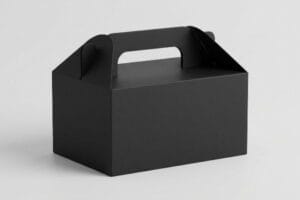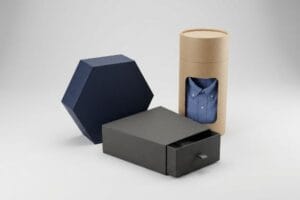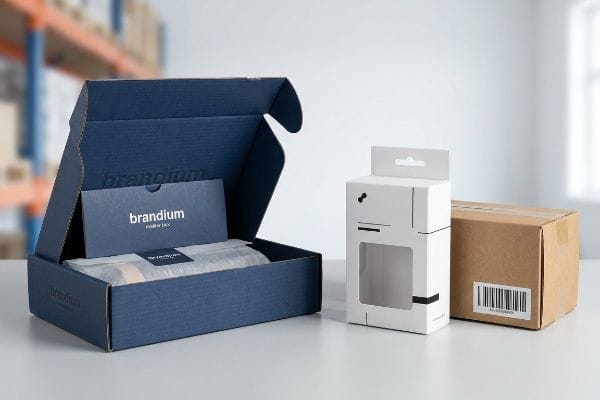
আপনি আপনার ডিটিসি পণ্যকে নিখুঁত করতে লক্ষ লক্ষ টাকা খরচ করেছেন, কিন্তু বড় কোনো ভৌত দোকানের তাকে ডিজিটাল বিজ্ঞাপনের কোনো মূল্য নেই। এক্ষেত্রে, কাস্টম প্যাকেজিংই আপনার একমাত্র টিকে থাকার মতো মার্কেটিং মাধ্যম হয়ে ওঠে।.
সরাসরি গ্রাহকের কাছে পণ্য বিক্রির (DTC) ক্ষেত্রে প্যাকেজিং গুরুত্বপূর্ণ, কারণ এটি আপনার ব্র্যান্ড এবং ভোক্তার মধ্যে প্রাথমিক ভৌত সংযোগ মাধ্যম হিসেবে কাজ করে। এটি পরিবহনের সময় পণ্যকে সুরক্ষিত রাখে, ব্র্যান্ডের মূল্যবোধ তুলে ধরে, খুচরা বিক্রির নিয়মকানুন মেনে চলা নিশ্চিত করে, লজিস্টিক খরচ কমায় এবং পরিশেষে, ই-কমার্স প্ল্যাটফর্ম থেকে বড় আকারের খুচরা দোকানে স্থানান্তরের সময় তাৎক্ষণিক কেনাকাটায় (impulse conversions) উৎসাহিত করে।.

অনলাইন শপিং কার্ট এবং বাস্তব ক্লাব স্টোরের প্রকৌশলীদের মানসিকতায় ব্যাপক পরিবর্তন প্রয়োজন।
প্যাকেজিং গুরুত্বপূর্ণ হওয়ার পাঁচটি প্রধান কারণ কী কী?
একটি স্থানীয় ফুলফিলমেন্ট সেন্টার থেকে দেশব্যাপী বড় আকারের আউটলেটে ব্যবসা সম্প্রসারণের ফলে আপনার ভৌত সরবরাহ শৃঙ্খলের প্রতিটি দুর্বলতা প্রকাশ হয়ে পড়ে।.
প্যাকেজিং গুরুত্বপূর্ণ হওয়ার পাঁচটি প্রধান কারণ হলো ভৌত সুরক্ষা, ব্র্যান্ডের প্রচার, সরবরাহ ব্যবস্থার কার্যকারিতা, স্থায়িত্ব এবং খুচরা বিক্রয়ের নিয়মকানুন মেনে চলা। এটি পণ্যকে গতিজনিত আঘাত থেকে রক্ষা করে, আকারভিত্তিক পরিবহন খরচ কমায়, গুদামে নিরাপদ ব্যবস্থাপনা নিশ্চিত করে, ডিজিটাল স্ক্রিন ছাড়াই পণ্যের মূল্য তুলে ধরে এবং পরিশেষে বড় বড় খুচরা বিক্রেতাদের ব্যয়বহুল চার্জব্যাক প্রতিরোধ করে।.
হোয়াইটবোর্ডে এই কারণগুলো স্বীকার করে নিলেও, গুদামের ফর্কলিফটগুলো যখন ভারী মালামাল ওঠানো শুরু করবে, তখন আপনার মজুদ রক্ষা পাবে না।.
বি২সি মেইলার ক্লান্তির লুকানো বিপদ
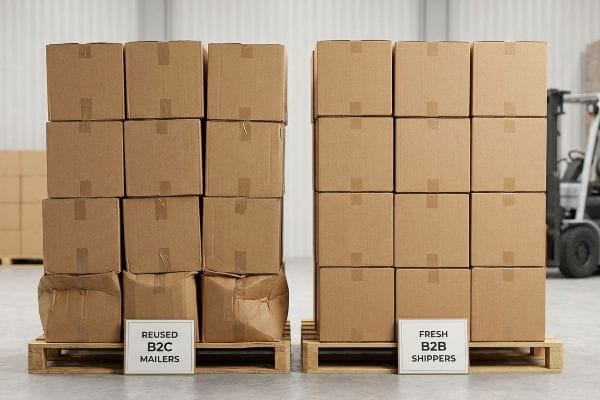
উদীয়মান ব্র্যান্ডগুলোর জন্য প্রচলিত রীতি হলো নিজেদের প্রাথমিক খুচরা ব্যবসার জন্য নিজস্ব অর্থায়নে উদ্যোগ নেওয়া। প্রতিষ্ঠাতারা প্রায়শই ধরে নেন যে, গ্রাহকদের কাছে সরাসরি একক অর্ডার পাঠানোর জন্য তারা যে কাস্টম বক্সগুলো ব্যবহার করেন, সেগুলোই B2B (বিজনেস-টু-বিজনেস) পাইকারি অর্ডারের জন্য প্যালেটে একসাথে অনেকগুলো প্যাক করে পাঠানো যেতে পারে। তারা বাইরের বাক্সের বাহ্যিক অবস্থার উপর নির্ভর করেন, এই ভেবে যে, যদি মুদ্রিত গ্রাফিক্স অক্ষত দেখায়, তাহলে ভেতরের আবরণটি তার মূল কাঠামোগত অখণ্ডতা বজায় রেখেছে1।
যখন সেই প্যালেটগুলো একটি বড় রিটেইল ডিস্ট্রিবিউশন সেন্টারে পৌঁছায়, তখন কঠিন বাস্তবতা সামনে আসে। আমি প্রায়শই দেখি স্টার্টআপগুলো কিছু পয়সা বাঁচানোর জন্য ইনবাউন্ড B2C (বিজনেস-টু-কনজিউমার) ই-কমার্স বক্সগুলোকে আউটবাউন্ড রিটেইল ফুলফিলমেন্টের জন্য পুনরায় ব্যবহার করার চেষ্টা করে। তারা এটা উপেক্ষা করে যে, মৌলিক রিটেইল লজিস্টিকসের জন্য অক্ষত উপকরণের প্রয়োজন হয়। পার্সেলের সেই প্রাথমিক যাত্রাপথে, বক্সটি স্বাভাবিক ব্যবহারজনিত ক্ষয়ক্ষতির শিকার হয়, যার ফলে এর মূল কাঠামো দুর্বল হয়ে পড়ে। আমি টিমগুলোকে ক্রমাগত মনে করিয়ে দিই যে, একটি জীর্ণ, পুনঃব্যবহৃত মেইলার কোনো বড় ক্রেতার কাছে পাঠানো আপনার অপারেশনাল বিশ্বাসযোগ্যতাকে তাৎক্ষণিকভাবে ক্ষতিগ্রস্ত করে; দৃঢ়ভাবে দাঁড়িয়ে থাকার পরিবর্তে, এই ক্লান্ত প্যাকেজিং সাধারণ ওয়্যারহাউস হ্যান্ডলিংয়ের ধকল নিতে পারে না। এই ত্রুটিপূর্ণ বক্সগুলো পুনরায় ব্যবহার করলে এর মৌলিক স্থিতিশীলতা মারাত্মকভাবে হ্রাস পায়, এবং সাধারণ প্যালেট লোডের নিচে নিচের স্তরটি বেঁকে গেলে রিটেইলে এর গ্রহণযোগ্যতা আনুমানিক ৩০% ২ পর্যন্ত কমে যায়।
| নতুনদের সাধারণ ভুল | প্রো ফিক্স | খুচরা-ফ্লোর সুবিধা |
|---|---|---|
| B2B প্যালেটের জন্য B2C পার্সেল মেইলার পুনরায় ব্যবহার করা | বহির্গামী চালানের জন্য ভার্জিন মেটেরিয়ালের বাধ্যবাধকতা কার্যকর করুন। | নিচের স্তরের সংকোচনজনিত পিষ্ট হওয়া প্রতিরোধ করে |
| কাঠামোগত গণিতের চেয়ে বাক্সের চাক্ষুষ চেহারার উপর বিশ্বাস করা | ISTA 6 ট্রানজিট সিমুলেশন পরীক্ষা কার্যকর করুন3 | খুচরা বিক্রেতার ক্ষতির চার্জব্যাক দূর করে |
| গুদামঘরে পারিপার্শ্বিক আর্দ্রতা শোষণকে উপেক্ষা করা | জলীয় প্রলেপযুক্ত নতুন ৩২ইসিটি বোর্ড নির্দিষ্ট করুন।4 | ১০০% গতিশীল ভারবহন ক্ষমতা বজায় রাখে5 |
খুচরা প্যালেটাইজেশনের জন্য কাঠামোগতভাবে ক্ষতিগ্রস্ত পার্সেল বাক্স পুনর্ব্যবহার করা একটি ব্যয়বহুল আনাড়ি ভুল। নতুন, গাণিতিকভাবে যাচাইকৃত শিপার ব্যবহার করলে তা নিশ্চিত করে যে আপনার বাক্সের কোণাগুলো সম্পূর্ণ ডাইনামিক লোড ধারণক্ষমতা বজায় রাখে, এবং লাভের পরিমাণ নষ্ট হওয়ার আগেই পরিবহনের সময় হওয়া ক্ষতি সম্পূর্ণরূপে দূর করে।.
🛠️ হার্ভির ডেস্ক: আপনার রিটেইল পণ্যগুলো কি ডক ছাড়ার আগেই গোপনে তাদের কম্প্রেশন শক্তির ৪০% হারিয়ে ফেলছে? 👉 একটি ফ্রি মেটেরিয়াল অডিট করান ↗ — সরাসরি আমার ডেস্কে অ্যাক্সেস। কোনো অটোমেটেড সেলস স্প্যাম থাকবে না, আমি কথা দিচ্ছি।
প্যাকেজিং কেন গুরুত্বপূর্ণ?
যখন কোনো তাড়াহুড়ো করা ক্রেতা ভিড়ে ঠাসা করিডোরে আপনার ভৌত পণ্যের পাশ দিয়ে হেঁটে যায়, তখন আপনার ডিজিটাল গ্রাহক অর্জনের খরচ সম্পূর্ণ অপ্রাসঙ্গিক হয়ে পড়ে।.
প্যাকেজিং গুরুত্বপূর্ণ, কারণ এটি ক্রেতাদের আচরণে সরাসরি প্রভাব ফেলে এবং তীব্র প্রতিযোগিতামূলক পরিবেশে তাৎক্ষণিক বিক্রয় বাড়াতে সাহায্য করে। ডিজিটাল টার্গেটিংয়ের সাহায্য ছাড়াই, একটি কার্যকর প্যাকেজিংকে অবশ্যই দূর থেকে দৃষ্টি আকর্ষণ করতে হবে, মূল পণ্যটির বিবরণ তাৎক্ষণিকভাবে পৌঁছে দিতে হবে এবং সরাসরি দোকানের শেলফেই একটি বাধাহীন ও বাস্তব বিক্রয় প্রক্রিয়া সহজতর করতে হবে।.
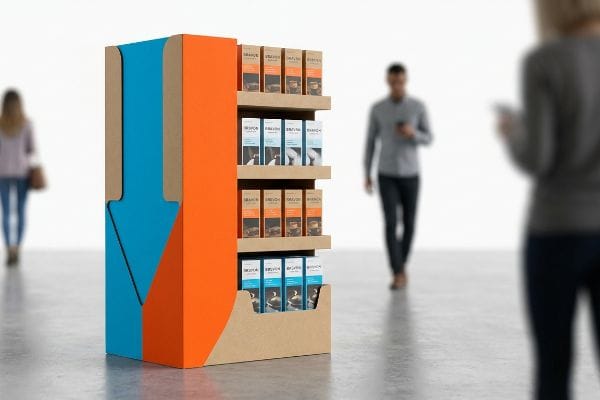
ইন্টারনেটের জন্য তৈরি করা কোনো নান্দনিকতাকে বাস্তব কোনো দোকানে রূপ দিতে সম্পূর্ণ ভিন্ন এক মনস্তাত্ত্বিক ও স্থানিক কাঠামোর প্রয়োজন হয়।.
৩-৩-৩ স্থানিক সম্পৃক্ততা নিয়ম থেকে টিকে থাকা
যেসব ব্র্যান্ড সরাসরি দোকানে পণ্য বিক্রি শুরু করে, তাদের জন্য একটি সাধারণ প্রাথমিক কৌশল হলো দোকানের ভৌত বাক্সটিকে একটি ইনস্টাগ্রাম বিজ্ঞাপনের মতো করে উপস্থাপন করা। ডিজাইনাররা ডিসপ্লে হেডারে বিভিন্ন বৈশিষ্ট্য এবং ছোট অক্ষরের একটি ঘন, নিখুঁতভাবে প্রতিসম গ্রিড ঠাসাঠাসি করে বসিয়ে দেন, এই ভেবে যে ক্রেতারা থেমে প্রতিটি শব্দ পড়বে। তারা গ্রাফিক্সগুলোকে ব্যাকলিট মনিটরে কাছ থেকে দেখার জন্য অপ্টিমাইজ করেন, যা একটি ওয়্যারহাউস ক্লাবের ভৌত আকার এবং বিশৃঙ্খল আলোর থেকে সম্পূর্ণ বিচ্ছিন্ন।.
যখন এই ইন্টারনেট-অপ্টিমাইজড ডিজাইনগুলো রিটেইল ফ্লোরে পৌঁছায়, তখন সেগুলো পারিপার্শ্বিক বিশৃঙ্খলার মধ্যে পুরোপুরি হারিয়ে যায়। আমি প্রায়শই ব্র্যান্ডগুলোকে ব্যর্থ হতে দেখি কারণ তারা রিটেইল এনগেজমেন্টের স্থানিক বাস্তবতাকে উপেক্ষা করে। ক্রেতারা পড়ে না; তারা দ্রুত হাঁটার সময় চারপাশটা দেখে নেয়। আপনার মার্চেন্ডাইজারকে অবশ্যই ৩০ ফুট দূর থেকে তাদের চলার পথে বাধা সৃষ্টি করতে হবে, ৩ ফুট দূরত্বে তাদের নির্দিষ্ট আগ্রহের প্রতি মনোযোগ আকর্ষণ করতে হবে এবং ৩ ইঞ্চি (৭.৬ সেমি) দূরত্বে স্পর্শের মাধ্যমে ক্রেতাকে আকৃষ্ট করতে হবে। আমি সম্প্রতি একটি বড় বিগ-বক্স টেস্টে একটি সুন্দর, লেখা-বহুল ডিসপ্লেকে পুরোপুরি ব্যর্থ হতে দেখেছি; প্রিন্ট করা ধরে রাখার কিনারাটি এতটাই উঁচু করে কাটা হয়েছিল যে এটি আসল পণ্যটিকে আড়াল করে দিচ্ছিল, যার ফলে হতাশ ক্লার্করা শেলফে পণ্য পুনরায় ভরার জন্য ডিসপ্লেটি ছিঁড়ে ফেলতে বাধ্য হচ্ছিল। ঘন লেখার পরিবর্তে একটি বিশাল ডাই-কাট ফোকাল পয়েন্ট ব্যবহার করে এবং পণ্যের ৮৫% দৃশ্যমানতা নিশ্চিত করতে সামনের কিনারাটি নিচু করে আমরা মনোযোগ আকর্ষণ করতে পেরেছিলাম এবং এর ফলে তাৎক্ষণিক বিক্রি বৃদ্ধি ঘটেছিল।.
| নতুনদের সাধারণ ভুল | প্রো ফিক্স | খুচরা-ফ্লোর সুবিধা |
|---|---|---|
| ৩ ফুট দূর থেকে দেখার উপযোগী করে টেক্সট-বহুল গ্রাফিক্স ডিজাইন করা | দৃষ্টিবিভ্রাটের জন্য বিশাল আকারের ডাই-কাট আকৃতি ব্যবহার করুন ৬ | প্রধান পথগুলো থেকে পথচারীদের আকর্ষণ করে |
| লম্বা রিটেইনিং লিপসের আড়ালে প্রোডাক্ট লুকানো | পণ্যের ৮৫% দৃশ্যমানতা নিশ্চিত করতে সামনের প্রান্তটি কাটুন ৭ | তাৎক্ষণিক স্পর্শজনিত রূপান্তর ঘটায় |
| কাঁচা টেস্টলাইনারে স্ট্যান্ডার্ড CMYK ব্লেন্ডিং ব্যবহার করে | উচ্চ কনট্রাস্ট ৮- এর জন্য প্যানটোন স্পট কালার ফ্লাড বাধ্যতামূলক করুন । | দোকানের আলোর নিচে ঘোলাটে হাফটোন গ্রেইন দূর করে। |
একটি রিটেইল ডিসপ্লেকে ডিজিটাল ল্যান্ডিং পেজের মতো করে উপস্থাপন করলে তা অদৃশ্য থাকার নিশ্চয়তা দেয়। সুনির্দিষ্ট স্থানিক সম্পৃক্ততার অঞ্চল তৈরি করার ফলে কাঠামোটি দোকানের সব প্রান্ত থেকে মনোযোগ আকর্ষণ করে এবং সরাসরি মেঝেতেই বাধাহীন স্পর্শভিত্তিক রূপান্তর ঘটায়।
🛠️ হার্ভির ডেস্ক: আপনার বর্তমান রিটেইল মার্চেন্ডাইজার কি দোকানের অন্য প্রান্ত থেকে ক্রেতাদের আকর্ষণ করতে পারে, নাকি এটি পটভূমির সাথে মিশে যায়? 👉 একটি স্পেশাল ডিজাইন পর্যালোচনার জন্য অনুরোধ করুন ↗ — নিরাপদে ডাউনলোড করুন। পরবর্তীতে কোনো প্রশ্ন থাকলে আমার ইনবক্স খোলা আছে।
প্যাকেজিং ডিজাইনের চারটি 'সি' কী কী?
সরবরাহ শৃঙ্খলের একটিমাত্র সূচকের ওপর ভিত্তি করে অপ্টিমাইজ করলে আপনার পুরো রিটেইল ক্যাম্পেইনটি ভোক্তার কাছে পৌঁছানোর আগেই ভেস্তে যাবে।.
প্যাকেজিং ডিজাইনের চারটি 'সি' হলো ব্যয় (Cost), ধারণা (Concept), সুবিধা (Convenience), এবং যোগাযোগ (Communication)। এই কৌশলগত কাঠামোটি নিশ্চিত করে যে, ভৌত খুচরা পরিবেশে বিনিয়োগের উপর ইতিবাচক প্রতিদান অর্জনের জন্য কাঁচামাল সংগ্রহের ব্যয়, কাঠামোগত অখণ্ডতা, সরবরাহ শৃঙ্খলের জন্য সংযোজন দক্ষতা এবং গ্রাহক-কেন্দ্রিক ব্র্যান্ড বার্তা—এই সবকিছুর মধ্যে নিখুঁত ভারসাম্য বজায় থাকে।.
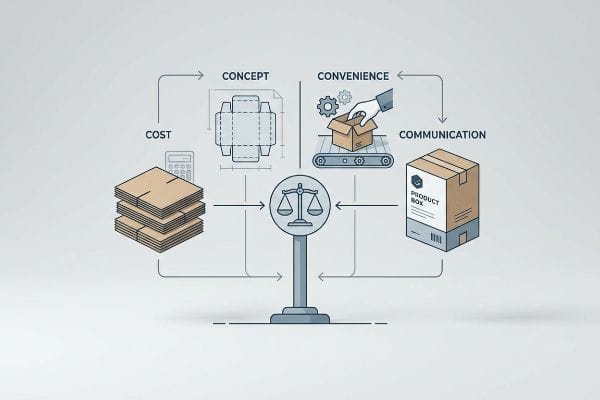
তবে, এই চারটি স্তম্ভ মুখস্থ করার কোনো অর্থই থাকে না, যদি আপনার ক্রয়কারী দল ব্যাপক উৎপাদনের সময় এগুলোর মধ্যে ভারসাম্য রক্ষা করার পদ্ধতিটি মৌলিকভাবেই ভুল বোঝে।.
ক্রয় ভারসাম্যহীনতার ফাঁদ থেকে বেঁচে থাকা
কর্পোরেট ক্রয়ের ক্ষেত্রে প্রচলিত রীতি হলো, অন্য তিনটি স্তম্ভের উপর এর পরবর্তী প্রভাব উপেক্ষা করে "খরচ" স্তম্ভটিকে আগ্রাসীভাবে মোকাবেলা করা। ক্রেতারা প্রায়শই স্ট্রাকচারাল বোর্ডের গ্রেড কমানোরএককমূল্যে সামান্য কিছু পয়সা বাঁচানোর জন্য একটি উচ্চ-কার্যক্ষমতাসম্পন্ন সাবস্ট্রেটের পরিবর্তে একটি সস্তা বিকল্প ব্যবহার করার চেষ্টা করে। তারা ধরে নেয় যে, যতক্ষণ পর্যন্ত একটি পিডিএফ প্রুফে গ্রাফিক "যোগাযোগ" দেখতে ভালো লাগবে, ততক্ষণ পর্যন্ত বাস্তব "ধারণা" কোনোভাবে সরবরাহ শৃঙ্খল পার করে টিকে যাবে।
এটাকে একটি উচ্চ-ক্ষমতাসম্পন্ন স্পোর্টস কারের জন্য সস্তা টায়ার কেনার মতো করে ভাবুন; আপনি শুরুতে টাকা বাঁচালেন, কিন্তু এর ফলে পুরো রিটেইল যাত্রাপথটাই ক্ষতিগ্রস্ত হলো। আমি দেখি, যখন দলগুলো শুধুমাত্র প্রাথমিক মূল্যের উপর মনোযোগ দেয়, তখন এই ভারসাম্যহীনতা রিটেইল কার্যক্রমকে ক্রমাগত ক্ষতিগ্রস্ত করে। একজন ক্লায়েন্ট দামী ফয়েল ল্যামিনেশনের জন্য অর্থ জোগাড় করতে তাদের সাধারণ বোর্ডের মান কমিয়ে দেয়, যা সামগ্রিক রিটেইল উপস্থাপনাকে দুর্বল করে দেয়। যেই মুহূর্তে সেই সস্তা বাক্সগুলো একটি সাধারণ বিতরণ কেন্দ্রে পৌঁছায়, ক্ষতিগ্রস্ত উপাদানটি তার আকৃতি ধরে রাখতে হিমশিম খায়।আমি প্রায়শই দেখি, এই নিম্নমানের বিকল্পগুলো দোকানের প্রাথমিক সেটআপের সময়ই ব্যর্থ হয়, যার ফলে নড়বড়ে কাঠামোর কারণে "সুবিধা" নষ্ট হয়ে যায় এবং ঘষা লেগে নষ্ট হয়ে যাওয়া গ্রাফিক্সের কারণে "যোগাযোগ" মুছে যায়। একটি বুদ্ধিমানের কাজ হলো আপনার কাঠামোগত বাজেটকে সরাসরি সাপ্লাই চেইনের নির্ভরযোগ্যতার সাথে যুক্ত করা; শুধুমাত্র অপ্রয়োজনীয় বাহ্যিক সৌন্দর্যের জন্য অর্থ জোগাড় করতে মূল উপাদানের মান কখনোই কমাবেন না।
| নতুনদের সাধারণ ভুল | প্রো ফিক্স | খুচরা-ফ্লোর সুবিধা |
|---|---|---|
| সামান্য কিছু টাকা বাঁচাতে ইসিটি বোর্ডের গ্রেড অবনমন করা | কসমেটিকসের আগে ৩২ইসিটি কাঠামোগত বেসলাইন লক করুন।11 | উপর থেকে লোড করার সময় প্যালেট থেঁতলে যাওয়া প্রতিরোধ করে |
| ৪ সি-কে বিচ্ছিন্ন বিভাগ হিসেবে বিবেচনা করা | একটি সমন্বিত ব্যয়-সুবিধা ম্যাট্রিক্স প্রয়োগ করুন | ব্যয়বহুল স্বয়ংক্রিয় লাইন জ্যাম দূর করে12 |
| ফয়েল ফিনিশের জন্য কাঠামোগত অখণ্ডতা বিসর্জন দেওয়া | প্রিমিয়াম বোর্ড ১৩- এ উচ্চ-কঠিন জলীয় আবরণ ব্যবহার করুন | পরিবহনের ভয়াবহ ঘর্ষণ থেকে নিরাপদে টিকে থাকে |
কাঁচামালের একক খরচকে একটি বিচ্ছিন্ন পরিমাপক হিসেবে মূল্যায়ন করলে তা অনিবার্যভাবে কাঠামোগত অখণ্ডতা নষ্ট করে। কাঁচামালের খরচকে সরাসরি সংযোজনের সুবিধা এবং ভৌত যোগাযোগের সাথে যুক্ত করলে, সিস্টেমটি খুচরা বিক্রেতাদের বিপুল পরিমাণ অর্থ ফেরতের কারণ না হয়ে প্রকৃত মুনাফা অর্জন করে।.
🛠️ হার্ভির ডেস্ক: সামান্য কিছু পয়সা বাঁচাতে গিয়ে আপনার ক্রয় সংক্রান্ত সিদ্ধান্তগুলো কি গোপনে আপনার কাঠামোগত অখণ্ডতাকে ধ্বংস করে দিচ্ছে? 👉 আপনার স্ট্রাকচারাল কস্ট অডিট দাবি করুন ↗ — কোনো ফর্ম নেই যা অবিরাম সেলস কলের কারণ হয়। শুধু খাঁটি মূল্য।
প্যাকেজিংয়ের ৭টি কাজ কী কী?
কম্পিউটার স্ক্রিনে প্যাকেজিংয়ের নিয়মকানুন বোঝা আপনাকে আন্তর্জাতিক শিপিং কন্টেইনারের কঠোর পদার্থবিদ্যার জন্য প্রস্তুত করতে পারবে না।.
প্যাকেজিংয়ের ৭টি কাজ হলো ভৌত সুরক্ষা, পণ্যের আবদ্ধকরণ, তথ্য আদান-প্রদান, বিপণন উপস্থাপনা, ব্যবহারের সুবিধা, বিকৃতি-প্রতিরোধী ব্যবস্থা এবং নিয়ন্ত্রক বিধি-বিধানের প্রতিপালন। প্রতিটি কাজকে অবশ্যই গাণিতিকভাবে এমনভাবে পরিকল্পিত হতে হবে যাতে তা সরবরাহ শৃঙ্খলের পরিবর্তনশীল প্রতিবন্ধকতা মোকাবিলা করতে পারে এবং পণ্যটি চূড়ান্ত ভোক্তার কাছে অক্ষত, আইনসম্মত ও দৃষ্টিনন্দনভাবে পৌঁছানো নিশ্চিত করে।.
কিন্তু যখন যন্ত্রগুলো চলতে শুরু করে এবং আপনার নকশার উপর বিপুল গতিশক্তি প্রয়োগ হয়, তখন শুধু তত্ত্ব জানাই যথেষ্ট নয়।.
কারখানার মেঝেতে প্রচলিত সুরক্ষা ব্যবস্থা কেন ব্যর্থ হয়
পণ্য সংরক্ষণের বিষয়ে ক্রেতারা একটি আপাতদৃষ্টিতে যুক্তিসঙ্গত কিন্তু প্রকৃতপক্ষে বিপজ্জনক ধারণা পোষণ করেন, আর তা হলো মূল কার্টনের আয়তন সর্বাধিক করা। ক্রয়কারী দলগুলো প্রায়শই ডিজাইনারদের ওপর চাপ সৃষ্টি করে বাইরের শিপারের মাপ বাড়ানোর জন্য, যাতে প্রতি বাক্সে যতটা সম্ভব বেশি খুচরা পণ্য রাখা যায়। তারা ধরে নেয় যে, একটি হেভি-ডিউটি ঢেউখেলানো বোর্ডের প্রাথমিক সংকোচন পরিমাপের ওপর নির্ভর করলেইতা সমুদ্রপথে পরিবহনের সময় ভৌত সুরক্ষার কাজটি স্বয়ংক্রিয়ভাবে সম্পন্ন করবে।
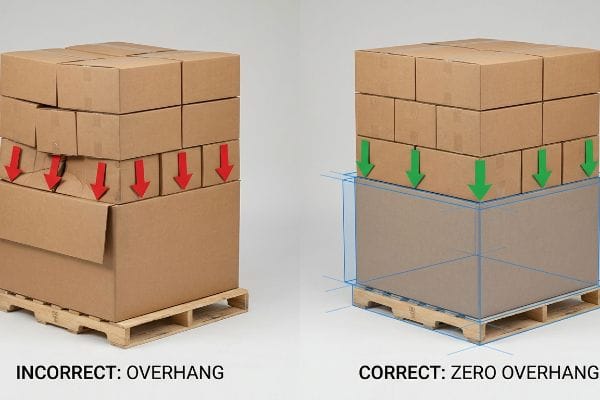
আমার প্রতিষ্ঠানে, আমি নিয়মিত দেখি যে এই তাত্ত্বিক আয়তন সর্বোচ্চকরণের ফলে পরীক্ষার ফ্লোরে মারাত্মক কাঠামোগত ব্যর্থতা ঘটে। এর পেছনের মূল কারণটি হলো প্যালেটের জ্যামিতি। একটি ঢেউখেলানো বাক্স তার BCT (বক্স কম্প্রেশন টেস্ট) শক্তির প্রায় ৬০% পর্যন্ত পায় শুধুমাত্র তার চারটি কোণার উল্লম্ব বিন্যাস থেকে। যখন আমি ক্লায়েন্টের কাছ থেকে আসা ডিজাইনগুলো পরিমাপ করি, তখন প্রায়শই দেখি যে তাদের সর্বোচ্চ আয়তনের কার্টনগুলো একটি স্ট্যান্ডার্ড GMA (গ্রোসারি ম্যানুফ্যাকচারার্স অ্যাসোসিয়েশন) ৪৮×৪০ ইঞ্চি ( ১২১.৯×১০১.৬ সেমি) প্যালেটের বাইরে মাত্র ০.৪৫ ইঞ্চি (১১.৪ মিমি) বেরিয়ে থাকে। যখন আমরা এটিকে হাইড্রোলিক কম্প্রেশন প্রেসের মধ্যে দিয়ে চালাই, তখন এই সামান্য বাড়তি অংশের কারণে কাঠামোগত কোণাগুলো কোনো ভার বহন করে না। সম্পূর্ণ গতিশীল ওজনটি ভারহীন মাঝের প্যানেলগুলোর উপর স্থানান্তরিত হয়, যার ফলে নিচের স্তরটি দৃশ্যত বাইরের দিকে বেঁকে যায় এবং মারাত্মকভাবে ভেঙে পড়ে। আমি CAD (কম্পিউটার-এইডেড ডিজাইন)-এ একটি কঠোর শূন্য-বাড়তি অংশের বাউন্ডিং বক্স প্রয়োগ করে এর সমাধান করি। আমি প্যালেটের পরিধির ভিতরে মাস্টার কার্টনের সর্বাধিক অনুমোদিত আয়তন কৃত্রিমভাবে ঠিক ০.৫ ইঞ্চি (১২.৭ মিমি) কমিয়ে দিই। এই অতি-ক্ষয়সীমা প্রয়োগ করার মাধ্যমে, আমি নিশ্চিত করি যে কোণাগুলো সম্পূর্ণরূপে সমর্থিত থাকে, যা গুরুত্বপূর্ণ ৬০% সংকোচন শক্তি পুনরুদ্ধার করে এবং জোড়ায় জোড়ায় মাল পরিবহনের সময় নষ্ট হওয়া পণ্যের কারণে গ্রাহকদের হাজার হাজার টাকা বাঁচায়।
| নতুনদের সাধারণ ভুল | প্রো ফিক্স | খুচরা-ফ্লোর সুবিধা |
|---|---|---|
| প্যালেটের সীমা ছাড়িয়ে কার্টনের আকার সর্বাধিক করা | CAD-এ শূন্য-ওভারহ্যাং বাউন্ডিং বক্স প্রয়োগ করুন। | উল্লম্ব কোণার শক্তি ৬০% বজায় রাখে17 |
| শুধুমাত্র ফ্ল্যাট র বোর্ড ইসিটি মেট্রিক্সের উপর নির্ভর করে | কাঠের ডেক বোর্ড দিয়ে গাণিতিকভাবে কোণগুলো সারিবদ্ধ করুন।18 | জোড়ায় জোড়ায় সাজানো কন্টেইনারের পরিবহনেও টিকে থাকে |
| বিসিটি-র ভৌত কার্যপ্রণালী উপেক্ষা করা | সর্বোচ্চ ক্ষেত্রফল ০.৫ ইঞ্চি (১২.৭ মিমি) পর্যন্ত সংকুচিত করুন।19 | নিম্ন-স্তরের নিষ্পেষণ দায় দূর করে |
তাত্ত্বিক আয়তনের লক্ষ্যমাত্রা কখনোই গতিশীল ভার বণ্টনের কঠিন পদার্থবিদ্যাকে অগ্রাহ্য করতে পারে না। নিখুঁত প্যালেট বিন্যাস নিশ্চিত করার জন্য কার্টনের আয়তন কৃত্রিমভাবে ছোট করা হলে, তা কঠোর বৈশ্বিক পরিবহন সহ্য করার জন্য প্রয়োজনীয় সঠিক সংকোচন শক্তিকে সুনিশ্চিত করে।.
🛠️ হার্ভির ডেস্ক: আপনার বর্তমান মাস্টার কার্টনটি কি কাঠের প্যালেটের বাইরে এক ইঞ্চির ভগ্নাংশ পরিমাণও ঝুলে আছে? 👉 আমাকে আপনার ডাইলাইন ফাইল পাঠান ↗ — গণ-উৎপাদনে বাজেট অপচয় করার আগে আমি হিসাবটি স্ট্রেস-টেস্ট করে দেখব।
উপসংহার
আপনি আরও সস্তা বিক্রেতা বেছে নিতে পারেন, কিন্তু যখন আপনার অতিরিক্ত বড় মাস্টার কার্টনগুলো প্যালেটের বাইরে বেরিয়ে আসে এবং ভারী মালপত্রের চাপে মারাত্মকভাবে ভেঙে যায়, তখন কাঠামোগত সংকোচনের সেই ৬০% ক্ষতি খুচরা বিক্রেতার দ্বারা তাৎক্ষণিক প্রত্যাখ্যানের কারণ হবে এবং আপনার প্রকল্পের লাভের মার্জিন সম্পূর্ণরূপে শেষ করে দেবে। আমার শীর্ষ ১০ জন খুচরা গ্রাহক প্রিন্ট প্রত্যাখ্যান শূন্যে নামিয়ে আনার নিশ্চয়তা দিতে ঠিক এই স্পেক শিটটিই ব্যবহার করেন। জটিল স্থানিক সহনশীলতা নিয়ে অনুমান করা বন্ধ করুন এবং ব্যাপক উৎপাদনের অনুমোদন দেওয়ার আগে, গতিজনিত পরিবহন ব্যর্থতা গাণিতিকভাবে দূর করতে আমাকে ব্যক্তিগতভাবে আমার ফ্রি ডাইলাইন প্রি-ফ্লাইট অডিট ↗- এর মাধ্যমে আপনার কাঠামোগত ফাইলগুলো পরীক্ষা করতে দিন।
"বক্স কম্প্রেশন টেস্ট: স্ট্যান্ডার্ড, পদ্ধতি ও ক্যালিব্রেশন", https://www.worldoftest.com/articles/box-compression-test-standards-methods-calibration/। করোগেটেড ফাইবারবোর্ডের উপর প্রযুক্তিগত ডকুমেন্টেশনে ব্যাখ্যা করা হয়েছে যে, প্রিন্ট করা গ্রাফিক্সের পৃষ্ঠে কোনো দৃশ্যমান ক্ষতি ছাড়াই কাঠামোগত ব্যর্থতা, যেমন উল্লম্ব সংকোচন শক্তির হ্রাস, ঘটতে পারে। প্রমাণের ভূমিকা: প্রযুক্তিগত বৈধতা; উৎসের ধরণ: প্যাকেজিং ইঞ্জিনিয়ারিং স্ট্যান্ডার্ড। সমর্থন করে: এই দাবি যে, দৃশ্যমান অক্ষত অবস্থা সাবস্ট্রেটের শক্তির একটি অবিশ্বস্ত সূচক। পরিধি নোট: ভার-বহনকারী প্যাকেজিং উপকরণের জন্য নির্দিষ্ট। ↩
"পুনর্ব্যবহারযোগ্য প্যাকেজিংয়ের সম্ভাব্য প্রভাব", https://www.mckinsey.com/industries/packaging-and-paper/our-insights/the-potential-impact-of-reusable-packaging। শিল্প লজিস্টিকস বেঞ্চমার্ক বা সাপ্লাই চেইন রিপোর্টগুলো এই বিষয়টিকে সমর্থন করে যে, প্যাকেজিং স্থিতিশীলতার মান পূরণে ব্যর্থ হলে খুচরা পণ্য গ্রহণে কর্মদক্ষতা হ্রাস পায়। প্রমাণের ভূমিকা: পরিমাণগত যাচাইকরণ; উৎসের ধরণ: শিল্প প্রতিবেদন। সমর্থন করে: খুচরা পণ্য সরবরাহে কাঠামোগত ক্লান্তির ব্যয়। পরিধি সংক্রান্ত টীকা: বিভিন্ন বড় খুচরা বিক্রেতার কমপ্লায়েন্স ম্যানুয়ালে এই অনুমানগুলো ভিন্ন ভিন্ন হয়ে থাকে। ↩
"পরীক্ষা পদ্ধতি", https://ista.org/test_procedures.php। প্যাকেজিংয়ের স্থায়িত্ব যাচাই করার জন্য ISTA 6 স্ট্যান্ডার্ডের ব্যবহারকে একটি প্রামাণ্য বাহ্যিক উৎস কীভাবে সমর্থন করে, তার সংক্ষিপ্ত ব্যাখ্যা। প্রমাণের ভূমিকা: প্রযুক্তিগত স্ট্যান্ডার্ড যাচাইকরণ; উৎসের ধরণ: শিল্প প্রত্যয়নকারী সংস্থা। সমর্থন করে: ক্ষতি কমাতে সিমুলেশন পরীক্ষার কার্যকারিতা। পরিধি সংক্রান্ত টীকা: বিশেষভাবে ট্রানজিট সিমুলেশনের ক্ষেত্রে প্রযোজ্য। ↩
"কোরুগেটেড বক্সের শক্তি নির্দেশিকা: ফ্লুট গ্রেড, ইসিটি রেটিং এবং ওয়াল...", https://anchorbox.com/corrugated-box-strength/। ৩২ ইসিটি বোর্ড এবং জলীয় আবরণের প্রযুক্তিগত স্পেসিফিকেশন কীভাবে আর্দ্রতাজনিত কাঠামোগত ব্যর্থতা প্রতিরোধ করে তার সংক্ষিপ্ত ব্যাখ্যা। প্রমাণের ভূমিকা: উপাদানের স্পেসিফিকেশন; উৎসের ধরণ: প্রযুক্তিগত ডেটাশিট। সমর্থন করে: গুদাম পরিবেশে নির্দিষ্ট বোর্ড গ্রেডের ব্যবহার। পরিধি সংক্রান্ত টীকা: এজ ক্রাশ টেস্ট (ইসিটি) রেটিংকে নির্দেশ করে। ↩
"উদ্ভাবনী নকশার ঢেউখেলানো বোর্ডের প্যাকেজিং...", https://bioresources.cnr.ncsu.edu/resources/corrugated-board-packaging-with-innovative-design-for-enhanced-durability-during-transport/। আর্দ্র অবস্থায় জলীয় আবরণ কীভাবে ঢেউখেলানো বোর্ডের কাঠামোগত অখণ্ডতা এবং ভারবহন ক্ষমতা বজায় রাখে তার সংক্ষিপ্ত ব্যাখ্যা। প্রমাণের ভূমিকা: কর্মক্ষমতার পরিমাপক; উৎসের ধরণ: প্রকৌশল গবেষণা। সমর্থন করে: এই দাবি যে আবরণ ভারবহন ক্ষমতা হ্রাস রোধ করে। পরিধির টীকা: গতিশীল ভারের পরিস্থিতি পর্যন্ত সীমাবদ্ধ। ↩
"প্যাকেজিং ডিজাইনের ভিজ্যুয়াল উপাদানগুলির প্রভাব … – পিএমসি", https://pmc.ncbi.nlm.nih.gov/articles/PMC11851823/। একটি প্রামাণিক বাহ্যিক উৎস কীভাবে এই দাবিকে সমর্থন করে তার সংক্ষিপ্ত ব্যাখ্যা। প্রমাণের ভূমিকা: আচরণগত বিশ্লেষণ; উৎসের ধরণ: নিউরোমার্কেটিং বা খুচরা গবেষণা। সমর্থন: ভিজ্যুয়াল প্যাটার্ন ভাঙতে এবং পথচারীদের আকর্ষণ করতে অ-প্রমিত জ্যামিতিক আকারের ব্যবহার। পরিধি সংক্রান্ত টীকা: ফলাফল করিডোরের প্রতিযোগিতামূলক ঘনত্বের উপর নির্ভরশীল। ↩
"১৪ ধরনের রিটেইল ডিসপ্লে | শিকাগো, আইএল – ভার্টহাইমার বক্স", https://wertheimerbox.com/types-of-retail-displays/। একটি নির্ভরযোগ্য বাহ্যিক উৎস কীভাবে এই দাবিকে সমর্থন করে তার সংক্ষিপ্ত ব্যাখ্যা। প্রমাণের ভূমিকা: পরিমাণগত যাচাইকরণ; উৎসের ধরন: রিটেইল মার্চেন্ডাইজিং স্ট্যান্ডার্ড। সমর্থন করে: শেলফের কিনারার উচ্চতা হ্রাস এবং পণ্যের দৃশ্যমানতার শতাংশের মধ্যে নির্দিষ্ট সম্পর্ক। পরিধি সংক্রান্ত টীকা: শেলফের গভীরতা অনুযায়ী স্ট্যান্ডার্ড পরিবর্তিত হতে পারে। ↩
"প্যাকেজিংয়ের জন্য পিএমএস বনাম সিএমওয়াইকে: কোনটি শ্রেয়?", https://pax.solutions/corrugated-packaging/pms-vs-cmyk-for-packaging/। একটি প্রামাণ্য বাহ্যিক উৎস কীভাবে এই দাবিকে সমর্থন করে তার সংক্ষিপ্ত ব্যাখ্যা। প্রমাণের ভূমিকা: প্রযুক্তিগত যাচাইকরণ; উৎসের ধরণ: মুদ্রণ শিল্পের ম্যানুয়াল। সমর্থন: স্পট কালার ব্যবহার করে কাঁচা টেস্টলাইনারে হাফটোন গ্রেইন এবং কালি শোষণের সমস্যা হ্রাস। পরিধি সংক্রান্ত টীকা: ছিদ্রযুক্ত ঢেউখেলানো কাগজের সাবস্ট্রেটের জন্য নির্দিষ্ট। ↩
"ভারবহন ক্ষমতার উপর ছিদ্রের প্রভাব অনুসন্ধান...", https://pmc.ncbi.nlm.nih.gov/articles/PMC11396172/। প্রযুক্তিগত প্যাকেজিং ইঞ্জিনিয়ারিং স্ট্যান্ডার্ডগুলিতে বিস্তারিতভাবে বলা হয়েছে যে কীভাবে বোর্ডের গ্রেড কমালে তার সংকোচন শক্তি এবং কাঠামোগত অখণ্ডতা প্রভাবিত হয়। প্রমাণের ভূমিকা: প্রযুক্তিগত যাচাইকরণ; উৎসের ধরণ: শিল্প প্রযুক্তিগত ম্যানুয়াল। সমর্থন করে: সস্তা বিকল্পের পরিবর্তে উচ্চ-কর্মক্ষমতাসম্পন্ন সাবস্ট্রেট ব্যবহারের ঝুঁকি। পরিধি নোট: বিশেষভাবে ঢেউখেলানো কার্ডবোর্ডের মতো ফাইবার-ভিত্তিক সাবস্ট্রেটের ক্ষেত্রে প্রযোজ্য। ↩
"কাঠামোগত প্যাকেজিং ডিজাইন কীভাবে অপচয় এবং খরচ কমায়", https://www.bcipkg.com/how-structural-packaging-design-reduces-waste-and-costs/। প্যাকেজিং উপকরণের গ্রেড সম্পর্কিত প্রযুক্তিগত ডকুমেন্টেশনে ব্যাখ্যা করা হয়েছে যে, ডিস্ট্রিবিউশন সেন্টারগুলিতে স্ট্যাকিংয়ের চাপে বোর্ডের অপর্যাপ্ত শক্তির কারণে কীভাবে কাঠামোগত পতন ঘটে। প্রমাণের ভূমিকা: প্রযুক্তিগত যাচাইকরণ; উৎসের ধরণ: প্যাকেজিং ইঞ্জিনিয়ারিং স্ট্যান্ডার্ড। সমর্থন করে: এই দাবি যে নিম্নমানের উপকরণ বিতরণের সময় ব্যর্থ হয়। পরিধি সংক্রান্ত টীকা: বিশেষভাবে পেপারবোর্ড এবং ঢেউখেলানো উপকরণের ক্ষেত্রে প্রযোজ্য। ↩
"ECT রেটিং-এর ব্যাখ্যা: আপনার করোগেটেড প্যাকেজিং-এর জন্য এর অর্থ কী", https://epackagesupply.com/blogs/packaging-guide/ect-ratings-explained-what-they-mean-for-your-corrugated-packaging?srsltid=AfmBOoobE-U5MZolYjhdjLmHQEDUzG2dipNuQ2BopDdxcoW996KQcRFn। এজ ক্রাশ টেস্ট (ECT) রেটিং এবং প্যালেট ভেঙে পড়া রোধ করার জন্য উল্লম্বভাবে স্তূপীকরণের শক্তির উপর এর প্রভাব সম্পর্কিত প্রযুক্তিগত নথি। প্রমাণের ভূমিকা: প্রযুক্তিগত স্পেসিফিকেশন; উৎসের ধরণ: প্যাকেজিং শিল্পের মান। সমর্থন করে: থেঁতলে যাওয়া রোধ করার জন্য নির্দিষ্ট ECT বেসলাইনের প্রয়োজনীয়তা। পরিধির টীকা: স্ট্যান্ডার্ড করোগেটেড শিপিং কন্টেইনারের ক্ষেত্রে প্রযোজ্য। ↩
"প্যাকেজিং অটোমেশন: আজকের ফুলফিলমেন্ট অপারেশনের সুবিধাসমূহ", https://www.fortna.com/insights-resources/packaging-automation-benefits-for-todays-fulfillment-operations/। শিল্প গবেষণা, যেখানে দেখানো হয়েছে কীভাবে সমন্বিত প্যাকেজিং ডিজাইন মেট্রিক্স স্বয়ংক্রিয় রিটেইল ফুলফিলমেন্ট সেন্টারগুলিতে যান্ত্রিক ব্যর্থতা এবং ডাউনটাইম হ্রাস করে। প্রমাণের ভূমিকা: অপারেশনাল ফলাফল; উৎসের ধরণ: লজিস্টিকস কেস স্টাডি। সমর্থন করে: এই দাবি যে একটি সমন্বিত ব্যয়-সুবিধা পদ্ধতি লাইন জ্যাম কমায়। পরিধি নোট: উচ্চ-পরিমাণ স্বয়ংক্রিয় পরিবেশের জন্য নির্দিষ্ট। ↩
"প্যাকেজিং-এ জলীয় আবরণ: প্রক্রিয়া, প্রকারভেদ, সুবিধাসমূহ এবং ব্যবহারসমূহ", https://packhit.com/packaging/finishes/coating/aqueous/। পরিবহনের সময় উচ্চ-কঠিন জলীয় আবরণ বনাম ফয়েল ল্যামিনেটের ঘর্ষণ প্রতিরোধ ক্ষমতা এবং কাঠামোগত অখণ্ডতার তুলনামূলক পদার্থ বিজ্ঞান-ভিত্তিক তথ্য। প্রমাণের ভূমিকা: উপাদানের কার্যকারিতার তুলনা; উৎসের ধরণ: প্রযুক্তিগত শ্বেতপত্র। সমর্থন করে: পরিবহনের ঘর্ষণ সহ্য করার জন্য জলীয় আবরণের ব্যবহার। পরিধি টীকা: প্রিমিয়াম প্রিন্টেড বোর্ড সাবস্ট্রেটের উপর দৃষ্টি নিবদ্ধ। ↩
"ঢেউখেলানো পেপারবোর্ড প্যাকেজের সংকোচন শক্তি …", https://pmc.ncbi.nlm.nih.gov/articles/PMC10054506/। প্যাকেজিং ইঞ্জিনিয়ারিং-এর উপর প্রযুক্তিগত নথিপত্র দেখায় যে, সমুদ্রপথে পরিবহনের সময় গতিশীল পীড়ন এবং আর্দ্রতার কারণে সৃষ্ট ক্ষয়কে স্থির সংকোচন পরিমাপকগুলো বিবেচনায় আনতে ব্যর্থ হয়। প্রমাণের ভূমিকা: প্রযুক্তিগত যাচাইকরণ; উৎসের ধরণ: শিল্প মান/ইঞ্জিনিয়ারিং হ্যান্ডবুক। সমর্থন করে: পরিবহনের জন্য স্থির পরিমাপকের অপর্যাপ্ততা। পরিধি সংক্রান্ত টীকা: বিশেষভাবে ঢেউখেলানো ফাইবারবোর্ডের ক্ষেত্রে প্রযোজ্য। ↩
"একটি … এর জন্য ঢেউখেলানো বোর্ড বাক্সের সংকোচন শক্তির অনুমান", https://pmc.ncbi.nlm.nih.gov/articles/PMC9864211/। ঢেউখেলানো বাক্সের উল্লম্ব কোণগুলির সংকোচন শক্তির অনুপাতের প্রযুক্তিগত বৈধতা। প্রমাণের ভূমিকা: প্রযুক্তিগত স্পেসিফিকেশন; উৎসের ধরণ: প্যাকেজিং ইঞ্জিনিয়ারিং হ্যান্ডবুক। সমর্থন করে: এই দাবি যে কোণার সারিবদ্ধতা কাঠামোগত অখণ্ডতার প্রধান চালিকাশক্তি। পরিধির টীকা: কার্ডবোর্ডের ফ্লুট এবং দেয়ালের পুরুত্বের উপর ভিত্তি করে পরিবর্তিত হয়। ↩
"স্ট্যান্ডার্ড প্যালেট সাইজ | চার্ট সহ", https://www.kampspallets.com/standard-pallet-sizes-with-chart/। গ্রোসারি ম্যানুফ্যাকচারার্স অ্যাসোসিয়েশন (GMA) প্যালেটের জন্য শিল্প-মানসম্মত মাপের যাচাইকরণ। প্রমাণের ভূমিকা: শিল্প মান; উৎসের ধরণ: লজিস্টিকস ম্যানুয়াল। সমর্থন: কার্টনের ওভারহ্যাং গণনা করতে ব্যবহৃত বেসলাইন মাপ। পরিধি নোট: উত্তর আমেরিকার সাপ্লাই চেইন মানগুলির জন্য নির্দিষ্ট। ↩
"[পিডিএফ] বাক্সের সংকোচন শক্তির উপর প্যালেট ওভারহ্যাং-এর প্রভাব", https://admin.fibrebox.org/wp-content/uploads/2025/07/Pallet_Overhang_Phase_1.pdf। প্রামাণ্য প্যাকেজিং ইঞ্জিনিয়ারিং স্ট্যান্ডার্ডগুলো কার্টনের প্রান্ত প্যালেটের সীমানা ছাড়িয়ে গেলে সংকোচন শক্তির হ্রাসকে পরিমাপ করে। প্রমাণের ভূমিকা: প্রযুক্তিগত স্পেসিফিকেশন; উৎসের ধরণ: ইঞ্জিনিয়ারিং ম্যানুয়াল। সমর্থন করে: উল্লম্ব ভারবহন ক্ষমতার উপর জিরো-ওভারহ্যাং-এর প্রভাব। পরিধি নোট: বিশেষভাবে ঢেউখেলানো ফাইবারবোর্ড বাক্সের ক্ষেত্রে প্রযোজ্য। ↩
"প্যালেটের উপরের স্তরের দৃঢ়তার প্রভাবের অনুসন্ধান … – পিএমসি", https://pmc.ncbi.nlm.nih.gov/articles/PMC8585293/। লজিস্টিকস এবং প্যালেটাইজেশন নির্দেশিকা অনুযায়ী, ধস রোধ করার জন্য কাঠামোগত কোণগুলোকে প্যালেটের সাপোর্ট মেম্বারগুলোর সাথে সারিবদ্ধ করার প্রয়োজনীয়তা উল্লেখ করা হয়েছে। প্রমাণের ভূমিকা: প্রযুক্তিগত সর্বোত্তম অনুশীলন; উৎসের ধরণ: শিপিং স্ট্যান্ডার্ড। সমর্থন: ডাবল-স্ট্যাকড কন্টেইনার ট্রানজিটে কাঠামোগত অখণ্ডতা। পরিধি নোট: অনমনীয় প্যালেটাইজড চালানের ক্ষেত্রে প্রযোজ্য। ↩
"কর্মক্ষেত্রে মারাত্মক পিষ্ট হওয়া এবং অঙ্গচ্ছেদের আঘাত...", https://stacks.cdc.gov/view/cdc/181365। বক্স কম্প্রেশন টেস্ট (BCT)-এর তথ্য প্রমাণ করে যে, প্রান্তীয় ভারজনিত ব্যর্থতা এড়ানোর জন্য এর আয়তন কমানো হলে নিচের স্তরের ধসে পড়ার ঝুঁকি কমে যায়। প্রমাণের ভূমিকা: প্রযুক্তিগত পরিমাপ; উৎসের ধরণ: প্যাকেজিং গবেষণা পত্র। সমর্থন করে: নিচের স্তরের পিষ্ট হওয়ার দায় বিলোপ। পরিধি টীকা: BCT-এর ভৌত বলবিদ্যার উপর আলোকপাত করে। ↩