নিরেট চিপবোর্ড এবং খাঁজকাটা কার্ডবোর্ডের মধ্যে কোনটি বেছে নেবেন, তার ওপরই নির্ভর করে আপনার রিটেইল ডিসপ্লেটি সমুদ্রপথে পরিবহনের ধকল সহ্য করতে পারবে, নাকি দোকানের পথেই ভেঙে পড়বে।.
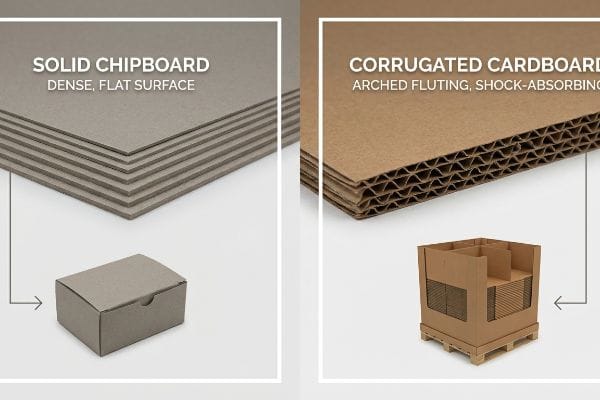
চিপবোর্ড বনাম কার্ডবোর্ডের পিওপি (পয়েন্ট অফ পারচেজ) ডিসপ্লে মূল্যায়নের জন্য এর কাঠামোগত জ্যামিতি বিশ্লেষণ করা প্রয়োজন। চিপবোর্ড উন্নতমানের ফোল্ডিং কার্টনের জন্য উচ্চ-ঘনত্বের সমতল পৃষ্ঠ প্রদান করে, কিন্তু এর অভ্যন্তরে আঘাত-শোষণকারী খাঁজ একেবারেই থাকে না। অন্যদিকে, করোগেটেড কার্ডবোর্ডে ধনুকাকৃতির খাঁজ ব্যবহার করা হয়, যা ভারী রিটেইল ফ্লোর ডিসপ্লে এবং প্যালেটাইজড শিপিংয়ের জন্য প্রয়োজনীয় উন্নত উল্লম্ব সংকোচন শক্তি প্রদান করে।.
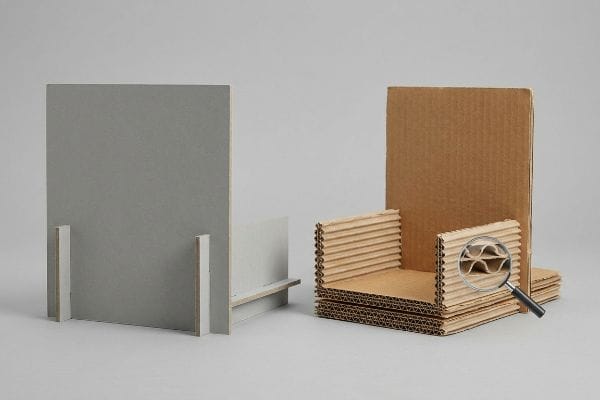
যদিও নিরেট পেপারবোর্ড হাতে নিলে ভারী মনে হয়, কিন্তু সাধারণ প্যালেটগুলো যখন কঠিন পরিবহন ব্যবস্থার সম্মুখীন হয়, তখন এর প্রাথমিক ঘনত্ব আর গতিশীল ভারবহন ক্ষমতা এক থাকে না।.
চিপবোর্ড কি কার্ডবোর্ডের চেয়ে ভালো?
অনেক ব্র্যান্ডই স্বভাবতই চিপবোর্ড ব্যবহার করে, এই ভেবে যে পুরু উপাদান তাদের খুচরা গ্রাহকদের জন্য কেনাকাটার অভিজ্ঞতাকে স্বয়ংক্রিয়ভাবে আরও উন্নত করে তোলে।.
না। বেশিরভাগ রিটেইল ফ্লোর ডিসপ্লের জন্য চিপবোর্ড কার্ডবোর্ডের চেয়ে ভালো নয়। যদিও নিরেট পেপারবোর্ড উচ্চ-মানের ব্র্যান্ডিং প্রিন্ট করার জন্য একটি মসৃণ পৃষ্ঠ প্রদান করে, তবে এতে করোগেটেড কার্ডবোর্ডের মতো অভ্যন্তরীণ বাঁকানো খাঁজ থাকে না। এই খাঁজগুলো না থাকায়, ব্যস্ত রিটেইল পরিবেশে চিপবোর্ড ভারী পণ্য ধরে রাখতে হিমশিম খায়।.
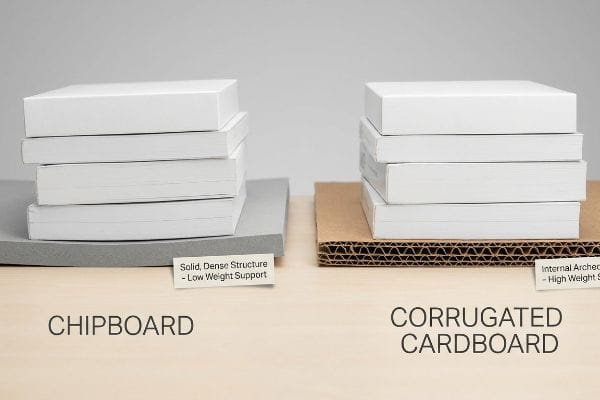
ক্রেতাদের আকৃষ্ট করার জন্য ডিসপ্লেতে যথেষ্ট পণ্য রাখা না গেলে, চমৎকার প্রিন্ট ফিনিশের কোনো মূল্যই থাকে না।.
খুচরা পণ্য বিপণনে কাঠামোগত পার্থক্য
নতুন পণ্য বাজারে আনার পরিকল্পনা করার সময়, মার্কেটিং দলগুলো প্রায়শই নিরেট চিপবোর্ডের মসৃণ ও অভিজাত চেহারা পছন্দ করে। তারা ধরে নেয় যে, যেহেতু উপাদানটি উৎকৃষ্ট মানের ও ঘন, তাই এটি দোকানের মেঝেতে তাদের সমস্ত পণ্যের ভার স্বাভাবিকভাবেই বহন করতে পারবে। এই ধারণাটি উপেক্ষা করে যে, একটি ব্যস্ত করিডোরে রিটেইল ডিসপ্লেগুলো আসলে কীভাবে কাজ করে। ঢেউখেলানো কার্ডবোর্ডে থাকা অভ্যন্তরীণ খাঁজগুলো না থাকায়, নিরেট বোর্ডগুলোতে স্তূপ করে রাখা একাধিক পণ্যের ওজন নিরাপদে বন্টন করার জন্য কোনো অন্তর্নির্মিত ব্যবস্থা নেই ।
বাস্তব খুচরা বিক্রয় পরিবেশে, বড় ফ্লোর বিনের জন্য চিপবোর্ড ব্যবহার করার চেষ্টা করলে দ্রুতই ডিসপ্লে হেলে পড়ে এবং স্টোর ম্যানেজাররা হতাশ হন। যখন কোনো ব্র্যান্ড একটি মসৃণ ট্রে-তে কয়েক ডজন ভারী পণ্য রাখার চেষ্টা করে, তখন চাপের কারণে এর পাশগুলো সহজেই বাইরের দিকে বেঁকে যায়। এর পরিবর্তে একটি সাধারণ ঢেউখেলানো কার্ডবোর্ড ব্যবহার করলে এর বাঁকানো ভেতরের স্তরগুলোর মাধ্যমে প্রয়োজনীয় উল্লম্ব সাপোর্ট পাওয়া যায়।এই সাধারণ উপাদানগত পরিবর্তনটি নিশ্চিত করে যে পণ্যগুলো সুন্দরভাবে সাজানো থাকে, যা ডিসপ্লেটিকে গ্রাহকদের কাছে দৃষ্টিনন্দন রাখে এবং ক্যাম্পেইনের পুরো সময় জুড়ে খুচরা বিক্রয় সর্বোচ্চ করে তোলে।
| বৈশিষ্ট্য | কঠিন চিপবোর্ড | ঢেউতোলা পিচবোর্ড |
|---|---|---|
| সেরা ব্যবহারের ক্ষেত্রে | ছোট কাউন্টারটপ ইউনিট | বড় ফ্লোর ডিসপ্লে |
| ওজন ধারণক্ষমতা | হালকা জিনিসপত্রের জন্য সেরা | ভারী পণ্য সমর্থন করে3 |
| চাক্ষুষ আকর্ষণ | অত্যন্ত মসৃণ প্রিন্ট ফিনিশ4 | ভালো, কিন্তু সামান্য খাঁজকাটা ভাব দেখা যাচ্ছে৫ |
খুচরা ব্যবসার পরিকল্পনায় শুধুমাত্র উপকরণের পুরুত্বের উপর নির্ভর করা একটি সাধারণ ভুল। সঠিকভাবে খাঁজকাটা ঢেউখেলানো কার্ডবোর্ড ব্যবহার করলে আপনার ফ্লোর ডিসপ্লেগুলো মজবুতভাবে দাঁড়িয়ে থাকে এবং আপনার পণ্য দ্রুত বিক্রি হয়।
🛠️ হার্ভির ডেস্ক: আপনার ভারী চেকআউট ট্রেগুলো কি দোকানে পৌঁছানোর আগেই আপনার শিপিংয়ের ROI (বিনিয়োগের উপর আয়) কমিয়ে দিচ্ছে? 👉 আপনার ফ্রি ফ্রেট ডেনসিটি অডিট করিয়ে নিন ↗ — আমি ২৪ ঘণ্টার মধ্যে প্রতিটি স্ট্রাকচারাল ফাইল ব্যক্তিগতভাবে পর্যালোচনা করি।
চিপবোর্ড ব্যবহারের অসুবিধাগুলো কী কী?
অভ্যন্তরীণ খাঁজ না থাকার পাশাপাশি, চিপবোর্ডের কিছু নির্দিষ্ট সীমাবদ্ধতা রয়েছে যা কোনো খুচরা বিক্রয় প্রচার অভিযান শুরু করার আগে ব্র্যান্ড ম্যানেজারদের অবশ্যই বিবেচনা করতে হবে।.
চিপবোর্ড ব্যবহারের প্রধান অসুবিধাগুলোর মধ্যে রয়েছে এর কম ওজন ধারণ ক্ষমতা, আর্দ্রতার কারণে ক্ষতির উচ্চ প্রবণতা এবং সময়ের সাথে সাথে এর কাঠামোগত স্থায়িত্ব সীমিত হয়ে যাওয়া। যেহেতু এটি সম্পূর্ণরূপে নিবিড়ভাবে সংকুচিত পুনর্ব্যবহৃত কাগজের তন্তুর উপর নির্ভর করে, তাই ভারী খুচরা পণ্য বা দোকানে দীর্ঘ সময় ব্যবহারের ফলে চিপবোর্ড সহজেই বেঁকে যেতে বা ছিঁড়ে যেতে পারে।.

এই উপাদানটিকে এর উদ্দিষ্ট ব্যবহারের বাইরে ঠেলে দেওয়ার ফলেই ব্র্যান্ডগুলোর তাকগুলো অগোছালো হয়ে পড়ে এবং পণ্যের দৃশ্যমানতা কমে যায়।.
দোকানের পরিবেশে উপকরণের সীমাবদ্ধতা বোঝা
ব্র্যান্ডগুলো প্রায়শই বড় আকারের রিটেইল ডিসপ্লে প্রকল্পের জন্য ১০০% পুনর্ব্যবহৃত চিপবোর্ড ব্যবহার করে তাদের মার্কেটিং বাজেট বাড়ানোর চেষ্টা করে, এই বিশ্বাসে যে এটি একটি পরিবেশ-বান্ধব এবং সাশ্রয়ী সমাধান। তারা ধরে নেয় যে, মোটা গেজের চিপবোর্ড স্বাভাবিকভাবেই সাধারণ প্যাকেজিং উপকরণের মতোই বড় আকারের জিনিসপত্র বহন করতে পারবে। তবে, এই দৃষ্টিভঙ্গি এই সত্যটিকে উপেক্ষা করে যে, পুনঃমণ্ড তৈরির প্রক্রিয়ার সময় পুনর্ব্যবহৃত সেলুলোজ ফাইবারগুলো ছোট এবং দুর্বল হয়ে পড়ে , যা দীর্ঘমেয়াদী প্রচারণার ক্ষেত্রে উপাদানটির সামগ্রিক দৃঢ়তাকে মারাত্মকভাবে সীমিত করে।
যখন এই কাঠামোগতভাবে সীমিত উপকরণগুলো প্রকৃত খুচরা বিক্রয় পরিবেশে পৌঁছায়, তখন সেগুলো প্রায়শই গ্রাহকদের ব্যবহারের ফলে সৃষ্ট দৈনন্দিন ক্ষয়ক্ষতি সহ্য করতে ব্যর্থ হয়। ভারী প্রসাধনী বা বোতলজাত পণ্যে বোঝাই একটি চিপবোর্ড ডিসপ্লে দ্রুত নুয়ে পড়তে শুরু করে , এবং কয়েক দিনের মধ্যেই এর ঝকঝকে, পেশাদার চেহারা হারিয়ে ফেলে। হাইব্রিড করোগেটেড বিকল্পের মতো আরও মজবুত উপাদানে আপগ্রেড করলে , তাকগুলোকে নিখুঁত রাখতে প্রয়োজনীয় শক্তি পাওয়া যায় । এই দূরদর্শী পদক্ষেপ দোকানের করিডোর অগোছালো হওয়া থেকে রক্ষা করে, পণ্য সুরক্ষিত রাখে এবং প্রচারণার পুরো সময় জুড়ে আপনার ব্র্যান্ডের একটি প্রিমিয়াম ভাবমূর্তি বজায় রাখা নিশ্চিত করে।
| মেট্রিক / বৈশিষ্ট্য | পুনর্ব্যবহৃত চিপবোর্ড | হাইব্রিড ঢেউখেলানো |
|---|---|---|
| উপাদানের স্থায়িত্ব | বাঁকানোর প্রবণতা9 | দৈনন্দিন ব্যবহার প্রতিরোধ করে |
| দোকানের জীবনকাল | স্বল্পমেয়াদী পদোন্নতি10 | বর্ধিত খুচরা প্রচারাভিযান |
| ব্র্যান্ড ইমেজ | ওজনের নিচে ঝুলে যায়11 | খাস্তা কাঠামো বজায় রাখে |
ভুল পেপারবোর্ড বেছে নিলে দোকানের কর্মচারীদের ক্রমাগত নষ্ট হয়ে যাওয়া ডিসপ্লেগুলো গুছিয়ে রাখতে হয়। আরও মজবুত ঢেউখেলানো কার্ডবোর্ডে বিনিয়োগ করলে তা আপনার ব্র্যান্ডের ভাবমূর্তি রক্ষা করে এবং ক্রেতাদের কাছে আপনার পণ্যকে নিখুঁতভাবে উপস্থাপন করা নিশ্চিত করে।.
🛠️ হার্ভির ডেস্ক: বাস্তব রিটেইল ব্যবহারের ফলে সৃষ্ট ঘর্ষণে আপনার বর্তমান কাউন্টার ডিসপ্লে ডিজাইনটি কি উল্টে যাওয়া বা বেঁকে যাওয়ার ঝুঁকিতে আছে? 👉 একটি কাঠামোগত উপাদান মূল্যায়নের জন্য অনুরোধ করুন ↗ — ১০০% গোপনীয়। আপনার অপ্রকাশিত রিটেইল ডিজাইনগুলো আমার কাছে সুরক্ষিত।
হাসপাতালে কার্ডবোর্ড কেন নিষিদ্ধ?
স্বাস্থ্যসেবা কেন্দ্রগুলিতে কঠোর পরিচ্ছন্নতার মানদণ্ড প্রয়োজন, যা পণ্য সরবরাহের সময় প্রচলিত প্যাকেজিং উপকরণগুলি প্রায়শই পূরণ করতে ব্যর্থ হয়।.
হাসপাতালগুলিতে সাধারণত কার্ডবোর্ড ব্যবহারের অনুমতি নেই, কারণ কাঁচা ঢেউখেলানো কার্ডবোর্ড থেকে কাগজের ধুলো তৈরি হয় এবং এতে আর্দ্রতা জমতে পারে। সাধারণ কার্ডবোর্ডের স্বাভাবিক, ছিদ্রযুক্ত পৃষ্ঠ সহজেই ময়লা আটকে রাখে এবং ক্ষুদ্র কণা ঝরে পড়ে, যার ফলে এটি ক্লিনরুম, সক্রিয় সার্জিক্যাল ওয়ার্ড এবং জীবাণুমুক্ত চিকিৎসা পরিবেশের জন্য একেবারেই অনুপযুক্ত।.
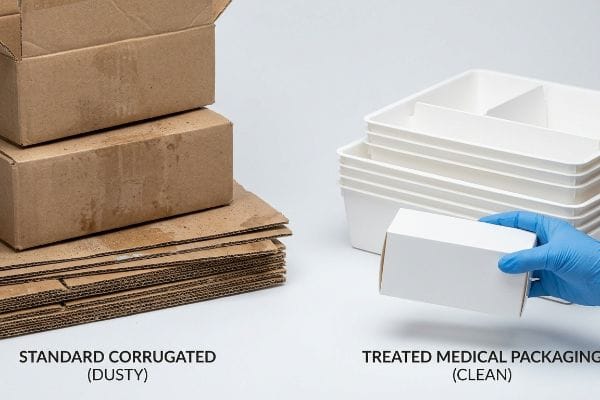
ফার্মেসি এবং ওভার-দ্য-কাউন্টার স্বাস্থ্যসেবা খাতের জন্য সেকেন্ডারি রিটেইল ডিসপ্লে ডিজাইন করার সময় এই কঠোর স্বাস্থ্যবিধিগুলো বোঝা অপরিহার্য।.
মেডিকেল রিটেইলে পরিচ্ছন্নতার মানদণ্ড অনুসরণ
স্বাস্থ্য ও সুস্থতা পণ্যের জন্য ডিসপ্লে ডিজাইন করার সময় , ব্র্যান্ড টিমগুলো প্রায়শই ধরে নেয় যে যেকোনো ধরনের দোকানের পরিবেশের জন্য সাধারণ রিটেইল প্যাকেজিং গ্রহণযোগ্য। তারা হাসপাতালের ফার্মেসি এবং ক্লিনিকগুলোকে প্রচলিত মুদি দোকানের তাকের মতোই বিবেচনা করে এবং চিকিৎসা কেন্দ্রগুলোর বিশেষ পরিচ্ছন্নতার প্রয়োজনীয়তা বিবেচনা না করেই সাধারণ ঢেউখেলানো কার্ডবোর্ড ব্যবহারের নির্দেশ দেয়। এই সাধারণ দৃষ্টিভঙ্গি এই সত্যটিকে সম্পূর্ণরূপে উপেক্ষা করে যে, সাধারণ কার্ডবোর্ড থেকে স্বাভাবিকভাবেই কাগজের ক্ষুদ্র কণা ঝরে পড়ে এবং এটি আর্দ্রতা শোষণ করে , যার ফলে সংবেদনশীল স্বাস্থ্য অঞ্চলে ধূলিকণা ছড়িয়ে পড়ার ঝুঁকি তৈরি হয়।
প্রকৃত চিকিৎসা সরঞ্জাম বিক্রির ক্ষেত্রে, হাসপাতালের পণ্য গ্রহণকারী ব্যবস্থাপকরা তাদের পরিষ্কার পরিবেশে ধুলো বা ময়লা প্রবেশ করালে সেই চালানগুলো অবিলম্বে প্রত্যাখ্যান করেন । যদি কোনো ওভার-দ্য-কাউন্টার ডিসপ্লে খোলার সময় দৃশ্যমান কণা ঝরে পড়ে, তবে পুরো প্যালেটটি কোয়ারেন্টাইন করা যেতে পারে , যা পণ্যের বাজারজাতকরণকে অনির্দিষ্টকালের জন্য বিলম্বিত করে। এর সমাধান করতে, ব্র্যান্ডগুলোকে অবশ্যই বিশেষায়িত, প্রক্রিয়াজাত উপকরণ ব্যবহার করতে হবে অথবা উৎপাদনের সময় উন্নত ধুলো-নিষ্কাশন পদ্ধতি ব্যবহার করতে হবে। প্যাকেজিং সম্পূর্ণ পরিষ্কার রাখা নিশ্চিত করলে হাসপাতালের ডকে একটি মসৃণ গ্রহণ প্রক্রিয়া নিশ্চিত হয়, যার ফলে স্বাস্থ্য পণ্যগুলো হতাশাজনক বিলম্ব বা নিয়ন্ত্রক বাধা ছাড়াই রোগীদের কাছে পৌঁছাতে পারে।
| পরিবেশগত কারণ | স্ট্যান্ডার্ড পিচবোর্ড | চিকিৎসাকৃত চিকিৎসা প্যাকেজিং |
|---|---|---|
| ধূলিকণা উৎপাদন | কাগজের কণা ঝরে পড়ে15 | পরিষ্কার এবং ধুলোমুক্ত |
| আর্দ্রতা নিয়ন্ত্রণ | সহজেই আর্দ্রতা শোষণ করে16 | আর্দ্রতা জমা প্রতিরোধ করে |
| অনুমোদন প্রাপ্তি | ঘন ঘন কোয়ারেন্টাইন করা হয়17 | হাসপাতালে ভর্তি প্রক্রিয়া মসৃণ |
চিকিৎসা সংক্রান্ত পরিচ্ছন্নতার মান উপেক্ষা করলে লাভজনক হাসপাতালের ফার্মেসিগুলো থেকে আপনার পণ্য দ্রুত নিষিদ্ধ হয়ে যাবে। যেসব সরবরাহকারী ধূলিকণামুক্ত উৎপাদনকে অগ্রাধিকার দেন, তাদের সাথে অংশীদারিত্ব করলে আপনার স্বাস্থ্যসেবা প্রচারণাগুলো ব্যয়বহুল প্রত্যাখ্যান ছাড়াই চালু করা নিশ্চিত হয়।.
🛠️ হার্ভির ডেস্ক: আপনার ফার্মাসিউটিক্যাল মার্চেন্ডাইজাররা কি এমন আণুবীক্ষণিক ময়লা ফেলছে যা গুদামে ব্যয়বহুল কোয়ারেন্টাইন হোল্ডের কারণ হচ্ছে? 👉 একটি ক্লিনরুম প্যাকেজিং অডিটের জন্য আবেদন করুন ↗ — মাঝখানে কোনো অ্যাকাউন্ট ম্যানেজার নেই। আপনি সরাসরি স্ট্রাকচারাল ইঞ্জিনিয়ারদের সাথে কথা বলবেন।
কার্টন বোর্ড ব্যবহারের অসুবিধাগুলো কী কী?
আকর্ষণীয় নান্দনিকতা প্রায়শই ব্র্যান্ডগুলোকে ফোল্ডিং কার্টনের দিকে চালিত করে, কিন্তু দ্রুতগতির উৎপাদন লাইনে প্রক্রিয়াজাত করার সময় এগুলোতে লুকানো কাঠামোগত ঝুঁকি থাকে।.
কার্টন বোর্ড ব্যবহারের অসুবিধাগুলোর মধ্যে রয়েছে পৃষ্ঠটানজনিত স্ফীতি এবং অতিরিক্ত আর্দ্রতায় বেঁকে যাওয়ার উচ্চ প্রবণতা। ডিজাইনাররা যখন পাতলা কার্টন বোর্ডে গভীর ৩ডি এমবসিং বা দৃঢ় ল্যামিনেশন প্রয়োগ করেন, তখন কাঠামোগতভাবে দুর্বল হয়ে পড়া কাগজের তন্তুগুলো প্রসারিত হয়ে ছিঁড়ে যায় এবং উপাদানটির গতিশীল সংকোচন শক্তিকে সম্পূর্ণরূপে নষ্ট করে দেয়।.
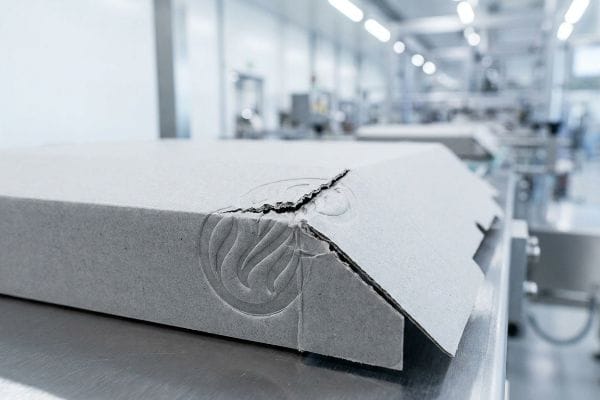
ওই সুন্দর বিলাসবহুল প্রলেপগুলোর কোনো মূল্যই থাকে না, যদি কো-প্যাকারের স্বয়ংক্রিয় অ্যাসেম্বলি লাইনে পৌঁছানোর সাথে সাথেই কার্টনের নিচের অংশটা ছিঁড়ে চওড়া হয়ে যায়।.
এমবসিং টেনশন ব্লোআউট হ্যাজার্ড
আমার প্রতিষ্ঠানে, আমি নিয়মিতভাবে এমন RFQ (Request For Quote) দেখি যেখানে উচ্চমানের প্রসাধনী। ডিজাইনাররা এই প্রিমিয়াম প্যাকেজিং-এ ভারী 3D ফয়েল এমবসিং নির্দিষ্ট করে দেন, এই ভেবে যে এটি ঠিক ফ্ল্যাট ফয়েল স্ট্যাম্পিং-এর মতোই কাজ করে। তবে, আসল এমবসিং-এ শক্তিশালী মেল-ফিমেল ডাই ব্যবহার করা হয় যা কাঁচা পেপারবোর্ডের ফাইবারগুলিকে প্রসারিত করে এবং মারাত্মকভাবে পাতলা করে দেয়18।যখন এই গভীর টেক্সচারটি সরাসরি কোনো ভার-বহনকারী ভাঁজের উপর বা কাছাকাছি স্থাপন করা হয়, তখন এই দ্বৈত-চাপের অঞ্চলটি মৌলিকভাবে সাবস্ট্রেটের প্রসার্য শক্তিকে দুর্বল করে দেয়, যার ফলে এর ফেটে যাওয়ার প্রতিরোধ ক্ষমতা মারাত্মকভাবে কমে যায়19।
আমি এই বিপর্যয়টি টেস্টিং ফ্লোরে ঘটতে দেখি যখন হাই-স্পিড ফোল্ডার-গ্লুয়ারগুলো অতিরিক্ত অলঙ্কৃত ফোল্ডিং কার্টন অ্যাসেম্বল করার চেষ্টা করে। গত সপ্তাহে, আমরা একটি ০.০২৪ ইঞ্চি (০.৬১ মিমি) ক্যালিপার কার্টন বোর্ড পরীক্ষা করেছিলাম, যেটির মূল কাঠামোগত ভাঁজের উপরেই একটি গভীর লোগো ডিবস করা ছিল। ক্লান্ত ফাইবারগুলো সঙ্গে সঙ্গে ছিঁড়ে যায়, যার ফলে স্বয়ংক্রিয় বেল্ট থেকেই ১১.৪% বোর্ড বাতিল হয়ে যায়। আমি মাইক্রোমিটারের রিডিংগুলো নিয়ে প্রমাণ করি যে, আরও ভারী বোর্ডের গ্রেডের পরিবর্তে আমাদের একটি "এমবসিং এক্সক্লুশন জোন" প্রয়োজন ছিল। একবার যখন আমি গাণিতিকভাবে সমস্ত গভীর ৩ডি টেক্সচারকে মূল কাঠামোগত ভাঁজ থেকে ০.৫ ইঞ্চি (১২.৭ মিমি) দূরে সরিয়ে দিলাম এবং ফাইবারের টানকে গতিশীলভাবে নিয়ন্ত্রণ করার জন্য বিশেষায়িত পলিমার ম্যাট্রিক্স চ্যানেল প্রয়োগ করলাম , তখন ফলাফল ছিল তাৎক্ষণিক। এই সুনির্দিষ্ট স্থানিক সহনশীলতা প্রয়োগ করার মাধ্যমে, আমরা উপাদানটির কাঠামোগত অখণ্ডতা রক্ষা করেছি, কোণার ফেটে যাওয়া সম্পূর্ণরূপে নির্মূল করেছি এবং কাঁচামালের বাজেট না বাড়িয়েই সর্বোচ্চ হাই-স্পিড অ্যাসেম্বলি আউটপুট অর্জন করেছি।
| মেট্রিক / বৈশিষ্ট্য | বন্ধনহীন এমবসিং | বর্জন অঞ্চল প্রকৌশল |
|---|---|---|
| ফাইবার টেনশন | প্রসারিত এবং স্ন্যাপ | নিরাপদে পুরুত্ব বজায় রাখে |
| ক্রিজ ইন্টিগ্রিটি | ভাঁজ করার সময় ফেটে যায়22 | ১০০% সংকোচন বজায় রাখে23 |
| উৎপাদন ফলন | ১১.৪% স্ক্র্যাপ ক্ষতি হয়24 | সর্বোচ্চ উচ্চ-গতির আউটপুট |
বাহ্যিক নকশার পছন্দের কারণে যান্ত্রিক অ্যাসেম্বলি লাইন ব্যাহত হতে দেওয়া একটি বিশাল প্রকৌশলগত ব্যর্থতা। গুরুত্বপূর্ণ বর্জনীয় অঞ্চলগুলো চিহ্নিত করার মাধ্যমে নিশ্চিত করা হয় যে আপনার প্রিমিয়াম কার্টন বোর্ডগুলো সরবরাহ শৃঙ্খলের কঠোর সহনশীলতার সাথে আপোস না করেই উচ্চমানের খুচরা যোগাযোগ স্থাপন করতে পারে।.
🛠️ হার্ভির ডেস্ক: শিপিংয়ের আগে আপনার প্রিমিয়াম স্পর্শ-সহনশীল প্যাকেজিং ফিনিশগুলো কি কার্টনের সংকোচন শক্তি সক্রিয়ভাবে নষ্ট করে দিচ্ছে? 👉 একটি স্ট্রাকচারাল ডাইলাইন অডিটের জন্য অনুরোধ করুন ↗ — আমি ২৪ ঘণ্টার মধ্যে প্রতিটি স্ট্রাকচারাল ফাইল ব্যক্তিগতভাবে পর্যালোচনা করি।
উপসংহার
চিপবোর্ড এবং ঢেউখেলানো কার্ডবোর্ডের মধ্যে কোনটি বেছে নেবেন, তা পদার্থবিজ্ঞানের এক নির্মম সমীকরণের মতো, যা নির্ধারণ করে আপনার ডিসপ্লেগুলো সমুদ্রপথে পরিবহনের ধকল সহ্য করতে পারবে, নাকি আপনার বিক্রয়লব্ধ মুনাফাকে ধ্বংস করে দেবে। শুধু গত মাসেই, আমার স্ট্রাকচারাল অডিট ৩টি ব্র্যান্ডকে বাতিল হওয়া পণ্য এবং খুচরা বিক্রেতাদের চার্জব্যাক বাবদ ১০,০০০ ডলারেরও বেশি সাশ্রয় করতে সাহায্য করেছে। আপনি যদি অ্যাসেম্বলি লাইনে ফ্ল্যাট-প্যাক লজিস্টিকসের ব্যর্থতা দেখতে দেখতে ক্লান্ত হয়ে পড়েন, তবে ঝুঁকিটি প্রকৌশলগতভাবে দূর করতে আমাকে ব্যক্তিগতভাবে আপনার স্ট্রাকচারাল ফাইলগুলো আমার ফ্রি ডাইনামিক ফ্রেট ডেনসিটি অডিট ↗- এর মাধ্যমে পরীক্ষা করতে দিন।
"প্যাকেজিংয়ের জন্য চিপবোর্ড বনাম কার্ডবোর্ডের তুলনামূলক নির্দেশিকা", https://feeds.gmsindustries.com/blog/chipboard-box-vs-cardboard। ঢেউখেলানো খাঁজের ওপর প্রকৌশলগত তথ্য দেখায় যে, কীভাবে এই ধনুকাকৃতির কাঠামোটি নিরেট পেপারবোর্ডের তুলনায় উল্লম্ব সংকোচন শক্তি এবং ওজন বন্টন প্রদান করে। প্রমাণের ভূমিকা: প্রযুক্তিগত যাচাইকরণ; উৎসের ধরণ: পদার্থ বিজ্ঞান বিষয়ক জার্নাল বা প্যাকেজিং শিল্পের হ্যান্ডবুক। সমর্থন করে: ভারবাহী রিটেইল ডিসপ্লের জন্য চিপবোর্ডের কাঠামোগত দুর্বলতা। পরিধিগত টীকা: বিশেষভাবে উল্লম্ব ভারবহন ক্ষমতার ক্ষেত্রে প্রযোজ্য। ↩
"ঢেউখেলানো কার্ডবোর্ডের বাক্সের সংকোচন শক্তির নিরূপণ...", https://pmc.ncbi.nlm.nih.gov/articles/PMC8467740/। প্যাকেজিং ইঞ্জিনিয়ারিং-এর নির্ভরযোগ্য সূত্রগুলো ব্যাখ্যা করে যে, কীভাবে নিরেট বোর্ডের তুলনায় ঢেউখেলানো কার্ডবোর্ডের খাঁজকাটা মাধ্যমটি উল্লম্ব শক্তি এবং সংকোচন প্রতিরোধ ক্ষমতা তৈরি করে। প্রমাণের ভূমিকা: প্রযুক্তিগত যাচাইকরণ; উৎসের ধরণ: বস্তু বিজ্ঞান বা প্যাকেজিং শিল্পের নির্দেশিকা। সমর্থন করে: এই দাবি যে, খাঁজগুলো ভারবাহী ডিসপ্লেগুলোর জন্য প্রয়োজনীয় কাঠামোগত সহায়তা প্রদান করে। পরিধিগত টীকা: বিশেষভাবে উল্লম্ব সংকোচন শক্তিকে নির্দেশ করে। ↩
"কোরুগেটেড বক্সের চূড়ান্ত নির্দেশিকা – শোর প্যাকেজিং", https://www.shorr.com/resources/blog/ultimate-guide-corrugated-boxes/। প্যাকেজিং ইঞ্জিনিয়ারিং ম্যানুয়ালের প্রযুক্তিগত বিবরণ যাচাই করে যে, করোগেটেড কার্ডবোর্ডের ফ্লুটিং নিরেট চিপবোর্ডের তুলনায় উল্লেখযোগ্যভাবে বেশি উল্লম্ব চাপ সহনশীলতা প্রদান করে। প্রমাণের ভূমিকা: প্রযুক্তিগত বিবরণ; উৎসের ধরণ: ইঞ্জিনিয়ারিং ম্যানুয়াল। সমর্থন: ভারী ভার বহনে করোগেটেড বোর্ডের কাঠামোগত শ্রেষ্ঠত্ব। পরিধির টীকা: ফ্লুটের আকার এবং কাগজের গ্রেড অনুসারে পরিবর্তিত হয়। ↩
"চিপবোর্ড কী | সবকিছু জানার জন্য প্রয়োজনীয় নির্দেশিকা", https://thepremierpackaging.com/chipboard-material-guide/?srsltid=AfmBOooQPvTsgm7YhbRZHEfQeTcDfBdt-ZEBHmjOQXekdnVnixdhFvZl। সাবস্ট্রেটের টেক্সচারের উপর মেটেরিয়াল সায়েন্সের তথ্য নিশ্চিত করে যে, সলিড চিপবোর্ডের অভ্যন্তরীণ খাঁজ না থাকায় এর পৃষ্ঠতল আরও মসৃণ হয় এবং কালির রেজোলিউশন বেশি হয়। প্রমাণের ভূমিকা: উপাদানের বৈশিষ্ট্য যাচাই; উৎসের ধরণ: মুদ্রণ শিল্পের মান। সমর্থন: চিপবোর্ডের উন্নত নান্দনিক ফিনিশ। পরিধি সংক্রান্ত টীকা: বিশেষভাবে লিথো-প্রিন্টেড বা প্রলেপযুক্ত পৃষ্ঠতলের ক্ষেত্রে প্রযোজ্য। ↩
"বক্স প্রিন্টিং-এ ফ্লুট ক্রাশ কীভাবে প্রতিরোধ করবেন", https://www.linkedin.com/posts/guangzhou-giant-packaging-machinery-co-ltd_corrugatedbox-boxmaking-flexoprinting-activity-7334948376448249856-98GP। করোগেটেড সাবস্ট্রেটের জন্য প্রিন্টিং গাইডগুলোতে 'টেলিগ্রাফিং' প্রভাবের কথা উল্লেখ করা হয়েছে, যেখানে উচ্চ-চাপের প্রিন্টিংয়ের সময় লাইনারের মধ্য দিয়ে ভেতরের ফ্লুটগুলো দৃশ্যমান হয়ে ওঠে। প্রমাণের ভূমিকা: প্রযুক্তিগত সীমাবদ্ধতা; উৎসের ধরণ: প্রিন্টিং শিল্পের গাইড। সহায়ক: করোগেটেড এবং সলিড বোর্ডের মধ্যে চাক্ষুষ তুলনা। পরিধি সংক্রান্ত টীকা: উচ্চ-মানের লাইনার ব্যবহার করে এর প্রতিকার করা যেতে পারে। ↩
"[পিডিএফ] কাগজ তৈরি এবং পুনর্ব্যবহারের সময় সেলুলোসিক ফাইবারের কী হয়...", https://bioresources.cnr.ncsu.edu/BioRes_02/BioRes_02_4_739_788_Hubbe_VR_Recycling_Cellulosic_Fibers_Review.pdf। যান্ত্রিক এবং রাসায়নিক পুনঃমজ্জাকরণ কীভাবে সেলুলোজ ফাইবারের দৈর্ঘ্য এবং শক্তি হ্রাস করে তার প্রযুক্তিগত ব্যাখ্যা। প্রমাণের ভূমিকা: তথ্যগত যাচাইকরণ; উৎসের ধরণ: পদার্থ বিজ্ঞান জার্নাল। সমর্থন করে: পুনর্ব্যবহৃত চিপবোর্ডের অন্তর্নিহিত কাঠামোগত দুর্বলতা। পরিধি টীকা: বিশেষভাবে পুনঃমজ্জাকরণ প্রক্রিয়ার সাথে সম্পর্কিত। ↩
"ভারবহন ক্ষমতার উপর ছিদ্রের প্রভাব অনুসন্ধান...", https://pmc.ncbi.nlm.nih.gov/articles/PMC11396172/। খুচরা বিক্রয়ের ক্ষেত্রে ব্যবহৃত চিপবোর্ডের ভারবহন সীমা এবং বিকৃতির হার সম্পর্কিত প্রযুক্তিগত নথি। প্রমাণের ভূমিকা: প্রযুক্তিগত যাচাইকরণ; উৎসের ধরণ: উপকরণের স্পেসিফিকেশন শিট। সমর্থন করে: এই দাবি যে, ভারী ওজনের নিচে চিপবোর্ড নুয়ে পড়ে। পরিধি সংক্রান্ত টীকা: ঢেউখেলানো নয় এমন পেপারবোর্ডের উপর দৃষ্টি নিবদ্ধ। ↩
"চিপবোর্ড বনাম করোগেটেড: উপাদান, পুরুত্ব, শক্তি এবং খরচ", https://packhit.com/packaging/material/chipboard-vs-cardboard/। হাইব্রিড করোগেটেড বোর্ড বনাম সলিড চিপবোর্ডের কাঠামোগত অখণ্ডতা এবং ভারবহন ক্ষমতার তুলনামূলক বিশ্লেষণ। প্রমাণের ভূমিকা: তুলনামূলক প্রমাণ; উৎসের ধরণ: প্যাকেজিং ইঞ্জিনিয়ারিং গাইড। সমর্থন: হাইব্রিড করোগেটেড বিকল্পগুলির উন্নত শক্তি। পরিধি নোট: খুচরা বিক্রয়কেন্দ্রের কাঠামোর সাথে সম্পর্কিত। ↩
"কোরুগেটেড কার্ডবোর্ড বনাম চিপবোর্ড: পার্থক্য ও ব্যবহার", https://www.americanpaper.com/PackagingSolutions/CorrugatedVsChipboard। একটি প্রামাণ্য বাহ্যিক উৎস কীভাবে এই দাবিকে সমর্থন করে তার সংক্ষিপ্ত ব্যাখ্যা। প্রমাণের ভূমিকা: প্রযুক্তিগত বিবরণ; উৎসের ধরণ: বস্তু বিজ্ঞান নির্দেশিকা। সমর্থন করে: চিপবোর্ডের কাঠামোগত স্থায়িত্ব। পরিধি সংক্রান্ত টীকা: শক্তিবৃদ্ধিবিহীন পুনর্ব্যবহৃত চিপবোর্ডের ক্ষেত্রে প্রযোজ্য। ↩
"চিপবোর্ড বনাম কার্ডবোর্ড পিওপি ডিসপ্লের মূল্যায়ন – ব্লিং প্যাকেজিং", https://blingblingpackaging.com/blog/evaluating-chipboard-vs-cardboard-pop-displays/। একটি নির্ভরযোগ্য বাহ্যিক উৎস কীভাবে এই দাবিকে সমর্থন করে তার সংক্ষিপ্ত ব্যাখ্যা। প্রমাণের ভূমিকা: শিল্প মান; উৎসের ধরণ: খুচরা প্যাকেজিং ম্যানুয়াল। সমর্থন করে: দোকানের জীবনকালের উপর ভিত্তি করে প্রস্তাবিত প্রয়োগ। পরিধি সংক্রান্ত টীকা: সাধারণ বাণিজ্যিক ডিসপ্লের সময়কালকে বোঝায়। ↩
"অস্থায়ী রিটেইল ডিসপ্লের ভারবহন ক্ষমতা – ইউডি ডিরেক্ট", https://www.ud-direct.com/blog/temporary-retail-display-load-bearing-capabilities। একটি নির্ভরযোগ্য বাহ্যিক উৎস কীভাবে এই দাবিকে সমর্থন করে তার সংক্ষিপ্ত ব্যাখ্যা। প্রমাণের ভূমিকা: কর্মক্ষমতার পরিমাপক; উৎসের ধরণ: প্রকৌশল প্রতিবেদন। সমর্থন: ভারের অধীনে কাঠামোগত ব্যর্থতা। পরিধি সংক্রান্ত টীকা: বোর্ডের পুরুত্ব এবং পণ্যের ওজনের উপর নির্ভরশীল। ↩
"...এর সংকোচন শক্তির উপর আপেক্ষিক আর্দ্রতার প্রভাব", https://open.clemson.edu/all_theses/3225/। বস্তু বিজ্ঞান বা হাসপাতালের স্বাস্থ্যবিধি নির্দেশিকা থেকে যাচাইকরণ যে ঢেউখেলানো কার্ডবোর্ড কণা নির্গত করে এবং আর্দ্রতা আটকে রাখে। প্রমাণের ভূমিকা: প্রযুক্তিগত যাচাইকরণ; উৎসের ধরণ: শিল্প মান/বৈজ্ঞানিক প্রতিবেদন। সমর্থন করে: এই দাবি যে উপাদান ঝরে পড়ার কারণে কার্ডবোর্ড জীবাণুমুক্ত পরিবেশের জন্য অনুপযুক্ত। পরিধি টীকা: বিশেষভাবে অপরিশোধিত ঢেউখেলানো কাগজের ক্ষেত্রে প্রযোজ্য। ↩
"ডিটিএসসি প্রত্যাখ্যাত এবং কন্টেইনারে অবশিষ্টাংশযুক্ত চালান সংক্রান্ত তথ্যপত্র", https://dtsc.ca.gov/hwmp_fs_rejected-loads/। হাসপাতালের প্রামাণ্য ক্রয় নির্দেশিকাগুলোতে জীবাণুমুক্ত পরিবেশ বজায় রাখার জন্য দূষিত চালান সামগ্রী প্রত্যাখ্যান করার মানদণ্ড নির্দিষ্ট করা থাকে। প্রমাণের ভূমিকা: পদ্ধতিগত বৈধতা; উৎসের ধরণ: স্বাস্থ্যসেবা সরবরাহ ব্যবস্থার মানদণ্ড। সমর্থন করে: চালান প্রত্যাখ্যান প্রোটোকল। পরিধি টীকা: জীবাণুমুক্ত পরিবেশের উপর দৃষ্টি নিবদ্ধ। ↩
"স্বাস্থ্যসেবা কেন্দ্রগুলিতে SARS-CoV-2 দ্বারা পরিবেশগত দূষণ", https://pmc.ncbi.nlm.nih.gov/articles/PMC7192102/। হাসপাতালগুলিতে গুণমান নিয়ন্ত্রণ পদ্ধতির নথি, যেখানে কণা দূষণের ফলে চালান কোয়ারেন্টাইন করা হয়। প্রমাণের ভূমিকা: নিশ্চিতকরণ; উৎসের ধরণ: হাসপাতালের গুণমান নিশ্চিতকরণ নির্দেশিকা। সমর্থন: দূষণের পরিণতি। পরিধি টীকা: চিকিৎসা-মানের উপকরণের ক্ষেত্রে প্রযোজ্য। ↩
"হাসপাতাল-বাহিত বিপজ্জনক বায়ু দূষক এবং বায়ু পরিশোধন কৌশল...", https://pmc.ncbi.nlm.nih.gov/articles/PMC11497388/। হাসপাতালের স্বাস্থ্যবিধি এবং দূষণ নিয়ন্ত্রণের উপর প্রামাণ্য উৎসগুলো ব্যাখ্যা করে যে কীভাবে ছিদ্রযুক্ত কার্ডবোর্ড পরিষ্কার পরিবেশে কণা নির্গত করে। প্রমাণের ভূমিকা: প্রযুক্তিগত বিবরণ; উৎসের ধরণ: স্বাস্থ্যসেবা প্রতিষ্ঠানের নির্দেশিকা। সমর্থন করে: কার্ডবোর্ড থেকে কণা দূষণের ঝুঁকি। পরিধি টীকা: সাধারণ ঢেউখেলানো কার্ডবোর্ডকে বোঝায়। ↩
"কার্ডবোর্ডে পচন সৃষ্টিকারী এবং রোগ সৃষ্টিকারী অণুজীবের টিকে থাকা...", https://pmc.ncbi.nlm.nih.gov/articles/PMC5743701/। পদার্থ বিজ্ঞান বা হাসপাতালের স্যানিটেশন সংক্রান্ত মানদণ্ড, যেখানে কার্ডবোর্ডের আর্দ্রতা শোষণকারী প্রকৃতি এবং এতে ছত্রাক বাসা বাঁধার প্রবণতার বিশদ বিবরণ দেওয়া হয়েছে। প্রমাণের ভূমিকা: পদার্থের বৈশিষ্ট্য; উৎসের ধরণ: প্রযুক্তিগত ম্যানুয়াল। সমর্থন করে: আর্দ্রতা নিয়ন্ত্রণের ঝুঁকি। পরিধি সংক্রান্ত টীকা: অপরিশোধিত সেলুলোজ-ভিত্তিক প্যাকেজিংয়ের জন্য নির্দিষ্ট। ↩
"কোরুগেটেড বক্স পোস্টার", https://health.wyo.gov/wp-content/uploads/2016/02/22-14029_ManagementOfCorrugatedCardboardContainers.docx। চিকিৎসা সরবরাহ সংক্রান্ত ম্যানুয়াল, যেখানে জীবাণুমুক্ত বা পরিষ্কার অঞ্চলে প্রবেশের পূর্বে বাইরের কার্ডবোর্ডের শিপিং কন্টেইনারগুলো সরানোর পদ্ধতির বর্ণনা দেওয়া হয়েছে। প্রমাণের ভূমিকা: কার্যপ্রণালী; উৎসের ধরণ: হাসপাতালের সরবরাহ সংক্রান্ত ম্যানুয়াল। সমর্থন করে: পণ্য গ্রহণের অনুমোদন প্রক্রিয়া। পরিধি সংক্রান্ত টীকা: জীবাণুমুক্তকরণ প্রক্রিয়াকরণ বিভাগ বা ফার্মেসির ক্ষেত্রে প্রযোজ্য। ↩
"যান্ত্রিক এবং কোমলতা বৈশিষ্ট্যের উপর এমবসিং চাপের প্রভাব...", https://pmc.ncbi.nlm.nih.gov/articles/PMC9228970/। উচ্চ-চাপের এমবসিংয়ের সময় সেলুলোজ তন্তুর যান্ত্রিকভাবে পাতলা হয়ে যাওয়া ব্যাখ্যা করে এমন প্রযুক্তিগত নথি। প্রমাণের ভূমিকা: কার্যপ্রণালী; উৎসের ধরণ: উৎপাদন নির্দেশিকা। সমর্থন: তন্তুর পাতলা হয়ে যাওয়া। পরিধি টীকা: উচ্চ-উত্তল স্পর্শযোগ্য ফিনিশের জন্য নির্দিষ্ট। ↩
"যান্ত্রিকতার উপর অ্যানালগ এবং ডিজিটাল ক্রিজ লাইনের প্রভাব … – পিএমসি", https://pmc.ncbi.nlm.nih.gov/articles/PMC9268991/। ফোল্ডিং কার্টনের অখণ্ডতার উপর সম্মিলিত যান্ত্রিক পীড়নের বস্তু বিজ্ঞান বিষয়ক বিশ্লেষণ। প্রমাণের ভূমিকা: প্রযুক্তিগত যাচাইকরণ; উৎসের ধরণ: অ্যাকাডেমিক গবেষণা। সমর্থন: ফেটে যাওয়ার প্রতিরোধ ক্ষমতার হ্রাস। পরিধি টীকা: ভার-বহনকারী ক্রিজ অঞ্চলের জন্য প্রযোজ্য। ↩
"ডিজাইন থেকে প্রুফ: প্যাকেজিং ডাই লাইনের একটি নির্দেশিকা", https://admiralpkg.com/post/dielines। কাঠামোগত অখণ্ডতা নিশ্চিত করার জন্য ফোল্ড লাইনের সাপেক্ষে 3D এমবসিং-এর জন্য শিল্প-মানসম্মত স্থানিক টলারেন্স এবং 'এক্সক্লুশন জোন'-এর বৈধতা যাচাই। প্রমাণের ভূমিকা: স্পেসিফিকেশন বৈধতা যাচাই; উৎসের ধরণ: প্যাকেজিং ডিজাইন প্রযুক্তিগত নির্দেশিকা। সমর্থন: উপাদান ছিটকে পড়া রোধ করতে ০.৫ ইঞ্চি বাফারের কার্যকারিতা। পরিধি সংক্রান্ত টীকা: প্রয়োগ বোর্ডের ক্যালিপার এবং এমবসিং-এর গভীরতার উপর নির্ভরশীল। ↩
"ফিলামেন্ট ওয়াইন্ডিং-এর সময় ফাইবার টেনশনের প্রভাব … – পিএমসি", https://pmc.ncbi.nlm.nih.gov/articles/PMC12349517/। উচ্চ-গতির ফোল্ডিং-এর সময় টেনসাইল স্ট্রেসের বিরুদ্ধে সেলুলোজ ফাইবারকে স্থিতিশীল করার জন্য পলিমার ম্যাট্রিক্স অ্যাডিটিভ বা কোটিং ব্যবহারের প্রযুক্তিগত যাচাইকরণ। প্রমাণের ভূমিকা: প্রযুক্তিগত যাচাইকরণ; উৎসের ধরণ: পদার্থ বিজ্ঞান জার্নাল বা প্যাকেজিং ইঞ্জিনিয়ারিং ম্যানুয়াল। সমর্থন করে: এই দাবি যে পলিমার চ্যানেল এমবসিং-এর সময় ফাইবার ছিঁড়ে যাওয়া প্রতিরোধ করতে পারে। পরিধি নোট: কাগজের সাবস্ট্রেটে অ্যাডিটিভ ম্যানুফ্যাকচারিং-এর উপর আলোকপাত করে। ↩
"[পিডিএফ] ক্রিজিং অ্যান্ড ফোল্ডিং – বায়োরিসোর্সেস", https://bioresources.cnr.ncsu.edu/wp-content/uploads/2019/01/2017.1.69.pdf। যান্ত্রিক ব্যর্থতার প্রযুক্তিগত ব্যাখ্যা, যেখানে এমবসিং-জনিত টানের কারণে ভাঁজ করার সময় ক্রিজ ফেটে যায়। প্রমাণের ভূমিকা: কার্যপ্রণালী যাচাইকরণ; উৎসের ধরণ: প্যাকেজিং ইঞ্জিনিয়ারিং ম্যানুয়াল বা পদার্থ বিজ্ঞান জার্নাল। সমর্থন: বাঁধনহীন এমবসিং-এর কাঠামোগত ঝুঁকি। পরিধি টীকা: এমবসিং এবং ভাঁজের অখণ্ডতার মধ্যে পারস্পরিক ক্রিয়ার উপর আলোকপাত করে। ↩
"আর্দ্রতা এবং তাপমাত্রার প্রভাব …এর যান্ত্রিক বৈশিষ্ট্যের উপর", https://bioresources.cnr.ncsu.edu/resources/influence-of-humidity-and-temperature-on-mechanical-properties-of-corrugated-board-numerical-investigation/। প্রযুক্তিগত নথি যা প্রমাণ করে যে এক্সক্লুশন জোন ইঞ্জিনিয়ারিং সম্পূর্ণ সংকোচন বজায় রাখার জন্য উপাদানের পাতলা হয়ে যাওয়া প্রতিরোধ করে। প্রমাণের ভূমিকা: কার্যকারিতা যাচাই; উৎসের ধরণ: ইঞ্জিনিয়ারিং স্পেসিফিকেশন বা প্রযুক্তিগত ডেটা শিট। সমর্থন করে: ফাইবারের পুরুত্ব সংরক্ষণে এক্সক্লুশন জোনের কার্যকারিতা। পরিধি নোট: আদর্শ এমবসড এলাকার সাথে তুলনা। ↩
"প্যাকেজিং উৎপাদনে স্ক্র্যাপের হার – প্যাকআইওটি", https://packiot.com/scrap-rates-in-packaging-manufacturing/। উচ্চ-গতির উৎপাদনে আনটেদার্ড এমবসিং-এর সাথে সম্পর্কিত নির্দিষ্ট পরিসংখ্যানগত স্ক্র্যাপ হারের যাচাইকরণ। প্রমাণের ভূমিকা: পরিসংখ্যানগত বৈধতা; উৎসের ধরণ: শিল্প শ্বেতপত্র বা প্রযুক্তিগত প্রতিবেদন। সমর্থন করে: উৎপাদনের উপর টেনশন ব্লোআউটের পরিমাণগত প্রভাব। পরিধি টীকা: উচ্চ-গতির কার্টন লাইনের জন্য প্রযোজ্য। ↩