খুচরা পণ্য বিপণনে এই পরিভাষাটি সর্বত্রই শোনা যায়, কিন্তু একটি ত্রুটিপূর্ণভাবে ডিজাইন করা ফাস্ট-ট্র্যাক ডিসপ্লে পণ্যটি তাকের উপর পৌঁছানোর আগেই আপনার প্রচারণার মুনাফা পুরোপুরি নষ্ট করে দিতে পারে।.
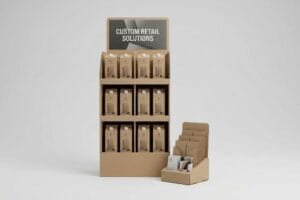
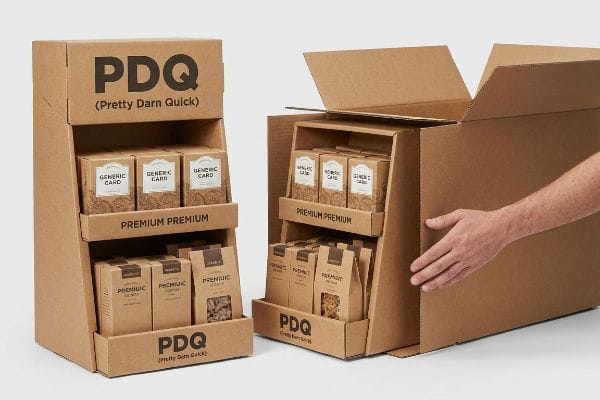
একটি পিডিকিউ (প্রিটি ডার্ন কুইক) ডিসপ্লে হলো দ্রুত স্থাপনের জন্য ডিজাইন করা একটি রিটেইল-রেডি মার্চেন্ডাইজার। এই কমপ্যাক্ট ইউনিটগুলো শেলফের জায়গার সর্বোত্তম ব্যবহার করে, পণ্যের দৃশ্যমানতা বাড়ায় এবং অ্যাসেম্বলির শ্রম কমিয়ে আনে। তাৎক্ষণিক বিক্রয় প্রভাবের জন্য ডিজাইন করা এই ইউনিটগুলো স্টোরের কর্মীদেরকে শিপিং কার্টন থেকে সরাসরি রিটেইল ফ্লোরে নির্বিঘ্নে পণ্য স্থানান্তর করতে সাহায্য করে।.

পাঠ্যপুস্তকের সংজ্ঞা জানাটা কেবল শুরু; এই ইউনিটগুলো কীভাবে ভৌত পরিবহন এবং বড় দোকানের কার্যক্রম সফলভাবে সম্পন্ন করে, তা বোঝাই একটি লাভজনক সূচনাকে একটি ব্যয়বহুল ব্যর্থতা থেকে আলাদা করে।.
অপভাষায় PDQ বলতে কী বোঝায়?
সাধারণ কথাবার্তায়, এই সংক্ষিপ্ত রূপটি চরম জরুরি অবস্থার ইঙ্গিত দেয়, কিন্তু একটি স্ট্রাকচারাল ডিজাইন স্প্রিন্টকে শেষ মুহূর্তের তাড়াহুড়োর মতো করে দেখাটা প্যাকেজিং-এর ক্ষেত্রে বিপর্যয়কর ব্যর্থতারই নামান্তর।.
সাধারণ স্ল্যাং-এ PDQ-কে সংজ্ঞায়িত করলে, এই সংক্ষিপ্ত রূপটি তাৎক্ষণিক জরুরি অবস্থা বোঝায়। প্যাকেজিং শিল্পে, কথোপকথনের এই বাক্যাংশটি দ্রুত কাজ সম্পন্ন করার চাহিদাকে চালিত করে। ক্রেতারা ত্বরান্বিত সময়সীমা বাধ্যতামূলক করতে এটি ব্যবহার করেন, এবং তারা আশা করেন যে খুচরা দোকানের তাকের উপর পণ্যের কাঠামোগত স্থিতিশীলতার সাথে আপোস না করেই দ্রুত প্রোটোটাইপিং এবং বিদ্যুৎ-গতিতে উৎপাদন প্রক্রিয়া সম্পন্ন হবে।.
ঐ অপভাষাটি একটি বিপজ্জনক প্রত্যাশা তৈরি করে, যদি আপনার ডিজাইন পাইপলাইনটি সময়ের ভৌত সংকোচন সামলানোর জন্য তৈরি না হয়ে থাকে।.
আতঙ্ক ছাড়াই বেশ দ্রুত প্রোটোটাইপিং
ব্র্যান্ড টিমগুলো প্রায়শই তাদের স্ট্রাকচারাল ডিজাইনের সময়সীমা সংকুচিত করে ফেলে, এই ভেবে যে তারা কেবল প্রিন্টারকে দিয়ে ডাই-কাটিং প্রক্রিয়াটি দ্রুত করিয়ে নিতে পারবে। তারা মঙ্গলবারে খসড়া আর্টওয়ার্ক ফাইল পাঠিয়ে দেয়, এই আশায় যে বৃহস্পতিবারের মধ্যেই একটি সম্পূর্ণ কার্যকরী ফ্লোর ডিসপ্লে তৈরি হয়ে যাবে । এই "শুধু কাজটা শেষ কর" মানসিকতা প্রিপ্রেস টিমগুলোকে প্রয়োজনীয় বেন্ড অ্যালাউন্স১ এবং বেসলাইন স্ট্রাকচারাল স্ট্রেস টেস্ট২।
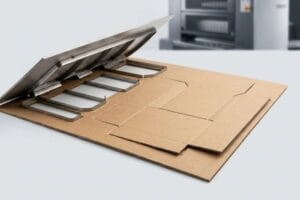
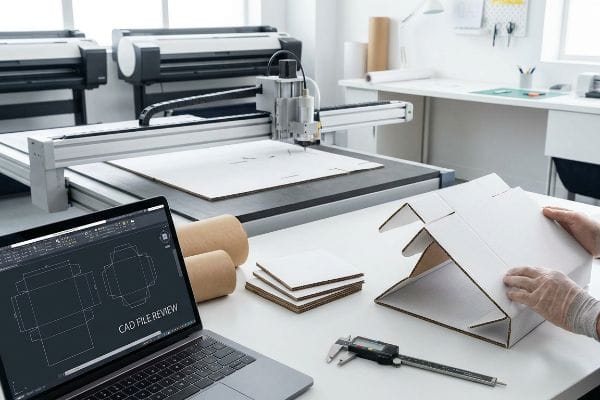
তাড়াহুড়ো করে তৈরি করা একটি নড়বড়ে, বাঁকা নমুনা হাতে নিয়ে আসন্ন লঞ্চের তারিখের দিকে তাকিয়ে থাকার অনুভূতিটা আমি ঠিক জানি। ক্রেতাদের যে সবচেয়ে সাধারণ ফাঁদে পড়তে দেখি, তা হলো একটি স্ট্রাকচারাল হোয়াইট স্যাম্পল৩-কে বাধ্যতামূলক বেসলাইনের পরিবর্তে একটি ঐচ্ছিক বিলাসিতা হিসেবে গণ্য করা। আমি একবার একজন তাড়াহুড়ো করা গ্রাহককে একটি দ্রুত তৈরি কাউন্টার ডিসপ্লেতে জোর করে একটি ডাই-কাট স্লট জোড়া লাগানোর চেষ্টা করতে দেখেছিলাম; চাপের মুখে ফাইবারগুলো ছিঁড়ে যাওয়ায় কাঁচা ই-ফ্লুট বোর্ডটি থেকে একটি স্পষ্ট ছিঁড়ে যাওয়ার শব্দ বেরিয়ে এসেছিল। যখন আপনি দ্রুত ডেলিভারি চান, তখনও আপনার নির্ভুল CAD (কম্পিউটার-এইডেড ডিজাইন) ফাইল প্রয়োজন, যা CNC4 (কম্পিউটার নিউমেরিক্যাল কন্ট্রোল) কাটিং টেবিলে সঠিকভাবে রূপান্তরিত হয়। একটি সঠিক, প্রিন্টবিহীন ফিজিক্যাল প্রোটোটাইপ কাটতে মাত্র ২৪ ঘণ্টা সময় নিলে সেই সূক্ষ্ম ঘর্ষণ প্রতিরোধ করা যায়, যা হাজার হাজার ইউনিট একসাথে প্যাক করার সময় অগণিত ম্যানুয়াল শ্রমের ঘণ্টা বাঁচিয়ে দেয়।
| নতুনদের সাধারণ ভুল | প্রো ফিক্স | খুচরা-ফ্লোর সুবিধা |
|---|---|---|
| সময় বাঁচাতে ফিজিক্যাল প্রোটোটাইপ এড়িয়ে যাওয়া | ২৪-ঘণ্টার CAD CNC সাদা নমুনা | সমাবেশের ঘর্ষণ প্রতিরোধ করে |
| ঢেউখেলানো ফ্লুটের পুরুত্ব উপেক্ষা করা | স্বয়ংক্রিয় বাঁক ভাতা যোগ করা | প্যানেলগুলিকে বেঁকে যাওয়া থেকে রক্ষা করে |
| কাঁচা 2D ওয়েব স্কেচ ব্যবহার করে | স্তরযুক্ত পিডিএফ ডাইলাইন রপ্তানি করা | কাঠামোগত ধস দূর করে |
আমি কোনো ক্লায়েন্টকে বাস্তব পরীক্ষা ছাড়া তাড়াহুড়ো করে গণ-উৎপাদনে যেতে দিই না। একটি উপযুক্ত সাদা নমুনা কাটার জন্য ব্যয় করা সেই একটি দিন, পণ্যটির বাজারজাতকরণ পুরোপুরি ভেস্তে যাওয়ার বিরুদ্ধে একটি বীমা পলিসি হিসেবে কাজ করে।.
🛠️ হার্ভির ডেস্ক: অ্যাসেম্বলির সময় তাড়াহুড়ো করে করা আপনার ডাইলাইন ছিঁড়ে যাওয়ার ভয়ে আছেন? 👉 একটি ফ্রি ফাইল রিভিউ নিন ↗ — সরাসরি আমার ডেস্কে অ্যাক্সেস। কোনো স্বয়ংক্রিয় সেলস স্প্যাম নেই, আমি কথা দিচ্ছি।
খুচরা বিক্রেতার ক্ষেত্রে PDQ বলতে কী বোঝায়?
প্রকৃত খুচরা বিক্রয়কেন্দ্রে, এই ধারণাটি একটি সময়সীমা থেকে এমন একটি বাস্তব পণ্য নির্দেশকে রূপান্তরিত হয়, যা ঠিক করে দেয় একজন দোকানকর্মী কত দ্রুত দোকানের তাকগুলো পুনরায় পণ্য দিয়ে পূর্ণ করতে পারবে।.
খুচরা ব্যবসায়, PDQ বলতে এমন একটি শেলফ-রেডি মার্চেন্ডাইজারকে বোঝায় যা দোকানে পণ্য পৌঁছানোর সাথে সাথেই বিক্রি করার জন্য ডিজাইন করা হয়েছে। এই কমপ্যাক্ট ডিসপ্লে ইউনিটগুলো প্রতিটি পণ্য আলাদাভাবে শেলফে রাখার প্রয়োজনীয়তা দূর করে। দোকানের কর্মীরা কেবল মূল কার্টনটি খোলেন, আগে থেকে সাজানো ট্রে-টি সরাসরি শেলফে রাখেন এবং বাইরের প্যাকেজিং ফেলে দেন।.
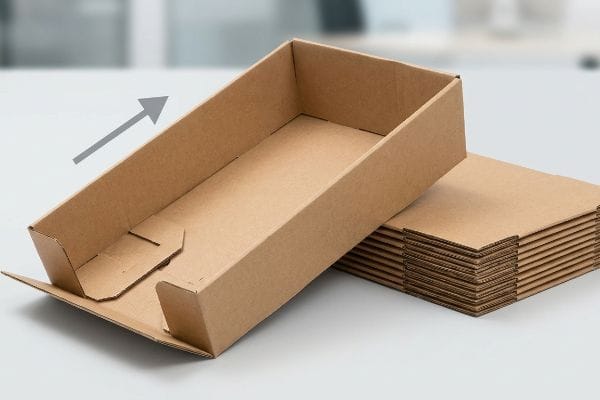
তবে, সেই নির্বিঘ্ন 'খুলে বিক্রি করার' মুহূর্তটি অর্জন করতে হলে প্রাথমিক প্রকৌশল পর্যায়ে কঠোর কাঠামোগত সরলীকরণ প্রয়োজন।.
খুচরা ডিসপ্লেগুলির জন্য জিরো-ফ্রাস্ট্রেশন অ্যাসেম্বলি নিয়ম
ট্রেডিং কোম্পানিগুলো প্রায়শই শেলফ ট্রে-এর জন্য অতিরিক্ত জটিল ভাঁজ করার কৌশল প্রচার করে , এই ভেবে যে জটিল ভাঁজের কারুকাজ ডিসপ্লেটিকে আকর্ষণীয় করে তুলবে। তারা ডিস্ট্রিবিউশন সেন্টারে ঘন, পাঠ্য-বহুল নির্দেশিকা সহ ফ্ল্যাট-প্যাক করা বাক্স পাঠায়। এটি বড় খুচরা বিক্রেতাদের কর্মীদের বাস্তবতাকে সম্পূর্ণরূপে উপেক্ষা করে, যাদের প্রতিটি আইল পুনরায় সাজানোর জন্য মাত্র কয়েক সেকেন্ড সময় থাকে ।
এমনকি অভিজ্ঞ মার্কেটিং ডিরেক্টররাও মাঝে মাঝে ভুলে যান যে তাদের প্যাকেজিংয়ের শেষ ব্যবহারকারী হলেন রাতের শিফটে কাজ করা একজন চাপগ্রস্ত রিটেইল ক্লার্ক। আমি গুদামঘরে দেখেছি, কর্মীরা একটি জটিল শেলফ ট্রে হিংস্রভাবে ছিঁড়ে ফেলছে, কারণ এর পাশের দেয়ালগুলোতে ছয়টি জটিল ভাঁজের প্রয়োজন ছিল, যার ফলে ব্র্যান্ডের লোগোটি বিশ্রী স্বচ্ছ প্যাকিং টেপের আড়ালে ঢাকা পড়ে যাচ্ছিল। এর কৌশল হলো অটো-বটম স্ট্যাকিং সিস্টেমসহ আগে থেকে আঠা লাগানো মডিউলার ট্রে ব্যবহার করা । আপনি চাইবেন, কর্মী যখন শিপার থেকে ইউনিটটি বের করবে, তখন যেন আগে থেকে আঠা লাগানো বেসটি একটি নিখুঁত ৯০-ডিগ্রি বর্গক্ষেত্রে আটকে যাওয়ার খসখসে, সন্তোষজনক 'স্ন্যাপ' শব্দটি শুনতে পায়। এই ঝামেলাহীন ইঞ্জিনিয়ারিং নিশ্চিত করে যে আপনার পণ্যটি গুদামঘরের কার্ডবোর্ড বেলারে ক্ষতিগ্রস্ত না হয়ে অক্ষত অবস্থায় শেলফ পর্যন্ত পৌঁছাবে।
| নতুনদের সাধারণ ভুল | প্রো ফিক্স | খুচরা-ফ্লোর সুবিধা |
|---|---|---|
| জটিল বহু-ধাপের ম্যানুয়াল ভাঁজ | আগে থেকে আঠা লাগানো অটো-বটম বেস7 | ৫-সেকেন্ডের শেলফ প্লেসমেন্ট8 |
| দুর্বল একক-প্রাচীরযুক্ত ট্রে-এর পাশ | ডাবল-ওয়াল ঢেউখেলানো হেডার9 | অতিরিক্ত মজুত সত্ত্বেও টিকে থাকে |
| পাঠ্য-বহুল সমাবেশ ম্যানুয়াল | আইকেএ-শৈলীর সহজ ভিজ্যুয়াল গাইড | সহযোগী বিভ্রান্তি দূর করে |
আমি প্রতিটি শেলফ ট্রে এমনভাবে ডিজাইন করি যেন যিনি এটি খুলবেন তার ধৈর্য্য একদমই নেই এবং কোনো সরঞ্জামও নেই। দোকানের প্রাথমিক পর্যায়েই এই বাধা দূর করা নিশ্চিত করে যে আপনার পণ্যসজ্জা সত্যিই সেই সেরা দৃশ্যমানতা নিশ্চিত করবে, যার জন্য আপনি অর্থ ব্যয় করেছেন।.
🛠️ হার্ভিস ডেস্ক: জটিল ফোল্ডিং ট্যাবগুলো কি আপনার রিটেইল পার্টনারদের হতাশ করছে? 👉 একটি স্ট্রাকচারাল অডিটের জন্য অনুরোধ করুন ↗ — নিরাপদে ডাউনলোড করুন। পরবর্তীতে কোনো প্রশ্ন থাকলে আমার ইনবক্স খোলা আছে।
সরবরাহ শৃঙ্খলে PDQ কী?
আরও গভীরে গেলে, এই মার্চেন্ডাইজিং কৌশলটি লজিস্টিকসের বোঝা নাটকীয়ভাবে দোকান থেকে সরিয়ে সরাসরি আপনার চুক্তিবদ্ধ প্যাকেজার এবং মাল পরিবহন নেটওয়ার্কের ওপর চাপিয়ে দেয়।.
সাপ্লাই চেইনের মধ্যে পিডিকিউ (PDQ) সংজ্ঞায়িত করার অর্থ হলো উৎপাদন কেন্দ্র থেকে সরাসরি আগে থেকে পণ্য সাজানো ডিসপ্লে পাঠানো। এই কো-প্যাকিং কৌশলটি পরিবহনের আগে প্রতিটি ইউনিটকে খুচরা বিক্রির জন্য প্রস্তুত প্যাকেজিং-এ একত্রিত করে। ডিস্ট্রিবিউশন সেন্টারে পুনরায় প্যাকিং এড়িয়ে যাওয়ার মাধ্যমে ব্র্যান্ডগুলো শ্রম খরচ উল্লেখযোগ্যভাবে কমায়, মাল পরিবহনের পরিমাণকে সর্বোত্তমভাবে ব্যবহার করে এবং পরিবহনের সময় হওয়া ক্ষতি থেকে ইনভেন্টরির প্রতিটি পণ্যকে রক্ষা করে।.
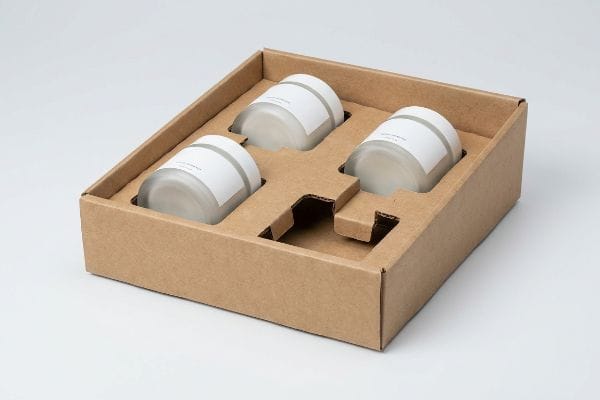
আপনার মূল পণ্যটিকে এর দ্বিতীয় ডিসপ্লের ভেতরে একত্রিত করা অত্যন্ত কার্যকরী বলে মনে হলেও, দীর্ঘ সমুদ্রযাত্রার সময় এটি ওজন বণ্টনের ক্ষেত্রে চরম ঝুঁকি তৈরি করে।.
কো-প্যাকিং লজিস্টিকস এবং প্যালেট সুরক্ষা গেম
ব্র্যান্ডগুলো প্রায়শই তাদের মূল প্যাকেজিং এবং রিটেইল ট্রে সম্পূর্ণ বিচ্ছিন্নভাবে ডিজাইন করে, এই ভেবে যে কো-প্যাকার পরে জাদুকরীভাবে সেগুলোকে একসাথে জুড়ে দেবে। তারা শেলফ ট্রে-এর ভেতরে থাকা ভারী কাচের জার বা ঘন তরলের বোতলের পরিবর্তনশীল ভারের কথা বিবেচনা না করেই সেটিকে চূড়ান্ত করে। যখন এগুলোকে একটি জিএমএ (গ্রোসারি ম্যানুফ্যাকচারার্স অ্যাসোসিয়েশন) স্ট্যান্ডার্ড প্যালেট১০ (৪৮×৪০ ইঞ্চি / ১২১.৯×১০১.৬ সেমি)-এ লোড করা হয়, তখন এই অমিল মাপগুলো মাস্টার শিপারের ভেতরে একটি মারাত্মক নেস্টিং সমস্যার সৃষ্টি করে।
এটি একটি সাধারণ ফাঁদ যা অভিজ্ঞ ক্রয় দলগুলোকেও কাবু করে ফেলে, যখন তারা প্রথমবারের মতো আগে থেকে ভরা ডিসপ্লে ব্যবহার শুরু করে। এটিকে এমন একটি স্যুটকেস গোছানোর মতো করে ভাবুন, যার ভেতরের বাক্সগুলো অনবরত নড়াচড়া করছে এবং একে অপরের সাথে ঘষা খাচ্ছে। একবার আমি একজন ক্লায়েন্টের কাছ থেকে আতঙ্কিত একটি ফোন পাই, যার ভারী প্রসাধনীর জারগুলো পরিবহনের সময় ঢেউখেলানো তাকের ট্রে-এর ভেতরে একটি বিধ্বংসী বলের মতো আচরণ করছিল; কাঁচা ৩২ইসিটি টেস্টলাইনারের উপর আলগা কাঁচের আঘাতের বিশৃঙ্খল ঝনঝন শব্দ শোনা যাচ্ছিল। এর পেশাদার সমাধান হলো, এয়ার-সেল কর্নার বাফারসহ একটি দৃঢ় মাস্টার কার্টন ব্যবহার করে কন্টেইনারের আয়তনের সাথে ভেতরের আয়তনিক ওজনকে নিখুঁতভাবে মিলিয়ে নেওয়া। যখন ট্রে-এর দেয়াল এবং পণ্য নিখুঁতভাবে আটকে যায়, তখন কো-প্যাকার ভেতরের ঘর্ষণ দূর করে, যা ডিস্ট্রিবিউশন সেন্টারে একটি ত্রুটিহীন আনবক্সিং অভিজ্ঞতা নিশ্চিত করে।
| নতুনদের সাধারণ ভুল | প্রো ফিক্স | খুচরা-ফ্লোর সুবিধা |
|---|---|---|
| পরিবহনের সময় আলগা পণ্য স্থানান্তরিত হচ্ছে | কাস্টম ডাই-কাট অভ্যন্তরীণ ইনসার্ট | কোনো ভাঙা পণ্য নেই |
| মাস্টার কার্টনের পেলোড সীমা উপেক্ষা করা | ৩.৫ গুণ নিরাপত্তা ফ্যাক্টর পর্যন্ত অতিরিক্ত প্রকৌশল। | ফর্কলিফ্টের পতন থেকে বেঁচে যায় |
| স্ট্যান্ডার্ড প্যালেটের উপর ঝুলে থাকা | কৃত্রিম ০.৫-ইঞ্চি CAD বাউন্ডিং বক্স | ভিত্তি চূর্ণ হওয়া প্রতিরোধ করে |
আমি সবসময় দাবি করি যে, কো-প্যাকিং ডাইলাইন চূড়ান্ত করার আগেই ক্লায়েন্টরা যেন আমাকে আসল পণ্যটি পাঠিয়ে দেন। কারখানা পর্যায়ে সমুদ্রপথে পরিবহনের অপ্রত্যাশিত কম্পনের কারণে সৃষ্ট ব্যয়বহুল ইনভেন্টরি রাইট-অফ এড়ানো যায়।
🛠️ হার্ভিস ডেস্ক: আপনার প্রধান পণ্যটি আগে থেকে ভরা একটি ট্রে-তে নিরাপদে গুছিয়ে রাখতে চান? 👉 আপনার কো-প্যাকিং স্ট্র্যাটেজি সেশনটি বুক করুন ↗ — কোনো ফর্ম নেই যা অবিরাম সেলস কলের কারণ হয়। শুধু খাঁটি মূল্য।
ওয়ালমার্টে PDQ বলতে কী বোঝায়?
বিশ্বের বৃহত্তম খুচরা বিক্রেতার কাছে পণ্য বিক্রি করার ফলে কঠোর নিয়মকানুনের এক সম্পূর্ণ নতুন স্তর যুক্ত হয়, যেখানে প্যাকেজিং-এর সামান্য বিচ্যুতির কারণে তাৎক্ষণিক আর্থিক জরিমানা করা হয়।.
ওয়ালমার্টে, PDQ বলতে একটি অত্যন্ত নিয়ন্ত্রিত ডিসপ্লে ফরম্যাটকে বোঝায়, যা তাদের নির্দিষ্ট সরবরাহকারীর নির্দেশিকা অবশ্যই মেনে চলতে হয়। এই ইউনিটগুলোকে অবশ্যই কঠোর সাপ্লাই চেইন পরীক্ষায় উত্তীর্ণ হতে হয়, শেলফের সঠিক মাপে বসতে হয় এবং এতে সুনির্দিষ্ট লজিস্টিকস লেবেলিং থাকতে হয়। এই সুনির্দিষ্ট মার্চেন্ডাইজিং মান পূরণে ব্যর্থ হলে তাৎক্ষণিকভাবে বিক্রেতাদের কাছ থেকে বিপুল পরিমাণ অর্থ ফেরত (চার্জব্যাক) আদায় করা হয়।.
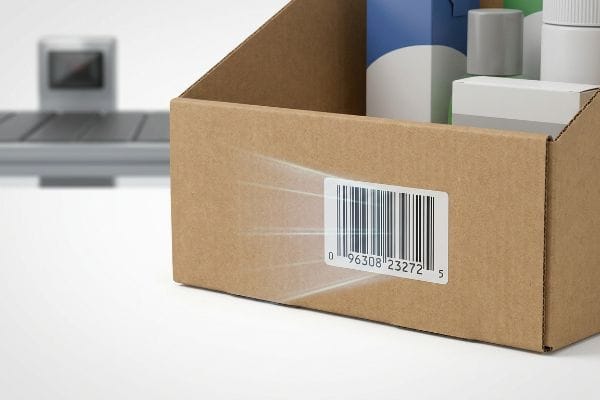
কিন্তু যখন মেশিনগুলো চলতে শুরু করে এবং আপনার প্যালেটগুলো খুচরা বিক্রেতার স্বয়ংক্রিয় ইনটেক বেল্টে গিয়ে মেশে, তখন শুধু তত্ত্ব জানাই যথেষ্ট নয়।.
ওয়ালমার্টের স্বয়ংক্রিয় সাপ্লাই চেইন স্ক্যানার থেকে বেঁচে থাকা
অনেক গ্রাফিক ডিজাইনার কেবল একটি সাধারণ ওয়ালমার্ট ট্রে টেমপ্লেট ডাউনলোড করে তার উপর নিজেদের আর্টওয়ার্ক বসিয়ে দেন, এই ভেবে যে মাপই একমাত্র নির্ধারক পরিমাপক। তারা ডিস্ট্রিবিউশন সেন্টারের জন্য প্রয়োজনীয় লজিস্টিক্যাল রাউটিং কোডগুলোকে11।এই অসাবধানতার ফলে মাস্টার শিপারগুলো ডকে ভুল জায়গায় বসানো, অপাঠ্য বারকোড নিয়ে পৌঁছায় যা স্বয়ংক্রিয় সর্টারগুলো সঙ্গে সঙ্গে বাতিল করে দেয়12।
এটা শুধু তত্ত্ব নয়—আমি টেস্টিং ফ্লোরে এমনটা ঘটতে দেখি যখন ব্র্যান্ডগুলো রাউটিং লেবেলের পদার্থবিদ্যা উপেক্ষা করে। আমার প্রতিষ্ঠানে, আমি নিয়মিত দেখি ক্লায়েন্টরা চমৎকার ট্রে ডিজাইন জমা দেয় যেখানে প্রয়োজনীয় UCC-128 (ইউনিফর্ম কোড কাউন্সিল 128) বারকোডটি একটি মোটা স্কোর লাইনের উপর সোজাভাবে বসানো থাকে অথবা প্রতিফলক প্যাকিং টেপ দিয়ে ঢেকে দেওয়া হয়। যখন আমি প্রিপ্রেস অডিটের সময় স্ক্যানারের প্রতিফলন পরিমাপ করি, তখন একটি বাঁকানো ০.১১ ইঞ্চি (২.৭৯ মিমি) বি-ফ্লুট প্রান্তের১৩ বারকোডের পাঠযোগ্যতা শূন্যে নামিয়ে আনে। আমি সমস্ত লজিস্টিক্যাল লেবেলের জন্য একটি কঠোর সমতল-প্যানেল "প্রবেশ নিষেধ" অঞ্চল বাধ্যতামূলক করেছি, যা নিশ্চিত করে যে প্রিন্টার ঠিক যেখানে বারকোডটি বসে সেখানে একটি ম্যাট, বার্নিশবিহীন শূন্যস্থান তৈরি করে। এই সম্পূর্ণ সমতল-পৃষ্ঠের নিয়ম প্রয়োগ করে, আমি নিশ্চিত করি যে প্যালেটগুলি স্বয়ংক্রিয় ইনটেক স্ক্যানারগুলি ত্রুটিহীনভাবে অতিক্রম করে, যা খুচরা বিক্রেতাকে পুরো ইনভয়েসের উপর ক্লায়েন্টের উপর একটি বিধ্বংসী ৫% রিপ্যাকিং ফি১৪।
| নতুনদের সাধারণ ভুল | প্রো ফিক্স | খুচরা-ফ্লোর সুবিধা |
|---|---|---|
| ঢেউখেলানো দাগের উপর বারকোড | ফ্ল্যাট-প্যানেল কঠোরভাবে নিষিদ্ধ এলাকা15 | ১০০% স্বয়ংক্রিয় স্ক্যানার রিড |
| রাউটিং লেবেলের উপর গ্লস বার্নিশ | ম্যাট আনবার্নিশড লেবেল প্যাচ16 | প্রতিফলন ব্যর্থতা প্রতিরোধ করে |
| নিয়মবহির্ভূত ট্রে-এর প্রান্তের উচ্চতা | ৮৫% পণ্য দৃশ্যমানতার নিয়ম17 | স্টোর প্রত্যাখ্যান দূর করে |
একটি ভুল জায়গায় লাগানো লজিস্টিকস স্টিকারের কারণে আমি একটি সুন্দর প্রিন্টের কাজ ব্যর্থ হতে দেব না। খুচরা বিক্রেতাদের স্বয়ংক্রিয় স্ক্যানারের বাস্তবতার সাথে আপনার কাঠামোগত নকশাকে কঠোরভাবে মেলানো আপনার মুনাফাকে কঠোর কমপ্লায়েন্স চার্জব্যাক থেকে রক্ষা করে।.
🛠️ হার্ভির ডেস্ক: বড় বড় দোকানের ডকে আপনার মাস্টার কার্টনগুলো কি স্বয়ংক্রিয় স্ক্যানারে বাতিল হওয়ার ঝুঁকিতে আছে? 👉 আপনার ডাইলাইন ফাইলটি আমাকে পাঠান ↗ — গণ-উৎপাদনে বাজেট অপচয় করার আগে আমি এর গাণিতিক হিসাব ভালোভাবে পরীক্ষা করে দেখব।
উপসংহার
আপনার রিটেইল রোলআউটের জন্য আপনি আরও সস্তা কোনো ভেন্ডর বেছে নিতে পারেন, কিন্তু যখন একটি অপাঠ্য UCC-128 বারকোডের কারণে বড় আকারের ডক রিজেকশন হয়, যা একটি বাধ্যতামূলক রিপ্যাকিং ফি চালু করে এবং আপনার লাভের মার্জিনকে নিশ্চিহ্ন করে দেয়, তখন প্রাথমিক সাশ্রয়টি অপ্রাসঙ্গিক হয়ে পড়ে। আমার শীর্ষ ১০ জন রিটেইল ক্লায়েন্ট প্রিন্ট রিজেকশন শূন্যে নামিয়ে আনার নিশ্চয়তা দিতে ঠিক এই স্পেক শিটটিই ব্যবহার করেন। রিটেইলারদের নিয়মকানুন মেনে চলার বিষয়ে অনুমান করা বন্ধ করুন এবং উৎপাদনের আগেই মারাত্মক লজিস্টিক ত্রুটিগুলো ধরতে আমার ফ্রি ডাইলাইন প্রি-ফ্লাইট অডিট ↗- এর মাধ্যমে আমাকে ব্যক্তিগতভাবে আপনার প্যাকেজিং কাঠামো অডিট করতে দিন।
"বাঁকানোর জন্য শীর্ষ ৫টি শিট মেটাল ডিজাইন ফর্মুলা (২০২৬)", https://www.approvedsheetmetal.com/blog/5-sheet-metal-design-formulas। [একটি প্রযুক্তিগত প্রকৌশল ম্যানুয়াল বা প্যাকেজিং স্ট্যান্ডার্ড ব্যাখ্যা করে যে কীভাবে বেন্ড অ্যালাউন্স উপাদানের ছিঁড়ে যাওয়া রোধ করে এবং নির্ভুল ভাঁজ নিশ্চিত করে। প্রমাণের ভূমিকা: প্রযুক্তিগত স্পেসিফিকেশন; উৎসের ধরণ: ইঞ্জিনিয়ারিং হ্যান্ডবুক। সমর্থন করে: কাঠামোগত অখণ্ডতার জন্য বেন্ড ক্যালকুলেশনের প্রয়োজনীয়তা। পরিধি নোট: করোগেটেড এবং ফোল্ডিং কার্টন উপকরণের ক্ষেত্রে প্রযোজ্য।] ↩
"অর্ডার করার আগে কীভাবে একজন রিটেইল ফ্লোর ডিসপ্লে সরবরাহকারীকে মূল্যায়ন করবেন", https://diformainstore.com/evaluate-a-retail-floor-display-supplier-before-ordering/। [পয়েন্ট-অফ-পারচেজ ডিসপ্লের জন্য শিল্প মানদণ্ডগুলো ধসে পড়া রোধ করার জন্য প্রয়োজনীয় ভারবহন এবং স্থিতিশীলতা পরীক্ষার বিস্তারিত বিবরণ দেয়। প্রমাণের ভূমিকা: শিল্প মানদণ্ড; উৎসের ধরণ: গুণমান নিশ্চিতকরণ নির্দেশিকা। সমর্থন করে: ব্যাপক উৎপাদনের আগে স্ট্রেস টেস্টিং-এর প্রয়োজনীয়তা। পরিধি নোট: রিটেইল শেলফ/মেঝের স্থিতিশীলতার উপর আলোকপাত করে।] ↩
"ক্রয়ের উপর প্যাকেজিং ডিজাইনের দৃশ্যমান উপাদানের প্রভাব...", https://pmc.ncbi.nlm.nih.gov/articles/PMC11851823/। [কাঠামোগত প্যাকেজিংয়ের জন্য শিল্প-মানসম্মত অনুশীলনগুলি ব্যাপক উৎপাদনের ব্যর্থতা রোধ করতে সাদা নমুনাকে একটি গুরুত্বপূর্ণ যাচাইকরণ পদক্ষেপ হিসাবে মনোনীত করে]। প্রমাণের ভূমিকা: শিল্প-মান; উৎসের ধরণ: পেশাদার প্যাকেজিং নির্দেশিকা। সমর্থন করে: এই দাবি যে সাদা নমুনা একটি বাধ্যতামূলক ভিত্তি। পরিধিগত টীকা: বিশেষভাবে ঢেউখেলানো এবং ভাঁজযোগ্য কার্টন ডিজাইনের জন্য। ↩
"প্যাকেজিং প্রোটোটাইপের জন্য সিএনসি কাটিং টেবিল আনা হয়েছে – ডিজিটাল প্রিন্টার", https://www.digitalprintermag.co.uk/news/30202/cnc-cutting-table-brought-in-for-packaging-prototypes/। [সিএনসি কাটিং টেবিলের প্রযুক্তিগত স্পেসিফিকেশনে মাত্রিক সহনশীলতা বজায় রাখার জন্য নির্ভুল CAD রূপান্তরের প্রয়োজনীয়তার উপর জোর দেওয়া হয়]। প্রমাণের ভূমিকা: প্রযুক্তিগত স্পেসিফিকেশন; উৎসের ধরণ: যন্ত্রপাতির ম্যানুয়াল। সমর্থন করে: নির্ভুল ডিজিটাল-থেকে-ভৌত রূপান্তরের প্রয়োজনীয়তা। পরিধি টীকা: স্বয়ংক্রিয় কাটিং সিস্টেমের জন্য প্রযোজ্য। ↩
"আরও কার্যকর রিটেইল স্টকিং-এর পাঁচটি পদক্ষেপ – ইনটাচ ইনসাইট", https://www.intouchinsight.com/blog/retail-stocking-steps। [রিটেইল শ্রম উৎপাদনশীলতা এবং লজিস্টিকস সম্পর্কিত শিল্প প্রতিবেদনগুলো শেলফ পুনরায় সাজানোর সময় কর্মচারীদের সম্মুখীন হওয়া সময়ের সীমাবদ্ধতার উপর পরিমাণগত তথ্য প্রদান করবে]। প্রমাণের ভূমিকা: পরিচালনগত সীমাবদ্ধতার পরিমাণ নির্ধারণ; উৎসের ধরণ: রিটেইল শিল্প বিশ্লেষণ বা শ্রম সমীক্ষা। সমর্থন করে: দ্রুত-সমাবেশযোগ্য পিডিকিউ (PDQ) ডিসপ্লের প্রয়োজনীয়তা। পরিধি নোট: দোকানের আকার এবং পণ্যের বিভাগ অনুসারে সময়ের মেট্রিকগুলো ভিন্ন হতে পারে। ↩
"PDQ ট্রে এবং বাক্স – প্লাস প্রিন্টার্স", https://www.plusprinters.com/product/pdq-trays-and-boxes/?srsltid=AfmBOorjW66AnWDNyLHzci92TkaczhTOAcoe4Sq3MsvrgfDxFfBCFB1X। [শিল্প প্যাকেজিং মান এবং ইঞ্জিনিয়ারিং গাইডগুলি প্রমাণ করে যে অটো-বটম বা ক্র্যাশ-লক ডিজাইন খুচরা পরিবেশে অ্যাসেম্বলির সময় এবং শ্রমিকের ভুল কমায়]। প্রমাণের ভূমিকা: প্রযুক্তিগত স্পেসিফিকেশন; উৎসের ধরণ: প্যাকেজিং ইঞ্জিনিয়ারিং হ্যান্ডবুক। সমর্থন করে: অ্যাসেম্বলির হতাশা কমাতে নির্দিষ্ট কাঠামোগত ডিজাইনের কার্যকারিতা। পরিধি নোট: বিশেষভাবে ঢেউখেলানো কার্ডবোর্ডের খুচরা ডিসপ্লের ক্ষেত্রে প্রযোজ্য। ↩
"অটো বটম বক্স | পিএম প্যাকেজিং-এর নিরাপদ ও কার্যকর প্যাকেজিং", https://pmpackaging.com/product-catalog/boxes-and-cartons/auto-bottom-boxes। [প্রযুক্তিগত প্যাকেজিং স্পেসিফিকেশন যাচাই করে যে, আগে থেকে আঠা লাগানো অটো-বটম বেস হাতে ভাঁজ করার ধাপ দূর করে অ্যাসেম্বলির গতি বাড়ায়]। প্রমাণের ভূমিকা: প্রযুক্তিগত স্পেসিফিকেশন; উৎসের ধরণ: প্যাকেজিং শিল্প নির্দেশিকা। সমর্থন করে: অ্যাসেম্বলির জটিলতা কমাতে আগে থেকে আঠা লাগানো বেসের ব্যবহার। পরিধি সংক্রান্ত টীকা: কার্যকারিতা নির্দিষ্ট বক্সের আকারের উপর নির্ভর করে। ↩
"পিডি কিউ ডিসপ্লে-এর সম্পূর্ণ নির্দেশিকা: সংজ্ঞা, প্রকারভেদ, ডিজাইন …", https://www.hedarack.com/blogs-detail/pdq-display। [মার্চেন্ডাইজিং উৎপাদনশীলতা বিষয়ক গবেষণাগুলো পূর্ব-সংযোজিত রিটেইল ডিসপ্লে স্থাপনের জন্য সময়-এবং-গতি ভিত্তিক বেঞ্চমার্ক প্রদান করে]। প্রমাণের ভূমিকা: পারফরম্যান্স মেট্রিক; উৎসের ধরণ: রিটেইল অপারেশনস কেস স্টাডি। সমর্থন করে: এই দাবি যে অপ্টিমাইজড পিডি কিউ প্রায়-তাৎক্ষণিক স্থাপনের সুযোগ দেয়। পরিধি সংক্রান্ত টীকা: বেঞ্চমার্কগুলো একটি পূর্ব-সংযোজিত অবস্থা ধরে নেওয়া হয়েছে। ↩
"একক-প্রাচীরযুক্ত কার্ডবোর্ড বাক্স বনাম দ্বৈত-প্রাচীরযুক্ত বাক্সের মধ্যে পার্থক্য...", https://packagingbee.co.uk/blog/difference-between-single-wall-cardboard-boxes-vs-double-wall-cardboard-boxes/?srsltid=AfmBOopaMZkPvD7S5j9Rgc9oDv3oFb_3CXApv54Rg9ef7hO0onHMQG5i। [কোরুগেটেড কার্ডবোর্ডের উপর উপাদান বিজ্ঞানের তথ্য নিশ্চিত করে যে দ্বৈত-প্রাচীরযুক্ত কাঠামো একক-প্রাচীরযুক্ত কাঠামোর তুলনায় উল্লেখযোগ্যভাবে বেশি উল্লম্ব চাপ সহনশীলতা এবং দৃঢ়তা প্রদান করে]। প্রমাণের ভূমিকা: উপাদানের স্পেসিফিকেশন; উৎসের ধরণ: ইঞ্জিনিয়ারিং হ্যান্ডবুক। সমর্থন করে: এই দাবি যে দ্বৈত-প্রাচীরযুক্ত হেডারগুলি ভারী পুনঃস্থাপন সহ্য করতে পারে। পরিধি নোট: বিশেষভাবে ভারের অধীনে কাঠামোগত অখণ্ডতাকে বোঝায়। ↩
"তাপ-প্রক্রিয়াজাত কাঠের জিএমএ প্যালেট – ৪৮ x ৪০" এইচ-১২৬০ – ইউলাইন", https://www.uline.com/Product/Detail/H-1260/Pallets/Heat-Treated-Wood-GMA-Pallet-48-x-40। [একটি শিল্প-মানসম্মত লজিস্টিকস ম্যানুয়াল বা ট্রেড অ্যাসোসিয়েশন গাইড গ্রোসারি ম্যানুফ্যাকচারার্স অ্যাসোসিয়েশন (জিএমএ) প্যালেটের মাত্রা এবং স্পেসিফিকেশন নিশ্চিত করে। প্রমাণের ভূমিকা: প্রযুক্তিগত স্পেসিফিকেশন; উৎসের ধরণ: শিল্প-মান। সমর্থন করে: প্রমিত প্যালেটের মাত্রা যাচাইকরণ। পরিধি নোট: প্রাথমিকভাবে উত্তর আমেরিকার সাপ্লাই চেইনের জন্য প্রযোজ্য।] ↩
"ওয়ালমার্ট ভেন্ডর কমপ্লায়েন্স: একটি 3PL পার্টনারের কাছ থেকে ব্র্যান্ডগুলোর কী প্রয়োজন", https://www.quickbox.com/blog/walmart-vendor-compliance-3pl-support। [ওয়ালমার্টের সাপ্লায়ার কমপ্লায়েন্স ম্যানুয়ালগুলোতে ডিস্ট্রিবিউশন সেন্টারে অনুমোদনের জন্য প্রয়োজনীয় নির্দিষ্ট রাউটিং কোড এবং লেবেলিংয়ের শর্তাবলী বিস্তারিতভাবে উল্লেখ করা আছে]। প্রমাণের ভূমিকা: প্রযুক্তিগত আবশ্যকতা; উৎসের ধরণ: কর্পোরেট নির্দেশিকা। সমর্থন করে: বাধ্যতামূলক রাউটিং কোড। পরিধি সংক্রান্ত টীকা: ওয়ালমার্ট ডিস্ট্রিবিউশন সেন্টারগুলোর জন্য প্রযোজ্য। ↩
"[পিডিএফ] সেকেন্ডারি প্যাকেজিং সাপ্লাই চেইন স্ট্যান্ডার্ডস", https://p2pi.com/file/PtPI16509cf4c7b5d4070798853/Walmart%2520Supply%2520Chain%2520Packaging%2520Guide%2520August%25202023.pdf। [ওয়ালমার্টের স্বয়ংক্রিয় রিসিভিং সিস্টেমের প্রযুক্তিগত স্পেসিফিকেশনে অ-সম্মত বা অপাঠ্য বারকোড প্রত্যাখ্যান প্রক্রিয়া বর্ণনা করা হয়েছে]। প্রমাণের ভূমিকা: কার্যপরিচালনাগত তথ্য; উৎসের ধরণ: সরবরাহকারীর ম্যানুয়াল। সমর্থন করে: বারকোড প্রত্যাখ্যান। পরিধি নোট: স্বয়ংক্রিয় বাছাই প্রযুক্তির জন্য নির্দিষ্ট। ↩
"[পিডিএফ] ঢেউখেলানো পেপারবোর্ডের স্পেসিফিকেশন – ন্যাশনাল আর্কাইভস", https://www.archives.gov/files/preservation/storage/pdf/corrugated-board.pdf। [প্যাকেজিং শিল্পের মানদণ্ড বিভিন্ন ধরনের ঢেউখেলানো ফ্লুট, যার মধ্যে বি-ফ্লুটও অন্তর্ভুক্ত, এর জন্য নির্দিষ্ট পুরুত্বের পরিমাপ প্রদান করে]। প্রমাণের ভূমিকা: প্রযুক্তিগত স্পেসিফিকেশন; উৎসের ধরণ: শিল্প মানদণ্ড। সমর্থন করে: উপাদানের পুরুত্বের নির্ভুল পরিমাপ। পরিধি সংক্রান্ত টীকা: প্রস্তুতকারক ভেদে পুরুত্ব সামান্য ভিন্ন হতে পারে। ↩
"রিটেইল কমপ্লায়েন্স রিপ্যাকেজিং: ওয়ালমার্ট, কস্টকো, এবং বিগ …", https://nautical-direct.com/retail-compliance-repackaging-walmart-costco-and-big-box-requirements-explained/। [খুচরা বিক্রেতার সরবরাহকারী ম্যানুয়াল এবং কমপ্লায়েন্স গাইডগুলিতে নিয়ম-বহির্ভূত শিপিং লেবেল বা প্যাকেজিংয়ের জন্য প্রযোজ্য আর্থিক জরিমানা এবং চার্জব্যাকের শতাংশের বিস্তারিত বিবরণ থাকে]। প্রমাণের ভূমিকা: আর্থিক মেট্রিক; উৎসের ধরণ: কর্পোরেট নীতি। সমর্থন করে: লজিস্টিকস ব্যর্থতার খরচ। পরিধি সংক্রান্ত টীকা: নির্দিষ্ট বিক্রেতা চুক্তির উপর ভিত্তি করে ফি পরিবর্তিত হতে পারে]। ↩
"কিভাবে ওয়ালমার্ট ও টার্গেট-সম্মত প্যাকেজিং ডাইলাইন ডিজাইন করবেন …", https://popdisplay.me/how-to-design-walmart-target-compliant-packaging-dielines-for-dual-market-baby-products-australia-us/। [ওয়ালমার্টের জন্য প্রামাণ্য সরবরাহকারী ম্যানুয়ালগুলিতে ঢেউখেলানো কাগজের স্কোর লাইন এড়াতে এবং স্ক্যানারের পাঠযোগ্যতা নিশ্চিত করতে বারকোডের চারপাশে বাধ্যতামূলক পরিষ্কার অঞ্চলের কথা উল্লেখ করা হয়েছে]। প্রমাণের ভূমিকা: প্রযুক্তিগত স্পেসিফিকেশন; উৎসের ধরণ: সরবরাহকারী ম্যানুয়াল। সমর্থন করে: বারকোড স্থাপনের প্রয়োজনীয়তা। পরিধি নোট: ঢেউখেলানো কাগজের পিডিকিউ (PDQ) ডিসপ্লের জন্য নির্দিষ্ট। ↩
"বারকোড স্ক্যান হচ্ছে না? ৯৯টি সমস্যা সমাধানের সম্পূর্ণ নির্দেশিকা …", https://www.idprt.com/Blog/Barcode-Not-Scanning-Troubleshooting-Guide.html। [স্বয়ংক্রিয় স্ক্যানিংয়ের জন্য শিল্প মান নিশ্চিত করে যে লেজার প্রতিফলনের ব্যর্থতা রোধ করতে অ-প্রতিফলক ম্যাট ফিনিশ প্রয়োজন]। প্রমাণের ভূমিকা: প্রযুক্তিগত ব্যাখ্যা; উৎসের ধরণ: শিল্প মান। সমর্থন করে: লেবেল ফিনিশের প্রয়োজনীয়তা। পরিধি নোট: রাউটিং এবং শিপিং লেবেলের ক্ষেত্রে প্রযোজ্য। ↩
"Walmart PDQ Display Standard Guide 11.29.2016pdf PDF – Scribd", https://www.scribd.com/document/433931960/Walmart-PDQ-Display-Standard-Guide-11-29-2016pdf-2-pdf। [ওয়ালমার্টের কর্পোরেট প্যাকেজিং কমপ্লায়েন্স নির্দেশিকা স্টোর-স্তরের প্রত্যাখ্যান এড়াতে প্রয়োজনীয় পণ্যের দৃশ্যমানতার ন্যূনতম শতাংশ নির্ধারণ করে]। প্রমাণের ভূমিকা: কমপ্লায়েন্স মেট্রিক; উৎসের ধরণ: কর্পোরেট নির্দেশিকা। সমর্থন করে: ট্রে ডিজাইনের প্রয়োজনীয়তা। পরিধি নোট: PDQ ট্রে-এর প্রান্তের উচ্চতার জন্য নির্দিষ্ট। ↩