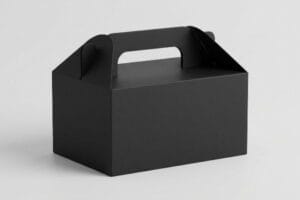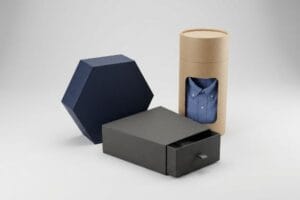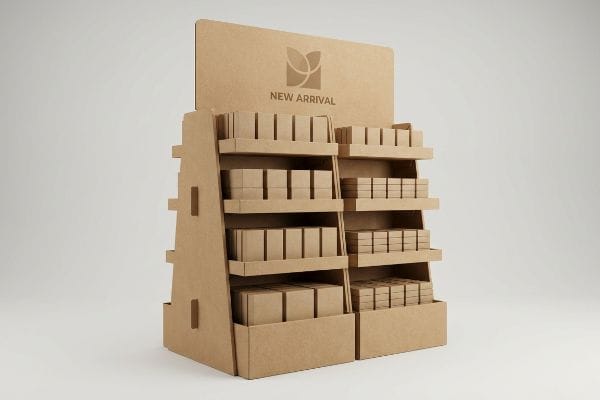
প্রতিযোগিতামূলক দোকানের পরিবেশে একটি ভৌত পণ্য চালু করার জন্য শুধু ভালো মোড়কই যথেষ্ট নয়; এর জন্য প্রয়োজন এমন একটি কৌশলগত ভৌত উপস্থিতি যা ভোক্তাদের থামতে এবং দেখতে বাধ্য করে।.
কার্ডবোর্ডের ডিসপ্লেগুলো ব্র্যান্ডগুলোকে অত্যন্ত অভিযোজনযোগ্য ও সাশ্রয়ী মার্চেন্ডাইজিং প্ল্যাটফর্ম প্রদান করে রিটেইলের জন্য কার্যকর ভূমিকা পালন করে। পুনর্ব্যবহারযোগ্য উপকরণ দিয়ে তৈরি এই অস্থায়ী কাঠামোগুলো বড় বড় দোকানের কঠোর নিয়মকানুন সফলভাবে মেনে চলে। এগুলো ভিড়ে ঠাসা করিডোরে ধারাবাহিকভাবে ব্যাপক দৃষ্টিবিভ্রম তৈরি করে এবং একই সাথে ভারী পণ্যের ভার বহনের জন্য যথেষ্ট সংকোচন শক্তি বজায় রাখে।.
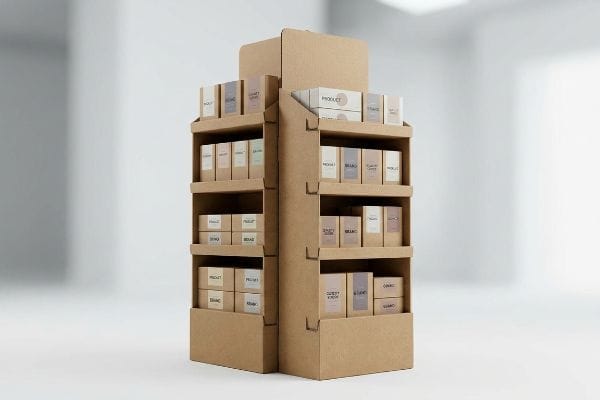
পেপারবোর্ডের ভৌত সীমাবদ্ধতা বোঝা প্রথম ধাপ, কিন্তু একটি সক্রিয় সরবরাহ শৃঙ্খলের কঠোর বাস্তবতায় টিকে থাকার জন্য প্রয়োজন কঠোর প্রকৌশলগত শৃঙ্খলা।.
খুচরা দোকানে ডিসপ্লে কেন গুরুত্বপূর্ণ?
দোকানের করিডোরগুলো জনাকীর্ণ ও দৃষ্টিবিভ্রমপূর্ণ পরিবেশ, যেখানে ভোক্তারা স্বয়ংক্রিয়ভাবে কাজ করে, ফলে বাজারের অংশ দখল করার জন্য শারীরিক হস্তক্ষেপই একমাত্র নির্ভরযোগ্য উপায়।.
খুচরা দোকানে ডিসপ্লে গুরুত্বপূর্ণ, কারণ এগুলো ক্রেতাদের চলাচলে বাধা সৃষ্টি করে এবং তাৎক্ষণিক কেনাকাটায় উৎসাহিত করে। ভিড়ে ঠাসা করিডোর থেকে মূল পণ্যগুলোকে আলাদা করে রাখার মাধ্যমে, এই সুনির্দিষ্ট পণ্যসজ্জা ব্র্যান্ডের পরিচিতি ব্যাপকভাবে বাড়ায়, ভোক্তাদের কার্যকরভাবে অবহিত করে এবং সীমিত বাণিজ্যিক স্থানের সামগ্রিক লাভজনকতা সর্বোচ্চ করে তোলে।.
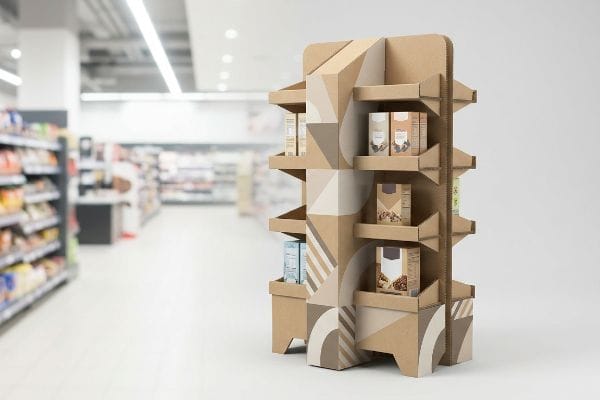
সুন্দরভাবে তৈরি একটি থ্রিডি কনসেপ্ট কম্পিউটারে দেখতে চমৎকার লাগে, কিন্তু এর আসল মূল্য পরিমাপ করা হয় এটি পথচারী চলাচল কতটা নিয়ন্ত্রণ করতে পারে তার ওপর ভিত্তি করে।.
ডিসপ্লেগুলির জন্য ৩-৩-৩ স্থানিক সম্পৃক্ততা নিয়ম
যখন আমি উদীয়মান ভোগ্যপণ্য (কনজিউমার প্যাকেজড গুডস) ব্র্যান্ডগুলোর ব্যর্থ ক্যাম্পেইনগুলো নিরীক্ষা করি, তখন আমি ধারাবাহিকভাবে দেখি যে মার্কেটিং টিমগুলো পণ্যের বাহ্যিক কাঠামোটিকে ভারী পাঠের জন্য একটি ফাঁকা ক্যানভাস হিসেবে ব্যবহার করে। তারা পাশের প্যানেলগুলোতে জটিল ভোক্তা আচরণের কাঠামো এবং দীর্ঘ অনুচ্ছেদ ছাপিয়ে দেয়। তারা ধরে নেয় যে, কোনো ক্রেতা যদি একটু সময় নিয়ে থামে, তবে সে শুরু থেকে শেষ পর্যন্ত ব্র্যান্ডের পুরো গল্পটি পড়ে নেবে।.
এটি এমন একটি ফাঁদ যা এমনকি অভিজ্ঞ ক্রয় দলগুলোকেও কাবু করে ফেলে। আমি প্রায়শই দোকানের করিডোরে দাঁড়িয়ে দেখি, তাড়াহুড়ো করা ক্রেতারা এই লেখা-বহুল ইউনিটগুলোর পাশ দিয়ে সোজা হেঁটে চলে যায়, কারণ দোকানের তীব্র ফ্লুরোসেন্ট আলোর ঝলমলে আভা অগোছালো গ্রাফিক্সগুলোকে ম্লান করে দেয়। আমার অভিজ্ঞতায়, একটি সফল ইউনিটকে অবশ্যই ৩-৩-৩ স্থানিক আকর্ষণ বিধি১। ৩০ ফুট (৯.১ মিটার) দূর থেকে দৃষ্টি আকর্ষণ করার জন্য এর আকর্ষণীয় ডাই-কাট আকৃতি, ৩ ফুট (০.৯ মিটার) দূর থেকে আকর্ষণ তৈরির জন্য শেলফে সুবিধাজনক অবস্থান এবং ৩ ইঞ্চি (৭.৬ সেমি) দূরত্বে চূড়ান্ত স্পর্শানুভূতির জন্য একটি নিচু ধারক প্রয়োজন। আপনি যদি এই তিনটি নির্দিষ্ট দূরত্বের জন্য বিশেষভাবে ভৌত স্থান তৈরি না করেন, তবে আপনার ইউনিটটি অদৃশ্য হয়ে যাবে।
| নতুনদের সাধারণ ভুল | প্রো ফিক্স | খুচরা-ফ্লোর সুবিধা |
|---|---|---|
| বেস প্যানেলে ভারী টেক্সট প্রিন্ট করা | ব্যাপক স্পট-কালার ফ্লাড ব্যবহার করুন | ৩০ ফুট দূর থেকে যান চলাচল থামিয়ে দেয়2 |
| প্রতিসম পণ্য গ্রিড ডিজাইন করা | অসমমিত SKU বিভাজক প্রয়োগ করুন | ক্রেতাদের মধ্যে দৃশ্যমান উত্তেজনা তৈরি করে3 |
| ট্রে-এর উঁচু কিনারার আড়ালে পণ্য লুকানো | ঠোঁটটি ৮৫% দৃশ্যমানতায় কাটুন।4 | দ্রুত আবেগবশে আঁকড়ে ধরার প্রবণতা বাড়ায় |
আমি গুদামের মেঝের এক প্রান্ত থেকে অন্য প্রান্ত পর্যন্ত সরেজমিনে যাচাই না করা পর্যন্ত কোনো ক্লায়েন্টকে আর্টওয়ার্ক চূড়ান্ত করতে দিই না যে তাদের প্রধান লোগোটি স্পষ্টভাবে পড়া যাচ্ছে।.
🛠️ হার্ভির ডেস্ক: আপনার আর্টওয়ার্কটি অতিরিক্ত চাপের কারণে ক্ষতিগ্রস্ত হচ্ছে কিনা, তা নিয়ে নিশ্চিত নন? আমাকে আপনার ফ্ল্যাট ডাইলাইন ফাইলটি পাঠান। প্রিন্ট করার আগে আমি জটিল ও সমস্যাযুক্ত জায়গাগুলো চিহ্নিত করে দেব। 👉 আপনার ফ্রি ডাইলাইন অডিট দাবি করুন ↗ — সরাসরি আমার ডেস্কে অ্যাক্সেস। কোনো স্বয়ংক্রিয় সেলস স্প্যাম থাকবে না, আমি কথা দিচ্ছি।
কার্ডবোর্ড ব্যবহারের সুবিধাগুলো কী কী?
প্রচারের জন্য একটি নির্দিষ্ট সময় নিশ্চিত করা ব্যয়বহুল, যার অর্থ হলো, আপনার পণ্য রাখার জন্য ব্যবহৃত ভৌত কাঠামোটি আপনার লাভের সম্পূর্ণ অংশ খেয়ে ফেলতে পারে না।.
কার্ডবোর্ড ব্যবহারের সুবিধাগুলোর মধ্যে রয়েছে বিশ্বব্যাপী মাল পরিবহনের খরচে ব্যাপক হ্রাস এবং অতুলনীয় নান্দনিক নমনীয়তা। যেহেতু হালকা ওজনের ঢেউখেলানো কার্ডবোর্ডের কাঠামো ভাঁজ না করে পাঠানো হয়, তাই এগুলো সরবরাহ শৃঙ্খলের কার্বন পদচিহ্ন ব্যাপকভাবে হ্রাস করে। এছাড়াও, রাস্তার পাশেই সম্পূর্ণরূপে পুনর্ব্যবহারযোগ্য এই উপাদানগুলো দ্রুত পরিবর্তনশীল ভোক্তা ব্র্যান্ডগুলোকে মৌসুমী বিপণন প্রচারাভিযান দ্রুততার সাথে পরিচালনা করতে সাহায্য করে।.
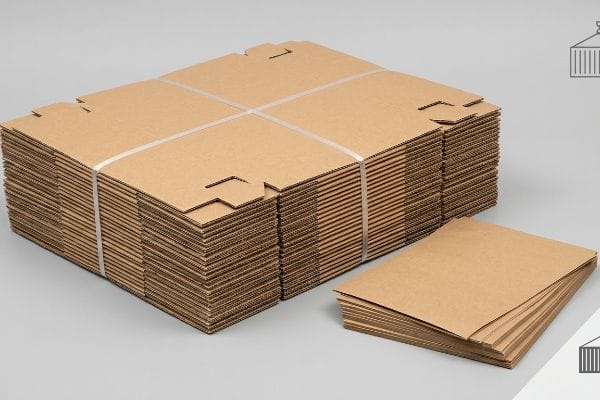
কাঁচামালের খরচ একটি গুরুত্বপূর্ণ বিষয়, কিন্তু পেপারবোর্ডের সুপ্ত সরবরাহ-সাশ্রয়ই প্রায়শই নির্ধারণ করে দেয় যে কোনো প্রকল্প চালু করা আর্থিকভাবে লাভজনক হবে কি না।.
কেন ফ্ল্যাট-প্যাক কার্ডবোর্ড স্থায়ী ধাতুর চেয়ে ভালো
অনেক ক্রয়কারী দল মৌসুমী প্রচারণার। তারা ইস্পাতের প্রাথমিক স্থায়িত্ব বিবেচনা করে এবং হিসাব করে যে একটি স্থায়ী ব্যবস্থা দীর্ঘমেয়াদে আরও ভালো ফল দেবে। তারা জটিল ধাতব সরঞ্জাম চূড়ান্ত করতে সপ্তাহ পার করে দেয় এবং আশা করে যে এই মজবুত র্যাকগুলো একবারে কয়েক মাস ধরে দোকানের করিডোরে আধিপত্য করবে।
এই ধারণাটি বৈশ্বিক লজিস্টিকসের কঠোর বাস্তবতাকে উপেক্ষা করে। আপনি যখন ধাতব সরঞ্জাম অর্ডার করেন, তখন সেগুলোকে অবশ্যই সম্পূর্ণ একত্রিত অবস্থায় পাঠাতে হয়, এবং একটি সাধারণ ৪০-ফুট (১২.১ মিটার) সমুদ্রগামী কন্টেইনারে আপনি মাত্র প্রায় ২৫০টি ইউনিট রাখতে পারেন । আমি দেখেছি ক্লায়েন্টরা শুধুমাত্র "খালি জায়গা" সারা বিশ্বে পাঠানোর জন্য বিশাল মালবাহী খরচ বহন করে, এবং কংক্রিটের গুদামের মেঝেতে ঝালাই করা তারের র্যাক ঘষটে যাওয়ার কর্কশ, ধাতব শব্দ শুনি। উচ্চ-ক্ষমতাসম্পন্ন অস্থায়ী ঢেউখেলানো কার্ডবোর্ডের কাঠামো ব্যবহার শুরু করার মাধ্যমে , আমি ঠিক সেই একই কন্টেইনারে ১,৫০০টি পর্যন্ত ইউনিট প্যাক করতে পারি । এটি স্থায়ী হার্ডওয়্যারের মালবাহী খরচ সম্পূর্ণরূপে দূর করে, অথচ ভারী পণ্য বহনের ক্ষমতাও বজায় রাখে।
| নতুনদের সাধারণ ভুল | প্রো ফিক্স | খুচরা-ফ্লোর সুবিধা |
|---|---|---|
| খালি ধাতব বাতাস পাঠানো | ফ্ল্যাট-প্যাক ইঞ্জিনিয়ারিং-এ পরিবর্তন করুন | প্রতি কন্টেইনারে ৬টি বেশি ইউনিট ধরে।7 |
| শর্ট সেলের জন্য স্থায়ী র্যাক ব্যবহার করা | প্রচারণার দৈর্ঘ্যের সাথে উপকরণ মেলান। | প্রতি-স্টোর অ্যাক্টিভেশন খরচ কমায় |
| জীবনচক্রের শেষে নিষ্পত্তি উপেক্ষা করা | রাস্তার পাশে রাখা পুনর্ব্যবহারযোগ্য OCC ব্যবহার করুন | খুচরা বিক্রেতার নিষ্পত্তি জরিমানা এড়ানো যায়8 |
আমি সবসময় স্বল্পমেয়াদী প্রচারণাগুলোকে ইঞ্জিনিয়ার্ড পেপারবোর্ডের দিকে পরিচালিত করি, যার ফলে আমার ক্লায়েন্টদের লজিস্টিকস বাজেট না বাড়িয়েই তারা অধিক পরিমাণে বিতরণ নিশ্চিত করতে পারেন।.
🛠️ হার্ভির ডেস্ক: ভাবছেন আপনার ধাতব হার্ডওয়্যার কি নীরবে আপনার মাল পরিবহনের খরচ বাড়িয়ে দিচ্ছে? 👉 ‘দ্য রিটেইল ফ্রেট ফর্মুলা’ ডাউনলোড করুন ↗ — নিরাপদে ডাউনলোড করুন। পরবর্তীতে কোনো প্রশ্ন থাকলে আমার ইনবক্স খোলা আছে।
কার্ডবোর্ড ডিসপ্লেকে কী বলা হয়?
বড় আকারের প্রতিষ্ঠানের নিয়মকানুন ও নির্দেশিকা সফলভাবে অনুসরণ করতে হলে , আপনাকে অবশ্যই সেই সুনির্দিষ্ট লজিস্টিক পরিভাষা ব্যবহার করতে হবে যা স্টোর ম্যানেজার এবং পণ্য গ্রহণ কেন্দ্রগুলো প্রত্যাশা করে।
কার্ডবোর্ডের ডিসপ্লেকে পয়েন্ট অফ পারচেজ (POP) মার্চেন্ডাইজার বা পয়েন্ট অফ সেল (POS) ইউনিট বলা হয়। শিল্প পরিভাষায় এই অস্থায়ী পেপারবোর্ডের কাঠামোগুলোকে দোকানের ভৌত অবস্থানের উপর ভিত্তি করে নির্দিষ্টভাবে শ্রেণীবদ্ধ করা হয়; যেমন—প্রধান করিডোরে থাকা মজবুত প্যালেট প্ল্যাটফর্ম থেকে শুরু করে ক্যাশ কাউন্টারের কাছে থাকা মাইক্রো-ফ্লুটেড ট্রে পর্যন্ত।.
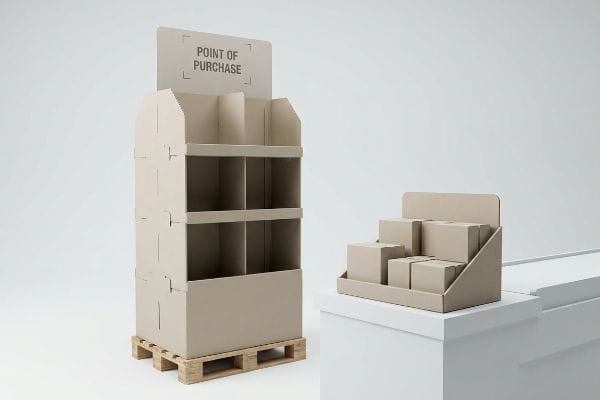
কোনো স্থাপনার ভুল নাম ব্যবহার করলে, যদি তার ভৌত নকশা দোকান এলাকা নির্ধারণ আইন লঙ্ঘন করে, তাহলে খুচরা বিক্রেতা তা তাৎক্ষণিকভাবে প্রত্যাখ্যান করতে পারে।.
POP এবং POS ডিসপ্লের মধ্যে কঠোর সীমাবদ্ধতা
ব্র্যান্ডগুলো প্রায়শই আমাকে একটি বিশাল ফ্লোর ডিসপ্লেকে গাণিতিকভাবে ৫০% ছোট করে ফেলতে বলে, যাতে তারা সেটিকে একটি চেকআউট কাউন্টারে। তারা ধরে নেয় যে, একটি ডিসপ্লে তো শুধুই একটি ডিসপ্লে, এবং CAD (কম্পিউটার-এইডেড ডিজাইন) ফাইলটি ছোট করলেই তা তাৎক্ষণিকভাবে তাদের প্রচারণাকে একটি ছোট পরিসরের জন্য উপযোগী করে তুলবে। এটা অনেকটা এমন ধরে নেওয়ার মতো যে, ফুটপাতকে সরু করে দিলেই তার উপর দিয়ে একটি বাণিজ্যিক ট্রাক চালানো যাবে।
স্থানিক শৃঙ্খলার এই অভাব মাঠ পর্যায়ে ব্যাপক সমস্যার সৃষ্টি করে। যখন কোনো ডিজাইনকে হঠকারীভাবে ছোট করা হয়, তখন আমি কাঁচা পেপারবোর্ডের বিশৃঙ্খল, মরিয়া ছেঁড়ার শব্দ শুনতে পাই, যখন দোকানের কর্মচারীরা একটি বড় আকারের ট্রে একটি ছোট্ট চেকআউট জায়গায় জোর করে ঢোকানোর চেষ্টা করে। পিওপি (POP) ইউনিটগুলো আইনত বড় গুদাম প্যালেটের সাথে নোঙর করা থাকে, অন্যদিকে পিওএস (POS) ইউনিটগুলোকে অবশ্যই এডিএ (ADA - Americans with Disabilities Act)-এর ১৫-ইঞ্চি (৩৮.১ সেমি) সম্মুখ নাগালেরকঠোরভাবে । আমি এই দুটি ক্ষেত্রের জন্য ইঞ্জিনিয়ারিং পাইপলাইনগুলোকে স্থায়ীভাবে আলাদা করে রাখি, যাতে স্টোর ম্যানেজারদের কখনো নিয়ম না মানা রেজিস্টার ইউনিট বাতিল করতে না হয়।
| নতুনদের সাধারণ ভুল | প্রো ফিক্স | খুচরা-ফ্লোর সুবিধা |
|---|---|---|
| কাউন্টারের জন্য ফ্লোর ফাইল সংকুচিত করা | মাইক্রো-ফ্লুটের জন্য পুনঃপ্রকৌশল10 | পেপারবোর্ড ট্যাব ছিঁড়ে যাওয়া প্রতিরোধ করে |
| রেজিস্টার পৌঁছানোর সীমা উপেক্ষা করা | ১৫-ইঞ্চি ADA নিয়ম অনুসারে মানচিত্র11 | সম্মতি গ্রহণের নিশ্চয়তা |
| ছোট ট্রে-এর জন্য পুরু বোর্ড ব্যবহার করা | হালকা ওজনের ই-ফ্লুটে পরিবর্তন করুন12 | ঘর্ষণহীন ম্যানুয়াল সেটআপ নিশ্চিত করে |
আমি কাউন্টার বসানোর জন্য ফ্লোর ফাইল ছোট করতে রাজি নই, কারণ যথাযথ খুচরা ব্যবসার বাস্তবায়নের জন্য প্রতিটি জোনের জন্য গাণিতিকভাবে স্বতন্ত্র প্রকৌশল প্রয়োজন।.
🛠️ হার্ভিস ডেস্ক: স্টোর ম্যানেজাররা ক্রমাগত আপনার বড় আকারের চেকআউট ট্রে প্রত্যাখ্যান করায় কি আপনি হতাশ? আমাকে আপনার পণ্যের প্রকৃত মাপ পাঠান। আমি সেগুলোকে রিটেইলারের কঠোর নিয়ম-কানুন মেনে চলার অঞ্চলের সাথে মিলিয়ে দেখব। 👉 একটি কাস্টম স্পেশিয়াল অডিটের জন্য অনুরোধ করুন ↗ — এমন কোনো ফর্ম নয় যা অবিরাম সেলস কলের কারণ হয়। শুধু খাঁটি মূল্য।
খুচরা দোকানের ডিসপ্লেগুলোকে কী বলা হয়?
ডিজাইনাররা যেখানে নান্দনিক পরিভাষার উপর মনোযোগ দেন, সেখানে সাপ্লাই চেইন ম্যানেজাররা এই কাঠামোসমূহকে কঠোরভাবে তাদের গতিশক্তিগত টিকে থাকার ক্ষমতা এবং ভারবহন ক্ষমতার ভিত্তিতে শ্রেণিবদ্ধ করেন।.
রিটেইল ডিসপ্লেগুলোকে বিভিন্ন লজিস্টিক্যাল নামে ডাকা হয়, যার মধ্যে রয়েছে ফ্রি স্ট্যান্ডিং ডিসপ্লে ইউনিট (FSDU), এন্ড-ক্যাপ বা সাইডকিক। যদিও মার্কেটিং টিমগুলো এই পরিভাষাগুলো অদলবদল করে ব্যবহার করে, প্রকিউরমেন্ট এবং সাপ্লাই চেইন বিভাগগুলো কাঠামোগত মাত্রা, পেলোড ধারণক্ষমতা এবং বিগ-বক্স ওয়্যারহাউজিং পরিবেশের মধ্যে নির্দিষ্ট ইন্টিগ্রেশন পয়েন্টের উপর ভিত্তি করে এগুলোকে কঠোরভাবে শ্রেণীবদ্ধ করে।.
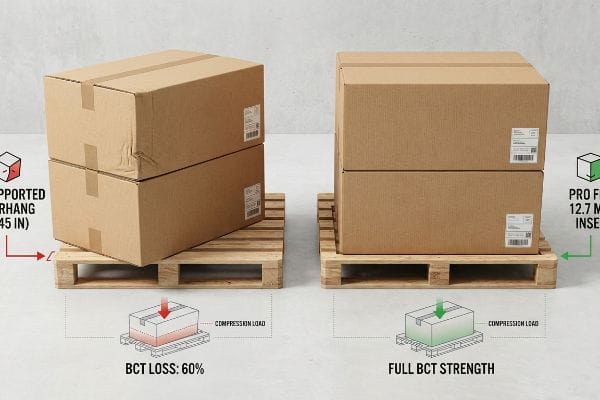
কিন্তু যখন মেশিনগুলো চলতে শুরু করে এবং ভারী প্যালেটগুলো হঠাৎ শূন্যে ভেসে ওঠে, তখন শুধু তত্ত্ব জানাই যথেষ্ট নয়।.
কারখানায় স্ট্যান্ডার্ড মাস্টার কার্টনগুলো কেন ব্যর্থ হয়
প্যাকেজিং শিল্পে, আমি প্রায়শই দেখি ক্রয়কারী দলগুলো তাদের মাস্টার কার্টনের মাত্রা সামান্য বাড়িয়ে শিপিং ঘনত্ব সর্বাধিক করার চেষ্টা করে। তারা তাদের রিটেইল ডিসপ্লেগুলো একটি স্ট্যান্ডার্ড ৪৮×৪০ ইঞ্চি জিএমএ (গ্রোসারি ম্যানুফ্যাকচারার্স অ্যাসোসিয়েশন) প্যালেটের কিনারা থেকে সামান্য বাইরে ঝুলিয়ে রাখে । তারা ভুলভাবে বিশ্বাস করে যে, যেহেতু তারা একটি হেভি-ডিউটি বোর্ড গ্রেড ব্যবহার করেছে, তাই কাঁচামালের পুরুত্ব একটি ডাবল-স্ট্যাকড ওশান কন্টেইনারের উল্লম্ব ওজন শোষণ করে নেবে।
এটা শুধু তত্ত্ব নয়—ভারী মাল পরিবহনের সিমুলেশন চালানোর সময় আমি টেস্টিং ফ্লোরে এটা ঘটতে দেখি। যখন একটি মাস্টার কার্টন কাঠের প্যালেট ডেকের বাইরে মাত্র ০.৪৫ ইঞ্চি (১১.৪৩ মিমি) ঝুলে থাকে, তখন এর কাঠামোগত কোণাগুলো কোনো ভার বহন করে না। আমি যখন ফলাফল পরিমাপ করি, তখন দেখি যে ভারহীন নিচের স্তরটি তার BCT 15 (বক্স কম্প্রেশন টেস্ট) শক্তির ৬০% পর্যন্ত হারিয়ে ফেলে । আমি আক্ষরিক অর্থেই দৃশ্যমান বেঁকে যাওয়া দেখি এবং ওপরের বিশাল ভারের নিচে মোটা কোণাগুলো ভেঙে পড়ার ভোঁতা মচমচ শব্দ শুনি। এর সমাধান করতে, আমি আমার সফটওয়্যারে একটি কঠোর জিরো-ওভারহ্যাং বাউন্ডিং বক্স প্রয়োগ করি, যা গাণিতিকভাবে GMA পরিধির ভেতরে সর্বোচ্চ অনুমোদিত ফুটপ্রিন্টকে ঠিক ১২.৭ মিমি (০.৫ ইঞ্চি) সংকুচিত করে। এই কঠোর সহনশীলতা প্রয়োগ করার ফলে, মাস্টার কার্টনের কোণাগুলো সম্পূর্ণরূপে ভারযুক্ত থাকে, যা অ্যাসেম্বলি লাইনের গতি শূন্য শতাংশ কমায় এবং সমুদ্রপথে পরিবহনের সময় হওয়া ক্ষতি সম্পূর্ণরূপে দূর করে।
| নতুনদের সাধারণ ভুল | প্রো ফিক্স | খুচরা-ফ্লোর সুবিধা |
|---|---|---|
| কাঠের বাইরে শিপারদের সম্প্রসারণ | ১২.৭ মিমি ইনসেট প্রয়োগ করুন। | ৬০% সংকোচন শক্তি পুনরুদ্ধার করে16 |
| শুধুমাত্র কাঁচা বোর্ডের গ্রেডের উপর নির্ভর করা | প্যালেট ডেকের সাথে কোণাগুলো সারিবদ্ধ করুন।17 | নিচের স্তরের বেঁকে যাওয়া প্রতিরোধ করে |
| টপ-লোড প্যালেটের পদার্থবিদ্যা উপেক্ষা করা | বিসিটি যন্ত্রপাতি দিয়ে যাচাই করুন18 | সমুদ্রপথে পরিবহনের ক্ষতি দূর করে |
আমি বাউন্ডিং বক্সের এই সুনির্দিষ্ট সহনশীলতা বাধ্যতামূলক করি, কারণ গুদামঘরে এক ইঞ্চির ভগ্নাংশই নির্ধারণ করে দেয় একটি ক্যাম্পেইন টিকে থাকবে নাকি ভেস্তে যাবে।.
🛠️ হার্ভির ডেস্ক: আপনার মাস্টার কার্টনটি সমুদ্রে পাঠানোর আগে এর কোণার সঠিক সংকোচন শক্তি সম্পর্কে কি আপনি জানেন? একটি ১২-মিলিমিটার কাঠামোগত ত্রুটির কারণে ৫০০টি দোকানে পণ্য সরবরাহের পরিকল্পনা যেন নষ্ট না হয়ে যায়। 👉 আপনার ডাইলাইন ফাইলটি আমাকে পাঠান ↗ — গণ-উৎপাদনে বাজেট অপচয় করার আগেই আমি এর হিসাবটি স্ট্রেস-টেস্ট করে নেব।
উপসংহার
আপনি আরও সস্তা কোনো সরবরাহকারী বেছে নিতে পারেন, কিন্তু যখন একটি আর্দ্র গুদামে ক্যালিব্রেট না করা ১২.৭ মিমি প্যালেটের বাড়তি অংশ আপনার নিচের স্তরটিকে পুরোপুরি পিষে ফেলে, তখন এটি পণ্য পরিবহনে ব্যাপক ঘর্ষণ সৃষ্টি করে, যা অ্যাসেম্বলি লাইনের গতি আনুমানিক ৩০% কমিয়ে দেয় এবং খুচরা বিক্রেতাদের দ্বারা তাৎক্ষণিক প্রত্যাখ্যানের কারণ হয়। আমার শীর্ষ ১০ জন খুচরা গ্রাহক প্রিন্ট প্রত্যাখ্যান শূন্যে নামিয়ে আনার নিশ্চয়তা দিতে ঠিক এই স্পেক শিটটিই ব্যবহার করেন। লজিস্টিক্যাল টলারেন্স নিয়ে অনুমান করা বন্ধ করুন এবং গণ-উৎপাদনের জন্য অর্থ প্রদানের আগেই মারাত্মক কম্প্রেশন ত্রুটিগুলো ধরতে আমার ফ্রি ডাইলাইন অডিট ↗- এর মাধ্যমে আমাকে ব্যক্তিগতভাবে আপনার CAD কাঠামো নিরীক্ষা করতে দিন।
"কার্যকরী ডিসপ্লে এবং গ্রাহক সম্পৃক্ততার জন্য খুচরা দোকানের নকশা...", https://www.business.qld.gov.au/industries/manufacturing-retail/retail-wholesale/retail-displays। একটি প্রামাণ্য খুচরা নকশা নির্দেশিকা বা মার্চেন্ডাইজিং হ্যান্ডবুক এই নির্দিষ্ট দূরত্ব-ভিত্তিক সম্পৃক্ততার মেট্রিকগুলোকে বৈধতা দেবে। প্রমাণের ভূমিকা: শিল্প মানের বৈধতা; উৎসের ধরণ: পেশাদার নকশা ম্যানুয়াল। সমর্থন করে: চাক্ষুষ এবং স্পর্শভিত্তিক ভোক্তা সম্পৃক্ততার জন্য প্রযুক্তিগত প্রয়োজনীয়তা। পরিধি সংক্রান্ত টীকা: নির্দিষ্ট খুচরা বিভাগের উপর নির্ভর করে পরিবর্তিত হতে পারে। ↩
"রিটেইল লাইটিং ডিজাইন: কেনাকাটার অভিজ্ঞতা উন্নত করার ৭টি টিপস...", https://www.alconlighting.com/blog/lighting-design/best-retail-lighting-application-lighting-practices/?srsltid=AfmBOor00EVzbflRReCwUQW7YMC3H1xhxKlob5eVdlc6bMzDzAlNeaPb। রিটেইল পরিবেশে ভিজ্যুয়াল কিউ এবং রঙের স্যাচুরেশনের উপর গবেষণালব্ধ তথ্য সেই নির্দিষ্ট দূরত্বকে সমর্থন করে, যে দূরত্বে উচ্চ-কন্ট্রাস্টের স্পট কালার ক্রেতাদের মনোযোগ আকর্ষণ করে। প্রমাণের ভূমিকা: মেট্রিক যাচাইকরণ; উৎসের ধরণ: রিটেইল ডিজাইন গবেষণা। সমর্থন করে: স্পট-কালার ফ্লাডের কার্যকারিতা। পরিধি সংক্রান্ত নোট: দোকানের পারিপার্শ্বিক আলোর উপর ভিত্তি করে পরিবর্তিত হতে পারে। ↩
"ব্র্যান্ড প্লেসমেন্ট অ্যান্ড কনজিউমার চয়েস – পিএমসি – এনআইএইচ", https://pmc.ncbi.nlm.nih.gov/articles/PMC2741065/। ভিজ্যুয়াল মার্চেন্ডাইজিং এবং গেস্টাল্ট নীতির উপর গবেষণা ব্যাখ্যা করে যে কীভাবে অপ্রতিসাম্য স্বয়ংক্রিয় স্ক্যানিং প্যাটার্নকে ব্যাহত করে জ্ঞানীয় কেন্দ্রিক উত্তেজনা তৈরি করে। প্রমাণের ভূমিকা: তাত্ত্বিক কাঠামো; উৎসের ধরণ: ডিজাইন সাইকোলজি পেপার। সমর্থন: অপ্রতিসম SKU বিভাজকের সুবিধা। পরিধি নোট: সাধারণত উচ্চ-প্রভাবী বিভাগগুলিতে প্রযোজ্য। ↩
"পয়েন্ট অফ পারচেজ: খুচরা বিক্রেতারা কীভাবে ক্রেতাদের প্রভাবিত করতে পারে...", https://blog.intouch.com/posts/points-of-purchase-displays। পয়েন্ট-অফ-পারচেজ ডিসপ্লেতে আর্গোনমিক অ্যাক্সেসিবিলিটি এবং ভিজ্যুয়াল লাইন-অফ-সাইটের উপর করা গবেষণাগুলো নির্দিষ্ট দৃশ্যমানতার শতাংশের সাথে পণ্যটি হাতে নেওয়ার হার বৃদ্ধির সম্পর্ক স্থাপন করে। প্রমাণের ভূমিকা: প্রযুক্তিগত বিবরণ; উৎসের ধরণ: মার্চেন্ডাইজিং বেঞ্চমার্ক। সমর্থন করে: দ্রুত ও আবেগতাড়িতভাবে পণ্য হাতে নেওয়ার প্রবণতা বৃদ্ধি করা। পরিধি সংক্রান্ত টীকা: শুধুমাত্র খোলা-ট্রেযুক্ত রিটেইল ফিক্সচারের জন্য নির্দিষ্ট। ↩
"৪০ ফুট শিপিং কন্টেইনার – মাত্রা, আকার ও ওজন নির্দেশিকা – iContainers", https://www.icontainers.com/help/40-foot-container/। স্ট্যান্ডার্ড কন্টেইনারে আগে থেকে একত্রিত ধাতব সরঞ্জাম পরিবহনের আয়তনগত সীমাবদ্ধতা নিশ্চিতকারী লজিস্টিকস ডেটা। প্রমাণের ভূমিকা: পরিমাণগত যাচাইকরণ; উৎসের ধরণ: লজিস্টিকস রিপোর্ট। সমর্থন করে: স্থায়ী ধাতব সরঞ্জাম পরিবহনের অদক্ষতা। পরিধি সংক্রান্ত টীকা: সরঞ্জামের মাত্রার উপর ভিত্তি করে একক পরিবর্তিত হয়। ↩
"বৃহৎ ধারণক্ষমতার জন্য ৪০ ফুট ফ্ল্যাট প্যাক স্টোরেজ কন্টেইনার...", https://www.prefabex.com/our_galleries/40ft-flat-pack-storage-containers। উচ্চ-ঘনত্বের ফ্ল্যাট-প্যাক ঢেউখেলানো ডিসপ্লে উপকরণের জন্য প্রযুক্তিগত শিপিং স্পেসিফিকেশন। প্রমাণের ভূমিকা: পরিমাণগত যাচাইকরণ; উৎসের ধরণ: সাপ্লাই চেইন বিশ্লেষণ। সমর্থন করে: ধাতুর তুলনায় কার্ডবোর্ডের শিপিং দক্ষতা। পরিধি নোট: ঢেউখেলানো কাঠামোর নির্দিষ্ট নকশার উপর নির্ভরশীল। ↩
"ফ্ল্যাট-প্যাক বনাম সম্পূর্ণ অ্যাসেম্বলড: কোনটি বেশি সাশ্রয়ী", https://www.samtop.com/flat-pack-vs-fully-assembled-display/। স্থায়ী ধাতব ফিক্সচারের তুলনায় ফ্ল্যাট-প্যাক কার্ডবোর্ড ইঞ্জিনিয়ারিং ব্যবহার করার ফলে শিপিং ঘনত্বে পরিমাণগত বৃদ্ধির যাচাইকরণ। প্রমাণের ভূমিকা: প্রযুক্তিগত মেট্রিক যাচাইকরণ; উৎসের ধরণ: লজিস্টিকস বা সাপ্লাই চেইন সমীক্ষা। সমর্থন: শিপিং খরচ হ্রাস। পরিধি নোট: ফিক্সচারের আকারের উপর নির্ভর করে প্রকৃত গুণক পরিবর্তিত হতে পারে। ↩
"[পিডিএফ] এসটি ১৪-২৪ – টায়ার নিষ্পত্তি ফি-এর উপর খুচরা বিক্রেতাদের পেশাগত কর – ট্যাক্স আর্কাইভ", https://taxarchive.illinois.gov/content/dam/soi/en/web/taxarchive/research/legal/administrative-hearings/st/st14-24.pdf। এটি নিশ্চিত করে যে প্রধান খুচরা বিক্রেতারা পুনর্ব্যবহারযোগ্য নয় এমন স্থায়ী প্রচারমূলক সামগ্রী নিষ্পত্তির জন্য ফি বা জরিমানা আরোপ করে। প্রমাণের ভূমিকা: শিল্প অনুশীলনের যাচাইকরণ; উৎসের ধরণ: খুচরা পরিচালন নির্দেশিকা। সমর্থন: পুনর্ব্যবহারযোগ্য সামগ্রীর আর্থিক সুবিধা। পরিধি টীকা: খুচরা বিক্রেতা এবং এখতিয়ারভেদে ভিন্ন হয়। ↩
"অ্যাক্সেসিবল ডিজাইনের জন্য ADA স্ট্যান্ডার্ডস টাইটেল III রেগুলেশন ২৮ CFR পার্ট ৩৬ …", https://www.ada.gov/law-and-regs/design-standards/1991-design-standards/। অ্যাক্সেসিবিলিটি নিশ্চিত করার জন্য রিটেইল ফিক্সচারের সামনের দিকে নাগালের সীমা সংক্রান্ত ADA স্ট্যান্ডার্ডের যাচাইকরণ। প্রমাণের ভূমিকা: আইনি যাচাইকরণ; উৎসের ধরণ: সরকারি প্রবিধান। সমর্থন করে: POS ইউনিটের জন্য নির্দিষ্ট নাগাল পরিমাপ। পরিধি নোট: রিটেইল পরিবেশের জন্য অ্যাক্সেসিবিলিটি নির্দেশিকাতে প্রযোজ্য। ↩
"ঢেউখেলানো কাগজের প্যাকেজের সংকোচন শক্তি …", https://pmc.ncbi.nlm.nih.gov/articles/PMC10054506/। প্রযুক্তিগত প্রমাণ যে মাইক্রো-ফ্লুট ঢেউখেলানো বোর্ড ছোট আকারের ডিসপ্লেতে ট্যাব ছিঁড়ে যাওয়া রোধ করার জন্য প্রয়োজনীয় কাঠামোগত অখণ্ডতা প্রদান করে। প্রমাণের ভূমিকা: প্রযুক্তিগত স্পেসিফিকেশন; উৎসের ধরণ: প্যাকেজিং ইঞ্জিনিয়ারিং ম্যানুয়াল। সমর্থন: স্থায়িত্বের জন্য মাইক্রো-ফ্লুটের ব্যবহার। পরিধি টীকা: কাউন্টার-টপ ডিসপ্লে ইঞ্জিনিয়ারিংয়ের জন্য নির্দিষ্ট। ↩
"এডিএ অ্যাক্সেসিবিলিটি স্ট্যান্ডার্ডস", https://www.access-board.gov/ada/। আইনি সম্মতি নিশ্চিত করার জন্য রিটেইল পয়েন্ট-অফ-সেল লেআউটের নির্দিষ্ট এডিএ অ্যাক্সেসিবিলিটি পরিমাপের যাচাইকরণ। প্রমাণের ভূমিকা: তথ্যগত যাচাইকরণ; উৎসের ধরণ: নিয়ন্ত্রক নির্দেশিকা। সমর্থন করে: ১৫-ইঞ্চি নাগালের সীমা মেনে চলার প্রয়োজনীয়তা। পরিধি নোট: বিশেষভাবে মার্কিন এডিএ স্ট্যান্ডার্ডের ক্ষেত্রে প্রযোজ্য। ↩
"ই-ফ্লুট করোগেটেড-এর একটি নির্দেশিকা: এটি কীসের জন্য ভালো এবং কখন ব্যবহার করতে হবে", https://www.accbox.com/blog/a-guide-to-e-flute-corrugated-what-its-good-for-and-when-to-use-it/। এই বিষয়টি নিশ্চিত করা হয়েছে যে, হালকা ওজনের, উচ্চ-শক্তিসম্পন্ন এবং সহজে হাতে জোড়া লাগানোর প্রয়োজন হয় এমন ছোট ট্রে-এর জন্য ই-ফ্লুট হলো শিল্পমান। প্রমাণের ভূমিকা: প্রযুক্তিগত বিবরণ; উৎসের ধরণ: উৎপাদন মান। সমর্থন করে: ঘর্ষণহীনভাবে স্থাপনের জন্য ই-ফ্লুটের কার্যকারিতা। পরিধির টীকা: করোগেটেড ফ্লুটের আকার নির্ধারণের সাথে সম্পর্কিত। ↩
"স্ট্যান্ডার্ড প্যালেট সাইজ | চার্ট সহ", https://www.kampspallets.com/standard-pallet-sizes-with-chart/। উত্তর আমেরিকার লজিস্টিকসে ব্যবহৃত গ্রোসারি ম্যানুফ্যাকচারার্স অ্যাসোসিয়েশন প্যালেটের শিল্প-মানসম্মত মাপের যাচাইকরণ। প্রমাণের ভূমিকা: তথ্যগত যাচাইকরণ; উৎসের ধরণ: শিল্প-মান। সমর্থন করে: স্ট্যান্ডার্ড প্যালেট সাইজ স্পেসিফিকেশন। পরিধি টীকা: উত্তর আমেরিকার লজিস্টিকস প্রেক্ষাপট। ↩
"স্তরযুক্ত ঢেউখেলানো কাগজের শক্তির বিকল্পসমূহ: একক-প্রাচীর বনাম …", https://ufppackaging.com/insights/layered-corrugated-strength-options। ডাবল-স্ট্যাকড সমুদ্রগামী কন্টেইনারে প্যাকেজিংয়ের উল্লম্ব সংকোচন শক্তির উপর বোর্ডের গ্রেড এবং পুরুত্ব কীভাবে প্রভাব ফেলে তার প্রযুক্তিগত বিশ্লেষণ। প্রমাণের ভূমিকা: প্রযুক্তিগত যাচাইকরণ; উৎসের ধরণ: প্যাকেজিং ইঞ্জিনিয়ারিং ম্যানুয়াল। সমর্থন: কাঠামোগত ভারবহন বৈশিষ্ট্য। পরিধি নোট: বিশেষভাবে ঢেউখেলানো কাগজের বোর্ডের ব্যর্থতা নিয়ে আলোচনা করে। ↩
"প্যালেটাইজড বক্স অফসেটের প্রভাব … এর সংকোচন শক্তির উপর", https://digitalcommons.calpoly.edu/cgi/viewcontent.cgi?article=1067&context=it_fac। কার্টনের কোণায় প্যালেটের সাপোর্ট না থাকলে বক্স কম্প্রেশন টেস্ট (BCT) শক্তিতে শতকরা হ্রাসের প্রযুক্তিগত যাচাইকরণ। প্রমাণের ভূমিকা: পরিমাণগত বৈধতা; উৎসের ধরণ: প্যাকেজিং বিজ্ঞান গবেষণা। ভিত্তি: ওভারহ্যাং-এর কারণে কাঠামোগত ব্যর্থতা। পরিধি নোট: নির্দিষ্ট শতাংশ কার্ডবোর্ডের গ্রেড এবং ফ্লুটের ধরণ অনুযায়ী পরিবর্তিত হয়। ↩
"[পিডিএফ] বাক্সের সংকোচন শক্তির উপর প্যালেট ওভারহ্যাং-এর প্রভাব", https://admin.fibrebox.org/wp-content/uploads/2025/07/Pallet_Overhang_Phase_1.pdf। একটি প্রামাণিক বাহ্যিক উৎস কীভাবে এই দাবিকে সমর্থন করে তার সংক্ষিপ্ত ব্যাখ্যা। প্রমাণের ভূমিকা: বৈধতা; উৎসের ধরণ: প্যাকেজিং ইঞ্জিনিয়ারিং গবেষণা। সমর্থন করে: প্যালেট ওভারহ্যাং বাদ দিলে উল্লম্ব ভারবহন ক্ষমতার সংখ্যাগত পুনরুদ্ধার। পরিধি নোট: বিশেষত ঢেউখেলানো ফাইবারবোর্ড সরবরাহকারীদের জন্য। ↩
"প্যালেটের উপরের স্তরের দৃঢ়তার প্রভাবের অনুসন্ধান … – পিএমসি", https://pmc.ncbi.nlm.nih.gov/articles/PMC8585293/। একটি প্রামাণ্য বাহ্যিক উৎস কীভাবে এই দাবিকে সমর্থন করে তার সংক্ষিপ্ত ব্যাখ্যা। প্রমাণের ভূমিকা: কাঠামোগত প্রমাণ; উৎসের ধরণ: লজিস্টিকস ম্যানুয়াল। সমর্থন করে: উল্লম্ব কোণার সারিবদ্ধতা এবং নিচের স্তরের কার্টনে কাঠামোগত বাকলিং প্রতিরোধের মধ্যেকার সম্পর্ক। পরিধি সংক্রান্ত টীকা: স্তূপীকৃত প্যালেটাইজড লোডের ক্ষেত্রে প্রযোজ্য। ↩
"আইএসও ১২০৪৮ অনুযায়ী বক্স কম্প্রেশন টেস্ট (বিসিটি)", https://b83test.com/feeds/blog/box-compression-testing। একটি প্রামাণ্য বাহ্যিক উৎস কীভাবে এই দাবিকে সমর্থন করে তার সংক্ষিপ্ত ব্যাখ্যা। প্রমাণের ভূমিকা: প্রযুক্তিগত যাচাইকরণ; উৎসের ধরণ: শিল্প পরীক্ষার মান। সমর্থন করে: পরিবহন-সম্পর্কিত ধস অনুকরণ এবং প্রতিরোধ করার জন্য বক্স কম্প্রেশন টেস্টিং (বিসিটি)-এর ব্যবহার। পরিধি নোট: স্থির ভারবহন ক্ষমতার উপর আলোকপাত করে। ↩