আপনার পণ্যকে দোকানের তাকের উপর রাখাটা কেবল অর্ধেক কাজ। বড় বড় দোকানের বিশৃঙ্খল করিডোরে টিকে থাকতে হলে বাণিজ্যিক পণ্য বিপণনের মৌলিক কৌশলগুলো আয়ত্ত করা প্রয়োজন।.
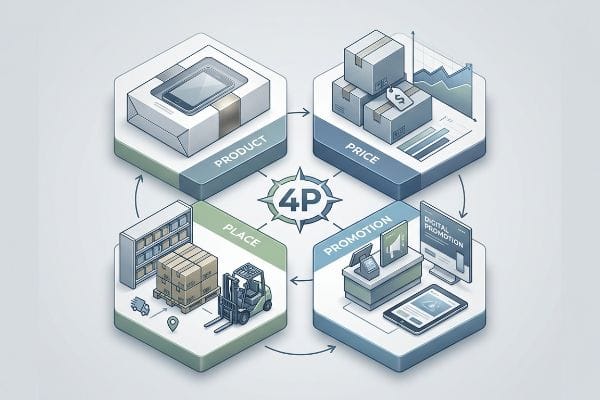
রিটেইল মার্কেটিং-এর ৪টি 'পি' হলো ভোগ্যপণ্য বাজারে আনার জন্য প্রয়োজনীয় কৌশল—পণ্য, মূল্য, স্থান এবং প্রচার। এই বিষয়গুলোতে দক্ষতা অর্জন নিশ্চিত করে যে আপনার প্যাকেজিং বড় বড় স্টোরের লজিস্টিকসের সাথে সামঞ্জস্যপূর্ণ, যা দোকানে পণ্যের দৃশ্যমানতা বাড়ায় এবং বিভিন্ন রিটেইল পরিবেশে তাৎক্ষণিক বিক্রয় বৃদ্ধি করে।.
কিন্তু কারখানায় আপনার বাস্তব প্রয়োগ ব্যর্থ হলে, এই তাত্ত্বিক ধারণাগুলো জানা আপনাকে বাঁচাতে পারবে না।.
৪টি 'পি' কি এখনও প্রাসঙ্গিক?
অনেক আধুনিক ব্র্যান্ড ডিজিটাল যুগে প্রচলিত বিপণন কাঠামোকে অচল মনে করে এবং সুদৃঢ় ব্যবসায়িক কৌশলের চেয়ে নান্দনিক ভাইরাল ট্রেন্ডকেই বেশি পছন্দ করে।.
হ্যাঁ। ৪টি ‘পি’ এখনও প্রাসঙ্গিক, কারণ পণ্য, মূল্য, স্থান এবং প্রচার—এই চারটি বিষয়ই বড় আকারের খুচরা ব্যবসার নিয়মকানুন কঠোরভাবে নিয়ন্ত্রণ করে। এই মৌলিক কাঠামোকে উপেক্ষা করলে সরবরাহ শৃঙ্খলে কাঠামোগত ভাঙন দেখা দেয়, যার ফলে এমন মার্চেন্ডাইজিং ইউনিট তৈরি হয় যা নির্দিষ্ট দোকানের পরিচালন মডেল এবং লজিস্টিক চাহিদার সাথে ভৌত ও অর্থনৈতিকভাবে বেমানান হয়ে পড়ে।.
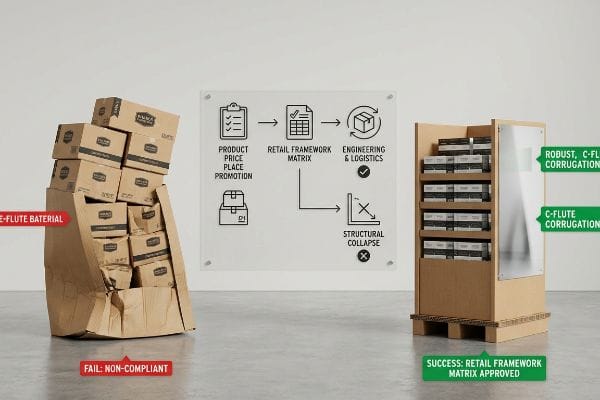
সেই উচ্চ-স্তরের কৌশলকে একটি বাস্তব ঢেউখেলানো ডিসপ্লেতে নিখুঁত নির্ভুলতা প্রয়োজন।
কেন ৪টি 'পি' উপেক্ষা করা রিটেইল রোলআউটকে ব্যর্থ করে দেয়
এমনকি অভিজ্ঞ ডিজাইনাররাও প্রায়শই একটি নির্দিষ্ট খুচরা বিক্রেতা শ্রেণীর ব্যবসায়িক কৌশল উপেক্ষা করেন, এই ভেবে যে দৃষ্টিনন্দন একটি পণ্য এমনিতেই বিক্রি হয়ে যাবে। তারা যাচাই না করেই বিচ্ছিন্ন সৃজনশীল প্রচারণা ডিজাইন করেন যে পণ্যটির আকার আসলে দোকানের প্রচারমূলক অঞ্চল১-এর বা একক মূল্য বাধ্যতামূলক মূল্য চ্যানেল২-।
যখন ক্লায়েন্টরা একটি ওয়্যারহাউস ক্লাবের পরিবেশে একটি উচ্চমানের প্রসাধনী পণ্যের প্রচারণা চালানোর চেষ্টা করে , তখন আমি ক্রমাগত এই অসংগতিটি দেখতে পাই। তারা আমাকে সুন্দরভাবে রেন্ডার করা আর্টওয়ার্ক পাঠায়, কিন্তু ভৌত কাঠামোটি কস্টকো বা স্যাম'স ক্লাবের মতো প্রতিষ্ঠানের 'স্থান' এবং 'পণ্য' সংক্রান্ত বাধ্যবাধকতাগুলোকে উপেক্ষা করে । একবার, একটি ক্লায়েন্টের সাধারণ ই-ফ্লুট বেসের উপর আমাকে নিজের পুরো ওজন দিয়ে চাপ দিতে হয়েছিল, শুধুমাত্র ভেতরের খিলানযুক্ত ফ্লুটিং ভেঙে পড়ার বীভৎস মচমচ শব্দটা শোনার জন্য। তারা তাদের প্রচারমূলক কৌশলটি খুচরা বিক্রেতার কঠোর ২,৫০০ পাউন্ড (১,১৩৩.৯৮ কেজি) ডাইনামিক লোডের প্রয়োজনীয়তার সাথে সামঞ্জস্যপূর্ণ করেনি । ইঞ্জিনিয়ারিং শুরু হওয়ার আগেই একটি রিটেইল ফ্রেমওয়ার্ক ম্যাট্রিক্স প্রয়োগ করার মাধ্যমে, আমরা দোকানের ধরনের সাথে সঠিক লজিস্টিক্যাল কৌশলটি ম্যাপ করি, যা অ্যাসেম্বলি টিমের ঘণ্টার পর ঘণ্টা পুনরায় কাজ করার শ্রম বাঁচায় এবং পয়েন্ট-অফ-পারচেজ লাভজনকতা নিশ্চিত করে।
| নতুনদের সাধারণ ভুল | প্রো ফিক্স | খুচরা-ফ্লোর সুবিধা |
|---|---|---|
| নির্দিষ্ট স্টোর লজিস্টিকস উপেক্ষা করা | খুচরা কাঠামো ম্যাট্রিক্স সারিবদ্ধকরণ4 | নির্ধারিত করিডোরের জায়গার সাথে মানানসই। |
| ক্লাব স্টোরগুলির জন্য অপর্যাপ্ত প্রকৌশল | হেভি-ডিউটি বাঁশিতে আপগ্রেড করা5 | ওজনের চাপে পিষ্ট হওয়া প্রতিরোধ করে |
| কাঠামো থেকে মূল্যকে বিচ্ছিন্ন করা | ROI লক্ষ্যমাত্রার সাথে প্যাকেজিং মেলানো | খুচরা বিক্রেতার তাৎক্ষণিক প্রত্যাখ্যান এড়ানো যায় |
অন্তর্নিহিত ব্যবসায়িক কৌশলগুলো নিখুঁতভাবে স্থির না হওয়া পর্যন্ত একটি ভৌত ডিসপ্লে তৈরি করা অসম্ভব। একটি সুন্দর নকশাও অকেজো, যদি ভোক্তার দেখার আগেই এর কাঠামোগত ত্রুটি দেখা দেয়।.
🛠️ হার্ভির ডেস্ক: আপনার নতুন ফ্লোর ইউনিটটি বড় বড় কোম্পানির কাঠামোগত নিয়মকানুন মেনে চলে কি না, তা নিয়ে নিশ্চিত নন? 👉 একটি ফ্রি ফ্রেমওয়ার্ক অডিটের জন্য অনুরোধ করুন ↗ — সরাসরি আমার ডেস্কে অ্যাক্সেস। কোনো স্বয়ংক্রিয় সেলস স্প্যাম থাকবে না, আমি কথা দিচ্ছি।
মার্কেটিং-এর কি ৪টি নাকি ৭টি 'পি' আছে?
বিপণনকারীরা মৌলিক কৌশলগুলোকে প্রসারিত করতে ভালোবাসেন এবং অত্যন্ত জটিল মৌসুমী ভোক্তা প্রোফাইল তৈরি করার জন্য প্রায়শই এর সাথে 'মানুষ, প্রক্রিয়া এবং বাস্তব প্রমাণ' যোগ করেন।.
হ্যাঁ। ব্র্যান্ডগুলো যখন মূল মডেলকে প্রসারিত করে মানুষ, প্রক্রিয়া এবং বাস্তব প্রমাণকে অন্তর্ভুক্ত করে, তখন মার্কেটিংয়ের সাতটি ‘পি’ থাকে। তবে, এই সাতটি কৌশলগত স্তরকে একটি বাস্তব ঢেউখেলানো কাগজের পণ্য রাখার বাক্সে ঠাসাঠাসি করে ঢোকানোর চেষ্টা করলে তা ব্যাপক দৃশ্যগত জঞ্জাল তৈরি করে, যা দ্রুত আবেগতাড়িত রূপান্তরের জন্য প্রয়োজনীয় প্রধান মনস্তাত্ত্বিক উদ্দীপকটিকে অকার্যকর করে দেয়।.
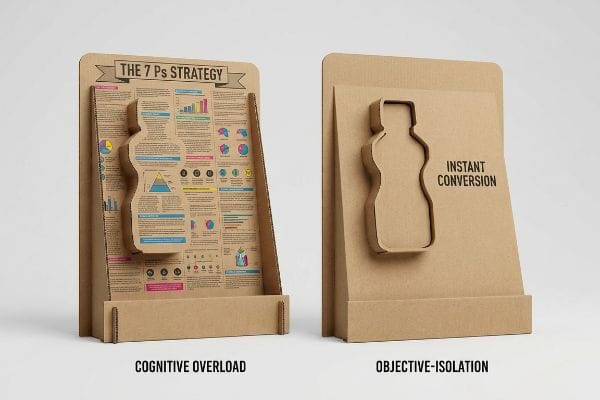
একটি বিশদ কৌশলগত নথি এবং একটি দ্রুতগতির খুচরা পরিবেশের মধ্যে বিশাল পার্থক্য রয়েছে।.
৭টি পি জ্ঞানীয় অতিরিক্ত চাপের ফাঁদ
ব্র্যান্ড ম্যানেজাররা প্রায়শই তাদের মনস্তাত্ত্বিক গবেষণার প্রতিটি স্তর সরাসরি পণ্যের ভৌত প্রদর্শনীতে ছাপিয়ে দেওয়ার চেষ্টা করেন। তারা ধরে নেন যে, তাড়াহুড়ো করা ক্রেতাকে পণ্যের পেছনের মানুষ, প্রক্রিয়া এবং উৎস সম্পর্কে অবহিত করলে তা স্বাভাবিকভাবেই ব্র্যান্ডের মূল্য বৃদ্ধি করবে এবং চড়া দামকে যৌক্তিক প্রমাণ করবে6।
গণ-খুচরা পণ্যদ্রব্য ছাপানোর সময় আমি ক্রমাগত দেখি যে এই কৌশলটি হিতে বিপরীত হয়। একজন ক্লায়েন্ট এমন একটি ফাইল পাঠায় যেখানে ৭টি ‘পি’ (7 Ps)-এর বিস্তারিত বিবরণ দিয়ে অনুচ্ছেদের পর অনুচ্ছেদ লেখা থাকে, যা একটি বিশৃঙ্খল বিলবোর্ড তৈরি করে এবং মূল পণ্যটিকে পুরোপুরি আড়াল করে দেয়। আমার মনে আছে, আমি ঘনভাবে ছাপা, লেখায় ঠাসা একটি পাশের প্যানেলের ওপর আমার বুড়ো আঙুল বুলিয়েছিলাম, ভারী CMYK (সায়ান, ম্যাজেন্টা, ইয়েলো, কী/ব্ল্যাক) কালির প্রলেপের হালকা চটচটে ভাবটা অনুভব করছিলাম, আর জানতাম যে একজন তাড়াহুড়ো করা ক্রেতা এর একটি শব্দও পড়বে না। একটি বড় দোকানে মনোযোগ আকর্ষণ করার জন্য আপনার হাতে মাত্র তিন সেকেন্ডের সুযোগ7।আমরা একটি ‘অবজেক্টিভ-আইসোলেশন’ প্রোটোকল8, যা গৌণ বার্তাগুলো সরিয়ে দেয় এবং শুধুমাত্র একটি নির্দিষ্ট ক্রয়ের উপলক্ষকে লক্ষ্য করে একটি বিশাল ৩ডি ডাই-কাট উপাদান স্থাপন করে, যা মানসিক চাপকে ব্যাপকভাবে হ্রাস করে এবং দোকানে ক্রেতাদের আনাগোনা বাড়ায়।
| নতুনদের সাধারণ ভুল | প্রো ফিক্স | খুচরা-ফ্লোর সুবিধা |
|---|---|---|
| দীর্ঘ অনুচ্ছেদ মুদ্রণ করা | উদ্দেশ্য-বিচ্ছিন্নকরণ প্রোটোকল | ৩ সেকেন্ডে মনোযোগ আকর্ষণ করে9 |
| সম্পূর্ণ ৭ পি কৌশলটি ব্যাখ্যা করা হচ্ছে | একটি সাহসী 3D ডাই-কাটের উপর মনোযোগ কেন্দ্রীভূত করা | শপিং কার্টের চলাচল বন্ধ করে দেয় |
| পণ্যের অফারকে বিশৃঙ্খল করা | গৌণ বার্তা অপসারণ করা | দ্রুত আবেগীয় রূপান্তরকে উৎসাহিত করে10 |
আমার ছাপাখানায় পাঠানোর আগে প্রত্যেক গ্রাহককে তাদের শিল্পকর্ম কঠোরভাবে সম্পাদনা করতে হয়। আপনার প্রদর্শনী যদি বোঝার জন্য চশমার প্রয়োজন হয়, তবে তা সম্পূর্ণ উপেক্ষা করা হবে।.
🛠️ হার্ভির ডেস্ক: আপনার আসন্ন মৌসুমী প্রদর্শনীটি কি অতিরিক্ত লেখার চাপে ভারাক্রান্ত হয়ে পড়ছে বলে চিন্তিত? 👉 আপনার বিনামূল্যে আর্টওয়ার্ক রিভিউ দাবি করুন ↗ — নিরাপদে ডাউনলোড করুন। পরবর্তীতে কোনো প্রশ্ন থাকলে আমার ইনবক্স খোলা আছে।
মার্কেটিং-এর ৪ বা ৫টি 'পি' কী কী?
অ্যাকাডেমিক মডেল অনুসারে, পঞ্চম 'P'-কে প্রায়শই প্যাকেজিং হিসেবে স্বীকৃতি দেওয়া হয়, যা তুলে ধরে কীভাবে ভৌত কাঠামোগত আবরণ সরাসরি ক্রয়কালীন ভোক্তার আচরণকে প্রভাবিত করে।.
মার্কেটিং-এর ৪ বা ৫টি 'পি'-এর মধ্যে রয়েছে পণ্য, মূল্য, স্থান, প্রচার এবং সবচেয়ে গুরুত্বপূর্ণভাবে, প্যাকেজিং। এই কাঠামোর মধ্যে প্যাকেজিংকে অন্তর্ভুক্ত করা নিশ্চিত করে যে আপনার ভৌত কাঠামো ক্রেতাদের মনোযোগ আকর্ষণ করার জন্য বিশেষভাবে ডিজাইন করা হয়েছে, যা তাত্ত্বিক প্রচারমূলক কৌশলগুলোকে দোকানের তাকের উপর অত্যন্ত দৃশ্যমান ও স্পর্শযোগ্য ব্র্যান্ড অভিজ্ঞতায় কার্যকরভাবে রূপান্তরিত করে।.
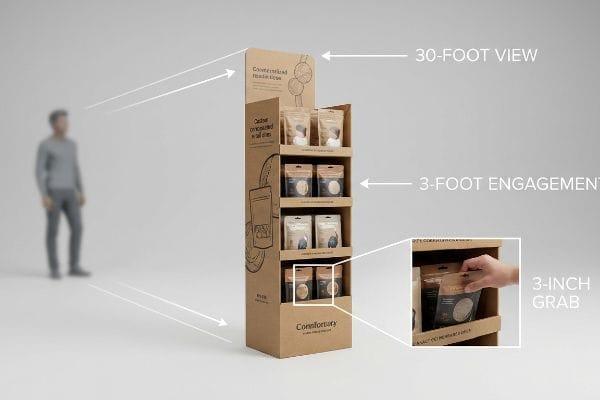
কিন্তু শুধুমাত্র ভালো মোড়ক থাকাই যথেষ্ট নয়, যদি তা সঠিক শারীরিক দূরত্বে থেকে ক্রেতাকে আকৃষ্ট করতে না পারে।.
৩-৩-৩ স্থানিক নিয়মের সাহায্যে পদোন্নতিতে দক্ষতা অর্জন
নবীন বিপণন দলগুলো প্রায়শই খুচরা দোকানের ডিসপ্লে এমনভাবে ডিজাইন করে, যা শুধুমাত্র ব্যাকলিট কম্পিউটার মনিটরে কাছ থেকে দেখার জন্য তৈরি। তারা প্যাকেজিং-এর পঞ্চম 'পি'-কে একটি সমতল ক্যানভাস হিসেবে বিবেচনা করে এবং মানুষ কীভাবে বিশাল, উজ্জ্বল আলোয় আলোকিত দোকানের করিডোরে চলাচল করে, সেই বাস্তবতাকে পুরোপুরি উপেক্ষা করে।
এটি একটি সাধারণ ফাঁদ যা এমনকি অভিজ্ঞ ক্রয় দলগুলোকেও কাবু করে ফেলে। এটিকে এমনভাবে ভাবুন যেন আপনি একটি হাইওয়ে বিলবোর্ড পড়ার চেষ্টা করছেন, যার ফন্ট সাইজ একটি পাঠ্যবইয়ের মতো। আমি একবার একটি মক-আপ ফ্লোরে হাঁটছিলাম এবং একটি সুন্দর ডিসপ্লে লক্ষ্য করলাম যা ত্রিশ ফুট দূর থেকে প্রায় অদৃশ্য হয়ে যাচ্ছিল, কারণ এর রঙগুলো পটভূমির সাথে মিশে গিয়েছিল। আমি একটি কাঁচা ঢেউখেলানো কার্ডবোর্ডের ধার ধরে একটি ইউটিলিটি ছুরি দিয়ে শারীরিকভাবে কেটে ফেললাম— ঘরে ৩২ইসিটি (এজ ক্রাশ টেস্ট) বোর্ড ১২- এর কর্কশ ছিঁড়ে যাওয়ার শব্দ প্রতিধ্বনিত হচ্ছিল—শুধুমাত্র এটা প্রমাণ করার জন্য যে চূড়ান্ত তিন-ইঞ্চি (৭৬.২ মিমি) রূপান্তরের জন্য পণ্যটির ৮৫% দৃশ্যমানতা প্রয়োজন। আমরা ৩-৩-৩ নিয়ম ১৩ প্রয়োগ করি : ৩০-ফুট দূর থেকে বাধা দেওয়ার জন্য সুস্পষ্ট ডাই-কাট আকৃতি, ৩-ফুট দূর থেকে কাজ করার জন্য ৫০ ইঞ্চি (১,২৭০ মিমি) উচ্চতায় সুবিধাজনক আঘাত হানার জায়গা, এবং চূড়ান্তভাবে পণ্যটি হাতে নেওয়ার জন্য বাধাহীন প্রবেশাধিকার।
| নতুনদের সাধারণ ভুল | প্রো ফিক্স | খুচরা-ফ্লোর সুবিধা |
|---|---|---|
| শুধুমাত্র কাছ থেকে দেখার জন্য ডিজাইন করা হয়েছে | ৩-৩-৩ নিয়ম স্থানিক সম্পৃক্ততা14 | ৩০ ফুট দূর থেকে যান চলাচল আকর্ষণ করে |
| উঁচু ঠোঁটের আড়ালে পণ্য লুকানো | ৮৫% দৃশ্যমানতার জন্য ঠোঁট কাটা15 | ঘর্ষণহীন পণ্য আঁকড়ে ধরা |
| গুরুত্বপূর্ণ জিনিসপত্র খুব নিচে রাখা | ৫০-ইঞ্চি স্ট্রাইক জোন ব্যবহার করে ১৬ | ক্রেতাদের জন্য আরামদায়ক নাগাল সর্বাধিক করে তোলে |
সফল কাঠামো মানুষের চোখের জন্য তৈরি করা হয়, কোনো সমতল কম্পিউটার স্ক্রিনের জন্য নয়। আপনার প্রদর্শনী যদি মানুষকে আকর্ষণ করতে না পারে, তবে আপনার প্রচার কৌশল ইতিমধ্যেই ব্যর্থ হয়েছে।.
🛠️ হার্ভির ডেস্ক: আপনার মূল পণ্যগুলো কি নিম্নমানের ঢেউখেলানো কার্ডবোর্ডের রিটেইনিং লিপের আড়ালে লুকিয়ে আছে? 👉 আপনার স্ট্রাকচারাল CAD ব্লুপ্রিন্টটি নিন ↗ — কোনো ফর্ম নেই যা অবিরাম সেলস কলের কারণ হয়। শুধু খাঁটি মূল্য।
মার্কেটিং-এর ৪ পি এবং ৪ সি বলতে কী বোঝায়?
যেখানে ৪টি 'পি' বিক্রেতার কৌশলের উপর আলোকপাত করে, সেখানে ৪টি 'সি' দৃষ্টিভঙ্গিটিকে ক্রেতার দিকে ঘুরিয়ে দেয় এবং খরচ, ধারণা, সুবিধা ও যোগাযোগ বিশ্লেষণ করে।.
বিপণনের ৪ পি এবং ৪ সি বিক্রেতার কৌশলকে ভোক্তার চাহিদার সাথে একীভূত করে, যেখানে পণ্যকে ধারণায়, মূল্যকে খরচে, স্থানকে সুবিধায় এবং প্রচারকে যোগাযোগে রূপান্তরিত করা হয়। এই মডেলগুলোর সমন্বয় গুরুতর সরবরাহগত ভারসাম্যহীনতা প্রতিরোধ করে এবং ভৌত প্যাকেজিং যে দৃশ্যগত প্রভাব ফেলে ও সরবরাহ শৃঙ্খলের কাঠামোগত টিকে থাকা নিশ্চিত করে, তা নিশ্চিত করে।.
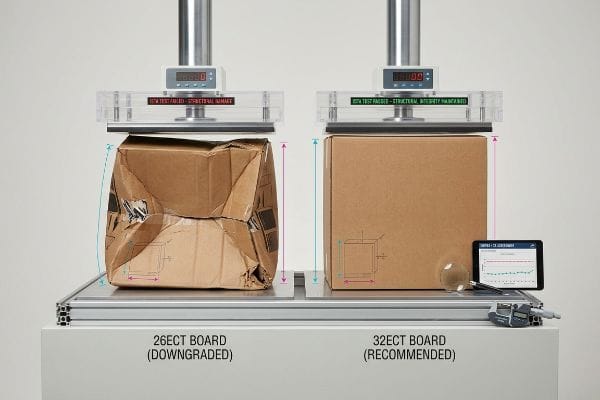
কিন্তু যখন যন্ত্রগুলো চলতে শুরু করে এবং ক্রয় প্রক্রিয়ায় কারচুপি শুরু হয়, তখন শুধু তত্ত্ব জানাই যথেষ্ট নয়।.
কেন ৪ সি-এর ভারসাম্যহীনতা কারখানার মুনাফা ধ্বংস করে
ক্রয় বিভাগগুলি প্রায়শই ৪ সি কাঠামোর প্রাথমিক 'খরচ' মেট্রিকটিকে বিচ্ছিন্ন করে এবং কঠোরভাবে এর উপরেই মনোযোগ দেয়। তারা ধরে নেয় যে বিতরণের সময় ভৌত 'ধারণা' এবং 'যোগাযোগ' অপরিবর্তিত থাকবে, এবং তারা প্রাথমিক পর্যায়ে সামান্য কিছু অর্থ সাশ্রয়ের জন্য কাঠামোগত মানগুলিকে দুর্বল করার চেষ্টা করে ।
আমার প্রতিষ্ঠানে, আমি নিয়মিতই দেখি যে খরচ কমানোর এই ফাঁদটি টেস্টিং ফ্লোরে চরম বিপর্যয় সৃষ্টি করে। সম্প্রতি একজন ক্লায়েন্ট তাদের ইউনিট খরচ কমানোর জন্য একটি সস্তা 26ECT বোর্ডে ডাউনগ্রেড করার নির্দেশ দেন, যা অ্যাসেম্বলির সুবিধার উপর কী প্রভাব ফেলবে তা উপেক্ষা করেই। আমাদের প্রাথমিক ISTA (ইন্টারন্যাশনাল সেফ ট্রানজিট অ্যাসোসিয়েশন) ভাইব্রেশন সিমুলেশন18, আমি দেখলাম যে ডাইনামিক টপ-লোডের প্রভাবে দুর্বল হয়ে যাওয়া পাশের প্যানেলগুলো ঠিক ০.৪২ ইঞ্চি (১০.৬৬ মিমি) বাইরের দিকে বেঁকে যায়, যার ফলে প্রিন্ট করা গ্রাফিক্স ছিঁড়ে যায় এবং ব্র্যান্ডের 'কমিউনিকেশন' লেখাটি নষ্ট হয়ে যায়। আমি মাইক্রোমিটারের রিডিং নিয়ে প্রমাণ করি যে বোর্ডটিকে তার আসল 32ECT মানে ফিরিয়ে আনার ফলে BCT (বক্স কম্প্রেশন টেস্ট) শক্তিতে19। এই সমন্বিত ৪ সি (4 Cs) মূল্যায়ন প্রয়োগ করে এবং কাঠামোগত অখণ্ডতা রক্ষা করার মাধ্যমে, আমরা মারাত্মক বেস বাকলিং প্রতিরোধ করতে সক্ষম হয়েছি, যা অন্যথায় খুচরা বিক্রেতার দ্বারা তাৎক্ষণিক প্রত্যাখ্যানের কারণ হতো, এবং এর ফলে প্রকল্পের সম্পূর্ণ লাভের অংশ রক্ষা পেয়েছে।
| নতুনদের সাধারণ ভুল | প্রো ফিক্স | খুচরা-ফ্লোর সুবিধা |
|---|---|---|
| শুধুমাত্র কাঁচামালের একক খরচ নিয়ে অতিরিক্ত চিন্তা করা | একীভূত ৪ সি মূল্যায়ন | খুচরা বিক্রেতাদের বিপুল পরিমাণ চার্জব্যাক প্রতিরোধ করে20 |
| দুর্বল 26ECT বোর্ডে অবনমন | ৩২ইসিটি ভার্জিন ক্রাফট বাধ্যতামূলক করা21 | ভারী প্যালেটের উপর দিয়ে চাপ সহ্য করে |
| অ্যাসেম্বলি লাইনের ঘর্ষণ উপেক্ষা করা | নির্ভুল কাঠামোগত প্রকৌশল | কো-প্যাকিংয়ের সময় উল্লেখযোগ্যভাবে কমিয়ে দেয়22 |
বিচ্ছিন্ন খরচের মাপকাঠি দিয়ে আপনার কাঠামোগত প্রকৌশলের সিদ্ধান্ত নেওয়া উচিত নয়। একটি আর্দ্র গুদামে ভেঙে পড়া একটি সস্তা ডিসপ্লে হলো আপনার করা সবচেয়ে ব্যয়বহুল ভুল।.
🛠️ হার্ভির ডেস্ক: একটি ২-মিলিমিটার কাঠামোগত ত্রুটির কারণে ৫০০টি দোকানে পণ্য সরবরাহের পরিকল্পনা যেন ভেস্তে না যায়। 👉 আপনার ডাইলাইন ফাইলটি আমাকে পাঠান ↗ — গণ-উৎপাদনে বাজেট অপচয় করার আগে আমি এর গাণিতিক হিসাব স্ট্রেস-টেস্ট করে নেব।
উপসংহার
আপনি সারা বছর মার্কেটিং ফ্রেমওয়ার্ক নিয়ে মাথা ঘামাতে পারেন, কিন্তু যখন আপনার ক্রয়কারী দল সামান্য কিছু টাকা বাঁচাতে একটি দুর্বল 26ECT বোর্ড ব্যবহার করে, তখন উপর থেকে চাপানো ওজনের কারণে বেস বেঁকে যাওয়ার ফলে খুচরা বিক্রেতারা সাথে সাথে পণ্যটি প্রত্যাখ্যান করবে এবং কয়েক সপ্তাহ ধরে ব্যয়বহুল ম্যানুয়াল রিওয়ার্ক করতে হবে। আমার সেরা ১০ জন খুচরা বিক্রেতা ক্লায়েন্ট প্রিন্ট প্রত্যাখ্যান শূন্যে নামিয়ে আনার নিশ্চয়তা দিতে ঠিক এই স্পেক শিটটিই ব্যবহার করেন। কাঠামোগত স্থায়িত্ব নিয়ে অনুমান করা বন্ধ করুন এবং ব্যাপক উৎপাদন শুরু হওয়ার আগেই মারাত্মক ভারবহন ত্রুটিগুলো ধরতে আমাকে ব্যক্তিগতভাবে আমার ফ্রি ডাইলাইন অডিট ↗- এর মাধ্যমে আপনার ফাইলগুলো পরীক্ষা করতে দিন।
"এজি ১০৯১এ: ফ্রন্টেজ জোনে খুচরা পণ্য প্রদর্শন", https://www.seattle.gov/transportation/permits-and-services/permits/applicant-guides/ag-1091a। খুচরা পণ্য বিপণনের জন্য শিল্প মান নিশ্চিত করে যে নিরাপত্তা এবং গ্রাহক চলাচল নিশ্চিত করার জন্য প্রদর্শনের স্থান অবশ্যই কঠোর পরিচালন জোনিং মেনে চলতে হবে। প্রমাণের ভূমিকা: যাচাইকরণ; উৎসের ধরণ: শিল্প ম্যানুয়াল। সমর্থন করে: খুচরা ব্যবসায় 'স্থান' সম্মতির জন্য লজিস্টিক প্রয়োজনীয়তা। পরিধি নোট: ভৌত দোকানের বিন্যাসের জন্য প্রযোজ্য। ↩
"[পিডিএফ] ইউনিট প্রাইসিং গাইড: ইউনিট প্রাইসিং-এর একটি সর্বোত্তম অনুশীলন পদ্ধতি", http://nvlpubs.nist.gov/nistpubs/SpecialPublications/NIST.SP.1181.pdf। কর্পোরেট খুচরা চুক্তিগুলিতে সাধারণত সার্বিকভাবে মার্জিনের সামঞ্জস্য বজায় রাখার জন্য নির্দিষ্ট বিক্রয় চ্যানেলগুলির জন্য মূল্যের স্তর এবং ব্যয়ের সর্বোচ্চ সীমা উল্লেখ করা থাকে। প্রমাণের ভূমিকা: যাচাইকরণ; উৎসের ধরণ: ব্যবসায়িক বাণিজ্য পত্রিকা। সমর্থন করে: 'মূল্য' সমন্বয়ের আর্থিক প্রয়োজনীয়তা। পরিধি টীকা: স্বতন্ত্র খুচরা বিক্রেতার চুক্তি অনুসারে পরিবর্তিত হয়। ↩
"ওয়্যারহাউস রিটেইলারদের জন্য আকর্ষণীয় ক্লাব স্টোর ডিসপ্লে", https://www.qpack.com/retail-displays/pallet/club-store। ওয়্যারহাউস ক্লাবগুলির জন্য একটি প্রামাণ্য রিটেইল কমপ্লায়েন্স ম্যানুয়াল বা সাপ্লায়ার গাইড, কাঠামোগত ব্যর্থতা রোধ করার জন্য প্যালেট বা ডিসপ্লে বেসের প্রয়োজনীয় নির্দিষ্ট ওজন ধারণক্ষমতা যাচাই করবে। প্রমাণের ভূমিকা: প্রযুক্তিগত স্পেসিফিকেশনের যাচাইকরণ; উৎসের ধরণ: রিটেইলার কমপ্লায়েন্স ম্যানুয়াল। সমর্থন করে: বিগ-বক্স রিটেইলের নির্দিষ্ট লজিস্টিক্যাল এবং কাঠামোগত প্রয়োজনীয়তা। পরিধি নোট: নির্দিষ্ট ডিসপ্লের ধরণ বা রিটেইলার ভেদে প্রয়োজনীয়তা ভিন্ন হতে পারে। ↩
"... ব্যবহার করে রিয়েল-টাইম রিটেইল প্ল্যানোগ্রাম কমপ্লায়েন্স অ্যাপ্লিকেশন", https://pmc.ncbi.nlm.nih.gov/articles/PMC12708730/। শিল্প-সম্পর্কিত ডকুমেন্টেশন, যেখানে বিশদভাবে বর্ণনা করা হয়েছে কীভাবে প্রমিত রিটেইল ফ্রেমওয়ার্কগুলো পণ্যের মাত্রাকে স্টোর ফ্লোরের প্রয়োজনীয়তা এবং প্ল্যানোগ্রামের নির্দেশনার সাথে সামঞ্জস্যপূর্ণ করে। প্রমাণের ভূমিকা: পদ্ধতিগত প্রমাণ; উৎসের ধরণ: রিটেইল ম্যানেজমেন্ট গাইড। সমর্থন করে: স্টোরের লেআউটের সাথে ভৌত সামঞ্জস্য নিশ্চিত করতে স্ট্রাকচার্ড ম্যাট্রিক্সের ব্যবহার। পরিধি সংক্রান্ত নোট: বাস্তবায়ন প্রতিটি রিটেইলারের প্রয়োজন অনুযায়ী ভিন্ন হতে পারে। ↩
"কোরুগেটেড প্যাকেজিং: প্রকারভেদ, শক্তি এবং শৈলী", https://www.boldtsmithpackagingconsultants.com/all-about-packaging-corrugated/। উচ্চ-পরিমাণ খুচরা পরিবেশে করোগেটেড কার্ডবোর্ডের ফ্লুটিং গ্রেড এবং তাদের উল্লম্ব সংকোচন শক্তি (ECT) সম্পর্কিত প্রযুক্তিগত বিবরণ। প্রমাণের ভূমিকা: প্রযুক্তিগত বৈধতা; উৎসের ধরণ: প্যাকেজিং ইঞ্জিনিয়ারিং স্ট্যান্ডার্ড। সমর্থন: ক্লাব স্টোরগুলিতে প্যালেট ধসে পড়া রোধ করার জন্য কাঠামোগত শক্তিবৃদ্ধির প্রয়োজনীয়তা। পরিধি সংক্রান্ত টীকা: বিশেষভাবে করোগেটেড ফাইবারবোর্ড উপকরণকে বোঝায়। ↩
"মার্কেটিং-এ গল্প বলা: ব্র্যান্ড ন্যারেটিভের গুরুত্ব", https://online.uwa.edu/news/brand-narrative-storytelling/। প্রামাণ্য মার্কেটিং গবেষণা দেখায় যে, ব্র্যান্ডের মূল্যবোধ ও উৎস সম্পর্কে ভোক্তাদের শিক্ষিত করা কীভাবে ব্র্যান্ড ইকুইটি বৃদ্ধি করে এবং উচ্চতর মূল্য নির্ধারণে সহায়তা করে। প্রমাণের ভূমিকা: তাত্ত্বিক বৈধতা; উৎসের ধরণ: পিয়ার-রিভিউড মার্কেটিং জার্নাল। সমর্থন করে: উল্লিখিত ব্র্যান্ড ম্যানেজারের অনুমানগুলোর পেছনের মার্কেটিং যুক্তি। পরিধি নোট: পণ্যের বিভাগ অনুযায়ী প্রভাব ভিন্ন হয়। ↩
"ক্রেতাদের ব্রাউজিং আচরণ এবং মনোযোগের স্তর অন্বেষণ...", https://pmc.ncbi.nlm.nih.gov/articles/PMC6895988/। আই-ট্র্যাকিং গবেষণা বা রিটেইল সাইকোলজি থেকে প্রাপ্ত গবেষণালব্ধ তথ্য, যা অধিক জনসমাগমপূর্ণ পরিবেশে একজন ক্রেতার মনোযোগ আকর্ষণের জন্য উপলব্ধ সীমিত সময়কে তুলে ধরে। প্রমাণের ভূমিকা: পরিমাণগত বৈধতা; উৎসের ধরণ: আচরণগত মনোবিজ্ঞান গবেষণা। সমর্থন করে: তাৎক্ষণিক ক্রয়ে রূপান্তরের জন্য মনোযোগের একটি কঠোর সময়সীমার দাবিকে। পরিধি সংক্রান্ত টীকা: পণ্যের বিভাগ অনুযায়ী সময়সীমা ভিন্ন হতে পারে। ↩
"[পিডিএফ] রিটেইল ওভারলোড: কেনাকাটার অভিজ্ঞতায় বিভ্রান্তি", https://www.leedsbeckett.ac.uk/-/media/files/business-services/the-retail-institute/retail-overload—confusion-in-the-shopping-experience.pdf। ভিজ্যুয়াল মার্চেন্ডাইজিং-এ অবজেক্টিভ-আইসোলেশন পদ্ধতির ডকুমেন্টেশন এবং কগনিটিভ লোড কমাতে এর কার্যকারিতা। প্রমাণের ভূমিকা: ধারণাগত যাচাইকরণ; উৎসের ধরণ: ডিজাইন ম্যানুয়াল বা মার্কেটিং পাঠ্যপুস্তক। সমর্থন করে: দোকানে ক্রেতাদের আনাগোনা বাড়ানোর জন্য সেকেন্ডারি মেসেজিং বাদ দেওয়ার কৌশল। পরিধি নোট: এটি একটি বিশেষায়িত বা মালিকানাধীন শিল্প কাঠামো হতে পারে। ↩
"গোল্ডফিশের মতো ছোট মনোযোগ: বিপণনকারীর নতুন চ্যালেঞ্জ", https://www.retaildive.com/ex/mobilecommercedaily/goldfish-sized-attention-spans-the-marketers-new-challenge। একটি নির্ভরযোগ্য বাহ্যিক উৎস কীভাবে এই দাবিকে সমর্থন করে তার সংক্ষিপ্ত ব্যাখ্যা। প্রমাণের ভূমিকা: তথ্যগত যাচাইকরণ; উৎসের ধরণ: ভোক্তা মনোবিজ্ঞান গবেষণা। সমর্থন: খুচরা ব্যবসায় মনোযোগ আকর্ষণের সঠিক সময়। পরিধি টীকা: সাধারণ খুচরা পরিবেশ। ↩
"সময়ের চাপ এবং ভোক্তাদের মধ্যে সম্পর্ক … – পিএমসি", https://pmc.ncbi.nlm.nih.gov/articles/PMC10750050/। একটি প্রামাণিক বাহ্যিক উৎস কীভাবে এই দাবিকে সমর্থন করে তার সংক্ষিপ্ত ব্যাখ্যা। প্রমাণের ভূমিকা: কার্যকারণ যাচাই; উৎসের ধরণ: আচরণগত অর্থনীতি বিষয়ক গবেষণা। সমর্থন: রূপান্তর বৃদ্ধির জন্য গৌণ বার্তা হ্রাস। পরিধি টীকা: বিক্রয়কেন্দ্রের ডিসপ্লের ক্ষেত্রে প্রযোজ্য। ↩
"একটি সফল ব্যবসার জন্য মার্কেটিং-এর ৫টি পি", https://www.litmusbranding.com/blog/the-5-ps-of-marketing-and-why-product-packaging-is-a-part-of-the-mix/। অ্যাকাডেমিক মার্কেটিং সাহিত্য যা প্রচলিত ৪টি পি-এর মিশ্রণে প্যাকেজিং-এর সংযোজনকে নিশ্চিত করে। প্রমাণের ভূমিকা: ধারণাগত বৈধতা; উৎসের ধরণ: অ্যাকাডেমিক পাঠ্যপুস্তক। সমর্থন করে: প্যাকেজিং-কে একটি কৌশলগত মার্কেটিং 'পি' হিসেবে শ্রেণিবিন্যাস করা। পরিধি টীকা: কিছু মডেল পঞ্চম পি হিসেবে 'মানুষ' বা 'প্রক্রিয়া' ব্যবহার করে। ↩
"কোরুগেটেড বক্সের শক্তি নির্দেশিকা: ফ্লুট গ্রেড, ইসিটি রেটিং এবং ওয়াল...", https://anchorbox.com/corrugated-box-strength/। এজ ক্রাশ টেস্ট (ইসিটি)-এর প্রযুক্তিগত মান কোরুগেটেড প্যাকেজিং উপকরণের উপর থেকে নীচের সংকোচন শক্তি নির্ধারণ করে। প্রমাণের ভূমিকা: প্রযুক্তিগত স্পেসিফিকেশন; উৎসের ধরণ: শিল্প মান। সমর্থন করে: উল্লিখিত প্যাকেজিং বোর্ডের উপাদানগত বৈশিষ্ট্য। পরিধি টীকা: কোরুগেটেড বোর্ডের কার্যকারিতার জন্য মান। ↩
"কার্যকরী ডিসপ্লে এবং গ্রাহক প্রবাহের জন্য খুচরা দোকানের নকশা", https://www.business.qld.gov.au/industries/manufacturing-retail/retail-wholesale/retail-displays। ভোক্তার মনোযোগ আকর্ষণ এবং সম্পৃক্ততা সহজতর করার জন্য প্রয়োজনীয় স্থানিক দূরত্ব সম্পর্কিত খুচরা পণ্য বিপণন এবং ভিজ্যুয়াল ডিজাইনের নীতিমালা। প্রমাণের ভূমিকা: শিল্প কাঠামো; উৎসের ধরণ: খুচরা পণ্য বিপণন নির্দেশিকা। সমর্থন করে: ৩-৩-৩ ডিজাইন পদ্ধতির স্থানিক কার্যকারিতা। পরিধি টীকা: পয়েন্ট-অফ-পারচেজ ডিসপ্লে ইঞ্জিনিয়ারিংয়ের জন্য নির্দিষ্ট। ↩
"৩-সেকেন্ডের নিয়ম: একটি নিখুঁত প্যাকেজের সামনের প্যানেলের নকশা", https://ecrm.marketgate.com/Blog/2022/04/The-3-Second-Rule-Designing-a-Perfect-Package-Front-Panel। রিটেইল মার্চেন্ডাইজিং-এর উপর একটি প্রামাণ্য নির্দেশিকা নির্দিষ্ট দূরত্ব থেকে ভোক্তা আকর্ষণের উপর ৩-৩-৩ নিয়মের প্রভাবকে সংজ্ঞায়িত করে। প্রমাণের ভূমিকা: প্রযুক্তিগত সংজ্ঞা; উৎসের ধরণ: রিটেইল ডিজাইন ম্যানুয়াল। সমর্থন করে: স্থানিক সম্পৃক্ততা কৌশল। পরিধির টীকা: ভৌত ইট-পাথরের পরিবেশের জন্য প্রযোজ্য। ↩
"ব্র্যান্ড প্লেসমেন্ট অ্যান্ড কনজিউমার চয়েস – পিএমসি – এনআইএইচ", https://pmc.ncbi.nlm.nih.gov/articles/PMC2741065/। মার্চেন্ডাইজিং সমীক্ষা থেকে প্রাপ্ত পরিমাণগত ডেটা যা শেলফের প্রান্তের উচ্চতা এবং দৃশ্যমানতার শতাংশের মধ্যে পারস্পরিক সম্পর্ক প্রদর্শন করে। প্রমাণের ভূমিকা: পরিমাণগত মেট্রিক; উৎসের ধরণ: ভোক্তা আচরণ সমীক্ষা। সমর্থন করে: চাক্ষুষ প্রবেশগম্যতার দাবি। পরিধি নোট: পণ্যের SKU আকারের উপর ভিত্তি করে দৃশ্যমানতা পরিবর্তিত হতে পারে। ↩
"স্ট্রাইক জোন | পরিভাষা – MLB.com", https://www.mlb.com/glossary/rules/strike-zone। খুচরা দোকানের তাক থেকে ক্রেতার সাথে মিথস্ক্রিয়া এবং সহজে নাগাল পাওয়ার জন্য সর্বোত্তম উচ্চতার পরিসীমা নির্ধারণকারী আর্গোনমিক গবেষণা। প্রমাণের ভূমিকা: আর্গোনমিক মান; উৎসের ধরণ: শিল্প নকশা নির্দেশিকা। সমর্থন করে: ক্রেতার নাগাল পাওয়ার আর্গোনমিক অপ্টিমাইজেশন। পরিধি সংক্রান্ত টীকা: গড় প্রাপ্তবয়স্কের অ্যানথ্রোপোমেট্রিক তথ্যের উপর ভিত্তি করে। ↩
"উদ্ভাবনী নকশার ঢেউখেলানো বোর্ড প্যাকেজিং...", https://bioresources.cnr.ncsu.edu/resources/corrugated-board-packaging-with-innovative-design-for-enhanced-durability-during-transport/। প্যাকেজিং-এর সংগ্রহ প্রবণতার বিশ্লেষণ, যেখানে বোর্ডের গ্রেড কমালে ক্ষতির হার বৃদ্ধি পায় এবং লুকানো লজিস্টিক খরচ বাড়ে। প্রমাণের ভূমিকা: প্রযুক্তিগত যাচাইকরণ; উৎসের ধরণ: শিল্প প্রতিবেদন বা সাপ্লাই চেইন জার্নাল। সমর্থন করে: স্বল্পমেয়াদী খরচ সাশ্রয়ের জন্য উপকরণের গুণমান কমানোর অনুশীলন। পরিধি টীকা: ঢেউখেলানো এবং স্ট্রাকচারাল ফাইবারবোর্ড প্যাকেজিং-এর ক্ষেত্রে প্রযোজ্য। ↩
"পরীক্ষা পদ্ধতি – আন্তর্জাতিক নিরাপদ ট্রানজিট সংস্থা", https://ista.org/test_procedures.php। প্যাকেজিংয়ের স্থায়িত্ব যাচাই করার জন্য ট্রানজিট কম্পন অনুকরণে শিল্প-স্বীকৃত প্রোটোকলগুলো ISTA মান কীভাবে নির্ধারণ করে, তার সংক্ষিপ্ত ব্যাখ্যা। প্রমাণের ভূমিকা: যাচাইকরণ; উৎসের ধরণ: শিল্প মান। সমর্থন করে: উল্লিখিত পরীক্ষা পদ্ধতির নির্ভরযোগ্যতা। পরিধি টীকা: বৈশ্বিক লজিস্টিকস প্যাকেজিংয়ের জন্য প্রযোজ্য। ↩
"ঢেউখেলানো বোর্ডের সংকোচন শক্তির প্রাক্কলন...", https://pmc.ncbi.nlm.nih.gov/articles/PMC8467740/। কাঠামোগত সম্পর্কের সংক্ষিপ্ত ব্যাখ্যা যেখানে এজ ক্রাশ টেস্ট (ECT) রেটিং সরাসরি মোট বক্স কম্প্রেশন টেস্ট (BCT) শক্তিকে প্রভাবিত করে। প্রমাণের ভূমিকা: প্রযুক্তিগত যাচাই; উৎসের ধরণ: ম্যাটেরিয়ালস ইঞ্জিনিয়ারিং ম্যানুয়াল। সমর্থন করে: এই দাবি যে ECT বৃদ্ধি করলে কাঠামোগত শক্তির হ্রাস রোধ হয়। পরিধিগত টীকা: প্রকৃত BCT বক্সের মাত্রা এবং জোড়ের গঠনের উপর নির্ভর করে। ↩
"কন্ট্রাক্ট প্যাকেজিং-এর কোন ভুলগুলো রিটেইলারদের চার্জব্যাকের কারণ হয়?", https://www.industrialpackaging.com/blog/copacker-mistakes-retailer-chargebacks। রিটেইলাররা শিপিং-এর ভুল বা প্যাকেজিং-এর ব্যর্থতার জন্য আর্থিক জরিমানা (চার্জব্যাক) আরোপ করে, যা ওয়্যারহাউস অটোমেশন বা শেল্ফিং-এ ব্যাঘাত ঘটায়। প্রমাণের ভূমিকা: অর্থনৈতিক প্রভাব বিশ্লেষণ; উৎসের ধরণ: রিটেইল লজিস্টিকস ম্যানুয়াল। সমর্থন করে: একটি সমন্বিত মূল্যায়ন এবং জরিমানার খরচ হ্রাসের মধ্যে সংযোগ। পরিধি সংক্রান্ত টীকা: বিশেষভাবে বিগ-বক্স রিটেইল পরিবেশের জন্য প্রযোজ্য। ↩
"প্যালেটের টপ-ডেক স্টিফনেসের প্রভাবের অনুসন্ধান … – পিএমসি", https://pmc.ncbi.nlm.nih.gov/articles/PMC8585293/। প্যাকেজিং ইঞ্জিনিয়ারিং স্ট্যান্ডার্ডে উল্লেখ করা আছে যে, উচ্চতর এজ ক্রাশ টেস্ট (ECT) রেটিং প্যালেটের স্থিতিশীলতার জন্য প্রয়োজনীয় উল্লম্ব সংকোচন শক্তি বৃদ্ধি করে। প্রমাণের ভূমিকা: প্রযুক্তিগত যাচাইকরণ; উৎসের ধরণ: প্যাকেজিং শিল্পের স্ট্যান্ডার্ড। সমর্থন করে: এই দাবি যে ৩২ECT ভারী বোঝার নিচে ভেঙে পড়া প্রতিরোধ করে। পরিধি সংক্রান্ত টীকা: কার্যকারিতা বোর্ডের গ্রেড এবং আর্দ্রতার উপর নির্ভর করে। ↩
"কাঠামোগত প্যাকেজিং ডিজাইন কীভাবে অপচয় এবং খরচ কমায়", https://www.bcipkg.com/how-structural-packaging-design-reduces-waste-and-costs/। কাঠামোগত ডিজাইনে নির্ভুলতা অ্যাসেম্বলির ঘর্ষণ এবং শারীরিক পরিশ্রমের চাপ কমায়, যার ফলে কো-প্যাকিংয়ের জন্য প্রয়োজনীয় শ্রমঘণ্টা হ্রাস পায়। প্রমাণের ভূমিকা: পরিচালন দক্ষতার পরিমাপক; উৎসের ধরণ: উৎপাদন সংক্রান্ত কেস স্টাডি। সমর্থন করে: এই দাবি যে প্রকৌশলগত নির্ভুলতা শ্রমের সময় কমায়। পরিধি সংক্রান্ত টীকা: পণ্যের কিটের জটিলতার উপর ভিত্তি করে ফলাফল ভিন্ন হতে পারে। ↩