মার্কিন যুক্তরাষ্ট্রের প্রধান খুচরা বিক্রেতাদের কাছে পণ্য পৌঁছে দেওয়া একটি বিশাল মাইলফলক, কিন্তু করোগেটেড কার্ডবোর্ডের প্রকৌশলগত বাস্তবতা উপেক্ষা করলে তা দ্রুত আপনার ব্র্যান্ডের বিজয়কে একটি ব্যয়বহুল সরবরাহ-সংক্রান্ত দুঃস্বপ্নে পরিণত করবে।.
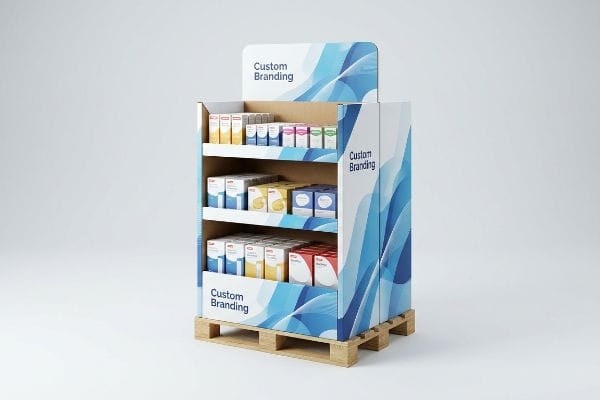
খুচরা বিক্রির জন্য প্রস্তুত কাস্টম প্যালেট ডিসপ্লে হলো স্বয়ংসম্পূর্ণ ঢেউখেলানো কার্ডবোর্ডের কাঠামো, যা দোকানের মেঝেতে সরাসরি পণ্য প্রদর্শনের জন্য বিশেষভাবে তৈরি। এগুলি পাইকারি পণ্য পরিবহনের লজিস্টিকস এবং বিক্রয়কেন্দ্রে ক্রেতার সম্পৃক্ততার মধ্যেকার ব্যবধান পূরণ করে, ব্র্যান্ডের দৃশ্যমানতা সর্বাধিক করে এবং ব্যস্ত খুচরা বিক্রেতাদের জন্য দ্রুত পণ্য মজুত নিশ্চিত করে।.
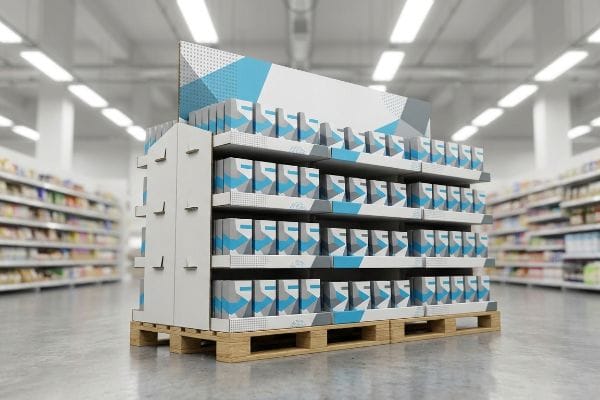
আপনি বিশ্বের সবচেয়ে সুন্দর শিল্পকর্ম ডিজাইন করতে পারেন, কিন্তু যদি এর ভৌত কাঠামোটি অতিরিক্ত পণ্যের চাপে ভেঙে পড়ে বা খুচরা দোকানের কঠোর নির্দেশিকা লঙ্ঘন করে, তবে আপনার ক্যাম্পেইন শুরুতেই ব্যর্থ হবে। চলুন জেনে নেওয়া যাক, কীভাবে এই মার্চেন্ডাইজারগুলোকে এমনভাবে ডিজাইন করা যায় যাতে সেগুলো সাপ্লাই চেইনের চাপ সামলে টিকে থাকতে পারে এবং বিক্রি বাড়াতে পারে।.
খুচরা দোকানে পণ্য কীভাবে প্রদর্শন করবেন?
দোকানে আপনার মজুদ পণ্য প্রদর্শনের সেরা উপায় বের করার অর্থ হলো, এর দৃষ্টিনন্দন রূপ এবং প্রতিদিনের পণ্য পুনরায় মজুত করার কঠোর বাস্তবতার মধ্যে ভারসাম্য রক্ষা করা।.
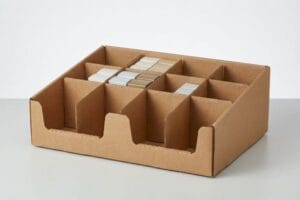
পণ্য কার্যকরভাবে প্রদর্শন করার জন্য, সেগুলোকে ঘন ও নিখুঁতভাবে প্রতিসম ব্লকের পরিবর্তে অপ্রতিসম ও মডিউলার গুচ্ছে ভাগ করা প্রয়োজন। এই অন্তর্নির্মিত কাঠামোগত ব্যবধান একটি দৃশ্যগত টানাপোড়েন তৈরি করে যা স্বাভাবিকভাবেই ক্রেতার দৃষ্টি আকর্ষণ করে এবং একই সাথে দোকানে তাড়াহুড়ো করে পণ্য পুনরায় সাজানোর প্রক্রিয়ার সময় পেপারবোর্ড ছিঁড়ে যাওয়া সম্পূর্ণরূপে রোধ করার জন্য প্রয়োজনীয় সুনির্দিষ্ট ভৌত ব্যবধানও প্রদান করে।.
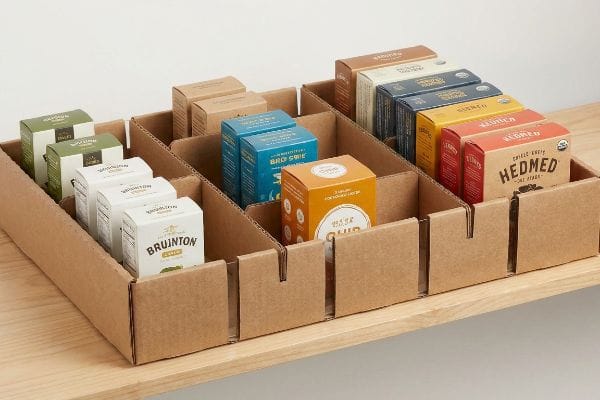
শুনতে সহজ মনে হলেও, ট্রে খুব ঠাসাঠাসি করে সাজানোই হলো প্রধান কারণ যার জন্য আমার মতে রিটেইল ক্যাম্পেইনগুলো প্রথম সপ্তাহেই ব্যর্থ হয়ে যায়।.
খুচরা পণ্য বিপণনে 'নিখুঁত প্রতিসম গ্রিড' ফাঁদ কাটিয়ে ওঠা
উদীয়মান ব্র্যান্ডগুলো যখন কোনো রিটেইল লেআউট ডিজাইন করে, তখন তারা সাধারণত গাণিতিকভাবে যতটা সম্ভব বেশি পণ্য শেলফে ঠাসাঠাসি করে রাখার চেষ্টা করে। তারা ধরে নেয় যে, একটি নিখুঁতভাবে ঘন, প্রতিসম গ্রিড তৈরি করলে তাদের ফ্লোর স্পেসের ROI সর্বোচ্চ হয়¹এবং এটি একটি পরিপূর্ণ, প্রিমিয়াম ব্র্যান্ডের ধারণা দেয়²।একটি নিখুঁত 3D সফটওয়্যার পরিবেশে, পণ্যের এই দেয়ালটি দেখতে অত্যন্ত সন্তোষজনক এবং কার্যকর মনে হয়।
কিন্তু আমি প্রায়শই দেখি যে এর ফল উল্টো হয়। এমনকি অভিজ্ঞ ডিজাইনাররাও ভুলে যান যে মানুষ আসলে নিখুঁত দৃশ্য পছন্দ করে না; তাড়াহুড়ো করা ক্রেতারা নিখুঁতভাবে সমান পণ্যের ব্লকগুলো এড়িয়ে যায় কারণ তাদের মনোযোগ আকর্ষণ করার মতো কোনো দৃশ্যগত টানাপোড়েন থাকে না। আরও খারাপ ব্যাপার হলো, এই প্রতিসম অতিরিক্ত ভিড় পণ্য পুনরায় সাজানোর সময় ব্যাপক শারীরিক ঘর্ষণ সৃষ্টি করে। আমি দেখেছি দোকানের কর্মচারীরা ঘাম ঝরিয়ে একটি নিখুঁতভাবে গ্রিড করা ট্রে-তে জিনিসপত্র জোর করে ঢোকাতে গিয়ে শেষ পর্যন্ত পণ্যটিকে জায়গা করে দিতে গিয়ে সশব্দে ছিঁড়ে ফেলেন। এর সমাধান করতে, আমি সবসময় ৩-৫-৭ অপ্রতিসমতার নিয়ম৩। মডিউলার ডিভাইডার তৈরি করে যা স্বাভাবিকভাবেই পণ্যকে বিজোড় সংখ্যার গুচ্ছে বিভক্ত করে, আপনি একটি মনস্তাত্ত্বিক কেন্দ্রবিন্দু তৈরি করেন এবং একই সাথে একটি গুরুত্বপূর্ণ ০.২৫-ইঞ্চি (৬.৩৫ মিমি) শারীরিক ফাঁকা জায়গা৪, যা নিশ্চিত করে যে কর্মচারীরা আপনার ডিসপ্লে নষ্ট না করেই দ্রুত পণ্য পুনরায় সাজাতে পারবে।
| নতুনদের সাধারণ ভুল | প্রো ফিক্স | খুচরা-ফ্লোর সুবিধা |
|---|---|---|
| প্রতিসমভাবে তাকগুলো ঠাসাঠাসি করে রাখা | ৩-৫-৭ অপ্রতিসাম্য নিয়ম5 | চাক্ষুষ সম্পৃক্ততা জোরদার করে |
| পুনরায় মজুত করার ছাড় উপেক্ষা করা | ০.২৫-ইঞ্চি (৬.৩৫ মিমি) বাফার যোগ করা6 | পেপারবোর্ড ছিঁড়ে যাওয়া বন্ধ করে। |
| সমস্ত SKU একসাথে একীভূত করা | মডুলার ঢেউখেলানো বিভাজক | ইনভেন্টরি গণনা দ্রুততর করে |
আমি এমন ডিসপ্লে ট্রে ডিজাইন করতে রাজি নই যা মানুষের হাতের স্পর্শকে উপেক্ষা করে। খুচরা বিক্রেতাদের মাত্র এক-চতুর্থাংশ ইঞ্চি জায়গা দিলে শারীরিক ক্ষতি কমে যায় এবং ক্যাম্পেইনের পুরো জীবনচক্র জুড়ে আপনার মার্চেন্ডাইজারকে নিখুঁত দেখায়।
🛠️ হার্ভির ডেস্ক: আপনার বর্তমান ট্রে-এর বিন্যাসটি পণ্য গোছানোর কর্মীদের জন্য অসুবিধাজনক হবে কিনা, তা নিয়ে নিশ্চিত নন? 👉 একটি বিনামূল্যে লেআউট অডিট করান ↗ — আমার ডেস্কে সরাসরি অ্যাক্সেস। কোনো স্বয়ংক্রিয় সেলস স্প্যাম থাকবে না, আমি কথা দিচ্ছি।
আমার ডিসপ্লের মাধ্যমে আমি কীভাবে গ্রাহকদের আকৃষ্ট করব?
আপনার দোকানের শেষ প্রান্তের তাক পেরিয়ে শপিং কার্টটিকে চলে যাওয়া থেকে থামাতে আপনার হাতে তিন সেকেন্ডেরও কম সময় থাকে । শুধুমাত্র আপনার প্রধান প্যাকেজিং গ্রাফিক্সের উপর নির্ভর করা মানেই হলো সবার অলক্ষ্যে থেকে যাওয়া।
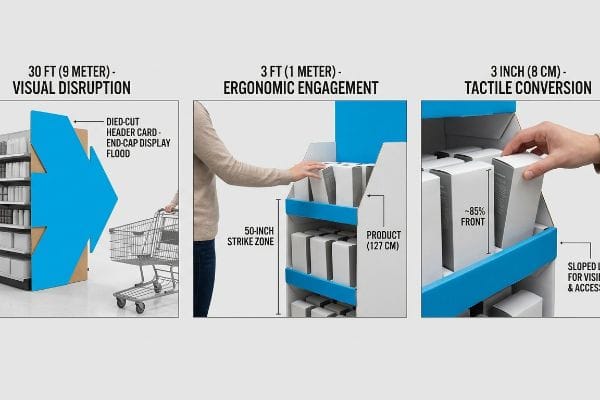
গ্রাহকদের আকৃষ্ট করার জন্য এমন একটি বহুস্তরীয় দৃশ্যমান কৌশল তৈরি করা প্রয়োজন, যা ত্রিশ ফুট দূর থেকে মনোযোগ আকর্ষণ করে, তিন ফুট দূরত্বে নির্দিষ্ট আগ্রহ জাগিয়ে তোলে এবং ঠিক তিন ইঞ্চি দূরত্বে স্পর্শের মাধ্যমে ক্রেতাকে কেনার জন্য উৎসাহিত করে। প্রতিটি দূরত্বের সীমার জন্য বিশেষভাবে পরিকল্পিত কাঠামোগত উপাদান ছাড়া, পণ্য বিক্রেতা কেবল পেছনের সারির সাথে মিশে যায়।.
মোবাইল ফোনের স্ক্রিনের জন্য ডিজাইন করা একটি ছোট্ট লোগো একটি বিশৃঙ্খল ওয়্যারহাউস ক্লাবের পরিবেশে গুরুত্বপূর্ণ কাজটি করে দেবে, এমনটা আশা করা যায় না।.
৩-৩-৩ স্থানিক সম্পৃক্ততা নিয়ম আয়ত্ত করা
অনেক ব্র্যান্ড টিম তাদের পয়েন্ট-অফ-পারচেজ কোলাটারাল সম্পূর্ণরূপে ব্যাকলিট কম্পিউটার মনিটরে ডিজাইন করে, এবং স্ক্রিনের ঠিক সামনে বসে থাকা ব্যক্তির জন্য টেক্সট অপ্টিমাইজ করে। তারা ধরে নেয় যে, যদি আর্টওয়ার্কটি এক হাতের দূরত্বে ভারসাম্যপূর্ণ এবং পাঠযোগ্য দেখায়, তবে এটি স্বাভাবিকভাবেই একটি বিশাল বিগ-বক্স আইলে ক্রেতাদের আকর্ষণ করবে। এটি মানুষ কীভাবে বড় রিটেইল স্পেসে চলাচল করে, সেই বাস্তবতাকে7।
আপনার ডিসপ্লেকে কোনো ম্যাগাজিনের বিজ্ঞাপনের মতো নয়, বরং একটি ব্যস্ত হাইওয়ের বিলবোর্ডের মতো ভাবুন। আমি একটি সাধারণ ভুল দেখি যখন ব্র্যান্ডগুলো হেডার কার্ড জুড়ে ছোট ছোট অক্ষরে অনুচ্ছেদ ছাপে, এই ভেবে যে ক্রেতা থেমে তা পড়বে। বাস্তবে, একজন তাড়াহুড়ো করা ক্রেতা মানসিক চাপে অভিভূত হয়ে পড়ে এবং হেঁটে চলে যায়। এই অন্ধ স্থানটি ঠিক করার জন্য আমি সবসময় ৩-৩-৩ নিয়মটি শেখাই। ত্রিশ ফুট দূর থেকে দৃষ্টি আকর্ষণ করে ক্রেতাকে আকৃষ্ট করার জন্য আপনার একটি আকর্ষণীয়, ডাই-কাট কাঠামোগত আকৃতি এবং একটি ঘন প্যানটোন কালির বন্যা প্রয়োজন। তিন ফুট দূরত্বে, শেলফের গঠন অনুযায়ী আপনার পণ্যটিকে সরাসরি ৫০-ইঞ্চি (১২৭ সেমি) স্ট্রাইক জোনেসবশেষে, তিন ইঞ্চি দূরত্বে, সামনের ধারকটি এমনভাবে কাটতে হবে যাতে পণ্যের ৮৫% দৃশ্যমানতা নিশ্চিত হয়এবং ক্রেতা আপনার বোতলের মসৃণ প্লাস্টিকটি হাতে অনুভব করতে পারে। আপনি যদি এই মিথস্ক্রিয়ার পরিবেশ তৈরি না করেন, তবে আপনি বিক্রি হারাবেন।
| নতুনদের সাধারণ ভুল | প্রো ফিক্স | খুচরা-ফ্লোর সুবিধা |
|---|---|---|
| হেডার কার্ডে ছোট লেখা | আক্রমণাত্মক ৩০-ফুট ডাই-কাট আকার | দূর থেকে পথচারীদের আকর্ষণ করে |
| জিনিসপত্র খুব নিচে রাখা | ৫০-ইঞ্চি (১২৭ সেমি) আর্গোনমিক স্ট্রাইক জোন10 | ৩-ফুট এনগেজমেন্ট ড্রাইভ করে |
| উঁচু ঠোঁট লুকানোর জিনিসপত্র | ৮৫% দৃশ্যমানতার জন্য কিনারাটি ঢালু করা11 | ৩-ইঞ্চি রূপান্তর সুরক্ষিত করে12 |
আমি আমার ক্লায়েন্টদের সবসময় তাদের ডিজিটাল প্রুফ থেকে ত্রিশ ফুট দূরে সরে যেতে বলি। যদি আপনার মূল ভিজ্যুয়াল আকর্ষণটি আমাকে তাৎক্ষণিকভাবে না টানে, তবে আমি ফাইলটি কাঠামোগত পুনর্গঠনের জন্য আপনার টিমের কাছে ফেরত পাঠিয়ে দেব।.
🛠️ হার্ভির ডেস্ক: আপনার বর্তমান হেডার কার্ডে কি এত বেশি লেখা আছে যে তা চলমান শপিং কার্টকে থামাতে পারছে না? 👉 একটি স্পেশাল রিভিউয়ের জন্য অনুরোধ করুন ↗ — নিরাপদে ডাউনলোড করুন। পরবর্তীতে কোনো প্রশ্ন থাকলে আমার ইনবক্স খোলা আছে।
একটি ভালো রিটেইল ডিসপ্লের বৈশিষ্ট্য কী?
দৃষ্টিনন্দন প্রচারণার কোনো অর্থই থাকে না, যদি পণ্যটি বিতরণ কেন্দ্রে এসে পৌঁছানোর পর ভাঁজ হয়ে যায়। সরবরাহ শৃঙ্খলে টিকে থাকার মাধ্যমেই প্রকৃত গুণমান নির্ধারিত হয়।.
একটি ভালো রিটেইল ডিসপ্লে তৈরি করা সম্পূর্ণরূপে নির্ভর করে এর গতিশীল কাঠামোগত জ্যামিতি এবং গুদামে ওপরের দিকে ভারী চাপের মুখে টিকে থাকার ক্ষমতার ওপর। একটি সফল নকশায় উল্লম্ব ঢেউখেলানো কোণাগুলোকে নিচের কাঠের প্যালেট ডেকের সাথে নিখুঁতভাবে সারিবদ্ধ করা হয়, যা নিশ্চিত করে যে কাঠামোটি বেঁকে বা ভেঙে না গিয়ে পরিবহনের সময়কার তীব্র বহু-অক্ষীয় কম্পন সহ্য করতে পারে।.
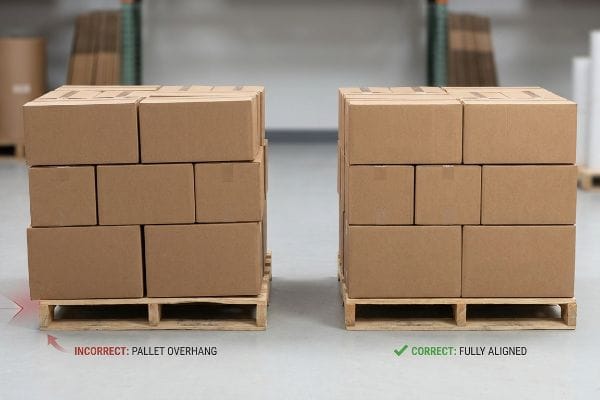
শুধুমাত্র একটি ক্রয়কারী দল প্যালেট স্তূপীকরণের প্রাথমিক পদার্থবিদ্যা না বোঝার কারণে চমৎকার শিল্পকর্ম নষ্ট হতে দেখে আমার হৃদয় ভেঙে যায়।.
বিসিটি পরীক্ষায় প্যালেট ওভারহ্যাংয়ের লুকানো বিপদ
বাল্ক শিপার এবং মার্চেন্ডাইজার ডিজাইন করার সময়, ক্রয় দলগুলো প্রায়শই কন্টেইনারের মধ্যে যত বেশি সম্ভব ইউনিট ঢোকানোর জন্য বাইরের মাত্রা সর্বাধিক করার চেষ্টা করে। তারা কাঁচামালের তথ্যের উপর ব্যাপকভাবে নির্ভর করে, এই ভেবে যে প্রিমিয়াম ৩২ECT বা ৪৪ECT ঢেউখেলানো বোর্ডেরজন্য স্বয়ংক্রিয়ভাবে তাদের পণ্যের নিরাপত্তা নিশ্চিত করে। তারা মূল কাঠামোর নকশা স্বাধীনভাবে করে, তৈরি বাক্সটি সাধারণ শিপিং প্ল্যাটফর্মে কীভাবে বসবে তা সম্পূর্ণ উপেক্ষা করে।
বাস্তবতা হলো: জ্যামিতিক গঠনে আপোস করলে কাগজের তন্তুর শক্তি অকেজো হয়ে যায়। আমি প্রায়শই দেখি ক্লায়েন্টরা এমন ফাইল জমা দেন যেখানে তাদের মাস্টার কার্টন একটি স্ট্যান্ডার্ড ৪৮×৪০ ইঞ্চি (১২১×১০১ সেমি) জিএমএ প্যালেটের বাইরে সামান্য একটু অংশ ঝুলে থাকে। বিষয়টিকে একটি ডাইভিং বোর্ডের কিনারায় দাঁড়ানোর মতো করে ভাবুন—যদি আপনার গোড়ালি ঝুলে থাকে, তাহলে আপনার কোনো ভারসাম্য থাকবে না। একটি করোগেটেড বাক্স তার সংকোচন শক্তির প্রায় ৬০% পর্যন্ত পায় সরাসরি তার চারটি উল্লম্ব কোণা থেকে। যদি একটি কোণাও কাঠের বাইরে ঝুলে থাকে, তবে এটি কোনো ভারই বহন করে না । যখন আমি এই ত্রুটিপূর্ণ ডিজাইনগুলো পরীক্ষা করি, তখন আমি ঠেসবিহীন নিচের খাঁজগুলো ভেঙে যাওয়ার ভয়ঙ্কর শব্দ শুনতে পাই, যখন পুরো বাক্সটি বাইরের দিকে বেঁকে যায়। এটি ঠিক করার জন্য, আমি আমাদের ক্যাড (কম্পিউটার-এইডেড ডিজাইন) সফটওয়্যারে কার্টনের অনুমোদিত আকার কৃত্রিমভাবে ঠিক ০.৫ ইঞ্চি (১২.৭ মিমি) কমিয়ে দিই, যা আপনার কোণাগুলোকে স্থির রাখে এবং পরিবহনের সময় হওয়া ব্যয়বহুল ক্ষতি সম্পূর্ণরূপে দূর করে।
| নতুনদের সাধারণ ভুল | প্রো ফিক্স | খুচরা-ফ্লোর সুবিধা |
|---|---|---|
| কার্টনের আকার সর্বোচ্চ করা | ০.৫-ইঞ্চি (১২.৭ মিমি) বাউন্ডিং বক্সের সীমা16 | পাত্র ভেঙে যাওয়া প্রতিরোধ করে |
| প্যালেটের কোণাগুলো ঝুলিয়ে রাখা | জিরো-ওভারহ্যাং ক্যাড প্রোটোকল | কোণার শক্তি ৬০% পুনরুদ্ধার করে17 |
| শুধুমাত্র কাঁচা ECT স্কোরের উপর নির্ভর করা | ইঞ্জিনিয়ারিং উল্লম্ব কোণার সারিবদ্ধকরণ | খুচরা বিক্রেতার চার্জব্যাক দূর করে |
আমি প্যাকেজিং ডিজাইন করি শুধু এর বাহ্যিক রূপের ওপর ভিত্তি করে নয়, বরং এটি পরিবহনের সময় কেমন হবে তার ওপর ভিত্তি করে। প্যাকেজিং-এর কোনো বাড়তি অংশ না রাখার কঠোর নিয়মটি নিশ্চিত করে যে আপনার মূল্যবান ও টেকসই পণ্যগুলো নিখুঁত এবং বিক্রির জন্য প্রস্তুত অবস্থায় দোকানের ফ্লোরে পৌঁছাবে।.
🛠️ হার্ভির ডেস্ক: আপনার মাস্টার কার্টনগুলো কি কাঠের প্যালেটের কিনারা থেকে ঝুলে থাকার কারণে গোপনে তাদের সংকোচন শক্তি হারাচ্ছে? 👉 একটি প্যালেট জ্যামিতি অডিট দাবি করুন ↗ — কোনো ফর্ম নেই যা অবিরাম সেলস কলের কারণ হয়। শুধু খাঁটি মূল্য।
পণ্য প্রদর্শনের বিভিন্ন প্রকারভেদগুলো কী কী?
আপনার কাঠামোগত বিকল্পগুলো বোঝা অত্যন্ত গুরুত্বপূর্ণ, কারণ কোনো সুবিধার দোকানে বা মুদি দোকানের ভিড়ভরা করিডোরে একটি বিশাল, পূর্ণ আকারের ইউনিট স্থাপন করলে তা সাধারণত তাৎক্ষণিকভাবে প্রত্যাখ্যাত হবে।.
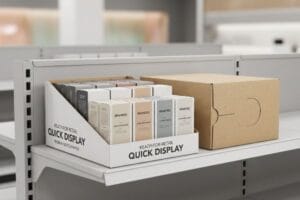
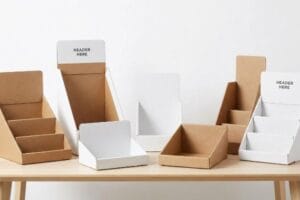
বিভিন্ন ধরণের মার্চেন্ডাইজিং ডিসপ্লের মধ্যে রয়েছে সম্পূর্ণ ফ্লোর প্যালেট, এন্ড-ক্যাপ, কাউন্টার ইউনিট এবং অত্যন্ত অপ্টিমাইজড ফ্র্যাকশনাল প্যালেট। এই বৈচিত্র্যগুলো ব্র্যান্ডগুলোকে তাদের প্রচারমূলক পরিসরকে গাণিতিকভাবে অর্ধেক বা এক-চতুর্থাংশ আকারে ভাগ করার সুযোগ দেয়, যা বিভিন্ন বিগ-বক্স রিটেইলারের নির্দিষ্ট স্থানিক সীমাবদ্ধতা এবং অধিক জনসমাগমপূর্ণ আইলের প্রয়োজনীয়তার সাথে নির্বিঘ্নে মিলে যায়।.
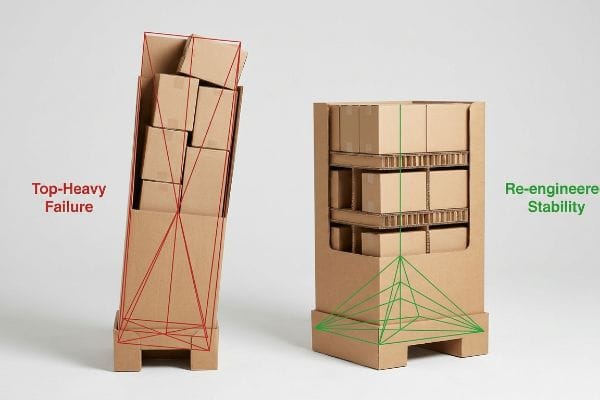
কিন্তু মেশিনগুলো চলতে শুরু করলে শুধু তত্ত্ব জানাই যথেষ্ট নয়। আসল চ্যালেঞ্জ হলো এই ছোট আকারের ফর্ম্যাটগুলোকে এমনভাবে প্রকৌশলগতভাবে তৈরি করা, যাতে সেগুলো চাপের মুখেও ভৌতভাবে স্থিতিশীল থাকে।.
কারখানার মেঝেতে ছোট আকারের ফ্র্যাকশনাল প্যালেটগুলো কেন ব্যর্থ হয়
একটি আপাতদৃষ্টিতে যুক্তিসঙ্গত কিন্তু আসলে বিপজ্জনক ধারণা হলো যে, আপনি একটি বিশাল ৪৮×৪০ ইঞ্চি (১২১×১০১ সেমি) ক্লাব স্টোর ডিজাইন১৮ সেটিকে ডিজিটালভাবে ৫০% ছোট করে একটি হাফ-প্যালেট বা কোয়ার্টার-প্যালেট সংস্করণ তৈরি করতে পারবেন। ব্র্যান্ড ম্যানেজাররা মনে করেন যে এই "আকার অনুযায়ী ছোট করার" পদ্ধতিটি ইঞ্জিনিয়ারিংয়ের সময় এবং টুলিংয়ের খরচ বাঁচায়। তারা ধরে নেন যে, যদি পূর্ণ আকারের ইউনিটটি নিরাপদে ৫০০ পাউন্ড (২২৬ কেজি) ওজন ধরে রাখতে পারে, তবে এর ছোট সংস্করণটি স্বাভাবিকভাবেই আরও শক্তিশালী হবে, কারণ এতে কম উপাদান ব্যবহৃত হয়।
ল্যাবে একটি ছোট আকারের ডিসপ্লেকে দাঁড় করানো সহজ, কিন্তু যখন আপনি ৫০০টি ডিসপ্লে চালান, তখন এক কঠিন বাস্তবতার মুখোমুখি হতে হয়। আমার প্রতিষ্ঠানে, আমি নিয়মিত দেখি যে ডাইনামিক টিল্ট টেস্টিংয়ের সময় এই ছোট আকারের ডিজাইনগুলো মারাত্মকভাবে ব্যর্থ হয়। যখন আপনি ভিত্তিটিকে একটি ২৪×২০ ইঞ্চি (৬০×৫০ সেমি) কোয়ার্টার-প্যালেট ফুটপ্রিন্টে কমিয়ে আনেন,কিন্তু চোখের সমান উচ্চতায় ব্র্যান্ডিং বজায় রাখার জন্য এর মোট উচ্চতা ৫০ ইঞ্চি (১২৭ সেমি) রাখেন, তখন আপনি এর ভরকেন্দ্রকে পুরোপুরি নষ্ট করে ফেলেন। এটি তখন ইরেজারের উপর দাঁড়ানো একটি পেন্সিলের মতো আচরণ করে। আমাদের কাইনেটিক ভাইব্রেশন পরীক্ষার সময়, আমি একজন ক্লায়েন্টের ওপরের দিকে ভারী ডিজাইনের উপর ১২.৪ ডিগ্রির এক ভয়াবহ বিচ্যুতি পরিমাপ করেছিলাম, যা একটি শপিং কার্টের ধাক্কায় অনিবার্যভাবে উল্টে যেত। আমি ডিজাইনের ফাইলগুলো বের করে একটি লুকানো ফলস বটম তৈরি করি, যা আমাদের স্পাইনকে শক্তিশালী করার পাশাপাশি পেলোডের ভরকেন্দ্রকে ৪.১৫ ইঞ্চি (১০৫.৪ মিমি) নিচে নামাতে সাহায্য করে। জ্যামিতিক কাঠামোটিকে সঠিকভাবে স্থাপন করার মাধ্যমে, আমরা উল্টে যাওয়ার ঝুঁকি সম্পূর্ণরূপে নিষ্ক্রিয় করেছি, যার ফলে বিপুল পরিমাণ ক্ষতিপূরণের দাবি প্রতিরোধ করা সম্ভব হয়েছে এবং খুচরা বিক্রেতার নিরাপত্তা কমিটির কাছ থেকে মোড়ের একটি সুবিধাজনক স্থানে পণ্যটি স্থাপনের নিশ্চয়তা পাওয়া গেছে।
| নতুনদের সাধারণ ভুল | প্রো ফিক্স | খুচরা-ফ্লোর সুবিধা |
|---|---|---|
| অন্ধভাবে একটি সম্পূর্ণ নকশা সংকুচিত করা | প্রকৌশল নিবেদিত ভগ্নাংশ ভিত্তি | তাৎক্ষণিক স্টোর প্রত্যাখ্যান এড়ানো যায় |
| সংকীর্ণ ইউনিটগুলিকে খুব লম্বা রাখা | অভ্যন্তরীণ ভরকেন্দ্রকে নিচে নামানো20 | করিডোরে উল্টে যাওয়ার ঝুঁকি প্রতিরোধ করে |
| গাড়ির সংঘর্ষের ঝুঁকি উপেক্ষা করা | অভ্যন্তরীণ ঢেউখেলানো মেরুদণ্ডকে শক্তিশালী করা21 | খুচরা দায়বদ্ধতার ঝুঁকি দূর করে |
মেঝের সুরক্ষার ক্ষেত্রে আমি ব্র্যান্ডগুলোকে অনুমান করতে দিই না। ভগ্নাংশীয় মাত্রার জন্য কাঠামোগত গাণিতিক হিসাবকে নতুন করে সাজানো এটা নিশ্চিত করে যে, আপনার মার্চেন্ডাইজার একটি ব্যস্ত করিডোরে উল্টে পড়ার ঝুঁকি তৈরি না করেই পথচারীদের চলাচল নিয়ন্ত্রণ করতে পারে।
🛠️ হার্ভির ডেস্ক: আপনার ছোট আকারের কোয়ার্টার প্যালেট ডিসপ্লেটি কি গোপনে একটি বিপজ্জনকভাবে ওপরের দিকে ভারী হওয়ার সমস্যায় ভুগছে? 👉 আমাকে আপনার ডাইলাইন ফাইল পাঠান ↗ — গণ-উৎপাদনে বাজেট অপচয় করার আগে আমি এর গাণিতিক হিসাব স্ট্রেস-টেস্ট করে দেখব।
উপসংহার
আপনি আরও সস্তা বিক্রেতা বেছে নিতে পারেন, কিন্তু যখন দুর্বল ভরকেন্দ্রের কারণে একটি ভিড়ভরা পথে ওপরের দিকে ভারী কোয়ার্টার-প্যালেট ডিসপ্লে উল্টে যায়, তখন তা খুচরা বিক্রেতার প্রত্যাখ্যানের কারণ হয় এবং প্রকল্পের লাভের মার্জিন সম্পূর্ণরূপে নষ্ট করে দেয়। ৫০০-এর বেশি ব্র্যান্ড ম্যানেজার ঠিক এই মারাত্মক প্রাথমিক পর্যায়ের ভুলগুলো এড়ানোর জন্য আমার প্রিপ্রেস চেকলিস্ট ব্যবহার করেন। কাঠামোগত দায়বদ্ধতার সাথে জুয়া খেলা বন্ধ করুন এবং আপনার ফিজিক্যাল রোলআউট যেন সাপ্লাই চেইন সফলভাবে পার করতে পারে, তা নিশ্চিত করতে আমার ফ্রি ডাইলাইন প্রি-ফ্লাইট অডিট ↗- এর মাধ্যমে আমাকে ব্যক্তিগতভাবে আপনার ব্লুপ্রিন্ট অডিট করতে দিন।
"২০২২ সালে চেষ্টা করার মতো ৪টি ROI রিটেইল কৌশল – নিউস্টোর", https://www.newstore.com/articles/roi-retail-strategies/। পণ্যের ঘনত্বের উপর ভিত্তি করে নির্দিষ্ট ফ্লোর এলাকার জন্য বিনিয়োগের উপর রিটার্ন গণনা করতে ব্যবহৃত রিটেইল মেট্রিকের সংক্ষিপ্ত ব্যাখ্যা। প্রমাণের ভূমিকা: প্রযুক্তিগত সংজ্ঞা; উৎসের ধরণ: রিটেইল ম্যানেজমেন্ট গাইড। সমর্থন করে: ROI বাড়ানোর জন্য উচ্চ-ঘনত্বের লেআউট ব্যবহারের পেছনের প্রযুক্তিগত যুক্তি। পরিধি নোট: ভলিউম-ভিত্তিক ROI-এর উপর আলোকপাত করে। ↩
"প্রসাধনী শিল্পে ব্র্যান্ডিং টুল হিসেবে প্যাকেজ ডিজাইন – পিএমসি", https://pmc.ncbi.nlm.nih.gov/articles/PMC9123395/। পণ্যের প্রাচুর্য এবং ব্র্যান্ড উপলব্ধির মধ্যে সম্পর্ক বিষয়ে ভোক্তা মনোবিজ্ঞানের সংক্ষিপ্ত ব্যাখ্যা। প্রমাণের ভূমিকা: আচরণগত প্রমাণ; উৎসের ধরণ: ভোক্তা মনোবিজ্ঞান গবেষণা। সমর্থন করে: এই বিশ্বাস যে, একটি ভরা তাক ব্র্যান্ডের শক্তি এবং প্রিমিয়াম মর্যাদা প্রকাশ করে। পরিধিগত টীকা: উচ্চ-স্তরের বিলাসবহুল প্রেক্ষাপটে এই উপলব্ধি বিপরীত হতে পারে। ↩
"ভিজ্যুয়াল মার্চেন্ডাইজিং সার্ভিসেস অ্যান্ড স্ট্র্যাটেজি | টি-রক গ্লোবাল", https://trocglobal.com/visual-merchandising/। বিজোড়-সংখ্যার বিন্যাস ব্যবহার করে ভিজ্যুয়াল ফোকাল পয়েন্ট তৈরির জন্য একটি স্বীকৃত রিটেইল ডিজাইন নীতি হিসেবে ৩-৫-৭ অপ্রতিসমতা নিয়মের যাচাইকরণ। প্রমাণের ভূমিকা: যাচাইকরণ; উৎসের ধরণ: ডিজাইন ম্যানুয়াল বা রিটেইল সাইকোলজি পাঠ্যপুস্তক। সমর্থন করে: অপ্রতিসম গুচ্ছায়নের কার্যকারিতা। পরিধি সংক্রান্ত টীকা: এটি একটি বিশেষায়িত শিল্প পদ্ধতি হতে পারে। ↩
"১৪ ধরনের রিটেইল ডিসপ্লে | শিকাগো, আইএল – ভার্টহাইমার বক্স", https://wertheimerbox.com/types-of-retail-displays/। পণ্য পুনরায় মজুত করার সময় ঢেউখেলানো কাগজের ধারকগুলোর যান্ত্রিক চাপ এবং ছিঁড়ে যাওয়া রোধ করার জন্য প্রয়োজনীয় নির্দিষ্ট ফাঁকা স্থানের মাত্রার প্রযুক্তিগত যাচাইকরণ। প্রমাণের ভূমিকা: প্রযুক্তিগত বিবরণ; উৎসের ধরণ: প্যাকেজিং ইঞ্জিনিয়ারিং নির্দেশিকা বা রিটেইল পরিচালন মান। সমর্থন: ডিসপ্লের ক্ষতি প্রতিরোধ। পরিধি সংক্রান্ত টীকা: সাধারণ ঢেউখেলানো কাগজের উপকরণের ক্ষেত্রে প্রযোজ্য। ↩
"ভিজ্যুয়াল মার্চেন্ডাইজিং-এর মূল নীতিসমূহ – পপডিসপ্লে", https://popdisplay.me/key-principles-of-visual-merchandising/। ভিজ্যুয়াল মার্চেন্ডাইজিং-এর একটি নির্ভরযোগ্য উৎস গ্রাহক সম্পৃক্ততা বাড়ানোর জন্য অপ্রতিসম ভারসাম্য তৈরিতে ৩-৫-৭ নিয়মের নির্দিষ্ট যুক্তি এবং প্রয়োগ ব্যাখ্যা করবে। প্রমাণের ভূমিকা: প্রযুক্তিগত বিবরণ; উৎসের ধরণ: শিল্প হ্যান্ডবুক। সমর্থন করে: কার্যকর অপ্রতিসম খুচরা বিন্যাস। পরিধি সংক্রান্ত টীকা: খুচরা খাত অনুযায়ী ভিন্ন হতে পারে। ↩
"আরও কার্যকর রিটেইল স্টকিং-এর পাঁচটি পদক্ষেপ – ইনটাচ ইনসাইট", https://www.intouchinsight.com/blog/retail-stocking-steps। রিটেইল শেল্ভিং এবং প্যাকেজিং ডিজাইনের জন্য প্রযুক্তিগত নির্দেশিকাগুলি পণ্য পুনরায় স্টক করার সময় পণ্যের ক্ষতি রোধ করার জন্য প্রয়োজনীয় ন্যূনতম ফাঁকা স্থান নির্দিষ্ট করে। প্রমাণের ভূমিকা: প্রযুক্তিগত মেট্রিক; উৎসের ধরণ: লজিস্টিকস বা প্যাকেজিং ম্যানুয়াল। সমর্থন করে: পেপারবোর্ড ছিঁড়ে যাওয়া প্রতিরোধ। পরিধি নোট: স্ট্যান্ডার্ড ঢেউতোলা প্যাকেজিং-এর ক্ষেত্রে প্রযোজ্য। ↩
"আই-ট্র্যাকিং ব্যবহার করে ভোক্তার মনোযোগ এবং উত্তেজনা মূল্যায়ন...", https://pmc.ncbi.nlm.nih.gov/articles/PMC8380820/। খুচরা পরিবেশগত মনোবিজ্ঞানের একটি প্রামাণ্য উৎস বড় দোকানগুলিতে দৃষ্টি আকর্ষণ এবং চলাচলের জন্য দূরত্বের সীমা ব্যাখ্যা করে। প্রমাণের ভূমিকা: মৌলিক নীতি; উৎসের ধরণ: আচরণগত গবেষণা। সমর্থন করে: এই দাবি যে বড় পরিসরে স্বল্প-পরিসরের নকশা ব্যর্থ হয়। পরিধি টীকা: বিগ-বক্স রিটেইল লেআউটের ক্ষেত্রে প্রযোজ্য। ↩
"অধ্যায় ২: আপনার গ্রাহকদের জন্য প্রদর্শনের উচ্চতা নির্বাচন", https://www.creativedisplaysnow.com/guides/understanding-the-retail-customer/chapter-2-how-to-choose-the-right-display-height-for-your-customers/। গ্রাহকদের কাছে পণ্যের সর্বোত্তম দৃশ্যমানতা এবং সহজলভ্যতার জন্য শিল্প-মানসম্মত 'স্ট্রাইক জোন' উচ্চতার যাচাইকরণ। প্রমাণের ভূমিকা: মেট্রিকের বৈধতা; উৎসের ধরণ: রিটেইল মার্চেন্ডাইজিং গাইড। সমর্থন করে: পণ্য স্থাপনের সর্বোত্তম উচ্চতা। পরিধি সংক্রান্ত টীকা: গ্রাহকের জনসংখ্যাতাত্ত্বিক বৈশিষ্ট্য এবং পণ্যের বিভাগের উপর ভিত্তি করে প্রযোজ্যতা ভিন্ন হতে পারে। ↩
"খুচরা ব্যবসায় প্রোডাক্ট প্লেসমেন্ট মার্কেটিং-এর জন্য সেরা ধরনের ডিসপ্লে", https://popdisplay.me/the-best-types-of-displays-for-product-placement-marketing-in-retail/। সামনের ধারক প্রান্তের উচ্চতা এবং রূপান্তরের জন্য প্রয়োজনীয় পণ্যের দৃশ্যমানতার ন্যূনতম শতাংশের মধ্যে সম্পর্ক বিষয়ক গবেষণালব্ধ তথ্য। প্রমাণের ভূমিকা: প্রযুক্তিগত বিবরণ; উৎসের ধরন: প্যাকেজিং ইঞ্জিনিয়ারিং ম্যানুয়াল। সমর্থন করে: স্পর্শভিত্তিক রূপান্তরের জন্য দৃশ্যমানতার প্রান্তসীমা। পরিধি সংক্রান্ত টীকা: শুধুমাত্র সম্মুখমুখী ডিসপ্লে প্রান্তের জন্য নির্দিষ্ট। ↩
"[পিডিএফ] খুচরা মুদি দোকানের জন্য নির্দেশিকা – এরগনোমিক্স ফর দ্য … – ওএসএইচএ", https://www.osha.gov/sites/default/files/publications/OSHA3192.pdf। খুচরা দোকানের নকশা বা এরগনোমিক্সের উপর একটি নির্ভরযোগ্য উৎস গ্রাহকের চোখের স্তর এবং নাগালের জন্য সর্বোত্তম উচ্চতা যাচাই করবে। প্রমাণের ভূমিকা: প্রযুক্তিগত যাচাইকরণ; উৎসের ধরণ: শিল্প মান বা এরগনোমিক গবেষণা। সমর্থন করে: পণ্য স্থাপনের সর্বোত্তম উচ্চতা। পরিধি সংক্রান্ত টীকা: লক্ষ্যভুক্ত জনগোষ্ঠীর উপর ভিত্তি করে পরিবর্তিত হতে পারে। ↩
"পয়েন্ট-অফ-পারচেজ ডিসপ্লের মাধ্যমে কীভাবে খুচরা পণ্যের দৃশ্যমানতা বাড়ানো যায়", https://www.industrialpackaging.com/blog/increased-retail-visibility। পয়েন্ট-অফ-পারচেজ ডিসপ্লের জন্য একটি ডিজাইন গাইড এই বিষয়ে তথ্য সরবরাহ করবে যে কীভাবে ঢালু কিনারা পণ্যের দৃশ্যমানতা বাড়ায়। প্রমাণের ভূমিকা: পরিমাণগত যাচাইকরণ; উৎসের ধরণ: ডিজাইন হোয়াইটপেপার বা খুচরা সমীক্ষা। সমর্থন করে: পণ্যের দৃশ্যমানতার জন্য ঢালু কিনারার কার্যকারিতা। পরিধি সংক্রান্ত টীকা: শেলফ-এজ ডিজাইনের জন্য নির্দিষ্ট। ↩
"খুচরা দোকানে কীভাবে কনভার্সন বাড়ানো যায় – এমআরআই সফটওয়্যার", https://www.mrisoftware.com/blog/how-to-increase-conversions-in-retail/। ভোক্তার সিদ্ধান্ত গ্রহণের 'শেষ ধাপ' নিয়ে করা মার্কেটিং গবেষণা ৩-ইঞ্চি কনভার্সন মেট্রিকটির ব্যাখ্যা দেবে। প্রমাণের ভূমিকা: গবেষণালব্ধ যাচাই; উৎসের ধরণ: ভোক্তা আচরণ সমীক্ষা। সমর্থন: কনভার্সন রেটে নৈকট্যের ভূমিকা। পরিধি সংক্রান্ত টীকা: প্রসঙ্গটি উপ-বিষয়ে উল্লিখিত নির্দিষ্ট ৩-৩-৩ নিয়মের উপর নির্ভরশীল। ↩
"শিপিং বক্সের শক্তি বোঝা – ইকোএনক্লোজ", https://www.ecoenclose.com/blog/understanding-shipping-box-strength/?srsltid=AfmBOopHQBa6sdkwSdbOXaFPITiLZKOJ14L0fmD8tDNeK7azZtWkCNtp। এজ ক্রাশ টেস্ট (ECT) স্ট্যান্ডার্ডের উপর প্রযুক্তিগত ডকুমেন্টেশন 32ECT এবং 44ECT বোর্ড গ্রেডের নির্দিষ্ট উল্লম্ব সংকোচন শক্তি সংজ্ঞায়িত করে। প্রমাণের ভূমিকা: প্রযুক্তিগত যাচাইকরণ; উৎসের ধরণ: শিল্প মান/উৎপাদন নির্দেশিকা। সমর্থন করে: ঢেউখেলানো বোর্ডের স্থায়িত্বের প্রযুক্তিগত স্পেসিফিকেশন। পরিধি নোট: ECT ঢেউখেলানো ফাইবারবোর্ডের উপর থেকে নীচের দিকে নিষ্পেষণ শক্তি পরিমাপ করে। ↩
"ঢেউখেলানো কার্ডবোর্ডের বাক্সের সংকোচনশীল শক্তির প্রাক্কলন …", https://pmc.ncbi.nlm.nih.gov/articles/PMC8467740/। প্রযুক্তিগত প্যাকেজিং মানগুলো ঢেউখেলানো কন্টেইনারের ভারবহন বন্টন সম্পর্কিত তথ্য প্রদান করে, যেখানে কোণার ভূমিকার ওপর আলোকপাত করা হয়। প্রমাণের ভূমিকা: তথ্যগত যাচাইকরণ; উৎসের ধরণ: ইঞ্জিনিয়ারিং ম্যানুয়াল। সমর্থন: কাঠামোগত শক্তির বন্টন। পরিধি সংক্রান্ত টীকা: স্ট্যান্ডার্ড আরএসসি (RSC) বাক্সের ক্ষেত্রে প্রযোজ্য। ↩
"[DOC] জমা দেওয়া সংস্করণ (৬৭২.০৯ কেবি) – ভিটেকওয়ার্কস", https://vtechworks.lib.vt.edu/bitstreams/359cd5e6-7099-48a8-9a3b-60aeee6db278/download। লজিস্টিকস এবং প্যাকেজিং নির্দেশিকা প্যালেটাইজড শিপিং-এ অবলম্বনহীন লোডের পদার্থবিদ্যা এবং এর ফলে উল্লম্ব অবলম্বনের ব্যর্থতা ব্যাখ্যা করে। প্রমাণের ভূমিকা: কার্যপ্রণালীর ব্যাখ্যা; উৎসের ধরণ: প্রযুক্তিগত স্পেসিফিকেশন। অবলম্বন: প্যালেট ওভারহ্যাং-এর ঝুঁকি। পরিধি নোট: বিশেষভাবে বক্স কম্প্রেশন টেস্টিং (BCT) সম্পর্কিত। ↩
"শিপিং বক্সের শক্তি বোঝা – ইকোএনক্লোজ", https://www.ecoenclose.com/blog/understanding-shipping-box-strength/?srsltid=AfmBOoqO6CH5utG_OefOQxDL4dHEf_gg9WS9P1QfMebuggfFNtJDTauz। নিরাপদ প্যালেটাইজেশন নিশ্চিত করার জন্য কার্টনের আকারের সর্বোচ্চ গ্রহণযোগ্য বিচ্যুতি নির্ধারণকারী শিল্প প্যাকেজিং মান। প্রমাণের ভূমিকা: স্পেসিফিকেশন যাচাইকরণ; উৎসের ধরণ: লজিস্টিকস শিল্প মান। সমর্থন করে: পরিবহনের সময় কন্টেইনার থেঁতলে যাওয়া রোধ করতে ০.৫-ইঞ্চি সীমা ব্যবহার। পরিধি সংক্রান্ত টীকা: নির্দিষ্ট খুচরা বিক্রেতার প্রয়োজনীয়তা অনুসারে পরিবর্তিত হতে পারে। ↩
"বাক্সের সংকোচন শক্তির উপর প্যালেট ওভারহ্যাং-এর প্রভাবের পূর্বাভাস মডেলিং", https://vtechworks.lib.vt.edu/items/d6fb70fe-bf11-40d2-a44c-3ba7918d06e3। বক্স কম্প্রেশন টেস্টিং (BCT)-এর উপর প্রযুক্তিগত প্রকৌশল ডেটা, যা প্যালেট ওভারহ্যাং এবং উল্লম্ব ভারবহন ক্ষমতা হ্রাসের মধ্যে সম্পর্ক প্রদর্শন করে। প্রমাণের ভূমিকা: পরিমাণগত যাচাই; উৎসের ধরণ: প্যাকেজিং প্রকৌশল গবেষণা। সমর্থন করে: এই দাবি যে ওভারহ্যাং অপসারণ করলে কাঠামোগত অখণ্ডতার একটি নির্দিষ্ট শতাংশ পুনরুদ্ধার হয়। পরিধি নোট: ফ্লুটের ধরণ এবং উপাদানের উপর ভিত্তি করে মান পরিবর্তিত হতে পারে। ↩
"ক্লাব স্টোর ডিসপ্লে: বাল্ক পণ্যের জন্য এন্ডক্যাপ, প্যালেট এবং আরও অনেক কিছু", https://www.qpack.com/retail-displays/pallet/club-store। শিল্প প্যাকেজিং মান নিশ্চিত করে যে ক্লাব স্টোর রিটেইল ডিসপ্লের জন্য ৪৮×৪০ ইঞ্চি হলো আদর্শ প্যালেট ফুটপ্রিন্ট। প্রমাণের ভূমিকা: যাচাইকরণ; উৎসের ধরণ: শিল্প মান নির্দেশিকা। সমর্থন করে: ক্লাব স্টোর ডিজাইনের মাত্রিক নির্ভুলতা। পরিধি নোট: উত্তর আমেরিকার লজিস্টিকসের উপর দৃষ্টি নিবদ্ধ। ↩
"অস্থায়ী ডিসপ্লেতে স্থিতিশীলতা ও কাঠামোগত সমর্থন নিশ্চিত করুন", https://www.ud-direct.com/blog/tips-and-tricks-to-ensure-stability-and-structure-support-in-temporary-displays। পদার্থবিদ্যা বা প্যাকেজিং ইঞ্জিনিয়ারিং-এর কোনো উৎস যাচাই করবে যে, ভিত্তিটিকে একটি প্যালেটের এক-চতুর্থাংশ আকারে সংকুচিত করলে উচ্চতার সাপেক্ষে অস্থিতিশীলতা কীভাবে বৃদ্ধি পায়। প্রমাণের ভূমিকা: প্রযুক্তিগত যাচাইকরণ; উৎসের ধরণ: ইঞ্জিনিয়ারিং হ্যান্ডবুক। সমর্থন: ভিত্তির মাত্রা এবং ভরকেন্দ্রের মধ্যে সম্পর্ক। পরিধি সংক্রান্ত টীকা: স্ব-প্রতিষ্ঠিত খুচরা ডিসপ্লের ক্ষেত্রে প্রযোজ্য। ↩
"[পিডিএফ] আসবাবপত্র উল্টে যাওয়া বিষয়ক স্টাফ ব্রিফিং প্যাকেজ", https://www.cpsc.gov/s3fs-public/Staff%20Briefing%20Package%20on%20Furniture%20Tipover%20-%20September%2030%202016_0.pdf। একটি প্রামাণ্য বাহ্যিক উৎস কীভাবে এই দাবিকে সমর্থন করে তার সংক্ষিপ্ত ব্যাখ্যা। প্রমাণের ভূমিকা: কাঠামোগত নকশায় পদার্থবিজ্ঞানের নীতিসমূহের যাচাইকরণ; উৎসের ধরণ: ইঞ্জিনিয়ারিং হ্যান্ডবুক বা নিরাপত্তা মান। সমর্থন করে: ভরকেন্দ্র এবং উল্টে যাওয়ার ঝুঁকি প্রতিরোধের মধ্যে সম্পর্ক। পরিধি সংক্রান্ত টীকা: স্ব-প্রতিষ্ঠিত খুচরা প্রদর্শনীর ক্ষেত্রে প্রযোজ্য। ↩
"উদ্ভাবনী নকশার ঢেউখেলানো কার্ডবোর্ডের প্যাকেজিং...", https://bioresources.cnr.ncsu.edu/resources/corrugated-board-packaging-with-innovative-design-for-enhanced-durability-during-transport/। একটি প্রামাণ্য বাহ্যিক উৎস কীভাবে এই দাবিকে সমর্থন করে তার সংক্ষিপ্ত ব্যাখ্যা। প্রমাণের ভূমিকা: উপাদানের শক্তির প্রযুক্তিগত বিবরণ; উৎসের ধরণ: প্যাকেজিং ইঞ্জিনিয়ারিং নির্দেশিকা। সমর্থন করে: খুচরা শপিং কার্টের আঘাতজনিত ক্ষতি প্রশমিত করার জন্য শক্তিশালী স্পাইনের ব্যবহার। পরিধিগত টীকা: ঢেউখেলানো কার্ডবোর্ডের কাঠামোগত অখণ্ডতার উপর আলোকপাত। ↩