ছুটির মরসুমের প্রচারণার পরিকল্পনা করছেন কিন্তু ভঙ্গুর জিনিসপত্র নিয়ে চিন্তিত? আপনি একা নন। দুর্বল পণ্যসামগ্রীগুলো মরসুমের প্রচণ্ড ভিড়ের চাপে ভেঙে পড়ে, যা উৎসবের প্রচারণাকে ব্যয়বহুল খুচরা বিপর্যয়ে পরিণত করে।
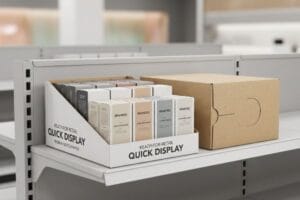
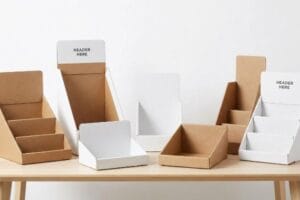
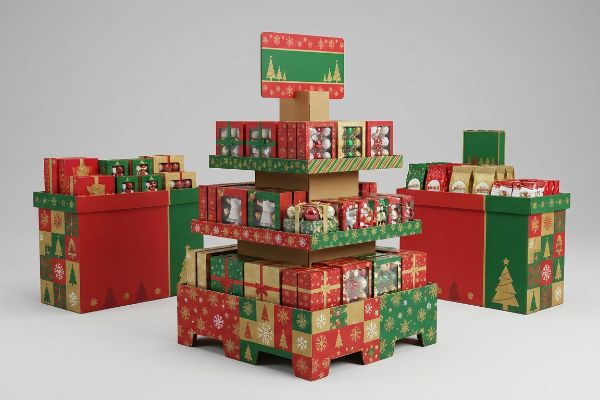
ক্রিসমাস কার্ডবোর্ড ডিসপ্লে হলো মৌসুমী পণ্য বিপণনের জন্য পরিকল্পিত এক ধরনের খুচরা বিক্রয় কাঠামো। পণ্যের দৃশ্যমানতা বাড়াতে এবং ছুটির দিনে বিপুল জনসমাগম সহ্য করার জন্য এগুলোতে মজবুত ঢেউখেলানো বোর্ড ব্যবহার করা হয়। এই কার্যকর ইউনিটগুলো উৎসবমুখর দৃশ্যগত বৈচিত্র্যের সাথে শক্তিশালী ভারবহনকারী স্থাপত্যের সমন্বয় ঘটায়, যা বিশ্বজুড়ে সুপারমার্কেট এবং বড় বড় দোকানের করিডোরে ক্রেতাদের তাৎক্ষণিক কেনাকাটা নিশ্চিত করে।.
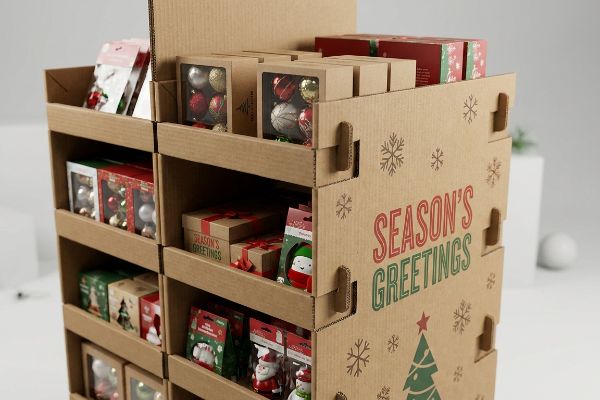
বছরের সবচেয়ে ব্যস্ত কেনাকাটার ত্রৈমাসিকে সেরা জায়গার জন্য লড়াই করার সময় , সৌন্দর্য কেবল অর্ধেক লড়াই।
২০২৬ সালের বড়দিনে কী ট্রেন্ডিং থাকবে?
প্রতিটি ব্র্যান্ডই পরিবেশবান্ধব ছুটির প্রচারণার গল্প চায়, কিন্তু পরিবেশবান্ধব উৎপাদনের বাস্তবতা সামাল দিতে শুধু বিপণনের চটকদার কথার চেয়েও বেশি কিছু প্রয়োজন।.
২০২৬ সালের বড়দিনের জন্য একটি বড় প্রবণতা হলো সম্পূর্ণরূপে কার্বসাইড রিসাইকেলযোগ্য কাঠামোর দিকে ব্যাপক পরিবর্তন। বিশ্বব্যাপী ব্র্যান্ডগুলো পুরোনো ঢেউতোলা কন্টেইনারের (OCC) ওপর অপুনর্ব্যবহারযোগ্য বায়ো-প্লাস্টিক ফিল্মের পরিবর্তে জল-ভিত্তিক জলীয় আবরণ ব্যবহার করছে। এই পরিবেশ-সচেতন প্রকৌশল নিশ্চিত করে যে মৌসুমী ইউনিটগুলো খুচরা দোকানে টিকে থাকার পাশাপাশি প্রচারণার পরে নির্বিঘ্নে পৌরসভার পুনর্ব্যবহার প্রক্রিয়ায় প্রবেশ করে।.
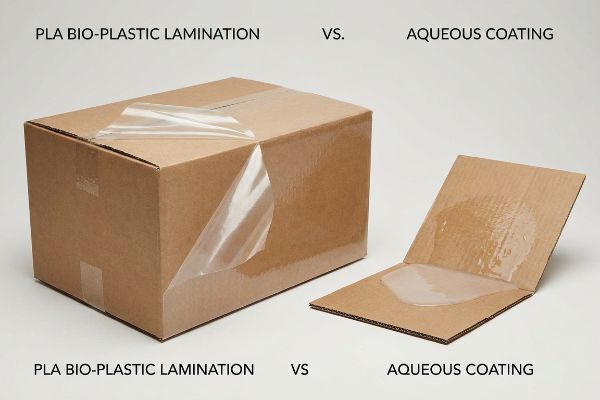
পিচ ডেকের উপর টেকসই ব্যবস্থা দেখতে চমৎকার লাগে, কিন্তু তক্তাগুলো যখন পুনরায় মণ্ড তৈরির পাত্রে পৌঁছায়, তখন এটি প্রায়শই মারাত্মক সমস্যার সৃষ্টি করে।.
"পরিবেশবান্ধব" ছুটির সাজসজ্জার লুকানো খরচ
জুনিয়র ডিজাইন টিমগুলো প্রায়শই তাদের ছুটির দিনের পণ্যগুলোর জন্য পিএলএ (পলিল্যাকটিক অ্যাসিড) বায়ো-প্লাস্টিক ল্যামিনেশন বাধ্যতামূলক করে, এই ভেবে যে ভুট্টা-ভিত্তিক এই ফিল্মটি সম্পূর্ণ পরিবেশগত সম্মতি নিশ্চিত করে। এটিকে একটি যৌক্তিক, প্রিমিয়াম আপগ্রেড বলে মনে হয় যা কর্পোরেট টেকসই লক্ষ্যগুলো পূরণ করার পাশাপাশি শীতের আবহাওয়ার বিরুদ্ধে প্রিন্ট করা গ্রাফিক্সকে একটি সুন্দর প্রতিরক্ষামূলক আভা দেয়।
আমি জানি আপনি পরিবেশের জন্য সঠিক কাজটি করার চেষ্টা করছেন, কিন্তু আমি প্রতিনিয়ত দেখি এর ফল উল্টো হয়। যখন আপনি কঠিন পিএলএ (PLA) ফিল্ম ব্যবহার করেন, তখন পৌরসভার পুনর্ব্যবহার কেন্দ্রগুলো বাছাই করার সময় সেই শক্ত, চকচকে স্তরটি ২ আটকে দেয় এবং পুরো ইউনিটটি সরাসরি ল্যান্ডফিলে পাঠিয়ে দেয়। একটি কঠিন বায়ো-প্লাস্টিক শিটের উপর রিপাল্পিং ব্লেড আটকে যাওয়ার বিকট, ছিঁড়ে যাওয়ার মতো শব্দ কোনো ফ্যাসিলিটি ম্যানেজারই শুনতে চান না। এর পরিবর্তে, আমি সবসময় আমার ক্লায়েন্টদের একটি তরল জলীয় আবরণে পরিবর্তন করে দিই , যা সেই ঝকঝকে ছুটির আমেজ বজায় রেখে সাধারণ পেপার মিলের ভ্যাট ৩- এ অনায়াসে দ্রবীভূত হয়ে যায়।
| নতুনদের সাধারণ ভুল | প্রো ফিক্স | খুচরা-ফ্লোর সুবিধা |
|---|---|---|
| জৈব-প্লাস্টিক পিএলএ ল্যামিনেশন ব্যবহার করে | জল-ভিত্তিক জলীয় আবরণ নির্দিষ্ট করা | রাস্তার ধার থেকে শতভাগ পুনর্ব্যবহারযোগ্যতা নিশ্চিত করে4 |
| ছুটির পর নিষ্পত্তি উপেক্ষা করা | স্ট্যান্ডার্ড OCC রিপাল্পিংয়ের জন্য ইঞ্জিনিয়ারিং5 | খুচরা বিক্রেতার নিষ্পত্তি চার্জব্যাক দূর করে |
| পরিবেশবান্ধব মানদণ্ডের জন্য স্থায়িত্ব বিসর্জন দেওয়া | উচ্চ-কঠিন চকচকে তরল পলিমার ব্যবহার করে6 | দোকানের আলোর নিচেও গ্রাফিক্সের উজ্জ্বলতা বজায় রাখে |
আমি ব্র্যান্ডগুলোকে এমন উপকরণের জন্য অতিরিক্ত মূল্য দিতে দেব না, যা শেষ পর্যন্ত আবর্জনার স্তূপে গিয়ে জমা হয়। অনমনীয় ফিল্মের পরিবর্তে তরল পলিমার ব্যবহার করে, আমি নিশ্চিত করছি যে আপনার মৌসুমী পণ্য সম্ভার সত্যিকারের পরিবেশবান্ধব থাকবে এবং একই সাথে আপনার কাঁচামালের বাজেটও ব্যাপকভাবে কমে আসবে।.
🛠️ হার্ভির ডেস্ক: আপনার সিজনাল ফিনিশটি গোপনে পুনর্ব্যবহারযোগ্য নয় কি না, তা নিয়ে নিশ্চিত নন? 👉 একটি মেটেরিয়াল অডিট করান ↗ — সরাসরি আমার ডেস্কে অ্যাক্সেস। কোনো স্বয়ংক্রিয় সেলস স্প্যাম নেই, আমি কথা দিচ্ছি।
ক্রিসমাস সাজানোর কিছু অভিনব ধারণা কী কী?
ছুটির মরসুমে স্বতন্ত্রতা বজায় রাখতে হলে প্রয়োজন এমন আকর্ষণীয়, ডাই-কাট জ্যামিতিক নকশা, যা দোকানের সোজা সারির দৃশ্যগত একঘেয়েমি ভেঙে দেয়।.
ক্রিসমাসের অনন্য সাজসজ্জার ধারণাগুলো মূলত জটিল কনট্যুর কাটিং এবং নিখুঁত কাঠামোগত প্রকৌশলের উপর নির্ভর করে। স্বয়ংক্রিয় সিএনসি (কম্পিউটার নিউমেরিক্যাল কন্ট্রোল) রাউটিং টেবিল ব্যবহার করে ব্র্যান্ডগুলো পুরু ঢেউখেলানো পেপারবোর্ড থেকে সুস্পষ্ট ও পরস্পর সংযুক্ত উৎসবের নকশা তৈরি করতে পারে, যা মূল ভারবাহী খুচরা কাঠামোর ভৌত অখণ্ডতাকে অক্ষুণ্ণ রাখে।.
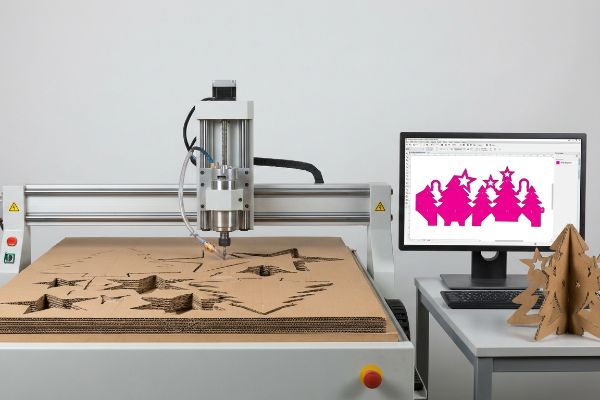
আপনার সফটওয়্যারে একটি সুন্দর, বাঁকানো উৎসবের গাছ আঁকা সহজ, কিন্তু সেই পিক্সেলগুলোকে বাস্তব রূপ দেওয়াটাই হলো আসল মাথাব্যথার কারণ।.
কেন আপনার কাস্টম হলিডে শেপগুলো প্রোডাকশনে অদৃশ্য হয়ে যায়
গ্রাফিক টিমগুলো জটিল শীতকালীন দৃশ্য এবং অনন্য চরিত্রের কাটআউট স্ট্যান্ডার্ড CMYK (সায়ান, ম্যাজেন্টা, ইয়েলো এবং কী/ব্ল্যাক) ভিজ্যুয়াল লাইনব্যবহার নির্দেশ করে যে কারখানায় কোথায় ভাঁজ বা কাটা হবে। তারা ধরে নেয় যে স্বয়ংক্রিয় যন্ত্রপাতিগুলো তাদের হাই-রেজোলিউশন অফিস মনিটরে যেমনটা দেখা যায়, ঠিক সেভাবেই ডিজিটাল আর্টওয়ার্কটি পড়ে নেবে।
আমি প্রতি নভেম্বরেই এই যোগাযোগের ত্রুটিটি ঘটতে দেখি। একজন ক্রেতা জানতে চান, কেন তাদের দামী ডিসপ্লেটি একটি সাধারণ বর্গাকার বাক্স হিসেবে এসেছে, যার উপর কালো আউটলাইন প্রিন্ট করা আছে এবং আসল কাটগুলো সম্পূর্ণ অনুপস্থিত। আসল CNC ব্লেডের চোখ নেই; এটি কঠোরভাবে গাণিতিক স্পট কালারের নাম পড়ে8, এবং যখন আপনি আপনার স্ট্রাকচারাল স্ট্রোকগুলো আলাদা করতে ব্যর্থ হন, তখন মেশিনটি কেবল সেগুলোই প্রিন্ট করে দেয়। আমি সবসময় এই ফাইলগুলো হাতে নিয়ে, ম্যানুয়ালি কাট লাইনগুলোকে ১০০% ম্যাজেন্টা9 , যাতে আপনি রাউটিং বিটের বোর্ডের মধ্য দিয়ে কেটে যাওয়ার সময়কার সেই জোরালো, তীক্ষ্ণ হিসহিস শব্দ শুনতে পান, যা আপনাকে সেই নিখুঁত কাস্টম আকারগুলো।
| নতুনদের সাধারণ ভুল | প্রো ফিক্স | খুচরা-ফ্লোর সুবিধা |
|---|---|---|
| স্ট্যান্ডার্ড CMYK কালো রঙে কাটলাইন আঁকা | অ্যাবসোলিউট স্পট কালারে স্ট্রোক নির্ধারণ করা10 | স্বয়ংক্রিয় মেশিনগুলো নির্ভুলভাবে কাটা নিশ্চিত করে |
| কাঠামো এবং শিল্পকর্মের স্তর মিশ্রণ | ডাইলাইনগুলিকে বিচ্ছিন্ন CAD স্তরে বিভক্ত করা11 | চূড়ান্ত শিল্পকর্মে মুদ্রিত রূপরেখা প্রতিরোধ করে |
| ধরে নেওয়া হচ্ছে প্রিন্টাররা দৃশ্যমান সংকেত গ্রহণ করে | স্বয়ংক্রিয় প্রিপ্রেস প্রি-ফ্লাইট চেক চালানো ১২ | ব্যয়বহুল গণ-উৎপাদন পুনর্মুদ্রণ দূর করে |
আমি সবসময় আর্টওয়ার্ক লেয়ারগুলো সরিয়ে দিয়ে মূল ভেক্টর জ্যামিতি নিরীক্ষা করি। আপনি যদি সিএনসি রাউটারের সঠিক বাইনারি ভাষা না বোঝেন, তবে আপনার চমৎকার ছুটির পরিকল্পনা কখনোই বাস্তব রূপ পাবে না।.
🛠️ হার্ভির ডেস্ক: আপনার কাস্টম স্ট্রাকচারাল লাইনগুলো কি ভুল ডিজিটাল লেয়ারে লুকিয়ে আছে? 👉 একটি ডাইলাইন চেকের জন্য অনুরোধ করুন ↗ — নিরাপদে ডাউনলোড করুন। পরবর্তীতে কোনো প্রশ্ন থাকলে আমার ইনবক্স খোলা আছে।
সেরা ক্রিসমাস আলোকসজ্জাগুলো কী কী?
ছুটির দিনের প্রচারণাকে জমকালো হওয়া প্রয়োজন, কিন্তু দোকানের অন্ধকার তাকগুলো এমনকি সবচেয়ে সেরা বিক্রেতারও উৎসবের আমেজ মুহূর্তেই নষ্ট করে দিতে পারে।.
সেরা ক্রিসমাস লাইট ডিসপ্লেগুলো দোকানের পারিপার্শ্বিক আলোর বিরুদ্ধে না গিয়ে, বরং সক্রিয়ভাবে সেটিকে কাজে লাগায়। প্রকৌশলীরা অন্ধকার ছায়াচ্ছন্ন অঞ্চল দূর করতে ঢেউখেলানো কাঠামোর মধ্যে কৌশলগতভাবে পাশের জানালা এবং উচ্চ-বৈসাদৃশ্যপূর্ণ সাদা ভেতরের আস্তরণ যুক্ত করেন, যা দোকানের ওপরের ফ্লুরোসেন্ট আলোকে সরাসরি মৌসুমী পণ্যের ওপর প্রতিফলিত করে দৃষ্টিবিভ্রমকে সর্বোচ্চ পর্যায়ে নিয়ে যায়।.
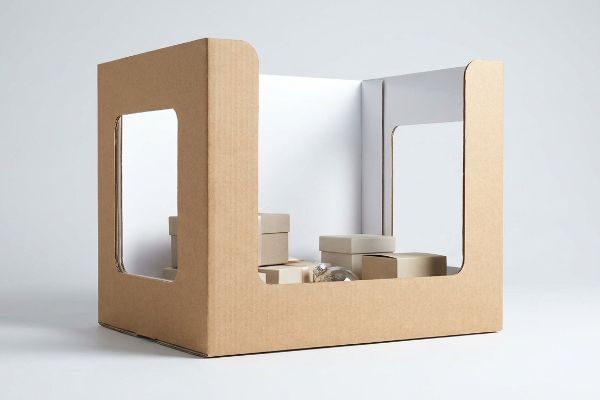
দৃশ্যমানতা সর্বোচ্চ করা কেবল চকচকে কালির বিষয় নয়; বরং এটি বাক্সটির ভৌত কাঠামোকেই পরিবর্তন করার বিষয়।.
কাঠামোগত "ছায়া অঞ্চল" আলোকিত করা
ব্র্যান্ডগুলো প্রায়শই গাঢ় লাল এবং বন সবুজের মতো উৎসবের জন্য গাঢ় ও আকর্ষণীয় রঙের প্যালেটে প্রচুর বিনিয়োগ করে এবং শপিং কার্টের ধাক্কা থেকে রক্ষা করার জন্য তাদের পণ্যগুলিকে মজবুত ঢেউতোলা বাক্সের13।তারা মনে করে যে বাইরের প্রাণবন্ত শিল্পকর্মই মূল পথ থেকে ক্রেতাদের আকর্ষণ করার জন্য যথেষ্ট।
আপনার ডিসপ্লেটিকে একটি ছোট বাড়ির মতো ভাবুন; যদি আপনি কোনো জানালা না কাটেন, তাহলে ভেতরটা ঘুটঘুটে অন্ধকার হয়ে যাবে। যখন আপনি একটি বন্ধ ঢেউতোলা বাক্সের, তখন ওপরের পুরু আস্তরণগুলো একটি ঘন ছায়া ফেলে, যা আপনার মজুত পণ্যকে পুরোপুরি ঢেকে দেয়। আমি এর সমাধান করি "শপ-থ্রু" ধরনের পাশের জানালা তৈরি করে এবং ভেতরের আস্তরণে১৪, ফলে যখন আপনি ভেতরে তাকান, তখন দোকানের আলোর উজ্জ্বল, নির্মল প্রতিফলন প্রতিটি জিনিসকে আলোকিত করতে অনুভব করেন।
| নতুনদের সাধারণ ভুল | প্রো ফিক্স | খুচরা-ফ্লোর সুবিধা |
|---|---|---|
| গাঢ়, নিরেট বাক্সে জিনিসপত্র আবদ্ধ করা | স্থাপত্যের পাশের জানালা কাটা | পারিপার্শ্বিক আলোর প্রবেশযোগ্যতা বৃদ্ধি করে |
| ভিতরের ঢেউখেলানো দেয়ালগুলো কাঁচা বাদামী রেখে দেওয়া | সাদা কাদামাটির প্রলেপযুক্ত ভেতরের লাইনারে আপগ্রেড করা ১৫ | আলো প্রতিফলনের মাধ্যমে পণ্যের দৃশ্যমানতা বৃদ্ধি করে। |
| শুধুমাত্র বাহ্যিক গ্রাফিক্সের উপর নির্ভর করে | ৩-৩-৩ স্থানিক ধারাবাহিকতার জন্য নকশা প্রণয়ন16 | নিকটবর্তী পরিসরে ইম্পালস কনভার্সন বৃদ্ধি করে। |
আমি কোনো ক্লায়েন্টকে তাদের দামী পণ্য অন্ধকার কার্ডবোর্ডের গুহায় লুকিয়ে রাখতে দিই না। গাণিতিকভাবে আলোর কোণ গণনা করে, আমি নিশ্চিত করি যে আপনার পণ্যগুলি দামী অভ্যন্তরীণ ইলেকট্রনিক্সের উপর নির্ভর না করেই নিখুঁতভাবে আলোকিত হয়।.
🛠️ হার্ভিস ডেস্ক: আপনার বর্তমান কাঠামোগত নকশা কি আপনার পণ্যগুলোর ওপর একটি কালো ছায়া ফেলছে? 👉 আপনার ব্লুপ্রিন্ট রিভিউ দাবি করুন ↗ — কোনো ফর্ম নেই যা অবিরাম সেলস কলের কারণ হয়। শুধু খাঁটি মূল্য।
ক্রিসমাসের কিছু জনপ্রিয় কাটআউট ডিজাইন কী কী?
বিশাল স্লেজ গাড়ি এবং পরস্পর সংযুক্ত বল্গা হরিণের কাঠামো বিপুল জনসমাদর লাভ করে, কিন্তু গণ-খুচরা বিক্রির জন্য এই অভিনব আকৃতিগুলোর মাপ নির্ধারণ করতে কঠোর গাণিতিক নির্ভুলতা প্রয়োজন।.
জনপ্রিয় ক্রিসমাস কাটআউট ডিজাইনগুলোর মধ্যে রয়েছে বহুস্তরীয় পরস্পর সংযুক্ত চরিত্র এবং মডিউলার শীতকালীন দৃশ্য। এই জটিল স্ট্যান্ডিগুলোর জন্য কঠোর প্যারামেট্রিক ইঞ্জিনিয়ারিং প্রয়োজন, যেখানে নির্দিষ্ট বেন্ড অ্যালাউন্স গণনা ব্যবহার করা হয়। এর ফলে দোকানে অ্যাসেম্বলির সময় প্রিন্ট করা উপরের শিট ছিঁড়ে যাওয়া বা ভেতরের খাঁজগুলো ভেঙে যাওয়া ছাড়াই পুরু ঢেউখেলানো প্যানেলগুলো নির্বিঘ্নে একে অপরের সাথে জুড়ে যায়।.
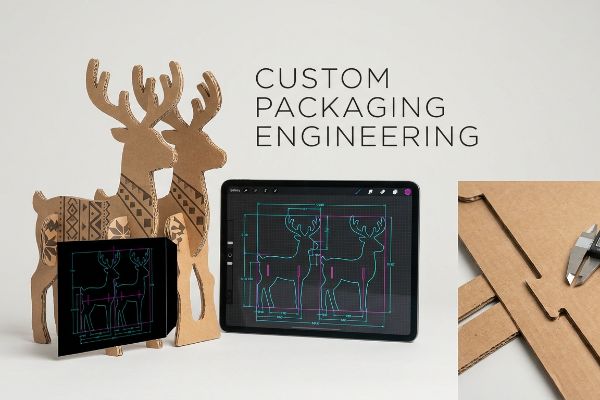
কিন্তু যখন মেশিনগুলো চলতে শুরু করে এবং প্যাকিং লাইনে বোর্ডের বিশাল বিশাল শিটগুলো সজোরে একসাথে আছড়ে ফেলা হয়, তখন শুধু তত্ত্ব জানাই যথেষ্ট নয়।.
কারখানায় স্ট্যান্ডার্ড কাটআউটগুলো কেন ব্যর্থ হয়
গ্রাফিক ডিজাইনাররা প্রায়শই তাদের সফ্টওয়্যারে জটিল লকিং ট্যাব এবং ভাঁজ করার স্লটগুলি ঠিক সংযোগকারী প্যানেলের সমান প্রস্থে তৈরি করেন। তারা ধরে নেন যে ০.১২ ইঞ্চি (৩ মিমি) কার্ডবোর্ডের জন্য তৈরি একটি স্লট ঠিক ০.১২ ইঞ্চি (৩ মিমি) চওড়া করে আঁকা উচিত, এবং বাঁকানোর সময় উপাদানটির ভৌত স্থানচ্যুতিকে17।
আমার প্রতিষ্ঠানে, আমি নিয়মিত দেখি যে এই নিখুঁত ডিজিটাল ফাইলগুলো দ্রুতগতির কো-প্যাকিংয়ের সময় চরম বিশৃঙ্খলা সৃষ্টি করে। যখন আমার দল ৫০ পাউন্ড (২২.৬ কেজি) ওজনের উৎসবের পণ্যসামগ্রী বহনের জন্য একটি ভারী ৩২ ইসিটি (এজ ক্রাশ টেস্ট) বি-ফ্লুট প্যানেলকে ৯০ ডিগ্রিতে ভাঁজ করার চেষ্টা করে, তখন কাগজের তন্তুগুলো উপাদান শোষণ করে নেয়, যার ফলে বোর্ডটি ০.১৪ ইঞ্চি (৩.৫ মিমি) পর্যন্ত ফুলে ওঠে।যদি ক্ষতিপূরণের জন্য সেই স্লটটি গাণিতিকভাবে প্রশস্ত করা না হয়, তবে ক্লার্ক যখন টুকরোগুলোকে জোর করে একসাথে জোড়া লাগানোর চেষ্টা করে, তখন আপনি ঢেউখেলানো ফ্লুটগুলো ভেঙে পড়ার ভয়ঙ্কর, শুকনো মচমচে শব্দ শুনতে পাবেন। আমি প্রতিটি ডাইলাইনকে ক্যাড (কম্পিউটার-এইডেড ডিজাইন) সফটওয়্যারের মধ্যে দিয়ে চালিয়ে এর সমাধান করি, যেখানে একটি স্বয়ংক্রিয় ক্যালিপার ক্ষতিপূরণ অ্যালগরিদম যুক্ত করা হয় যা প্রতিটি স্লটকে ঠিক ১.৫ মিমি প্রশস্ত করেঘর্ষণসম্পূর্ণরূপে দূর করে এবং আমার ক্লায়েন্টদের প্রতি ইউনিটে আনুমানিক ৪০ সেকেন্ড শ্রম বাঁচায়।
| নতুনদের সাধারণ ভুল | প্রো ফিক্স | খুচরা-ফ্লোর সুবিধা |
|---|---|---|
| প্যানেলের প্রস্থের সমান ড্রয়িং স্লট | অ্যালগরিদমিক ক্যালিপার ক্ষতিপূরণ প্রয়োগ করা | ঘর্ষণহীন ও দ্রুত স্টোর অ্যাসেম্বলি নিশ্চিত করে |
| বোর্ডের পুরুত্বের সরণ উপেক্ষা করা | বেন্ড অ্যালাউন্স টলারেন্স যোগ করা | প্রিমিয়াম টপ শিট ছিঁড়ে যাওয়া প্রতিরোধ করে। |
| অনমনীয় জোড়গুলিতে জোরপূর্বক সমাবেশ | ইঞ্জিনিয়ারিং মাইক্রো-ক্লিয়ারেন্স বাফার | কাঠামোগত বাঁক এবং বিকৃতি দূর করে |
আমি ত্রিমাত্রিক পদার্থবিদ্যাকে নির্দেশ করার জন্য সমতল দ্বিমাত্রিক শিল্পকর্মের উপর বিশ্বাস করি না। মিলিমিটার পর্যন্ত সঠিক যান্ত্রিক বাঁকের সীমা গণনা করে, আমি আপনার ব্র্যান্ডকে বিক্রয়কেন্দ্রে থাকা নড়বড়ে, অর্ধ-নির্মিত ডিসপ্লে থেকে রক্ষা করি।.
🛠️ হার্ভির ডেস্ক: একটি ২-মিলিমিটার কাঠামোগত ত্রুটির কারণে ৫০০টি দোকানে পণ্য সরবরাহের পরিকল্পনা যেন ভেস্তে না যায়। 👉 আপনার ডাইলাইন ফাইলটি আমাকে পাঠান ↗ — গণ-উৎপাদনে বাজেট অপচয় করার আগে আমি এর গাণিতিক হিসাব স্ট্রেস-টেস্ট করে নেব।
উপসংহার
আপনার ছুটির মৌসুমের প্রচারণার জন্য আপনি একটি সস্তা স্ট্রাকচারাল ভেন্ডর বেছে নিতে পারেন, কিন্তু যখন সেই অনমনীয় কাটআউট স্লটগুলিতে সঠিক ক্যালিপার কম্পেনসেশন থাকে না, তখন আপনি ব্যাপক অ্যাসেম্বলি ফ্রিকশনের সম্মুখীন হবেন, যা প্যাকিং লাইনের গতি আনুমানিক ৩০% কমিয়ে দেবে এবং ব্যয়বহুল ম্যানুয়াল রিওয়ার্কের কারণ হবে। ৫০০-এর বেশি ব্র্যান্ড ম্যানেজার ঠিক এই মারাত্মক প্রাথমিক পর্যায়ের ভুলগুলো এড়াতে আমার প্রিপ্রেস চেকলিস্ট ব্যবহার করেন। মেকানিক্যাল টলারেন্স নিয়ে অনুমান করা বন্ধ করুন এবং সিএনসি ব্লেড আপনার কার্ডবোর্ড স্পর্শ করার আগেই কাঠামোগত ব্যর্থতা শনাক্ত করতে আমার ফ্রি ডাইলাইন অডিট ↗- এর মাধ্যমে আমাকে ব্যক্তিগতভাবে আপনার জ্যামিতি অডিট করতে দিন।
"পিএলএ/পিএইচবি-ভিত্তিক উপকরণ উভয় ক্ষেত্রেই সম্পূর্ণরূপে জৈব-বিয়োজনযোগ্য … – পিএমসি", https://pmc.ncbi.nlm.nih.gov/articles/PMC9572414/। [একটি নির্ভরযোগ্য উৎস পিএলএ-এর রাসায়নিক গঠন এবং এর বিয়োজনের জন্য প্রয়োজনীয় নির্দিষ্ট শিল্প কম্পোস্টিং শর্তাবলীর বিশদ বিবরণ দেবে, এবং এর সাথে সাধারণ পৌর কাগজ পুনর্ব্যবহারের সাথে এর অসামঞ্জস্যতার তুলনা করবে]। প্রমাণের ভূমিকা: প্রযুক্তিগত যাচাইকরণ; উৎসের ধরণ: পরিবেশগত প্রকৌশল প্রতিবেদন; সমর্থন করে: জৈব-ভিত্তিক উপকরণ এবং প্রকৃত কার্বসাইড পুনর্ব্যবহারযোগ্যতার মধ্যে পার্থক্য। পরিধি টীকা: পিএলএ-প্রলিপ্ত কাগজ এবং ওসিসি পণ্যের উপর দৃষ্টি নিবদ্ধ করে]। ↩
"ইনজিও™ পলিল্যাকটাইডের অবায়বীয় অবক্ষয়ের মূল্যায়ন...", https://www.sciencedirect.com/science/article/abs/pii/S0141391012001413। [শিল্প বর্জ্য ব্যবস্থাপনা প্রতিবেদনগুলি নিশ্চিত করে যে পিএলএ প্লাস্টিকগুলি প্রায়শই ল্যান্ডফিলে পাঠানো হয় কারণ স্বয়ংক্রিয় বাছাইয়ের সময় এগুলি প্রচলিত প্লাস্টিক পুনর্ব্যবহারযোগ্য প্রবাহকে দূষিত করে]। প্রমাণের ভূমিকা: প্রযুক্তিগত যাচাইকরণ; উৎসের ধরণ: বর্জ্য ব্যবস্থাপনা প্রতিবেদন; সমর্থন: পৌর পুনর্ব্যবহারে পিএলএ-এর ব্যর্থতা। পরিধি টীকা: বিশেষভাবে রাস্তার পাশের বাছাই কেন্দ্রগুলিকে বোঝায়। ↩
"[পিডিএফ] প্রলিপ্ত ঢেউখেলানো কাগজের বোর্ডের পুনঃমজ্জাযোগ্যতা – TAPPI.org", https://imisrise.tappi.org/download.aspx?key=91OCT079। [কাগজ এবং প্যাকেজিং শিল্পের প্রযুক্তিগত বিবরণ যাচাই করে যে জল-ভিত্তিক জলীয় প্রলেপগুলি সাধারণ হাইড্রাপাল্পিং যন্ত্রপাতিতে সম্পূর্ণরূপে পুনঃমজ্জাযোগ্য]। প্রমাণের ভূমিকা: প্রযুক্তিগত বিবরণ; উৎসের ধরণ: প্রযুক্তিগত শ্বেতপত্র; সমর্থন করে: জলীয় প্রলেপের পুনর্ব্যবহারযোগ্যতা। পরিধির টীকা: OCC (পুরাতন ঢেউখেলানো কন্টেইনার) প্রক্রিয়াকরণের ক্ষেত্রে প্রযোজ্য। ↩
"পুনর্ব্যবহারযোগ্য এবং জৈব-বিয়োজনযোগ্য কাগজের আবরণ … – পিএমসি", https://pmc.ncbi.nlm.nih.gov/articles/PMC11948148/। [টেকসই প্যাকেজিং-এর একটি নির্ভরযোগ্য উৎস যাচাই করে দেখবে যে জলীয় আবরণগুলো কাগজের সাধারণ পুনর্ব্যবহার প্রক্রিয়ার সাথে সামঞ্জস্যপূর্ণ, যেখানে পিএলএ-এর জন্য প্রায়শই শিল্পভিত্তিক কম্পোস্টিং-এর প্রয়োজন হয়]। প্রমাণের ভূমিকা: যাচাইকরণ; উৎসের ধরণ: প্রযুক্তিগত শিল্প মান। সমর্থন করে: জৈব-প্লাস্টিকের তুলনায় জলীয় আবরণের পুনর্ব্যবহারযোগ্যতা। পরিধি সংক্রান্ত টীকা: স্থানীয় পৌরসভার সুবিধার সক্ষমতার উপর নির্ভরশীল। ↩
"[পিডিএফ] প্রলিপ্ত বা প্রক্রিয়াজাত পণ্যের পুনঃমজ্জা ও পুনর্ব্যবহারের জন্য স্বেচ্ছামূলক মান...", https://www.fibrebox.org/assets/2025/07/2025_Voluntary_-Standard.pdf। [পুরাতন ঢেউখেলানো কার্ডবোর্ডের কন্টেইনার (OCC)-এর জন্য শিল্প নির্দেশিকা, কাগজ কলে কার্যকর পুনঃমজ্জার জন্য প্রয়োজনীয় উপাদানের নির্দিষ্টকরণ এবং দূষকের মাত্রা নির্ধারণ করে]। প্রমাণের ভূমিকা: প্রযুক্তিগত নির্দিষ্টকরণ; উৎসের ধরণ: উৎপাদন নির্দেশিকা। সমর্থন করে: বর্জ্য নিষ্কাশন খরচ এড়াতে আদর্শ পুনঃমজ্জা ব্যবহারের সম্ভাব্যতা। পরিধি টীকা: ঢেউখেলানো কার্ডবোর্ড উপাদানের জন্য নির্দিষ্ট। ↩
"হাই ইমপ্যাক্ট রিটেইল লাইটিং সলিউশনস – লুমিলেডস", https://lumileds.com/markets-served/high-impact-retail-lighting-solutions/। [উচ্চ-কঠিন পলিমারের প্রযুক্তিগত ডেটা শিটগুলো নিম্ন-কঠিন বিকল্পগুলোর তুলনায় উচ্চ-তীব্রতার রিটেইল লাইটিংয়ের অধীনে তাদের উন্নত আলো-সহনশীলতা এবং রঙের উজ্জ্বলতা বজায় রাখার ক্ষমতা প্রদর্শন করবে]। প্রমাণের ভূমিকা: প্রযুক্তিগত কার্যকারিতা; উৎসের ধরণ: উপাদানের ডেটা শিট। সমর্থন করে: গ্রাফিক্সের স্থায়িত্ব এবং নান্দনিক রক্ষণাবেক্ষণ। পরিধি সংক্রান্ত টীকা: নির্দিষ্ট পলিমার ফর্মুলেশনের মধ্যে সীমাবদ্ধ। ↩
"বক্স প্রিন্ট করার জন্য CMYK কালার মডেল – জেন্টলেভার", https://gentlever.com/cmyk-for-printing-boxes/। [প্রিন্ট প্রোডাকশন স্ট্যান্ডার্ডের একটি প্রামাণ্য উৎস, ডাই-লাইন এবং ফোল্ড মার্ক সহ প্রোডাকশন-রেডি ফাইল তৈরির জন্য CMYK কালার মডেলের ব্যবহার ব্যাখ্যা করে]। প্রমাণের ভূমিকা: প্রযুক্তিগত স্পেসিফিকেশন; উৎসের ধরণ: প্রিন্টিং শিল্পের ম্যানুয়াল। সমর্থন করে: গ্রাফিক ডিজাইনে প্রোডাকশন মার্কিংয়ের জন্য প্রযুক্তিগত মান। পরিধি নোট: বাণিজ্যিক প্রিন্টিং এবং ডিজিটাল কাটিং ওয়ার্কফ্লোর জন্য নির্দিষ্ট। ↩
"অ্যাডোবি ইলাস্ট্রেটরে প্রোডাকশন স্পট কালার – সিম্পলি বিউটিফুল প্রিন্ট", https://www.beautiful.co.uk/help/understanding-and-using-spot-colours-in-adobe-illustrator-a-practical-guide/। [সিএনসি রাউটার এবং প্রিপ্রেস সফটওয়্যারের প্রযুক্তিগত ডকুমেন্টেশন নিশ্চিত করে যে কাটিং পাথগুলো ভিজ্যুয়াল বৈশিষ্ট্যের পরিবর্তে নির্দিষ্ট স্পট কালারের নাম দ্বারা চিহ্নিত করা হয়]। প্রমাণের ভূমিকা: প্রযুক্তিগত স্পেসিফিকেশন; উৎসের ধরণ: ইন্ডাস্ট্রি সফটওয়্যার ম্যানুয়াল। সমর্থন করে: স্বয়ংক্রিয় কাটিংয়ে স্পট কালারের যান্ত্রিক প্রয়োজনীয়তা। পরিধি নোট: সরঞ্জাম প্রস্তুতকারক ভেদে রঙের সঠিক নাম ভিন্ন হতে পারে। ↩
"অ্যাডোবি ইলাস্ট্রেটর – কাট লাইনের জন্য কোন রঙের নমুনা ব্যবহার করতে হবে?", https://graphicdesign.stackexchange.com/questions/83118/what-color-swatch-to-use-for-cut-lines। [শিল্পের প্রিপ্রেস মান অনুযায়ী, ডাই-লাইনকে আর্টওয়ার্ক থেকে আলাদা করার জন্য প্রায়শই একটি স্বতন্ত্র, নন-প্রিন্টিং স্পট কালার, যেমন ১০০% ম্যাজেন্টা, ব্যবহার করা হয়]। প্রমাণের ভূমিকা: শিল্পের প্রচলিত রীতি; উৎসের ধরণ: মুদ্রণ এবং উৎপাদন নির্দেশিকা। সমর্থন করে: রাউটিং পাথের জন্য ম্যাজেন্টা ব্যবহারের সাধারণ রীতি। পরিধি সংক্রান্ত টীকা: এটি একটি বহুল ব্যবহৃত রীতি, কিন্তু কোনো সার্বজনীন হার্ডওয়্যার আবশ্যকতা নয়। ↩
"ডিজিটাল ডাই কাটার – প্রিন্ট ও ফিনিশিং সলিউশনস", https://www.pfsgraphics.com/finishing/die-cutters/digital/?srsltid=AfmBOoqME22rfBuNx4gq-Uc9mHwWjpsEJc4VUf7ET_i1Q6J22wf9k042। [সিএনসি এবং ডিজিটাল প্লটারের উপর প্রযুক্তিগত ডকুমেন্টেশন ব্যাখ্যা করে যে কীভাবে নির্দিষ্ট স্পট কালার ডেজিগনেশন কাটিং সফটওয়্যারকে প্রিন্ট করা গ্রাফিক্স থেকে ভেক্টর পাথ আলাদা করতে সাহায্য করে]। প্রমাণের ভূমিকা: প্রযুক্তিগত যাচাইকরণ; উৎসের ধরণ: মুদ্রণ শিল্পের ম্যানুয়াল। সমর্থন করে: কাটিংয়ের নির্ভুলতার জন্য স্পট কালারের ব্যবহার। পরিধি নোট: প্রাথমিকভাবে ডিজিটাল কাটিং সিস্টেমের জন্য প্রযোজ্য। ↩
"কাস্টম প্যাকেজিং এবং প্রিন্টিং-এ ডাইলাইনের সম্পূর্ণ নির্দেশিকা", https://gentlever.com/dielines-for-custom-packaging-and-printing/। [স্ট্যান্ডার্ড প্রিপ্রেস ওয়ার্কফ্লো অনুযায়ী, চূড়ান্ত প্রিন্ট রানে গাইডলাইনগুলো যাতে রেন্ডার না হয় তা নিশ্চিত করার জন্য ডাইলাইনগুলোকে নন-প্রিন্টিং বা বিচ্ছিন্ন লেয়ারে স্থাপন করতে হয়]। প্রমাণের ভূমিকা: পদ্ধতিগত যাচাইকরণ; উৎসের ধরণ: গ্রাফিক ডিজাইন স্ট্যান্ডার্ড। সমর্থন: মুদ্রিত আউটলাইন প্রতিরোধ। পরিধি নোট: ভেক্টর-ভিত্তিক প্রিন্ট সফটওয়্যারের জন্য প্রচলিত পদ্ধতি]। ↩
"ডিজিটাল দক্ষতার সাথে পরিবেশবান্ধব হওয়া: টেকসই উন্নয়নের একটি ভূমিকা...", https://www.enfocus.com/en/articles/going-green-digital-efficiency-introduction-sustainable-print-technologies। [শিল্প খাতের তথ্য প্রমাণ করে যে, স্বয়ংক্রিয় প্রি-ফ্লাইটিং উৎপাদন শুরুর আগেই ভুল কালার মোড বা নিম্ন রেজোলিউশনের মতো প্রযুক্তিগত ত্রুটি শনাক্ত করে, যা ব্যয়বহুল পুনঃমুদ্রণ প্রতিরোধ করে]। প্রমাণের ভূমিকা: কার্যকারিতার প্রমাণ; উৎসের ধরণ: প্রযুক্তিগত শ্বেতপত্র। সমর্থন করে: ব্যাপক উৎপাদনের পুনঃমুদ্রণ বিলোপ। পরিধি সংক্রান্ত টীকা: প্রি-ফ্লাইট প্রোফাইলের জটিলতার উপর কার্যকারিতা নির্ভর করে]। ↩
"কাস্টম করোগেটেড ডিসপ্লে বক্স | ফ্রি শিপিং ও ডিজাইন", https://theboxology.us/product/corrugated-display-boxes/. [খুচরা বিক্রয়কেন্দ্রের ডিসপ্লের জন্য প্যাকেজিং ইঞ্জিনিয়ারিং স্ট্যান্ডার্ডগুলি, অধিক জনসমাগমপূর্ণ করিডোরে শারীরিক আঘাত সহ্য করার জন্য করোগেটেড বিনের প্রয়োজনীয় ফেটে যাওয়ার শক্তি এবং চাপ প্রতিরোধের ক্ষমতা নির্দিষ্ট করে। প্রমাণের ভূমিকা: প্রযুক্তিগত স্পেসিফিকেশন; উৎসের ধরণ: শিল্প মান; সমর্থন: খুচরা বিনের জন্য কাঠামোগত প্রয়োজনীয়তা। পরিধি নোট: করোগেটেড উপাদানের গ্রেডগুলির উপর দৃষ্টি নিবদ্ধ করে।] ↩
"আলোর প্রতিফলন মান: শিক্ষানবিসদের জন্য একটি নির্দেশিকা – ইউটিউব", https://www.youtube.com/watch?v=bWV4ShSLYHo। [শিল্প প্যাকেজিং উপকরণের উপর একটি প্রযুক্তিগত উৎস যাচাই করে দেখাবে যে, সাধারণ ক্রাফট ব্রাউনের তুলনায় সাদা কাদামাটির প্রলেপ ঢেউখেলানো লাইনারের আলোর প্রতিফলন মান (LRV) উল্লেখযোগ্যভাবে বৃদ্ধি করে]। প্রমাণের ভূমিকা: প্রযুক্তিগত বিবরণ; উৎসের ধরণ: বস্তু বিজ্ঞান হ্যান্ডবুক। সমর্থন করে: অভ্যন্তরীণ আলোকসজ্জা সর্বাধিক করার জন্য নির্দিষ্ট প্রলেপের ব্যবহার। পরিধি টীকা: বিশেষভাবে ঢেউখেলানো খুচরা ডিসপ্লের ক্ষেত্রে প্রযোজ্য। ↩
"ক্লে কোটেড ক্রাফট ব্যাক (CCK) – টেকসই প্যাকেজিং – CPP বক্স", https://www.cppboxes.com/clay-coated-kraft-back-cck-strong-sustainable-cost-effective-packaging/?srsltid=AfmBOoocNAsw4fpAJy-hzl0LUA1XVDD0nVb6FlUaMZX5UrDijQG2NQqA. [কোরুগেটেড বোর্ড উপকরণের প্রযুক্তিগত স্পেসিফিকেশন নিশ্চিত করবে যে সাদা ক্লে কোটিং কাঁচা বাদামী ক্রাফটের চেয়ে উচ্চতর আলো প্রতিফলন মান (LRV) প্রদান করে]। প্রমাণের ভূমিকা: প্রযুক্তিগত যাচাইকরণ; উৎসের ধরণ: প্যাকেজিং ইঞ্জিনিয়ারিং ম্যানুয়াল। সমর্থন করে: এই দাবি যে সাদা লাইনার পণ্যের দৃশ্যমানতা বাড়ায়। পরিধি নোট: বিশেষভাবে অভ্যন্তরীণ প্যাকেজিং উপকরণের ক্ষেত্রে প্রযোজ্য। ↩
"প্রোডাক্ট প্লেসমেন্ট মার্কেটিং-এর জন্য সেরা ধরনের ডিসপ্লে...", https://popdisplay.me/the-best-types-of-displays-for-product-placement-marketing-in-retail/। [পেশাদার রিটেইল ডিজাইন সংক্রান্ত সাহিত্যে ৩-৩-৩ নিয়মটিকে নির্দিষ্ট দূরত্ব ও সময়ের ব্যবধানে ভোক্তাদের আকৃষ্ট করার একটি কৌশলগত কাঠামো হিসেবে সংজ্ঞায়িত করা হয়]। প্রমাণের ভূমিকা: কাঠামোর বৈধতা যাচাই; উৎসের ধরন: ভিজ্যুয়াল মার্চেন্ডাইজিং গাইড। সমর্থন করে: এই স্থানিক ডিজাইন যে ইম্পালস কনভার্সন বাড়ায়, সেই দাবিকে। পরিধি সংক্রান্ত টীকা: শিল্প-নির্দিষ্ট হিউরিস্টিক। ↩
"[পিডিএফ] ঢেউখেলানো বোর্ডের নমনীয় দৃঢ়তা", https://www.fpl.fs.usda.gov/documnts/pdf1992/luo92a.pdf। [কাঠামোগত প্যাকেজিং ডিজাইনের একটি নির্ভরযোগ্য উৎস ব্যাখ্যা করবে যে কীভাবে নমনীয়তা এবং উপাদানের পুরুত্ব ইন্টারলকিং ট্যাবের সংস্থাপনকে প্রভাবিত করে]। প্রমাণের ভূমিকা: প্রযুক্তিগত যাচাইকরণ; উৎসের ধরণ: ইঞ্জিনিয়ারিং ম্যানুয়াল বা প্যাকেজিং পাঠ্যপুস্তক। সমর্থন: উপাদানের স্থানচ্যুতির জন্য স্লটের প্রস্থ সমন্বয় করার প্রয়োজনীয়তা। পরিধি টীকা: বিশেষভাবে ঢেউখেলানো এবং পুরু পেপারবোর্ডের ক্ষেত্রে প্রযোজ্য। ↩
"[পিডিএফ] করোগেটেড বোর্ডের স্পেসিফিকেশন – ফাইবার বক্স অ্যাসোসিয়েশন", https://www.fibrebox.org/assets/2025/09/Walmart_Corrugated-Board_Specifications_Automation_Packaging_Standards.pdf। [একটি প্যাকেজিং ইঞ্জিনিয়ারিং ম্যানুয়াল বি-ফ্লুট করোগেটেড বোর্ডের নামমাত্র পুরুত্ব এবং ভাঁজ করা অবস্থায় এর প্রসারণ বৈশিষ্ট্য যাচাই করবে]। প্রমাণের ভূমিকা: প্রযুক্তিগত স্পেসিফিকেশন; উৎসের ধরণ: ইঞ্জিনিয়ারিং হ্যান্ডবুক। সমর্থন: উপাদানের পুরুত্ব এবং চাপের অধীনে আচরণ। পরিধি নোট: ৩২ ইসিটি গ্রেড উপাদানের জন্য নির্দিষ্ট। ↩
"[পিডিএফ] ঢেউখেলানো পেপারবোর্ডের স্পেসিফিকেশন – ন্যাশনাল আর্কাইভস", https://www.archives.gov/files/preservation/storage/pdf/corrugated-board.pdf। [ডাই-লাইন ডিজাইনের জন্য শিল্প মানগুলি অ্যাসেম্বলির সময় ফ্লুট ভেঙে যাওয়া রোধ করার জন্য স্লটগুলিতে প্রয়োজনীয় ক্লিয়ারেন্স বা টলারেন্স যোগ করার বিষয়ে নির্দেশিকা প্রদান করে]। প্রমাণের ভূমিকা: ডিজাইন স্ট্যান্ডার্ড; উৎসের ধরণ: উৎপাদন নির্দেশিকা। সমর্থন করে: স্লট ক্ষতিপূরণ মেট্রিক্স। পরিধি নোট: নির্দিষ্ট বোর্ড ক্যালিপারের উপর ভিত্তি করে টলারেন্স পরিবর্তিত হতে পারে। ↩