দোকানের শেষ প্রান্তের জায়গার জন্য লড়াই না করেই বড় বড় দোকানের করিডোরে আধিপত্য বিস্তার করার সবচেয়ে কার্যকর উপায় হলো আপনার দোকানের বিন্যাসকে সর্বোত্তমভাবে কাজে লাগানো ।
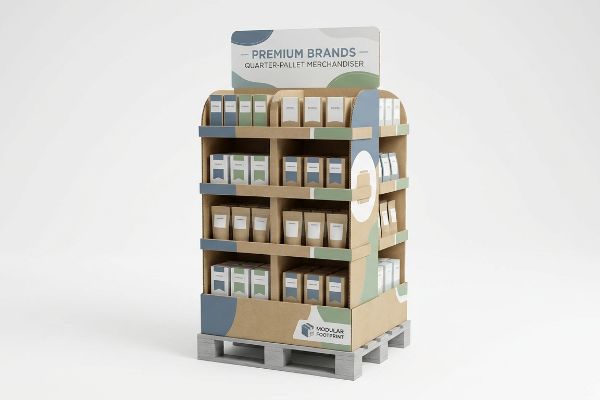
কোয়ার্টার-প্যালেট ডিসপ্লে হলো একটি অত্যন্ত কম্প্যাক্ট মার্চেন্ডাইজার, যা একটি স্ট্যান্ডার্ড জিএমএ (গ্রোসারি ম্যানুফ্যাকচারার্স অ্যাসোসিয়েশন) কাঠের বেসের ঠিক এক-চতুর্থাংশ জায়গা দখল করার জন্য ডিজাইন করা হয়েছে। এর মডুলার গঠন ব্র্যান্ডগুলোকে দোকানের গুরুত্বপূর্ণ করিডোরের সংযোগস্থলগুলো ভাগ করে নেওয়ার সুযোগ দেয়, একই সাথে স্থানের প্রয়োজনীয়তা ব্যাপকভাবে হ্রাস করে এবং খুচরা বিক্রেতাদের কঠোর নিয়ম মেনে চলার কারণে পণ্য বাতিল হওয়া প্রতিরোধ করে।.
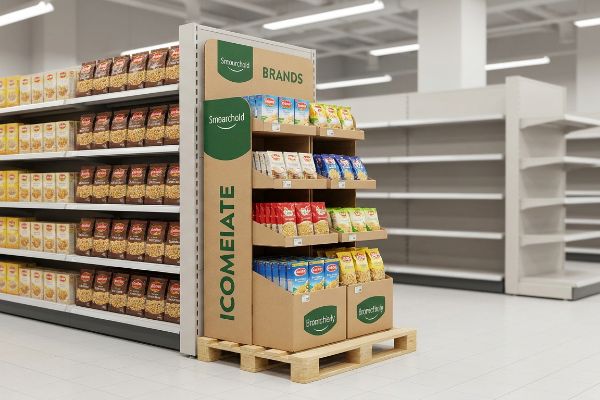
চলুন বিশ্লেষণ করা যাক, কীভাবে এই ফুটপ্রিন্টটি তাৎক্ষণিক রিটেইলার চার্জব্যাক ট্রিগার না করেই দৃশ্যমানতা সর্বাধিক করে তোলে।.
কোয়ার্টার প্যালেট ডিসপ্লে বলতে কী বোঝায়?
অধিক জনসমাগমপূর্ণ খুচরা বিক্রয় কেন্দ্রে জায়গা নিশ্চিত করার জন্য গাণিতিক নির্ভুলতা এবং যৌথ পণ্য প্রদর্শন অঞ্চল সম্পর্কে ধারণা থাকা প্রয়োজন।.
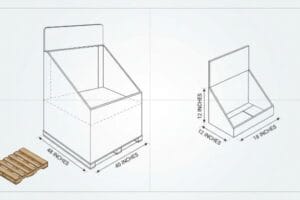
কোয়ার্টার প্যালেট ডিসপ্লে হলো একটি গাণিতিকভাবে বিভক্ত মার্চেন্ডাইজার, যা আদর্শ ২৪-বাই-২০ ইঞ্চি (৬০৯.৬-বাই-৫০৮ মিমি) মাপে নির্মিত। এই নির্দিষ্ট কাঠামোগত জ্যামিতি নিশ্চিত করে যে চারটি স্বতন্ত্র প্রচারমূলক প্রচারাভিযান একটিমাত্র কাঠের ডেকের উপর নিখুঁতভাবে স্থাপন করা যায়, যা মূল্যবান খুচরা স্থানের সর্বোত্তম ব্যবহার নিশ্চিত করে এবং দোকানে চলাচল সহজ করে।.
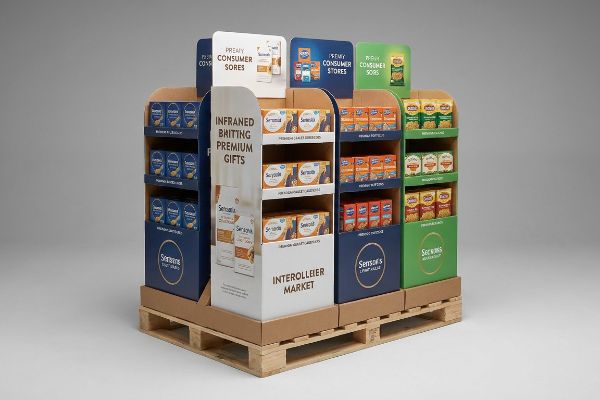
করিডোরের কাঠামোগত নকশা প্রণয়নের আগে তত্ত্বটি বোঝা কেবল প্রথম ধাপ।.
ভগ্নাংশ কোয়ার্টার প্যালেট ডিসপ্লেতে দক্ষতা অর্জন
এমনকি অভিজ্ঞ ব্র্যান্ড ম্যানেজাররাও প্রায়শই বড় বড় ক্রেতাদের কাছে বিশাল, পূর্ণ আকারের ফ্লোর ইউনিট উপস্থাপন করেন, এই ভেবে যে একটি বড় আকারের পরিসর ব্র্যান্ডের আরও ভালো দৃশ্যমানতা নিশ্চিত করবে। তারা এই কঠোর বাস্তবতা উপেক্ষা করেন যে, স্টোর ম্যানেজাররা করিডোরের জায়গা কঠোরভাবে রেশনিং করেন, যারা সক্রিয়ভাবে বড় আকারের প্রচারণা প্রত্যাখ্যান করেন।
একটি কোয়ার্টার-প্যালেটকে একটি মডিউলার পাজলের টুকরো হিসেবে ভাবুন। আমি প্রায়শই দেখি অভিজ্ঞ ডিজাইনাররা এমন মাপ আঁকেন যা ভগ্নাংশের সীমানার সামান্য বাইরে বেরিয়ে থাকে। যখন দোকানের কর্মচারী এই চারটি ইউনিট মেঝেতে একসাথে স্লাইড করে ঢোকানোর চেষ্টা করেন, তখন ঘর্ষণের কারণে কোণাগুলো থেকে লিথো-ল্যামিনেশন উঠে যাওয়ায় কাঁচা পেপারবোর্ডের তীব্র ছিঁড়ে যাওয়ার শব্দ শোনা যায়। কর্মচারী শেষ পর্যন্ত ক্ষতিগ্রস্ত হেডারগুলোতে স্বচ্ছ টেপ পেঁচিয়ে দেন, যা আপনার প্রিমিয়াম ব্র্যান্ডের ভাবমূর্তি নষ্ট করে দেয়। এটি প্রতিরোধ করার জন্য, আমি সবসময় CAD (কম্পিউটার-এইডেড ডিজাইন) বাউন্ডিং বক্সটিকে আসল ফুটপ্রিন্টের ০.৫ ইঞ্চি (১২.৭ মিমি)² ভিতরে লক করে দিই, যা শেয়ার্ড ডেকের উপর একটি ঘর্ষণহীন পতন নিশ্চিত করে।
| নতুনদের সাধারণ ভুল | প্রো ফিক্স | খুচরা-ফ্লোর সুবিধা |
|---|---|---|
| ভগ্নাংশ সীমানার উপর ঝুলে থাকা | CAD সীমানা 0.5 ইঞ্চি (12.7 মিমি) সংকুচিত করা হচ্ছে3 | পেপারবোর্ড ছিঁড়ে যাওয়া প্রতিরোধ করে |
| শুধুমাত্র পূর্ণ আকারের পিচিং | উপবিভক্ত মডিউলার ইউনিট ডিজাইন করা4 | বড় আকারের স্থানিক প্রত্যাখ্যান দূর করে |
| শেয়ার করা প্যালেট ঘর্ষণ উপেক্ষা করা | শারীরিক ক্লিয়ারেন্স মার্জিন যোগ করা | দ্রুত স্টোর সেটআপ নিশ্চিত করে |
আমি এক ইঞ্চির ভগ্নাংশের জন্যেও একটি জাতীয় পণ্য উন্মোচন নষ্ট হতে দেব না, আর একারণেই আমার মেঝেতে আঁটসাঁট সীমানা বাক্স থাকা অপরিহার্য।.
🛠️ হার্ভির ডেস্ক: একটি যৌথ মার্চেন্ডাইজিং পরিসরে আপনার প্রোডাক্ট লঞ্চটি অন্তর্ভুক্ত করতে হিমশিম খাচ্ছেন? 👉 আপনার ডাইলাইন চেক করিয়ে নিন ↗ — আমার ডেস্কে সরাসরি অ্যাক্সেস। কোনো স্বয়ংক্রিয় সেলস স্প্যাম নেই, আমি কথা দিচ্ছি।
ডিসপ্লের চারটি মৌলিক প্রকার কী কী?
খুচরা পণ্য বিক্রেতাদের কাঠামোগত স্তরবিন্যাসই নির্ধারণ করে দেয় যে আপনার পণ্যটি শেষ পর্যন্ত কোথায় থাকবে এবং কীভাবে বিক্রি হবে।
রিটেইল ডিসপ্লের চারটি মৌলিক প্রকার হলো ফ্লোর মার্চেন্ডাইজার, কাউন্টারটপ ইউনিট, প্যালেটাইজড বাল্ক বিন এবং শেলফ-রেডি ট্রে। প্রতিটি বিভাগ দোকানের অভ্যন্তরীণ পরিবেশের একটি নির্দিষ্ট স্থানিক সীমাবদ্ধতা সমাধানের জন্য বিশেষভাবে ডিজাইন করা হয় এবং এতে বিভিন্ন ধরনের পরিবর্তনশীল ভার সামলানোর জন্য স্বতন্ত্র গ্রেডের ঢেউখেলানো কার্ডবোর্ড ব্যবহার করা হয়।.
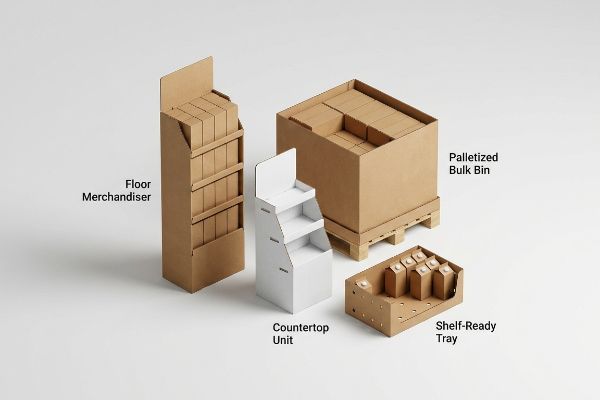
কিন্তু তাদের কঠোর সরবরাহ ও স্থানগত সীমাবদ্ধতাগুলো গুলিয়ে ফেললে শুধু নাম জানাই আপনাকে বাঁচাতে পারবে না।.
ডিসপ্লের চারটি মৌলিক প্রকারের শ্রেণিবিন্যাস
ক্রয়কারী দলগুলো প্রায়শই একটি সর্বজনীন নকশা বিক্রি করার চেষ্টা করে, এই প্রতিশ্রুতি দিয়ে যে একটি বড় ফ্লোর ইউনিটকে কেবল ৫০% ছোট করে পয়েন্ট-অফ-সেল কাউন্টার ট্রে হিসাবে ব্যবহার করা যাবে। তারা এই সম্পূর্ণ পৃথক মার্চেন্ডাইজিং জোনগুলোকে নিয়ন্ত্রণকারী কঠোর আইনি এবং লজিস্টিক নিয়মগুলোকে৫।
ক্রেতারা প্রায়শই জিজ্ঞাসা করেন যে টুলিং খরচ বাঁচাতে তারা উভয় অ্যাপ্লিকেশনের জন্য একই ডাইলাইন ব্যবহার করতে পারবেন কিনা। যখন তারা এই ক্রসওভারটি করার চেষ্টা করেন, তখন ছোট আকারের কাঠামোটি অনিবার্যভাবে ADA (আমেরিকানস উইথ ডিসএবিলিটিস অ্যাক্ট)-এর ১৫ থেকে ৪৮ ইঞ্চি (৩৮১ থেকে ১২১৯.২ মিমি) সামনের দিকে পৌঁছানোর নির্ধারিত সীমাএকটিঅতিরিক্ত বড় হেডারকে পিছনের দিকে বাঁকানোর চেষ্টা করতে যাতে তারা তাদের রেজিস্টার স্ক্রিনটি দেখতে পারে। আমি ইঞ্জিনিয়ারিং পাইপলাইনগুলিকে স্থায়ীভাবে আলাদা করে রেখেছি: ফ্লোর ইউনিটগুলি লজিস্টিক বেসের সাথে নোঙর করা থাকে, আর কাউন্টার ইউনিটগুলি কঠোর আর্গোনমিক নাগালের সীমার সাথে নোঙর করা থাকে।
| নতুনদের সাধারণ ভুল | প্রো ফিক্স | খুচরা-ফ্লোর সুবিধা |
|---|---|---|
| ফ্লোর ইউনিটগুলির আকার কমানো | POP এবং POS ইঞ্জিনিয়ারিং পৃথকীকরণ | ক্যাশিয়ারের লাইনে ভিড় প্রতিরোধ করে |
| রেজিস্টার উচ্চতার সীমা উপেক্ষা করা | ADA নাগালের সীমাবদ্ধতায় নোঙর করা7 | স্টোর ম্যানেজারের প্রত্যাখ্যান এড়ানো যায় |
| কাউন্টারের জন্য মোটা বি-ফ্লুট পুনরায় ব্যবহার করা | মাইক্রো-ফ্লুটে অবনমন8 | প্রিমিয়াম চেকআউট স্থান সাশ্রয় করে |
একটিও টেস্ট বোর্ড কাটার আগে আমি গাণিতিকভাবে প্রতিটি কাউন্টার ইউনিটকে কমপ্লায়েন্স উইন্ডোর সাথে মিলিয়ে নিই।
🛠️ হার্ভির ডেস্ক: আপনার ছোট আকারের ফ্লোর স্ট্যান্ডারটি কঠোর ফরোয়ার্ড-রিচ কমপ্লায়েন্স উইন্ডো লঙ্ঘন করে কিনা তা জানতে আগ্রহী? 👉 একটি স্পেশিয়াল অডিটের জন্য অনুরোধ করুন ↗ — নিরাপদে ডাউনলোড করুন। পরবর্তীতে কোনো প্রশ্ন থাকলে আমার ইনবক্স খোলা আছে।
একটি কোয়ার্টার প্যালেটের পরিমাপ কী?
উচ্চ-পরিমাণ বিতরণ নেটওয়ার্কের জন্য একটি মডিউলার রিটেইল কাঠামোকে সর্বোত্তম করার ক্ষেত্রে নির্ভুলতা অপরিহার্য।.
কোয়ার্টার প্যালেটের মাপ হলো ঠিক ২৪ ইঞ্চি (৬০৯.৬ মিমি) লম্বা এবং ২০ ইঞ্চি (৫০৮ মিমি) গভীর। কার্যকর লজিস্টিকসের জন্য, একত্রিত অবস্থায় এর মোট উচ্চতা অবশ্যই ৪৮ ইঞ্চি (১২১৯.২ মিমি)-এর নিচে থাকতে হবে, যাতে ট্রান্সপোর্ট ট্রেলারের ভেতরে নিরাপদে ডাবল-স্ট্যাকিং করা যায়। এর ফলে শীর্ষ স্তরের কাঠামোগত ক্ষতির ঝুঁকি ছাড়াই মাল পরিবহনের খরচ সাশ্রয় নিশ্চিত হয়।.
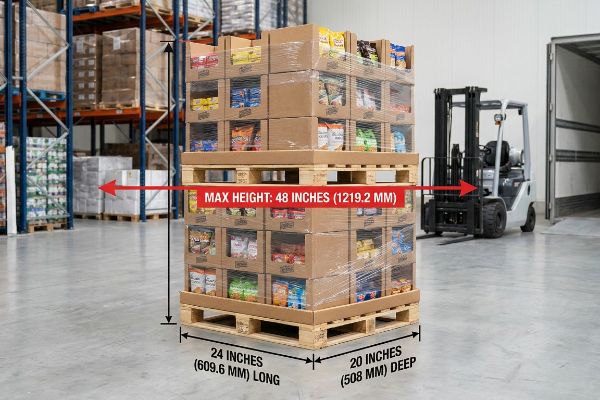
এর পরিধি নির্দিষ্ট করা সহজ, কিন্তু উল্লম্ব পদার্থবিদ্যাকে হিসাবে না ধরলেই প্রচারণাগুলো নীরবে ব্যর্থ হয়।.
একটি কোয়ার্টার প্যালেটের পরিমাপের প্রকৌশল
ডিজাইনাররা সাধারণত মূল নকশাটি সঠিকভাবে নির্ধারণ করেন, কিন্তু প্রায়শই ছোট আকারের মালবাহী পরিবহন সংস্থাগুলোর উল্লম্ব পরিবহনের সীমাবদ্ধতা9।তারা মহাসড়কে এটি কীভাবে টিকে থাকবে তার পরিবর্তে, করিডোরে ইউনিটটি দেখতে কেমন লাগে তার উপর সম্পূর্ণ মনোযোগ দেন।
এই আকারের কাঠামো তৈরি করাটা অনেকটা গাড়ির ট্রাঙ্কে জিনিসপত্র গোছানোর মতো; উল্লম্ব উচ্চতাই সবকিছু নির্ধারণ করে। একটি সাধারণ ভুল হলো গ্রাফিক স্পেস সর্বাধিক করার জন্য একটি বিশাল ৬০-ইঞ্চি (১৫২৪ মিমি) লম্বা ইউনিট ডিজাইন করা। যখন গুদামের কর্মীরা অনিবার্যভাবে এই অতিরিক্ত বড় শিপারগুলোকে ডাবল-স্ট্যাক করার চেষ্টা করে, তখন উপরের কাঠের প্যালেটের ওজনে টপ হেডারটি বেঁকে যাওয়ার বিকট শব্দ শোনা যায়। এরপর দোকানের একজন কর্মীকে একটি ক্ষতিগ্রস্ত, মাথা কাটা ইউনিটকে মেঝেতে নামানোর জন্য কুড়ি মিনিট ধরে টেপ দিয়ে জোড়া লাগাতে বাধ্য হতে হয়। একটি সাধারণ নিয়ম হিসাবে, আমি পরিবহনের সময় ঢেউখেলানো কোণাগুলো যাতে গতিশীল ভার পুরোপুরি বহন করতে পারে তা নিশ্চিত করার জন্য, পরিবহনযোগ্য প্যালেটের উচ্চতা কঠোরভাবে ৪৮ ইঞ্চি (১২১৯.২ মিমি)-তে সীমাবদ্ধ রাখি ।
| নতুনদের সাধারণ ভুল | প্রো ফিক্স | খুচরা-ফ্লোর সুবিধা |
|---|---|---|
| ৬০-ইঞ্চি (১৫২৪ মিমি) লম্বা ইউনিট ডিজাইন করা | সর্বোচ্চ উচ্চতা ৪৮ ইঞ্চি (১২১৯.২ মিমি)11 | ট্রেলারে ডাবল-স্ট্যাকিং সত্ত্বেও টিকে থাকে |
| ওভারহেড ক্লিয়ারেন্স উপেক্ষা করা | উল্লম্ব শক্তির জন্য কোণগুলো সারিবদ্ধ করা12 | মাথা কাটা প্রদর্শন প্রতিরোধ করে |
| গ্রাফিক স্পেসকে অতিরিক্ত অগ্রাধিকার দেওয়া | মালবাহী সীমার জন্য অপ্টিমাইজ করা | বিপরীত লজিস্টিকস ক্ষতি হ্রাস করে |
আমি ডিসপ্লেগুলোকে এমনভাবে ডিজাইন করি যাতে সেগুলো মহাসড়কের মালবাহী পরিবহনের কঠোর বাস্তবতা সহ্য করতে পারে, কারণ একটি দুমড়ে-মুচড়ে যাওয়া গ্রাফিক কোনো বিক্রিই বাড়ায় না।.
🛠️ হার্ভির ডেস্ক: দুর্বল উল্লম্ব উচ্চতা পরিকল্পনার কারণে আপনার ডিসপ্লেগুলো কি মাথা কাটা অবস্থায় পৌঁছাচ্ছে? 👉 আপনার স্ট্রাকচারাল রিভিউ দাবি করুন ↗ — কোনো ফর্ম নেই যা অবিরাম সেলস কলের কারণ হয়। শুধু খাঁটি মূল্য।
ডিসপ্লে-রেডি প্যালেট কী?
গুদাম থেকে পণ্য পরিবহন এবং চূড়ান্ত বিক্রয়কেন্দ্রের মধ্যেকার ব্যবধান পূরণের জন্য একটি মজবুত ভিত্তি স্থাপত্য প্রয়োজন।.
ডিসপ্লে-রেডি প্যালেট হলো আগে থেকে পণ্য বোঝাই করা একটি রিটেইল ইউনিট, যা আনপ্যাক না করেই সরাসরি শিপিং ট্রাক থেকে সেলস ফ্লোরে নিয়ে যাওয়ার জন্য ডিজাইন করা হয়েছে। এই অপ্টিমাইজড ঢেউখেলানো কার্ডবোর্ডের সিস্টেমে একটি স্ট্যান্ডার্ডাইজড কাঠের ডেক ব্যবহার করা হয়, যা ফর্কলিফ্টকে ব্যস্ত করিডোরগুলোতে তাৎক্ষণিকভাবে বাল্ক পণ্য নামিয়ে দিতে সাহায্য করে এবং এর ফলে দোকানের কায়িক শ্রমের খরচ ব্যাপকভাবে কমে যায়।.
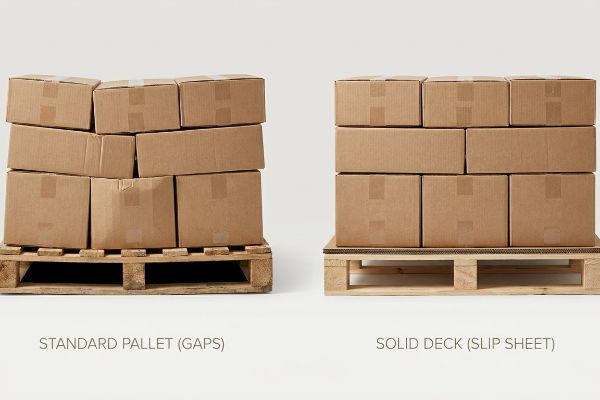
কিন্তু যখন মেশিনগুলো চলতে শুরু করে এবং দেশব্যাপী মাল পরিবহনের সময় ভারী পণ্য স্থানান্তরিত হয়, তখন শুধু তত্ত্ব জানাই যথেষ্ট নয়।.
কারখানার ফ্লোরে কেন সাধারণ, প্রদর্শনের জন্য প্রস্তুত প্যালেটগুলো ব্যর্থ হয়
সাপ্লাই চেইন পরিকল্পনাকারীরা প্রায়শই প্রতি চালানে কিছু পয়সা বাঁচানোর জন্য ভারী, আগে থেকে ভরা ঢেউখেলানো কার্ডবোর্ডের ডিসপ্লেগুলো সরাসরি নিম্নমানের কাঠের রপ্তানি প্যালেটের ওপর রাখেন। তারা ধরে নেন যে, নিচের ভিত্তি যাই হোক না কেন, মজবুত বোর্ডের স্বাভাবিক সংকোচন ক্ষমতা অলৌকিকভাবে পণ্যগুলোকে রক্ষা করবে।.
আমার কারখানায়, আমি নিয়মিত দেখি যে প্রি-প্রোডাকশন পরীক্ষার সময় ঠিক এই একটিমাত্র ভুলের কারণেই নিচের স্তরের মারাত্মক ধস নামে । সস্তা প্যালেটগুলোর উপরের ডেকের বোর্ডগুলোর মধ্যে বড় বড় ফাঁক থাকে। যখন আমি ১৮৭.৫ পাউন্ড (৮৫ কেজি) পয়েন্ট-লোডের অধীনে এর বেঁকে যাওয়া পরিমাপ করি, তখন ৩২ইসিটি (এজ ক্রাশ টেস্ট) বোর্ডের সাপোর্টবিহীন অংশগুলো বেঁকে গিয়ে সরাসরি সেই ফাঁকা জায়গাগুলোর মধ্যে ঝুলে পড়ে । আমি একটি সলিড ডেক প্রোটোকল প্রয়োগ করে এর সমাধান করি, যেখানে কাঠের স্ট্রিংগারগুলোর উপর আড়াআড়িভাবে একটি ঢেউখেলানো স্লিপ শিট বসানো হয়। এই নির্দিষ্ট কাঠামোগত পরিবর্তনটি বেস বেঁকে যাওয়া পুরোপুরি প্রতিরোধ করে, ফলে খুচরা বিক্রেতাদের পণ্য প্রত্যাখ্যান বন্ধ হয় এবং প্রতি ক্যাম্পেইনে আনুমানিক ২,১০০ ডলার রিভার্স ফ্রেট ফি সাশ্রয় হয় ।
| নতুনদের সাধারণ ভুল | প্রো ফিক্স | খুচরা-ফ্লোর সুবিধা |
|---|---|---|
| চওড়া ফাঁকযুক্ত সস্তা প্যালেট ব্যবহার করা15 | একটি শক্তিশালী ডেক প্রোটোকল প্রয়োগ করা | নিচের স্তরের ঝুলে পড়া দূর করে |
| বোর্ড সরাসরি স্ট্রিংগারের উপর স্থাপন করা | লম্ব স্লিপ শীট ঢোকানো16 | ওজন বন্টন সর্বাধিক করে |
| র বোর্ড কম্প্রেশন বিশ্বাস করা | গতিশীল বিন্দু-ভার পরীক্ষা করা17 | খুচরা বিক্রেতার প্রত্যাখ্যান প্রতিরোধ করে |
আমি কিছুতেই সস্তা গুদামের কাঠ দিয়ে একটি প্রিমিয়াম রিটেইল প্ল্যাটফর্মের কাঠামোগত অখণ্ডতাকে ক্ষুণ্ণ হতে দেব না।.
🛠️ হার্ভির ডেস্ক: আপনার কো-প্যাকার এখন যে প্যালেটগুলো ব্যবহার করছে, সেগুলোর মাঝের ফাঁকগুলো ঠিক কতটা চওড়া, তা কি আপনি জানেন? 👉 আপনার ডাইলাইন ফাইলটি আমাকে পাঠান ↗ — গণ-উৎপাদনে বাজেট অপচয় করার আগে আমি হিসাবটি স্ট্রেস-টেস্ট করে দেখব।
উপসংহার
আপনি আরও সস্তা বিক্রেতা বেছে নিতে পারেন, কিন্তু যখন একটি আর্দ্র গুদামের প্রশস্ত প্যালেটের ফাঁকে সেই ভারী 32ECT বোর্ডটি ভেঙে পড়ে, তখন এর ফলে সৃষ্ট বেস বেঁকে যাওয়ার কারণে খুচরা বিক্রেতা তাৎক্ষণিকভাবে পণ্যটি প্রত্যাখ্যান করবে এবং কয়েক সপ্তাহ ধরে ব্যয়বহুল ম্যানুয়াল রিওয়ার্ক করতে হবে। আমার শীর্ষ ১০ জন খুচরা গ্রাহক প্রিন্ট প্রত্যাখ্যান শূন্যে নামিয়ে আনার নিশ্চয়তা দিতে ঠিক এই স্পেক শিটটিই ব্যবহার করেন। কাঠামোগত সহনশীলতা নিয়ে অনুমান করা বন্ধ করুন এবং ব্যাপক উৎপাদন শুরু হওয়ার আগেই মারাত্মক ভারবহন ত্রুটিগুলো ধরার জন্য আমাকে ব্যক্তিগতভাবে আপনার ফাইলগুলো আমার ফ্রি ডাইলাইন অডিট ↗- এর মাধ্যমে পরীক্ষা করতে দিন।
"রিটেইল স্পেস প্ল্যানিং: প্রসেস অ্যান্ড বেস্ট প্র্যাকটিসেস – ম্যাটারপোর্ট", https://matterport.com/blog/retail-space-planning?srsltid=AfmBOophBJT7YwtMngrPri7uyxSTnoLrOtOEfdSPbXaocjmlfR_-ZCgP। [ক্যাটাগরি ম্যানেজমেন্ট এবং রিটেইল অপারেশনের জন্য ইন্ডাস্ট্রির স্ট্যান্ডার্ডগুলো ব্যাখ্যা করে যে, স্টোর ম্যানেজাররা কীভাবে সেলস ডেনসিটি মেট্রিক্সের উপর ভিত্তি করে সীমিত বর্গফুট জায়গা বরাদ্দ করেন]। প্রমাণের ভূমিকা: প্রেক্ষাপট; উৎসের ধরণ: ট্রেড পাবলিকেশন। সমর্থন করে: অপারেশনাল সীমাবদ্ধতা যা ফ্র্যাকশনাল ডিসপ্লেকে অপরিহার্য করে তোলে। পরিধি নোট: নির্দিষ্ট রেশনিং নীতি রিটেইল চেইন ভেদে ভিন্ন হয়। ↩
"কোয়ার্টার প্যালেট – রিটেইল বিন – ব্লেডেন বক্স", https://www.bladenbox.com/bins-literature-displays/dump-bins/quarter-pallet। [পয়েন্ট-অফ-পারচেজ (POP) ডিসপ্লে ইঞ্জিনিয়ারিং-এর জন্য প্রযুক্তিগত নির্দেশিকাগুলিতে প্রায়শই নির্দিষ্ট ক্লিয়ারেন্স টলারেন্স বাধ্যতামূলক করা হয়, যাতে একাধিক মডিউলার ইউনিট কোনো ঘর্ষণ ছাড়াই একটি সাধারণ প্যালেটের মধ্যে ফিট হতে পারে]। প্রমাণের ভূমিকা: প্রযুক্তিগত স্পেসিফিকেশন; উৎসের ধরণ: ইন্ডাস্ট্রিয়াল ডিজাইন গাইড। সমর্থন করে: অ্যাসেম্বলির ক্ষতি রোধ করতে CAD মডেলে ০.৫-ইঞ্চি অফসেটের ব্যবহার। পরিধি সংক্রান্ত নোট: নির্দিষ্ট টলারেন্সের মান উপাদান এবং প্রস্তুতকারক ভেদে ভিন্ন হতে পারে]। ↩
"প্যাকেজিং ডিসপ্লে এবং কার্ডবোর্ড ডিসপ্লের মধ্যে সম্পর্ক", https://popdisplay.me/relationship-between-packaging-displays-and-cardboard-displays/। [শিল্প প্যাকেজিং মানগুলি করোগেটেড পেপারবোর্ড ডিসপ্লেতে কাঠামোগত ব্যর্থতা এবং ছিঁড়ে যাওয়া রোধ করার জন্য CAD সফ্টওয়্যারে প্রয়োজনীয় টলারেন্স মার্জিন নির্দিষ্ট করে]। প্রমাণের ভূমিকা: প্রযুক্তিগত স্পেসিফিকেশন; উৎসের ধরণ: প্যাকেজিং ইঞ্জিনিয়ারিং ম্যানুয়াল। সমর্থন: পেপারবোর্ড ছিঁড়ে যাওয়া প্রতিরোধ। পরিধি নোট: পেপারবোর্ড-ভিত্তিক খুচরা ডিসপ্লের জন্য নির্দিষ্ট। ↩
"বিগ বক্স রিটেইল স্ট্র্যাটেজিস: ডিজাইনিং স্পেসেস দ্যাট ক্যাপটিভেট অ্যান্ড কনভার্ট", https://thelookcompany.com/blog/big-box-retail-strategies-designing-spaces-that-captivate। [বৃহৎ আকারের খুচরা বিক্রেতাদের জন্য রিটেইল মার্চেন্ডাইজিং নির্দেশিকা, স্টোরের ফ্লোর প্ল্যানের সাথে সঙ্গতি নিশ্চিত করার জন্য মডিউলার ফ্র্যাকশনাল ডিসপ্লের স্থানিক প্রয়োজনীয়তা নির্ধারণ করে]। প্রমাণের ভূমিকা: শিল্পের সেরা অনুশীলন; উৎসের ধরণ: রিটেইল মার্চেন্ডাইজিং গাইড। সমর্থন করে: স্থানিক প্রত্যাখ্যান এড়ানো। পরিধি নোট: নির্দিষ্ট খুচরা বিক্রেতার লেআউট নিয়মাবলী অনুসারে প্রযোজ্যতা পরিবর্তিত হয়। ↩
"এজি ১০৯১এ: ফ্রন্টেজ জোনে খুচরা পণ্য প্রদর্শন", https://www.seattle.gov/transportation/permits-and-services/permits/applicant-guides/ag-1091a। পথচারীদের নিরাপত্তা ও প্রবেশগম্যতা নিশ্চিত করার জন্য, প্রামাণ্য খুচরা নিরাপত্তা নির্দেশিকা এবং অগ্নি নিরাপত্তা বিধি মেঝেতে স্থাপনযোগ্য এবং কাউন্টারটপে স্থাপনযোগ্য পণ্যের স্থান নির্ধারণ ও কাঠামোগত প্রয়োজনীয়তা সংজ্ঞায়িত করে। প্রমাণের ভূমিকা: যাচাইকরণ; উৎসের ধরণ: শিল্প নিয়ন্ত্রক মান। সমর্থন করে: বিভিন্ন প্রদর্শন অঞ্চলের জন্য স্বতন্ত্র নিয়মের অস্তিত্ব। পরিধি সংক্রান্ত টীকা: নির্দিষ্ট নিয়মাবলী অঞ্চল এবং খুচরা বিক্রেতা ভেদে ভিন্ন হতে পারে। ↩
"অধ্যায় ৩: পরিচালনাযোগ্য অংশ – Access-Board.gov", https://www.access-board.gov/ada/guides/chapter-3-operable-parts/। [অ্যাক্সেসিবল ডিজাইনের জন্য ADA স্ট্যান্ডার্ডগুলি হুইলচেয়ার ব্যবহারকারী ব্যক্তিদের জন্য প্রবেশগম্যতা নিশ্চিত করতে সামনের দিকে পৌঁছানোর নির্দিষ্ট উচ্চতার পরিসীমা নির্ধারণ করে]। প্রমাণের ভূমিকা: প্রযুক্তিগত বিবরণ; উৎসের ধরণ: সরকারি প্রবিধান। সমর্থন করে: পৌঁছানোর পরিসীমার জন্য ADA সম্মতি। পরিধি টীকা: বাধাহীন সামনের দিকে পৌঁছানোর ক্ষেত্রে প্রযোজ্য। ↩
"অ্যাক্সেসিবল ডিজাইনের জন্য ADA স্ট্যান্ডার্ডস টাইটেল III রেগুলেশন ২৮ CFR …", https://www.ada.gov/law-and-regs/design-standards/1991-design-standards/। [অফিসিয়াল ADA অ্যাক্সেসিবিলিটি নির্দেশিকাগুলি অ্যাক্সেসিবিলিটি নিশ্চিত করার জন্য জনসাধারণের জন্য উন্মুক্ত খুচরা পৃষ্ঠতলের সর্বোচ্চ নাগালের পরিসীমা এবং উচ্চতার সীমাবদ্ধতা নির্দিষ্ট করে]। প্রমাণের ভূমিকা: প্রযুক্তিগত স্পেসিফিকেশন; উৎসের ধরণ: সরকারি প্রবিধান। সমর্থন করে: রেজিস্টার উচ্চতার জন্য অ্যাক্সেসিবিলিটি আইনের সাথে সম্মতি। পরিধি নোট: বিশেষভাবে মার্কিন ADA স্ট্যান্ডার্ডের ক্ষেত্রে প্রযোজ্য। ↩
"কোরুগেটেড বাক্সে ফ্লুটের প্রকারভেদ: এ, বি, সি, ই এবং এফ তুলনামূলক নির্দেশিকা", https://packccp.com/flute-types-in-corrugated-boxes/। [প্রযুক্তিগত প্যাকেজিং মানগুলো পুরুত্ব এবং সীমিত স্থানযুক্ত পয়েন্ট-অফ-পারচেজ কাউন্টারের জন্য উপযুক্ততার নিরিখে বি-ফ্লুট এবং মাইক্রো-ফ্লুট কোরুগেটেড বোর্ডের মধ্যে পার্থক্য করে]। প্রমাণের ভূমিকা: প্রযুক্তিগত স্পেসিফিকেশন; উৎসের ধরণ: শিল্প প্যাকেজিং মান। সমর্থন করে: চেকআউটের স্থান বাঁচাতে উপকরণের পরিবর্তন। পরিধি সংক্রান্ত টীকা: প্রস্তুতকারক ভেদে উপকরণের পুরুত্ব সামান্য পরিবর্তিত হতে পারে। ↩
"[পিডিএফ] মাল পরিবহনের জন্য প্যাকেজিং নির্দেশিকা – ফেডেক্স", https://www.fedex.com/content/dam/fedex/us-united-states/services/FreightPackagingGuidelines.pdf। [ট্রেলারের সর্বোত্তম ব্যবহার এবং নিরাপত্তা নিশ্চিত করার জন্য, লেস-দ্যান-ট্রাকলোড (LTL) শিপিংয়ের ক্ষেত্রে শিল্প মান এবং ক্যারিয়ার নির্দেশিকা নির্দিষ্ট সর্বোচ্চ উচ্চতা নির্ধারণ করে]। প্রমাণের ভূমিকা: শিল্প মান; উৎসের ধরণ: লজিস্টিকস ম্যানুয়াল। সমর্থন করে: LTL শিপিংয়ে প্রমিত উল্লম্ব সীমাবদ্ধতার অস্তিত্ব। পরিধি সংক্রান্ত টীকা: নির্দিষ্ট সীমাবদ্ধতা ক্যারিয়ার ভেদে সামান্য ভিন্ন হতে পারে। ↩
"একটি কন্টেইনার বা ট্রেলারে কতগুলো প্যালেট রাখা যায়? – আইসিই ট্রান্সপোর্ট", https://www.icetransport.com/blog/how-many-pallets-can-fit-in-a-container-or-trailer। [শিল্প লজিস্টিকস মান এবং ট্রেলারের অভ্যন্তরীণ উচ্চতার স্পেসিফিকেশন নিশ্চিত করে যে, ৪৮-ইঞ্চি সীমা উল্লম্ব ক্লিয়ারেন্স অতিক্রম না করে নিরাপদে ডাবল-স্ট্যাকিং করার সুযোগ দেয়]। প্রমাণের ভূমিকা: প্রযুক্তিগত স্পেসিফিকেশন; উৎসের ধরণ: লজিস্টিকস হ্যান্ডবুক। সমর্থন: পরিবহনের জন্য কাঠামোগত স্থিতিশীলতা। পরিধি নোট: স্ট্যান্ডার্ড ফ্রেট ট্রেলারের ক্ষেত্রে প্রযোজ্য। ↩
"ড্রাই ভ্যানের মাপ ও ধারণক্ষমতা: ৫৩′, ৪৮′, + ৪০ … – হেল ট্রেলার", https://haletrailer.com/blog/dry-van-dimensions-capacities/। ড্রাই ভ্যান ট্রেলারের জন্য শিল্প লজিস্টিকস মান অনুযায়ী, নিরাপদ ও কার্যকর ডাবল-স্ট্যাকিংয়ের জন্য প্যালেটের উচ্চতা সাধারণত ৪৮ ইঞ্চির কম হওয়া প্রয়োজন। প্রমাণের ভূমিকা: প্রযুক্তিগত স্পেসিফিকেশন; উৎসের ধরণ: লজিস্টিকস ম্যানুয়াল। সমর্থন করে: বিতরণের জন্য প্যালেটের উচ্চতার সর্বোত্তম ব্যবহার। পরিধি সংক্রান্ত টীকা: মার্কিন যুক্তরাষ্ট্রের স্ট্যান্ডার্ড ট্রেলারের অভ্যন্তরীণ উচ্চতার জন্য নির্দিষ্ট। ↩
"টেকসই অনমনীয় বাক্স: রহস্যটি কোণা গঠনের মধ্যে নিহিত – লিঙ্কডইন", https://www.linkedin.com/pulse/durable-rigid-boxes-secret-corner-forming-ricky-fang-urqec। প্যাকেজিংয়ের জন্য কাঠামোগত প্রকৌশল নীতি অনুযায়ী, কোণাগুলো সঠিকভাবে বিন্যস্ত করলে সংকুচিত ভার উপাদানের সবচেয়ে শক্তিশালী বিন্দুগুলোর মধ্য দিয়ে উল্লম্বভাবে স্থানান্তরিত হয়। প্রমাণের ভূমিকা: প্রকৌশল নীতি; উৎসের ধরণ: প্যাকেজিং বিজ্ঞান পাঠ্যপুস্তক। সমর্থন: খুচরা প্রদর্শনীর কাঠামোগত অখণ্ডতা। পরিধি টীকা: ঢেউখেলানো এবং অনমনীয় উভয় প্রকার উপাদানের জন্য প্রযোজ্য। ↩
"ঢেউখেলানো বোর্ডের বাক্সের সংকোচন শক্তির প্রাক্কলন …", https://pmc.ncbi.nlm.nih.gov/articles/PMC8467740/। [এজ ক্রাশ টেস্ট (ECT) রেটিং-এর প্রযুক্তিগত স্পেসিফিকেশন নির্দিষ্ট পয়েন্ট লোডের অধীনে ঢেউখেলানো উপকরণের সংকোচন শক্তি এবং বিকৃতির সীমা নির্ধারণ করে]। প্রমাণের ভূমিকা: প্রযুক্তিগত স্পেসিফিকেশন; উৎসের ধরণ: ইঞ্জিনিয়ারিং স্ট্যান্ডার্ড। ভিত্তি: 32ECT বোর্ডের কাঠামোগত ব্যর্থতা। পরিধি সংক্রান্ত টীকা: ফ্লুটের আকার এবং বোর্ডের গ্রেড অনুযায়ী ফলাফল ভিন্ন হতে পারে। ↩
"মার্কিন যুক্তরাষ্ট্রে রিভার্স লজিস্টিকসের খরচ – স্ট্যাটিস্টা", https://www.statista.com/statistics/871365/reverse-logistics-cost-united-states/?srsltid=AfmBOopY2pJk8kTo5HHLvNBfYNVw8diZVXsTRvWGXit0Hol3rPtj10SM। [রিভার্স লজিস্টিকস এবং খুচরা বিক্রেতাদের নিয়ম মেনে চলার জন্য জরিমানা সংক্রান্ত শিল্পখাতের তথ্য, শিপিং-এর ভুল এবং পণ্য ফেরতের আর্থিক প্রভাবের জন্য একটি মানদণ্ড প্রদান করে]। প্রমাণের ভূমিকা: আর্থিক পরিমাপক; উৎসের ধরন: লজিস্টিকস প্রতিবেদন। সমর্থন করে: কাঠামোগত সমন্বয়ের মাধ্যমে খরচ সাশ্রয়। পরিধি সংক্রান্ত টীকা: খরচ চালানের পরিমাণ এবং আঞ্চলিক বাহকের হারের উপর নির্ভর করে। ↩
"ফাঁক বন্ধ করে কীভাবে আপনার প্যালেট ডেক নিরাপদ করবেন...", https://www.youtube.com/watch?v=UAYuG7_NUMs। [প্যালেট নির্মাণের প্রকৌশলগত মানদণ্ডে বিশদভাবে বর্ণনা করা হয়েছে যে, ডেক বোর্ডগুলিতে অতিরিক্ত ফাঁকের প্রস্থ কীভাবে নিচের পণ্যের স্তরটির কাঠামোগত অবনমনের কারণ হয়]। প্রমাণের ভূমিকা: কার্যকারণ সম্পর্ক; উৎসের ধরণ: প্রকৌশল হ্যান্ডবুক। সমর্থন: কাঠামোগত স্থিতিশীলতা। পরিধিগত টীকা: বিশেষভাবে ডেক বোর্ড এবং পণ্যের ভিত্তির মধ্যকার মিথস্ক্রিয়ার সাথে সম্পর্কিত। ↩
"স্লিপ শিট ব্যবহার করে আমি কীভাবে একটি ট্রেলার লোড করব?", https://custom-packaging-products.com/how-do-i-load-a-trailer-with-slip-sheets/। [শিল্প লজিস্টিকস ম্যানুয়ালগুলিতে প্রযুক্তিগত বিবরণ দেওয়া থাকে যে কীভাবে লম্বভাবে থাকা স্লিপ শিটগুলি প্যালেট স্ট্রিংগারের উপর উল্লম্ব চাপ বিতরণ করে বোর্ডের ব্যর্থতা প্রতিরোধ করে]। প্রমাণের ভূমিকা: প্রযুক্তিগত যাচাইকরণ; উৎসের ধরণ: লজিস্টিকস ম্যানুয়াল। সমর্থন করে: লোড বিতরণের দক্ষতা। পরিধি নোট: প্যালেট বেস নির্মাণের জন্য নির্দিষ্ট। ↩
"প্যালেট স্ট্যান্ডার্ড ও স্পেসিফিকেশন: ISO, EPAL, MH1, CP প্যালেট", https://packagingrevolution.net/pallets/pallet-standards/। [খুচরা বিক্রেতাদের জন্য কমপ্লায়েন্স গাইডগুলোতে ডাইনামিক পয়েন্ট-লোড টেস্টিং-এর কথা উল্লেখ করা থাকে, যা নিশ্চিত করে যে প্যালেটগুলো পরিবহনের সময় ভেঙে না পড়ে প্রকৃত হ্যান্ডলিং-এর চাপ সহ্য করতে পারে]। প্রমাণের ভূমিকা: গুণগত মান; উৎসের ধরণ: খুচরা কমপ্লায়েন্স গাইড। সমর্থন করে: খুচরা বিক্রেতার প্রত্যাখ্যান প্রতিরোধ। পরিধি সংক্রান্ত টীকা: পরিবহন এবং হ্যান্ডলিং স্থিতিশীলতার সাথে সম্পর্কিত। ↩