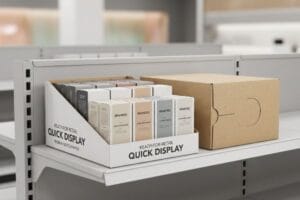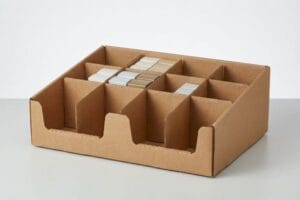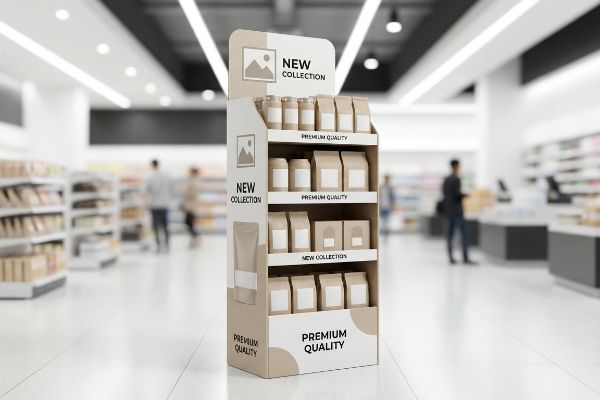
আপনি একটি পণ্য নিখুঁত করতে মাসখানেক সময় ব্যয় করেন, কিন্তু সেটি যদি দোকানের ভিড়ে ঠাসা তাকের ওপর হারিয়ে যায়, তবে তা বিক্রি হবে না। একটি স্বতন্ত্র ও স্বতন্ত্র ইউনিট এই সমীকরণটি পুরোপুরি বদলে দেয়।
পিওপি ডিসপ্লে বেছে নিলে তা সরাসরি দোকানের দৃশ্যমানতা এবং তাৎক্ষণিক কেনাকাটা বৃদ্ধি করে। এই স্বতন্ত্র কাঠামোগুলো ক্রেতাদের চলাচলে বাধা সৃষ্টি করে, একই সারিতে থাকা প্রতিযোগীদের থেকে ব্র্যান্ডের বার্তাকে দূরে তুলে ধরে এবং একটি নির্দিষ্ট স্থান তৈরি করে, যা বিশ্বজুড়ে অত্যন্ত জনবহুল ও প্রতিযোগিতামূলক বাণিজ্যিক খুচরা পরিবেশে পণ্যের বিক্রির হার উল্লেখযোগ্যভাবে বাড়িয়ে তোলে।.
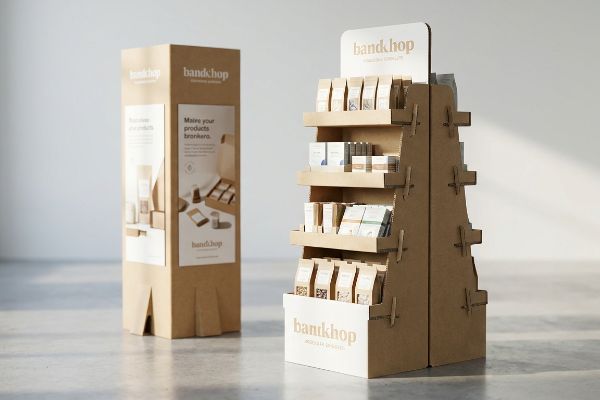
কিন্তু দেশব্যাপী কোনো কার্যক্রম চালুর সমন্বয় করার ক্ষেত্রে রিটেইল মার্চেন্ডাইজিংয়ের তত্ত্ব বোঝাটাই যথেষ্ট নয়।.
মার্চেন্ডাইজাররা কেন পপ ডিসপ্লে ব্যবহার করে?
মার্চেন্ডাইজাররা ক্রেতাদের মনোযোগ আকর্ষণ করতে এই ইউনিটগুলোর ওপর নির্ভর করে। সাধারণ ক্রেতাদের আনাগোনাকে তাৎক্ষণিক ও পরিমাপযোগ্য আয়ে পরিণত করার এটিই দ্রুততম উপায়।.
মার্চেন্ডাইজাররা তাৎক্ষণিক ক্রেতাদের আকৃষ্ট করতে এবং দ্বিতীয় পর্যায়ের স্থান নিশ্চিত করতে পিওপি (পয়েন্ট অফ পারচেজ) ডিসপ্লে ব্যবহার করেন। সাধারণ ইনলাইন শেল্ফ থেকে পণ্যগুলোকে ভৌতভাবে আলাদা করার মাধ্যমে, এই ইউনিটগুলো সক্রিয়ভাবে দৃশ্যগত একঘেয়েমি দূর করে, একটি স্বতন্ত্র ব্র্যান্ডের উপস্থিতি তৈরি করে যা গাণিতিকভাবে ইনভেন্টরি টার্নওভারকে ত্বরান্বিত করে এবং সামগ্রিক প্রচারমূলক ক্যাম্পেইনের লাভজনকতাকে সর্বোচ্চ করে তোলে।.
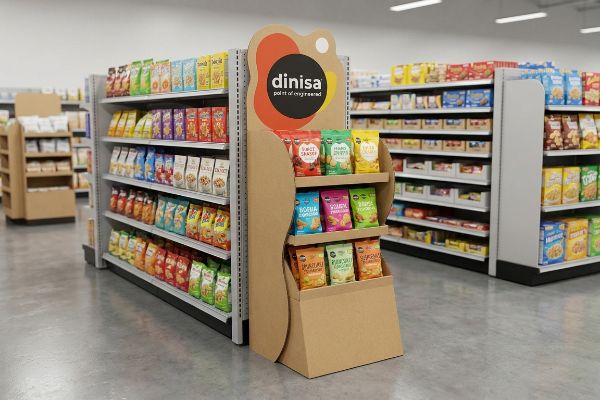
সেই সেরা জায়গাটি নিশ্চিত করা একটি বিরাট সাফল্য, কিন্তু বিনিয়োগের সর্বোচ্চ প্রতিদান পেতে হলে প্রকৌশলগত সূক্ষ্মতা প্রয়োজন।.
চাক্ষুষ ব্যাঘাতের ৩-সেকেন্ডের নিয়ম
অনেক মার্কেটিং দল মনে করে যে, একটি কার্ডবোর্ডের বাক্সে শুধু একটি বড় লোগো ছাপিয়ে দিলেই বিক্রি নিশ্চিত হয়ে যায়। তারা জটিল লাইফস্টাইল গ্রাফিক্সের উপর খুব বেশি মনোযোগ দেয় এবং ভৌত ইউনিটটিকে একটি চলমান শপিং কার্ট থামানোর উদ্দেশ্যে তৈরি একটি ত্রিমাত্রিক (3D) স্থাপত্য সরঞ্জাম হিসেবে না দেখে , একটি সমতল বিলবোর্ডের মতো ব্যবহার করে ।
আমি এই আনাড়ি ভুলটি প্রায়ই দেখি: ব্র্যান্ডগুলো হেডার কার্ডে অনুচ্ছেদের পর অনুচ্ছেদ লেখা ঠাসাঠাসি করে ঢুকিয়ে দেয়। রিটেইল ফ্লোরে, একজন ক্রেতাকে হুট করে কিছু কিনতে প্ররোচিত করার জন্য আপনার হাতে ঠিক তিন সেকেন্ডসময়। যখন কোনো ক্রেতা ছোট ছোট বুলেট পয়েন্টে ভরা আর্টওয়ার্ক জমা দেয়, আমি সাথে সাথে সেটিকে চিহ্নিত করি। আমি একবার দেখেছিলাম একজন দোকান কর্মচারী একটি বাজে ডিজাইনের, লেখায় ঠাসা ইউনিটকে পেছনের গলিতে টেনে নিয়ে গেল, কারণ সেটিকে একটি নির্দেশিকার মতো লাগছিল, যা ব্র্যান্ডটির পরিচিতি পুরোপুরি নষ্ট করে দিয়েছিল। এর সমাধান সহজ: আমরা রৈখিক আইল গ্রিড ভাঙার জন্য বাঁকানো, ডাই-কাট হেডার ব্যবহার করে এর বাহ্যিক আকৃতি ডিজাইন করি। বিশেষভাবে কাটা টপ শিটটি বেসের সাথে আটকে যাওয়ার সময় যে জোরালো, সন্তোষজনক "ধুপ" শব্দ হয়, তা যেকোনো অনুচ্ছেদের লেখার চেয়ে বিক্রির জন্য বেশি কার্যকর, যা ৩-সেকেন্ডের সেলস লিফট ফর্মুলাকে বাড়িয়ে তোলেএবং আপনার সামগ্রিক ROI প্রমাণ করে।
| নতুনদের সাধারণ ভুল | প্রো ফিক্স | খুচরা-ফ্লোর সুবিধা |
|---|---|---|
| হেডারে ঘন লেখা | স্পষ্ট, ৩-সেকেন্ডে ডাই-কাট করা আকার4 | চলন্ত গাড়ির দৃষ্টি আকর্ষণ করে |
| সমতল আয়তক্ষেত্রাকার প্রোফাইল | বক্রাকার কাঠামোগত স্থাপত্য5 | পথের একঘেয়েমি দূর করে |
| পণ্যটি লুকানো | দৃশ্যমানতার জন্য সামনের লিপটি নিচু করা হয়েছে6 | ক্রেতাদের সাথে সরাসরি মিথস্ক্রিয়া বৃদ্ধি করে |
আমি অদৃশ্য বাক্স তৈরি করতে অস্বীকার করি। যদি আপনার গ্রাফিকটি বিশ ফুট দূর থেকেও আপনার মূল প্রস্তাবনাকে স্পষ্টভাবে তুলে না ধরে, তবে আমি ডাইলাইনটি সম্পূর্ণ পরিবর্তনের জন্য আপনার এজেন্সির কাছে ফেরত পাঠিয়ে দেব।.
🛠️ হার্ভির ডেস্ক: রিটেইলের কোলাহলে আপনার ব্র্যান্ডের গ্রাফিক্স কি হারিয়ে যাচ্ছে? 👉 একটি ফ্রি ডাইলাইন রিভিউয়ের জন্য অনুরোধ করুন ↗ — সরাসরি আমার ডেস্কে অ্যাক্সেস। কোনো স্বয়ংক্রিয় সেলস স্প্যাম নেই, আমি কথা দিচ্ছি।
পপ ডিসপ্লের সুবিধা এবং অসুবিধাগুলি কী কী?
এর সুবিধা হলো ব্যাপক ব্র্যান্ড পরিচিতি এবং দ্রুত বিক্রির গতি। অসুবিধা হলো, আপনার উৎপাদন অংশীদার উপকরণের ক্ষেত্রে কোনো কারচুপি করে, তবে তা মারাত্মক ভৌত ঝুঁকির কারণ হয়ে দাঁড়ায়।
পিওপি ডিসপ্লের সুবিধার মধ্যে রয়েছে উচ্চ দৃশ্যমানতা, ব্র্যান্ড কাস্টমাইজেশন এবং সাশ্রয়ী বিপণন। অসুবিধার মধ্যে রয়েছে সম্ভাব্য কাঠামোগত ব্যর্থতা, খুচরা বিক্রেতাদের কঠোর নিয়ম মেনে চলার চ্যালেঞ্জ এবং স্বল্প আয়ুষ্কাল, যদি নিম্নমানের উপকরণগুলো অধিক জনসমাগমপূর্ণ পরিবেশ, আর্দ্রতা অথবা প্রাথমিক অ্যাসেম্বলি ও জটিল বৈশ্বিক শিপিং পর্যায়ে অতিরিক্ত ব্যবহারের কারণে ক্ষতিগ্রস্ত হয়।.
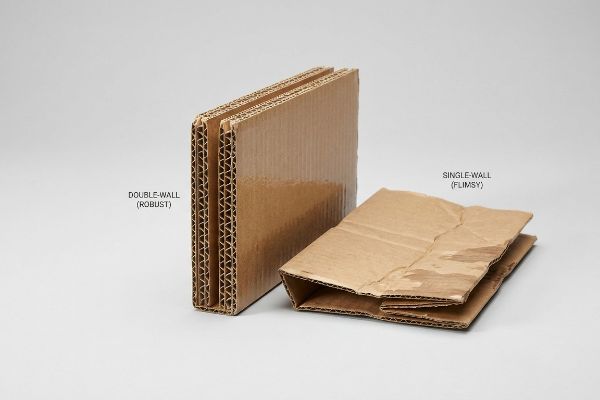
এই সুবিধা-অসুবিধাগুলো বিবেচনা করার অর্থ হলো, চাপের মুখে কাগজ ঠিক কীভাবে আচরণ করে তা সঠিকভাবে বোঝা।.
"৫০-টাচ নিয়ম" স্থায়িত্বের ফাঁদ
ব্র্যান্ডগুলো প্রায়শই একটি প্রচারমূলক ইউনিটের নান্দনিক সুবিধার উপর সম্পূর্ণ মনোযোগ দেয়, কিন্তু বাণিজ্যিক পরিবেশে পেপারবোর্ড ব্যবহারের শারীরিক অসুবিধাগুলোকে উপেক্ষা করে। একটি সাধারণ ধারণা হলো, একটি সাধারণ সিঙ্গেল-ওয়াল বেস৭ একটি ব্যস্ত সপ্তাহান্ত পার করতে পারবে, কারণ এর ভেতরের পণ্যটি তুলনামূলকভাবে হালকা।
আমি এটাকে "৫০-টাচ রুল" ফাঁদ বলি। এমনকি অভিজ্ঞ ক্রয় দলগুলোও একটি ইউনিটের ওপর হওয়া বিশৃঙ্খল অত্যাচারকে অবমূল্যায়ন করে। ক্রেতারা এর ভিত্তিতে লাথি মারে, কার্ট দিয়ে ধাক্কা মারে, এবং কর্মচারীরা এটিকে মেঝেতে টেনে নিয়ে যায়। আমি খুচরা দোকানের আর্দ্রতায় মাত্র কয়েক দিনের মধ্যেই একটি সস্তা সিঙ্গেল-ওয়াল বেসের নরম, পিচ্ছিল প্রতিরোধকে আমার বুড়ো আঙুলের নিচে বেঁকে যেতে অনুভব করেছি। যখন একটি সস্তা বেস বেঁকে যায়, তখন স্টোর ম্যানেজার পুরো ক্যাম্পেইনটি কম্প্যাক্টরে ফেলে দেন, যার ফলে ব্যবসার লাভে মারাত্মক আঘাত লাগে। একটি ডাবল-ওয়াল ঢেউখেলানো বেস কাঠামোতে আপগ্রেড করার মাধ্যমে , আমি ভিত্তিটিকে শারীরিকভাবে শক্তিশালী করি। এই সাধারণ উপাদান পরিবর্তনটি বেঁকে যাওয়ার ঝুঁকি দূর করে, খুচরা বিক্রেতার চার্জব্যাক প্রতিরোধ করে এবং আপনার ইনভেন্টরিকে ফ্লোরেই বিক্রি হতে সাহায্য করে, যেখানে এর থাকা উচিত।
| নতুনদের সাধারণ ভুল | প্রো ফিক্স | খুচরা-ফ্লোর সুবিধা |
|---|---|---|
| একক-প্রাচীর ঢেউখেলানো ভিত্তি | ডাবল-ওয়াল কাঠামোগত আপগ্রেড10 | শপিং কার্টের ধাক্কা সহ্য করে |
| পারিপার্শ্বিক আর্দ্রতা উপেক্ষা করা | আর্দ্রতা-প্রতিরোধী ভিত্তি আবরণ11 | নিম্ন স্তরের বাঁকানো প্রতিরোধ করে |
| দুর্বল অভ্যন্তরীণ বিভাজক | লক করা ভার-বহনকারী সাপোর্ট স্লট12 | তাকগুলো ভেঙে পড়া থেকে রক্ষা করে |
আমি কোনো ক্লায়েন্টকে দুর্বল ভিত্তির ওপর দেশব্যাপী কোনো উদ্যোগ চালুর ঝুঁকি নিতে দিই না। আপনার প্রচারমূলক সামগ্রীর জন্য একটি কাঠামোগতভাবে মজবুত ভিত্তিই হলো সবচেয়ে সস্তা বীমা পলিসি।.
🛠️ হার্ভির ডেস্ক: আপনার বর্তমান ডিজাইনটি মেঝেতে তিন দিন থাকার পরেই ভেঙে পড়বে বলে চিন্তিত? 👉 একটি স্ট্রাকচারাল হেলথ চেক করিয়ে নিন ↗ — নিরাপদে ডাউনলোড করুন। পরবর্তীতে কোনো প্রশ্ন থাকলে আমার ইনবক্স খোলা আছে।
পপ ডিসপ্লে কেনার লাভ কী?
এটিই সেই ভৌত কেন্দ্রবিন্দু যেখানে একজন ভোক্তা কেনার চূড়ান্ত সিদ্ধান্ত নেন। চেকআউটের ঠিক আগে এটি একটি অনস্বীকার্য প্রতিবন্ধক হিসেবে কাজ করে।.
পয়েন্ট অফ পারচেজ ডিসপ্লে হলো একটি স্বতন্ত্র বিপণন সরঞ্জাম যা কৌশলগতভাবে চেকআউট জোন বা জনবহুল সংযোগস্থলের কাছে স্থাপন করা হয়। এই ইউনিটগুলিতে সাধারণ করিডোরের বাইরে খুচরা পণ্য রাখা হয়, যা বিশেষভাবে ক্রেতাদের হাঁটার পথকে বাধা দিতে, ব্র্যান্ডের কথা মনে করিয়ে দিতে এবং চূড়ান্ত বিক্রয়ের ঠিক আগে তাৎক্ষণিক লেনদেন সম্পন্ন করতে ডিজাইন করা হয়েছে।.
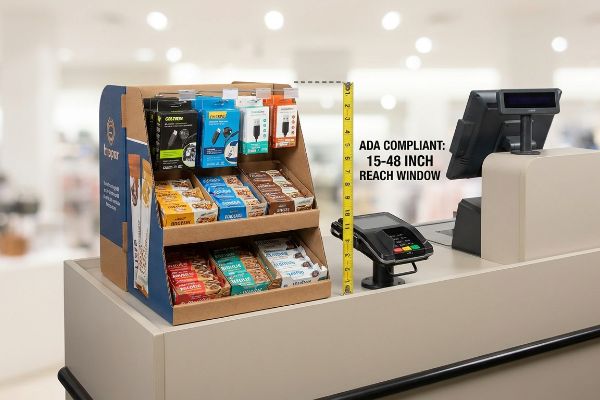
কিন্তু একটি চেকআউট কাউন্টারের জন্য ইউনিট ডিজাইন করতে যে গণিতের প্রয়োজন হয়, তা একটি মাঝের আইলের জন্য ইউনিট তৈরি করার গণিত থেকে সম্পূর্ণ ভিন্ন।.
মেঝে বনাম বিপরীত স্থানিক সংঘর্ষ
ট্রেডিং কোম্পানিগুলো প্রায়শই একটি "পরিবর্ধনযোগ্য" নকশা উপস্থাপন করে, যেখানে একটি বড় ফ্লোর ইউনিটকে পঞ্চাশ শতাংশ ছোট করে রেজিস্টার কাউন্টার ইউনিট হিসেবে ব্যবহার করা যায় । তারা এই দুটি সম্পূর্ণ পৃথক ভৌত অঞ্চলকে নির্দেশকারী কঠোর আইনি এবং লজিস্টিক নিয়মাবলী উপেক্ষা করে ।
বিষয়টাকে একটা ছোট গ্যারেজে একটা সেমি-ট্রাক পার্ক করার চেষ্টার মতো করে ভাবুন। সম্প্রতি একজন ক্রেতা আমাকে একটি ‘শ্রিন্ক-টু-ফিট’ ফাইল ধরিয়ে দিয়েছিলেন। যখন আমি পরীক্ষার নমুনাটি ভাঁজ করে ট্যাবগুলো লক করলাম এবং মোটা বি-ফ্লুটের শক্ত প্রতিরোধ অনুভব করলাম, তখনই আমি বুঝে গেলাম যে রেজিস্টারের উচ্চতাটি সম্পূর্ণ অবৈধ। স্টোর ম্যানেজাররা তাৎক্ষণিকভাবে এমন যেকোনো কাউন্টার ইউনিট বাতিল করে দেবেন যা ক্যাশিয়ারের দৃষ্টিপথ বাধাগ্রস্ত করে অথবা ADA (আমেরিকানস উইথ ডিসএবিলিটিস অ্যাক্ট)-এর ১৫ থেকে ৪৮ ইঞ্চি (৩৮১-১২১৯ মিমি) ১৪ ফরোয়ার্ড রিচ কমপ্লায়েন্স উইন্ডো লঙ্ঘন করে। আমরা ইঞ্জিনিয়ারিং পাইপলাইনগুলোকে স্থায়ীভাবে আলাদা রাখি: ফ্লোর ইউনিটগুলো GMA (গ্রোসারি ম্যানুফ্যাকচারার্স অ্যাসোসিয়েশন)-এর ৪৮×৪০ ইঞ্চি (১২১৯×১০১৬ মিমি) প্যালেট লিমিট ১৫-এর সাথে অ্যাঙ্কর করা থাকে, অন্যদিকে কাউন্টার ইউনিটগুলো গাণিতিকভাবে রেজিস্টারের উচ্চতার সাথে লক করা থাকে। এই বিষয়টি সঠিকভাবে করতে পারলে বিপুল পরিমাণ কমপ্লায়েন্স চার্জব্যাক প্রতিরোধ করা যায় ।
| নতুনদের সাধারণ ভুল | প্রো ফিক্স | খুচরা-ফ্লোর সুবিধা |
|---|---|---|
| সঙ্কুচিত ফ্লোর ইউনিট | কাস্টম POS নির্দিষ্ট ডাইলাইন | আইনি রেজিস্টারের মাপের সাথে মানানসই16 |
| নাগালের সীমা উপেক্ষা করা | ১৫-৪৮ ইঞ্চি ADA সম্মতি17 | ক্রেতাদের প্রবেশগম্যতা নিশ্চিত করে |
| অতিরিক্ত বড় কাউন্টার বেস | ২:৩ গভীরতা-উচ্চতার অনুপাত18 | চেকআউটের সময় টিপ দেওয়া প্রতিরোধ করে। |
আমি ফ্লোর এবং রেজিস্টার ইউনিটের জন্য আমার ইঞ্জিনিয়ারিং লজিক আলাদা রাখি, কারণ ভৌত স্কেল রৈখিকভাবে রূপান্তরিত হয় না। আপনার প্রয়োজন নির্ভুল গণিত, কোনো দায়সারা হ্রাসকরণ টুল নয়।.
🛠️ হার্ভিস ডেস্ক: আপনার কাউন্টার ইউনিটটি রিটেইলার রিচ কমপ্লায়েন্স লঙ্ঘন করছে কিনা, তা নিয়ে নিশ্চিত নন? 👉 আপনার কমপ্লায়েন্স অডিট দাবি করুন ↗ — কোনো ফর্ম নেই যা অবিরাম সেলস কলের কারণ হয়। শুধু খাঁটি সুবিধা।
কে সাধারণত পপ ডিসপ্লে প্রদান করে?
আপনি দালাল, এজেন্সি বা সরাসরি প্রস্তুতকারকদের কাছ থেকে কিনতে পারেন। সঠিক সরবরাহকারী বেছে নেওয়ার ওপরই নির্ভর করে যে আপনি একটি সাধারণ বাক্স পাবেন, নাকি বিশেষভাবে তৈরি কোনো খুচরা বিক্রয়ের সরঞ্জাম।.
বিশেষায়িত ঢেউখেলানো প্যাকেজিং প্রস্তুতকারকরা সাধারণত সরাসরি ব্র্যান্ডের সাথে অথবা মার্কেটিং এজেন্সির মাধ্যমে পিওপি ডিসপ্লে সরবরাহ করে থাকে। স্ট্রাকচারাল ইঞ্জিনিয়ার এবং কারখানার মালিকরা এই কার্ডবোর্ডের ফিক্সচারগুলো ডিজাইন, প্রিন্ট এবং কাটেন। তাঁরা বড় বড় রিটেইলারদের নির্দেশিকার সাথে ভৌত দিক থেকে নিখুঁত সামঞ্জস্য নিশ্চিত করার পাশাপাশি ব্যাপক উৎপাদন এবং প্রি-অ্যাসেম্বলির জটিল লজিস্টিকসও পরিচালনা করেন।.
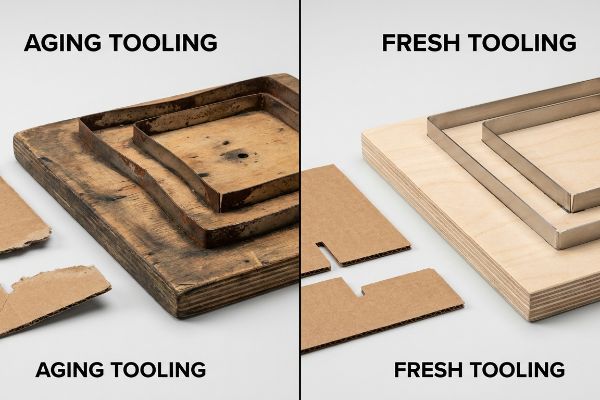
তবে, এমন কারখানা খুঁজে পাওয়া বিরল, যারা আপনার উৎপাদন সরঞ্জামগুলোর দীর্ঘমেয়াদী জীবনচক্র সক্রিয়ভাবে পরিচালনা করে।.
পুরোনো টুলিংয়ের লুকানো বিপদ
ক্রয়কারী দলগুলো প্রায়শই ধরে নেয় যে, এককালীন স্ট্রাকচারাল টুলিং ফি দিলেই একটি স্থায়ী, অক্ষয় ডাই কেনা যায়, যা বছরের পর বছর ধরে নিখুঁতভাবে পুনরায় ব্যবহার করা যাবে। তারা এই কাঁচা ভৌত সরঞ্জামগুলোকে এমন একটি ডিজিটাল ফাইলের মতো বিবেচনা করে, যা কখনও নষ্ট হয় না।.
এটি একটি বিশাল দুর্বলতা। সাধারণ ডাইগুলো কাঁচা প্লাইউডের মধ্যে বসানো স্টিলের ব্লেডের উপর নির্ভর করে । যখন একটি আর্দ্র কারখানায় সংরক্ষণ করা হয়, তখন সেই কাঠ আর্দ্রতা শোষণ করে এবং বেঁকে যায়। আমি সম্প্রতি একজন প্রতিযোগীর পুনঃঅর্ডারের চালান নিরীক্ষা করেছিলাম, এবং ভোঁতা, ভুলভাবে বসানো ব্লেডগুলো বোর্ডে আঘাত করার সময় একটি কর্কশ, ছিঁড়ে যাওয়ার মতো শব্দ তৈরি করছিল, যার ফলে অস্পষ্ট কাট তৈরি হচ্ছিল এবং ট্যাবগুলো ভাঁজ করা অসম্ভব হয়ে পড়ছিল। দোকানের কর্মচারীদের অগোছালো প্রান্তগুলো টেপ দিয়ে জোড়া লাগাতে হয়েছিল, যা ব্র্যান্ডটির প্রিমিয়াম ভাবমূর্তিকে সম্পূর্ণরূপে নষ্ট করে দিয়েছিল। এটি প্রতিরোধ করার জন্য, আমি একটি কঠোর "ফ্রেশ টুলিং" প্রোটোকল প্রয়োগ করি। প্রতিটি ব্যাচের জন্য একটি একেবারে নতুন স্টিলের রুল ডাই লেজার-বার্নিং করার মাধ্যমে, আমরা ক্ষুরধার নির্ভুলতার নিশ্চয়তা দিই, যা কো-প্যাকিং অ্যাসেম্বলির সময় বিশ শতাংশেরও বেশি কমিয়ে দেয় ।
| নতুনদের সাধারণ ভুল | প্রো ফিক্স | খুচরা-ফ্লোর সুবিধা |
|---|---|---|
| পুরানো বিকৃত ডাইগুলির পুনঃব্যবহার | প্রতি রানে নতুন টুলিং পোড়ানো | কাগজ পরিষ্কারভাবে কাটার নিশ্চয়তা দেয় |
| আর্দ্রতায় সরঞ্জাম সংরক্ষণ | জলবায়ু-নিয়ন্ত্রিত ডাই ট্র্যাকিং21 | ব্লেডের ভুল অবস্থান প্রতিরোধ করে |
| অস্পষ্ট প্রান্ত গ্রহণ করা | ধারালো ইস্পাতের রুল স্ট্রাইক22 | ঘর্ষণহীন ট্যাব অ্যাসেম্বলি23 |
আমি পুরোনো কাঠের কারণে আপনার দ্বিতীয় বা তৃতীয় উৎপাদন চক্রের গুণমানকে প্রভাবিত হতে দিই না। প্রতিবার নিখুঁত ভাঁজ নিশ্চিত করার একমাত্র উপায় হলো নতুন সরঞ্জাম ব্যবহার করা।.
🛠️ হার্ভির ডেস্ক: আপনার বর্তমান ফ্যাক্টরি কি আপনার পুনঃঅর্ডারগুলোতে গোপনে বিকৃত টুলিং পুনরায় ব্যবহার করছে? 👉 টুলিং যাচাইয়ের জন্য অনুরোধ করুন ↗ — সরাসরি আমার ডেস্কে অ্যাক্সেস। কোনো স্বয়ংক্রিয় সেলস স্প্যাম নেই, আমি কথা দিচ্ছি।
প্রদর্শনে পপ বলতে কী বোঝায়?
POP-এর পূর্ণরূপ হলো Point of Purchase (ক্রয়ের স্থান)। এর অর্থ হলো আপনার পণ্যটিকে ঠিক সেই স্থানে স্থাপন করা, যেখানে ক্রেতা মানসিকভাবে অর্থ ব্যয় করার জন্য প্রস্তুত থাকে।.
ডিসপ্লে শিল্পে POP মানে হলো পয়েন্ট অফ পারচেজ। এটি এমন অস্থায়ী বা স্থায়ী কাঠামোকে বোঝায়, যা চেকআউট লাইনের কাছে বা দোকানের গুরুত্বপূর্ণ সংযোগস্থলে ক্রেতাদের দৃষ্টি আকর্ষণ করার জন্য ডিজাইন করা হয়েছে। এই কাঠামোগুলো কৌশলগতভাবে ঠিক সেই জায়গায় পণ্য উপস্থাপন করে, যেখানে ক্রেতারা কেনার চূড়ান্ত সিদ্ধান্ত নেন, যা পরিকল্পনাবিহীন তাৎক্ষণিক বিক্রিকে ব্যাপকভাবে বাড়িয়ে তোলে।.
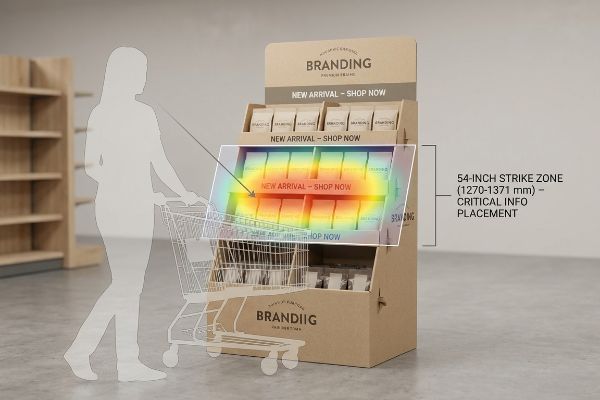
কিন্তু বিক্রয়কেন্দ্রে কোনো ইউনিট রাখলেই বিক্রি নিশ্চিত হয় না, যদি সেটির বাহ্যিক গঠনগত সুবিধা ভুল থাকে।.
৫৪-ইঞ্চি স্ট্রাইক জোনের প্রকৌশল
ডিজাইনাররা প্রায়শই একটি সমতল কম্পিউটার স্ক্রিনে সুন্দর গ্রাফিক্সের নকশা করেন, যেখানে ব্র্যান্ডের মূল বার্তাটি নিখুঁতভাবে কেন্দ্রে স্থাপন করা হয়। তারা ভুলে যান যে, মানুষ কোনো দোকানের করিডোর দিয়ে হাঁটার সময় ২৪ ঘণ্টা ধরে একটি দ্বিমাত্রিক তলের দিকে সোজা তাকিয়ে থাকে না ।
মানবদেহ এবং একটি কার্ডবোর্ডের কাঠামোর মধ্যকার শারীরিক সম্পর্কই সবকিছু। আমি প্রায়শই দেখি ব্র্যান্ডগুলো তাদের প্রধান ‘কল-টু-অ্যাকশন’ (আহ্বান) একটি ফ্লোর বিনের নিচের তাকে রাখে , এই ভেবে যে ক্রেতারা তা পড়ার জন্য ঝুঁকে পড়বে। আমি যখন টেস্টিং রুমে এই প্রোটোটাইপগুলো তৈরি করি, তখন দৃষ্টিসীমা পরীক্ষা করার জন্য আমি নিজে সেগুলোর সামনে দাঁড়াই। দাম পড়ার জন্য যদি আমাকে উবু হতে হয়, তবে সেটি ব্যর্থ। আমি আমাদের টেমপ্লেটগুলোতে কঠোরভাবে ‘হিউম্যান হাইট’ হিটম্যাপটি ডিজাইন করি, এবং সবচেয়ে গুরুত্বপূর্ণ তথ্যগুলো মেঝে থেকে ২৫ ইঞ্চি উপরে ৫০ থেকে ৫৪ ইঞ্চি (১২৭০-১৩৭১ মিমি) ‘স্ট্রাইক জোন’-এর মধ্যে রাখি । এই একটিমাত্র আর্গোনমিক ভ্যারিয়েবল সামঞ্জস্য করার ফলে তা স্বাভাবিকভাবেই ক্রেতার নিচের দিকে তাকানোর অভ্যাসের সাথে মিলে যায়, যা উৎপাদন খরচে একটি পয়সাও যোগ না করে তাৎক্ষণিকভাবে দৃষ্টি আকর্ষণ বাড়িয়ে তোলে।
| নতুনদের সাধারণ ভুল | প্রো ফিক্স | খুচরা-ফ্লোর সুবিধা |
|---|---|---|
| নিচের স্তরে লোগো | স্ট্রাইক জোনে কেন্দ্র স্থাপন26 | চোখের স্বাভাবিক স্তর ধারণ করে |
| সমতল উল্লম্ব তাক | ১৫-ডিগ্রি ঊর্ধ্বমুখী কোণযুক্ত তাক27 | পণ্যের দৃশ্যমানতা উন্নত করে |
| বেস প্যানেলে ছোট লেখা | গুরুত্বপূর্ণ তথ্য হেডারে স্থানান্তর করা হচ্ছে | করিডোরের শেষ প্রান্ত থেকেও পাঠযোগ্য |
আমি মানুষের জন্য কাঠামোগত জ্যামিতি ডিজাইন করি, সমতল পিডিএফ (পোর্টেবল ডকুমেন্ট ফরম্যাট) স্ক্রিনের জন্য নয়। ক্রেতা যদি কার্ট ঠেলার সময় আপনার বার্তাটি অনায়াসে পড়তে না পারে, তবে আপনার কাঠামোটি ব্যর্থ।.
🛠️ হার্ভির ডেস্ক: আপনার ব্র্যান্ডের প্রধান গ্রাফিক্সগুলো কি ক্রেতার স্বাভাবিক দৃষ্টিসীমার নিচে ঢাকা পড়ে যাচ্ছে? 👉 একটি হিট ম্যাপ ব্লুপ্রিন্ট নিন ↗ — নিরাপদে ডাউনলোড করুন। পরবর্তীতে কোনো প্রশ্ন থাকলে আমার ইনবক্স খোলা আছে।
প্রদর্শনের গুরুত্ব কী?
একটি ডিসপ্লে হলো আপনার ব্র্যান্ডের বাস্তব প্রতিনিধি। জাতীয় বিপণন প্রচারাভিযান এবং স্থানীয়, স্পর্শযোগ্য ভোক্তা সম্পৃক্ততার মধ্যেকার ব্যবধান পূরণে এর গুরুত্ব নিহিত।.
একটি ডিসপ্লের গুরুত্ব হলো, এটি পণ্যকে ভৌতভাবে সুরক্ষিত রাখার পাশাপাশি খুচরা বাজারে এর দৃশ্যমানতা সর্বোচ্চ করে তোলে। এটি পণ্যকে লজিস্টিক শিপিং বক্স থেকে অত্যন্ত সুবিন্যস্ত ও গ্রাহক-কেন্দ্রিক বিপণন মাধ্যমে রূপান্তরিত করে, যা পরিবহনের সময় পণ্যের কাঠামোগত টিকে থাকা নিশ্চিত করে এবং প্রতিযোগিতামূলক বাজারে পরিমাপযোগ্য খুচরা বিক্রির গতি বৃদ্ধি করে।.
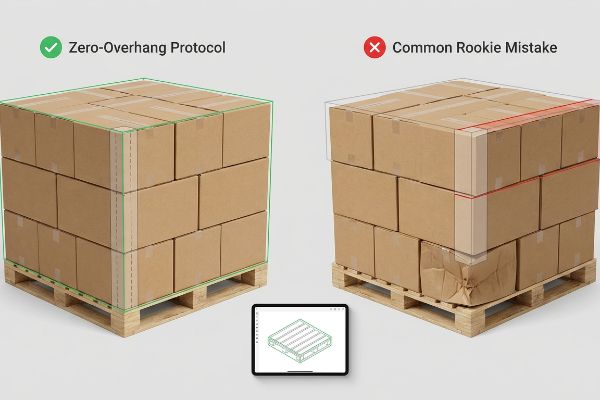
একটি ফটোগ্রাফি স্টুডিওতে সুন্দরভাবে প্রিন্ট করা একটি নমুনাকে ঠিকঠাকভাবে দাঁড় করানো সহজ, কিন্তু যখন আপনি একটি শিপিং কন্টেইনারে পণ্য বোঝাই করেন, তখন এক কঠিন বাস্তবতার মুখোমুখি হতে হয়।.
জিরো-ওভারহ্যাং ট্রানজিট প্রোটোকল
মাল পরিবহনের খরচ বাঁচাতে ক্রয়কারী দলগুলো প্রায়শই মাস্টার কার্টনের মাপ বাড়িয়ে দেয়, যাতে আগে থেকে ভরা যত বেশি সম্ভব ইউনিট ঠেসে ঢোকানো যায়। তারা ধরে নেয় যে, হেভি-ডিউটি ঢেউখেলানো বোর্ডের কাঁচা সংকোচন মেট্রিক্স২৮-ই আন্তর্জাতিক পরিবহনের সময় জাদুকরীভাবে পণ্যগুলোকে রক্ষা করবে।
আমার প্রতিষ্ঠানে, আমি নিয়মিত এই ধারণার ভয়াবহ ফলাফল দেখতে পাই। করোগেটেড বাক্সগুলো তাদের BCT শক্তির প্রায় ষাট শতাংশ পর্যন্ত পায় শুধুমাত্র তাদের কোণাগুলোর উল্লম্ব বিন্যাস থেকে। যখন একজন ক্রেতার কার্টন একটি আদর্শ ৪৮×৪০ ইঞ্চি (১২১৯×১০১৬ মিমি) কাঠের প্যালেটের বাইরে মাত্র ০.৫ ইঞ্চি (১২.৭ মিমি) বেরিয়ে থাকে, তখন সেই দৃঢ় কাঠামোগত কোণাগুলো একেবারেই কোনো ভার বহন করে না। আমাদের ট্রানজিট সিমুলেশনের সময় আমি দেখেছি, ওপর থেকে ভারী চাপের কারণে অবলম্বনহীন নিচের স্তরগুলো শব্দ করে মচমচ করে এবং দৃশ্যত বাইরের দিকে বেঁকে যায়। এর সমাধান করতে, আমি আমাদের CAD সফটওয়্যারে গাণিতিকভাবে সর্বোচ্চ অনুমোদিত পরিধি কমিয়ে আনি এবং বাক্সের বাইরের দিকে কোনো অংশই বেরিয়ে না থাকার কঠোর নিয়ম প্রয়োগ করি। এই সামান্য ভগ্নাংশীয় সমন্বয় নিশ্চিত করে যে কোণাগুলো সম্পূর্ণ সংকোচন বল বহন করবে, যা নিচের স্তরের ব্যাপক থেঁতলে যাওয়া প্রতিরোধ করে এবং কন্টেইনার পৌঁছানোর পর খুচরা বিক্রেতার ব্যয়বহুল চার্জব্যাক সম্পূর্ণরূপে দূর করে।.
| নতুনদের সাধারণ ভুল | প্রো ফিক্স | খুচরা-ফ্লোর সুবিধা |
|---|---|---|
| প্যালেট থেকে ঝুলন্ত কার্টন | শূন্য-ওভারহ্যাং ক্যাড বাউন্ডিং বক্স29 | ট্রানজিট চাপ দূর করে |
| উল্লম্ব সারিবদ্ধতা উপেক্ষা করা | সরাসরি ভারী কোণাগুলো স্তূপ করা30 | ১০০% ভারবহন ক্ষমতা বজায় রাখে |
| কাঁচামালের শক্তির উপর নির্ভর করে | ইঞ্জিনিয়ারিং ভগ্নাংশ প্যালেট ফাঁক31 | নিরাপদ ডাবল-স্ট্যাকিং নিশ্চিত করে |
আমি অতিরিক্ত আধা ইঞ্চি কার্ডবোর্ডের জন্য আপনার পুরো প্রচারণার লাভ নষ্ট হতে দিই না। যথাযথ লজিস্টিক প্রকৌশল কাগজে কালি পড়ার অনেক আগে থেকেই শুরু হয়।.
🛠️ হার্ভির ডেস্ক: একটি ২-মিলিমিটার কাঠামোগত ত্রুটির কারণে ৫০০টি দোকানে পণ্য সরবরাহের পরিকল্পনা যেন ভেস্তে না যায়। 👉 আপনার ডাইলাইন ফাইলটি আমাকে পাঠান ↗ — গণ-উৎপাদনে বাজেট অপচয় করার আগে আমি এর গাণিতিক হিসাব স্ট্রেস-টেস্ট করে নেব।
উপসংহার
আপনি সবচেয়ে সস্তা বিক্রেতাকে বেছে নিতে পারেন যিনি প্যালেট ওভারহ্যাংয়ের পদার্থবিদ্যাকে উপেক্ষা করেন, কিন্তু যখন সেই মাস্টার কার্টনগুলো কাঠের বাইরে সামান্য ইঞ্চির ভগ্নাংশ পরিমাণও বেরিয়ে থাকে, তখন নিচের স্তরের মারাত্মক চাপ আপনার পুরো ক্যাম্পেইনের লাভের মার্জিন নষ্ট করে দেবে এবং দোকানে তাৎক্ষণিক প্রত্যাখ্যানের কারণ হবে। আমার শীর্ষ ১০ জন রিটেইল ক্লায়েন্ট প্রিন্ট প্রত্যাখ্যান শূন্যে নামিয়ে আনার নিশ্চয়তা দিতে ঠিক এই স্পেক শিটটিই ব্যবহার করেন। কাঠামোগত সহনশীলতা নিয়ে অনুমান করা বন্ধ করুন এবং পণ্য পাঠানোর আগেই মারাত্মক মাল পরিবহনের ত্রুটিগুলো ধরতে আমাকে ব্যক্তিগতভাবে আমার ফ্রি ডাইলাইন প্রি-ফ্লাইট অডিট ↗- এর মাধ্যমে আপনার লজিস্টিকস অডিট করতে দিন।
"পয়েন্ট-অফ-পারচেজ ডিসপ্লের কার্যকারিতা: এর সুবিধাগুলো কী কী...", https://www.vanguardpkg.com/point-of-purchase-display-effectiveness-what-are-the-benefits-of-pop-displays/। [রিটেইল সাইকোলজি বা ভিজ্যুয়াল মার্চেন্ডাইজিং-এর উপর একটি নির্ভরযোগ্য উৎস এই বিষয়টি নিশ্চিত করবে যে, ক্রেতাদের চলাচল থামাতে দ্বিমাত্রিক চিত্রের চেয়ে ত্রিমাত্রিক স্থানিক প্রতিবন্ধকতা বেশি কার্যকর]। প্রমাণের ভূমিকা: ধারণাগত বৈধতা; উৎসের ধরন: শিল্প খাতের শ্বেতপত্র বা ভোক্তা আচরণের উপর অ্যাকাডেমিক গবেষণা। সমর্থন করে: পিওপি ডিসপ্লেতে ৩ডি ডিজাইনের কার্যকারিতা। পরিধি সংক্রান্ত টীকা: কার্যকারিতা পণ্যের বিভাগ অনুযায়ী পরিবর্তিত হয়। ↩
"ভোক্তাদের তাৎক্ষণিক ক্রয় আচরণকে প্রভাবিতকারী কারণসমূহ – পিএমসি – এনআইএইচ", https://pmc.ncbi.nlm.nih.gov/articles/PMC8206473/। [খুচরা মনোবিজ্ঞান বা ভিজ্যুয়াল মার্চেন্ডাইজিং-এর একটি নির্ভরযোগ্য উৎস একজন ক্রেতা কোনো পণ্য কেনার সিদ্ধান্ত নেওয়ার আগে গড়ে কত সময় ব্যয় করেন, তা যাচাই করবে]। প্রমাণের ভূমিকা: প্রযুক্তিগত যাচাইকরণ; উৎসের ধরণ: শিল্প গবেষণা পত্র। সমর্থন করে: ভিজ্যুয়াল বিঘ্নের ৩-সেকেন্ডের নিয়ম। পরিধি টীকা: অধিক জনসমাগমপূর্ণ খুচরা পরিবেশের ক্ষেত্রে প্রযোজ্য। ↩
"পিওপি ডিসপ্লের সাফল্য পরিমাপ করতে আপনার কোন মেট্রিকগুলো ট্র্যাক করা উচিত...", https://www.felbrodisplays.com/what-metrics-should-you-track-to-measure-pop-display-success-beyond-sales-lift-to-engagement-data/। [একটি মার্চেন্ডাইজিং অ্যানালিটিক্স সমীক্ষা তাৎক্ষণিক ভিজ্যুয়াল এনগেজমেন্টের কারণে বিক্রয় বৃদ্ধির পরিমাপের জন্য ব্যবহৃত নির্দিষ্ট সূত্রটি সংজ্ঞায়িত করবে]। প্রমাণের ভূমিকা: মেট্রিকের সংজ্ঞা; উৎসের ধরণ: ট্রেড পাবলিকেশন। সমর্থন করে: পিওপি ডিসপ্লের ROI-এর পরিমাণ নির্ধারণ। পরিধি নোট: পয়েন্ট-অফ-পারচেজ পরিমাপের জন্য নির্দিষ্ট। ↩
"ডাই-কাট প্রিন্টিং গাইড: কাস্টম আকার যা মার্কেটিংকে উন্নত করে", https://www.theschielegroup.com/post/die-cut-printing-demystified-how-custom-shapes-elevate-your-marketing। [ভিজ্যুয়াল মার্চেন্ডাইজিং-এর উপর শিল্প গবেষণা এই দাবিকে সমর্থন করে যে, দ্রুত মনোযোগ আকর্ষণের জন্য অ-রৈখিক, ডাই-কাট আকারগুলি সাধারণ আয়তক্ষেত্রের চেয়ে আরও কার্যকরভাবে দৃষ্টি ক্ষেত্রকে ব্যাহত করে]। প্রমাণের ভূমিকা: তথ্যগত সমর্থন; উৎসের ধরণ: খুচরা বিপণন গবেষণা। সমর্থন করে: দৃষ্টি ক্ষেত্রে ব্যাঘাত ঘটানোর কার্যকারিতা। পরিধি নোট: অধিক জনসমাগমপূর্ণ খুচরা পরিবেশের জন্য প্রযোজ্য। ↩
"৭টি রিটেইল ডিসপ্লে স্টাইল যার উপর কোম্পানিগুলো নির্ভর করে", https://www.packagingcorp.com/resource-hub/industry-insights/7-retail-display-styles-companies-rely-on/। [পরিবেশগত মনোবিজ্ঞানের গবেষণা ইঙ্গিত দেয় যে দোকানের সরলরৈখিক করিডোরের দৃশ্যগত একঘেয়েমি ভাঙতে জৈব বা বক্রাকার আকৃতি বেশি কার্যকর]। প্রমাণের ভূমিকা: প্রযুক্তিগত যাচাইকরণ; উৎসের ধরণ: ডিজাইন গবেষণা। সমর্থন: করিডোরের একঘেয়েমি ভাঙা। পরিধি টীকা: রিটেইলে স্থানিক জ্যামিতির উপর দৃষ্টি নিবদ্ধ। ↩
"রিটেইল ডিসপ্লে ১০১: বিক্রয় বৃদ্ধির একটি নির্দেশিকা – এস-কিউব ফিক্সচারস", https://www.scubefixtures.com/blog/retail-displays-drive-sales। [পয়েন্ট-অফ-পারচেজ ডিসপ্লের উপর করা আর্গোনমিক গবেষণা থেকে দেখা যায় যে, পণ্যের ভৌত প্রতিবন্ধকতা, যেমন সামনের নিচু কিনারা, কমালে স্পর্শজনিত মিথস্ক্রিয়া বৃদ্ধি পায়]। প্রমাণের ভূমিকা: প্রযুক্তিগত বিবরণ; উৎসের ধরণ: মার্চেন্ডাইজিং ম্যানুয়াল। সমর্থন করে: ক্রেতার ভৌত মিথস্ক্রিয়া। পরিধি সংক্রান্ত টীকা: পণ্যের সহজলভ্যতার জন্য নির্দিষ্ট। ↩
"কোরুগেটেড বক্সের চূড়ান্ত নির্দেশিকা – শোর প্যাকেজিং", https://www.shorr.com/resources/blog/ultimate-guide-corrugated-boxes/। [কোরুগেটেড কার্ডবোর্ডের গ্রেড সম্পর্কিত প্রযুক্তিগত স্পেসিফিকেশনগুলিতে অধিক জনসমাগমপূর্ণ খুচরা পরিবেশে সিঙ্গেল-ওয়াল বনাম ডাবল-ওয়াল বোর্ডের কাঠামোগত সীমাবদ্ধতা এবং চাপ প্রতিরোধের ক্ষমতা বিস্তারিতভাবে বর্ণনা করা হয়েছে]। প্রমাণের ভূমিকা: প্রযুক্তিগত স্পেসিফিকেশন; উৎসের ধরণ: শিল্প প্রকৌশল মান। সমর্থন করে: এই দাবি যে বাণিজ্যিক পরিবেশে সিঙ্গেল-ওয়াল বেসগুলি শারীরিকভাবে ঝুঁকিপূর্ণ। পরিধি সংক্রান্ত টীকা: বিশেষভাবে কোরুগেটেড পেপারবোর্ড উপকরণের ক্ষেত্রে প্রযোজ্য। ↩
"দ্বি-প্রাচীরযুক্ত ঢেউখেলানো বোর্ড প্যাকেজিংয়ের সর্বোত্তম নকশা – পিএমসি", https://pmc.ncbi.nlm.nih.gov/articles/PMC8950760/। [প্যাকেজিং ইঞ্জিনিয়ারিং স্ট্যান্ডার্ডগুলো দ্বি-প্রাচীরযুক্ত বনাম একক-প্রাচীরযুক্ত ঢেউখেলানো উপকরণের উল্লম্ব সংকোচন শক্তি এবং ভারবহন ক্ষমতার উপর তুলনামূলক তথ্য প্রদান করে]। প্রমাণের ভূমিকা: প্রযুক্তিগত স্পেসিফিকেশন; উৎসের ধরণ: প্যাকেজিং ইঞ্জিনিয়ারিং ম্যানুয়াল। সমর্থন করে: এই দাবি যে দ্বি-প্রাচীরযুক্ত কাঠামো বাকলিং প্রতিরোধ করার জন্য ভিত্তিকে ভৌতভাবে শক্তিশালী করে। পরিধি সংক্রান্ত টীকা: কার্যকারিতা ফ্লুটের আকার এবং উপকরণের গ্রেডের উপর নির্ভর করে। ↩
"রিটেইল চার্জব্যাক কমপ্লায়েন্স: EDI, ASN ও রাউটিং-এর কারণসমূহ", https://getproductiv.com/retail-chargeback-compliance। [রিটেইল ভেন্ডর কমপ্লায়েন্স ম্যানুয়ালগুলিতে সাধারণত ক্ষতিগ্রস্ত বা নিয়মবহির্ভূত পয়েন্ট-অফ-পারচেজ ইনস্টলেশনের জন্য ব্র্যান্ডগুলির উপর আরোপিত আর্থিক জরিমানা বা চার্জব্যাকের বিস্তারিত বিবরণ থাকে]। প্রমাণের ভূমিকা: ইন্ডাস্ট্রি স্ট্যান্ডার্ড; উৎসের ধরণ: রিটেইল কমপ্লায়েন্স গাইড। সমর্থন করে: এই দাবি যে কাঠামোগত ব্যর্থতার কারণে রিটেইলার চার্জব্যাক করে থাকে। পরিধি সংক্রান্ত টীকা: নির্দিষ্ট জরিমানার পরিমাণ রিটেইল চেইন ভেদে ভিন্ন হয়। ↩
"ডাবল ওয়াল করোগেটেড বক্স – হেভি-ডিউটি, এখনই কিনুন", https://theboxology.us/product/double-wall-corrugated-boxes/। [করোগেটেড প্যাকেজিং-এর উপর একটি বস্তুবিজ্ঞান নির্দেশিকা ব্যাখ্যা করে যে কীভাবে ডাবল-ওয়াল ফ্লুটিং সংকোচন শক্তি এবং বাহ্যিক শক্তির বিরুদ্ধে আঘাত প্রতিরোধ ক্ষমতা বৃদ্ধি করে]। প্রমাণের ভূমিকা: প্রযুক্তিগত স্পেসিফিকেশন; উৎসের ধরণ: বস্তুবিজ্ঞান হ্যান্ডবুক। সমর্থন করে: শপিং কার্টের আঘাত প্রতিরোধে ডাবল-ওয়াল বেসের কার্যকারিতা। পরিধি নোট: বিশেষভাবে করোগেটেড ফাইবারবোর্ডের ক্ষেত্রে প্রযোজ্য। ↩
"যান্ত্রিকতার উপর আর্দ্রতা এবং তাপমাত্রার প্রভাব...", https://bioresources.cnr.ncsu.edu/resources/influence-of-humidity-and-temperature-on-mechanical-properties-of-corrugated-board-numerical-investigation/। [কার্ডবোর্ডের জন্য পলিমার আবরণের উপর প্রযুক্তিগত নথিতে দেখানো হয়েছে কিভাবে আর্দ্রতা প্রতিবন্ধক উচ্চ-আর্দ্রতার পরিবেশে তন্তুর সম্পৃক্তি এবং এর ফলে সৃষ্ট কাঠামোগত বকলিং প্রতিরোধ করে]। প্রমাণের ভূমিকা: প্রযুক্তিগত বিবরণ; উৎসের ধরণ: শিল্প রসায়ন জার্নাল। সমর্থন: নিম্ন-স্তরের বকলিং প্রতিরোধে আবরণের ব্যবহার। পরিধি টীকা: মেঝের আর্দ্রতা এবং কার্ডবোর্ডের মধ্যকার সংযোগস্থলের উপর আলোকপাত করে। ↩
"ইন্টারেক্টিভ ডিসপ্লের জন্য কাঠামোগত নকশা...", https://www.bcipkg.com/display-structural-design-for-interactive-retail-displays/। [পিওপি ডিসপ্লের জন্য একটি কাঠামোগত নকশা ম্যানুয়ালে বর্ণনা করা হয়েছে কীভাবে লক করা স্লটগুলো উল্লম্বভাবে ওজন বিতরণ করে ভারী বোঝার নিচে শেলফ ভেঙে পড়া প্রতিরোধ করে]। প্রমাণের ভূমিকা: নকশা মান; উৎসের ধরণ: উৎপাদন নির্দেশিকা। সমর্থন: শেলফ ভেঙে পড়া প্রতিরোধে ভারবাহী স্লটের ভূমিকা। পরিধির টীকা: ভাঁজযোগ্য ঢেউখেলানো ডিসপ্লে স্থাপত্যের ক্ষেত্রে প্রযোজ্য। ↩
"এডিএ অ্যাক্সেসিবিলিটি স্ট্যান্ডার্ডস", https://www.access-board.gov/ada/। [খুচরা নিরাপত্তা, অ্যাক্সেসিবিলিটি আইন (যেমন এডিএ), বা ফায়ার কোডের উপর একটি প্রামাণিক উৎস মেঝেতে স্থাপিত ফিক্সচার এবং কাউন্টারের উপর রাখা ডিসপ্লের জন্য ভিন্ন ভিন্ন নিয়ন্ত্রক প্রয়োজনীয়তা নির্দিষ্ট করে দেবে]। প্রমাণের ভূমিকা: সমর্থন; উৎসের ধরণ: নিয়ন্ত্রক সংস্থা বা আইনি নির্দেশিকা। সমর্থন করে: এই দাবি যে মেঝে এবং কাউন্টার অঞ্চলগুলো ভিন্ন ভিন্ন নিয়ম দ্বারা পরিচালিত হয়। পরিধি সংক্রান্ত টীকা: এখতিয়ারভেদে নিয়মকানুন ভিন্ন হতে পারে। ↩
"অধ্যায় ৩: পরিচালনাযোগ্য অংশ – Access-Board.gov", https://www.access-board.gov/ada/guides/chapter-3-operable-parts/। [অ্যাক্সেসিবল ডিজাইনের জন্য ADA স্ট্যান্ডার্ডগুলি হুইলচেয়ারে থাকা ব্যক্তিদের জন্য পরিচালনাযোগ্য অংশগুলি অ্যাক্সেসযোগ্য তা নিশ্চিত করতে সামনের দিকে নাগালের জন্য গ্রহণযোগ্য উচ্চতার পরিসীমা নির্ধারণ করে]। প্রমাণের ভূমিকা: প্রযুক্তিগত স্পেসিফিকেশন; উৎসের ধরণ: ফেডারেল প্রবিধান। সমর্থন: কাউন্টার ইউনিটের জন্য কমপ্লায়েন্স উইন্ডো। পরিধি নোট: বিশেষভাবে সামনের দিকে নাগালের সীমার ক্ষেত্রে প্রযোজ্য। ↩
"স্ট্যান্ডার্ড প্যালেট সাইজ | চার্ট সহ – ক্যাম্পস প্যালেটস", https://www.kampspallets.com/standard-pallet-sizes-with-chart/। [জিএমএ (GMA)-এর শিল্প নির্দেশিকা খুচরা শিপিং এবং গুদাম লজিস্টিকসকে অপ্টিমাইজ করার জন্য ৪৮×৪০ ইঞ্চি ফুটপ্রিন্টকে সার্বজনীন প্যালেট সাইজ হিসেবে প্রতিষ্ঠা করে]। প্রমাণের ভূমিকা: শিল্প মান; উৎসের ধরণ: ট্রেড অ্যাসোসিয়েশনের ডকুমেন্টেশন। সমর্থন: ফ্লোর ইউনিটের মাত্রার সীমাবদ্ধতা। পরিধি নোট: উত্তর আমেরিকার লজিস্টিকসে ব্যবহৃত প্রাথমিক মান। ↩
"পয়েন্ট অফ সেল – উইকিপিডিয়া", https://en.wikipedia.org/wiki/Point_of_sale। [প্রমিত রিটেইল POS হার্ডওয়্যারের প্রযুক্তিগত স্পেসিফিকেশনগুলি সেই স্থানগত সীমাবদ্ধতা নির্ধারণ করে যা সংলগ্ন ডিসপ্লেগুলিকে অবশ্যই মেনে চলতে হবে]। প্রমাণের ভূমিকা: মাত্রা যাচাই; উৎসের ধরণ: হার্ডওয়্যার স্পেসিফিকেশন। সমর্থন করে: চেকআউট জোনে স্থানিক সামঞ্জস্য। পরিধি সংক্রান্ত টীকা: প্রস্তুতকারক এবং রেজিস্টার মডেল অনুসারে মাত্রা ভিন্ন হতে পারে। ↩
"অ্যাক্সেসিবল ডিজাইনের জন্য ADA স্ট্যান্ডার্ডস টাইটেল III রেগুলেশন ২৮ CFR …", https://www.ada.gov/law-and-regs/design-standards/1991-design-standards/। [অ্যাক্সেসিবল ডিজাইনের জন্য ADA স্ট্যান্ডার্ডস-এর একটি প্রামাণ্য উৎস রিটেইল পরিবেশে প্রবেশযোগ্য নাগালের পরিসরের জন্য নির্দিষ্ট উচ্চতার প্রয়োজনীয়তা যাচাই করে]। প্রমাণের ভূমিকা: প্রযুক্তিগত যাচাইকরণ; উৎসের ধরণ: নিয়ন্ত্রক মান। সমর্থন করে: ক্রেতাদের প্রবেশগম্যতার প্রয়োজনীয়তা। পরিধি নোট: মার্কিন ADA নির্দেশিকার জন্য নির্দিষ্ট। ↩
"পিওপি ডিসপ্লের গর্ত ও বিপদ এড়ানোর ১২টি টিপস | শিকাগো, আইএল", https://wertheimerbox.com/12-tips-for-avoiding-potholes-and-pitfalls-of-pop-displays/। [পয়েন্ট-অফ-পারচেজ ডিসপ্লের জন্য শিল্প প্রকৌশল মানদণ্ড কাঠামোগত স্থিতিশীলতা নিশ্চিত করতে এবং উল্টে যাওয়া রোধ করার জন্য সর্বোত্তম অনুপাত নির্দিষ্ট করে]। প্রমাণের ভূমিকা: কাঠামোগত স্পেসিফিকেশন; উৎসের ধরণ: শিল্প ডিজাইন গাইড। সমর্থন: চেকআউটে নিরাপত্তা এবং স্থিতিশীলতা। পরিধি নোট: স্বতন্ত্র কাউন্টার ইউনিটের জন্য সাধারণ নির্দেশিকা। ↩
"ডাই শপগুলির জন্য কাঠের ডাই তৈরির চূড়ান্ত নির্দেশিকা", https://yitaipacking.com/ultimate-guide-to-wooden-die-making-for-die-shops/। [ডাই-কাটিং বা প্যাকেজিং ইঞ্জিনিয়ারিং-এর উপর একটি শিল্প ম্যানুয়াল ঐতিহ্যবাহী স্টিল রুল ডাইগুলির উপাদানগত গঠন নিশ্চিত করবে]। প্রমাণের ভূমিকা: প্রযুক্তিগত স্পেসিফিকেশন; উৎসের ধরণ: শিল্প হ্যান্ডবুক। সমর্থন করে: স্ট্যান্ডার্ড টুলিং-এর ভৌত নির্মাণ। পরিধি নোট: বিশেষভাবে স্টিল রুল ডাইগুলিকে বোঝায়, ডিজিটাল কাটিং পদ্ধতি বাদ দিয়ে। ↩
"ডিজিটাল ডাই কাটিংয়ের মাধ্যমে প্যাকেজিং অটোমেশন: কার্যকারিতা বৃদ্ধি করুন …", https://highcon.net/packaging-automation-digital-2-2/। [কার্যকরী দক্ষতার প্রতিবেদন বা প্যাকেজিং কেস স্টাডিগুলো পরিমাপ করে দেখাবে কীভাবে নির্ভুল কাটিং হাতে করা অ্যাসেম্বলির শ্রম কমায়]। প্রমাণের ভূমিকা: পরিমাণগত পারফরম্যান্স মেট্রিক; উৎসের ধরণ: ইন্ডাস্ট্রি হোয়াইট পেপার। সমর্থন করে: নতুন টুলিংয়ের মাধ্যমে অর্জিত কার্যকারিতা। পরিধি সংক্রান্ত টীকা: ডিজাইনের জটিলতার উপর ভিত্তি করে প্রকৃত শতাংশ ভিন্ন হতে পারে। ↩
পরিভাষা তালিকা – আন্তঃরাজ্য বিশেষত্ব …, https://www.interstatesp.com/die-cutting-glossary-terms/। [শিল্প সরঞ্জাম মানগুলিতে বিশদভাবে বর্ণনা করা হয়েছে যে কীভাবে তাপমাত্রা এবং আর্দ্রতা নিয়ন্ত্রণ ডাই-কাটিং সরঞ্জামগুলিতে ধাতুর প্রসারণ, জারণ এবং বিকৃতি প্রতিরোধ করে]। প্রমাণের ভূমিকা: প্রযুক্তিগত স্পেসিফিকেশন; উৎসের ধরণ: উৎপাদন হ্যান্ডবুক। সমর্থন করে: সরঞ্জামের নির্ভুলতার জন্য নিয়ন্ত্রিত পরিবেশের প্রয়োজনীয়তা। পরিধি টীকা: বিশেষভাবে নির্ভুল ধাতব সরঞ্জামকে বোঝায়। ↩
"ডাই কাটিং: যন্ত্রাংশ, নকশা ও উৎপাদন সংক্রান্ত বিবেচ্য বিষয় – আইকিউএস ডিরেক্টরি", https://www.iqsdirectory.com/articles/die-cutting.html। [প্যাকেজিং ইঞ্জিনিয়ারিং নির্দেশিকা নিশ্চিত করে যে, সুনির্দিষ্ট ও ধারালো কাট উপাদানের অমসৃণ প্রান্ত এবং কিনারের বিকৃতি কমায়, যা পরস্পর সংযুক্ত উপাদানগুলোর জন্য অত্যন্ত গুরুত্বপূর্ণ]। প্রমাণের ভূমিকা: প্রযুক্তিগত যাচাইকরণ; উৎসের ধরণ: প্যাকেজিং শিল্পের মান। সমর্থন করে: টুলের তীক্ষ্ণতা এবং অ্যাসেম্বলি দক্ষতার মধ্যে সম্পর্ক। পরিধি সংক্রান্ত টীকা: ঢেউখেলানো এবং ভারী কাগজের বোর্ডের ক্ষেত্রে প্রযোজ্য। ↩
"যান্ত্রিক ক্ষেত্রে অ্যানালগ এবং ডিজিটাল ক্রিজ লাইনের প্রভাব … – পিএমসি", https://pmc.ncbi.nlm.nih.gov/articles/PMC9268991/। [পেপারবোর্ডের উপর পদার্থ বিজ্ঞান গবেষণা ইঙ্গিত দেয় যে পরিষ্কার প্রান্তের জ্যামিতি ইন্টারলকিং ট্যাবগুলির ফিট এবং স্লাইডিং ফোর্সকে সর্বোত্তম করে তোলে]। প্রমাণের ভূমিকা: তথ্যগত যাচাইকরণ; উৎসের ধরণ: পদার্থ বিজ্ঞান জার্নাল। সমর্থন করে: চূড়ান্ত পণ্য অ্যাসেম্বলিতে উচ্চ-নির্ভুল কাটিংয়ের সুবিধা। পরিধি নোট: কাঠামোগত কার্ডবোর্ড উপাদানের মধ্যে সীমাবদ্ধ। ↩
"খুচরা বিক্রেতাদের ওয়েব শপে পণ্যের পছন্দ পূর্বাভাস দেওয়ার মাধ্যমে...", https://pmc.ncbi.nlm.nih.gov/articles/PMC9541120/। খুচরা পরিবেশে ভোক্তার আচরণ এবং ভিজ্যুয়াল আর্গোনমিক্সের উপর গবেষণা ক্রেতার দৃষ্টি এবং ভিজ্যুয়াল অনুসন্ধানের ধরনের অরৈখিক প্রকৃতিকে নিশ্চিত করবে। প্রমাণের ভূমিকা: তথ্যগত যাচাইকরণ; উৎসের ধরণ: অ্যাকাডেমিক গবেষণা বা ভোক্তা মনোবিজ্ঞান প্রতিবেদন। সমর্থন করে: ডিসপ্লে ডিজাইনে ত্রিমাত্রিক স্থানিক বিবেচনার প্রয়োজনীয়তা। পরিধি নোট: বিশেষভাবে ভৌত খুচরা করিডোরের জন্য প্রযোজ্য। ↩
"কার্যকরী ডিসপ্লে এবং গ্রাহক প্রবাহের জন্য খুচরা দোকানের নকশা", https://www.business.qld.gov.au/industries/manufacturing-retail/retail-wholesale/retail-displays। [খুচরা দোকানের কর্মদক্ষতা এবং ভিজ্যুয়াল মার্চেন্ডাইজিং সম্পর্কিত শিল্প নির্দেশিকাগুলি সাধারণত ক্রেতাদের সম্পৃক্ততা সর্বাধিক করার জন্য চোখের স্তরের সর্বোত্তম 'স্ট্রাইক জোন' নির্ধারণ করে]। প্রমাণের ভূমিকা: প্রযুক্তিগত স্পেসিফিকেশন; উৎসের ধরণ: খুচরা দোকানের নকশার ম্যানুয়াল। সমর্থন করে: সর্বোত্তম পণ্য স্থাপনের জন্য নির্দিষ্ট পরিমাপ। পরিধি সংক্রান্ত টীকা: লক্ষ্য জনগোষ্ঠীর উচ্চতা অনুসারে সঠিক পরিমাপ সামান্য পরিবর্তিত হতে পারে। ↩
"খুচরা বিক্রেতারা কেন পণ্য চোখের সমান উচ্চতায় রাখেন? – পপডিসপ্লে", https://popdisplay.me/why-do-retailers-place-products-at-eye-level/। [খুচরা ব্যবসার আর্গোনমিক গবেষণা অনুযায়ী, বিক্রয় বাড়ানোর জন্য গড় ক্রেতার চোখের সমান উচ্চতায় অবস্থিত প্রধান দৃশ্যমান এলাকাকেই 'স্ট্রাইক জোন' হিসেবে সংজ্ঞায়িত করা হয়। প্রমাণের ভূমিকা: আচরণগত পরিমাপ; উৎসের ধরণ: বাজার গবেষণা। সমর্থন: চোখের সমান উচ্চতায় পণ্য স্থাপনের গুরুত্ব। পরিধি সংক্রান্ত টীকা: গড় প্রাপ্তবয়স্কের উচ্চতার উপর ভিত্তি করে।] ↩
"শেল্ফ-দৃশ্যমানতার ভবিষ্যৎ: কীভাবে রিটেইল সায়েন্স এবং উদীয়মান...", https://www.inuru.com/post/shelf-visibility-future-retail-2030। [ভিজ্যুয়াল মার্চেন্ডাইজিং-এর প্রযুক্তিগত নির্দেশিকাগুলিতে উল্লেখ করা হয়েছে যে, তাকগুলিকে সামান্য উপরের দিকে কাত করে রাখলে গ্রাহকদের জন্য দৃষ্টিসীমা উন্নত হয়। প্রমাণের ভূমিকা: প্রযুক্তিগত বিবরণ; উৎসের ধরণ: শিল্প ম্যানুয়াল। সমর্থন: দৃশ্যমানতার জন্য কোণযুক্ত তাকের কার্যকারিতা। পরিধি নোট: পণ্যের উচ্চতার উপর নির্ভর করে সর্বোত্তম কোণ পরিবর্তিত হতে পারে।] ↩
"কোরুগেটেড ফাইবারবোর্ডের সংকোচন শক্তির একটি তুলনামূলক গবেষণা...", https://repository.rit.edu/theses/285/। [প্যাকেজিং ইঞ্জিনিয়ারিং-এর নির্ভরযোগ্য উৎসগুলো ব্যাখ্যা করে কেন আন্তর্জাতিক পরিবহনের গতিশীল চাপের সময় কাঠামোগত টিকে থাকার পূর্বাভাস দেওয়ার জন্য স্থির সংকোচন মেট্রিকগুলো অপর্যাপ্ত]। প্রমাণের ভূমিকা: প্রযুক্তিগত যাচাইকরণ; উৎসের ধরণ: প্যাকেজিং ইঞ্জিনিয়ারিং ম্যানুয়াল। সমর্থন করে: পরিবহন সুরক্ষার জন্য শুধুমাত্র সংকোচন মেট্রিকের উপর নির্ভর করার অপর্যাপ্ততা। পরিধি টীকা: কোরুগেটেড ফাইবারবোর্ড উপকরণের উপর আলোকপাত করে। ↩
"উন্নত স্থায়িত্বের জন্য উদ্ভাবনী নকশার ঢেউখেলানো বোর্ড প্যাকেজিং...", https://bioresources.cnr.ncsu.edu/resources/corrugated-board-packaging-with-innovative-design-for-enhanced-durability-during-transport/। [লজিস্টিকস বা প্যাকেজিং ইঞ্জিনিয়ারিং-এর একটি নির্ভরযোগ্য উৎস ব্যাখ্যা করবে যে, পরিবহনের সময় কাঠামোগত ব্যর্থতা এবং থেঁতলে যাওয়া রোধ করতে প্যালেটের বাড়তি অংশ দূর করার জন্য কীভাবে CAD বাউন্ডিং বক্স ব্যবহার করা হয়]। প্রমাণের ভূমিকা: প্রযুক্তিগত যাচাইকরণ; উৎসের ধরন: প্যাকেজিং ইঞ্জিনিয়ারিং ম্যানুয়াল। সমর্থন করে: পরিবহনের ক্ষতি কমাতে জিরো-ওভারহ্যাং প্রোটোকলের কার্যকারিতা। পরিধি নোট: প্যালেটাইজড মাল পরিবহনের উপর দৃষ্টি নিবদ্ধ। ↩
"টলোমলো ছাড়াই আরও উঁচু করে স্তূপ করুন: আপনি কি আপনার প্যালেটের উচ্চতা জানেন...", https://www.topa.eu/en/news/maximum-stacking-height/। [কোরুগেটেড উপাদানের উপর কাঠামোগত প্রকৌশলের তথ্য প্রমাণ করে যে, ভারী কোণাগুলোকে উল্লম্বভাবে সারিবদ্ধ করলে সংকোচন শক্তি সর্বোচ্চ হয় এবং স্তূপের মোট ভারবহন ক্ষমতা অক্ষুণ্ণ থাকে]। প্রমাণের ভূমিকা: কাঠামোগত যাচাইকরণ; উৎসের ধরণ: প্রকৌশল মান। সমর্থন: উল্লম্ব সারিবদ্ধতা এবং ভারবহন ক্ষমতার মধ্যে সম্পর্ক। পরিধির টীকা: উল্লম্ব সংকোচন শক্তির ক্ষেত্রে প্রযোজ্য। ↩
"[পিডিএফ] মিশ্র প্যালেট স্ট্যাকিংয়ের জন্য মেট্রিক্স", https://tsapps.nist.gov/publication/get_pdf.cfm?pub_id=906742। [লজিস্টিকস এবং ওয়্যারহাউজিং স্ট্যান্ডার্ডগুলো ডাবল-স্ট্যাকিংয়ের সময় স্থিতিশীলতা এবং নিরাপত্তা নিশ্চিত করার জন্য প্যালেটাইজড লোডের মধ্যে আংশিক ফাঁকের প্রযুক্তিগত স্পেসিফিকেশন প্রদান করে]। প্রমাণের ভূমিকা: নিরাপত্তা স্ট্যান্ডার্ড যাচাইকরণ; উৎসের ধরণ: শিল্প লজিস্টিকস গাইড। সমর্থন করে: নিরাপদ স্ট্যাকিংয়ে সঠিক ব্যবধানের ভূমিকা। পরিধি নোট: ওয়্যারহাউস সরঞ্জামের সহনশীলতার উপর নির্ভরশীল। ↩