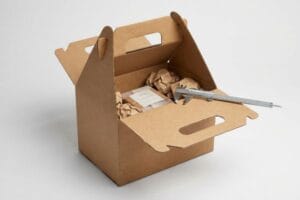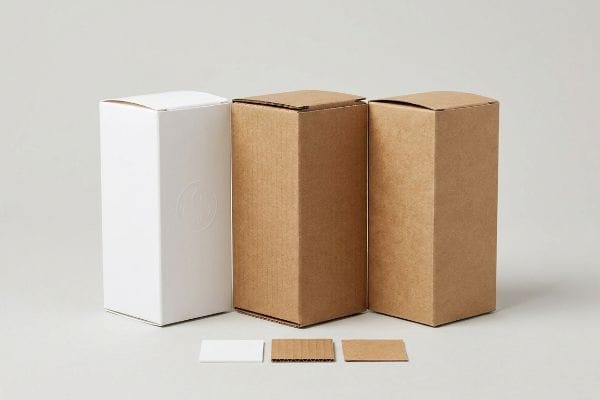
লোশনের প্যাকেজিংয়ের জন্য এমন দৃঢ় ও আর্দ্রতা-প্রতিরোধী উপাদান প্রয়োজন, যা একদিকে যেমন দৃষ্টি আকর্ষণ করে, তেমনই অন্যদিকে কঠোর বৈশ্বিক সরবরাহ শৃঙ্খলেও টিকে থাকতে পারে। আপনার কাঁচামালের স্পেসিফিকেশন ভুল হলে, আপনার প্রিমিয়াম রিটেইল উদ্যোগ অনিবার্যভাবে ব্যর্থ হবে।.
কাস্টম লোশন বক্সের জন্য উপলব্ধ উপকরণগুলির মধ্যে রয়েছে এসবিএস পেপারবোর্ড, মাইক্রো-ফ্লুটেড করোগেটেড বোর্ড এবং ভার্জিন ক্রাফট। উচ্চমানের প্রসাধনী বাজারগুলি কাঠামোগত দৃঢ়তা নিশ্চিত করতে, আর্দ্রতার কারণে বেঁকে যাওয়া রোধ করতে এবং উৎকৃষ্ট নান্দনিকতার সাথে আপোস না করে স্থায়িত্ব নিশ্চিত করার জন্য জলীয় আবরণের সাথে এই উপকরণগুলিকে অগ্রাধিকার দেয়।.
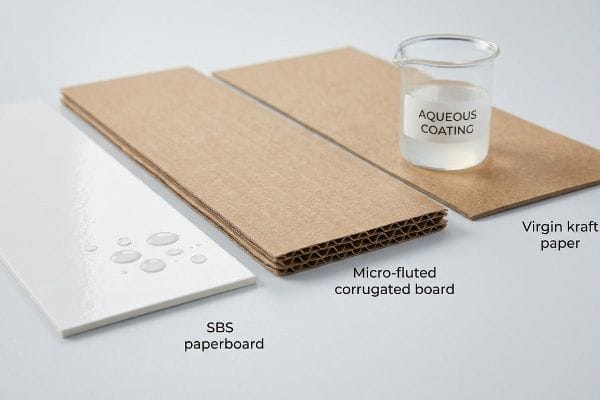
সঠিক উপাদান নির্বাচন করা কেবল প্রথম ধাপ। আসল চ্যালেঞ্জ হলো এই উপাদানগুলোকে এমনভাবে প্রকৌশলগতভাবে তৈরি করা, যাতে তা স্বয়ংক্রিয় কো-প্যাকিং লাইনের ভৌত ঘর্ষণ এবং খুচরা বিতরণের নিষ্পেষণকারী ওজন সহ্য করতে পারে।.
নিজের লোশন তৈরি করলে কি খরচ কম হয়?
ব্র্যান্ডগুলো প্রায়শই তাদের উৎপাদন সরবরাহ শৃঙ্খলকে আলাদা করে নিজেদের মুনাফা বাড়ানোর চেষ্টা করে। তবে, প্যাকেজিংয়ের প্রতিটি উপাদানের সর্বনিম্ন একক খরচের পেছনে ছুটতে গেলে তা সাধারণত আপনার ক্যাম্পেইনের চূড়ান্ত লাভজনকতাকে নষ্ট করে দেয়।.
না। খণ্ডিত টোলিং অপারেশনের মাধ্যমে নিজের লোশন প্যাকেজিং উপাদান তৈরি করা কদাচিৎই সস্তা হয়। আলাদা আলাদাভাবে বিভিন্ন ফিল্ম এবং ঢেউখেলানো ট্রে সংগ্রহ করলে তা অনিবার্যভাবে স্বয়ংক্রিয় যন্ত্রপাতিতে জ্যাম সৃষ্টি করে। এই অমিল সংগ্রহ গুরুতর পরিচালনগত দায় তৈরি করে, যা বিপর্যয়কর লাইন-ডাউনটাইমের মাধ্যমে আপনার বিনিয়োগের লাভকে নষ্ট করে দেয়।.
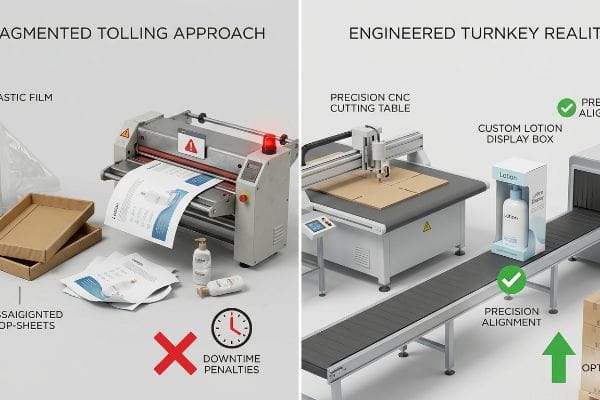
যখন আপনি ভৌত সংযোজন প্রক্রিয়া থেকে উপকরণের খরচকে আলাদা করেন, তখন আপনি কারখানার বাস্তব কর্মপরিবেশকে উপেক্ষা করেন।.
টোলিং বনাম টার্নকি অ্যাসেম্বলি দায়বদ্ধতা
আমার প্রতিষ্ঠানে আমি নিয়মিতই দেখি যে ক্রয় দলগুলো টোলিং চুক্তির ফাঁদে পড়ে যায়, এই ভেবে যে এক বিক্রেতার কাছ থেকে প্রিন্ট করা টপ-শিট এবং অন্য বিক্রেতার কাছ থেকে কাঁচা বি-ফ্লুট সংগ্রহ করলে বিপুল পরিমাণ অর্থ সাশ্রয় হবে। তারা একটি তাত্ত্বিক এক্সেল বিওএম (বিল অফ মেটেরিয়ালস) তৈরি করে যা প্রতিটি পয়সাকে আলাদা করে দেখায়, কিন্তু একটি উচ্চ-গতির অ্যাসেম্বলি লাইনে ভিন্ন ভিন্ন উপকরণ একত্রিত করার জন্য প্রয়োজনীয় যান্ত্রিক সহনশীলতাকে সম্পূর্ণ উপেক্ষা করে । এই অন্ধত্ব চুক্তিভিত্তিক প্যাকেজারকে বেমানান যন্ত্রাংশের খেসারত দিতে বাধ্য করে, এবং তারা অবিলম্বে সেই লাইন-ডাউনটাইমের জরিমানা সরাসরি আপনার ব্যালেন্স শীটে চাপিয়ে দেয় ।
এটা শুধু তত্ত্ব নয়—আমি টেস্টিং ফ্লোরে এটা ঘটতে দেখি যখন কোনো ক্লায়েন্ট আলাদাভাবে সংগ্রহ করা উপকরণ আমার স্বয়ংক্রিয় লিথো-ল্যামিনেটরের মধ্যে দিয়ে চালানোর চেষ্টা করে। যেহেতু উপরের শিটগুলো একটি উচ্চ-আর্দ্রতার পরিবেশে প্রিন্ট করা হয়েছিল এবং ঢেউখেলানো বেসটি একটি শুষ্ক গুদাম থেকে সংগ্রহ করা হয়েছিল, তাই কাগজের ফাইবারগুলো ভিন্নভাবে প্রতিক্রিয়া করে³।রান চলাকালীন, আমি ল্যামিনেটরে একটি গুরুতর ০.১৪ ইঞ্চি (৩.৫৫ মিমি) রেজিস্ট্রেশন ড্রিফট পরিমাপ করি, যার ফলে স্বয়ংক্রিয় ডাই-কাটারটি সরাসরি প্রাথমিক বারকোডটি কেটে ফেলে। এর সমাধান ম্যানুয়াল শ্রম ছিল না; এটি ছিল CAD (কম্পিউটার-এইডেড ডিজাইন) সফটওয়্যার রিসেট করা এবং আমার কংসবার্গ CNC (কম্পিউটার নিউমেরিক্যাল কন্ট্রোল) কাটিং টেবিলের সঠিক ক্যালিব্রেশন ব্যবহার করে রিয়েল-টাইমে গাণিতিকভাবে ব্লিড মার্জিন পুনরায় গণনা করা। যন্ত্রপাতির উপর একটি কঠোর কেন্দ্রীভূত টার্নকি প্রোটোকল প্রয়োগ করে, আমি যান্ত্রিক জ্যাম দূর করি, কো-প্যাকিং অ্যাসেম্বলির সময় আনুমানিক ২৮% কমিয়ে আনি এবং ক্লায়েন্টের লঞ্চ শিডিউলকে ব্যয়বহুল রিওয়ার্ক ফি থেকে সম্পূর্ণরূপে রক্ষা করি।
| সরবরাহ শৃঙ্খল মেট্রিক | খণ্ডিত টোলিং পদ্ধতি | ইঞ্জিনিয়ারড টার্নকি রিয়েলিটি |
|---|---|---|
| উপাদান উৎস | একাধিক অমিল বিক্রেতা | একক কেন্দ্রীভূত কারখানা |
| মেশিন টলারেন্স | গুরুতর নিবন্ধন বিচ্যুতি | নির্ভুল সিএনসি অ্যালাইনমেন্ট4 |
| আর্থিক দায় | ঘণ্টাপ্রতি উচ্চ ডাউনটাইম জরিমানা5 | প্রতি ইউনিটের স্থির সমাবেশ খরচ |
আমি কোনোভাবেই একটি খণ্ডিত সরবরাহ শৃঙ্খলকে একটি খুচরা বিপণন প্রচারণার টিকে থাকা নির্ধারণ করতে দেব না। আপনার কাঠামোগত অখণ্ডতা এবং মুনাফা উভয়ই নিশ্চিত করার একমাত্র উপায় হলো কেন্দ্রীভূত উৎপাদন।.
🛠️ হার্ভির ডেস্ক: আপনার ডিসপ্লেগুলো কো-প্যাকারের কাছে পৌঁছানোর আগেই কি আপনার খণ্ডিত প্যাকেজিং সরবরাহকারীরা সক্রিয়ভাবে আপনার শিপিংয়ের ROI (বিনিয়োগের উপর রিটার্ন) নষ্ট করে দিচ্ছে? 👉 একটি বিনামূল্যে সাপ্লাই চেইন ডেনসিটি অডিট করান ↗ — আমি ২৪ ঘণ্টার মধ্যে প্রতিটি স্ট্রাকচারাল ফাইল ব্যক্তিগতভাবে পর্যালোচনা করি।
উপহারের বাক্স মোড়কীকরণের জন্য কোন উপকরণগুলো সবচেয়ে ভালো?
দামী প্রসাধনী এবং উপহার সেটগুলোর জন্য একটি ত্রুটিহীন আনবক্সিং অভিজ্ঞতা প্রয়োজন। তবে, কাঁচামালের শক্তির চেয়ে চাকচিক্যপূর্ণ বাহ্যিক রূপকে বেশি প্রাধান্য দিলে, ক্ষতিগ্রস্ত পণ্য ফেরত আসার সম্ভাবনা সবচেয়ে বেশি থাকে।.
উপহারের বাক্সের প্যাকেজিংয়ের জন্য সেরা উপকরণ হলো উচ্চ-ঘনত্বের ৩২ ইসিটি (এজ ক্রাশ টেস্ট) ঢেউখেলানো বোর্ড এবং উচ্চ-সলিড গ্লসযুক্ত জলীয় আবরণের সংমিশ্রণ। এই হাইব্রিড কাঠামোটি ব্যয়বহুল ফয়েল ফিল্মের প্রয়োজনীয়তা দূর করে, নিখুঁত দৃশ্যগত সৌন্দর্য নিশ্চিত করার পাশাপাশি ভারী সরবরাহ শৃঙ্খল পরিবহনের সময় মারাত্মক বিসিটি (বক্স কম্প্রেশন টেস্ট) জনিত চাপ থেকে বাক্সকে রক্ষা করে।.
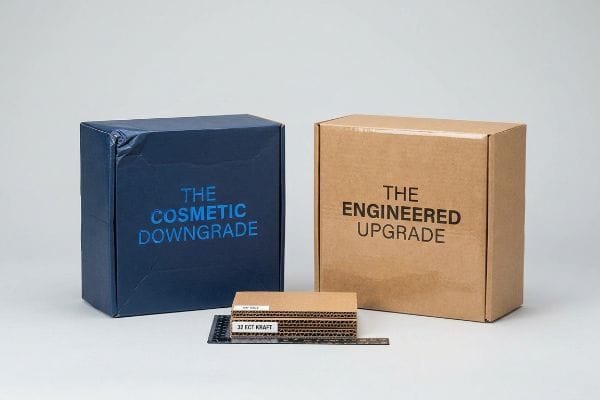
বিলাসবহুল পৃষ্ঠতল প্রক্রিয়াকরণের জন্য অর্থ ব্যয় করতে গিয়ে আপনার মূল উপাদানের মান কমিয়ে ফেললে এমন একটি সুন্দর বাক্স তৈরি হয়, যা একটি সাধারণ লজিস্টিকস প্যালেটের গতিজনিত ধাক্কা সহ্য করতে পারে না।.
কসমেটিক ইসিটি ডাউনগ্রেড ফাঁদ
যখন আমি ক্লায়েন্টের ডাইলাইন অডিট করি, তখন আমি ক্রমাগত দেখি যে প্রকিউরমেন্ট টিমগুলো ভারী ৩ডি ফয়েল এমবসিংয়ের জন্য বাজেট বাঁচানোর উদ্দেশ্যে চুপিসারে তাদের বেস করোগেটেড বোর্ডকে ৩২ ইসিটি থেকে একটি দুর্বল ২৬ ইসিটি৬- । তারা ক্যাড ডাইলাইনকে একটি সমতল, তাত্ত্বিক ভেক্টর ড্রয়িং হিসেবে গণ্য করে, এবং ফ্লুটেড সাবস্ট্রেটের প্রকৃত পুরুত্ব ও ক্যালিপারকে সম্পূর্ণ উপেক্ষা করে। নান্দনিক স্ফীতির জন্য খরচ মেটাতে কোর ফ্লুটিং থেকে গুরুত্বপূর্ণ ফাইবার ঘনত্ব কমিয়ে দিয়ে, তারা এমন একটি কাঠামো তৈরি করে যা গাণিতিকভাবে ডাবল-স্ট্যাক করা মাস্টার কার্টনের গতিশীল টপ-লোড ওজন বহন করতে পারে না৭।
এটা শুধু তত্ত্ব নয়—আমি টেস্টিং ফ্লোরে এটা ঘটতে দেখি যখন এই নিম্নমানের গিফট বক্সগুলো TAPPI T811 টেস্টিং প্রেসে পরীক্ষা করা হয়। যেহেতু ফ্ল্যাট ভেক্টর জ্যামিতি উপাদানটির হ্রাসপ্রাপ্ত ক্যালিপারকে উপেক্ষা করে, তাই মাত্র ১৪২.৬ পাউন্ড (৬৪.৬৮ কেজি) উল্লম্ব চাপে8, এবং প্রিমিয়াম ফেস প্যানেলের উপরেই কাঁচা বাদামী কাগজের আঁশ উন্মুক্ত হয়ে পড়ে। ফ্লোরে আমার বিশ বছরের অভিজ্ঞতা আমাকে শিখিয়েছে যে চকচকে ল্যামিনেশন দিয়ে পদার্থের পদার্থবিদ্যাকে ফাঁকি দেওয়া যায় না। এর সমাধান করতে, আমি অবিলম্বে রাসায়নিক পরিবর্তন করি, সাবস্ট্রেটকে আবার ভার্জিন ক্রাফট লাইনারে আপগ্রেড করি এবং PVA (পলিভিনাইল অ্যাসিটেট) আঠার সান্দ্রতা পরিবর্তন করে এটিকে আঁটসাঁট ব্যাসার্ধের ভাঁজগুলোর উপর গতিশীলভাবে প্রসারিত হতে দিই। রাসায়নিকভাবে উন্নত একটি বেস বোর্ডে ডিজাইনটিকে নোঙর করে এবং ফয়েলের পরিবর্তে উচ্চ-চকচকে জলীয় আবরণ ব্যবহার করে, আমি উল্লম্ব ভারবহন ক্ষমতা ৪৫% বৃদ্ধির9, যা পরিবহনের সময় হওয়া ক্ষতি এবং খুচরা বিক্রেতাদের ব্যয়বহুল চার্জব্যাক।
| প্যাকেজিং উপাদান | কসমেটিক ডাউনগ্রেড | প্রকৌশলগত আপগ্রেড |
|---|---|---|
| কোর সাবস্ট্রেট | দুর্বল ২৬ ইসিটি বোর্ড | ভার্জিন ৩২ ইসিটি ক্রাফট10 |
| সারফেস ফিনিশ | ভারী ফয়েল ল্যামিনেশন | উচ্চ-কঠিন জলীয় আবরণ11 |
| মালবাহী টিকে থাকা | ব্যাপক বিসিটি ধস12 | ১০০% প্যালেট টপ-লোড ধারণ |
আমি অনেক ব্র্যান্ডকে সস্তা বিপণন কৌশলের জন্য তাদের কাঠামোগত ভিত্তি বিসর্জন দিতে দেখেছি। আপনার উপহারের বাক্সটি যদি মালবাহী ট্রাকের ধকল সামলাতে না পারে, তবে সেটি খোলার অভিজ্ঞতা সম্পূর্ণ অপ্রাসঙ্গিক।.
🛠️ হার্ভির ডেস্ক: বাস্তব লজিস্টিকসের টানাপোড়েনে আপনার বর্তমান প্রিমিয়াম গিফট প্যাকেজিং কি মারাত্মকভাবে ক্ষতিগ্রস্ত হওয়ার ঝুঁকিতে আছে? 👉 একটি ফ্রি স্ট্রাকচারাল এজ ক্রাশ অডিটের জন্য অনুরোধ করুন ↗ — ১০০% গোপনীয়। আপনার অপ্রকাশিত রিটেইল ডিজাইনগুলো আমার কাছে সুরক্ষিত।
ত্বকের যত্নের পণ্যের জন্য সেরা প্যাকেজিং কোনটি?
ত্বকের যত্নের উপাদানগুলো স্বভাবতই ঘন ও ভঙ্গুর হওয়ায়, এগুলোর জন্য এমন বিশেষ মোড়ক প্রয়োজন যা এদের ভৌত নড়াচড়া নিখুঁতভাবে নিয়ন্ত্রণ করে। সাধারণ মাপের কারণে তাকের উপর থাকা অবস্থায় পণ্যের ক্ষতি হওয়াটা অনিবার্য।.
ত্বকের যত্নের পণ্যের জন্য সেরা প্যাকেজিং-এ মূল কন্টেইনারের ফোলাভাব পূরণের জন্য পরিকল্পিত ক্ষুদ্র ফাঁক ব্যবহার করা হয়। সমতল তাত্ত্বিক মাপের উপর নির্ভর করার পরিবর্তে, উন্নতমানের সেকেন্ডারি ট্রেগুলো প্রসাধনীর ভৌত সিলিন্ডারগুলোকে নির্ভুলভাবে পরিমাপ করে, যা খুচরা দোকানের তাকের উপর সরাসরি পেপারবোর্ড আটকে যাওয়া, কাঠামোগতভাবে ভেঙে যাওয়া বা পণ্য সজোরে ছিটকে পড়া প্রতিরোধ করে।.
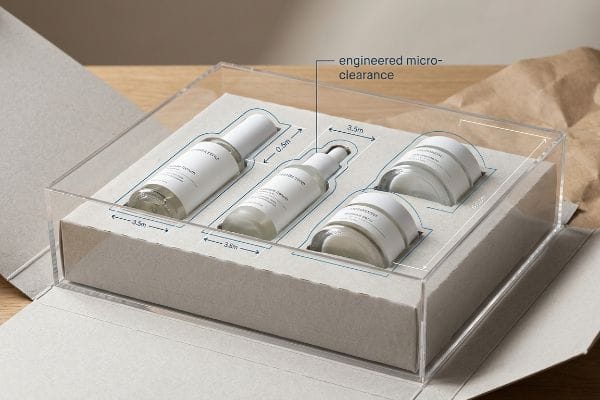
লোশন বোতলের তাত্ত্বিক আকারের উপর ভিত্তি করে নকশা করলে, একটি বর্গাকার পেপারবোর্ডের গহ্বরে জোর করে ঢোকানোর সময় গোলাকার প্লাস্টিক কীভাবে আচরণ করে, তা উপেক্ষা করা হয়।.
কসমেটিক সিলিন্ডার টলারেন্সের পেছনের প্রকৌশলগত কৌশল
ত্বকের যত্নের পণ্যগুলি কীভাবে নিরাপদে প্যাকেজ করতে হয় তা সঠিকভাবে বোঝার জন্য , সেকেন্ডারি ফোল্ডিং কার্টনকে একটি সাধারণ বাক্স হিসেবে না দেখে, বরং একটি অনমনীয় যান্ত্রিক আবাসন হিসেবে দেখা সহায়ক। যখন আপনি একটি নিরেট, গোলাকার প্রসাধনী টিউবকে একটি সমতল এসবিএস স্লিভের মধ্যে প্রবেশ করান, তখন বিপরীত জ্যামিতিক গঠনগুলির মধ্যে সংঘর্ষ হয়। অনমনীয় সিলিন্ডারটি সমতল পেপারবোর্ডের পাশের প্যানেলগুলিকে ভৌতভাবে সামান্য বাইরের দিকে বেঁকে যেতে বাধ্য করে , যা পৃষ্ঠ জুড়ে একটি যান্ত্রিক টানের চাপ তৈরি করে। যদি আপনি এই ভৌত বিকৃতি শোষণ করার জন্য গাণিতিকভাবে একটি নির্দিষ্ট স্থানিক বাফার তৈরি না করেন, তবে প্যাকেজিংটি একটি সংকুচিত স্প্রিংয়ের মতো কাজ করে যা তার গতিশক্তি মুক্ত করার জন্য অপেক্ষা করছে।
যখন একজন প্রকৌশলী আগে থেকে ভরা একটি পিডিকিউ (প্রোডাক্ট ডিসপ্লে কোয়ার্টার-প্যালেট) ট্রে-এর নকশা করেন, তখন তাদের অবশ্যই পুরো গ্রিড ১৪ জুড়ে এই বিকৃতির ক্রমবর্ধমান প্রভাব গণনা করতে হয় । কল্পনা করুন, ত্রিশটি সামান্য ফোলা ব্যাটারিকে একটি প্লাস্টিকের কেসের মধ্যে ঠাসাঠাসি করে ভরা হচ্ছে, যেটি কঠোরভাবে সমতল আয়তক্ষেত্রের জন্য পরিমাপ করা হয়েছিল; এই জমা হওয়া ক্ষুদ্র স্ফীতি ব্যাপক পার্শ্বীয় ঘর্ষণ তৈরি করে। ডিজিটাল ক্যালিপার ব্যবহার করে প্রাথমিক কন্টেইনারের সঠিক ভৌত শীর্ষবিন্দু পরিমাপ করে, প্যাকেজিং প্রকৌশলীরা দ্বিতীয় ট্রে -তে একটি লক্ষ্যযুক্ত ক্ষুদ্র-ফাঁকা শূন্যস্থান ১৫ ডিজাইন করেন । আটকে থাকা বাতাসের এই ইচ্ছাকৃত পকেটটি ঘর্ষণ লকটিকে সম্পূর্ণরূপে ভেঙে দেয়, যার ফলে খুচরা বিক্রেতা চারপাশের ধরে রাখার ঠোঁটগুলো না ছিঁড়ে মসৃণভাবে পণ্যটি বের করতে পারেন।
| ইঞ্জিনিয়ারিং মেট্রিক | স্ট্যান্ডার্ড সাইজিং পদ্ধতি | মাইক্রো-ক্লিয়ারেন্স পদ্ধতি |
|---|---|---|
| মাত্রিক ভিত্তিরেখা | সমতল তাত্ত্বিক CAD ফাইল | ভৌত সিলিন্ডার পরিমাপ |
| পৃষ্ঠটান | কাগজের বোর্ডের বাইরের দিকে তীব্র বাঁক16 | ভারসাম্যপূর্ণ গতিশীল স্থানিক বাফার17 |
| পুনরায় মজুদকরণ পদার্থবিদ্যা | উচ্চ ঘর্ষণ প্যানেল জ্যামিং18 | মসৃণ ঘর্ষণহীন নিষ্কাশন |
আমি প্রতিটি স্কিনকেয়ার বক্সকে একটি সক্রিয় যান্ত্রিক ব্যবস্থা হিসেবে দেখি। একটি মূল ধারকের চারপাশের স্থানিক সহনশীলতা নিয়ন্ত্রণ করাই হলো উচ্চ-কার্যক্ষমতাসম্পন্ন খুচরা বিপণনের ভিত্তি।.
🛠️ হার্ভিস ডেস্ক: আপনার ঘন কসমেটিক সিলিন্ডারগুলো কি আপনার সেকেন্ডারি ট্রে-গুলোকে বেঁকে দিয়ে শেলফের সৌন্দর্য নষ্ট করছে? 👉 আপনার ফ্রি লোডেড স্যাম্পল টলারেন্স চেকটি নিন ↗ — মাঝখানে কোনো অ্যাকাউন্ট ম্যানেজার নেই। আপনি সরাসরি স্ট্রাকচারাল ইঞ্জিনিয়ারদের সাথে কথা বলবেন।
প্রসাধনীর প্যাকেজিং কী দিয়ে তৈরি?
প্রসাধনীর প্যাকেজিংকে অবশ্যই বিলাসবহুল সৌন্দর্য পণ্যের বাজারের স্পর্শজনিত চাহিদা এবং আধুনিক বৈশ্বিক খুচরা বিক্রেতাদের কঠোর পরিবেশগত নির্দেশাবলীর মধ্যে ভারসাম্য রক্ষা করতে হবে।.
প্রসাধনীর প্যাকেজিং হালকা মাইক্রো-ফ্লুটেড ঢেউখেলানো বোর্ড বা এসবিএস দিয়ে তৈরি হয়, যেগুলোর উপর নরম স্পর্শের জলীয় প্রলেপ দেওয়া থাকে। এই উন্নত তরল পলিমার ম্যাট্রিক্সগুলো প্রচলিত প্লাস্টিক ল্যামিনেশনের পরিবর্তে ব্যবহৃত হয় এবং রিটেইল কার্টনের সুনির্দিষ্ট কাঠামোগত অখণ্ডতার সাথে আপোস না করেই একটি প্রিমিয়াম ও পুনর্ব্যবহারযোগ্য মখমলের মতো অনুভূতি প্রদান করে।.
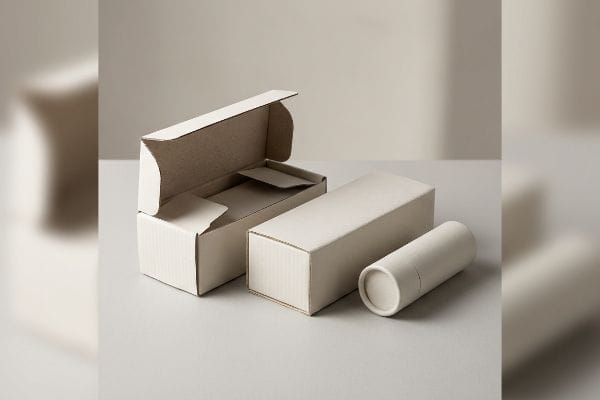
একটি খুচরা কার্টনের উপরিভাগের রাসায়নিক গঠন সরাসরি নির্ধারণ করে যে এটি পৌরসভার পুনর্ব্যবহারযোগ্য বর্জ্য ব্যবস্থাপনায় আইনত অন্তর্ভুক্ত হতে পারবে কি না।.
স্পর্শভিত্তিক জলীয় রসায়নের পেছনের প্রকৌশলগত কৌশল
প্রসাধনী প্যাকেজিং বুঝতে হলে মুদ্রিত কাগজের তন্তু এবং বাহ্যিক খুচরা পরিবেশের মধ্যেকার রাসায়নিক সীমানা বিশ্লেষণ করা প্রয়োজন। ঐতিহাসিকভাবে, একটি ফোল্ডিং কার্টনে একটি অনুজ্জ্বল, মখমলের মতো টেক্সচার আনার জন্য কাগজের স্তরের উপর সরাসরি একটি দ্বি-অক্ষীয়ভাবে বিন্যস্ত প্লাস্টিক ফিল্ম ১৯ ল্যামিনেট করার প্রয়োজন হতো । যদিও এই তাপীয় ল্যামিনেশন একটি টেকসই প্রতিবন্ধক তৈরি করে, এটি কার্যকরভাবে জৈব সেলুলোজের উপর একটি স্থায়ী, পুনঃমজ্জা-অযোগ্য পেট্রোলিয়াম পণ্যকে জুড়ে দেয়। পেপারবোর্ডটি একটি অপরিবর্তনীয় যৌগিক পদার্থে রূপান্তরিত হয়, যা পৌর পুনর্ব্যবহার কেন্দ্রগুলিতে সাধারণ হাইড্রাপালপার ভ্যাট ২০- এ পরিষ্কারভাবে ভেঙে যাওয়ার ক্ষমতাকে সম্পূর্ণরূপে নষ্ট করে দেয়।
আধুনিক স্ট্রাকচারাল ইঞ্জিনিয়ারিং কঠিন প্লাস্টিক ফিল্মের উপর থেকে সম্পূর্ণভাবে সরে এসে, হুবহু একই স্পর্শজনিত ঘর্ষণ অর্জনের জন্য উন্নত তরল রসায়ন ব্যবহার করে। একটি নরম স্পর্শের জলীয় আবরণ একটি সাসপেন্ডেড পলিমার ম্যাট্রিক্স21 যা ভেজা প্রিন্টিং কালির উপর গতিশীলভাবে প্রয়োগ করা হয়। কিউরিং ওভেনে জলের ভিত্তি বাষ্পীভূত হওয়ার সাথে সাথে, আণুবীক্ষণিক পলিমার কণাগুলি ক্রস-লিঙ্ক করে, পৃষ্ঠ জুড়ে একটি অত্যন্ত সামঞ্জস্যপূর্ণ, রাবারযুক্ত মাইক্রো-টেক্সচার তৈরি করে। যেহেতু এই আবরণে প্লাস্টিক ফিল্মের মতো ঘন, কঠিন-অবস্থার স্মৃতি নেই, তাই এটি সাধারণ রিপাল্পিং প্রক্রিয়া22, যা নিশ্চিত করে যে মূল উপাদানটি কাঠামোগতভাবে বিশুদ্ধ এবং সম্পূর্ণরূপে কার্বসাইড রিসাইকেলযোগ্য।
| উপাদান রসায়ন | তাপীয় প্লাস্টিক ল্যামিনেশন | সফট টাচ অ্যাকুয়াস কোটিং |
|---|---|---|
| সাবস্ট্রেট বন্ড | অপরিবর্তনীয় পেট্রোলিয়াম ফিউশন23 | দ্রবণীয় পলিমার ম্যাট্রিক্স24 |
| স্পর্শকাতর প্রোফাইল | ঘন সিন্থেটিক বাধা | প্রিমিয়াম জৈব মখমলের ঘর্ষণ |
| ESG সম্মতি | সাধারণ পুনর্ব্যবহার প্রক্রিয়ায় প্রত্যাখ্যাত | ১০০% রাস্তার ধার থেকে পুনঃমজ্জাযোগ্য25 |
আমি প্রসাধনী প্যাকেজিংকে উন্নত বস্তু বিজ্ঞানের একটি অনুশীলন হিসেবে দেখি। আপনাকে রাসায়নিক প্রলেপগুলোকে এমনভাবে তৈরি করতে হবে, যাতে তা শেলফে নিখুঁতভাবে কাজ করার পাশাপাশি রিসাইক্লিং প্ল্যান্টের কাছে অদৃশ্য থাকে।.
🛠️ হার্ভিস ডেস্ক: আপনার বর্তমান স্পর্শযোগ্য প্রসাধনী প্যাকেজিং কি নীরবে বড় বড় খুচরা বিক্রেতাদের টেকসই উন্নয়নের নির্দেশিকা লঙ্ঘন করছে? 👉 একটি বিনামূল্যে ESG কোটিং কমপ্লায়েন্স রিভিউ নিন ↗ — আমি ২৪ ঘন্টার মধ্যে প্রতিটি স্ট্রাকচারাল ফাইল ব্যক্তিগতভাবে পর্যালোচনা করি।
উপসংহার
যখন ভারী স্কিনকেয়ার সিলিন্ডার এবং শক্ত কসমেটিক টিউবগুলোকে মাপজোখহীন সাধারণ বাক্সে জোর করে ঢোকানো হয়, তখন এর ফলে সৃষ্ট পার্শ্বীয় ঘর্ষণ বাক্সের কিনারাগুলোকে মারাত্মকভাবে ছিঁড়ে ফেলে এবং চেকআউটের লাভ পুরোপুরি নষ্ট করে দেয়। এই নির্দিষ্ট ইঞ্জিনিয়ারিং পর্যালোচনাটি সম্প্রতি উৎপাদনের আগেই একটি বড় জাতীয় পণ্য উন্মোচনের জন্য একটি মারাত্মক ২ মিমি টলারেন্স ত্রুটি ধরে ফেলেছে। খুচরা বিক্রির চাপে আপনার প্যাকেজিং কেমন আচরণ করবে তা নিয়ে অনুমান করা বন্ধ করুন; আমাকে ব্যক্তিগতভাবে আপনার স্ট্রাকচারাল ফাইলগুলো একটি ফ্রি স্ট্রাকচারাল ডাইলাইন অডিটের মাধ্যমে পরীক্ষা করতে দিন ↗, যাতে গাণিতিকভাবে নিশ্চিত করা যায় যে আপনার উপকরণ এবং মাইক্রো-ক্লিয়ারেন্সগুলো সাপ্লাই চেইনে ত্রুটিহীনভাবে টিকে থাকবে।
"প্যাকেজিং উপকরণ কীভাবে মেশিনের কর্মক্ষমতাকে প্রভাবিত করে ও …", https://www.douglas-machine.com/the-overlooked-link-between-packaging-materials-machine-specs-and-line-performance/। ইন্ডাস্ট্রিয়াল ইঞ্জিনিয়ারিং ডকুমেন্টেশন ব্যাখ্যা করে যে কীভাবে বিভিন্ন সরবরাহকারীর কাছ থেকে প্রাপ্ত উপকরণের মাত্রার ভিন্নতা স্বয়ংক্রিয় যন্ত্রপাতিতে জ্যাম সৃষ্টি করে। প্রমাণের ভূমিকা: প্রযুক্তিগত যাচাইকরণ; উৎসের ধরণ: ইঞ্জিনিয়ারিং ম্যানুয়াল। সমর্থন করে: প্যাকেজিং উপাদানের জন্য খণ্ডিত সোর্সিং ব্যবহারের ঝুঁকি। পরিধি নোট: উচ্চ-গতির অটোমেশনের উপর আলোকপাত করে। ↩
"কন্ট্রাক্ট প্যাকেজিং প্ল্যান্টে ডাউনটাইম ট্র্যাকিং", https://www.tryharmony.ai/downtime-tracking-in-contract-packaging-plants। কন্ট্রাক্ট প্যাকেজিং-এর ক্ষেত্রে প্রচলিত অপারেটিং চুক্তিগুলোতে সাধারণত ত্রুটিপূর্ণ উপকরণ সরবরাহকারী পক্ষের উপর ডাউনটাইমের খরচ আরোপ করা হয়। প্রমাণের ভূমিকা: পরিচালনগত অনুশীলন; উৎসের ধরণ: শিল্প চুক্তি মান। সমর্থন করে: খণ্ডিত সংগ্রহ প্রক্রিয়ার আর্থিক প্রভাব। পরিধি সংক্রান্ত টীকা: নির্দিষ্ট চুক্তি আলোচনার সাপেক্ষে। ↩
"ফাইবারের গঠন এবং শুকানোর অবস্থার প্রভাব...", https://bioresources.cnr.ncsu.edu/resources/influence-of-fiber-composition-and-drying-conditions-on-the-bending-stiffness-of-paper/। সেলুলোজ-ভিত্তিক সাবস্ট্রেটে আর্দ্রতার তারতম্য কীভাবে ল্যামিনেশনের সময় মাত্রিক অস্থিতিশীলতা এবং রেজিস্ট্রেশন মিসঅ্যালাইনমেন্ট ঘটায় তার সংক্ষিপ্ত ব্যাখ্যা। প্রমাণের ভূমিকা: প্রযুক্তিগত যাচাইকরণ; উৎসের ধরণ: পদার্থ বিজ্ঞানের পাঠ্যপুস্তক বা প্যাকেজিং ইঞ্জিনিয়ারিং গাইড। সমর্থন করে: বেমানান উপাদান সংগ্রহ এবং যন্ত্রপাতির ব্যর্থতার মধ্যে কার্যকারণ সম্পর্ক। পরিধি নোট: হাইগ্রোস্কোপিক উপকরণের জন্য নির্দিষ্ট। ↩
"একক-উৎস উৎপাদন অংশীদারের সুবিধাসমূহ – শ্মিড টুল", https://www.schmidtool.com/post/from-machining-to-assembly-the-benefits-of-a-single-source-manufacturing-partner। অটোমেশন স্ট্যান্ডার্ডগুলো বর্ণনা করে যে কীভাবে সমন্বিত সিএনসি সিস্টেমগুলো কেন্দ্রীভূত নিয়ন্ত্রণের মাধ্যমে ম্যানুয়াল অ্যালাইনমেন্ট ত্রুটি দূর করে। প্রমাণের ভূমিকা: প্রযুক্তিগত স্পেসিফিকেশন; উৎসের ধরণ: যন্ত্রপাতির স্ট্যান্ডার্ড। সমর্থন করে: টার্নকি সলিউশনের উন্নত টলারেন্স। পরিধি নোট: সিএনসি-সক্ষম স্থাপনাগুলোর মধ্যে সীমাবদ্ধ। ↩
"টোলিং, টার্নকি, নাকি উভয়ই? আপনার কতটা নিয়ন্ত্রণ রাখা উচিত?", https://www.waystationai.com/blog/tolling-turnkey-hybrid-control/। সাপ্লাই চেইন ম্যানেজমেন্টের সাহিত্যে টোলিং (পরিবর্তনশীল পরিচালনগত ঝুঁকি) এবং টার্নকি (স্থির মূল্য)-এর ঝুঁকি বহনকারী কাঠামোর মধ্যে পার্থক্য তুলে ধরা হয়েছে। প্রমাণের ভূমিকা: আর্থিক যাচাইকরণ; উৎসের ধরণ: সাপ্লাই চেইন পাঠ্যপুস্তক। সমর্থন: টোলিং এবং টার্নকির মধ্যে দায়বদ্ধতার পার্থক্য। পরিধি সংক্রান্ত টীকা: নির্দিষ্ট চুক্তিগত শর্ত সাপেক্ষে। ↩
"ফ্লুট গ্রেড, ইসিটি রেটিং এবং দেয়ালের পুরুত্ব ব্যাখ্যা ২০২৫", https://anchorbox.com/corrugated-box-strength/। এজ ক্রাশ টেস্ট (ইসিটি) রেটিং-এর প্রযুক্তিগত তুলনা, যা উপাদানের গ্রেড কমানোর ফলে স্ট্যাকিং শক্তির হ্রাস প্রদর্শন করে। প্রমাণের ভূমিকা: প্রযুক্তিগত স্পেসিফিকেশন; উৎসের ধরণ: প্যাকেজিং শিল্পের মান; সমর্থন করে: এই দাবি যে ২৬ ইসিটি ৩২ ইসিটির চেয়ে উল্লেখযোগ্যভাবে দুর্বল। পরিধি সংক্রান্ত টীকা: একক-প্রাচীরযুক্ত ঢেউখেলানো কাগজের জন্য নির্দিষ্ট। ↩
"কোরুগেটেড বোর্ড বক্সের সংকোচন শক্তি অনুমান...", https://pmc.ncbi.nlm.nih.gov/articles/PMC9864211/। সাপ্লাই চেইন ট্রানজিটে ডায়নামিক লোড এবং স্ট্যাকিং উচ্চতার সাপেক্ষে বক্স কম্প্রেশন টেস্ট (BCT) মানের উপর ইঞ্জিনিয়ারিং ডেটা। প্রমাণের ভূমিকা: যান্ত্রিক প্রমাণ; উৎসের ধরণ: স্ট্রাকচারাল ইঞ্জিনিয়ারিং হ্যান্ডবুক; সমর্থন: সাবস্ট্রেটের ঘনত্ব এবং উল্লম্ব চাপ সহ্য করার ক্ষমতার মধ্যে সম্পর্ক। পরিধি নোট: শিল্প পরিবহনের অবস্থার উপর দৃষ্টি নিবদ্ধ করে। ↩
"একটি … এর প্রান্ত চূর্ণীকরণ পরীক্ষায় পূর্ণ-ক্ষেত্র পরিমাপ – পিএমসি", https://pmc.ncbi.nlm.nih.gov/articles/PMC8199211/। TAPPI T811 সংকোচন পরীক্ষা পদ্ধতির অধীনে নিম্নমানের ঢেউখেলানো কাগজের স্তরের জন্য সাধারণ ব্যর্থতা লোড সীমার বৈধতা। প্রমাণের ভূমিকা: প্রযুক্তিগত বৈধতা; উৎসের ধরণ: শিল্প মান। সমর্থন করে: কম-ক্যালিপার উপকরণের নির্দিষ্ট বাকলিং পয়েন্ট। পরিধি সংক্রান্ত টীকা: প্রকৃত মান বাক্সের মাত্রা এবং ECT গ্রেডের উপর নির্ভর করে। ↩
"…এর ভৌত বৈশিষ্ট্যসমূহের একটি তুলনামূলক পরীক্ষা", https://repository.rit.edu/cgi/viewcontent.cgi?article=1299&context=theses। বক্স কম্প্রেশন টেস্ট (BCT)-এর ফলাফলের তুলনামূলক বিশ্লেষণ, যা নিম্নমানের লাইনার থেকে ভার্জিন ক্রাফট সাবস্ট্রেটে স্থানান্তরের ফলে শক্তি বৃদ্ধি প্রদর্শন করে। প্রমাণের ভূমিকা: কর্মক্ষমতার পরিমাপক; উৎসের ধরণ: পদার্থ বিজ্ঞান গবেষণা। সমর্থন করে: বর্ধিত ভারবহন ক্ষমতা সংক্রান্ত দাবি। পরিধি টীকা: বোর্ডের গ্রেড এবং আবরণের ধরনের উপর ভিত্তি করে শতাংশ পরিবর্তিত হতে পারে। ↩
"নিম্ন … সহ ঢেউখেলানো কাগজের প্যাকেজের সংকোচন শক্তি", https://pmc.ncbi.nlm.nih.gov/articles/PMC10054506/। ৩২ ইসিটি ভার্জিন ক্রাফট বোর্ডের ভারবহন ক্ষমতা এবং কাঠামোগত অখণ্ডতা নিশ্চিতকারী প্রযুক্তিগত স্পেসিফিকেশন। প্রমাণের ভূমিকা: স্পেসিফিকেশন; উৎসের ধরণ: প্রযুক্তিগত ডেটাশিট। সমর্থন: প্রকৌশলগত সাবস্ট্রেটের কাঠামোগত শ্রেষ্ঠত্ব। পরিধি নোট: ঢেউখেলানো বোর্ডের গ্রেডগুলির জন্য নির্দিষ্ট। ↩
"প্যাকেজিং প্রিন্টিং-এ জলীয় আবরণ (AQ) – পপডিসপ্লে", https://popdisplay.me/aqueous-coating-aq-in-packaging-printing/। ভারী ল্যামিনেটের তুলনায় উচ্চ-কঠিন জলীয় আবরণ কীভাবে সাবস্ট্রেটের শক্তি বজায় রাখে তার প্রযুক্তিগত তুলনা। প্রমাণের ভূমিকা: প্রযুক্তিগত তুলনা; উৎসের ধরণ: প্যাকেজিং শিল্পের শ্বেতপত্র। সমর্থন: ECT ডাউনগ্রেড প্রতিরোধে নির্দিষ্ট আবরণের কার্যকারিতা। পরিধি টীকা: পৃষ্ঠতল ফিনিশ রসায়নের উপর আলোকপাত করে। ↩
“বক্স কম্প্রেশন টেস্টিং-এর গুরুত্ব …”, https://www.researchgate.net/publication/384322888_THE_IMPORTANCE_OF_BOX_COMPRESSION_TESTING_IN_THE_PACKAGING_INDUSTRY। নির্দিষ্ট সারফেস ট্রিটমেন্ট এবং বক্স কম্প্রেশন টেস্ট (BCT) মানের হ্রাসের মধ্যে সম্পর্ক প্রদর্শনকারী গবেষণালব্ধ তথ্য। প্রমাণের ভূমিকা: গবেষণালব্ধ তথ্য; উৎসের ধরণ: প্যাকেজিং ইঞ্জিনিয়ারিং গবেষণা। সমর্থন করে: বাহ্যিক মানের অবনতির ক্ষেত্রে কাঠামোগত ব্যর্থতার ঝুঁকি। পরিধি টীকা: উল্লম্ব সংকোচন শক্তির সাথে সম্পর্কিত। ↩
"ফোল্ডিং কার্টন প্যাকেজিংয়ের জন্য এসবিএস বনাম এসইউএস পেপারবোর্ড", https://www.netpak.com/en/packaging-resources/industry-articles/sbs-vs-sus-paperboard-folding-cartons/। অনমনীয় নলাকার কন্টেইনার এবং এসবিএস পেপারবোর্ড স্লিভের মধ্যে যান্ত্রিক মিথস্ক্রিয়ার উপর প্রযুক্তিগত নথি, যা বাইরের দিকে বেঁকে যাওয়া প্রদর্শন করে। প্রমাণের ভূমিকা: প্রযুক্তিগত যাচাইকরণ; উৎসের ধরণ: প্যাকেজিং ইঞ্জিনিয়ারিং ম্যানুয়াল। সমর্থন করে: এই দাবি যে সিলিন্ডারের জ্যামিতি প্যানেলের বিকৃতি ঘটায়। পরিধি সংক্রান্ত টীকা: আঁটসাঁট স্লিভের মধ্যে থাকা অনমনীয়-দেয়ালের প্রাথমিক কন্টেইনারের ক্ষেত্রে প্রযোজ্য। ↩
"টলারেন্স স্ট্যাক-আপ বিশ্লেষণ, এর সুবিধা এবং পদক্ষেপসমূহ …", https://asmltd.com/tolerance-stack-up-analysis-its-benefits-and-steps-involved-in-mechanical-design/। মাল্টি-ইউনিট রিটেইল প্যাকেজিং-এ টলারেন্স স্ট্যাক-আপ এবং ক্রমবর্ধমান বিকৃতি গণনার জন্য প্রকৌশল নির্দেশিকা। প্রমাণের ভূমিকা: প্রযুক্তিগত মান; উৎসের ধরণ: শিল্প প্রকৌশল হ্যান্ডবুক। সমর্থন করে: পিডিকিউ (PDQ) লেআউটে গ্রিড-ব্যাপী বিকৃতি গণনার প্রয়োজনীয়তা। পরিধি নোট: উচ্চ-ঘনত্বের আগে থেকে ভরা ট্রে-এর ক্ষেত্রে প্রযোজ্য। ↩
"সংকোচনের উপর ফাইবারবোর্ড কন্টেইনার ডিজাইনের প্রভাব...", https://repository.rit.edu/japr/vol12/iss1/7/। প্রাথমিক কন্টেইনারের স্ফীতির কারণে সৃষ্ট কন্টেইনার-টু-প্যাকেজিং ঘর্ষণজনিত লক প্রতিরোধ করার জন্য মাইক্রো-ক্লিয়ারেন্স ব্যবহারের উপর প্রযুক্তিগত বিবরণ। প্রমাণের ভূমিকা: ডিজাইন স্পেসিফিকেশন; উৎসের ধরণ: প্যাকেজিং বিজ্ঞান জার্নাল। সমর্থন করে: পণ্য জ্যামিং প্রতিরোধে নির্দিষ্ট শূন্যস্থানের কার্যকারিতা। পরিধি নোট: বিশেষভাবে নলাকার প্রাথমিক কন্টেইনারের জন্য। ↩
"প্যাকেজিং পেপার বেঁকে যাওয়ার কারণ ও সমাধান", https://www.goldenpapergroup.com/blog/causes-and-solutions-for-bending-of-packaging-paper.html। পেপারবোর্ডের সেকেন্ডারি প্যাকেজিং-এ উপাদানের টান এবং অনুপযুক্ত টলারেন্স কীভাবে কাঠামোগত বিকৃতি ঘটায় তার প্রযুক্তিগত বিশ্লেষণ। প্রমাণের ভূমিকা: তথ্যগত যাচাইকরণ; উৎসের ধরণ: পদার্থ বিজ্ঞান গবেষণা। সমর্থন: স্ট্যান্ডার্ড সাইজিং পদ্ধতির ব্যর্থতা। পরিধি টীকা: বিশেষভাবে নলাকার স্কিন কেয়ার কন্টেইনারের জন্য প্রযোজ্য। ↩
"উদ্ভাবনী নকশার ঢেউখেলানো বোর্ডের প্যাকেজিং...", https://bioresources.cnr.ncsu.edu/resources/corrugated-board-packaging-with-innovative-design-for-enhanced-durability-during-transport/। সুনির্দিষ্ট ক্লিয়ারেন্স গ্যাপের জন্য ইঞ্জিনিয়ারিং স্পেসিফিকেশন, যা উপাদানের টান এড়িয়ে পণ্যের নড়াচড়া প্রতিরোধ করে। প্রমাণের ভূমিকা: পদ্ধতির বৈধতা; উৎসের ধরণ: মেকানিক্যাল ইঞ্জিনিয়ারিং ম্যানুয়াল। সমর্থন করে: মাইক্রো-ক্লিয়ারেন্স পদ্ধতির প্রযুক্তিগত ভিত্তি। পরিধি নোট: সুনির্দিষ্টভাবে ফিট হওয়া সেকেন্ডারি প্যাকেজিংয়ের ক্ষেত্রে প্রযোজ্য। ↩
"ঘর্ষণযুক্ত গোলকের জ্যামিং এবং এলোমেলো আলগা প্যাকিং", https://arxiv.org/abs/1108.0012। নিষ্কাশনের সময় পেপারবোর্ড প্যানেল এবং কসমেটিক সিলিন্ডারের মধ্যে ঘর্ষণ সহগ নিয়ে অনুসন্ধান। প্রমাণের ভূমিকা: প্রযুক্তিগত যাচাইকরণ; উৎসের ধরণ: প্যাকেজিং ইঞ্জিনিয়ারিং হোয়াইটপেপার। সমর্থন করে: জেনেরিক সাইজিং-এর অদক্ষতা। পরিধি টীকা: পুনঃসংগ্রহের পদার্থবিদ্যার উপর আলোকপাত করে। ↩
"সৌন্দর্য ও ব্যক্তিগত যত্নের জন্য ফোল্ডিং কার্টন", https://www.smurfitwestrock.com/products/packaging/paperboard/folding-cartons/beauty-and-personal-care। বিলাসবহুল প্যাকেজিং উপকরণের উপর প্রযুক্তিগত নথি স্পর্শযোগ্য ফিনিশের জন্য বাইঅ্যাক্সিয়ালি ওরিয়েন্টেড পলিপ্রোপিলিন (BOPP) ফিল্মের ব্যবহারকে বৈধতা দেয়। প্রমাণের ভূমিকা: প্রযুক্তিগত স্পেসিফিকেশন; উৎসের ধরণ: পদার্থ বিজ্ঞান জার্নাল। সমর্থন: মখমলের মতো টেক্সচার অর্জনের ঐতিহাসিক পদ্ধতি। পরিধি নোট: BOPP এবং BOPET ফিল্মের ক্ষেত্রে প্রযোজ্য। ↩
"পিপিডব্লিউআর আপডেট: ল্যামিনেটেড পেপারের জন্য এর অর্থ কী...", https://www.derprosa.com/en/ppwr-update-what-it-means-for-laminated-paper-packaging-and-how-derprosa-can-support-you/। বর্জ্য ব্যবস্থাপনা প্রকৌশল সমীক্ষা ব্যাখ্যা করে যে কীভাবে প্লাস্টিক ল্যামিনেট পাল্প প্রবাহকে দূষিত করে এবং হাইড্রাপালপারে যান্ত্রিক পৃথকীকরণকে বাধা দেয়। প্রমাণের ভূমিকা: প্রযুক্তিগত প্রমাণ; উৎসের ধরণ: পরিবেশগত প্রকৌশল প্রতিবেদন। সমর্থন করে: ল্যামিনেটেড পেপারবোর্ডের পুনর্ব্যবহারযোগ্যতা সম্পর্কিত দাবি। পরিধি টীকা: সাধারণ পৌর পুনর্ব্যবহার পরিকাঠামোর উপর আলোকপাত করে। ↩
"প্যাকেজিং প্রিন্টিং-এ জলীয় আবরণ কী? – পপডিসপ্লে", https://popdisplay.me/what-is-aqueous-coating-in-packaging-printing/। পলিমার ডিসপারশন হিসেবে জলীয় আবরণের রাসায়নিক গঠন এবং আচরণের প্রযুক্তিগত ব্যাখ্যা। প্রমাণের ভূমিকা: প্রযুক্তিগত বৈধতা; উৎসের ধরণ: বস্তু বিজ্ঞান জার্নাল। সমর্থন করে: সফট টাচ আবরণের রাসায়নিক প্রকৃতি। পরিধিগত টীকা: বিশেষভাবে জল-ভিত্তিক পলিমার ম্যাট্রিক্সের ক্ষেত্রে প্রযোজ্য। ↩
"টেকসই প্রভাব বিবেচনা: পেপারবোর্ড কোটিং – জেনপ্যাক ব্লগ", https://www.zenpack.us/blog/paperboard-coatings-sustainability-impact/। বৈজ্ঞানিক যাচাইকরণ যে, প্লাস্টিক ফিল্মের বিপরীতে, জলীয় কোটিং যান্ত্রিক পাল্পিংয়ের সময় সেলুলোজ ফাইবার থেকে বিচ্ছিন্ন হয়ে যায়। প্রমাণের ভূমিকা: পরিবেশগত যাচাইকরণ; উৎসের ধরণ: পুনর্ব্যবহার শিল্পের মানদণ্ড (যেমন, TAPPI)। সমর্থন করে: কার্বসাইড পুনর্ব্যবহারযোগ্যতার দাবি। পরিধি টীকা: সাধারণ যান্ত্রিক পাল্পিং প্রক্রিয়াকে বোঝায়। ↩
"ল্যামিনেটিং পরিভাষার শব্দকোষ: থার্মাল ল্যামিনেটস", https://nobelusuniversity.com/2022/09/29/a-glossary-of-laminating-terms-thermal-laminates/। থার্মাল ল্যামিনেশনে রাসায়নিক বন্ধন প্রক্রিয়ার যাচাইকরণ এবং অপরিবর্তনীয় পেট্রোলিয়াম-ভিত্তিক পলিমারের উপর এর নির্ভরতা। প্রমাণের ভূমিকা: প্রযুক্তিগত যাচাইকরণ; উৎসের ধরণ: পদার্থ বিজ্ঞান জার্নাল। সমর্থন: ল্যামিনেশনে সাবস্ট্রেট বন্ধনের প্রকৃতি। পরিধি টীকা: থার্মাল প্লাস্টিকের উপর দৃষ্টি নিবদ্ধ। ↩
"শুকানোর পর নরম স্পর্শযুক্ত জলীয় আবরণী মিশ্রণ", https://patentscope.wipo.int/search/en/WO2016102596। জলীয় আবরণীর রাসায়নিক গঠন এবং ডি-ইঙ্কিং প্রক্রিয়ার সময় এর দ্রবীভূত হওয়ার ক্ষমতার নিশ্চিতকরণ। প্রমাণের ভূমিকা: প্রযুক্তিগত যাচাইকরণ; উৎসের ধরণ: রাসায়নিক প্রকৌশল বিষয়ক গবেষণাপত্র। ভিত্তি: জলীয় আবরণীর বস্তু রসায়ন। পরিধি টীকা: জল-ভিত্তিক পলিমারের জন্য নির্দিষ্ট। ↩
"জলীয় আবরণ কী? – মিড-আটলান্টিক প্যাকেজিং", https://midatlanticpackaging.com/blog/what-is-aqueous-coating/?srsltid=AfmBOoo8JushLJo8bCClb9IZECpzbztvkB4pDf14fUTMF2VZyvoIXxww। আন্তর্জাতিক পুনর্ব্যবহার এবং কাগজ শিল্পের মান অনুযায়ী জলীয় আবরণের পুনঃমজ্জাযোগ্যতার রেটিং যাচাইকরণ। প্রমাণের ভূমিকা: শিল্প মান যাচাইকরণ; উৎসের ধরণ: পরিবেশগত নিয়ন্ত্রক সংস্থা। সমর্থন করে: জলীয় আবরণের জন্য ESG সম্মতির দাবি। পরিধির টীকা: কার্বসাইড পুনর্ব্যবহার পরিকাঠামোর মধ্যে সীমাবদ্ধ। ↩