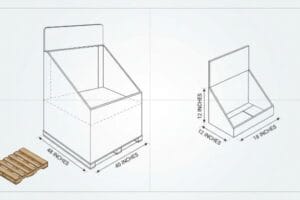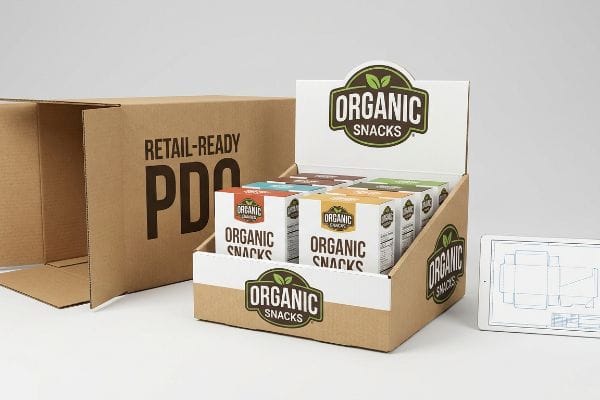
বিশ্বের বৃহত্তম খুচরা বিক্রেতার কাছে একটি পণ্য চালু করা একটি বিশাল সাফল্য, কিন্তু একটি অনুপযুক্ত শেলফ ট্রে প্রথম বিক্রিটি সম্পন্ন হওয়ার আগেই আপনার মুনাফা নষ্ট করে দিতে পারে।.
একটি কাস্টম ওয়ালমার্ট পিডিকিউ (প্রোডাক্ট ডিসপ্লেড কুইকলি) শেলফ ডিসপ্লে হলো একটি প্রকৌশলগতভাবে ডিজাইন করা মার্চেন্ডাইজিং ট্রে, যা সাধারণ মাস্টার কার্টন থেকে সরাসরি রিটেইল শেলফে দ্রুত পণ্য স্থানান্তরের জন্য তৈরি। এই কঠোর বৈশ্বিক মানগুলো মেনে চলার ফলে দ্রুত স্টক পূরণ নিশ্চিত হয়, কায়িক শ্রম কমে যায় এবং যেকোনো রিটেইল পরিবেশে ব্র্যান্ডের দৃশ্যমান প্রভাব সর্বোচ্চ হয়।.
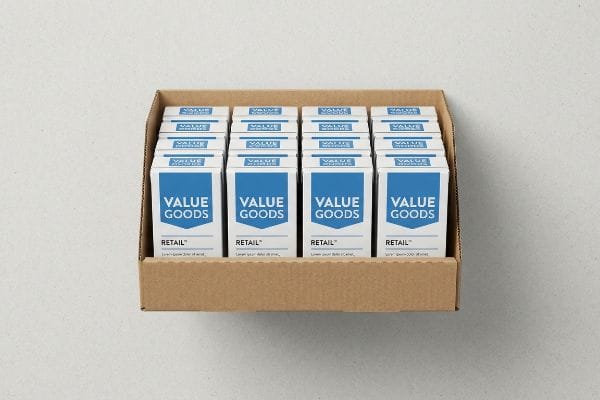
প্রাথমিক কাঠামোগত অনুমোদন পাওয়াটা সরবরাহ সংক্রান্ত কঠিন পরীক্ষার কেবল শুরু। সরবরাহ শৃঙ্খলে টিকে থাকতে এবং দোকানের তাকের সেরা স্থান নিশ্চিত করতে হলে, আপনাকে খুচরা বিক্রির জন্য প্রস্তুত প্রকৌশলের অলিখিত পদার্থবিদ্যায় দক্ষতা অর্জন করতে হবে।.
আপনি কি ওয়ালমার্টের ডিসপ্লেগুলো কিনতে পারবেন?
শেলফে জায়গা পাওয়া অত্যন্ত প্রতিযোগিতামূলক, এবং গতানুগতিক প্যাকেজিং কাঠামোর উপর নির্ভর করলে তা খুচরা বিক্রেতাদের কাছে পণ্য গ্রহণের গুরুত্বপূর্ণ প্রক্রিয়ার সময় তাৎক্ষণিকভাবে আপনার ব্র্যান্ডকে একটি লজিস্টিক দায় হিসেবে চিহ্নিত করবে।.
না। আপনি সরাসরি খুচরা বিক্রেতার কাছ থেকে ওয়ালমার্টের ডিসপ্লে কিনতে পারবেন না। ব্র্যান্ডগুলোকে অবশ্যই প্রত্যয়িত প্যাকেজিং সরবরাহকারীদের মাধ্যমে স্বাধীনভাবে তাদের নিজস্ব ঢেউখেলানো কাগজের মার্চেন্ডাইজার ডিজাইন, উৎপাদন এবং অর্থায়ন করতে হবে। খুচরা সরবরাহ শৃঙ্খল নেটওয়ার্কে প্রবেশের অনুমোদন পাওয়ার আগে এই কাস্টম কাঠামোগুলোকে কঠোর লজিস্টিক্যাল অডিট পাস করতে হয়।.
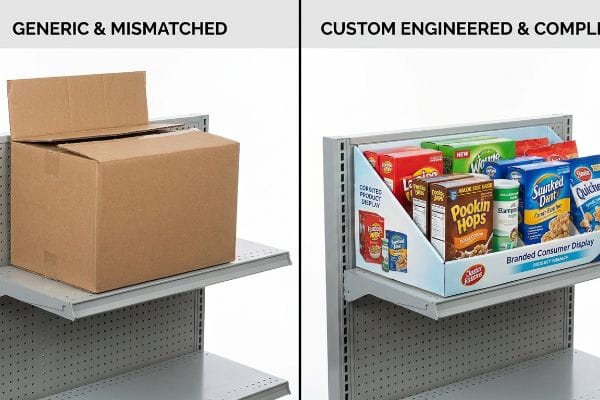
খুচরা বিক্রেতারা জ্যামিতিক নিয়মকানুন নির্ধারণ করে দেন, কিন্তু সেই নির্দেশিকাগুলোর বাস্তব প্রয়োগের সম্পূর্ণ দায়িত্ব আপনার।.
ওয়ালমার্ট সরবরাহকারী স্পেক ডেটাবেস নেভিগেট করা
এমনকি অভিজ্ঞ ক্রয় দলগুলোও কখনও কখনও ধরে নেয় যে, নিয়ম মেনে চলা নিশ্চিত করার জন্য তারা সরাসরি বড় খুচরা বিক্রেতাদের কাছ থেকে আগে থেকে অনুমোদিত, তৈরি ডিসপ্লে কাঠামো কিনে নিলেই চলবে । তারা এই খুচরা বিক্রেতা দৈত্যকে একটি হার্ডওয়্যার বিক্রেতা হিসেবে গণ্য করে এবং সাধারণ টেমপ্লেট অর্ডার করার মাধ্যমে কাস্টম স্ট্রাকচারাল ইঞ্জিনিয়ারিং পর্যায়টি পুরোপুরি এড়িয়ে যাওয়ার আশা করে ।
বাস্তবতা হলো, আপনাকে আপনার জ্যামিতিকে শেলফের সাথে মেলাতে হবে, উল্টোটা নয়। ব্র্যান্ড ম্যানেজারদের প্রায়শই দেখা যায় সাধারণ ঢেউখেলানো কাগজের বাক্সগুলোকে জটিল খুচরা দোকানের মাপের সাথে খাপ খাওয়ানোর চেষ্টা করতে, যার ফলে হাতে কাটা এবড়োখেবড়ো ধারক প্রান্ত তৈরি হয় যা দেখতে জঘন্য লাগে। আমার প্রতিষ্ঠানে, আমি এই সমস্যার সমাধান করি খুচরা বিক্রেতাদের কঠোর নির্দিষ্টকরণের একটি অভ্যন্তরীণ ডেটাবেসের উপর নির্ভর করে , এবং বোর্ডে এক ফোঁটা কালি পড়ার আগেই সঠিক জ্যামিতিক সীমাবদ্ধতাগুলো স্থির করে নিই। যখন আপনি আপনার ডাইলাইন কঠোরভাবে খুচরা বিক্রেতার বাধ্যতামূলক স্টাইল গাইড অনুসারে ডিজাইন করেন, তখন আপনি সেই বিকট, হতাশাজনক শব্দ প্রতিরোধ করতে পারেন, যেখানে একজন দোকান কর্মচারী আপনার বেমানান ট্রে-টিকে একটি ১৪-ইঞ্চি (৩৫৫.৬ মিমি) গভীর শেলফে জোর করে ঢোকানোর জন্য আগ্রাসীভাবে ছিঁড়ে ফেলে । এই সুনির্দিষ্ট নকশা একটি নিখুঁত নান্দনিক উপস্থাপনা প্রদান করে এবং ব্যয়বহুল পুনঃস্থাপন শ্রমে আনুমানিক ২৫% সাশ্রয় করে ।
| নতুনদের সাধারণ ভুল | প্রো ফিক্স | খুচরা-ফ্লোর সুবিধা |
|---|---|---|
| খুচরা দোকানের তাকের গভীরতা অনুমান করা | অভ্যন্তরীণ স্পেক ডেটাবেস ব্যবহার করে5 | শূন্য ওভারহ্যাং দায়বদ্ধতা |
| জেনেরিক স্টক বক্স পরিবর্তন করা | কাস্টম স্ট্রাকচারাল ইঞ্জিনিয়ারিং | ত্রুটিহীন নান্দনিক উপস্থাপনা |
| খুচরা বিক্রেতার উচ্চতার সীমা উপেক্ষা করা | প্রাক-মানচিত্র জ্যামিতিক সীমানা | ডক প্রত্যাখ্যান গ্রহণ দূর করে6 |
বাস্তব প্রোটোটাইপ কাটার আগে আমি সর্বদা খুচরা বিক্রেতার নিয়মকানুন কঠোরভাবে মেনে চলার দাবি জানাই। কাঠামোগত সহনশীলতা নিয়ে অনুমান করা হলো আপনার পুরো প্রচারণামূলক অভিযানকে সরাসরি গুদামের কম্প্যাক্টরে নিক্ষেপ করার সবচেয়ে দ্রুততম উপায়।.
🛠️ হার্ভির ডেস্ক: আপনার বর্তমান ডিসপ্লের মাপ কঠোর রিটেইলার নির্দেশিকা মেনে চলে কিনা, তা নিয়ে নিশ্চিত নন? 👉 একটি স্পেক অডিট-এর জন্য অনুরোধ করুন ↗ — সরাসরি আমার ডেস্কে প্রবেশের সুযোগ। কোনো স্বয়ংক্রিয় সেলস স্প্যাম থাকবে না, আমি কথা দিচ্ছি।
ওয়ালমার্ট কি ডিসপ্লে বিক্রি করতে পারে?
আপনার ব্র্যান্ডের সুনাম রক্ষা করার অর্থ হলো, আপনার পণ্য সফলভাবে বিক্রি হয়ে যাওয়ার পরেও আপনার ভৌত পণ্য সম্পদের ওপর সম্পূর্ণ নিয়ন্ত্রণ বজায় রাখা।.
না। ওয়ালমার্ট তৃতীয় পক্ষ বা অননুমোদিত লিকুইডেটরদের কাছে কাস্টম প্রচারমূলক ডিসপ্লে বিক্রি করতে পারে না। এই ব্র্যান্ডেড ফিক্সচারগুলিতে কঠোরভাবে সুরক্ষিত মেধা সম্পত্তি এবং স্বত্বাধিকারযুক্ত কাঠামোগত নকশা রয়েছে। একটি মৌসুমী প্রচারাভিযান শেষ হয়ে গেলে, খুচরা প্রোটোকল অনুযায়ী করোগেটেড ইউনিটগুলিকে নিরাপদে খুলে ফেলা এবং পুনর্ব্যবহার করা বাধ্যতামূলক।.
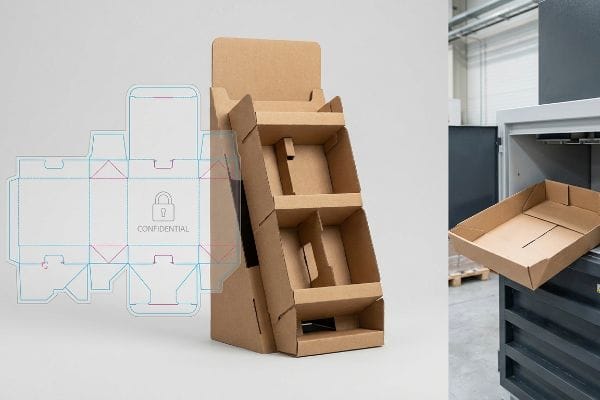
আপনার ভৌত প্রদর্শনগুলো হলো বিপণন বিনিয়োগ, এবং প্রতিযোগীদের থেকে সেই মূল্যকে সুরক্ষিত রাখার জন্য সরবরাহ শৃঙ্খলটি আইনগতভাবে গঠিত।.
মেধাস্বত্ব সুরক্ষার গোপন কৌশল
অনেক ব্র্যান্ড প্রতিষ্ঠাতা একটি প্রচার শেষ হওয়ার পর তাদের ব্যয়বহুল পণ্য সম্পদের কী হবে তা নিয়ে চিন্তিত থাকেন, এই ভয়ে যে তাদের বিশেষভাবে তৈরি কাঠামোগত নকশাগুলো হয়তো প্রতিদ্বন্দ্বীদের কাছে বিক্রি করে দেওয়া হতে পারে। তারা উৎকৃষ্ট মানের প্রকৌশলে বিনিয়োগ করতে দ্বিধা করেন, এই ভেবে যে তাদের মেধাস্বত্ব শেষ পর্যন্ত সেকেন্ডারি মার্কেটে অন্য কোনো কাজে ব্যবহৃত হবে।
ব্র্যান্ডের সুনাম আপনার, এবং কারখানার পরিবেশকে অবশ্যই শুরু থেকে এটিকে রক্ষা করার জন্য আইনত বাধ্য থাকতে হবে। অভিজ্ঞ মার্কেটিং ডিরেক্টরদের জন্য এটি একটি সাধারণ ভুল ধারণা যে, কোনো খুচরা বিক্রেতা তাদের খালি ট্রে অন্য কোনো ব্র্যান্ডের ছাড়ের পণ্যের জন্য ব্যবহার করবে। আমি একেবারে প্রাথমিক উৎপাদন পর্যায় থেকেই একটি কঠোর দ্বিভাষিক এনডিএ (তথ্য প্রকাশে নিষেধাজ্ঞা চুক্তি) এবং তথ্য ফাঁসের শূন্য নীতি ব্যবহার করে আমার ক্লায়েন্টদের সম্পদ সুরক্ষিত করি। আপনার ক্যাড (কম্পিউটার-এইডেড ডিজাইন) ফাইলকে একটি সুরক্ষিত মেধা সম্পদ হিসেবে গণ্য করে আমরা নিশ্চিত করি যে, যখন শক্ত, ভারী ৩২ইসিটি ভার্জিন ক্রাফট বোর্ড৭ অবশেষে খুচরা বিক্রয় কেন্দ্র থেকে বেরিয়ে আসে, তখন তা সরাসরি রিসাইক্লিং বেলারে চলে যায়। কম্প্যাক্টরের ভারী খসখসে শব্দ শুনতে আমার খুব ভালো লাগে, কারণ এর অর্থ হলো আপনার প্রতিযোগিতামূলক সুবিধা আইনত সুরক্ষিত এবং স্থায়ীভাবে প্রচলন থেকে অপসারিত।
| নতুনদের সাধারণ ভুল | প্রো ফিক্স | খুচরা-ফ্লোর সুবিধা |
|---|---|---|
| সেকেন্ডারি মার্কেট লিকের ভয় | কঠোর ডেটা সুরক্ষা নীতি | বিপণন বিনিয়োগ রক্ষা করে |
| ওপেন-সোর্স টেমপ্লেট ব্যবহার করে | মালিকানাধীন কাঠামোগত নকশা8 | ব্র্যান্ডের উপস্থিতি আলাদা করে |
| প্রতিযোগী ট্রে পুনরায় ব্যবহার করা | বাধ্যতামূলক পুনর্ব্যবহার প্রোটোকল9 | করিডোরের পরিচ্ছন্ন ও নান্দনিকতা নিশ্চিত করে |
আমি কাঠামোগত ফাইলগুলোকে ঠিক ততটাই নিরাপত্তা দিয়ে সুরক্ষিত করি, যতটা একটি স্বত্বাধিকারযুক্ত পণ্যের ফর্মুলা দিয়ে থাকি। আপনার অনন্য পণ্য বিন্যাস হলো একটি কষ্টার্জিত প্রতিযোগিতামূলক সুবিধা, যা কখনোই কোনো প্রতিদ্বন্দ্বীর হাতে তুলে দেওয়া উচিত নয়।.
🛠️ হার্ভির ডেস্ক: বিদেশী নির্মাতারা আপনার কাস্টম স্ট্রাকচারাল ফাইলগুলো প্রতিযোগীদের কাছে ফাঁস করে দেবে বলে চিন্তিত? 👉 আজই আপনার আইপি সুরক্ষিত করুন ↗ — নিরাপদে ডাউনলোড করুন। পরবর্তীতে কোনো প্রশ্ন থাকলে আমার ইনবক্স খোলা আছে।
ওয়ালমার্টে PDQ বলতে কী বোঝায়?
আপনার পণ্যটি যেন লোডিং ডক থেকে গ্রাহকের হাতে নির্বিঘ্নে পৌঁছায়, তা নিশ্চিত করার প্রথম ধাপ হলো বিগ-বক্স লজিস্টিকসের সুনির্দিষ্ট পরিভাষা বোঝা।.
PDQ-এর পূর্ণরূপ হলো Product Displayed Quickly (দ্রুত প্রদর্শিত পণ্য), যা এমন খুচরা বিক্রির জন্য প্রস্তুত ঢেউখেলানো কার্ডবোর্ডের ট্রে-কে বোঝায়, যা পরিবহন শেষে নির্বিঘ্নে সরাসরি শেলফে চলে যায়। এই নির্দিষ্ট প্যাকেজিং শ্রেণীটি খোলার জন্য কোনো যন্ত্রপাতির প্রয়োজন হয় না, যা দোকানে পণ্য একত্রিত করার ঝামেলা ব্যাপকভাবে কমিয়ে দেয় এবং একই সাথে কেনার মুহূর্তে ব্র্যান্ডের বার্তা স্পষ্টভাবে দৃশ্যমান থাকা নিশ্চিত করে।.

সত্যিকারের শেলফ-রেডি প্যাকেজিং হলো উচ্চমানের দৃষ্টিনন্দন আকর্ষণ এবং প্রচণ্ড গতিশীল সংকোচন শক্তির মধ্যে এক সূক্ষ্ম ভারসাম্য রক্ষার কাজ।.
কেন পিডিকিউ ট্রে-তে অভ্যন্তরীণ ডিবস কম্প্রেশনের প্রয়োজন হয়
গ্রাফিক ডিজাইন টিমগুলো প্রায়শই দোকানের তীব্র ফ্লুরোসেন্ট আলোর নিচে দৃষ্টি আকর্ষণ করার জন্য তাদের রিটেইল ট্রে-গুলোতে আকর্ষণীয় ৩ডি ফয়েল এমবসিং ব্যবহার করে। তারা ট্রে-এর সামনের প্রধান ধারকটিকে নিছক একটি নান্দনিক বিলবোর্ড হিসেবে গণ্য করে, এবং এটিকে যে অবিরাম ১০ পরিমাণ গতিশীল ভার বহন করতে হয়, তা পুরোপুরি উপেক্ষা করে ।
ত্রিমাত্রিক (3D) প্রভাব তৈরি করার জন্য কাগজের তন্তুগুলোকে বাইরের দিকে ঠেলে দিলে তা ভারবাহী প্যানেলগুলোর উপর সরাসরি একটি বিশাল কাঠামোগত ঝুঁকি তৈরি করে। আমি প্রায়শই দেখি পরীক্ষার সময় সুন্দর, সদ্য ছাপা ট্রেগুলো বেঁকে যায়, কারণ বাইরের দিকে এমবস করার ফলে একটি গুরুত্বপূর্ণ উল্লম্ব ভাঁজের উপর সরাসরি কাঁচা তন্তুগুলো পাতলা হয়ে যায় । আমার সাধারণ নিয়মটি সহজ: আমরা টুলিংটি উল্টে দিই। ভেতরের দিকে ডিবস করার পদ্ধতি ব্যবহার করে, আমি ধাতব ডাইটিকে নিচের দিকে চালনা করি, যা বাইরের লাইনারের গুরুত্বপূর্ণ স্থিতিস্থাপকতা নষ্ট না করেই ভেতরের খাঁজগুলোকে সংকুচিত করে একটি কঠিন, ঘন ব্লকে পরিণত করে। আপনি তখনও সেই চমৎকার স্পর্শকাতর ফিনিশটি পান, কিন্তু ৪০ পাউন্ড (১৮.১ কেজি) পণ্যের ওজনে পেপারবোর্ড ছিঁড়ে যাওয়ার সেই ভয়ঙ্কর তীক্ষ্ণ শব্দ ছাড়াই । এই সূক্ষ্ম সমন্বয় ব্যয়বহুল কাঠামোগত ব্যর্থতা সম্পূর্ণরূপে দূর করে এবং নষ্ট হওয়া পণ্যের কারণে আনুমানিক হাজার হাজার টাকা বাঁচায়।
| নতুনদের সাধারণ ভুল | প্রো ফিক্স | খুচরা-ফ্লোর সুবিধা |
|---|---|---|
| ভাঁজের উপর বাইরের দিকে এমবসিং | অভ্যন্তরীণ ডিবসিং প্রোটোকল13 | উল্লম্ব সংকোচন সংরক্ষণ করে |
| কাঁচা কাগজের তন্তু পাতলা করা | অভ্যন্তরীণ বাঁশি ঘন করা14 | সামনের ঠোঁট ফেটে যাওয়া প্রতিরোধ করে |
| নান্দনিকতার জন্য বিসিটি বিসর্জন15 | স্মার্ট টুলিং সমন্বয় | স্পর্শের সম্পৃক্ততা সর্বাধিক করে |
আমি ভিত্তিহীন নান্দনিক অলঙ্করণের জন্য উল্লম্ব সংকোচন রেটিং বিসর্জন দিতে রাজি নই। বুদ্ধিদীপ্ত টুলিং পরিবর্তনের মাধ্যমে আপনি বড় আকারের খুচরা ব্যবসার জন্য প্রয়োজনীয় অটুট কাঠামোগত অখণ্ডতা বজায় রেখেই বিলাসবহুল স্পর্শযোগ্য ব্র্যান্ডিং অর্জন করতে পারেন।.
🛠️ হার্ভিস ডেস্ক: আপনার প্রিমিয়াম নান্দনিক ফিনিশগুলো কি গোপনে আপনার বোর্ডের কম্প্রেশন শক্তি নষ্ট করে দিচ্ছে? 👉 একটি টুলিং রিভিউ করান ↗ — কোনো ফর্ম নেই যা অবিরাম সেলস কলের কারণ হয়। শুধু খাঁটি মূল্য।
আপনি কি ওয়ালমার্ট থেকে ডিসপ্লে বক্স নিতে পারেন?
খুচরা দোকানের জায়গা দ্রুতগতির আবর্তনশীল ক্যালেন্ডার দ্বারা কঠোরভাবে নিয়ন্ত্রিত হয়, যার অর্থ হলো প্রতিটি কার্ডবোর্ডের একটি গাণিতিকভাবে পরিকল্পিত মেয়াদ শেষ হওয়ার তারিখ থাকে।.
না। আপনি ব্যক্তিগত বা অন্য কোনো ব্যবসায়িক কাজে ব্যবহারের জন্য ওয়ালমার্টের করিডোর থেকে ডিসপ্লে বক্স নিতে পারবেন না। করিডোরের নিরাপত্তা এবং নির্ধারিত ফ্লোর স্পেস নির্দেশিকা মেনে চলা নিশ্চিত করার জন্য, স্টোর কর্তৃপক্ষ সমস্ত ঢেউখেলানো কার্ডবোর্ডের সরঞ্জামগুলির নির্ধারিত মেয়াদ শেষ হওয়ার সাথে সাথেই সেগুলির তাৎক্ষণিক ধ্বংস এবং পুনর্ব্যবহার কঠোরভাবে প্রয়োগ করে।.
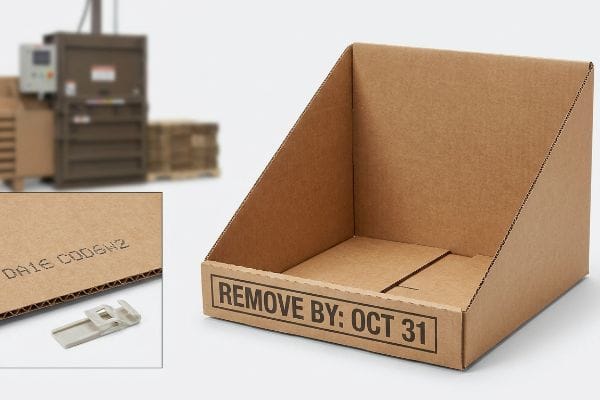
যখন স্বয়ংক্রিয় উৎপাদন মেশিনগুলো আপনার বিপুল পরিমাণ অর্ডারগুলো তৈরি করা শুরু করে, তখন খুচরা নীতিমালার তাত্ত্বিক সংজ্ঞা জানাটাই যথেষ্ট নয়।.
"কিল ডেট" জীবনচক্রের পদার্থবিদ্যা
উদীয়মান ব্র্যান্ডগুলো প্রায়শই তাদের অস্থায়ী শেলফ ট্রে- গুলোর জন্য অত্যন্ত মজবুত উপকরণ চেয়ে থাকে , এই ভেবে যে এই কাঠামো গুলো অনির্দিষ্টকালের জন্য মেঝেতেই থাকবে। তারা ভ্রান্ত বিশ্বাস পোষণ করে যে, একটি প্রায়-স্থায়ী ও অনমনীয় কাঠামো তৈরি করলে তা জাদুকরীভাবে তাদের প্রচারণার সময়কালকে প্রাথমিক চুক্তির মেয়াদের বাইরেও বাড়িয়ে দেবে।
আমার প্রতিষ্ঠানে আমি নিয়মিত দেখি যে ক্লায়েন্টরা এমন সব ক্যাম্পেইনের জন্য দামী, হেভি-ডিউটি প্লাস্টিকের ক্লিপ এবং পুরু ডাবল-ওয়াল বোর্ড দাবি করে, যেগুলোর মেয়াদ ঠিক তিন সপ্তাহ। তারা রিটেইল লাইফসাইকেলের কঠোর পদার্থবিদ্যাকে পুরোপুরি উপেক্ষা করে। যখন আমি একটি স্ট্যান্ডার্ড 32ECT ট্রে17, আমি জানি যে এটিকে শুধুমাত্র এর উপর মুদ্রিত কিল ডেট কোড পর্যন্ত টিকে থাকতে হবে। কাঠামোর উপর সরাসরি মুদ্রিত একটি কঠোর "অপসারণের শেষ তারিখ" প্রয়োগ করার মাধ্যমে, আমি বস্তুনিষ্ঠভাবে উপাদানটিকে একটি সুনির্দিষ্ট 0.06-ইঞ্চি (1.5 মিমি) ই-ফ্লুট পুরুত্ব18। এই নির্মম ডেটা-চালিত সংশোধন অতিরিক্ত উপাদান খরচ ছেঁটে ফেলে, কাঁচামালের ব্যয় হিসাব করে 14% কমিয়ে দেয় এবং একই সাথে এটি নিশ্চিত করে যে ট্রে-টি ঠিক সেই মুহূর্ত পর্যন্ত ত্রুটিহীনভাবে কাজ করবে, যখন দোকানের কর্মচারী টক-গন্ধযুক্ত, আঠায় ক্লান্ত বোর্ডটিকে বেলার মেশিনের জন্য ভেঙে ফেলবে।
| নতুনদের সাধারণ ভুল | প্রো ফিক্স | খুচরা-ফ্লোর সুবিধা |
|---|---|---|
| অতিরিক্ত প্রকৌশল উপাদান গ্রেড | জীবনচক্র-সদৃশ ফ্লুটিং | প্যাকেজিং বাজেটের অপচয় দূর করে |
| প্রচারমূলক ক্যালেন্ডার উপেক্ষা করা | মুদ্রিত হত্যার তারিখ কোড19 | সময়মতো ফ্লোর কমপ্লায়েন্স নিশ্চিত করে |
| স্থায়ী প্লাস্টিকের ক্লিপ ব্যবহার করে | একক-উপাদান ই-ফ্লুট কাঠামো20 | ব্যবহারের শেষে পুনর্ব্যবহার প্রক্রিয়াকে ত্বরান্বিত করে |
আমি সর্বদা প্যাকেজিংয়ের কার্যকাল এমনভাবে ডিজাইন করি, যা আপনার নির্দিষ্ট বাণিজ্যিক চুক্তির সাথে পুরোপুরি মিলে যায়। একটি অস্থায়ী রিটেইল ডিসপ্লেকে অতিরিক্ত জটিল করে ডিজাইন করা মানে হলো, কোনো রকম কার্যকরী সুবিধা ছাড়াই আপনার লাভের মার্জিনকে নষ্ট করা।.
🛠️ হার্ভির ডেস্ক: আপনি কি মাত্র ৩০ দিন স্থায়ী একটি ক্যাম্পেইনের জন্য ভারী উপকরণের পেছনে অর্থ ব্যয় করছেন? 👉 আপনার ডাইলাইন ফাইলটি আমাকে পাঠান ↗ — গণ-উৎপাদনে বাজেট অপচয় করার আগে আমি এর হিসাব-নিকাশ পুঙ্খানুপুঙ্খভাবে পরীক্ষা করে দেখব।
উপসংহার
আপনি আরও সস্তা বিক্রেতা বেছে নিতে পারেন, কিন্তু যখন বাইরের দিকে এমবস করার সময় প্রিন্ট ফেটে যাওয়ার কারণে একটি ব্যস্ত করিডোরে মালে ভরা শেলফ ট্রে ভেঙে পড়ে, যার ফলে খুচরা বিক্রেতা সাথে সাথে পণ্যটি বাতিল করে দেয় এবং কয়েক সপ্তাহ ধরে ব্যয়বহুল হাতে করে পুনরায় কাজ করতে হয়, তখন প্রাথমিক সাশ্রয় পুরোপুরি উবে যায়। আমার সেরা ১০ জন খুচরা বিক্রেতা ক্লায়েন্ট প্রিন্ট বাতিলের হার শূন্যে নামিয়ে আনার নিশ্চয়তা দিতে ঠিক এই স্পেক শিটটিই ব্যবহার করেন। কাঠামোগত সহনশীলতা নিয়ে অনুমান করা বন্ধ করুন এবং ব্যাপক উৎপাদন শুরু হওয়ার আগেই মারাত্মক ভারবহন ত্রুটিগুলো ধরতে আমার ফ্রি ডাইলাইন অডিট ↗- এর মাধ্যমে আমাকে ব্যক্তিগতভাবে আপনার প্যাকেজিং জ্যামিতি নিরীক্ষা করতে দিন।
"ওয়ালমার্টে সরবরাহকারী চুক্তি এবং ছাড়ের প্রাথমিক বিষয়াবলী", https://www.spscommerce.com/community/articles/supplier-agreements-and-allowances-basics-at-walmart। আনুষ্ঠানিক খুচরা ক্রয় নির্দেশিকা যা নিশ্চিত করে যে ডিসপ্লে কাঠামো অবশ্যই বিক্রেতা-অর্থায়িত হতে হবে এবং খুচরা বিক্রেতার কাছ থেকে কেনা যাবে না। প্রমাণের ভূমিকা: নীতি যাচাই; উৎসের ধরণ: সরবরাহকারী ম্যানুয়াল। সমর্থন করে: এই দাবি যে খুচরা বিক্রেতার কাছ থেকে ডিসপ্লে কেনা একটি ভুল ধারণা। পরিধি নোট: মার্কিন যুক্তরাষ্ট্রের বিগ-বক্স খুচরা ব্যবসার জন্য একটি মান। ↩
"ইন্টারেক্টিভ রিটেলের জন্য ডিসপ্লের কাঠামোগত নকশা …", https://www.bcipkg.com/display-structural-design-for-interactive-retail-displays/। শিল্প-নির্দিষ্টকরণ যা করোগেটেড ডিসপ্লেগুলির জন্য প্রয়োজনীয় কাঠামোগত প্রকৌশলের বিশদ বিবরণ দেয়, যাতে সেগুলি রিটেল লজিস্টিক্যাল এবং সুরক্ষা নিরীক্ষায় উত্তীর্ণ হতে পারে। প্রমাণের ভূমিকা: প্রযুক্তিগত নির্দিষ্টকরণ; উৎসের ধরণ: প্যাকেজিং শিল্পের মান। সমর্থন করে: জেনেরিক টেমপ্লেটের পরিবর্তে কাস্টম ডিজাইনের প্রয়োজনীয়তা। পরিধি নোট: উচ্চ-পরিমাণ রিটেল সাপ্লাই চেইনের জন্য প্রযোজ্য। ↩
"ওয়ালমার্টের সেকেন্ডারি প্যাকেজিং স্ট্যান্ডার্ডগুলো কী কী? – সাপ্লায়ারউইকি", https://www.spscommerce.com/community/articles/what-are-walmarts-secondary-packaging-standards। একটি প্রামাণ্য রিটেইল স্পেসিফিকেশন গাইড প্রযুক্তিগত সীমাবদ্ধতা যাচাই করার জন্য স্ট্যান্ডার্ড শেলফের গভীরতার প্রয়োজনীয়তা নিশ্চিত করে। প্রমাণের ভূমিকা: প্রযুক্তিগত স্পেসিফিকেশন; উৎসের ধরণ: রিটেইলার স্টাইল গাইড। সমর্থন করে: ডিসপ্লে ইঞ্জিনিয়ারিংয়ের জন্য জ্যামিতিক প্রয়োজনীয়তা। পরিধি নোট: স্ট্যান্ডার্ড শেলভিং ইউনিটের ক্ষেত্রে প্রযোজ্য। ↩
"খুচরা বিক্রেতারা যেভাবে প্যাকেজিং খরচ ২০-৩০% কমাতে পারেন | মাধো", https://maadho.com/5-ways-retailers-can-cut-packaging-costs-by-20-30-in-2025। নিয়মসম্মত ও সহজে স্থাপনযোগ্য ডিসপ্লে থেকে অর্জিত শ্রম দক্ষতার পরিমাণ নির্ধারণকারী শিল্প বিশ্লেষণ বা কেস স্টাডি। প্রমাণের ভূমিকা: কর্মক্ষমতার মেট্রিক; উৎসের ধরণ: শিল্প শ্বেতপত্র। সমর্থন করে: নির্ভুল প্রকৌশলের জন্য আর্থিক প্রণোদনা। পরিধির টীকা: বড় আকারের খুচরা ব্যবসার ক্ষেত্রে আনুমানিক গড়। ↩
"গুদামের তাকের সঠিক গভীরতা কীভাবে নির্বাচন করবেন", https://www.americansurplus.com/identifying-the-right-shelving-for-you-what-shelf-depth-is-best-for-my-warehouse/?srsltid=AfmBOoo30dGhzj1fSaMQTOJgQ3MZvH7_LBxKA4UG-uJnUNF2NXNdxlmJ। একটি নির্ভরযোগ্য শিল্প নির্দেশিকা বা সরবরাহকারী ম্যানুয়াল নিশ্চিত করবে যে, তাকের বাড়তি অংশ এড়ানোর জন্য অফিসিয়াল খুচরা বিক্রেতার স্পেসিফিকেশন ডেটাবেস ব্যবহার করাই হলো আদর্শ পদ্ধতি। প্রমাণের ভূমিকা: প্রক্রিয়া যাচাইকরণ; উৎসের ধরণ: শিল্প ম্যানুয়াল। সমর্থন করে: মাত্রিক নির্ভুলতার জন্য স্পেক ডেটাবেসের প্রয়োজনীয়তা। পরিধি সংক্রান্ত টীকা: বিশেষত বড় আকারের খুচরা পরিবেশের জন্য প্রযোজ্য। ↩
"কার্গো সুরক্ষিতকরণ নিয়মাবলী | এফএমসিএসএ – পরিবহন বিভাগ", https://www.fmcsa.dot.gov/regulations/cargo-securement/cargo-securement-rules। খুচরা বিক্রেতাদের লজিস্টিকস ম্যানুয়ালগুলিতে (যেমন ওয়ালমার্টের সাপ্লায়ার ম্যানুয়াল) উল্লেখ করা আছে যে, উচ্চতার সীমা অতিক্রম করলে রিসিভিং ডকে চালান প্রত্যাখ্যান করা হয়। প্রমাণের ভূমিকা: তথ্যগত যাচাইকরণ; উৎসের ধরণ: কর্পোরেট কমপ্লায়েন্স ডকুমেন্ট। সমর্থন করে: উচ্চতার সীমা মেনে চলা এবং ডকে গ্রহণের মধ্যে সংযোগ। পরিধি নোট: ইনবাউন্ড ফ্রেট লজিস্টিকসের ক্ষেত্রে প্রযোজ্য। ↩
"[পিডিএফ] করোগেটেড বোর্ড স্পেসিফিকেশন – ফাইবার বক্স অ্যাসোসিয়েশন", https://www.fibrebox.org/assets/2025/09/Walmart_Corrugated-Board_Specifications_Automation_Packaging_Standards.pdf। উচ্চ-স্থায়িত্বের রিটেইল ফিক্সচারে ব্যবহৃত নির্দিষ্ট শক্তি (এজ ক্রাশ টেস্ট) এবং উপাদানের গ্রেডের নিশ্চিতকরণ। প্রমাণের ভূমিকা: প্রযুক্তিগত স্পেসিফিকেশন; উৎসের ধরণ: প্যাকেজিং ইঞ্জিনিয়ারিং স্ট্যান্ডার্ড। সমর্থন করে: ব্র্যান্ড অ্যাসেটের জন্য শিল্প-মানের উপকরণের ব্যবহার। পরিধি নোট: বিশেষভাবে করোগেটেড ফাইবারবোর্ড স্ট্যান্ডার্ডের ক্ষেত্রে প্রযোজ্য। ↩
"ভিজ্যুয়াল মার্চেন্ডাইজিংয়ের আইপি সুরক্ষা | GWIPEL – স্টুডেন্ট ব্রিফস", https://studentbriefs.law.gwu.edu/gwipel/2015/09/21/ip-protection-of-visual-merchandising/। ডিসপ্লে কাঠামোর কাস্টমাইজড ইঞ্জিনিয়ারিং এবং পেটেন্ট কীভাবে অননুমোদিত পুনরুৎপাদন প্রতিরোধ করে এবং ব্র্যান্ডের স্বাতন্ত্র্য বজায় রাখে তার ব্যাখ্যা। প্রমাণের ভূমিকা: প্রযুক্তিগত যাচাইকরণ; উৎসের ধরণ: মেধাস্বত্ব আইন নির্দেশিকা। সমর্থন করে: ব্র্যান্ডের উপস্থিতি স্বতন্ত্র করতে স্বত্বাধিকারযুক্ত ডিজাইনের ব্যবহার। পরিধি টীকা: কাঠামোগত পেটেন্ট এবং ট্রেড সিক্রেটের উপর আলোকপাত করে। ↩
"কেন আপনার পরিবেশ-বান্ধব রিটেইল ডিসপ্লের উপর মনোযোগ দেওয়া উচিত? – পপডিসপ্লে", https://popdisplay.me/why-should-you-focus-on-eco-friendly-retail-displays/। সেকেন্ডারি মার্কেটে পুনঃব্যবহার রোধ করার জন্য রিটেইল অ্যাসেটের নিষ্পত্তি এবং পুনর্ব্যবহারের ক্ষেত্রে শিল্প মান বা আইনি প্রয়োজনীয়তার বিশ্লেষণ। প্রমাণের ভূমিকা: অপারেশনাল স্ট্যান্ডার্ড; উৎসের ধরণ: শিল্প প্রবিধান বা কর্পোরেট সাসটেইনেবিলিটি ম্যানুয়াল। সমর্থন করে: পরিষ্কার আইলের নান্দনিকতা নিশ্চিত করার জন্য পুনর্ব্যবহার প্রোটোকলের বাস্তবায়ন। পরিধি নোট: বৃহৎ আকারের রিটেইল পরিবেশ প্রোটোকলের ক্ষেত্রে প্রযোজ্য। ↩
"Understanding PDQ Packaging in Retail – LinkedIn", https://www.linkedin.com/pulse/understanding-pdq-packaging-retail-moss-tvthc। খুচরা বিক্রির জন্য প্রস্তুত প্যাকেজিংয়ের সামনের রিটেইনিং লিপের জন্য প্রয়োজনীয় কাঠামোগত পীড়ন এবং পেলোডের প্রযুক্তিগত যাচাইকরণ। প্রমাণের ভূমিকা: প্রযুক্তিগত যাচাইকরণ; উৎসের ধরণ: প্যাকেজিং ইঞ্জিনিয়ারিং স্ট্যান্ডার্ড। সমর্থন করে: এই দাবি যে রিটেইনিং লিপটি শুধুমাত্র একটি নান্দনিক বৈশিষ্ট্য নয়, বরং একটি গুরুত্বপূর্ণ কাঠামোগত উপাদান। পরিধি সংক্রান্ত টীকা: করোগেটেড রিটেইল ট্রে-এর ক্ষেত্রে প্রযোজ্য। ↩
"ভারবহন ক্ষমতার উপর ছিদ্রের প্রভাব অনুসন্ধান...", https://pmc.ncbi.nlm.nih.gov/articles/PMC11396172/। ঢেউখেলানো ফাইবারবোর্ডে কীভাবে বহির্মুখী এমবসিং উপাদানের পুরুত্ব কমায় এবং পীড়ন কেন্দ্রীভবন তৈরি করে তার প্রযুক্তিগত ব্যাখ্যা। প্রমাণের ভূমিকা: প্রযুক্তিগত যাচাইকরণ; উৎসের ধরণ: প্যাকেজিং ইঞ্জিনিয়ারিং ম্যানুয়াল। সমর্থন করে: এই দাবি যে এমবসিং কাঠামোগত দুর্বলতা তৈরি করে। পরিধি টীকা: ঢেউখেলানো লাইনারের ক্ষেত্রে প্রযোজ্য। ↩
"কোরুগেটেড বোর্ড ফ্রুট ট্রে-এর পরিবর্তিত কম্প্রেশন টেস্ট – পিএমসি", https://pmc.ncbi.nlm.nih.gov/articles/PMC9920484/। খুচরা বিক্রির জন্য প্রস্তুত কোরুগেটেড ডিসপ্লের ওজন সীমা এবং কাঠামোগত ব্যর্থতার বিন্দু সম্পর্কিত গবেষণালব্ধ তথ্য। প্রমাণের ভূমিকা: মেট্রিক যাচাইকরণ; উৎসের ধরণ: শিল্প পরীক্ষার প্রতিবেদন। সমর্থন: এমবসড পেপারবোর্ডের জন্য উদ্ধৃত নির্দিষ্ট ব্যর্থতার সীমা। পরিধি সংক্রান্ত টীকা: বোর্ডের গ্রেড এবং ফ্লুটের ধরণ অনুযায়ী ব্যর্থতার বিন্দু পরিবর্তিত হয়। ↩
"প্যাকেজিং-এ এমবসিং এবং ডিবসিং কী – পপডিসপ্লে", https://popdisplay.me/what-is-embossing-and-debossing-in-packaging/। কীভাবে ইনওয়ার্ড ডিবসিং ভাঁজের ব্যর্থতা রোধ করে এবং ভারবহন ক্ষমতা বজায় রাখে তার প্রযুক্তিগত ব্যাখ্যা। প্রমাণের ভূমিকা: প্রযুক্তিগত যাচাইকরণ; উৎসের ধরণ: প্যাকেজিং ইঞ্জিনিয়ারিং গাইড। সমর্থন করে: পিডিকিউ (PDQ) ট্রে-তে উল্লম্ব সংকোচনের সংরক্ষণ। পরিধি নোট: শুধুমাত্র করোগেটেড ফাইবারবোর্ড অ্যাপ্লিকেশনের মধ্যে সীমাবদ্ধ। ↩
"কোরুগেটেড শিপিং বক্সের পুরুত্বের বিকল্প নির্দেশিকা – জিএমএস ইন্ডাস্ট্রিজ", https://feeds.gmsindustries.com/blog/corrugated-shipping-box-cardboard-thickness-options। ফ্লুটের ঘনত্ব বৃদ্ধি কীভাবে রিটেইল ডিসপ্লের প্রান্ত থেঁতলে যাওয়ার প্রতিরোধ ক্ষমতা বাড়ায় তার বৈজ্ঞানিক বিশ্লেষণ। প্রমাণের ভূমিকা: উপাদানের বৈশিষ্ট্য যাচাই; উৎসের ধরণ: কাঠামোগত প্রকৌশল সমীক্ষা। সমর্থন: সামনের প্রান্ত ফেটে যাওয়া প্রতিরোধ। পরিধি সংক্রান্ত টীকা: উচ্চ পণ্যের ওজনযুক্ত ডিসপ্লে ট্রে-এর জন্য নির্দিষ্ট। ↩
"ঢেউখেলানো বোর্ডের বাক্সের সংকোচন শক্তির নিরূপণ...", https://pmc.ncbi.nlm.nih.gov/articles/PMC8467740/। শিল্পখাতের তথ্য যা নান্দনিক পরিবর্তন এবং বক্স কম্প্রেশন টেস্ট (BCT) শক্তি হ্রাসের মধ্যে সম্পর্ক প্রদর্শন করে। প্রমাণের ভূমিকা: গুণমান নিয়ন্ত্রণ মান; উৎসের ধরণ: লজিস্টিকস শ্বেতপত্র। সমর্থন করে: এই দাবি যে নান্দনিক পছন্দ BCT-কে ক্ষতিগ্রস্ত করতে পারে। পরিধি টীকা: ঢেউখেলানো শিপিং এবং ডিসপ্লে কন্টেইনারের উপর আলোকপাত করে। ↩
"১৪ ধরনের রিটেইল ডিসপ্লে | শিকাগো, আইএল – ভার্টহাইমার বক্স", https://wertheimerbox.com/types-of-retail-displays/। রিটেইল ডিজাইন স্ট্যান্ডার্ডগুলো কীভাবে অস্থায়ী এবং স্থায়ী ফিক্সচারের উপকরণগুলোর মধ্যে পার্থক্য করে, তার সংক্ষিপ্ত ব্যাখ্যা। প্রমাণের ভূমিকা: শিল্পক্ষেত্রের প্রচলিত রীতির বৈধতা যাচাই; উৎসের ধরন: রিটেইল মার্চেন্ডাইজিং গাইড। সমর্থন করে: এই দাবি যে, ব্র্যান্ডগুলো স্বল্পমেয়াদী ডিসপ্লের জন্য উপকরণের প্রয়োজনের চেয়ে বেশি নির্দিষ্ট করে থাকে। পরিধি সংক্রান্ত টীকা: পয়েন্ট-অফ-পারচেজ (POP) ফিক্সচারের উপর আলোকপাত। ↩
"শিপিং বক্সের শক্তি বোঝা – ইকোএনক্লোজ", https://www.ecoenclose.com/blog/understanding-shipping-box-strength/?srsltid=AfmBOopvm-cqt8i_D8sutIkZIluSvj0mBtaMY8AQCghw2QcH1Yeo5WHb। প্রযুক্তিগত প্যাকেজিং মান 32ECT বোর্ডের ভারবহন ক্ষমতা যাচাই করার জন্য এজ ক্রাশ টেস্ট (ECT) রেটিং নির্ধারণ করে। প্রমাণের ভূমিকা: প্রযুক্তিগত যাচাইকরণ; উৎসের ধরণ: শিল্প মান। সমর্থন করে: উপাদানের শক্তির দাবি। পরিধি সংক্রান্ত টীকা: বোর্ডের গ্রেড অনুযায়ী কার্যকারিতা ভিন্ন হতে পারে। ↩
"ই-ফ্লুট করোগেটেড-এর একটি নির্দেশিকা: এটি কীসের জন্য ভালো এবং কখন ব্যবহার করতে হবে", https://www.accbox.com/blog/a-guide-to-e-flute-corrugated-what-its-good-for-and-when-to-use-it/। করোগেটেড ফ্লুটিং-এর জন্য শিল্প-নির্দিষ্টকরণগুলি পুরুত্বের দাবির প্রযুক্তিগত নির্ভুলতা যাচাই করার জন্য ই-ফ্লুট উপাদানের সঠিক পরিমাপ প্রদান করে। প্রমাণের ভূমিকা: যাচাইকরণ; উৎসের ধরণ: প্রযুক্তিগত প্যাকেজিং ম্যানুয়াল। সমর্থন করে: উপাদানের পুরুত্বের নির্দিষ্টকরণ। পরিধির টীকা: সাধারণ উৎপাদন সহনশীলতা প্রযোজ্য। ↩
"ডিসপ্লে কমপ্লায়েন্সের একটি বিশদ নির্দেশিকা | সেফটি কালচার", https://safetyculture.com/topics/visual-merchandising/display-compliance। রিটেইল ফ্লোর থেকে প্রচারমূলক ডিসপ্লে অপসারণ ব্যবস্থাপনার জন্য মুদ্রিত কিল ডেট যে একটি স্ট্যান্ডার্ড ইন্ডাস্ট্রি প্র্যাকটিস, তার যাচাইকরণ। প্রমাণের ভূমিকা: ইন্ডাস্ট্রি স্ট্যান্ডার্ড যাচাইকরণ; উৎসের ধরণ: রিটেইল লজিস্টিকস বা অপারেশনাল ম্যানুয়াল। সমর্থন করে: ফ্লোর কমপ্লায়েন্সের জন্য কিল ডেটের ব্যবহার। পরিধি নোট: বিশেষত ফাস্ট-মুভিং কনজিউমার গুডস (FMCG) রিটেইলের জন্য। ↩
"একক-উপাদান প্যাকেজিং: শুধুই প্রচার নাকি আসল জিনিস?", https://www.packagedsustainable.com/post/mono-material-packaging-hypo-or-hero। প্রযুক্তিগত তথ্য যা প্রমাণ করে যে, ই-ফ্লুটের মতো একক-উপাদানের কার্ডবোর্ডের কাঠামো একাধিক-উপাদানের কাঠামোর তুলনায় পুনর্ব্যবহার প্রক্রিয়ায় আরও সহজে প্রক্রিয়াজাত করা যায়। প্রমাণের ভূমিকা: প্রযুক্তিগত বিবরণ; উৎসের ধরণ: পদার্থ বিজ্ঞান বা টেকসই প্যাকেজিং গবেষণা। সমর্থন করে: এই দাবি যে একক-উপাদান পুনর্ব্যবহারের গতি বাড়ায়। পরিধি সংক্রান্ত টীকা: ঢেউখেলানো কার্ডবোর্ডের গ্রেডগুলোর উপর আলোকপাত করে। ↩