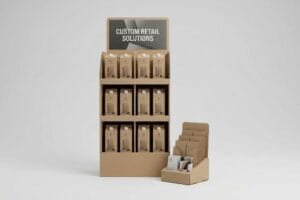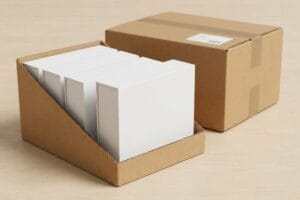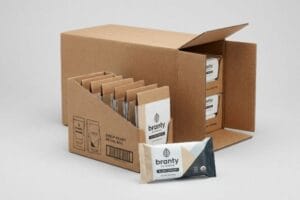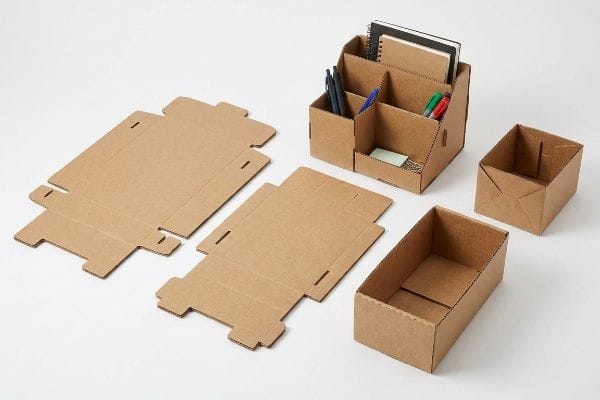
ব্র্যান্ডগুলো তাদের মেয়াদোত্তীর্ণ রিটেইল ডিসপ্লেগুলোকে আপসাইকেলড প্রোমোশনাল কিটে রূপান্তরিত করছে। সেকেন্ড-লাইফ প্যাকেজিং শুধু একটি ক্ষণস্থায়ী পরিবেশগত প্রবণতা নয়; এটি একটি অত্যন্ত পরিমাপযোগ্য ব্র্যান্ড ইকুইটি কৌশল।.
কার্ডবোর্ডের ডিসপ্লে বক্স থেকে হস্তশিল্প তৈরির মধ্যে এমন সব কাঠামো প্রকৌশলগতভাবে তৈরি করা হয়, যা দ্বিতীয়বার ব্যবহারের উপযোগী হয়; যেমন—গ্রাহকদের জিনিসপত্র রাখার বাক্স, অরিগামির মতো প্রচারমূলক মেইলার এবং মডিউলার ডেস্ক অর্গানাইজার। ব্র্যান্ডগুলো এই টেকসই আপসাইক্লিং কৌশলগুলো ব্যবহার করে খুচরা বিক্রির পরবর্তী সময়েও নিজেদের পরিচিতি বাড়ায়। এর মাধ্যমে নিশ্চিত করা হয় যে, উন্নত মানের ঢেউখেলানো কার্ডবোর্ডগুলো যেন আবর্জনার স্তূপ এড়িয়ে চলে এবং একই সাথে গৃহস্থালির অন্যান্য কাজে ব্যবহারের জন্য এর কাঠামোগত অখণ্ডতাও বজায় থাকে।.
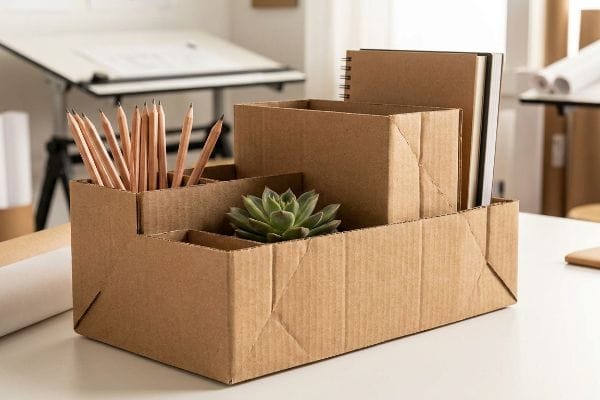
কিন্তু আপনার প্যাকেজিংয়ের দ্বিতীয় জীবন নিয়ে জনসংযোগ অভিযান শুরু করার আগে, আপনাকে উৎপাদনের সেইসব ভৌত সীমাবদ্ধতাগুলো আয়ত্ত করতে হবে যা প্রকৃতপক্ষে পুনর্ব্যবহারযোগ্যতাকে সম্ভব করে তোলে।.
এই মুহূর্তে সবচেয়ে জনপ্রিয় হস্তশিল্প কোনটি?
টেকসই প্যাকেজিংয়ের ক্ষেত্রে সবচেয়ে বেশি চাহিদাসম্পন্ন কাঠামোগত প্রবণতা কোনো জটিল রাসায়নিক পলিমার নয়; বরং তা হলো কাঠামোগত ভাঁজের ওপর নিখুঁত দক্ষতা।
টেকসই প্যাকেজিংয়ের ক্ষেত্রে বর্তমানে সবচেয়ে জনপ্রিয় শিল্পকর্ম হলো একক উপাদানে তৈরি ঢেউখেলানো বোর্ড ব্যবহার করে কাঠামোগত অরিগামি। এই প্রকৌশল কৌশলটি বিশেষ ধরনের কাগজের লক এবং ঘর্ষণ-ফিট ট্যাব ব্যবহারের মাধ্যমে মিশ্র প্লাস্টিকের ব্যবহার দূর করে। এর ফলে, রাসায়নিক আঠার উপর নির্ভর না করেই জটিল রিটেইল ডিসপ্লেগুলো অনায়াসে সম্পূর্ণরূপে পুনর্ব্যবহারযোগ্য ও পরস্পর সংযুক্ত ভোক্তা কাঠামোতে রূপান্তরিত হতে পারে।.
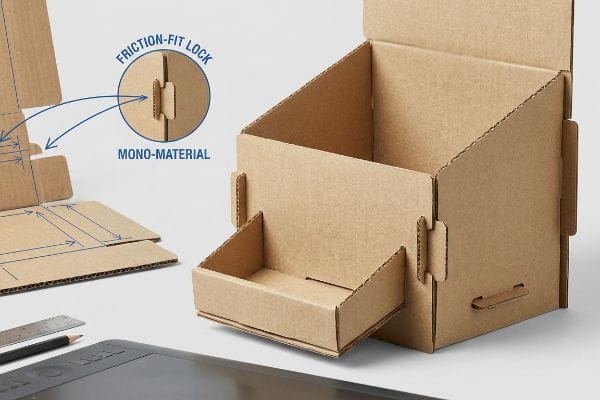
এই জটিল, আঠাবিহীন ভাঁজের নকশাগুলোকে ডিজিটাল স্ক্রিন থেকে বাস্তব উৎপাদন কেন্দ্রে রূপান্তর করার মুহূর্তেই আসল চ্যালেঞ্জ শুরু হয়।.
অরিগামি-শৈলীর একক উপাদানের আবশ্যকতা আয়ত্ত করা
ব্র্যান্ডগুলো প্রায়শই প্লাস্টিকের ক্লিপের পরিবর্তে কাগজের জটিল ভাঁজ ব্যবহার করে তাদের প্যাকেজিংকে একটি টেকসই শিল্পকর্ম হিসেবে বাজারজাত করার চেষ্টা করে। এমনকি অভিজ্ঞ ডিজাইনাররাও সুন্দর, জটিল লকিং ব্যবস্থার নকশা আঁকেন যা ডিজিটাল রেন্ডারিংয়ে নিখুঁত দেখায়। তারা ধরে নেন যে, যদি CAD (কম্পিউটার-এইডেড ডিজাইন)-এ জ্যামিতিটি নিখুঁতভাবে কাজ করে, তবে ব্যাপক উৎপাদনের সময় কাগজের পুরু আঁশগুলো স্বাভাবিকভাবেই মানিয়ে যাবে ।
বাস্তব পরিস্থিতি আরও অনেক বেশি কঠিন। আমি প্রায়ই দেখি ক্রয়কারী দলগুলো এমন সব ছোট ও জটিল নকশার ইন্টারলকিং ট্যাব অনুমোদন করে, যেগুলো ভাঁজ করার জন্য চরম নিখুঁত দক্ষতার প্রয়োজন হয়। যখন একজন কো-প্যাকার সেই শক্ত ৩২ইসিটি (এজ ক্রাশ টেস্ট) বোর্ডটিকেএকটি সরু খাঁজে জোর করে ঢোকানোর চেষ্টা করে, তখন এর পুরু ভার্জিন ফাইবারগুলো তীব্রভাবে প্রতিরোধ করে। ঘর্ষণের ফলে উপরের লাইনারটি ভেঙে যাওয়ার শুকনো, তীক্ষ্ণ মটমট শব্দ আপনি আক্ষরিক অর্থেই শুনতে পাবেন।
এর সমাধান করতে, আমরা স্লটের প্রস্থে কঠোরভাবে একটি ০.২৫-ইঞ্চি (৬.৩৫ মিমি) ঘর্ষণ সহনশীলতা ৩ অন্তর্ভুক্ত করেছি, যা এমন একটি মসৃণ পেপার লক তৈরি করে যা না ছিঁড়ে শক্তভাবে ধরে রাখে। এই সূক্ষ্ম সমন্বয়টি তাৎক্ষণিকভাবে প্রতি ইউনিটে প্রায় ১৫ সেকেন্ড ৪ অ্যাসেম্বলির সময় কমিয়ে দেয় এবং এর পরিচ্ছন্ন নান্দনিকতা সম্পূর্ণরূপে অক্ষুণ্ণ রাখে।
| নতুনদের সাধারণ ভুল | প্রো ফিক্স | খুচরা-ফ্লোর সুবিধা |
|---|---|---|
| পুরু বোর্ডে মাইক্রো-ট্যাব | ০.২৫-ইঞ্চি স্লট টলারেন্স | একত্রিত করার সময় ১৫ সেকেন্ড সাশ্রয় করে |
| শক্ত তন্তু জোর করে | কাঠামোগত অরিগামি তালা | শূন্য ছেঁড়া টপ লাইনার |
| প্লাস্টিকের ক্লিপ ব্যবহার করে | ১০০% একক উপাদানের ডিজাইন | ঘর্ষণহীন পুনর্ব্যবহার |
ঘর্ষণ বিন্দুগুলো সরাসরি পরীক্ষা না করে আমি কোনো জটিল কাগজের ভাঁজকে গণ-উৎপাদনে যেতে দিই না। পরীক্ষামূলক ভাঁজের সময় বোর্ডটি ভেঙে গেলে, ডাইলাইনটি সম্পূর্ণ নতুন করে তৈরি করা হয়।.
🛠️ হার্ভির ডেস্ক: আপনার অরিগ্যামি লকগুলো চাপে ভেঙে যাবে কিনা তা নিয়ে অনিশ্চিত? 👉 একটি ডাইলাইন অডিট করান ↗ — সরাসরি আমার ডেস্কে প্রবেশের সুযোগ। কোনো স্বয়ংক্রিয় সেলস স্প্যাম নেই, আমি কথা দিচ্ছি।
কোন হাতে তৈরি হস্তশিল্প সবচেয়ে বেশি বিক্রি হয়?
কারুশিল্পের নান্দনিকতাকে প্রাধান্য দেওয়া বুটিক ব্র্যান্ডগুলো তাদের উচ্চমানের হস্তনির্মিত পণ্য বিক্রি করার জন্য ধারাবাহিকভাবে দৃশ্যগত স্বচ্ছতার ওপর নির্ভর করে।.
যেসব হাতে তৈরি হস্তশিল্প সবচেয়ে বেশি বিক্রি হয়, সেগুলোতে পণ্যের বাস্তব টেক্সচার তুলে ধরতে ক্রাফট পেপারের উইন্ডো বক্স ব্যবহার করা হয়। এই ডিসপ্লেগুলোর জন্য শক্ত প্লাস্টিকের পরিবর্তে অত্যন্ত স্থিতিস্থাপক পিএলএ (পলিল্যাকটিক অ্যাসিড) উইন্ডো ফিল্ম প্রয়োজন হয়, যা নিশ্চিত করে যে প্যাকেজিংটি বেঁকে না গিয়ে আর্দ্রতার পরিবর্তনকে গতিশীলভাবে শোষণ করে এবং দোকানের তাকগুলিতে একটি উৎকৃষ্ট শৈল্পিক নান্দনিকতা বজায় রাখে।.
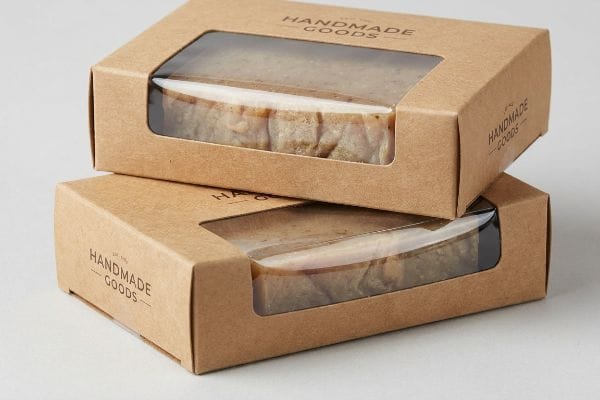
ভোক্তাদের কাছে পণ্যটির একটি স্পষ্ট চিত্র তুলে ধরা সহজ মনে হতে পারে, যতক্ষণ না আপনি এর সাথে কারখানার আঠা এবং গুদামের পরিবেশকে যুক্ত করছেন।.
ক্রাফট প্যাকেজিং-এ উইন্ডো প্যাচের টান প্রতিরোধ করা
ব্র্যান্ডগুলো যখন হস্তনির্মিত পণ্যের জন্য ডিসপ্লে ডিজাইন করে, তখন তারা সহজাতভাবেই ভেতরের কারুকার্য প্রদর্শনের জন্য একটি স্বচ্ছ প্লাস্টিকের জানালাসহ কাঁচা ক্রাফট পেপারবোর্ডের অনুরোধ করে। ডিজাইনাররা কেবল একটি ডাই-কাট শূন্যস্থান আঁকেন এবং একটি সাধারণ PET (পলিইথিলিন টেরেফথালেট) ফিল্ম ব্যাকিং।তারা কাগজ এবং প্লাস্টিককে তাদের ভৌত সামঞ্জস্য বিবেচনা না করেই দৃশ্যত পরিপূরক উপাদান হিসেবে গণ্য করেন।
উৎপাদন পর্যায়ে এখানেই ডিজাইনটি ভেস্তে যায়। ক্রাফট পেপার অত্যন্ত ছিদ্রযুক্ত, যার অর্থ হলো সরবরাহ শৃঙ্খল জুড়ে গুদামের আর্দ্রতার ওঠানামার সাথে সাথে এটি ক্রমাগত প্রসারিত ও সংকুচিত হয়।
যদি আপনি একটি স্থির আঠা ব্যবহার করে একটি অনমনীয় প্লাস্টিকের পাতকে চলমান কাগজের তন্তুর সাথে জুড়ে দেন, তাহলে টান এমনভাবে বাড়তে থাকে যে পুরো সমতল বাক্সটি একটি টাকোর মতো প্রচণ্ডভাবে ভেতরের দিকে বেঁকে যায়। আমি এই ধরনের শত শত বেঁকে যাওয়া বাক্সের উপর হাত বুলিয়েছি; সেগুলোকে কাঠামোগতভাবে সম্পূর্ণ দুর্বল মনে হয় এবং খুচরা বিক্রেতাদের কাছ থেকে তাৎক্ষণিক প্রত্যাখ্যানের কারণ হয়ে দাঁড়ায়। আমরা পেট্রোলিয়াম প্লাস্টিকের পরিবর্তে নমনীয় কাঠের মণ্ড থেকে তৈরি সেলুলোজ ফিল্মএবং স্থিতিস্থাপক আঠা ব্যবহার করে এর সমাধান করি, যা উপাদানগুলোকে সামঞ্জস্যপূর্ণভাবে প্রসারিত হতে দেয়।
| নতুনদের সাধারণ ভুল | প্রো ফিক্স | খুচরা-ফ্লোর সুবিধা |
|---|---|---|
| শক্ত পিইটি প্লাস্টিকের জানালা | পিএলএ বা সেলুলোজ ফিল্ম | ১০০% কার্বসাইড পুনর্ব্যবহারযোগ্য |
| স্থির শিল্প আঠা | অত্যন্ত স্থিতিস্থাপক আঠা | বাক্সের বিকৃতি দূর করে |
| আর্দ্রতার পরিবর্তন উপেক্ষা করা | আর্দ্রতার সাথে সামঞ্জস্যপূর্ণ উপকরণ | নিখুঁত শেলফ উপস্থাপনা |
কারুশিল্পের প্রদর্শনীর জন্য আমি সবসময় নমনীয় উইন্ডো প্যাচ ব্যবহার বাধ্যতামূলক করি। আর্দ্রতার পরিবর্তনের সময় যদি আপনার মূল উপাদানগুলো একে অপরের সাথে সংঘর্ষে লিপ্ত হয়, তাহলে প্যাকেজিংটি দোকানে পৌঁছানোর আগেই আক্ষরিক অর্থেই ছিঁড়ে যাবে।.
🛠️ হার্ভির ডেস্ক: আপনার ক্রাফট উইন্ডো বক্সগুলো কি দোকানে পৌঁছানোর আগেই বেঁকে যাচ্ছে? 👉 আপনার স্ট্রাকচারাল রিভিউটি দাবি করুন ↗ — নিরাপদে ডাউনলোড করুন। পরবর্তীতে কোনো প্রশ্ন থাকলে আমার ইনবক্স খোলা আছে।
কার্ডবোর্ডের বাক্স পুনরায় ব্যবহার করার কিছু সৃজনশীল উপায় কী কী?
যদিও রিটেইল ডিসপ্লেগুলোকে গ্রাহক পণ্য সংরক্ষণের জায়গায় পরিণত করা একটি চমৎকার বিপণন কৌশল, কিন্তু ভারী মালামালের জন্য বহির্গামী শিপিং বক্স পুনরায় ব্যবহার করা একটি বিশাল লজিস্টিক ফাঁদ।.
কার্ডবোর্ডের বাক্স পুনরায় ব্যবহারের সৃজনশীল উপায়গুলোর মধ্যে রয়েছে গ্রাহক-কেন্দ্রিক বিভিন্ন অ্যাপ্লিকেশন, যেমন মডিউলার ডেস্ক অর্গানাইজার, ইন্টারেক্টিভ টুল এবং সেকেন্ড-লাইফ প্রোমোশনাল মেইলার। তবে, ব্র্যান্ডগুলোকে কখনোই ইনবাউন্ড B2C করোগেটেড শিপার আউটবাউন্ড B2B রিটেইল ফ্রেইটের জন্য পুনরায় ব্যবহার করা উচিত নয়, কারণ এর আণুবীক্ষণিক ফাইবার ফ্যাটিগ ভারী প্যালেট স্ট্যাকিংয়ের জন্য প্রয়োজনীয় ডাইনামিক কম্প্রেশন স্ট্রেংথকে স্থায়ীভাবে নষ্ট করে দেয়।.
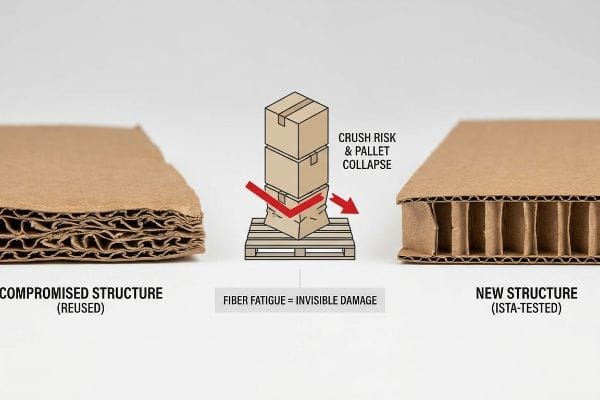
একজন ভোক্তা যখন বাড়িতে ব্যবহারের জন্য নিরাপদে একটি বাক্সকে আপসাইক্লিং করেন, আর একটি ব্র্যান্ড যখন আপোসকৃত ভিত্তির ওপর দাঁড়িয়ে নিজস্ব সরবরাহ ব্যবস্থা গড়ে তোলার চেষ্টা করে—এই দুইয়ের মধ্যে একটি বিশাল কাঠামোগত পার্থক্য রয়েছে।.
করোগেটেড ফাইবারের ক্লান্তির লুকানো বিপদ
স্টার্টআপগুলো প্রায়শই তাদের কার্বন ফুটপ্রিন্ট কমানোর জন্য ইনবাউন্ড শিপিং মেইলারগুলো সংগ্রহ করে এবং সেগুলোকে আউটবাউন্ড রিটেইল ডিসপ্লের জন্য মাস্টার কার্টন হিসেবে সৃজনশীলভাবে পুনরায় ব্যবহার করে। তারা বাক্সটির বাইরের অংশ দৃশ্যত পরিদর্শন করে, এবং যদি তাতে বড় কোনো টোল বা ছেঁড়া না থাকে, তবে তারা ধরে নেয় যে এটি তার আসল ফ্যাক্টরি লোড ধারণক্ষমতা ধরে রেখেছে9।এই দৃশ্যত-চালিত অনুমানটি সেই আণুবীক্ষণিক আঘাতকে উপেক্ষা করে যা উপাদানটি ইতিমধ্যেই সহ্য করেছে।
একটি ঢেউখেলানো কাগজের ভাঁজকে একটি যান্ত্রিক শক অ্যাবজরবারের মতো ভাবুন। এর প্রথম পার্সেল যাত্রার সময়, কাগজের সেই অভ্যন্তরীণ খিলানটি হাজার হাজার ক্ষুদ্র কম্পন, গতিজনিত আঘাত এবং আর্দ্রতার পরিবর্তন শোষণ করে যা কাগজের তন্তুগুলিকে স্থায়ীভাবে ক্লান্ত করে তোলে10।
যখন আপনি এই কাঠামোগতভাবে দুর্বল বাক্সগুলিতে ভারী, আগে থেকে ভরা রিটেইল ডিসপ্লেগুলি স্তূপ করে রাখেন, তখন এর খাঁজগুলি উপরের ভার বহন করতে পারে না। চাপের কারণে নিচের স্তরটি নিঃশব্দে বেঁকে যায়, যার ফলে একটি ধারাবাহিক নিষ্পেষণ প্রভাব সৃষ্টি হয় যা ভিতরের মুদ্রিত পণ্যগুলিকে নষ্ট করে দেয়। আমি সমস্ত B2B মাল পরিবহনের জন্য কঠোরভাবে নতুন, ISTA (ইন্টারন্যাশনাল সেফ ট্রানজিট অ্যাসোসিয়েশন) পরীক্ষিত শিপার ব্যবহার বাধ্যতামূলক করেছি , যা নিশ্চিত করে যে কোণাগুলি তাদের উল্লম্ব শক্তির ১০০% ধরে রাখে এবং ব্যয়বহুল ট্রানজিট চার্জব্যাকের ঝুঁকি সম্পূর্ণরূপে দূর করে।
| নতুনদের সাধারণ ভুল | প্রো ফিক্স | খুচরা-ফ্লোর সুবিধা |
|---|---|---|
| ইনবাউন্ড B2C বক্স পুনরায় ব্যবহার করা | নতুন ISTA-পরীক্ষিত শিপার১৩ | ট্রানজিটে শূন্য চাপজনিত ক্ষতি |
| দৃষ্টিশক্তির শক্তি পরীক্ষা | গাণিতিক লোড গণনা14 | প্যালেট ভেঙে পড়া প্রতিরোধ করে |
| বুটস্ট্র্যাপিং লজিস্টিকস | B2B ভার্জিন মেটেরিয়াল ম্যান্ডেট15 | চার্জব্যাক দূর করে |
আমি ক্লায়েন্টদের জীর্ণ কার্ডবোর্ডে পণ্য পাঠিয়ে তাদের প্রাথমিক খুচরা বিক্রির ঝুঁকি নিতে দিতে রাজি নই। ভারী মালপত্র বহনের জন্য একটি বাক্সের প্রকৃত কাঠামোগত জীবনকাল কেবল একবারই থাকে।.
🛠️ হার্ভির ডেস্ক: আপনার সেকেন্ডারি শিপাররা কি গোপনে অদৃশ্য ফাইবার ক্লান্তিতে ভুগছেন? 👉 একটি ট্রানজিট অ্যাসেসমেন্টের জন্য অনুরোধ করুন ↗ — কোনো ফর্ম নেই যা অবিরাম সেলস কলের কারণ হয়। শুধু খাঁটি মূল্য।
অনেকগুলো কার্ডবোর্ডের বাক্স দিয়ে কী করা যায়?
যখন একটি জাতীয় প্রচারাভিযান শেষ হয়, তখন হাজার হাজার ডিসপ্লে পুনর্ব্যবহারের জন্য পাঠানো হয়। কিন্তু এই বিপুল পরিমাণকে পুনরায় মণ্ডে পরিণত করার ক্ষেত্রে কঠোর রাসায়নিক সীমাবদ্ধতা প্রকাশ পায়।.
প্রচুর পরিমাণে কার্ডবোর্ডের বাক্স প্রক্রিয়াকরণে বাণিজ্যিক পুনঃমজ্জা প্রক্রিয়া জড়িত, যেখানে ঢেউখেলানো কার্ডবোর্ডের উপাদানগুলোকে ভেঙে পুনর্ব্যবহৃত টেস্টলাইনার তৈরি করা হয়। তবে, পাঁচ থেকে সাতটি পুনর্ব্যবহার চক্রের পর সেলুলোজ তন্তুগুলো ভৌতভাবে ছোট হয়ে যায় এবং নিঃশেষ হয়ে পড়ে, যার ফলে ভবিষ্যতের খুচরা প্রদর্শনীর জন্য ভারবহন ক্ষমতা পুনরুদ্ধার করতে কাঠামোগত প্রকৌশলীদের নতুন ভার্জিন ক্রাফট তন্তু প্রবেশ করাতে হয়।.
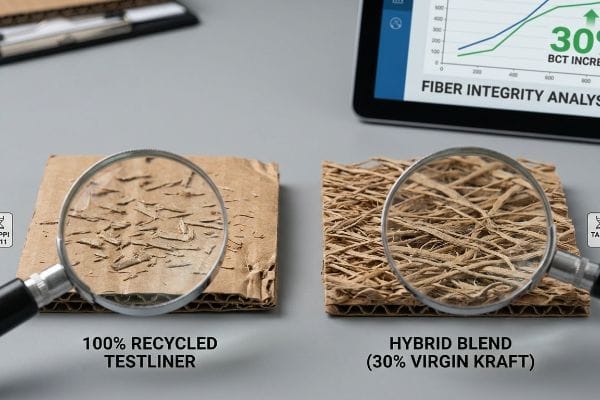
ল্যাবে একটি ডিসপ্লে দাঁড় করানো সহজ, কিন্তু যখন আপনি ব্যাপক খুচরা বিক্রির জন্য ৫০০টি ডিসপ্লে রিসাইকেল ও পুনঃউৎপাদন করেন, তখন এক কঠিন বাস্তবতার মুখোমুখি হতে হয়।.
কেন ১০০% পুনর্ব্যবহৃত টেস্টলাইনার কারখানায় ব্যর্থ হয়
সর্বোচ্চ ESG (পরিবেশগত, সামাজিক এবং শাসনগত) সম্মতি অর্জনের জন্য সচেষ্ট ক্রয়কারী দলগুলো প্রায়শই বাধ্যতামূলক করে যে তাদের পরবর্তী ব্যাচের রিটেইল ডিসপ্লে অবশ্যই ১০০% পুনর্ব্যবহৃত টেস্টলাইনার ১৬ দিয়ে তৈরি করতে হবে । তারা ধরে নেয় যে পুনর্ব্যবহৃত কার্ডবোর্ডের ভৌত অখণ্ডতা নতুন বোর্ডের মতোই, এবং উপাদানটিকে একটি অসীম নবায়নযোগ্য সম্পদের মতো বিবেচনা করে। টেকসইতার এই সাধারণীকৃত নির্দেশটি কাগজ পুনঃমন্ডন প্রক্রিয়ার কঠোর যান্ত্রিক বাস্তবতাকে উপেক্ষা করে।
আমার প্রতিষ্ঠানে, যখন আমরা একটি TAPPI T811 এজ ক্রাশ টেস্ট17, ছোট, কাঠামোগতভাবে দুর্বল ফাইবারগুলি18 গতিশীল লোডের অধীনে তাদের ধনুকের মতো আকৃতি ধরে রাখতে পারে না।
যখন হাইড্রোলিক প্রেসটি নিচে নামে, তখন ফ্লুটগুলো শুধু বেঁকে যায় না; স্থিতিস্থাপক টানের অভাবে সেগুলো সঙ্গে সঙ্গে গুঁড়ো হয়ে যায়। আমি এই ক্ষয় নির্ভুলভাবে পরিমাপ করি—আপনি সঙ্গে সঙ্গে বিসিটি (বক্স কম্প্রেশন টেস্ট) শক্তিতে ৩০% পতন দেখতে পাবেন। আমি ভার বহনকারী ফ্লুটগুলোতে সরাসরি একটি নির্দিষ্ট ৩০% অনুপাতে ভার্জিন ক্রাফট উপাদান ইনজেক্ট করে এর সমাধান করি। এই উপাদানের মিশ্রণটি প্রয়োগ করার মাধ্যমে, আমি নিশ্চিত করি যে ডিসপ্লেটি ডাবল-স্ট্যাকড মাল পরিবহনের ধকল সহ্য করতে পারে, যা ব্র্যান্ডগুলোকে বিশাল লজিস্টিক লোকসান থেকে বাঁচায় এবং একই সাথে খুচরা বিক্রেতাদের কঠোর পরিবেশ-বান্ধব কোটাও পূরণ করে।.
| নতুনদের সাধারণ ভুল | প্রো ফিক্স | খুচরা-ফ্লোর সুবিধা |
|---|---|---|
| ১০০% পুনর্ব্যবহৃত টেস্টলাইনার | ৩০% ভার্জিন ক্রাফট ইনজেকশন19 | গতিশীল শক্তি পুনরুদ্ধার করে |
| ফাইবারের দৈর্ঘ্য উপেক্ষা করা | TAPPI T811 পরীক্ষার বৈধতা20 | ডাবল-স্ট্যাকিংয়ে টিকে থাকে |
| অন্ধ ESG আদেশ | হাইব্রিড উপাদান প্রকৌশল | খুচরা বিক্রেতার নিরীক্ষায় উত্তীর্ণ হয় |
আমি টেকসই আপসাইক্লিংকে পুরোপুরি সমর্থন করি, কিন্তু শুধুমাত্র পেছনে একটি "১০০% পুনর্ব্যবহৃত" স্টিকার লাগানোর জন্য আমি কোনো ডিসপ্লের ভৌত কাঠামোর সাথে আপোস করব না।.
🛠️ হার্ভির ডেস্ক: আপনার বর্তমান ফ্লোর ডিসপ্লেগুলিতে ভার্জিন ও রিসাইকেল্ড ফাইবারের সঠিক অনুপাত কি আপনার জানা আছে? 👉 আপনার ডাইলাইন ফাইলটি আমাকে পাঠান ↗ — গণ-উৎপাদনে বাজেট অপচয় করার আগে আমি হিসাবটি পুঙ্খানুপুঙ্খভাবে পরীক্ষা করে দেখব।
উপসংহার
আপনি সবচেয়ে সুন্দর শৈল্পিক প্যাকেজিং ডিজাইন করতে পারেন, কিন্তু যখন একটি আর্দ্র গুদামে কাঠামোগতভাবে জীর্ণ পুনর্ব্যবহৃত টেস্টলাইনার ভেঙে যায়, তখন এর ফলে সৃষ্ট ভিত্তির বকলিং কো-প্যাকিং অ্যাসেম্বলি লাইনের গতি আনুমানিক ৩০% কমিয়ে দেয় এবং খুচরা বিক্রেতাদের দ্বারা তাৎক্ষণিক প্রত্যাখ্যানের কারণ হয়। ৫০০-এর বেশি ব্র্যান্ড ম্যানেজার ঠিক এই মারাত্মক প্রাথমিক পর্যায়ের ভুলগুলো এড়াতে আমার প্রিপ্রেস চেকলিস্ট ব্যবহার করেন। ফাইবারের সহনশীলতা নিয়ে অনুমান করা বন্ধ করুন এবং ব্যাপক উৎপাদনে যাওয়ার আগেই এই গতিজনিত ব্যর্থতাগুলো ধরতে আমাকে ব্যক্তিগতভাবে আপনার স্ট্রাকচারাল ফাইলগুলো আমার ফ্রি ডাইলাইন অডিট ↗- এর মাধ্যমে পরীক্ষা করতে দিন।
"উন্নত স্থায়িত্বের জন্য উদ্ভাবনী নকশার ঢেউখেলানো বোর্ডের প্যাকেজিং...", https://bioresources.cnr.ncsu.edu/resources/corrugated-board-packaging-with-innovative-design-for-enhanced-durability-during-transport/। উচ্চ-পরিমাণ উৎপাদনের সময় ডিজিটাল জ্যামিতি (CAD) এবং সেলুলোজ ফাইবারের ভৌত উপাদানগত বিকৃতির মধ্যেকার অসামঞ্জস্য ব্যাখ্যাকারী প্রযুক্তিগত নথি। প্রমাণের ভূমিকা: প্রযুক্তিগত যাচাইকরণ; উৎসের ধরণ: ইঞ্জিনিয়ারিং ম্যানুয়াল বা বস্তু বিজ্ঞান গবেষণা। সমর্থন করে: কাগজের ভাঁজ তৈরির ভৌত প্রক্রিয়ায় CAD-এর অনুমানের ব্যর্থতা। পরিধি টীকা: ঢেউখেলানো বা ভারী ওজনের পেপারবোর্ডের উপর আলোকপাত করে। ↩
"[পিডিএফ] করোগেটেড বোর্ড স্পেসিফিকেশন – ফাইবার বক্স অ্যাসোসিয়েশন", https://www.fibrebox.org/assets/2025/09/Walmart_Corrugated-Board_Specifications_Automation_Packaging_Standards.pdf। 32ECT বোর্ড স্ট্যান্ডার্ডের প্রযুক্তিগত যাচাইকরণ, যা এর দৃঢ়তা এবং আঁটসাঁট ভাঁজের সময় ফাইবার ভাঙার প্রবণতা নিশ্চিত করে। প্রমাণের ভূমিকা: প্রযুক্তিগত স্পেসিফিকেশন; উৎসের ধরণ: শিল্প মান। সমর্থন করে: আলোচিত উপাদানের ভৌত বৈশিষ্ট্য। পরিধি নোট: স্ট্যান্ডার্ড করোগেটেড ফাইবারবোর্ডের ক্ষেত্রে প্রযোজ্য। ↩
"ঢেউখেলানো কাগজের বাক্সের সংকোচন শক্তির প্রাক্কলন …", https://pmc.ncbi.nlm.nih.gov/articles/PMC8467740/। উপাদানের ব্যর্থতা রোধ করার জন্য ঘর্ষণ-ফিট ঢেউখেলানো কাগজের জোড়ের নির্দিষ্ট পরিমাপ সহনশীলতার প্রযুক্তিগত বৈধতা। প্রমাণের ভূমিকা: প্রযুক্তিগত স্পেসিফিকেশন; উৎসের ধরণ: ইঞ্জিনিয়ারিং ম্যানুয়াল। ভিত্তি: কাঠামোগত অখণ্ডতার জন্য নির্দিষ্ট মাত্রা। পরিধি টীকা: ঢেউখেলানো কাগজের উপাদানের বৈশিষ্ট্যের উপর আলোকপাত করে। ↩
"টাইট টলারেন্স কীভাবে খরচ, লিড টাইম এবং ঝুঁকিকে প্রভাবিত করে?", https://cmwglobal.com/how-do-tight-tolerances-affect-cost-lead-time-and-risk/। গবেষণালব্ধ ডেটা বা শিল্পক্ষেত্রের কেস স্টাডি যা প্রিসিশন স্লট ইঞ্জিনিয়ারিং এবং অ্যাসেম্বলির সময়কাল হ্রাসের মধ্যেকার সম্পর্ক প্রদর্শন করে। প্রমাণের ভূমিকা: পারফরম্যান্স মেট্রিক; উৎসের ধরণ: শিল্পক্ষেত্রের কেস স্টাডি। সমর্থন করে: দক্ষতার দাবি। পরিধি সংক্রান্ত টীকা: সাধারণ রিটেইল ডিসপ্লে অ্যাসেম্বলি ওয়ার্কফ্লোর উপর ভিত্তি করে। ↩
"কাগজ ও বোর্ড, ধাতব ফয়েল, ফিল্ম এবং বহুস্তরীয় কাঠামো", http://www.labelsandlabeling.com/label-academy/article/flexible-packaging-paper-and-board-metallic-foil-films-and-multi-layer-constructions। পেপারবোর্ড প্যাকেজিং-এ উইন্ডো ফিল্ম অ্যাপ্লিকেশনের জন্য PET যে ইন্ডাস্ট্রির স্ট্যান্ডার্ড, তার প্রযুক্তিগত নিশ্চিতকরণ। প্রমাণের ভূমিকা: প্রযুক্তিগত স্পেসিফিকেশন; উৎসের ধরণ: পদার্থ বিজ্ঞান ডেটাবেস। সমর্থন করে: খুচরা দোকানের জানালার জন্য বেসলাইন উপাদান ব্যবহার। পরিধি নোট: PET-এর স্ট্যান্ডার্ড প্রয়োগের উপর আলোকপাত করে। ↩
"[পিডিএফ] বাক্সের সংকোচন শক্তির উপর আর্দ্রতার পরিমাণের প্রভাব: এফবিএ বিসিটি …", https://renewablebioproducts.gatech.edu/sites/default/files/2025-12/4effects-of-moisture-content-on-box-compression-strength.pdf। ক্রাফট পেপারের আর্দ্রতা-শোষণকারী বৈশিষ্ট্যের প্রযুক্তিগত যাচাইকরণ এবং আর্দ্রতার ওঠানামার সময় ছিদ্রময়তা কীভাবে মাত্রিক অস্থিতিশীলতায় অবদান রাখে। প্রমাণের ভূমিকা: প্রযুক্তিগত বিবরণ; উৎসের ধরণ: পদার্থ বিজ্ঞান জার্নাল। সমর্থন করে: ক্রাফট প্যাকেজিংয়ের ভৌত দুর্বলতা। পরিধি টীকা: সেলুলোজ ফাইবারের আচরণের উপর আলোকপাত। ↩
"গিকিং আউট: প্যাকিং মেটেরিয়াল – রিজিড হেডল লুমের জন্য প্রয়োজনীয় জ্ঞান", https://yarnworker.com/geeking-out-on-the-details-packing-material/। অনমনীয় প্লাস্টিক এবং আর্দ্রতাগ্রাহী কাগজের তন্তুর মধ্যে প্রসারণের পার্থক্যের ফলে সৃষ্ট কাঠামোগত বিকৃতির প্রযুক্তিগত ব্যাখ্যা। প্রমাণের ভূমিকা: ভৌত প্রক্রিয়া; উৎসের ধরণ: বস্তু বিজ্ঞান ম্যানুয়াল। সমর্থন: প্যাকেজিং বেঁকে যাওয়ার কারণ। পরিধি সংক্রান্ত টীকা: অনমনীয় বনাম নমনীয় ইন্টারফেসের জন্য নির্দিষ্ট। ↩
"[পিডিএফ] প্লাস্টিকের বিকল্প হিসেবে বায়োডিগ্রেডেবল সেলুলোজ ফিল্ম", https://openprairie.sdstate.edu/cgi/viewcontent.cgi?article=5138&context=etd। কাগজের প্যাকেজিং-এ ব্যবহৃত প্রচলিত পলিমারের তুলনায় সেলুলোজ-ভিত্তিক ফিল্মের স্থিতিস্থাপকতা এবং প্রসারণ সহগের তুলনামূলক বিশ্লেষণ। প্রমাণের ভূমিকা: উপাদানের তুলনা; উৎসের ধরণ: শিল্প প্রকৌশল জার্নাল। সমর্থন: প্রস্তাবিত সমাধানের কার্যকারিতা। পরিধি টীকা: উপাদানের প্রসারণের উপর দৃষ্টি নিবদ্ধ। ↩
"...এর সংকোচন শক্তির উপর আপেক্ষিক আর্দ্রতার প্রভাব", https://open.clemson.edu/all_theses/3225/। প্রযুক্তিগত নথিপত্রে দেখানো উচিত যে, বাহ্যিক অবস্থা নির্বিশেষে প্রাথমিক ব্যবহারের পর কাঠামোগত অখণ্ডতা এবং ভারবহন ক্ষমতা কীভাবে হ্রাস পায়। প্রমাণের ভূমিকা: প্রযুক্তিগত যাচাইকরণ; উৎসের ধরণ: বস্তু বিজ্ঞান গবেষণা। সমর্থন করে: ভারবহন ক্ষমতার জন্য বাহ্যিক পরিদর্শনের উপর নির্ভর করার ভ্রান্তি। পরিধি টীকা: বিশেষভাবে করোগেটেড ফাইবারবোর্ডের ক্ষেত্রে প্রযোজ্য। ↩
"Corugated Paperboard Packages with … Compressive Strength of Corrugated Paperboard Packages", https://pmc.ncbi.nlm.nih.gov/articles/PMC10054506/। পদার্থ বিজ্ঞান বা প্যাকেজিং প্রকৌশল থেকে প্রাপ্ত প্রযুক্তিগত বিশ্লেষণ, যা দেখায় কীভাবে বারবার চাপ এবং পরিবেশগত কারণ সেলুলোজ ফাইবারের অখণ্ডতাকে নষ্ট করে। প্রমাণের ভূমিকা: তথ্যগত যাচাইকরণ; উৎসের ধরণ: প্রকৌশল গবেষণা। সমর্থন করে: এই দাবি যে প্রাথমিক পরিবহন কাঠামোগত ফাইবারগুলিকে স্থায়ীভাবে দুর্বল করে দেয়। পরিধি টীকা: করোগেটেড মিডিয়াম ফ্যাটিগের উপর আলোকপাত। ↩
"কেন সাধারণ ঢেউতোলা বাক্স ব্যর্থ হয়: ভারী-কাজের বাক্সের পদার্থবিদ্যা...", https://www.paperindex.com/academy/why-standard-corrugated-boxes-fail-the-physics-of-heavy-duty-shipping/। একটি প্যালেটের নিচের স্তরের কাঠামোগত ব্যর্থতার ফলে কীভাবে উপরের স্তরগুলো ক্রমান্বয়ে ভেঙে পড়ে, তার প্রযুক্তিগত ব্যাখ্যা। প্রমাণের ভূমিকা: যান্ত্রিক নীতি; উৎসের ধরণ: ইঞ্জিনিয়ারিং ম্যানুয়াল। সমর্থন: ফাইবারের ক্লান্তির কারণে পণ্যের ক্ষতির ঝুঁকি। পরিধির টীকা: ঢেউতোলা ফাইবারবোর্ডের গতিবিদ্যার ক্ষেত্রে প্রযোজ্য। ↩
"পরীক্ষা পদ্ধতি – আন্তর্জাতিক নিরাপদ ট্রানজিট সংস্থা", https://ista.org/test_procedures.php। বাণিজ্যিক ট্রানজিটে কাঠামোগত অখণ্ডতা এবং ভারবহন ক্ষমতা নিশ্চিত করার জন্য ISTA সার্টিফিকেশন মান যাচাইকরণ। প্রমাণের ভূমিকা: প্রযুক্তিগত মান; উৎসের ধরণ: শিল্প সংস্থা। সমর্থন করে: বক্স ধসে পড়া রোধ করার জন্য মানসম্মত পরীক্ষার প্রয়োজনীয়তা। পরিধি টীকা: বিশ্বব্যাপী শিপিং সার্টিফিকেশনের উপর আলোকপাত করে। ↩
"ইন্টারটেক প্যাকেজ ডিস্ট্রিবিউশন টেস্টিং ল্যাব", https://www.intertek.com/performance-testing/packaging/। ইন্টারন্যাশনাল সেফ ট্রানজিট অ্যাসোসিয়েশন থেকে প্রাপ্ত প্রযুক্তিগত নথি, যা প্যাকেজিংয়ের স্থায়িত্বের মান নির্ধারণ করে। প্রমাণের ভূমিকা: প্রযুক্তিগত স্পেসিফিকেশন; উৎসের ধরণ: শিল্প মান। সমর্থন করে: পরিবহনের সময় ক্ষতি প্রতিরোধের জন্য প্রত্যয়িত পরীক্ষার প্রয়োজনীয়তা। পরিধি সংক্রান্ত টীকা: বৈশ্বিক শিপিং মানসমূহের ক্ষেত্রে প্রযোজ্য। ↩
"বক্স কম্প্রেশন টেস্ট (বিসিটি) স্ট্রেংথ ক্যালকুলেটর – ওয়েস্টপ্যাক", https://westpak.com/resources/calculator/box-compression-test/। করোগেটেড বোর্ডের কম্প্রেশন স্ট্রেংথের (ম্যাকি ফর্মুলা) গাণিতিক ব্যাখ্যা প্রদানকারী ইঞ্জিনিয়ারিং ম্যানুয়াল বা অ্যাকাডেমিক পেপার। প্রমাণের ভূমিকা: প্রযুক্তিগত পদ্ধতি; উৎসের ধরণ: ইঞ্জিনিয়ারিং ম্যানুয়াল। সমর্থন: প্যালেট ধসে পড়া রোধ করার জন্য গণনার প্রয়োজনীয়তার দাবি। পরিধি নোট: উল্লম্ব কম্প্রেশন স্ট্রেংথের উপর আলোকপাত করে। ↩
"ঢেউখেলানো কাগজের মোড়কের পরিবেশগত প্রভাব", https://www.internationalpaper.com/resources/blog/environmental-impact-corrugated-packaging-why-balanced-fiber-approach-best। ভারী মাল পরিবহনের ক্ষেত্রে ভার্জিন ফাইবার বনাম রিসাইকেল করা ফাইবারের কাঠামোগত অখণ্ডতার তুলনা করে করা লজিস্টিকস এবং বস্তু বিজ্ঞান বিষয়ক গবেষণা। প্রমাণের ভূমিকা: তুলনামূলক বিশ্লেষণ; উৎসের ধরণ: বস্তু বিজ্ঞান বিষয়ক গবেষণা। সমর্থন করে: এই দাবি যে ভার্জিন উপাদান লজিস্টিকস সংক্রান্ত ব্যর্থতা/চার্জব্যাক দূর করে। পরিধি সংক্রান্ত টীকা: উচ্চ-ওজনের B2B শিপিংয়ের জন্য নির্দিষ্ট। ↩
"[পিডিএফ] পুনর্ব্যবহৃত পদার্থের ভৌত বৈশিষ্ট্যের একটি তুলনামূলক পরীক্ষা...", https://repository.rit.edu/cgi/viewcontent.cgi?article=1299&context=theses। কাগজ প্রকৌশলের উপর একটি প্রামাণ্য প্রযুক্তিগত নির্দেশিকা ভার্জিন ফাইবারের তুলনায় সম্পূর্ণ পুনর্ব্যবহৃত টেস্টলাইনারের কাঠামোগত পার্থক্য এবং ভৌত অখণ্ডতার সীমাবদ্ধতা নিশ্চিত করবে। প্রমাণের ভূমিকা: প্রযুক্তিগত স্পেসিফিকেশন; উৎসের ধরণ: পদার্থ বিজ্ঞান জার্নাল। সমর্থন করে: এই দাবি যে পুনর্ব্যবহৃত উপকরণে তাজা বোর্ডের মতো অখণ্ডতার অভাব থাকতে পারে। পরিধি টীকা: ভারবহন ক্ষমতার উপর আলোকপাত। ↩
"পূর্ণ-ক্ষেত্র স্ট্রেইন দ্বারা উন্নত নতুন এজ ক্রাশ টেস্ট কনফিগারেশন …", https://pmc.ncbi.nlm.nih.gov/articles/PMC8510352/। TAPPI-এর প্রযুক্তিগত নথি করোগেটেড বোর্ডের সংকোচন শক্তি পরিমাপের জন্য T811 পরীক্ষার নির্দিষ্ট পদ্ধতি এবং উপযোগিতা নিশ্চিত করে। প্রমাণের ভূমিকা: প্রযুক্তিগত সংজ্ঞা; উৎসের ধরণ: শিল্প মান। সমর্থন করে: পরিমাপ পদ্ধতির বৈধতা। পরিধি টীকা: করোগেটেড উপকরণের জন্য নির্দিষ্ট। ↩
"একাধিক পুনর্ব্যবহার চক্রের প্রভাব যান্ত্রিক বৈশিষ্ট্যের উপর … – পিএমসি", https://pmc.ncbi.nlm.nih.gov/articles/PMC13075187/। পিয়ার-রিভিউড পদার্থ বিজ্ঞান বিষয়ক গবেষণাপত্র ব্যাখ্যা করে যে কীভাবে বারবার পাল্প তৈরির ফলে সেলুলোজ ফাইবার ছোট হয়ে যায় এবং তাদের বন্ধন ক্ষমতা হ্রাস পায়। প্রমাণের ভূমিকা: কার্যকারণ প্রক্রিয়া; উৎসের ধরণ: পাণ্ডিত্যপূর্ণ জার্নাল। সমর্থন করে: এই দাবি যে ফাইবারের কার্যক্ষমতা হ্রাস কাঠামোগত ব্যর্থতার দিকে নিয়ে যায়। পরিধি টীকা: পুনর্ব্যবহৃত পাল্পের যান্ত্রিক বৈশিষ্ট্যের উপর আলোকপাত করে। ↩
"ক্রাফট পেপার বনাম টেস্টলাইনার: শক্তি, খরচ এবং স্থায়িত্ব – লিঙ্কডইন", https://www.linkedin.com/posts/fahd-malik-54047a17_packagingindustry-kraftpaper-testliner-activity-7355463111815901184-7J57। পুনর্ব্যবহৃত লাইনারের কাঠামোগত অখণ্ডতা পুনরুদ্ধারের জন্য প্রয়োজনীয় ভার্জিন ফাইবারের শতাংশের প্রযুক্তিগত যাচাইকরণ। প্রমাণের ভূমিকা: প্রযুক্তিগত স্পেসিফিকেশন; উৎসের ধরণ: শিল্প মান। সমর্থন করে: ডায়নামিক শক্তির জন্য ৩০% ইনজেকশনের কার্যকারিতা। পরিধি নোট: ঢেউখেলানো কার্ডবোর্ড উৎপাদনের জন্য নির্দিষ্ট। ↩
"[পিডিএফ] প্রান্তীয় সংকোচন পরীক্ষার জন্য নমুনা প্রস্তুতির গুরুত্ব …", https://imisrise.tappi.org/download.aspx?key=18APR219। পাল্প ও কাগজের ফাইবারের দৈর্ঘ্য পরিমাপের জন্য TAPPI T811 যে শিল্পমান, তার যাচাইকরণ। প্রমাণের ভূমিকা: পদ্ধতিগত বৈধতা; উৎসের ধরণ: প্রযুক্তিগত মান। সমর্থন করে: স্ট্যাকিং স্থায়িত্ব নিশ্চিত করতে T811-এর ব্যবহার। পরিধি টীকা: পাল্প ও কাগজ পরীক্ষার জন্য প্রযোজ্য মান। ↩