প্রচারপত্রের খোলা পণ্যগুলো দ্রুত বিক্রি করতে হিমশিম খাচ্ছেন? একটি সুপরিকল্পিত ফ্লোর ইউনিট ক্রেতাদের তাৎক্ষণিক কেনাকাটায় উৎসাহিত করে, কিন্তু ভুল কাঠামো বেছে নিলে বাক্সগুলো ভেঙে যায় এবং বাজেটও নষ্ট হয়।.
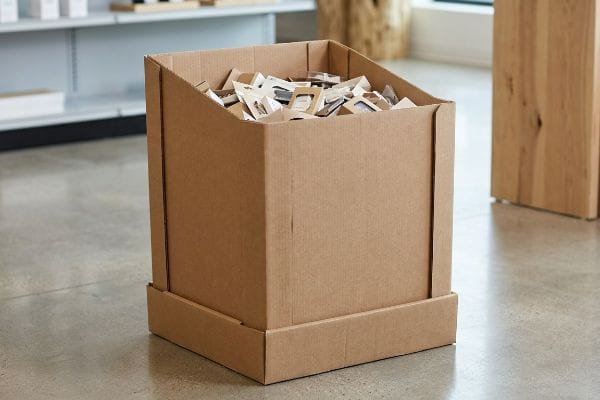
কার্ডবোর্ডের ডাম্প বিন হলো একটি স্বয়ংসম্পূর্ণ, খোলা-মুখযুক্ত খুচরা বিক্রয় কেন্দ্র, যা দ্রুত বিক্রয় সম্পন্ন করতে এবং বিপুল পরিমাণে তাৎক্ষণিক কেনাকাটার জন্য আলগা ও অগোছালো পণ্য রাখার উদ্দেশ্যে তৈরি করা হয়েছে। প্রায়শই দোকানের ব্যস্ত সংযোগস্থলে স্থাপন করা এই কাঠামোটি, যত্নসহকারে সাজানো পৃথক প্যাকেজিং প্রদর্শনের চেয়ে পণ্যের তাৎক্ষণিক সহজলভ্যতা এবং সাশ্রয়ী মূল্যে পাইকারি উৎপাদনকে বেশি গুরুত্ব দেয়।.
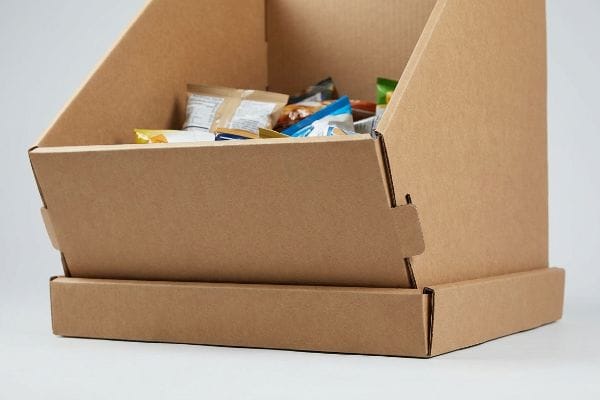
তবে, ভারী ও অগোছালো জিনিসপত্র নিরাপদে রাখার জন্য একটি কাঠামো তৈরি করতে শুধু একটি বিশাল কাগজের বাক্স ভাঁজ করলেই চলে না। চলুন জেনে নেওয়া যাক, সঠিক কাঠামোগত কৌশল কীভাবে একটি বিশৃঙ্খল খুচরা বিক্রয় বিপর্যয় প্রতিরোধ করে।.
ডাম্প বিন বলতে কী বোঝায়?
এই পরিভাষাটির সংজ্ঞা দেওয়া সহজ, কিন্তু কাঠামোগতভাবে এর মোকাবিলা করা সম্পূর্ণ ভিন্ন একটি বিষয়।.
ডাম্প বিন বলতে বোঝায় পণ্য একসাথে স্তূপ করে রাখার পরিবর্তে, কোনো কাঠামো ছাড়াই হুট করে পণ্য লোড করার জন্য ডিজাইন করা একটি বাল্ক পণ্য রাখার পাত্র। এই বড় ঢেউখেলানো কার্ডবোর্ডের কন্টেইনারগুলো বিশেষভাবে দ্রুত বিক্রি হওয়া ভোগ্যপণ্যের জন্য তৈরি করা হয়, যা খুচরা বিক্রেতাদের প্রতিটি জিনিস নিখুঁতভাবে সাজাতে ঘণ্টার পর ঘণ্টা সময় ব্যয় না করেই, খোলা পণ্যগুলো দ্রুত সরাসরি ডিসপ্লেতে ঢেলে দেওয়ার সুযোগ করে দেয়।.
যদিও ধারণাটি পণ্য মজুত করার জন্য অত্যন্ত কার্যকর বলে মনে হয়, দোকানের মেঝেতে মাধ্যাকর্ষণ এক নির্মম শত্রু।.
চাপের কারণে সাধারণ ডাম্প বিন ফুলে ওঠে কেন
শিক্ষানবিশরা মনে করেন যে, শত শত আলগা জিনিস রাখার জন্য তারা শুধু একটি বিশাল, খালি বর্গাকার বাক্স ব্যবহার করতে পারবেন। সময়ের সাথে সাথে অগোছালো জিনিসপত্র কীভাবে আচরণ করে, তা বিবেচনা না করেই তারা বাক্সের ভেতরে একটি প্রশস্ত খোলা গহ্বর ডিজাইন করেন।.
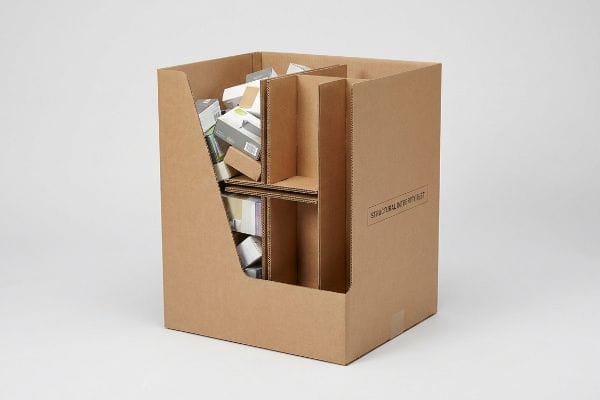
এটাকে একটা ডাফেল ব্যাগ অতিরিক্ত জিনিস দিয়ে ঠাসাঠাসি করার মতো করে ভাবুন; সেই বাড়তি ওজন প্রবলভাবে বাইরের দিকে চাপ দেয়। কারখানার ফ্লোরে আমি দেখি, ক্লায়েন্টরা পার্শ্বীয় চাপকে উপেক্ষা করে একটি গভীর বিনের জন্য একটি সাধারণ সিঙ্গেল-ওয়াল বি-ফ্লুট নির্দিষ্ট করে দেয়। যখন ক্লার্করা ভারী জিনিসপত্র ঢেলে দেয়, আমি কাঁচা পেপারবোর্ডের প্রসারিত হওয়ার মচমচ শব্দ সরাসরি শুনতে পাই। বাইরের প্যানেলগুলোতে সেই ভয়ংকর "ডাম্প বিন বাল্জ" তৈরি হয়, যা বাইরের দিকে বেঁকে যায় এবং ডিসপ্লেটিকে অগোছালো দেখায়। আমি এর সমাধান করি CAD (কম্পিউটার-এইডেড ডিজাইন) ফাইলে একটি লুকানো এইচ-ডিভাইডার বা একটি স্ট্রাকচারাল বেলি ব্যান্ড ডিজাইন করে, যা পাশের দেয়ালগুলোকে ভেতরের দিকে টেনে আনে। এই সাধারণ টেনশন মেকানিজমটি বাইরের দিকে বেঁকে যাওয়া পুরোপুরি বন্ধ করে দেয়, যার ফলে খুচরা বিক্রেতাদের রিজেকশন রেট আনুমানিক ৮০% কমে যায় ।
| নতুনদের সাধারণ ভুল | প্রো ফিক্স | খুচরা-ফ্লোর সুবিধা |
|---|---|---|
| বড় গহ্বরগুলি খালি রেখে | একটি লুকানো এইচ-ডিভাইডার ডিজাইন করা | বাইরের দিকে অগোছালোভাবে ফুলে ওঠা প্রতিরোধ করে। |
| স্ট্যান্ডার্ড একক-দেয়াল বোর্ড ব্যবহার করে | বেসকে ডাবল-ওয়ালে আপগ্রেড করা হচ্ছে2 | নিম্নস্তরের পতন রোধ করে |
| পার্শ্বীয় বহির্মুখী চাপ উপেক্ষা করা | একটি স্ট্রাকচারাল বেলি ব্যান্ড যোগ করা3 | পরিচ্ছন্ন নান্দনিকতা বজায় রাখে |
আমি অভ্যন্তরীণ পার্শ্বীয় সাপোর্ট ছাড়া কোনো খোলা বিশাল কাঠামো অনুমোদন করতে রাজি নই। এমন একটি বিশাল শূন্যস্থান ডিজাইন করলে আপনার ব্র্যান্ডের একটি অগোছালো ও ঝুলে পড়া উপস্থাপনা তৈরি হয়, যা স্টোর ম্যানেজাররা একদমই পছন্দ করেন না।.
🛠️ হার্ভির ডেস্ক: খোলা পণ্যের ভারে আপনার বাল্ক কন্টেইনারটি নুয়ে পড়বে কিনা, তা নিয়ে নিশ্চিত নন? 👉 একটি ফ্রি স্ট্রাকচারাল অডিট করিয়ে নিন ↗ — সরাসরি আমার ডেস্কে প্রবেশের সুযোগ। কোনো স্বয়ংক্রিয় সেলস স্প্যাম নেই, আমি কথা দিচ্ছি।
আমি কি রিসাইক্লিং বিনের পাশে কার্ডবোর্ডের বাক্সগুলো রেখে যেতে পারি?
প্রধান খুচরা বিক্রেতারা টেকসইতাকে কঠোরভাবে নিয়ন্ত্রণ করে, যার ফলে পণ্যের মেয়াদ শেষে নিষ্পত্তি একটি অত্যন্ত গুরুত্বপূর্ণ নকশা চলক হয়ে ওঠে।.
না। আপনি পুনর্ব্যবহারযোগ্য নয় এমন প্লাস্টিকের প্রলেপযুক্ত কার্ডবোর্ডের বাক্স রাস্তার পাশের সাধারণ রিসাইক্লিং বিনের পাশে রাখতে পারবেন না। যদি কোনো ডাম্প বিন জলরোধী করার জন্য পিএলএ-এর মতো কঠিন বায়োপ্লাস্টিক ব্যবহার করে, তবে পৌরসভার সাধারণ কাগজ সংগ্রহ ব্যবস্থা তাৎক্ষণিকভাবে পুরো ইউনিটটি বাতিল করে দেবে, যা খুচরা বিক্রেতাকে আপনার দামী বিপণন প্রদর্শনীটি সরাসরি ল্যান্ডফিলে ফেলে দিতে বাধ্য করবে।.
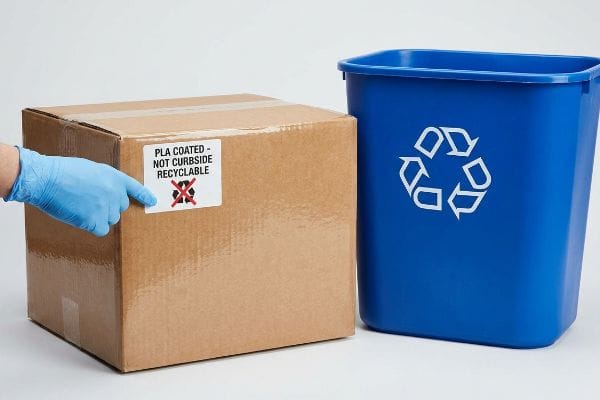
অনেক ব্র্যান্ড মনে করে যে তারা পরিবেশ-বান্ধব সিদ্ধান্ত নিচ্ছে, কিন্তু রাসায়নিকের ত্রুটিপূর্ণ সংমিশ্রণ এমন সব অদৃশ্য ঝুঁকি তৈরি করে যা নিয়ম মানতে বাধা সৃষ্টি করে।.
ফ্লোর বিনে পিএলএ কম্পোস্টিং ট্র্যাপ
অনেক ব্র্যান্ড তাদের খোলা মুখের বাল্ক ডিসপ্লেগুলোকে মোছার সরঞ্জাম থেকে রক্ষা করার জন্য পিএলএ (পলিল্যাকটিক অ্যাসিড) বায়োপ্লাস্টিক ল্যামিনেশন বাধ্যতামূলক করে । তারা ধরে নেয় যে, যেহেতু এটি একটি ভুট্টা-ভিত্তিক ফিল্ম, তাই এটি স্বয়ংক্রিয়ভাবে সম্পূর্ণরূপে কার্বসাইড রিসাইকেলযোগ্য হিসেবে যোগ্যতা অর্জন করে।
একবার একজন ক্রেতা দোকানের পর্যায়ে পানির ক্ষতি রোধ করার জন্য পিএলএ (PLA) ফিল্ম চেয়েছিলেন। কিন্তু পিএলএ একটি কঠিন, পানি-প্রতিরোধী স্তর তৈরি করে যা সাধারণ ওসিসি (পুরাতন ঢেউতোলা কন্টেইনার) পুনঃমজ্জা তৈরির পাত্র (রিপাল্পিং ভ্যাট) আটকে দেয় ৫। পেপারবোর্ডটি ছিঁড়লে আপনি আক্ষরিক অর্থেই এর পুরু, শক্ত প্লাস্টিকের অবশিষ্টাংশ অনুভব করতে পারবেন। আমি ফাইলটি হাতে নিয়ে বায়ো-প্লাস্টিকের পরিবর্তে একটি পানি-ভিত্তিক তরল জলীয় আবরণ ব্যবহার করি। যেহেতু এই জলীয় আবরণটি একটি দ্রবণীয় পলিমার ম্যাট্রিক্স হিসেবে কাজ করে ৬ , তাই এটি চমৎকার আর্দ্রতা প্রতিরোধ ক্ষমতা প্রদান করে এবং একই সাথে সম্পূর্ণরূপে পুনঃমজ্জা তৈরির যোগ্য থাকে। এই পরিবর্তনটি নিশ্চিত করে যে ব্র্যান্ডটি ব্যয়বহুল বিপজ্জনক বর্জ্য ফি প্রদান না করেই খুচরা বিক্রেতার কঠোর পরিবেশগত সম্মতি নিরীক্ষা নির্বিঘ্নে পাশ করে ।
| নতুনদের সাধারণ ভুল | প্রো ফিক্স | খুচরা-ফ্লোর সুবিধা |
|---|---|---|
| কঠিন পিএলএ বায়োপ্লাস্টিক ব্যবহার করে | তরল জলীয় আবরণ প্রয়োগ করা | রাস্তার পাশেই শতভাগ পুনঃমণ্ডকরণযোগ্যতা নিশ্চিত করে7 |
| পৌরসভার পুনর্ব্যবহারের নিয়ম উপেক্ষা করা | একক উপাদান কাঠামো ডিজাইন করা8 | খুচরা পরিবেশ-নিরীক্ষায় উত্তীর্ণ |
| পুরো ভিত্তিটি প্লাস্টিক দিয়ে আবৃত করা | নির্দিষ্ট ৪-ইঞ্চি মপ গার্ড ব্যবহার করে | কেরানি নিষ্পত্তি সহজ করে |
আমি ক্লায়েন্টদের পরিবেশ-বান্ধব প্রকল্পে নির্বিচারে নিরেট প্লাস্টিকের ফিল্ম ব্যবহার করতে দিই না। সঠিক রাসায়নিক প্রলেপ আপনার ভৌত কাঠামো এবং আপনার প্রাতিষ্ঠানিক টেকসইতার সুনাম—উভয়কেই সুরক্ষিত রাখে।.
🛠️ হার্ভির ডেস্ক: আপনার বর্তমান আর্দ্রতা-রোধী স্তরগুলো কি আপনার খুচরা বিক্রেতাদের জন্য ব্যয়বহুল বিপজ্জনক বর্জ্য জরিমানার কারণ হচ্ছে? 👉 উপকরণ পর্যালোচনার জন্য অনুরোধ করুন ↗ — নিরাপদে ডাউনলোড করুন। পরবর্তীতে কোনো প্রশ্ন থাকলে আমার ইনবক্স খোলা আছে।
কার্ডবোর্ড তিন প্রকারের হয়।
সঠিক ভিত্তি নির্বাচন করাই হলো কাঠামোগত প্রকৌশলের মূল ভিত্তি।.
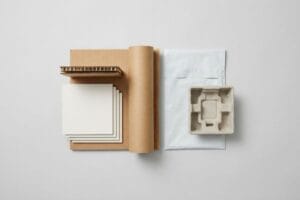
তিন ধরনের কার্ডবোর্ড হলো সলিড চিপবোর্ড, সিঙ্গেল-ওয়াল করোগেটেড এবং ডাবল-ওয়াল করোগেটেড। চিপবোর্ড হলো একটি মসৃণ পেপারবোর্ড যা হালকা ওজনের ভোক্তা প্যাকেজিংয়ের জন্য ব্যবহৃত হয়। সাধারণ রিটেইল ডিসপ্লের জন্য সিঙ্গেল-ওয়ালে দুটি লাইনারের মধ্যে একটি খাঁজকাটা খিলান থাকে, অন্যদিকে ডাবল-ওয়ালে দুটি খাঁজকাটা স্তর একসাথে জুড়ে দিয়ে বিশাল পরিমাণ ওজন নিরাপদে বহন করা হয়।.
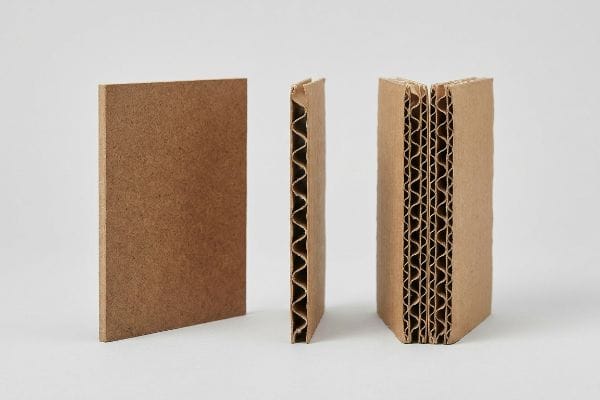
নামগুলো জানা সহজ, কিন্তু একটি ভারী মেঝের সরঞ্জামে ভুল শ্রেণীর উপাদান প্রয়োগ করা বিপর্যয় ডেকে আনার একটি নিশ্চিত পথ।.
ফ্লোর মার্চেন্ডাইজারে আনফ্লুটেড চিপবোর্ড কেন ব্যর্থ হয়
ক্রয়কারী দলগুলো প্রায়শই দৃশ্যগত সামঞ্জস্য বজায় রাখার জন্য ছোট ও সফল নিরেট চিপবোর্ড কাউন্টারটপ ইউনিটগুলোকে বড় ফ্লোর বিনে রূপান্তর করার চেষ্টা করে । তারা ভুলবশত ধরে নেয় যে, কেবল একটি অমসৃণ পেপারবোর্ডের প্রাথমিক ঘনত্ব বাড়িয়ে দিলেই তা ভারী ভার বহনের প্রয়োজনীয়তা পূরণ করতে পারবে।
বিষয়টাকে স্টিলের বিম ছাড়া একটি আকাশচুম্বী ভবন তৈরির চেষ্টার মতো করে ভাবুন। নিরেট বোর্ডের কোনো অভ্যন্তরীণ কাঠামো নেই। যখন আমি দেখি ক্লায়েন্টরা ৫০ পাউন্ড (২২.৬৮ কেজি) ওজনের কোনো পণ্যের জন্য খাঁজবিহীন উপাদান ব্যবহার করতে চাইছে, আমি জানি এটি ব্যর্থ হবে। খাঁজকাটা ঢেউখেলানো বোর্ডে যে অভ্যন্তরীণ ঢেউয়ের মতো খিলান থাকে, তা না থাকায় গতিজনিত অভিঘাত ছড়িয়ে পড়ার কোনো জায়গা পায় না। পরীক্ষার সময়, আপনি স্বচক্ষে দেখতে পাবেন যে অনমনীয়, খাঁজবিহীন বোর্ডটি বাইরের দিকে বেঁকে যাচ্ছে এবং অপরিবর্তনীয়ভাবে বেঁকে যাচ্ছে। এই প্রকল্পগুলোর জন্য আমি কঠোরভাবে ই-ফ্লুট (মাইক্রো-ফ্লুট) ব্যবহারের নির্দেশ দিই, যা পরিবহনের সময় সৃষ্ট কম্পন শোষণের জন্য সেই ক্ষুদ্র অভ্যন্তরীণ খিলানগুলোকে কাজে লাগায় এবং একই সাথে উপকরণের খরচও প্রায় একই রাখে।.
| নতুনদের সাধারণ ভুল | প্রো ফিক্স | খুচরা-ফ্লোর সুবিধা |
|---|---|---|
| কঠিন চিপবোর্ডের আকার বৃদ্ধি | মাইক্রো-ফ্লুটেড বোর্ডে ঘোরানো | গতিশীল ট্রানজিট শক শোষণ করে |
| শুধুমাত্র বোর্ড ঘনত্বের উপর নির্ভর করে | অভ্যন্তরীণ খিলানযুক্ত জ্যামিতি ব্যবহার করে | উল্লম্ব বাঁক প্রতিরোধ করে |
| ছোট যন্ত্রাংশের জন্য ভারী ডাবল-ওয়াল ব্যবহার করা | পরিষ্কার ভাঁজের জন্য ই-ফ্লুট ব্যবহার করা10 | ম্যানুয়াল অ্যাসেম্বলিকে ত্বরান্বিত করে |
আমি যেকোনো স্বতন্ত্র ফ্লোর মার্চেন্ডাইজারের জন্য নিরেট চিপবোর্ড ব্যবহার পুরোপুরি নিষিদ্ধ করি । পরিবর্তনশীল খুচরা পণ্যের ভারের অধীনে যদি আপনার কাঠামোগত দৃঢ়তার প্রয়োজন হয়, তবে আপনাকে অবশ্যই ফ্লুটেড করোগেটেড কার্ডবোর্ডের পদার্থবিদ্যার ওপর নির্ভর করতে হবে।
🛠️ হার্ভির ডেস্ক: আপনি কি ভিত্তি পরিবর্তন না করেই একটি ছোট কাউন্টারটপ ডিজাইনকে একটি বিশাল ফ্লোর বিনে রূপান্তরিত করছেন? 👉 আপনার বোর্ড গ্রেড কৌশলটি দাবি করুন ↗ — এমন কোনো ফর্ম নেই যা অবিরাম সেলস কলের কারণ হয়। শুধু খাঁটি মূল্য।
ডাম্প বিন ডিসপ্লে কী?
পাইকারি পণ্য প্রদর্শনের জন্য ডাম্প বিন ডিসপ্লে হলো সবচেয়ে কার্যকরী একটি মাধ্যম।.
ডাম্প বিন ডিসপ্লে হলো একটি খোলা উপরের অংশযুক্ত, স্ব-প্রতিষ্ঠিত ঢেউখেলানো কার্ডবোর্ডের তৈরি পণ্য রাখার স্ট্যান্ড, যা বিশেষভাবে বিপুল পরিমাণে পণ্য খালি করার জন্য ডিজাইন করা হয়েছে। আলাদা তাক এবং কাঠামোগত ঢাকনা বাদ দিয়ে, এই উচ্চ-ক্ষমতাসম্পন্ন ডিসপ্লেগুলো ক্রেতাদেরকে খোলা পণ্যের মধ্যে হাতড়ে খুঁজতে উৎসাহিত করে, যা মৌসুমী উদ্বৃত্ত পণ্য বা ব্যাপকভাবে ছাড় দেওয়া প্রচারমূলক আইটেমগুলোর ক্ষেত্রে তাৎক্ষণিক বিক্রির হারকে উল্লেখযোগ্যভাবে বাড়িয়ে তোলে।.
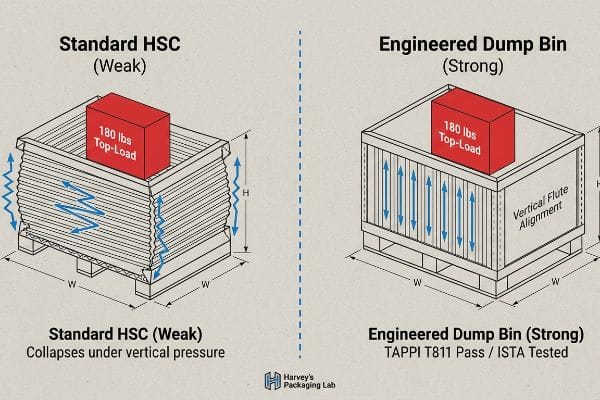
কিন্তু যখন মেশিনগুলো চলতে শুরু করে এবং বিপুল ওজন প্রয়োগ করা হয়, তখন শুধু তত্ত্ব জানাই যথেষ্ট নয়।.
ওপেন-টপ কাঠামোর সংকোচনজনিত দুর্বলতা
অনেক প্যাকেজিং ক্রেতা মনে করেন যে একটি সাধারণ শিপিং বক্সের উপরের ঢাকনাটি সরিয়ে ফেললেই তা তাৎক্ষণিকভাবে একটি কার্যকরী রিটেইল ডিসপ্লেতে পরিণত হয়। তারা কাঁচামালের খরচ বাঁচাতে একটি সাধারণ এইচএসসি (হাফ স্লটেড কন্টেইনার) কাঠামো নির্দিষ্ট করে দেন, কিন্তু লোড বিতরণে উপরের ফ্ল্যাপগুলির অবদানকে11।
আমার প্রতিষ্ঠানে, আমি নিয়মিতভাবে দেখি ক্লায়েন্টরা কাঠের প্যালেটে ১৮০ পাউন্ড (৮১.৬৪ কেজি) খোলা পণ্য রাখার জন্য সাধারণ খোলা-শীর্ষ নকশা জমা দেন। এর মারাত্মক ত্রুটি হলো, উপরের আবরণটি সরিয়ে ফেললে ৩৬০-ডিগ্রি ঊর্ধ্ব টান সম্পূর্ণরূপে নষ্ট হয়ে যায়, ফলে কোণাগুলো তাদের কাঠামোগত সমর্থন হারায়। যখন আমি এই খোলা বিনগুলোকে TAPPI T811 টেস্টিং প্রোটোকল12-এর, তখন গুদামের কৃত্রিম উপরি-ভারের চাপে সমর্থনহীন উল্লম্ব দেয়ালগুলো প্রচণ্ডভাবে ছিঁড়ে যায় এবং ভেঙে পড়ে। আমি এর সমাধান করি কঠোরভাবে শস্যের দিক পুনর্নির্ধারণ করে। অভ্যন্তরীণ খাঁজগুলোর কঠোর উল্লম্ব বিন্যাস প্রয়োগ করে এবং ECT13 (এজ ক্রাশ টেস্ট) রেটিং সামঞ্জস্য করে, আমি ব্যয়বহুল শক্তিবর্ধক উপাদান যোগ না করেই তাৎক্ষণিকভাবে সংকোচন শক্তি পুনরুদ্ধার করি। পদার্থবিজ্ঞানের এই আণুবীক্ষণিক সামঞ্জস্য প্যালেটের ভয়াবহ ভাঙন প্রতিরোধ করে, ক্লায়েন্টকে বিপুল পরিমাণ চার্জব্যাক থেকে বাঁচায় এবং তাদের সরবরাহ শৃঙ্খলকে ত্রুটিহীনভাবে সচল রাখে।
| নতুনদের সাধারণ ভুল | প্রো ফিক্স | খুচরা-ফ্লোর সুবিধা |
|---|---|---|
| স্ট্যান্ডার্ড এইচএসসি খোলা বাক্স ব্যবহার করে | শস্যকে পুরোপুরি উল্লম্বভাবে সারিবদ্ধ করা | গুদামের উপর থেকে চাপ সহ্য করে |
| উপরের ফ্ল্যাপের টান না থাকা উপেক্ষা করা | ডাবল-ওয়াল বেসে আপগ্রেড করা | খোলা কোণা ছিঁড়ে যাওয়া রোধ করে |
| সমতল ASTM রেটিংয়ের উপর নির্ভর করা | সম্পূর্ণ ISTA ডায়নামিক পরীক্ষা চালানো হচ্ছে | নিরাপদ সমুদ্র পরিবহনের নিশ্চয়তা |
হারানো ঊর্ধ্বচাপ কঠোরভাবে গণনা না করে আমি একটি বড় খোলা মুখের বিন তৈরি করতে অস্বীকার করি। সঠিক ফ্লুট ওরিয়েন্টেশনের পরিবর্তে কাঁচামালের পুরুত্বের উপর নির্ভর করার ফলে সর্বদা মজুত পণ্য নষ্ট হয়।.
🛠️ হার্ভির ডেস্ক: একটি ২-মিলিমিটার কাঠামোগত ত্রুটির কারণে ৫০০টি দোকানে পণ্য সরবরাহের পরিকল্পনা যেন ভেস্তে না যায়। 👉 আপনার ডাইলাইন ফাইলটি আমাকে পাঠান ↗ — গণ-উৎপাদনে বাজেট অপচয় করার আগে আমি এর গাণিতিক হিসাব স্ট্রেস-টেস্ট করে নেব।
উপসংহার
আপনি সস্তা, দুর্বল কাঠামোর খোলা ঢাকনাযুক্ত বিন বেছে নিতে পারেন, কিন্তু সমুদ্রপথে পরিবহনের সময় সেই কাঠামো ভেঙে গেলে, তা প্যালেটের মারাত্মক ধস নামায়, যার ফলে লাভের অংশ পুরোপুরি নষ্ট হয়ে যায় এবং বড় পরিসরে অর্ডার তাৎক্ষণিকভাবে বাতিল হয়ে যায়। আমার সেরা ১০ জন রিটেইল ক্লায়েন্ট প্রিন্ট বাতিলের হার শূন্যে নামিয়ে আনার নিশ্চয়তা দিতে ঠিক এই স্পেসিফিকেশন শিটটিই ব্যবহার করেন। দুর্বল ঢেউখেলানো কাগজের কাঠামোর উপর নির্ভর করা বন্ধ করুন এবং ব্যাপক উৎপাদনের আগেই লুকানো ত্রুটিগুলো খুঁজে বের করতে আমাকে ব্যক্তিগতভাবে আমার ফ্রি ডাইলাইন প্রি-ফ্লাইট অডিট ↗- এর মাধ্যমে আপনার ব্লুপ্রিন্ট নিরীক্ষা করতে দিন।
"[পিডিএফ] কাঠামোগত ঝুঁকি – স্টিলের বিন – MSHA.gov", https://arlweb.msha.gov/Alerts/structral-bin-hazards080615.pdf। এইচ-ডিভাইডারের মতো কাঠামোগত উন্নয়ন কীভাবে রিটেইল ডিসপ্লের ব্যর্থতা এবং বাতিলের হার কমায়, সে বিষয়ে শিল্পখাতের ডেটা বা কেস স্টাডি। প্রমাণের ভূমিকা: পরিমাণগত যাচাইকরণ; উৎসের ধরণ: শিল্পখাতের প্রতিবেদন। সমর্থন: টেনশন মেকানিজমের কার্যকারিতা। পরিধি সংক্রান্ত টীকা: পেশাগত অভিজ্ঞতার উপর ভিত্তি করে আনুমানিক মান। ↩
"সিঙ্গেল ওয়াল বনাম ডাবল ওয়াল করোগেটেড বক্স: পার্থক্য কী?", https://www.boxish.in/blogs/post/single-wall-vs-double-wall-corrugated-boxes-whats-the-difference। রিটেইল ডিসপ্লেতে ব্যবহৃত সিঙ্গেল-ওয়াল এবং ডাবল-ওয়াল করোগেটেড ফাইবারবোর্ডের এজ ক্রাশ স্ট্রেংথ (ECT)-এর প্রযুক্তিগত তুলনা। প্রমাণের ভূমিকা: প্রযুক্তিগত স্পেসিফিকেশন; উৎসের ধরণ: প্যাকেজিং শিল্পের মান। সমর্থন করে: এই দাবি যে ডাবল-ওয়াল বোর্ড নিচের স্তরের ধস প্রতিরোধ করে। পরিধি সংক্রান্ত টীকা: করোগেটেড কার্ডবোর্ড উপকরণের ক্ষেত্রে প্রযোজ্য। ↩
"ডাম্প বিন ডিসপ্লে কী এবং কখন এটি সবচেয়ে ভালোভাবে কাজ করে...", https://popdisplay.me/what-is-a-dump-bin-display-and-when-does-it-work-best/। বাল্ক বিনে হরাইজন্টাল রিইনফোর্সমেন্ট ব্যান্ডগুলো কীভাবে হুপ স্ট্রেস এবং ল্যাটারাল এক্সপ্যানশনকে প্রতিহত করে, তার প্রকৌশলগত ব্যাখ্যা। প্রমাণের ভূমিকা: যান্ত্রিক নীতি; উৎসের ধরণ: স্ট্রাকচারাল ইঞ্জিনিয়ারিং ম্যানুয়াল। সমর্থন করে: এই দাবি যে বেলি ব্যান্ডগুলো চাপের মুখেও নান্দনিক আকৃতি বজায় রাখে। পরিধি নোট: বিশেষভাবে ফ্লেক্সিবল-ওয়ালযুক্ত কন্টেইনারের জন্য। ↩
"কার্যকরী উপাদানসহ পুনর্ব্যবহারযোগ্য এবং জৈব-বিয়োজনযোগ্য কাগজের আবরণ...", https://pmc.ncbi.nlm.nih.gov/articles/PMC11948148/। প্রযুক্তিগত যাচাইকরণ যে, সাধারণ পৌর কাগজ পুনর্ব্যবহার কেন্দ্রে পিএলএ (PLA) আবরণ পুনরায় মণ্ড তৈরি করতে পারে না। প্রমাণের ভূমিকা: প্রযুক্তিগত বিবরণ; উৎসের ধরণ: শিল্প পুনর্ব্যবহার নির্দেশিকা। সমর্থন করে: এই দাবি যে, পিএলএ রাস্তার ধারের পুনর্ব্যবহার প্রক্রিয়াকে জটিল করে তোলে। পরিধি টীকা: কাগজ মণ্ড তৈরির প্রক্রিয়ার সাথে পিএলএ-এর মিথস্ক্রিয়ার উপর আলোকপাত করে। ↩
"জীবাশ্ম প্লাস্টিকের বাইরে: পরবর্তী প্রজন্মের পিএলএ-ভিত্তিক জৈব... – পিএমসি", https://pmc.ncbi.nlm.nih.gov/articles/PMC13001162/। বর্জ্য ব্যবস্থাপনা সমিতি বা পুনর্ব্যবহার প্রকৌশলীদের প্রযুক্তিগত নথি, যা ব্যাখ্যা করে কীভাবে পুনঃমজ্জা-অযোগ্য বায়োপ্লাস্টিক ঢেউখেলানো কার্ডবোর্ডের তন্তু পুনরুদ্ধার প্রক্রিয়ায় বাধা সৃষ্টি করে। প্রমাণের ভূমিকা: কার্যপ্রণালী যাচাই; উৎসের ধরণ: শিল্প প্রযুক্তিগত মান। সমর্থন করে: এই দাবি যে পিএলএ, ওসিসি পুনর্ব্যবহারে ব্যাঘাত ঘটায়। পরিধি টীকা: পৌরসভার পুনঃমজ্জা কেন্দ্রগুলোর উপর দৃষ্টি নিবদ্ধ। ↩
"কেন জলীয় আস্তরণ প্লাস্টিক-মুক্ত নয় তার আসল সত্য – ভেরিভ", https://verive.eu/food-packaging-materials/aqueous-lining-plastic-free-truth/। রাসায়নিক বিশ্লেষণ বা ম্যাটেরিয়াল সেফটি ডেটা শিট নিশ্চিত করে যে, কঠিন প্লাস্টিক ফিল্মের বিপরীতে, জলীয়-ভিত্তিক আবরণগুলো পাল্পিং প্রক্রিয়ার সময় দ্রবীভূত হয়ে যায়। প্রমাণের ভূমিকা: উপাদানের তুলনা; উৎসের ধরণ: রসায়ন/পদার্থ বিজ্ঞান জার্নাল। সমর্থন করে: বায়োপ্লাস্টিকের তুলনায় জলীয় আবরণের পুনঃপাল্পযোগ্যতা। পরিধি নোট: বিশেষভাবে পেপারবোর্ড আবরণের ক্ষেত্রে প্রযোজ্য। ↩
"জল-ভিত্তিক আবরণ বনাম পিএলএ বনাম পিই আস্তরণযুক্ত কাগজের বাটি ও কাপ", https://www.bioleaderpack.com/navigating-2026-plastic-bans-water-based-coating-vs-pla-vs-pe-lined-paper-bowls-cups/। প্রযুক্তিগত যাচাইকরণ যে, পিএলএ-এর তুলনায় জলীয় আবরণগুলো পৌর পুনর্ব্যবহার ব্যবস্থার জন্য উপযুক্ত ফাইবার পুনরুদ্ধারের হার বজায় রাখে। প্রমাণের ভূমিকা: প্রযুক্তিগত বৈধতা; উৎসের ধরণ: শিল্প মান। সমর্থন: পিএলএ-এর তুলনায় জলীয় আবরণের সুবিধা। পরিধি সংক্রান্ত টীকা: সাধারণ কাগজ কল প্রক্রিয়ার মধ্যে সীমাবদ্ধ। ↩
"একক-উপাদানের প্যাকেজিংয়ের মাধ্যমে স্থায়িত্ব বৃদ্ধি করুন | ব্যবসা – শেল", https://www.shell.us/business/sectors/shell-polymers/resources-and-insights/boost-sustainability-with-mono-material-packaging.html। বাণিজ্যিক স্থায়িত্ব নিরীক্ষায় উত্তীর্ণ হওয়ার জন্য একক-উপাদানের নির্মাণ একটি প্রাথমিক পূর্বশর্ত, এর প্রমাণ। প্রমাণের ভূমিকা: শিল্প খাতের নিয়ম প্রতিপালন; উৎসের ধরণ: নিয়ন্ত্রক কাঠামো। সমর্থন করে: একক-উপাদানের নকশার সুবিধা। পরিধি টীকা: বৈশ্বিক খুচরা মানদণ্ডের ক্ষেত্রে প্রযোজ্য। ↩
"ঢেউখেলানো কাগজের প্যাকেজের সংকোচন শক্তি …", https://pmc.ncbi.nlm.nih.gov/articles/PMC10054506/। ভারী বোঝার জন্য কাগজের ঘনত্ব বনাম কাঠামোগত দৃঢ়তার প্রযুক্তিগত বিশ্লেষণ। প্রমাণের ভূমিকা: প্রযুক্তিগত বৈধতা; উৎসের ধরণ: ইঞ্জিনিয়ারিং ম্যানুয়াল। সমর্থন করে: এই দাবি যে কাঠামোগত সহায়তার জন্য শুধুমাত্র ঘনত্ব ফ্লুটিং-এর বিকল্প হতে পারে না। পরিধি টীকা: শিল্প প্যাকেজিং মানগুলির ক্ষেত্রে প্রযোজ্য। ↩
"... ব্যবহার করে ডাবল-ওয়ালড করোগেটেড বোর্ডের জ্যামিতি পাঠোদ্ধার", https://pmc.ncbi.nlm.nih.gov/articles/PMC10974599/। ক্ষুদ্র পরিসরের প্যাকেজিং-এ ভাঁজের নির্ভুলতার সাপেক্ষে ই-ফ্লুটের পুরুত্ব এবং চাপ সহনশীলতার তুলনা। প্রমাণের ভূমিকা: পণ্যের স্পেসিফিকেশন; উৎসের ধরণ: শিল্প মান। সহায়ক বিষয়: সহজে সংযোজন এবং ভাঁজের গুণমান। পরিধি টীকা: ই-ফ্লুট গ্রেডের জন্য নির্দিষ্ট। ↩
"ঢেউখেলানো বোর্ডের বাক্সের সংকোচন শক্তির প্রাক্কলন...", https://pmc.ncbi.nlm.nih.gov/articles/PMC8467740/। ঢেউখেলানো প্যাকেজিংয়ের একটি প্রকৌশলগত বিশ্লেষণ উল্লম্ব সংকোচন শক্তি বজায় রাখা এবং দেয়ালের বেঁকে যাওয়া রোধ করার ক্ষেত্রে ঢাকনা/ফ্ল্যাপের যান্ত্রিক ভূমিকা ব্যাখ্যা করবে। প্রমাণের ভূমিকা: প্রযুক্তিগত যাচাইকরণ; উৎসের ধরণ: প্যাকেজিং ইঞ্জিনিয়ারিং ম্যানুয়াল। সমর্থন করে: এই দাবি যে ফ্ল্যাপ অপসারণ করলে কাঠামোগত স্থিতিশীলতা হ্রাস পায়। পরিধিগত টীকা: উল্লম্ব ভারবহন ক্ষমতার উপর আলোকপাত করে। ↩
"এজ ক্রাশ টেস্টিং মেথডস অ্যান্ড বক্স কম্প্রেশন …", https://www.tappi.org/publications-standards/tappi-journal/home/2022/aug/edge-crush-testing-methods-and-box-compression-modeling-tappi-journal-august-2022/। TAPPI-এর প্রযুক্তিগত ডকুমেন্টেশন, যা T811 স্ট্যান্ডার্ডকে নিশ্চিত করে, করোগেটেড কন্টেইনারের সংকোচন শক্তি পরিমাপের পদ্ধতি সংজ্ঞায়িত করে। প্রমাণের ভূমিকা: প্রযুক্তিগত বৈধতা; উৎসের ধরণ: শিল্প মান। সমর্থন করে: বর্ণিত কলাপস টেস্টের বৈধতা। পরিধি নোট: বিশেষভাবে করোগেটেড ফাইবারবোর্ডের ক্ষেত্রে প্রযোজ্য। ↩
"ঢেউখেলানো বোর্ডের প্রান্তীয় চাপ প্রতিরোধ ক্ষমতার নিরূপণ...", https://pmc.ncbi.nlm.nih.gov/articles/PMC9961700/। পদার্থ বিজ্ঞান গবেষণা যা প্রমাণ করে যে উল্লম্ব খাঁজ সংকোচন শক্তিকে সর্বাধিক করে এবং প্রান্তীয় চাপ পরীক্ষা (ECT) রেটিং ভারবহন ক্ষমতার সাথে সম্পর্কযুক্ত। প্রমাণের ভূমিকা: বৈজ্ঞানিক নীতি; উৎসের ধরণ: প্রকৌশল ম্যানুয়াল। সমর্থন করে: পুনঃপ্রকৌশল সমাধানের কার্যকারিতা। পরিধি টীকা: ঢেউখেলানো বোর্ডের কাঠামোগত পদার্থবিদ্যার উপর আলোকপাত করে। ↩