কোনো বড় খুচরা বিক্রেতার কাছে পণ্য চালু করা একটি বিশাল সাফল্য, কিন্তু বিতরণ কেন্দ্রে আপনার পণ্য প্রত্যাখ্যাত হওয়া একটি দুঃস্বপ্ন যা মুহূর্তের মধ্যে আপনার বিপণন বাজেট শেষ করে দেয়।.
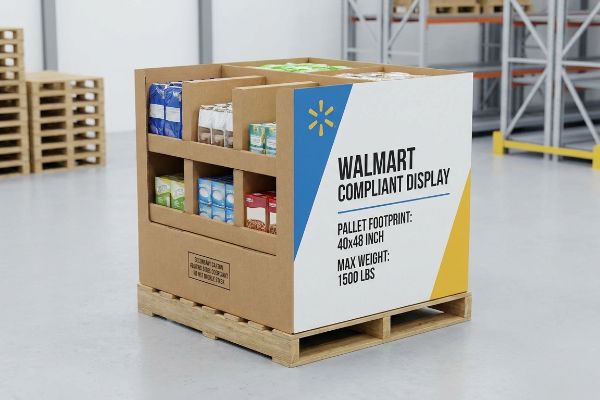
ওয়ালমার্টের প্যাকেজিং প্রয়োজনীয়তা অনুসারে ডিসপ্লে ডিজাইন করার জন্য তাদের রাউটিং গাইড কঠোরভাবে মেনে চলতে হয়, যার মধ্যে রয়েছে প্যালেটের স্থানসীমা, সর্বোচ্চ ওজনের সহনশীলতা এবং নির্দিষ্ট সেকেন্ডারি কার্টন লেবেলিং। এই কাঠামোগত এবং লজিস্টিক নির্দেশিকাগুলো আয়ত্ত করা নিশ্চিত করে যে আপনার মার্চেন্ডাইজিং ইউনিটগুলো ব্যয়বহুল রিটেইলার চার্জব্যাক বা ফ্লোর রিজেকশনের মতো পরিস্থিতি তৈরি না করেই ডিস্ট্রিবিউশন সেন্টারের কঠোর পরিদর্শন সফলভাবে উত্তীর্ণ হয়।.
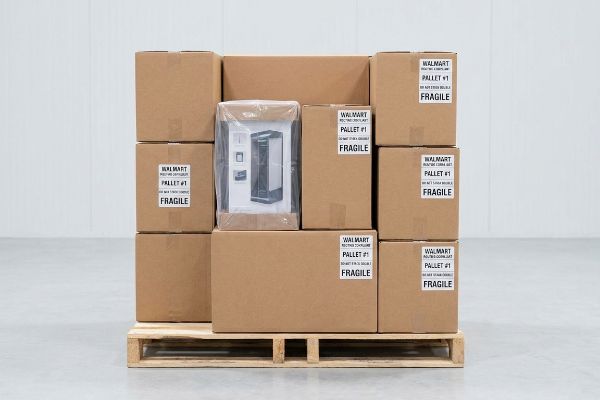
কিন্তু মেশিনগুলো চলতে শুরু করলে শুধু তত্ত্ব জানাই যথেষ্ট নয়। চলুন, খুচরা বিক্রেতাদের এই নির্দেশাবলী ঠিক কীভাবে কারখানার বাস্তবতায় রূপান্তরিত হয়, তা বিশদভাবে বিশ্লেষণ করা যাক।.
প্রদর্শনীতে রাখা পণ্যের বিষয়ে ওয়ালমার্টের নীতি কী?
বড় আকারের দোকানের পণ্য বিক্রির নিয়মকানুন বোঝাটা অনেকটা শুধু কার্ডবোর্ড গোছানোর জন্য একটি আইনি চুক্তি অনুবাদ করার মতো মনে হতে পারে।.
প্রদর্শনযোগ্য পণ্যের বিষয়ে ওয়ালমার্টের নীতিমালায় আগত সমস্ত মার্চেন্ডাইজিং ইউনিটের জন্য কঠোর কাঠামোগত মাপ, পরিবেশগত টেকসই লক্ষ্যমাত্রা এবং নির্দিষ্ট লেবেলিং প্রোটোকল নির্ধারণ করা আছে। ডিস্ট্রিবিউশন সেন্টারগুলিতে নির্বিঘ্নে পণ্য গ্রহণ নিশ্চিত করতে এবং কোনো প্রশাসনিক জরিমানা ছাড়াই প্রচারের জন্য সেরা জায়গা পেতে বিক্রেতাদের অবশ্যই এই নিয়মকানুনগুলো কঠোরভাবে মেনে চলতে হবে।.
কমপ্লায়েন্স ম্যানুয়াল পড়া এক জিনিস, কিন্তু এমন একটি ভৌত ইউনিট তৈরি করা যা বিক্রয় কেন্দ্র পর্যন্ত পৌঁছানোর যাত্রাটি টিকে থাকতে পারে, তা সম্পূর্ণ ভিন্ন একটি চ্যালেঞ্জ।.
ওয়ালমার্টের স্পেসিফিকেশন এবং বাস্তব পরিস্থিতি— এই দুইয়ের মধ্যে ব্যবধান পূরণ করা
এমনকি অভিজ্ঞ ক্রয় দলগুলোও প্রায়শই খুচরা বিক্রেতাদের নির্দেশিকাগুলোকে কেবল গ্রাফিক ডিজাইনের সীমাবদ্ধতা হিসেবে দেখে, এবং কাঠামোগত বিবরণকে গৌণ পরামর্শ হিসেবে বিবেচনা করে আর্টওয়ার্ক অনুমোদনের উপর ব্যাপকভাবে মনোযোগ দেয়। তারা ধরে নেয় যে সাধারণ ঢেউখেলানো কার্ডবোর্ডের টেমপ্লেটগুলো স্বাভাবিকভাবেই গ্রহণ নিরীক্ষায় উত্তীর্ণ হবে।.
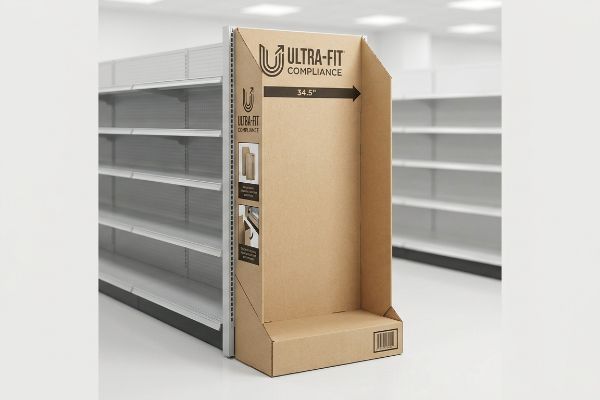
আমি নিয়মিত দেখি ব্র্যান্ডগুলো একটি সাধারণ, বড় আকারের এন্ড-ক্যাপ টেমপ্লেটকে একটি কঠোর বিগ-বক্স ফ্লোর প্ল্যানে জোর করে বসানোর চেষ্টা করে। একজন ক্লায়েন্ট ভেবেছিলেন যে একটি স্ট্যান্ডার্ড ৩৬-ইঞ্চি (৯১৪.৪ মিমি) প্রস্থ সহজেই জায়গায় বসে যাবে, এবং তারা মার্কিন এন্ড-ক্যাপের জন্য নির্ধারিত কঠোর ৩৪.৫-ইঞ্চি (৮৭৬.৩ মিমি) সর্বোচ্চ প্রস্থের স্ট্যান্ডার্ডটিকে পুরোপুরি উপেক্ষা করেছিল । দোকানের কর্মচারীটি কুড়ি মিনিট ধরে ঘাম ঝরিয়ে এবং আগ্রাসীভাবে ইউনিটটিকে ধাতব গন্ডোলায় ঠেলতে থাকেন, যার ফলে কাঁচা পেপারবোর্ডটি মূল লোগোর ঠিক মাঝখান দিয়ে ফেটে গিয়ে একটি বিকট, বীভৎস শব্দ তৈরি হয়। এই কাঠামোগত অমিলের কারণে খুচরা বিক্রেতা তাৎক্ষণিকভাবে পণ্যটি প্রত্যাখ্যান করেন। আমরা আমাদের CAD (কম্পিউটার-এইডেড ডিজাইন) সফটওয়্যারে ডাই-কাট ফুটপ্রিন্টটিকে গাণিতিকভাবে তাদের ডেটাবেস স্পেসিফিকেশনের সাথে কঠোরভাবে মিলিয়ে দিয়ে এই সমস্যার সমাধান করেছি, যা দোকানে নির্বিঘ্নে স্থাপনের বিষয়টি নিশ্চিত করে।
| নতুনদের সাধারণ ভুল | প্রো ফিক্স | খুচরা-ফ্লোর সুবিধা |
|---|---|---|
| সাধারণ প্রান্ত-ক্যাপের প্রস্থ ব্যবহার করে | CAD ফাইলগুলিকে ৩৪.৫ ইঞ্চি (৮৭৬.৩ মিমি) আকারে লক করা হচ্ছে।2 | শারীরিক গন্ডোলা জ্যাম হওয়া প্রতিরোধ করে |
| গৌণ ওজন সীমা উপেক্ষা করা | একটি লুকানো দ্বি-প্রাচীরযুক্ত মেরুদণ্ডের প্রকৌশল | নিম্ন-স্তরের নিষ্পেষণ দূর করে |
| এলোমেলোভাবে ইউসিসি লেবেল স্থাপন করা | UCC-128 লেবেল বসানোর অঞ্চলগুলির স্বয়ংক্রিয়করণ3 | ব্যয়বহুল পুনঃপ্যাকেজিং ফি এড়ানো যায় |
একটিও টেস্টলাইনার শিট প্রিন্ট করার আগে আমি আমার কাটিং মেশিনের সফটওয়্যারে খুচরা বিক্রেতার মাপ সংক্রান্ত সীমাবদ্ধতাগুলো স্থায়ীভাবে লক করে দিই। যদি হিসাবটি দোকানের পণ্য গ্রহণ ম্যানুয়ালের সাথে না মেলে, তাহলে ফাইলটি কখনোই কারখানায় পৌঁছায় না।.
🛠️ হার্ভির ডেস্ক: আপনার বর্তমান এন্ড-ক্যাপের মাপ রিসিভিং ডকের জন্য যথেষ্ট হবে কিনা, তা নিয়ে নিশ্চিত নন? 👉 আপনার কমপ্লায়েন্স অডিট করিয়ে নিন ↗ — আমার ডেস্কে সরাসরি অ্যাক্সেস। কোনো স্বয়ংক্রিয় সেলস স্প্যাম নেই, আমি কথা দিচ্ছি।
প্যাকেজিং ডিজাইনের ৭টি মৌলিক ধাপ কী কী?
কাঠামোগত কৌশল চূড়ান্ত করার আগেই সরাসরি গ্রাফিক ডিজাইনের মজাদার পর্যায়ে চলে যাওয়াটা উৎপাদন ব্যর্থতার একটি নিশ্চিত পথ।.
প্যাকেজিং ডিজাইনের ৭টি মৌলিক ধাপের মধ্যে রয়েছে খুচরা বিক্রেতার সীমাবদ্ধতা নির্ধারণ করা, কাঠামোগত উপকরণ নির্বাচন করা, একটি খালি ডাইলাইন ডিজাইন করা, ভৌত সাদা নমুনা তৈরি করা, গ্রাফিক আর্টওয়ার্ক প্রয়োগ করা, প্রি-ফ্লাইট কালার ম্যাচিং করা এবং গণ-উৎপাদন সম্পন্ন করা। এই সুনির্দিষ্ট ক্রম অনুসরণ করলে ব্যয়বহুল উৎপাদনগত ত্রুটি প্রতিরোধ করা যায় এবং ভারী ভারেও কাঠামোগত অখণ্ডতা নিশ্চিত হয়।.
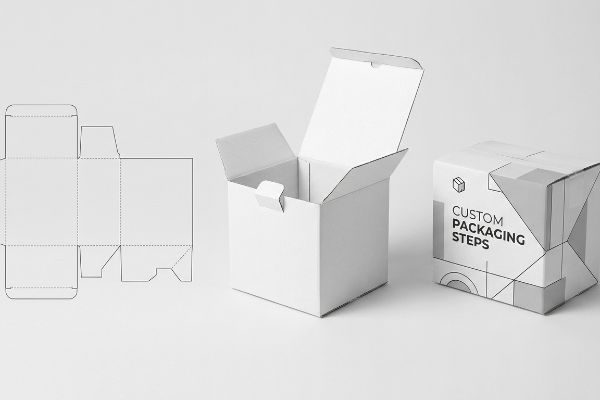
আপনার কাছে বিশ্বের সবচেয়ে সুন্দর শিল্পকর্ম থাকতে পারে, কিন্তু যদি ভৌত বিন্যাসটি এলোমেলো থাকে, তবে পুরো প্রকল্পটিই ভেস্তে যায়।.
কেন "বিপরীতমুখী টাইমলাইন" আপনার রোলআউটকে রক্ষা করে
ব্র্যান্ড টিমগুলো প্রায়শই সুন্দর পৃষ্ঠতল নকশা এঁকে তাদের প্রক্রিয়া শুরু করে, এই ভেবে যে কারখানাটি পরে সহজেই তাদের পরিকল্পনাকে যেকোনো সাধারণ কার্ডবোর্ডের বাক্সে রূপ দিতে পারবে। তারা কাঠামোগত প্রকৌশলকে একটি গৌণ বিষয় হিসেবে বিবেচনা করে4।
ক্রেতারা সবসময় আমাকে জিজ্ঞাসা করেন উৎপাদনে কত সময় লাগবে, এবং তারা একটি সহজ দুই সপ্তাহের উত্তর আশা করেন। বাস্তবতা হলো, একটি খালি ডাই-বোর্ডের পরিবর্তে গ্রাফিক্স দিয়ে কাজ শুরু করলে ব্যাপক বিলম্ব ঘটে। আমি একবার একটি ব্র্যান্ডকে তাদের অ্যাডোবি ইলাস্ট্রেটর ফাইলগুলো নিখুঁত করতে সপ্তাহখানেক সময় ব্যয় করতে দেখেছি, কিন্তু পরে তারা আবিষ্কার করে যে তাদের বিশেষভাবে তৈরি ইন্টারলকিং ট্যাবগুলো কাঠামোগতভাবে ৫০ পাউন্ড (২২.৬ কেজি) তরল পণ্য বহন করতে ব্যর্থ হয়েছে। যখন আমি তাদের সংশোধিত, আরও পুরু ঢেউখেলানো ডাইলাইনটি হস্তান্তর করলাম , তখন নতুন ফোল্ড ক্যালিপারগুলোর সাথে সামঞ্জস্য করার জন্য তাদের প্রতিটি আর্ট লেয়ার হাতে ধরে চার দিন ধরে আকার পরিবর্তন করতে হয়েছিল। তাদের ডিজাইনাররা ফাইলগুলো ঠিক করার জন্য অপেক্ষা করার সময় আমি মেঝেতে শুকিয়ে যাওয়া পিভিএ (পলিভিনাইল অ্যাসিটেট) আঠার গন্ধ পাচ্ছিলাম, যা নষ্ট হচ্ছিল। আমরা এখন একটি কঠোর বিপরীতমুখী সময়সীমা প্রয়োগ করি: প্লেটে কালি লাগানোর আগে কাঠামোগত সাদা নমুনা অবশ্যই অনুমোদিত হতে হবে ।
| নতুনদের সাধারণ ভুল | প্রো ফিক্স | খুচরা-ফ্লোর সুবিধা |
|---|---|---|
| কাঠামোর আগে গ্রাফিক্স ডিজাইন করা | প্রথমে সাদা খালি নমুনা চূড়ান্ত করা হচ্ছে | শিল্পকর্ম পুনর্বিন্যাসের বিলম্ব দূর করে |
| উৎপাদনের সময়সীমা অনুমান করা | কঠোর ৬০-দিনের বিপরীত ক্যালেন্ডার বাস্তবায়ন করা | সময়মতো খুচরা পণ্য চালু করা নিশ্চিত করে |
| বোর্ডের ভৌত পুরুত্ব উপেক্ষা করা | স্বয়ংক্রিয় ক্যালিপার ক্ষতিপূরণ প্রয়োগ করা | ঘর্ষণমুক্ত ট্যাব অ্যাসেম্বলি নিশ্চিত করে |
বাস্তব সাদা নমুনাটি সম্পূর্ণরূপে অনুমোদিত এবং ড্রপ-টেস্ট না হওয়া পর্যন্ত আমি আর্টওয়ার্ক ফাইল গ্রহণ করতে অস্বীকার করছি। প্রথমে কাঠামোটি লক করাই একমাত্র উপায় যার মাধ্যমে আমি নিশ্চিত করতে পারি যে আপনার ইউনিটটি পরিবহনের সময় বেঁকে না গিয়ে অক্ষত থাকবে।.
🛠️ হার্ভির ডেস্ক: প্রোডাকশন টাইমলাইনের কোন ধাপটি আপনার লঞ্চকে আটকে দিচ্ছে, তা বুঝতে কি আপনি হিমশিম খাচ্ছেন? 👉 টাইমলাইন পর্যালোচনার জন্য অনুরোধ করুন ↗ — নিরাপদে ডাউনলোড করুন। পরবর্তীতে কোনো প্রশ্ন থাকলে আমার ইনবক্স খোলা আছে।
ওয়ালমার্টের সেকেন্ডারি প্যাকেজিং স্ট্যান্ডার্ডগুলো কী কী?
সেকেন্ডারি শিপাররা শুধু রিসাইক্লিং বিনে ফেলার মতো আবর্জনা নয়; বরং তারা আপনার সম্পূর্ণ ক্যাম্পেইন বিনিয়োগকে সুরক্ষিত রাখার কাঠামোগত বর্ম।.
ওয়ালমার্টের সেকেন্ডারি প্যাকেজিং স্ট্যান্ডার্ড অনুযায়ী মাস্টার কার্টনের জন্য কঠোর মাত্রাগত সহনশীলতা, উচ্চ সংকোচন সহনশীলতার সীমা এবং বারকোডের নির্দিষ্ট স্থান নির্ধারণ বাধ্যতামূলক। এই লজিস্টিক নিয়ম অনুসারে, পরিবহনের সময় ক্ষতি এড়াতে বাইরের শিপারগুলোকে অবশ্যই মানসম্মত কাঠের প্ল্যাটফর্মের সাথে নিখুঁতভাবে সারিবদ্ধ হতে হবে, যা নিশ্চিত করে যে পণ্যগুলো অক্ষত অবস্থায় পৌঁছাবে এবং অবিলম্বে রিটেইল ফ্লোরে স্থাপনের জন্য প্রস্তুত থাকবে।.
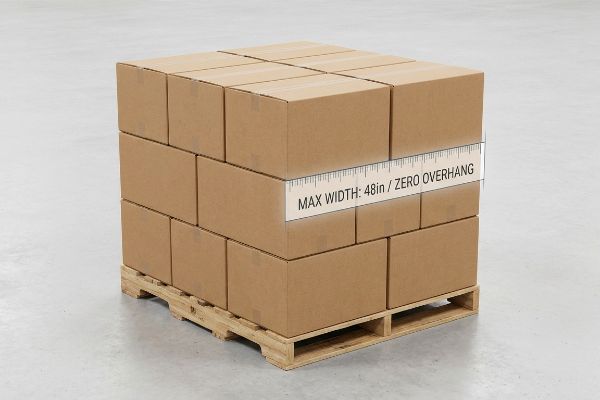
খুচরা বিক্রেতার পণ্য গ্রহণ কেন্দ্র অত্যন্ত কঠোর, এবং আপনার দ্বিতীয় পর্যায়ের প্যাকেজিং-এ এক ইঞ্চির ভগ্নাংশের সমান ভুলের কারণেও পরিবহনের সময় মারাত্মক ক্ষতি হতে পারে।.
প্যালেট ওভারহ্যাং ব্যর্থতার লুকানো বিপদ
ক্রয়কারী দলগুলো প্রায়শই একটি সমুদ্রগামী কন্টেইনারে আরও বেশি ইউনিট ঢোকানোর জন্য তাদের মাস্টার কার্টনের মাপ সর্বোচ্চ করে, এবং তারা প্রমিত বিতরণ কেন্দ্রগুলোর পদার্থবিদ্যাকে পুরোপুরি উপেক্ষা করে। তারা ধরে নেয় যে, ঢেউখেলানো বোর্ডের (corrugated board) কাঁচামাল রেটিং৭ ভেতরের ডিসপ্লেগুলোকে সুরক্ষিত রাখবে।
একটি মাস্টার কার্টনকে সেতুর স্তম্ভের মতো ভাবুন; যদি স্তম্ভগুলো শক্ত মাটিতে না থাকে, তাহলে সেতুটি ভেঙে যায়। একটি সাধারণ ফাঁদ যা এমনকি অভিজ্ঞ ক্রেতাদেরও কাবু করে ফেলে, তা হলো একটি স্ট্যান্ডার্ড ৪৮×৪০ ইঞ্চি (১২১.৯×১০১.৬ সেমি) জিএমএ প্যালেট৮-এর মাত্র এক ইঞ্চির এক-চতুর্থাংশ পরিমাণ ঝুলতে দেওয়া। আমাকে এমন ইনবাউন্ড চালান পরিদর্শন করতে হয়েছে যেখানে এই সামান্য বাড়তি অংশটি উল্লম্ব কোণাগুলো থেকে গতিশীল ওজন সরিয়ে সম্পূর্ণভাবে অবলম্বনহীন মাঝের প্যানেলগুলোর উপর চাপিয়ে দিয়েছিল। বাক্সগুলোর থেঁতলে যাওয়া, বেঁকে যাওয়া নিচের স্তরের উপর হাত বোলাতে গিয়ে দেখি, নরম, ক্লান্ত কাগজের তন্তুগুলো সম্পূর্ণরূপে ধ্বংস হয়ে গেছে। এই ভুলের ফলে ভিত্তি মারাত্মকভাবে বেঁকে যায়, যা একটি ডিসি (ডিস্ট্রিবিউশন সেন্টার) প্রত্যাখ্যান৯-এর। আমি আমার কাটিং সফটওয়্যারে সর্বোচ্চ অনুমোদিত ফুটপ্রিন্ট কৃত্রিমভাবে ছোট করে শূন্য বাড়তি অংশ নিশ্চিত করার মাধ্যমে এটি প্রতিরোধ করি।
| নতুনদের সাধারণ ভুল | প্রো ফিক্স | খুচরা-ফ্লোর সুবিধা |
|---|---|---|
| কাঠের প্যালেট ডেকের উপর ঝুলে থাকা | শূন্য-ওভারহ্যাং ক্যাড বাউন্ডিং বক্স প্রয়োগ করা | ভয়াবহ নিম্ন-স্তরের নিষ্পেষণ প্রতিরোধ করে10 |
| পুরানো ইনবাউন্ড মেইলার বক্স পুনরায় ব্যবহার করা | নতুন ISTA 6 পরীক্ষিত ভার্জিন বোর্ড ব্যবহার করে11 | ১০০% গতিশীল ভারবহন ক্ষমতা বজায় রাখে |
| বাক্সগুলির মধ্যে বড় ফাঁক রাখা | প্রকৌশলগতভাবে উল্লম্ব বাঁশির সঠিক সারিবদ্ধকরণ12 | ট্রানজিট কম্পনের ফলে সৃষ্ট ক্ষয় দূর করে |
আমি যখন কোনো সেকেন্ডারি শিপার ডিজাইন করি, তখন এর কোণার সংকোচন শক্তি শুধুমাত্র একটি নিখুঁত প্যালেট ফিটের উপর ভিত্তি করে গণনা করি । যদি আপনার বাক্সগুলো কিনারা থেকে ঝুলে থাকে, তাহলে আপনি থেঁতলে যাওয়া পণ্য পরিবহনের জন্য অর্থ ব্যয় করছেন।
🛠️ হার্ভির ডেস্ক: আপনার মাস্টার কার্টনগুলো কি ক্রমাগত কোণা থেঁতলে ডিস্ট্রিবিউশন সেন্টারে পৌঁছাচ্ছে? 👉 আপনার প্যাকেজিং ব্লুপ্রিন্টটি সংগ্রহ করুন ↗ — কোনো ফর্ম নেই যা অবিরাম সেলস কলের কারণ হয়। শুধু খাঁটি মূল্য।
ওয়ালমার্ট ডিসপ্লেগুলো নিয়ে কী করে?
একটি সফল খুচরা প্রচার শুধু মজুদ ফুরিয়ে গেলেই শেষ হয়ে যায় না; এর ভৌত নিষ্পত্তি প্রক্রিয়াটিও কঠোরভাবে নিয়ন্ত্রিত।.
ওয়ালমার্ট সাধারণত তাদের অভ্যন্তরীণ ওসিসি (পুরাতন ঢেউতোলা কন্টেইনার) বেলিং পরিকাঠামোর মাধ্যমে খালি ডিসপ্লেগুলো ভেঙে ফেলে এবং পুনর্ব্যবহার করে। দোকানের কর্মীদের নির্দেশ দেওয়া হয় যে, মজুত শেষ হয়ে গেলে বা প্রচারণার মেয়াদ শেষ হয়ে গেলে প্রচারমূলক ইউনিটগুলো দ্রুত ভেঙে ফেলতে হবে। এর ফলে পরিষ্কার পেপারবোর্ডের বর্জ্য ল্যান্ডফিল থেকে সরিয়ে সরাসরি আঞ্চলিক পুনর্ব্যবহার প্রক্রিয়ায় যুক্ত হয়।.
কিন্তু মেশিনগুলো চলতে শুরু করলে শুধু তত্ত্ব জানাই যথেষ্ট নয়, বিশেষ করে যখন জটিল রাসায়নিক উপাদানগুলো রিসাইক্লিং বেলারে প্রবেশ করে।.
কেন সাধারণ 'পরিবেশবান্ধব' ল্যামিনেশনগুলো কারখানাতেই ব্যর্থ হয়
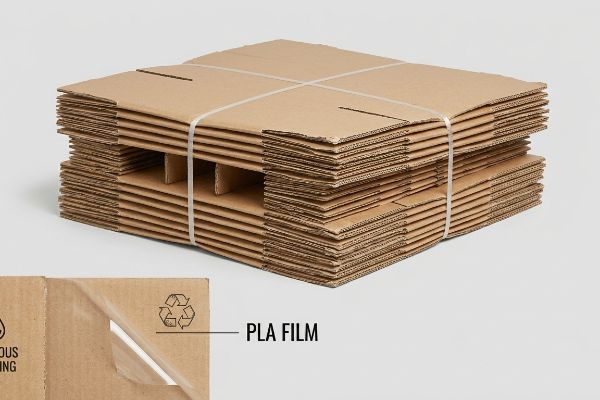
ব্র্যান্ড টিমগুলো প্রায়শই পিএলএ (পলিল্যাকটিক অ্যাসিড) বায়ো-প্লাস্টিক ল্যামিনেশন বাধ্যতামূলক করে , এই ভেবে যে ভুট্টা-ভিত্তিক এই ফিল্মটি তাদের রিটেইল ডিসপ্লেগুলির জন্য সম্পূর্ণ পরিবেশগত নিয়ম মেনে চলা নিশ্চিত করে । তারা ধরে নেয় যে, যদি কোনো উপাদানকে বায়োডিগ্রেডেবল হিসেবে লেবেল করা হয়, তাহলে রিটেইলারের ব্যাকরুম কর্মীরা কোনো দ্বিধা ছাড়াই সেটিকে সাধারণ কার্ডবোর্ড বেলারে ফেলে দিতে পারে।
আমার প্রতিষ্ঠানে আমি নিয়মিত দেখি যে ক্লায়েন্টরা তাদের হেডারের জন্য ভারী পিএলএ ফিল্মের স্পেসিফিকেশন জমা দেয়, অথচ তারা জানেই না যে একটি আসল পেপার মিলের রিপালপিং ভ্যাটে এর আচরণ কেমন হয়। এটা শুধু তত্ত্ব নয়—আমি পরীক্ষার ফ্লোরে এটা ঘটতে দেখি যখন আমরা মিশ্র উপাদানের আর্দ্রতা প্রবেশযোগ্যতা মূল্যায়ন করি। যখন আপনি 32ECT (এজ ক্রাশ টেস্ট) টেস্টলাইনারের উপর একটি নিরেট পিএলএ ফিল্ম প্রয়োগ করেন, তখন ফিল্মটি জলকে বিকর্ষণ করে এবং সাধারণ পৌরসভার OCC প্রবাহে14, যার জন্য বিশেষায়িত বাণিজ্যিক কম্পোস্টিং সুবিধার প্রয়োজন হয় যা বেশিরভাগ খুচরা বিক্রেতা ব্যবহার করে না। যখন আমি সাধারণ পুনর্ব্যবহারযোগ্য পরীক্ষায় ফলনের ক্ষতি পরিমাপ করি, তখন এই মিশ্র উপাদানগুলি পুনরুদ্ধারের হার 14.5%15, যার ফলে প্রায়শই পুরো ব্যাচটি বাতিল হয়ে যায় এবং ল্যান্ডফিলে পাঠানো হয়। আমি মাইক্রোমিটারের রিডিং নিই এবং ক্লায়েন্টদের প্রমাণ করে দেখাই যে তাদের ভারী বায়ো-প্লাস্টিকের প্রয়োজন নেই; তাদের কেবল একটি অত্যন্ত উন্নত, তরল জলীয় আবরণ প্রয়োজন। জল-ভিত্তিক ফিনিশ ব্যবহার করার মাধ্যমে, আমি নিশ্চিত করি যে কো-প্যাকিং প্রক্রিয়াটি সম্পূর্ণরূপে রাস্তার ধার থেকে পুনর্ব্যবহারযোগ্য থাকে, যা ক্লায়েন্টদের উপকরণের অতিরিক্ত খরচ থেকে বাঁচায় এবং একই সাথে তাদেরকে বড় বড় খুচরা বিক্রেতাদের জন্য নির্ধারিত টেকসই উন্নয়নের নির্দেশাবলী কঠোরভাবে মেনে চলতে সাহায্য করে।
| নতুনদের সাধারণ ভুল | প্রো ফিক্স | খুচরা-ফ্লোর সুবিধা |
|---|---|---|
| কঠিন পিএলএ বায়ো-প্লাস্টিক ফিল্ম ব্যবহার করে | জল-ভিত্তিক জলীয় আবরণ প্রয়োগ করা | ১০০% ওসিসি কার্বসাইড পুনর্ব্যবহারযোগ্যতা নিশ্চিত করে ১৬ |
| কাঠামোগত হত্যার তারিখ উপেক্ষা করা | বেসের উপর স্পষ্ট অপসারণ কোড প্রিন্ট করা | ব্যাকরুম টিয়ারডাউন কমপ্লায়েন্সের গতি বাড়ায় |
| কাগজের সাথে ধাতব ক্লিপ একত্রিত করা | ওরিগামি-শৈলীর একক উপাদানের তালা ব্যবহার করে ১৭ | বর্জ্য নিষ্কাশনের সময় হাতে করে বাছাই করার প্রয়োজনীয়তা দূর করে। |
আমি এমন মিশ্র-উপাদানের বর্জ্য ফাঁদ তৈরি করতে অস্বীকার করি যা খোলার সময় স্টোর ম্যানেজারদের বিরক্ত করে। আমার ফিনিশিংকে জলীয় আবরণে সীমাবদ্ধ রাখার মাধ্যমে, আমি নিশ্চয়তা দিই যে আপনার ডিসপ্লেটি যেমন দক্ষতার সাথে টিকে থাকে, তেমনই দক্ষতার সাথে ভেঙেও যায়।.
🛠️ হার্ভের ডেস্ক: আপনি কি জানেন যে আপনার বর্তমান ডিসপ্লে কোটিংটি বড় বড় স্টোরগুলোর ব্যাকরুমে নীরবে OCC রিসাইক্লিং প্রত্যাখ্যানের কারণ হচ্ছে কিনা? 👉 আমাকে আপনার ডাইলাইন ফাইল পাঠান ↗ — গণ-উৎপাদনে বাজেট অপচয় করার আগে আমি এর গাণিতিক হিসাব স্ট্রেস-টেস্ট করে দেখব।
উপসংহার
আপনি সাধারণ মাস্টার কার্টন টেমপ্লেট ব্যবহার করার ঝুঁকি নিতে পারেন যা স্ট্যান্ডার্ড প্যালেটের বাইরে সামান্য পরিমাণে বেরিয়ে থাকে, কিন্তু যখন একটি আর্দ্র ডিস্ট্রিবিউশন সেন্টারে সেই সাপোর্টবিহীন 32ECT বোর্ডটি প্রচণ্ডভাবে ভেঙে পড়বে, তখন আপনাকে তাৎক্ষণিক ডিসি রিজেকশন এবং হাজার হাজার টাকার লজিস্টিক্যাল চার্জব্যাকের সম্মুখীন হতে হবে। ৫০০-এর বেশি ব্র্যান্ড ম্যানেজার ঠিক এই মারাত্মক প্রাথমিক পর্যায়ের ভুলগুলো এড়ানোর জন্য আমার প্রিপ্রেস চেকলিস্ট ব্যবহার করেন। স্ট্রাকচারাল টলারেন্স নিয়ে অনুমান করা বন্ধ করুন এবং গণ-উৎপাদন শুরু হওয়ার আগেই মারাত্মক যান্ত্রিক ত্রুটিগুলো ধরার জন্য আমাকে ব্যক্তিগতভাবে আপনার স্পেকসগুলো আমার ফ্রি ডাইলাইন অডিট ↗- এর মাধ্যমে পরীক্ষা করতে দিন।
"ওয়ালমার্টের জন্য ফেলোস ওয়াটারপ্রুফ এন্ডক্যাপ ডিসপ্লে", https://www.vanguardpkg.com/fellowes-waterproof-endcap-display-for-walmart/। [একটি রিটেইল কমপ্লায়েন্স ম্যানুয়াল বা ভেন্ডর স্পেসিফিকেশন গাইড স্ট্যান্ডার্ড গন্ডোলা শেল্ফিং-এ ফিট করার জন্য এন্ড-ক্যাপ ডিসপ্লের অনুমোদিত সঠিক সর্বোচ্চ প্রস্থ যাচাই করবে]। প্রমাণের ভূমিকা: প্রযুক্তিগত যাচাইকরণ; উৎসের ধরণ: কর্পোরেট কমপ্লায়েন্স গাইড। সমর্থন করে: রিটেইল ডিসপ্লের জন্য মাত্রিক প্রয়োজনীয়তা। পরিধি নোট: মার্কিন বিগ-বক্স রিটেইল স্ট্যান্ডার্ডের জন্য নির্দিষ্ট। ↩
"এন্ডক্যাপ ডিসপ্লের জন্য কি আকারের কোনো সীমাবদ্ধতা আছে? – পপডিসপ্লে", https://popdisplay.me/are-there-any-size-limitations-for-endcap-displays/। গন্ডোলা জ্যামিং এড়ানোর জন্য এন্ড-ক্যাপ ডিসপ্লের সঠিক সর্বোচ্চ প্রস্থ একটি অফিসিয়াল ওয়ালমার্ট রিটেইল কমপ্লায়েন্স ম্যানুয়াল বা ভেন্ডর স্পেক শিট দ্বারা নিশ্চিত করা যাবে। প্রমাণের ভূমিকা: প্রযুক্তিগত স্পেসিফিকেশন; উৎসের ধরণ: কর্পোরেট কমপ্লায়েন্স গাইড। সমর্থন করে: ওয়ালমার্ট ফ্লোর ডিসপ্লের জন্য সঠিক মাত্রিক প্রয়োজনীয়তা। পরিধি নোট: স্ট্যান্ডার্ড এন্ড-ক্যাপ গন্ডোলার পরিমাপের জন্য নির্দিষ্ট। ↩
"[পিডিএফ] সেকেন্ডারি প্যাকেজিং সাপ্লাই চেইন স্ট্যান্ডার্ডস – পি২পিআই", https://p2pi.com/file/PtPI16509cf4c7b5d4070798853/Walmart%2520Supply%2520Chain%2520Packaging%2520Guide%2520August%25202023.pdf। ওয়ালমার্টের লজিস্টিকস এবং শিপিং নির্দেশিকা স্বয়ংক্রিয় রিসিভিং সিস্টেমের জন্য UCC-128 লেবেলের বাধ্যতামূলক স্থাপন এবং ফরম্যাটিং নির্ধারণ করে। প্রমাণের ভূমিকা: লজিস্টিক স্ট্যান্ডার্ড; উৎসের ধরণ: সাপ্লাই চেইন ম্যানুয়াল। সমর্থন করে: জরিমানা এড়াতে শিপিং লেবেলের জন্য কমপ্লায়েন্সের প্রয়োজনীয়তা। পরিধি নোট: ভেন্ডরদের থেকে ওয়ালমার্ট ডিসি-তে পাঠানো বহির্গামী চালানের ক্ষেত্রে প্রযোজ্য। ↩
"কোর্স – স্ট্রাকচারাল প্যাকেজিং ডিজাইন – TPD4153 – NTNU", https://www.ntnu.edu/studies/courses/TPD4153। [একটি পেশাদার প্যাকেজিং ডিজাইন ম্যানুয়াল বা শিল্প বিশ্লেষণ থেকে যাচাই করা যাবে যে প্রাথমিক ব্র্যান্ড ডিজাইন পর্যায়ে স্ট্রাকচারাল ইঞ্জিনিয়ারিং প্রায়শই উপেক্ষিত হয়]। প্রমাণের ভূমিকা: তথ্যভিত্তিক; উৎসের ধরণ: শিল্প ম্যানুয়াল। সমর্থন: শিল্পের সাধারণ ভুলসমূহ। পরিধি টীকা: গুণগত পর্যবেক্ষণ। ↩
"পলিভিনাইল অ্যাসিটেট – উইকিপিডিয়া", https://en.wikipedia.org/wiki/Polyvinyl_acetate। [আঠার প্রযুক্তিগত বিবরণে কাগজ-ভিত্তিক প্যাকেজিং উপকরণের জন্য পলিভিনাইল অ্যাসিটেট (PVA)-কে একটি আদর্শ বন্ধনকারী উপাদান হিসেবে যাচাই করা হবে]। প্রমাণের ভূমিকা: প্রযুক্তিগত বিবরণ; উৎসের ধরণ: পদার্থ বিজ্ঞান পাঠ্যপুস্তক। সমর্থন করে: উপাদান শনাক্তকরণ। পরিধি টীকা: জল-ভিত্তিক আঠার জন্য নির্দিষ্ট। ↩
"প্যাকেজিং ডিজাইন কীভাবে কাজ করে – অ্যাপ্রুভাল স্টুডিও", https://approval.studio/blog/packaging-design-process-explained/। [প্যাকেজিং ইঞ্জিনিয়ারিং-এর প্রামাণ্য নির্দেশিকাগুলো ব্যাখ্যা করে যে, গ্রাফিক প্রয়োগের আগে কাঠামোগত প্রোটোটাইপ যাচাই করা হলে ব্যয়বহুল উৎপাদন ত্রুটি প্রতিরোধ করা যায়]। প্রমাণের ভূমিকা: প্রক্রিয়া যাচাইকরণ; উৎসের ধরণ: শিল্প হ্যান্ডবুক। সমর্থন করে: কর্মপ্রবাহের ক্রম। পরিধি সংক্রান্ত টীকা: করোগেটেড এবং ফোল্ডিং কার্টন ডিজাইনের ক্ষেত্রে প্রযোজ্য। ↩
"বাক্সের সংকোচনের উপর প্যালেট ওভারহ্যাং-এর প্রভাবের পূর্বাভাস...", https://vtechworks.lib.vt.edu/items/a44b58f5-f8a2-4e60-b709-23a013411d58। [প্যাকেজিং ইঞ্জিনিয়ারিং-এর নির্ভরযোগ্য উৎসগুলো ব্যাখ্যা করে যে, প্যালেট ওভারহ্যাং কীভাবে করোগেটেড বোর্ডের উপাদান রেটিং নির্বিশেষে এর কার্যকর সংকোচন শক্তিকে উল্লেখযোগ্যভাবে হ্রাস করে]। প্রমাণের ভূমিকা: প্রযুক্তিগত যাচাইকরণ; উৎসের ধরণ: ইঞ্জিনিয়ারিং হ্যান্ডবুক/শিল্প মান। সমর্থন করে: ত্রুটিপূর্ণ প্যালেট অ্যালাইনমেন্টের ক্ষতিপূরণের জন্য বোর্ড রেটিং-এর অপর্যাপ্ততা। পরিধি নোট: বিশেষভাবে পরিবহনের সময় উল্লম্ব সংকোচন বল নিয়ে আলোচনা করে। ↩
"৪৮×৪০" জিএমএ প্যালেট | বৃহত্তম প্যালেট প্রস্তুতকারক ও সরবরাহকারী", https://www.palletone.com/products/gma-pallets/। গ্রোসারি ম্যানুফ্যাকচারার্স অ্যাসোসিয়েশন (জিএমএ)-এর শিল্প মান এই পরিবহন প্ল্যাটফর্মগুলির জন্য সার্বজনীন মাত্রা নির্ধারণ করে। প্রমাণের ভূমিকা: তথ্যগত যাচাইকরণ; উৎসের ধরণ: শিল্প মান। সমর্থন করে: আদর্শ প্যালেটের মাত্রা। পরিধি টীকা: উত্তর আমেরিকার লজিস্টিকসের জন্য প্রযোজ্য। ↩
"রিটেইল কমপ্লায়েন্স রিপ্যাকেজিং: ওয়ালমার্ট, কস্টকো, এবং বিগ-বক্স …", https://nautical-direct.com/retail-compliance-repackaging-walmart-costco-and-big-box-requirements-explained/। ওয়ালমার্টের ভেন্ডর কমপ্লায়েন্স এবং লজিস্টিকস ম্যানুয়ালে উল্লেখ করা আছে যে, প্যাকেজিংয়ের মাত্রাগত সহনশীলতায় ব্যর্থতার ফলে চালান বাতিল হতে পারে। প্রমাণের ভূমিকা: নীতি যাচাই; উৎসের ধরণ: কর্পোরেট কমপ্লায়েন্স ম্যানুয়াল। সমর্থন করে: প্যাকেজিং ব্যর্থতার পরিণতি। পরিধি নোট: ওয়ালমার্টের অপারেশনাল নির্দেশিকার জন্য নির্দিষ্ট। ↩
"কোরুগেটেড কার্ডবোর্ডের উপর প্যালেটের উপরের স্তরের দৃঢ়তার প্রভাবের অনুসন্ধান...", https://pmc.ncbi.nlm.nih.gov/articles/PMC8585293/। [প্রযুক্তিগত প্যাকেজিং নির্দেশিকা ব্যাখ্যা করে যে কীভাবে প্যালেটের বাড়তি অংশ নিচের স্তরের কোরুগেটেড কার্ডবোর্ডের বাক্সের কার্যকর স্তূপীকরণের শক্তিকে উল্লেখযোগ্যভাবে হ্রাস করে, যার ফলে বাক্সটি ভেঙে পড়ে]। প্রমাণের ভূমিকা: প্রযুক্তিগত যাচাইকরণ; উৎসের ধরণ: প্যাকেজিং ইঞ্জিনিয়ারিং ম্যানুয়াল। সমর্থন: প্যালেটের বাড়তি অংশ এবং কাঠামোগত ব্যর্থতার মধ্যে সংযোগ। পরিধি সংক্রান্ত টীকা: বিশেষভাবে কোরুগেটেড কার্ডবোর্ডের শিপিং কন্টেইনারের ক্ষেত্রে প্রযোজ্য। ↩
"[পিডিএফ] 6-amazon.com-sioc – ইন্টারন্যাশনাল সেফ ট্রানজিট অ্যাসোসিয়েশন", https://ista.org/docs/6AmazoncomSIOCOverview.pdf। [ইন্টারন্যাশনাল সেফ ট্রানজিট অ্যাসোসিয়েশন (ISTA)-এর ৬টি স্ট্যান্ডার্ড ট্রানজিটের সময় ভার্জিন বোর্ড প্রয়োজনীয় ডাইনামিক লোড ক্যাপাসিটি বজায় রাখে কিনা, তা যাচাই করার জন্য প্রয়োজনীয় টেস্টিং প্রোটোকল সরবরাহ করে]। প্রমাণের ভূমিকা: নিয়ন্ত্রক স্ট্যান্ডার্ড; উৎসের ধরণ: প্রযুক্তিগত স্পেসিফিকেশন। সমর্থন করে: লোড ক্যাপাসিটির জন্য ISTA 6 টেস্টিং-এর প্রয়োজনীয়তা। পরিধি নোট: ই-কমার্স এবং সেকেন্ডারি শিপিং প্যাকেজিং-এর উপর দৃষ্টি নিবদ্ধ। ↩
"উন্নত স্থায়িত্বের জন্য উদ্ভাবনী নকশার ঢেউখেলানো বোর্ডের প্যাকেজিং...", https://bioresources.cnr.ncsu.edu/resources/corrugated-board-packaging-with-innovative-design-for-enhanced-durability-during-transport/। [প্যাকেজিং বিজ্ঞান বিষয়ক সাহিত্য প্রমাণ করে যে ঢেউখেলানো বোর্ডের খাঁজগুলোকে উল্লম্বভাবে সারিবদ্ধ করলে এর সংকোচন শক্তি সর্বোচ্চ হয় এবং কম্পনের কারণে সৃষ্ট উপাদানের ক্ষয় সর্বনিম্ন হয়]। প্রমাণের ভূমিকা: প্রযুক্তিগত ব্যাখ্যা; উৎসের ধরণ: বস্তু বিজ্ঞান পাঠ্যপুস্তক। সমর্থন করে: পরিবহনের সময় কম্পনের ফলে সৃষ্ট খণ্ড-বিখণ্ডতা দূর করার পদ্ধতি। পরিধি টীকা: ঢেউখেলানো ফাইবারবোর্ডের জ্যামিতির জন্য নির্দিষ্ট। ↩
"জৈব-ভিত্তিক পলিমার পলিল্যাকটিক অ্যাসিডের সম্ভাবনার উপর একটি পর্যালোচনা … – পিএমসি", https://pmc.ncbi.nlm.nih.gov/articles/PMC11091039/। [পলিমার সম্পর্কিত প্রযুক্তিগত নথি নিশ্চিত করে যে পিএলএ হলো একটি বায়োডিগ্রেডেবল থার্মোপ্লাস্টিক অ্যালিফ্যাটিক পলিয়েস্টার যা সাধারণত ভুট্টার মতো গাঁজানো উদ্ভিজ্জ স্টার্চ থেকে তৈরি হয়]। প্রমাণের ভূমিকা: প্রযুক্তিগত বিবরণ; উৎসের ধরণ: বস্তু বিজ্ঞান জার্নাল। সমর্থন: ল্যামিনেশনের উপাদানগত গঠন। পরিধি টীকা: সাধারণ শিল্প পিএলএ-এর ক্ষেত্রে প্রযোজ্য। ↩
"পলিল্যাকটিক অ্যাসিড (পিএলএ)-কে একটি স্বল্প-দূষণকারী পদার্থে পরিণত করার জন্য এর জীবনচক্র মূল্যায়ন...", https://pmc.ncbi.nlm.nih.gov/articles/PMC8199738/। [পদার্থ বিজ্ঞান বা বর্জ্য ব্যবস্থাপনার একটি নির্ভরযোগ্য উৎস যাচাই করে দেখাবে যে, পিএলএ প্লাস্টিক সাধারণ কাগজ পুনঃমণ্ড তৈরির প্রক্রিয়ায় পচে যায় না এবং এর জন্য শিল্পভিত্তিক কম্পোস্টিং সুবিধার প্রয়োজন হয়]। প্রমাণের ভূমিকা: প্রযুক্তিগত যাচাইকরণ; উৎসের ধরণ: শিল্প মান। সমর্থন করে: এই দাবি যে, পিএলএ ফিল্ম সাধারণ ওসিসি পুনর্ব্যবহারের জন্য উপযুক্ত নয়। পরিধি টীকা: বিশেষভাবে পৌর অবকাঠামোর ক্ষেত্রে প্রযোজ্য। ↩
"একটি … এর মাধ্যমে পলিথিন-প্রলিপ্ত পেপারবোর্ডের পুনর্ব্যবহার উন্নতকরণ", https://bioresources.cnr.ncsu.edu/resources/improving-recycling-of-polyethylene-coated-paperboard-with-a-nanofibrillated-cellulose-layer/। [কাগজ পুনর্ব্যবহারকারী মিল বা পরিবেশ সংস্থাগুলির প্রযুক্তিগত প্রতিবেদনগুলি পিএলএ-এর মতো প্লাস্টিক দূষকগুলি কীভাবে ফাইবার পুনরুদ্ধারের শতাংশকে প্রভাবিত করে সে সম্পর্কে অভিজ্ঞতামূলক পরিমাপ প্রদান করবে]। প্রমাণের ভূমিকা: পরিমাণগত বৈধতা; উৎসের ধরণ: প্রযুক্তিগত গবেষণা। সমর্থন করে: পুনর্ব্যবহারের ফলনের উপর মিশ্র উপকরণের নির্দিষ্ট প্রভাব। পরিধি টীকা: মিলের সরঞ্জাম অনুসারে পরিসংখ্যান ভিন্ন হতে পারে। ↩
"কার্যকরী উপাদানসহ পুনর্ব্যবহারযোগ্য এবং জৈব-বিয়োজনযোগ্য কাগজের আবরণ...", https://pmc.ncbi.nlm.nih.gov/articles/PMC11948148/। [পুরাতন ঢেউখেলানো কাগজের কন্টেইনার (OCC) সম্পর্কিত প্রযুক্তিগত নির্দেশিকা যাচাই করবে যে, PLA বায়ো-প্লাস্টিকের বিপরীতে, জল-ভিত্তিক জলীয় আবরণগুলো সাধারণ কাগজ মণ্ড তৈরির প্রক্রিয়ার সাথে সামঞ্জস্যপূর্ণ]। প্রমাণের ভূমিকা: প্রযুক্তিগত যাচাইকরণ; উৎসের ধরণ: শিল্প পুনর্ব্যবহার মান। সমর্থন করে: এই দাবি যে জলীয় আবরণ পুনর্ব্যবহারযোগ্যতা নিশ্চিত করে। পরিধি টীকা: বিশেষভাবে রাস্তার ধারের ঢেউখেলানো কাগজের প্রবাহের জন্য প্রযোজ্য। ↩
"প্যাকেজিং-এ একক উপাদান কী করতে পারে? – ইন্টারপ্যাক ২০২৬", https://www.interpack.com/en/Media_News/interpack_Magazin/FOOD_INDUSTRY_PACKAGING/Food_Industry_News/Mono-material,_a_ray_of_hope। [প্যাকেজিং ইঞ্জিনিয়ারিং সাহিত্যে দেখানো হয়েছে যে একক উপাদানের স্ট্রাকচারাল লক বর্জ্য প্রক্রিয়াকরণের সময় মিশ্র উপাদান হাতে করে আলাদা করার প্রয়োজনীয়তা দূর করে]। প্রমাণের ভূমিকা: কার্যকারিতা যাচাই; উৎসের ধরণ: ইঞ্জিনিয়ারিং ম্যানুয়াল। সমর্থন করে: এই লকগুলো হাতে করে বাছাই করার প্রয়োজনীয়তা দূর করে, এই দাবিকে। পরিধিগত টীকা: উপাদানের সমসত্ত্বতার উপর আলোকপাত করে। ↩