একটি বড় খুচরা বিক্রেতার দোকানে জায়গা পাওয়াটা কেবল অর্ধেক কাজ। আপনার পণ্য প্রদর্শনকে অবশ্যই জনবহুল করিডোর এবং বিক্রেতাদের কঠোর নির্দেশনার মতো কঠিন বাস্তবতা মোকাবিলা করতে হবে।.
ওয়ালমার্ট ডিসপ্লে গুরুত্বপূর্ণ, কারণ এগুলো চূড়ান্ত ক্রয়ের মুহূর্তে আপনার ব্র্যান্ডের রিটেইল কৌশলকে বাস্তবিক অর্থে কার্যকর করে। কার্যকর মার্চেন্ডাইজিং ডিজিটাল মার্কেটিং এবং ভোক্তার বাস্তব কার্যকলাপের মধ্যেকার ব্যবধান পূরণ করে এবং শেলফে পণ্যের স্থান নিশ্চিত করার জন্য রিটেইল কমপ্লায়েন্স, কাঠামোগত ভারবহন পদার্থবিদ্যা এবং ভিজ্যুয়াল এনগেজমেন্টের নিয়মগুলো কঠোরভাবে মেনে চলা আবশ্যক।.
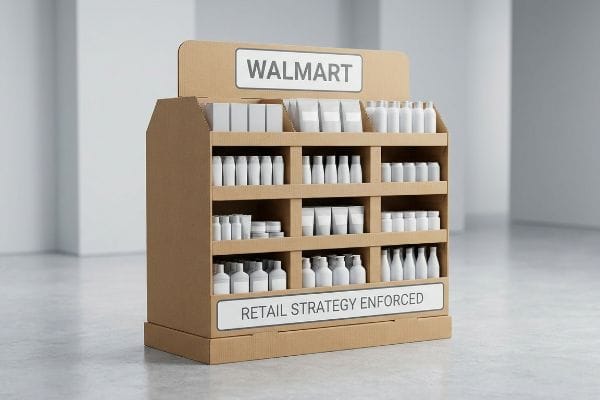
এই মৌলিক নিয়মগুলো বোঝাটাই নির্ধারণ করে দেয় আপনার প্রচারণা সফল হবে নাকি শুরুতেই প্রত্যাখ্যাত হবে।.
ওয়ালমার্টে ১০ ফুটের নিয়মটি কী?
খুচরা বিক্রেতাদের একটি সীমিত পরিসরের মধ্যে যে কারও সাথে কথা বলার জন্য প্রশিক্ষণ দেওয়া হয়, কিন্তু আপনার কার্ডবোর্ডের কাঠামোগুলোকে আরও অনেক বেশি পরিশ্রম করতে হয়।
১০ ফুট নিয়ম অনুযায়ী, খুচরা বিক্রেতাদের কর্মীদের অবশ্যই এই নির্দিষ্ট ব্যাসার্ধের মধ্যে থাকা ক্রেতাদের মৌখিকভাবে অভিবাদন জানাতে হয়। ভৌত প্যাকেজিংয়ের ক্ষেত্রে, আমরা এই মানবিক মিথস্ক্রিয়াকে ৩-৩-৩ স্থানিক সম্পৃক্ততার নীতিতে রূপান্তরিত করি, যা নিশ্চিত করে যে ক্রেতা মূল আইলে পৌঁছানোর অনেক আগেই আপনার রিটেইল ডিসপ্লেগুলো পথচারী ক্রেতাদের দৃষ্টি আকর্ষণ করে।.
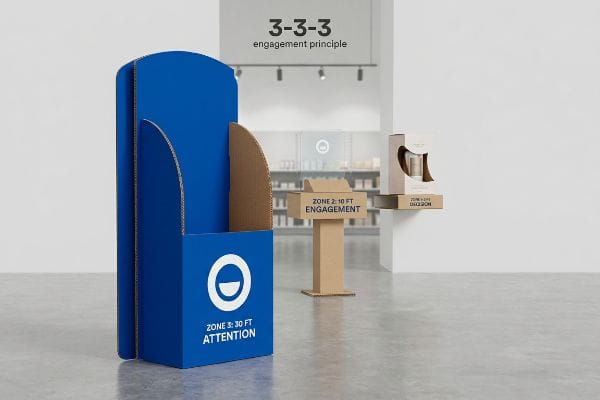
স্থির পেপারবোর্ডের ক্ষেত্রে মানবিক গ্রাহক পরিষেবার নিয়মকানুন প্রয়োগ করতে হলে প্রকৌশলে একটি পরিবর্তন প্রয়োজন।.
৩-৩-৩ এনগেজমেন্ট ডিসপ্লের প্রকৌশল
অনেক মার্কেটিং টিম পিওপি (পয়েন্ট অফ পারচেজ) ফ্লোর ইউনিটগুলো শুধুমাত্র উজ্জ্বল, ব্যাকলিট কম্পিউটার মনিটরে কাছ থেকে দেখার জন্য ডিজাইন করে । তারা ধরে নেয় যে, স্ক্রিনে সুন্দর দেখতে একটি অত্যন্ত বিস্তারিত গ্রাফিক ভারী কার্ট ঠেলে নিয়ে আসা একজন তাড়াহুড়ো করা ক্রেতাকে স্বাভাবিকভাবেই থামিয়ে দেবে।
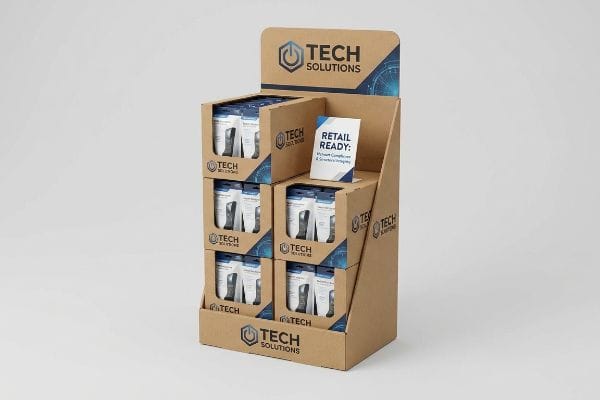
আমি জানি আপনি আপনার ফ্ল্যাট আর্টওয়ার্কের দিকে আত্মবিশ্বাসের সাথে তাকিয়ে আছেন, কারণ এমনকি অভিজ্ঞ বিপণনকারীরাও এই ফাঁদে পড়েন। তারা প্রতিটি পণ্যের বৈশিষ্ট্য বিস্তারিতভাবে বর্ণনা করে ছোট ছোট অক্ষরে দেয়াল ছাপেন, যা মস্তিষ্কের উপর প্রচণ্ড চাপ সৃষ্টি করে। আমার প্রতিষ্ঠানে, আমি ক্রমাগত সুন্দরভাবে ছাপা কিন্তু কার্যকারিতার দিক থেকে অদৃশ্য ইউনিট দেখতে পাই। আমি একবার দেখেছিলাম যে একটি লেখা-বহুল ডিসপ্লে ক্রেতাদের আকর্ষণ করতে ব্যর্থ হয়েছে, কারণ ব্র্যান্ডটি ৩০-ফুট দূরত্বের প্রতিবন্ধকতার শর্তটি।এর সমাধান অত্যন্ত সহজ: আমি ব্র্যান্ডগুলোকে দূর থেকে দৃষ্টি আকর্ষণ করার জন্য আকর্ষণীয় ডাই-কাট হেডার এবং একটি গাঢ় প্যানটোন স্পট কালার ফ্লাড ব্যবহার করতে বাধ্য করি। যখন আপনি ঢেউখেলানো বোর্ড থেকে একটি অনন্য বাঁকানো হেডার কেটে বের করার জন্য ডাই-কাটারের জোরালো শব্দ , তখন আপনি বুঝতে পারেন যে এই বাস্তব আকৃতিটি ছোট অক্ষরের চেয়ে অনেক ভালোভাবে করিডোরের ভিড় ভেদ করে, যা আপনাকে ক্রেতার সম্পূর্ণ দৃষ্টিহীনতা থেকে বাঁচায়।
| নতুনদের সাধারণ ভুল | প্রো ফিক্স | খুচরা-ফ্লোর সুবিধা |
|---|---|---|
| ক্ষুদ্র বৈশিষ্ট্যযুক্ত পাঠ্য মুদ্রণ করা | সলিড প্যানটোন কালার ফ্লাডস | ৩০ ফুট দূর থেকেও দৃষ্টি আকর্ষণ করে3 |
| প্রতিসম বাক্স আকৃতির | আক্রমণাত্মক ডাই-কাট হেডার | পথের একঘেয়েমি দূর করে |
| মূল পণ্য গোপন করা | সামনের ধরে রাখার ঠোঁটটি কাটা | ৮৫% দৃশ্যমানতা নিশ্চিত করে4 |
আমি দূর থেকে পরীক্ষা না করে কোনো ক্লায়েন্টকে আর্টওয়ার্ক চূড়ান্ত করতে দিই না। যদি আপনার ইউনিটটি তিন সেকেন্ডের মধ্যে তার মূল উদ্দেশ্যটি প্রকাশ করতে না পারে, তবে তা এক অদৃশ্য কোলাহলে পরিণত হয় যা প্রকল্পের লাভের পরিমাণ পুরোপুরি নষ্ট করে দেয়।.
🛠️ হার্ভির ডেস্ক: আপনার গ্রাফিক্সগুলো কি আপনার মস্তিষ্কে অতিরিক্ত চাপ সৃষ্টি করছে কিনা, তা নিয়ে নিশ্চিত নন? 👉 আপনার শিল্পকর্ম পর্যালোচনা করান ↗ — সরাসরি আমার ডেস্কে প্রবেশের সুযোগ। কোনো স্বয়ংক্রিয় বিক্রয় স্প্যাম নেই, আমি কথা দিচ্ছি।
ওয়ালমার্টের চারটি মূল্যবোধ কী কী?
প্রাতিষ্ঠানিক দর্শন শুনতে বোর্ডরুমের আলোচনা মনে হতে পারে, কিন্তু এই স্তম্ভগুলো সরাসরি সরবরাহকারীদের নিয়মকানুন মেনে চলা এবং বাস্তব সরবরাহ শৃঙ্খলের বাস্তবায়নকে নির্দেশ করে।.
ওয়ালমার্টের চারটি মূল্যবোধ হলো সেবা, সম্মান, শ্রেষ্ঠত্ব এবং সততা। এই নৈতিক ব্যবসায়িক কাঠামোকে বাস্তব খুচরা বিক্রয় কার্যক্রমে রূপান্তর করতে হলে, প্যাকেজিং সরবরাহকারীদের তাদের কাঠামোগত প্রকৌশল, সরবরাহ ব্যবস্থা এবং উপকরণ সংগ্রহকে সরাসরি খুচরা বিক্রেতার কার্যপ্রণালীর সাথে সামঞ্জস্যপূর্ণ করতে হয়, যাতে বিপুল সংখ্যক পণ্য বাতিল হওয়া রোধ করা যায়।.
এই পরিচালনগত স্তম্ভগুলোকে উপেক্ষা করলে একটি সম্ভাবনাময় পণ্য উন্মোচন এক সরবরাহ-সংক্রান্ত মাথাব্যথায় পরিণত হয়।.
রিটেইল ফ্রেমওয়ার্ক ম্যাট্রিক্সের সাথে প্যাকেজিংকে সামঞ্জস্যপূর্ণ করা
নতুন ভোগ্যপণ্য ব্র্যান্ডগুলো প্রায়শই বড় আকারের বাণিজ্যিক প্রতিষ্ঠানের মৌলিক কাঠামো আয়ত্ত না করেই পণ্য বাজারে আনার চেষ্টা করে। তারা ধরে নেয় যে, একটি সাধারণ টিনের বাক্সে তার অন্তর্নিহিত গুণের জোরে এমনিতেই বিক্রি হয়ে যাবে।
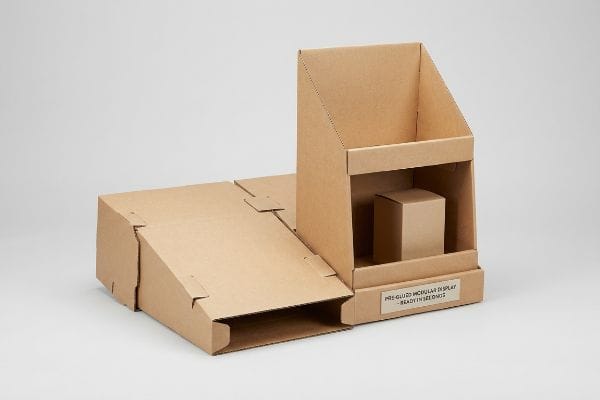
এখানেই তত্ত্বের সাথে পণ্য গ্রহণ কেন্দ্রের সংঘাত ঘটে। আমি দেখি ব্র্যান্ডগুলো একটি প্রিমিয়াম, নিবিড় পরিচর্যার কৌশলকে এমন একটি দ্রুত পরিবর্তনশীল গুদাম পরিবেশে জোর করে চাপিয়ে দেওয়ার চেষ্টা করে, যেখানে দোকানের কর্মচারীদের কাছে জটিল ট্রেগুলো যত্নসহকারে সাজানোর মতো সময় থাকে না। একজন গ্রাহক আমাকে একটি সুন্দরভাবে ডিজাইন করা ডিসপ্লে পাঠিয়েছিলেন, যেটি জটিলভাবে ভাঁজ করতে পনেরো মিনিট সময় লেগেছিল; আমি ভাঁজগুলোর বিরুদ্ধে পুরু ৩২ইসিটি (এজ ক্রাশ টেস্ট) বোর্ডের কঠিন প্রতিরোধ অনুভব করতে পারছিলাম । বাস্তবতা হলো, দোকানের কর্মচারীরা জটিল কাঠামো তৈরির কাজ ছেড়ে দেয় এবং প্রায়শই ভাঙা জোড়াগুলোকে অগোছালো স্বচ্ছ টেপ দিয়ে মুড়িয়ে দেয়, শুধু গুদাম থেকে জিনিসটি বের করার জন্য। আমরা একটিও প্রোটোটাইপ কাটার আগে দোকানের শ্রম চাহিদার সাথে আপনার ডিজাইনকে কঠোরভাবে মিলিয়ে নিই, যাতে আপনার কাঠামোগত বাস্তবায়ন এই দ্রুতগতির খুচরা ব্যবসার বাস্তবতাকে সম্মান করে।
| নতুনদের সাধারণ ভুল | প্রো ফিক্স | খুচরা-ফ্লোর সুবিধা |
|---|---|---|
| অতিরিক্ত প্রকৌশলগত সমাবেশ | আগে থেকে আঠা লাগানো মডিউলার পপ-আপ6 | ক্লার্কের সেটআপ সময় কমায় |
| স্টোর বিভাগ উপেক্ষা করা হচ্ছে | শারীরিক শ্রমের সীমা মেলানো | রিসিভিং ডক প্রত্যাখ্যান প্রতিরোধ করে7 |
| দুর্বল ব্র্যান্ডবিহীন আস্তরণ | দ্বৈত-প্রাচীর কাঠামোগত সমর্থন8 | প্রিমিয়াম ব্র্যান্ডের অখণ্ডতা বজায় রাখে |
আমি আপনার সরবরাহ কৌশলকে সুনির্দিষ্টভাবে লক্ষ্যযুক্ত খুচরা বিক্রেতার কার্যপ্রণালীর মডেলের সাথে সরাসরি মিলিয়ে নিই। এমন একটি চমৎকার কাঠামো তৈরি করা, যা দোকানের কর্মচারীরা জোড়া লাগাতে অস্বীকার করে, তা নিশ্চিত করে যে আপনার মজুদ পণ্য গুদামঘরেই তালাবদ্ধ থাকবে।.
🛠️ হার্ভির ডেস্ক: আপনার ডিসপ্লেগুলো কি দোকানের ব্যাকরুমে ব্যাপক সমস্যার সৃষ্টি করছে? 👉 আপনার স্ট্রাকচারাল অডিট দাবি করুন ↗ — নিরাপদে ডাউনলোড করুন। পরবর্তীতে কোনো প্রশ্ন থাকলে আমার ইনবক্স খোলা আছে।
ওয়ালমার্ট কেন সবকিছু পুনর্বিন্যাস করছে?
বর্গফুটের সর্বোচ্চ লাভজনকতা নিশ্চিত করতে বড় আকারের দোকানগুলোর নকশা ক্রমাগত পরিবর্তিত হচ্ছে, যার ফলে বিশাল স্থায়ী পণ্য প্রদর্শনের সরঞ্জামগুলো ক্রমশ অপ্রচলিত হয়ে পড়ছে।
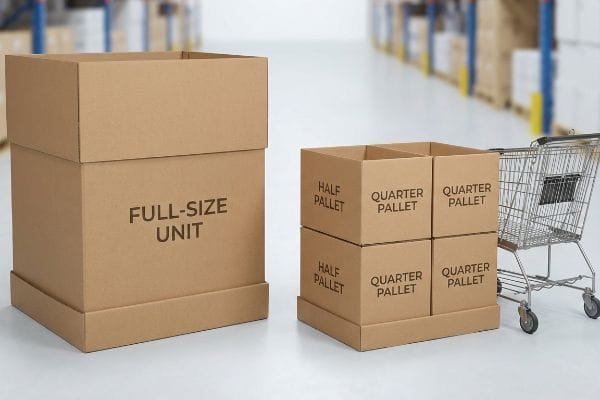
ওয়ালমার্ট তার মূল্যবান রিটেইল ফ্লোর স্পেসের সর্বোত্তম ব্যবহার এবং ক্রেতাদের পরিবর্তিত চলাচল পদ্ধতির সাথে খাপ খাইয়ে নিতে সবকিছু নতুন করে সাজাচ্ছে। আইলের এই চলমান বিবর্তন ব্র্যান্ড মার্কেটারদের পূর্ণ আকারের প্যালেট বর্জন করে কঠোরভাবে আংশিক মার্চেন্ডাইজার ব্যবহার করতে বাধ্য করছে, যা তাদের প্রচারণামূলক প্রচারাভিযানগুলোকে পাশ দিয়ে যাওয়া শপিং কার্টকে বাধা না দিয়েই সেরা ক্রস-মার্চেন্ডাইজিং স্থান নিশ্চিত করতে সাহায্য করে।.
করিডোরগুলো আরও গতিশীল হয়ে ওঠায়, পুরোনো নকশা-সংক্রান্ত ধারণা আঁকড়ে ধরে থাকলে আপনার প্রচারণাটি পিছিয়ে পড়বে।.
ভগ্নাংশ প্যালেট জ্যামিতি নেভিগেট করা
ব্র্যান্ডগুলো প্রায়শই প্রধান ক্রেতাদের কাছে ৪৮ ×৪০ ইঞ্চি (১২১৯×১০১৬ মিমি) আকারের পূর্ণ ফ্লোর ডিসপ্লে উপস্থাপন করে , এই ভেবে যে একটি ফ্ল্যাগশিপ পণ্যের উদ্বোধনের জন্য পুরো কাঠের ভিত্তিটিই দখল করতে হবে। তারা স্থানিক বিভাজনকে কাজে লাগাতে ব্যর্থ হয়, যা ছোট আকারের পণ্যগুলোর জন্য সেরা স্থান পাওয়াকে মারাত্মকভাবে সীমিত করে।
খুচরা দোকানের জায়গাকে দামী রিয়েল এস্টেটের মতো ভাবুন; আপনার যদি শুধু একটি ছোট স্টুডিওর প্রয়োজন হয়, তবে আপনি একটি বিশাল গুদাম ভাড়া নেবেন না। ব্র্যান্ডগুলো যখন বিশাল আকারের বেস ফাইল জমা দেয়, আমি সাথে সাথেই তাদের ফ্লোর ডেনসিটি রেশনিং সম্পর্কে সতর্ক করে দিই। আমার স্পষ্ট মনে আছে, একটি বিশাল প্রোটোটাইপের উপর কাঁচা ডাই-কাটিং ধুলোর গুঁড়োর মতো অনুভূতি, যেটি শেষ পর্যন্ত একজন ক্রেতা প্রত্যাখ্যান করেছিলেন শুধুমাত্র এই কারণে যে এটি পাশ দিয়ে যাওয়া একটি শপিং কার্টে ধাক্কা খেয়েছিল। নিরাপদ সাধারণ নিয়মটি হলো, বাল্ক মার্চেন্ডাইজারগুলোকে গাণিতিকভাবে ডিজাইন করে স্ট্যান্ডার্ড হাফ প্যালেট বা কোয়ার্টার প্যালেটে পরিণত করা। জিএমএ (গ্রোসারি ম্যানুফ্যাকচারার্স অ্যাসোসিয়েশন) ফুটপ্রিন্টকে গাণিতিকভাবে উপবিভক্ত করারমাধ্যমে, দুটি স্বতন্ত্র ক্যাম্পেইন একটি একক প্ল্যাটফর্ম নিখুঁতভাবে শেয়ার করতে পারে, যা স্টোর ম্যানেজারের পক্ষে আপনার ছোট আকারের জ্যামিতি আত্মবিশ্বাসের সাথে অনুমোদন করাকে অত্যন্ত সহজ করে তোলে।
| নতুনদের সাধারণ ভুল | প্রো ফিক্স | খুচরা-ফ্লোর সুবিধা |
|---|---|---|
| সম্পূর্ণ ৪৮×৪০ ইউনিট পিচিং ১১ | প্রকৌশল ভগ্নাংশ জ্যামিতি | সংকীর্ণ করিডোরের স্থান সুরক্ষিত করে |
| কার্ট সুইপ ব্যাসার্ধ ১২ উপেক্ষা করা হচ্ছে | মোড় নেওয়ার পদচিহ্ন সংকুচিত করা | শপিং কার্টের সংঘর্ষ প্রতিরোধ করে |
| খালি বেস স্পেস নষ্ট করা | একাধিক ব্র্যান্ডের প্যালেট শেয়ারিং13 | খুচরা দোকানের ফ্লোরের ঘনত্ব সর্বাধিক করে |
যখন দোকানের জায়গা কম থাকে, আমি ক্লায়েন্টদের সবসময় ছোট আকারের ইউনিট তৈরির দিকে উৎসাহিত করি। যদি আপনি দোকানের ভৌত সীমাবদ্ধতা মাথায় রেখে একটি ইউনিট ডিজাইন করেন, তবে ব্যস্ত রাস্তার মোড়ে জায়গা পাওয়ার সম্ভাবনা অনেক বেড়ে যায়।.
🛠️ হার্ভিস ডেস্ক: আপনার বর্তমান বেস ফুটপ্রিন্ট কি আইল ক্লিয়ারেন্স জোন লঙ্ঘন করছে? 👉 ফুটপ্রিন্ট পর্যালোচনার জন্য অনুরোধ করুন ↗ — কোনো ফর্ম নেই যা অবিরাম সেলস কলের কারণ হয়। শুধু খাঁটি মূল্য।
ওয়ালমার্টে সর্বাধিক বিক্রিত পণ্য কোনটি?
কলার মতো দ্রুত বিক্রি হওয়া পণ্যগুলোই বিক্রির পরিমাণে আধিপত্য বিস্তার করে, যা প্রমাণ করে যে বিপুল পরিমাণ মজুদ দক্ষতার সাথে স্থানান্তর করাই খুচরা ব্যবসার সাফল্যের আসল মেরুদণ্ড।.
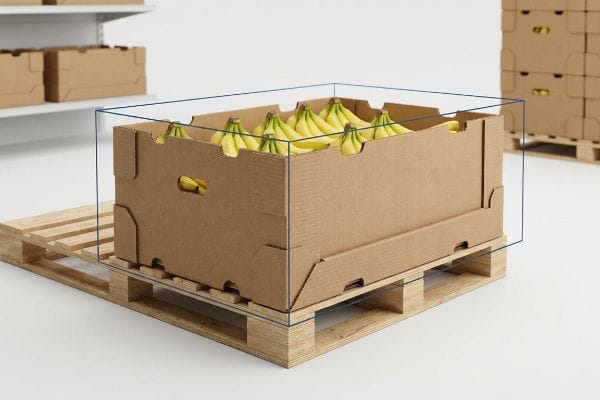
ওয়ালমার্টে ঐতিহ্যগতভাবে সর্বাধিক বিক্রিত পণ্যটি হলো কলা, যা দ্রুত বিক্রি হওয়া ভোগ্যপণ্যের নিখুঁত প্রতীক। এই ভারী ও দ্রুত বিক্রি হওয়া নিত্যপ্রয়োজনীয় পণ্যগুলো বিপুল পরিমাণে পরিবহনের জন্য পুরু ঢেউখেলানো মাস্টার কার্টনের প্রয়োজন হয়, যা কাঠামোগতভাবে প্রচণ্ড উল্লম্ব ঊর্ধ্বমুখী ভার সহ্য করতে এবং দ্রুত বহুস্তরীয় বিতরণের সময় মারাত্মক সংকোচনজনিত ব্যর্থতা সম্পূর্ণরূপে প্রতিরোধ করার জন্য বিশেষভাবে তৈরি।.
কিন্তু যখন শিপিং কন্টেইনারগুলো বাস্তবে চলতে শুরু করে, তখন বিপুল পরিমাণ পণ্য পরিবহনের তত্ত্ব জানাটাই যথেষ্ট নয়।.
কারখানায় স্ট্যান্ডার্ড মাস্টার কার্টনগুলো কেন ব্যর্থ হয়
ক্রয়কারী দলগুলো আরও বেশি ইউনিট প্যাক করার জন্য মাস্টার কার্টনের মাত্রা আগ্রাসীভাবে বাড়িয়ে দেয় , এই ভেবে যে শুধুমাত্র শক্তিশালী কাঁচামালের মানদণ্ডই ভেতরের পণ্যগুলোকে রক্ষা করবে। তারা প্রকৃত প্যালেট স্ট্যাকিংয়ের গতিবিজ্ঞানকে পুরোপুরি উপেক্ষা করে শুধুমাত্র তাত্ত্বিক উপাদানের শক্তির উপর মনোযোগ দেয় ।
একটি স্থির পরীক্ষাগারে একটিমাত্র বাক্সকে ওজন ধরে রাখতে দেওয়া সহজ, কিন্তু যখন আপনি সমুদ্রের ওপার থেকে ৫০০টি বাক্স পাঠান, তখন এক কঠিন বাস্তবতার মুখোমুখি হতে হয়। আমার প্রতিষ্ঠানে আমি নিয়মিত দেখি যে গ্রাহকরা এমন নকশা জমা দেন যা সাধারণ প্যালেট ডেকের বাইরে মাত্র ০.৪৫ ইঞ্চি (১১.৪ মিমি) বেরিয়ে থাকে। যখন আমি হাইড্রোলিক প্রেসে বিসিটি (বক্স কম্প্রেশন টেস্ট) পরিমাপ করি, তখন দেখি যে অবলম্বনহীন কোণগুলো চাপের মুখে দৃশ্যত বাইরের দিকে বেঁকে যায় এবং ভেঙে পড়ে, কারণ একটি বাক্স তার শক্তির প্রায় ৬০% পর্যন্ত পায়উল্লম্ব কোণগুলো থেকে। আমি আমাদের ক্যাড (কম্পিউটার-এইডেড ডিজাইন) সফটওয়্যারে একটি শূন্য-ওভারহ্যাং বাউন্ডিং বক্স প্রয়োগ করে কঠোরভাবে এর সমাধান করি, যা কৃত্রিমভাবে কার্টনের ভিত্তি ঠিক ০.৫ ইঞ্চি (১২.৭ মিমি) ছোট করে এটিকে কাঠের পরিধির মধ্যে আটকে রাখে। কোণার সেই কাঠামোগত অবলম্বন পুনরুদ্ধার করার মাধ্যমে, আমি পরিবহনের সময় হওয়া ক্ষতি দূর করি এবং নিশ্চিত করি যে চালানটি ডাবল-স্ট্যাকিংয়ের পরেও অক্ষত থাকবে, যা ব্যয়বহুল খুচরা চার্জব্যাকের ঝুঁকি সম্পূর্ণরূপে নির্মূল করে।
| নতুনদের সাধারণ ভুল | প্রো ফিক্স | খুচরা-ফ্লোর সুবিধা |
|---|---|---|
| কাঠের ভিত্তির উপর ঝুলে থাকা | কঠোর শূন্য-ওভারহ্যাং CAD সীমা | কোণার শক্তি ৬০% পুনরুদ্ধার করে17 |
| ফ্ল্যাট কাঁচা ECT ডেটা বিশ্বাস করা | সম্পূর্ণ বিসিটি ডায়নামিক লোড টেস্টিং18 | নিচের স্তরের পিষে যাওয়া প্রতিরোধ করে |
| কার্টনের আয়তন সর্বাধিক করা | নির্ভুল বাউন্ডিং বক্স সংকোচন19 | নিরাপদ ডাবল-স্ট্যাকিং নিশ্চিত করে |
পরিবহনের সময় একটি বোঝাই করা মাস্টার কার্টন কেমন আচরণ করবে তা অনুমান করার জন্য আমি কখনোই কাগজে-কলমে করা পরীক্ষার ফলাফলের উপর নির্ভর করি না। আপনার প্যালেটের জ্যামিতির নিখুঁত মিলিমিটার সহনশীলতা নিয়ন্ত্রণ করাই আসলে আপনার দ্রুত-বিক্রয়যোগ্য পণ্যগুলোকে অক্ষত রাখে।.
🛠️ হার্ভির ডেস্ক: একটি ২-মিলিমিটার কাঠামোগত ত্রুটির কারণে ৫০০টি দোকানে পণ্য সরবরাহের পরিকল্পনা যেন ভেস্তে না যায়। 👉 আপনার ডাইলাইন ফাইলটি আমাকে পাঠান ↗ — গণ-উৎপাদনে বাজেট অপচয় করার আগে আমি এর গাণিতিক হিসাব স্ট্রেস-টেস্ট করে নেব।
উপসংহার
আপনি ইঞ্চির প্রতিটি ভগ্নাংশকে সর্বোচ্চভাবে কাজে লাগানোর চেষ্টা করতে পারেন, কিন্তু যখন অতিরিক্ত মাল বোঝাই একটি বাক্স প্যালেটের বাইরে ঝুলে পড়ে এবং পরিবহনের সময় ভয়াবহভাবে ভেঙে পড়ে, যা রিসিভিং ডকের গতি আনুমানিক ৩০% কমিয়ে দেয়, তখন আপনি আপনার ক্রেতার বিশ্বাস হারান। ৫০০-এর বেশি ব্র্যান্ড ম্যানেজার ঠিক এই মারাত্মক প্রাথমিক পর্যায়ের ভুলগুলো এড়াতে আমার প্রিপ্রেস চেকলিস্ট ব্যবহার করেন। কাঠামোগত সহনশীলতা নিয়ে অনুমান করা বন্ধ করুন এবং ব্যাপক উৎপাদন শুরু হওয়ার আগেই ব্যয়বহুল প্রতিবন্ধকতাগুলো চিহ্নিত করতে আমাকে আমার ফ্রি ডাইলাইন অডিট ↗- এর মাধ্যমে আপনার মাপগুলো ব্যক্তিগতভাবে মূল্যায়ন করতে দিন।
"পিওপি ডিসপ্লের সমস্যা ও ফাঁদ এড়ানোর ১২টি টিপস | শিকাগো, আইএল", https://wertheimerbox.com/12-tips-for-avoiding-potholes-and-pitfalls-of-pop-displays/। এটি যাচাই করে যে রিটেইল ডিসপ্লের জন্য ডিজিটাল-ফার্স্ট ডিজাইন ওয়ার্কফ্লো প্রায়শই ভৌত দেখার দূরত্ব এবং পারিপার্শ্বিক আলোকে উপেক্ষা করে। প্রমাণের ভূমিকা: শিল্পক্ষেত্রের বৈধতা; উৎসের ধরণ: রিটেইল ডিজাইন গাইড। সমর্থন করে: এই দাবি যে, ভৌত রিটেইল এনগেজমেন্টের জন্য স্ক্রিন-ভিত্তিক ডিজাইন অপর্যাপ্ত। পরিধি সংক্রান্ত টীকা: সাধারণ পিওপি মার্কেটিং শিল্পের অনুশীলনের ক্ষেত্রে প্রযোজ্য। ↩
"কার্যকরী ডিসপ্লে এবং গ্রাহক প্রবাহের জন্য খুচরা দোকানের নকশা", https://www.business.qld.gov.au/industries/manufacturing-retail/retail-wholesale/retail-displays। খুচরা ভিজ্যুয়াল মার্চেন্ডাইজিং-এ ব্যবহৃত নির্দিষ্ট দূরত্বের মান যাচাইকরণ, যা নিশ্চিত করে যে গ্রাহক পাশের আইলে প্রবেশ করার আগেই ডিসপ্লেটি তার দৃষ্টি আকর্ষণ করে। প্রমাণের ভূমিকা: প্রযুক্তিগত স্পেসিফিকেশন; উৎসের ধরণ: শিল্প নকশা ম্যানুয়াল। সমর্থন করে: এই দাবি যে, পথচারীদের আকর্ষণ করার জন্য ডিসপ্লে অবশ্যই একটি নির্দিষ্ট দূরত্ব থেকে দৃশ্যমান হতে হবে। পরিধি সংক্রান্ত টীকা: খুচরা দোকানের পরিবেশের আকারের উপর ভিত্তি করে পরিবর্তিত হতে পারে। ↩
"[পিডিএফ] উজ্জ্বল দোকান – ভিজ্যুয়াল মার্চেন্ডাইজিং-এর নির্দেশিকা | ব্রিসবেন সিটি …", https://www.brisbane.qld.gov.au/content/dam/brisbanecitycouncil/corpwebsite/business/documents/shops-that-shine-guide-to-visual-merchandising.pdf। একটি খুচরা পরিবেশে উচ্চ-বৈসাদৃশ্যপূর্ণ রঙের সমাহার কত দূর থেকে গ্রাহকের দৃষ্টি আকর্ষণ করে, তার যাচাইকরণ। প্রমাণের ভূমিকা: তথ্যগত যাচাইকরণ; উৎসের ধরণ: খুচরা বিপণন সমীক্ষা। সমর্থন করে: দূর থেকে দৃশ্যমানতার জন্য সলিড প্যানটোন রঙের কার্যকারিতা। পরিধি সংক্রান্ত টীকা: দোকানের আলো এবং করিডোরের প্রস্থের উপর ভিত্তি করে পরিবর্তিত হতে পারে। ↩
"পয়েন্ট-অফ-পারচেজ ইনসাইটস: রিটেইল পপ-এর প্রভাব...", https://www.bcipkg.com/point-of-purchase-insights-the-impact-of-retail-pop-displays-on-consumer-behavior/। কার্ডবোর্ড ডিসপ্লেতে পণ্যের দৃশ্যমানতার শতাংশের উপর পরিবর্তিত রিটেইনিং লিপ-এর প্রভাব সম্পর্কিত প্রযুক্তিগত তথ্য। প্রমাণের ভূমিকা: প্রযুক্তিগত স্পেসিফিকেশন; উৎসের ধরণ: রিটেইল ইঞ্জিনিয়ারিং ম্যানুয়াল। সমর্থন করে: এই দাবি যে সামনের লিপটি কাটলে একটি নির্দিষ্ট মেট্রিক অনুযায়ী দৃশ্যমানতা বৃদ্ধি পায়। পরিধি সংক্রান্ত টীকা: পণ্যের প্যাকেজিং আকারের উপর ভিত্তি করে দৃশ্যমানতার শতাংশ ওঠানামা করতে পারে। ↩
"[পিডিএফ] করোগেটেড বোর্ড স্পেসিফিকেশন – ফাইবার বক্স অ্যাসোসিয়েশন", https://www.fibrebox.org/assets/2025/09/Walmart_Corrugated-Board_Specifications_Automation_Packaging_Standards.pdf। করোগেটেড ফাইবারবোর্ড স্ট্যান্ডার্ডের উপর প্রযুক্তিগত ডকুমেন্টেশন ৩২টি ECT রেটিং-এর সাথে সম্পর্কিত সংকোচন শক্তি এবং কাঠামোগত দৃঢ়তা যাচাই করবে। প্রমাণের ভূমিকা: প্রযুক্তিগত স্পেসিফিকেশন; উৎসের ধরণ: শিল্প স্ট্যান্ডার্ড ম্যানুয়াল। সমর্থন করে: উপাদানের ভৌত বৈশিষ্ট্য এবং ভাঁজ প্রতিরোধের ক্ষমতা। পরিধি নোট: স্ট্যান্ডার্ডটি উত্তর আমেরিকার করোগেটেড প্যাকেজিং-এর জন্য প্রযোজ্য। ↩
"পিওপি ডিসপ্লে অ্যাসেম্বলি – পিওরিয়া প্রোডাকশন সলিউশনস", https://www.peoriapros.com/contract-packing/pop-display-assembly/। প্রযুক্তিগত প্রমাণ যা ব্যাখ্যা করে কীভাবে আগে থেকে একত্রিত মডিউলার ডিসপ্লে উপাদানগুলো দোকানের ভেতরের শ্রম এবং সেটআপের সময় কমিয়ে আনে। প্রমাণের ভূমিকা: প্রযুক্তিগত যাচাইকরণ; উৎসের ধরণ: খুচরা লজিস্টিকস সমীক্ষা। সমর্থন করে: দোকানের কার্যক্রমে প্যাকেজিং ডিজাইনের কার্যকারিতা। পরিধি নোট: পয়েন্ট-অফ-পারচেজ (পিওপি) উপকরণের জন্য নির্দিষ্ট। ↩
"পণ্য পরিবহনে বিক্রেতার সম্মতি: ২০২৫-এর জন্য সম্পূর্ণ নির্দেশিকা", https://www.fleetworks.ai/resources/vendor-compliance-freight। খুচরা বিক্রেতাদের সম্মতি মান এবং পণ্য গ্রহণকারী ডকে চালান প্রত্যাখ্যাত হওয়ার কারণ সম্পর্কিত প্রামাণ্য নথি। প্রমাণের ভূমিকা: সম্মতি যাচাইকরণ; উৎসের ধরণ: বিক্রেতার সম্মতি ম্যানুয়াল। সমর্থন করে: ভৌত প্যাকেজিং স্পেসিফিকেশন এবং লজিস্টিক্যাল গ্রহণযোগ্যতার মধ্যে সংযোগ। পরিধি নোট: বিগ-বক্স খুচরা কাঠামোর জন্য প্রযোজ্য। ↩
"ইন্টারেক্টিভ রিটেলের জন্য ডিসপ্লে স্ট্রাকচারাল ডিজাইন …", https://www.bcipkg.com/display-structural-design-for-interactive-retail-displays/। সিঙ্গেল-ওয়ালের তুলনায় ডাবল-ওয়াল করোগেটেড কার্ডবোর্ডের ভারবহন ক্ষমতা এবং স্থায়িত্ব সম্পর্কিত ইঞ্জিনিয়ারিং স্পেসিফিকেশন। প্রমাণের ভূমিকা: প্রযুক্তিগত স্পেসিফিকেশন; উৎসের ধরণ: প্যাকেজিং শিল্পের মান। সমর্থন: ব্র্যান্ডের উপস্থাপনা বজায় রাখার জন্য শক্তিশালী উপকরণের ব্যবহার। পরিধি নোট: করোগেটেড স্ট্রাকচারাল উপকরণের উপর দৃষ্টি নিবদ্ধ। ↩
জিএমএ আমেরিকান প্যালেট। মাপ, প্রকারভেদ এবং আরও অনেক কিছু। https://acrosslogistics.com/blog/en/american-pallet-gma। উত্তর আমেরিকার খুচরা ব্যবসায় ব্যবহৃত গ্রোসারি ম্যানুফ্যাকচারার্স অ্যাসোসিয়েশন (জিএমএ) প্যালেটের শিল্প-মানসম্মত মাপের নিশ্চিতকরণ। প্রমাণের ভূমিকা: প্রযুক্তিগত বিবরণ; উৎসের ধরণ: লজিস্টিকস শিল্প-মান। সমর্থন করে: একটি আদর্শ পূর্ণ-আকারের ডিসপ্লে ফুটপ্রিন্টের সংজ্ঞা। পরিধি সংক্রান্ত টীকা: উত্তর আমেরিকার খুচরা ব্যবসার মানদণ্ডের ক্ষেত্রে প্রযোজ্য। ↩
"প্যালেট ডিসপ্লের প্রকারভেদ: পূর্ণ, অর্ধ ও চতুর্থাংশ – গ্রীনডট প্যাকেজিং", https://greendotpackaging.com/understanding-pallet-display-types-full-half-and-quarter-pallet-displays/। গ্রোসারি ম্যানুফ্যাকচারার্স অ্যাসোসিয়েশন (GMA) দ্বারা প্যালেটের ফুটপ্রিন্টের জন্য সংজ্ঞায়িত আদর্শ মাত্রা এবং খুচরা পণ্য বিপণনের জন্য এগুলোকে উপবিভক্ত করার প্রচলিত শিল্প পদ্ধতির নিশ্চিতকরণ। প্রমাণের ভূমিকা: প্রযুক্তিগত স্পেসিফিকেশন; উৎসের ধরণ: শিল্প মান। সমর্থন করে: ভগ্নাংশ প্যালেট জ্যামিতি গণনার পদ্ধতি। পরিধি নোট: প্রাথমিকভাবে উত্তর আমেরিকার খুচরা লজিস্টিকসের ক্ষেত্রে প্রযোজ্য। ↩
"স্ট্যান্ডার্ড প্যালেট সাইজ | চার্ট সহ – ক্যাম্পস প্যালেটস", https://www.kampspallets.com/standard-pallet-sizes-with-chart/। উত্তর আমেরিকার খুচরা ব্যবসায় ব্যবহৃত গ্রোসারি ম্যানুফ্যাকচারার্স অ্যাসোসিয়েশন (GMA) প্যালেটের জন্য ৪৮×৪০ ইঞ্চি যে একটি স্ট্যান্ডার্ড মাপ, তার যাচাইকরণ। প্রমাণের ভূমিকা: তথ্যভিত্তিক বিবরণ; উৎসের ধরণ: শিল্প মান। সমর্থন করে: স্ট্যান্ডার্ড প্যালেট সাইজিং। পরিধি সংক্রান্ত টীকা: প্রধানত উত্তর আমেরিকার লজিস্টিকসের ক্ষেত্রে প্রযোজ্য। ↩
"খুচরা দোকানের বিন্যাস – আপনার ব্যবসার স্থানকে সর্বোত্তমভাবে ব্যবহার করার ৮টি সহজ ধাপ", https://www.youtube.com/watch?v=Or-Wsjo4zP8। খুচরা দোকানের করিডোরে নিরাপত্তা এবং প্রবেশগম্যতা নিশ্চিত করার জন্য শপিং কার্ট ঘোরানোর বৃত্তের স্থানিক প্রয়োজনীয়তার প্রযুক্তিগত ব্যাখ্যা। প্রমাণের ভূমিকা: প্রযুক্তিগত বিবরণ; উৎসের ধরণ: খুচরা স্থাপত্য নির্দেশিকা। সমর্থন: সংঘর্ষ প্রতিরোধ। পরিধি সংক্রান্ত টীকা: কার্টের মডেল এবং আকার অনুযায়ী ব্যাসার্ধ পরিবর্তিত হয়। ↩
"প্যালেট ডিসপ্লে: পণ্য স্থাপনের সর্বোত্তম পদ্ধতি | টিপিএইচ গ্লোবাল", https://www.tphinc.com/custom-point-of-purchase-pop-pos-retail-store-displays-packaging-blog/positioning-products-on-pallet-displays/। মার্চেন্ডাইজিং কৌশলের বিশ্লেষণ যেখানে একাধিক ব্র্যান্ড বর্গফুটের সর্বোত্তম ব্যবহারের জন্য একটিমাত্র প্যালেট ব্যবহার করে। প্রমাণের ভূমিকা: পরিচালন কৌশল; উৎসের ধরণ: খুচরা ব্যবস্থাপনা সমীক্ষা। সমর্থন করে: খুচরা দোকানের ফ্লোরের ঘনত্ব সর্বাধিক করা। পরিধি সংক্রান্ত টীকা: একাধিক বিক্রেতার মধ্যে সমন্বয় প্রয়োজন। ↩
"কার্টন প্যাকেজিং বাজারের আকার, প্রবণতা এবং বিভাগসমূহ (২০২৬-২০৩৫)", https://www.towardspackaging.com/insights/carton-packaging-market-sizing। লজিস্টিকস গবেষণা শিপিং খরচ এবং ইউনিট ঘনত্ব অপ্টিমাইজ করার জন্য কার্টনের আয়তন বৃদ্ধির শিল্প প্রবণতা চিহ্নিত করে। প্রমাণের ভূমিকা: প্রবণতা যাচাই; উৎসের ধরণ: সাপ্লাই চেইন বিশ্লেষণ। সমর্থন করে: সাধারণ সংগ্রহ আচরণ সম্পর্কিত দাবি। পরিধি নোট: উচ্চ-আয়তনের খুচরা লজিস্টিকসের উপর দৃষ্টি নিবদ্ধ। ↩
"আমার প্যালেট কতটা ভার বহন করতে পারে?", https://unitload.vt.edu/education/white-papers/5-wp-load-carrying-capacity-of-pallets.html। প্যাকেজিংয়ের জন্য কাঠামোগত প্রকৌশলের মানগুলো ব্যাখ্যা করে যে, পরিবহনের সময় গতিশীল ভার এবং কম্পন কীভাবে স্থির উল্লম্ব চাপ থেকে ভিন্ন পীড়ন তৈরি করে। প্রমাণের ভূমিকা: প্রযুক্তিগত যাচাইকরণ; উৎসের ধরণ: প্যাকেজিং প্রকৌশল ম্যানুয়াল। সমর্থন করে: এই দাবি যে, স্তূপীকরণের ক্ষেত্রে স্থির শক্তির বাইরেও গতিশক্তি পদার্থবিদ্যা জড়িত। পরিধি টীকা: বহু-স্তরবিশিষ্ট ঢেউখেলানো কার্ডবোর্ড বিতরণের জন্য নির্দিষ্ট। ↩
"কোরুগেটেড বোর্ড বক্সের সংকোচন শক্তি অনুমান...", https://pmc.ncbi.nlm.nih.gov/articles/PMC9864211/। প্রামাণ্য প্যাকেজিং ইঞ্জিনিয়ারিং ম্যানুয়ালগুলো মোট সংকোচন শক্তিতে কোরুগেটেড বক্সের উল্লম্ব ফ্লুটিং-এর কাঠামোগত অবদানের উপর তথ্য প্রদান করে। প্রমাণের ভূমিকা: প্রযুক্তিগত যাচাইকরণ; উৎসের ধরণ: শিল্প মান। সমর্থন করে: উল্লম্ব কোণার নির্দিষ্ট শক্তি অবদান সম্পর্কিত দাবি। পরিধি নোট: বোর্ডের গ্রেড অনুসারে সামান্য পরিবর্তিত হতে পারে। ↩
"[পিডিএফ] বাক্সের সংকোচন শক্তির উপর প্যালেট ওভারহ্যাং-এর প্রভাব", https://admin.fibrebox.org/wp-content/uploads/2025/07/Pallet_Overhang_Phase_2.pdf। প্রযুক্তিগত তথ্য যা প্যালেটাইজড প্যাকেজিং-এ ওভারহ্যাং বাদ দিলে কাঠামোগত অখণ্ডতার নির্দিষ্ট শতাংশ বৃদ্ধি প্রদর্শন করে। প্রমাণের ভূমিকা: পরিমাণগত যাচাই; উৎসের ধরণ: প্যাকেজিং ইঞ্জিনিয়ারিং গবেষণা। সমর্থন: কোণার শক্তি পুনরুদ্ধার সংক্রান্ত দাবি। পরিধি নোট: শুধুমাত্র করোগেটেড মাস্টার কার্টনের জন্য নির্দিষ্ট। ↩
"BCT ও ECT পরীক্ষা: ঢেউতোলা বাক্সের শক্তি নিরূপণ | মেট্রোপ্যাক", https://www.metropack.eu/definition/materials/corrugated-cardboard/ect-edge-crush-test-and-bct-box-compression-test-corrugated-box। বাস্তব ক্ষেত্রে স্তূপের ধস পূর্বাভাসের জন্য বক্স কম্প্রেশন টেস্টিং (BCT) এবং এজ ক্রাশ টেস্টিং (ECT)-এর তুলনাকারী শিল্প মান। প্রমাণের ভূমিকা: প্রযুক্তিগত যাচাইকরণ; উৎসের ধরণ: প্যাকেজিং শিল্পের মান। সমর্থন: নিচের স্তরের পিষ্ট হওয়া প্রতিরোধে BCT-এর শ্রেষ্ঠত্ব। পরিধি সংক্রান্ত টীকা: পরিবর্তনশীল গুদাম পরিবেশে প্রযোজ্য। ↩
"SCD: সনাক্তকরণ এবং বিভাজনের জন্য একটি স্তূপীকৃত কার্টন ডেটাসেট", https://pmc.ncbi.nlm.nih.gov/articles/PMC9142905/। উল্লম্ব লোডের স্থিতিশীলতা উন্নত করতে এবং স্থানচ্যুতি রোধ করতে শূন্যস্থান কমানোর বিষয়ে প্যাকেজিং ইঞ্জিনিয়ারিং নির্দেশিকা। প্রমাণের ভূমিকা: পদ্ধতিগত বৈধতা; উৎসের ধরণ: লজিস্টিকস ম্যানুয়াল। সমর্থন করে: বাউন্ডিং বক্সের নির্ভুলতা এবং স্তূপীকরণের সুরক্ষার মধ্যে সংযোগ। পরিধি নোট: শিল্প শিপিং কার্টনের উপর দৃষ্টি নিবদ্ধ। ↩