প্রিমিয়াম প্যাকেজিং মনোযোগ আকর্ষণ করে, কিন্তু স্পর্শজনিত অনুভূতির পেছনে ছুটতে গিয়ে প্রায়শই এর কাঠামোগত অখণ্ডতা নষ্ট হয়ে যায়। ভেঙে পড়া চালানের ঝুঁকি না নিয়ে প্রিমিয়াম ঢেউখেলানো কাগজের আবরণের বাস্তব পরিস্থিতি সামলানোর উপায় এখানে দেওয়া হলো।.
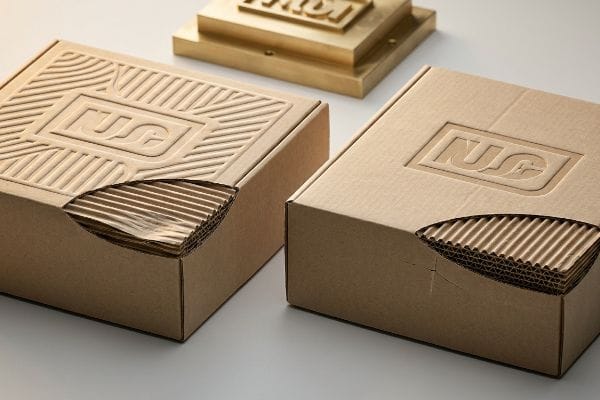
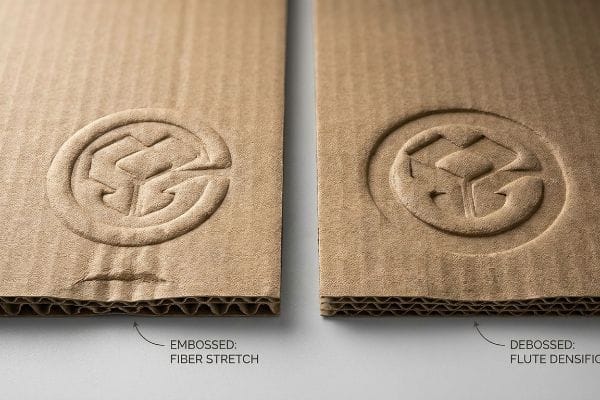
এমবসিং এবং ডিবসিং-এর সুবিধা ও অসুবিধাগুলো মূল্যায়ন করলে একটি কঠোর কাঠামোগত আপস-মীমাংসা প্রকাশ পায়। বাইরের দিকে এমবসিং এক চমৎকার দৃশ্যগত বৈচিত্র্য তৈরি করলেও, এটি কাগজের তন্তুগুলোকে প্রসারিত করে এবং ভারবহন ক্ষমতা দুর্বল করে দেয়। ভেতরের দিকে ডিবসিং ঢেউখেলানো খাঁজগুলোকে আরও ঘন করে, শক্তি বজায় রাখে, কিন্তু ভেতরের দেয়াল ফেটে যাওয়া রোধ করতে আরও পুরু ভিত্তির প্রয়োজন হয়।.
বিশেষভাবে তৈরি পিতলের সরঞ্জামের জন্য হাজার হাজার টাকা খরচ করার আগে, আপনাকে অবশ্যই বুঝতে হবে যে এই নান্দনিক পছন্দগুলো ভারী খুচরা পণ্য পরিবহনের লজিস্টিকসের সাথে বাস্তবে কীভাবে কাজ করে।.
ডিবসিং-এর সুবিধাগুলো কী কী?
ক্রেতারা যখন ধারণক্ষমতার সাথে আপোস না করে একটি বিলাসবহুল অনুভূতি চান, তখন উপাদানটিকে ভেতরের দিকে ঠেলে দেওয়াই সবচেয়ে নিরাপদ উপায়।.
ডিবসিং-এর সুবিধাগুলো বুঝতে হলে কাগজের পদার্থবিদ্যা বুঝতে হবে। এর প্রধান সুবিধা হলো কাঠামোগত সুরক্ষা। স্পর্শযোগ্য নকশাটিকে ভেতরের দিকে চাপ দিয়ে এই প্রক্রিয়াটি ভেতরের খাঁজগুলোকে একটি নিরেট ব্লকে পরিণত করে, যা বাইরের আস্তরণের স্থিতিস্থাপকতা নষ্ট না করে বা সংকোচনের সীমায় কোনো আপস না করেই একটি উৎকৃষ্ট মানের ছায়াময় টেক্সচার প্রদান করে।.
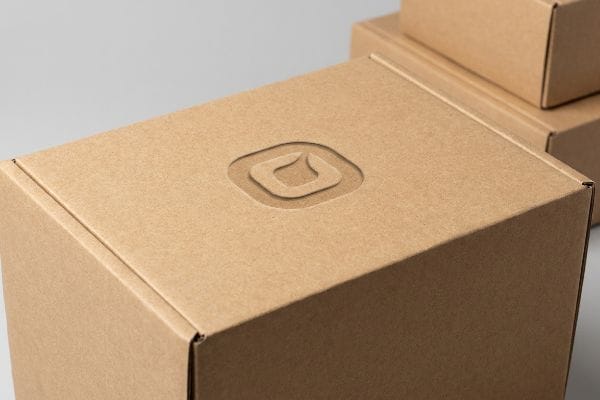
এর উদ্দেশ্য শুধু বাক্সটিকে দামি দেখানো নয়; বরং ক্লাব স্টোরের কঠোর পরিবেশের ঠেলাঠেলি সহ্য করে টিকে থাকা।.
"অভ্যন্তরীণ সংকোচন" লোড প্রোটোকল
যখন আমি ক্লায়েন্টের ডাইলাইন অডিট করি, তখন আমি প্রায়শই দেখি ব্র্যান্ডগুলো তাদের ভারবাহী রিটেইল ট্রে-তে 3D টেক্সচার যোগ করতে ভয় পায়। তারা ধরে নেয় যে যেকোনো ডাই-স্ট্রাইক TAPPI T811 এজ ক্রাশ টেস্ট (ECT) রেটিং1।তবে, ডিবসিং আসলে উপাদানের জ্যামিতির বিরুদ্ধে কাজ না করে, বরং এর সাথে সামঞ্জস্য রেখে কাজ করে। ধাতব টুলিংকে নিচের দিকে চালনা করার মাধ্যমে, মেশিনটি ছিদ্রযুক্ত টেস্টলাইনারকে ভৌতভাবে নিচের B-ফ্লুটের মধ্যে ঘনীভূত করে2, যা কাগজের ফাইবারের একটি কঠিন, স্থানীয় ব্লক তৈরি করে।
আমার প্রতিষ্ঠানে আমি নিয়মিত দেখি যে ক্রয়কারী দলগুলো দামী সলিড ব্লিচড সালফেট (এসবিএস) বোর্ড ব্যবহার করে বিলাসবহুল নান্দনিকতা অর্জনের চেষ্টা করে, এই বিষয়টি উপেক্ষা করে যে একটি খাঁজবিহীন সাবস্ট্রেটে ডাইনামিক শক অ্যাবজর্বশন৩। এটা শুধু তত্ত্ব নয়—আমি টেস্টিং ফ্লোরে এটা ঘটতে দেখি যখন আমরা ম্যালেন টেস্টারের মধ্যে দিয়ে ভারী কসমেটিক ট্রে । গত কোয়ার্টারে, একজন ক্লায়েন্ট একটি প্রাইমারি সাপোর্ট প্যানেলে একটি গভীর ৩ডি লোগো চেয়েছিলেন। বোর্ডের পুরুত্ব ০.০৭ ইঞ্চি (১.৮ মিমি) বাড়ানোর পরিবর্তে, যার জন্য কাঁচামালের খরচ ৩০% বেশি পড়ত, আমি ক্যাড জ্যামিতি লক করে তাদের বাইরের দিকে করা এমবসটিকে উল্টে দিয়ে একটি গভীর ভেতরের দিকে করা ডিবসে পরিণত করি। ডাই-স্ট্রাইকটি খাঁজগুলোকে শুধুমাত্র লোগোর জায়গায় সংকুচিত করে। এই সূক্ষ্ম সমন্বয়টি কঠোর ৩২ইসিটি কাঠামোগত অখণ্ডতা৪ পাশাপাশি উচ্চ-কন্ট্রাস্ট স্পর্শকাতর ঘর্ষণ প্রদান করে। শক্ত চিপবোর্ডের পরিবর্তে সাধারণ ঢেউখেলানো কার্ডবোর্ডে রাখার মাধ্যমে আমি নিশ্চিত করেছিলাম যে তারা ট্রেগুলো ফ্ল্যাট-প্যাক করতে পারবে, যার ফলে প্রতি ইউনিটে তাদের কো-প্যাকিং অ্যাসেম্বলির সময় ১৮ সেকেন্ড কমে আসে এবং অতিরিক্ত মাল পরিবহনের আয়তন ১২%-এর বেশি সাশ্রয় হয়।
| মেট্রিক/বৈশিষ্ট্য | বাইরের দিকে এমবস | অভ্যন্তরীণ ডিবস |
|---|---|---|
| ফাইবার টেনশন | প্রসারিত ও পাতলা | ঘন করে এবং আটকে রাখে5 |
| ইসিটি প্রভাব | ফেটে যাওয়ার উচ্চ ঝুঁকি6 | বোর্ডের শক্তি বজায় রাখে7 |
| সেরা অ্যাপ্লিকেশন | নন-লোড হেডার | ভারী পিডিকিউ ট্রে |
শুধুমাত্র একটি এমবসড লোগোর জন্য মার্কেটিং টিমগুলোকে আমার মূল আর্কিটেকচারের সাথে আপোস করতে আমি কিছুতেই দেব না। ডিবসিং তাদের সেই প্রিমিয়াম রিটেইল ফিনিশটি দেয় যা তারা চায়, এবং একই সাথে আমাকে গাণিতিকভাবে ডাইনামিক লোড ক্যাপাসিটির নিশ্চয়তা দেওয়ার সুযোগ করে দেয়।.
🛠️ হার্ভিস ডেস্ক: আপনার প্রিমিয়াম চেকআউট ট্রেগুলো কি দোকানে পৌঁছানোর আগেই আপনার শিপিং ROI-কে মারাত্মকভাবে ক্ষতিগ্রস্ত করছে? 👉 একটি ফ্রি স্ট্রাকচারাল ডাইলাইন অডিট করান ↗ — আমি ২৪ ঘণ্টার মধ্যে প্রতিটি স্ট্রাকচারাল ফাইল ব্যক্তিগতভাবে পর্যালোচনা করি।
এমবসিংয়ের সুবিধাগুলো কী কী?
একটি ভিড়ে ঠাসা বড় দোকানের করিডোরে আলাদাভাবে চোখে পড়ার জন্য তিন সেকেন্ডের মধ্যে সর্বাধিক দৃষ্টি আকর্ষণ করা প্রয়োজন।.
এমবসিংয়ের প্রধান সুবিধাগুলোর মধ্যে রয়েছে অতুলনীয় দৃশ্যগত ও স্পর্শগত ভিন্নতা। পেপারবোর্ডের পৃষ্ঠকে বাহ্যিকভাবে উঁচু করে তোলার মাধ্যমে, এমবসিং ওপরের দোকানের আলোকে প্রতিফলিত করে নাটকীয় ছায়া তৈরি করে। এই ত্রিমাত্রিক টেক্সচারটি ব্র্যান্ডের অনুভূত মূল্যকে উল্লেখযোগ্যভাবে বাড়িয়ে তোলে এবং ভোক্তার দৃষ্টিগোচর স্থানে স্থাপন করা হলে তা তাৎক্ষণিক ক্রয়ের হার বৃদ্ধি করে।.
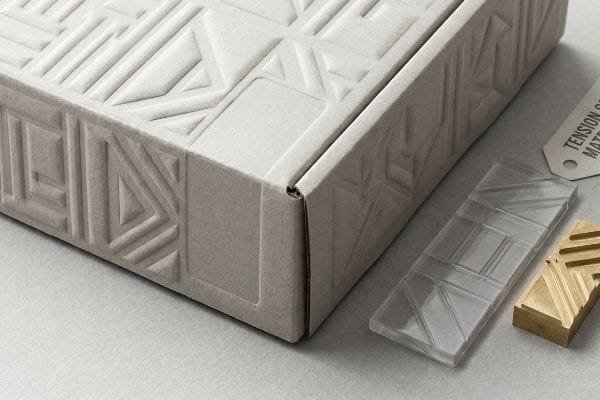
নান্দনিক আকর্ষণ অনস্বীকার্য হলেও, অপরিকল্পিতভাবে কাঁচা কাগজের তন্তুগুলোকে জোর করে ওপরের দিকে ঠেলে দিলে তা গুরুতর যান্ত্রিক ঝুঁকি তৈরি করে।.
"পলিমার ম্যাট্রিক্স" টেনশন কন্ট্রোল
যখন আমি উচ্চমানের কসমেটিক ডিসপ্লের জন্য আসা আর্টওয়ার্ক পরিদর্শন করি, তখন আমি ক্রমাগত একটি বিপজ্জনক ধারণা লক্ষ্য করি: ডিজাইনাররা 3D ফয়েল এমবসিংকে হুবহু ফ্ল্যাট ইঙ্ক প্রিন্টিংয়ের মতোই বিবেচনা করেন। তারা মূল কাঠামোগত ভাঁজের উপরেই সরাসরি তীব্র উঁচু টেক্সচার বসিয়ে দেন। তারা পুরোপুরি উপেক্ষা করেন যে, প্রকৃত এমবসিং ঐ চূড়াগুলো তৈরি করার জন্য কাঁচা পেপারবোর্ডের ফাইবারগুলোকে তীব্রভাবে প্রসারিত ও পাতলা করে8। যদি এই দ্বৈত-চাপের অঞ্চলটি প্রশমিত না করা হয়, তবে কাঠামোগতভাবে ক্লান্ত ফাইবারগুলো স্বয়ংক্রিয় ভাঁজের সময় ছিঁড়ে যাবে9।
আমার প্রতিষ্ঠানে, আমি নিয়মিত দেখি এই তাত্ত্বিক ডেস্ক-ওয়ার্ক বাস্তব পরিস্থিতিকে ভেঙে দেয়। এটা শুধু তত্ত্ব নয়—আমি টেস্টিং ফ্লোরে এটা ঘটতে দেখি যখন একটি গভীর এমবস করা 32ECT বোর্ডকে ফোল্ডার-গ্লুয়ারের মধ্যে দিয়ে ঠেলে দেওয়া হয়। আপনি আক্ষরিক অর্থেই মেশিন থেকে সাদা কাগজের গুঁড়ো উড়তে দেখতে পারেন যখন বাইরের লাইনারটি ছিটকে বেরিয়ে যায়, যা কার্টনের সংকোচন শক্তি নষ্ট করে দেয়10।এটি ঠিক করার জন্য, ফ্লোরে আমার বিশ বছরের অভিজ্ঞতা আমাকে শিখিয়েছে কাটিং প্লেটে ডায়নামিকভাবে মাউন্ট করা নির্দিষ্ট পলিমার ম্যাট্রিক্স ক্রিজিং চ্যানেল ব্যবহার করতে। যখন মেল-ফিমেল ব্রাস ডাইগুলো বোর্ডে আঘাত করে, তখন এই পলিমার অ্যানভিলটি ফাইবারগুলো কীভাবে প্রসারিত হবে তা নির্ভুলভাবে নিয়ন্ত্রণ করে, যা মূল ক্রিজের চারপাশে একটি কঠোর 0.25-ইঞ্চি (6.35 মিমি) বর্জন অঞ্চল11।এই বাস্তব হস্তক্ষেপ লিথো-ক্র্যাকিং সম্পূর্ণরূপে নির্মূল করেছে। গাণিতিকভাবে গভীর 3D টেক্সচারকে ভাঁজ থেকে দূরে সরিয়ে এবং টান নিয়ন্ত্রণ করে, আমি নিশ্চিত করেছি যে কাঠামোগত কোণগুলো সম্পূর্ণ অক্ষত থাকে, 4.5% স্ক্র্যাপের হার শূন্যে নামিয়ে এনেছি এবং ক্লায়েন্টকে তাদের বিদেশী কন্টেইনার লোডের উপর খুচরা বিক্রেতাদের প্রত্যাখ্যানের বিশাল জরিমানা থেকে বাঁচিয়েছি।
| মেট্রিক/বৈশিষ্ট্য | ফ্ল্যাট ফয়েল স্ট্যাম্পিং | 3D এমবসিং |
|---|---|---|
| চাক্ষুষ গভীরতা | শূন্য (শুধুমাত্র পৃষ্ঠতল) | উচ্চ (ছায়া নিক্ষেপ) |
| ফাইবার স্ট্রেস | ন্যূনতম | উচ্চ (ম্যাট্রিক্স প্রয়োজন)12 |
| কাঠামোগত ঝুঁকি | ভাঁজে নিরাপদ | বর্জন অঞ্চল প্রয়োজন13 |
আমি সবসময় শেলফে নকশার সর্বোচ্চ বৈচিত্র্য আনার চেষ্টা করি, কিন্তু কোনো ডিজাইনারের তৈরি উঁচু টেক্সচারের জন্য আমি ভাঁজ করার ক্ষেত্রে কোনো ছাড় দেব না। ভারী মালবাহী পরিবহনের চাপে এমবসিং টিকে থাকার একমাত্র উপায় হলো নিয়ন্ত্রিত টান।.
🛠️ হার্ভির ডেস্ক: স্বয়ংক্রিয় অ্যাসেম্বলির সময় আপনার ভারী ফয়েল এমবসিং কি গোপনে আপনার প্রধান ভারবাহী ভাঁজগুলোকে ভেঙে ফেলছে? 👉 একটি বিনামূল্যে টেনশন কন্ট্রোল অ্যাসেসমেন্টের জন্য অনুরোধ করুন ↗ — ১০০% গোপনীয়। আপনার অপ্রকাশিত রিটেইল ডিজাইনগুলো আমার কাছে সুরক্ষিত।
ডিবসিং নাকি এমবসিং বেশি ভালো?
কাগজকে ভেতরের দিকে চাপ দেওয়া বা বাইরের দিকে টানার মধ্যে কোনটি বেছে নেবেন, তা শেষ পর্যন্ত আপনার ঢেউখেলানো কাগজের রাসায়নিক গঠনের উপর নির্ভর করে।.
ডিবসিং নাকি এমবসিং ভালো, তা সম্পূর্ণরূপে কাঠামোগত অবস্থান এবং উপকরণের মানের উপর নির্ভর করে। ভারবাহী রিটেইল ট্রে-এর জন্য ডিবসিং প্রযুক্তিগতভাবে শ্রেয়, কারণ ভেতরের দিকে চাপের ফলে এর খাঁজগুলো আরও ঘন হয়। অ-কাঠামোগত হেডারের জন্য এমবসিং শ্রেয়, যেখানে উল্লম্বভাবে ভারে ভেঙে পড়ার ঝুঁকি না নিয়ে সর্বোচ্চ দৃষ্টিনন্দন রূপ দেওয়া প্রয়োজন।.
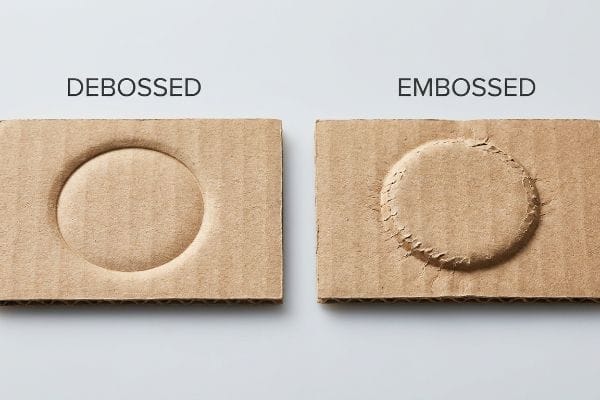
এই প্রশ্নের উত্তর দিতে হলে ডিজাইন স্টুডিওর গণ্ডি থেকে বেরিয়ে এসে পুনর্ব্যবহৃত কাগজের তন্তুর আণুবীক্ষণিক বাস্তবতাকে দেখতে হবে।.
"ফাইবার ক্লান্তি"র বাস্তব যাচাই
যখন আমি টেকসইতার নীতিমালা নিরীক্ষা করি, তখন আমি ক্রমাগত দেখি ব্র্যান্ডগুলো ১০০% পুনর্ব্যবহৃত টেস্টলাইনারের দাবি করছে এবং একই সাথে আক্রমণাত্মক ৩ডি এমবসড টেক্সচারের অনুরোধ করছে। তারা পুনর্ব্যবহৃত কার্ডবোর্ডকে এমনভাবে ব্যবহার করে যেন এর স্থিতিস্থাপকতা একেবারে নতুন ভার্জিন ক্রাফটের মতোই। তারা এই আণুবীক্ষণিক যান্ত্রিক বাস্তবতা উপেক্ষা করে যে, পাঁচ থেকে সাতবার পুনঃমজ্জা তৈরির চক্রের পর সেলুলোজ ফাইবারগুলো শারীরিকভাবে ছোট হয়ে যায় এবং কাঠামোগতভাবে দুর্বল হয়ে পড়ে । যখন এই ছোট, ভঙ্গুর ফাইবারগুলোর উপর জোর করে বাইরের দিকে এমবস করা হয়, তখন প্রসারিত হওয়ার জন্য প্রয়োজনীয় টান শক্তি এদের থাকে না, যার ফলে তাৎক্ষণিক ক্ষুদ্র ফাটল সৃষ্টি হয় ।
এটা শুধু তত্ত্ব নয়—গত বছর একটি টেকসই প্রসাধনী প্রচারণার পরীক্ষা করার সময় আমি এই বিষয়টি কঠিনভাবে শিখেছি। আমার স্পষ্টভাবে মনে আছে, আমি আমার প্রধান প্যাকেজিং ইঞ্জিনিয়ার, মার্ককে, একটি সম্পূর্ণ একত্রিত, ১০০% পুনর্ব্যবহৃত এমবসড ট্রে-কে ইন্টারন্যাশনাল সেফ ট্রানজিট অ্যাসোসিয়েশন (ISTA) 3A ভাইব্রেশন টেস্ট16-এর। সাধারণ খুচরা বিক্রেতার কমপ্লায়েন্স চেকলিস্টে বলা ছিল যে বোর্ডের গ্রেড গ্রহণযোগ্য, কিন্তু যখন ১৫০ পাউন্ড (৬৮ কেজি) ওজনের ভারটি সরে গেল, তখন পাশের দেয়াল বরাবর বাইরের দিকে এমবস করা চূড়াগুলো সম্পূর্ণরূপে আলাদা হয়ে গেল এবং ছিঁড়ে খুলে গেল। ক্লান্ত ফাইবারগুলো পার্শ্বীয় গতিজনিত ধাক্কা সামলাতে পারেনি। আমি সঙ্গে সঙ্গে প্রেসটি থামিয়ে দিই এবং CAD ফাইলটি পুনরায় স্কোর করি, টুলিংটি উল্টে দিয়ে ভঙ্গুর খাঁজগুলোকে প্রসারিত করার পরিবর্তে সেগুলোকে ঘন করার জন্য ভেতরের দিকে ডিবস17। এরপর আমরা টুলিংয়ের চাপ সামলানোর জন্য বিশেষভাবে উপরের শিটে ৩০% ভার্জিন ক্রাফটের একটি সুনির্দিষ্ট অনুপাত ইনজেক্ট করি। আমি আমার টেস্টিং ল্যাবে সময় এবং অর্থ ব্যয় করি যাতে খুচরা বিক্রির বাজারে আপনার লাভ নষ্ট না হয়। উপকরণ ও যন্ত্রপাতির এই দ্রুত পরিবর্তন শুধু ভিত্তিটির ধসে পড়াই রোধ করেনি; এটি ক্লায়েন্টের পরিবহনকালীন ক্ষতির হার শূন্যে নামিয়ে এনেছে, যার ফলে নষ্ট হওয়া পণ্যসামগ্রী এবং চার্জব্যাক বাবদ তাদের হাজার হাজার টাকা সাশ্রয় হয়েছে।
| মেট্রিক/বৈশিষ্ট্য | ১০০% পুনর্ব্যবহৃত বোর্ড | ভার্জিন ক্রাফট ব্লেন্ড |
|---|---|---|
| ফাইবার দৈর্ঘ্য | সংক্ষিপ্ত ও ক্লান্ত18 | দীর্ঘ এবং অত্যন্ত স্থিতিস্থাপক19 |
| এমবসিং ফলাফল | ক্ষুদ্র ফাটল / ছিঁড়ে যাওয়া20 | পরিষ্কার 3D স্ট্রেচ |
| ডিবসিং ফলাফল | নিরাপদে ঘন হয় | গভীর, তীক্ষ্ণ ছাপ |
আমি কখনো তাত্ত্বিক টেকসইতার মাপকাঠিকে বস্তুকৌশল থেকে আমাকে অন্ধ করে দিতে দিই না। যদি কোনো গ্রাহক অতিরিক্ত পুনর্ব্যবহৃত বোর্ডের ওপর জোর দেন, তবে ডিসপ্লেটি যেন ট্রাকের যাত্রাপথটি সত্যিই সহ্য করতে পারে, তা নিশ্চিত করার জন্য আমি আইনতভাবে এমবসিং বাধ্যতামূলক করি।.
🛠️ হার্ভিস ডেস্ক: আপনার পরিবেশ-বান্ধব উপকরণ নির্বাচন কি গোপনে প্যালেটের ওজনে আপনার স্পর্শযোগ্য ফিনিশগুলিতে ফাটল ধরাচ্ছে? 👉 আপনার বিনামূল্যে সাবস্ট্রেট ফিজিক্স অডিট দাবি করুন ↗ — মাঝখানে কোনো অ্যাকাউন্ট ম্যানেজার নেই। আপনি সরাসরি স্ট্রাকচারাল ইঞ্জিনিয়ারদের সাথে কথা বলবেন।
ডিবসিং-এর সীমাবদ্ধতাগুলো কী কী?
অভ্যন্তরীণ সংকোচন কাঠামোগতভাবে নিরাপদ হলেও, ক্রয়কারী দলগুলো যদি অন্য কোথাও খরচ কমানোর চেষ্টা করে, তবে তা গুরুতর আর্থিক ফাঁদ ডেকে আনে।.
ডিবসিংয়ের সীমাবদ্ধতাগুলো মূলত উপকরণের পুরুত্ব এবং খরচের বাধাকে কেন্দ্র করে। একটি গভীর ও উৎকৃষ্ট মানের অভ্যন্তরীণ ছাপ তৈরি করতে একটি ঘন ও উচ্চ-মানের ঢেউখেলানো পৃষ্ঠ প্রয়োজন। যখন ব্র্যান্ডগুলো ব্যয়বহুল কাস্টম ডিবসিং টুলিংয়ের খরচ কমাতে গোপনে বোর্ডের কাঠামোগত মান কমিয়ে দেয়, তখন পুরো ডিসপ্লেটি পরিবহনের সময় মারাত্মকভাবে থেঁতলে যাওয়ার ঝুঁকিতে পড়ে।.
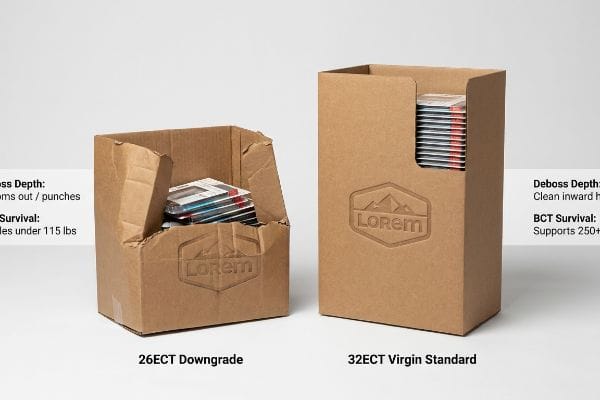
একটি এমবসড রিটেইল ডিসপ্লের জন্য সবচেয়ে বড় হুমকি এর সরঞ্জামগুলো নয়—বরং এর অর্থায়নের জন্য ব্যবহৃত স্প্রেডশিটভিত্তিক গাণিতিক হিসাব।
‘কসমেটিক ডাউনগ্রেড’ কম্প্রেশন ট্র্যাপ
যখন আমি আগত RFQ-গুলো পর্যালোচনা করি, আমি ক্রমাগত দেখি যে ক্রয় দলগুলো ব্যয়বহুল বাহ্যিক সরঞ্জামের ফি-কে অলঙ্ঘনীয় বিপণন নির্দেশ হিসেবে গণ্য করে। কাস্টম ব্রাস ডিবসিং ডাই-এর উচ্চ উৎপাদন খরচ পুষিয়ে নিতে, তারা গোপনে মূল ঢেউতোলা বোর্ডের ECT রেটিং কমিয়ে দেয়। তারা ধরে নেয় যে, একটি 32ECT থেকে 26ECT বোর্ডে নেমে আসলেওকিছু যায় আসবে না, কারণ বাইরের গ্রাফিকটি তখনও প্রিমিয়াম দেখায়। তারা এটা একেবারেই বুঝতে ব্যর্থ হয় যে, একটি পাতলা ফ্লুট কাঠামোর উপর গভীর ডিবসিংএকটি তাৎক্ষণিক ধসে পড়ার স্থান তৈরি করে।
আমার প্রতিষ্ঠানে, আমি নিয়মিতই দেখি যে এই আবরণহীন বোর্ডগুলো সাধারণ সর্বোচ্চ চাপের অধীনেই সাথে সাথে ভেঙে পড়ে। এটা শুধু তত্ত্ব নয়—আমি পরীক্ষার ফ্লোরে এটা ঘটতে দেখি যখন আমরা এই ত্রুটিপূর্ণ বোর্ডগুলোকে হাইড্রোলিক কম্প্রেশন প্রেসের মধ্যে দিয়ে চালাই। গত মাসে, একটি সংস্থা আমাকে একটি ফাইল পাঠিয়েছিল, যেখানে একটি নিম্নমানের 26ECT C-ফ্লুট বোর্ডের সামনের প্যানেলে বিশাল আকারের এমবস করা নকশা ছিল। মাত্র ১১২.৪ পাউন্ড (৫১ কেজি) উল্লম্ব চাপে, বোর্ডটি ঠিক সেই জায়গায় বেঁকে যাওয়ার সময় একটি ধীর, ঘষার মতো মচমচে শব্দ শোনা যাচ্ছিল, যেখানে এমবস করার ফলে বোর্ডের ভেতরের আগে থেকেই পাতলা খিলানগুলো দুর্বল হয়ে পড়েছিল।তাদের এমন একটি নিশ্চিত ব্যর্থ পণ্য পাঠাতে না দিয়ে, আমি মাইক্রোমিটারের রিডিং নিয়ে প্রমাণ করলাম যে তাদের বাজেট বাড়ানোর কোনো প্রয়োজন নেই। ক্রয়কারী দল আমাকে এক্সেল বিল অফ মেটেরিয়ালস (BOM) পরিবর্তন করার অনুমতি দেওয়ার পর, আমি আসল 32ECT মান পুনরুদ্ধার করি এবং তাদের অপ্রয়োজনীয় ভারী ফয়েল ফিল্মগুলো সরিয়ে ফেলি, সেগুলোর জায়গায় একটি হাই-সলিড গ্লস অ্যাকুয়াস কোটিং লাগিয়ে দিই। উপাদানটি নিজেই মূল কাজটি করে দিয়েছিল। অপ্রয়োজনীয় প্লাস্টিক ফিল্মের পরিবর্তে কাঠামোগত ঘনত্বের দিকে বাজেট পুনর্বিন্যাস করার মাধ্যমে, আমি নিশ্চিত করেছিলাম যে এমবস করা প্যানেলগুলি ডাবল-স্ট্যাকড সমুদ্রযাত্রার ধকল সহ্য করতে পারে, যার ফলে ব্র্যান্ডটি নন-স্ট্যাকেবল প্যালেট শিপিংয়ের জন্য প্রযোজ্য বিশাল ৩০% মালবাহী জরিমানা থেকে২৪।
| মেট্রিক/বৈশিষ্ট্য | ২৬ECT অবনমন | ৩২ইসিটি ভার্জিন স্ট্যান্ডার্ড |
|---|---|---|
| ডিবস গভীরতা | তলগুলো / ঘুষি | পরিষ্কার অভ্যন্তরীণ ধরে |
| বিসিটি বেঁচে থাকা | ১১৫ পাউন্ডের নিচে বেঁকে যায়25 | ২৫০+ পাউন্ড ওজন বহন করতে পারে26 |
| ROI প্রভাব | উচ্চ চার্জব্যাক ঝুঁকি | ঘর্ষণহীন মাল পরিবহন |
শুধুমাত্র একটি শৌখিন পিতলের ডাইয়ের দাম মেটানোর জন্য আমি আমার স্ট্রাকচারাল বোর্ডের মান কখনোই ফাঁপা করব না। সত্যিকারের প্রিমিয়াম প্যাকেজিংয়ের জন্য এমন একটি ভিত্তি প্রয়োজন যা এর বাহ্যিক আবেদনকে সত্যিই বহন করতে পারে।.
🛠️ হার্ভির ডেস্ক: আপনার ক্রয় বিভাগ কি কেবল বাহ্যিক সৌন্দর্যবর্ধনের খরচ মেটাতে গোপনে বোর্ডের শক্তি কমিয়ে দিচ্ছে? 👉 একটি বিনামূল্যে TCO মেটেরিয়াল অডিট করান ↗ — আমি ২৪ ঘণ্টার মধ্যে প্রতিটি স্ট্রাকচারাল ফাইল ব্যক্তিগতভাবে পর্যালোচনা করি।
উপসংহার
আপনি কাগজের তন্তুগুলোকে বাইরের দিকে টানুন বা ভেতরের দিকে সংকুচিত করুন, ত্রিমাত্রিক স্পর্শযোগ্য ফিনিশকে যান্ত্রিক প্রকৌশলের পরিবর্তে শুধুমাত্র দৃশ্যশিল্প হিসেবে বিবেচনা করলে তা অনিবার্যভাবে প্যালেটের ওজনে আপনার রিটেইল ট্রেগুলোকে বেঁকে ফেলবে। শুধুমাত্র গত মাসেই, আমার স্ট্রাকচারাল অডিট ৩টি ব্র্যান্ডকে বাতিল হওয়া ইনভেন্টরি এবং রিটেইলার চার্জব্যাক বাবদ ১০,০০০ ডলারেরও বেশি সাশ্রয় করতে সাহায্য করেছে। আরেকটি কাস্টম ব্রাস ডাই অনুমোদন করার আগে, আপনার প্রিমিয়াম ফিনিশ যেন বৈশ্বিক সাপ্লাই চেইনেও টিকে থাকে, তা নিশ্চিত করতে আমাকে ব্যক্তিগতভাবে আমার ফ্রি ট্যাকটিক্যাল টুলিং অডিটের ↗ মাধ্যমে আপনার স্ট্রাকচারাল ফাইলগুলো পরীক্ষা করতে দিন।
"এজ ক্রাশ টেস্টিং মেথডস অ্যান্ড বক্স কম্প্রেশন মডেলিং, TAPPI …", https://www.tappi.org/publications-standards/tappi-journal/home/2022/aug/edge-crush-testing-methods-and-box-compression-modeling-tappi-journal-august-2022/। করোগেটেড বোর্ডের স্ট্যাকিং স্ট্রেংথ পরিমাপের জন্য আদর্শ পদ্ধতি হিসেবে TAPPI T811-এর যাচাইকরণ। প্রমাণের ভূমিকা: প্রযুক্তিগত সংজ্ঞা; উৎসের ধরণ: শিল্প মান। সমর্থন: ভারবহন ক্ষমতা পরিমাপ করতে ব্যবহৃত মেট্রিক। পরিধি নোট: শুধুমাত্র করোগেটেড উপকরণের মধ্যে সীমাবদ্ধ। ↩
"Corugated Paperboard Packages with … Compressive Strength of Corrugated Paperboard Packages", https://pmc.ncbi.nlm.nih.gov/articles/PMC10054506/। অভ্যন্তরীণ যান্ত্রিক চাপ কীভাবে করোগেটেড ফ্লুটিং-এর কাঠামোগত ঘনত্ব এবং সংকোচন শক্তিকে প্রভাবিত করে তার প্রযুক্তিগত বিশ্লেষণ। প্রমাণের ভূমিকা: যান্ত্রিক যাচাইকরণ; উৎসের ধরণ: পদার্থ বিজ্ঞান গবেষণা। সমর্থন করে: এই দাবি যে ডিবসিং ফাইবারের একটি স্থানীয় কঠিন ব্লক তৈরি করে। পরিধি টীকা: বি-ফ্লুট জ্যামিতির জন্য নির্দিষ্ট। ↩
"সলিড ব্লিচড বোর্ড – উইকিপিডিয়া", https://en.wikipedia.org/wiki/Solid_bleached_board। শক্তি অপচয় এবং অভিঘাত প্রতিরোধের ক্ষেত্রে সলিড বোর্ড বনাম ফ্লুটেড সাবস্ট্রেটের তুলনামূলক বিশ্লেষণ। প্রমাণের ভূমিকা: প্রযুক্তিগত যাচাইকরণ; উৎসের ধরণ: পদার্থ বিজ্ঞান হ্যান্ডবুক। সমর্থন করে: এই দাবি যে ফ্লুটেড নয় এমন উপকরণে ডাইনামিক শক অ্যাবজর্বশনের অভাব রয়েছে। পরিধি টীকা: শিল্প প্যাকেজিংয়ের জন্য নির্দিষ্ট। ↩
"[পিডিএফ] করোগেটেড বোর্ড স্পেসিফিকেশন – ফাইবার বক্স অ্যাসোসিয়েশন", https://www.fibrebox.org/assets/2025/09/Walmart_Corrugated-Board_Specifications_Automation_Packaging_Standards.pdf। করোগেটেড ফাইবারবোর্ডের এজ ক্রাশ টেস্ট (ECT) রেটিং-এর উপর স্থানীয় ডাই-স্ট্রাইকিং কীভাবে প্রভাব ফেলে, সে সম্পর্কিত প্রযুক্তিগত নথি। প্রমাণের ভূমিকা: প্রযুক্তিগত স্পেসিফিকেশন; উৎসের ধরণ: প্যাকেজিং ইঞ্জিনিয়ারিং স্ট্যান্ডার্ড। সমর্থন করে: এই দাবি যে স্থানীয় ডিবসিং সামগ্রিক কাঠামোগত অখণ্ডতা রক্ষা করে। পরিধি সংক্রান্ত টীকা: ৩২ECT গ্রেডের বোর্ডের জন্য প্রযোজ্য। ↩
"যান্ত্রিকতার উপর অ্যানালগ এবং ডিজিটাল ক্রিজ লাইনের প্রভাব … – পিএমসি", https://pmc.ncbi.nlm.nih.gov/articles/PMC9268991/। স্ট্রাকচারাল প্যাকেজিং-এর উপর একটি নির্ভরযোগ্য উৎস নিশ্চিত করবে যে কীভাবে অভ্যন্তরীণ সংকোচন ফাইবারের ঘনত্ব এবং যান্ত্রিক আন্তঃসংযোগ বৃদ্ধি করে। প্রমাণের ভূমিকা: প্রযুক্তিগত যাচাইকরণ; উৎসের ধরণ: প্যাকেজিং ইঞ্জিনিয়ারিং ম্যানুয়াল। সমর্থন করে: ডিবসিং-এর যান্ত্রিক সুবিধা। পরিধি টীকা: সেলুলোজ-ভিত্তিক ফাইবারের ক্ষেত্রে প্রযোজ্য। ↩
"আত্মজীবনীমূলক স্মৃতি এবং ইসিটি: শিশুকে ফেলে দেবেন না – পিএমসি", https://pmc.ncbi.nlm.nih.gov/articles/PMC4141894/। বাইরের দিকে এমবস করা উপকরণের উপর প্রকৌশলগত তথ্য থেকে দেখা যায় যে, বোর্ডের পাতলা হয়ে যাওয়ার কারণে ভারের অধীনে কাঠামোগত ব্যর্থতার ঝুঁকি বৃদ্ধি পায়। প্রমাণের ভূমিকা: ব্যর্থতার ধরণ বিশ্লেষণ; উৎসের ধরণ: প্রযুক্তিগত গবেষণা। সমর্থন করে: বাইরের দিকে এমবস করার ঝুঁকি মূল্যায়ন। পরিধি টীকা: বিশেষভাবে ভারবাহী প্যাকেজিংকে বোঝায়। ↩
"পূর্ণ-ক্ষেত্র স্ট্রেইন দ্বারা উন্নত নতুন এজ ক্রাশ টেস্ট কনফিগারেশন …", https://pmc.ncbi.nlm.nih.gov/articles/PMC8510352/। ঢেউখেলানো বোর্ডের কাঠামোগত অখণ্ডতার উপর করা গবেষণা প্রমাণ করে যে, এমবসিং-এর তুলনায় অভ্যন্তরীণ সংকোচন উল্লম্ব ভারবহন ক্ষমতার হ্রাসকে সর্বনিম্ন করে। প্রমাণের ভূমিকা: মেট্রিক বৈধতা; উৎসের ধরণ: শিল্প মান বা প্রযুক্তিগত শ্বেতপত্র। সমর্থন করে: ECT সংরক্ষণের দাবি। পরিধির টীকা: উপাদানের পুরুত্বের উপর নির্ভরশীল। ↩
"যান্ত্রিক এবং কোমলতা বৈশিষ্ট্যের উপর এমবসিং চাপের প্রভাব...", https://pmc.ncbi.nlm.nih.gov/articles/PMC9228970/। এমবসিং-এর সময় যান্ত্রিক বিকৃতি কীভাবে উপাদানের পুরুত্ব কমায় এবং তন্তুর অখণ্ডতা পরিবর্তন করে তার প্রযুক্তিগত ব্যাখ্যা। প্রমাণের ভূমিকা: প্রযুক্তিগত প্রক্রিয়া; উৎসের ধরণ: বস্তু বিজ্ঞান হ্যান্ডবুক। সমর্থন: পেপারবোর্ডের কাঠামোর উপর এমবসিং-এর ভৌত প্রভাব। পরিধি টীকা: উচ্চ-চাপের যান্ত্রিক এমবসিং-এর ক্ষেত্রে প্রযোজ্য। ↩
"[পিডিএফ] ক্রিজিং অ্যান্ড ফোল্ডিং – বায়োরিসোর্সেস", https://bioresources.cnr.ncsu.edu/wp-content/uploads/2019/01/2017.1.69.pdf। গবেষণালব্ধ তথ্য যা প্রমাণ করে যে, কাঠামোগত ভাঁজের রেখার উপর এমবসিং স্থাপন করা হলে ভাঙনের হার বৃদ্ধি পায়। প্রমাণের ভূমিকা: ব্যর্থতা বিশ্লেষণ; উৎসের ধরণ: প্যাকেজিং ইঞ্জিনিয়ারিং নির্দেশিকা। সমর্থন: স্বয়ংক্রিয় ভাঁজের সময় উপাদানের ব্যর্থতার ঝুঁকি। পরিধি টীকা: দ্বৈত-পীড়ন অঞ্চলের জন্য নির্দিষ্ট। ↩
"কোরুগেটেড কাগজের উপর প্যালেটের টপ-ডেকের দৃঢ়তার প্রভাবের অনুসন্ধান...", https://pmc.ncbi.nlm.nih.gov/articles/PMC8585293/। গভীর এমবসিং কীভাবে কোরুগেটেড লাইনারের কাঠামোগত অখণ্ডতা এবং এজ ক্রাশ টেস্ট (ECT) মানকে ক্ষতিগ্রস্ত করে তার প্রযুক্তিগত বিশ্লেষণ। প্রমাণের ভূমিকা: প্রযুক্তিগত যাচাইকরণ; উৎসের ধরণ: প্যাকেজিং ইঞ্জিনিয়ারিং ম্যানুয়াল। সমর্থন করে: এই দাবি যে এমবসিং সংকোচন শক্তি হ্রাস করে। পরিধি টীকা: ৩২ECT বোর্ডের উপর দৃষ্টি নিবদ্ধ। ↩
"ক্রিজিং ম্যাট্রিক্স – সিটো প্লাস্ট", https://www.cito.de/en/US/printline/creasing_matrix/। এমবসড বোর্ডে ফাইবারের ব্যর্থতা রোধ করার জন্য পলিমার ক্রিজিং চ্যানেল ব্যবহার এবং প্রয়োজনীয় ক্লিয়ারেন্স দূরত্বের শিল্প মান। প্রমাণের ভূমিকা: প্রযুক্তিগত স্পেসিফিকেশন; উৎসের ধরণ: উৎপাদন মান। সমর্থন করে: নির্দিষ্ট বর্জন অঞ্চলের মেট্রিক। পরিধির টীকা: প্রিসিশন ডাই-কাটিং-এর জন্য প্রযোজ্য। ↩
"[পিডিএফ] থ্রিডি-প্রিন্টেড পদার্থের প্রক্রিয়াকরণ এবং বৈশিষ্ট্য নিরূপণ...", https://utw10945.utweb.utexas.edu/sites/default/files/2019/092%20Processing%20and%20Characterization%20of%203D-Printed%20Poly.pdf। থ্রিডি এমবসিং-এ উচ্চ-চাপের বিকৃতি কীভাবে ফাইবারের পীড়ন বাড়ায় এবং কাঠামোগত অখণ্ডতা বজায় রাখার জন্য একটি সহায়ক ম্যাট্রিক্সের প্রয়োজনীয়তা তৈরি করে, তার প্রযুক্তিগত ব্যাখ্যা। প্রমাণের ভূমিকা: প্রযুক্তিগত বিবরণ; উৎসের ধরণ: মুদ্রণ শিল্পের ম্যানুয়াল। সহায়ক বিষয়: থ্রিডি এমবসিং-এ ফাইবারের পীড়নের মাত্রা। পরিধিগত টীকা: শুধুমাত্র ডিপ-রিলিফ এমবসিং-এর জন্য প্রযোজ্য। ↩
"এমবসিং বনাম ডিবসিং: মূল পার্থক্য এবং কীভাবে নির্বাচন করবেন – আরকে", https://www.arkay.com/resources/embossing-vs-debossing। কাগজের ফেটে যাওয়া বা চিড় ধরা রোধ করার জন্য একটি এমবস করা উপাদান এবং একটি ভাঁজের রেখার মধ্যে প্রয়োজনীয় ন্যূনতম দূরত্ব সম্পর্কিত শিল্প-মান নির্দেশিকা। প্রমাণের ভূমিকা: প্রযুক্তিগত মান; উৎসের ধরণ: প্যাকেজিং ডিজাইন গাইড। সমর্থন করে: কাঠামোগত ঝুঁকি এবং বর্জন অঞ্চলের প্রয়োজনীয়তা। পরিধি সংক্রান্ত টীকা: সাবস্ট্রেটের পুরুত্ব এবং এমবসের গভীরতার উপর ভিত্তি করে দূরত্ব পরিবর্তিত হয়। ↩
"ন্যানোসেলুলোজ সংযোজনের ফলে …-এর যান্ত্রিক বৈশিষ্ট্যের উপর প্রভাব", https://pmc.ncbi.nlm.nih.gov/articles/PMC10780965/। পাল্প ও কাগজ রসায়নের উপর বৈজ্ঞানিক গবেষণা নিশ্চিত করে যে, ক্রমাগত পুনর্ব্যবহার চক্রের ফলে সেলুলোজ ফাইবার তার দৈর্ঘ্য এবং কাঠামোগত অখণ্ডতা হারায়। প্রমাণের ভূমিকা: প্রযুক্তিগত যাচাইকরণ; উৎসের ধরণ: পদার্থ বিজ্ঞান জার্নাল। সমর্থন: পুনর্ব্যবহৃত টেস্টলাইনারে ফাইবারের ভৌত অবক্ষয়। পরিধি টীকা: ফাইবারের উৎসের উপর নির্ভর করে সঠিক চক্র সংখ্যা ভিন্ন হতে পারে। ↩
"কাগজ এবং পেপারবোর্ডের শক্তি বজায় রাখার সম্ভাবনা...", https://bioresources.cnr.ncsu.edu/resources/prospects-for-maintaining-strength-of-paper-and-paperboard-products-while-using-less-forest-resources-a-review/। সাবস্ট্রেটের ব্যর্থতার উপর যান্ত্রিক গবেষণা ব্যাখ্যা করে যে কীভাবে ভঙ্গুর পুনর্ব্যবহৃত তন্তুর হ্রাসপ্রাপ্ত প্রসার্য শক্তি টানের অধীনে পৃষ্ঠে ফাটল সৃষ্টি করে। প্রমাণের ভূমিকা: কার্যকারণগত প্রমাণ; উৎসের ধরণ: শিল্প প্রকৌশল হ্যান্ডবুক। সমর্থন করে: পুনর্ব্যবহৃত স্টকের উপর বহির্মুখী এমবসিংয়ের ব্যর্থতার প্রক্রিয়া। পরিধি নোট: তীব্রতা এমবসিংয়ের গভীরতা এবং চাপের উপর নির্ভর করে। ↩
"[পিডিএফ] ISTA 3A – ইন্টারন্যাশনাল সেফ ট্রানজিট অ্যাসোসিয়েশন", https://ista.org/docs/3Aoverview.pdf। একটি প্রামাণিক বাহ্যিক উৎস কীভাবে এই দাবিকে সমর্থন করে তার সংক্ষিপ্ত ব্যাখ্যা। প্রমাণের ভূমিকা: প্রযুক্তিগত স্পেসিফিকেশন; উৎসের ধরণ: শিল্প মান। সমর্থন করে: ট্রানজিট সিমুলেট করতে ব্যবহৃত ভাইব্রেশন টেস্টিং প্যারামিটারগুলির বৈধতা এবং কঠোরতা। পরিধি নোট: ছোট পার্সেল ডেলিভারি সিমুলেশনের জন্য নির্দিষ্ট। ↩
"ভারবহন ক্ষমতার উপর ছিদ্রের প্রভাব অনুসন্ধান...", https://pmc.ncbi.nlm.nih.gov/articles/PMC11396172/। একটি প্রামাণ্য বাহ্যিক উৎস কীভাবে এই দাবিকে সমর্থন করে তার সংক্ষিপ্ত ব্যাখ্যা। প্রমাণের ভূমিকা: বস্তু বিজ্ঞানের নীতি; উৎসের ধরণ: প্রকৌশল গবেষণা। সমর্থন করে: এই প্রযুক্তিগত দাবি যে অভ্যন্তরীণ সংকোচন ফ্লুটের ঘনত্ব এবং ভারবহন ক্ষমতা বৃদ্ধি করে। পরিধি টীকা: করোগেটেড বোর্ডের বলবিদ্যার উপর দৃষ্টি নিবদ্ধ। ↩
"ঢেউখেলানো কাগজের মোড়কের পরিবেশগত প্রভাব", https://www.internationalpaper.com/resources/blog/environmental-impact-corrugated-packaging-why-balanced-fiber-approach-best। কাগজ পুনর্ব্যবহারের উপর প্রযুক্তিগত নথিতে ব্যাখ্যা করা হয়েছে কীভাবে বারবার প্রক্রিয়াকরণ এবং রাসায়নিক পদ্ধতি সেলুলোজ তন্তুকে ছোট করে দেয়। প্রমাণের ভূমিকা: প্রযুক্তিগত বিবরণ; উৎসের ধরণ: বস্তু বিজ্ঞান জার্নাল। সহায়ক: পুনর্ব্যবহৃত বোর্ডের তন্তুর দৈর্ঘ্য। পরিধিগত টীকা: বিশেষভাবে পুনর্ব্যবহৃত ঢেউখেলানো কাগজের উপাদানের ক্ষেত্রে প্রযোজ্য। ↩
"[পিডিএফ] পুনর্ব্যবহৃত পাল্পের ভৌত বৈশিষ্ট্যের একটি তুলনামূলক পরীক্ষা...", https://repository.rit.edu/cgi/viewcontent.cgi?article=1299&context=theses। ভার্জিন ক্রাফট পাল্পের সাথে পুনর্ব্যবহৃত পাল্পের তুলনা উন্নততর ফাইবারের দৈর্ঘ্য এবং প্রসার্য স্থিতিস্থাপকতা নিশ্চিত করে। প্রমাণের ভূমিকা: প্রযুক্তিগত বিবরণ; উৎসের ধরণ: কাগজ বিজ্ঞান পাঠ্যপুস্তক। সমর্থন: ক্রাফট ব্লেন্ডের ফাইবারের বৈশিষ্ট্য। পরিধি টীকা: আদর্শ ক্রাফট পাল্পিং প্রক্রিয়ার উপর ভিত্তি করে। ↩
পুনর্ব্যবহৃত তন্তু উপাদানের গুণমানের পরিবর্তন। পর্ব ১। প্রভাবিতকারী উপাদানসমূহ …, https://bioresources.cnr.ncsu.edu/resources/changing-quality-of-recycled-fiber-material-part-1-factors-affecting-the-quality-and-an-approach-for-characterisation-of-the-strength-potential/। পুনর্ব্যবহৃত তন্তুর যান্ত্রিক বিকৃতির উপর গবেষণামূলক সমীক্ষা এমবসিংয়ের সময় বর্ধিত ব্যর্থতার হার এবং কাঠামোগত ফাটল প্রদর্শন করে। প্রমাণের ভূমিকা: গবেষণামূলক পর্যবেক্ষণ; উৎসের ধরণ: প্যাকেজিং শিল্পের প্রযুক্তিগত প্রতিবেদন। সমর্থন: পুনর্ব্যবহৃত বোর্ডের এমবসিংয়ের ফলাফল। পরিধি টীকা: উচ্চ-চাপ বিকৃতিকে বোঝায়। ↩
"শিপিং বক্সের শক্তি বোঝা – ইকোএনক্লোজ", https://www.ecoenclose.com/blog/understanding-shipping-box-strength/?srsltid=AfmBOopYj2049zZo6_K_JAjTeg_B9az3c5aOu6HF954FNo9_fBCKMhaB। বোর্ডের গ্রেড কমানোর ফলে ভারবহন ক্ষমতার যে হ্রাস ঘটে, তা দেখানোর জন্য এজ ক্রাশ টেস্ট (ECT) মানের প্রযুক্তিগত তুলনা। প্রমাণের ভূমিকা: মেট্রিক যাচাই; উৎসের ধরণ: শিল্প স্পেসিফিকেশন শিট। সমর্থন করে: বোর্ডের গ্রেড কমানোর তাৎপর্য। পরিধি নোট: সিঙ্গেল-ওয়াল করোগেটেড বোর্ডের ক্ষেত্রে প্রযোজ্য। ↩
"উন্নত স্থায়িত্বের জন্য উদ্ভাবনী নকশার ঢেউখেলানো বোর্ডের প্যাকেজিং...", https://bioresources.cnr.ncsu.edu/resources/corrugated-board-packaging-with-innovative-design-for-enhanced-durability-during-transport/। ডিবসিং-এর সময় কীভাবে উপাদানের সরণ এবং সংকোচন ফ্লুটিং-এর উল্লম্ব স্থিতিশীলতাকে ক্ষতিগ্রস্ত করে তার প্রকৌশলগত ব্যাখ্যা। প্রমাণের ভূমিকা: প্রযুক্তিগত যাচাইকরণ; উৎসের ধরণ: প্যাকেজিং প্রকৌশল গবেষণা। সমর্থন করে: এই দাবি যে ডিবসিং কাঠামোগত দুর্বলতা তৈরি করে। পরিধি টীকা: বাহ্যিক সৌন্দর্য এবং কাঠামোগত অখণ্ডতার সংযোগস্থলের উপর আলোকপাত করে। ↩
"ঢেউখেলানো কার্ডবোর্ডের বাক্সের সংকোচনশীল শক্তির নিরূপণ...", https://pmc.ncbi.nlm.nih.gov/articles/PMC8467740/। প্রযুক্তিগত ব্যাখ্যা যে কীভাবে ডিবসিং ঢেউখেলানো কার্ডবোর্ডের উল্লম্ব ফ্লুটিং (অভ্যন্তরীণ খিলান)-কে ক্ষতিগ্রস্ত করে, যার ফলে এর এজ ক্রাশ টেস্ট (ECT) মান কমে যায়। প্রমাণের ভূমিকা: প্রযুক্তিগত যাচাইকরণ; উৎসের ধরণ: প্যাকেজিং ইঞ্জিনিয়ারিং হ্যান্ডবুক। সমর্থন করে: এই দাবি যে ডিবসিং কাঠামোগত দুর্বলতা তৈরি করে। পরিধি সংক্রান্ত টীকা: প্রভাব ডিবসের গভীরতা এবং ফ্লুটের আকৃতির উপর নির্ভর করে। ↩
"স্ট্যাকেবল প্যালেট এবং পার্সেল – ট্রান্সগ্লোবাল এক্সপ্রেস", https://www.transglobalexpress.co.uk/information/packaging/stackable/। যে কার্গো ডাবল-স্ট্যাক করা যায় না, তার জন্য এলটিএল (LTL) এবং ওশান ফ্রেট ক্যারিয়ার কর্তৃক আরোপিত সারচার্জ সংক্রান্ত শিল্প তথ্য। প্রমাণের ভূমিকা: অর্থনৈতিক বৈধতা; উৎসের ধরণ: লজিস্টিকস শিল্পের মূল্য নির্ধারণ নির্দেশিকা। সমর্থন করে: কাঠামোগত প্যাকেজিং ব্যর্থতার আর্থিক পরিণতি। পরিধি নোট: ক্যারিয়ার এবং শিপিং লেন অনুসারে শতাংশের হার পরিবর্তিত হয়। ↩
"একটি … এর জন্য ঢেউখেলানো বোর্ডের বাক্সের সংকোচন শক্তির অনুমান", https://pmc.ncbi.nlm.nih.gov/articles/PMC9864211/। ২৬টি ECT গ্রেডের ঢেউখেলানো উপকরণের জন্য স্ট্যান্ডার্ড বক্স কম্প্রেশন টেস্ট (BCT) পারফরম্যান্সের যাচাইকরণ। প্রমাণের ভূমিকা: প্রযুক্তিগত স্পেসিফিকেশন; উৎসের ধরণ: প্যাকেজিং শিল্পের স্ট্যান্ডার্ড/প্রযুক্তিগত ম্যানুয়াল। সাপোর্ট: সংকোচনের অধীনে নিম্নমানের উপকরণের কাঠামোগত ব্যর্থতার বিন্দু। পরিধি নোট: বোর্ডের মাত্রা এবং আর্দ্রতার উপর ভিত্তি করে BCT মান পরিবর্তিত হয়। ↩
"[পিডিএফ] বক্স কম্প্রেশন স্ট্রেংথের উপর আর্দ্রতার পরিমাণের প্রভাব: এফবিএ বিসিটি …", https://renewablebioproducts.gatech.edu/sites/default/files/2025-12/4effects-of-moisture-content-on-box-compression-strength.pdf। ৩২ ইসিটি গ্রেডের ঢেউখেলানো কাগজের জন্য স্ট্যান্ডার্ড বক্স কম্প্রেশন টেস্ট (বিসিটি) পারফরম্যান্সের যাচাইকরণ। প্রমাণের ভূমিকা: প্রযুক্তিগত স্পেসিফিকেশন; উৎসের ধরণ: প্যাকেজিং শিল্পের স্ট্যান্ডার্ড/প্রযুক্তিগত ম্যানুয়াল। সমর্থন: ভার্জিন স্ট্যান্ডার্ড উপকরণের উচ্চতর কাঠামোগত অখণ্ডতা। পরিধি নোট: বোর্ডের মাত্রা এবং আর্দ্রতার উপর ভিত্তি করে বিসিটি মান পরিবর্তিত হয়। ↩