খুচরা ব্যবসার পরিবেশবান্ধব নিয়মকানুন নিয়ে কি আপনার রাতের ঘুম হারাম হয়ে যাচ্ছে? আপনি একা নন। চলুন, পরিবেশবান্ধব নিয়মকানুন আপনার প্যাকেজিং উৎপাদন এবং বাজেটকে ঠিক কীভাবে প্রভাবিত করে, তা বিশদভাবে আলোচনা করা যাক।.
এফএসসি সনদপ্রাপ্ত হওয়ার অর্থ হলো আপনার প্যাকেজিং উপকরণগুলো দায়িত্বশীলভাবে পরিচালিত বন থেকে আসে। ফরেস্ট স্টুয়ার্ডশিপ কাউন্সিল (এফএসসি) যাচাই করে যে, ঢেউখেলানো ডিসপ্লের জন্য ব্যবহৃত কাঠের মণ্ড টেকসইভাবে সংগ্রহ করা হয়েছে, যা সম্পূর্ণ পরিবেশগত সম্মতি নিশ্চিত করে, বন উজাড় প্রতিরোধ করে এবং বিশ্বের প্রধান খুচরা বিক্রেতাদের দ্বারা প্রয়োজনীয় কঠোর পরিবেশগত নিরীক্ষা পূরণ করে।.
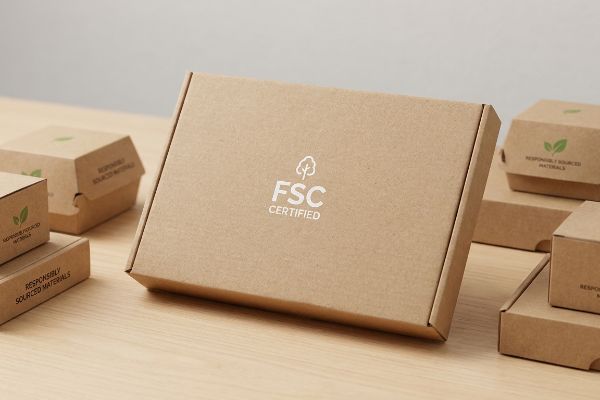
কিন্তু কাগজে-কলমে সংজ্ঞা জানা আপনার সরবরাহ শৃঙ্খলকে রক্ষা করবে না, যখন ব্যাপক খুচরা প্রসারের জন্য যাচাইকৃত প্রমাণের প্রয়োজন হয়।.
FSC-প্রত্যয়িত হতে কত সময় লাগে?
যখন বড় বড় ক্রেতারা পরিবেশ-বান্ধবতার প্রমাণ চায়, তখন সময়জ্ঞানই সবকিছু।.
একটি উৎপাদন কেন্দ্রের জন্য এফএসসি সনদ পেতে প্রায় চার থেকে আট সপ্তাহ সময় লাগে। এই সময়সীমার মধ্যে কঠোর ইনভেন্টরি ট্র্যাকিং বাস্তবায়ন, কর্মীদের প্রশিক্ষণ এবং একটি আনুষ্ঠানিক তৃতীয়-পক্ষ নিরীক্ষায় উত্তীর্ণ হওয়া অন্তর্ভুক্ত, যা নিশ্চিত করে যে কারখানায় টেকসই কাঠের মণ্ড কখনোই যাচাইবিহীন কাঁচামালের সাথে মেশানো হচ্ছে না।.

ব্যাপক উৎপাদন শুরু হওয়ার আগে কারখানার সনদপত্র অর্জন করাটা কেবল প্রথম বাধা।.
প্যাকেজিং এর জন্য এফএসসি সময়রেখা অনুসরণ করা
বেশিরভাগ উদীয়মান ব্র্যান্ড মনে করে যে তারা একেবারে শেষ মুহূর্তে টেকসই উপকরণের জন্য অনুরোধ করতে পারবে। তারা তাদের সাধারণ পিওপি (পয়েন্ট অফ পারচেজ) ডিসপ্লে চালুর পরিকল্পনা করে, কিন্তু যাচাইকৃত পরিবেশ-বান্ধব বোর্ড। এই ভুলের কারণে তাৎক্ষণিক আতঙ্ক সৃষ্টি হয়, যখন প্রিন্ট করার জন্য পণ্য পাঠানোর নির্ধারিত সময়ের কয়েক সপ্তাহ আগেই রিটেইল কমপ্লায়েন্স টিমগুলো লিখিত প্রমাণ দাবি করে।
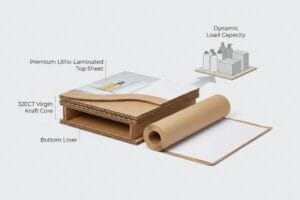
আমি জানি, একজন ক্রেতা হঠাৎ করে পরিবেশগত কাগজপত্র চাওয়ায় আপনি মানসিক চাপে আপনার লঞ্চ ক্যালেন্ডারের দিকে তাকিয়ে আছেন। আমি প্রায়শই ব্র্যান্ডগুলোকে "উল্টো সময়সূচী"র ফাঁদে পড়তে দেখি, যেখানে তারা উৎপাদন শুরুর মাত্র কয়েক দিন আগে সার্টিফায়েড কাঁচামাল জোগাড় করার চেষ্টা করে। আমার প্রতিষ্ঠানে আমি দেখেছি, আতঙ্কিত মার্কেটিং ম্যানেজাররা ফোনে কথা বলতে বলতে ঘাবড়ে যাচ্ছেন, কারণ সাধারণ, অ-সার্টিফায়েড ৩২ ইসিটি (এজ ক্রাশ টেস্ট) টেস্টলাইনার১ ইতিমধ্যেই কারখানায় চলে এসেছে এবং একটি ভেরিফায়েড ব্যাচে পরিবর্তন করতে অতিরিক্ত ১৪ দিনের লিড টাইম প্রয়োজন। এর সমাধান করতে, আপনার পণ্য বাজারে ছাড়ার তারিখের ৬০ দিন আগেই কাঁচামালের স্পেসিফিকেশন চূড়ান্ত করুন। এই অতিরিক্ত সময়টুকু শেষ মুহূর্তের জোগাড়ের ঝামেলা পুরোপুরি দূর করে, আপনার অ্যাসেম্বলি লাইনকে থেমে যাওয়া থেকে বাঁচায় এবং আপনাকে খুচরা বিক্রেতার কাছে পণ্য বাতিলের ব্যয়বহুল ফি থেকে রক্ষা করে।
| নতুনদের সাধারণ ভুল | প্রো ফিক্স | খুচরা-ফ্লোর সুবিধা |
|---|---|---|
| শেষ মুহূর্তে সোর্সিং বোর্ড | ৬০-দিনের উপাদান স্পেসিফিকেশন লক2 | সময়মতো ডেলিভারির নিশ্চয়তা |
| ধরে নেওয়া হচ্ছে সব কারখানা প্রত্যয়িত | অডিট স্থিতি আগেভাগে যাচাই করা | কমপ্লায়েন্স চার্জব্যাক প্রতিরোধ করে ৩ |
| কাঁচামালের সরবরাহের সময় উপেক্ষা করা | সংগ্রহের জন্য ১৪ দিন সময় ধরে নেওয়া হচ্ছে4 | উৎপাদন বিলম্ব দূর করে |
কাগজপত্র নিরীক্ষায় বিলম্বের কারণে আমি দেশব্যাপী একটি উদ্যোগকে ব্যাহত হতে দেব না। প্রাথমিক কাঠামোগত প্রকৌশল পর্যায়ে উপকরণের সরবরাহ সময়কে অন্তর্ভুক্ত করার মাধ্যমে, আমি নিশ্চিত করি যে আপনার ক্যাম্পেইনটি ঠিক নির্ধারিত সময়েই খুচরা বাজারে পৌঁছাবে।.
🛠️ হার্ভির ডেস্ক: আপনি কি চিন্তিত যে আপনার বর্তমান উৎপাদন সময়সূচী খুচরা বিক্রেতার টেকসই উন্নয়নের সময়সীমা পার করে ফেলবে? 👉 একটি সময়সূচী নিরীক্ষার জন্য অনুরোধ করুন ↗ — সরাসরি আমার ডেস্কে প্রবেশাধিকার। কোনো স্বয়ংক্রিয় বিক্রয় স্প্যাম নেই, আমি কথা দিচ্ছি।
FSC-প্রত্যয়িত বলতে কী বোঝায়?
এটি আপনার বাক্সের উপর শুধু একটি সবুজ গাছের লোগোর চেয়েও বেশি কিছু।.
এফএসসি প্রত্যয়িত উপাদান প্রমাণ করে যে এর প্যাকেজিং উপকরণগুলো সম্পূর্ণরূপে পরিবেশ-সচেতন, সামাজিকভাবে উপকারী এবং অর্থনৈতিকভাবে টেকসই বনজ সম্পদ থেকে সংগৃহীত। যখন একটি ঢেউতোলা বাক্সে এই স্বতন্ত্র চিহ্নটি থাকে, তখন এটি নিশ্চিত করে যে এর কাঠামোগত পেপারবোর্ডটি উচ্চ মাত্রায় পুনর্ব্যবহারযোগ্য এবং নিরাপদ সরবরাহ শৃঙ্খল সংগ্রহের জন্য সর্বোচ্চ বৈশ্বিক মানদণ্ড ক্রমাগতভাবে পূরণ করে।.
তবে, আপনার শিল্পকর্মে শুধু একটি লোগো বসিয়ে দিলেই তার কাঠামোগত নকশাটি স্বয়ংক্রিয়ভাবে পরিবেশবান্ধব হয়ে যায় না।.
লোগোর বাইরে: সত্যিকারের পরিবেশ-বান্ধব খুচরা ডিসপ্লে
অনেক মার্কেটিং ডিরেক্টর বিশ্বাস করেন যে টেকসই ক্রাফট পেপার সংগ্রহ করলেই তা স্বয়ংক্রিয়ভাবে প্রধান খুচরা বিক্রেতাদের সমস্ত পরিবেশগত নির্দেশিকা পূরণ করে। তারা সপ্তাহের পর সপ্তাহ ধরে সুন্দর প্রাকৃতিক গ্রাফিক্স ডিজাইন করেন, এই ভেবে যে ক্রেতারা শুধুমাত্র পেপারবোর্ডের উৎসকেই গুরুত্ব দেয়। এই উপরি-উপরি দৃষ্টিভঙ্গিটি কারখানায় সেই প্যাকেজিং কীভাবে আঠা দিয়ে জোড়া লাগানো হয়, প্রলেপ দেওয়া হয় এবং একত্রিত করা হয়, তার ভৌত রসায়নকেসম্পূর্ণরূপেউপেক্ষা করে।
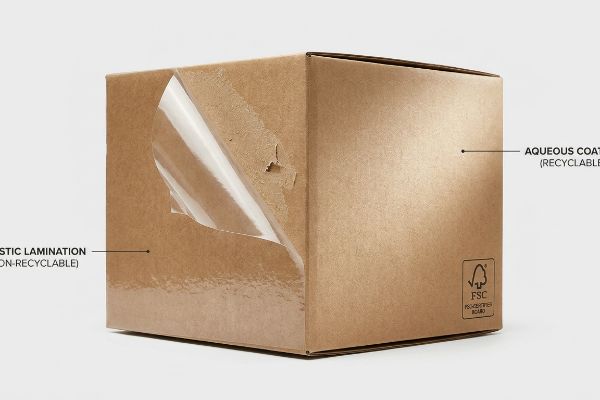
এমনকি অভিজ্ঞ ডিজাইনাররাও টেকসই ক্যাম্পেইন তৈরির চেষ্টা করার সময় প্রায়শই এই দিকটি উপেক্ষা করেন। আমি দেখি ক্লায়েন্টরা প্রিমিয়াম সার্টিফাইড বোর্ড দাবি করে, কিন্তু পরে সেটিকে একটি ভারী, পুনর্ব্যবহার-অযোগ্য প্লাস্টিকের ল্যামিনেশন দিয়ে মুড়ে দেয়, যা পুরো পরিবেশগত প্রচেষ্টাটিকেই নষ্ট করে দেয়। আমার একটি নির্দিষ্ট ঘটনার কথা মনে আছে, যেখানে একজন ক্লায়েন্ট তাদের যাচাইকৃত বোর্ডের উপর পুরু PET (পলিইথিলিন টেরেফথালেট) ফিল্ম লাগিয়েছিলেন, যার ফলে দোকানের একজন কর্মচারী যখন পুনর্ব্যবহারের জন্য খালি ডিসপ্লেটি ভাঁজ করার চেষ্টা করেন, তখন একটি বিশ্রী ও নোংরা ছিঁড়ে যাওয়ার শব্দ হয়। এর সমাধান করতে, আমি প্লাস্টিকটিকে একটি জল-ভিত্তিক অ্যাকুয়াস কোটিং দিয়ে প্রতিস্থাপন করেছি যা ১০০% কার্বসাইড পুনর্ব্যবহারযোগ্যতা বজায় রাখে৬।কাঠামোটিকে সম্পূর্ণরূপে একক উপাদানে রেখে, আপনি খুচরা বিক্রেতাদের বিপুল পরিমাণ চার্জব্যাক এবং দোকানের কর্মীদের জন্য পণ্যের মেয়াদ শেষে নিষ্পত্তির প্রক্রিয়াটিকে সম্পূর্ণ ঝামেলামুক্ত করতে পারেন।
| নতুনদের সাধারণ ভুল | প্রো ফিক্স | খুচরা-ফ্লোর সুবিধা |
|---|---|---|
| প্লাস্টিক ল্যামিনেশন ব্যবহার করে | জল-ভিত্তিক জলীয় আবরণ7 | ১০০% কার্বসাইড পুনর্ব্যবহারযোগ্য8 |
| নিষ্পত্তি পদ্ধতি উপেক্ষা করা | একক-উপাদান প্রকৌশল9 | কেরানির কাজের সময় বাঁচায় |
| শুধুমাত্র একটি লোগোর উপর নির্ভর করা | উপাদানের সম্পূর্ণ রসায়ন পরীক্ষা | কঠোর পরিবেশগত নিরীক্ষায় উত্তীর্ণ |
আমি আমার গ্রাহকদের সবসময় বলি যে, টেকসই উন্নয়ন একটি কাঠামোগত অঙ্গীকার, শুধু বিপণনের জন্য লাগানো কোনো স্টিকার নয়। প্রকৃত পুনর্ব্যবহারযোগ্যতার জন্য প্রকৌশলগত পরিকল্পনা আপনার ব্র্যান্ডের সুনাম রক্ষা করে এবং আপনাকে বড় বড় প্রতিষ্ঠানের বর্জ্য হ্রাস লক্ষ্যমাত্রার সাথে পুরোপুরি সামঞ্জস্যপূর্ণ রাখে।.
🛠️ হার্ভির ডেস্ক: আপনি কি ভুলবশত এমন প্লাস্টিকের ফিনিশিং ব্যবহার করছেন যা আপনার ডিসপ্লের পরিবেশ-বান্ধব মর্যাদা নষ্ট করে দিচ্ছে? 👉 উপাদানের রসায়ন পরীক্ষা করিয়ে নিন ↗ — নিরাপদে ডাউনলোড করুন। পরবর্তীতে কোনো প্রশ্ন থাকলে আমার ইনবক্স খোলা আছে।
FSC-প্রত্যয়িত কাঠের অসুবিধাগুলো কী কী?
পরিবেশবান্ধব হওয়ার সাথে কিছু লুকানো কাঠামোগত চ্যালেঞ্জও রয়েছে।.
এফএসসি-প্রত্যয়িত কাঠের অসুবিধাগুলোর মধ্যে রয়েছে উচ্চতর প্রাথমিক উপাদান খরচ এবং ভার্জিন ক্রাফট পেপারবোর্ডের বর্ধিত ভৌত দৃঢ়তা। যেহেতু এই টেকসই ফাইবারগুলো অত্যন্ত শক্তিশালী এবং ঘন, তাই এগুলো সহজে ভাঁজ হয় না এবং সুনির্দিষ্ট ক্রিজিং ম্যাট্রিক্স ছাড়া মুদ্রিত উপরের শীট বরাবর সহজেই মারাত্মক ফাটল ধরাতে পারে।.
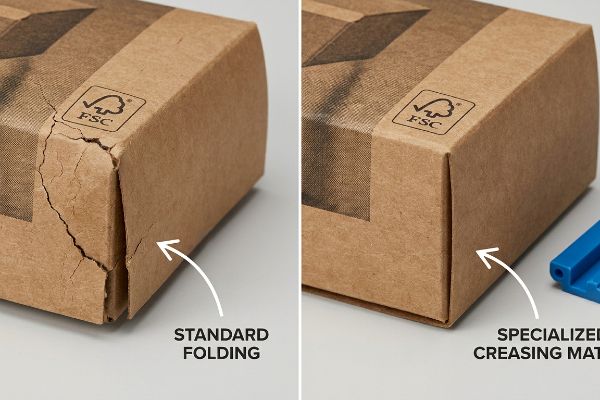
এই লুকানো ভৌত সীমাবদ্ধতাগুলো, যদি সঠিকভাবে নকশা করা না হয়, তবে একটি সুন্দর পরিবেশ-বান্ধব নকশাকে কাঠামোগত দুঃস্বপ্নে পরিণত করতে পারে।.
ভার্জিন ক্রাফট বোর্ডের টান নিয়ন্ত্রণ করা
ক্রয়কারী দলগুলো প্রিমিয়াম টেকসই পেপারবোর্ডের শক্তি এবং পরিবেশগত দিকটি পছন্দ করে। তারা ধরে নেয় যে, যেহেতু উপাদানটি উচ্চ মানের এবং পুরু, তাই এটি স্বয়ংক্রিয়ভাবে নিখুঁতভাবে ভাঁজ হয়ে জটিল ও খুচরা বিক্রির উপযোগী কাঠামো তৈরি করবে। দুর্ভাগ্যবশত, প্রচলিত উৎপাদন প্রক্রিয়া সব কার্ডবোর্ডকে সমানভাবে বিবেচনা করে, এবং এই আদি, দীর্ঘ-তন্তুযুক্ত উপাদানগুলোর তীব্র কাঠামোগত প্রতিরোধ ক্ষমতাকে উপেক্ষা করে 10 ।
এটি একটি সাধারণ ফাঁদ যা এমনকি অভিজ্ঞ ক্রয় দলগুলোকেও কাবু করে ফেলে। ভার্জিন সার্টিফাইড বোর্ডকে একটি ঘন, অনমনীয় ভারী চামড়ার চাদরের মতো ভাবুন; যদি আপনি জোর করে একটি ভাঁজ করার চেষ্টা করেন, তবে এটি প্রতিরোধ করে। আমার কারখানায়, আমি প্রায়শই এই ভারী বোর্ডগুলো পরীক্ষা করি এবং বাইরের প্রিন্ট করা লাইনারটি ফেটে যাওয়ার বিকট, অস্বস্তিকর 'পপ' শব্দ শুনতে পাই, কারণ একটি সাধারণ স্টিলের রুল ডাই খুব জোরে কাগজের উপর আঘাত করে। এটি ঠিক করার জন্য, আমি একটি বিশেষায়িত পলিমার ক্রিজিং ম্যাট্রিক্স১১ যা একটি নেহাইয়ের মতো কাজ করে, পৃষ্ঠতল না ভেঙে শক্ত তন্তুগুলোকে সাবধানে একটি নিখুঁত ৯০-ডিগ্রি বাঁকে পরিচালিত করে। এই যান্ত্রিক আঘাতকে কঠোরভাবে নিয়ন্ত্রণ করার মাধ্যমে, আমি লিথো-ক্র্যাকিং ঘটনা১২, যা নিশ্চিত করে যে আপনার ডিসপ্লেগুলো ত্রুটিহীন দেখাবে এবং ভারী প্যালেট লোডিংয়ের চাপেও বেঁকে যাবে না।
| নতুনদের সাধারণ ভুল | প্রো ফিক্স | খুচরা-ফ্লোর সুবিধা |
|---|---|---|
| স্ট্যান্ডার্ড ফোল্ডিং ডাই ব্যবহার করে | পলিমার ক্রিজিং ম্যাট্রিক্স13 | দৃশ্যমান পৃষ্ঠের ফাটল রোধ করে |
| শক্ত ভার্জিন ফাইবার জোর করে | নিয়ন্ত্রিত ফাইবার প্রসারণ14 | নিখুঁত ৯০-ডিগ্রি ভাঁজ নিশ্চিত করে |
| উপাদানের দৃঢ়তা উপেক্ষা করা | ভাঁজের টান আগেভাগে পরীক্ষা করা | ভারী পণ্যসামগ্রী সহ্য করতে পারে |
আমি কখনোই পরিবেশগত তীব্র আবেগকে কাঠামোগত পদার্থবিদ্যার মৌলিক নীতির ঊর্ধ্বে স্থান দিই না। উৎকৃষ্ট মানের টেকসই তন্তুগুলোকে তাদের প্রাপ্য যান্ত্রিক মর্যাদা দিয়ে আমি এমন নিখুঁত নান্দনিকতা উপহার দিই যা সহজে ভাঙে না।.
🛠️ হার্ভিস ডেস্ক: আপনার পরিবেশ-বান্ধব রিটেইল বক্সগুলোর ভাঁজের ধারগুলো কি বিশ্রীভাবে ফেটে যাচ্ছে? 👉 আপনার স্ট্রাকচারাল অডিট দাবি করুন ↗ — কোনো ফর্ম নেই যা অবিরাম সেলস কলের কারণ হয়। শুধু খাঁটি মূল্য।
১০০% এফএসসি-প্রত্যয়িত বলতে কী বোঝায়?
প্রকৃত সম্মতি পালনের জন্য প্রমাণের একটি অবিচ্ছিন্ন ধারা প্রয়োজন।.
১০০% এফএসসি-প্রত্যয়িত হওয়ার অর্থ হলো, প্যাকেজিং-এর প্রতিটি আউন্স কাঠের আঁশ শুধুমাত্র যাচাইকৃত ও দায়িত্বশীলভাবে পরিচালিত বন থেকে আসে। এটি উৎপাদনকালে অপ্রত্যয়িত উপকরণের সাথে কোনো মিশ্রণ না হওয়ার নিশ্চয়তা দেয় এবং একটি কঠোর, আইনত যাচাইযোগ্য ট্র্যাকিং ডকুমেন্টেশন সিস্টেম দ্বারা সমর্থিত, যা ব্যাপক খুচরা পরিবেশগত নিরীক্ষা সন্তুষ্ট করে।.
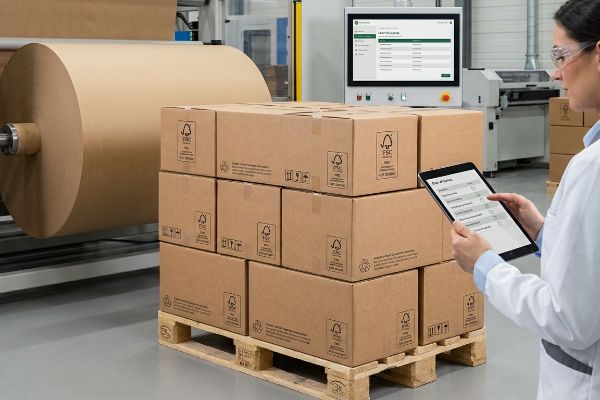
কিন্তু যখন মেশিনগুলো চলতে শুরু করে এবং একটি ব্যস্ত উৎপাদন কেন্দ্রে কাঁচামালগুলো একে অপরের সাথে ধাক্কা খায়, তখন শুধু তত্ত্ব জানাই যথেষ্ট নয়।.
কারখানার মেঝেতে কেন প্রমিত মালিকানা শৃঙ্খল ব্যর্থ হয়
ব্র্যান্ড ম্যানেজাররা প্রায়শই ধরে নেন যে, সরবরাহকারীর কাছ থেকে যাচাইকৃত কার্ডবোর্ডের অনুরোধ করলেই তা স্বয়ংক্রিয়ভাবে বড় বড় প্রতিষ্ঠানের টেকসই উন্নয়নের নির্দেশিকা মেনে চলার১৫।তারা সমস্ত সঠিক পরিবেশ-বান্ধব লোগো সহ বিস্তারিত ক্রয়াদেশ তৈরি করেন, এই পূর্ণ বিশ্বাসে যে বিদেশী কারখানাটি সরবরাহ ব্যবস্থা নিখুঁতভাবে পরিচালনা করবে। এই ধারণাটি উচ্চ-পরিমাণ উৎপাদন পরিবেশের বিশৃঙ্খল বাস্তবতাকে উপেক্ষা করে, যেখানে শত শত বিভিন্ন গ্রেডের কাগজ একই সাথে চলাচল করে।
আমার কারখানায় আমি নিয়মিতই দেখি, কীভাবে একটি তাত্ত্বিক টেকসই পরিকল্পনা খুব সহজেই একটি বিশাল নিয়ম-কানুন পালনে ব্যর্থতায় পর্যবসিত হতে পারে। এই সমস্যাটি তখনই ঘটে যখন ক্রেতারা এমন কারখানার উপর আস্থা রাখে যেখানে কাঁচামাল পৃথকীকরণের কোনো ভৌত পদ্ধতি নেই; প্রত্যয়িত বোর্ড এসে পৌঁছালেও, সেটিকে সরাসরি এমন সব নিম্নমানের পেপারবোর্ডের পাশে রাখা হয়, যার উৎস খুঁজে পাওয়া যায় না। আমি এমন ঘটনাও দেখেছি যেখানে একটি সাধারণ ফর্ক-লিফটের ভুলের কারণে ১,২০০ পাউন্ড (৫৪৫ কেজি) যাচাইবিহীন কোর ফ্লুটিং একটি প্রিমিয়াম প্রোডাকশন রানের সাথে মিশে গেছে, যা পুরো ব্যাচটির আইনি উৎস শনাক্তকরণ ক্ষমতাকে সম্পূর্ণরূপে বাতিল করে দিয়েছে ১৬। এর সমাধান করতে, আমি কারখানার ফ্লোরেই একটি অবিচ্ছিন্ন CoC (চেইন অফ কাস্টডি) ট্র্যাকিং সিস্টেম কঠোরভাবে প্রয়োগ করি , এবং ১০০% পৃথক সোর্সিং লগের মাধ্যমে যাচাইকৃত কাঁচামালগুলোকে আলাদা করে রাখি ১৭। এই কঠোর ভৌত পৃথকীকরণ প্রয়োগ করার মাধ্যমে, আমি নিশ্চিত করি যে আপনি যেকোনো রিটেইল অডিটরের কাছে আপনার কাঁচামালের উৎস আইনত প্রমাণ করতে পারবেন, এবং এর ফলে ডিস্ট্রিবিউশন সেন্টারে ৫০০টি দোকানে পণ্য চালুর পরিকল্পনা বাতিল হওয়ার দুঃস্বপ্নটি পুরোপুরি এড়ানো যায়।
| নতুনদের সাধারণ ভুল | প্রো ফিক্স | খুচরা-ফ্লোর সুবিধা |
|---|---|---|
| কাগজের বোর্ডের গ্রেড মেশানো | ১০০% উপাদান পৃথকীকরণ18 | কঠোর খুচরা নিরীক্ষায় উত্তীর্ণ হয় |
| মৌখিক গ্যারান্টি বিশ্বাস করা | যাচাইকৃত CoC ডকুমেন্টেশন19 | আইনি উৎস প্রমাণ করে |
| কারখানার সরবরাহ ব্যবস্থা উপেক্ষা করা | কেন্দ্রীভূত সোর্সিং লগ20 | চালান প্রত্যাখ্যান প্রতিরোধ করে |
যখন কোনো ক্রেতার পরিবেশ-বান্ধবতার বিষয়টি জড়িত থাকে, তখন আমি কোনো অনুমানের উপর ভিত্তি করে কাজ করি না। আমি পণ্যটির যাত্রাপথের প্রতিটি বাস্তব ধাপ সুরক্ষিত করি, যাতে আপনি আত্মবিশ্বাসের সাথে আপনার খুচরা বিক্রেতার সম্মতি চুক্তিগুলোতে স্বাক্ষর করতে পারেন।.
🛠️ হার্ভির ডেস্ক: আপনি কি জানেন আপনার বর্তমান কারখানাটি আপনার যাচাইকৃত টেকসই বোর্ডকে সস্তা, অ-প্রত্যয়িত পাল্প থেকে আলাদা করে কিনা? 👉 আমাকে আপনার ডাইলাইন ফাইল পাঠান ↗ — গণ-উৎপাদনে বাজেট অপচয় করার আগে আমি এর গাণিতিক হিসাব ভালোভাবে পরীক্ষা করে দেখব।
উপসংহার
আপনি এমন একটি সস্তা সুবিধা বেছে নিতে পারেন যা উপকরণ পৃথকীকরণে ছাড় দেয়, কিন্তু যখন একটি রিটেইল অডিটের সময় শনাক্ত করা যায় না এমন পেপারবোর্ড একটি বড় ধরনের নিয়ম লঙ্ঘনের কারণ হয়, তখন সেই প্রত্যাখ্যান আপনার ক্যাম্পেইনের লাভের মার্জিনকে পুরোপুরি নষ্ট করে দেবে। আমার শীর্ষ ১০ জন রিটেইল ক্লায়েন্ট প্রিন্ট প্রত্যাখ্যান শূন্যে নামিয়ে আনার নিশ্চয়তা দিতে ঠিক এই স্পেক শিটটিই ব্যবহার করেন। পরিবেশগত শনাক্তকরণযোগ্যতা নিয়ে অনুমান করা বন্ধ করুন এবং ব্যাপক উৎপাদন শুরু হওয়ার আগেই আপনার উপকরণগুলো চূড়ান্ত করতে আমাকে ব্যক্তিগতভাবে আমার ফ্রি ডাইলাইন অডিটের মাধ্যমে আপনার স্ট্রাকচারাল প্ল্যানগুলো যাচাই করতে দিন ↗ ।
"[পিডিএফ] করোগেটেড বোর্ড স্পেসিফিকেশন – ফাইবার বক্স অ্যাসোসিয়েশন", https://www.fibrebox.org/assets/2025/09/Walmart_Corrugated-Board_Specifications_Automation_Packaging_Standards.pdf। [করোগেটেড ফাইবারবোর্ডের জন্য শিল্প মানগুলি স্ট্যাকিং শক্তি পরিমাপের প্রাথমিক মেট্রিক হিসাবে এজ ক্রাশ টেস্ট (ECT) কে সংজ্ঞায়িত করে, যেখানে ৩২ ECT একটি নির্দিষ্ট উপাদান গ্রেডকে প্রতিনিধিত্ব করে]। প্রমাণের ভূমিকা: প্রযুক্তিগত স্পেসিফিকেশন; উৎসের ধরণ: শিল্প মান। সমর্থন করে: প্যাকেজিং উপকরণের প্রযুক্তিগত শ্রেণিবিন্যাস। পরিধি নোট: ECT রেটিংগুলি করোগেটেড বোর্ডের গঠনের জন্য নির্দিষ্ট।] ↩
"কাগজ ও প্যাকেজিং | ফরেস্ট স্টুয়ার্ডশিপ কাউন্সিল", https://fsc.org/en/businesses/paper-packaging। [একটি শিল্প সরবরাহ শৃঙ্খল ম্যানুয়াল বা সংগ্রহ নির্দেশিকা FSC সার্টিফিকেশন সম্মতি নিশ্চিত করার জন্য উপকরণের স্পেসিফিকেশন চূড়ান্ত করতে প্রস্তাবিত লিড টাইমকে বৈধতা দেয়]। প্রমাণের ভূমিকা: প্রযুক্তিগত মানদণ্ড; উৎসের ধরণ: শিল্প মান। সমর্থন করে: সার্টিফিকেশনের জন্য পেশাদার সময় নির্ধারণ কৌশল। পরিধি নোট: সময়কাল প্রস্তুতকারক ভেদে ভিন্ন হতে পারে। ↩
"টেকসই প্যাকেজিং পরিপালনের জন্য খুচরা বিক্রেতার নির্দেশিকা", https://www.paperindex.com/academy/the-retailers-guide-to-sustainable-packaging-compliance-navigating-bans-and-certifications/। [খুচরা বিক্রেতার সরবরাহকারী ম্যানুয়াল এবং পরিপালন চুক্তিগুলিতে সেইসব বিক্রেতাদের উপর আরোপিত আর্থিক জরিমানার বিস্তারিত বিবরণ থাকে, যারা বৈধ পরিবেশ-প্রত্যয়নপত্রের প্রমাণ দিতে ব্যর্থ হয়]। প্রমাণের ভূমিকা: আর্থিক ঝুঁকি যাচাই; উৎসের ধরণ: বাণিজ্যিক নীতি। সমর্থন করে: আগাম নিরীক্ষা যাচাইয়ের সুবিধা। পরিধি টীকা: বিশেষভাবে বড় আকারের খুচরা বিক্রয় চুক্তির জন্য প্রযোজ্য। ↩
"[পিডিএফ] চেইন অফ কাস্টডি সার্টিফিকেশন – ফরেস্ট স্টুয়ার্ডশিপ কাউন্সিল", https://fsc.org/sites/default/files/2019-08/FSC-STD-40-004%20V3-0%20EN%20Chain%20of%20Custody%20Certification.pdf। [এফএসসি-প্রত্যয়িত সরবরাহকারীদের থেকে প্রাপ্ত লজিস্টিকস ডেটা প্রত্যয়িত কাঁচামাল সংগ্রহের জন্য প্রয়োজনীয় গড় ন্যূনতম লিড টাইম প্রদান করে]। প্রমাণের ভূমিকা: মেট্রিক যাচাইকরণ; উৎসের ধরণ: সাপ্লাই চেইন রিপোর্ট। সমর্থন করে: কাঁচামালের জন্য প্রস্তাবিত লিড টাইম। পরিধি নোট: আঞ্চলিক উপকরণের প্রাপ্যতার উপর নির্ভরশীল। ↩
"টেকসই প্যাকেজিং-এ কোটিং এবং আঠার ভূমিকা উন্মোচন...", https://packagingeurope.com/unpacking-the-role-of-coatings-and-adhesives-in-sustainable-packaging/9678.article। [সাসটেইনেবল প্যাকেজিং কোয়ালিশনের মতো সংস্থাগুলির শিল্প নির্দেশিকা ব্যাখ্যা করে যে কীভাবে আঠা এবং কোটিং FSC-প্রত্যয়িত সাবস্ট্রেটের পুনর্ব্যবহারযোগ্যতাকে বাধাগ্রস্ত করতে পারে]। প্রমাণের ভূমিকা: প্রযুক্তিগত যাচাইকরণ; উৎসের ধরণ: শিল্প মান। সমর্থন করে: সম্পূর্ণ পরিবেশগত সম্মতি পূরণের জন্য রাসায়নিক সংযোজন মূল্যায়নের প্রয়োজনীয়তা। পরিধি টীকা: পেপারবোর্ড সাবস্ট্রেট এবং রাসায়নিক ফিনিশের মধ্যে পারস্পরিক ক্রিয়ার উপর আলোকপাত করে।] ↩
"টেকসই প্রভাব বিবেচনা: পেপারবোর্ড কোটিং", https://www.zenpack.us/blog/paperboard-coatings-sustainability-impact/। [টেকসই প্যাকেজিংয়ের জন্য শিল্প মান যাচাই করে যে, প্লাস্টিক ল্যামিনেশনের বিপরীতে, জলীয় কোটিং সাধারণ কাগজ পাল্পিং প্রক্রিয়ার সাথে সামঞ্জস্যপূর্ণ]। প্রমাণের ভূমিকা: প্রযুক্তিগত যাচাইকরণ; উৎসের ধরণ: শিল্প মান। সমর্থন করে: এই দাবি যে জলীয় কোটিং রাস্তার পাশে পুনর্ব্যবহারযোগ্যতা বজায় রাখে। পরিধি নোট: স্থানীয় পৌরসভার সুবিধার সক্ষমতা অনুসারে পুনর্ব্যবহারযোগ্যতা পরিবর্তিত হতে পারে। ↩
"কার্যকরী উপাদানসহ পুনর্ব্যবহারযোগ্য এবং জৈব-বিয়োজনযোগ্য কাগজের আবরণ...", https://pmc.ncbi.nlm.nih.gov/articles/PMC11948148/। [টেকসই মুদ্রণ এবং প্যাকেজিং সম্পর্কিত একটি নির্ভরযোগ্য উৎস নিশ্চিত করবে যে জলীয় আবরণগুলো কাগজ পুনর্ব্যবহার প্রক্রিয়ার সাথে সামঞ্জস্যপূর্ণ। প্রমাণের ভূমিকা: প্রযুক্তিগত যাচাইকরণ; উৎসের ধরণ: শিল্প মান। সমর্থন করে: জলীয় আবরণের পুনর্ব্যবহারযোগ্যতা। পরিধি সংক্রান্ত টীকা: কার্যকারিতা স্থানীয় পৌরসভা ভেদে ভিন্ন হতে পারে।] ↩
"জল-ভিত্তিক আবরণ বনাম প্লাস্টিক ল্যামিনেট: একটি সবুজতর বিকল্প …", https://www.packagingconnections.com/blog-entry/water-based-coatings-vs-plastic-laminates-greener-alternative-packaging.htm। [পরিবেশ সংস্থার নির্দেশিকা বা পুনর্ব্যবহারের মানদণ্ড যাচাই করবে যে জল-ভিত্তিক আবরণের জন্য প্লাস্টিক ল্যামিনেশন অপসারণ করলে রাস্তার পাশে পুনর্ব্যবহার সম্ভব হয়। প্রমাণের ভূমিকা: তথ্যগত যাচাই; উৎসের ধরণ: নিয়ন্ত্রক সংস্থা। সমর্থন করে: উপাদান নিষ্পত্তির দাবি। পরিধি টীকা: বিশেষভাবে কাগজ-ভিত্তিক ডিসপ্লের ক্ষেত্রে প্রযোজ্য।] ↩
"একক-উপাদানের প্যাকেজিংয়ের মাধ্যমে স্থায়িত্ব বৃদ্ধি করুন | ব্যবসা – শেল", https://www.shell.us/business/sectors/shell-polymers/resources-and-insights/boost-sustainability-with-mono-material-packaging.html। [বৃত্তাকার নকশার উপর প্রযুক্তিগত সাহিত্যে ব্যাখ্যা করা হয়েছে যে কীভাবে একটি একক উপাদান ব্যবহার করে বর্জ্য বাছাই এবং পুনর্ব্যবহার প্রক্রিয়া সহজ করা যায়। প্রমাণের ভূমিকা: ধারণাগত সংজ্ঞা; উৎসের ধরণ: অ্যাকাডেমিক বা শিল্প প্রযুক্তিগত গবেষণাপত্র। সমর্থন করে: বর্জ্য নিষ্কাশন এবং পুনর্ব্যবহারের কার্যকারিতা। পরিধি টীকা: যৌগিক উপাদান বর্জনের উপর আলোকপাত করে।] ↩
"ফোল্ডিং বক্সবোর্ড (ভার্জিন ফাইবার কার্টনবোর্ড) – এমএম গ্রুপ", https://mm.group/board-paper/products/folding-boxboard/। [একটি প্রযুক্তিগত বস্তুবিজ্ঞান বিষয়ক উৎস ব্যাখ্যা করবে যে কীভাবে ভার্জিন ক্রাফট পাল্পের দীর্ঘতর ফাইবারগুলো বোর্ডের প্রসার্য শক্তি এবং দৃঢ়তা বৃদ্ধি করে, যা এটিকে পুনর্ব্যবহৃত ফাইবারের তুলনায় বাঁকানো এবং ভাঁজ করার বিরুদ্ধে আরও বেশি প্রতিরোধী করে তোলে]। প্রমাণের ভূমিকা: প্রযুক্তিগত যাচাইকরণ; উৎসের ধরণ: বস্তুবিজ্ঞান বিষয়ক জার্নাল বা শিল্প শ্বেতপত্র। সমর্থন করে: দীর্ঘ-ফাইবারের গঠন এবং কাঠামোগত প্রতিরোধের মধ্যে সংযোগ। পরিধিগত টীকা: বিশেষভাবে ভার্জিন ক্রাফট বনাম পুনর্ব্যবহৃত উপাদানের ক্ষেত্রে প্রযোজ্য। ↩
"মেটাল ম্যাট্রিক্স বনাম প্লাস্টিক ম্যাট্রিক্স – এ অ্যান্ড এ গ্রাফিক ডাইস", https://graphicdies.com/metal-matrix-vs-plastic-matrix/। [উৎপাদন স্পেসিফিকেশনে ব্যাখ্যা করা উচিত কীভাবে পলিমার ম্যাট্রিক্স স্টিলের চেয়ে আরও সুষমভাবে চাপ বিতরণ করে ভারী বোর্ডের পৃষ্ঠে ফাটল ধরা প্রতিরোধ করে]। প্রমাণের ভূমিকা: প্রযুক্তিগত সমাধান; উৎসের ধরণ: উৎপাদন স্পেসিফিকেশন। সমর্থন করে: প্রস্তাবিত সমাধানের কার্যকারিতা। পরিধি নোট: ডাই এবং বোর্ডের মধ্যে যান্ত্রিক মিথস্ক্রিয়ার উপর দৃষ্টি নিবদ্ধ। ↩
"কাগজের রসায়নের জন্য সমস্যা সমাধান নির্দেশিকা", https://hubbepaperchem.cnr.ncsu.edu/troubleshooting-guide-for-paper-chemistry/। [প্রযুক্তিগত প্যাকেজিং ডকুমেন্টেশনে লিথো-ক্র্যাকিং-কে উচ্চ-ঘনত্বের পেপারবোর্ড ভাঁজ করার সময় মুদ্রিত কালি এবং পৃষ্ঠের আবরণের ফাটল হিসেবে সংজ্ঞায়িত করা উচিত]। প্রমাণের ভূমিকা: প্রযুক্তিগত সংজ্ঞা; উৎসের ধরণ: প্যাকেজিং ইঞ্জিনিয়ারিং হ্যান্ডবুক। সমর্থন করে: ভার্জিন বোর্ডের ভৌত দুর্বলতা। পরিধি নোট: বিশেষভাবে প্রলিপ্ত এবং মুদ্রিত পৃষ্ঠের ক্ষেত্রে প্রযোজ্য। ↩
"ভাঁজের রেখা উন্নত করুন এবং ফাটল ও ছেঁড়া পৃষ্ঠ হ্রাস করুন | ডাইসো", https://www.daiso-net.com/en/problem-solution/gtape_ic। [শিল্প প্যাকেজিং ইঞ্জিনিয়ারিং ম্যানুয়ালগুলিতে ব্যাখ্যা করা হয়েছে কিভাবে পলিমার ম্যাট্রিক্স উচ্চ-জিএসএম বোর্ডে ফাইবারের ভাঙন এবং পৃষ্ঠের ফাটল রোধ করতে চাপ বিতরণ করে]। প্রমাণের ভূমিকা: প্রযুক্তিগত বৈধতা; উৎসের ধরণ: শিল্প হ্যান্ডবুক। সমর্থন: দৃশ্যমান পৃষ্ঠের ফাটল বন্ধ করতে পলিমার ম্যাট্রিক্সের কার্যকারিতা। পরিধি নোট: উচ্চ-দৃঢ়তা সম্পন্ন ভার্জিন ক্রাফট সাবস্ট্রেটের জন্য প্রযোজ্য। ↩
"ভার্জিন ক্রাফট – জেমিনি ফাইবার কর্পোরেশন", https://www.geminifiber.com/virgin-kraft.php। [ক্রাফট পেপারের বলবিদ্যার উপর বস্তুবিজ্ঞান গবেষণা বিশদভাবে বর্ণনা করে যে কীভাবে নিয়ন্ত্রিত তন্তুর প্রসারণ কাঠামোগত ব্যর্থতা রোধ করে সঠিক ভাঁজের কোণ নিশ্চিত করে]। প্রমাণের ভূমিকা: প্রযুক্তিগত বৈধতা; উৎসের ধরণ: অ্যাকাডেমিক জার্নাল। সমর্থন করে: শক্ত তন্তুতে নিখুঁত ৯০-ডিগ্রি ভাঁজ অর্জনের পদ্ধতি। পরিধি টীকা: ভার্জিন ফাইবার কম্পোজিশনের জন্য নির্দিষ্ট। ↩
"প্যাকেজিং নীতিতে নতুন কী? প্যাকেজিং নীতি সারসংক্ষেপ", https://sustainablepackaging.org/2026/05/21/packaging-policy-news/। [প্রধান বৈশ্বিক খুচরা বিক্রেতাদের টেকসই নির্দেশিকাগুলোতে প্রত্যয়িত দায়িত্বশীলভাবে সংগৃহীত প্যাকেজিং উপকরণের জন্য বাধ্যতামূলক প্রয়োজনীয়তাগুলো নথিভুক্ত করা হয়েছে]। প্রমাণের ভূমিকা: তথ্যগত যাচাইকরণ; উৎসের ধরণ: কর্পোরেট নীতি। সমর্থন করে: খুচরা-চালিত প্রত্যয়ন প্রয়োজনীয়তার অস্তিত্ব। পরিধি টীকা: বৃহৎ আকারের খুচরা পরিবেশের জন্য নির্দিষ্ট। ↩
"[পিডিএফ] বনের জন্য গ্রুপ চেইন অফ কাস্টডি সার্টিফিকেশন পদ্ধতি...", https://www.in.gov/dnr/forestry/files/fo-FSC-chain-of-custody-group-entity-manual.pdf। [FSC-STD-40-004 স্ট্যান্ডার্ডটি নির্দিষ্ট করে যে, ১০০% FSC ব্যাচে অ-প্রত্যয়িত উপাদান মেশালে ফলস্বরূপ পণ্যের সার্টিফিকেশন বাতিল হয়ে যায়]। প্রমাণের ভূমিকা: প্রযুক্তিগত যাচাইকরণ; উৎসের ধরণ: নিয়ন্ত্রক স্ট্যান্ডার্ড। সমর্থন করে: এই দাবি যে মিশ্রণের ফলে ট্রেসেবিলিটি বাতিল হয়ে যায়। পরিধি নোট: বিশেষভাবে ১০০% সার্টিফিকেশন স্তরের জন্য প্রযোজ্য। ↩
"[পিডিএফ] ইন্ডিয়ানা ডিপার্টমেন্ট অফ ন্যাচারাল রিসোর্সেস – ডিভিশন অফ ফরেস্ট্রি", https://www.in.gov/dnr/forestry/files/fo-FSC-chain-of-custody-group-member-procedures.pdf। [ট্রান্সফার সিস্টেমের জন্য এফএসসি চেইন অফ কাস্টডি নির্দেশিকা অনুসারে ১০০% প্রত্যয়িত দাবিকে সমর্থন করার জন্য কঠোর ভৌত পৃথকীকরণ এবং বিস্তারিত রেকর্ড-সংরক্ষণ প্রয়োজন]। প্রমাণের ভূমিকা: প্রযুক্তিগত বিবরণ; উৎসের ধরণ: নিয়ন্ত্রক মান। সমর্থন করে: সম্মতি পালনের জন্য পৃথকীকৃত লগের ব্যবহার। পরিধি টীকা: CoC-এর ট্রান্সফার সিস্টেমের সাথে সম্পর্কিত। ↩
"[পিডিএফ] গ্রুপ চেইন অফ কাস্টডি (সিওসি) এফএসসি সার্টিফিকেশন ম্যানুয়াল", https://cfwc.mgcafe.uky.edu/sites/cfwc.ca.uky.edu/files/cfwc_coc_group_certification_manual_revised_2_16_2018_0.pdf। [এফএসসি চেইন অফ কাস্টডি স্ট্যান্ডার্ড অনুযায়ী, সার্টিফিকেশনের অখণ্ডতা বজায় রাখার জন্য ১০০% সার্টিফাইড উপকরণগুলোকে অবশ্যই নন-সার্টিফাইড উপকরণ থেকে ভৌতভাবে বা পদ্ধতিগতভাবে পৃথক রাখতে হবে]। প্রমাণের ভূমিকা: প্রযুক্তিগত আবশ্যকতা; উৎসের ধরণ: শিল্প মান। সমর্থন করে: অডিট পাস করার জন্য পৃথকীকরণের প্রয়োজনীয়তা। পরিধি নোট: বিশেষভাবে এফএসসি ১০০% এবং এফএসসি মিক্স স্ট্যান্ডার্ডের ক্ষেত্রে প্রযোজ্য।] ↩
"চেইন অফ কাস্টডি সার্টিফিকেশন – ফরেস্ট স্টুয়ার্ডশিপ কাউন্সিল", https://fsc.org/en/chain-of-custody। [এফএসসি-র আনুষ্ঠানিক নির্দেশিকা অনুযায়ী, কাঠ-ভিত্তিক পণ্যের আইনি এবং টেকসই উৎস প্রমাণ করার জন্য চেইন অফ কাস্টডি (CoC) ডকুমেন্টেশনের একটি যাচাইকৃত ধারা থাকা বাধ্যতামূলক]। প্রমাণের ভূমিকা: নিয়ন্ত্রক আবশ্যকতা; উৎসের ধরণ: সার্টিফিকেশন মান। সমর্থন করে: উৎসের উৎপত্তি প্রমাণে ডকুমেন্টেশনের ভূমিকা। পরিধি নোট: এফএসসি-প্রত্যয়িত সকল সাপ্লাই চেইন অংশগ্রহণকারীদের জন্য অপরিহার্য।] ↩
"[পিডিএফ] চেইন অফ কাস্টডি সার্টিফিকেশন সংক্রান্ত এফএসসি নির্দেশিকা", https://connect.fsc.org/document-centre/documents/retrieve/6bc762be-2cc9-45f1-9a74-b549149d99c4। [এফএসসি কমপ্লায়েন্সের জন্য সাপ্লাই চেইন ম্যানেজমেন্ট নির্দেশিকাগুলো উপকরণের আকস্মিক মিশ্রণ রোধ করার জন্য কেন্দ্রীভূত ট্র্যাকিং লগগুলোকে অত্যন্ত গুরুত্বপূর্ণ হিসেবে তুলে ধরে, যা চালান প্রত্যাখ্যানের কারণ হয়]। প্রমাণের ভূমিকা: পরিচালনগত সর্বোত্তম অনুশীলন; উৎসের ধরণ: শিল্প নির্দেশিকা। সমর্থন করে: লজিস্টিকস লগ এবং চালান প্রত্যাখ্যান প্রতিরোধের মধ্যে সংযোগ। পরিধি নোট: কারখানার বাস্তবায়নের উপর দৃষ্টি নিবদ্ধ করে।] ↩