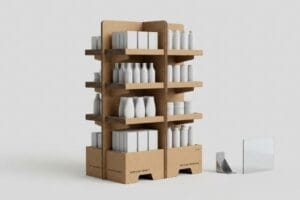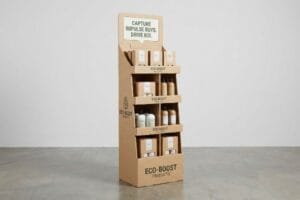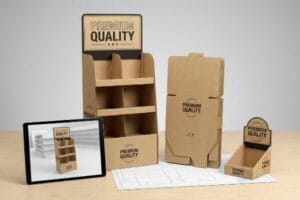
এফএসসি® ফরেস্ট উইক হলো আপনার রিটেইল কৌশলকে পরিবেশগত নির্দেশনার সাথে সামঞ্জস্যপূর্ণ করার চূড়ান্ত সুযোগ। যদি পণ্যের তাকের উপর টেকসই উপকরণ ব্যর্থ হয়, তবে আপনি ক্রেতা এবং আপনার লাভের অংশ হারাবেন।.
ফরেস্ট স্টুয়ার্ডশিপ কাউন্সিল (এফএসসি) সার্টিফিকেশন ব্র্যান্ডের প্যাকেজিংকে পরিবেশবান্ধবতার ক্ষেত্রে এক বিশাল প্রেরণা যোগায়, কারণ এটি নিশ্চিত করে যে ব্যবহৃত উপকরণগুলো দায়িত্বশীলভাবে পরিচালিত বন থেকে সংগৃহীত। এই বৈশ্বিক টেকসই মানটি বেছে নিলে তা তাৎক্ষণিকভাবে ভোক্তাদের আস্থা বাড়ায়, কঠোর পরিবেশ-বান্ধব খুচরা বিক্রয় সংক্রান্ত নিয়মাবলীর সাথে সামঞ্জস্যপূর্ণ হয় এবং ব্যাপক খুচরা বিক্রয় কার্যক্রমের সময় সরবরাহ শৃঙ্খলে ব্যয়বহুল প্রত্যাখ্যান সরাসরি প্রতিরোধ করে।.

সেই পরিবেশগত সনদকে খুচরা বিক্রয়কেন্দ্রে কাঠামোগত বাস্তবতায় রূপ দিতে নিখুঁত প্রকৌশল প্রয়োজন, শুধু বাক্সের উপর একটি সবুজ লোগো লাগিয়ে দিলেই হবে না।.
FSC কাঠ কি আসল কাঠ?
কাঁচামালের উৎস বোঝা হলো টেকসই খুচরা ব্যবসার নিয়মকানুন আয়ত্ত করার প্রথম ধাপ।.
হ্যাঁ। এফএসসি কাঠ হলো আসল কাঠ, যা কঠোরভাবে প্রত্যয়িত এবং দায়িত্বশীলভাবে পরিচালিত বন থেকে সংগ্রহ করা হয়। এটি বাস্তবিকভাবে নিশ্চিত করে যে আপনার ঢেউতোলা বাক্স এবং রিটেইল ডিসপ্লেতে ব্যবহৃত কাঁচা কাগজের তন্তু বৈশ্বিক পরিবেশ সংরক্ষণে সহায়তা করে, জীববৈচিত্র্য বজায় রাখে এবং কাঠ কাটার মূল স্থান থেকে শুরু করে দোকানের তাক পর্যন্ত সম্পূর্ণ শনাক্তযোগ্য সরবরাহ শৃঙ্খল নিশ্চিত করে।.
একবার যখন আপনি নিশ্চিত হবেন যে ফাইবারগুলো খাঁটি, তখন খুচরা পণ্য পরিবহনের কঠোর বাস্তবতায় টিকে থাকার জন্য আপনাকে সেগুলোকে বিশেষভাবে তৈরি করতে হবে।.
ভার্জিন ক্রাফট বনাম পুনর্ব্যবহৃত টেস্টলাইনারের বাস্তবতা
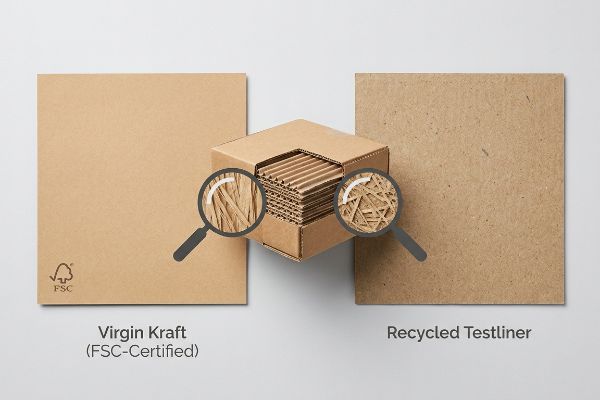
অনেক ক্রয়কারী দল মনে করে যে তারা সাধারণ পুনর্ব্যবহারযোগ্য কার্ডবোর্ড অর্ডার করলেই তাকে পরিবেশ-বান্ধব বলতে পারবে। টেকসইতার কোটা পূরণ করার জন্য তারা চোখ বন্ধ করে হেভি ফ্লোর মার্চেন্ডাইজারদের । দুর্ভাগ্যবশত, পুনর্ব্যবহারযোগ্য ফাইবারগুলোকে ইতিমধ্যেই একাধিকবার পাল্পে পরিণত করা হয়েছে, যার ফলে সেগুলো ছোট, ভঙ্গুর এবং যুক্তরাষ্ট্রের তাপমাত্রা-নিয়ন্ত্রিত নয় এমন গুদাম পরিবেশে আর্দ্রতা শোষণের জন্য অত্যন্ত ঝুঁকিপূর্ণ হয়ে ওঠে।
এমনকি অভিজ্ঞ ক্রয় দলগুলোও প্রায়শই এই দুর্বলতাটি উপেক্ষা করে। আমি দেখি ব্র্যান্ডগুলো ভারী পানীয় প্রদর্শনের, কিন্তু পরে দেখা যায় এর ভিত্তিটি বেঁকে যায়। যখন আমি এগুলোকে আমাদের TAPPI T811 এজ ক্রাশ টেস্টের মধ্যে দিয়ে চালাই, তখন ভার্জিন ক্রাফট বোর্ডের দৃঢ় প্রতিরোধ ক্ষমতা প্রতিবারই ভঙ্গুর পুনর্ব্যবহৃত ফাইবারকে ছাড়িয়ে যায়। আপনার একটি কৌশলগত মিশ্রণ প্রয়োজন: প্রধান ভার বহনকারী স্পাইনের জন্য শক্তিশালী FSC-প্রত্যয়িত ভার্জিন ক্রাফট ব্যবহার করুন, এবং অ-কাঠামোগত গ্রাফিক হেডারগুলোর জন্য পুনর্ব্যবহৃত টেস্টলাইনারটি সংরক্ষিত রাখুন, যা মারাত্মক বেঁকে যাওয়া প্রতিরোধ করবে এবং ক্যাম্পেইনকে ব্যয়বহুল রিটেইলার চার্জব্যাক থেকে বাঁচাবে।
| নতুনদের সাধারণ ভুল | প্রো ফিক্স | খুচরা-ফ্লোর সুবিধা |
|---|---|---|
| ভারী ভিত্তি তৈরির জন্য ১০০% পুনর্ব্যবহৃত বোর্ড ব্যবহার করা হয় | ভার বহনকারী স্পাইনের জন্য ভার্জিন ক্রাফট মিশ্রিত করুন।1 | নিচের স্তরের সংকোচন ধস প্রতিরোধ করে |
| গুদামের আর্দ্রতার সীমা উপেক্ষা করা | আর্দ্রতা-প্রতিরোধী SFI/FSC লাইনার নির্দিষ্ট করুন।2 | আর্দ্র জলবায়ুতে ডিসপ্লের বিকৃতি বন্ধ করে। |
| ধরে নেওয়া হচ্ছে সব ইকো-বোর্ডের শক্তি সমান। | ডাইনামিক পেলোডের সাথে ECT রেটিং মেলান।3 | শিপিং কন্টেইনারের ট্রানজিট ক্ষতি দূর করে |
আমার প্রতিষ্ঠান নিয়মিতভাবে কাঠামোগত ভিত্তির সাথে প্রত্যয়িত ভার্জিন ফাইবার মিশ্রিত করে, যাতে আপনার ডিসপ্লেটি একটি সম্পূর্ণ বোঝাই ফর্কলিফ্টের যাত্রাতেও অক্ষত থাকে।.
🛠️ হার্ভির ডেস্ক: আপনি কি চিন্তিত যে আপনার বর্তমান পরিবেশ-বান্ধব বোর্ডটি আপনার ভারী পণ্য ধরে রাখার জন্য যথেষ্ট মজবুত নয়? 👉 আমাকে আপনার বোর্ডের স্পেসিফিকেশন অডিট করতে দিন ↗ — আমার ডেস্কে সরাসরি অ্যাক্সেস। কোনো স্বয়ংক্রিয় সেলস স্প্যাম থাকবে না, আমি কথা দিচ্ছি।
কোন ব্র্যান্ডের প্যাকেজিং পরিবেশবান্ধব?
বাজারের শীর্ষস্থানীয় প্রতিষ্ঠানগুলো কীভাবে টেকসই উন্নয়ন বাস্তবায়ন করে, তা পর্যবেক্ষণ করলে উদীয়মান ব্র্যান্ডগুলোর জন্য একটি নির্ভরযোগ্য রূপরেখা পাওয়া যায়।.
পরিবেশবান্ধব প্যাকেজিং ব্যবহারকারী প্রধান ব্র্যান্ডগুলোর মধ্যে রয়েছে ওয়ালমার্ট, টার্গেট এবং কস্টকোর মতো বিশাল মার্কিন খুচরা বিক্রেতারা। এই শিল্প জায়ান্টরা কঠোর পরিবেশ-বান্ধব প্রোটোকল বাধ্যতামূলক করেছে, যার জন্য সরবরাহকারীদের টেকসই ঢেউখেলানো কাঠামো, সম্পূর্ণ পুনর্ব্যবহারযোগ্য উপকরণ এবং জৈব-বিয়োজনযোগ্য আবরণের দিকে যেতে হয়, যা সক্রিয়ভাবে বিষাক্ত প্লাস্টিক নির্মূল করে এবং বিশ্বব্যাপী বাজার জুড়ে সামগ্রিক সরবরাহ শৃঙ্খলের বর্জ্য হ্রাস করে।.
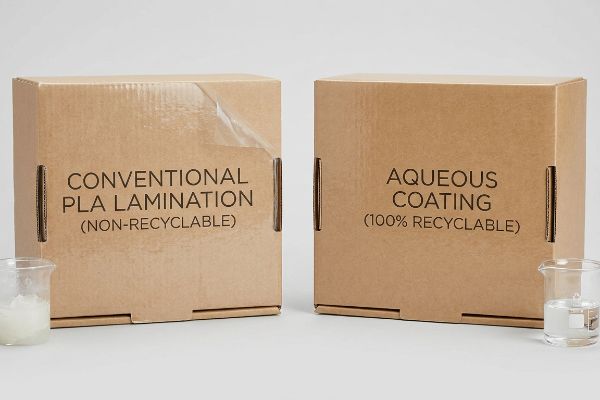
খুচরা বিক্রেতাদের এই বিশাল উদ্যোগগুলোর অনুকরণ করতে হলে, পরিবেশবান্ধবতার মিথ্যা ফাঁদ এড়াতে জটিল উপাদান রসায়নের জ্ঞান অর্জন করতে হয়।.
কেন বড় ব্র্যান্ডগুলো পিএলএ কম্পোস্টিংয়ের ফাঁদ এড়িয়ে চলে
মার্কেটিং ডিরেক্টরদের মধ্যে একটি প্রধান ধারণা হলো যে, একটি করোগেটেড ডিসপ্লেকে পিএলএ (পলিল্যাকটিক অ্যাসিড) বায়োপ্লাস্টিক দিয়ে মুড়িয়ে দিলে তা পুরোপুরি টেকসই হয়ে যায়। তারা একটি প্রিমিয়াম চকচকে ফিনিশ অর্জনের জন্য এবং একই সাথে খুচরা বিক্রেতাদের পরিবেশগত নির্দেশিকা মেনে চলার চেষ্টায় এই "ভুট্টা-ভিত্তিক" ল্যামিনেশন বাধ্যতামূলক করেন। তবে, বিশেষায়িত বাণিজ্যিক কম্পোস্টিং পরিকাঠামো ছাড়া সাধারণ পৌরসভা পরিচালিত পুরাতন করোগেটেড কন্টেইনার (ওসিসি) পুনঃমজ্জা প্রক্রিয়াকরণ কেন্দ্রগুলো কঠিন বায়োপ্লাস্টিক ফিল্ম প্রক্রিয়াজাত করতে পারে না ।
এটি একটি সাধারণ ফাঁদ যা এমনকি অভিজ্ঞ প্যাকেজিং ক্রেতাদেরও কাবু করে ফেলে। সম্প্রতি আমার একজন ক্লায়েন্ট ভারী পিএলএ ল্যামিনেশনের জন্য জোর দিয়েছিলেন, কিন্তু যখন আমরা এটি পরীক্ষা করে দেখলাম, তখন গলিত বায়োপ্লাস্টিকের আঠালো ভাব রিসাইক্লিং ভ্যাটের ফিল্টারগুলোকে পুরোপুরি আটকে দিয়েছিল৫।আসল প্লাস্টিকের পরিবর্তে, আমি সবসময় প্রিন্ট করা গ্রাফিক্সের উপর একটি তরল জলীয় আবরণ ব্যবহার বাধ্যতামূলক করি। এটি একটি তরল পলিমার ম্যাট্রিক্স হিসাবে কাজ করে যা সাধারণ পেপার মিলের ভ্যাটে নির্বিঘ্নে দ্রবীভূত হয়ে যায়, পুরো কাঠামোটিকে ১০০% কার্বসাইড রিসাইকেলযোগ্য রাখে এবং একই সাথে নিয়মবহির্ভূত বর্জ্য উপাদানের কারণে খুচরা বিক্রেতাদের প্রত্যাখ্যানের হার সক্রিয়ভাবে হ্রাস করে।
| নতুনদের সাধারণ ভুল | প্রো ফিক্স | খুচরা-ফ্লোর সুবিধা |
|---|---|---|
| কঠিন পিএলএ বায়ো-প্লাস্টিক স্তরায়ন বাধ্যতামূলক করা | তরল জল-ভিত্তিক জলীয় আবরণ ব্যবহার করুন | রাস্তার ধার থেকে সংগৃহীত OCC-এর শতভাগ পুনর্ব্যবহারযোগ্যতা নিশ্চিত করে6 |
| মিশ্র-উপাদান ফয়েল স্ট্যাম্পিংয়ের উপর নির্ভর করে | ধাতব সয়া-ভিত্তিক কালি ব্যবহার শুরু করুন7 | দোকানে ব্যয়বহুল বাছাইয়ের বিলম্ব দূর করে |
| মেয়াদোত্তীর্ণ খুচরা বিক্রেতার নিষ্পত্তির নিয়ম উপেক্ষা করা | প্রকৌশলী একক-উপাদান ঢেউখেলানো কাঠামো | দোকান কর্মচারীর কাজ গুছিয়ে ফেলার গতি ৪০% বাড়িয়ে দেয়।8 |
আপনার ব্র্যান্ডের নান্দনিকতা এবং পরিবেশগত বিধি-নিষেধের মান, উভয়ই সুরক্ষিত রাখতে আমি সবসময় নিরেট প্লাস্টিক ফিল্মের পরিবর্তে উচ্চ-মানের ঔজ্জ্বল্যযুক্ত জলীয় কোটিং ব্যবহার করি।.
🛠️ হার্ভির ডেস্ক: আপনি কি জানেন আপনার বর্তমান গ্লসি কোটিং-এর কারণেই কি সাধারণ রিসাইক্লিং সেন্টারগুলো আপনার ডিসপ্লেগুলো বাতিল করে দিচ্ছে? 👉 মেটেরিয়াল কেমিস্ট্রি চেকের জন্য অনুরোধ করুন ↗ — নিরাপদে ডাউনলোড করুন। পরবর্তীতে কোনো প্রশ্ন থাকলে আমার ইনবক্স খোলা আছে।
FSC প্যাকেজিং বলতে কী বোঝায়?
এই মান নির্ধারণ করা কেবল কাঁচামাল পেপারবোর্ডের মধ্যেই সীমাবদ্ধ নয়; এটি চূড়ান্ত পণ্যের সম্পূর্ণ রাসায়নিক গঠনকেও নিয়ন্ত্রণ করে।.
এফএসসি প্যাকেজিংয়ের মূল ভিত্তি হলো উপকরণের সম্পূর্ণ উৎস শনাক্তকরণযোগ্যতা এবং পরিবেশগত দায়িত্ববোধ। এটি নিশ্চিত করে যে, কাঁচা কাঠের মণ্ড থেকে শুরু করে চূড়ান্ত ঢেউখেলানো টেস্টলাইনার পর্যন্ত প্রতিটি কাঠামোগত উপাদান একটি যাচাইকৃত ও টেকসই বন থেকে আসে। এটি অবৈধ বন উজাড় কঠোরভাবে পরিহার করে এবং দীর্ঘমেয়াদী পরিবেশগত ভারসাম্য ও স্থানীয় সম্প্রদায়ের অধিকারকে সমর্থন করে।.
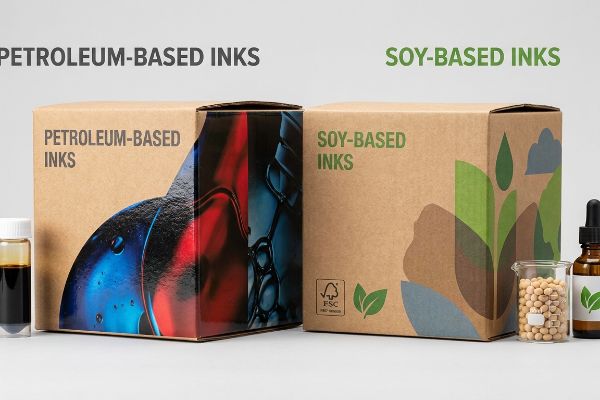
প্রত্যয়িত কাগজ সংগ্রহ করাটা কাজের অর্ধেক মাত্র; সেই কাগজে আপনি যে রাসায়নিক পদার্থ প্রয়োগ করেন, তা-ই এর প্রকৃত পরিবেশগত মান নির্ধারণ করে।.
প্রত্যয়িত পরিবেশ-বান্ধব উপকরণের পেছনের রসায়ন
গ্রাফিক ডিজাইনাররা প্রায়শই কালির রাসায়নিক গঠন বিবেচনা না করেই তাদের রিটেইল ক্যাম্পেইনের জন্য সুন্দর, উজ্জ্বল প্যানটোন রঙ বেছে নেন। তারা ধরে নেন যে, যতক্ষণ পর্যন্ত নিচের ঢেউখেলানো বোর্ডটি সার্টিফাইড, ততক্ষণ পুরো ডিসপ্লেটিই পরিবেশবান্ধব হিসেবে যোগ্য। দুর্ভাগ্যবশত, প্রচলিত পেট্রোলিয়াম-ভিত্তিক কালিতে ভারী ধাতু 9 এবং উচ্চ মাত্রার উদ্বায়ী জৈব যৌগ (VOCs) থাকে যা পুনর্ব্যবহার প্রক্রিয়ার সময় কাগজের তন্তুগুলোকে দূষিত করে 10 ।
বিষয়টাকে এভাবে ভাবুন, যেন আপনি একটি দামী অর্গানিক সালাদ কিনে সেটিকে একটি বিষাক্ত রাসায়নিক ড্রেসিং-এ ভিজিয়ে রেখেছেন। আমি দেখি ডিজাইনাররা এমন আর্টওয়ার্ক ফাইল জমা দেন যেগুলোতে তীব্র ইউভি-কিউর্ড পেট্রোলিয়াম ইঙ্কের প্রয়োজন হয়, যা তাদের দামী ইকো-বোর্ডের উদ্দেশ্যকেই পুরোপুরি ব্যর্থ করে দেয়। যখন আমি প্রিপ্রেস ফ্লোরে হাঁটি, তখন সয়া-ভিত্তিক বিকল্পগুলোর হালকা, নির্মল গন্ধের তুলনায় সাধারণ কালির তীব্র রাসায়নিক গন্ধ সহজেই চোখে পড়ে। একটি CPSIA-সম্মত সয়া-ভিত্তিক কালি প্রোটোকল কঠোরভাবে প্রয়োগ করার মাধ্যমে, আমরা নিশ্চিত করি যে পিগমেন্টগুলো কোনো বিষাক্ত অবশিষ্টাংশ না রেখে নিরাপদে ভেঙে যায়11, যা আপনার ব্র্যান্ডকে খুচরা বিক্রেতাদের আকস্মিক কমপ্লায়েন্স অডিট থেকে সুরক্ষিত রাখে।
| নতুনদের সাধারণ ভুল | প্রো ফিক্স | খুচরা-ফ্লোর সুবিধা |
|---|---|---|
| ভারী পেট্রোলিয়াম-ভিত্তিক কালি দিয়ে মুদ্রণ | CPSIA-সম্মত সয়াবিন-ভিত্তিক কালি ১২ বাধ্যতামূলক করুন | পুনর্ব্যবহারের সময় রাসায়নিক দূষণ প্রতিরোধ করে |
| সাধারণ বিষাক্ত ইউভি বার্নিশ ব্যবহার করে | জল-ভিত্তিক প্রতিরক্ষামূলক বার্নিশ প্রয়োগ করুন ১৩ | খাদ্য পরিবেশের জন্য প্রদর্শনকে নিরাপদ রাখে |
| রাসায়নিক সম্মতি মেট্রিক্স সম্পর্কে অনুমান | প্রত্যয়িত উপাদান সুরক্ষা ডেটা শীট ১৪ দাবি করুন | খুচরা ক্রেতাদের অনুমোদনের সময়কার জটিলতা দূর করে |
আপনার প্রাণবন্ত গ্রাফিক্স যেন আপনার কাঠামোগত স্থায়িত্বের রেটিংকে কোনোভাবেই ক্ষুণ্ণ না করে, তা নিশ্চিত করতে আমি প্রতিটি প্রিপ্রেস রাসায়নিক প্রোফাইল পুঙ্খানুপুঙ্খভাবে যাচাই করি।.
🛠️ হার্ভির ডেস্ক: আপনি কি নিশ্চিত যে আপনার প্রিন্টার গোপনে আপনার দামী পরিবেশ-বান্ধব বোর্ডে সস্তা পেট্রোলিয়াম কালি ব্যবহার করছে না? 👉 একটি প্রিপ্রেস ইঙ্ক অডিট করান ↗ — কোনো ফর্ম নেই যা অবিরাম সেলস কলের কারণ হয়। শুধু খাঁটি মূল্য।
FSC প্যাকেজ বলতে কী বোঝায়?
এই টেকসই ইউনিটগুলোর ভৌত বৈশিষ্ট্য শনাক্ত করতে হলে এদের কাঠামোগত প্রকৌশল নিবিড়ভাবে খতিয়ে দেখতে হবে।.
এফএসসি প্যাকেজ হলো একটি ভৌত ধারক বা খুচরা প্রদর্শনীর সামগ্রী যা সম্পূর্ণরূপে প্রত্যয়িত টেকসই কাগজের তন্তু থেকে তৈরি। এই কাঠামোগত শ্রেণিবিন্যাস নিশ্চিত করে যে কাঁচা ঢেউখেলানো বোর্ডটি কঠোর বৈশ্বিক পরিবেশগত মান পূরণ করে, সর্বোচ্চ মানের সংকোচন শক্তি ও খুচরা বিক্রয়ের কার্যকারিতা বজায় রাখে এবং একই সাথে সাধারণ পৌর বর্জ্য পুনরুদ্ধার ব্যবস্থার অধীনে রাস্তার ধার থেকে সম্পূর্ণরূপে পুনর্ব্যবহারযোগ্য থাকে।.
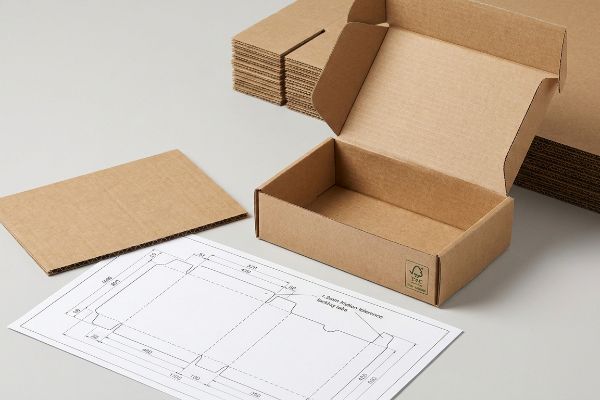
কিন্তু যখন যন্ত্রগুলো চলতে শুরু করে এবং ভৌত পদার্থবিদ্যা তার কাজ শুরু করে, তখন শুধু তত্ত্ব জানাই যথেষ্ট নয়।.
কারখানায় প্রচলিত ওজন কমানোর পদ্ধতি কেন ব্যর্থ হয়
ব্র্যান্ডগুলো তাদের প্যাকেজিংয়ের ওজন ব্যাপকভাবে কমিয়ে এনে তাদের "সাসটেইনেবিলিটি ট্যাক্স" কমানোর জন্য মরিয়া হয়ে ওঠে। তাদের ধারণা, একটি মোটা সাধারণ বি-ফ্লুট ঢেউতোলা বোর্ডের বদলে একটি পাতলা ই-ফ্লুট১৫ তাৎক্ষণিকভাবে উপকরণের খরচ বাঁচবে এবং পরিবহনের পরিমাণও কমবে, অথচ এর বাহ্যিক রূপ একই থাকবে। তারা লকিং ট্যাবের ভেতরের কাঠামোগত আয়তন কমে যাওয়ার বিষয়টি গাণিতিকভাবে সমন্বয় না করেই তাদের ডাইলাইনে এই নিম্নমানের উপকরণটি প্রয়োগ করে।
আমার প্রতিষ্ঠানে , আমি নিয়মিতভাবে দেখি যে এই অপরিবর্তিত লাইটওয়েটিং ফাইলগুলো প্রাথমিক প্রোটোটাইপিং পর্যায়ে ক্র্যাশ করে। যখন কোনো ক্লায়েন্ট স্লটগুলো নতুন করে ডিজাইন না করেই বোর্ডের ক্যালিপার ০.১২ ইঞ্চি (৩.০৪ মিমি) থেকে কমিয়ে ০.০৬ ইঞ্চি (১.৫২ মিমি) করে, তখন এর ফলে তৈরি হওয়া ইন্টারলকিং ট্যাবগুলো সম্পূর্ণ ঢিলে হয়ে যায়। আমি যখন অ্যাসেম্বলিটি পরীক্ষা করি, তখন কাঠামোগত দেয়ালগুলো সাথে সাথে নড়বড়ে হয়ে যায় এবং ইউনিটটি ডাইনামিক লোড টেস্টে ফেল করে । আমি আর্টিওসক্যাড ম্যাট্রিক্স রিপ্রোগ্রামিং করে এর সমাধান করি, বিশেষ করে ই-ফ্লুট স্লটগুলোর জন্য একটি নির্দিষ্ট ১.২ মিমি ফ্রিকশন টলারেন্স সেট করে দিই । এই সূক্ষ্ম সমন্বয় প্রয়োগ করার মাধ্যমে, আমি নিশ্চিত করি যে প্রতি ইউনিটে কো-প্যাকিং অ্যাসেম্বলির সময় ৩৮ সেকেন্ড কমে আসে, যা ব্র্যান্ডকে তাদের লাইটওয়েটিং টেকসই লক্ষ্য অর্জনে সাহায্য করে এবং একই সাথে তাদের ম্যানুয়াল শ্রমের খরচ প্রায় ২২% কমিয়ে আনে।
| নতুনদের সাধারণ ভুল | প্রো ফিক্স | খুচরা-ফ্লোর সুবিধা |
|---|---|---|
| অন্ধভাবে পাতলা ঢেউখেলানো বাঁশি ব্যবহার করা | নির্দিষ্ট ডাইলাইন স্লট টলারেন্স পুনরায় গণনা করুন | শেলফে রাখা ডিসপ্লে নড়বড়ে ও অস্থির হওয়া থেকে রক্ষা করে। |
| হারিয়ে যাওয়া বোর্ড ক্যালিপার ভলিউম উপেক্ষা করা | ইঞ্জিনিয়ার টাইট ১.২ মিমি ফ্রিকশন লকিং ট্যাব18 | কো-প্যাকিং অ্যাসেম্বলির সময় ৩৮ সেকেন্ড কমিয়ে দেয়।19 |
| পরীক্ষা না করে ইসিটি রেটিং অবনমন | উচ্চ-কর্মক্ষমতাসম্পন্ন মাইক্রো-ফ্লুটে স্থানান্তর করুন ২০ | শিপিংয়ের পরিমাণ কমিয়েও দৃশ্যমান বিশালতা বজায় রাখে। |
আমি বাঁকানোর জন্য প্রয়োজনীয় সঠিক পরিমাণ অর্থ হিসাব করে দিই, যাতে আপনার টেকসই ওজন কমানোর প্রচেষ্টা একটি ঠুনকো ধসে পড়ার পরিবর্তে একটি অত্যন্ত মজবুত ডিসপ্লে তৈরি করে।.
🛠️ হার্ভির ডেস্ক: একটি ২-মিলিমিটার কাঠামোগত ত্রুটির কারণে ৫০০টি দোকানে পণ্য সরবরাহের পরিকল্পনা যেন ভেস্তে না যায়। 👉 আপনার ডাইলাইন ফাইলটি আমাকে পাঠান ↗ — গণ-উৎপাদনে বাজেট অপচয় করার আগে আমি এর গাণিতিক হিসাব স্ট্রেস-টেস্ট করে নেব।
উপসংহার
আপনি এমন একজন সস্তা বিক্রেতা বেছে নিতে পারেন যিনি টেকসই রসায়নকে উপেক্ষা করেন, কিন্তু যখন সেই পিএলএ ল্যামিনেশন রিসাইক্লিং ভ্যাটকে আটকে দেয় এবং একটি প্রধান মার্কিন খুচরা বিক্রেতার কাছ থেকে সম্পূর্ণ ওসিসি প্রত্যাখ্যানের কারণ হয়, তখন এটি ব্যাপক লজিস্টিক জটিলতা তৈরি করে, আপনার সাপ্লাই চেইনকে আনুমানিক ৩০% ধীর করে দেয় এবং আপনার ব্র্যান্ডের সুনামকে মারাত্মকভাবে ক্ষতিগ্রস্ত করে। আমার শীর্ষ ১০ জন খুচরা গ্রাহক প্রিন্ট প্রত্যাখ্যান শূন্যে নামিয়ে আনার নিশ্চয়তা দিতে ঠিক এই স্পেক শিটটিই ব্যবহার করেন। জটিল উপাদানের রসায়ন নিয়ে অনুমান করা বন্ধ করুন এবং ব্যাপক উৎপাদন শুরু হওয়ার আগেই মারাত্মক নিয়ম-কানুনগত ত্রুটিগুলো ধরতে আমাকে ব্যক্তিগতভাবে আমার ফ্রি ডাইলাইন অডিট ↗- এর মাধ্যমে আপনার স্ট্রাকচারাল ফাইলগুলো পর্যালোচনা করতে দিন।
"[পিডিএফ] পুনর্ব্যবহৃত পদার্থের ভৌত বৈশিষ্ট্যের একটি তুলনামূলক পরীক্ষা...", https://repository.rit.edu/cgi/viewcontent.cgi?article=1299&context=theses। [ভার্জিন ক্রাফট বনাম পুনর্ব্যবহৃত ফাইবারের দৈর্ঘ্য এবং প্রসার্য শক্তির উপর প্রযুক্তিগত বিবরণ কাঠামোগত ভারবহনের জন্য ভার্জিন উপাদানের প্রয়োজনীয়তাকে সমর্থন করে]। প্রমাণের ভূমিকা: প্রযুক্তিগত যাচাইকরণ; উৎসের ধরণ: পদার্থ বিজ্ঞান ম্যানুয়াল। সমর্থন করে: প্যাকেজিংয়ের কাঠামোগত অখণ্ডতা। পরিধি টীকা: বিশেষভাবে করোগেটেড ফাইবারবোর্ডের ক্ষেত্রে প্রযোজ্য। ↩
"আর্দ্রতা এবং তাপমাত্রার প্রভাব...", https://bioresources.cnr.ncsu.edu/resources/influence-of-humidity-and-temperature-on-mechanical-properties-of-corrugated-board-numerical-investigation/। [প্রক্রিয়াজাত কাগজের লাইনারের উপর নথিপত্র থেকে দেখা যায় যে, আর্দ্রতা-প্রতিরোধী আবরণ উচ্চ-আর্দ্রতার পরিবেশে তন্তুর হাইগ্রোস্কোপিক প্রসারণ এবং সংকোচন প্রতিরোধ করে]। প্রমাণের ভূমিকা: প্রযুক্তিগত যাচাইকরণ; উৎসের ধরণ: পণ্যের স্পেসিফিকেশন শিট। সমর্থন: প্রদর্শনের সময় বেঁকে যাওয়া প্রতিরোধ। পরিধি টীকা: প্রক্রিয়াজাত লাইনারবোর্ড সার্টিফিকেশনের উপর আলোকপাত করে। ↩
"ECT রেটিং-এর ব্যাখ্যা: আপনার করোগেটেড বোর্ডের জন্য এর অর্থ কী...", https://epackagesupply.com/blogs/packaging-guide/ect-ratings-explained-what-they-mean-for-your-corrugated-packaging?srsltid=AfmBOooqvf003BgA3wF6r7iJZamhVNh3_sopk7kNmoaoHsTiphIOO1xp। [এজ ক্রাশ টেস্ট (ECT)-এর জন্য শিল্প মানগুলি শিপিংয়ের সময় বাক্স ভেঙে পড়া রোধ করার জন্য প্রয়োজনীয় স্ট্যাকিং শক্তি এবং ভারবহন ক্ষমতা নির্ধারণ করে]। প্রমাণের ভূমিকা: মান যাচাইকরণ; উৎসের ধরণ: প্যাকেজিং শিল্পের মান। সমর্থন: ট্রানজিট ক্ষতি প্রতিরোধ। পরিধি নোট: করোগেটেড বোর্ডের উল্লম্ব সংকোচন শক্তির সাথে সম্পর্কিত। ↩
"বায়োপ্লাস্টিকের ব্যাপক বিশ্লেষণ: জীবনচক্র মূল্যায়ন, বর্জ্য...", https://pmc.ncbi.nlm.nih.gov/articles/PMC11401513/। [বর্জ্য ব্যবস্থাপনা বা বস্তু বিজ্ঞানের একটি নির্ভরযোগ্য উৎস নিশ্চিত করবে যে, পিএলএ ফিল্মগুলো সাধারণ ওসিসি পুনঃমজ্জাকরণ প্রক্রিয়ায় দূষক হিসেবে কাজ করে এবং এর জন্য শিল্পভিত্তিক কম্পোস্টিং পরিকাঠামো প্রয়োজন]। প্রমাণের ভূমিকা: প্রযুক্তিগত যাচাইকরণ; উৎসের ধরণ: বর্জ্য ব্যবস্থাপনা শিল্পের প্রতিবেদন বা অ্যাকাডেমিক জার্নাল। সমর্থন করে: এই দাবি যে পিএলএ ল্যামিনেশন সাধারণ কার্ডবোর্ড পুনর্ব্যবহারে বাধা সৃষ্টি করে। পরিধি টীকা: পৌরসভার ওসিসি প্রক্রিয়াকরণ ধারার জন্য নির্দিষ্ট। ↩
"পিএলএ-ভিত্তিক উপাদানের বৈশিষ্ট্যের উপর পুনর্ব্যবহার এবং ইউভি বার্ধক্যের প্রভাব...", https://pmc.ncbi.nlm.nih.gov/articles/PMC12251796/। [বায়োপ্লাস্টিক দূষণ সম্পর্কিত প্রযুক্তিগত প্রতিবেদনে নথিভুক্ত করা উচিত যে কীভাবে পিএলএ-র অবশিষ্টাংশ শিল্পক্ষেত্রে পুনঃমজ্জা তৈরির ফিল্টারে সান্দ্র প্রতিবন্ধকতা সৃষ্টি করে]। প্রমাণের ভূমিকা: প্রযুক্তিগত যাচাইকরণ; উৎসের ধরণ: পদার্থ বিজ্ঞান জার্নাল। সমর্থন: সাধারণ পুনর্ব্যবহার প্রক্রিয়ায় পিএলএ-র ব্যর্থতা। পরিধি টীকা: শিল্পক্ষেত্রের কাগজ কলের পরিবেশের উপর আলোকপাত করে। ↩
"টেকসই প্রভাব বিবেচনা: পেপারবোর্ড কোটিং – জেনপ্যাক", https://www.zenpack.us/blog/paperboard-coatings-sustainability-impact/। পুরাতন ঢেউতোলা কন্টেইনারের (OCC) জন্য প্রযুক্তিগত মানগুলি রাস্তার পাশে পুনর্ব্যবহারযোগ্যতার জন্য সর্বাধিক অনুমোদিত অ-কাগজ উপাদানের পরিমাণ নির্ধারণ করে, যা জলীয় কোটিং গ্রহণযোগ্য হওয়ার দাবিকে সমর্থন করে। প্রমাণের ভূমিকা: তথ্যগত যাচাইকরণ; উৎসের ধরণ: প্রযুক্তিগত মান। সমর্থন করে: জলীয় কোটিং-এর পুনর্ব্যবহারযোগ্যতা। পরিধি সংক্রান্ত টীকা: স্থানীয় পৌরসভার নির্দেশিকা সাপেক্ষে। ↩
"সয়া এবং পেট্রোলিয়াম দিয়ে মুদ্রিত বিভিন্ন কাগজের কালি অপসারণের ক্ষমতা...", https://scholarworks.wmich.edu/honors_theses/508/। কালি এবং ফয়েল দূষণের জন্য পুনর্ব্যবহার কেন্দ্রের নির্দেশিকাগুলি নির্দিষ্ট করে যে কীভাবে ফয়েলের তুলনায় সয়া-ভিত্তিক বিকল্পগুলি স্বয়ংক্রিয় পুনরুদ্ধার কেন্দ্রগুলিতে বাছাইয়ের ত্রুটি প্রতিরোধ করে। প্রমাণের ভূমিকা: প্রযুক্তিগত বৈধতা; উৎসের ধরণ: বর্জ্য ব্যবস্থাপনা নির্দেশিকা। সমর্থন: সয়া-ভিত্তিক কালির সুবিধা। পরিধি টীকা: শিল্প বাছাই হার্ডওয়্যারের উপর দৃষ্টি নিবদ্ধ করে। ↩
"লিথো ল্যামিনেটেড প্যাকেজিং বাজারের আকার, প্রবণতা ও পূর্বাভাস, ২০৩৫", https://www.gminsights.com/industry-analysis/litho-laminated-packaging-market। খুচরা বর্জ্য ব্যবস্থাপনার উপর লজিস্টিক ডেটা বা অপারেশনাল কেস স্টাডিগুলো, যৌগিক উপকরণের তুলনায় একক উপকরণের প্যাকেজিং প্রক্রিয়াকরণে সাশ্রয় হওয়া সময়ের পরিমাণ নির্ধারণ করে। প্রমাণের ভূমিকা: পরিমাণগত প্রমাণ; উৎসের ধরণ: শিল্প খাতের কেস স্টাডি। সমর্থন করে: ভাঙনের গতি ও কার্যকারিতা। পরিধি সংক্রান্ত টীকা: ফলাফল খুচরা দোকানের আকারের উপর নির্ভর করে পরিবর্তিত হতে পারে। ↩
"পরিবেশ-বান্ধব কালি | পরিবর্তনকারীদের জন্য ব্র্যান্ডিং, ম্যাডেলিনের লেখা...", https://www.madelinemack.de/blog/eco-friendly-ink। [শিল্প কালির ফর্মুলেশনের একটি রাসায়নিক বিশ্লেষণ প্রচলিত পেট্রোলিয়াম-ভিত্তিক দ্রাবকগুলিতে ভারী ধাতুর উপস্থিতি যাচাই করে]। প্রমাণের ভূমিকা: প্রযুক্তিগত বৈধতা; উৎসের ধরণ: রাসায়নিক নিরাপত্তা প্রতিবেদন। সমর্থন করে: প্রচলিত কালির বিষাক্ততা। পরিধি টীকা: প্রচলিত অফসেট এবং স্ক্রিন প্রিন্টিংয়ের জন্য নির্দিষ্ট। ↩
"[পিডিএফ] কাগজ পুনর্ব্যবহার প্রযুক্তি – ফ্যাকাল্টি সাইট", https://faculty.cnr.ncsu.edu/richardvenditti/wp-content/uploads/sites/24/2018/10/Detailedpaperrecyclingpart2washerstosystems_000.pdf। [পাল্প ও কাগজ পুনর্ব্যবহারের উপর প্রযুক্তিগত সাহিত্যে বর্ণনা করা হয়েছে কিভাবে কালির অবশিষ্টাংশ এবং রাসায়নিক সংযোজনী ডি-ইঙ্কিং প্রক্রিয়া এবং ফাইবারের বিশুদ্ধতায় বাধা সৃষ্টি করে]। প্রমাণের ভূমিকা: প্রক্রিয়া যাচাইকরণ; উৎসের ধরণ: শিল্প পুনর্ব্যবহার গবেষণা। সমর্থন: পুনর্ব্যবহারযোগ্যতার উপর নন-ইকো কালির নেতিবাচক প্রভাব। পরিধি টীকা: পুনর্ব্যবহৃত ফাইবারের রাসায়নিক দূষণের উপর আলোকপাত করে। ↩
"[পিডিএফ] পরিবেশগতভাবে সয়া এবং পেট্রোলিয়াম কালির তুলনা...", https://scholarworks.wmich.edu/cgi/viewcontent.cgi?article=1367&context=engineer-senior-theses। [সবুজ রসায়নের উপর একটি পিয়ার-রিভিউড গবেষণা বা একটি পরিবেশগত সুরক্ষা প্রতিবেদন যাচাই করবে যে সয়া-ভিত্তিক কালির রঞ্জক পদার্থ পেট্রোলিয়াম-ভিত্তিক কালির তুলনায় আরও সহজে পচে যায় এবং কম উদ্বায়ী জৈব যৌগ নির্গত করে]। প্রমাণের ভূমিকা: প্রযুক্তিগত যাচাইকরণ; উৎসের ধরণ: বৈজ্ঞানিক গবেষণা। সমর্থন করে: সয়া-ভিত্তিক কালির রাসায়নিক সুরক্ষা এবং জৈব-পচনশীলতা। পরিধি টীকা: বিশেষভাবে উদ্ভিজ্জ-ভিত্তিক কালির ফর্মুলেশনের ক্ষেত্রে প্রযোজ্য। ↩
"একটি শীট-ফেড অফসেটে সয়া-ভিত্তিক কালির বর্জ্য হ্রাস মূল্যায়ন...", https://nepis.epa.gov/Exe/ZyPURL.cgi?Dockey=300037RF.TXT। [একটি নিয়ন্ত্রক নির্দেশিকা বা রাসায়নিক গবেষণা নিশ্চিত করে যে CPSIA মানদণ্ড মেনে চলা সয়া-ভিত্তিক কালি পুনর্ব্যবহারের সময় ডি-ইঙ্কিং প্রক্রিয়ায় বিষাক্ত অবশিষ্টাংশ এবং ভারী ধাতুর দূষণ কমায়]। প্রমাণের ভূমিকা: প্রযুক্তিগত বৈধতা; উৎসের ধরণ: নিয়ন্ত্রক মানদণ্ড। সমর্থন করে: রাসায়নিক দূষণ প্রতিরোধ। পরিধি টীকা: CPSIA মানদণ্ডের জন্য নির্দিষ্ট। ↩
"ইউভি-কোটেড বোর্ডে খাদ্যদ্রব্য প্যাকেজিংয়ের ক্ষেত্রে ইইউ এবং এফডিএ-এর কোন নিয়ম প্রযোজ্য?", https://www.packaginglaw.com/ask-an-attorney/what-eu-and-fda-rules-apply-packaging-food-uv-coated-board। [খাদ্য নিরাপত্তা বিধিমালা বা উপাদানের বিষাক্ততা বিষয়ক গবেষণা থেকে দেখা যায় যে, প্রচলিত ইউভি-কিউর্ড কোটিংয়ের তুলনায় জল-ভিত্তিক বার্নিশ ক্ষতিকর রাসায়নিক পদার্থের স্থানান্তর কমিয়ে আনে]। প্রমাণের ভূমিকা: নিরাপত্তা যাচাই; উৎসের ধরণ: খাদ্য নিরাপত্তা বিধিমালা। সমর্থন করে: খাদ্য পরিবেশের নিরাপত্তা। পরিধি টীকা: তুলনামূলক বিষাক্ততার উপর আলোকপাত করে। ↩
"বিপদ যোগাযোগ মান: নিরাপত্তা ডেটা শিট", https://www.osha.gov/Publications/OSHA3514.html। [শিল্প ক্রয় মান অনুযায়ী, খুচরা ক্রেতা নিরীক্ষার সময় রাসায়নিকের নিয়ম প্রতিপালন যাচাই করার জন্য নিরাপত্তা ডেটা শিট (SDS) হলো প্রধান আইনগত নথি]। প্রমাণের ভূমিকা: পদ্ধতিগত বৈধতা; উৎসের ধরণ: শিল্প ক্রয় মান। সমর্থন করে: খুচরা অনুমোদনে বাধা দূরীকরণ। পরিধি টীকা: সাধারণ খুচরা নিয়ম প্রতিপালনের আবশ্যকতা। ↩
"শিপিং বক্সের শক্তি বোঝা – ইকোএনক্লোজ", https://www.ecoenclose.com/blog/understanding-shipping-box-strength/?srsltid=AfmBOoqOn-uV3IAFZy5IKnPP6d5mSHgtARpTCppP2VYzCUL00bXnsNol। [একটি নির্ভরযোগ্য প্যাকেজিং ইঞ্জিনিয়ারিং উৎস বি-ফ্লুট এবং ই-ফ্লুট বোর্ডের তুলনামূলক পুরুত্ব এবং উপাদানের ওজনের মেট্রিক সরবরাহ করবে]। প্রমাণের ভূমিকা: প্রযুক্তিগত স্পেসিফিকেশন; উৎসের ধরণ: শিল্প মান। সমর্থন করে: এই দাবি যে পাতলা ফ্লুটে পরিবর্তন করলে উপাদান এবং শিপিং ভলিউম হ্রাস পায়। পরিধি নোট: স্ট্যান্ডার্ড ঢেউতোলা বোর্ডের মাপের ক্ষেত্রে প্রযোজ্য। ↩
"আমার প্যালেট কতটা ভার বহন করতে পারে?", https://unitload.vt.edu/education/white-papers/5-wp-load-carrying-capacity-of-pallets.html। ASTM বা ISO-এর মতো শিল্প মানদণ্ডগুলো রিটেইল প্যাকেজিং ইউনিটের ব্যর্থতার সীমা মূল্যায়ন করার জন্য ডাইনামিক লোড টেস্টিং-এর পদ্ধতি নির্ধারণ করে। ↩
"[পিডিএফ] ঢেউখেলানো পেপারবোর্ডের স্পেসিফিকেশন – ন্যাশনাল আর্কাইভস", https://www.archives.gov/files/preservation/storage/pdf/corrugated-board.pdf। ঢেউখেলানো উপকরণের ইঞ্জিনিয়ারিং স্পেসিফিকেশনগুলো ই-ফ্লুট বোর্ডের কাঠামোগত স্থিতিশীলতা নিশ্চিত করার জন্য ইন্টারলকিং স্লটগুলোর জন্য স্ট্যান্ডার্ড টলারেন্স রেঞ্জ প্রদান করে। ↩
"[পিডিএফ] করোগেটেড বোর্ড স্পেসিফিকেশন – ফাইবার বক্স অ্যাসোসিয়েশন", https://www.fibrebox.org/assets/2025/09/Walmart_Corrugated-Board_Specifications_Automation_Packaging_Standards.pdf। [কোরুগেটেড বোর্ড প্যাকেজিংয়ের জন্য ইঞ্জিনিয়ারিং স্ট্যান্ডার্ডগুলো কাঠামোগত স্থিতিশীলতা নিশ্চিত করার জন্য ফ্রিকশন লকের সর্বোত্তম টলারেন্স এবং পুরুত্ব নির্দিষ্ট করে]। প্রমাণের ভূমিকা: প্রযুক্তিগত স্পেসিফিকেশন; উৎসের ধরণ: ইঞ্জিনিয়ারিং ম্যানুয়াল। সমর্থন করে: ফ্রিকশন লকিং ট্যাবের জন্য সঠিক পরিমাপ। পরিধি নোট: কার্যকারিতা বোর্ডের ক্যালিপার অনুযায়ী পরিবর্তিত হয়। ↩
"প্যাকেজিং পদ্ধতি, সংরক্ষণের সময় এবং শক্তিশালীকরণের প্রভাব...", https://pmc.ncbi.nlm.nih.gov/articles/PMC9416377/। [প্যাকেজিং অ্যাসেম্বলি লাইনের উপর শিল্প প্রকৌশল গবেষণা, ম্যানুয়াল আঠা বা টেপ থেকে নির্ভুলভাবে ডিজাইন করা ফ্রিকশন লকে স্থানান্তরের ফলে সাশ্রয় হওয়া সময়ের পরিমাণ নির্ধারণ করে]। প্রমাণের ভূমিকা: পরিমাণগত বৈধতা; উৎসের ধরণ: প্রযুক্তিগত প্রতিবেদন। সমর্থন করে: অ্যাসেম্বলির সময় উল্লেখযোগ্যভাবে হ্রাসের দাবি। পরিধি টীকা: স্বয়ংক্রিয় বা আধা-স্বয়ংক্রিয় কো-প্যাকিং পরিবেশের জন্য নির্দিষ্ট। ↩
"কোরুগেটেড বাক্সে ফ্লুটের প্রকারভেদ: এ, বি, সি, ই এবং এফ তুলনামূলক নির্দেশিকা", https://packccp.com/flute-types-in-corrugated-boxes/। [বস্তু বিজ্ঞান সংক্রান্ত তথ্য স্ট্যান্ডার্ড কোরুগেটেড ফ্লুটের সাথে মাইক্রো-ফ্লুটিং প্রোফাইলের সংকোচন শক্তি এবং আয়তন দক্ষতার তুলনা করে]। প্রমাণের ভূমিকা: উপাদানের বৈশিষ্ট্য যাচাই; উৎসের ধরণ: প্রস্তুতকারকের স্পেসিফিকেশন শিট। সমর্থন করে: পরিবহনের আয়তন কমানোর পাশাপাশি দৃশ্যমান স্থূলতা বজায় রাখার ক্ষমতা। পরিধি সংক্রান্ত টীকা: উচ্চ-পারফরম্যান্স গ্রেড বোর্ডের জন্য নির্দিষ্ট]। ↩