খুচরা দোকানে ক্রেতাদের আনাগোনা বাড়াতে শুধু উজ্জ্বল রঙই যথেষ্ট নয়। দোকানের শেষ প্রান্তে প্রকৃত সাফল্য পেতে হলে প্রয়োজন নিখুঁত কাঠামোগত প্রকৌশল এবং খুচরা বিক্রেতাদের কঠোর নিয়মকানুন মেনে চলা, যাতে হুট করে কেনাকাটা করতে চাওয়া ক্রেতাদের সঙ্গে সঙ্গে ক্রেতায় রূপান্তরিত করা যায়।.
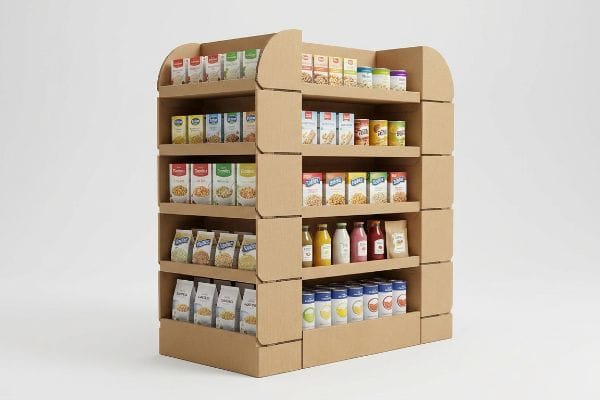
এন্ড ক্যাপ ডিসপ্লের সফল উদাহরণগুলো প্রধান খুচরা বিক্রেতাদের নির্দিষ্ট নির্দেশনার কঠোর অনুসরণের উপর নির্ভর করে, যেখানে ক্রেতাদের চলাচলের ধরণ ব্যাহত করার জন্য বিশেষভাবে তৈরি ঢেউখেলানো কার্ডবোর্ডের কাঠামো ব্যবহার করা হয়। সুনির্দিষ্ট মাত্রার সীমার মধ্যে ইউনিটগুলো ডিজাইন করার মাধ্যমে ব্র্যান্ডগুলো দোকানের অনুমোদন নিশ্চিত করে, পণ্যের দৃশ্যমানতা বাড়ায় এবং সামগ্রিক উৎপাদন খরচ না বাড়িয়েই বিক্রয়ের স্থান থেকে বিক্রির হার ব্যাপকভাবে বৃদ্ধি করে।.
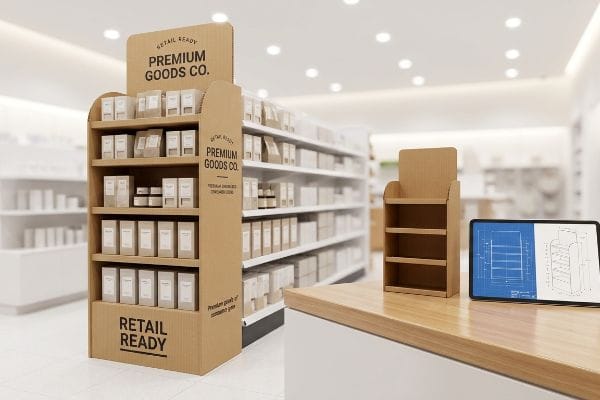
আপনার মার্কেটিং বাজেট ব্যাপক উৎপাদনে বিনিয়োগ করার আগে, আসুন জেনে নিই এই প্রিমিয়াম রিটেইল প্লেসমেন্টগুলো বাস্তবে ঠিক কীভাবে কাজ করে।.
একটি ভালো এন্ডক্যাপ ডিসপ্লের বৈশিষ্ট্য কী?
উচ্চ রূপান্তর হার সম্পন্ন একটি ফিক্সচার ডিজাইন করার জন্য আকর্ষণীয় দৃশ্যসজ্জার সাথে সহজগম্য পণ্য কাঠামোর ভারসাম্য রক্ষা করা প্রয়োজন।.
একটি ভালো এন্ডক্যাপ ডিসপ্লে গতিশীল কাঠামোগত পরিবর্তনের সাথে ক্রেতাদের জন্য বাধাহীন প্রবেশগম্যতাকে নিপুণভাবে একীভূত করে। অপ্টিমাইজড মাইক্রো-ফ্লুট ঢেউখেলানো উপাদান ব্যবহার করে, এই রিটেইল ফিক্সচারগুলো বড় আকারের দোকানের করিডোরের প্রমিত মাপ কঠোরভাবে মেনে চলার পাশাপাশি সামনের দিকের পণ্যের দৃশ্যমানতা সর্বাধিক করে তোলে, যা নির্বিঘ্ন ইনস্টলেশন নিশ্চিত করে, সংযোজনের জটিলতা দূর করে এবং ক্রয়ের স্থানেই ক্রেতার তাৎক্ষণিক সম্পৃক্ততা বাড়ায়।.
কিন্তু একটি জমকালো নকশার ধারণা দ্রুতই ভেস্তে যায়, যদি বাহ্যিক কাঠামোটি সক্রিয়ভাবে ভোক্তার কাছ থেকে পণ্যটিকে আড়াল করে।.
ঢেউখেলানো তাকের জন্য ৮৫% দৃশ্যমানতার নিয়ম
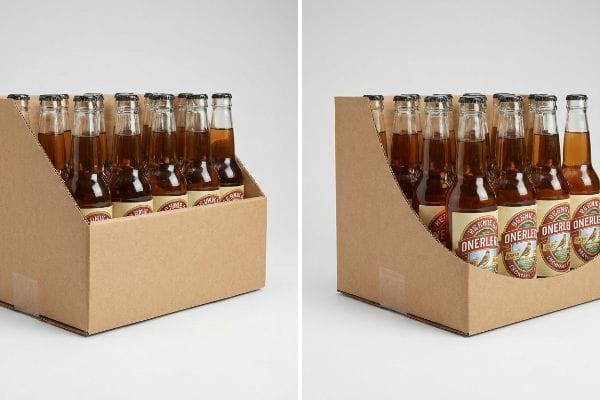
নবীন ডিজাইনাররা প্রায়শই কেবল বাইরের বাহ্যিক আবরণের উপরই সম্পূর্ণ মনোযোগ দেন এবং প্রতিটি তাককে সাধারণ ধারক বাক্স হিসেবে গণ্য করেন। তারা সামনের দিকে উঁচু ধারকযুক্ত গভীর ট্রে তৈরি করেন, যাতে তাড়াহুড়ো করে পণ্য পুনরায় সাজানোর সময় মূল প্যাকেজিং বাইরে পড়ে না যায়। যদিও সাধারণ মজুত স্থিতিশীলতার জন্য এটি যৌক্তিক বলে মনে হয়, কিন্তু এটি একটি বিশাল দৃশ্যমান প্রতিবন্ধকতা তৈরি করে যা মূল বিপণন উদ্দেশ্যকে মারাত্মকভাবে ব্যাহত করে।
ফ্ল্যাট ডাইলাইন পর্যালোচনা করার সময় আমি এই ফাঁদটি ক্রমাগত দেখতে পাই। ডিজাইনার একটি সাধারণ পিডিকিউ (প্রোডাক্ট ডিসপ্লে কুইকলি) ট্রে-তে একটি বিশাল ৩-ইঞ্চি (৭৬.২ মিমি) সামনের কিনারা যোগ করেন, যা পণ্যের মূল লেবেলটিকে সম্পূর্ণরূপে ঢেকে দেয়। যখন আমি কারখানার ফ্লোরে পরীক্ষামূলক অ্যাসেম্বলি চালাই, তখন ভার্জিন ক্রাফট বোর্ডের দৃঢ় প্রতিরোধ বিষয়টি স্পষ্ট করে দেয়: আপনি শারীরিকভাবে ক্রেতার দৃষ্টিপথ আটকে দিচ্ছেন। আমার সাধারণ নিয়ম হলো "পণ্যই প্রথম" নীতি, যা ন্যূনতম ৮৫% সম্মুখ দৃশ্যমানতাঐসামনের কিনারায় একটি কাস্টম ডাই-কাট বাঁকানো নকশা তৈরি করে, আমি নিশ্চিত করি যে পণ্যটি নিরাপদে তার জায়গায় স্থির থাকে এবং ব্র্যান্ডের সুনাম সম্পূর্ণরূপে উন্মোচিত হয়, যা রিটেইল ফ্লোরে তাৎক্ষণিক ক্রয়ের হার বাড়িয়ে তোলে।
| নতুনদের সাধারণ ভুল | প্রো ফিক্স | খুচরা-ফ্লোর সুবিধা |
|---|---|---|
| উঁচু, সোজা ঠোঁট | ডাই-কাট করা বাঁকানো সামনের প্রোফাইল | প্রাথমিক ব্র্যান্ডিংয়ের ৮৫% প্রকাশ করে3 |
| জেনেরিক গভীর-কূপ ট্রে | কোণযুক্ত পণ্য পুশার ইনসার্ট | পণ্যসামগ্রীকে সামনের দিকে মুখ করে রাখে |
| অতিরিক্ত জটিল লকিং ট্যাব | ই-ফ্লুট ঘর্ষণ-ফিট জয়েন্ট4 | পুনরায় মজুত করার সময়কে ত্বরান্বিত করে |
আমি কাঠামোগত বাধার কারণে আপনার পণ্যের সেরা বৈশিষ্ট্যগুলোকে আড়াল হতে দেব না। সামনের অংশ থেকে অপ্রয়োজনীয় উপাদান বাদ দিলে পণ্যের একক উৎপাদন খরচ কমে আসে এবং একই সাথে করিডোরে ক্রেতার সরাসরি দৃষ্টি আকর্ষণ গাণিতিকভাবে বৃদ্ধি পায়।.
🛠️ হার্ভির ডেস্ক: আপনার রিটেইনিং লিপস কি ভুলবশত আপনার প্রাইমারি বোতলের লেবেলগুলো ঢেকে ফেলছে? 👉 একটি ডাইলাইন অডিট করান ↗ — সরাসরি আমার ডেস্কে অ্যাক্সেস। কোনো স্বয়ংক্রিয় সেলস স্প্যাম নেই, আমি কথা দিচ্ছি।
দোকানের সারির শেষের ডিসপ্লেগুলো কি লাভজনক?
উৎকৃষ্ট মানের দোকানের জন্য জায়গা পাওয়া ব্যয়বহুল, যার ফলে অনেক ব্র্যান্ড পরিচালক এই বিনিয়োগের বাস্তব প্রতিদান নিয়ে প্রশ্ন তোলেন।.
হ্যাঁ। সঠিকভাবে ডিজাইন করা হলে, দোকানের সারির শেষ প্রান্তের ডিসপ্লেগুলো অত্যন্ত লাভজনক বিনিয়োগ। অপরিকল্পিত ক্রেতাদের আকর্ষণ করার মাধ্যমে, কৌশলগতভাবে স্থাপন করা এই স্ট্রাকচারাল মার্চেন্ডাইজারগুলো পণ্যের একক বিক্রির গতি ব্যাপকভাবে বাড়িয়ে দেয়। অস্থায়ী ফ্ল্যাট-প্যাক করোগেটেড ডিজাইন ব্যবহার করে ব্র্যান্ডগুলো স্থায়ী হার্ডওয়্যারের পরিবহন খরচ সম্পূর্ণরূপে এড়াতে পারে এবং একই সাথে তাদের মৌসুমী প্রচারমূলক মুনাফা সর্বোচ্চ করতে পারে।.
আর্থিক হিসাবটা মেলে, কিন্তু কেবল তখনই, যদি পণ্যটি সরবরাহ ব্যবস্থার যাত্রাপথে অক্ষত অবস্থায় খুচরা বিক্রয়কেন্দ্রে পৌঁছাতে পারে।.
"৩-সেকেন্ড লিফট" গণনার মাধ্যমে বিনিয়োগের উপর আয় (ROI) প্রমাণ করা
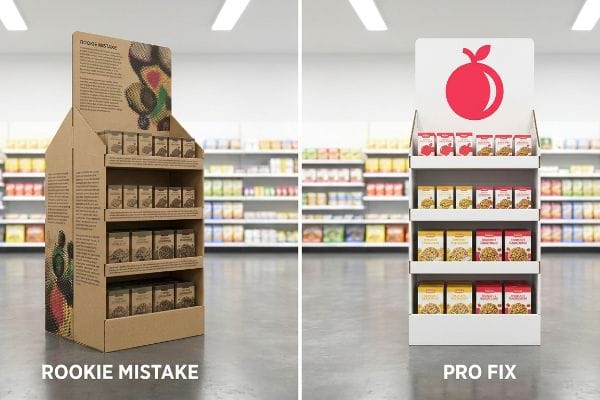
ক্রয়কারী দলগুলো প্রায়শই সাধারণ ইনলাইন শেল্ভিংকেই বেছে নেয়, কারণ এতে কোনো অগ্রিম প্যাকেজিং বিনিয়োগের প্রয়োজন হয় না এবং তারা ধরে নেয় যে এন্ডক্যাপগুলো কেবলই একটি ব্যয়বহুল লোকদেখানো বিষয়। তারা করোগেটেড টেস্টলাইনার, লিথো-ল্যামিনেশন প্রিন্টিং প্লেট এবং কো-প্যাকিংয়ের শ্রমের কাঁচামালের খরচ হিসাব করে এবং পুরো প্রকল্পটিকে লাভের একটি বিশাল অপচয় হিসেবে দেখে। ক্রেতাদের গতিশীল সম্পৃক্ততা পরিমাপ করার জন্য কোনো যাচাইকৃত কাঠামো না থাকায় , এই অগ্রিম উৎপাদন ব্যয়কে সম্পূর্ণ অযৌক্তিক বলে মনে হয়।
ক্লায়েন্টরা প্রায়শই আমাকে জিজ্ঞাসা করেন যে একটি কাস্টম ডাই-কাট হেডারে বেশি খরচ করলে আসলেই কোনো লাভ হয় কিনা, এবং আমি সবসময় "৩-সেকেন্ড লিফট" ফর্মুলার কথাই বলি। দোকানের শেষ প্রান্তের ডিসপ্লেটিকে একটি হাইওয়ে বিলবোর্ডের মতো ভাবুন; যদি কার্ট নিয়ে হেঁটে যাওয়া কোনো ক্রেতা তিন সেকেন্ডের মধ্যে আপনার মূল অফারটি বুঝতে না পারে , তাহলে আপনার ডিসপ্লেটি কেবলই দামী ওয়ালপেপার। আমার মনে আছে, আমি একটি সুন্দর, লেখা-বহুল ডিসপ্লেকে শোচনীয়ভাবে ব্যর্থ হতে দেখেছিলাম, কারণ দোকানের পারিপার্শ্বিক আলো ছোট লেখাগুলোর উপর তীব্র ছায়া ফেলেছিল। জটিল লেখা থেকে বাজেট সরিয়ে নিয়ে এবং মূল কেন্দ্রবিন্দুতে একটি একক, উচ্চ-কন্ট্রাস্টের পিএমএস (প্যান্টোন ম্যাচিং সিস্টেম) স্পট কালার ফ্লাড ব্যবহার করে, আমি দ্রুত দৃষ্টিবিভ্রম সৃষ্টি করি। এই সূক্ষ্ম পরিবর্তনটি সরাসরি ক্রেতাকে হুট করে কিনে ফেলতে উৎসাহিত করে, যা আপনার বিল অফ মেটেরিয়ালস না বাড়িয়েই ডিসপ্লেটির ROI (বিনিয়োগের উপর রিটার্ন) প্রমাণ করে।
| নতুনদের সাধারণ ভুল | প্রো ফিক্স | খুচরা-ফ্লোর সুবিধা |
|---|---|---|
| জটিল অনুচ্ছেদ পাঠ্য | একক প্রভাবশালী চাক্ষুষ আকর্ষণ | ৩-সেকেন্ডের ট্র্যাফিক ক্যাপচার করে8 |
| CMYK হাফটোনের ঘোলাটে ভাব | সলিড পিএমএস স্পট কালার9 | উচ্চ-কন্ট্রাস্ট দৃশ্যমানতা সর্বাধিক করে তোলে |
| পারিপার্শ্বিক ছায়া উপেক্ষা করা | প্রতিফলনের জন্য সাদা ভেতরের আস্তরণ10 | স্বাভাবিকভাবেই হাইলাইট পণ্য |
আমি প্রতিটি ইউনিটকে কঠোরভাবে গতি সঞ্চার করার জন্য ডিজাইন করি, শুধু পিডিএফ-এ সুন্দর দেখানোর জন্য নয়। আপনার কাঠামোগত বিনিয়োগকে তাৎক্ষণিক দৃশ্যমান পরিবর্তনের সাথে সামঞ্জস্যপূর্ণ করা নিশ্চিত করে যে আপনার প্রচারাভিযান পরিমাপযোগ্য খুচরা বিক্রয় বৃদ্ধি ঘটাবে।.
🛠️ হার্ভির ডেস্ক: দোকানের তীব্র ফ্লুরোসেন্ট আলোর নিচে আপনার লেখা-বহুল শিল্পকর্মটি হারিয়ে যাওয়ার চিন্তায় আছেন? 👉 আপনার কনট্রাস্ট রিভিউ দাবি করুন ↗ — নিরাপদে ডাউনলোড করুন। পরবর্তীতে কোনো প্রশ্ন থাকলে আমার ইনবক্স খোলা আছে।
ভিজ্যুয়াল মার্চেন্ডাইজিংয়ের ৪টি 'পি' কী কী?
এক টুকরো কার্ডবোর্ড উৎপাদন করার আগেও বাণিজ্যিক খুচরা ব্যবসার মৌলিক স্তম্ভগুলোতে দক্ষতা অর্জন করা বাধ্যতামূলক।.
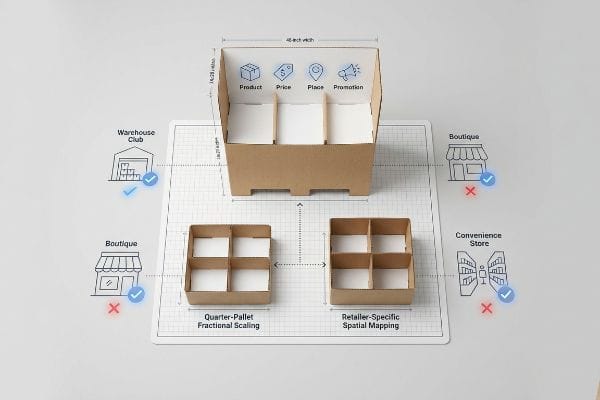
ভিজ্যুয়াল মার্চেন্ডাইজিংয়ের ৪টি ‘পি’—পণ্য, মূল্য, স্থান এবং প্রচার—নির্ধারণ করে যে ভৌত খুচরা বিক্রয় কৌশলগুলো কীভাবে প্রয়োগ করা হবে। প্যাকেজিং ইঞ্জিনিয়ারিংয়ে, এই মূল উপাদানগুলো সমন্বিতভাবে কাজ করে এটা নিশ্চিত করে যে, একটি বিশেষভাবে তৈরি ঢেউখেলানো কার্ডবোর্ডের ডিসপ্লে যেন লক্ষ্যস্থলের দোকানের স্থানিক সীমাবদ্ধতা, মূল্য নির্ধারণের মাধ্যম এবং ক্রেতাদের জনমিতির সাথে নিখুঁতভাবে মিলে যায়, যা পরিণামে সামগ্রিক প্রচারণার লাভজনকতা সর্বোচ্চ করে তোলে।.
বিপণনের এই পাঠ্যপুস্তকীয় ধারণাগুলোকে ভারবাহী ভৌত কাঠামোতে রূপান্তর করতে কঠোর শৃঙ্খলার প্রয়োজন।.
'রিটেইল ফ্রেমওয়ার্ক অ্যালাইনমেন্ট' ম্যাট্রিক্সের কাঠামো গঠন
উদীয়মান ব্র্যান্ডগুলো প্রায়শই তাদের ভৌত বিপণন ব্যবস্থাকে লক্ষ্যযুক্ত খুচরা বিক্রেতার কার্যপ্রণালীর মডেলের সাথে সামঞ্জস্যপূর্ণ না করেই পণ্য বাজারে আনার চেষ্টা করে। তারা ধরে নেয় যে একটি একক কাঠামোগত নকশা ব্যয়-সাশ্রয়ী, এবং সেই অনুযায়ী তারা উচ্চমানের প্রসাধনী বুটিক এবং পাইকারি গুদাম ক্লাব উভয়ের জন্যই একটি বিশাল, সর্বজনীন প্রচারমূলক ইউনিট ডিজাইন করে। বিভিন্ন খুচরা পরিবেশে কীভাবে মূল্যবান ফ্লোর স্পেস বরাদ্দ করা হয়, সেই কঠোর লজিস্টিক কৌশলগুলো তারা উপেক্ষা করে ।
এটা অনেকটা ছোট জায়গায় একটা বাসকে প্যারালাল পার্ক করার চেষ্টার মতো; এতে শেষ পর্যন্ত সবকিছুই নষ্ট হয়ে যায়। আমি একটি সাধারণ ভুল দেখি, আর তা হলো দোকানের চলাচলের পথের (আইল) বাস্তব সীমার সাথে "স্থান" (Place) মেট্রিকটিকে খাপ খাওয়াতে ব্যর্থ হওয়া। একবার একজন ক্লায়েন্ট একটি সাধারণ কনভেনিয়েন্স স্টোরের জন্য আমার কাছে একটি সুন্দর ৪৮-ইঞ্চি (১২১.৯ সেমি) চওড়া ডিজাইন নিয়ে এসেছিলেন, যা সাথে সাথেই পুরো হাঁটার পথটি আটকে দিত এবং খুচরা বিক্রেতার কাছ থেকে তাৎক্ষণিক প্রত্যাখ্যানের কারণ হতো। আমার সাধারণ নিয়ম হলো, আমরা CAD (কম্পিউটার-এইডেড ডিজাইন) সফটওয়্যার চালু করার আগেই একটি কঠোর "রিটেইল ফ্রেমওয়ার্ক ম্যাট্রিক্স" বাধ্যতামূলক করা। গাণিতিকভাবে ইউনিটটিকে একটি মডুলার কোয়ার্টার-প্যালেট (২৪×২০ ইঞ্চি / ৬০৯.৬×৫০৮ মিমি) ফুটপ্রিন্টে১২, আমি ভৌত কাঠামোটিকে খুচরা বিক্রেতার স্থানিক বাস্তবতার সাথে নিখুঁতভাবে মিলিয়ে নিই, যা কঠোর স্টোর ম্যানেজারদের কাছ থেকে বাধাহীন অনুমোদন নিশ্চিত করে।
| নতুনদের সাধারণ ভুল | প্রো ফিক্স | খুচরা-ফ্লোর সুবিধা |
|---|---|---|
| সর্বজনীন এক-আকারের ডিজাইন | খুচরা বিক্রেতা-নির্দিষ্ট স্থানিক ম্যাপিং | কঠোর ব্যবস্থাপকের প্রত্যাখ্যান প্রতিরোধ করে |
| অতিরিক্ত বড় দোকানের পদচিহ্ন | কোয়ার্টার-প্যালেট ভগ্নাংশ স্কেলিং13 | উচ্চ-চলাচলের প্রিমিয়াম করিডোরের জন্য উপযুক্ত। |
| স্টোর লজিস্টিকস উপেক্ষা করা | পূর্ব-অনুমোদিত সম্মতি সীমা14 | ডক গ্রহণ দ্রুততর করে |
আমি সর্বদা আপনার প্রচারমূলক কৌশলটি খুচরা বিক্রেতার ভৌত সীমাবদ্ধতার সাথে সরাসরি মিলিয়ে দেখি। বিপণন তত্ত্ব এবং স্থানিক বাস্তবতার মধ্যে সংযোগ স্থাপন করা নিশ্চিত করে যে আপনার পণ্যটি সত্যিই দোকানে পৌঁছাবে।.
🛠️ হার্ভিস ডেস্ক: আপনার বর্তমান ফ্লোরের মাপ কি ভুলবশত বড় দোকানের করিডোরের ছাড়পত্রের নিয়ম লঙ্ঘন করছে? 👉 একটি স্থানিক বিশ্লেষণের জন্য অনুরোধ করুন ↗ — কোনো ফর্ম নেই যা অবিরাম সেলস কলের কারণ হয়। শুধু খাঁটি মূল্য।
পণ্য বিপণনের ৭টি নিয়ম কী কী?
উন্নত পণ্য বিপণন নীতিমালার জন্য শুধু তাকের উপর পণ্য সাজিয়ে রাখাই যথেষ্ট নয়; এর জন্য প্রয়োজন সুচিন্তিত দৃশ্যগত টানাপোড়েন।.
মার্চেন্ডাইজিংয়ের ৭টি নিয়ম ক্রেতাদের সম্পৃক্ততা বাড়াতে পণ্যের সুস্পষ্ট বিন্যাস, মজুদের সহজলভ্যতা এবং একটি সুস্পষ্ট দৃশ্যগত স্তরবিন্যাসকে একত্রিত করে। ঢেউখেলানো খুচরা প্যাকেজিংয়ে প্রয়োগ করা হলে, এই কাঠামোগত নীতিগুলি অপ্রতিসম বিভাজক এবং সুনির্দিষ্ট স্থানিক ব্যবধান ব্যবহার করে মানসিক অতিরিক্ত চাপ প্রতিরোধ করে, যা তাৎক্ষণিক বিক্রয়কে ব্যাপকভাবে বৃদ্ধি করে এবং পণ্য পুনরায় মজুদ করার ঝামেলা দূর করে।.
কিন্তু যখন মেশিনগুলো চলতে শুরু করে এবং প্রকৃত খুচরা কর্মীরা আপনার মজুদ পণ্য সামলান, তখন শুধু তত্ত্ব জানাই যথেষ্ট নয়।.
কারখানার মেঝেতে কেন আদর্শ প্রতিসম গ্রিড ব্যর্থ হয়
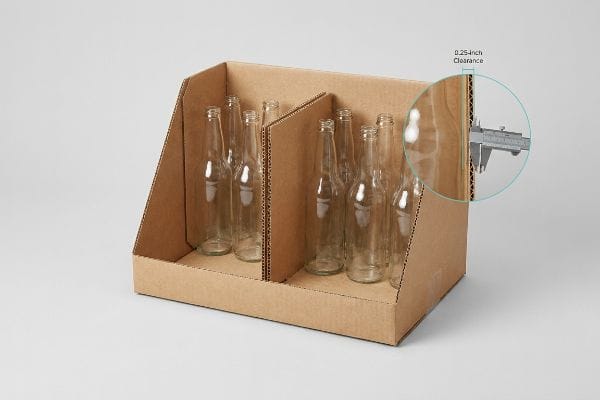
ক্রয়কারী দল এবং জুনিয়র ডিজাইনাররা প্রায়শই একটিমাত্র ডিসপ্লে ট্রে-তে পণ্যের একটি ঘন, নিখুঁতভাবে প্রতিসম গ্রিড ফ্ল্যাট-প্যাক করার চেষ্টা করেন, এই ধারণায় যে কাঁচামালের ঘনত্ব সর্বাধিক করলে স্বয়ংক্রিয়ভাবে বিক্রয়ের মার্জিন বৃদ্ধি পায়১৫।তারা এমন লেআউট ফাইল তৈরি করেন যা প্রতিটি উপলব্ধ মিলিমিটারকে নিংড়ে নেয়, শিপিংয়ের পরিমাণ কমানোর জন্য ভারী সিজিজি (কনজিউমার প্যাকেজড গুডস) বোতলগুলোকে কাঁধে কাঁধ মিলিয়ে সাজিয়ে রাখে। এই তাত্ত্বিক দৃষ্টিভঙ্গি ভৌত রিটেইল ডিসপ্লেকে একটি ইন্টারেক্টিভ ভোক্তা টাচপয়েন্টের পরিবর্তে একটি স্থির গুদামের বিনের মতো বিবেচনা করে।
এটা শুধু তত্ত্ব নয়—আমি টেস্টিং ফ্লোরে ঠিক এই ব্যর্থতাটি ঘটতে দেখি যখন আমরা খুব ঠাসাঠাসি করে সাজানো সিমেট্রি গ্রিড লোড করি। সম্প্রতি একজন ক্লায়েন্ট ১০০% ফ্লাশ-প্যাকড শেলফের নির্দেশ দেন, যা ৩২ইসিটি (এজ ক্রাশ টেস্ট) বোর্ড১৬-। যখন আমি প্রোটোটাইপটির এক্সট্র্যাকশন ফ্রিকশন পরিমাপ করি, তখন অতিরিক্ত ঘনত্বের কারণে ভেতরের পণ্যের দেয়ালগুলো একে অপরের সাথে আক্ষরিকভাবে আটকে যায়। তাড়াহুড়ো করা দোকানের কর্মচারীরা এই ঠাসাঠাসি ইউনিটগুলোতে পণ্য পুনরায় সাজানোর চেষ্টা করতে গিয়ে জিনিসগুলো সজোরে টানছিল, যার ফলে কাঁচা পেপারবোর্ডের ধরে রাখার প্রান্তগুলো আক্ষরিকভাবে ছিঁড়ে যাচ্ছিল এবং ব্র্যান্ডের গ্রাফিক উপস্থাপনা নষ্ট হয়ে যাচ্ছিল। আমি মাইক্রোমিটারের রিডিংগুলো বের করে প্রমাণ করি যে আমাদের দামী, ছিঁড়ে যাওয়া-প্রতিরোধী প্লাস্টিকের ট্রে ব্যবহার করার কোনো প্রয়োজন নেই। আমি কেবল "৩-৫-৭ অ্যাসিমেট্রি রুল" ডিজাইন করি, যেখানে মডিউলার ফ্লোটিং ডিভাইডার ব্যবহার করে বিজোড় সংখ্যার পণ্যের গুচ্ছগুলোর মধ্যে একটি অত্যন্ত সুনির্দিষ্ট ০.২৫-ইঞ্চি (৬.৩৫ মিমি) ভৌত ফাঁক তৈরি করা হয়। এই মাইক্রো-টলারেন্স প্রয়োগ করার মাধ্যমে, আমি নিশ্চিত করেছি যে কো-প্যাকিং অ্যাসেম্বলির সময় আনুমানিক 25%17, এবং একই সাথে লাইভ রিটেইল ফ্লোরে রিস্টকিং টিয়ার-আউট সম্পূর্ণরূপে নির্মূল হয়েছে।
| নতুনদের সাধারণ ভুল | প্রো ফিক্স | খুচরা-ফ্লোর সুবিধা |
|---|---|---|
| ফ্লাশ-প্যাকড পণ্য গ্রিড | অপ্রতিসম ৩-৫-৭ ক্লাস্টার18 | দৃশ্যমান মনস্তাত্ত্বিক উত্তেজনা তৈরি করে |
| শূন্য-ক্লিয়ারেন্স লোডিং | ০.২৫-ইঞ্চি ফিজিক্যাল বাফার19 | পেপারবোর্ডের কিনারা ছিঁড়ে যাওয়া রোধ করে |
| স্থির অনড় ট্রে | মডুলার ফ্লোটিং SKU ডিভাইডার | পুনরায় মজুত করার সাথে নির্বিঘ্নে খাপ খাইয়ে নেয়। |
আমি কিছুতেই অতিরিক্ত জিনিসপত্রে ঠাসা একটি তাক আপনার ডিসপ্লের কাঠামোগত অখণ্ডতা নষ্ট করতে দেব না। আপনার পণ্য বিন্যাসে সুনির্দিষ্ট যান্ত্রিক ফাঁকা স্থান রাখলে কাঁচামালের খরচ সাশ্রয় হয় এবং দৈনন্দিন খুচরা কার্যক্রম নির্বিঘ্নে সম্পন্ন হয়।.
🛠️ হার্ভির ডেস্ক: আপনি কি আপনার বর্তমান ভারী সিজি প্রোডাক্ট গ্রিডের সঠিক নিষ্কাশন ঘর্ষণ সহনশীলতা জানেন? 👉 আমাকে আপনার ডাইলাইন ফাইল পাঠান ↗ — গণ উৎপাদনে বাজেট অপচয় করার আগে আমি এর গাণিতিক হিসাব স্ট্রেস-টেস্ট করে দেখব।
উপসংহার
আপনি চাইলে সাধারণ ট্রে-তে পণ্য ঠেসে ভরতে পারেন, কিন্তু যখন খুব আঁটসাঁট ও ফাঁকা জায়গায় প্যাক করার কারণে কর্মচারীরা কাঁচা পেপারবোর্ডের কিনারা ছিঁড়ে ফেলে, তখন তা আপনার পণ্যের উপস্থাপনা নষ্ট করে দেয় এবং পণ্য পুনরায় ভরার গতি আনুমানিক ২৫% কমিয়ে দেয়। আমার সেরা ১০ জন রিটেইল ক্লায়েন্ট প্রিন্ট বাতিল হওয়ার সম্ভাবনা শূন্যে নামিয়ে আনার নিশ্চয়তা দিতে ঠিক এই স্পেক শিটটিই ব্যবহার করেন। কাঠামোগত সহনশীলতা নিয়ে অনুমান করা বন্ধ করুন এবং আপনার পণ্য বাজারে আনার আগেই নিরাপদ রিটেইল ক্লিয়ারেন্স নিশ্চিত করতে আমাকে ব্যক্তিগতভাবে আমার ফ্রি ডাইলাইন অডিট ↗- ।
"খুচরা দোকানের তাকের গড় উচ্চতা কত? – পপডিসপ্লে", https://popdisplay.me/what-is-the-average-retail-shelf-height/। খুচরা দোকানের নকশায় তাকের প্রান্তের উচ্চতা কীভাবে পণ্যের দৃশ্যমানতা এবং স্থিতিশীলতাকে প্রভাবিত করে তার বিশ্লেষণ। প্রমাণের ভূমিকা: প্রযুক্তিগত যৌক্তিকতা; উৎসের ধরণ: খুচরা দোকানের নকশার নির্দেশিকা। সমর্থন করে: মজুদের স্থিতিশীলতা এবং দৃশ্যমান প্রবেশগম্যতার মধ্যেকার ভারসাম্য। পরিধি সংক্রান্ত টীকা: শুধুমাত্র ঢেউখেলানো কার্ডবোর্ডের বা স্থায়ী খুচরা দোকানের সরঞ্জামাদির মধ্যে সীমাবদ্ধ। ↩
"এন্ডক্যাপ ডিসপ্লে কী? খুচরা বিক্রয় বৃদ্ধির একটি নির্দেশিকা", https://coregroupdisplays.com/what-is-an-endcap-display/। এটি একটি শিল্প মান বা খুচরা মার্চেন্ডাইজিং নির্দেশিকা যা গ্রাহক রূপান্তর চালনা করার জন্য প্রয়োজনীয় পণ্যের দৃশ্যমানতার সর্বোত্তম শতাংশ নিশ্চিত করে। প্রমাণের ভূমিকা: বেঞ্চমার্ক; উৎসের ধরণ: খুচরা শিল্প ম্যানুয়াল। সমর্থন করে: ৮৫% দৃশ্যমানতার নিয়ম। পরিধি সংক্রান্ত টীকা: পণ্যের বিভাগ অনুযায়ী ভিন্ন হতে পারে। ↩
"এন্ডক্যাপ ডিসপ্লে কেন ব্যবহার করবেন? – পপডিসপ্লে", https://popdisplay.me/why-use-an-endcap-display/। ব্র্যান্ডিংয়ের প্রচার নিশ্চিত করার জন্য করোগেটেড শেলফ প্রোফাইলের ক্ষেত্রে ইন্ডাস্ট্রির স্ট্যান্ডার্ড ভিজিবিলিটি মেট্রিকের যাচাইকরণ। প্রমাণের ভূমিকা: পরিমাণগত বৈধতা; উৎসের ধরণ: রিটেইল ডিজাইন নির্দেশিকা। সমর্থন করে: সুইপড ফ্রন্ট প্রোফাইলের কার্যকারিতা। পরিধি সংক্রান্ত টীকা: পণ্যের বিভাগ অনুযায়ী মেট্রিকটি ভিন্ন হতে পারে। ↩
"শিপিং বক্সের শক্তি বোঝা – ইকোএনক্লোজ", https://www.ecoenclose.com/blog/understanding-shipping-box-strength/?srsltid=AfmBOorhy5tbBoE326xxb-aEXH9kQzLzDWyT2JXh2iswZRLRuhG7S8Qn। প্রযুক্তিগতভাবে নিশ্চিত করা হয়েছে যে, ই-ফ্লুট উপাদানের বৈশিষ্ট্যগুলো ঘর্ষণ-ফিট অ্যাসেম্বলিকে সমর্থন করে, যা শ্রমের সময় কমায়। প্রমাণের ভূমিকা: প্রযুক্তিগত স্পেসিফিকেশন; উৎসের ধরণ: প্যাকেজিং ইঞ্জিনিয়ারিং ম্যানুয়াল। সমর্থন করে: অ্যাসেম্বলির গতি বাড়ানোর জন্য ই-ফ্লুটের ব্যবহার। পরিধি সংক্রান্ত টীকা: শুধুমাত্র ঢেউখেলানো কাগজের উপকরণের জন্য প্রযোজ্য। ↩
"খুচরা ডিসপ্লের সাফল্য কীভাবে পরিমাপ করবেন – ফ্র্যাঙ্ক মেয়ার", https://www.frankmayer.com/blog/how-to-measure-retail-display-success/। অ্যাকাডেমিক বা শিল্প-সম্পর্কিত গবেষণা যা একটি প্রমিত পদ্ধতি প্রদান করে, যার মাধ্যমে পরিমাপ করা যায় যে ক্রেতারা ইনলাইন শেল্ফিংয়ের তুলনায় এন্ডক্যাপ ডিসপ্লের সাথে শারীরিকভাবে কীভাবে মিথস্ক্রিয়া করে। প্রমাণের ভূমিকা: মৌলিক কাঠামো; উৎসের ধরণ: খুচরা বিশ্লেষণ সমীক্ষা। সমর্থন করে: ROI (বিনিয়োগের উপর রিটার্ন) প্রমাণ করার জন্য নির্দিষ্ট পরিমাপ সরঞ্জামের প্রয়োজনীয়তা। পরিধি নোট: তাৎক্ষণিক ক্রয়ের আচরণের উপর দৃষ্টি নিবদ্ধ করে। ↩
"ভোক্তাদের তাৎক্ষণিক ক্রয় আচরণকে প্রভাবিতকারী কারণসমূহ – পিএমসি – এনআইএইচ", https://pmc.ncbi.nlm.nih.gov/articles/PMC8206473/। খুচরা বিক্রয় পরিবেশে ভোক্তাদের দৃষ্টিপাত এবং জ্ঞানীয় প্রক্রিয়াকরণের গতির উপর বাহ্যিক গবেষণা মনোযোগ আকর্ষণের সুযোগকে বৈধতা দেয়। প্রমাণের ভূমিকা: মৌলিক পরিমাপক; উৎসের ধরণ: আচরণগত মনোবিজ্ঞান গবেষণা। সমর্থন করে: তাৎক্ষণিক ক্রয়কে উৎসাহিত করার জন্য দ্রুত যোগাযোগের প্রয়োজনীয়তা। পরিধি টীকা: বিশেষভাবে অধিক জনসমাগমপূর্ণ খুচরা বিক্রয় করিডোরের জন্য প্রযোজ্য। ↩
"[পিডিএফ] বিলাসবহুল ফ্যাশন উইন্ডো ডিসপ্লেতে রঙের প্রভাব – স্কলারওয়ার্কস", https://scholarworks.calstate.edu/downloads/3484zq547। রঙ তত্ত্ব এবং ভিজ্যুয়াল মার্চেন্ডাইজিং গবেষণা নিশ্চিত করে যে, অনুজ্জ্বল রঙের তুলনায় উচ্চ-কন্ট্রাস্ট ও স্যাচুরেটেড রঙগুলো দর্শকের দৃষ্টি আকর্ষণের হার (স্টপ রেট) বাড়ায়। প্রমাণের ভূমিকা: প্রযুক্তিগত যাচাইকরণ; উৎসের ধরণ: ডিজাইন শিল্পের মান। সমর্থন করে: দৃষ্টি আকর্ষণের জন্য স্পট কালারের ব্যবহার। পরিধি সংক্রান্ত টীকা: কার্যকারিতা ব্র্যান্ডের রঙের প্যালেট এবং দোকানের আলোর ওপর নির্ভর করে পরিবর্তিত হয়। ↩
"একটি … এর মাধ্যমে ক্রেতার ব্রাউজিং আচরণ এবং মনোযোগের স্তর অন্বেষণ", https://pmc.ncbi.nlm.nih.gov/articles/PMC6895988/। পয়েন্ট-অফ-পারচেজ ডিসপ্লের জন্য ভোক্তার ভিজ্যুয়াল প্রসেসিং সময় এবং 'থামানোর ক্ষমতা'-র উপর শিল্প মানদণ্ড। প্রমাণের ভূমিকা: মেট্রিকের বৈধতা; উৎসের ধরণ: খুচরা বিপণন গবেষণা। সমর্থন করে: ৩-সেকেন্ড লিফট তত্ত্ব। পরিধি টীকা: প্রাথমিক ভিজ্যুয়াল আকর্ষণের উপর আলোকপাত করে। ↩
"প্যাকেজিংয়ের জন্য পিএমএস বনাম সিএমওয়াইকে: কোনটি শ্রেয়? – প্যাক্স সলিউশনস", https://pax.solutions/corrugated-packaging/pms-vs-cmyk-for-packaging/। খুচরা বিক্রয় পরিবেশে উজ্জ্বলতা এবং বৈসাদৃশ্যের জন্য প্যানটোন ম্যাচিং সিস্টেম (পিএমএস) বনাম প্রসেস কালারের প্রযুক্তিগত তুলনা। প্রমাণের ভূমিকা: প্রযুক্তিগত স্পেসিফিকেশন; উৎসের ধরণ: গ্রাফিক ডিজাইন স্ট্যান্ডার্ড। সমর্থন: উচ্চ-বৈসাদৃশ্যপূর্ণ দৃশ্যমানতা সর্বাধিক করা। পরিধি সংক্রান্ত টীকা: লার্জ-ফরম্যাট প্রিন্টিংয়ের জন্য প্রযোজ্য। ↩
"সাদা প্রতিফলক: সাশ্রয়ী আলোকসজ্জা নকশার জন্য কেন এটি গুরুত্বপূর্ণ", https://www.paclights.com/explore/white-reflector-why-it-matters-for-cost-effective-lighting-design/। ছায়াময় খুচরা বিক্রয় পরিবেশে পণ্যের দৃশ্যমানতা উন্নত করার জন্য সাদা অভ্যন্তরীণ পৃষ্ঠতল কীভাবে পারিপার্শ্বিক আলো প্রতিফলিত করে তার বিশ্লেষণ। প্রমাণের ভূমিকা: প্রযুক্তিগত কৌশল; উৎসের ধরণ: আলোকসজ্জা/পণ্যসজ্জা নির্দেশিকা। সমর্থন: পণ্যের স্বাভাবিক উদ্ভাসন। পরিধি সংক্রান্ত টীকা: শেল্ভিং এবং ডিসপ্লে ইনসার্টের জন্য নির্দিষ্ট। ↩
"[পিডিএফ] ওয়্যারহাউস ক্লাব স্টোরগুলিতে কেনাকাটার কার্যকলাপ এবং এর প্রতিযোগিতামূলক ও …", https://digital.sandiego.edu/cgi/viewcontent.cgi?article=1010&context=busnfaculty। রিটেইল স্পেস ম্যানেজমেন্টের উপর একটি প্রামাণিক শিল্প নির্দেশিকা ওয়্যারহাউস ক্লাব এবং বুটিক রিটেইলের মধ্যে স্বতন্ত্র লজিস্টিক্যাল সীমাবদ্ধতা এবং স্থান বরাদ্দের নিয়মগুলি যাচাই করবে। প্রমাণের ভূমিকা: বৈধতা; উৎসের ধরণ: রিটেইল অপারেশনস ম্যানুয়াল। সমর্থন করে: এই দাবি যে রিটেইল পরিবেশে প্রিমিয়াম ফ্লোর স্পেসের জন্য ভিন্ন ভিন্ন নিয়ম রয়েছে। পরিধি নোট: অপারেশনাল কমপ্লায়েন্সের উপর আলোকপাত করে। ↩
"প্যালেট ডিসপ্লে টাইপস: ফুল, হাফ ও কোয়ার্টার – গ্রিনডট প্যাকেজিং", https://greendotpackaging.com/understanding-pallet-display-types-full-half-and-quarter-pallet-displays/। একটি মডিউলার কোয়ার্টার-প্যালেট ফুটপ্রিন্টের জন্য স্ট্যান্ডার্ড ইন্ডাস্ট্রি ডাইমেনশনের প্রযুক্তিগত নিশ্চিতকরণ। প্রমাণের ভূমিকা: প্রযুক্তিগত স্পেসিফিকেশন; উৎসের ধরণ: লজিস্টিকস/প্যাকেজিং স্ট্যান্ডার্ড। সমর্থন করে: একটি স্কেলড ইন্ডাস্ট্রি বেঞ্চমার্ক হিসাবে ২৪×২০ ইঞ্চির ব্যবহার। স্কোপ নোট: উত্তর আমেরিকান প্যালেট স্ট্যান্ডার্ডের উপর ভিত্তি করে। ↩
"১৪ ধরনের রিটেইল ডিসপ্লে | শিকাগো, আইএল – ভার্টহাইমার বক্স", https://wertheimerbox.com/types-of-retail-displays/। একটি ইন্ডাস্ট্রি স্ট্যান্ডার্ড ম্যানুয়াল বা লজিস্টিকস গাইড অধিক জনসমাগমপূর্ণ রিটেইল আইলের স্থান ব্যবহারকে সর্বোত্তমভাবে কাজে লাগানোর জন্য ফ্র্যাকশনাল প্যালেট সাইজিং-এর ব্যবহার যাচাই করবে। প্রমাণের ভূমিকা: প্রযুক্তিগত স্পেসিফিকেশন; উৎসের ধরন: ইন্ডাস্ট্রি ম্যানুয়াল। সমর্থন করে: লেআউট দক্ষতার মেট্রিক্স। পরিধি সংক্রান্ত টীকা: ফিজিক্যাল পয়েন্ট-অফ-পারচেজ ডিসপ্লে-এর ক্ষেত্রে প্রযোজ্য। ↩
"মার্চেন্ডাইজিং সেরা অনুশীলন: কমপ্লায়েন্স – ভ্যানগার্ড কোম্পানিজ", https://www.vanguardpkg.com/merchandising-best-practices-compliance/। খুচরা বিক্রেতার কমপ্লায়েন্স ম্যানুয়ালগুলো ডক রিসিভিং প্রক্রিয়াকে সুবিন্যস্ত করার জন্য গৃহীত চালানের নির্দিষ্ট মাত্রা এবং লজিস্টিক্যাল সীমাবদ্ধতা নির্ধারণ করে। প্রমাণের ভূমিকা: পদ্ধতিগত বৈধতা; উৎসের ধরণ: কর্পোরেট কমপ্লায়েন্স গাইড। সমর্থন করে: লজিস্টিকস দক্ষতা। পরিধি সংক্রান্ত টীকা: নির্দিষ্ট খুচরা বিক্রেতা ভেদে ভিন্ন হয়। ↩
"খুচরা বাণিজ্যের জন্য উৎপাদন এবং উৎপাদনশীলতার বিকল্প পরিমাপ", https://www.bls.gov/opub/mlr/2025/article/sales-versus-margins.htm। খুচরা মনোবিজ্ঞান বা ক্যাটাগরি ব্যবস্থাপনার উপর একটি প্রামাণিক উৎস বিশ্লেষণ করবে যে উচ্চ পণ্য ঘনত্ব বর্ধিত রূপান্তরের সাথে সম্পর্কযুক্ত কিনা অথবা এটি ভোক্তাদের পছন্দ-নির্মূলের দিকে পরিচালিত করে কিনা। প্রমাণের ভূমিকা: পাল্টা-প্রমাণ/বৈধতা; উৎসের ধরণ: একাডেমিক গবেষণা বা শিল্প প্রতিবেদন। সমর্থন করে: দাবিটিকে একটি সাধারণ কিন্তু সম্ভাব্য ত্রুটিপূর্ণ অনুমান হিসাবে উপস্থাপন করা। পরিধি নোট: সিজিজি খুচরা পরিবেশের উপর দৃষ্টি নিবদ্ধ। ↩
"[পিডিএফ] করোগেটেড বোর্ড স্পেসিফিকেশন – ফাইবার বক্স অ্যাসোসিয়েশন", https://www.fibrebox.org/assets/2025/09/Walmart_Corrugated-Board_Specifications_Automation_Packaging_Standards.pdf। একটি শিল্প-মানসম্মত প্রযুক্তিগত স্পেসিফিকেশন যা ৩২ইসিটি করোগেটেড বোর্ডের ভারবহন ক্ষমতা এবং পুরুত্ব নিশ্চিত করে। প্রমাণের ভূমিকা: প্রযুক্তিগত যাচাইকরণ; উৎসের ধরণ: ইঞ্জিনিয়ারিং হ্যান্ডবুক। সমর্থন করে: এই দাবি যে বোর্ডের পুরুত্ব নিষ্কাশন ঘর্ষণকে প্রভাবিত করে। পরিধি নোট: করোগেটেড কার্ডবোর্ড মানগুলির জন্য নির্দিষ্ট। ↩
"পণ্য লঞ্চের সময়সীমার উপর কো-প্যাকিংয়ের প্রভাব – ইকোনো-প্যাক", https://www.econo-pak.com/articles/the-impact-of-co-packing-on-product-launch-timelines/। গবেষণালব্ধ তথ্য বা কেস স্টাডি যা প্রদর্শন করে যে, প্যাকেজিংয়ে অপ্টিমাইজড স্থানিক ক্লিয়ারেন্স কীভাবে ম্যানুয়াল অ্যাসেম্বলি এবং রিস্টকিংয়ের সময় কমায়। প্রমাণের ভূমিকা: মেট্রিক যাচাইকরণ; উৎসের ধরণ: সাপ্লাই চেইন দক্ষতা প্রতিবেদন। সমর্থন করে: এই দাবি যে মাইক্রো-টলারেন্স শ্রম উৎপাদনশীলতা বৃদ্ধি করে। পরিধি নোট: পণ্যের ঘনত্বের উপর ভিত্তি করে ফলাফল ভিন্ন হতে পারে। ↩
"ছোট মুরগির ছানারা উপলব্ধিমূলক দলবদ্ধকরণে প্রতিসাম্য/অপ্রতিসাম্যের উপর নির্ভর করে...", https://pmc.ncbi.nlm.nih.gov/articles/PMC8385359/। বিজোড়-সংখ্যার দলবদ্ধকরণ বিন্যাস কীভাবে ভোক্তার মনোযোগ এবং অনুভূত মূল্যকে প্রভাবিত করে, সে বিষয়ে প্রযুক্তিগত নকশার নির্দেশিকা। প্রমাণের ভূমিকা: তাত্ত্বিক কাঠামো; উৎসের ধরণ: ভিজ্যুয়াল মার্চেন্ডাইজিং ম্যানুয়াল। সমর্থন করে: গ্রিডের তুলনায় অপ্রতিসাম্যের কার্যকারিতা। পরিধি টীকা: খুচরা ভিজ্যুয়াল লেআউটের জন্য নির্দিষ্ট। ↩
"শেলফ-রেডি প্যাকেজিং লাভজনক: শ্রম, গতি এবং শেলফের উপর প্রভাব", https://www.linkedin.com/pulse/shelf-ready-packaging-pays-off-labor-speed-shelf-regje। পেপারবোর্ড প্যাকেজিং-এর উপর ভৌত ঘর্ষণ প্রতিরোধ করার জন্য শেলফের ধারণক্ষমতা এবং পণ্যের জন্য পর্যাপ্ত ফাঁকা স্থানের প্রকৌশলগত মান। প্রমাণের ভূমিকা: প্রযুক্তিগত স্পেসিফিকেশন; উৎসের ধরণ: লজিস্টিকস বা রিটেইল শেল্ভিং গাইড। সমর্থন করে: শেলফের কিনারা ছিঁড়ে যাওয়া প্রতিরোধ। পরিধি সংক্রান্ত টীকা: অনমনীয় পেপারবোর্ড প্যাকেজিং-এর ক্ষেত্রে প্রযোজ্য। ↩