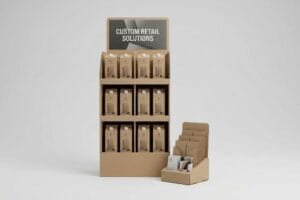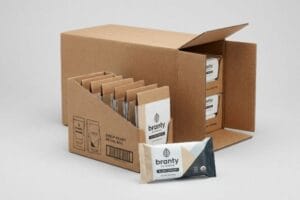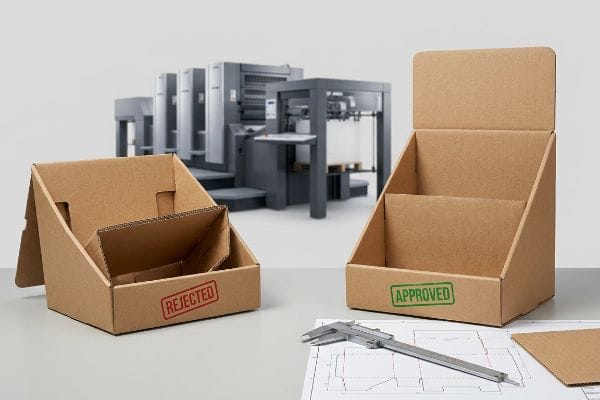
আসুন সেইসব লুকানো কাঠামোগত ফাঁদগুলো নিয়ে আলোচনা করা যাক, যেগুলো এমনকি অভিজ্ঞ ব্র্যান্ড ম্যানেজারদেরও আটকে ফেলে, এবং উৎপাদন শুরু হওয়ার আগেই কীভাবে কৌশলগতভাবে সেগুলো থেকে বেরিয়ে আসা যায়।.
খুচরা পণ্যের ডিসপ্লেতে ভুল এড়ানোর জন্য বৈশ্বিক উৎপাদন মান, কাঠামোগত প্রকৌশলগত সহনশীলতা এবং উপকরণের সুনির্দিষ্ট বিবরণ কঠোরভাবে মেনে চলা প্রয়োজন। এই মৌলিক বিষয়গুলো এড়িয়ে চললে প্রায়শই মারাত্মক সরবরাহ ব্যর্থতা, পণ্য চালান বাতিল এবং দ্রুতগতির আধুনিক পণ্য বিপণন ক্ষেত্রে ব্যাপক মুনাফাহানির মতো ঘটনা ঘটে।.
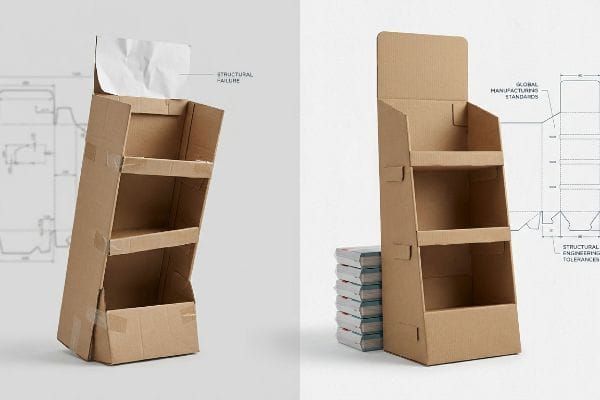
আপনি যদি চান আপনার ক্যাম্পেইনটি কারখানার ডাই-কাটার থেকে সুপারমার্কেটের তাক, তবে আপনাকে শূন্যে ডিজাইন করা বন্ধ করে বাস্তবতার কথা মাথায় রেখে ইঞ্জিনিয়ারিং শুরু করতে হবে।
মার্চেন্ডাইজিং প্রক্রিয়ার সময় আপনি কীভাবে একটি প্রদর্শন এলাকা নিরাপদ রাখবেন?
কারখানার মেঝেতে নিরাপত্তা নিশ্চিত করা মানে শুধু আবর্জনা ঝাড়ু দেওয়া নয়; বরং যারা এটি নাড়াচাড়া করেন, তাদের সুরক্ষার জন্য পণ্যের বাহ্যিক মোড়ক এমনভাবে তৈরি করাও এর অন্তর্ভুক্ত।.
একটি ডিসপ্লে এলাকা নিরাপদ রাখার জন্য কাঁচামালের ধারালো প্রান্ত দূর করা, কাঠামোগত ভিত্তি স্থিতিশীল করা এবং সংযোজনের সময় ঘর্ষণ কমানো প্রয়োজন। যথাযথ কাঠামোগত প্রকৌশল নিশ্চিত করে যে দোকানের কর্মীরা শারীরিক আঘাতের ঝুঁকি না নিয়ে বা করিডোরে বিপজ্জনক ও অস্থিতিশীল প্রতিবন্ধকতা তৈরি না করে দ্রুত পণ্য সাজিয়ে রাখতে ও মজুত করতে পারে।.
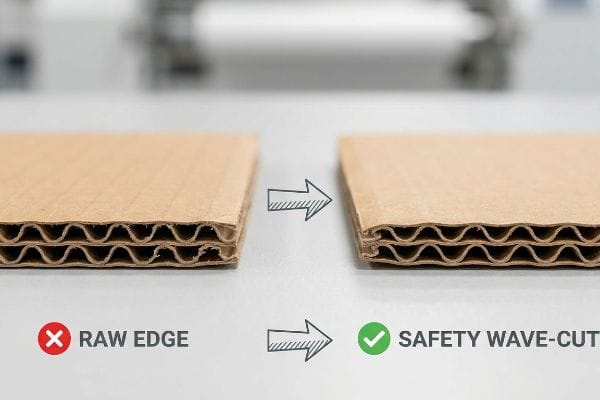
আপনি হয়তো ভাবতে পারেন নিরাপত্তা কেবল খুচরা বিক্রেতারই সমস্যা, কিন্তু কারখানার ত্রুটিপূর্ণ নকশার প্রভাব অনিবার্যভাবে দোকানের মেঝেতেও এসে পড়ে।.
কাঁচা পেপারবোর্ডের লুকানো ঝুঁকি দূর করা
এমনকি অভিজ্ঞ ডিজাইনাররাও প্রায়শই এই ত্রুটিটি উপেক্ষা করেন: তাঁরা ধরে নেন যে জনসাধারণের ব্যবহারের জন্য তৈরি জিনিসপত্রের ক্ষেত্রে একটি সাধারণ স্টিল রুল ডাই কাটই যথেষ্ট। তাঁরা সুন্দর নকশা পাঠান, কিন্তু ৩২ ইসিটি (এজ ক্রাশ টেস্ট) ঢেউখেলানো বোর্ডের বাইরের ধারগুলো কীভাবে প্রস্তুত করা হয়, তা উল্লেখ করতে ব্যর্থ হন। এর ফলে ঠিক সেই জায়গাগুলোতেই কাগজের অমসৃণ ও আণুবীক্ষণিক এবড়োখেবড়ো আঁশ উন্মুক্ত হয়ে থাকে, যেখানে দোকানের কর্মচারী ও ক্রেতারা হাত বোলান।
আমি এই ঘটনা প্রায়ই ঘটতে দেখি যখন ব্র্যান্ডগুলো যথাযথ উপকরণের স্পেসিফিকেশন পর্যালোচনা না করেই তাড়াহুড়ো করে কোনো মৌসুমী পণ্য বাজারে । একজন দোকান কর্মচারী ১৫ মিনিট ধরে ঘাম ঝরিয়ে একটি জটিল ইন্টারলকিং ট্যাব জোর করে লাগাতে চেষ্টা করে, সাইড প্যানেলের উপর দিয়ে হাতের তালু ঘষে ঘষে নিয়ে যায়, আর শেষ পর্যন্ত কাঁচা ঢেউখেলানো কাগজের ধার থেকে একটি গভীর, যন্ত্রণাদায়ক ক্ষত পায়। দ্রুত কো-প্যাকিং স্ট্রেস টেস্টের সময় আমি আক্ষরিক অর্থেই শক্ত পেপারবোর্ডের চামড়া কেটে যাওয়ার তীক্ষ্ণ শব্দ শুনেছি। ঠিক এই কারণেই আমি আমাদের সিএনসি (কম্পিউটার নিউমেরিক্যাল কন্ট্রোল) কাটিং টেবিলে বিশেষ ওয়েভ-কাট ব্লেড ব্যবহার করে একটি "সেফটি এজ" প্রোটোকল প্রয়োগ করি। এই মাইক্রো-সেরেশন কাগজের ফাইবারের ক্ষুরধার টান দূর করে, ফলে ইউনিটটি হাতে ধরার জন্য সম্পূর্ণ নিরাপদ হয়ে ওঠে এবং অ্যাসেম্বলি প্রক্রিয়া আনুমানিক ১৫% দ্রুততর হয়, কারণ কর্মচারীরা জোরে চাপ দিতে ভয় পায় না।
| নতুনদের সাধারণ ভুল | প্রো ফিক্স | খুচরা-ফ্লোর সুবিধা |
|---|---|---|
| টাচপয়েন্টগুলিতে ডাই-কাট প্রান্তগুলি অমসৃণ রেখে দেওয়া | ওয়েভ-কাট বা সেফটি এজ ব্লেড ব্যবহার করে | বেদনাদায়ক কাগজের কাটা প্রতিরোধ করে |
| জোর করে আঁটসাঁট, অ-ক্যালিব্রেটেড লকিং ট্যাব | ০.০৪ ইঞ্চি (১ মিমি) আর্দ্রতা সহনশীল বাফার প্রয়োগ করা2 | প্রতি ইউনিটে ২৫ সেকেন্ড অ্যাসেম্বলি সময় সাশ্রয় করে।3 |
| ধারালো প্লাস্টিকের ক্লিপের উপর নির্ভর করা | অরিগামি-শৈলীর কাগজের তালাগুলিতে আপগ্রেড করা | আঁচড়ের ঝুঁকি দূর করে |
আমি এমন কোনো ইউনিট সরবরাহ করি না যা জোড়া লাগানোর জন্য কাজের দস্তানা প্রয়োজন হয়। ব্লেডের গঠনে সরাসরি নিরাপত্তা ব্যবস্থা অন্তর্ভুক্ত করার ফলে জোড়া লাগানোর সময় ঘর্ষণ দূর হয়, খুচরা বিক্রেতাদের অভিযোগ প্রতিরোধ করা যায় এবং আপনার প্রচারণাও নির্বিঘ্নে চলতে থাকে।.
🛠️ হার্ভির ডেস্ক: আপনার বর্তমান ডিসপ্লেগুলো কি গোপনে মেঝেতে কাগজ কেটে যাওয়ার ঝুঁকি তৈরি করছে? 👉 একটি বিনামূল্যে কাঠামোগত নিরাপত্তা নিরীক্ষা (স্ট্রাকচারাল সেফটি অডিট) করান ↗ — আমার ডেস্কে সরাসরি প্রবেশাধিকার। কোনো স্বয়ংক্রিয় বিক্রয় স্প্যাম থাকবে না, আমি কথা দিচ্ছি।
আমি কিভাবে আমার দোকানের প্রদর্শন উন্নত করতে পারি?
আপনার ভিজ্যুয়াল মার্চেন্ডাইজিংয়ের মান উন্নত করতে শুধু আরও আকর্ষণীয় গ্রাফিক্সই যথেষ্ট নয়; কাঁচা পেপারবোর্ডের সাথে কালি কীভাবে প্রতিক্রিয়া করে, তার ভৌত রসায়নেও আপনাকে দক্ষতা অর্জন করতে হবে।.
আপনার দোকানের ডিসপ্লে উন্নত করতে হলে সাধারণ প্রিন্টিং পদ্ধতি থেকে সরে এসে হাই-কনট্রাস্ট স্পট কালার অ্যাপ্লিকেশন ব্যবহার করতে হবে। কাঠামোগত স্থিতিশীলতা বাড়ানো, ছিদ্রযুক্ত পৃষ্ঠে অপটিক্যাল ইঙ্কের মিশ্রণ দূর করা এবং আলোর কোণ অপ্টিমাইজ করার মাধ্যমে আপনার ব্র্যান্ডের অনুভূত মূল্য ব্যাপকভাবে বৃদ্ধি পাবে এবং ক্রেতাদের তাৎক্ষণিক মনোযোগ আকর্ষণ করবে।.
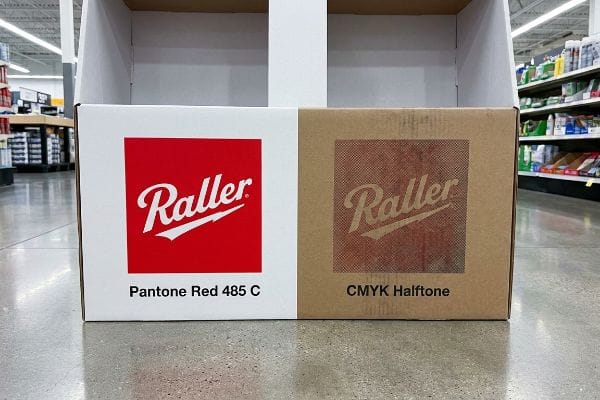
এটি একটি সাধারণ ফাঁদ যা এমনকি অভিজ্ঞ ক্রয় দলগুলোকেও কাবু করে ফেলে: কম্পিউটার মনিটরে যা দেখতে চমৎকার লাগে, তা খুচরা দোকানের আলোর কঠোর বাস্তবতায়ও টিকে থাকবে—এমনটা ধরে নেওয়া।.
"CMYK হাফটোন মাড" প্রতিরোধ কৌশল
ক্রেতারা প্রায়শই তাদের প্রধান ব্র্যান্ড লোগোগুলোর জন্য কাঁচা ঢেউখেলানো টেস্টলাইনারের উপর স্ট্যান্ডার্ড CMYK (সায়ান, ম্যাজেন্টা, ইয়েলো, ব্ল্যাক) প্রসেস প্রিন্টিং জোর করে প্রয়োগ করে কিছু পয়সা বাঁচানোর চেষ্টা করেন। তারা ধরে নেন যে ডিজিটাল পিডিএফ (পোর্টেবল ডকুমেন্ট ফরম্যাট) ভৌত বাক্সের উপর নির্বিঘ্নে স্থানান্তরিত হবে। তবে, সিল না করা কাগজের ফাইবারগুলো স্ট্যান্ডার্ড চার-রঙা হাফটোন ডটগুলোকে অসমভাবে শোষণ করে4, যার ফলে রঙের মিশ্রণে ব্যাপক অপটিক্যাল ব্যর্থতা ঘটে।
একবার একজন ক্লায়েন্ট আমার কাছে একটি বিশাল ফ্লোর ডিসপ্লে প্রজেক্ট নিয়ে এসেছিলেন, যেটি তার প্রাথমিক পরীক্ষামূলক চালনায় পুরোপুরি ব্যর্থ হয়েছিল। কারণ দোকানের ফ্লুরোসেন্ট টিউবের নিচে তাদের সিগনেচার লাল লোগোটিকে বিবর্ণ, কর্দমাক্ত মরিচার মতো দেখাচ্ছিল। ছিদ্রযুক্ত বোর্ডটির উপর দিয়ে আঙুল চালালেই শুকনো, খড়িমাটির মতো একটি টেক্সচার অনুভব করা যেত, যেখানে সস্তা কালি কেবল শুষে গিয়ে নষ্ট হয়ে গিয়েছিল। আমি সঙ্গে সঙ্গে তাদের আর্টওয়ার্ক ফাইলটি হাতে নিই এবং একটি বিশেষ পিএমএস (প্যান্টোন ম্যাচিং সিস্টেম) কালির বালতি তৈরি করে ‘স্পট কালার ফ্লাড প্রোটোকল’ প্রয়োগ করি। পিগমেন্টের একটি পুরু, নিরেট স্তর প্রয়োগ করে আমরা হাফটোন গ্রেইন সম্পূর্ণরূপে দূর করে দিই,যার ফলে ২০ ফুট দূর থেকেও উচ্চ-কন্ট্রাস্টের দৃশ্যমানতা সর্বোচ্চ পর্যায়ে পৌঁছায়সঙ্গেই দোকানের করিডোরে বিক্রির হার ব্যাপকভাবে বেড়ে যায়।
| নতুনদের সাধারণ ভুল | প্রো ফিক্স | খুচরা-ফ্লোর সুবিধা |
|---|---|---|
| স্ট্যান্ডার্ড CMYK-তে লোগো প্রিন্ট করা | নির্দিষ্ট প্যানটোন (পিএমএস) স্পট রঙ মেশানো7 | কাদামাখা, বিবর্ণ ব্র্যান্ডিং বন্ধ করে। |
| পাতলা লিথো-বার্নিশ ব্যবহার করে | পুরু, উচ্চ-চকচকে স্পট ইউভি প্রয়োগ করা8 | দোকানের ওভারহেড লাইটিং ধরে ফেলে |
| সাবস্ট্রেট শোষণ ক্ষমতা উপেক্ষা করা | প্রথমে একটি সাদা প্রাইমার বেস প্রিন্ট করা9 | ব্র্যান্ডের রঙ উজ্জ্বল ও সঠিক রাখে |
কালির নিম্নমানের রসায়নের কারণে আমি একটি চমৎকার ডিজাইন নষ্ট হতে দেব না। নির্দিষ্ট স্পট কালার ব্যবহার করতে শুরুতে খরচ কিছুটা বেশি হলেও, এটি পুরো স্টোর জুড়ে একটি প্রিমিয়াম ব্র্যান্ড ভ্যালু তুলে ধরে ব্যাপক সুফল দেয়।.
🛠️ হার্ভির ডেস্ক: কাঁচা কার্ডবোর্ডে আপনার সিগনেচার ব্র্যান্ডের রঙগুলো ঘোলাটে হয়ে যাবে কিনা, তা নিয়ে নিশ্চিত নন? 👉 একটি ফ্রি কালার প্রুফিং চেকের জন্য অনুরোধ করুন ↗ — নিরাপদে ডাউনলোড করুন। পরবর্তীতে কোনো প্রশ্ন থাকলে আমার ইনবক্স খোলা আছে।
কেন নিয়মিত ডিসপ্লে পরিবর্তন করা উচিত?
একটি অস্থায়ী পিওপি (পয়েন্ট অফ পারচেজ) ইউনিট অনির্দিষ্টকালের জন্য ফেলে রাখা বিপর্যয় ডেকে আনার শামিল। উপকরণের দুর্বলতা, নকশার পরিবর্তন এবং অবশেষে পদার্থবিদ্যার নিয়মে এর কাঠামোগত অখণ্ডতা নষ্ট হয়ে যায়।.
নিয়মিতভাবে ডিসপ্লে পরিবর্তন করলে গুরুতর কাঠামোগত দুর্বলতা প্রতিরোধ করা যায়, ক্রেতাদের দৃষ্টিবিভ্রাট দূর হয় এবং মৌসুমী বার্তার প্রাসঙ্গিকতা বজায় থাকে। এই অস্থায়ী সরঞ্জামগুলো পর্যায়ক্রমে পরিবর্তন করার মাধ্যমে তাক ঝুলে পড়া, আস্তরণ উঠে যাওয়া এবং ধুলোময় ও সেকেলে পণ্য উপস্থাপনার ঝুঁকি দূর করে ব্র্যান্ডের সুনাম সক্রিয়ভাবে রক্ষা করা হয়।.

একটি ব্যস্ত সুপারমার্কেটের পরিবেশগত বাস্তবতা উপেক্ষা করলে, প্রথম দিনে একটি সুন্দর কাঠামোও ষাট দিনের মধ্যে একটি নড়বড়ে বোঝায় পরিণত হতে পারে।.
আর্দ্রতাজনিত ক্লান্তি এবং ক্রেতা অন্ধত্বের বিরুদ্ধে লড়াই
উদীয়মান ব্র্যান্ডগুলোর একটি সাধারণ ভুল হলো কাগজের তৈরি জিনিসপত্রকে স্থায়ী ধাতব তাকের মতো ব্যবহার করা। তারা চার সপ্তাহের চক্রের জন্য ডিজাইন করা একটি ক্যাম্পেইন থেকে ছয় মাস পর্যন্ত কার্যকারিতা বের করার চেষ্টা করে¹⁰ । তারা যে বিষয়টি হিসাব করতে ব্যর্থ হয় তা হলো দোকানের পারিপার্শ্বিক আর্দ্রতা¹¹ এবং গ্রাহকদের সাথে ক্রমাগত যোগাযোগের ফলে সৃষ্ট অদৃশ্য, ক্রমবর্ধমান ক্ষতি।
ঢেউখেলানো কার্ডবোর্ডকে একটি আর্দ্র ঘরে রাখা স্পঞ্জের মতো ভাবুন; সময়ের সাথে সাথে, এটি বাতাস থেকে আর্দ্রতা শোষণ করে, ধীরে ধীরে তার দৃঢ় মেরুদণ্ড হারাতে থাকেতিনমাস ধরে বাইরে ফেলে রাখা হয়েছিল। এর ভিত্তিটি পুরোপুরি বেঁকে গিয়েছিল এবং ১৫০ পাউন্ড (৬৮ কেজি) ওজনের শ্যাম্পুর বোতলগুলো বিপজ্জনকভাবে সামনের দিকে ঝুঁকে পড়েছিল। যখনই কেউ কোনো পণ্য ধরত, তখনই দুর্বল হয়ে পড়া ই-ফ্লুট বেঁকে যাওয়ার ক্ষীণ, বীভৎস ক্যাঁচক্যাঁচ শব্দ শোনা যেত। ঠিক এই কারণেই আমি ভার বহনকারী অঞ্চলগুলির জন্য ৩.৫ এর একটি সুরক্ষা গুণক (Safety Factor)ডিজাইন, কিন্তু আমি গ্রাহকদের কঠোরভাবে পরামর্শ দিই যেন তারা প্রতি ৬-৮ সপ্তাহে ইউনিটগুলি সক্রিয়ভাবে ঘুরিয়ে দেন যাতে তাক ভেঙে পড়ার মতো ভয়াবহ ঘটনা প্রতিরোধ করা যায়।
| নতুনদের সাধারণ ভুল | প্রো ফিক্স | খুচরা-ফ্লোর সুবিধা |
|---|---|---|
| ৮ সপ্তাহের বেশি সময় ধরে ইউনিটগুলি বাইরে রাখা14 | পিছনে একটি "হত্যার তারিখ" কোড প্রিন্ট করা | সময়মতো মৌসুমী আবর্তন বাধ্য করে |
| দোকানের পারিপার্শ্বিক আর্দ্রতা উপেক্ষা করা | ডাবল-ওয়াল আর্দ্রতা প্রতিবন্ধকে আপগ্রেড করা ১৫ | সময়ের সাথে সাথে ভিত্তি বেঁকে যাওয়া রোধ করে |
| গ্রাফিক্সকে পুরোনো হতে দেওয়া | মডিউলার হেডার কার্ড অদলবদল করা | ক্রেতাদের মনোযোগ তাৎক্ষণিকভাবে সতেজ করে তোলে |
আমি আমার ক্লায়েন্টদের সবসময় বলি যে, একজন ব্যর্থ ও অদক্ষ মার্চেন্ডাইজার আপনার সুনামের যতটা ক্ষতি করে, কোনো মার্চেন্ডাইজার না থাকাও তার চেয়ে বেশি। সক্রিয় পণ্য আবর্তন আপনার মুনাফা এবং ব্র্যান্ডের ভাবমূর্তি উভয়কেই রক্ষা করে।.
🛠️ হার্ভির ডেস্ক: আপনার ভারী পণ্যগুলো কি আপনার অজান্তেই ধীরে ধীরে আপনার অস্থায়ী তাকগুলোকে পিষে ফেলছে? 👉 একটি লোড-বেয়ারিং CAD স্ট্রেস টেস্টের জন্য আবেদন করুন ↗ — কোনো ফর্ম নেই যা অবিরাম সেলস কলের কারণ হয়। শুধু খাঁটি মূল্য।
ডিসপ্লে রক্ষণাবেক্ষণ করা কেন গুরুত্বপূর্ণ?
সঠিক রক্ষণাবেক্ষণ মানে শুধু মজুত পূরণ করা নয়; বরং অভিযানের মাঝপথে ধস রোধ করার জন্য পুরো কাঠামোর আণুবীক্ষণিক অখণ্ডতা রক্ষা করাও এর অন্তর্ভুক্ত।.
গতিশীল ভারবহন ক্ষমতা বজায় রাখতে, পার্শ্বদেয়াল ফুলে ওঠা রোধ করতে এবং পণ্যে নিরাপদ প্রবেশাধিকার নিশ্চিত করতে ডিসপ্লে রক্ষণাবেক্ষণ করা গুরুত্বপূর্ণ। সক্রিয় রক্ষণাবেক্ষণ এবং সুনির্দিষ্ট কাঠামোগত শক্তিবৃদ্ধি ছোটখাটো ঘর্ষণজনিত স্থানগুলোকে গুরুতর আকার ধারণ করে সম্পূর্ণ উপাদানগত ব্যর্থতায় পরিণত হওয়া থেকে বিরত রাখে, যার ফলে শেষ পর্যন্ত ব্যয়বহুল চার্জব্যাক এবং স্টোর কর্তৃক পণ্য প্রত্যাখ্যান এড়ানো যায়।.
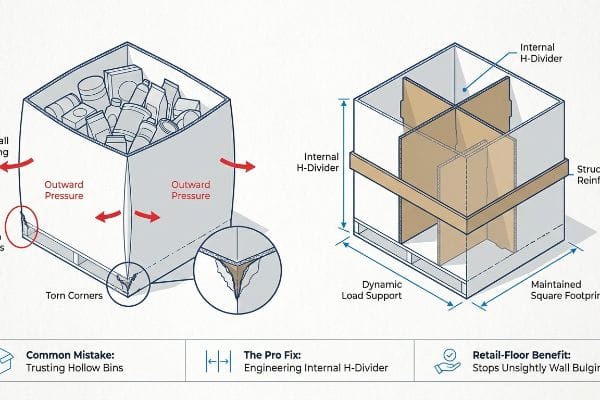
কিন্তু যখন মেশিনগুলো চলতে শুরু করে এবং কারখানার মেঝেতে পণ্যের বিশাল স্তূপ নড়তে থাকে, তখন শুধু তত্ত্ব জানাই যথেষ্ট নয়।.
কারখানার মেঝেতে সাধারণ ডাম্প বিনগুলো কেন ব্যর্থ হয়
আমার প্রতিষ্ঠানে আমি নিয়মিত দেখি যে ক্রয় দলগুলো বিশাল খোলা-মুখ খুচরা বিনের জন্য ডাইলাইন জমা দেয়, এই ভেবে যে কেবল পুরু দেয়ালই এলোমেলোভাবে ছড়ানো পণ্যের বিশৃঙ্খলা আটকে রাখতে পারবে। তারা চোখ বন্ধ করে একটি স্ট্যান্ডার্ড এইচএসসি (হাফ স্লটেড কন্টেইনার) প্রোফাইল১৬ এবং কাজ শেষ বলে ধরে নেয়, সম্পূর্ণ উপেক্ষা করে যে কীভাবে অসংগঠিত ওজন গতিশীলভাবে স্থানান্তরিত হয়১৭।
এটা শুধু তত্ত্ব নয়—উচ্চ-গতির কম্পন সিমুলেশন চালানোর সময় আমি টেস্টিং ফ্লোরে । যখন আপনি একটি ৪৮×৪০ ইঞ্চি (১২১.৯×১০১.৬ সেমি) বেসকে ভারী, অনিয়মিত আকারের জিনিস দিয়ে পূর্ণ করেন, তখন বাইরের চাপ সবচেয়ে দুর্বল উল্লম্ব প্যানেলগুলোর উপর কেন্দ্রীভূত হয়। সম্প্রতি একটি আনক্যালিব্রেটেড ক্লায়েন্ট ফাইল ব্যবহার করে করা ড্রপ টেস্টের সময়, আমি দেখলাম পাশের দেয়ালগুলো ঠিক ১.১৫ ইঞ্চি (২৯.২ মিমি) বাইরের দিকে বেঁকে গেল, এবং বেস থেকে লিথো-ল্যামিনেটেড কোণাগুলো ছিঁড়ে গেল। আমি মাইক্রোমিটারের রিডিং নিয়ে প্রমাণ করলাম যে আমাদের আরও পুরু বাইরের বোর্ডের প্রয়োজন ছিল না; আমাদের শুধু একটি অভ্যন্তরীণ "এইচ-ডিভাইডার" বেলি ব্যান্ডের প্রয়োজন ছিল। এই লুকানো কাঠামোগত গ্রিডটি প্রয়োগ করে, আমি ফুলে ওঠা দেয়ালগুলোকে স্থির করে দিই, যা নিশ্চিত করে যে ইউনিটটি মেঝেতে পুরোপুরি বর্গাকারে থাকবে, এবং ক্লায়েন্টকে খুচরা বিক্রেতাদের কাছ থেকে পণ্য বাতিলের উচ্চ ফি এবং তাদের কাঁচামালের খরচ আনুমানিক ১২%১৮।
| নতুনদের সাধারণ ভুল | প্রো ফিক্স | খুচরা-ফ্লোর সুবিধা |
|---|---|---|
| বিশ্বাস করা ফাঁপা খোলা-শীর্ষ বিন | অভ্যন্তরীণ এইচ-ডিভাইডারের প্রকৌশল19 | দেয়ালের দৃষ্টিকটু ফোলাভাব রোধ করে |
| পার্শ্বীয় পণ্য স্থানান্তর উপেক্ষা করা | একটি লুকানো বেলি ব্যান্ড স্ট্র্যাপ যোগ করা20 | সম্পূর্ণ বর্গাকার ভিত্তি বজায় রাখে |
| বাইরের দেয়ালের পুরুত্ব অতিরিক্ত নির্দিষ্ট করা | অভ্যন্তরীণ গ্রিডের মাধ্যমে ওজন পুনর্বন্টন21 | শক্তি না কমিয়ে একক খরচ কমায় |
প্রচারণাগুলোকে সঠিক পথে রাখতে আমি অলীক কল্পনার ওপর নয়, বরং কঠোর পরীক্ষার ওপর নির্ভর করি। নিখুঁত প্রকৌশল অপ্রয়োজনীয় খরচ কমিয়ে আনে এবং গাণিতিকভাবে নিশ্চিত করে যে আপনার পণ্য বাস্তব জগতে টিকে থাকবে।.
🛠️ হার্ভির ডেস্ক: একটি ২-মিলিমিটার কাঠামোগত ত্রুটির কারণে ৫০০টি দোকানে পণ্য সরবরাহের পরিকল্পনা যেন ভেস্তে না যায়। 👉 আপনার ডাইলাইন ফাইলটি আমাকে পাঠান ↗ — গণ-উৎপাদনে বাজেট অপচয় করার আগে আমি এর গাণিতিক হিসাব স্ট্রেস-টেস্ট করে নেব।
উপসংহার
আপনি এমন একজন প্রিন্টার বেছে নিতে পারেন যিনি আপনার সাধারণ CMYK ফাইলগুলো চোখ বুজে গ্রহণ করেন, কিন্তু যখন সেই খোলা টেস্টলাইনারটি অসমভাবে কালি শোষণ করে, যার ফলে দোকানের তীব্র আলোতে লোগোগুলো বিবর্ণ ও ঘোলাটে হয়ে যায়, তখন এই অপটিক্যাল ত্রুটি আপনার ব্র্যান্ডের সুনামকে মারাত্মকভাবে ক্ষতিগ্রস্ত করবে এবং আপনার ক্যাম্পেইনের ROI ডুবিয়ে দেবে। আমার সেরা ১০ জন রিটেইল ক্লায়েন্ট প্রিন্ট বাতিল হওয়ার সম্ভাবনা শূন্যে নামিয়ে আনার নিশ্চয়তা দিতে ঠিক এই স্পেক শিটটিই ব্যবহার করেন। সাবস্ট্রেটের শোষণ ক্ষমতা নিয়ে অনুমান করা বন্ধ করুন এবং লিথো মেশিনে যাওয়ার আগেই মারাত্মক প্রিপ্রেস ত্রুটিগুলো ধরার জন্য আমাকে ব্যক্তিগতভাবে আমার ফ্রি প্রিপ্রেস কালার অডিট ↗- এর মাধ্যমে আপনার আর্টওয়ার্ক অডিট করতে দিন।
"... ব্যবহার করে ঢেউখেলানো বোর্ডের প্রান্তের চাপ প্রতিরোধ ক্ষমতার নিরূপণ", https://pmc.ncbi.nlm.nih.gov/articles/PMC9961700/। [পদার্থ বিজ্ঞান বা প্যাকেজিং সুরক্ষার উপর একটি নির্ভরযোগ্য উৎস যাচাই করে দেখাবে যে স্টিল রুল ডাই-কাটিংয়ের ফলে তন্তুর প্রান্তগুলো অনিয়মিত হয়ে যায়, যা মানুষের ত্বকে ক্ষুদ্র ক্ষত সৃষ্টি করতে সক্ষম]। প্রমাণের ভূমিকা: প্রযুক্তিগত যাচাইকরণ; উৎসের ধরণ: পদার্থ বিজ্ঞান গবেষণা বা শিল্প সুরক্ষা নির্দেশিকা। সমর্থন করে: কাঁচা পেপারবোর্ডের প্রান্তের ভৌত ঝুঁকি। পরিধি সংক্রান্ত টীকা: অসিল করা বা অপরিশোধিত ঢেউখেলানো বোর্ডের প্রান্তের ক্ষেত্রে প্রযোজ্য। ↩
"টেকসই কোটিং পেপারবোর্ড প্যাকেজিং উপাদান ভিত্তিক … – পিএমসি", https://pmc.ncbi.nlm.nih.gov/articles/PMC9778014/। [একটি প্যাকেজিং ইঞ্জিনিয়ারিং ম্যানুয়াল হাইগ্রোস্কোপিক প্রসারণের জন্য ডাই-কাট পেপারবোর্ডের স্ট্যান্ডার্ড টলারেন্সের প্রয়োজনীয়তা যাচাই করবে। প্রমাণের ভূমিকা: প্রযুক্তিগত স্পেসিফিকেশন; উৎসের ধরণ: ইঞ্জিনিয়ারিং হ্যান্ডবুক। সমর্থন করে: লকিং ট্যাবের জন্য নির্দিষ্ট বাফারের প্রয়োজনীয়তা। পরিধি নোট: সেলুলোজ-ভিত্তিক উপকরণের ক্ষেত্রে প্রযোজ্য।] ↩
"প্যাকেজিং পদ্ধতি, সংরক্ষণের সময় এবং শক্তিশালীকরণের প্রভাব...", https://pmc.ncbi.nlm.nih.gov/articles/PMC9416377/। [শিল্পক্ষেত্রে সময়-ও-গতি সমীক্ষাগুলো অ-ক্যালিব্রেটেড থেকে ক্যালিব্রেটেড লকিং ট্যাবে স্থানান্তরের ফলে অ্যাসেম্বলির সময় হ্রাসের বিষয়ে অভিজ্ঞতালব্ধ তথ্য প্রদান করবে। প্রমাণের ভূমিকা: কর্মক্ষমতার মেট্রিক; উৎসের ধরণ: শিল্পক্ষেত্রের কেস স্টাডি। সমর্থন করে: প্রো ফিক্স-এর কর্মদক্ষতা বৃদ্ধি। পরিধিগত টীকা: প্রদর্শনের জটিলতার উপর ভিত্তি করে সাশ্রয়ের পরিমাণ ভিন্ন হতে পারে।] ↩
"কোরুগেটেড বোর্ড এবং হাফটোন ডট বিকৃতির প্রভাব", https://www.academia.edu/60461055/Print_uniformity_of_corrugated_board_in_flexo_printing_effects_of_corrugated_board_and_halftone_dot_deformations। প্রিন্টিং সাবস্ট্রেটের উপর একটি প্রযুক্তিগত নির্দেশিকা ব্যাখ্যা করবে কিভাবে ছিদ্রযুক্ত ফাইবার CMYK প্রিন্টিং-এ অনিয়ন্ত্রিত কালি ছড়ানো এবং অসঙ্গত ডট গেইন ঘটায়। প্রমাণের ভূমিকা: প্রযুক্তিগত যাচাইকরণ; উৎসের ধরণ: প্রিন্টিং শিল্পের ম্যানুয়াল। সাপোর্ট: কাঁচা সাবস্ট্রেটে কালির অসম শোষণের ঘটনা। পরিধি নোট: বিশেষভাবে অ-সিল করা কোরুগেটেড টেস্টলাইনারের ক্ষেত্রে প্রযোজ্য। ↩
"স্পট কালার এবং CMYK কালারের মধ্যে পার্থক্য", https://www.deprintedbox.com/blog/spot-vs-process-color/। [কারিগরি মুদ্রণ স্পেসিফিকেশন নিশ্চিত করে যে স্পট কালার অ্যাপ্লিকেশনগুলি নিরেট কালির স্তর ব্যবহার করে, যা CMYK প্রিন্টিং-এ ব্যবহৃত ডট-স্ক্রিন প্রক্রিয়াকে এড়িয়ে যায়]। প্রমাণের ভূমিকা: প্রযুক্তিগত যাচাইকরণ; উৎসের ধরণ: মুদ্রণ শিল্পের ম্যানুয়াল। সহায়ক: হাফটোন গ্রেইন অপসারণ। পরিধি নোট: বিশেষভাবে প্রসেস এবং স্পট প্রিন্টিং-এর মধ্যে পার্থক্য নিয়ে আলোচনা করে। ↩
"প্যাকেজিং প্রিন্টিং-এর জন্য স্পট কালার কী?", https://bpkc.com/blogs/blog/what-is-spot-color-for-packaging-printing। [রঙের বৈসাদৃশ্য এবং দৃষ্টিশক্তির উপর গবেষণা ইঙ্গিত দেয় যে, মিশ্রিত রঙের তুলনায় উচ্চ-স্যাচুরেশনযুক্ত একক রঙ দূর থেকে দর্শকদের জন্য সিগন্যাল-টু-নয়েজ অনুপাত বৃদ্ধি করে]। প্রমাণের ভূমিকা: কার্যকারিতা যাচাই; উৎসের ধরণ: রঙ বিজ্ঞান গবেষণা। সমর্থন: দূর থেকে দৃশ্যমানতা বৃদ্ধি। পরিধি সংক্রান্ত টীকা: পারিপার্শ্বিক আলোর অবস্থার উপর নির্ভরশীল। ↩
"CMYK বনাম স্পট কালার: কোন প্রক্রিয়াটি সেরা – প্রাইম লাইন প্যাকেজিং", https://www.primelinepackaging.com/blog/spot-color-vs-cmyk-understanding-the-differences-and-choosing-the-right-method-for-your-packaging/। [একটি প্রামাণ্য মুদ্রণ নির্দেশিকায় ব্যাখ্যা করা থাকবে কিভাবে স্পট কালার রঙের সামঞ্জস্য নিশ্চিত করে এবং CMYK প্রক্রিয়ায় মিশ্রণের সাথে সম্পর্কিত ঘোলাটে প্রভাব প্রতিরোধ করে]। প্রমাণের ভূমিকা: প্রযুক্তিগত যাচাইকরণ; উৎসের ধরণ: মুদ্রণ শিল্পের ম্যানুয়াল। সমর্থন করে: ব্র্যান্ডিংয়ের জন্য PMS রঙের ব্যবহার। পরিধি সংক্রান্ত টীকা: বিশেষভাবে ব্র্যান্ড পরিচিতি মানদণ্ডের ক্ষেত্রে প্রযোজ্য। ↩
"বার্নিশ, কোটিং এবং অন্যান্য এফেক্ট – হল্যান্ড লিথো", https://www.hollandlitho.com/varnish_coatings_and_other_effects.html। [প্রিন্ট ফিনিশের প্রযুক্তিগত বিবরণে দেখানো হবে কীভাবে স্পট ইউভি-র প্রতিসরণধর্মী বৈশিষ্ট্য পাতলা লিথো-বার্নিশের চেয়ে বেশি স্পেকুলার প্রতিফলন তৈরি করে]। প্রমাণের ভূমিকা: প্রযুক্তিগত যাচাইকরণ; উৎসের ধরণ: পদার্থ বিজ্ঞান নির্দেশিকা। সমর্থন: স্পট ইউভি-র দৃশ্যগত সুবিধা। পরিধি সংক্রান্ত টীকা: কার্যকারিতা দোকানের আলোর অবস্থার উপর নির্ভরশীল। ↩
"প্রাইমার গ্রিপ হোয়াইট [NA]", https://www.mapei.com/us/en-us/products-and-solutions/products/detail/primer-grip-white-na। [ওয়াইড-ফরম্যাট প্রিন্টিংয়ের জন্য শিল্প মানদণ্ডে বিশদভাবে বর্ণনা করা হয়েছে যে কীভাবে একটি সাদা আন্ডারলে ছিদ্রযুক্ত সাবস্ট্রেটে কালি শোষণ প্রতিরোধ করে, যা রঙের স্যাচুরেশন বজায় রাখে]। প্রমাণের ভূমিকা: প্রযুক্তিগত যাচাইকরণ; উৎসের ধরণ: প্রিন্টিং প্রযুক্তিগত নির্দেশিকা। সমর্থন: প্রাইমার বেসের গুরুত্ব। পরিধি নোট: শোষণকারী পেপারবোর্ড সাবস্ট্রেটের জন্য প্রাসঙ্গিক। ↩
"অস্থায়ী, আধা-স্থায়ী এবং স্থায়ী রিটেইল ডিসপ্লে", https://www.tphinc.com/custom-point-of-purchase-pop-pos-retail-store-displays-packaging-blog/temporary-semi-permanent-permanent-pallet-displays/। [রিটেইল মার্চেন্ডাইজিং স্ট্যান্ডার্ডগুলো উপাদানের ক্লান্তি এবং মার্কেটিং রোটেশন চক্রের উপর ভিত্তি করে অস্থায়ী পয়েন্ট-অফ-পারচেজ ডিসপ্লেগুলোর কার্যক্ষম জীবনকাল নির্ধারণ করে]। প্রমাণের ভূমিকা: শিল্প বেঞ্চমার্ক; উৎসের ধরণ: রিটেইল শিল্পের হোয়াইটপেপার। সমর্থন করে: অস্থায়ী ফিক্সচার ক্যাম্পেইনের জন্য সাধারণ নির্দিষ্ট সময়কাল। পরিধি সংক্রান্ত টীকা: ব্যবহৃত কার্ডবোর্ডের গ্রেড অনুযায়ী পরিবর্তিত হয়]। ↩
"কার্ডবোর্ডের বাক্সের উপর আবহাওয়ার প্রভাব ও আর্দ্রতা | প্যাকমোজো", https://packmojo.com/blog/how-the-weather-affects-paper-and-cardboard-in-packaging/?srsltid=AfmBOopIR_OvCI9Im5Jb1EjCoju7qE_c_iTdHipHLJKRy0McOtuFZ7hn. [পদার্থ বিজ্ঞান গবেষণা ব্যাখ্যা করে যে কীভাবে হাইগ্রোস্কোপিক কাগজ-ভিত্তিক উপকরণ বায়ুমণ্ডলীয় আর্দ্রতা শোষণ করে, যার ফলে সংকোচন শক্তি হ্রাস পায় এবং কাঠামোগত বিকৃতি ঘটে]। প্রমাণের ভূমিকা: প্রযুক্তিগত বৈধতা; উৎসের ধরণ: পদার্থ বিজ্ঞান জার্নাল। সমর্থন করে: এই দাবি যে পারিপার্শ্বিক আর্দ্রতা কাগজের ফিক্সচারকে ক্ষয় করে। পরিধি নোট: প্রাথমিকভাবে সেলুলোজ-ভিত্তিক উপকরণের জন্য প্রযোজ্য]। ↩
"...এর সংকোচন শক্তির উপর আপেক্ষিক আর্দ্রতার প্রভাব", https://open.clemson.edu/all_theses/3225/। [কোরুগেটেড ফাইবারবোর্ডের উপর পিয়ার-রিভিউড গবেষণাগুলি দেখায় যে আপেক্ষিক আর্দ্রতা বৃদ্ধি পেলে তা আর্দ্রতা শোষণ করে এবং এর সংকোচন শক্তি উল্লেখযোগ্যভাবে হ্রাস পায়]। প্রমাণের ভূমিকা: প্রযুক্তিগত যাচাইকরণ; উৎসের ধরণ: পদার্থ বিজ্ঞান গবেষণা। সমর্থন: আর্দ্রতার কারণে উপাদানের অবক্ষয়। পরিধি নোট: প্রধানত প্রলেপবিহীন কোরুগেটেড বোর্ডের ক্ষেত্রে প্রযোজ্য। ↩
"এজি ১০৯১এ: ফ্রন্টেজ জোনে খুচরা পণ্য প্রদর্শন", https://www.seattle.gov/transportation/permits-and-services/permits/applicant-guides/ag-1091a। [অস্থায়ী ফিক্সচারের জন্য কাঠামোগত প্রকৌশল নির্দেশিকা উপাদানের ক্লান্তি এবং অপ্রত্যাশিত লোড স্পাইকের সাথে সম্পর্কিত ঝুঁকি প্রশমিত করার জন্য সুরক্ষা গুণক ব্যবহার করে]। প্রমাণের ভূমিকা: শিল্প মান; উৎসের ধরণ: প্রকৌশল পাঠ্যপুস্তক। সমর্থন করে: ভার-বহনকারী উপাদানগুলির জন্য একটি নির্দিষ্ট সুরক্ষা গুণকের প্রয়োগ। পরিধি টীকা: ফিক্সচারের উদ্দিষ্ট আয়ুষ্কালের উপর ভিত্তি করে আদর্শ গুণকগুলি পরিবর্তিত হয়। ↩
"পয়েন্ট-অফ-পারচেজ ডিসপ্লের কার্যকারিতা: এর সুবিধাগুলো কী কী...", https://www.vanguardpkg.com/point-of-purchase-display-effectiveness-what-are-the-benefits-of-pop-displays/। [শিল্পের মার্চেন্ডাইজিং মানদণ্ডগুলো পিওপি ডিসপ্লের সাধারণ আয়ুষ্কাল সম্পর্কে তথ্য প্রদান করে, যার পরে ক্রেতাদের মধ্যে একঘেয়েমি তৈরি হয় এবং সম্পৃক্ততা কমে যায়]। প্রমাণের ভূমিকা: পরিমাণগত মানদণ্ড; উৎসের ধরণ: বাণিজ্যিক প্রকাশনা। সমর্থন করে: ৮-সপ্তাহের আবর্তন সীমা। পরিধির টীকা: দোকানের আনাগোনা এবং পণ্যের বিভাগের উপর নির্ভরশীল। ↩
"হেভি-ডিউটি পিডিকিউ ডিসপ্লে বক্সের জন্য সেরা করোগেটেড মেটেরিয়ালের পুরুত্ব", https://www.xsjpackaging.com/news/industry-news/corrugated-material-thickness-heavy-duty-pdq-display-boxes.html। [প্যাকেজিং ইঞ্জিনিয়ারিং সাহিত্যে দেখানো হয়েছে যে ডাবল-ওয়াল করোগেটেড ব্যারিয়ার কাঠামোগত দৃঢ়তা বৃদ্ধি করে এবং পারিপার্শ্বিক আর্দ্রতার কারণে সৃষ্ট বেঁকে যাওয়া প্রতিরোধ করে]। প্রমাণের ভূমিকা: প্রযুক্তিগত প্রমাণ; উৎসের ধরণ: ইঞ্জিনিয়ারিং স্পেসিফিকেশন। সমর্থন: ভিত্তি বেঁকে যাওয়া প্রতিরোধ। পরিধি নোট: বিশেষভাবে কাগজ-ভিত্তিক করোগেটেড ডিসপ্লের ক্ষেত্রে প্রযোজ্য। ↩
"বেসিক বক্স স্টাইলস", https://www.packagingcorp.com/resource-hub/beyond-the-box/basic-box-styles/। [প্যাকেজিং শিল্পের মান হাফ স্লটেড কন্টেইনার (HSC) প্রোফাইলের নির্মাণ এবং কাঠামোগত বৈশিষ্ট্য নির্ধারণ করে]। প্রমাণের ভূমিকা: প্রযুক্তিগত সংজ্ঞা; উৎসের ধরণ: শিল্প মান; সমর্থন করে: উল্লিখিত নির্দিষ্ট ডিজাইন প্রোফাইল; পরিধি টীকা: ঢেউখেলানো কার্ডবোর্ডের স্পেসিফিকেশনের ক্ষেত্রে প্রযোজ্য। ↩
"বিন হপারের কাঠামোগত ধস", https://www.rshq.qld.gov.au/safety-alerts/mines/structural-collapse-bin-hopper?SQ_DESIGN_NAME=print_preview। [কাঠামোগত প্রকৌশলের নীতি ব্যাখ্যা করে যে কীভাবে খোলা পাত্রে অসম ভার বন্টন পার্শ্বীয় চাপ সৃষ্টি করে এবং ভরকেন্দ্রের স্থান পরিবর্তন ঘটায়]। প্রমাণের ভূমিকা: ভৌত প্রক্রিয়া; উৎসের ধরণ: প্রকৌশল হ্যান্ডবুক; সমর্থন: ডাম্প বিনে কাঠামোগত ধসের ঝুঁকি; পরিধি টীকা: গতিশীল বনাম স্থির ভারের উপর আলোকপাত করে। ↩
"[পিডিএফ] পেপারবোর্ড প্যাকেজিংয়ের যান্ত্রিক বৈশিষ্ট্য অনুসন্ধান...", https://repository.rit.edu/cgi/viewcontent.cgi?article=1066&context=japr। [শিল্প খাতের বেঞ্চমার্কিং ডেটা প্রমাণ করে যে, ভারবহনকারী ডিসপ্লের ক্ষেত্রে বোর্ডের মোট পুরুত্ব বাড়ানোর চেয়ে অভ্যন্তরীণ কাঠামোগত শক্তিবৃদ্ধি ব্যবহার করা অধিক ব্যয়-সাশ্রয়ী]। প্রমাণের ভূমিকা: আর্থিক বৈধতা; উৎসের ধরণ: শিল্প খাতের ব্যয় বিশ্লেষণ। সমর্থন: কাঁচামালের খরচ কমানোর দাবি। পরিধি সংক্রান্ত টীকা: বোর্ডের গ্রেড এবং উৎপাদনের পরিমাণের উপর নির্ভরশীল। ↩
"কার্ডবোর্ড ডিসপ্লের স্থায়িত্ব এবং টেকসইতা কীভাবে উন্নত করা যায়? – সংবাদ …", https://www.cardboard-display-stand.com/news/how-to-improve-cardboard-display-stability-and-85502399.html। [কোরুগেটেড প্যাকেজিং-এর উপর একটি প্রযুক্তিগত ম্যানুয়ালে ব্যাখ্যা করা থাকবে কীভাবে এইচ-ডিভাইডারগুলো পার্শ্বীয় চাপ বিতরণ করে খোলা মুখের বিনের দেয়াল বেঁকে যাওয়া প্রতিরোধ করে]। প্রমাণের ভূমিকা: প্রযুক্তিগত যাচাইকরণ; উৎসের ধরণ: ইঞ্জিনিয়ারিং ম্যানুয়াল। সমর্থন: ডাম্প বিনের কাঠামোগত স্থায়িত্ব। পরিধি নোট: শুধুমাত্র কোরুগেটেড কার্ডবোর্ড উপকরণের জন্য নির্দিষ্ট। ↩
"বেলি ব্যান্ড কী? | প্যাকেজিং পরিভাষাকোষ – পিপিডিঅ্যান্ডজি", https://ppdandg.com/packaging-glossary/belly-band/। [পয়েন্ট-অফ-পারচেজ ডিসপ্লের জন্য শিল্প মানগুলি যাচাই করে যে বেলি ব্যান্ডগুলি বাইরের জ্যামিতি বজায় রাখার জন্য পণ্যের অভ্যন্তরীণ স্থান পরিবর্তন রোধ করে]। প্রমাণের ভূমিকা: প্রযুক্তিগত স্পেসিফিকেশন; উৎসের ধরণ: প্যাকেজিং শিল্প নির্দেশিকা। সমর্থন করে: একটি বর্গাকার ভিত্তি বজায় রাখা। পরিধি নোট: উচ্চ-পরিমাণ ডাম্প বিন ডিসপ্লেতে প্রযোজ্য। ↩
"কার্ডবোর্ড ডিসপ্লে: সাশ্রয়ী সমাধান", https://atlaspackaginginc.com/cardboard-displays-the-cost-effective-solution/। [কাঠামোগত বিশ্লেষণ ইঙ্গিত দেয় যে, দেয়ালের পুরুত্ব বাড়ানোর চেয়ে অভ্যন্তরীণ গ্রিডগুলো উচ্চতর শক্তি-ওজন অনুপাত প্রদান করে, যার ফলে উপকরণের খরচ কমে যায়]। প্রমাণের ভূমিকা: ব্যয়-সুবিধা বিশ্লেষণ; উৎসের ধরণ: পদার্থ বিজ্ঞান বিষয়ক গবেষণাপত্র। সমর্থন: শক্তি হ্রাস না করে খরচ কমানো। পরিধি টীকা: করোগেটেড ফাইবারবোর্ড ইঞ্জিনিয়ারিং-এর উপর আলোকপাত করে। ↩