আপনার পণ্যগুলো কি দোকানের তাকের মাঝখানে হারিয়ে যাচ্ছে? তাকের সেরা জায়গা পাওয়ার জন্য লড়াই করাটা বেশ কঠিন, কিন্তু সেকেন্ডারি মার্চেন্ডাইজাররা মুহূর্তের মধ্যে আপনার পণ্যের দৃশ্যমানতা বাড়িয়ে তুলতে পারে।.
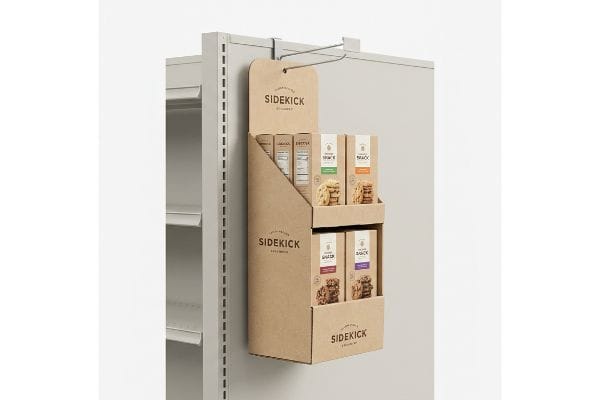
একটি সাইডকিক ডিসপ্লের মাধ্যমে স্বতন্ত্রতা অর্জনের জন্য, খুচরা বিক্রেতার প্রধান এন্ড-ক্যাপের ঠিক সামনে একটি কম্প্যাক্ট ঢেউখেলানো কার্ডবোর্ডের মার্চেন্ডাইজার ঝুলিয়ে দিতে হয়। ওয়্যার পাওয়ার উইংস ব্যবহার করে ব্র্যান্ডগুলো ভিড়যুক্ত প্রধান আইলগুলো এড়িয়ে যায় এবং নির্দিষ্ট ফ্লোর স্পেসের জন্য অর্থ ব্যয় না করেই তাৎক্ষণিকভাবে উচ্চ-চলাচলের ইম্পালস জোন নিশ্চিত করে, যা ক্রস-মার্চেন্ডাইজিং থেকে অতিরিক্ত রাজস্ব আয়ে সাহায্য করে।.
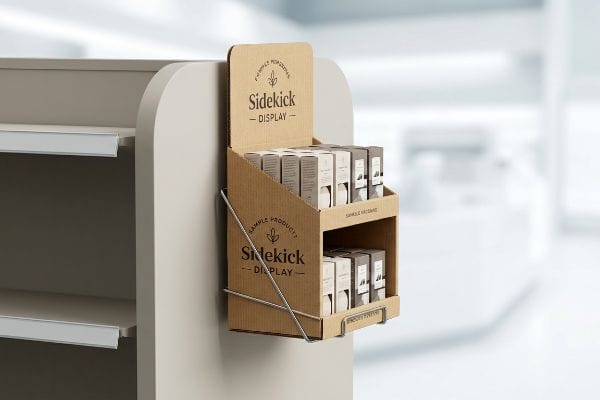
কিন্তু এই ইউনিটগুলো কী কাজ করে তা বোঝাটা কেবল শুরু; দোকানের কঠোর পরিবেশে এগুলোকে টিকিয়ে রাখাই হলো সেই জায়গা যেখানে বেশিরভাগ প্রচারণামূলক অভিযান ব্যর্থ হয়।.
সাইডকিক কি ফিরে আসবে?
আপনি হয়তো ভাবছেন যে আধুনিক ভৌত খুচরা বিক্রেতারা ঝুলন্ত মার্চেন্ডাইজার থেকে পুরোপুরি সরে আসছে কিনা।.
হ্যাঁ। বড় আকারের খুচরা বিক্রেতারা তাদের প্রধান ফ্লোর স্পেস কঠোরভাবে সীমিত করার কারণে সাইডকিক ডিসপ্লে ব্যাপকভাবে ফিরে আসবে। ব্র্যান্ডগুলো ক্রমবর্ধমানভাবে এই ঝুলন্ত তারের র্যাক ইউনিটগুলো ব্যবহার করছে, কারণ এগুলো উল্লম্ব স্থানের সর্বোত্তম ব্যবহার নিশ্চিত করে এবং একটি নির্দিষ্ট প্যালেটের জায়গার প্রয়োজন ছাড়াই তাৎক্ষণিক বিক্রয় বাড়াতে সাহায্য করে।.
তবে, এমন একটি ডিজাইন করতে যা একজন ব্যস্ত স্টোর ম্যানেজার সত্যিই টাঙাবেন, তার জন্য শুধু দৃষ্টিনন্দন শিল্পকর্মের চেয়েও অনেক বেশি কিছুর প্রয়োজন হয়।.
কেন সাইডকিক ডিসপ্লেগুলির জন্য কঠোর কাঠামোগত মানকীকরণ প্রয়োজন
অনেক গ্রাফিক ডিজাইনার এই ঝুলন্ত ইউনিটগুলোকে মুক্ত শৈলীর শিল্পকর্মের মতো বিবেচনা করেন। তারা ধরে নেন যে, বাক্সটি দেখতে আকর্ষণীয় হলেই এবং পণ্যটি এতে রাখা গেলেই, দোকানদার এটি রাখার জন্য একটি জায়গা খুঁজে নেবে। এর ফলে এগুলোর মাপে ব্যাপক ভিন্নতা দেখা যায় এবং পাশের ডানাগুলো স্ফীত হয়ে দোকানের তাকের সাথে বেমানান হয়ে পড়ে ।
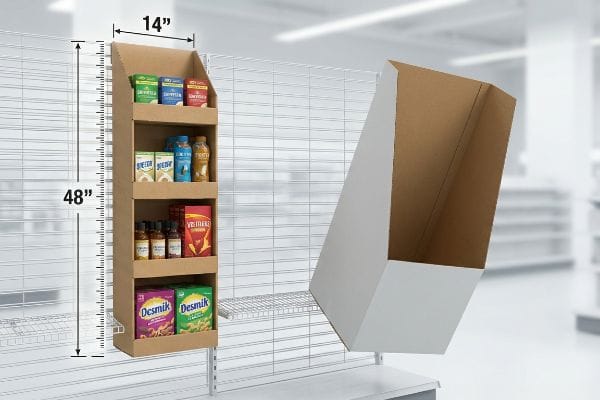
যখন আমি নতুন ব্র্যান্ডগুলোর ডাইলাইন পর্যালোচনা করি, তখন প্রায়শই দেখি ইউনিটগুলো ৫৫ ইঞ্চি (১৩৯৭ মিমি) লম্বা করে আঁকা হয়েছে। আমার প্রতিষ্ঠানে আমি জানি যে এটি সাথে সাথেই বাতিল হয়ে যায়, কারণ মার্কিন যুক্তরাষ্ট্রের সর্বজনীন সাইডকিকের উচ্চতার মানদণ্ড কঠোরভাবে ৪৮ ইঞ্চি (১২১৯ মিমি) লম্বা এবং ২ ইঞ্চি (৩৫৫ মিমি) চওড়ায় সীমাবদ্ধ। আমি সম্প্রতি একজন দোকান কর্মচারীকে ঘামতে দেখেছি, যখন তিনি একটি অতিরিক্ত বড় পাওয়ার উইংকে একটি সাধারণ আইল ব্র্যাকেটে জোর করে ঢোকানোর চেষ্টা করছিলেন এবং কাঁচা পেপারবোর্ড ছিঁড়ে যাওয়ার স্পষ্ট শব্দ শুনতে পাচ্ছিলেন, এরপর তিনি পুরো ইউনিটটিই ময়লার ঝুড়িতে ফেলে দেন।
এর সমাধান করতে, আমি সমস্ত CAD (কম্পিউটার-এইডেড ডিজাইন) টেমপ্লেটকে সেই নির্দিষ্ট ৪৮×১৪ জ্যামিতিক পরিসরে৩। ইউনিটটিকে সর্বজনীনভাবে সঙ্গতিপূর্ণ রাখার মাধ্যমে, আপনি ঝামেলাহীন ইনস্টলেশন নিশ্চিত করেন, দোকান-পর্যায়ে প্রত্যাখ্যানের ঝুঁকি সম্পূর্ণরূপে দূর করেন এবং আপনার রিটেইল প্লেসমেন্ট সুরক্ষিত করেন।
| নতুনদের সাধারণ ভুল | প্রো ফিক্স | খুচরা-ফ্লোর সুবিধা |
|---|---|---|
| অতিরিক্ত বড় কাস্টম মাত্রা ডিজাইন করা | CAD-কে ৪৮×১৪ ইঞ্চি খামে লক করুন। | স্টোর ম্যানেজারের প্রত্যাখ্যান প্রতিরোধ করে |
| স্ট্যান্ডার্ড তারের বন্ধনীর ব্যবধান উপেক্ষা করা | লোড পয়েন্টগুলিকে সার্বজনীন গ্রিডের সাথে সারিবদ্ধ করুন | ঘর্ষণহীনভাবে ঝোলানো সম্ভব করে |
| একক-প্রাচীর হেডারগুলিতে অতিরিক্ত লোড | অতিরিক্ত লাইনার দিয়ে ঝোলানোর ছিদ্রটি মজবুত করুন। | আকস্মিক টানে ছিঁড়ে যাওয়া বন্ধ করে। |
আমি ক্লায়েন্টকে মাপজোখ করতে দিই না, কারণ বাস্তবিক মাপের সাথে কোনো আপোষ চলে না। আপনার জ্যামিতিকে আদর্শ সীমার মধ্যে স্থির করে রাখলে এটা নিশ্চিত হয় যে খুচরা বিক্রেতা আপনার পণ্যটি কম্প্যাক্টরে ফেলে না দিয়ে বাস্তবে ব্যবহার করবে।.
🛠️ হার্ভির ডেস্ক: আপনার ঝুলন্ত মার্চেন্ডাইজারটি বড় দোকানের উচ্চতার সীমা লঙ্ঘন করছে কিনা, তা নিয়ে নিশ্চিত নন? 👉 আপনার ডাইলাইন অডিট করান ↗ — আমার ডেস্কে সরাসরি অ্যাক্সেস। কোনো স্বয়ংক্রিয় সেলস স্প্যাম নেই, আমি কথা দিচ্ছি।
পাঁচ ধরনের ডিসপ্লে কী কী?
আপনার মার্কেটিং বাজেট বরাদ্দ করার আগে, ভৌত দোকানের ক্ষেত্রে আপনার সুনির্দিষ্ট কাঠামোগত বিকল্পগুলো জেনে নেওয়া প্রয়োজন।.
পাঁচ ধরনের ডিসপ্লে হলো ফ্লোর ইউনিট, কাউন্টারটপ মার্চেন্ডাইজার, প্যালেট কনফিগারেশন, শেলফ-রেডি ট্রে এবং হ্যাংগিং ক্লিপ স্ট্রিপ বা সাইডকিক। প্রতিটি ভৌত বিন্যাস দোকানের অভ্যন্তরে একটি নির্দিষ্ট স্থানিক অঞ্চলের জন্য ব্যবহৃত হয়, যা বিভিন্ন দূরত্ব এবং সম্পৃক্ততার স্তরে ক্রেতাদের মনোযোগ আকর্ষণ করার জন্য ডিজাইন করা হয়েছে।.
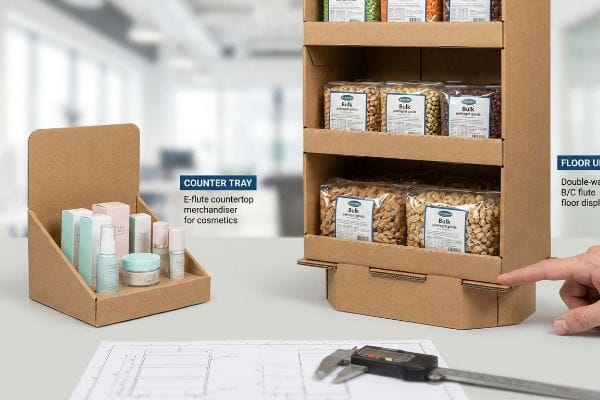
সঠিক ফরম্যাট নির্বাচন করা অত্যন্ত গুরুত্বপূর্ণ, কিন্তু সেই নির্বাচিত ফরম্যাটের সাথে আপনার বস্তুগত শক্তিকে মেলাতে না পারাটা একটি অত্যন্ত ব্যয়বহুল ফাঁদ।.
কাঠামোগত বাস্তবতার সাথে খুচরা প্রদর্শনীর সামঞ্জস্য বিধান
ব্র্যান্ডগুলো প্রায়শই একটি সফল কাউন্টারটপ ট্রে নিয়ে এবং কেবল তার ডাইলাইনকে বড় করে একটি বিশাল ফ্লোর ইউনিট তৈরি করে খরচ কমানোর চেষ্টা করে । তারা ধরে নেয় যে, যদি ভাঁজ করার জ্যামিতিটি ক্যাশ কাউন্টারের কাছে হালকা প্রসাধনীর জন্য কাজ করে , তবে এটি প্রধান করিডোরে থাকা প্রচুর পণ্য বোঝাই একটি স্বতন্ত্র ফিক্সচারেও নির্বিঘ্নে প্রয়োগ করা যাবে।
পদার্থবিদ্যার সূত্র পুরোপুরি পরিবর্তন না করে আপনি একটি POS (পয়েন্ট-অফ-সেল) কাউন্টার ট্রে-কে POP (পয়েন্ট-অফ-পারচেজ) ফ্লোর বিনে পরিণত করতে পারবেন না। আমি প্রায়শই দেখি ক্রেতারা সিঙ্গেল-ওয়াল ই-ফ্লুট ৫ দিয়ে তৈরি বড় ফ্লোর ইউনিট চান , কারণ এটি তাদের ছোট কাউন্টার ইউনিটের জন্য নিখুঁতভাবে কাজ করেছিল। যখন তারা এটি জোড়া লাগানোর চেষ্টা করেন, আমি তাদের নিজেদের পণ্যের ভারে ভেতরের ফ্লুটগুলো ভেঙে যাওয়ার বিকট শব্দ শুনতে পাই।
আপনি যদি ফ্লোর মডেলে স্থানান্তরিত হন, তবে ডায়নামিক লোড সামলানোর জন্য আপনাকে অবশ্যই একটি ডাবল-ওয়াল বি/সি ফ্লুট স্ট্রাকচারে৬।এটি করলে আপনার নিচের স্তরগুলো ভারী পণ্যের চাপে দোলনার মতো ঝুলে পড়া থেকে রক্ষা পায়, আপনার পণ্য নিখুঁত থাকে এবং আপনাকে ব্যয়বহুল খুচরা পুনঃসংগ্রহ ফি থেকে বাঁচায়।
| নতুনদের সাধারণ ভুল | প্রো ফিক্স | খুচরা-ফ্লোর সুবিধা |
|---|---|---|
| পাতলা কাউন্টার ট্রেগুলির আকার বৃদ্ধি করা | ডাবল-ওয়াল ফ্লোর বেসে আপগ্রেড করুন | নিম্ন স্তরের কাঠামোগত ধস প্রতিরোধ করে |
| এন্ড-ক্যাপে প্যালেটের আকার ব্যবহার করা | প্রস্থ ৩৪.৫ ইঞ্চিতে সীমাবদ্ধ করুন। | মার্কিন দোকানের করিডোরে পুরোপুরি মানানসই। |
| ক্লিপ স্ট্রিপ টিয়ার লিমিট উপেক্ষা করা | প্লাস্টিকের শক্তিবর্ধক প্যাচ যোগ করুন | ভারী থলে পড়ে যাওয়া থেকে রক্ষা করে |
আমি প্রতিটি ধরনের কাঠামোকে একটি সম্পূর্ণ স্বতন্ত্র প্রকৌশলগত চ্যালেঞ্জ হিসেবে দেখি। একটি ছোট কাঠামোগত নকশাকে হুবহু নকল করে একটি বড় বাণিজ্যিক স্থানে বসিয়ে দিয়ে আপনি পদার্থবিদ্যাকে ফাঁকি দিতে পারেন না।.
🛠️ হার্ভির ডেস্ক: ভাবছেন এই পাঁচটি ফরম্যাটের মধ্যে কোনটি আপনার নির্দিষ্ট পণ্যের ওজনের জন্য সবচেয়ে উপযুক্ত? 👉 একটি স্ট্রাকচারাল স্ট্র্যাটেজি সেশনের জন্য অনুরোধ করুন ↗ — নিরাপদে ডাউনলোড করুন। পরবর্তীতে কোনো প্রশ্ন থাকলে আমার ইনবক্স খোলা আছে।
আপনি কি এখনও সাইডকিক ফোন ব্যবহার করতে পারবেন?
লোকেরা প্রায়শই পুরোনো প্রযুক্তিকে আধুনিক খুচরা ব্যবসার পরিভাষার সাথে গুলিয়ে ফেলে, তাই চলুন এখনই এই অনুসন্ধানের উদ্দেশ্যটি পরিষ্কার করে নেওয়া যাক।.
না। বর্তমানে সাইডকিক ফোন ব্যবহার করা অসম্ভব, কারণ সেলুলার নেটওয়ার্কগুলো তাদের ৩জি পরিকাঠামো বন্ধ করে দিয়েছে। তবে, খুচরা পণ্য বিপণনের ক্ষেত্রে সাইডকিক এখনও অত্যন্ত সক্রিয়। এটি বিশেষভাবে একটি ঝুলন্ত পাওয়ার উইং ডিসপ্লেকে বোঝায়, যা উচ্চ-মার্জিনের তাৎক্ষণিক ক্রয়কে আকৃষ্ট করার জন্য দোকানের করিডোরের শেষ প্রান্তে শারীরিকভাবে সংযুক্ত থাকে।.
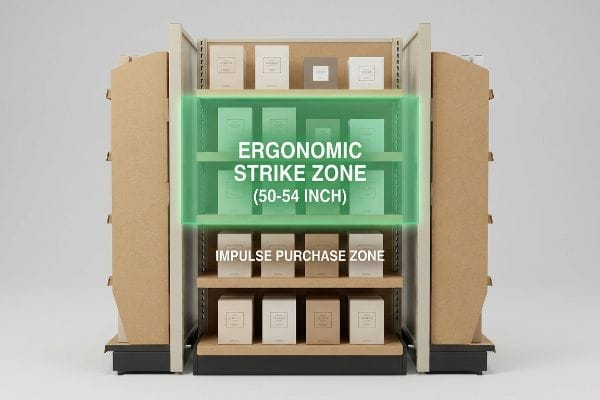
এখন যেহেতু আমরা জানি যে আমরা ইলেকট্রনিক্স নয়, বরং পেপারবোর্ড নিয়ে কাজ করছি, তাই আমাদের দেখতে হবে মানুষ আসলে এই ভৌত বস্তুগুলোর সাথে কীভাবে মিথস্ক্রিয়া করে।.
স্ট্রাইক জোন: সাইডকিক ডিসপ্লের আর্গোনমিক্সের সর্বোচ্চ ব্যবহার
মার্কেটিং টিমগুলো হ্যাংগিং ইউনিটগুলোকে উপর থেকে নিচ পর্যন্ত যতটা সম্ভব পণ্য দিয়ে বোঝাই করতে ভালোবাসে। তারা পুরো উল্লম্ব তলটিকে সমান জায়গা হিসেবে বিবেচনা করে, এই ভেবে যে একজন ক্রেতার চোখ স্বাভাবিকভাবেই হেডার কার্ড থেকে শুরু করে বেস ট্রে পর্যন্ত পুরো ফিক্সচারটি স্ক্যান করবে।.
একটি ঝুলন্ত ডিসপ্লেকে দ্রুতগতির হাইওয়ের বিলবোর্ডের মতো ভাবুন; যদি এটি ঠিক চোখের সমান উচ্চতায় না থাকে, তাহলে দ্রুতগামী চালকেরা এটিকে পুরোপুরি এড়িয়ে যায়। আমি প্রায়শই দেখি ব্র্যান্ডগুলো তাদের সেরা পণ্যগুলো ঝুলন্ত ডিসপ্লের একেবারে নিচের তাকে রাখে। আমার প্রতিষ্ঠানে, আমি মানুষের উচ্চতার হিট ম্যাপ তৈরি করি, যা প্রমাণ করে যে আসল "স্ট্রাইক জোন" বা লক্ষ্যভেদী এলাকাটি মেঝে থেকে কঠোরভাবে ৫০ থেকে ৫৪ ইঞ্চি (১২৭০ থেকে ১৩৭১ মিমি) এর মধ্যেঅবস্থিত ।
আমি সম্প্রতি একজন ক্রেতাকে একটি সংকীর্ণ নীচের ট্রে থেকে একটি ভারী জিনিস নিচু হয়ে বের করার জন্য রীতিমতো যুদ্ধ করতে দেখেছি, যেখানে নতুন ক্রাফট বোর্ডের শক্ত, অমসৃণ কিনারে তার আঙুলের গাঁট ছিলে যাচ্ছিল। সবচেয়ে ভারী এবং লাভজনক SKU-গুলিকে সরাসরি সেই ৫০-ইঞ্চি আর্গোনমিক উইন্ডো8, আমরা ঘর্ষণহীনভাবে জিনিস তুলে নেওয়া নিশ্চিত করি, যা স্বাভাবিকভাবেই আপনার ফিজিক্যাল কনভার্সন রেট বাড়িয়ে তোলে এবং আপনার ইউনিটের ROI সর্বোচ্চ করে।
| নতুনদের সাধারণ ভুল | প্রো ফিক্স | খুচরা-ফ্লোর সুবিধা |
|---|---|---|
| হিরো আইটেমগুলো নীচে রাখা | মূল SKU-গুলিকে ৫০-ইঞ্চি জোনে সরান9 | তাৎক্ষণিক আবেগ দ্বারা আঁকড়ে ধরার প্রবণতা বৃদ্ধি করে |
| শীর্ষ হেডারে অতিরিক্ত ভিড় | দৃষ্টির জন্য শ্বাস নেওয়ার জায়গা রাখুন। | ক্রেতাদের মানসিক অতিরিক্ত চাপ প্রতিরোধ করে10 |
| তাকগুলো খুব গভীর করা | স্পষ্ট দৃশ্যমানতার জন্য গভীরতা সীমিত করুন | পণ্যের অন্ধকার ছায়া অঞ্চল তৈরি হওয়া প্রতিরোধ করে |
আমি সবসময় শুধু বাক্সের কথা মাথায় রেখে নয়, বরং মানবদেহের শারীরিক গঠনকে কেন্দ্র করে ডিজাইন করি। একজন ক্রেতাকে ঝুঁকে পড়তে বা শরীর বাঁকাতে বাধ্য করলে শারীরিক ঘর্ষণ তৈরি হয়, আর এই ঘর্ষণই তাৎক্ষণিক বিক্রির প্রবণতাকে নষ্ট করে দেয়।.
🛠️ হার্ভির ডেস্ক: আপনার সর্বোচ্চ মার্জিনের আইটেমগুলো কি ভুলবশত একেবারে নিচের আড়ালে লুকিয়ে আছে? 👉 আপনার ফ্রি লেআউট অডিটটি নিন ↗ — এমন কোনো ফর্ম নেই যা অবিরাম সেলস কলের কারণ হয়। শুধু খাঁটি মূল্য।
সাইডকিক কী কাজে ব্যবহার করা হয়?
মূল সারির বাইরে সেরা জায়গা নিশ্চিত করা উদীয়মান ব্র্যান্ডগুলোর জন্য খুচরা ব্যবসার সেরা কৌশল।.
প্রধান ক্যাটাগরির শীর্ষস্থানীয় পণ্যগুলোর ঠিক পাশাপাশি গৌণ পণ্যগুলোকে ক্রস-মার্চেন্ডাইজ করার জন্য একটি সাইডকিক ব্যবহার করা হয়। সার্বজনীন ধাতব ব্র্যাকেট ব্যবহার করে দোকানের এক প্রান্তের তাক থেকে ঝুলিয়ে রাখার মাধ্যমে, এই ছোট ইউনিটগুলো দোকানের ক্রেতাদের দৃষ্টি আকর্ষণ করে, যা কোনো মূল্যবান জায়গা দখল না করেই তাৎক্ষণিক কেনাকাটার প্রবণতা তৈরি করে এবং ক্রেতার কেনাকাটার পরিমাণ বাড়িয়ে তোলে।.
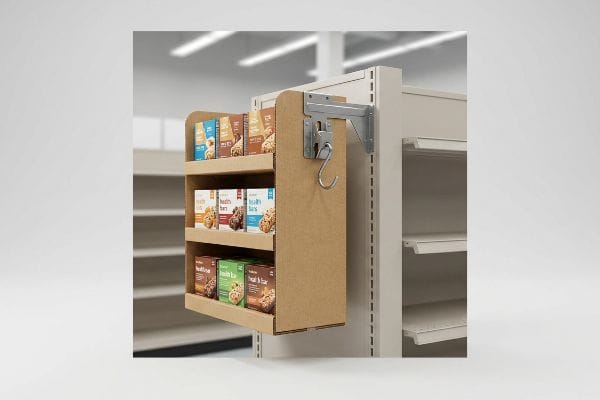
কিন্তু যখন মেশিনগুলো চলতে শুরু করে এবং গুদামের স্বাভাবিক গতি কাজ করতে থাকে, তখন ক্রস-মার্চেন্ডাইজিং-এর তত্ত্ব জানাটাই যথেষ্ট নয়।.
কারখানার ফ্লোরে স্ট্যান্ডার্ড সাইডকিক হুকগুলো কেন ব্যর্থ হয়
ক্রয়কারী দলগুলো প্রায়শই পণ্য বোঝাই করা পোস্টার ঝোলানোর জন্য সাধারণ ডাই-কাট কার্ডবোর্ডের ছিদ্রের উপর নির্ভর করে, এই ভেবে যে পেপারবোর্ডের প্রাথমিক ECT (এজ ক্রাশ টেস্ট) রেটিং১১ ওজন বহন করার জন্য যথেষ্ট। তারা ঝোলানোর স্থানটিকে ক্রেতাদের তীব্র কার্যকলাপের শিকার হওয়া একটি গতিশীল, সচল ভারবহন ক্ষেত্র হিসেবে না দেখে, একটি স্থির দেয়াল পোস্টারের মতো বিবেচনা করে।
একটি খালি ল্যাবের দেয়ালে একটি ডিসপ্লে নিখুঁতভাবে ঝোলানো সহজ, কিন্তু যখন আপনি ৫০০টি ডিসপ্লে একটি বিশৃঙ্খল বড় দোকানের পরিবেশে পাঠান, তখন কঠিন বাস্তবতার মুখোমুখি হতে হয়। আমার প্রতিষ্ঠানে আমি নিয়মিত দেখি, ক্রেতাদের দ্বারা পেরেক। যখন আমি ড্রপ সিমুলেটর১২-, তখন মাত্র ১৫ পাউন্ড (৬.৮ কেজি) ওজনের চাপেই এর উপরের স্তরটি প্রচণ্ডভাবে ছিঁড়ে যায়, যার শব্দটা ঠিক একটা মোটা জিপার ছিঁড়ে খোলার মতো শোনায়।
আমি মাইক্রোমিটারের রিডিং নিয়ে প্রমাণ করেছি যে, শুধু কাঁচা কাগজটি ধরে থাকবে এমন আশা না করে, আমাদের অবশ্যই পেছনের ভারবাহী প্যানেল ১৩-এর মধ্যে সরাসরি একটি সার্বজনীন ধাতব ব্র্যাকেট সিস্টেম স্থাপন করতে হবে। একটি নির্দিষ্ট দ্বি-প্রাচীরযুক্ত স্পাইন ১৪- এর সাথে এস-ক্লিপটিকে নোঙর করার মাধ্যমে , আমি ছিঁড়ে যাওয়ার ঝুঁকি সম্পূর্ণরূপে দূর করি। এই গুরুত্বপূর্ণ প্রকৌশলগত পরিবর্তনটি গতিজনিত টানার বল শোষণ করে, ফলে এমন বড় ধরনের ডিসপ্লে ব্যর্থতা প্রতিরোধ করে যা প্রচণ্ড ঘর্ষণ সৃষ্টি করে, অ্যাসেম্বলি লাইনের গতি কমিয়ে দেয় এবং প্রকল্পের লাভের মার্জিন সম্পূর্ণরূপে নষ্ট করে দেয়।
| নতুনদের সাধারণ ভুল | প্রো ফিক্স | খুচরা-ফ্লোর সুবিধা |
|---|---|---|
| কাঁচা কার্ডবোর্ড দিয়ে ভারী ইউনিট ঝুলানো | সার্বজনীন ধাতব ব্র্যাকেট ক্লিপ ১৫ ইনস্টল করুন | পুরো ডিসপ্লেকে পড়ে যাওয়া থেকে আটকায় |
| একক-প্রাচীর আস্তরণ ব্যবহার করে | একটি দ্বি-প্রাচীরযুক্ত স্পাইন অ্যাঙ্কর তৈরি করুন16 | ক্রেতাদের তীব্র টানাটানি শোষণ করে |
| হুক বসানোর দূরত্ব অনুমান করা | স্ট্যান্ডার্ড পেগবোর্ড ব্যবধানের সাথে সারিবদ্ধ করুন17 | তাৎক্ষণিক ক্লার্ক ইনস্টলেশন নিশ্চিত করে |
আমি একটি দুর্বল ২-মিলিমিটার কার্ডবোর্ডের ছিদ্রের কারণে পুরো রিটেইল ক্যাম্পেইনের টিকে থাকাকে নির্ধারিত হতে দেব না। আপনার ক্যাম্পেইনটি যেন তাকের উপর সশরীরে থাকে এবং আয় অব্যাহত রাখে, তা নিশ্চিত করার একমাত্র উপায় হলো এর মূল ভিত্তিটিকে মজবুত করা।.
🛠️ হার্ভির ডেস্ক: একটি ২-মিলিমিটার কাঠামোগত ত্রুটির কারণে ৫০০টি দোকানে পণ্য সরবরাহের পরিকল্পনা যেন ভেস্তে না যায়। 👉 আপনার ডাইলাইন ফাইলটি আমাকে পাঠান ↗ — গণ-উৎপাদনে বাজেট অপচয় করার আগে আমি এর গাণিতিক হিসাব স্ট্রেস-টেস্ট করে নেব।
উপসংহার
আপনি রিইনফোর্সমেন্ট ছাড়া কার্ডবোর্ডের পাঞ্চ হোলের উপর নির্ভর করে কিছু পয়সা বাঁচাতে পারেন, কিন্তু যখন সেই কাঁচা ৩২ইসিটি বোর্ড ক্রেতার গতিজনিত চাপে প্রচণ্ডভাবে ছিঁড়ে যায়, তখন এর বেস মারাত্মকভাবে বেঁকে যায়, যা খুচরা বিক্রেতার কাছে তাৎক্ষণিক প্রত্যাখ্যানের কারণ হয় এবং কয়েক সপ্তাহ ধরে ব্যয়বহুল ম্যানুয়াল রিওয়ার্কের প্রয়োজন হয়। ৫০০-এর বেশি ব্র্যান্ড ম্যানেজার ঠিক এই মারাত্মক প্রাথমিক পর্যায়ের ভুলগুলো এড়ানোর জন্য আমার প্রিপ্রেস চেকলিস্ট ব্যবহার করেন। স্ট্রাকচারাল লোড লিমিট নিয়ে অনুমান করা বন্ধ করুন এবং গণ-উৎপাদনে অর্থায়ন করার আগেই এই অদৃশ্য ঘর্ষণ বিন্দুগুলো ধরার জন্য আমাকে ব্যক্তিগতভাবে আপনার স্ট্রাকচারাল ফাইলগুলো আমার ফ্রি ডাইলাইন অডিট ↗- এর মাধ্যমে পরীক্ষা করতে দিন।
"সাইডকিক এবং এন্ডক্যাপ ডিসপ্লের মধ্যে মূল পার্থক্য? – কাস্টম …", https://popdisplay.me/key-differences-between-sidekick-and-endcap-displays/। [খুচরা ব্যবসার পরিচালন ম্যানুয়াল বা ফিক্সচার স্ট্যান্ডার্ডে নির্দিষ্ট ক্লিয়ারেন্সের প্রয়োজনীয়তা এবং শেল্ফ ব্যবহারের উপর নন-স্ট্যান্ডার্ড ডিসপ্লে ডাইমেনশনের নেতিবাচক প্রভাব নথিভুক্ত করা থাকে]। প্রমাণের ভূমিকা: প্রযুক্তিগত স্পেসিফিকেশন; উৎসের ধরণ: ইন্ডাস্ট্রি স্ট্যান্ডার্ড। সমর্থন করে: খুচরা ব্যবসার সাথে সামঞ্জস্যতা নিশ্চিত করার জন্য কাঠামোগত মানকরণের প্রয়োজনীয়তা। পরিধি সংক্রান্ত টীকা: বিশেষভাবে বিগ-বক্স পরিবেশে ভৌত স্থানিক দ্বন্দ্বের সাথে সম্পর্কিত। ↩
"১৪ ধরনের রিটেইল ডিসপ্লে | শিকাগো, আইএল – ভার্টহাইমার বক্স", https://wertheimerbox.com/types-of-retail-displays/। [রিটেইল ফিক্সচার স্ট্যান্ডার্ড বা ভেন্ডর ম্যানুয়ালগুলোতে সাইডকিক ডিসপ্লের জন্য সর্বোচ্চ অনুমোদিত মাত্রা নির্দিষ্ট করা থাকে, যাতে স্ট্যান্ডার্ড রিটেইল ব্র্যাকেটে এটি সঠিকভাবে স্থাপন করা যায়]। প্রমাণের ভূমিকা: প্রযুক্তিগত স্পেসিফিকেশন; উৎসের ধরণ: ইন্ডাস্ট্রি স্ট্যান্ডার্ড। সমর্থন করে: কঠোর কাঠামোগত মানকরণের দাবি। পরিধি সংক্রান্ত টীকা: বিভিন্ন বিগ-বক্স রিটেইলারের ক্ষেত্রে স্ট্যান্ডার্ডগুলো সামান্য ভিন্ন হতে পারে। ↩
"কাস্টম কার্ডোবোর্ড সাইডকিক ডিসপ্লে, পাওয়ারউইং ডিসপ্লে, এন্ডক্যাপ …", https://grandfly.com/cardboard-display/sidekick-powerwing-display/। পয়েন্ট-অফ-পারচেজ (POP) ফিক্সচারের জন্য ইন্ডাস্ট্রির স্পেসিফিকেশনগুলো বড় রিটেইলারদের দ্বারা সাইডকিক ডিসপ্লে গৃহীত হওয়ার জন্য প্রয়োজনীয় স্ট্যান্ডার্ড মাপ যাচাই করে। প্রমাণের ভূমিকা: প্রযুক্তিগত স্পেসিফিকেশন; উৎসের ধরণ: ইন্ডাস্ট্রি ট্রেড ম্যানুয়াল। সমর্থন করে: সার্বজনীন সম্মতির জন্য একটি ৪৮×১৪ স্ট্যান্ডার্ড আকারের ব্যবহার। পরিধি সংক্রান্ত নোট: নির্দিষ্ট রিটেইলারের প্রয়োজনীয়তা অনুসারে মাপ সামান্য পরিবর্তিত হতে পারে। ↩
"ইন্টারেক্টিভ রিটেলের জন্য ডিসপ্লের কাঠামোগত নকশা...", https://www.bcipkg.com/display-structural-design-for-interactive-retail-displays/। [প্যাকেজিং ইঞ্জিনিয়ারিং-এর একটি নির্ভরযোগ্য উৎস ব্যাখ্যা করবে কেন ছোট আকারের ডাইলাইন স্কেলিং করার ক্ষেত্রে বড় ফিক্সচারের বর্ধিত ভারবহন ক্ষমতার প্রয়োজনীয়তা বিবেচনা করা হয় না]। প্রমাণের ভূমিকা: প্রযুক্তিগত যাচাইকরণ; উৎসের ধরণ: প্যাকেজিং ইঞ্জিনিয়ারিং ম্যানুয়াল; সমর্থন: রিটেল ডিসপ্লের জন্য সাধারণ স্কেলিং-এর কাঠামোগত অপর্যাপ্ততা। পরিধি সংক্রান্ত টীকা: বিশেষভাবে ঢেউখেলানো কার্ডবোর্ড এবং হালকা প্লাস্টিকের ক্ষেত্রে প্রযোজ্য। ↩
"আপনার কাস্টম কার্ডবোর্ড কাউন্টার ডিসপ্লেতে কী কী উপকরণ ব্যবহার করা হয়?", https://popdisplay.me/what-materials-are-used-for-your-custom-cardboard-counter-displays/। [প্যাকেজিং ইঞ্জিনিয়ারিং স্ট্যান্ডার্ডগুলি ই-ফ্লুটের ফ্লুট উচ্চতা এবং সংকোচন শক্তি নির্ধারণ করে, যা বড় কাঠামোগত ফ্লোর ইউনিটের পরিবর্তে ছোট আকারের কাউন্টার ডিসপ্লের জন্য এর উপযুক্ততা ব্যাখ্যা করে]। প্রমাণের ভূমিকা: প্রযুক্তিগত স্পেসিফিকেশন; উৎসের ধরণ: শিল্প মান। সমর্থন: নির্দিষ্ট ডিসপ্লে আকারের জন্য উপকরণের উপযুক্ততা। পরিধি নোট: করোগেটেড বোর্ডের কাঠামোগত অখণ্ডতার উপর আলোকপাত করে। ↩
"[পিডিএফ] করোগেটেড বোর্ড স্পেসিফিকেশন – ফাইবার বক্স অ্যাসোসিয়েশন", https://www.fibrebox.org/assets/2025/09/Walmart_Corrugated-Board_Specifications_Automation_Packaging_Standards.pdf। [কোরুগেটেড প্যাকেজিংয়ের জন্য শিল্প মানগুলি ফ্লোর-স্ট্যান্ডিং ডিসপ্লের জন্য ডাবল-ওয়াল বি/সি ফ্লুট সংমিশ্রণের সংকোচন শক্তি এবং ভারবহন ক্ষমতা সংজ্ঞায়িত করে]। প্রমাণের ভূমিকা: প্রযুক্তিগত স্পেসিফিকেশন; উৎসের ধরণ: প্যাকেজিং ইঞ্জিনিয়ারিং ম্যানুয়াল। সমর্থন: ফ্লোর মডেলের জন্য কাঠামোগত প্রয়োজনীয়তা। পরিধি নোট: বিশেষভাবে করোগেটেড কার্ডবোর্ড নির্মাণের ক্ষেত্রে প্রযোজ্য। ↩
"কার্যকরী ডিসপ্লে এবং গ্রাহক প্রবাহের জন্য খুচরা দোকানের নকশা", https://www.business.qld.gov.au/industries/manufacturing-retail/retail-wholesale/retail-displays। [খুচরা দোকানের কর্মদক্ষতার জন্য একটি শিল্প মান বা একটি মার্চেন্ডাইজিং গাইড গ্রাহকের চোখের স্তরে সর্বোত্তম দৃশ্যমানতার জন্য নির্দিষ্ট উচ্চতার পরিমাপ প্রদান করবে]। প্রমাণের ভূমিকা: প্রযুক্তিগত যাচাইকরণ; উৎসের ধরণ: শিল্প মান। সমর্থন: তাৎক্ষণিক প্রদর্শনের জন্য সর্বোত্তম স্থান নির্ধারণ। পরিধি সংক্রান্ত টীকা: লক্ষ্যভুক্ত জনসংখ্যার গড় উচ্চতার উপর ভিত্তি করে উচ্চতা সামান্য পরিবর্তিত হতে পারে। ↩
"অধ্যায় ২: আপনার গ্রাহকদের জন্য একটি ডিসপ্লে উচ্চতা নির্বাচন", https://www.creativedisplaysnow.com/guides/understanding-the-retail-customer/chapter-2-how-to-choose-the-right-display-height-for-your-customers/। [রিটেইল আর্গোনমিক্সের জন্য শিল্প মান 'স্ট্রাইক জোন'-কে সেই উল্লম্ব পরিসর হিসাবে সংজ্ঞায়িত করে যা গ্রাহকদের জন্য সর্বাধিক মিথস্ক্রিয়া এবং বিক্রয় নিশ্চিত করতে সবচেয়ে সহজলভ্য]। প্রমাণের ভূমিকা: প্রযুক্তিগত স্পেসিফিকেশন; উৎসের ধরণ: রিটেইল ডিজাইন গাইড। সমর্থন করে: রূপান্তরের জন্য নির্দিষ্ট পণ্য স্থাপনের উচ্চতার কার্যকারিতা। পরিধি নোট: গ্রাহকের জনসংখ্যার উপর ভিত্তি করে আর্গোনমিক উইন্ডো ভিন্ন হতে পারে।] ↩
"স্ট্রাইক জোন | পরিভাষা – MLB.com", https://www.mlb.com/glossary/rules/strike-zone। [খুচরা বিক্রয়ের কর্মদক্ষতা বিষয়ক একটি শিল্প-মানসম্মত নির্দেশিকা পণ্যের সর্বোচ্চ দৃশ্যমানতার জন্য 'স্ট্রাইক জোন'-এর নির্দিষ্ট উচ্চতার পরিমাপ নিশ্চিত করবে।]; প্রমাণের ভূমিকা: প্রযুক্তিগত বিবরণ; উৎসের ধরণ: খুচরা শিল্প হ্যান্ডবুক। সমর্থন করে: SKU স্থাপনের সর্বোত্তম উচ্চতা। পরিধি সংক্রান্ত টীকা: লক্ষ্য জনগোষ্ঠীর গড় উচ্চতার উপর ভিত্তি করে সামান্য পরিবর্তিত হতে পারে। ↩
"ভিজ্যুয়াল মার্চেন্ডাইজিংয়ের প্রকারভেদের প্রতি ভোক্তাদের স্নায়বিক প্রতিক্রিয়া কি ভিন্ন...", https://pmc.ncbi.nlm.nih.gov/articles/PMC7757867/। [পিয়ার-রিভিউড মার্কেটিং গবেষণা ব্যাখ্যা করে যে কীভাবে রিটেইল ডিসপ্লেতে ভিজ্যুয়াল জঞ্জাল কমানো ভোক্তাদের মধ্যে সিদ্ধান্তজনিত ক্লান্তি এবং জ্ঞানীয় ভারাক্রান্ততা প্রতিরোধ করে।]; প্রমাণের ভূমিকা: আচরণগত প্রমাণ; উৎসের ধরণ: অ্যাকাডেমিক জার্নাল। সমর্থন: ভিজ্যুয়াল শ্বাস ফেলার জায়গার সুবিধা। পরিধি নোট: বেশিরভাগ রিটেইল পরিবেশের জন্য সাধারণীকরণযোগ্য। ↩
"এজ ক্রাশ টেস্ট: করোগেটেড প্যাকেজিং-এর জন্য এটি কেন গুরুত্বপূর্ণ", https://www.ernestpackaging.com/buzz/packaging-technology/importance-of-edge-crush-test-for-corrugated-packaging/। [প্যাকেজিং ইঞ্জিনিয়ারিং-এর একটি নির্ভরযোগ্য সূত্র ব্যাখ্যা করবে যে, ECT সংকোচন শক্তি পরিমাপ করে, ঝুলন্ত ভার বহনের জন্য প্রয়োজনীয় প্রসার্য বা কর্তন শক্তি নয়]। প্রমাণের ভূমিকা: প্রযুক্তিগত যাচাইকরণ; উৎসের ধরণ: ইঞ্জিনিয়ারিং স্ট্যান্ডার্ড। সমর্থন করে: এই দাবি যে, ঝুলন্ত ওজন বহনের জন্য ECT একটি অপর্যাপ্ত পরিমাপক। পরিধি সংক্রান্ত টীকা: বিশেষভাবে করোগেটেড ফাইবারবোর্ড অ্যাপ্লিকেশনের ক্ষেত্রে প্রযোজ্য। ↩
"কোরুগেটেড বোর্ড বক্সের সংকোচনশীল শক্তির অনুমান...", https://pmc.ncbi.nlm.nih.gov/articles/PMC8467740/। [একটি প্যাকেজিং ইঞ্জিনিয়ারিং ম্যানুয়াল বা কোরুগেটেড বোর্ডের শক্তি চার্ট ড্রপ টেস্টিং চলাকালীন 32ECT বোর্ডের জন্য নির্দিষ্ট ভারবহন সীমা এবং ব্যর্থতার বিন্দু সরবরাহ করবে]। প্রমাণের ভূমিকা: প্রযুক্তিগত যাচাইকরণ; উৎসের ধরণ: শিল্প স্পেসিফিকেশন। সমর্থন: নির্দিষ্ট ওজনের অধীনে 32ECT বোর্ডের ব্যর্থতা। পরিধি নোট: বোর্ডের গ্রেড এবং আর্দ্রতার উপর ভিত্তি করে কার্যকারিতা পরিবর্তিত হয়। ↩
"পিডিকিউ সাইডকিক হার্ডওয়্যার ও নিরাপত্তা – পপডিসপ্লে", https://popdisplay.me/pdq-sidekick-hardware-and-safety/। [পয়েন্ট-অফ-পারচেজ ডিসপ্লের জন্য শিল্প-নির্দিষ্টকরণগুলি নিশ্চিত করে যে, ভার-বহনকারী প্যানেলে ধাতব বন্ধনী সংযুক্ত করা হলে, অবলম্বনহীন কার্ডবোর্ডের তুলনায় কাঠামোগত পতন প্রতিরোধ করা যায়]। প্রমাণের ভূমিকা: প্রযুক্তিগত নির্দিষ্টকরণ; উৎসের ধরণ: উৎপাদন নির্দেশিকা। সমর্থন: সাধারণ কাগজের পরিবর্তে ধাতব বন্ধনীর প্রয়োজনীয়তা। পরিধির টীকা: বিশেষভাবে অধিক জনসমাগমপূর্ণ খুচরা পরিবেশের জন্য। ↩
"নো-স্যাগ ইজি রিমুভ পাওয়ার প্যানেল মেটাল হুকস – ক্লিপ স্ট্রিপ কর্পোরেশন", https://www.clipstrip.com/display-construction/power-panel-hooks/no-sag-easy-remove-power-panel-metal-hooks/?srsltid=AfmBOooqH-cbdNx6Hiwbn821rNmmHwA_v5IW0zPIa2nSUWj_4wdKN1Sw। [কোরুগেটেড প্যাকেজিং-এর জন্য স্ট্রাকচারাল ইঞ্জিনিয়ারিং স্ট্যান্ডার্ডগুলি দেখায় যে ডাবল-ওয়াল নির্মাণ শিয়ার শক্তি বৃদ্ধি করে এবং ক্লিপের ছিঁড়ে যাওয়া বা ফেটে যাওয়া প্রতিরোধ করে]। প্রমাণের ভূমিকা: প্রযুক্তিগত বৈধতা; উৎসের ধরণ: স্ট্রাকচারাল ইঞ্জিনিয়ারিং ম্যানুয়াল। সমর্থন: ছিঁড়ে যাওয়ার ঝুঁকি দূরীকরণ। পরিধি নোট: শুধুমাত্র কোরুগেটেড বোর্ড উপকরণের মধ্যে সীমাবদ্ধ। ↩
"সাইডকিক ডিসপ্লে এবং এন্ডক্যাপ ডিসপ্লের মধ্যে পার্থক্য...", https://popdisplay.me/the-difference-between-sidekick-displays-and-endcap-displays/। [প্রামাণ্য রিটেইল ফিক্সচার ম্যানুয়ালগুলোতে ব্যাখ্যা করা হয়েছে কীভাবে মেটাল ব্র্যাকেট ক্লিপগুলো ভারী বোঝার নিচে কার্ডবোর্ড ছিঁড়ে যাওয়া রোধ করতে ওজন বন্টন করে]। প্রমাণের ভূমিকা: কাঠামোগত যাচাইকরণ; উৎসের ধরণ: ইন্ডাস্ট্রি ম্যানুয়াল। সমর্থন করে: ভারী ইউনিটের জন্য মেটাল ক্লিপের ব্যবহার। পরিধি সংক্রান্ত টীকা: করোগেটেড রিটেইল সাইডকিকের ক্ষেত্রে প্রযোজ্য। ↩
"একক-প্রাচীরযুক্ত কার্ডবোর্ড বাক্স বনাম দ্বি-প্রাচীরযুক্ত কার্ডবোর্ড বাক্সের মধ্যে পার্থক্য...", https://packagingbee.co.uk/blog/difference-between-single-wall-cardboard-boxes-vs-double-wall-cardboard-boxes/?srsltid=AfmBOorC2m-U3UyIdeUot79RpJXRDcVYQDae5c61LcH8m7lS9C0gfrKj। [প্যাকেজিং ইঞ্জিনিয়ারিং স্ট্যান্ডার্ডগুলো একক-প্রাচীরযুক্ত কার্ডবোর্ডের তুলনায় দ্বি-প্রাচীরযুক্ত ঢেউখেলানো কার্ডবোর্ডের সংকোচন শক্তি এবং শিয়ার প্রতিরোধের উপর তথ্য প্রদান করে]। প্রমাণের ভূমিকা: উপাদানের স্পেসিফিকেশন; উৎসের ধরণ: ইঞ্জিনিয়ারিং পাঠ্যপুস্তক। সমর্থন: দ্বি-প্রাচীরযুক্ত স্পাইন অ্যাঙ্করের কার্যকারিতা। পরিধি নোট: টানের অধীনে কাঠামোগত অখণ্ডতার উপর দৃষ্টি নিবদ্ধ। ↩
"স্ট্যান্ডার্ড পেগবোর্ডের আকার এবং সেগুলি কী তা বোঝা...", https://resintops.net/understanding-standard-pegboard-sizes-and-what-they-are-commonly-used-for/। [খুচরা সরঞ্জামের মানগুলি বিভিন্ন দোকানের সরঞ্জামের মধ্যে হার্ডওয়্যারের আন্তঃকার্যকারিতা নিশ্চিত করার জন্য পেগবোর্ডের ছিদ্রের সার্বজনীন ব্যবধান নির্ধারণ করে]। প্রমাণের ভূমিকা: শিল্প মান; উৎসের ধরণ: প্রযুক্তিগত স্পেসিফিকেশন শিট। সমর্থন: হুকগুলিকে স্ট্যান্ডার্ড ব্যবধানে সারিবদ্ধ করার প্রয়োজনীয়তা। পরিধি নোট: স্ট্যান্ডার্ড খুচরা পেগবোর্ড গ্রিডের জন্য নির্দিষ্ট। ↩