আপনার পণ্যটি চমৎকার, কিন্তু খুচরা ক্রেতারা আপনার প্রস্তাব ক্রমাগত উপেক্ষা করছে। একটি নড়বড়ে বাক্সের ওপর সুন্দর লোগো বসিয়ে দেওয়াই কোনো সম্পূর্ণ খুচরা বিক্রয় কৌশল নয়।.
একটি সফল ব্র্যান্ডের জন্য তার পণ্য বিপণন এবং বাস্তব সরবরাহ শৃঙ্খল বাস্তবায়নের মধ্যে একটি নিখুঁত সমন্বয় প্রয়োজন। শুধু একটি লোগোর বাইরেও, এর জন্য প্রয়োজন খুচরা বিক্রেতাদের নিয়মকানুন কঠোরভাবে মেনে চলা, সর্বোত্তম প্যাকেজিং লজিস্টিকস এবং এমন প্রকৌশল যা সমুদ্রপথে ভারী পরিবহন ও জনবহুল দোকানে প্রদর্শনের সময় পণ্যের কাঠামোগত টিকে থাকা নিশ্চিত করে।.
চলুন আমি আপনাদের দেখাই, কীভাবে এমন একটি বাস্তব খুচরা উপস্থিতি গড়ে তোলা যায় যা বড় বড় স্টোরের কঠোর ও দ্রুতগতির বাস্তবতায় টিকে থাকতে পারে।.
একটি ভালো ব্র্যান্ডের কী কী প্রয়োজন?
একটি ভালো ব্র্যান্ড শুধু আলাদা আলাদা পণ্য বিক্রি করে না; এটি তার প্যাকেজিংকে একটি নির্দিষ্ট বাণিজ্যিক পরিবেশের সাথে নিখুঁতভাবে খাপ খাইয়ে নেয়।.
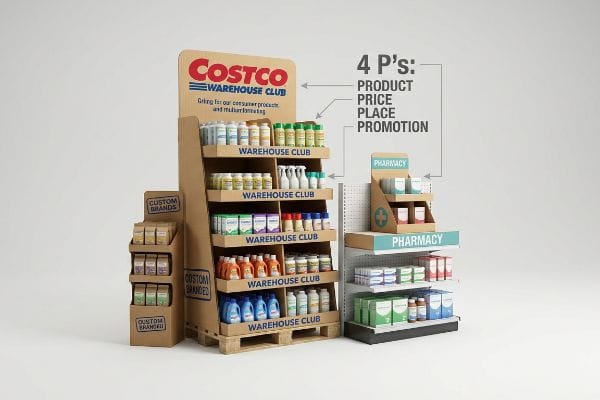
একটি ভালো ব্র্যান্ডের জন্য ৪টি 'পি'—পণ্য, মূল্য, স্থান এবং প্রচারের—সঠিক প্রয়োগ প্রয়োজন। এটিকে অবশ্যই তার লজিস্টিক কৌশলকে লক্ষ্যভুক্ত খুচরা বিক্রেতার কার্যপ্রণালীর মডেলের সাথে সরাসরি ও পদ্ধতিগতভাবে মেলাতে হবে, এবং এটি নিশ্চিত করতে হবে যে ভৌত বিপণন যেন ওয়্যারহাউস ক্লাব বা স্থানীয় ফার্মেসির মতো স্বতন্ত্র বাণিজ্যিক পরিমণ্ডলে নির্বিঘ্নে একীভূত হয়।.
এই কাঠামোটি বোঝার মাধ্যমেই আমরা সেইসব কঠোর স্টোর ম্যানেজারদের কাছ থেকে আসা বিপুল পরিমাণ চার্জব্যাক প্রতিরোধ করি, যারা অসঙ্গতিপূর্ণ চালান প্রত্যাখ্যান করেন।.
খুচরা কাঠামোর সাথে ৪টি 'পি'-কে সমন্বয় করা
অনেক স্টার্টআপ প্রতিষ্ঠাতা বাণিজ্যিক খুচরা ব্যবসার মৌলিক কাঠামো আয়ত্ত না করেই পণ্য বাজারে আনার চেষ্টা করেন। তারা ধরে নেন যে, শুধুমাত্র নান্দনিকতার জোরেই সুন্দরভাবে ডিজাইন করা একটি পণ্য নিজে থেকেই বিক্রি হয়ে যাবে। তারা প্রায়শই নির্দিষ্ট দোকানের পরিচালন পদ্ধতির কঠোর ব্যবসায়িক কৌশল উপেক্ষা করেন, এই আশায় যে একটি সর্বজনীন প্রদর্শন টেমপ্লেট উচ্চমানের বুটিক থেকে শুরু করে বিশাল প্যালেট র্যাকিং পর্যন্ত সব জায়গায় কাজ করবে ।
আমি এই ফাঁদটি প্রতিনিয়ত দেখি যখন ব্র্যান্ডগুলো একটি বিশাল ওয়্যারহাউস ক্লাব এবং একটি ছোট পাড়ার ফার্মেসি—উভয়ের জন্যই একটিমাত্র সার্বজনীন ফ্লোর ডিসপ্লে উপস্থাপন করার চেষ্টা করে । তারা স্থানিক বাস্তবতাকে পুরোপুরি উপেক্ষা করে। আমার মনে আছে, আমি একজন দোকান কর্মচারীকে একটি সংকীর্ণ গলিতে অতিরিক্ত বড় ও বেঠিকভাবে বসানো মার্চেন্ডাইজার জোর করে ঢোকাতে গিয়ে ঘাম ঝরাতে দেখেছিলাম; অবশেষে তিনি একটি বক্স কাটার নিয়ে সেটিকে খাপ খাওয়ানোর জন্য এর কাঁচা ঢেউখেলানো কাগজের ভিত্তিটি হিংস্রভাবে ছিঁড়ে ফেলেন। হতাশায় সেই ঘন ৩২ইসিটি (এজ ক্রাশ টেস্ট) পেপারবোর্ডটি ছিঁড়ে যাওয়ার বিকট শব্দ দুর্বল পরিকল্পনার সরাসরি ফল। একটিও গ্রাফিক্স ফাইল প্রিন্ট করার আগে আপনাকে অবশ্যই খুচরা বিক্রেতার নির্দিষ্ট লজিস্টিক ইকোসিস্টেমের সাথে আপনার নকশার স্থান কঠোরভাবে গাণিতিকভাবে মিলিয়ে নিতে হবে।
| নতুনদের সাধারণ ভুল | প্রো ফিক্স | খুচরা-ফ্লোর সুবিধা |
|---|---|---|
| একটি সর্বজনীন আকার চাপানো | নির্দিষ্ট খুচরা বিক্রেতা ইকোসিস্টেমের ম্যাপিং3 | বাতিল চালানগুলি দূর করে |
| আইলের মাত্রা উপেক্ষা করা | ভগ্নাংশ প্যালেট জ্যামিতি4 | মেঝেতে স্থাপনের গতি বাড়ায় |
| খুচরা মূল্য অনুমান করা | মূল্য-চ্যানেল নির্দিষ্ট আকার5 | পুনরায় মজুত করার ঘর্ষণ এড়িয়ে চলুন |
একটি সুন্দর ডিজাইনও সম্পূর্ণ মূল্যহীন, যদি তা কোনো স্টোর ম্যানেজারের পরিচালন নির্দেশিকা লঙ্ঘন করে। আমরা প্রথমে লজিস্টিক্যাল হিসাব তৈরি করি, এবং তারপরেই ব্র্যান্ডিং প্রয়োগ করি।.
🛠️ হার্ভির ডেস্ক: আপনার বর্তমান ফ্লোর ডিসপ্লেগুলো কি আপনার টার্গেট রিটেলারের কঠোর আইল সীমার সাথে গাণিতিকভাবে মেলানো আছে? 👉 একটি স্পেশাল অডিটের জন্য অনুরোধ করুন ↗ — আমার ডেস্কে সরাসরি অ্যাক্সেস। কোনো স্বয়ংক্রিয় সেলস স্প্যাম থাকবে না, আমি কথা দিচ্ছি।
সফল ব্র্যান্ডগুলো কী করে?
সফল ব্র্যান্ডগুলো শুধু একক মূল্য নিয়ে দর কষাকষি করে না; তারা একেবারে গোড়া থেকেই একটি সুসংহত ও ত্রুটিমুক্ত প্যাকেজিং ব্যবস্থা গড়ে তোলে।.
সফল ব্র্যান্ডগুলো প্যাকেজিংয়ের ৪টি ‘সি’-এর মধ্যে ভারসাম্য বজায় রাখে: খরচ (Cost), ধারণা (Concept), সুবিধা (Convenience), এবং যোগাযোগ (Communication)। শুধুমাত্র সর্বনিম্ন প্রাথমিক কাঁচামালের দাম নিয়ে অতিরিক্ত চিন্তা না করে, সফল কোম্পানিগুলো গাণিতিকভাবে কাঠামোগত খরচকে সরাসরি পরবর্তী সরবরাহ শৃঙ্খলের কার্যকারিতা এবং ভারী প্যালেটে থাকা মাল পরিবহনের সময় নিশ্চিত ভৌত স্থায়িত্বের সাথে যুক্ত করে।.
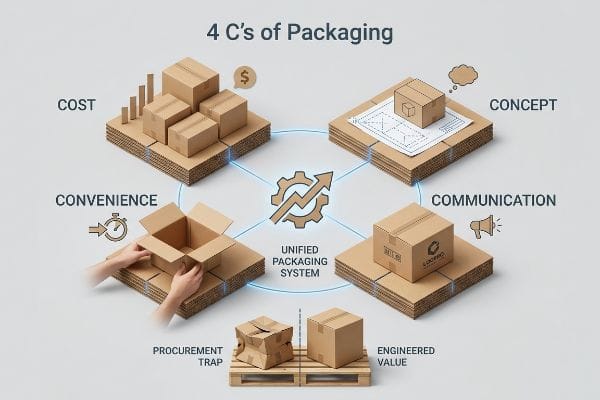
যখন আপনি ক্রয় বিভাগকে প্রকৌশলগত বাস্তবতা থেকে বিচ্ছিন্ন করেন, তখন পুরো খুচরা ব্যবস্থাটি শেষ পর্যন্ত নিজের ভারেই ভেঙে পড়ে।.
ক্রয় ভারসাম্যহীনতার ফাঁদ এড়ানো
ক্রয় বিভাগগুলো প্রায়শই তাদের ভৌত খুচরা ব্যবসা প্রসারের জন্য প্রচলিত শিল্প কাঠামো ব্যবহার করে, কিন্তু তারা প্রায়শই খরচের মূল মাপকাঠিটিকে বিচ্ছিন্ন করে ফেলে এবং সেটির উপরেই কঠোরভাবে মনোযোগ দেয়। তারা প্রতি ইউনিটে শুরুতে সামান্য কিছু পয়সা বাঁচানোর জন্য পদ্ধতিগতভাবে কাঠামোগত বোর্ড গ্রেড ৬- এর ভেতরের অংশ ফাঁপা করে ফেলে । তারা ভুলভাবে ধরে নেয় যে, স্বয়ংক্রিয় সংযোজন এবং পরিবহনের সময়কার কঠোর ব্যবস্থাপনার মধ্যেও মূল ধারণাগত নকশাটি কোনোভাবে তার অখণ্ডতা বজায় রাখবে।
এই আগ্রাসী ব্যয় সংকোচন নীরবে আপনার প্রচারণার অন্য তিনটি স্তম্ভকে ধ্বংস করে দেয়। যখন একজন ক্রেতা শুধুমাত্র একটি মনগড়া বাজেট লক্ষ্যমাত্রা পূরণের জন্য আমাকে একটি ডিসপ্লের মূল সাবস্ট্রেটের মান কমাতে বাধ্য করে, তখন আমি আগেই জানি কো-প্যাকিং লাইনে এরপর কী ঘটবে। একজন তাড়াহুড়ো করা অ্যাসেম্বলি কর্মী দুর্বল হয়ে পড়া ডাইলাইনটি ভাঁজ করার চেষ্টা করে, এবং আমি শারীরিকভাবে অনুভব করতে পারি যে সস্তা বি-ফ্লুটটি খসখসে ও দৃঢ়ভাবে জায়গায় বসে যাওয়ার পরিবর্তে তাদের বুড়ো আঙুলের নিচে আলতোভাবে বেঁকে যাচ্ছে। কাঠামোগত সুবিধার এই চরম অভাব অ্যাসেম্বলির গতি নষ্ট করে দেয়, ফলে কর্মীদের হেলে পড়া ট্রে- টিকে একসাথে ধরে রাখার জন্য নোংরা স্বচ্ছ টেপ ব্যবহার করতে বাধ্য হতে হয়। কাঁচা পেপারবোর্ডে তিন সেন্ট সাশ্রয় করে, ব্র্যান্ডটি প্রতি ইউনিটে তাদের কায়িক শ্রমের মজুরি ত্রিশ সেন্ট বাড়িয়ে দেয় , যা প্রাথমিক সাশ্রয়কে পুরোপুরি মুছে দেয়।
| নতুনদের সাধারণ ভুল | প্রো ফিক্স | খুচরা-ফ্লোর সুবিধা |
|---|---|---|
| একক খরচ নিয়ে কঠোরভাবে আচ্ছন্ন থাকা | একীভূত ৪ সি'র মূল্যায়ন8 | প্রকল্পের মোট বিনিয়োগের সর্বোচ্চ রিটার্ন নিশ্চিত করে |
| বোর্ড গ্রেড অবনমন | কোর ফ্লুট ঘনত্ব সংরক্ষণ9 | ভারী প্যালেটের ভার সহ্য করে |
| সমাবেশের ঘর্ষণ উপেক্ষা করা | আর্গোনমিক লকিং ট্যাব10 | কো-প্যাকিং শ্রম খরচ কমায় |
ক্রয়কারী দলগুলো শুধুমাত্র স্প্রেডশিটে একটি অবাস্তব বাজেট লক্ষ্যমাত্রা পূরণের জন্য কাঠামোগত অখণ্ডতাকে বিসর্জন দিতে পারে না। বাধাহীন সংযোজনের জন্য প্রকৌশলগত নকশা ভবিষ্যতে আপনার অনেক বেশি মূলধন সাশ্রয় করে।.
🛠️ হার্ভির ডেস্ক: লুকানো অ্যাসেম্বলি শ্রম খরচ কি নীরবে আপনার কাঁচামালের প্রাথমিক সাশ্রয়কে নষ্ট করে দিচ্ছে? 👉 আপনার স্ট্রাকচারাল রিভিউটি দাবি করুন ↗ — নিরাপদে ডাউনলোড করুন। পরবর্তীতে কোনো প্রশ্ন থাকলে আমার ইনবক্স খোলা আছে।
ব্র্যান্ডিংয়ের ৫টি ‘সি’ কী কী?
জটিল ব্র্যান্ড তত্ত্বকে বাস্তব খুচরা বিক্রয় ক্ষেত্রে রূপ দিতে হলে কঠোর সরলীকরণ এবং জোরালো মনোযোগ প্রয়োজন।.
ব্র্যান্ডিংয়ের ৫টি 'সি' হলো কোম্পানি (Company), কাস্টমার (Customers), কম্পিটিটরস (Competitors), কোলাবোরেটরস (Collaborators), এবং ক্লাইমেট (Climate)। তবে, বাস্তব খুচরা পণ্য বিপণনের ক্ষেত্রে, এই সম্পূর্ণ কৌশলগত কাঠামোটিকে একটিমাত্র ঢেউখেলানো ডিসপ্লেতে ছাপানোর চেষ্টা ভোক্তার মস্তিষ্কে মারাত্মক মানসিক চাপ সৃষ্টি করে, যা পণ্যের মূল আকর্ষণকে সক্রিয়ভাবে আড়াল করে এবং তাৎক্ষণিক ক্রয়ের হারকে মারাত্মকভাবে হ্রাস করে।.

ব্যস্ত দোকানের করিডোরের মাঝখানে দাঁড়িয়ে ক্রেতাদের বিপণন বিষয়ক কোনো বই পড়ার মতো সময় বা ধৈর্য থাকে না।.
ব্র্যান্ড তত্ত্বকে ভিজ্যুয়াল ডিসরাপশনে রূপান্তর করা
মার্কেটিং দলগুলো প্রায়শই তাদের বাজার অবস্থান বোঝার জন্য জটিল অ্যাকাডেমিক কাঠামো ব্যবহার করে ভোক্তাদের আচরণের প্রোফাইলিং করতে মাসব্যাপী সময় ব্যয় করে। তারা নিখুঁত সাংগঠনিক কৌশল তৈরি করে এবং তারপর তাদের কঠোর পরিশ্রমকে প্রমাণ করার জন্য সেই গবেষণার প্রতিটি স্তরকে তাদের পিওপি (পয়েন্ট অফ পারচেজ) ডিসপ্লের হেডার, তাক এবং পাশের প্যানেলে সেঁটে দেয়11।
এটিকে একটি দ্রুতগামী মহাসড়কের বিলবোর্ডের মতো ভাবুন; যদি আপনি একটি সম্পূর্ণ অনুচ্ছেদ ছাপেন, তাহলে পাশ দিয়ে যাওয়া চালকরা এটিকে পুরোপুরি উপেক্ষা করবে। এমনকি অভিজ্ঞ বিপণন পরিচালকরাও প্রায়শই ডিজিটাল প্রেজেন্টেশন স্ক্রিন থেকে দোকানের বাস্তব তাকগুলিতে যাওয়ার সময় এই অন্ধ স্থানটি উপেক্ষা করেন। আমি দেখেছি তাড়াহুড়ো করা ক্রেতারা সুন্দরভাবে ছাপা একটি ৪৮-ইঞ্চি (১২১.৯ সেমি) লম্বা ফ্লোর মার্চেন্ডাইজারের পাশ দিয়ে সোজা হেঁটে চলে গেছে, কারণ লেখার বিশাল দেয়ালটি আসল পণ্যটিকে পুরোপুরি ঢেকে দিয়েছিল। আপনাকে সেই ব্র্যান্ডের বার্তাটিকে নির্মমভাবে একটি উচ্চ-বৈসাদৃশ্যপূর্ণ কাঠামোগত কেন্দ্রবিন্দুতে সংকুচিত করতে হবে, যা কেনার মূল কারণটিকে আলাদা করে দেবে, যাতে এটি মাত্র তিন সেকেন্ডের কঠোর মিথস্ক্রিয়ার সুযোগের১২।
| নতুনদের সাধারণ ভুল | প্রো ফিক্স | খুচরা-ফ্লোর সুবিধা |
|---|---|---|
| জটিল ব্র্যান্ড মিশন মুদ্রণ | উদ্দেশ্য-বিচ্ছিন্নতা বার্তা | ৩ সেকেন্ডের জন্য দৃষ্টি আকর্ষণ করে13 |
| লেখা-বহুল পাশের প্যানেল | উচ্চ-বৈসাদৃশ্যপূর্ণ স্পট রঙ | দ্রুত আবেগপ্রবণ কেনাকাটার প্ররোচনা দেয় |
| ভৌত পণ্য লুকানো | বিশাল 3D ডাই-কাট উপাদান | দ্রুতগামী পথচারীদের চলাচল বন্ধ করে। |
উৎপাদন শুরু করার আগে প্রতিটি গ্রাফিক ফাইলে বিষয়বস্তুর কঠোর বিচ্ছিন্নতা নিশ্চিত করা অপরিহার্য। যদি পথচারী ক্রেতারা দশ ফুট দূর থেকে বাস্তব উপস্থাপনাটি বুঝতে না পারে, তবে ইউনিটটি ব্যর্থ।.
🛠️ হার্ভির ডেস্ক: আপনার বর্তমান ডিসপ্লে আর্টওয়ার্ক কি তাড়াহুড়ো করা ক্রেতাদের জন্য এক অদৃশ্য মানসিক চাপের কারণ হয়ে দাঁড়াচ্ছে? 👉 একটি প্রিপ্রেস গ্রাফিক চেক করান ↗ — এমন কোনো ফর্ম নয় যা অবিরাম সেলস কলের কারণ হয়। শুধু খাঁটি মূল্য।
ব্র্যান্ডিংয়ের ৭টি স্তম্ভ কী কী?
জটিল উৎপাদন প্রক্রিয়ার মধ্যেও আপনার প্রতিষ্ঠিত ভিজ্যুয়াল পরিচিতি কতটা নির্ভুলভাবে টিকে থাকে, তার মাধ্যমেই প্রকৃত ব্র্যান্ড ইকুইটি পরিমাপ করা হয়।.
ব্র্যান্ডিংয়ের ৭টি স্তম্ভের মধ্যে রয়েছে উদ্দেশ্য, উপলব্ধি, পরিচিতি, মূল্যবোধ, ইক্যুইটি, বাচনভঙ্গি এবং অভিজ্ঞতা। একটি ব্র্যান্ডের ভিজ্যুয়াল পরিচিতিকে ভৌত খুচরা প্যাকেজিংয়ে রূপান্তর করার জন্য কঠোর প্রিপ্রেস নিয়ন্ত্রণ প্রয়োজন, যা নিশ্চিত করে যে ছিদ্রযুক্ত মাধ্যমে কর্পোরেট রঙগুলো ত্রুটিহীনভাবে ফুটে ওঠে এবং দোকানের তীব্র ফ্লুরোসেন্ট আলোর নিচে তা দানাদার বা বিবর্ণ হয়ে না যায়।.
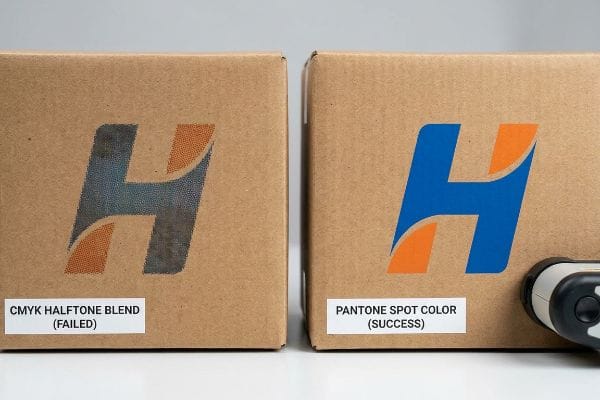
কিন্তু যখন ছাপাখানাগুলো আসলেই চলতে শুরু করে এবং ভেজা কালি কাঁচা কাগজের ওপর পড়ে, তখন শুধু রঙের তত্ত্ব জানাই যথেষ্ট নয়।.
কারখানায় কেন স্ট্যান্ডার্ড ব্র্যান্ডের রঙগুলো ব্যর্থ হয়
গ্রাফিক ডিজাইনাররা একটি আপাতদৃষ্টিতে যুক্তিসঙ্গত ধারণা পোষণ করেন যে, তাদের নিখুঁত কর্পোরেট লোগোকে কেবল স্ট্যান্ডার্ড CMYK (সায়ান ম্যাজেন্টা ইয়েলো কী) ফরম্যাটে রূপান্তর করলেই তা ব্যাপক উৎপাদনের সময় তাদের ডিজিটাল স্ক্রিনের সাথে পুরোপুরি মিলে যাবে 14। তারা বিশ্বাস করেন যে , ব্যবহৃত ভৌত উপাদান নির্বিশেষে , স্ট্যান্ডার্ড ফোর-কালার প্রসেস প্রিন্টিং সমস্ত প্যাকেজিং উপাদান জুড়ে তাদের ব্র্যান্ডের ভিজ্যুয়াল পরিচয়কে নির্বিঘ্নে প্রতিলিপি করবে 15 ।
ব্যাকলিট মনিটরে একটি ডিসপ্লে রেন্ডারিংকে নিখুঁত দেখানো সহজ, কিন্তু এটা শুধু তত্ত্ব নয়—লাইভ প্রিন্টিং-এর সময় আমি টেস্টিং ফ্লোরে এর প্রতিফলন দেখি। আমার প্রতিষ্ঠানে আমি নিয়মিত দেখি যে, অমসৃণ ও সিল না করা টেস্টলাইনার ফাইবারের মধ্যে সাধারণ অপটিক্যাল হাফটোন ডটগুলো অসমভাবে শোষিত হয়। যখন আমি একটি স্পেকট্রোফটোমিটার দিয়ে শুকনো কালির পৃষ্ঠ পরিমাপ করি, তখন দেখা যায় যে সিল না করা ঢেউখেলানো বোর্ডে ফলে লোগোটি ঘোলাটে ও বিবর্ণ হয়ে যায়, যা ব্র্যান্ডের অনুভূত মূল্যকে মারাত্মকভাবে হ্রাস করে। আমি অপটিক্যাল ডেনসিটির রিডিং নিয়ে প্রমাণ করেছি যে আমাদের ব্যয়বহুল ফয়েল স্ট্যাম্পিংয়ের প্রয়োজন নেই—আমার শুধু CMYK ব্লেন্ডিং পুরোপুরি বাদ দেওয়ার প্রয়োজন ছিল। একটিমাত্র, সুনির্দিষ্ট প্যানটোন স্পট কালার ফ্লাড প্রয়োগ করে আমি পিগমেন্টের একটি ঘন ও নিখুঁত মসৃণ স্তর নিশ্চিত করি। ভিজ্যুয়াল কনট্রাস্টের এই ৪.২% হ্রাস দূর করার মাধ্যমে আমি ব্র্যান্ডের পরিচিতি অক্ষুণ্ণ রাখি, যা ক্লায়েন্টদের এমন কোনো ক্যাম্পেইন চালু করা থেকে বিরত রাখে যা শেলফে দেখতে সস্তা মনে হয়।
| নতুনদের সাধারণ ভুল | প্রো ফিক্স | খুচরা-ফ্লোর সুবিধা |
|---|---|---|
| স্ট্যান্ডার্ড হাফটোন লোগো রূপান্তর | প্যানটোন স্পট কালার ফ্লাডিং16 | নিখুঁত ব্র্যান্ড মিল নিশ্চিত করে |
| কাঁচা ছিদ্রযুক্ত তন্তুর উপর মুদ্রণ | প্রিপ্রেস কালির ঘনত্ব সমন্বয় করা17 | বিবর্ণ গ্রাফিক্স দূর করে |
| অ-ক্যালিব্রেটেড স্ক্রিন বিশ্বাস করা | ভৌত স্পেকট্রোফটোমিটার স্ক্যান18 | দোকানের তীব্র আলোতেও টিকে থাকে |
প্রিমিয়াম ব্র্যান্ডগুলো তাদের বাক্সে ঘোলাটে, পিক্সেলযুক্ত আর্টওয়ার্ক ছাপিয়ে পণ্য বাজারে আনতে পারে না। আমরা প্রিপ্রেস পর্যায়ে সঠিক স্পট কালারগুলো চূড়ান্ত করি, যাতে বাস্তব রূপটি ডিজিটাল প্রত্যাশার হুবহু প্রতিচ্ছবি হয়।.
🛠️ হার্ভির ডেস্ক: আপনি কি জানেন আপনার গ্রাফিক ডিজাইনার আপনার মূল লোগোটির জন্য সলিড স্পট কালার ফ্লাড নাকি ঝুঁকিপূর্ণ হাফটোন ব্লেন্ড ব্যবহার করেছেন? 👉 আমাকে আপনার ডাইলাইন ফাইলটি পাঠান ↗ — গণ-উৎপাদনে বাজেট অপচয় করার আগে আমি এর গাণিতিক হিসাব ভালোভাবে পরীক্ষা করে দেখব।
উপসংহার
আপনি চাইলে শুধুমাত্র সর্বনিম্ন কাঁচামালের খরচের উপর কঠোরভাবে মনোযোগ দিতে পারেন, কিন্তু যখন সেই সস্তা ৩২ইসিটি (32ECT) বোর্ডটি ভারী প্যালেটের ওজনে ভেঙে পড়ে, তখন এটি ব্যাপক ভৌত ঘর্ষণ তৈরি করে, যা অ্যাসেম্বলি লাইনের গতি আনুমানিক ৩০% কমিয়ে দেয় এবং খুচরা বিক্রেতাদের দ্বারা তাৎক্ষণিক প্রত্যাখ্যানের কারণ হয়, যা আপনার লাভের মার্জিনকে নিশ্চিহ্ন করে দেয়। ৫০০-এরও বেশি ব্র্যান্ড ম্যানেজার ঠিক এই মারাত্মক প্রাথমিক পর্যায়ের ভুলগুলো এড়ানোর জন্য আমার প্রিপ্রেস চেকলিস্ট ব্যবহার করেন। কাঠামোগত সীমাবদ্ধতা নিয়ে অনুমান করা বন্ধ করুন এবং ব্যাপক উৎপাদনের অনুমোদন দেওয়ার আগেই এই অদৃশ্য প্রতিবন্ধকতাগুলো ধরতে আমাকে ব্যক্তিগতভাবে আমার ফ্রি ডাইলাইন অডিট ↗- এর মাধ্যমে আপনার ক্যাম্পেইনটি মূল্যায়ন করতে দিন।
"ওয়্যারহাউস র্যাকিং এবং প্যালেট র্যাক সিস্টেম: বিভিন্ন...", https://www.mazzellacompanies.com/learning-center/warehouse-racking-pallet-rack-systems-different-types-design/। পেশাদার রিটেইল ম্যানেজমেন্ট স্ট্যান্ডার্ডগুলো দেখায় যে, বিলাসবহুল বুটিক পরিবেশ এবং উচ্চ-পরিমাণের ওয়্যারহাউস মডেলের মধ্যে মার্চেন্ডাইজিংয়ের প্রয়োজনীয়তা ব্যাপকভাবে ভিন্ন হয়। প্রমাণের ভূমিকা: প্রযুক্তিগত যাচাইকরণ; উৎসের ধরণ: রিটেইল অপারেশনস গাইড। সমর্থন করে: এই দাবি যে, বিভিন্ন রিটেইল অপারেশনাল মডেলে সার্বজনীন ডিসপ্লে কৌশল অকার্যকর। পরিধি নোট: বিশেষভাবে ফিজিক্যাল মার্চেন্ডাইজিং এবং প্ল্যানোগ্রামের ক্ষেত্রে প্রযোজ্য। ↩
"এজ ক্রাশ টেস্ট (ECT) – করোগেটেড বক্স", https://www.theboxery.com/ect.asp?srsltid=AfmBOorwuTXtTaXZQE3en89J8X5oWbwklR6iS3vC2845y6-Y86Fkpj6I। এজ ক্রাশ টেস্ট (ECT) স্ট্যান্ডার্ডের উপর প্রযুক্তিগত ডকুমেন্টেশন 32ECT করোগেটেড কার্ডবোর্ডের নির্দিষ্ট সংকোচন শক্তি এবং ভারবহন ক্ষমতা সংজ্ঞায়িত করে। প্রমাণের ভূমিকা: প্রযুক্তিগত স্পেসিফিকেশন; উৎসের ধরণ: শিল্প মান। সমর্থন করে: প্যাকেজিং উপাদানের ভৌত বৈশিষ্ট্য। পরিধি নোট: করোগেটেড ফাইবারবোর্ড স্ট্যান্ডার্ডের ক্ষেত্রে প্রযোজ্য। ↩
"কন্ট্রাক্ট প্যাকেজিং-এর কোন ভুলগুলো রিটেইলারদের চার্জব্যাকের কারণ হয়...", https://www.industrialpackaging.com/blog/copacker-mistakes-retailer-chargebacks। রিটেইলার-নির্দিষ্ট লজিস্টিকস এবং প্যাকেজিং মান মেনে চললে কীভাবে চালান প্রত্যাখ্যান প্রতিরোধ করা যায়, সে সম্পর্কিত ডকুমেন্টেশন। প্রমাণের ভূমিকা: যাচাইকরণ; উৎসের ধরণ: সাপ্লাই চেইন ম্যানুয়াল। সমর্থন করে: ইকোসিস্টেম ম্যাপিং এবং চালান গ্রহণের মধ্যে সংযোগ। পরিধি নোট: প্রধানত বিগ-বক্স রিটেইল পরিবেশের জন্য প্রযোজ্য। ↩
"প্যালেট ডিসপ্লের প্রকারভেদ: পূর্ণ, অর্ধ ও চতুর্থাংশ", https://greendotpackaging.com/understanding-pallet-display-types-full-half-and-quarter-pallet-displays/। নির্দিষ্ট রিটেইল আইলের সীমাবদ্ধতার সাথে মানানসই করে প্যালেটের মাপ অপ্টিমাইজ করার মাধ্যমে কীভাবে পণ্য পুনরায় মজুত করার সময় কমে আসে, তার প্রযুক্তিগত বিশ্লেষণ। প্রমাণের ভূমিকা: প্রযুক্তিগত যাচাইকরণ; উৎসের ধরণ: লজিস্টিকস গবেষণা। সমর্থন করে: দ্রুত স্থাপনের জন্য নির্দিষ্ট প্যালেট জ্যামিতির সুবিধা। পরিধি সংক্রান্ত টীকা: বিশেষভাবে রিটেইল আইল লজিস্টিকসের জন্য। ↩
"প্যাক ও শিপমেন্ট সামগ্রী যা প্রতিটি গুদামে রাখা উচিত...", https://www.globalindustrial.com/knowledge-center/article/the-pack-and-ship-supplies-every-operation-should-keep-in-stock?srsltid=AfmBOop8uTG3OXEFnrJ8F1So7j19o7Fmg7JjK6_XEG2giIsT9PAFikcg। শেলফ ভেলোসিটি অপ্টিমাইজ করতে এবং রিস্টকিং ফ্রিকশন কমাতে নির্দিষ্ট মূল্যসীমার সাথে প্যাকেজের আকার মেলানোর বিষয়ে শিল্প-মানসম্মত অনুশীলন। প্রমাণের ভূমিকা: শিল্প অনুশীলন; উৎসের ধরণ: খুচরা ব্যবস্থাপনা নির্দেশিকা। সমর্থন করে: বিভিন্ন মূল্য চ্যানেলের জন্য সাইজিং কৌশল। পরিধি নোট: কনজিউমার প্যাকেজড গুডস (CPG)-এর উপর দৃষ্টি নিবদ্ধ করে। ↩
"Investigating the Effect of Perforations on the Load-Bearing Capacity of …", https://pmc.ncbi.nlm.nih.gov/articles/PMC11396172/। প্যাকেজিং ইঞ্জিনিয়ারিং-এর প্রযুক্তিগত সাহিত্যে ব্যাখ্যা করা হয়েছে যে, একক খরচ কমানোর জন্য বোর্ডের ওজন বা গ্রেড (ডাউন-গেজিং) কমালে কীভাবে প্রায়শই কাঠামোগত ব্যর্থতা ঘটে। প্রমাণের ভূমিকা: প্রযুক্তিগত যাচাইকরণ; উৎসের ধরণ: ইঞ্জিনিয়ারিং ম্যানুয়াল বা শিল্প শ্বেতপত্র। সমর্থন করে: এই দাবি যে উপাদানের গ্রেড কমালে স্থায়িত্ব কমে যায়। পরিধি টীকা: ফাইবারবোর্ড এবং ঢেউখেলানো কাগজের উপকরণের জন্য নির্দিষ্ট। ↩
"How Packaging Shapes Retail Display Program Success", https://www.frankmayer.com/blog/how-packaging-shapes-retail-display-program-success/। একটি নির্ভরযোগ্য বাহ্যিক উৎস কীভাবে এই দাবিকে সমর্থন করে তার সংক্ষিপ্ত ব্যাখ্যা। প্রমাণের ভূমিকা: পরিমাণগত যাচাইকরণ; উৎসের ধরণ: সাপ্লাই চেইন ব্যয় বিশ্লেষণ বা শিল্প খাতের শ্বেতপত্র। সমর্থন: শ্রম দক্ষতার উপর প্যাকেজিং উপকরণের মান কমানোর লুকানো অর্থনৈতিক ব্যয়। পরিধি সংক্রান্ত টীকা: নির্দিষ্ট পরিসংখ্যানগুলো উপকরণ সাশ্রয় এবং শ্রম বৃদ্ধির অনুপাত বোঝানোর জন্য দৃষ্টান্তমূলক। ↩
"ক্রয় বিনিয়োগের উপর রিটার্ন (ROI) পরিমাপের জন্য সিএফও-এর নির্দেশিকা: ৮টি মূল...", https://arkestro.com/blog/the-cfos-guide-to-measuring-procurement-roi-8-key-metrics/। ব্যাপক মানদণ্ড (৪ সি) ব্যবহারকারী ক্রয় কাঠামোসমূহ বিনিয়োগের উপর রিটার্ন (ROI) সর্বাধিক করার জন্য একক মূল্য থেকে মোট মালিকানা ব্যয়ের (Total Cost of Ownership) দিকে মনোযোগ স্থানান্তরিত করে। প্রমাণের ভূমিকা: পদ্ধতিগত বৈধতা; উৎসের ধরণ: সাপ্লাই চেইন ম্যানেজমেন্ট জার্নাল। সমর্থন করে: প্রকল্পের বিনিয়োগের উপর রিটার্ন (ROI) অপ্টিমাইজ করার জন্য একটি বহু-উপাদান মূল্যায়নের ব্যবহার। পরিধি নোট: কৌশলগত ক্রয়ের ক্ষেত্রে প্রযোজ্য। ↩
"কোরুগেটেড বোর্ডের উপর প্যালেটের উপরের স্তরের দৃঢ়তার প্রভাবের অনুসন্ধান...", https://pmc.ncbi.nlm.nih.gov/articles/PMC8585293/। কোরুগেটেড বোর্ডের পদার্থবিদ্যার প্রযুক্তিগত বিশ্লেষণে দেখানো হয়েছে কীভাবে ফ্লুট ঘনত্ব উল্লম্ব সংকোচনের অধীনে কাঠামোগত অখণ্ডতা বজায় রাখে। প্রমাণের ভূমিকা: প্রযুক্তিগত যাচাইকরণ; উৎসের ধরণ: বস্তু বিজ্ঞান হ্যান্ডবুক। সমর্থন করে: ভারী প্যালেটের ভার সহ্য করার জন্য ফ্লুট ঘনত্বের প্রয়োজনীয়তা। পরিধি টীকা: কোরুগেটেড ফাইবারবোর্ডের জন্য নির্দিষ্ট। ↩
"প্যাকেজিং অদক্ষতার লুকানো খরচ – এবং এর সমাধান", https://www.packagingdive.com/spons/the-hidden-cost-of-packaging-inefficiency-and-how-to-fix-it/741083/। অ্যাসেম্বলি দক্ষতার উপর শিল্পক্ষেত্রের কেস স্টাডিগুলো দেখায় যে স্বজ্ঞাত লকিং ব্যবস্থা প্রতি-ইউনিট সময় কমিয়ে দেয়, যার ফলে পরিচালন ব্যয় হ্রাস পায়। প্রমাণের ভূমিকা: পরিচালনগত যাচাইকরণ; উৎসের ধরণ: লজিস্টিকস শিল্প প্রতিবেদন। সমর্থন করে: ডিজাইনের মাধ্যমে কো-প্যাকিং শ্রম খরচ হ্রাস। পরিধি নোট: কার্যকারিতা অ্যাসেম্বলির পরিমাণের উপর নির্ভর করে পরিবর্তিত হয়। ↩
"খুচরা দোকানের পপ-আপ ডিসপ্লের মনোবিজ্ঞান", https://www.bcipkg.com/crafting-consumer-experiences-the-psychology-of-retail-pop-displays/। খুচরা বিক্রয় পরিবেশে কগনিটিভ লোড তত্ত্বের উপর একাডেমিক গবেষণাগুলো দেখায় যে, ভৌত ডিসপ্লেতে অতিরিক্ত তথ্য প্রদান কীভাবে ভোক্তার সিদ্ধান্ত গ্রহণকে ব্যাহত করে। প্রমাণের ভূমিকা: সহায়ক প্রক্রিয়া; উৎসের ধরণ: পিয়ার-রিভিউড মার্কেটিং জার্নাল। সমর্থন করে: এই দাবি যে, পপ-আপ ডিসপ্লেতে অতিরিক্ত তথ্য প্রদান ফলপ্রসূ নয়। পরিধি টীকা: ভৌত খুচরা দোকানের সাইনেজের উপর আলোকপাত করে। ↩
"Exploring Shopper's Browsing Behavior and Attention Level with …", https://pmc.ncbi.nlm.nih.gov/articles/PMC6895988/। একটি প্রামাণিক বাহ্যিক উৎস কীভাবে এই দাবিকে সমর্থন করে তার সংক্ষিপ্ত ব্যাখ্যা। প্রমাণের ভূমিকা: একটি আচরণগত মেট্রিকের বৈধতা যাচাই; উৎসের ধরণ: ভোক্তা মনোবিজ্ঞান গবেষণা বা খুচরা বাজার গবেষণা। সমর্থন করে: এই দাবি যে ক্রেতারা ভৌত ডিসপ্লেগুলোর প্রতি আকৃষ্ট হবেন নাকি উপেক্ষা করবেন, সে বিষয়ে প্রায় তাৎক্ষণিক সিদ্ধান্ত নেন। পরিধি সংক্রান্ত টীকা: পণ্যের বিভাগ এবং দোকানের ভিড়ের উপর নির্ভর করে পরিবর্তিত হয়। ↩
"গোল্ডফিশের মতো স্বল্প মনোযোগ: বিপণনকারীর নতুন চ্যালেঞ্জ", https://www.retaildive.com/ex/mobilecommercedaily/goldfish-sized-attention-spans-the-marketers-new-challenge। খুচরা বিক্রয় পরিবেশে দৃষ্টিগত মনোযোগের ব্যাপ্তির উপর গবেষণা এই দাবিকে সমর্থন করে যে আগ্রহ আকর্ষণের জন্য মূল বার্তা অবশ্যই খুব অল্প সময়ের মধ্যে প্রক্রিয়াজাত করতে হবে। প্রমাণের ভূমিকা: প্রযুক্তিগত বৈধতা; উৎসের ধরণ: ভোক্তা মনোবিজ্ঞান গবেষণা। সমর্থন করে: বস্তুনিষ্ঠ-বিচ্ছিন্ন বার্তার কার্যকারিতা। পরিধি টীকা: বিশেষভাবে অধিক জনসমাগমপূর্ণ খুচরা দোকানের করিডোরের জন্য প্রযোজ্য। ↩
"কেন আপনার প্রিন্ট করা রঙ স্ক্রিনের রঙের সাথে মেলে না – RGB …", https://centexprinting.com/why-your-printed-colors-dont-match-your-screen-rgb-vs-cmyk/। রঙ তত্ত্বের একটি নির্ভরযোগ্য উৎস স্ক্রিনের অ্যাডিটিভ RGB গ্যামুট এবং প্রিন্টের সাবট্র্যাকটিভ CMYK গ্যামুটের মধ্যে পার্থক্য ব্যাখ্যা করে এই অমিলটি প্রমাণ করে। প্রমাণের ভূমিকা: প্রযুক্তিগত সংশোধন; উৎসের ধরণ: প্রযুক্তিগত ম্যানুয়াল। সমর্থন করে: এই দাবি যে ডিজিটাল থেকে প্রিন্টে রূপান্তর একটি নিখুঁত মিল নয়। পরিধি নোট: গ্যামুটের সীমাবদ্ধতার উপর আলোকপাত করে। ↩
"প্যাকেজিং-এ রঙের নির্ভুলতা কী? প্যানটোন ম্যাচিং...", https://3dcolor.com/what-is-color-accuracy-in-packaging-pantone-matching-delta-e-and-why-brand-color/। পেশাদার প্রিন্টিং গাইডগুলিতে বিশদভাবে বর্ণনা করা হয়েছে কীভাবে সাবস্ট্রেটের সচ্ছিদ্রতা এবং পৃষ্ঠ শক্তি কালির শোষণ এবং চূড়ান্ত রঙের উপস্থাপনাকে প্রভাবিত করে। প্রমাণের ভূমিকা: প্রযুক্তিগত যাচাইকরণ; উৎসের ধরণ: শিল্প মান। সমর্থন করে: এই দাবি যে উপকরণগুলি ভিজ্যুয়াল আইডেন্টিটি প্রতিলিপিকে প্রভাবিত করে। পরিধি নোট: ভৌত সাবস্ট্রেটের বৈশিষ্ট্যের মধ্যে সীমাবদ্ধ। ↩
"প্যাকেজিং প্রিন্টিং-এ CMYK বনাম স্পট কালার: CPG ব্র্যান্ডগুলোর যা জানা প্রয়োজন...", https://meyers.com/meyers-blog/cmyk-vs-spot-colors-in-packaging-printing-what-cpg-brands-need-to-know/। ব্র্যান্ডের রঙের কঠোর নির্ভুলতা বজায় রাখার জন্য CMYK হাফটোনের পরিবর্তে কেন স্পট কালার ব্যবহার করা হয়, তা টেকনিক্যাল প্রিন্টিং গাইডগুলোতে ব্যাখ্যা করা হয়েছে। প্রমাণের ভূমিকা: প্রযুক্তিগত যাচাইকরণ; উৎসের ধরণ: প্রিন্টিং শিল্পের মান। সমর্থন করে: ব্র্যান্ডের সাথে মিল রাখার জন্য স্পট কালার ফ্লাডিং-এর শ্রেষ্ঠত্ব। পরিধি সংক্রান্ত টীকা: শুধুমাত্র ভৌত কালি প্রয়োগের ক্ষেত্রে প্রযোজ্য। ↩
"প্রিন্ট ডিজাইনে কালির ব্যবহার ব্যবস্থাপনা: নির্বাচিত রঙের একটি নির্দেশিকা...", https://www.printing.org/content/2024/04/23/adjustinginklimits.april2024। টেক্সটাইল প্রিন্টিং ম্যানুয়ালগুলিতে বিশদভাবে বর্ণনা করা হয়েছে কীভাবে ছিদ্রযুক্ত তন্তুতে শোষণের ক্ষতিপূরণ করতে এবং রঙের বিবর্ণতা রোধ করতে কালির ঘনত্ব বাড়ানো হয়। প্রমাণের ভূমিকা: প্রযুক্তিগত যাচাইকরণ; উৎসের ধরণ: টেক্সটাইল প্রিন্টিং ম্যানুয়াল। সমর্থন: বিবর্ণ গ্রাফিক্স দূর করতে কালির ঘনত্ব সমন্বয়ের ব্যবহার। পরিধি টীকা: ছিদ্রযুক্ত মাধ্যমের ক্ষেত্রে প্রযোজ্য। ↩
"সঠিক রঙের জন্য অত্যাবশ্যকীয় ক্যামেরা সরঞ্জাম", https://www.youtube.com/watch?v=c7_zULrOwaU। রঙ বিজ্ঞান বিষয়ক নথিপত্রে দেখানো হয়েছে যে, স্পেকট্রোফটোমিটার স্ক্রিন ক্যালিব্রেশন বা পারিপার্শ্বিক আলোর ওপর নির্ভর না করে নিখুঁত রঙের পরিমাপ প্রদান করে। প্রমাণের ভূমিকা: প্রযুক্তিগত যাচাইকরণ; উৎসের ধরণ: রঙ বিজ্ঞানের পাঠ্যপুস্তক। সমর্থন করে: দোকানের আলোতে রঙের স্থায়িত্ব নিশ্চিত করতে স্পেকট্রোফটোমিটারের ব্যবহার। পরিধি টীকা: বর্ণালী পরিমাপের উপর আলোকপাত করে। ↩