উচ্চমানের রিটেইল উদ্যোগগুলো দোকানে পৌঁছানোর আগেই মুনাফা হারাচ্ছে। যদি আপনার ব্র্যান্ড গতানুগতিক কাঠামোগত অনুমানের উপর নির্ভর করে, তবে আপনি নিষ্ফল পণ্য বাজারে আনতে অর্থ ব্যয় করছেন।.
ইন্টারেক্টিভ প্যাকেজিং বলতে এমন গতিশীল ভৌত কাঠামোকে বোঝায় যা ভোক্তার সক্রিয় অংশগ্রহণকে উৎসাহিত করার জন্য ডিজাইন করা হয়েছে এবং যা কাইনেটিক স্পিনার, লুকানো কম্পার্টমেন্ট বা সমন্বিত ডিজিটাল স্ক্রিনের মতো স্পর্শযোগ্য উপাদানগুলোকে প্রচলিত রিটেইল ডিসপ্লের সাথে একীভূত করে। এই বহুমাত্রিক সিস্টেমগুলো দোকানের করিডোরে চলাচলে সক্রিয়ভাবে ব্যাঘাত ঘটায়, যার ফলে বিশ্বব্যাপী রিটেইল ইকোসিস্টেম জুড়ে তাৎক্ষণিক ক্রয়ের হার নাটকীয়ভাবে বৃদ্ধি পায়।.

আপনার মুনাফার মার্জিন রক্ষা করতে এবং বড় আকারের লজিস্টিকসের কঠোর বাস্তবতা থেকে টিকে থাকতে হলে, আপনাকে অবশ্যই পেপারবোর্ডকে একটি নিষ্ক্রিয় ক্যানভাস হিসেবে বিবেচনা করা বন্ধ করতে হবে এবং এটিকে একটি গতিশীল সাপ্লাই চেইন সম্পদ হিসেবে গড়ে তোলার কাজ শুরু করতে হবে।.
সবচেয়ে সাশ্রয়ী প্যাকেজিং কোনটি?
ক্রয় বিভাগ যখন খুচরা দোকানের সরঞ্জাম মূল্যায়ন করে, তখন তারা প্রায়শই একক মূল্য নিয়ে অতিরিক্ত চিন্তা করে, অথচ বৈশ্বিক পণ্য পরিবহনের বাস্তবতাকে পুরোপুরি উপেক্ষা করে।.
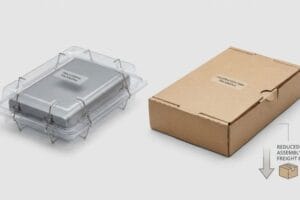
সাশ্রয়ী প্যাকেজিং স্থায়ী হার্ডওয়্যারের চেয়ে লজিস্টিক ঘনত্বকে কাঠামোগতভাবে অগ্রাধিকার দেয় এবং এতে সর্বোচ্চ আয়তনিক দক্ষতার জন্য বিশেষভাবে তৈরি ফ্ল্যাট-প্যাকড ঢেউখেলানো পেপারবোর্ড ব্যবহার করা হয়। সমুদ্রপথে কন্টেইনার পরিবহনের সময় অব্যবহৃত বায়ুর পরিমাণ কমিয়ে এবং কারখানায় দ্রুত সংযোজন নিশ্চিত করার মাধ্যমে, ব্র্যান্ডগুলো গতিশীল ভারবহন ক্ষমতার সাথে আপোস না করেই মোট জীবনচক্রের ব্যয় ব্যাপকভাবে হ্রাস করে।.
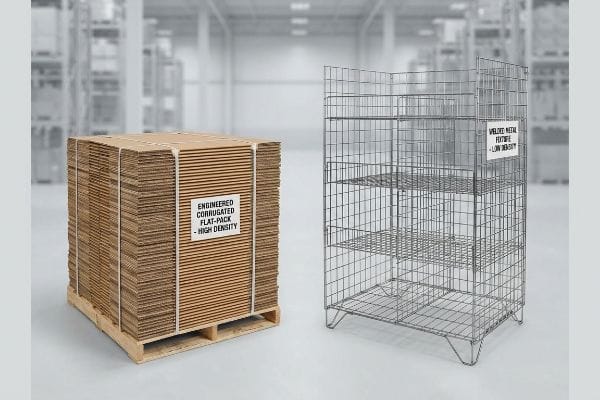
প্যাকেজিংয়ের ROI (বিনিয়োগের উপর রিটার্ন)-এর আসল পরিমাপক শুধু কাঁচামালের চালান নয়—বরং আপনি সেই কাঁচামালকে একটি শিপিং কন্টেইনারে কতটা নিবিড়ভাবে প্যাক করতে পারেন, সেটাই আসল মাপকাঠি।.
ফ্ল্যাট-প্যাক লজিস্টিকস মাল্টিপ্লায়ার বনাম স্থায়ী হার্ডওয়্যার
হেভি-ডিউটি ঢেউখেলানো বোর্ড দিয়ে তৈরি একটি অস্থায়ী এফএসডিইউ (ফ্রি স্ট্যান্ডিং ডিসপ্লে ইউনিট) স্থানিক দক্ষতার এক অনবদ্য নিদর্শন হিসেবে কাজ করে। ঝালাই করা ধাতব তারের র্যাকের মতো নয়, যা সম্পূর্ণভাবে একত্রিত অবস্থায় পাঠানো হয়, ইঞ্জিনিয়ারড কাগজের কাঠামো সম্পূর্ণ সমতল অবস্থায় পাঠানো হয়¹ । এই আয়তনিক সংকোচন ব্র্যান্ডগুলোকে বিশাল পরিমাণ ফাঁকা জায়গার পরিবর্তে ঘনসন্নিবিষ্ট, উচ্চ-ঘনত্বের প্যালেট ব্যবহার করার সুযোগ দেয়। বিশ্বব্যাপী মালবাহী কন্টেইনারের জন্য ডাইলাইনকে গাণিতিকভাবে অপ্টিমাইজ করার মাধ্যমে, প্যাকেজিং একটি লজিস্টিক বোঝা থেকে একটি বিশাল মার্জিন গুণকে রূপান্তরিত হয়।
আমি নতুন প্রোডাক্ট ম্যানেজারদের সবসময় পরামর্শ দিই যে, স্থায়ী ধাতু বা অ্যাক্রিলিক ফিক্সচারের চাহিদা জানানোর আগে তারা যেন তাদের ক্যাম্পেইনের জীবনচক্র বিশ্লেষণ করেন। রিটেইল প্রচারণার সময়সীমা সাধারণত ছয় থেকে বারো সপ্তাহের মধ্যেই শেষ হয়ে যায়, ফলে দীর্ঘমেয়াদী উপকরণের স্থায়িত্ব কার্যত অপ্রাসঙ্গিক হয়ে পড়ে। বস্তুনিষ্ঠ প্রকৌশলগত বাস্তবতা করোগেটেড ফ্ল্যাট-প্যাকের পক্ষেই যায়, কারণ একটি একক 40HQ কন্টেইনারে প্রায় ২৫০টি ঝালাই করা ধাতব ডিসপ্লে রাখা যায়²,যেখানে ঠিক একই জাহাজে ১,৫০০টি পর্যন্ত ফ্ল্যাট-প্যাক করা করোগেটেড ইউনিট ধরে। এর ফলে সমুদ্রপথে খালি স্পেসিয়াল ভলিউম পরিবহনের সাথে যুক্ত বিশাল মালবাহী খরচ দূর হয়। যখন কাঠামোগত জ্যামিতি ISTA (ইন্টারন্যাশনাল সেফ ট্রানজিট অ্যাসোসিয়েশন) পরীক্ষার মানদণ্ডের সাথে সঠিকভাবে সামঞ্জস্যপূর্ণ হয়, তখন একটি সঠিকভাবে ভাঁজ করা মাল্টি-ওয়াল করোগেটেড বেস রিজিড হার্ডওয়্যারের মতোই একই ডাইনামিক টপ-লোড³ নিরাপদে বহন করতে পারে, যা লজিস্টিক ফুটপ্রিন্টের একটি ভগ্নাংশে একই রকম রিটেইল পারফরম্যান্স প্রদান করে।
| লজিস্টিক্যাল মেট্রিক | ঝালাই করা ধাতু FSDU | ইঞ্জিনিয়ারড করোগেটেড |
|---|---|---|
| কন্টেইনার ঘনত্ব | ~২৫০ ইউনিট / ৪০এইচকিউ4 | ~১,৫০০ ইউনিট / ৪০এইচকিউ5 |
| মালবাহী পরিমাণ | জাহাজগুলিতে ৮০% নীরবতা6 | ১০০% ফ্ল্যাট-প্যাকড অবস্থায় পাঠানো হয়। |
| খুচরা জীবনচক্র | ১-৩ বছর (অতিরিক্ত) | ৬-১২ সপ্তাহ (সর্বোত্তম) |
আমি আমার কাঠামোগত হিসাব-নিকাশকে কঠোরভাবে বৈশ্বিক পণ্য পরিবহণের পদার্থবিদ্যার ওপর ভিত্তি করে করি। সরবরাহ শৃঙ্খলের ঘনত্বের পরিবর্তে শুধুমাত্র নান্দনিক স্থায়িত্বের ওপর ভিত্তি করে উপকরণ নির্বাচন করা হলো একটি খুচরা বিপণন বাজেটকে দেউলিয়া করার সবচেয়ে দ্রুততম উপায়।.
🛠️ হার্ভির ডেস্ক: আপনার রিজিড রিটেইল ডিসপ্লেগুলো কি আপনাকে সমুদ্রপথে খালি পণ্য পরিবহনের জন্য অতিরিক্ত কন্টেইনার ভাড়া দিতে বাধ্য করছে? 👉 একটি ফ্রি ফ্রেট ডেনসিটি অডিট করান ↗ — আমি ২৪ ঘণ্টার মধ্যে প্রতিটি স্ট্রাকচারাল ফাইল ব্যক্তিগতভাবে পর্যালোচনা করি।
"ইন্টারেক্টিভ প্যাকেজিং" বলতে কী বোঝায়?
কার্ডবোর্ডের ডিসপ্লেতে প্রযুক্তি যুক্ত করা একটি চমৎকার বিপণন কৌশল বলে মনে হতে পারে, কিন্তু বদ্ধ পেপারবোর্ডের সাথে সক্রিয় ইলেকট্রনিক্স যুক্ত করা গুরুতর তাপগতিবিদ্যাগত ঝুঁকি তৈরি করে।
ইন্টারেক্টিভ প্যাকেজিং বলতে বোঝায় লিকুইড ক্রিস্টাল ডিসপ্লে, অডিও মডিউল বা গতিশীল ঘূর্ণায়মান স্তরের মতো সংবেদনশীল বা ডিজিটাল আকর্ষণের সরঞ্জামগুলিকে সরাসরি পণ্যের কাঠামোগত কাঠামোর সাথে ভৌতভাবে একীভূত করা। এই স্থাপত্য ভিড়ে ঠাসা খুচরা দোকানের করিডোরে ভোক্তাদের দীর্ঘক্ষণ মনোযোগ আকর্ষণ করে, এবং একটি নিষ্ক্রিয় কার্ডবোর্ডের ট্রে-কে একটি সক্রিয় ও উচ্চ-রূপান্তরকারী প্রচারমূলক সম্পদে রূপান্তরিত করে।.
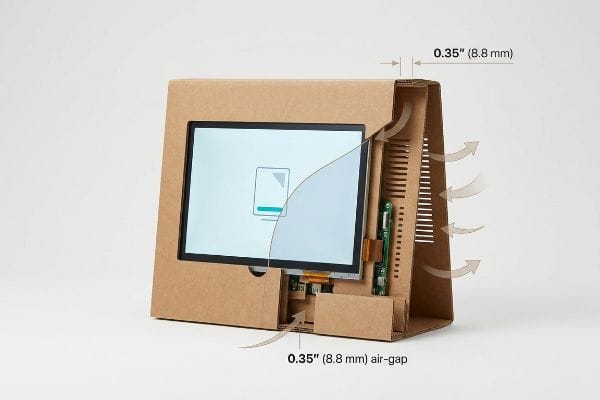
যখন গ্রাফিক ডিজাইনাররা একটি উষ্ণ রিটেইল আইলে অবিরাম চলতে থাকা হার্ডওয়্যার থেকে উৎপন্ন শারীরিক তাপকে উপেক্ষা করেন, তখন একটি উজ্জ্বল ভিডিও স্ক্রিন দ্রুতই একটি দায়ে পরিণত হয়।.
এমবেডেড রিটেইল স্ক্রিনের তাপগতিবিদ্যার বাস্তবতা
অস্থায়ী ডিসপ্লেতে ডিজিটাল সাইনেজকে একীভূত করাকে যখন শুধুমাত্র একটি গ্রাফিক ডিজাইনের কাজ হিসেবে দেখা হয়, তখন এটি একটি বিপজ্জনক ভ্রান্তিমূলক সাশ্রয় তৈরি করে। সাধারণ ঢেউখেলানো কাগজের ভিত্তিগুলো অত্যন্ত তাপ নিরোধক 7 , যার অর্থ হলো এগুলো পারিপার্শ্বিক তাপমাত্রা এবং সক্রিয় তাপীয় নির্গমনকে আটকে রাখে। যখন আমি এলসিডি (লিকুইড ক্রিস্টাল ডিসপ্লে) মনিটরযুক্ত ক্লায়েন্টের ডাইলাইনগুলো নিরীক্ষা করি, তখন আমি ক্রমাগত দেখি যে ফ্লাশ-মাউন্টেড ইলেকট্রনিক্সগুলো ভারী বি-ফ্লুট দেয়ালের 8 ভিতরে সম্পূর্ণরূপে সিল করা থাকে , যা আক্ষরিক অর্থেই একটি চুল্লি তৈরি করে এবং হার্ডওয়্যারের মারাত্মক ব্যর্থতা নিশ্চিত করে।
আমার প্রতিষ্ঠানে আমি নিয়মিত দেখি যে, ক্রয়কারী দলগুলো তাদের POS (পয়েন্ট অফ সেল) মার্চেন্ডাইজারে বসানোর জন্য দামী ডিজিটাল ট্যাবলেট সংগ্রহ করে, কিন্তু বড় কোনো দোকানে মাত্র তিন দিন পরেই সেগুলোর স্ক্রিন স্থায়ীভাবে কালো হয়ে যায়। এই পদ্ধতিগত সমস্যাটি ঘটে যখন তারা পেপারবোর্ডের মধ্যে একটি আঁটসাঁট, ঘর্ষণ-আবদ্ধ গহ্বর ডিজাইন করে, যার পেছনে বায়ুচলাচলের কোনো ব্যবস্থাই থাকে না এবং তারা চালু ব্যাটারির তাপীয় নির্গমনকে উপেক্ষা করে। আমি থার্মাল ইমেজিং ক্যামেরা ব্যবহার করে এটি পরীক্ষা করি; একটি সিল করা স্ক্রিন দুই ঘণ্টার মধ্যে ১১৪ ডিগ্রি ফারেনহাইট (৪৫.৫ ডিগ্রি সেলসিয়াস) তাপমাত্রায় পৌঁছাতে পারে9, যা তাৎক্ষণিক থার্মাল থ্রটলিং চালু করে এবং ব্যাকলাইটকে জোর করে ম্লান করে দেয়10।কর্মক্ষেত্রে আমার বিশ বছরের অভিজ্ঞতা আমাকে CAD (কম্পিউটার-এইডেড ডিজাইন) সফটওয়্যারে গাণিতিকভাবে প্যাসিভ কনভেকশন কুলিং অন্তর্ভুক্ত করতে শিখিয়েছে। পেছনের চ্যাসিসের চারপাশে ০.৩৫-ইঞ্চি (৮.৮ মিমি) সুনির্দিষ্ট বায়ু-ফাঁকের জায়গা কেটে এবং পেছনের প্যানেলগুলোতে বায়ুচলাচলের ব্যবস্থা করে, আমি একটি প্রাকৃতিক তাপীয় ঊর্ধ্বমুখী প্রবাহ তৈরি করি। এই অদৃশ্য তাপ সহনশীলতা প্রয়োগের মাধ্যমে, আমি নিশ্চিত করি যে অভ্যন্তরীণ হার্ডওয়্যার ঠান্ডা থাকে এবং সর্বোচ্চ উজ্জ্বলতায় বজায় থাকে, যার ফলে দোকানের তাকের উপর ছড়িয়ে থাকা অচল, কালো স্ক্রিনের কারণে খুচরা বিক্রেতাদের কাছ থেকে বিপুল পরিমাণ অর্থ ফেরতের ভোগান্তি থেকে আমার ক্লায়েন্টরা রক্ষা পান।
| ঘেরের বৈশিষ্ট্য | ফ্লাশ-মাউন্ট ডিজাইন | পরিচলন স্থাপত্য |
|---|---|---|
| অভ্যন্তরীণ তাপমাত্রা | সর্বোচ্চ তাপমাত্রা ১১৪ ডিগ্রি ফারেনহাইট (৪৫.৫ ডিগ্রি সেলসিয়াস)11 | করিডোরের পরিবেষ্টিত তাপমাত্রা |
| বায়ু-ফাঁক ক্লিয়ারেন্স | ০.০ ইঞ্চি (০ মিমি) | ০.৩৫ ইঞ্চি (৮.৮ মিমি)12 |
| হার্ডওয়্যারের অবস্থা | দ্রুত তাপীয় ব্যর্থতা13 | সর্বোচ্চ স্থায়ী উজ্জ্বলতা |
আমি এমন সমন্বিত ডিজিটাল ডিসপ্লে অনুমোদন করতে অস্বীকার করি, যেগুলিতে পরিমিত তাপগতিবিদ্যাগত বায়ুচলাচলের ব্যবস্থা নেই। একটি ইন্টারেক্টিভ মার্চেন্ডাইজার তখনই ইতিবাচক ফল দেয়, যদি এর ইলেকট্রনিক্সগুলো শীতাতপ নিয়ন্ত্রিত নয় এমন একটি বড় দোকানের করিডোরের কঠোর বাস্তবতায় টিকে থাকতে পারে।.
🛠️ হার্ভির ডেস্ক: আপনার এমবেডেড ডিজিটাল স্ক্রিনটি কি একটি বায়ু চলাচলহীন কার্ডবোর্ডের খোপের ভেতরে ধীরে ধীরে পুড়ে নষ্ট হয়ে যাচ্ছে? 👉 একটি থার্মোডাইনামিক ডাইলাইন রিভিউয়ের জন্য অনুরোধ করুন ↗ — ১০০% গোপনীয়। আপনার অপ্রকাশিত রিটেইল ডিজাইনগুলো আমার কাছে সুরক্ষিত।
আপনি কি ইন্টারেক্টিভ প্যাকেজিং-এর কিছু উদাহরণ দিতে পারেন?
গতিজনিত নড়াচড়া ক্রেতাদের হাঁটা থামাতে বাধ্য করে, কিন্তু সেই একই ঘূর্ণন ঘর্ষণ আপনার পণ্য রাখার পাত্রের তলায় প্রচণ্ড যান্ত্রিক কর্তন বল সৃষ্টি করে।.
হ্যাঁ। ইন্টারেক্টিভ প্যাকেজিংয়ের উদাহরণগুলোর মধ্যে রয়েছে কাইনেটিক রোটেটিং ফ্লোর স্পিনার, বিল্ট-ইন ডিজিটাল ভিডিও এনক্লোজার, হিডেন প্রোডাক্ট ডিসপেন্সার এবং মডিউলার ট্যাকটাইল স্যাম্পলিং ট্রে। সক্রিয় রিটেইল পরিবেশে ভারী ভোক্তা পণ্য নিরাপদে প্রদর্শন করার পাশাপাশি মানুষের বারবার শারীরিক সংস্পর্শ সহ্য করার জন্য এই প্রকৌশলগত ইউনিটগুলোর সুনির্দিষ্ট স্থানিক সহনশীলতা এবং কাঠামোগত শক্তিবৃদ্ধির প্রয়োজন হয়।.
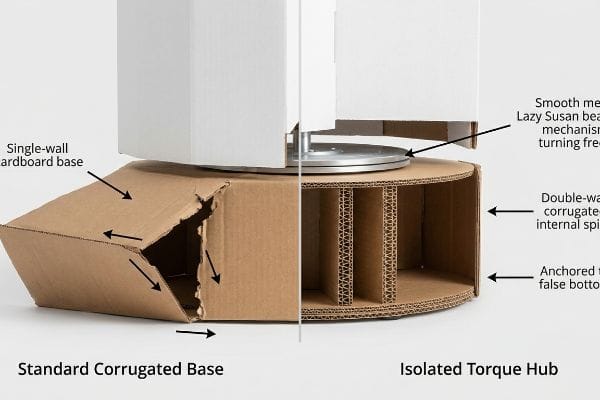
যে মুহূর্তে কোনো ভোক্তা লোড করা ডিসপ্লে হাতে নিয়ে ঘোরাতে শুরু করেন, কাঠামোগত প্রকৌশলের প্রচলিত স্থিতিশীলতার নিয়মগুলো সঙ্গে সঙ্গে উবে যায়।.
গতিশীল মার্চেন্ডাইজার এবং কেন্দ্রাতিগ শিয়ার বল
একটি ৩৬০-ডিগ্রি ঘূর্ণনশীল ফ্লোর ডিসপ্লে ডিজাইন করার জন্য শুধু একটি ভাঁজ করা কার্ডবোর্ডের বাক্সের উপর একটি সস্তা স্টিলের লেজি সুসান বিয়ারিং বোল্ট দিয়ে লাগিয়ে দিলেই চলে না। একটি সাধারণ সিঙ্গেল-ওয়াল ঢেউখেলানো বেস কঠোরভাবে স্থির উল্লম্ব নিম্নমুখী সংকোচনের জন্য তৈরি করা হয়যারঅনুভূমিক গতিশক্তিজনিত শিয়ারের বিরুদ্ধে কোনো স্বাভাবিক প্রতিরোধ ক্ষমতা নেই। যখন আমি এই স্ট্যান্ডার্ড ডিজাইনগুলোকে ডায়নামিক পরীক্ষার অধীনে আনি, তখন ঘূর্ণন টর্ক দ্রুত কোণার কাগজের সেলাই ছিঁড়ে ফেলে, যার ফলে পুরো ডিসপ্লেটি অনুভূমিকভাবে বেঁকে যায়।
এটা শুধু তত্ত্ব নয়—গত মাসে একটি প্রধান ক্লায়েন্টের জন্য একটি নতুন কাইনেটিক কসমেটিক মার্চেন্ডাইজার পরীক্ষা করার সময় আমি এই বিষয়টি কঠিনভাবে শিখেছি । ২০২৩ সালে, আমি আমার প্রধান প্যাকেজিং ইঞ্জিনিয়ার, মার্ককে, আমাদের মাল্টি-অ্যাক্সিস ভাইব্রেশন টেস্টিং ল্যাবে একটি সম্পূর্ণ লোড করা, ৮৫ পাউন্ড (৩৮.৫ কেজি) ওজনের স্পিনার ডিসপ্লে চালাতে বলেছিলাম। আমরা একটি আঠা দিয়ে লাগানো সেন্টার পোস্ট সহ একটি স্ট্যান্ডার্ড ৩২ইসিটি (এজ ক্রাশ টেস্ট) বেস ব্যবহার করেছিলাম, এই ভেবে যে উল্লম্ব ফ্লুটগুলো স্টিলের বিয়ারিং হার্ডওয়্যারকে ধরে রাখতে পারবে। যান্ত্রিক বাহুটি যেই মুহূর্তে একটি দ্রুত, আক্রমণাত্মক ঘূর্ণন শুরু করল, আমি একটি তীক্ষ্ণ, বীভৎস ছিঁড়ে যাওয়ার শব্দ শুনলাম; কেন্দ্রাতিগ টর্ক সঙ্গে সঙ্গে সরাসরি বি-ফ্লুট ফাইবারগুলিতে স্থানান্তরিত হয়ে কাঁচা টেস্টলাইনারটিকে ছিঁড়ে ফেলে এবং পুরো লোড করা হেডারটিকে প্রচণ্ডভাবে একপাশে কংক্রিটের মেঝেতে ভেঙে পড়তে বাধ্য করে। আমরা সিমুলেশনটি থামিয়ে দিই এবং একটি বিচ্ছিন্ন টর্ক হাব যুক্ত করার জন্য এর গঠন সম্পূর্ণরূপে নতুন করে ডিজাইন করি। একটি লুকানো, ডাবল-ওয়াল করোগেটেড স্পাইন স্থাপন করে , যা একটি ফলস বটমের সাথে শক্তভাবে নোঙর করা থাকে, আমরা বাইরের কসমেটিক দেয়ালগুলো থেকে কাইনেটিক স্ট্রেসকে সম্পূর্ণরূপে বিচ্ছিন্ন করে ফেলি। আমার টেস্টিং ল্যাবে আমি সময় ও অর্থ ব্যয় করি, যাতে আপনাকে রিটেইল ফ্লোরে মুনাফা হারাতে না হয়। এই কাঠামোগত পিভটটি কেবল ভিত্তিটিকে ভেঙে যাওয়া থেকে রক্ষা করেনি; এটি ক্যাম্পেইন চলাকালীন একটি ঘর্ষণহীন, স্থিতিশীল ঘূর্ণন নিশ্চিত করেছিল, যা শেষ পর্যন্ত ক্লায়েন্টের আনুমানিক ৪০% পণ্যকে দোকানের ভেতরে উল্টে যাওয়ার মারাত্মক ক্ষতি থেকে রক্ষা করে ।
| গতিশীল পরিবর্তনশীল | স্ট্যান্ডার্ড ঢেউখেলানো ভিত্তি | বিচ্ছিন্ন টর্ক হাব |
|---|---|---|
| ভিত্তি কাঠামো | একক-প্রাচীর ৩২ইসিটি17 | দ্বি-প্রাচীর অভ্যন্তরীণ মেরুদণ্ড18 |
| টর্ক স্থানান্তর | বাইরের দেয়াল দ্বারা শোষিত | মিথ্যা তলে নোঙর করা |
| গতিবিদ্যাগত ফলাফল | সেলাই ছিঁড়ে যাওয়া এবং ভেঙে পড়া19 | ঘর্ষণহীন ৩৬০-ডিগ্রি ঘূর্ণন |
আমি ঘূর্ণন গতিকে একটি ধ্বংসাত্মক যান্ত্রিক শক্তি হিসেবে বিবেচনা করি। আপনি যদি গতিশীল হার্ডওয়্যারটিকে আলাদাভাবে নোঙর না করেন, তবে গ্রাহকের শারীরিক ক্রিয়া আক্ষরিক অর্থেই আপনার মার্চেন্ডাইজারকে ছিন্নভিন্ন করে ফেলবে।.
🛠️ হার্ভিস ডেস্ক: কোনো ক্রেতা ঘোরানোর সাথে সাথেই আপনার ভারী ঘূর্ণায়মান ডিসপ্লেগুলো কি মারাত্মকভাবে বেঁকে যাওয়ার ঝুঁকিতে আছে? 👉 একটি রোটেশনাল টর্ক অ্যানালাইসিস দাবি করুন ↗ — মাঝখানে কোনো অ্যাকাউন্ট ম্যানেজার নেই। আপনি সরাসরি স্ট্রাকচারাল ইঞ্জিনিয়ারদের সাথে কথা বলবেন।
পরিবেশ-বান্ধব প্যাকেজিং কি সস্তা?
টেকসইতার নিখুঁত মানদণ্ড অর্জনের চেষ্টা একটি মহৎ লক্ষ্য, কিন্তু নির্বিচারে সম্পূর্ণ পুনর্ব্যবহৃত উপকরণ বাধ্যতামূলক করা প্রায়শই আপনার সরবরাহ শৃঙ্খলের ভৌত অখণ্ডতাকে নষ্ট করে দেয়।.
এটা নির্ভর করে। হালকা মাইক্রো-ফ্লুটেড বোর্ড এবং নির্দিষ্ট জল-ভিত্তিক আবরণ দিয়ে তৈরি করা হলে পরিবেশ-বান্ধব প্যাকেজিং অত্যন্ত সাশ্রয়ী হয়। তবে, কঠিন পলিল্যাকটিক অ্যাসিড ফিল্ম বা সম্পূর্ণরূপে ব্যবহৃত পুনর্ব্যবহৃত ফাইবারের মতো অপরিমার্জিত জৈব উপাদানকে ভারী ডিজাইনের মধ্যে জোর করে ব্যবহার করলে প্রায়শই পরিবহনের সময় মারাত্মক ব্যর্থতা দেখা দেয়, যা সেকেন্ডারি লজিস্টিকস এবং খুচরা বিক্রেতার চার্জব্যাক খরচকে মারাত্মকভাবে বাড়িয়ে তোলে।.
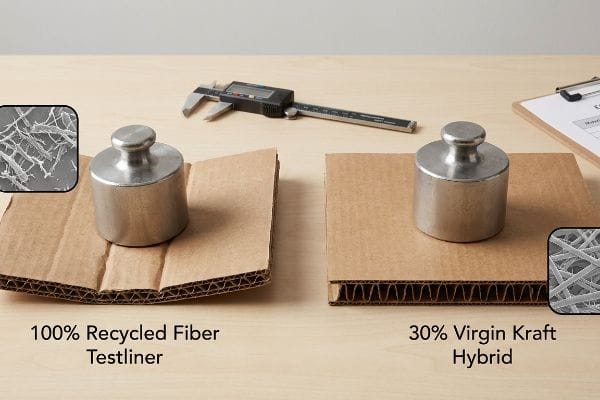
নতুন কাঁচামালের পরিবর্তে উচ্চমাত্রায় পুনর্ব্যবহৃত পেপারবোর্ড ব্যবহার করলে প্যাকেজের আণুবীক্ষণিক গঠনে পরিবর্তন আসে, যা সমুদ্রপথে পরিবহনের সময় গুরুতর দুর্বলতা সৃষ্টি করে।.
সেলুলোজ নিঃশেষণের আণুবীক্ষণিক গণিত
সম্পূর্ণ টেকসই সরবরাহ শৃঙ্খলের উপর জোর দেওয়ার ফলে ক্রেতারা প্রায়শই বিশাল প্যালেট ডিসপ্লের জন্য শতভাগ পোস্ট-কনজিউমার রিসাইকেল্ড টেস্টলাইনারের দাবি করে থাকেন । তারা ধরে নেন যে, বোর্ডটি যদি পুরু মনে হয়, তবে এর গতিশীল ভারবহন ক্ষমতা নতুন উপাদানের মতোই। আমার পরীক্ষাগারে আমি প্রমাণ করেছি যে, এই ভ্রান্ত সমতা কাগজের পুনঃমণ্ডায়নের রাসায়নিক বাস্তবতাকে উপেক্ষা করে, যা একাধিক পুনর্ব্যবহার চক্রের পর সেলুলোজ তন্তুগুলোকে স্থায়ীভাবে ছোট ও দুর্বল করে দেয় 20 ।
আমার কারখানায় আমি নিয়মিত দেখি যে ক্রয়কারী দলগুলো শুধুমাত্র ইউনিট খরচ থেকে সামান্য কিছু পয়সা বাঁচানোর জন্য এবং কর্পোরেট টেকসইতার বাধ্যবাধকতা পূরণের জন্য, নির্বিচারে বোর্ডের স্পেসিফিকেশনকে ১০০ শতাংশ পুনর্ব্যবহৃত ফাইবারে নামিয়ে এনে একটি RFQ (Request for Quote) জমা দেয়। এই পদ্ধতিগত ফাঁদটি তৈরি হয় কারণ তারা আশা করে যে এই ব্যবহৃত ফাইবারগুলো সমুদ্রপথে জোড়ায় জোড়ায় পরিবহনের পরেও টিকে থাকবে। যখন আমি আমার কারখানার ফ্লোরে TAPPI T811 এজ ক্রাশ টেস্ট ব্যবহার করে এই পুনর্ব্যবহৃত বোর্ডগুলো পরিমাপ করি, তখন বাস্তবতার ভয়াবহ পতন ঘটে। একটি বোর্ড, যা তাত্ত্বিকভাবে ভারী ভার বহনের জন্য তৈরি, সেটি প্রায়শই প্রয়োজনীয় ৩২ থ্রেশহোল্ডের পরিবর্তে অনিয়মিতভাবে ২৪.৩ পাউন্ড/ইঞ্চি (৪.৩ কেজি/সেমি) ২১- এ বেঁকে যায় , কারণ আণুবীক্ষণিক ছোট হয়ে যাওয়া ফাইবারগুলোর খাঁজকাটা খিলানটি ধরে রাখার মতো অভ্যন্তরীণ কাঠামোগত দৃঢ়তার অভাব থাকে। একবার ক্রয়কারী দল আমাকে উপাদানের ম্যাট্রিক্স সামঞ্জস্য করার অনুমতি দিলে, আমি ভার বহনকারী খাঁজগুলোর মধ্যে সরাসরি ৩০ শতাংশ দীর্ঘ-ফাইবারের ভার্জিন ক্রাফট উপাদান ২২ ইনজেকশন দেওয়ার নির্দেশ দিই। উপাদানটি নিজেই মূল কাজটি করে, পরিবেশ-বান্ধব মূল উদ্দেশ্যকে অক্ষুণ্ণ রেখেই কঠোর লজিস্টিকসের জন্য প্রয়োজনীয় গতিশীল সংকোচন শক্তি তাৎক্ষণিকভাবে পুনরুদ্ধার করে। এই হাইব্রিড উপাদানের মান প্রয়োগ করার মাধ্যমে, আমি পণ্য পরিবহনের সময় নিচের স্তরের চাপজনিত ক্ষতি প্রতিরোধ করি, যা ক্লায়েন্টদের দ্বিতীয়বার প্যাকিং ফি বাবদ আনুমানিক ১৮% সাশ্রয় করে এবং পণ্য গ্রহণ কেন্দ্রে খুচরা বিক্রেতাদের প্রত্যাখ্যান সম্পূর্ণরূপে দূর করে।
| উপাদান স্পেক | ১০০% পুনর্ব্যবহৃত টেস্টলাইনার | ৩০% ভার্জিন ক্রাফট হাইব্রিড |
|---|---|---|
| ফাইবারের অখণ্ডতা | মাইক্রো-সংক্ষিপ্ত এবং নিঃশেষিত23 | দীর্ঘ-তন্তু কাঠামোগত খিলান24 |
| T811 পরীক্ষার ফলাফল | অকাল বাঁশি বাঁকানো25 | গতিশীল লোড ক্ষমতা পূরণ করে |
| মালবাহী টিকে থাকা | স্তর ভেঙে পড়ার উচ্চ ঝুঁকি | ডাবল-স্ট্যাকিংয়ে টিকে থাকে |
আমি সম্পূর্ণরূপে ব্যবহৃত পুনর্ব্যবহারযোগ্য কাগজ দিয়ে মজবুত খুচরা বিক্রয় কেন্দ্র তৈরি করতে রাজি নই। প্রকৃত টেকসইতার জন্য প্রয়োজন যে ডিসপ্লেটি যেন পরিবহনের সময়ও অক্ষত থাকে, যার ফলে নষ্ট ও অবিক্রয়যোগ্য পণ্যের বিপুল পরিমাণ কার্বন অপচয় এড়ানো যায়।.
🛠️ হার্ভির ডেস্ক: আপনার কর্পোরেট টেকসই নীতির কারণে কি গুদামের সাধারণ চাপে আপনার প্যালেট ডিসপ্লেগুলো গোপনে বেঁকে যাচ্ছে? 👉 একটি মেটেরিয়াল ইসিটি ডায়াগনস্টিক করান ↗ — আমি ২৪ ঘণ্টার মধ্যে প্রতিটি স্ট্রাকচারাল ফাইল ব্যক্তিগতভাবে পর্যালোচনা করি।
উপসংহার
বৈশ্বিক সাপ্লাই চেইনের প্রচণ্ড গতিশীল শক্তির মোকাবিলা করতে হলে, ইন্টারেক্টিভ প্যাকেজিংকে অবশ্যই সাধারণ গ্রাফিক ডিজাইনের ঊর্ধ্বে উঠে থার্মোডাইনামিক ভেন্টিং, সেন্ট্রিফিউগাল শিয়ার রেজিস্ট্যান্স এবং হাইব্রিড ফাইবার কেমিস্ট্রির মতো বিষয়গুলোতে পারদর্শী হতে হবে। শুধুমাত্র গত মাসেই, আমার স্ট্রাকচারাল অডিট ৩টি ব্র্যান্ডকে ১০,০০০ ডলারেরও বেশি মূল্যের বাতিল হওয়া ইনভেন্টরি এবং রিটেইলার চার্জব্যাক এড়াতে সাহায্য করেছে। আপনার ক্যাম্পেইনকে লাইনচ্যুত করার জন্য কোনো থার্মাল ফেইলিউর বা বেস-টিয়ার কলাপসের অপেক্ষা না করে, আমাকে ব্যক্তিগতভাবে একটি ফ্রি স্ট্রাকচারাল ডাইলাইন অডিটের মাধ্যমে আপনার স্ট্রাকচারাল ফাইলগুলো আমার ফ্যাক্টরির সুনির্দিষ্ট স্ট্রেস মেট্রিক্সের অধীনে পরীক্ষা করতে দিন ↗।
"খুচরা ডিসপ্লের জন্য প্যাকেজিং এবং লজিস্টিকস পরিকল্পনা", https://www.frankmayer.com/blog/packaging-and-logistics-planning-for-retail-displays/। লজিস্টিকস বা প্যাকেজিং ইঞ্জিনিয়ারিং-এর একটি নির্ভরযোগ্য উৎস আগে থেকে একত্রিত ধাতব ফিক্সচারের তুলনায় ফ্ল্যাট-প্যাক করা ঢেউতোলা ডিসপ্লের আয়তনগত শিপিং সুবিধাগুলো যাচাই করবে। প্রমাণের ভূমিকা: প্রযুক্তিগত যাচাইকরণ; উৎসের ধরণ: লজিস্টিকস শিল্পের শ্বেতপত্র বা প্যাকেজিং ইঞ্জিনিয়ারিং ম্যানুয়াল। সমর্থন করে: এই দাবি যে ফ্ল্যাট-প্যাকিং শিপিংয়ের পরিমাণ কমায়। পরিধি সংক্রান্ত টীকা: বিশেষভাবে খুচরা এফএসডিইউ-এর ক্ষেত্রে প্রযোজ্য। ↩
"ফ্ল্যাট প্যাক কন্টেইনার বনাম শিপিং কন্টেইনার | প্রিফ্যাবেক্স", https://www.prefabex.com/our_galleries/flat-pack-vs-traditional-shipping-containers। স্ট্যান্ডার্ড 40HQ কন্টেইনারে আগে থেকে একত্রিত ধাতব ফিক্সচার বনাম ফ্ল্যাট-প্যাক করা ঢেউখেলানো কাগজের উপকরণের আয়তনগত দক্ষতার তুলনা করে এমন নির্ভরযোগ্য শিপিং এবং লজিস্টিকস ডেটা। প্রমাণের ভূমিকা: পরিমাণগত যাচাইকরণ; উৎসের ধরণ: লজিস্টিকস শিল্প প্রতিবেদন। সমর্থন করে: শিপিং ঘনত্বের দাবি। পরিধির টীকা: নির্দিষ্ট ফিক্সচারের আকারের উপর নির্ভর করে পরিবর্তিত হয়। ↩
"প্রক্রিয়াগত মান – আন্তর্জাতিক নিরাপদ ট্রানজিট সংস্থা", https://www.ista.org/process_standards.php। অনমনীয় উপাদানের তুলনায় বহু-প্রাচীরযুক্ত ঢেউখেলানো কাঠামোর ভারবহন ক্ষমতা সম্পর্কে ISTA (আন্তর্জাতিক নিরাপদ ট্রানজিট সংস্থা)-এর প্রযুক্তিগত বিবরণ। প্রমাণের ভূমিকা: প্রযুক্তিগত যাচাইকরণ; উৎসের ধরণ: প্রকৌশলগত মান। সমর্থন: কাঠামোগত সমতুল্যতার দাবি। পরিধিগত টীকা: কাঠামোগত জ্যামিতি এবং ভাঁজের নির্ভুলতার উপর নির্ভরশীল। ↩
"৪০ ফুট ড্রাই হাই-কিউব কন্টেইনার | স্পেসিফিকেশন এবং ডাইমেনশন", https://www.bws.net/toolbox/container-specifications/40-foot-dry-high-cube। স্ট্যান্ডার্ড ৪০ ফুট হাই-কিউব কন্টেইনারে আগে থেকে অ্যাসেম্বল করা মেটাল রিটেইল ডিসপ্লের জন্য ইন্ডাস্ট্রির শিপিং বেঞ্চমার্ক। প্রমাণের ভূমিকা: পরিমাণগত বেঞ্চমার্ক; উৎসের ধরণ: লজিস্টিকস স্পেসিফিকেশন। সমর্থন করে: স্থায়ী হার্ডওয়্যারের স্বল্প-পরিমাণ দক্ষতা। পরিধি নোট: FSDU-এর ডাইমেনশনের উপর ভিত্তি করে সঠিক ইউনিট পরিবর্তিত হয়। ↩
"ভাঁজযোগ্য ডিসপ্লে স্ট্যান্ড ব্যবহারের সুবিধাগুলো কী কী...", https://popdisplay.me/what-are-the-benefits-of-using-foldable-display-stands-for-beverages/। স্ট্যান্ডার্ড ৪০ ফুট হাই-কিউব কন্টেইনারে ফ্ল্যাট-প্যাক করা ঢেউতোলা কাগজের রিটেইল ডিসপ্লের জন্য শিল্প খাতের শিপিং বেঞ্চমার্ক। প্রমাণের ভূমিকা: পরিমাণগত বেঞ্চমার্ক; উৎসের ধরণ: লজিস্টিকস স্পেসিফিকেশন। সমর্থন করে: ফ্ল্যাট-প্যাক করা ঢেউতোলা কাগজের সমাধানের উচ্চ ভলিউম দক্ষতা। পরিধি সংক্রান্ত টীকা: FSDU-এর আকারের উপর ভিত্তি করে সঠিক একক পরিবর্তিত হয়। ↩
"কীভাবে সঠিক ওয়েল্ডিং এয়ার পিউরিফায়ার বেছে নেবেন …", https://precisionweldinggroup.com/welding-blog/how-to-choose-the-right-welding-air-purifier-based-on-your-shop-size/?srsltid=AfmBOoq5aqN1tynpCF5zgS2D61I6DDaYegwb7eFN5U-dRDSP5Afe2l_m। সমুদ্রপথে পরিবহনের সময় অ-ভাঁজযোগ্য খুচরা ফিক্সচারের আয়তনিক দক্ষতার বিশ্লেষণ। প্রমাণের ভূমিকা: প্রযুক্তিগত স্পেসিফিকেশন; উৎসের ধরণ: সাপ্লাই চেইন বিশ্লেষণ। সমর্থন করে: আগে থেকে একত্রিত ধাতব ইউনিট পরিবহনের অদক্ষতা। পরিধি নোট: শতাংশগুলি স্ট্যান্ডার্ড FSDU ডিজাইনের জন্য সাধারণ অনুমান। ↩
"কার্যকরী ভবন নির্মাণের সম্ভাবনা মূল্যায়ন...", https://pmc.ncbi.nlm.nih.gov/articles/PMC12787102/। ঢেউখেলানো কাগজের বোর্ড যে তাপ আটকে রাখে, তা প্রমাণ করার জন্য এর তাপীয় প্রতিরোধ এবং অন্তরক বৈশিষ্ট্য সম্পর্কিত প্রযুক্তিগত তথ্য। প্রমাণের ভূমিকা: প্রযুক্তিগত যাচাইকরণ; উৎসের ধরণ: পদার্থ বিজ্ঞান ডেটাবেস। সমর্থন করে: এই দাবি যে কার্ডবোর্ড ইলেকট্রনিক্সের জন্য অন্তরক হিসেবে কাজ করে। পরিধি টীকা: সাধারণ খুচরা-মানের ঢেউখেলানো বোর্ডের ক্ষেত্রে প্রযোজ্য। ↩
"Corrugated Board Packaging with Innovative Design for …", https://bioresources.cnr.ncsu.edu/wp-content/uploads/2026/01/BioRes_21_1_2229_Tworzydlo_PSMPGG_Corrugated_Packaging_Design_Durability_Transport_25399.pdf। বি-ফ্লুট বোর্ডের পুরুত্বের প্রকৌশলগত স্পেসিফিকেশন এবং আবদ্ধ ইলেকট্রনিক্সে বায়ুপ্রবাহ ও তাপ অপচয়ের উপর এর প্রভাব। প্রমাণের ভূমিকা: প্রযুক্তিগত স্পেসিফিকেশন; উৎসের ধরণ: প্যাকেজিং ইঞ্জিনিয়ারিং ম্যানুয়াল। সমর্থন করে: এই দাবি যে নির্দিষ্ট ধরণের বোর্ড তাপ আটকে রাখতে অবদান রাখে। পরিধিগত টীকা: বি-ফ্লুট জ্যামিতির উপর আলোকপাত করে। ↩
"তাপমাত্রা পর্যবেক্ষণের জন্য শিল্পক্ষেত্রে ব্যবহৃত থার্মাল ক্যামেরা সমাধান", https://optris.com/us/products/category/thermal-cameras/। মোবাইল ইলেকট্রনিক্সের জন্য তাপগতিবিদ্যার একটি নির্ভরযোগ্য উৎস বায়ু চলাচলবিহীন আবদ্ধ স্থানে তাপ সঞ্চয়ের হারকে বৈধতা দেবে। প্রমাণের ভূমিকা: গবেষণালব্ধ যাচাই; উৎসের ধরণ: থার্মাল ইঞ্জিনিয়ারিং প্রতিবেদন। সমর্থন করে: ডিভাইস বিকল হওয়ার জন্য তাপমাত্রার সীমা। পরিধি সংক্রান্ত টীকা: ডিভাইসের বিদ্যুৎ ব্যবহারের উপর নির্ভর করে পরিবর্তিত হয়। ↩
"[পিডিএফ] তাপীয়ভাবে সীমাবদ্ধ মোবাইলে টেকসই কর্মক্ষমতা প্রদান …", https://www.bu.edu/peaclab/files/2016/10/ESWEEK16_sahin.pdf। মোবাইল এসওসি (সিস্টেম অন চিপ) পাওয়ার ম্যানেজমেন্টের উপর ডকুমেন্টেশনটি অতিরিক্ত গরম হওয়া কমাতে স্ক্রিনের উজ্জ্বলতা স্বয়ংক্রিয়ভাবে হ্রাস করার বিষয়টি ব্যাখ্যা করে। প্রমাণের ভূমিকা: প্রযুক্তিগত পদ্ধতির প্রমাণ; উৎসের ধরণ: হার্ডওয়্যার স্পেসিফিকেশন ম্যানুয়াল। সমর্থন করে: তাপমাত্রা এবং স্ক্রিন ম্লান হওয়ার মধ্যে সম্পর্ক। পরিধি নোট: বেশিরভাগ আধুনিক ট্যাবলেট ওএস-এ এটি একটি স্ট্যান্ডার্ড। ↩
"৭ ইঞ্চি ম্যাট হোয়াইট স্লিম এলইডি ফ্লাশ মাউন্ট ৮৫৪ লুমেনস সফট...", https://www.homedepot.com/p/Commercial-Electric-7-in-Matte-White-Slim-LED-Flush-Mount-854-Lumens-Soft-White-3000K-Indoor-Bedroom-Closet-Kitchen-Lighting-2-Pack-C01126401A/329941198। বায়ুচলাচল ব্যবস্থা ছাড়া সিল করা পেপারবোর্ডের আবরণে থাকা ইলেকট্রনিক্সের অভ্যন্তরীণ তাপ সঞ্চয়ের বিষয়টি নিশ্চিতকারী প্রযুক্তিগত তথ্য। প্রমাণের ভূমিকা: তথ্যগত যাচাইকরণ; উৎসের ধরণ: থার্মাল ইঞ্জিনিয়ারিং রিপোর্ট। সমর্থন করে: ফ্লাশ-মাউন্ট ডিজাইনের নির্দিষ্ট সর্বোচ্চ তাপমাত্রা। পরিধি সংক্রান্ত টীকা: স্ক্রিনের ওয়াটেজ এবং পারিপার্শ্বিক সংরক্ষণ তাপমাত্রার উপর নির্ভরশীল। ↩
"ইলেকট্রনিক এনক্লোজারে সর্বোত্তম বায়ুপ্রবাহ; এবং ৪টি ডিজাইন টিপস", https://aj-racks.com/blog/optimal-airflow-in-electronic-enclosures/। একটি স্ক্রিন থেকে তাপ অপসারণের জন্য প্যাসিভ কনভেকশন কারেন্টকে সক্ষম করতে প্রয়োজনীয় ন্যূনতম ক্লিয়ারেন্সের ইঞ্জিনিয়ারিং স্পেসিফিকেশন। প্রমাণের ভূমিকা: প্রযুক্তিগত স্পেসিফিকেশন; উৎসের ধরণ: থার্মোডাইনামিক্স হ্যান্ডবুক। সমর্থন করে: ফ্লাশ মাউন্টিং-এর তুলনায় কনভেকশন আর্কিটেকচারের কার্যকারিতা। পরিধি নোট: কম-পাওয়ার ডিসপ্লেগুলির জন্য স্ট্যান্ডার্ড বায়ুপ্রবাহের প্রয়োজনীয়তার উপর ভিত্তি করে। ↩
"রিটেইল ডিসপ্লে পিসিবি-তে থার্মাল ম্যানেজমেন্ট", https://www.allpcb.com/blog/pcb-knowledge/thermal-management-in-retail-display-pcbs-keeping-leds-cool.html। একটি সিল করা আবরণে তাপ আটকে থাকলে কম্পোনেন্টের ক্ষয় ত্বরান্বিত হওয়া এবং সিস্টেম ক্র্যাশ হওয়ার উপর ডকুমেন্টেশন। প্রমাণের ভূমিকা: প্রযুক্তিগত ফলাফল; উৎসের ধরণ: হার্ডওয়্যার নির্ভরযোগ্যতা সমীক্ষা। সমর্থন করে: ০.০ ইঞ্চি এয়ার-গ্যাপ ক্লিয়ারেন্সের সাথে সম্পর্কিত ঝুঁকি। পরিধি নোট: MTBF (মিন টাইম বিটুইন ফেইলরস)-এর উপর আলোকপাত করে। ↩
"ঢেউখেলানো বোর্ডের সংকোচন শক্তির নিরূপণ …", https://pmc.ncbi.nlm.nih.gov/articles/PMC8467740/। ঢেউখেলানো বোর্ডের উপর বস্তুবিজ্ঞানের তথ্য কীভাবে শিয়ার ফোর্সের তুলনায় উল্লম্ব সংকোচনের জন্য এর সর্বোত্তম উপযোগিতা নিশ্চিত করে, তার সংক্ষিপ্ত ব্যাখ্যা। প্রমাণের ভূমিকা: প্রযুক্তিগত যাচাইকরণ; উৎসের ধরণ: প্রকৌশল পাঠ্যপুস্তক। ভিত্তি: সাধারণ কার্ডবোর্ডের কাঠামোগত সীমাবদ্ধতা। পরিধি টীকা: সাধারণ একক-প্রাচীরযুক্ত ঢেউখেলানো উপকরণের ক্ষেত্রে প্রযোজ্য। ↩
"কোরুগেটেড বোর্ডের প্রান্ত নিয়ে IPST-তে সাম্প্রতিক গবেষণার সংক্ষিপ্ত বিবরণ …", https://bioresources.cnr.ncsu.edu/resources/overview-of-recent-studies-at-ipst-on-corrugated-board-edge-compression-strength-testing-methods-and-effects-of-interflute-buckling/। কোরুগেটেড বি-ফ্লুট শিয়ার স্ট্রেংথের উপর মেটেরিয়াল সায়েন্সের ডেটা কীভাবে এই দাবিকে সমর্থন করে যে টর্শনাল ফোর্স ফাইবারের ব্যর্থতার কারণ, তার একটি সংক্ষিপ্ত ব্যাখ্যা। প্রমাণের ভূমিকা: প্রযুক্তিগত বৈধতা; উৎসের ধরণ: প্যাকেজিং ইঞ্জিনিয়ারিং স্ট্যান্ডার্ড। সমর্থন করে: কাইনেটিক ডিসপ্লের কাঠামোগত ব্যর্থতা। পরিধি নোট: কোরুগেটেড কার্ডবোর্ডের গ্রেডগুলির জন্য নির্দিষ্ট। ↩
"খুচরা ব্যবসার পণ্য ঘাটতি সংক্রান্ত ৬টি পরিসংখ্যান এবং আপনার জন্য এর অর্থ কী...", https://invue.com/resource-center/blog/6-retail-shrinkage-statistics। খুচরা পরিবেশে ডিসপ্লে ভেঙে পড়া এবং ইনভেন্টরির ক্ষতি সংক্রান্ত শিল্প খাতের লোকসান তথ্যের সংক্ষিপ্ত ব্যাখ্যা। প্রমাণের ভূমিকা: বেঞ্চমার্কিং; উৎসের ধরণ: খুচরা লজিস্টিকস প্রতিবেদন। সমর্থন করে: সম্ভাব্য ইনভেন্টরি লোকসানের শতাংশ। পরিধি সংক্রান্ত টীকা: পণ্যের ভঙ্গুরতা অনুযায়ী অনুমান ভিন্ন হতে পারে। ↩
"কোরুগেটেড বক্সের শক্তি নির্দেশিকা: ফ্লুট গ্রেড, ইসিটি রেটিং এবং ওয়াল...", https://anchorbox.com/corrugated-box-strength/। একটি প্রামাণিক বাহ্যিক উৎস কীভাবে এই দাবিকে সমর্থন করে তার সংক্ষিপ্ত ব্যাখ্যা। প্রমাণের ভূমিকা: প্রযুক্তিগত স্পেসিফিকেশন; উৎসের ধরণ: প্যাকেজিং স্ট্যান্ডার্ড ম্যানুয়াল। সমর্থন: স্ট্যান্ডার্ড করোগেটেড বেসের কাঠামোগত ক্ষমতা। পরিধি নোট: ৩২ ইসিটি রেটিং-এর জন্য নির্দিষ্ট। ↩
"দ্বি-প্রাচীরযুক্ত ঢেউখেলানো বোর্ড প্যাকেজিংয়ের সর্বোত্তম নকশা", https://pmc.ncbi.nlm.nih.gov/articles/PMC8950760/। একটি প্রামাণ্য বাহ্যিক উৎস কীভাবে এই দাবিকে সমর্থন করে তার সংক্ষিপ্ত ব্যাখ্যা। প্রমাণের ভূমিকা: প্রকৌশল নকশার নীতি; উৎসের ধরণ: কাঠামোগত প্রকৌশল নির্দেশিকা। সমর্থন করে: গতিবিদ্যা প্রদর্শনে টর্কের বণ্টন। পরিধি টীকা: অভ্যন্তরীণ শক্তিবৃদ্ধি পদ্ধতির উপর আলোকপাত করে। ↩
"কর্মক্ষমতায় ট্রান্সভার্স শিয়ার মডুলাসের ভূমিকা … – পিএমসি", https://pmc.ncbi.nlm.nih.gov/articles/PMC7504672/। একটি প্রামাণিক বাহ্যিক উৎস কীভাবে এই দাবিকে সমর্থন করে তার সংক্ষিপ্ত ব্যাখ্যা। প্রমাণের ভূমিকা: ব্যর্থতা বিশ্লেষণ; উৎসের ধরণ: পদার্থ বিজ্ঞান গবেষণা। সমর্থন করে: অ-শক্তিবর্ধিত ঢেউখেলানো জোড়ের উপর কেন্দ্রাতিগ শিয়ারের প্রভাব। পরিধি টীকা: সাধারণ একক-প্রাচীর কাঠামোর ক্ষেত্রে প্রযোজ্য। ↩
পুনর্ব্যবহৃত তন্তু উপাদানের গুণমানের পরিবর্তন। পর্ব ১। প্রভাবিতকারী উপাদানসমূহ …, https://bioresources.cnr.ncsu.edu/resources/changing-quality-of-recycled-fiber-material-part-1-factors-affecting-the-quality-and-an-approach-for-characterisation-of-the-strength-potential/। পদার্থ বিজ্ঞান বিষয়ক সাহিত্যে ব্যাখ্যা করা হয়েছে কীভাবে বারবার পুনঃমজ্জা তৈরির চক্র সেলুলোজ শৃঙ্খলের যান্ত্রিক এবং রাসায়নিক অবক্ষয় ঘটায়। প্রমাণের ভূমিকা: প্রযুক্তিগত যাচাইকরণ; উৎসের ধরণ: পদার্থ বিজ্ঞান বিষয়ক জার্নাল। সমর্থন করে: এই দাবি যে তন্তুর কার্যক্ষমতা হ্রাস ভারবহন ক্ষমতা কমিয়ে দেয়। পরিধি টীকা: বিশেষভাবে যান্ত্রিক এবং রাসায়নিক মজ্জা তৈরির প্রক্রিয়ার ক্ষেত্রে প্রযোজ্য। ↩
"পূর্ণ-ক্ষেত্র দ্বারা উন্নত নতুন এজ ক্রাশ টেস্ট কনফিগারেশন...", https://pmc.ncbi.nlm.nih.gov/articles/PMC8510352/। পুনর্ব্যবহৃত পাল্পে ফাইবারের দৈর্ঘ্য হ্রাস এবং এজ ক্রাশ টেস্ট (ECT) কর্মক্ষমতা হ্রাসের মধ্যে সম্পর্কের যাচাইকরণ। প্রমাণের ভূমিকা: যাচাইকরণ; উৎসের ধরণ: প্রযুক্তিগত মান। সমর্থন করে: এই দাবি যে নিঃশেষিত ফাইবার কাঠামোগত ব্যর্থতার কারণ হয়। পরিধি সংক্রান্ত টীকা: নির্দিষ্ট ব্যর্থতার মান বোর্ডের গ্রেড অনুযায়ী পরিবর্তিত হয়। ↩
"পুরাতন ঢেউখেলানো কন্টেইনার (OCC) পাল্প সংযোজনের প্রভাব … – বায়োরিসোর্সেস", https://bioresources.cnr.ncsu.edu/resources/the-effect-of-old-corrugated-container-occ-pulp-addition-on-the-properties-of-paper-made-with-virgin-softwood-kraft-pulps/। পুনর্ব্যবহৃত বোর্ড ম্যাট্রিক্সে ভার্জিন ক্রাফট ফাইবার মিশ্রিত করার ফলে ভারবহন ক্ষমতা বৃদ্ধির বিষয়টি প্রদর্শনকারী প্রযুক্তিগত তথ্য। প্রমাণের ভূমিকা: প্রযুক্তিগত বৈধতা; উৎসের ধরণ: পদার্থ বিজ্ঞান গবেষণা। সমর্থন করে: হাইব্রিড উপাদান মানগুলির কার্যকারিতা। পরিধি টীকা: ফ্লুটিং প্রোফাইল অনুসারে কার্যকারিতা পরিবর্তিত হয়। ↩
"কাগজের শক্তির উপর বারবার পুনর্ব্যবহারের প্রভাব", https://scholarworks.wmich.edu/engineer-senior-theses/9/। বারবার পুনর্ব্যবহার চক্রের ফলে কীভাবে তন্তুর দৈর্ঘ্য হ্রাস পায় এবং শৃঙ্গাকারে পরিণত হয়, যা উপাদানের শক্তি কমিয়ে দেয়, তার প্রযুক্তিগত ব্যাখ্যা। প্রমাণের ভূমিকা: বৈজ্ঞানিক ভিত্তি; উৎসের ধরণ: বস্তু বিজ্ঞান বিষয়ক জার্নাল। সমর্থন করে: ১০০% পুনর্ব্যবহৃত উপাদানে তন্তুর অখণ্ডতার অবক্ষয়। পরিধি টীকা: সেলুলোজিক তন্তুর জন্য নির্দিষ্ট। ↩
"টেকসই হাইব্রিড ফাইবার সিমেন্ট ভিত্তিক … এর জন্য পুনর্ব্যবহৃত ফাইবার", https://pmc.ncbi.nlm.nih.gov/articles/PMC8125422/। হাইব্রিড বোর্ডে দীর্ঘ-ফাইবারের ভার্জিন ক্রাফট বনাম স্বল্প-ফাইবারের পুনর্ব্যবহৃত পাল্পের যান্ত্রিক বৈশিষ্ট্যের তুলনামূলক বিশ্লেষণ। প্রমাণের ভূমিকা: তুলনামূলক বিশ্লেষণ; উৎসের ধরণ: শিল্প প্রযুক্তিগত হ্যান্ডবুক। সমর্থন: ভার্জিন ক্রাফট হাইব্রিডের বর্ধিত ভারবহন ক্ষমতা। পরিধি টীকা: ফাইবারের দৈর্ঘ্য এবং বন্ধনের উপর আলোকপাত করে। ↩
"পেপারবোর্ডের যান্ত্রিক বৈশিষ্ট্য অনুসন্ধান...", https://repository.rit.edu/cgi/viewcontent.cgi?article=1066&context=japr। ভার্জিন ব্লেন্ডের তুলনায় রিসাইকেল করা ঢেউখেলানো বোর্ডে ব্যর্থতার ধরণ প্রদর্শনকারী T811 কম্প্রেশন পরীক্ষার ফলাফলের যাচাইকরণ। প্রমাণের ভূমিকা: প্রযুক্তিগত বৈধতা; উৎসের ধরণ: প্যাকেজিং ইঞ্জিনিয়ারিং স্ট্যান্ডার্ড। সমর্থন: নির্দিষ্ট লোড পরীক্ষার অধীনে কাঠামোগত ব্যর্থতা। পরিধি টীকা: T811 পরীক্ষা পদ্ধতিকে নির্দেশ করে। ↩