আপনার পরবর্তী বড় পণ্য উন্মোচনের জন্য নির্ভরযোগ্য ছাপবিহীন প্যাকেজিং জোগাড় করতে হিমশিম খাচ্ছেন? সাধারণ শিপার খুঁজে পাওয়া সহজ, কিন্তু এমন শিপার খুঁজে বের করা যা খুচরা ব্যবসার কঠোর সরবরাহ শৃঙ্খলে টিকে থাকতে পারে, তা সম্পূর্ণ ভিন্ন একটি ব্যাপার।.
একটি সাধারণ বাক্স কেনার জন্য সাধারণ পরিবহন সংস্থা, বড় খুচরা বিক্রেতা বা বিশেষায়িত প্যাকেজিং প্রস্তুতকারকদের খোঁজ নিতে হয়। যদিও স্থানীয় দোকানগুলো মালপত্র স্থানান্তরের জন্য সাধারণ সরঞ্জাম সরবরাহ করে, কিন্তু বিপুল পরিমাণে খুচরা পণ্য পরিবহনের ক্ষেত্রে এমন কাঠামোগত পেপারবোর্ডের প্রয়োজন হয় যা সরাসরি পাইকারি ঢেউতোলা কার্ডবোর্ডের কারখানা থেকে তৈরি করা হয়, যাতে গতিশীল ভারের স্থায়িত্ব এবং পরিবহন বিধি মেনে চলা নিশ্চিত করা যায়।.
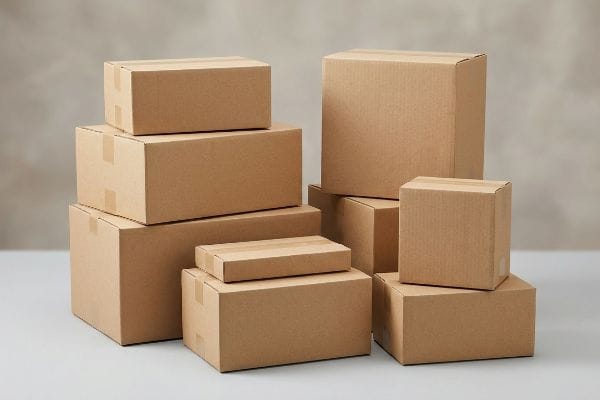
একটি সাধারণ কন্টেইনার জোগাড় করা সহজ মনে হতে পারে, যতক্ষণ না আপনি এর ভেতরে হাজার হাজার ডলারের পণ্য বোঝাই করা শুরু করছেন। চলুন দেখে নেওয়া যাক, কেন তৈরি কন্টেইনারগুলো বাস্তব জগতে প্রয়োগ করতে গেলে সাধারণত ব্যর্থ হয়।.
ইউএসপিএস থেকে কি সাধারণ বাক্স কেনা যায়?
দ্রুত বাণিজ্যিক উদ্যোগ শুরু করার জন্য আপনি হয়তো ডাকঘর থেকে সাধারণ প্রচারপত্র সংগ্রহ করতে প্রলুব্ধ হতে পারেন। এটি ব্যবসা শুরুর একটি প্রচলিত কৌশল, যার পরিণতি সাধারণত বিপর্যয়কর হয়।.
হ্যাঁ। আপনি ইউএসপিএস (USPS) থেকে সাধারণ বাক্স কিনতে পারেন, কিন্তু তারা শুধুমাত্র একক-পণ্য বিটুসি (ব্যবসা থেকে ভোক্তা) পরিবহনের জন্য তৈরি হালকা ওজনের পার্সেল মেইলার মজুত রাখে। এই সাধারণ ডাক বাক্সগুলিতে ভারী বিটুবি প্যালেটাইজড মালপত্র বা একাধিক ইউনিট খুচরা বিক্রির জন্য প্রস্তুত ডিসপ্লে চালানের জন্য প্রয়োজনীয় কাঠামোগত দৃঢ়তার একেবারেই অভাব রয়েছে।.
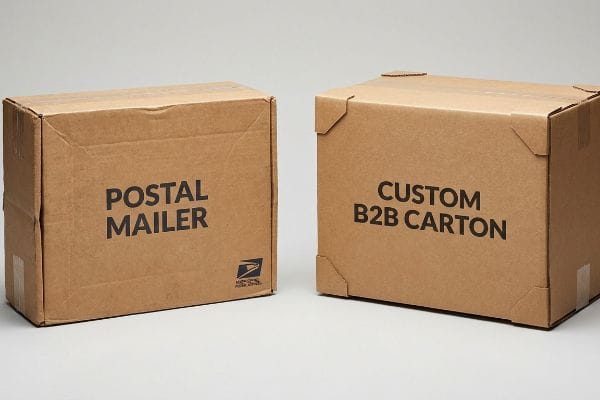
এটা সহজেই ধরে নেওয়া যায় যে, দৃশ্যত অক্ষত একটি ডাকবাক্স বড় বাণিজ্যিক যাত্রা সামলাতে পারবে। কিন্তু যখন মেশিনগুলো চলতে শুরু করে এবং মাধ্যাকর্ষণ তার কাজ শুরু করে, তখন শুধু তত্ত্ব জানাটাই যথেষ্ট নয়।.
কারখানায় কেন নতুনভাবে তৈরি করা মেইলারগুলো ব্যর্থ হয়
স্টার্টআপগুলো প্রায়শই আউটবাউন্ড রিটেইল ফুলফিলমেন্টের জন্য ইনবাউন্ড B2C মেইলারগুলো পুনরায় ব্যবহার করে তাদের লজিস্টিকস ব্যবস্থা চালু করার চেষ্টা করে। এমনকি অভিজ্ঞ প্রকিউরমেন্ট দলগুলোও কখনও কখনও ধরে নেয় যে, দৃশ্যত অক্ষত একটি বাক্স তার কারখানার আসল শক্তি ধরে রাখে। তারা এটা বুঝতে ব্যর্থ হয় যে, করোগেটেড ফ্লুটগুলো যান্ত্রিক শক অ্যাবজরবার হিসেবে কাজ করে যা তাদের প্রথম যাত্রার পরেই স্থায়ীভাবে দুর্বল হয়ে পড়ে ।
এটা শুধু তত্ত্ব নয়—পরীক্ষার জায়গায় আমি প্রতিনিয়ত এই সমস্যার সম্মুখীন হই। সম্প্রতি একজন ক্লায়েন্ট কিছু টাকা বাঁচানোর জন্য ভারী প্রসাধনী সামগ্রী পুনর্ব্যবহারযোগ্য সিঙ্গেল-ওয়াল পোস্টাল শিপারে পাঠানোর চেষ্টা করেছিলেন। প্রথমে আমি ভেবেছিলাম, ভেতরে ডানেজ যোগ করলে একটি সাধারণ ৩২ ইসিটি (এজ ক্রাশ টেস্ট) রেটিং২ হয়তো কোনোমতে টিকে থাকবে। আমার ধারণা পুরোপুরি ভুল ছিল। হাইড্রোলিক প্রেসে বিসিটি (বক্স কম্প্রেশন টেস্ট) লোড-সেলটি মাত্র ১১২.৫ পাউন্ড (৫১ কেজি) লোডে আটকে যায়, যা সঙ্গে সঙ্গে ক্লান্ত কাগজের ফাইবারগুলোকে পিষে ফেলে। আমাকে সম্পূর্ণ নতুন করে কাঠামোগত নকশা করতে হয়েছিল। আমি পুরনো পোস্টাল বাক্সগুলো সরিয়ে ফেলি এবং আমাদের ক্যাড (কম্পিউটার-এইডেড ডিজাইন) সফটওয়্যারে একটি নতুন আইএসটিএ (ইন্টারন্যাশনাল সেফ ট্রানজিট অ্যাসোসিয়েশন) ৬-অ্যামাজন এসআইওসি৩ (শিপস ইন ওন কন্টেইনার) দ্বারা যাচাইকৃত মাস্টার কার্টন ডিজাইন করি, যেখানে উল্লম্ব লোড বন্টন সর্বাধিক করার জন্য নির্দিষ্ট কোণায় ভাঁজ যোগ করা হয়। পুনর্ব্যবহৃত মেইলারগুলিতে এই কাস্টম ৩ডি জ্যামিতি প্রয়োগ করার মাধ্যমে, আমি পরিবহনের সময় সৃষ্ট ক্ষুদ্র ফাটলগুলো দূর করেছি, যার ফলে ক্ষতিগ্রস্ত পণ্যের জন্য খুচরা বিক্রেতাদের চার্জব্যাক বাবদ ক্লায়েন্টের আনুমানিক ২৫% সাশ্রয় হয়েছে।
| ইঞ্জিনিয়ারড সলিউশন | শারীরিক ফলাফল | মাল পরিবহন/সম্মতি ROI |
|---|---|---|
| ISTA 6-অ্যামাজন SIOC CAD ডিজাইন4 | ১০০% পুনরুদ্ধার করা কোণার সংকোচন5 | ব্যয়বহুল খুচরা বিক্রেতার চার্জব্যাক দূর করে |
| তাজা কুমারী বাঁশি6 | উচ্চ বহু-অক্ষীয় শক শোষণ | নিরাপদ এলটিএল ট্রানজিট নিশ্চিত করে |
| লক্ষ্যযুক্ত কোণার ভাঁজ | পার্শ্ব দেয়ালের শূন্য বকলিং | পণ্যের অবলোপন ব্যাপকভাবে হ্রাস করে |
আমি কিছুতেই ত্রুটিপূর্ণ কাগজের তন্তুর কারণে একটি অত্যন্ত গুরুত্বপূর্ণ পণ্য উন্মোচনকে নষ্ট হতে দেব না। একটি বাক্সের শক্তি তার মূল জ্যামিতিক গঠনের উপরই নির্ভর করে, এবং ব্যাপক পাইকারি বিতরণের জন্য সাধারণ ডাক বাক্সগুলোর প্রয়োজনীয় গতিশীল ভার বহনের ক্ষমতা নেই।.
🛠️ হার্ভির ডেস্ক: আপনারা কি এমন বাক্সে B2B পণ্য পাঠাচ্ছেন যেগুলোর BCT শক্তি ইতোমধ্যেই ৪০% কমে গেছে? 👉 একটি ব্যক্তিগত স্ট্রাকচারাল ৩ডি স্ট্রেস সিমুলেশনের জন্য অনুরোধ করুন ↗ — আমি ২৪ ঘণ্টার মধ্যে প্রতিটি স্ট্রাকচারাল ফাইল ব্যক্তিগতভাবে পর্যালোচনা করি।
আমি সাধারণ বাক্সগুলো কোথায় খুঁজে পাব?
ছাপবিহীন বাল্ক প্যাকেজিং খোঁজার সময়, ক্রেতারা প্রায়শই পরিবেশ-বান্ধব টেকসইতার দাবিদার সবচেয়ে সহজ অনলাইন সরবরাহকারীর কাছেই যান। তবে, ফাইবারের প্রকৃত উৎস খুঁজে বের করা সম্পূর্ণ ভিন্ন একটি চ্যালেঞ্জ।.
অনলাইন প্যাকেজিং ডিস্ট্রিবিউটর, স্থানীয় শিল্প সরবরাহ স্টোর বা সরাসরি ঢেউতোলা কার্ডবোর্ড উৎপাদনকারী কারখানা থেকে একটি সাধারণ বাক্স সহজেই খুঁজে পাওয়া যায়। তবে, বড় আকারের খুচরা প্রচারণার জন্য, ব্র্যান্ডগুলোকে অবশ্যই সরাসরি প্রত্যয়িত স্ট্রাকচারাল ইঞ্জিনিয়ারিং সুবিধা থেকে উপকরণ সংগ্রহ করতে হবে, যাতে উপকরণের কঠোর শনাক্তকরণযোগ্যতা এবং গুদামের ওপরের ভারী চাপেও এর কার্যকারিতা নিশ্চিত করা যায়।.
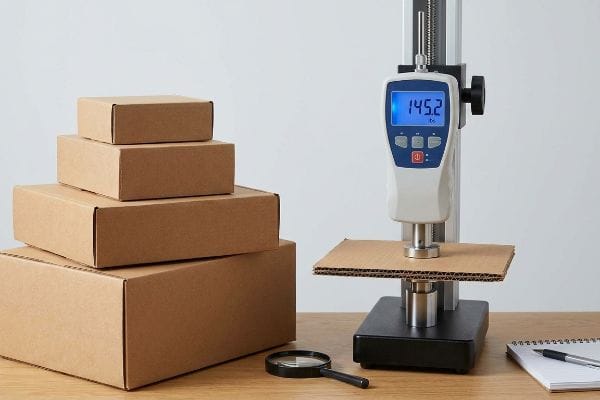
সরবরাহকারীর ওয়েবসাইটে পরিবেশ-বান্ধব হিসেবে টিক চিহ্ন দেওয়াটা একটা জয়ের মতো মনে হয়। কিন্তু যখন মেশিনগুলো চলতে শুরু করে এবং সেই পুনর্ব্যবহৃত তন্তুগুলোকে চাপের মুখে বাস্তবে কাজ করতে হয়, তখন শুধু তত্ত্ব জানাটাই যথেষ্ট নয়।
টেকসই উৎসায়নে ফাইবার নিঃশেষের ফাঁদ
সর্বোচ্চ টেকসইতা অর্জনের জন্য সচেষ্ট ক্রয় দলগুলো প্রায়শই ভারী পণ্যবাহী জাহাজের জন্য ১০০% পুনর্ব্যবহৃত টেস্টলাইনার বাধ্যতামূলক করে, এই ভেবে যে এর ভৌত অখণ্ডতা নতুন বোর্ডের মতোই। তারা কাগজ পুনঃমণ্ড তৈরির প্রক্রিয়ার আণুবীক্ষণিক যান্ত্রিক বাস্তবতা উপেক্ষা করে। প্রতিবার সেলুলোজ তন্তু পুনর্ব্যবহার করার সময়, সেগুলো ভৌতভাবে ছোট হয়ে যায় এবং কাঠামোগতভাবে দুর্বল হয়ে পড়েযাতাদের দৃঢ়তাকে মারাত্মকভাবে ক্ষতিগ্রস্ত করে।
এটা শুধু তত্ত্ব নয়—পরীক্ষার ক্ষেত্রে আমি এই সমস্যার সম্মুখীন হই। সম্প্রতি আমি একটি পানীয় প্রস্তুতকারক প্রতিষ্ঠানের গ্রাহকের কাছ থেকে একটি আতঙ্কিত ফোন কল পাই, যাদের প্রাথমিক ১০০% পুনর্ব্যবহারযোগ্য প্রোটোটাইপটি অন্য একটি কারখানায় একটি সাধারণ ISTA 3A ড্রপ সিমুলেশনে ব্যর্থ হয়েছিল। প্রথমে, আমি কাঠামোগত স্কোর লাইনগুলো সামান্য পরিবর্তন করার চেষ্টা করেছিলাম, এই আশায় যে ৩২ ECT টেস্টলাইনারটি হয়তো টিকে যাবে। আমার ধারণা পুরোপুরি ভুল ছিল। TAPPI T811 এজ ক্রাশ টেস্ট৮-এর, মাত্র ১৪৫.২ পাউন্ড (৬৫.৮ কেজি) চাপে ছোট তন্তুগুলো ছিঁড়ে যাওয়ার ঠিক আগে আমি আক্ষরিক অর্থেই আমার হাতে গুঁড়ো, অতিরিক্ত প্রক্রিয়াজাত ঢেউখেলানো কাগজের ধুলো অনুভব করতে পারছিলাম। আমি তাদের এজেন্সির দেওয়া নকশাটি বাতিল করে দিই এবং উপাদানের ব্যাপক উন্নতি সাধন করি। আমি রাসায়নিক গঠনে পরিবর্তন এনে, সরাসরি ভার বহনকারী খাঁজগুলোতে একটি সুনির্দিষ্ট ৩০% অনুপাতে ভার্জিন ক্রাফট উপাদান৯ , যাতে লম্বা ও তাজা কাগজের তন্তু যুক্ত হয়। এই হাইব্রিড সাবস্ট্রেট আপগ্রেডটি ব্যাপক ডাইনামিক কম্প্রেশন শক্তি পুনরুদ্ধার করে, যা নিশ্চিত করে যে প্যালেটগুলো ডাবল-স্ট্যাকড সমুদ্রযাত্রার ধকল সহ্য করতে পারবে এবং একই সাথে গ্রাহকের অগণিত ঘণ্টা কাস্টমস অডিটে বিলম্বের হাত থেকে বাঁচায়।
| ইঞ্জিনিয়ারড সলিউশন | শারীরিক ফলাফল | মাল পরিবহন/সম্মতি ROI |
|---|---|---|
| ৩০% ভার্জিন ক্রাফট ইনজেকশন10 | দীর্ঘ সেলুলোজ ফাইবারের অখণ্ডতা | জোড়ায় জোড়ায় সমুদ্রপথে পাঠানো মালপত্রেও টিকে থাকে |
| হাইব্রিড সাবস্ট্রেট রসায়ন | আণুবীক্ষণিক তন্তু ছিঁড়ে যাওয়া বন্ধ করে11 | পরিবহনকালীন ক্ষতির হিসাব বাতিল করে |
| TAPPI T811 বৈধতা12 | যাচাইকৃত উল্লম্ব দৃঢ়তা | শুল্ক সম্মতি নিরীক্ষা দ্রুততর করে |
আমি ক্রেতাদের সবসময় সতর্ক করি যে, শুধুমাত্র ব্যাপকভাবে পুনর্ব্যবহৃত টেস্টলাইনারের ওপর নির্ভর করাটা একটা বিরাট জুয়া। একটি আর্দ্র লজিস্টিকস হাবে আপনার প্যালেটগুলো যাতে ভেঙে না পড়ে, সেজন্য কাগজের রাসায়নিক গঠনের ভৌত সীমাবদ্ধতাগুলোকে অবশ্যই মেনে চলতে হবে।.
🛠️ হার্ভির ডেস্ক: আপনি কি আপনার বর্তমান সরবরাহকারীর সি-ফ্লুট টেস্টলাইনারে পুনর্ব্যবহৃত ও নতুন ফাইবারের সঠিক অনুপাত জানেন? 👉 আপনার প্যাকেজিং স্পেসিফিকেশন অডিট করুন ↗ — ১০০% গোপনীয়। আপনার অপ্রকাশিত রিটেইল ডিজাইনগুলো আমার কাছে সুরক্ষিত।
ওয়ালমার্ট কি সাধারণ কার্ডবোর্ডের বাক্স বিক্রি করে?
খুচরা বিক্রেতারা প্রতি বছর লক্ষ লক্ষ স্থানান্তর সামগ্রী মজুত করে, যা ছোট ব্র্যান্ডগুলোর জন্য একটি জনপ্রিয় জরুরি গন্তব্যস্থল হয়ে ওঠে। কিন্তু ভোক্তা-স্তরের স্টোরেজ বাক্সগুলো শিল্প-কারখানার শিপারগুলোর চেয়ে অনেকটাই ভিন্নভাবে কাজ করে।.
হ্যাঁ। ওয়ালমার্ট মূলত বাসা বদলের এবং সাধারণ জিনিসপত্র সংরক্ষণের জন্য তৈরি সাধারণ কার্ডবোর্ডের বাক্স বিক্রি করে। তবে, এই সাধারণ মানের আরএসসি (রেগুলার স্লটেড কন্টেইনার)-গুলোতে বৈশ্বিক সরবরাহ শৃঙ্খল জুড়ে ভারী বাণিজ্যিক খুচরা পণ্য নিরাপদে স্তূপ করে পরিবহন করার জন্য প্রয়োজনীয় প্রকৌশলগত বহু-অক্ষীয় সংকোচন শক্তির অভাব রয়েছে।.
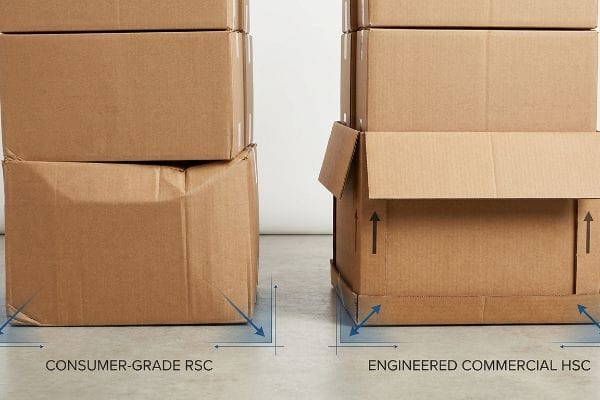
তৈরি বাক্সের একটি স্তূপ তুলে নেওয়াকে একটি দারুণ লজিস্টিক শর্টকাট বলে মনে হতে পারে। কিন্তু যখন মেশিনগুলো চলতে শুরু করে এবং ইন্ডাস্ট্রিয়াল ফর্কলিফটগুলো প্যালেট সরানো শুরু করে, তখন শুধু তত্ত্ব জানাটাই যথেষ্ট নয়।.
RSC বনাম HSC সংকোচনমূলক দুর্বলতা
ক্রেতারা প্রায়শই কাঁচামালের খরচ বাঁচাতে এবং তাৎক্ষণিক খোলা-শীর্ষ খুচরা বিন তৈরি করতে সাধারণ আরএসসি (RSC) ডিজাইনের পরিবর্তে এইচএসসি (HSC - হাফ স্লটেড কন্টেইনার) ব্যবহার করার চেষ্টা করেন। তারা এটা বুঝতে পারেন না যে, উপরের অবিচ্ছিন্ন ফ্ল্যাপগুলো সরিয়ে ফেললে ৩৬০-ডিগ্রি ঊর্ধ্ব-আবদ্ধতা সম্পূর্ণরূপে বিলুপ্ত হয়ে যায়। কোণাগুলোকে স্থিতিশীল রাখার জন্য এই ফ্ল্যাপগুলো না থাকায়, গুদামে ভারী জিনিস স্তূপ করে রাখার সময় খোলা কিনারাগুলো ভয়াবহভাবে পিষ্ট হওয়ার জন্য অত্যন্ত ঝুঁকিপূর্ণ হয়ে পড়ে ।
এটা শুধু তত্ত্ব নয়—আমি আমার নিজের ল্যাবে কঠিন অভিজ্ঞতার মাধ্যমে এটা শিখেছি। ২০২২ সালে, আমি আমার প্রধান প্যাকেজিং ইঞ্জিনিয়ার, মার্ককে, ভারী টিনজাত পণ্যের চালানের জন্য একটি পরিবর্তিত খোলা-শীর্ষ এইচএসসি বিন পরীক্ষা করতে বলেছিলাম, এই ভেবে যে এর ভিত্তি ৩২ ইসিটি বোর্ডই যথেষ্ট হবে। আমরা ভেবেছিলাম রোটারি স্লটারের ভারী টুলিং সমন্বয়গুলো বাদ দিয়ে আমরা সময় বাঁচাতে পারব। তিন দিন পর ক্লাইমেট চেম্বারে, আমি ৮৫০ পাউন্ড (৩৮৫ কেজি) স্থির লোডের১৪। আমি সঙ্গে সঙ্গে লাইনটি থামিয়ে একটি কঠোর মেশিন ক্যালিব্রেশন শুরু করলাম। আমি রোটারি স্লটারের চাপের সহনশীলতা শারীরিকভাবে সমন্বয় করি এবং ঢেউখেলানো কাগজের দানাগুলোকে পুরোপুরি খাড়াভাবে বসানোর জন্য পুনরায় সারিবদ্ধ করি১৫।এই কঠোর টুলিং ক্যালিব্রেশন শুধু খোলা-শীর্ষ ভিত্তিটিকে ভেঙে পড়া থেকে রক্ষা করেনি; এটি প্রতি ইউনিটে কো-প্যাকিং অ্যাসেম্বলির সময় ৩৫ সেকেন্ড কমিয়ে দিয়েছে, যা ক্লায়েন্টের কায়িক শ্রমের খরচ ব্যাপকভাবে হ্রাস করেছে।
| ইঞ্জিনিয়ারড সলিউশন | শারীরিক ফলাফল | শ্রম/সমাবেশ ROI |
|---|---|---|
| উল্লম্ব শস্য পুনর্বিন্যাস | সর্বোচ্চ ECT লোড স্থানান্তর16 | নিচের স্তরের প্যালেট ধসে পড়া রোধ করে |
| রোটারি স্লটার ক্যালিব্রেশন | ঝকঝকে, অক্ষত বোর্ড ফ্লুট | সমাবেশের সময় ৩৫ সেকেন্ড কমিয়ে দেয়17 |
| ফ্ল্যাপ স্থিতিশীলতা ক্ষতিপূরণ | খোলা প্রান্তের কোণার বিস্ফোরণ প্রতিরোধ করে18 | হাতে প্যাকিং করার শ্রম খরচ কমায় |
আমি খরচ কমানোর জন্য কখনো কাঠামোগত পদার্থবিদ্যার সাথে আপোস করি না। যদি আপনি একটি বাক্সের উপরের ঢাকনাগুলো খুলে ফেলেন, তবে আপনাকে কারখানাতেই এর সম্পূর্ণ ভারবহনকারী জ্যামিতিটি যান্ত্রিকভাবে নতুন করে সাজাতে হবে, নইলে মাধ্যাকর্ষণ আপনাকে এর খেসারত দেবে।.
🛠️ হার্ভির ডেস্ক: কাঠের আঁশের ভুল বিন্যাসের কারণে আপনার বর্তমান ওপেন-টপ শিপারটি কি তার গতিশীল শক্তির ৪০% হারাচ্ছে? 👉 একটি সম্পূর্ণ BOM অডিট দাবি করুন ↗ — মাঝখানে কোনো অ্যাকাউন্ট ম্যানেজার নেই। আপনি সরাসরি স্ট্রাকচারাল ইঞ্জিনিয়ারদের সাথে কথা বলবেন।
সবচেয়ে সস্তায় বাক্স কেনার জায়গা কোনটি?
সর্বনিম্ন একক খরচের পেছনে ছুটতে গিয়ে ব্র্যান্ডগুলো প্রায়শই একটি বিপজ্জনক ক্রয় ফাঁদে পড়ে। সস্তা উপকরণগুলো স্প্রেডশিটে দেখতে ভালো লাগলেও, বাস্তব জগতে সেগুলোর কার্যকারিতা ভয়াবহ।.
বাক্স কেনার সবচেয়ে সস্তা জায়গা খুঁজতে গেলে সাধারণত অনলাইন পাইকারি বিক্রেতা বা বিদেশী ট্রেডিং কোম্পানিগুলোর সন্ধান মেলে, যারা মসৃণ চিপবোর্ডের বিকল্প সরবরাহ করে। যদিও এই নিরেট পেপারবোর্ডগুলো প্রাথমিক সংগ্রহের খরচ ব্যাপকভাবে কমিয়ে দেয়, কিন্তু পরিবহনের সময়কার বহু-অক্ষীয় কম্পন সহ্য করার জন্য প্রয়োজনীয় গতিশীল ভার বহনের ক্ষমতার একেবারেই অভাব থাকে এগুলোতে, যার ফলে পরবর্তীতে পণ্যের মারাত্মক ক্ষতি হয়।.
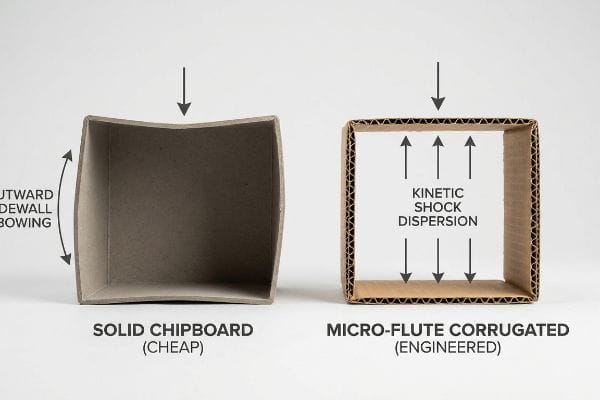
বিশাল কোনো পণ্য বাজারে আনার পরিকল্পনা করার সময় উপকরণের বাজেট কমানোটা সবসময়ই লোভনীয়। কিন্তু চলুন কারখানার ভেতরে গিয়ে দেখি এই সস্তা উপাদানগুলো আসলে কীভাবে কাজ করে।.
অমসৃণ স্তরগুলির পেছনের প্রকৌশলগত কৌশল
যখন গ্রাহকরা আমাকে জিজ্ঞাসা করেন কেন তাদের সস্তা, নিরেট চিপবোর্ডের বাক্সগুলো নষ্ট হচ্ছে, আমি সবসময় এর ভেতরের ঢেউয়ের মতো খিলানের অভাবকেই কারণ হিসেবে উল্লেখ করি। মসৃণ নিরেট পেপারবোর্ডে গতিজনিত অভিঘাতকে গতিশীলভাবে ছড়িয়ে দেওয়ার জন্য প্রয়োজনীয় জ্যামিতিক কাঠামোর অভাব রয়েছে । ভারী উল্লম্ব ওপরের ভার বা পরিবহনের সময় হওয়া তীব্র কম্পনের ফলে, অনমনীয় নিরেট বোর্ড কেবল বাইরের দিকে বেঁকে যায় এবং বেঁকে যায়, কারণ পদার্থের স্থির ঘনত্ব পরিকল্পিত ভার সরণের বিকল্প হতে পারে না ।
আমার ফ্লোরে আসা নতুন প্রোডাক্ট ম্যানেজারদের কাছে আমাকে প্রতিনিয়ত এই কাঠামোগত বাস্তবতা ব্যাখ্যা করতে হয়। তারা একটি পুরু, মসৃণ নিরেট ব্লিচড বোর্ড হাতে নিয়ে ধরে নেয় যে এর কাঁচা ঘনত্বই এর গতিশীল ভারবহন ক্ষমতার সমান। আমি সাধারণত তাদের আমাদের CAD স্টেশনে নিয়ে যাই এবং E-flute-এর মতো একটি হালকা মাইক্রো-ফ্লুটেড বোর্ডের প্রস্থচ্ছেদ দেখাই। আমি দেখাই কীভাবে এর ভেতরের খিলানগুলো নিরাপদে গতিশক্তি শোষণ করে এবং প্রধান কোণগুলো থেকে দূরে সরিয়ে দেয়। ক্লায়েন্টের সস্তা চিপবোর্ডের স্পেসিফিকেশনকে একটি সঠিকভাবে ডিজাইন করা ঢেউখেলানো মাইক্রো-ফ্লুটে পরিবর্তন করে দিলেই, আমি তাদের কাঁচামালের বাজেট কৃত্রিমভাবে না বাড়িয়েই একটি নিখুঁত বর্গাকার ও অত্যন্ত সুরক্ষামূলক কাঠামো বজায় রাখতে পারি। এটি পদার্থবিজ্ঞানের একটি বিশাল উন্নতি, যার জন্য খরচের ক্ষেত্রে প্রায় কোনো আপোস করতে হয় না।
| ইঞ্জিনিয়ারড সলিউশন | শারীরিক ফলাফল | মাল পরিবহন/সম্মতি ROI |
|---|---|---|
| মাইক্রো-ফ্লুট (ই-ফ্লুট) পিভট | অভ্যন্তরীণ গতিশক্তিজনিত অভিঘাত বিচ্ছুরণ22 | বহু-অক্ষীয় ট্রানজিট ক্ষতি দূর করে |
| খিলানযুক্ত বাঁশির জ্যামিতি23 | উল্লম্ব লোড সরণ সর্বাধিক করে | বাইরের দিকে পার্শ্ব দেয়ালের বাঁক প্রতিরোধ করে |
| অনমনীয় উপাদান প্রতিস্থাপন | বাক্সের বর্গাকার আকৃতির কোনো ক্ষতি নেই24 | অভ্যন্তরীণ পণ্যের অখণ্ডতা রক্ষা করে |
আমি ব্র্যান্ডগুলোকে সবসময় পরামর্শ দিই যে, শুরুতে সবচেয়ে সস্তা বাক্সটিই দীর্ঘমেয়াদে প্রায়শই সবচেয়ে ব্যয়বহুল হয়ে ওঠে। সঠিক অভ্যন্তরীণ ফ্লুট জ্যামিতিতে বিনিয়োগ নিশ্চিত করে যে আপনার পণ্যগুলো সরবরাহ শৃঙ্খলের কঠোর বাস্তবতা থেকে টিকে থাকতে পারে।.
🛠️ হার্ভির ডেস্ক: আপনি কি সঠিক মাইক্রো-ফ্লুটেড কাইনেটিক শক ডিসপারশনের পরিবর্তে ভুলভাবে সলিড বোর্ড ডেনসিটির উপর নির্ভর করছেন? 👉 একটি পেশাদার মেটেরিয়াল অ্যাসেসমেন্ট নিন ↗ — আমি ২৪ ঘন্টার মধ্যে প্রতিটি স্ট্রাকচারাল ফাইল ব্যক্তিগতভাবে পর্যালোচনা করি।
উপসংহার
আপনি আরও সস্তা বিক্রেতা বেছে নিতে পারেন, কিন্তু যখন একটি আর্দ্র গুদামে সেই জীর্ণ ৩২ ইসিটি রিসাইকেল করা বোর্ডটি ভেঙে যায় এবং বিপুল পরিমাণ চার্জব্যাকের মাধ্যমে প্রকল্পের লাভের মার্জিন পুরোপুরি নষ্ট করে দেয়, তখন সেই অগ্রিম দেওয়া সামান্য পয়সাগুলোর কোনো মূল্য থাকবে না। এই নির্দিষ্ট ইঞ্জিনিয়ারিং পর্যালোচনাটি সম্প্রতি উৎপাদনের আগেই একটি বড় জাতীয় রোলআউটের জন্য একটি মারাত্মক ২ মিমি (০.০৭ ইঞ্চি) টলারেন্স ত্রুটি ধরে ফেলেছে। ব্যর্থ লজিস্টিকসের পেছনে আপনার মার্কেটিং বাজেটের অপচয় বন্ধ করুন এবং সর্বোচ্চ কাঠামোগত ROI নিশ্চিত করতে আমাকে ব্যক্তিগতভাবে আপনার পরবর্তী রোলআউটের ইঞ্জিনিয়ারিং করতে দিন ↗ ।
"ঢেউখেলানো বোর্ডের সংকোচন শক্তির নিরূপণ...", https://pmc.ncbi.nlm.nih.gov/articles/PMC8467740/। প্রাথমিক ভার এবং পরিবহনের পর কীভাবে ঢেউখেলানো কার্ডবোর্ডের কোষীয় কাঠামো তার সংকোচন শক্তি এবং অভিঘাত শোষণের ক্ষমতা হারায়, তার প্রযুক্তিগত ব্যাখ্যা। প্রমাণের ভূমিকা: প্রযুক্তিগত যাচাইকরণ; উৎসের ধরণ: প্যাকেজিং প্রকৌশল গবেষণা বা বস্তু বিজ্ঞান ম্যানুয়াল। সমর্থন করে: এই দাবি যে পুনঃব্যবহৃত মেইলারগুলো কারখানার শক্তি হারায়। পরিধি টীকা: সাধারণ ঢেউখেলানো ফাইবারবোর্ডের ক্ষেত্রে প্রযোজ্য। ↩
"ECT রেটিং-এর ব্যাখ্যা: আপনার জন্য এর অর্থ কী...", https://epackagesupply.com/blogs/packaging-guide/ect-ratings-explained-what-they-mean-for-your-corrugated-packaging?srsltid=AfmBOoqG2kmdqrkbun4TMG4u9NhACX1NiCeuBM6nFWDo8kOeodB7bmaC। এজ ক্রাশ টেস্ট (ECT) রেটিং কীভাবে করোগেটেড কার্ডবোর্ডের স্ট্যাকিং শক্তিকে মানসম্মত করে, তার সংক্ষিপ্ত ব্যাখ্যা। প্রমাণের ভূমিকা: প্রযুক্তিগত স্পেসিফিকেশন; উৎসের ধরণ: শিল্প মান। সমর্থন করে: ৩২টি ECT মেইলারের কাঠামোগত ক্ষমতা। পরিধি সংক্রান্ত টীকা: বাক্সের আকারের উপর নির্ভর করে প্রকৃত কার্যক্ষমতা পরিবর্তিত হয়। ↩
"ISTA 6 অ্যামাজন প্যাকেজ টেস্টিং | টেকট্রনিক্স", https://www.tek.com/en/services/testing-services/ista-6-amazon-package-testing। ISTA 6 টেস্টিং এবং শিপিং-এর জন্য প্রস্তুত প্যাকেজিং-এর ক্ষেত্রে অ্যামাজনের SIOC (Ships In Own Container) সার্টিফিকেশনের সংক্ষিপ্ত ব্যাখ্যা। প্রমাণের ভূমিকা: প্রযুক্তিগত মান; উৎসের ধরণ: সার্টিফিকেশন সংস্থা। সমর্থন করে: ই-কমার্সে যাচাইকৃত মাস্টার কার্টনের প্রয়োজনীয়তা। পরিধি সংক্রান্ত টীকা: অ্যামাজনের লজিস্টিক্যাল ইকোসিস্টেমের জন্য নির্দিষ্ট। ↩
"কিভাবে অ্যামাজনের প্যাকেজিং পরীক্ষায় উত্তীর্ণ হবেন: আপনার ISTA 6, SIOC, এবং …", https://www.pacificbox.com/box-resources/how-to-pass-amazon-ista-6-packaging-tests। কাঠামোগত অখণ্ডতার জন্য ISTA 6 স্ট্যান্ডার্ড এবং অ্যামাজনের 'শিপস ইন ওন কন্টেইনার' (SIOC) স্পেসিফিকেশনের যাচাইকরণ। প্রমাণের ভূমিকা: প্রযুক্তিগত বৈধতা; উৎসের ধরণ: শিল্প মান; সমর্থন: কম্প্রেশনের জন্য CAD ডিজাইনের বৈধতা; পরিধি নোট: অ্যামাজনের ফুলফিলমেন্ট প্রয়োজনীয়তার জন্য নির্দিষ্ট। ↩
"কোরুগেটেড বোর্ড বক্সের সংকোচন শক্তি নিরূপণ...", https://pmc.ncbi.nlm.nih.gov/articles/PMC9864211/। নির্দিষ্ট SIOC ডিজাইনের কোণার সংকোচন শক্তিকে অপ্টিমাইজ বা পুনরুদ্ধার করার ক্ষমতা প্রদর্শনকারী প্রমাণ। প্রমাণের ভূমিকা: পরিমাণগত বৈধতা; উৎসের ধরণ: প্যাকেজিং পরীক্ষার প্রতিবেদন; সমর্থন করে: পুনঃপ্রস্তুতকৃত মেইলারের তুলনায় প্রকৌশলগত সমাধানের কার্যকারিতা; পরিধি নোট: প্যাকেজের আকারের উপর নির্ভর করে ফলাফল ভিন্ন হতে পারে। ↩
"ঢেউখেলানো কাগজের মোড়কের পরিবেশগত প্রভাব", https://www.internationalpaper.com/resources/blog/environmental-impact-corrugated-packaging-why-balanced-fiber-approach-best। কাঠামোগত শক্তি এবং অভিঘাত শোষণের ক্ষেত্রে ঢেউখেলানো কার্ডবোর্ডে ভার্জিন ফাইবার বনাম পুনর্ব্যবহৃত ফাইবারের প্রযুক্তিগত তুলনা। প্রমাণের ভূমিকা: উপাদানের বৈশিষ্ট্য যাচাই; উৎসের ধরণ: ইঞ্জিনিয়ারিং হোয়াইটপেপার; সমর্থন: এলটিএল ট্রানজিটের জন্য ভার্জিন ফ্লুটিং-এর সুবিধা; পরিধি সংক্রান্ত টীকা: ফ্লুটের গ্রেড অনুযায়ী কার্যকারিতা পরিবর্তিত হয়। ↩
"কাগজের বর্জ্যকে পুনর্ব্যবহার করে কাঠামোগত সেলুলোজ কম্পোজিট তৈরি...", https://pmc.ncbi.nlm.nih.gov/articles/PMC13144366/। পুনঃমজ্জা তৈরির প্রক্রিয়ার সময় সেলুলোজ তন্তুর যান্ত্রিক অবক্ষয় এবং কাগজের শক্তির উপর এর প্রভাবের প্রযুক্তিগত ব্যাখ্যা। প্রমাণের ভূমিকা: প্রযুক্তিগত বৈধতা; উৎসের ধরণ: পদার্থ বিজ্ঞান জার্নাল বা প্যাকেজিং ইঞ্জিনিয়ারিং হ্যান্ডবুক। সমর্থন করে: এই দাবি যে বারবার পুনর্ব্যবহার তন্তুর দৈর্ঘ্য এবং দৃঢ়তা হ্রাস করে। পরিধি টীকা: পুনর্ব্যবহৃত বনাম ভার্জিন পাল্পের যান্ত্রিক বৈশিষ্ট্যের উপর আলোকপাত করে। ↩
"একটি … এর প্রান্ত চূর্ণীকরণ পরীক্ষায় পূর্ণ-ক্ষেত্র পরিমাপ – পিএমসি", https://pmc.ncbi.nlm.nih.gov/articles/PMC8199211/। ঢেউখেলানো বোর্ডের সংকোচন শক্তি পরিমাপের জন্য শিল্প মানদণ্ড হিসেবে TAPPI T811 স্ট্যান্ডার্ডের নিশ্চিতকরণ। প্রমাণের ভূমিকা: প্রযুক্তিগত যাচাইকরণ; উৎসের ধরণ: শিল্প মান। সমর্থন করে: ব্যবহৃত পরীক্ষা পদ্ধতির বৈধতা। পরিধি টীকা: ঢেউখেলানো উপকরণের জন্য প্রযোজ্য। ↩
"নিম্ন … সহ ঢেউখেলানো কাগজের প্যাকেজের সংকোচন শক্তি", https://pmc.ncbi.nlm.nih.gov/articles/PMC10054506/। প্রযুক্তিগত তথ্য যা প্রদর্শন করে যে কীভাবে পুনর্ব্যবহৃত উপাদানে ভার্জিন ক্রাফট ফাইবার একীভূত করা কাঠামোগত অখণ্ডতা এবং সংকোচন শক্তি উন্নত করে। প্রমাণের ভূমিকা: তথ্যগত বৈধতা; উৎসের ধরণ: পদার্থ বিজ্ঞান জার্নাল। সমর্থন করে: উপাদান আপগ্রেডের কার্যকারিতা। পরিধি নোট: ফাইবারের প্রকারভেদে ফলাফল ভিন্ন হতে পারে। ↩
"কাগজ এবং কাগজ-ভিত্তিক খাদ্য প্যাকেজিং-এর একটি সংক্ষিপ্ত বিবরণ … – পিএমসি", https://pmc.ncbi.nlm.nih.gov/articles/PMC6801293/। ভারী মাল পরিবহনের জন্য কাঠামোগত অখণ্ডতা বজায় রাখতে প্রয়োজনীয় ভার্জিন ক্রাফট ফাইবারের ন্যূনতম শতাংশ যাচাইকারী প্রযুক্তিগত তথ্য। প্রমাণের ভূমিকা: প্রযুক্তিগত স্পেসিফিকেশন; উৎসের ধরণ: বস্তু বিজ্ঞান জার্নাল। সমর্থন করে: এই দাবি যে ৩০% ইনজেকশন ফাইবারের অখণ্ডতা রক্ষা করে। পরিধি টীকা: বাল্ক প্যাকেজিং অ্যাপ্লিকেশনের জন্য নির্দিষ্ট। ↩
"ঘন হাইব্রিড থেকে প্রাপ্ত অতি-শক্তিশালী এবং মজবুত কাগজের কাঠামো...", https://pmc.ncbi.nlm.nih.gov/articles/PMC13125482/। বৈজ্ঞানিক গবেষণা যা ব্যাখ্যা করে কিভাবে হাইব্রিড সাবস্ট্রেট সংযোজনী যান্ত্রিক চাপের সময় সেলুলোজ ফাইবারে ক্ষুদ্র ফাটল প্রতিরোধ করে। প্রমাণের ভূমিকা: বৈজ্ঞানিক প্রক্রিয়া; উৎসের ধরণ: রাসায়নিক প্রকৌশল গবেষণা। সমর্থন: হাইব্রিড সাবস্ট্রেট রসায়নের ভৌত ফলাফল। পরিধি টীকা: আণুবীক্ষণিক কাঠামোগত ব্যর্থতার উপর আলোকপাত করে। ↩
"কোরুগেটেড বোর্ডের প্রান্ত নিয়ে IPST-তে সাম্প্রতিক গবেষণার সংক্ষিপ্ত বিবরণ …", https://bioresources.cnr.ncsu.edu/resources/overview-of-recent-studies-at-ipst-on-corrugated-board-edge-compression-strength-testing-methods-and-effects-of-interflute-buckling/। কাগজ-ভিত্তিক উপকরণে উল্লম্ব দৃঢ়তা এবং সংকোচন পরিমাপ করতে ব্যবহৃত TAPPI T811 পরীক্ষা পদ্ধতির আনুষ্ঠানিক নথি। প্রমাণের ভূমিকা: মানকরণের প্রমাণ; উৎসের ধরণ: শিল্প মান। সমর্থন: উল্লম্ব দৃঢ়তা যাচাই করার জন্য T811-এর ব্যবহার। পরিধির টীকা: শুধুমাত্র TAPPI-প্রত্যয়িত পরীক্ষাগারের জন্য সীমাবদ্ধ। ↩
"HSC বনাম RSC বক্স: কাঠামোগত বিশ্লেষণ ও B2B …", https://innorhino.com/blog/packaging-guide/structural-design/hsc-vs-rsc-corrugated-boxes?srsltid=AfmBOoq29ENXQgQaZoFSiopj0MwdsnBc25WQ1vjB_TpQCmIK6U-N-XHQ। করোগেটেড বক্সের কাঠামোগত অখণ্ডতার প্রযুক্তিগত বিশ্লেষণে দেখানো হয়েছে যে, উপরের ফ্ল্যাপের অনুপস্থিতি কীভাবে কোণার স্থিতিশীলতা এবং উল্লম্ব ভারবহন ক্ষমতা হ্রাস করে। প্রমাণের ভূমিকা: প্রযুক্তিগত যাচাইকরণ; উৎসের ধরণ: প্যাকেজিং ইঞ্জিনিয়ারিং স্ট্যান্ডার্ড। সমর্থন করে: এই দাবি যে, ওজনের নিচে HSC বক্সগুলো সহজে থেঁতলে যায়। পরিধি সংক্রান্ত টীকা: বিশেষভাবে উল্লম্বভাবে স্তূপীকরণের ভারের ক্ষেত্রে প্রযোজ্য। ↩
"শিপিং বক্সের শক্তি বোঝা", https://www.ecoenclose.com/blog/understanding-shipping-box-strength/?srsltid=AfmBOootFkSMBNtjEdI1ka2biJV_Gc_-2WPI0Tj7QUFQEzL2LzxSjl17। এজ ক্রাশ টেস্ট (ECT) মানের জন্য শিল্প মানগুলি নির্দিষ্ট ফ্লুট প্রকার এবং বোর্ড গ্রেডের জন্য তাত্ত্বিক সর্বোচ্চ সংকোচন শক্তি প্রদান করে। প্রমাণের ভূমিকা: প্রযুক্তিগত বৈধতা; উৎসের ধরণ: ইঞ্জিনিয়ারিং স্পেসিফিকেশন। সমর্থন করে: এই দাবি যে ৮৫০ পাউন্ড একটি ৩২ ECT বি-ফ্লুট কন্টেইনারের কাঠামোগত ধারণক্ষমতাকে অতিক্রম করে। পরিধি নোট: বাক্সের মাত্রা এবং আর্দ্রতার উপর ভিত্তি করে প্রকৃত ব্যর্থতার স্থান পরিবর্তিত হয়। ↩
"পেপারবোর্ডের যান্ত্রিক বৈশিষ্ট্য অনুসন্ধান...", https://repository.rit.edu/cgi/viewcontent.cgi?article=1066&context=japr। প্যাকেজিং ইঞ্জিনিয়ারিং নীতি অনুসারে, অক্ষীয় সংকোচন শক্তি সর্বাধিক করার জন্য ফ্লুটিং অবশ্যই উল্লম্বভাবে বিন্যস্ত হতে হবে। প্রমাণের ভূমিকা: নীতি যাচাই; উৎসের ধরণ: প্যাকেজিং ইঞ্জিনিয়ারিং নির্দেশিকা। সমর্থন করে: এই দাবি যে উল্লম্ব গ্রেইন অ্যালাইনমেন্ট কাঠামোগত পতন প্রতিরোধ করে। পরিধি টীকা: বিশেষভাবে উল্লম্ব সংকোচন (স্ট্যাকিং শক্তি) বোঝায়। ↩
"কোরুগেটেড বোর্ডের উপর প্যালেটের টপ-ডেকের দৃঢ়তার প্রভাবের অনুসন্ধান...", https://pmc.ncbi.nlm.nih.gov/articles/PMC8585293/। কোরুগেটেড বোর্ডের বলবিদ্যা বিষয়ক প্রযুক্তিগত নথিতে ব্যাখ্যা করা হয়েছে যে, কীভাবে গ্রেইন অ্যালাইনমেন্ট উল্লম্ব ভার বহনের জন্য এজ ক্রাশ টেস্ট (ECT)-এর মানকে সর্বোত্তম করে তোলে। প্রমাণের ভূমিকা: প্রযুক্তিগত যাচাইকরণ; উৎসের ধরণ: ইঞ্জিনিয়ারিং হ্যান্ডবুক। সমর্থন করে: ভার স্থানান্তরের উপর গ্রেইন পুনর্বিন্যাসের কার্যকারিতা। পরিধি সংক্রান্ত টীকা: শুধুমাত্র কোরুগেটেড বোর্ড সরবরাহকারীদের জন্য প্রযোজ্য। ↩
"(পিডিএফ) একটি ঢেউতোলা বাক্সের কারখানায় SMED ব্যবহারের মাধ্যমে সেটআপ সময় হ্রাস", https://www.researchgate.net/publication/378797807_Setup_time_reduction_with_SMED_in_a_corrugated_box_plant। বোর্ড রেজিস্ট্যান্স প্রতিরোধ করার জন্য স্লটিং-এর নির্ভুলতা অপ্টিমাইজ করা হলে, ম্যানুয়াল অ্যাসেম্বলি শ্রমের হ্রাসকে ইন্ডাস্ট্রিয়াল ইঞ্জিনিয়ারিং বেঞ্চমার্কগুলো পরিমাপ করে। প্রমাণের ভূমিকা: পরিমাণগত মেট্রিক; উৎসের ধরণ: উৎপাদন দক্ষতার প্রতিবেদন। সমর্থন করে: স্লটার ক্যালিব্রেশনের শ্রম ROI। পরিধি নোট: গড় ইন্ডাস্ট্রিয়াল বক্সের আকারের উপর ভিত্তি করে। ↩
"যান্ত্রিক ক্ষেত্রে অ্যানালগ এবং ডিজিটাল ক্রিজ লাইনের প্রভাব...", https://pmc.ncbi.nlm.nih.gov/articles/PMC9268991/। প্যাকেজিং কাঠামোগত বিশ্লেষণে বর্ণনা করা হয়েছে কিভাবে স্থিতিশীলকারী ফ্ল্যাপগুলো উল্লম্ব সংকোচনের অধীনে কর্নার ব্লোআউট নামে পরিচিত পার্শ্বীয় ব্যর্থতা প্রতিরোধ করে। প্রমাণের ভূমিকা: প্রযুক্তিগত স্পেসিফিকেশন; উৎসের ধরণ: কাঠামোগত প্যাকেজিং নির্দেশিকা। সমর্থন করে: ফ্ল্যাপ ক্ষতিপূরণের ভৌত ফলাফল। পরিধি টীকা: উচ্চ-স্ট্যাকিং আরএসসি বক্সের জন্য প্রাসঙ্গিক। ↩
"কোরুগেটেড এবং কার্ডবোর্ডের মধ্যে পার্থক্য", https://ufppackaging.com/insights/differences-between-corrugated-and-cardboard। নিরেট চিপবোর্ডে ফ্লুটিং-এর অনুপস্থিতি কীভাবে আঘাতজনিত শক্তি শোষণ ও বিচ্ছুরণের ক্ষমতা হ্রাস করে, তার প্রযুক্তিগত ব্যাখ্যা। প্রমাণের ভূমিকা: প্রযুক্তিগত যাচাইকরণ; উৎসের ধরণ: পদার্থ বিজ্ঞানের পাঠ্যপুস্তক বা প্যাকেজিং ইঞ্জিনিয়ারিং ম্যানুয়াল। সমর্থন করে: ফ্লুটিং-বিহীন উপাদানের কাঠামোগত ঘাটতি। পরিধি টীকা: স্থিতিশীল শক্তির পরিবর্তে গতিশীল ভারের উপর আলোকপাত করে। ↩
"কাঠামোগত সুরক্ষার জন্য মাল্টি-লোড টপোলজি অপটিমাইজেশন ডিজাইন...", https://pmc.ncbi.nlm.nih.gov/articles/PMC11356512/। লোড বিতরণের জন্য ফ্লুটেড জ্যামিতি ব্যবহারের তুলনায় নিরেট বোর্ডের পুরুত্ব বা ঘনত্ব বৃদ্ধি করা কেন কম কার্যকর, তার বিশ্লেষণ। প্রমাণের ভূমিকা: প্রকৌশল নীতি; উৎসের ধরণ: কাঠামোগত বলবিদ্যা বিষয়ক গবেষণাপত্র। সাপোর্ট: সংকোচনের অধীনে অনমনীয় নিরেট বোর্ডের ব্যর্থতার প্রক্রিয়া। পরিধি টীকা: উল্লম্ব শীর্ষ-লোডের ক্ষেত্রে প্রযোজ্য। ↩
"Corrugated Board Packaging with Innovative Design for …", https://bioresources.cnr.ncsu.edu/wp-content/uploads/2026/01/BioRes_21_1_2229_Tworzydlo_PSMPGG_Corrugated_Packaging_Design_Durability_Transport_25399.pdf। করোগেটেড বোর্ডের ফ্লুটিং কীভাবে একটি কাঠামোগত খিলান হিসেবে কাজ করে গতিশক্তি শোষণ ও বিচ্ছুরিত করে, তার প্রযুক্তিগত ব্যাখ্যা। প্রমাণের ভূমিকা: প্রযুক্তিগত বৈধতা; উৎসের ধরণ: পদার্থ বিজ্ঞান পাঠ্যপুস্তক বা প্রকৌশল ম্যানুয়াল। সমর্থন করে: নিরেট বোর্ডের তুলনায় ফ্লুটেড বোর্ডের যান্ত্রিক শ্রেষ্ঠত্ব। পরিধি টীকা: বিশেষভাবে করোগেটেড কাঠামোগত নকশার ক্ষেত্রে প্রযোজ্য। ↩
"পরীক্ষামূলকভাবে ঢেউখেলানো বোর্ডে তরঙ্গ বিন্যাসের মূল্যায়ন...", https://pmc.ncbi.nlm.nih.gov/articles/PMC10126572/। ঢেউখেলানো উপাদানের পদার্থবিদ্যার উপর প্রযুক্তিগত নথি, যা ব্যাখ্যা করে কীভাবে মাইক্রো-ফ্লুটগুলি সংঘর্ষের সময় গতিশক্তি শোষণ ও ছড়িয়ে দেয়। প্রমাণের ভূমিকা: প্রযুক্তিগত বৈধতা; উৎসের ধরণ: ইঞ্জিনিয়ারিং ম্যানুয়াল। সমর্থন করে: ই-ফ্লুট শক শোষণ। পরিধি নোট: মাইক্রো-ফ্লুটের মাত্রার জন্য নির্দিষ্ট। ↩
"কোরুগেটেড বাক্সের ফ্লুট বোঝার নির্দেশিকা", https://gentlever.com/flutes-types-sizes-and-thickness-in-corrugated-boxes/। উল্লম্ব সংকোচন শক্তি এবং ভার বিতরণের সাপেক্ষে ফ্লুটের জ্যামিতির কাঠামোগত বিশ্লেষণ। প্রমাণের ভূমিকা: প্রযুক্তিগত বৈধতা; উৎসের ধরণ: প্যাকেজিং বিজ্ঞান জার্নাল। ভিত্তি: উল্লম্ব ভার বহন ক্ষমতা এবং পার্শ্বদেয়ালের স্থিতিশীলতা। পরিধি টীকা: আদর্শ কোরুগেটেড আর্চ ডিজাইনের ক্ষেত্রে প্রযোজ্য। ↩
"দুই খণ্ডের অনমনীয় বাক্স কী? আপনার যা জানা প্রয়োজন...", https://gentlever.com/what-are-two-piece-rigid-boxes/। পরিবহনের সময় উপাদানের অনমনীয়তা এবং মাত্রিক স্থিতিশীলতা (বর্গাকারত্ব) বজায় রাখার উপর তুলনামূলক অধ্যয়ন। প্রমাণের ভূমিকা: তথ্যগত যাচাইকরণ; উৎসের ধরণ: শিল্প প্যাকেজিং প্রতিবেদন। সমর্থন: বাক্সের অখণ্ডতার উপর উপাদানের প্রভাব। পরিধি টীকা: অনমনীয় এবং নমনীয় উপাদানের মধ্যে তুলনা। ↩