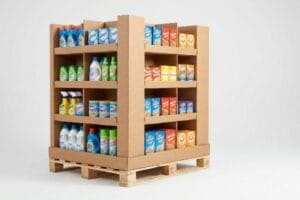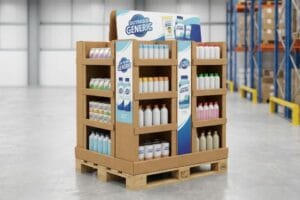
বড় বড় খুচরা বিক্রেতাদের কাছে ঢেউখেলানো কার্ডবোর্ডের কাঠামো পাঠানোর জন্য নিরলস যাচাইকরণ প্রয়োজন। আপনার পণ্য খুচরা দোকানে পৌঁছানোর আগেই, ভৌত পরীক্ষা লাভজনক প্রচারণাকে থেঁতলে যাওয়া কার্ডবোর্ডের দায় থেকে রক্ষা করে।
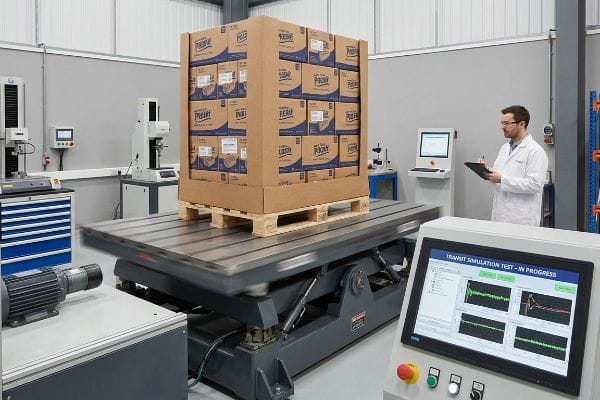
ব্যাপক উৎপাদন শুরু হওয়ার আগে একটি প্যালেট ডিসপ্লে পরীক্ষা করার মাধ্যমে এর কাঠামোগত অখণ্ডতা, উপাদানের শক্তি এবং খুচরা বিক্রয়ের জন্য প্রয়োজনীয় মান নিশ্চিত করা হয়। প্রকৌশলীরা প্রান্ত-চাপ পরীক্ষা এবং পরিবহনকালীন কম্পন সিমুলেশনের মতো কঠোর ভৌত মূল্যায়ন ব্যবহার করে গাণিতিকভাবে নিশ্চিত করেন যে, আপনার ঢেউখেলানো কার্ডবোর্ডের পণ্যসামগ্রী লজিস্টিকসের প্রচণ্ড চাপ সহ্য করতে পারে এবং অক্ষত অবস্থায় নিরাপদে চূড়ান্ত খুচরা গন্তব্যে পৌঁছায়।.
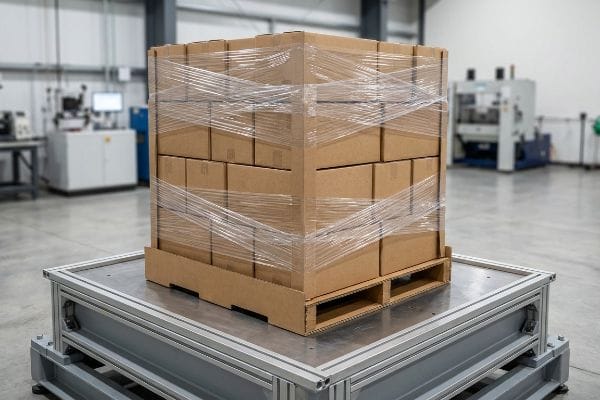
তত্ত্ব চমৎকার, কিন্তু একটি চলমান কাঠের প্ল্যাটফর্মে ভারী ভোগ্যপণ্য এমন কিছু কঠিন বাস্তবতার সম্মুখীন হতে হয়, যার জন্য নিখুঁত প্রকৌশলবিদ্যার প্রয়োজন। চলুন এর কার্যপ্রণালীটি ভেঙে দেখা যাক।
এটা কি প্যালেট নাকি স্বাদের জন্য প্যালেট?
খুচরা বিক্রির জন্য প্রস্তুত প্যাকেজিং ডিজাইন করার ক্ষেত্রে শব্দচয়ন অত্যন্ত গুরুত্বপূর্ণ , বিশেষ করে যখন ভোক্তার সুরক্ষার প্রশ্ন জড়িত থাকে। ক্রয় সংক্রান্ত নির্দেশনায় এই পরিভাষাগুলো গুলিয়ে ফেললে তা ব্যাপক নিয়ম-কানুন লঙ্ঘনের কারণ হতে পারে।
প্যালেট, রঙ এবং পরিবহন ভিত্তি বলতে যথাক্রমে স্বাদ, রঙ এবং পরিবহন ভিত্তিকে বোঝায়। ভোক্তারা যে খাদ্যদ্রব্য আস্বাদন করবেন, সেগুলোর জন্য বিক্রয়কেন্দ্রে প্রদর্শনীর নকশা করার সময় প্যাকেজিং প্রকৌশলীরা কঠোরভাবে বিষমুক্ত প্রতিবন্ধক ব্যবহারের নির্দেশ দেন। ক্ষতিকারক রাসায়নিক পদার্থ বর্জন করা হলে তা সম্পূর্ণ নিয়ন্ত্রক সম্মতি নিশ্চিত করে এবং সাধারণ খুচরা সংরক্ষণের সময় খাদ্যপণ্যের জৈবিক অখণ্ডতা রক্ষা করে।.
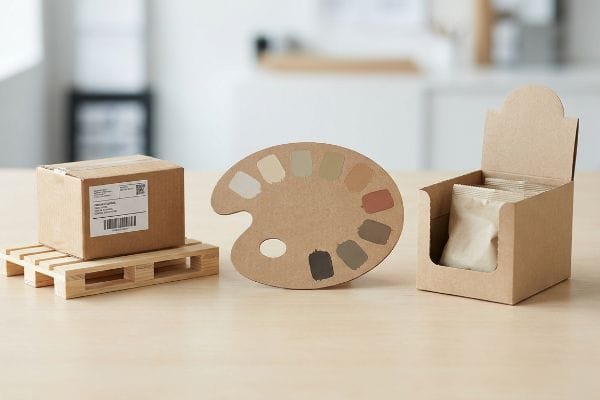
একবার পরিভাষাগুলো বুঝে গেলে, আসল চ্যালেঞ্জ হয়ে দাঁড়ায় সেই খাদ্যপণ্যটিকে উৎপাদনের রাসায়নিক বাস্তবতা থেকে রক্ষা করা।.
স্বাদের সংজ্ঞা: PFAS-মুক্ত খাদ্য প্যাকেজিং
প্রচলিত বাণিজ্যিক মুদ্রণে গ্রাফিক্সকে ফুটিয়ে তোলার জন্য ভারী শিল্পজাত বার্নিশের ওপর নির্ভর করা হয়। এমনকি অভিজ্ঞ ডিজাইনাররাও প্রায়শই এই বিষয়টি উপেক্ষা করেন, যখন তাঁরা সাধারণ প্রসাধনী প্যাকেজিংয়ের স্পেসিফিকেশন খাদ্যপণ্যের প্রচারণায় প্রয়োগ করেন। তাঁরা ধরে নেন যে একটি সাধারণ চকচকে প্রলেপ সবকিছুর জন্যই কাজ করবে, এবং ভুলে যান যে সাধারণ রাসায়নিক প্রতিবন্ধকগুলো দ্বিতীয় খাদ্য পাত্রে মিশে যেতে পারে¹ ।
আমি সম্প্রতি একটি চমৎকার স্ন্যাক মার্চেন্ডাইজার , যেখানে ক্রেতা খরচ বাঁচাতে সাধারণ তরল কোটিং ব্যবহার করতে চেয়েছিলেন। সমস্যাটা কী ছিল? ঐসব সস্তা কোটিং-এ প্রায়শই লুকানো "চিরস্থায়ী রাসায়নিক" থাকে যা সহজেই স্থানান্তরিত হয়।আমার প্রতিষ্ঠানে, আমি খাদ্য শৃঙ্খলের সংস্পর্শে আসা যেকোনো কিছুর জন্য কঠোরভাবে PFAS-মুক্ত জল-ভিত্তিক কোটিং ব্যবহারের নিয়ম প্রয়োগ করি। আমার মনে আছে, আমি একজন ক্লায়েন্টের সাথে একটি ফিজিক্যাল ড্র-ডাউন টেস্ট করেছিলাম—কড়া পেট্রোলিয়াম বার্নিশের তুলনায় কাঁচা জলীয় পলিমারের গন্ধ বেশ হালকা। বিষাক্ত রাসায়নিক বাদ দিয়ে, আমি গ্রোসারি ডিস্ট্রিবিউটরের কাছে একটি বড় ধরনের নিয়ন্ত্রক বাধা এড়াতে পেরেছিলাম, যা খুচরা বাজারে ব্র্যান্ডের মার্জিনকে নিরাপদ এবং আইনসম্মত রাখতে সাহায্য করেছিল।
| নতুনদের সাধারণ ভুল | প্রো ফিক্স | খুচরা-ফ্লোর সুবিধা |
|---|---|---|
| সাধারণ রাসায়নিক বার্নিশ ব্যবহার করে | PFAS-মুক্ত জলীয় আবরণ বাধ্যতামূলক করা ৩ | কঠোর এফডিএ খুচরা নিরীক্ষায় উত্তীর্ণ |
| খাদ্য-সংস্পর্শ স্থানান্তর উপেক্ষা করা | জল-ভিত্তিক সুরক্ষা প্রতিবন্ধক প্রয়োগ 4 | ব্যয়বহুল পণ্য প্রত্যাহার দূর করে |
| সস্তা বিষাক্ত গ্লসকে অগ্রাধিকার দেওয়া | নিরাপদ পলিমার তরল ম্যাট্রিক্স ৫ ব্যবহার করে | ব্র্যান্ডের সুনাম ও বিশ্বাস রক্ষা করে |
ভোগ্যপণ্য খুচরা ইউনিট ডিজাইন করার সময় আমি উপাদানের রসায়নের ব্যাপারে কখনো আপোস করি না। ভোক্তার স্বাস্থ্য রক্ষা করা আপনার পরিচালন মুনাফাকে মারাত্মক ফেডারেল জরিমানা থেকে সরাসরি রক্ষা করে।.
🛠️ হার্ভির ডেস্ক: আপনার বর্তমান ডিসপ্লে কোটিংগুলো খাদ্য-নিরাপদ কিনা তা নিয়ে নিশ্চিত নন? 👉 একটি মেটেরিয়াল অডিটের জন্য অনুরোধ করুন ↗ — সরাসরি আমার ডেস্কে অ্যাক্সেস। কোনো স্বয়ংক্রিয় সেলস স্প্যাম নেই, আমি কথা দিচ্ছি।
প্যালেট টেস্টিং বলতে কী বোঝায়?
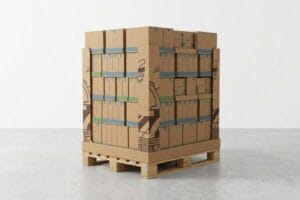
আগে থেকে ভরা ঢেউখেলানো কার্ডবোর্ডের বাক্সগুলো কাঠের প্ল্যাটফর্মে তোলার সময় প্রচণ্ড গতিশীল চাপ সৃষ্টি হয়। আপনার পেপারবোর্ড যে এই লজিস্টিক দুঃস্বপ্ন সহ্য করতে পারবে, তা প্রমাণ করার জন্য কঠোর শারীরিক মূল্যায়নের প্রয়োজন হয়।.
প্যালেট টেস্টিং-এর মাধ্যমে কৃত্রিম লজিস্টিক চাপের অধীনে একটি সম্পূর্ণ বোঝাই শিপিং ইউনিটের ভৌত সহনশীলতা মূল্যায়ন করা হয়। প্রকৌশলীরা ডায়নামিক লোড ক্যাপাসিটি এবং ভাইব্রেশন থ্রেশহোল্ড পরিমাপ করার জন্য বিশেষায়িত কম্প্রেশন মেশিন ব্যবহার করেন। এই কঠোর গাণিতিক যাচাইকরণ নিশ্চিত করে যে মাস্টার কার্টনগুলো মারাত্মক কাঠামোগত ধস ছাড়াই বিশ্বব্যাপী পরিবহন এবং গুদামে ভারী স্ট্যাকিং সহ্য করতে পারে।.
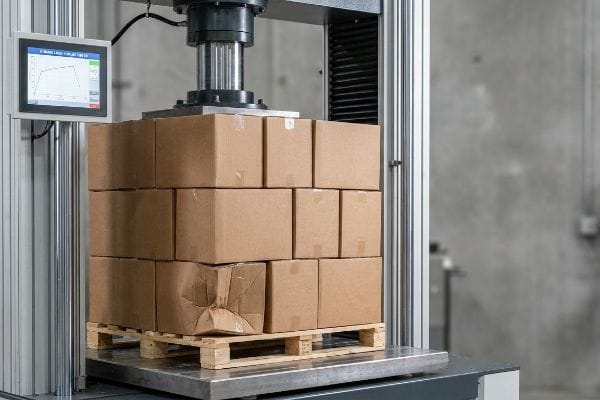
আপনার করোগেটেড বোর্ডের মূল শক্তি জানাটা সহায়ক, কিন্তু গুদামে বিচ্ছিন্ন ল্যাব পরীক্ষার ফলাফল প্রায়শই আপনাকে ভুল তথ্য দেয়।.
বক্স কম্প্রেশন টেস্টের আসল সত্য
ক্রয়কারী দলগুলো প্রায়শই শিপিং ঘনত্ব সর্বাধিক করার জন্য মাস্টার কার্টনের মাত্রা বাড়িয়ে দেয়, এই ভেবে যে একটি হেভি-ডিউটি বোর্ডের প্রাথমিক ECT (এজ ক্রাশ টেস্ট) রেটিং৬ স্বয়ংক্রিয়ভাবে পণ্যগুলোকে সুরক্ষিত রাখবে। তারা নিখুঁত ল্যাব পরিস্থিতির উপর ভিত্তি করে তাত্ত্বিক ভারবহন সীমা গণনা করে।
তারা যে বিষয়টি বুঝতে পারে না তা হলো, একটি লাইভ ডকে করা বিসিটি (বক্স কম্প্রেশন টেস্ট)-এর কঠোর জ্যামিতিক গঠন। আমি প্রায়শই দেখি ব্র্যান্ডগুলো এমন কার্টন ডিজাইন করে যা জিএমএ ৪৮×৪০ ইঞ্চি (১২১৯×১০১৬ মিমি) কাঠের ডেক৭-এর মাত্র এক ইঞ্চির ভগ্নাংশ পরিমাণ ঝুলে থাকে। যখন একটি করোগেটেড কোণা কাঠ থেকে ঝুলে থাকে, তখন এটি কোনো ভার বহন করে না৮।আমি একটি টেস্টিং প্রেসের পাশে দাঁড়িয়েছি এবং ১৫০০ পাউন্ড (৬৮০ কেজি) ওপরের ওজনের নিচে অবলম্বনহীন নিচের স্তরটি বাইরের দিকে বেঁকে যাওয়ায় ক্লান্ত ফ্লুটগুলো ভেঙে যাওয়ার বীভৎস মচমচে শব্দ শুনেছি। আমার ক্যাড (কম্পিউটার-এইডেড ডিজাইন) সফটওয়্যারে একটি কঠোর শূন্য-ওভারহ্যাং বাউন্ডিং বক্স প্রয়োগ করে এবং কৃত্রিমভাবে এর ফুটপ্রিন্টকে ঠিক ০.৫ ইঞ্চি (১২.৭ মিমি) ছোট করে, আমি কার্টনের উল্লম্ব শক্তি পুনরুদ্ধার করি, যা পরিবহনের সময় হওয়া ক্ষতি এবং খুচরা বিক্রেতাদের ব্যয়বহুল চার্জব্যাক সম্পূর্ণরূপে দূর করে।
| নতুনদের সাধারণ ভুল | প্রো ফিক্স | খুচরা-ফ্লোর সুবিধা |
|---|---|---|
| কার্টন ডেকের ওভারহ্যাংয়ের অনুমতি দেওয়া | পদচিহ্ন ০.৫ ইঞ্চি (১২.৭ মিমি) সংকুচিত করা হচ্ছে | নিচের স্তরের পিষে যাওয়া প্রতিরোধ করে |
| কাঁচামালের ইসিটি সীমাবদ্ধতার উপর বিশ্বাস | লাইভ ডায়নামিক বিসিটি লোড গণনা করা | ভারী ডাবল-স্ট্যাকিং সহ্য করে |
| বেপরোয়াভাবে বাক্সের আকার বাড়ানো | জিএমএ মান অনুযায়ী মাত্রা স্থির করা | উচ্চ ক্ষতির চার্জব্যাক দূর করে |
আমি কঠোর সীমানা নির্ধারণ করি, কারণ পরিবহনের সময় আপনার কাঠামোর কোণাগুলো যদি বাতাসে ভাসতে থাকে, তবে কাগজে-কলমের তাত্ত্বিক শক্তির কোনো মূল্যই থাকে না।.
🛠️ হার্ভির ডেস্ক: আপনার মাস্টার কার্টনগুলো কি গোপনে কাঠের কিনারা ছাড়িয়ে ঝুলে আছে? 👉 একটি স্ট্রাকচারাল CAD রিভিউ করান ↗ — নিরাপদে ডাউনলোড করুন। পরবর্তীতে কোনো প্রশ্ন থাকলে আমার ইনবক্স খোলা আছে।
এর বানান কি pallet নাকি palette?
গ্রাফিক ডিজাইনাররা প্রায়শই কাঠামোগত ভিত্তি এবং রঙের বিন্যাসের মধ্যে পার্থক্য বুঝতে হিমশিম খান। এই মৌলিক বিষয়গুলো ভুল বোঝার কারণে বাহ্যিক গঠন এবং দৃশ্যমান প্রভাব—উভয়ই নষ্ট হয়ে যায়।.
‘pallet’ বা ‘palette’ এর বানানটি আপনার প্রচারণার লজিস্টিক্যাল বা ভিজ্যুয়াল প্রেক্ষাপটের উপর সম্পূর্ণরূপে নির্ভর করে। ‘pallet’ হলো মালামাল পরিবহনের জন্য ব্যবহৃত একটি ভারী কাঠের কাঠামো, অন্যদিকে ‘palette’ বাণিজ্যিক মুদ্রণ প্রক্রিয়ার সময় আপনার ঢেউখেলানো রিটেইল ডিসপ্লেতে প্রয়োগ করা রঙিন কালির নির্দিষ্ট বর্ণালীকে নির্দেশ করে।.
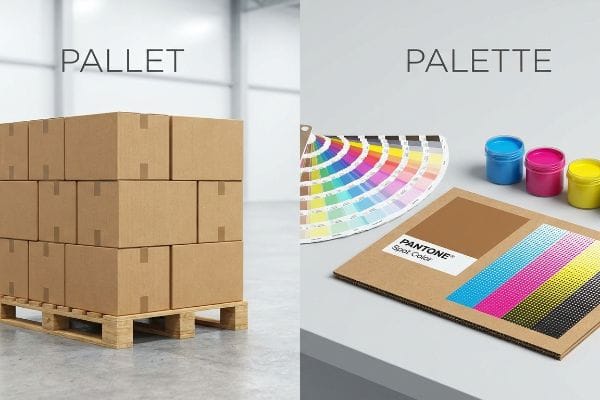
যদিও কাঠের ভৌত ভিত্তি সুরক্ষিত করা অত্যাবশ্যক, ছিদ্রযুক্ত পেপারবোর্ডে সঠিক দৃশ্যরূপ মুদ্রণ করার ক্ষেত্রেই বেশিরভাগ প্রচারণা দৃশ্যগতভাবে ব্যর্থ হয়।.
র বোর্ডে CMYK কালার প্যালেট নিয়ন্ত্রণ করা
মার্কেটিং দলগুলো প্রায়শই তাদের সুদৃঢ় কর্পোরেট লোগোগুলোকে প্রমিত চার-রঙা ডিজিটাল ফরম্যাটে9, এই ভেবে যে কারখানার প্রিন্টিং প্রেস তাদের উজ্জ্বল কম্পিউটার মনিটরের সাথে নিখুঁতভাবে মিলে যাবে। তারা কাঁচা পেপারবোর্ডকে ঠিক প্রিমিয়াম চকচকে ম্যাগাজিনের কাগজের10।
এটাই সেই নির্দিষ্ট ফাঁদ যা প্রথম নমুনা পরিদর্শনের সময় ব্র্যান্ড ম্যানেজারদের আতঙ্কিত করে তোলে। সাধারণ CMYK (সায়ান, ম্যাজেন্টা, ইয়েলো, কী/ব্ল্যাক) প্রিন্টিং ক্ষুদ্র, পরস্পর ছেদকারী হাফটোন ডটের উপর নির্ভর করে। অত্যন্ত ছিদ্রযুক্ত ঢেউখেলানো টেস্টলাইনারে, সেই ক্ষুদ্র কালির বিন্দুগুলো রুক্ষ তন্তুর মধ্যে ছড়িয়ে পড়ে , যার ফলে দোকানের তীব্র ফ্লুরোসেন্ট আলোর নিচে একটি দানাদার, ঘোলাটে জগাখিচুড়ি তৈরি হয়। আমি প্রায়শই ক্লায়েন্টদের দেখানোর জন্য সেই অমসৃণ কাগজের টেক্সচারের উপর আমার আঙুল চালাই যে কেন আমরা ডিজিটাল ব্লেন্ডিং ব্যবহার করতে পারি না। এর পরিবর্তে, আমি একটি কঠোর স্পট কালার ফ্লাড প্রোটোকল বাধ্যতামূলক করি, যেখানে পিগমেন্টের একটি ঘন, নিরেট স্তর বসানোর জন্য সুনির্দিষ্টভাবে মিশ্রিত PMS (প্যান্টোন ম্যাচিং সিস্টেম) কালি ব্যবহার করা হয় । এই একটিমাত্র পরিবর্তন দৃশ্যমান দানাদার ভাব সম্পূর্ণরূপে দূর করে, যা নিশ্চিত করে যে লোগোটি ত্রিশ ফুট দূর থেকেও স্পষ্টভাবে ফুটে ওঠে এবং প্রচুর ক্রেতাকে আকর্ষণ করে।
| নতুনদের সাধারণ ভুল | প্রো ফিক্স | খুচরা-ফ্লোর সুবিধা |
|---|---|---|
| CMYK ডট ব্যবহার করে লোগো প্রিন্ট করা | সলিড প্যানটোন স্পট ইঙ্ক ব্যবহার করে13 | উচ্চ-কন্ট্রাস্ট দৃশ্যমানতা সর্বাধিক করে তোলে |
| কার্ডবোর্ডকে ফটো পেপারের মতো ব্যবহার করা | ছিদ্রযুক্ত তন্তুর জন্য প্রিপ্রেস সামঞ্জস্য করা14 | ব্র্যান্ডের রঙ বিবর্ণ হওয়া থেকে রক্ষা করে |
| ডিজিটাল পিডিএফ রঙ অনুমোদন করা | ১৫ নম্বর চাহিদা অনুযায়ী সরাসরি নমুনা সংগ্রহ | সঠিক ভিজ্যুয়াল ব্র্যান্ডিং নিশ্চিত করে |
আমি ঘোলাটে হাফটোন কালিকে আপনার ব্র্যান্ডের সুনাম নষ্ট করতে দেব না। দোকানের কঠোর আলোকে মোকাবেলা করার একমাত্র উপায় হলো একটি সুসংহত স্পট কালার প্যালেট তৈরি করা।.
🛠️ হার্ভিস ডেস্ক: কাঁচা কার্ডবোর্ডে আপনার ব্র্যান্ডের রঙগুলো ঘোলাটে দেখাবে ভেবে চিন্তিত? 👉 আপনার প্রিপ্রেস কালার অডিট দাবি করুন ↗ — কোনো ফর্ম নেই যা অবিরাম সেলস কলের কারণ হয়। শুধু খাঁটি মূল্য।
প্যালেট পরিদর্শন করার সময় কী কী বিষয় লক্ষ্য করা উচিত?
আপনার চূড়ান্ত ডিসপ্লেগুলো হাতে পাওয়াটা সরবরাহ ব্যবস্থার যাত্রার কেবল শুরু। মূল কাঠামোর পুঙ্খানুপুঙ্খ সরেজমিন পরিদর্শনই নির্ধারণ করে যে আপনার ইউনিটগুলো পরিবহনের ধকল সহ্য করতে পারবে কি না।.
প্যালেট পরিদর্শনের জন্য এর কাঠের ডেক বোর্ড, স্ট্রিংগার এবং ফাস্টেনার সংযোগগুলির কাঠামোগত অখণ্ডতা পরীক্ষা করা প্রয়োজন। মূল্যায়নকারীদের অবশ্যই অনুপস্থিত তক্তা, বেরিয়ে থাকা পেরেক বা গুরুতর ফাটলের সন্ধান করতে হবে, যা গতিশীল ওজন বন্টনকে ব্যাহত করতে পারে। এই শারীরিক ত্রুটিগুলি আগেভাগে শনাক্ত করা গেলে, খুচরা ও গুদামজাত পণ্য ওঠানো-নামানোর সময় ভিত্তির ভয়াবহ ধস প্রতিরোধ করা যায়।.
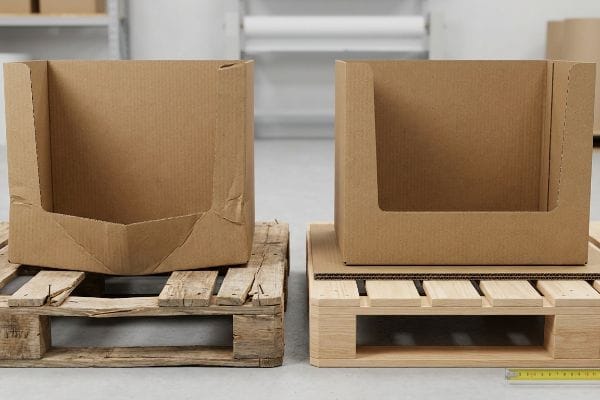
কিন্তু যখন মেশিনগুলো চলতে শুরু করে এবং ফর্কলিফ্টগুলো সস্তা কাঠের ওপর ভারী পিওপি (পয়েন্ট অফ পারচেজ) মার্চেন্ডাইজার নামাতে শুরু করে, তখন শুধু তত্ত্ব জানাই যথেষ্ট নয়।.
কারখানাতেই সাধারণ কাঠের ডেক কেন ব্যর্থ হয়
এটি একটি সাধারণ ফাঁদ যা এমনকি অভিজ্ঞ ক্রয় দলগুলোকেও কাবু করে ফেলে: তারা যেকোনো সমতল পৃষ্ঠই কাজ করবে এমনটা ধরে নিয়ে, ভারী খুচরা পণ্য পরিবহনের জন্য নিম্নমানের ও অপরিশোধিত কাঠের রপ্তানি প্ল্যাটফর্ম সংগ্রহ করে। তারা নীচের ভিত্তির কাঠামোগত দৃঢ়তাকে পুরোপুরি উপেক্ষা করে, কেবল উপরের সুন্দর ঢেউখেলানো কাঠামোর দিকেই সম্পূর্ণ মনোযোগ দেয়।.
আমার প্রতিষ্ঠানে আমি নিয়মিতই দেখি যে সস্তা কাঠের বেসের কারণে অনেক ক্যাম্পেইন নষ্ট হয়ে যায়। ক্লায়েন্টরা আগে থেকে ভরা ফ্লোর ইউনিটগুলো সরাসরি নিম্নমানের কাঠের প্ল্যাটফর্মের উপর রাখে, যেগুলোর উপরের ডেক বোর্ডগুলোর মধ্যে বিশাল ফাঁক থাকে। যখন আমি লোডের নিচে এর বেঁকে যাওয়া পরিমাপ করি, তখন প্রায়শই দেখি যে করোগেটেড বেসের সাপোর্টবিহীন অংশগুলো সোজা ওই ৩-ইঞ্চি (৭৬.২ মিমি) ফাঁকা জায়গার মধ্যে বেঁকে যাচ্ছে। আমি নিজে হাতে অনুভব করতে পারি যে, পয়েন্ট-লোডের চাপে ফ্লুটগুলো বেঁকে যাওয়ার ফলে ভার্জিন ক্রাফট বোর্ডের শক্ত প্রতিরোধ ভেঙে পড়ছে। একটি সলিড ডেক প্রোটোকল প্রয়োগ করে—হয় একটি শক্ত করোগেটেড স্লিপ শিট যোগ করে অথবা গাণিতিকভাবে বেসের ভেতরের ফ্লুটের দিক এমনভাবে সাজিয়ে যাতে তা স্ট্রিংগারগুলোর উপর লম্বভাবে বিস্তৃত হয়—আমি এই ফাঁকের ঝুঁকিটি দূর করি। এই সুনির্দিষ্ট কাঠামোগত বিন্যাস ওজনের সুষম বণ্টন নিশ্চিত করে, যা নিচের স্তরকে ঝুলে পড়া থেকে রক্ষা করে এবং ক্লায়েন্টদের মাল পরিবহনের সময় হওয়া অপূরণীয় ক্ষতি থেকে বাঁচায়।.
| নতুনদের সাধারণ ভুল | প্রো ফিক্স | খুচরা-ফ্লোর সুবিধা |
|---|---|---|
| কাঠের বোর্ডের প্রশস্ত ফাঁক উপেক্ষা করা | একটি কঠিন স্লিপ শিট প্রতিবন্ধক১৬ | নিচের স্তরের ইউনিট ঝুলে পড়া প্রতিরোধ করে। |
| লোডিং ফাঁকগুলির সমান্তরালে প্রদর্শিত হয়। | স্ট্রিংগার জুড়ে বিস্তৃত বাঁশি17 | নিখুঁত উল্লম্ব সারিবদ্ধতা বজায় রাখে |
| সবচেয়ে সস্তা রপ্তানি কাঠ কেনা | কাঠামোগতভাবে যাচাইকৃত ভিত্তিগুলির উৎস সন্ধান18 | ব্যাপক পরিবহন ব্যর্থতা দূর করে |
আমি কাগজের তন্তুগুলোকে দিয়ে মূল কাজটি করিয়ে সস্তা কাঠের ঝুঁকি দূর করি, যা নিশ্চিত করে যে আপনার প্রচারপত্রটি শূন্যে নুয়ে না পড়ে নিরাপদে পৌঁছাবে।.
🛠️ হার্ভির ডেস্ক: আপনার রিটেইল ক্যাম্পেইনের কাঠের বেসটির সঠিক গ্যাপ টলারেন্স কি আপনি জানেন? 👉 আমাকে আপনার ডাইলাইন ফাইল পাঠান ↗ — গণ-উৎপাদনে বাজেট অপচয় করার আগে আমি হিসাবটি স্ট্রেস-টেস্ট করে দেখব।
উপসংহার
আপনি আপনার ক্যাম্পেইনের জন্য একজন সস্তা বিক্রেতা বেছে নিতে পারেন, কিন্তু যখন সেই সাপোর্টবিহীন ঢেউখেলানো কোণাগুলো কাঠের ডেকের বাইরে ঝুলে থাকে এবং ওপর থেকে ১,৫০০ পাউন্ড (৬৮০ কেজি) ওজনের চাপে সঙ্গে সঙ্গে ভেঙে পড়ে, তখন আপনাকে খুচরা বিক্রেতার তাৎক্ষণিক প্রত্যাখ্যান এবং মারাত্মক লজিস্টিক চার্জব্যাকের সম্মুখীন হতে হয়। ৫০০-এর বেশি ব্র্যান্ড ম্যানেজার ঠিক এই মারাত্মক প্রাথমিক পর্যায়ের ভুলগুলো এড়ানোর জন্য আমার প্রিপ্রেস চেকলিস্ট ব্যবহার করেন। কাঠামোগত লোড সহনশীলতা নিয়ে অনুমান করা বন্ধ করুন এবং উৎপাদনে অর্থ অপচয় করার আগেই আপনার মাস্টার কার্টনগুলোকে গাণিতিকভাবে সুরক্ষিত করতে আমাকে ব্যক্তিগতভাবে আমার ফ্রি ডাইলাইন অডিট ↗- এর মাধ্যমে আপনার মাপগুলো মূল্যায়ন করতে দিন।
"কালি এবং অন্যান্য উপাদান থেকে রাসায়নিক স্থানান্তরের উপর একটি পদ্ধতিগত অনুসন্ধান...", https://www.nal.usda.gov/research-tools/food-safety-research-projects/systematic-investigation-chemical-migration-inks-and। [একটি বিষবিদ্যাগত বা খাদ্য নিরাপত্তা সমীক্ষা প্রদর্শন করবে যে কীভাবে অ-খাদ্য-উপযোগী আবরণ প্যাকেজিং উপকরণের মধ্য দিয়ে খাদ্যবস্তুতে স্থানান্তরিত হয়]। প্রমাণের ভূমিকা: প্রযুক্তিগত যাচাইকরণ; উৎসের ধরণ: পিয়ার-রিভিউড জার্নাল বা নিয়ন্ত্রক নির্দেশিকা। সমর্থন করে: রাসায়নিক লিচিং-এর ঝুঁকি। পরিধি নোট: অ-সম্মত শিল্প বার্নিশের উপর দৃষ্টি নিবদ্ধ করে। ↩
"খাদ্য প্যাকেজিং-এ পার- এবং পলিফ্লুরোঅ্যালকাইল পদার্থ: স্থানান্তর...", https://pmc.ncbi.nlm.nih.gov/articles/PMC10993423/। [এফডিএ (FDA) বা ইএফএসএ (EFSA)-এর প্রামাণ্য বিষবিদ্যা সংক্রান্ত গবেষণা বা নিয়ন্ত্রক প্রতিবেদনগুলো স্বল্পমূল্যের আবরণে পার- এবং পলিফ্লুরোঅ্যালকাইল পদার্থ (PFAS)-এর উপস্থিতি এবং খাদ্যে এদের স্থানান্তরের প্রবণতা নিশ্চিত করতে পারে। প্রমাণের ভূমিকা: প্রযুক্তিগত যাচাইকরণ; উৎসের ধরণ: পিয়ার-রিভিউড বৈজ্ঞানিক জার্নাল বা নিয়ন্ত্রক নির্দেশিকা। সমর্থন করে: এই দাবি যে স্বল্পমূল্যের আবরণ রাসায়নিক দূষণের ঝুঁকি তৈরি করে। পরিধি সংক্রান্ত টীকা: খাদ্য-সংস্পর্শী উপকরণে PFAS-এর রাসায়নিক স্থিতিশীলতা এবং স্থানান্তরের হারের উপর আলোকপাত করে।] ↩
"খাদ্য সংস্পর্শে ব্যবহৃত সামগ্রীতে PFAS-এর অনুমোদিত ব্যবহার – FDA", https://www.fda.gov/food/process-contaminants-food/authorized-uses-pfas-food-contact-applications। [FDA-এর নিয়ন্ত্রক নথি যাচাই করবে যে PFAS-মুক্ত জলীয় আবরণগুলি খাদ্য সংস্পর্শে আসা খুচরা সামগ্রীর জন্য প্রয়োজনীয় সুরক্ষা মান পূরণ করে]। প্রমাণের ভূমিকা: প্রযুক্তিগত যাচাইকরণ; উৎসের ধরণ: নিয়ন্ত্রক নির্দেশিকা। সমর্থন করে: এই দাবি যে এই আবরণগুলি FDA-এর খুচরা নিরীক্ষায় উত্তীর্ণ হয়। পরিধি টীকা: খাদ্য-উপযোগী প্যাকেজিং সামগ্রীর জন্য প্রযোজ্য। ↩
"খাদ্য প্যাকেজিং এবং রাসায়নিক স্থানান্তর: একটি খাদ্য নিরাপত্তা দৃষ্টিকোণ", https://pmc.ncbi.nlm.nih.gov/articles/PMC12096275/। [পদার্থ বিজ্ঞান বিষয়ক সাহিত্যে দেখানো হবে কিভাবে জল-ভিত্তিক প্রতিবন্ধকগুলো খাদ্যের সংস্পর্শে স্থানান্তরের সময় দূষকের স্থানান্তরকে কার্যকরভাবে প্রশমিত করে]। প্রমাণের ভূমিকা: কার্যকারিতা যাচাই; উৎসের ধরণ: প্রযুক্তিগত গবেষণা। সমর্থন করে: এই দাবি যে এই প্রতিবন্ধকগুলো পণ্য প্রত্যাহারের ঝুঁকি কমায়। পরিধিগত টীকা: কার্যকারিতা নির্দিষ্ট প্রতিবন্ধকের রসায়নের উপর নির্ভর করে। ↩
"বায়োপলিমার-ভিত্তিক টেকসই খাদ্য প্যাকেজিং উপকরণ", https://pmc.ncbi.nlm.nih.gov/articles/PMC10297947/। [প্যাকেজিং ইঞ্জিনিয়ারিং স্ট্যান্ডার্ডগুলো প্রচলিত রাসায়নিক গ্লস ফিনিশের নিরাপদ বিকল্প হিসেবে ব্যবহৃত নির্দিষ্ট অ-বিষাক্ত পলিমার ম্যাট্রিক্স শনাক্ত করবে]। প্রমাণের ভূমিকা: উপকরণ যাচাই; উৎসের ধরণ: প্রযুক্তিগত ম্যানুয়াল। সমর্থন করে: বিষাক্ত গ্লসের পরিবর্তে নিরাপদ পলিমার ম্যাট্রিক্সের ব্যবহার। পরিধি নোট: খাদ্য-সংস্পর্শী পৃষ্ঠের সার্টিফিকেশনের জন্য নির্দিষ্ট। ↩
"এজ ক্রাশ টেস্ট (ECT) – করোগেটেড বক্স", https://www.theboxery.com/ect.asp?srsltid=AfmBOooU5z2HoApJY2E2zvxmQvoyaX52dE-hgi__RB77cqjYQ2B1Nx5V। [TAPPI-এর মতো সংস্থাগুলির শিল্প মানগুলি এজ ক্রাশ টেস্ট (ECT) এবং করোগেটেড ফাইবারবোর্ডের উল্লম্ব সংকোচন শক্তি পরিমাপে এর ভূমিকা সংজ্ঞায়িত করে]। প্রমাণের ভূমিকা: প্রযুক্তিগত সংজ্ঞা; উৎসের ধরণ: শিল্প মান। সমর্থন করে: প্যাকেজিং উপকরণের ভারবহন ক্ষমতা অনুমান করার জন্য ব্যবহৃত মেট্রিক। পরিধি নোট: ECT সম্পূর্ণ বক্স কম্প্রেশন (BCT)-এর পরিবর্তে বোর্ড উপাদানের শক্তি পরিমাপ করে। ↩
"জিএমএ প্যালেট: ৪৮ × ৪০ মাপ, গ্রেড ও মূল্য (২০২৬ গাইড)", https://www.repackify.com/blog/what-is-a-gma-pallet-48×40-standard-grades-pricing?srsltid=AfmBOoqj9ogUt1SI1nQ2KXSJCgmjJp0R33kZyF8ORIzVevGro2q-wWRY। [গ্রোসারি ম্যানুফ্যাকচারার্স অ্যাসোসিয়েশনের একটি শিল্প-মানসম্মত স্পেসিফিকেশন উত্তর আমেরিকার প্যালেটগুলির জন্য আদর্শ মাপ নিশ্চিত করে]। প্রমাণের ভূমিকা: প্রযুক্তিগত স্পেসিফিকেশন; উৎসের ধরণ: শিল্প-মান। সমর্থন করে: প্যালেটের আকারের নির্ভুলতা। পরিধির টীকা: বিশেষভাবে উত্তর আমেরিকার লজিস্টিকস মানগুলির জন্য প্রযোজ্য। ↩
"[পিডিএফ] ইউনিটাইজড বাক্সের সংকোচন শক্তির উপর প্যালেটাইজড বক্স অফসেটের প্রভাব...", https://digitalcommons.calpoly.edu/cgi/viewcontent.cgi?article=1067&context=it_fac। [প্যাকেজিং ইঞ্জিনিয়ারিং সাহিত্য থেকে জানা যায় যে, করোগেটেড বাক্সগুলো তাদের উল্লম্ব শক্তির বেশিরভাগই কোণাগুলো থেকে অর্জন করে, এবং যেকোনো ওভারহ্যাং বক্স কম্প্রেশন টেস্ট (BCT)-এর মান উল্লেখযোগ্যভাবে কমিয়ে দেয়]। প্রমাণের ভূমিকা: প্রযুক্তিগত নীতি; উৎসের ধরণ: ইঞ্জিনিয়ারিং ম্যানুয়াল। সমর্থন: ওভারহ্যাং-এর কাঠামোগত প্রভাব। পরিধি টীকা: উল্লম্ব সংকোচনের বলবিদ্যার উপর আলোকপাত করে। ↩
"আরজিবি বনাম সিএমওয়াইকে: নিখুঁত প্রিন্ট রঙের জন্য ২০২৬ সালের নির্দেশিকা", https://www.jukeboxprint.com/blog/rgb-vs-cmyk-for-print?srsltid=AfmBOorD1nHIXdHi4DXBWsDp-vlWLiPzcBXgwVJ6hUmyMy6OLlOUQHjp। [প্রযুক্তিগত ডকুমেন্টেশনটি প্রিন্টিং-এ ব্যবহৃত সিএমওয়াইকে সাবট্র্যাক্টিভ কালার মডেল এবং স্ক্রিনে ব্যবহৃত আরজিবি অ্যাডিটিভ মডেলের মধ্যে পার্থক্য ব্যাখ্যা করে, এবং এর ফলে কালার গ্যামুটে যে ভিন্নতা দেখা যায়, তা তুলে ধরে]। প্রমাণের ভূমিকা: প্রযুক্তিগত স্পেসিফিকেশন; উৎসের ধরণ: প্রিন্টিং শিল্পের মান। সমর্থন করে: মনিটরের ডিসপ্লে এবং মুদ্রিত আউটপুটের মধ্যবর্তী ব্যবধান। পরিধি সংক্রান্ত টীকা: সকল সাধারণ বাণিজ্যিক প্রিন্টিং-এর ক্ষেত্রে প্রযোজ্য। ↩
"কোটেড বনাম আনকোটেড পেপার: কালি শোষণ ও রঙের নির্দেশিকা", https://www.ybj-printing.com/coated-vs-uncoated-paper-ink-absorption-color-guide/। [বস্তুবিজ্ঞানের উৎসগুলিতে বিশদভাবে বর্ণনা করা হয়েছে যে কীভাবে আনকোটেড কাঁচা পেপারবোর্ড তার তন্তুর গভীরে কালি শোষণ করে, যা চকচকে কোটেড সাবস্ট্রেটের কালি ধারণ ক্ষমতার তুলনায় রঙের স্যাচুরেশন কমিয়ে দেয়]। প্রমাণের ভূমিকা: প্রযুক্তিগত তুলনা; উৎসের ধরণ: সাবস্ট্রেট উৎপাদন নির্দেশিকা। সমর্থন করে: বোর্ড এবং ম্যাগাজিন কাগজের মধ্যে দৃশ্যগত প্রভাবের পার্থক্য। পরিধি নোট: বিশেষভাবে কালির ছড়িয়ে পড়া এবং স্যাচুরেশন সম্পর্কিত। ↩
"প্রিন্টিং ডট-এর জন্য গাণিতিক মডেলিং এবং ক্ষতিপূরণ কৌশল...", https://pmc.ncbi.nlm.nih.gov/articles/PMC12574880/। [প্রিন্টিং বা পদার্থ বিজ্ঞানের একটি নির্ভরযোগ্য উৎস করোগেটেড টেস্টলাইনারের মতো ছিদ্রযুক্ত সাবস্ট্রেটে ডট গেইন এবং কালি শোষণের প্রক্রিয়া ব্যাখ্যা করে]। প্রমাণের ভূমিকা: প্রযুক্তিগত যাচাইকরণ; উৎসের ধরণ: শিল্প ম্যানুয়াল। সমর্থন: কাঁচা বোর্ডে দানাদার ভিজ্যুয়াল আউটপুটের ব্যাখ্যা। পরিধি নোট: করোগেটেড সাবস্ট্রেটের উপর আলোকপাত। ↩
"প্যাকেজিংয়ের জন্য পিএমএস বনাম সিএমওয়াইকে: কোনটি শ্রেয়? – প্যাক্স সলিউশনস", https://pax.solutions/corrugated-packaging/pms-vs-cmyk-for-packaging/। [একটি কালার ম্যানেজমেন্ট গাইড দেখায় যে, শোষক উপাদানের উপর সিএমওয়াইকে হাফটোন ওভারলে-এর তুলনায় স্পট কালার উন্নততর অস্বচ্ছতা এবং একরূপতা প্রদান করে]। প্রমাণের ভূমিকা: প্রযুক্তিগত যাচাইকরণ; উৎসের ধরণ: কালার স্ট্যান্ডার্ড ডকুমেন্টেশন। সমর্থন করে: স্পট কালার ফ্লাড প্রোটোকলের কার্যকারিতা। পরিধি নোট: বাণিজ্যিক প্রিন্টিং অ্যাপ্লিকেশনের জন্য নির্দিষ্ট। ↩
"কাস্টম ব্র্যান্ডেড প্যাকেজিং-এর জন্য প্যান্টোন বনাম সিএমওয়াইকে – ইকোএনক্লোজ", https://www.ecoenclose.com/blog/pantone-vs-cmyk-for-custom-branded-packaging?srsltid=AfmBOoo4Ezh_L95YjRl5ihoKHsYFMTJ2cwfT_bDpfz4sp3Zz78BsOPjh। [প্রিন্টিং শিল্পের ম্যানুয়ালগুলো নিশ্চিত করে যে, নন-কোটেড সাবস্ট্রেটের ক্ষেত্রে সিএমওয়াইকে প্রসেস ডটের চেয়ে স্পট কালার বেশি স্যাচুরেশন এবং সামঞ্জস্য প্রদান করে]। প্রমাণের ভূমিকা: প্রযুক্তিগত যাচাইকরণ; উৎসের ধরণ: প্রিন্টিং শিল্পের ম্যানুয়াল। সমর্থন করে: সর্বোচ্চ দৃশ্যমানতার জন্য স্পট ইঙ্কের ব্যবহার। পরিধি সংক্রান্ত টীকা: ব্র্যান্ডেড লোগো পুনরুৎপাদনের ক্ষেত্রে প্রযোজ্য। ↩
"(পিডিএফ) সাবস্ট্রেটের অভ্যন্তরে কালির অনুপ্রবেশের গভীরতার বিশ্লেষণ …", https://www.researchgate.net/publication/397493950_Analysis_of_ink_penetration_depth_inside_substrates_for_secondary_packaging। [সাবস্ট্রেটের উপর প্রযুক্তিগত নির্দেশিকা ব্যাখ্যা করে যে কীভাবে ছিদ্রযুক্ত ফাইবারে কালি শোষণের জন্য রঙের বিবর্ণতা রোধ করতে নির্দিষ্ট কালি-সীমা সমন্বয়ের প্রয়োজন হয়]। প্রমাণের ভূমিকা: প্রযুক্তিগত স্পেসিফিকেশন; উৎসের ধরণ: প্যাকেজিং ইঞ্জিনিয়ারিং নির্দেশিকা। সমর্থন করে: ব্র্যান্ডের রঙ বিবর্ণ হওয়া প্রতিরোধ। পরিধি নোট: কাঁচা/আনকোটেড বোর্ডের মধ্যে সীমাবদ্ধ। ↩
"লেবেলের রঙের নির্ভুলতার জন্য ডিজিটাল বনাম ফিজিক্যাল প্রুফিং", https://www.labelprintingchina.com/digital-vs-physical-proofing-labels-guide/। [শিল্পের মানদণ্ডগুলো এই বিষয়টির উপর জোর দেয় যে, নির্দিষ্ট পৃষ্ঠতলের সাথে কালির মিথস্ক্রিয়া যাচাই করার জন্য ফিজিক্যাল ড্র-ডাউন অপরিহার্য, যা ডিজিটাল পিডিএফ সঠিকভাবে অনুকরণ করতে পারে না]। প্রমাণের ভূমিকা: শিল্পের সেরা অনুশীলন; উৎসের ধরণ: গ্রাফিক ডিজাইন স্ট্যান্ডার্ড। সমর্থন করে: ব্র্যান্ডিংয়ের নির্ভুলতার জন্য ফিজিক্যাল প্রুফের প্রয়োজনীয়তা। পরিধির টীকা: ডিজিটাল বনাম ফিজিক্যাল প্রুফিংয়ের তুলনা করে। ↩
"প্যালেট স্থিতিশীলতার জন্য সেরা টিয়ার শিট – কাস্টম প্যাকেজিং প্রোডাক্টস", https://custom-packaging-products.com/best-tier-sheets-for-pallet-stability/। [প্যালেট লোড স্থিতিশীলতার উপর শিল্প নির্দেশিকাগুলি ব্যাখ্যা করে যে কীভাবে স্লিপ শিটগুলি ওজন বিতরণ করে ইউনিটগুলিকে ডেক বোর্ডের ফাঁকে ঝুলে পড়া থেকে প্রতিরোধ করে]। প্রমাণের ভূমিকা: প্রযুক্তিগত যাচাইকরণ; উৎসের ধরণ: লজিস্টিকস ম্যানুয়াল। সমর্থন করে: লোডের অখণ্ডতা বজায় রাখার জন্য প্রতিবন্ধকের ব্যবহার। পরিধি নোট: বিশেষভাবে ঢেউখেলানো বা হালকা ওজনের ডিসপ্লেগুলির জন্য প্রযোজ্য। ↩
"... ব্যবহার করে ডাবল-ওয়ালড করোগেটেড বোর্ডের জ্যামিতি উদ্ঘাটন", https://pmc.ncbi.nlm.nih.gov/articles/PMC10974599/। [প্যাকেজিং ইঞ্জিনিয়ারিং স্ট্যান্ডার্ডে বিস্তারিতভাবে বলা হয়েছে যে, কীভাবে প্যালেট স্ট্রিংগারের সাথে করোগেশন ফ্লুটগুলোকে লম্বভাবে স্থাপন করলে সংকোচন শক্তি সর্বাধিক হয় এবং কাত হওয়া প্রতিরোধ করা যায়]। প্রমাণের ভূমিকা: প্রযুক্তিগত স্পেসিফিকেশন; উৎসের ধরণ: ইঞ্জিনিয়ারিং স্ট্যান্ডার্ড। সমর্থন: উল্লম্ব সারিবদ্ধতা বজায় রাখার পদ্ধতি। পরিধি সংক্রান্ত টীকা: কার্যকারিতা ফ্লুটের আকার এবং লোডের ওজনের উপর নির্ভর করে পরিবর্তিত হয়। ↩
"ব্যবহৃত কাঠের প্যালেটের ক্ষতির তুলনা … – বায়োরিসোর্সেস", https://bioresources.cnr.ncsu.edu/resources/comparison-of-damage-to-wood-pallets-in-use-with-damages-occurring-using-the-virginia-tech-fastrack-simulation-of-pallet-use/। [প্যালেটের গ্রেডের উপর তুলনামূলক গবেষণা প্রমাণ করে যে, নিম্নমানের রপ্তানি কাঠের তুলনায় সার্টিফাইড কাঠামোগত ভিত্তি পরিবহনের সময় ব্যর্থতার হার উল্লেখযোগ্যভাবে হ্রাস করে]। প্রমাণের ভূমিকা: অভিজ্ঞতালব্ধ প্রমাণ; উৎসের ধরণ: শিল্প গবেষণা। সমর্থন করে: পরিবহনের সময় টিকে থাকার উপর উপাদানের গুণমানের প্রভাব। পরিধি সংক্রান্ত টীকা: আন্তর্জাতিক শিপিং মান মেনে চলা হয়েছে বলে ধরে নেওয়া হয়েছে। ↩