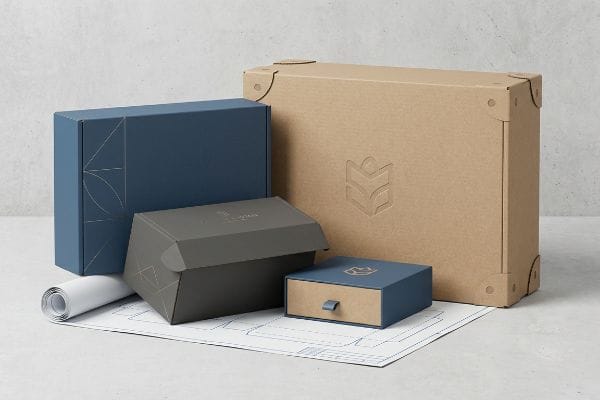
একটি সমন্বিত পরিচালন কাঠামো ছাড়া, একটি চমৎকার পণ্যও জনাকীর্ণ খুচরা বিক্রয়কেন্দ্রে হারিয়ে যাবে। ব্যাপক বিতরণের জন্য শুধু আশাই কোনো সম্প্রসারণযোগ্য ব্যবসায়িক মডেল নয়।.
একটি ব্র্যান্ড উন্নয়ন কৌশল নির্ধারণ করে দেয় যে আপনার পণ্য ভোক্তাদের সাথে শারীরিক ও মনস্তাত্ত্বিকভাবে কীভাবে মিথস্ক্রিয়া করবে। কঠোর কাঠামোগত মাপকাঠি এবং দৃশ্যগত স্তরবিন্যাস নির্ধারণের মাধ্যমে, এই কাঠামোটি নিশ্চিত করে যে আপনার রিটেইল মার্চেন্ডাইজিং ধারাবাহিকভাবে ক্রেতাদের দৃষ্টি আকর্ষণ করে, সাপ্লাই চেইনের কঠোর ব্যবস্থাপনা সহ্য করে এবং অধিক বিক্রিত দোকানের পরিবেশে সক্রিয়ভাবে তাৎক্ষণিক বিক্রয় বৃদ্ধি করে।.
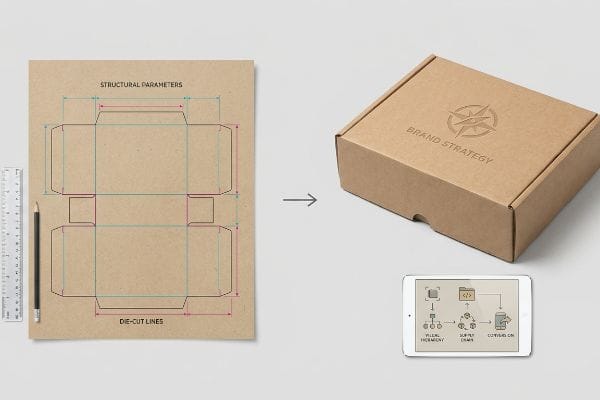
বিমূর্ত বিপণন নথিগুলোকে বাস্তব রূপ দিতে হলে, কৌশল কীভাবে কাঠামোগত টিকে থাকাকে নির্ধারণ করে, তা বোঝা প্রয়োজন।.
ব্র্যান্ড কৌশল থাকা কেন গুরুত্বপূর্ণ?
কৌশল শুধু একটি প্রাতিষ্ঠানিক রূপরেখা নয়; এটি আপনার পরিচালনগত বর্ম। এটি ছাড়া, আপনার সরবরাহ ব্যবস্থা এবং দোকানে তার বাস্তবায়ন আপনার নির্দিষ্ট মুনাফার হারের বিরুদ্ধে সক্রিয়ভাবে লড়াই করবে।.
একটি ব্র্যান্ড কৌশল থাকলে তা প্রধান খুচরা বিক্রেতাদের জন্য প্রয়োজনীয় বাধ্যতামূলক লজিস্টিক্যাল এবং প্রচারমূলক সামঞ্জস্য স্থাপন করে। এই কর্মপরিচালনার নীলনকশাটি আপনার পণ্যকে নির্দিষ্ট বড় আকারের পরিবেশের কঠোর স্থানিক সীমাবদ্ধতা এবং মূল্য নির্ধারণ পদ্ধতির সাথে সরাসরি মিলিয়ে ব্যয়বহুল সরবরাহ শৃঙ্খল বিপর্যয় প্রতিরোধ করে, যা নির্বিঘ্ন ভৌত উন্মোচন এবং সর্বোচ্চ লাভজনকতা নিশ্চিত করে।.
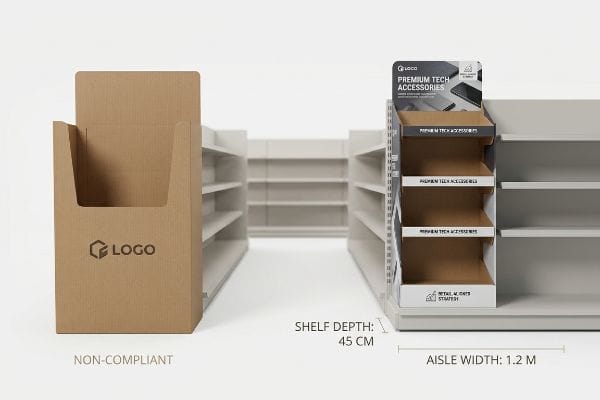
একটি সুন্দর ফ্লোর ইউনিট তৈরি করার কোনো অর্থই থাকে না, যদি তা লক্ষ্যস্থ খুচরা বিক্রেতার ব্যবসায়িক মডেলের মৌলিক কার্যপ্রণালীকে লঙ্ঘন করে।.
বিপণন তত্ত্বকে ভৌত খুচরা ব্যবসার কৌশলের সাথে সংযুক্ত করা
এমনকি অভিজ্ঞ বিপণন দলগুলোও প্রায়শই শুধুমাত্র বাহ্যিক সৌন্দর্যের ওপর ভিত্তি করে পণ্য বাজারে আনার চেষ্টা করে, এই ভেবে যে একটি ভালো জিনিস এমনিতেই বিক্রি হয়ে যায়। তারা এর কঠোর বাণিজ্যিক মাপকাঠি নির্ধারণ না করেই জটিল পিওপি (পয়েন্ট অফ পারচেজ) ফ্লোর ডিসপ্লে তৈরি করে। এই ত্রুটিটি ৪টি 'পি' এবং ৫টি 'আর'-এর যান্ত্রিক বাস্তবতাকেপুরোপুরি , যা নিয়ন্ত্রণ করে কীভাবে একটি নির্দিষ্ট লক্ষ্যভিত্তিক বড় দোকান প্রতিদিন তার পণ্যসামগ্রী বিক্রি করে।
আমি প্রতি সপ্তাহে টেস্টিং ফ্লোরে এই অসংগতিটা দেখি। একটি ব্র্যান্ড একটি ওয়্যারহাউস ক্লাব স্টোরের জন্য ডিজাইন করা একটি বিশাল, কৌশলবিহীন ডিসপ্লে ফাইল পাঠিয়ে দেয় , কিন্তু তারা এটিকে একটি সংকীর্ণ কনভেনিয়েন্স চ্যানেলে ঠেলে দিতে চায়। স্টোরের অপারেশনাল মডেলের সাথে সামঞ্জস্যপূর্ণ কোনো কৌশল না থাকলে, শেষ পর্যন্ত এমন একজন মার্চেন্ডাইজার তৈরি হয় যিনি আক্ষরিক অর্থেই করিডোর আটকে দেন। আমি একবার একজন হতাশ স্টোর ম্যানেজারকে একটি বক্স কাটার ব্যবহার করে নিয়ম না মানা ডিসপ্লের পাশের প্যানেলগুলো সজোরে কেটে ফেলতে দেখেছি—কাঁচা পেপারবোর্ড ছিঁড়ে যাওয়ার বিকট শব্দ করিডোরে প্রতিধ্বনিত হচ্ছিল—শুধুমাত্র সেটিকে জোর করে একটি এন্ড-ক্যাপে বসানোর জন্য । একটি সঠিক কাঠামো আপনাকে CAD (কম্পিউটার-এইডেড ডিজাইন) সফটওয়্যার খোলার আগেই নির্দিষ্ট ধরনের খুচরা বিক্রেতার জন্য ডিজাইন করতে বাধ্য করে, যা নিশ্চিত করে যে আপনার ফিজিক্যাল ফুটপ্রিন্ট তাদের ফ্লোর ডেনসিটি নিয়মের সাথে হুবহু মিলে যায় ।
| নতুনদের সাধারণ ভুল | প্রো ফিক্স | খুচরা-ফ্লোর সুবিধা |
|---|---|---|
| খুচরা বিক্রেতার করিডোরের সীমাবদ্ধতা উপেক্ষা করা | নির্দিষ্ট স্টোর চ্যানেলগুলিতে ডিজাইন ম্যাপ করা | ব্যবস্থাপকের প্রত্যাখ্যান প্রতিরোধ করে |
| শুধুমাত্র নান্দনিকতার জন্য ডিজাইন করা | ৪টি 'পি'-এর সাথে কাঠামোকে সংযুক্ত করা | পয়েন্ট-অফ-পারচেজ বিক্রয় বৃদ্ধি করে3 |
| সর্বজনীন "একই মাপে সবার জন্য" সাইজিং | সঠিক খুচরা স্তর অনুযায়ী কার্যক্রমের পরিধি বাড়ানো | হাতে করে পণ্য পুনরায় সাজানোর সময় বাঁচায়4 |
আপনার নির্দিষ্ট রিটেইল স্ট্র্যাটেজির সাথে প্রথমে সামঞ্জস্য না করে আমি কোনো ডিসপ্লে তৈরি করতে রাজি নই। একটি অতিরিক্ত ভারি কাঠামোসহ ভুল স্টোর লেআউট ব্যবহার করলে তা তাৎক্ষণিকভাবে চার্জব্যাক নিশ্চিত করে, যা আপনার ক্যাম্পেইন চালুর গতি আনুমানিক ৩০ শতাংশ কমিয়ে দেয়।.
🛠️ হার্ভির ডেস্ক: আপনার নতুন মার্চেন্ডাইজার ফুটপ্রিন্টটি আপনার টার্গেট রিটেলারের আইল লিমিট লঙ্ঘন করছে কিনা, তা নিয়ে নিশ্চিত নন? 👉 একটি স্ট্রাকচারাল ব্লুপ্রিন্ট অডিটের জন্য অনুরোধ করুন ↗ — আমার ডেস্কে সরাসরি অ্যাক্সেস। কোনো স্বয়ংক্রিয় সেলস স্প্যাম নেই, আমি কথা দিচ্ছি।
ব্র্যান্ড উন্নয়ন কৌশল বলতে কী বোঝায়?
এটি আপনার কোম্পানির পরিচিতিকে একটি বাস্তব ভোক্তা অভিজ্ঞতায় গাণিতিকভাবে রূপান্তর করে। এটি সুনির্দিষ্টভাবে নির্ধারণ করে যে, একজন পথচলতি ক্রেতা কখন এবং কীভাবে আপনার মোড়কজাত পণ্যের সাথে শারীরিকভাবে সংযোগ স্থাপন করবে।.
ব্র্যান্ড উন্নয়ন কৌশল হলো একটি সুচিন্তিত কার্যপ্রণালী কাঠামো, যা বিমূর্ত প্রাতিষ্ঠানিক বার্তাকে কঠোর বাস্তব নির্দেশিকায় রূপান্তরিত করে। খুচরা বিক্রয়ের পরিবেশে, এটি কাঠামোগত মাত্রা, নির্দিষ্ট রঙের ব্যবহার এবং স্থানিক সম্পৃক্ততার নিয়মাবলী সুনির্দিষ্টভাবে নির্ধারণ করে দেয়, যাতে একটি ডিসপ্লে ধারাবাহিকভাবে মানুষের মনোযোগ আকর্ষণ করে এবং পণ্যের তাৎক্ষণিক বিক্রয় বাড়াতে সাহায্য করে।.

আপনার কৌশল অসংজ্ঞায়িত থাকলে, আপনি দোকানের তীব্র ফ্লুরোসেন্ট আলোর করিডোরের পরিবর্তে শুধুমাত্র কম্পিউটার মনিটরের জন্য ডিজাইন করে ফেলেন।.
৩-৩-৩ স্থানিক সম্পৃক্ততার বাস্তবতা
মার্কেটিং ডিরেক্টররা প্রায়শই শুধুমাত্র ব্যাকলিট কম্পিউটার স্ক্রিনে কাছ থেকে দেখার জন্য রিটেইল ডিসপ্লে ডিজাইন করেন। তারা ছোট, জটিল লেখা এবং নরম ছবির ওপর জোর দেন, এই ভেবে যে ভৌত বাক্সটি হুবহু একটি ডিজিটাল ল্যান্ডিং পেজের মতো কাজ করবে। এটি এই স্থানিক বাস্তবতাকে পুরোপুরি উপেক্ষা করে যে, তাড়াহুড়ো করা ক্রেতারা আসলে কীভাবে প্রচুর মানুষের আনাগোনা থাকা পরিবেশে চলাচল করে5।
একটি বাস্তব কৌশল আপনাকে রিটেইল এনগেজমেন্টের ৩-৩-৩ নিয়মটি বুঝতে বাধ্য করে ৬। একটি ডিসপ্লেকে অবশ্যই ত্রিশ ফুট দূর থেকে দৃষ্টি আকর্ষণ করতে হবে, তিন ফুট দূরত্বে নির্দিষ্ট আগ্রহ তৈরি করতে হবে এবং তিন ইঞ্চি (৭৬.২ মিমি) দূরত্বে স্পর্শের মাধ্যমে ক্রেতাকে আকৃষ্ট করতে হবে। যখন কোনো ক্লায়েন্ট আমাকে ছোট ছোট অনুচ্ছেদে ভরা একটি ফ্ল্যাট ডাইলাইন পাঠায়, আমি জানি এটি ব্যর্থ হবে। আমি দেখেছি ক্রেতারা আক্ষরিক অর্থেই এই লেখা-বহুল ইউনিটগুলোর পাশ দিয়ে চলে যায়, তাদের ভারী শীতের কোটগুলো এর কাঁচা ঢেউখেলানো কিনারায় ঘষা লেগে এক ধরনের স্পষ্ট ঘর্ষণ তৈরি করে, আর তাদের চোখ ঝাপসা হয়ে যায় কারণ ডিজাইনটি পারিপার্শ্বিক কোলাহলের সাথে মিশে যায়। এটি ঠিক করার জন্য, আমি অপ্রয়োজনীয় জিনিসপত্র সরিয়ে ফেলি এবং বিশাল ডাই-কাট আকৃতি ও ঘন প্যানটোন স্পট কালারের ব্যবহার বাধ্যতামূলক করি। এটি তাৎক্ষণিক একটি দৃষ্টিবিভ্রম তৈরি করে যা ক্রেতাদের আকর্ষণ করে, এবং একই সাথে সামনের কিনারার উঁচু অংশটি কেটে দিয়ে চূড়ান্তভাবে পণ্যটি হাতে নেওয়ার জন্য ৮৫ শতাংশ দৃশ্যমানতা ৭ নিশ্চিত করে।
| নতুনদের সাধারণ ভুল | প্রো ফিক্স | খুচরা-ফ্লোর সুবিধা |
|---|---|---|
| কাছ থেকে পড়ার জন্য ছোট লেখা। | ৩০-ফুট দৃশ্যমান সীমার জন্য নকশা প্রণয়ন ৮ | করিডোরের চলাচল তাৎক্ষণিকভাবে থামিয়ে দেয় |
| উঁচু ঠোঁটের আড়ালে পণ্য লুকানো | ৮৫% দৃশ্যমানতার জন্য প্রান্তটি কাটা ৯ | স্পর্শ রূপান্তর হার বৃদ্ধি করে |
| নরম গ্রাফিক মিশ্রণের উপর নির্ভর করে | ১০টি সুনির্দিষ্ট প্যানটোন স্পট কালার বাধ্যতামূলক করা | তীব্র ফ্লুরোসেন্ট আলোর ঝলকানি ভেদ করে। |
আমি আমার ক্লায়েন্টদের সবসময় বলি যে, যদি আমি আমার এই কোলাহলপূর্ণ, ধুলোমাখা কারখানার মেঝে থেকে আপনার মূল প্রস্তাবটি বুঝতে না পারি, তাহলে আপনার কৌশল ব্যর্থ হয়েছে। একটি চলমান শপিং কার্ট থামানোর জন্য আপনার হাতে ঠিক তিন সেকেন্ড সময় আছে।.
🛠️ হার্ভির ডেস্ক: আপনার বর্তমান রিটেইল ডিসপ্লেগুলো কি দোকানের প্রধান করিডোর থেকে ক্রেতাদের আকর্ষণ করতে হিমশিম খাচ্ছে? 👉 আমার ৩-৩-৩ স্পেশিয়াল গাইডটি নিন ↗ — নিরাপদে ডাউনলোড করুন। পরবর্তীতে কোনো প্রশ্ন থাকলে আমার ইনবক্স খোলা আছে।
ব্র্যান্ড কৌশলের ৫টি স্তম্ভ কী কী?
উদ্দেশ্য, সামঞ্জস্য, আবেগ, নমনীয়তা এবং অবস্থান তাত্ত্বিক ভিত্তি তৈরি করে। কিন্তু সেই স্তম্ভগুলোকে একটি ঢেউখেলানো ক্যানভাসে রূপ দিতে চরম দৃশ্যগত এবং কাঠামোগত শৃঙ্খলার প্রয়োজন হয়।.
ব্র্যান্ড কৌশলের ৫টি স্তম্ভ হলো উদ্দেশ্য, লক্ষ্য নির্ধারণ, আবেগিক সংযোগ, দৃশ্যগত সামঞ্জস্য এবং পরিচালনগত অভিযোজনযোগ্যতা। ভৌত খুচরা বিক্রয়ের ক্ষেত্রে, এই মৌলিক উপাদানগুলোকে অবশ্যই উচ্চ-বৈসাদৃশ্যপূর্ণ কাঠামোগত কেন্দ্রবিন্দুতে কঠোরভাবে সংকুচিত করতে হবে, যা মানসিক অতিরিক্ত চাপ প্রতিরোধ করার পাশাপাশি পথচলতি ভোক্তার কাছে পণ্যের মূল প্রস্তাবনাটি জোরালোভাবে তুলে ধরে।.
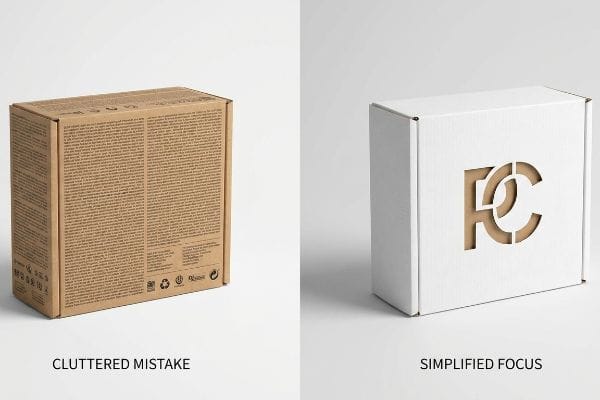
আপনি আপনার কর্পোরেট পরিচয়ের পাঁচটি স্তম্ভই একটিমাত্র কার্ডবোর্ডের টুকরোতে ছাপিয়ে দিলেই যে তা বিক্রি হবে, এমনটা আশা করতে পারেন না।.
জ্ঞানীয় অতিরিক্ত চাপের ফাঁদ থেকে বেঁচে থাকা
ব্র্যান্ড দলগুলো প্রায়শই মৌসুমী খুচরা প্রচারণার জন্য ভোক্তার আচরণের প্রোফাইল তৈরি করতে গভীর মনস্তাত্ত্বিক কাঠামো ব্যবহার করে । তারা কর্পোরেট উদ্দেশ্য থেকে শুরু করে নির্দিষ্ট উপলক্ষ পর্যন্ত প্রতিটি কৌশলগত স্তর সরাসরি ভৌত প্যাকেজিংয়ের উপর ঠাসাঠাসি করে ঢুকিয়ে দেওয়ার চেষ্টা করে। এই পাঠ্য-বহুল পদ্ধতিটি ধরে নেয় যে, ভোক্তা দোকানের সারিতে দাঁড়িয়ে একটি কর্পোরেট ইশতেহার পড়বে।
একটি রিটেইল ডিসপ্লেকে ব্রোশারের মতো নয়, বরং হাইওয়ের বিলবোর্ডের মতো ভাবুন। একটি দ্রুতগতির দোকানের পরিবেশে, আপনার কৌশলের পাঁচটি স্তম্ভ সর্বত্র ছড়িয়ে দিলে তা ব্যাপক মানসিক চাপের কারণ হয়12।তাড়াহুড়ো করা ক্রেতারা বিস্তারিত মনস্তাত্ত্বিক বার্তা প্রক্রিয়া করতে পারে না, যার ফলে তারা ইউনিটটিকে শারীরিকভাবে পুরোপুরি উপেক্ষা করে। আমি সম্প্রতি এমন একটি কাজ করেছি যেখানে ক্লায়েন্ট হেডারে ব্র্যান্ডের ইতিহাসের তিনটি অনুচ্ছেদ ছাপাতে চেয়েছিলেন। প্রোটোটাইপিংয়ের সময়, টেস্টলাইনারের ঘন, ভেজা কালি স্পর্শ করলে চটচটে মনে হচ্ছিল এবং তীব্র রাসায়নিক দ্রাবকের গন্ধ আসছিল, যা প্রমাণ করে যে আমরা বোর্ডটিকে অতিরিক্ত কালি দিয়ে ভরিয়ে দিচ্ছিলাম। আমি একটি অবজেক্টিভ-আইসোলেশন প্রোটোকল প্রয়োগ করি, নির্মমভাবে তাদের পুরো কৌশলটিকে একটি একক, উচ্চ-কন্ট্রাস্টের 3D ডাই-কাট উপাদানে সংকুচিত করে ফেলি। দ্বিতীয় স্তরের লেখাটি সরিয়ে দিয়ে, আমরা নিশ্চিত করেছিলাম যে সেই কঠোর তিন-সেকেন্ডের মিথস্ক্রিয়ার সুযোগের13।
| নতুনদের সাধারণ ভুল | প্রো ফিক্স | খুচরা-ফ্লোর সুবিধা |
|---|---|---|
| ব্র্যান্ডের ইতিহাসের অনুচ্ছেদ মুদ্রণ করা | একটি কাঠামোগত কেন্দ্রবিন্দুতে ঘনীভূত করা | ক্রেতাদের মানসিক অতিরিক্ত চাপ প্রতিরোধ করে14 |
| একাধিক লোগো দিয়ে হেডারগুলো ঠাসাঠাসি করা | একটি একক উচ্চ-বৈসাদৃশ্য ডাই-কাট ব্যবহার করে | প্রাথমিক বার্তা ধরে রাখার হার বৃদ্ধি করে15 |
| কালি দিয়ে বোর্ডগুলিকে অতিরিক্ত সম্পৃক্ত করা | পরিষ্কার নেতিবাচক স্থান গ্রহণ করা | স্বয়ংক্রিয় মুদ্রণের গতি বাড়ায়16 |
আমি আমার ক্লায়েন্টদের শিল্পকর্ম কঠোরভাবে সম্পাদনা করি, কারণ বাস্তব খুচরা ব্যবসায় মনোযোগ অপরিহার্য। একজন ভোক্তাকে বিশাল আকারের লেখা পড়তে বাধ্য করা হলে তা প্রচণ্ড বিরক্তি সৃষ্টি করে, যার ফলস্বরূপ খুচরা বিক্রেতারা আপনার অগোছালো পণ্যসজ্জার প্রচেষ্টাটি তাৎক্ষণিকভাবে প্রত্যাখ্যান করে।.
🛠️ হার্ভির ডেস্ক: আপনার প্যাকেজিং লেআউট কি অগোছালো দেখাচ্ছে এবং আপনার মূল উদ্দেশ্য বোঝাতে ব্যর্থ হচ্ছে? 👉 আপনার আর্টওয়ার্ক সিম্পলিসিটি রিভিউ দাবি করুন ↗ — কোনো ফর্ম নেই যা অবিরাম সেলস কলের কারণ হয়। শুধু খাঁটি মূল্য।
ব্র্যান্ড কৌশলের চারটি 'সি' কী কী?
চারটি 'সি' হলো খরচ, ধারণা, সুবিধা এবং যোগাযোগের মধ্যে ভারসাম্য। কিন্তু যখন এই মাপকাঠিগুলো কারখানায় বাস্তবায়িত হয়, তখন একটি বিচ্ছিন্ন সিদ্ধান্তই বাকি তিনটিকে ধ্বংস করে দিতে পারে।.
ব্র্যান্ড কৌশলের চারটি 'সি'-এর মধ্যে রয়েছে বাহ্যিক ধারণার মূল্যায়ন, মোট উৎপাদন ব্যয়ের হিসাব, সংযোজনের সুবিধা নিশ্চিতকরণ এবং শেলফ কমিউনিকেশনকে সর্বোচ্চ করা। এই কৌশলগত ভারসাম্য বজায় রাখা নিশ্চিত করে যে, একটি রিটেইল ক্যাম্পেইন তার কাঠামোগত অখণ্ডতা, ব্র্যান্ডের পরিচিতি বা পরবর্তী পর্যায়ের পরিচালনগত লাভজনকতার সাথে আপোস না করেই কঠোর সাপ্লাই চেইন লজিস্টিকস মোকাবিলা করতে পারে।.
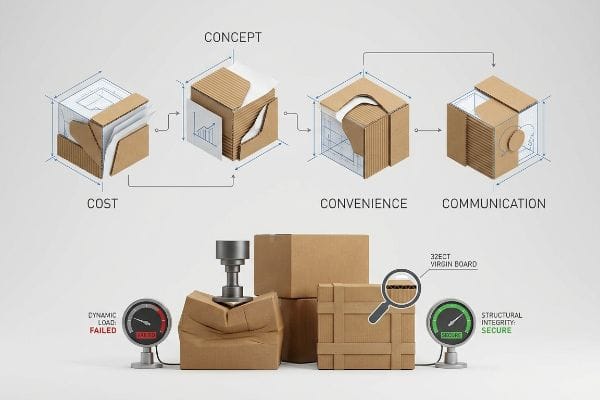
কিন্তু যখন যন্ত্রগুলো চলতে শুরু করে এবং ক্রয় বিভাগ কাঠামোগত ফাঁকি দেওয়ার চেষ্টা করে, তখন শুধু তত্ত্ব জানাই যথেষ্ট নয়।.
কারখানার মাটিতে প্রচলিত ক্রয় পদ্ধতি কেন ব্যর্থ হয়
ক্রয় বিভাগগুলো প্রায়শই তাদের আর্থিক অংশীদারদের খুশি করার জন্য চারটি ‘সি’-কে আলাদা করে ফেলে এবং শুধুমাত্র প্রধান ‘খরচ’ পরিমাপকটির ওপরই কঠোরভাবে মনোযোগ দেয়। তারা কাঁচামালের ওপর প্রাথমিক পর্যায়ে সামান্য কিছু টাকা বাঁচানোর জন্য আগ্রাসীভাবে স্ট্রাকচারাল বোর্ড গ্রেড ১৭- এর মান কমিয়ে ফেলে । এটি একটি গুরুতর ভারসাম্যহীনতা তৈরি করে, এবং এই কাটছাঁটগুলো পণ্য একত্রিত করার বাহ্যিক সুবিধা বা তাকের ওপর পণ্যের দৃশ্যমান উপস্থাপনার ওপর কীভাবে প্রভাব ফেলবে, তা সম্পূর্ণরূপে উপেক্ষা করে।
ল্যাবে একটি ডিসপ্লেকে সোজা করে দাঁড় করানো সহজ, কিন্তু যখন আপনি ৫০০টি চালান করেন, তখন এক কঠিন বাস্তবতার মুখোমুখি হতে হয়। আমার প্রতিষ্ঠানে আমি নিয়মিত দেখি, ক্রেতারা শুধুমাত্র একটি দামী কসমেটিক ফয়েলের খরচ জোগাতে গোপনে তাদের মূল উপাদানটিকে ৩২ইসিটি (এজ ক্রাশ টেস্ট) ভার্জিন বোর্ড১৮ একটি সস্তা ২৬ইসিটি রিসাইকেলড টেস্টলাইনারে নামিয়ে আনে। আমাদের প্রাথমিক প্রি-প্রোডাকশন ট্রানজিট সিমুলেশনের সময় যখন আমি ফিজিক্যাল ফ্লুট ক্যালিপার দিয়ে পরিমাপ করি, তখন কাগজের ফাইবারের ঘনত্ব কমে যাওয়াটা সঙ্গে সঙ্গে স্পষ্ট হয়ে ওঠে। মাত্র ১৮৭.৫ পাউন্ড (৮৫ কেজি) ডাইনামিক টপ-লোড প্রেসার১৯-, দুর্বল হয়ে পড়া কাঠামোটি প্রচণ্ডভাবে বাইরের দিকে বেঁকে যায়, যা প্রাইমারি হেডার ফোল্ড জুড়ে একটি বিকট, ছিঁড়ে যাওয়ার মতো ফাটল তৈরি করে। এটি ঠিক করার জন্য, আমি একটি সমন্বিত কাঠামোগত মূল্যায়নের নির্দেশ দিই। আমি মাইক্রোমিটারের রিডিংগুলো সংগ্রহ করে প্রমাণ করেছি যে, ভার্জিন ৩২ইসিটি স্ট্যান্ডার্ড পুনরুদ্ধার করে এবং ফোলা ফয়েলের পরিবর্তে একটি হাই-সলিড গ্লস অ্যাকুয়াস কোটিং ব্যবহার করে আমরা মূল ভৌত ধারণাটি অক্ষুণ্ণ রাখতে পেরেছি। এই উপাদানগত কৌশল প্রয়োগের মাধ্যমে, আমি কো-প্যাকিং অ্যাসেম্বলির সময় কমিয়ে আনি, যা গ্রাহকদের কায়িক শ্রম বাবদ হাজার হাজার টাকা সাশ্রয় করে এবং একই সাথে মালামাল অক্ষত অবস্থায় পৌঁছানোর নিশ্চয়তা দেয়।
| নতুনদের সাধারণ ভুল | প্রো ফিক্স | খুচরা-ফ্লোর সুবিধা |
|---|---|---|
| সামান্য কিছু টাকা বাঁচাতে ECT-র মান কমানো | ভারী পেলোডের জন্য ৩২ইসিটি বাধ্যতামূলক করা20 | ট্রানজিট চাপ দূর করে |
| ভারী কসমেটিক ফয়েলের জন্য অর্থ প্রদান | গ্লস জলীয় আবরণে পরিবর্তন21 | কাঠামোগত শক্তির জন্য বাজেট রক্ষা করে |
| ব্যয়কে একটি বিচ্ছিন্ন পরিমাপক হিসেবে বিবেচনা করা | কাঠামোগত ব্যয়ের সাথে সমাবেশের গতির সংযোগ22 | কো-প্যাকিং শ্রম ফি হ্রাস করে |
আমি কখনোই ক্রয় বিভাগকে কাঠামোগত সুবিধা থেকে খরচকে আলাদা করতে দিই না। যখন আপনি সামান্য কিছু পয়সা বাঁচাতে একটি বোর্ড ফাঁপা করেন, তখন একটি আর্দ্র বিতরণ কেন্দ্রে সেই ডিসপ্লেটি ভেঙে পড়ার সাথে সাথেই আপনি প্রকল্পের লাভের মার্জিন পুরোপুরি নষ্ট করে দেন।.
🛠️ হার্ভির ডেস্ক: সাপ্লাই চেইনে প্রবেশের আগেই আপনার বর্তমান করোগেটেড ডিসপ্লেটির সঠিক ডাইনামিক লোড ক্যাপাসিটি কি আপনি জানেন? 👉 আমাকে আপনার ডাইলাইন ফাইল পাঠান ↗ — গণ-উৎপাদনে বাজেট অপচয় করার আগেই আমি এর হিসাব স্ট্রেস-টেস্ট করে নেব।
উপসংহার
আপনি সস্তা উপকরণের খরচকে অগ্রাধিকার দিতে পারেন, কিন্তু যখন একটি আর্দ্র গুদামে সেই নিম্নমানের 26ECT বোর্ডটি অনিবার্যভাবে ভেঙে পড়বে, তখন এর ফলে সৃষ্ট কাঠামোগত বাঁক আপনার অ্যাসেম্বলি লাইনের গতি আনুমানিক ৩০ শতাংশ কমিয়ে দেবে এবং খুচরা বিক্রেতার কাছে পণ্যটি তাৎক্ষণিকভাবে বাতিল হয়ে যাবে। ৫০০-এরও বেশি ব্র্যান্ড ম্যানেজার ঠিক এই মারাত্মক প্রাথমিক পর্যায়ের ভুলগুলো এড়াতে আমার প্রিপ্রেস চেকলিস্ট ব্যবহার করেন। ফ্যাক্টরির টলারেন্স নিয়ে অনুমান করা বন্ধ করুন এবং ব্যাপক উৎপাদন শুরু হওয়ার আগেই ক্ষতিকর ঘর্ষণ বিন্দুগুলো ধরতে আমাকে ব্যক্তিগতভাবে আপনার স্ট্রাকচারাল ফাইলগুলো আমার ফ্রি ডাইলাইন অডিট ↗- এর মাধ্যমে পরীক্ষা করতে দিন।
"বিপণনের ৪টি পি-এর ব্যাখ্যা – লিভি স্কুল অফ বিজনেস", https://www.scu.edu/business/blog/business-concepts/what-are-the-4-ps-of-marketing/। বিপণন এবং সরবরাহ শৃঙ্খল বিষয়ক প্রামাণ্য গ্রন্থগুলিতে ৪টি পি (পণ্য, মূল্য, স্থান, প্রচার) এবং ৫টি আর (সঠিক পণ্য, সঠিক স্থান, সঠিক সময়, সঠিক অবস্থা, সঠিক পরিমাণ)-কে খুচরা বিতরণের নিয়ন্ত্রক কাঠামো হিসেবে সংজ্ঞায়িত করা হয়েছে। প্রমাণের ভূমিকা: তাত্ত্বিক কাঠামো; উৎসের ধরণ: অ্যাকাডেমিক পাঠ্যপুস্তক। সমর্থন: এই দাবি যে, এই নির্দিষ্ট প্যারামিটারগুলো বিগ-বক্স পরিবেশে ইনভেন্টরি চলাচলকে নিয়ন্ত্রণ করে। পরিধি সংক্রান্ত টীকা: নির্দিষ্ট খুচরা বিক্রেতার কার্যপ্রণালী অনুযায়ী এর বাস্তবায়ন ভিন্ন হতে পারে। ↩
"মার্চেন্ডাইজিং সেরা অনুশীলন: সম্মতি – ভ্যানগার্ড কোম্পানিজ", https://www.vanguardpkg.com/merchandising-best-practices-compliance/। প্রামাণ্য খুচরা প্রতিষ্ঠানের ম্যানুয়াল এবং সম্মতি নির্দেশিকাগুলো পয়েন্ট-অফ-পারচেজ ডিসপ্লের জন্য ফ্লোর ডেনসিটি সংক্রান্ত স্থানিক সীমাবদ্ধতা এবং নিরাপত্তা বিধিমালা সংজ্ঞায়িত করে। প্রমাণের ভূমিকা: বৈধতা; উৎসের ধরণ: শিল্প মানদণ্ড ম্যানুয়াল। সমর্থন করে: ডিসপ্লেগুলোকে নির্দিষ্ট খুচরা বিক্রেতার স্থানিক সীমাবদ্ধতা মেনে চলার আবশ্যকতা। পরিধি নোট: ক্লাব স্টোর এবং কনভেনিয়েন্স চ্যানেলের মধ্যে নিয়মকানুন উল্লেখযোগ্যভাবে ভিন্ন হয়। ↩
"বিক্রয়ের উপর ডিজাইনের প্রভাব: একটি কৌশলগত সুবিধা", https://www.linkedin.com/pulse/impact-design-sales-strategic-advantage-mattheus-christal-eztqe। বিপণন গবেষণা দেখায় যে, শুধুমাত্র নান্দনিক ডিজাইনের তুলনায় ৪ পি (4 P's) কাঠামোর সাথে ভৌত প্রদর্শনকে সামঞ্জস্যপূর্ণ করলে রূপান্তরের হার বৃদ্ধি পায়। প্রমাণের ভূমিকা: বৈধতা; উৎসের ধরণ: বিপণন গবেষণা। সমর্থন করে: কৌশলগত কাঠামোগত ভিত্তি স্থাপন এবং পিওপি (POP) বিক্রয়ের মধ্যে পারস্পরিক সম্পর্ক। পরিধি সংক্রান্ত টীকা: কার্যকারিতা পণ্যের বিভাগ অনুযায়ী পরিবর্তিত হতে পারে। ↩
"ইনভেন্টরি অপটিমাইজেশনের শিল্প: ডিজিটাল এবং … জুড়ে সাফল্য", https://www.vusion.com/na/insights/the-art-of-inventory-optimization-winning-across-digital-and-physical-retail/। লজিস্টিক্যাল বিশ্লেষণ দেখায় যে নির্দিষ্ট রিটেইল স্তরে পণ্যের বিন্যাস নির্ধারণ করলে ইনভেন্টরির অতিরিক্ত চাপ কমে এবং পুনরায় মজুত করার শ্রম হ্রাস পায়। প্রমাণের ভূমিকা: প্রযুক্তিগত যাচাইকরণ; উৎসের ধরণ: লজিস্টিকস হোয়াইটপেপার। সমর্থন করে: স্তর-নির্দিষ্ট আকারের মাধ্যমে পরিচালনগত দক্ষতা বৃদ্ধি। পরিধি নোট: প্রমিত রিটেইল স্তরবিন্যাস সিস্টেম প্রয়োজন। ↩
"খুচরা প্রধান সড়কগুলিতে গ্রাহক যাত্রার এজেন্ট মডেল – পিএমসি", https://pmc.ncbi.nlm.nih.gov/articles/PMC9080964/। খুচরা পরিবেশগত মনোবিজ্ঞান বা ক্রেতার আচরণগত বিশ্লেষণের উপর একটি প্রামাণিক উৎস উচ্চ-চলাচলের অঞ্চলগুলিতে অবস্থানের সময়কাল এবং চাক্ষুষ পর্যবেক্ষণের ধরণ সম্পর্কে গবেষণালব্ধ তথ্য সরবরাহ করবে। প্রমাণের ভূমিকা: সমর্থন; উৎসের ধরণ: অ্যাকাডেমিক গবেষণা বা শিল্প শ্বেতপত্র। সমর্থন করে: এই দাবি যে ভৌত স্থানিক চলাচল ডিজিটাল মিথস্ক্রিয়া থেকে ভিন্ন। পরিধি টীকা: ভৌত খুচরা পরিবেশের উপর দৃষ্টি নিবদ্ধ। ↩
"ফ্রন্টেজ জোনে খুচরা পণ্য প্রদর্শন", https://www.seattle.gov/transportation/permits-and-services/permits/applicant-guides/ag-1091a। রিটেইল সাইকোলজি বা ভিজ্যুয়াল মার্চেন্ডাইজিং-এর উপর একটি প্রামাণ্য উৎস ভোক্তার মনোযোগের জন্য দূরত্ব-ভিত্তিক এনগেজমেন্ট মেট্রিক্স যাচাই করবে। প্রমাণের ভূমিকা: তথ্যগত বৈধতা; উৎসের ধরণ: শিল্প পাঠ্যপুস্তক বা বিপণন গবেষণা পত্র। সমর্থন করে: ভৌত খুচরা ব্যবসায় স্থানিক এনগেজমেন্টের স্তরভিত্তিক পদ্ধতি। পরিধি নোট: এটি একটি সার্বজনীন আইনের পরিবর্তে একটি পেশাদার হিউরিস্টিক হতে পারে। ↩
"খুচরা দৃশ্যমানতা সর্বাধিক করা: অপরিহার্য নির্দেশিকা …", https://popdisplay.me/maximizing-retail-visibility-the-essential-guide-to-promotional-display-stands-wholesale-for-competitive-marketing-strategies/। পয়েন্ট-অফ-পারচেজ (POP) ডিজাইনের জন্য একটি প্রযুক্তিগত ম্যানুয়াল অথবা একটি ভোক্তা আর্গোনমিক্স গবেষণা পণ্য বিক্রির জন্য ৮৫% দৃশ্যমানতার সীমাটিকে বৈধতা দেবে। প্রমাণের ভূমিকা: প্রযুক্তিগত স্পেসিফিকেশন; উৎসের ধরণ: ডিজাইন স্ট্যান্ডার্ড বা ইউএক্স গবেষণা। সমর্থন করে: কাঠামোগত দৃশ্যমানতার শতাংশ এবং চূড়ান্ত পণ্য হাতে পাওয়ার হারের মধ্যে সম্পর্ক। পরিধি সংক্রান্ত টীকা: পণ্যের বিভাগ এবং শেলফের উচ্চতা অনুযায়ী পরিবর্তিত হতে পারে। ↩
"কার্যকরী ডিসপ্লে এবং গ্রাহক প্রবাহের জন্য খুচরা দোকানের নকশা", https://www.business.qld.gov.au/industries/manufacturing-retail/retail-wholesale/retail-displays। খুচরা দোকানের করিডোরে প্রাথমিক দৃষ্টি আকর্ষণের জন্য সর্বোচ্চ দূরত্বের উপর প্রামাণ্য তথ্য। প্রমাণের ভূমিকা: প্রযুক্তিগত বিবরণ; উৎসের ধরণ: খুচরা নকশা নির্দেশিকা। সমর্থন: সাইনেজের প্রভাবের জন্য সর্বোত্তম দূরত্ব। পরিধি সংক্রান্ত টীকা: রঙের বৈসাদৃশ্য এবং টাইপোগ্রাফির উপর নির্ভরশীল। ↩
"ব্র্যান্ড প্লেসমেন্ট অ্যান্ড কনজিউমার চয়েস – পিএমসি – এনআইএইচ", https://pmc.ncbi.nlm.nih.gov/articles/PMC2741065/। শেলফ লিপ কমানোর সাথে পণ্যের দৃশ্যমানতার একটি নির্দিষ্ট শতাংশ বৃদ্ধির সম্পর্কযুক্ত গবেষণালব্ধ প্রমাণ। প্রমাণের ভূমিকা: পারফরম্যান্স মেট্রিক; উৎসের ধরণ: রিটেইল মার্চেন্ডাইজিং স্টাডি। সমর্থন করে: স্পর্শভিত্তিক রূপান্তর উন্নতি। পরিধি নোট: পণ্যের বিভাগ অনুযায়ী ভিন্ন হতে পারে। ↩
"স্পট কালার বনাম সিএমওয়াইকে কালার: অপরিহার্য পার্থক্য ব্যাখ্যা", https://unicopacking.com/en/new/spot-color-vs-process-color.html। রঙ বিজ্ঞান বিষয়ক গবেষণা যা উচ্চ-তীব্রতার ফ্লুরোসেন্ট আলোর নিচে স্পট কালারের উন্নততর পাঠযোগ্যতা প্রদর্শন করে। প্রমাণের ভূমিকা: প্রযুক্তিগত বিবরণ; উৎসের ধরণ: রঙ তত্ত্বের ম্যানুয়াল। সমর্থন করে: তীব্র আলোতে দৃশ্যমানতা। পরিধি সংক্রান্ত টীকা: আলোর কেলভিন রেটিং-এর জন্য নির্দিষ্ট। ↩
"ভোক্তা আচরণের মনোবিজ্ঞান: আপনার … বোঝা", https://www.keiseruniversity.edu/articles/consumer-behavior-understanding-market/। ভোক্তা মনোবিজ্ঞানের একটি প্রামাণ্য উৎস খুচরা ভোক্তাদের বিভাজন ও প্রোফাইল তৈরির জন্য আচরণগত কাঠামোর পদ্ধতিগত প্রয়োগকে বৈধতা দেবে। প্রমাণের ভূমিকা: প্রযুক্তিগত বৈধতা; উৎসের ধরণ: অ্যাকাডেমিক জার্নাল বা শিল্প পাঠ্যপুস্তক। সমর্থন করে: এই দাবি যে মনস্তাত্ত্বিক প্রোফাইলিং একটি আদর্শ ব্র্যান্ড টিম অনুশীলন। পরিধি টীকা: ভোক্তা আচরণ বিশ্লেষণের উপর দৃষ্টি নিবদ্ধ। ↩
"ভিজ্যুয়াল মার্চেন্ডাইজিং-এর প্রকারভেদের প্রতি ভোক্তার স্নায়বিক প্রতিক্রিয়া কি...", https://pmc.ncbi.nlm.nih.gov/articles/PMC7757867/। ভোক্তা মনোবিজ্ঞানের প্রামাণ্য উৎসগুলো ব্যাখ্যা করে যে, খুচরা বিক্রয় পরিবেশে অতিরিক্ত তথ্য কীভাবে জ্ঞানীয় ভারাক্রান্ততা (cognitive overload) সৃষ্টি করে এবং ক্রয়ের অভিপ্রায় হ্রাস করে। প্রমাণের ভূমিকা: তাত্ত্বিক কাঠামো; উৎসের ধরণ: অ্যাকাডেমিক জার্নাল; সমর্থন: তথ্যের ঘনত্ব এবং ভোক্তার পরিহারের মধ্যে সংযোগ। পরিধি টীকা: ভৌত খুচরা বিক্রয় পরিবেশের উপর আলোকপাত করে। ↩
"Exploring Shopper's Browsing Behavior and Attention Level with …", https://pmc.ncbi.nlm.nih.gov/articles/PMC6895988/। বিপণন গবেষণা অধিক জনসমাগমপূর্ণ খুচরা বিক্রয় এলাকাগুলিতে ভোক্তার মনোযোগ আকর্ষণের জন্য একটি গুরুত্বপূর্ণ সময়সীমা চিহ্নিত করেছে, যা সাধারণত তিন সেকেন্ড হিসাবে উল্লেখ করা হয়। প্রমাণের ভূমিকা: অভিজ্ঞতামূলক পরিমাপ; উৎসের ধরণ: শিল্প মানদণ্ড; সমর্থন করে: দ্রুত প্রক্রিয়াকরণের জন্য বার্তা সংক্ষিপ্ত করার প্রয়োজনীয়তা। পরিধি টীকা: পথচারীদের ক্ষেত্রে প্রযোজ্য। ↩
"রিটেইল-ওভারলোড—কেনাকাটার-অভিজ্ঞতায়-বিভ্রান্তি। …", https://www.leedsbeckett.ac.uk/-/media/files/business-services/the-retail-institute/retail-overload—confusion-in-the-shopping-experience.pdf। তথ্যের ঘনত্বের উপর জ্ঞানীয় মনোবিজ্ঞানের গবেষণা কীভাবে এই দাবিকে সমর্থন করে যে বিষয়বস্তু হ্রাস করা ক্রেতাদের মানসিক ক্লান্তি প্রতিরোধ করে, তার সংক্ষিপ্ত ব্যাখ্যা। প্রমাণের ভূমিকা: কার্যকারণ সম্পর্ক; উৎসের ধরণ: অ্যাকাডেমিক গবেষণা। সমর্থন করে: ব্র্যান্ডের ইতিহাসকে একটি একক কেন্দ্রবিন্দুতে সংক্ষেপ করার কার্যকারিতা। পরিধি টীকা: ক্রয়-বিন্দু পরিবেশের উপর দৃষ্টি নিবদ্ধ। ↩
"বিগ-বক্স রিটেইলে বিক্রয় বৃদ্ধিকারী ভিজ্যুয়াল এনগেজমেন্ট কৌশল", https://thelookcompany.com/blog/visual-engagement-tactics-that-drive-sales-for-big-box-retail/। ভোক্তা পরিবেশে ভিজ্যুয়াল হায়ারার্কি এবং হাই-কনট্রাস্ট সংকেত কীভাবে স্মরণশক্তি এবং বার্তা ধারণক্ষমতা বাড়াতে প্রমাণিত হয়েছে, তার সংক্ষিপ্ত ব্যাখ্যা। প্রমাণের ভূমিকা: সহায়ক মেট্রিক; উৎসের ধরণ: নিউরোমার্কেটিং গবেষণা। সমর্থন করে: একাধিক লোগোর উপর একটিমাত্র হাই-কনট্রাস্ট ডাই-কাটের ব্যবহার। পরিধি সংক্রান্ত টীকা: ভিজ্যুয়াল কমিউনিকেশন ডিজাইনের ক্ষেত্রে প্রযোজ্য। ↩
"… এর মাধ্যমে ঢেউখেলানো প্যাকেজিং প্রিন্টিং-এ বৈপ্লবিক পরিবর্তন – Xaar", https://www.xaar.com/blog/revolutionising-corrugated-packaging-printing-with-xaar-s-game-changing-technology/। ইন্ডাস্ট্রিয়াল প্রিন্টারের কালির সম্পৃক্ততার মাত্রা এবং যান্ত্রিক কার্যক্ষমতা বা শুকানোর প্রয়োজনীয়তার মধ্যেকার প্রযুক্তিগত সম্পর্কের সংক্ষিপ্ত ব্যাখ্যা। প্রমাণের ভূমিকা: প্রযুক্তিগত বিবরণ; উৎসের ধরণ: মুদ্রণ শিল্পের ম্যানুয়াল। সমর্থন করে: এই দাবি যে নেগেটিভ স্পেস উৎপাদনের গতি বাড়ায়। পরিধির টীকা: বৃহৎ আকারের ঢেউখেলানো প্রিন্টিং-এর জন্য নির্দিষ্ট। ↩
"দোকানে দ্রুত সম্পাদনের জন্য রিটেইল ডিসপ্লে অ্যাসেম্বলি কৌশল", https://www.bcipkg.com/retail-display-assembly-strategies/। স্ট্রাকচারাল বোর্ডের স্পেসিফিকেশন কমানো কীভাবে রিটেইল ডিসপ্লের ভৌত অখণ্ডতাকে প্রভাবিত করে তার সংক্ষিপ্ত ব্যাখ্যা। প্রমাণের ভূমিকা: প্রযুক্তিগত যাচাইকরণ; উৎসের ধরণ: প্যাকেজিং ইঞ্জিনিয়ারিং ম্যানুয়াল। সমর্থন করে: এই দাবি যে খরচ কমানোর জন্য ব্যবহৃত কাঁচামাল কাঠামোগত গুণমান হ্রাস করে। পরিধি সংক্রান্ত টীকা: করোগেটেড বা চিপবোর্ড গ্রেডের উপর আলোকপাত। ↩
"ভৌত বৈশিষ্ট্যের একটি তুলনামূলক পরীক্ষা...", https://repository.rit.edu/cgi/viewcontent.cgi?article=1299&context=theses। ঢেউখেলানো কাগজের প্যাকেজিংয়ের জন্য শিল্প মানগুলি ECT রেটিং এবং ভার্জিন বনাম পুনর্ব্যবহৃত ফাইবারের আপেক্ষিক সংকোচন শক্তি নির্ধারণ করে। প্রমাণের ভূমিকা: প্রযুক্তিগত স্পেসিফিকেশন; উৎসের ধরণ: শিল্প মান। সমর্থন করে: উপাদানের শক্তির তুলনা। পরিধি টীকা: ঢেউখেলানো কাগজের বোর্ডের জন্য সাধারণ মান। ↩
"ঢেউখেলানো বোর্ডের সংকোচনশীল শক্তির প্রাক্কলন …", https://pmc.ncbi.nlm.nih.gov/articles/PMC8467740/। ঢেউখেলানো বোর্ডের জন্য প্রকৌশলগত স্পেসিফিকেশনগুলো ডাইনামিক স্ট্রেসের অধীনে নির্দিষ্ট ECT রেটিংয়ের সর্বোচ্চ ভারবহন ক্ষমতা নির্ধারণ করে। প্রমাণের ভূমিকা: মেট্রিক যাচাই; উৎসের ধরণ: প্রযুক্তিগত ম্যানুয়াল। সাপোর্ট: কাঠামোগত ব্যর্থতার প্রান্তসীমা। পরিধি সংক্রান্ত টীকা: প্রকৃত ব্যর্থতার স্থান নির্দিষ্ট বক্সের আকারের উপর নির্ভর করে। ↩
"শিপিং বক্সের শক্তি বোঝা", https://www.ecoenclose.com/blog/understanding-shipping-box-strength/?srsltid=AfmBOoq1eQIed0zw6z21lgRlLOQvoKf4BzifsbHkXB8_JtH3llIT_LO4। এজ ক্রাশ টেস্ট (ECT) রেটিং-এর জন্য প্রামাণিক প্যাকেজিং মানগুলি প্রমাণ করে যে ৩২ECT ভারী পেলোডকে ভেঙে পড়া থেকে রক্ষা করার জন্য প্রয়োজনীয় কাঠামোগত দৃঢ়তা প্রদান করে। প্রমাণের ভূমিকা: প্রযুক্তিগত স্পেসিফিকেশন; উৎসের ধরণ: শিল্প মান। সমর্থন করে: ECT রেটিং এবং ট্রানজিট স্থায়িত্বের মধ্যে সম্পর্ক। পরিধি নোট: ঢেউখেলানো কার্ডবোর্ড প্যাকেজিং-এর জন্য নির্দিষ্ট। ↩
"প্যাকেজিং ও প্রিন্টিং-এ জলীয় আবরণ কী?", https://umbrellapackaging.com/blog/what-is-aqueous-coating-in-packaging-printing?srsltid=AfmBOoqs4difdlLf3XTXfr7BTXdMvxv4r4bq9Uta2WaCsxOo1v6lDJxE। প্যাকেজিং ফিনিশের তুলনামূলক বিশ্লেষণে দেখা যায় যে, প্রয়োজনীয় সুরক্ষামূলক বৈশিষ্ট্য বজায় রেখে জলীয় আবরণগুলো কসমেটিক ফয়েলের চেয়ে বেশি সাশ্রয়ী। প্রমাণের ভূমিকা: প্রযুক্তিগত তুলনা; উৎসের ধরণ: উৎপাদন নির্দেশিকা। সমর্থন: ফয়েলের তুলনায় জলীয় আবরণের ব্যয়-দক্ষতা। পরিধি টীকা: বাণিজ্যিক খুচরা প্যাকেজিং-এর উপর আলোকপাত করে। ↩
"২০২৬ সালের কর্মদক্ষতার পরিবর্তন: পরিমাণ থেকে মূল্যের দিকে গমন", https://korpack.com/the-2026-efficiency-pivot-moving-from-volume-to-value/?srsltid=AfmBOoqs_mhsSSyTjQWS1CIxjclwGme_vHSZvG94EqL_o2x8LYJ5N9vG। সাপ্লাই চেইন লজিস্টিকসের ওপর পরিচালিত অপারেশনাল গবেষণা থেকে দেখা যায় যে, সহজে অ্যাসেম্বলির জন্য প্যাকেজিংয়ের কাঠামোগত নকশাকে অপ্টিমাইজ করলে তা কো-প্যাকিংয়ে শ্রমঘণ্টা এবং সংশ্লিষ্ট ফি সরাসরি হ্রাস করে। প্রমাণের ভূমিকা: অপারেশনাল মেট্রিক; উৎসের ধরণ: লজিস্টিকস গবেষণা। সমর্থন করে: কাঠামোগত নকশা এবং শ্রম খরচের মধ্যে সংযোগ। পরিধি সংক্রান্ত টীকা: উচ্চ-পরিমাণের খুচরা প্যাকিংয়ের ক্ষেত্রে প্রযোজ্য। ↩