لديك إطلاق ضخم لمنتجك في قطاع التجزئة على وشك البدء، وطلب آلاف من مجسمات الكرتون دون معرفة مسبقة يبدو كمقامرة بميزانية التسويق. أنت بحاجة إلى دليل ملموس قبل البدء في الطباعة.
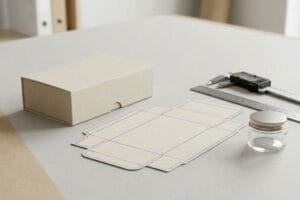
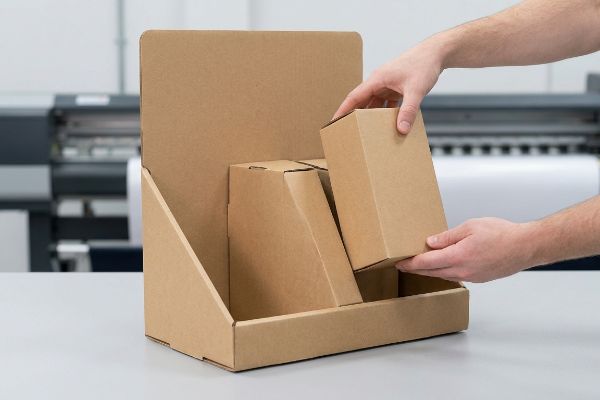
نعم. يتم توفير عينات من وحدات عرض المنتجات قبل بدء الإنتاج على نطاق واسع. يتيح إنتاج نموذج أولي مادي للعلامات التجارية التحقق من سلامة الهيكل، واختبار ملاءمة المنتج، والموافقة على دقة الألوان، مما يضمن أداء وحدة العرض الكرتونية النهائية بشكل مثالي على رفوف المتاجر دون أخطاء مكلفة في الإنتاج الضخم.

إن اختبار النموذج الأولي المادي هو الطريقة الوحيدة للكشف عن نقاط الضعف الهيكلية، ولكن فهم ما يدخل فعليًا في وحدات نقاط البيع يساعدك على معرفة ما يجب تقييمه بالضبط.
ما هي وحدة عرض المنضدة؟
إن معرفة الحدود المادية لمساحة منطقة الدفع تحدد نهجك الهيكلي بالكامل.
وحدة عرض المنتجات على المنضدة عبارة عن هيكل عرض صغير الحجم مصمم ليوضع مباشرة على أسطح نقاط البيع. تعمل هذه الوحدات على تحفيز عمليات الشراء العفوية من خلال استغلال المساحة الرأسية مع الحفاظ على حجم صغير، وغالبًا ما تتطلب موازنة هيكلية متخصصة لمنع الانقلاب تحت ضغط الاستخدام المكثف من قبل المستهلكين.
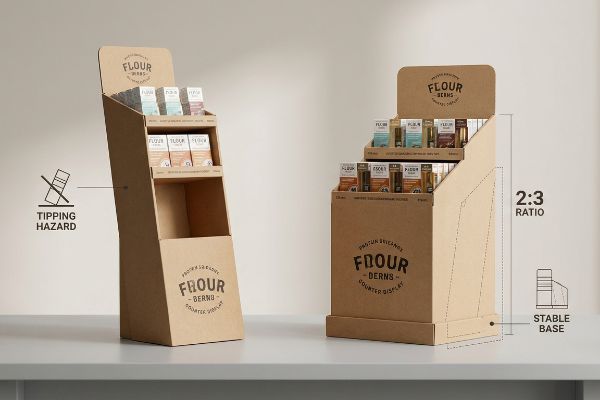
إن فهم هذا التعريف الأساسي أمر بسيط، لكن جعل الهيكل يقف منتصباً دون أن ينقلب يتطلب رياضيات هندسية فعلية.
قاعدة نسبة 2:3 لبائعي المنتجات على المنضدة
يتعامل العديد من مصممي الجرافيك مع منصات عرض المنتجات عند نقاط البيع كما لو كانت منصات أرضية مصغرة، حيث يقومون ببساطة بتقليص حجمها لتناسب مساحة أصغر.ويركزون بشكل كامل على زيادة حجم الرسم العلوي وحشر أكبر عدد ممكن من العناصر الثقيلة على الرفوف المتدرجة.
ألاحظ هذا الخطأ باستمرار عند مراجعة التصاميم المسطحة من الوكالات. فهم يصممون وحدات طويلة وضيقة تبدو رائعة على شاشة التصميم بمساعدة الحاسوب، لكنها تتجاهل الجاذبية تمامًا. فعندما يصطدم أحد المتسوقين بمنطقة الدفع، تنقلب الوحدة الثقيلة من الأعلى فجأةً إلى الأمام، مما يؤدي إلى سقوط البضائع على الأرض بصوت عالٍ وفوضوي. ولحل هذه المشكلة، أطبق قاعدة صارمة بنسبة 2:3 : لكل 76.2 ملم من الارتفاع الرأسي، يجب أن يكون عمق القاعدة 50.8 ملم على الأقل. هذا التثبيت الرياضي يثبت مركز الثقل في الأسفل، مما يقضي تمامًا على خطر الانقلاب ويرضي التاجر.
| أخطاء شائعة للمبتدئين | الحل الاحترافي | فوائد أرضية البيع بالتجزئة |
|---|---|---|
| تقلص مساحات العرض الأرضية | تطبيق نسبة العمق إلى الارتفاع 2:33 | يمنع مخاطر الانقلاب |
| مع تجاهل مركز الثقل | إضافة مسند خلفي ممتد4 | يتحمل الصدمات الناتجة عن عربات التسوق |
| تحميل الرفوف العلوية فوق طاقتها | وضع الأشياء الثقيلة على الطبقة الأساسية5 | يقضي على عمليات رد المبالغ المدفوعة من قبل متاجر التجزئة |
أرفض السماح للعلامات التجارية بإطلاق منتجات ذات بنية معقدة وغير عملية. من خلال تثبيت البنية الأساسية رياضياً، أضمن أن يتحمل نظام عرض المنتجات عند نقاط البيع احتكاك المستهلكين اليومي مع الحفاظ على علاقاتك مع تجار التجزئة.
🛠️ مكتب هارفي: هل تُشكّل وحدات الدفع لديكم خطرًا حقيقيًا لانقلابها؟ 👉 دعني أتحقق من خط القطع لديكم ↗ — تواصل مباشر مع مكتبي. أعدكم بعدم تلقي أي رسائل تسويقية آلية مزعجة.
ما هي الخطوات الخمس لإنشاء شاشة عرض؟
إن بناء متجر فعلي هو عملية متسلسلة تتطلب دقة مطلقة في كل مرحلة.
تتضمن عملية تصميم العرض خمس خطوات: الهندسة الإنشائية، والنمذجة الأولية، وتطبيق الرسومات، والإنتاج بكميات كبيرة، والتسليم النهائي. هذا التدرج المنهجي يحوّل فكرةً بسيطةً إلى هيكل مطبوع يتحمل الأوزان، مما يضمن استيفاء كل وحدة لإرشادات تجار التجزئة الصارمة وتحملها بأمان أثناء النقل لمسافات طويلة.
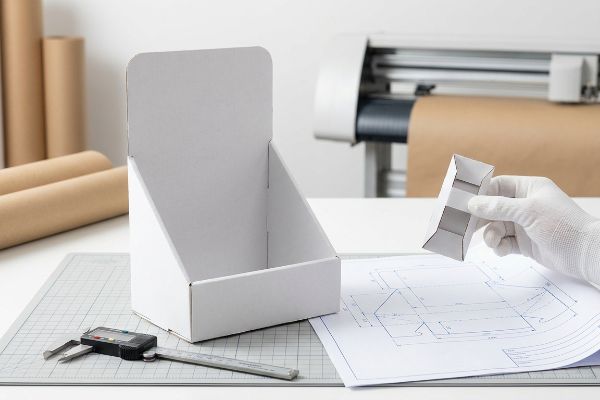
إن تخطي أي من هذه المراحل يؤدي إلى الفوضى، لكن خطوة النموذج الأولي المادي هي التي تنجح أو تفشل فيها معظم حملات البيع بالتجزئة.
لماذا تمنع خطوة النموذج الأولي المادي وقوع الكوارث؟
غالباً ما تحاول فرق العلامات التجارية تجاوز مرحلة النماذج الأولية المادية، ظناً منها أن التصميم الرقمي ثلاثي الأبعاد يوفر التحقق الكافيللانتقال مباشرةً إلى الإنتاج الضخم. فهم يوافقون على التصميم الجمالي على الشاشة ويصدرون أمر الشراء فوراً لتوفير بضعة أيام من الجدول الزمني للمشروع.
أتلقى شهريًا مكالمات هاتفية مذعورة من مشترين لم يجرّبوا النموذج الأولي، ليكتشفوا عند وصول الشحنة الضخمة أن منتجاتهم لا تتناسب مع فتحات التعبئة. يكاد المرء يشعر بصلابة ورق الكرافت الخام، بينما يحاول عامل المستودع إدخال زجاجة في فتحة ضيقة جدًا. أتغلب على هذه المشكلة باستخدام طاولات القطع CNC (التحكم الرقمي بالحاسوب) لإنتاج عينة بيضاء دقيقة تدوم 24 ساعة قبل طباعة أي قطرة حبر. تتيح هذه العينة المادية اختبار عملية التعبئة الفعلية، مما يقلل وقت تجميع التعبئة المشتركة بنسبة تصل إلى 25%،ويزيل تمامًا خطر توقف خط الإنتاج.
| أخطاء شائعة للمبتدئين | الحل الاحترافي | فوائد أرضية البيع بالتجزئة |
|---|---|---|
| الثقة في عمليات العرض ثلاثية الأبعاد الرقمية | قطع عينة بيضاء مادية | يتحقق من ملاءمة المنتج المادية |
| التسرع في الطباعة بكميات كبيرة | اختبار تدفق التجميع أولاً | يقلل وقت التعبئة بنسبة 25%8 |
| مع تجاهل سمك المادة | النمذجة الأولية باستخدام لوحة الهدف الدقيقة | يزيل مشكلة تمزق الورق المقوى9 |
أحرص دائمًا على تطبيق خطوة النموذج الأولي لأن وحدات البكسل الرقمية لا تخضع للاحتكاك المادي. ويضمن التحقق من صحة عينة بيضاء دقة التفاوتات الميكانيكية، مما يحمي ميزانية الإنتاج الضخم بالكامل.
🛠️ مكتب هارفي: هل أنت على وشك الموافقة على تصميم رقمي دون معاينة الهيكل المادي؟ 👉 اطلب عينة بيضاء ↗ — حمّلها بأمان. صندوق رسائلي مفتوح إذا كانت لديك أي أسئلة لاحقًا.
ما الذي يجعل عرض المنتجات في متاجر التجزئة جيداً؟
إن العمل الفني الجميل من الناحية الجمالية لا قيمة له إذا انهار الهيكل الأساسي تحت ضغط لوجستي واقعي.
يجمع تصميم العرض الجيد في متاجر التجزئة بين جاذبية بصرية لافتة وثبات هيكلي لا مثيل له. يجب أن يتحمل بسهولة وزن المنتج المتغير، وأن يقاوم اهتزازات النقل القوية، وأن يتم تركيبه بسلاسة، مع الالتزام التام بالقيود المفروضة من قبل متاجر التجزئة الكبرى ومتطلبات استدامة المواد.
لكن معرفة النظرية لا تكفي عندما تبدأ الآلات بالعمل وتسيطر قوانين الفيزياء البيئية.
مصيدة انتفاخ الرطوبة في أرضية المصنع
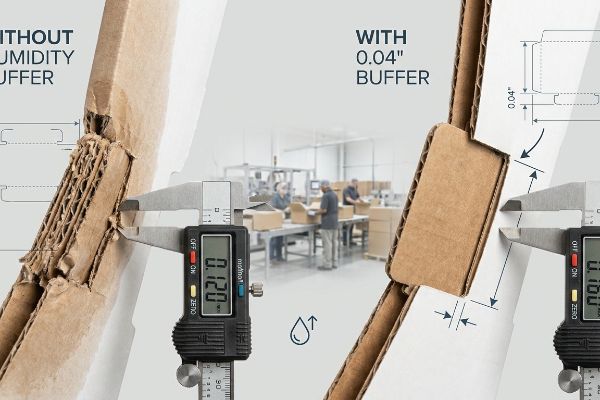
غالباً ما تُقرّ فرق المشتريات خطوط القطع الهيكلية المتشابكة والضيقة استناداً فقط إلى سُمك الكرتون الجاف المطلق في مكتب مُكيّف. ويفترضون أن فتحة مصممة بدقة عند 3.04 مم (0.12 بوصة)تماماً لساناً مُضلّعاً مطابقاً عند وصول العبوات المسطحة إلى منشأة التعبئة والتغليف.
في منشأتي، أشهد باستمرار فشل هذا الكمال النظري فشلاً ذريعاً عند النقل البحري أو في البيئات الرطبة بالولايات المتحدة. فعندما تمتص بطانة اختبار 32ECT (اختبار سحق الحواف) المسامية رطوبة المستودع المحيطة،تتمدد ألياف الورق، ويتقلص ذلك الشق تحديداً البالغ 3.04 مم. أختبر ذلك باستخدام مقاييس دقيقة، والنتيجة كارثية: يُجبر العمال على سحق التموجات المتمددة لتجميع الوحدة، مما ينتج عنه صوت تمزق مميز للورق المقوى الخام، ويؤدي إلى إبطاء خط التجميع بنسبة 30% تقريباً. أقوم بإصلاح هذا مباشرةً في برنامج الهندسة من خلال برمجة هامش رطوبة إلزامي قدره 1.01 ممفي كل فتحة استقبال. من خلال تطبيق هذا التفاوت الدقيق، أضمن تجميعاً سلساً وخالياً من التمزق لشركة التعبئة والتغليف، مما يوفر على العملاء آلاف الدولارات من رسوم تأخير العمل اليدوي.
| أخطاء شائعة للمبتدئين | الحل الاحترافي | فوائد أرضية البيع بالتجزئة |
|---|---|---|
| باستخدام حسابات الفرجار الجاف | إضافة حاجز رطوبة بسمك 0.04 بوصة13 | يمنع انحشار الألسنة المتشابكة |
| تجاهل رطوبة الشحن البحري | هندسة انتفاخ الألياف14 | يمنع تمزق الورق المقوى الخام |
| تجميع اللسان المحكم | تصميم فتحات بدون احتكاك | تسريع خطوط التعبئة المشتركة |
لا أعتمد على ظروف المختبر النظرية لضمان استمرارية سلسلة التوريد الخاصة بك. إن توقع تمدد الألواح بفعل العوامل البيئية يضمن صمود حساباتك الهيكلية حتى في أكثر المستودعات رطوبة.
🛠️ مكتب هارفي: لا تدع عيبًا هيكليًا بحجم 2 مليمتر يُفسد إطلاقًا ضخمًا لـ 500 متجر. 👉 أرسل لي ملف تصميم القالب ↗ — سأُجري اختبارات دقيقة للحسابات قبل أن تُهدر ميزانيتك على الإنتاج الضخم.
خاتمة
يمكنك اختيار مورد أرخص، ولكن عندما تتمدد ألسنة التعشيق الضيقة وغير المبطنة في مستودع رطب، سيقوم العمال حتماً بتمزيق رسوماتك المطبوعة بتقنية الطباعة الحجرية باهظة الثمن أثناء التجميع القسري، مما يقضي تماماً على هامش ربح حملتك. يستخدم أكثر من 500 مدير علامة تجارية قائمة التحقق الخاصة بي قبل الطباعة لتجنب هذه الأخطاء القاتلة في المراحل المبكرة. توقف عن التخمين بشأن تحمل الرطوبة الهيكلية، ودعني أراجع ملفاتك شخصياً من خلال خدمة تدقيق القوالب المجانية ↗ لضمان هوامش الأمان الميكانيكية قبل بدء الإنتاج.
"التصميم الهيكلي لعرض المنتجات في متاجر التجزئة التفاعلية..."، https://www.bcipkg.com/display-structural-design-for-interactive-retail-displays/. شرحٌ لسبب تسبب تغيير حجم خطوط القطع من الحوامل الأرضية إلى شاشات العرض على الطاولات في عدم استقرار هيكلي وتغيير مركز الثقل. دور الدليل: التحقق الفني؛ نوع المصدر: دليل هندسة التغليف. يدعم: الادعاء بأن مجرد تصغير تصميمات الحوامل الأرضية يُعد خطأً هيكليًا. ملاحظة النطاق: يتعلق بشاشات العرض الكرتونية المموجة في نقاط البيع. ↩
"14 نوعًا من عروض البيع بالتجزئة | شيكاغو، إلينوي - ويرثيمر بوكس"، https://wertheimerbox.com/types-of-retail-displays/. تأكيد فني من إرشادات تصميم متاجر التجزئة أو التصميم الهيكلي فيما يتعلق بنسبة الارتفاع إلى العمق المحددة للوحدات القائمة بذاتها لمنع الانقلاب. دور الدليل: التحقق الفني؛ نوع المصدر: دليل تصميم احترافي. يدعم: نسبة الثبات 2:3. ملاحظة النطاق: ينطبق تحديدًا على تجهيزات العرض الصغيرة. ↩
"ضمان الثبات والدعم الهيكلي في العروض المؤقتة"، https://www.ud-direct.com/blog/tips-and-tricks-to-ensure-stability-and-structure-support-in-temporary-displays. إرشادات معتمدة في هندسة عروض البيع بالتجزئة، تحدد النسبة المطلوبة للحفاظ على مركز ثقل ثابت. دور الدليل: المواصفات الفنية؛ نوع المصدر: دليل صناعي. يدعم: منع مخاطر الانقلاب. ملاحظة النطاق: ينطبق على وحدات نقاط البيع خفيفة الوزن. ↩
"تأثير التنبيهات اللفظية على استخدام الأطفال لأحزمة الأمان في عربات التسوق"، https://pubmed.ncbi.nlm.nih.gov/15669413/. وثائق فنية حول التصميم الهيكلي للعرض توضح كيف تزيد امتدادات الحامل من مساحة القاعدة لمقاومة القوى الجانبية. دور الدليل: أفضل ممارسات التصميم؛ نوع المصدر: دليل التصنيع. يدعم: مقاومة الصدمات من عربات التسوق. ملاحظة النطاق: خاص بوحدات عرض البضائع القائمة بذاتها. ↩
"كيفية منع عمليات رد المبالغ المدفوعة في قطاع التجزئة: دليل عمليات مزودي الخدمات اللوجستية من الأطراف الثالثة"، https://getproductiv.com/retail-chargeback-compliance. معايير الامتثال في قطاع التجزئة والخدمات اللوجستية، تشرح كيف يمنع التحميل ذو الوزن السفلي الثقيل الانهيار الهيكلي وما يتبعه من عمليات رد مبالغ مدفوعة من قبل الموردين. دور الدليل: معيار تشغيلي؛ نوع المصدر: دليل الامتثال في قطاع التجزئة. يدعم: تخفيف المخاطر ومنع الخسائر المالية. ملاحظة حول النطاق: يركز على العلاقة بين الاستقرار وعقوبات قطاع التجزئة. ↩
"أهمية نماذج العرض في متاجر التجزئة - فرانك ماير"، https://www.frankmayer.com/blog/why-retail-display-prototypes-are-an-important-stage-in-the-manufacturing-process/. توضح معايير الصناعة لتصنيع شاشات العرض أن التصاميم الرقمية لا يمكنها التحقق من صحة الحمل الهيكلي أو إجهاد المواد أو دقة التجميع المادي. دور الدليل: تصحيح فني؛ نوع المصدر: دليل تصنيع. يدعم: الادعاء بأن التحقق الرقمي غير كافٍ للإنتاج الضخم. ملاحظة النطاق: يتعلق تحديدًا بالتجهيزات المادية الحاملة للأحمال. ↩
[ملف PDF] الأثر البيئي للنماذج الأولية المادية: مراجعة لمدة خمس سنوات من مبادرة تحسين الجودة الشاملة...، https://iolab.ucdavis.edu/sites/g/files/dgvnsk12466/files/media/documents/the_environmental_impact_of_physical_prototyping_a_five-year_chi_review_2.pdf. دراسات حالة صناعية أو تقارير تصنيع تُظهر تحسينات الكفاءة في سرعة التجميع عند استخدام عينات بيضاء قبل الإنتاج. دور الدليل: التحقق الكمي؛ نوع المصدر: ورقة عمل صناعية أو دراسة حالة تشغيلية. يدعم: الادعاء بأن النماذج الأولية المادية تقلل وقت التجميع. ملاحظة النطاق: قد تختلف النسبة المئوية بناءً على تعقيد المنتج وتطور خط التجميع. ↩
"التخطيط للتغليف والخدمات اللوجستية لعروض البيع بالتجزئة - فرانك ماير"، https://www.frankmayer.com/blog/packaging-and-logistics-planning-for-retail-displays/. بيانات موثوقة تُحدد كميًا انخفاض وقت التعبئة التشغيلية الذي تحقق من خلال اختبار تدفق التجميع خلال مرحلة النمذجة الأولية. دور الدليل: التحقق الكمي؛ نوع المصدر: دراسة حالة صناعية أو تقرير لوجستي. يدعم: مكاسب الكفاءة من النمذجة الأولية. ملاحظة النطاق: قد تختلف النتائج بناءً على مدى تعقيد العرض. ↩
"دراسة تأثير الثقوب على قدرة تحمل الأحمال..."، https://pmc.ncbi.nlm.nih.gov/articles/PMC11396172/. شرح فني لكيفية منع النماذج الأولية ذات السماكة المستهدفة الدقيقة للوحة من حدوث الانهيار الهيكلي والتمزق أثناء التجميع النهائي. دور الدليل: المواصفات الفنية؛ نوع المصدر: دليل هندسة التغليف. يدعم: ضرورة النماذج الأولية الدقيقة للمواد. ملاحظة النطاق: ينطبق بشكل أساسي على شاشات العرض المصنوعة من الورق المقوى المموج أو المطوي. ↩
[ملف PDF] مواصفات الكرتون المموج - رابطة صناديق الألياف، https://www.fibrebox.org/assets/2025/09/Walmart_Corrugated-Board_Specifications_Automation_Packaging_Standards.pdf. التحقق من التفاوتات القياسية في الصناعة لألسنة وفتحات التعشيق في الكرتون المموج للتأكد من صحة القياس 0.12 بوصة من الناحية الفنية. دور الدليل: معيار فني؛ نوع المصدر: دليل هندسة التغليف. يدعم: القياس المحدد المذكور لخطوط القطع الهيكلية المتشابكة. ملاحظة النطاق: ينطبق على مواد الكرتون المموج. ↩
[ملف PDF] تأثير محتوى الرطوبة على قوة ضغط الصناديق: FBA BCT …، https://renewablebioproducts.gatech.edu/sites/default/files/2025-12/4effects-of-moisture-content-on-box-compression-strength.pdf. بيانات فنية حول الخصائص الاسترطابية للكرتون المموج والتورم الناتج للبطانات المصنفة ECT. دور الدليل: التحقق الفني؛ نوع المصدر: مرجع في علم المواد. يدعم: الادعاء بأن بطانة الاختبار 32ECT تتورم في البيئات الرطبة. ملاحظة النطاق: خاص بالألياف القائمة على السليلوز. ↩
"قوة الضغط لعبوات الورق المقوى المموج مع ..."، https://pmc.ncbi.nlm.nih.gov/articles/PMC10054506/. معايير هندسة التغليف لتفاوتات الفتحات واللسانات لمنع التداخل الناتج عن تمدد الرطوبة. دور الدليل: التحقق الفني؛ نوع المصدر: دليل هندسي. يدعم: تطبيق هامش تفاوت دقيق محدد لضمان التجميع السلس. ملاحظة النطاق: قد تختلف التفاوتات بناءً على درجة المادة. ↩
"ما هي بعض النصائح للحصول على علبة تغليف مثالية؟ - PopDisplay"، https://popdisplay.me/what-are-some-tips-for-packaging-box-perfection/. التحقق الفني من التفاوتات البُعدية المطلوبة لمنع التصاق المواد نتيجة التمدد الناتج عن امتصاص الرطوبة في الورق المقوى. دور الدليل: المواصفات الفنية؛ نوع المصدر: دليل هندسة التغليف. يدعم: منع انحشار ألسنة التشابك. ملاحظة النطاق: خاص بالبيئات عالية الرطوبة. ↩
"تغليف من الورق المقوى المموج بتصميم مبتكر لتعزيز المتانة..."، https://bioresources.cnr.ncsu.edu/resources/corrugated-board-packaging-with-innovative-design-for-enhanced-durability-during-transport/. شرح علمي لكيفية امتصاص ألياف السليلوز في الورق المقوى المموج للرطوبة أثناء النقل البحري، مما يؤدي إلى تمدد أبعاده. دور الدليل: أساس علم المواد؛ نوع المصدر: دراسة تغليف صناعية. يدعم: منع تمزق الورق المقوى الخام. ملاحظة النطاق: ينطبق على مواد الورق المقوى غير المطلية. ↩