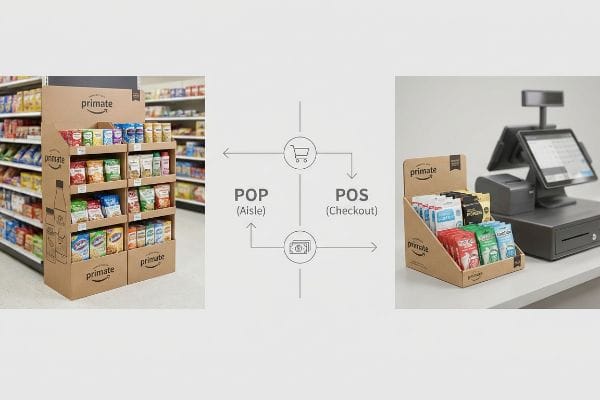
غالباً ما يبدو فهم مصطلحات تجارة التجزئة أشبه بفك شفرة لغة أجنبية. إذا كنت تواجه صعوبة في وضع استراتيجية تجارية، فإن فهم هذين الاختصارين هو أساس نجاحك.
يكمن الفرق بين نقاط البيع (POS) ونقاط الشراء (POP) في موقع العرض بالنسبة للمتسوقين. تشمل نقاط الشراء (POP) جميع العروض الترويجية في ممرات المتجر. أما نقاط البيع (POS) فتشير تحديدًا إلى منطقة الدفع حيث تتم عملية الدفع النهائية.
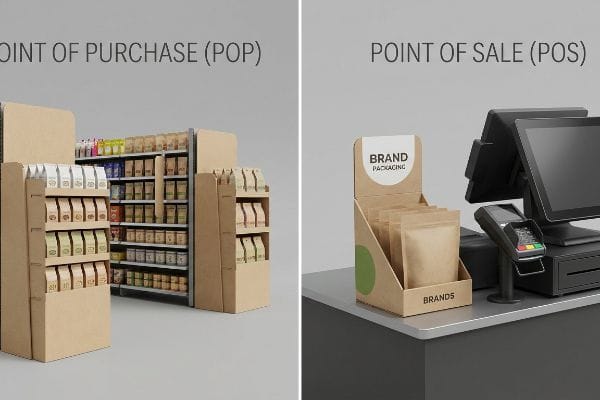
لكن معرفة التعريفات النظرية لن توفر ميزانيتك عند تصنيع الهياكل المادية. دعني أوضح لك كيف تُملي هذه القواعد المكانية هندسة حملتك.
هل POP و POS متطابقان؟
تتجاهل العديد من العلامات التجارية هذه الحدود أثناء التخطيط، مفترضةً أن أحد المصطلحين يحل محل الآخر ببساطة. لكن هذا الافتراض ينهار سريعاً عند بدء التصنيع الفعلي.
لا، نقاط البيع (POP) ونقاط الشراء (POS) ليستا متطابقتين. فهما تمثلان منطقتين تجاريتين مختلفتين تمامًا، ولكل منهما قيود مكانية وقانونية متباينة. تغطي نقاط البيع ممرات واسعة لزيادة فرص الشراء العفوي، بينما تركز نقاط الشراء حصريًا على منطقة التسجيل ذات الحركة الكثيفة والمحدودة، مع إعطاء الأولوية لراحة إتمام المعاملات الفورية.
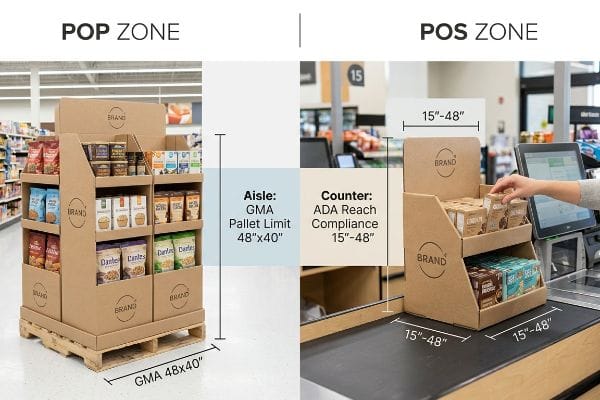
يبدأ الخطر الحقيقي عندما تحاول إجبار أحد الهياكل على الدخول إلى المنطقة المخصصة للهيكل الآخر.
لماذا يفشل الجمع بين نقاط البيع ونقاط العرض في متاجر البيع بالتجزئة؟
حتى المصممون المخضرمون غالباً ما يتجاهلون هذه الثغرة، فيصممون وحدة عرض ثم يطلبون من المصنع تصغيرها بنسبة 50% لتناسب منطقة الدفع. يفترضون أن ملف التصميم بمساعدة الحاسوب (CAD) الواحد يمكن تعديل حجمهليناسب جميع بيئات البيع بالتجزئة لتوفير تكاليف الأدوات.
أرى هذا يحدث باستمرار عندما تحاول علامة تجارية متسرعة تجاوز حدود نقاط البيع. يقوم أحد البائعين بفتح وحدة عرض أرضية "مُصغّرة" للعرض على المنضدة، لكن ألسنة التثبيت المُصغّرة تكون صلبة للغاية. تسمع صوت تمزق واضح لورق الكرافت الخام عندما تتشقق الثقوب الدقيقة تحت الضغط. علاوة على ذلك، تُخالف وحدة العرض الأرضية المُصغّرة تمامًا الحد الأقصى الصارم للوصول الأمامي المطلوب بموجب قانون الأمريكيين ذوي الإعاقة (ADA) في نقاط البيع الأمريكية. يرفض مديرو المتاجر على الفور الهيكل غير المتوافق، مما يؤدي إلى رفض فوري من قِبل بائع التجزئة ومحو هامش ربح المشروع بالكامل. قاعدتي الأساسية هي فصل مسارات التصميم بشكل دائم: تثبيت وحدات عرض الممرات وفقًا لحدود منصات التحميل التي حددتها جمعية مصنعي البقالة (GMA) بمقاس 48×40 بوصة (1219×1016 مم) ، وبناء وحدات العرض على المنضدة ضمن نطاق التوافق مع قانون الأمريكيين ذوي الإعاقة (ADA) من 15 إلى 48 بوصة (381 إلى 1219 مم).
| أخطاء شائعة للمبتدئين | الحل الاحترافي | فوائد أرضية البيع بالتجزئة |
|---|---|---|
| تقليص ملفات CAD مباشرة | خطوط أنابيب هندسية منفصلة | يمنع تمزق اللسان |
| تجاهل حدود الوصول | تطبيق معايير الطول الخاصة بقانون الأمريكيين ذوي الإعاقة4 | يمنع رفض المدير |
| توسيع نطاق الفلوت السميك من النوع B | انتقل إلى الفلوت E5 | يوفر 25 ثانية من وقت التجميع |
أفصل تمامًا حساباتي الهيكلية لهاتين المنطقتين قبل حتى تصنيع ألواح الطباعة. إن ضمان صحة هندسة المطابقة من المرة الأولى يحافظ على علامتك التجارية في السوق ويضمن استمرارية سلسلة التوريد الخاصة بك.
🛠️ مكتب هارفي: هل تتوافق عروض منتجاتك على المنضدة مع حدود الوصول المسموح بها عند نقاط الدفع؟ 👉 احصل على فحص امتثال مجاني ↗ — تواصل مباشر مع مكتبي. أضمن لك عدم تلقي أي رسائل تسويقية آلية مزعجة.
ما هي الأنواع الثلاثة لنقاط البيع؟
يساعد تصنيف تجهيزات نقاط البيع على تبسيط استراتيجية الشراء. معرفة خياراتك الهيكلية تضمن لك اختيار الشكل الأكثر كفاءة لوزن منتجك المحدد.
تتضمن أنواع شاشات نقاط البيع ثلاثة أنواع: وحدات سطحية، ووحدات عرض جانبية معلقة، وصناديق أرضية مستقلة عند صناديق الدفع. صُممت كل وحدة منها خصيصًا لزيادة المبيعات العفوية إلى أقصى حد ضمن المساحة المحدودة لطابور الدفع النهائي، دون إعاقة عمليات الصرافين.
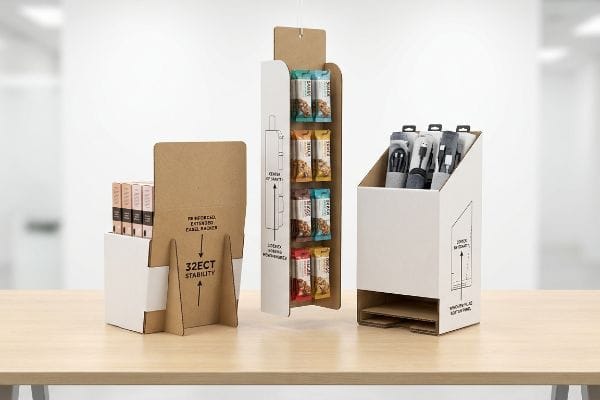
على الرغم من سهولة اختيار النوع، إلا أن تصميمه ليصمد أمام بيئة الدفع الفوضوية يتطلب توازناً دقيقاً.
إتقان نقطة التحول في تنسيقات نقاط البيع
من الأسئلة البسيطة والمتكررة التي يطرحها المشترون: هل يمكن ببساطة فتح صندوقهم القياسي ووضعه بالقرب من صندوق الدفع؟ يعتقدون أن مجرد إضافة غلاف مقصوص مسبقًا يكفي لتحويل كرتونة الشحن إلى نقطة بيع محلية جذابة.
تكمن المشكلة في أن منطقة الدفع تُعدّ منطقة احتكاك عالية التأثير، حيث يصطدم المتسوقون المتسرعون باستمرار بالهياكل. أتذكر أنني شاهدت وحدة عرض مستحضرات تجميل جميلة، ذات وزن ثقيل من الأعلى، تنقلب فجأة إلى الأمام وتتحطم بمجرد أن لمسها أحد المتسوقين، مما أدى إلى تناثر الزجاجات في كل مكان. كان مركز الثقل خاطئًا تمامًا. لإصلاح أنواع نقاط البيع الثلاثة، يجب تصميمها لتتحمل التفاعل البشري المكثف. أوصي دائمًا بحامل خلفي ممتد أو قاعدة مخفية. ستشعر حرفيًا بالمقاومة القوية للوحة الخلفية الممتدة 32ECT (اختبار سحق الحافة) التي تثبت في مكانها، مما ينقل الوزن إلى الخلف. يمنع هذا التعديل الدقيق الانقلاب، مما يقضي تمامًا على أضرار النقل والتلف داخل المتجر ، ويوفر عليك تكاليف استرداد ضخمة من تجار التجزئة .
| أخطاء شائعة للمبتدئين | الحل الاحترافي | فوائد أرضية البيع بالتجزئة |
|---|---|---|
| تجار ذوو بنية هرمية ضخمة | حامل خلفي ممتد8 | يمنع الانقلاب للأمام |
| الاعتماد على شركات الشحن الأساسية | قيعان زائفة مصممة هندسيًا9 | يعمل على تثبيت البضائع الخفيفة |
| تجاهل عوائق المتسوقين | اضبط مركز الثقل10 | يقلل من تكسر المنتج |
أحسب نقطة التحول المادية حسابيًا قبل أن تلامس طاولة القطع الخاصة بجهاز التحكم الرقمي الحاسوبي (CNC) مادة النموذج الأولي. إن وجود نظام عرض ثابت هو السبيل الوحيد لحماية قيمة علامتك التجارية عند نقاط البيع.
🛠️ مكتب هارفي: هل سطح مكتبك الحالي غير متوازن بشكل خطير عند تحميله بالكامل؟ 👉 اطلب مراجعة ثباته ↗ — حمّل الملف بأمان. صندوق رسائلي مفتوح إذا كانت لديك أي أسئلة لاحقًا.
ما هو مثال على التسويق في نقاط البيع؟
إن تصوير هذه الحملات يجعل النظرية ملموسة. ويُعدّ تصميم ممرات عرض المنتجات بشكل مثالي الدليل القاطع على كيفية تأثير الهندسة الهيكلية بشكل مباشر على سلوك المستهلك.
من أمثلة التسويق في نقاط البيع، عرض أرضي ضخم قائم بذاته مصنوع من الكرتون المموج، يوضع عند تقاطع طرق مزدحم في متجر بقالة. تتميز هذه الوحدات بألوان زاهية وشعارات بارزة مصممة خصيصًا لإثارة فضول المتسوقين ودفعهم إلى شراء منتجات بشكل عفوي أثناء تجولهم في المتجر.

قد يكون من المغري التعامل مع هذه الشاشات الضخمة في الممرات كما لو كانت لوحات إعلانية مسطحة، لكن هذا النهج يدمر تمامًا التفاعل البصري.
قاعدة 3-3-3 وراء حملات نقاط البيع الفعالة
عادةً ما يتعامل مصممو الجرافيك مع منصات العرض الترويجية الكبيرة تمامًا كما لو كانت إعلانات مجلات، حيث يملؤون جوانبها بفقرات كثيفة من النصوص الترويجية. ويفترضون أن المتسوق سيتوقف في منتصف ممر مزدحم ليقرأ بيان مهمة الشركة.
تخيّل ممرًا في متجر كطريق سريع مزدحم؛ لا أحد يقرأ الأحرف الصغيرة على لوحة إعلانية أثناء مروره. عندما أتجول في ممرات المتاجر، أرى باستمرار عروضًا مطبوعة بشكل جميل ولكنها مليئة بالنصوص، يتجاهلها المتسوقون المتسرعون تمامًا، مما يُسبب إرهاقًا ذهنيًا هائلًا يُعيق المبيعات. القاعدة الأساسية هي بروتوكول التفاعل المكاني 3-3-3. يجب أن تُلفت إعلاناتك انتباه المتسوقين بصريًا من مسافة 30 قدمًا، وأن تجذبهم بشكل خاص من مسافة 3 أقدام، وأن تُحفزهم على الشراء باللمس من مسافة 3 بوصات (76.2 ملم). أُصرّ على استخدام أشكال مقطوعة بارزة وألوان موضعية غنية بنظام بانتون (PMS) للخطاف على بُعد 30 قدمًا. عندما تُمرر يدك على سطح ملون ناعم ومتجانس بدلًا من نقاط CMYK (سماوي، أرجواني، أصفر، أبيض) الخشنة، ستُدرك كيف يُمكن للتباين الهيكلي الممتاز أن يجذب انتباه المتسوقين.
| أخطاء شائعة للمبتدئين | الحل الاحترافي | فوائد أرضية البيع بالتجزئة |
|---|---|---|
| نص الفقرة الكثيف | بروتوكول بصري 3-3-3 | يقلل من الحمل المعرفي الزائد |
| رسومات نصفية محببة | ألوان بانتون الموضعية تغمر | يلفت الانتباه من مسافة 30 قدمًا |
| رؤوس مستطيلة مسطحة | أشكال مقطوعة بشكل جريء | يجذب حركة مرور فورية للمشاة |
أقوم بإزالة النصوص الثانوية بشكل جذري خلال مرحلة ما قبل الطباعة لعزل عرض منتجك الأساسي. إن خلق توتر بصري هو ما يجبر العين البشرية على التفاعل والتحويل.
🛠️ مكتب هارفي: هل تشعر بالقلق من أن تصميماتك الفنية الحالية مزدحمة للغاية بالنسبة للمتسوقين المتسرعين؟ 👉 احصل على تدقيق مجاني لما قبل الطباعة ↗ — لا توجد استمارات تُسبب مكالمات مبيعات لا تنتهي. فقط قيمة حقيقية.
ما الفرق بين شاشات نقاط البيع وشاشات نقاط البيع؟
إن فهم الفجوة النظرية ليس سوى نقطة البداية. فالمواد المادية اللازمة لبناء هذه المنتجات التجارية المتميزة تفرض معايير هندسية مختلفة تماماً في أرضية المصنع.
يكمن الفرق بين شاشات نقاط البيع وشاشات نقاط البيع في متطلبات المواد الهيكلية. تستخدم شاشات نقاط البيع ألواحًا مموجة متينة ذات تموجات كبيرة لتحمل أحمال المنصات الضخمة، بينما تتطلب شاشات نقاط البيع ركائز رقيقة ذات تموجات دقيقة لتحقيق مساحات دقيقة وموفرة للمساحة على طاولات الدفع المزدحمة.
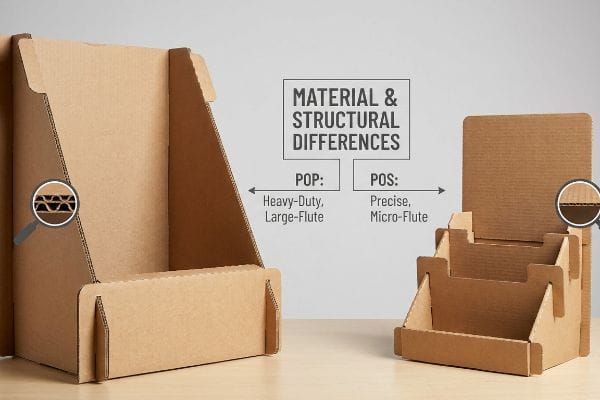
إن جعل شاشة واحدة تعمل في المختبر أمر سهل، ولكن إليك الحقيقة القاسية عندما تقوم بشحن 500 منها عبر المحيط.
لماذا تفشل عملية قياس المواد القياسية في أرضية المصنع؟
كثيراً ما تقوم فرق المشتريات بتقليص حجم قالب عرض أرضي متين بنسبة 50% ليصبح وحدة عرض على سطح الطاولة. ويفترضون أن ملف المتجهات العالمي يعمل بسلاسة تامة على جميع الأبعاد والمواد.
في منشأتي، ألاحظ بشكل روتيني كيف يؤدي هذا التوسع النظري إلى تعطيل جداول التجميع على خط التعبئة. فعندما يُصغّر المصمم هيكل نقاط البيع السميك من نوع B-flute إلى مساحة صغيرة دون إعادة حساب سماحية الانحناء الفعلية، لا تستطيع التموجات الكثيفة الالتفاف حول الانحناءات الضيقة. أقيس مقاومة الاحتكاك عندما يحاول عامل التعبئة طي هذه الأجزاء الصغيرة؛ يمكنك أن تشم رائحة غراء PVA (أسيتات البولي فينيل) الجاف وهو يتشقق تحت الضغط الشديد قبل أن تنكسر الطبقة العلوية. من خلال فرض تقليل سمك الهيكل إلى ركيزة من نوع E-flute وإعادة حساب مسافات الفتحات بدقة تصل إلى 1.5 مم (0.06 بوصة)11، أتخلص تمامًا من مشكلة الاحتكاك. يضمن هذا التطبيق الرياضي الدقيق انخفاض وقت تجميع التعبئة المشتركة بمقدار 45 ثانية لكل وحدة12، مما يوفر على العملاء تكاليف عمالة يدوية كبيرة في عملية إنتاج قياسية.
| أخطاء شائعة للمبتدئين | الحل الاحترافي | فوائد أرضية البيع بالتجزئة |
|---|---|---|
| تقليص حسابات التصميم بمساعدة الحاسوب (CAD) بنسبة 1:1 | خوارزميات تعويض الفرجار | يزيل احتكاك القفل |
| باستخدام ألواح الجبس السميكة | إلزام استخدام الورق الإلكتروني في نقاط البيع | يمنع تشقق الطبقة العلوية |
| مع تجاهل أنصاف أقطار الطي | تفاوت في سمك اللسان يبلغ 0.06 بوصة (1.5 مم) | يوفر 45 ثانية من وقت التجميع |
لا أعتمد أبدًا على التناسب الرياضي البسيط عند نقل الحملات التسويقية من رفوف المتاجر إلى نقاط البيع. إن إعادة هندسة التفاوتات الهيكلية من الصفر هي الطريقة الوحيدة لضمان إطلاق سلس.
🛠️ مكتب هارفي: هل تتمزق ألسنة نقاط البيع المتشابكة لديك بسبب عدم ضبط مقياس الطي؟ 👉 أرسل لي ملف تصميم القالب ↗ — سأقوم باختبار الحسابات بدقة قبل أن تهدر ميزانيتك على الإنتاج الضخم.
خاتمة
يمكنك التعاقد مع مورد يُصغّر هياكل الأرضيات دون تدقيق، ولكن عندما تنكسر ألسنة التثبيت الدقيقة المصنوعة من أنابيب B-flute، ستواجه اختناقًا كبيرًا يُبطئ عملية التجميع بنسبة تُقدّر بـ 30%. هذه هي ورقة المواصفات الدقيقة التي يستخدمها أفضل 10 عملاء لي في قطاع التجزئة لضمان عدم رفض أي طباعة. توقف عن التخمين بشأن دقة المواد، ودعني أُجري شخصيًا تدقيقًا مجانيًا لملفاتك قبل بدء الإنتاج ↗ لاكتشاف أخطاء القياس الجسيمة قبل بدء الإنتاج.
"التصنيع المحلي مقابل التصنيع الخارجي لشاشات العرض في قطاع التجزئة"، https://www.frankmayer.com/blog/domestic-versus-overseas-retail-display-manufacturing/. وثائق فنية حول قيود قياس التصميم بمساعدة الحاسوب (CAD) فيما يتعلق بسماكة المواد، والسلامة الهيكلية، وتفاوتات الأدوات في التصنيع. دور الدليل: التحقق الفني؛ نوع المصدر: دليل هندسي. يدعم: فشل القياس الشامل في الإنتاج الفعلي. ملاحظة النطاق: التركيز على التصنيع الفعلي مقابل التصميم الرقمي. ↩
الفصل التاسع: العناصر المدمجة - Access-Board.gov، https://www.access-board.gov/ada/chapter/ch09/. التحقق من متطلبات مسافة الوصول المحددة لتسهيل الوصول عند نقاط البيع بالتجزئة. دور الدليل: الامتثال القانوني؛ نوع المصدر: معيار تنظيمي. يدعم: الادعاء بأن وحدات الأرضية المصغرة تنتهك حدود الوصول. ملاحظة النطاق: اللوائح الفيدرالية الأمريكية. ↩
منصات نقالة GMA "48×40" | أكبر مصنّع ومورّد لمنصات النقل، https://www.palletone.com/products/gma-pallets/. تأكيد على حجم منصة النقل القياسي المستخدم في لوجستيات المستودعات وممرات عرض البضائع. دور الدليل: المواصفات الفنية؛ نوع المصدر: معيار صناعي. يدعم: الحد الأقصى لخط أنابيب هندسة ممرات عرض البضائع. ملاحظة النطاق: معايير اللوجستيات في أمريكا الشمالية. ↩
معايير إمكانية الوصول وفقًا لقانون الأمريكيين ذوي الإعاقة (ADA)، https://www.access-board.gov/ada/. التحقق من إرشادات قانون الأمريكيين ذوي الإعاقة فيما يتعلق بالارتفاع الذي يمكن الوصول إليه لتجهيزات متاجر التجزئة. دور الدليل: الامتثال التنظيمي؛ نوع المصدر: لائحة حكومية. يدعم: ضرورة معايير قانون الأمريكيين ذوي الإعاقة لمنع رفض متاجر التجزئة. ملاحظة النطاق: ينطبق على معايير السوق الأمريكية. ↩
شرح أنواع تموجات الكرتون المضلع: أ، ب، ج، هـ، و، https://www.onyxpackaging.com/blog/corrugated-box-flute-types.php. مقارنة فنية بين مقاسات التموجات ب وهـ من حيث السماكة وسهولة التركيب لعرض المنتجات في متاجر البيع بالتجزئة. المصدر: المواصفات الفنية؛ نوع المصدر: معيار التصنيع. يدعم: فائدة استخدام التموجات من النوع هـ لزيادة الكفاءة. ملاحظة: خاص بمواد التغليف المضلعة. ↩
"الفرق بين اختبار 200# و32ECT | تصميم التغليف"، https://pack-design.com/whats-the-difference-between-200-test-and-32ect/. تؤكد المواصفات الفنية لألواح 32ECT قدرتها على تحمل الأحمال ومقاومة الضغط، مما يجعلها مناسبة لتجهيزات متاجر التجزئة. دور الدليل: المواصفات الفنية؛ نوع المصدر: معيار التصنيع. يدعم: استخدام 32ECT لتحقيق الاستقرار الهيكلي. ملاحظة: يختلف الأداء باختلاف الرطوبة والقطع. ↩
"المخاطر الخفية لتركيب شاشات نقاط البيع بشكل غير سليم..."، https://www.eliteprintingandpackaging.com/blog/the-hidden-risks-of-poor-pos-display-assembly-and-how-to-avoid-them/. تُظهر بيانات القطاع في مجال الخدمات اللوجستية لتجارة التجزئة وجود علاقة بين ثبات تجهيزات العرض وتقليل عمليات رد المبالغ المدفوعة من قِبل الموردين للبضائع التالفة. دور الدليل: التبرير الاقتصادي؛ نوع المصدر: ورقة بحثية متخصصة في القطاع. يدعم ذلك: الفائدة المالية لهندسة منع الانقلاب. ملاحظة: تختلف معدلات رد المبالغ المدفوعة باختلاف عقد بائع التجزئة. ↩
"حاملان ذهبيان للوحات الزفاف، مصنوعان من معدن متين..."، https://www.sim.as/products/2-pack-gold-easel-stand-for-wedding-sign-heavy-duty-metal-di/219198131/. تشرح الوثائق الفنية الخاصة بهندسة تجهيزات نقاط البيع كيف أن تمديد قاعدة الحامل الخلفي يزيد من مثلث الثبات لمنع الانقلاب الأمامي. دور الدليل: المواصفات الفنية؛ نوع المصدر: دليل هندسي. يدعم: استخدام دعامات خلفية ممتدة لمنع الانقلاب من الأعلى. ملاحظة النطاق: ينطبق على شاشات العرض المصنوعة من الكرتون والبلاستيك خفيف الوزن. ↩
فعالية عرض نقاط البيع: ما هي...؟، https://www.vanguardpkg.com/point-of-purchase-display-effectiveness-what-are-the-benefits-of-pop-displays/. توضح معايير الصناعة الخاصة بتغليف الشحن والعرض الكرتوني المموج كيفية عمل القيعان المثقبة على توزيع الوزن لتحقيق استقرار المنتجات خفيفة الوزن. دور الدليل: معيار تصنيع؛ نوع المصدر: منشور تجاري. يدعم: دور القيعان المثقبة في تثبيت البضائع. ملاحظة النطاق: يركز على السلامة الهيكلية أثناء النقل والعرض. ↩
"14 نوعًا من عروض البيع بالتجزئة | شيكاغو، إلينوي - ويرثيمر بوكس"، https://wertheimerbox.com/types-of-retail-displays/. تُظهر فيزياء عرض المنتجات بالتجزئة أن خفض مركز الثقل يقلل من احتمالية انقلاب العرض عند اصطدامه بالمتسوقين. دور الدليل: مبدأ علمي؛ نوع المصدر: كتاب فيزياء/هندسة. يدعم: تقليل الكسر عن طريق تعديل الجاذبية. ملاحظة النطاق: مبدأ عام للاستقرار الهيكلي. ↩
[ملف PDF] مواصفات الورق المقوى المموج - رابطة صناديق الألياف، https://www.fibrebox.org/assets/2025/09/Walmart_Corrugated-Board_Specifications_Automation_Packaging_Standards.pdf. التحقق من معايير التفاوت المسموح بها في الصناعة للركائز المموجة ذات الثقوب الدقيقة لمنع انحشار الاحتكاك أثناء التجميع. دور الدليل: المواصفات الفنية؛ نوع المصدر: دليل هندسي. يدعم: ادعاء التفاوت المحدد البالغ 0.06 بوصة. ملاحظة النطاق: خاص بتجميع الورق المقوى المموج. ↩
"لماذا تعمل شاشات نقاط البيع بكفاءة عالية؟ - PopDisplay"، https://popdisplay.me/why-pos-displays-work-so-well. بيانات تجريبية أو دراسات حالة تُظهر انخفاض ساعات العمل عند التحول من استخدام ورق مقوى من نوع B إلى ورق مقوى من نوع E في الشاشات صغيرة الحجم. دور الدليل: مقياس أداء؛ نوع المصدر: تقرير هندسة صناعية. يدعم: الادعاء بتقليل الوقت بمقدار 45 ثانية. ملاحظة: قد تختلف النتائج باختلاف تعقيد الشاشة. ↩