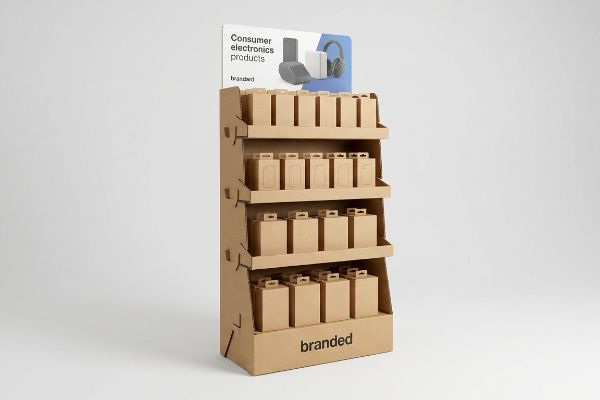
لقد صممت منتجًا رائعًا، لكن وضعه على رف متجر فارغ يعني أنه سيضيع وسط الضوضاء البصرية لممرات متاجر التجزئة الضخمة.
وحدات العرض المستقلة هي هياكل بيع بالتجزئة مصممة لعرض البضائع وتوجيه حركة المتسوقين بعيدًا عن الممرات التقليدية. يساهم استخدام وحدة عرض مستقلة في زيادة ظهور العلامة التجارية، وتوفير مساحة تعليمية مخصصة، ووضع المنتجات ذات الهامش الربحي العالي بشكل استراتيجي في مناطق تفاعل المستهلكين الرئيسية في بيئات البيع بالتجزئة العالمية.
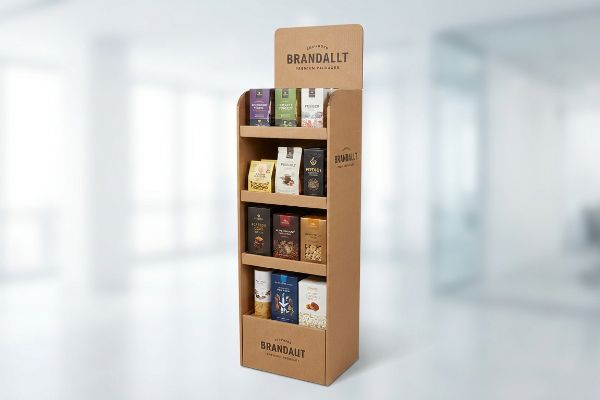
لكن سد الفجوة بين تصميم ثلاثي الأبعاد أنيق وهيكل مادي يصمد فعلياً في أرضية المتجر يتطلب أكثر من مجرد عمل فني جيد.
لماذا تعتبر العروض مهمة في متاجر البيع بالتجزئة؟
لا قيمة للمنتج الرائع إذا مرّ المتسوقون المتسرعون بجانبه دون إلقاء نظرة ثانية.
تُعدّ العروض الترويجية مهمة لأنها تُساهم بفعالية في كسر الرتابة البصرية في بيئات البيع بالتجزئة. ويتيح استخدام العروض الترويجية للعلامات التجارية الحصول على مساحات عرض مميزة، والتحكم في سردية التسويق بأكملها، وتحفيز عمليات الشراء الفورية قبل أن يصل المستهلك إلى رفوف المنافسين التقليدية.
إن فهم هذا المحفز النفسي ليس سوى الخطوة الأولى في زيادة مساحة متجرك الفعلي إلى أقصى حد.
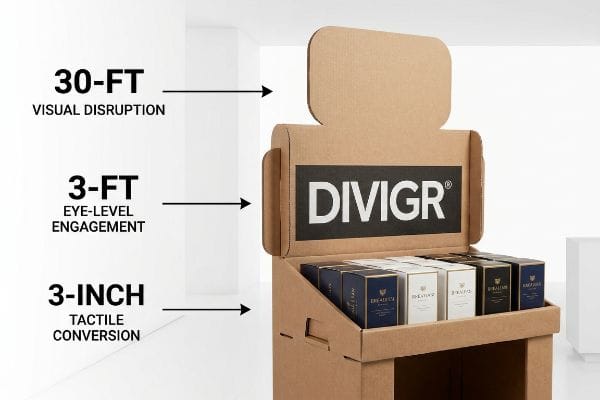
تنفيذ قاعدة المشاركة المكانية 3-3-3
تصمم العديد من فرق العلامات التجارية منتجاتها الترويجية خصيصاً للعرض عن قرب على شاشات الكمبيوتر ذات الإضاءة الخلفية. ويفترضون أن النصوص الكثيفة والرسومات الصغيرة ستجذب الناس بشكل طبيعي، ويتعاملون مع الهيكل الكرتوني المادي تماماً كما لو كان إعلاناً في مجلة.
الواقع على أرض الواقع مختلف تمامًا. تخيّل المتسوق المشغول كسائق على طريق سريع؛ إذا احتوت اللوحة الإعلانية على فقرة نصية، فسيتجاهلها تمامًا. أرى باستمرار فرق التسويق تحشر أبحاثها السلوكية مباشرةً على الحافة الأمامية لعلبة كرتونية مموجة. هذا يُسبب إرهاقًا ذهنيًا هائلًا. لحل هذه المشكلة، أُطبّق دائمًا قاعدة 3-3-3:تحتاج إلى شكل كبير مقطوع بدقة لجذب الانتباه من مسافة 30 قدمًا، ومنطقة عرض مُحسّنة بطول 50 بوصة (127 سم) للتفاعل من مسافة 3 أقدام، ومساحة رؤية للمنتج بنسبة 85% لتحقيق ذلك التأثير التكتيكي النهائي من مسافة 3 بوصات. عندما تقف بجانب العلبة، فإن ملمسها الناعم والفاخر، الناتج عن لون موضعي مُركّز، هو ما يدفع المتسوق للتوقف والتقاطها.
| أخطاء شائعة للمبتدئين | الحل الاحترافي | فوائد أرضية البيع بالتجزئة |
|---|---|---|
| حشر فقرات من النصوص على اللوحات | باستخدام أشكال مقطوعة ضخمة بطول 30 قدمًا | يُحدث اضطرابًا بصريًا فوريًا |
| وضع المعلومات الأساسية بالقرب من الأرض | باستخدام منطقة الضرب 2 التي يبلغ طولها 50 بوصة | يتناسب مع مستوى النظر الطبيعي |
| شفاه عالية الاحتفاظ تخفي العلامة التجارية | قص الحافة الأمامية لتحقيق رؤية بنسبة 85%3 | يؤمن التحويلات اللمسية النبضية |
أحرص بشدة على استبعاد العناصر البصرية المعقدة خلال مرحلة التصميم بمساعدة الحاسوب (CAD) للتركيز على جوهر العرض. فوجود نقطة جذب واضحة وعالية التباين يجذب الزوار بشكل أسرع بكثير من لوحة إعلانية مزدحمة.
🛠️ مكتب هارفي: هل أنت غير متأكد من مدى ملاءمة عملك الفني لمنطقة التشويش البصري التي يبلغ قطرها 30 قدمًا؟ 👉 اطلب مراجعة الملف الهيكلي ↗ — تواصل مباشر مع مكتبي. أعدك بعدم تلقي أي رسائل تسويقية آلية مزعجة.
ما هي وحدة العرض القائمة بذاتها؟
غالباً ما يكون تأمين مساحة العرض هو الجزء الأصعب في مفاوضات البيع بالتجزئة رفيعة المستوى.
وحدة العرض القائمة بذاتها هي وحدة عرض مستقلة، مؤقتة أو دائمة، تُستخدم لعرض المنتجات خارج رفوف المتاجر التقليدية. يتطلب تصميم وحدة عرض قائمة بذاتها حسابات دقيقة للأحمال الهيكلية وأبعادًا قياسية للمنصات لضمان قدرتها على تحمل البضائع الثقيلة بأمان دون الحاجة إلى تثبيتها في البنية التحتية القائمة للمتجر.
إن الحصول على موافقة مدير متجر صارم على تركيبات مستقلة يتطلب تخطيطًا هندسيًا دقيقًا.
إتقان هندسة المنصات الكسرية
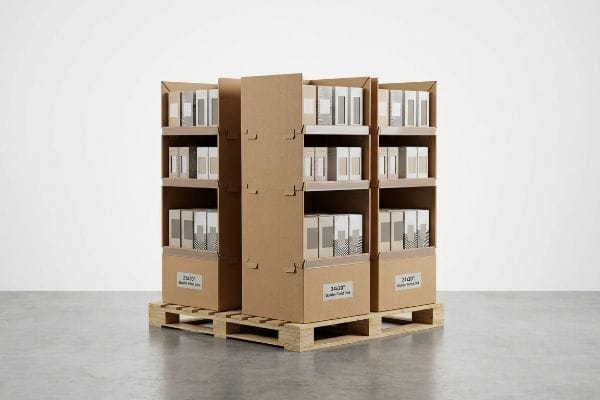
عند عرض منتجاتهم على مشترين من المتاجر الكبرى، غالباً ما يفترض مؤسسو العلامات التجارية أن عليهم احتكار قاعدة خشبية كاملة بمقاس 48 ×40 بوصة (121.9×101.6 سم) لإحداث تأثير. يصممون حملات إعلانية ضخمة تغطي مساحة أرضية كاملة، ثم تُرفض منتجاتهم تماماً لأن مساحة الممرات القيّمة محدودة للغاية.
عندما تتجول في متجر مزدحم، تدرك سريعًا أن المساحة تُعدّ عملة ثمينة. كثيرًا ما يأتي إليّ عملاء محبطون لأن أحد المتاجر رفض عرض منتجاتهم الضخمة. ظنّوا ببساطة أن الأكبر هو الأفضل. الحل الأمثل هنا هو تقسيم المساحة حسابيًا. أقوم بتصميم وحدات عرض المنتجات بكميات كبيرة بأبعاد قياسية جزئية - تحديدًا نصف منصات نقالة بقياس 48×20 بوصة (121.9×50.8 سم) أو ربع منصات نقالة بقياس 24×20 بوصة (60.9×50.8 سم) . عندما أسمع صوت ارتطام أربع قواعد ربع منصات نقالة منفصلة، موضوعة بشكل مربع تمامًا على منصة عرض واحدة، أعرف أن فريق الخدمات اللوجستية سيكون سعيدًا. تتيح استراتيجية التغليف الجزئي هذه لمشتري التجزئة الموافقة بثقة على المساحة المصغّرة، لأنهم يستطيعون دمج الحملات بسلاسة في نقاط التقاء المنتجات ذات الحركة الكثيفة.
| أخطاء شائعة للمبتدئين | الحل الاحترافي | فوائد أرضية البيع بالتجزئة |
|---|---|---|
| رمي الكرة فقط على قواعد كاملة الحجم 48×407 | تصميم وحدات ربع منصة نقالة 24×208 | يضمن الحصول على الموافقات اللازمة لعرض المنتجات في ممرات البيع بالتجزئة الضيقة |
| بافتراض أن زيادة المساحة تعني زيادة المبيعات | التقسيم الرياضي للقاعدة | يزيد من كثافة الأرضيات للمشترين |
| تجاهل قواعد التوزيع المكاني9 | التوافق مع الأشكال الهندسية الكسرية | يمنع رفض الحملات الانتخابية بشكل قاطع |
أشجع دائمًا العلامات التجارية الناشئة على استخدام أحجام منصات التحميل في عمليات إطلاق منتجاتها الأولية. إن توفير مساحة عرض صغيرة ومثالية من الناحية الرياضية يزيد بشكل مباشر من فرص حصولك على مواقع مميزة دون الحاجة إلى التنافس على مساحات منصات التحميل الكاملة النادرة.
🛠️ مكتب هارفي: هل تشعر بالقلق من أن مساحة عرض منتجاتك الحالية تتجاوز حدود المساحة المسموح بها في الممرات لدى المتجر؟ 👉 احصل على دليل الأبعاد الجزئية ↗ — حمّله بأمان. صندوق بريدي مفتوح إذا كانت لديك أي أسئلة لاحقًا.
ما هي أهم 5 عناصر في التسويق البصري؟
تتمحور عملية التسويق البصري في نهاية المطاف حول التحكم في كيفية تنقل العين البشرية بين منتجاتك المعروضة.
أهم خمسة عناصر في عرض المنتجات بصرياً هي: تباين الألوان، والتباعد الهيكلي، ووضوح المنتج، والإضاءة الجذابة، والتصميم المريح الذي يسهل الوصول إليه. يتطلب إتقان عرض المنتجات بصرياً تحقيق التوازن بين المحفزات النفسية الجمالية وواقع متاجر التجزئة، لضمان سهولة تحديد المتسوقين للمنتجات والوصول إليها واستخراجها بسلاسة.
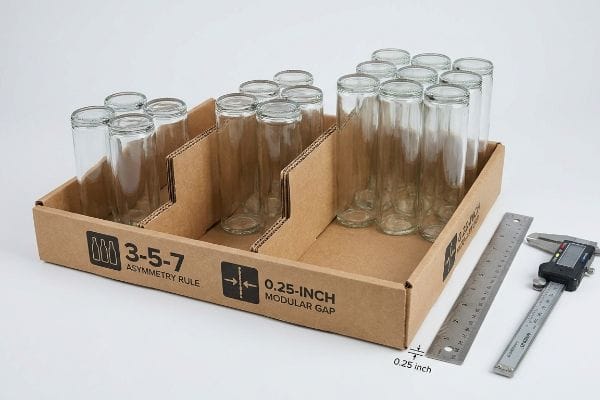
لكن حتى أجمل تصميم ينهار إذا تجاهل الآليات المادية لإعادة التخزين.
قاعدة عدم التماثل 3-5-7 وتباعد وحدات التخزين
في محاولة لاستغلال المساحة إلى أقصى حد، غالباً ما تقوم فرق التصميم بتعبئة المنتجات بشكل مسطح ومتناظر تماماًعلى رف عرض واحد. إنهم يعتقدون خطأً أن تكديس خمسين زجاجة متطابقة معاً يخلق عرضاً مثيراً للإعجاب وعالي الكثافة.
تخيل الأمر كمصعد مزدحم؛ عندما يتكدس الناس جنبًا إلى جنب، لا يبرز أحد. وينطبق الأمر نفسه على بضائعك. كثيرًا ما أرى موظفي المتاجر يكافحون لإعادة منتج جديد إلى صينية مكتظة ومتماثلة تمامًا. تسمع صوت تمزق الورق المقوى المزعج عندما يتمزق الغلاف المموج تحت الضغط. للتخلص من هذا الإرهاق الذهني والاحتكاك الجسدي، أستخدم قاعدة 3-5-7. من خلال تصميم فواصل معيارية لوحدات حفظ المخزون (SKU)، أقوم بتجميع البضائع في مجموعات غير متماثلة من ثلاثة أو خمسة أو سبعة . يخلق هذا توترًا بصريًا طبيعيًا يجذب العين، مع ضمان المساحة المادية الدقيقة التي يحتاجها الموظفون لإعادة التخزين بسهولة، وهي 6.35 ملم.
| أخطاء شائعة للمبتدئين | الحل الاحترافي | فوائد أرضية البيع بالتجزئة |
|---|---|---|
| حشو شبكات متناظرة تمامًا | التجميع في مجموعات غير متماثلة 3-5-713 | يخلق توتراً بصرياً لجذب المتسوقين |
| فرض تركيب المنتجات ذات الخلوص الصفري | هندسة الفجوات المعيارية 0.25 بوصة14 | يمنع تمزق الورق المقوى أثناء إعادة التخزين |
| إعطاء الأولوية للكثافة القصوى على حساب سهولة الوصول | استخدام فواصل مموجة مادية | يجعل التسوق وإعادة التخزين أمرًا سهلاً |
أفرض هذه المسافات المعيارية بين المنتجات في كل صينية متعددة المنتجات أقوم بتصميمها. إن توفير مساحة تهوية دقيقة حول المنتج يقلل بشكل كبير من أضرار إعادة التخزين اليومية ويحافظ على مظهر الحملة الترويجية مميزًا لأسابيع.
🛠️ مكتب هارفي: هل تواجه صعوبة في حساب المسافات المناسبة بين فواصل رفوف زجاجاتك الثقيلة؟ 👉 احصل على استشارة مجانية حول المسافات ↗ — لا توجد استمارات تُسبب مكالمات مبيعات لا تنتهي. فقط قيمة حقيقية.
لماذا تعتبر مواد نقاط البيع للعروض الترويجية ذات أهمية بالغة؟
تُعدّ مواد نقاط البيع خط الدفاع الأخير لك عند نقطة الدفع.
تُعدّ مواد نقاط البيع بالغة الأهمية لأنها تُحفّز عمليات الشراء الاندفاعية ذات التحويل العالي في المرحلة النهائية من عملية الشراء. ويستغلّ استخدام هذه المواد أوقات انتظار المتسوقين، مُحوّلاً مساحات العرض غير المُستغلة إلى مناطق عرض مربحة للغاية من خلال عرض سلع صغيرة يسهل الوصول إليها مباشرةً عند نقطة الدفع.
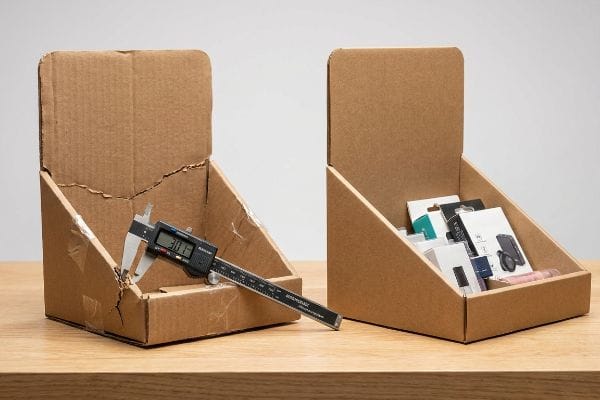
لكن معرفة النظرية لا تكفي عندما تبدأ الآلات بالعمل وتتقلص التفاوتات الهيكلية إلى ملليمترات.
لماذا تفشل مواد نقاط البيع القابلة للانكماش في أرضية المصنع؟
غالباً ما تحاول فرق المشتريات توفير المال عن طريق أخذ قالب عرض أرضي متين وتقليصه حسابياً بنسبة 50% ليُستخدم كوحدة عرض على سطح الطاولة . يفترضون أن ملفاً هيكلياً موحداً يصلح لجميع الأبعاد، متجاهلين تماماً خصائص المادة الفيزيائية .
في منشأتي، أرى بشكل روتيني هذه الملفات القابلة للانكماش تفشل بمجرد وصولها إلى لوحة القطع. إنه فخ شائع يقع فيه حتى فرق المشتريات ذات الخبرة. فهم يتركون الركيزة على ركيزة سميكة من نوع B-flute بسمك 3 مم. عندما يتم تصغير قفل الاحتكاك أو لسان التعشيق إلى أبعاد متناهية الصغر على هذه المادة الكثيفة، لا يمكن للتمويجات أن تنثني بسلاسة.أقيس أنصاف أقطار الطي باستخدام الفرجار، وينقطع الغلاف الورقي الخارجي على الفور، مما يتسبب في تقشر طبقة التغليف الضوئية على شكل بقايا غبارية. عندها يضطر مصنّع التغليف إلى استخدام شريط لاصق شفاف فوضوي لمجرد تثبيت الهيكل، مما يدمر تمامًا صورة العلامة التجارية المتميزة. أحل هذه المشكلة من خلال فرض استخدام ركيزة رقيقة من نوع E-flute بسمك 1.5 مملجميع تنسيقات عدادات نقاط البيع. من خلال هندسة مسافات دقيقة بين الألسنة الصغيرة على طاولة القطع CNC (التحكم العددي بالكمبيوتر)، أضمن التجميع بدون احتكاك، مما يقلل وقت التعبئة اليدوية المشتركة بمقدار 25 ثانية تقريبًا لكل وحدة ويحمي هامش ربح المشروع.
| أخطاء شائعة للمبتدئين | الحل الاحترافي | فوائد أرضية البيع بالتجزئة |
|---|---|---|
| تقليص خطوط القطع الأرضية بنسبة 50% | هندسة أقراص صغيرة مخصصة لنقاط البيع | يضمن قاعدة مربعة تمامًا وثابتة |
| الاحتفاظ بفلوت B سميك للوحدات الصغيرة | فرض استخدام ركائز E-flute18 | يمنع تكسر البطانات وتقشر الحبر |
| الاعتماد على شريط لاصق شفاف للألسنة المكسورة | إعادة حساب خلوص قفل الاحتكاك | يوفر ما يقدر بنحو 25 ثانية من وقت التجميع لكل وحدة19 |
أرفض تماماً أي تحويل رياضي مباشر لوحدات العرض الكبيرة إلى أحجام صغيرة. إن إعادة تصميم مساحة الانحناء لتناسب لوحاً أرق هو السبيل الوحيد لضمان استمرارية الإنتاج في عمليات التجميع الآلي عالية السرعة دون حدوث عيوب بصرية جسيمة.
🛠️ مكتب هارفي: لا تدع عيبًا هيكليًا بحجم 2 مليمتر يُفسد إطلاقًا ضخمًا لـ 500 متجر. 👉 أرسل لي ملف تصميم القالب ↗ — سأُجري اختبارات دقيقة للحسابات قبل أن تُهدر ميزانيتك على الإنتاج الضخم.
خاتمة
يمكنك اختيار إعادة استخدام قالب أرضي مصغر لتوفير تكاليف التصميم الأولية، ولكن عندما ينكسر هذا القالب السميك من نوع B-flute حتمًا، مما يجبر شركات التعبئة والتغليف على الاعتماد على شريط لاصق شفاف غير عملي، فإنك تُحدث مشكلة بصرية كبيرة تؤدي إلى رفض فوري من قِبل تجار التجزئة، وأسابيع من إعادة العمل اليدوي المكلف. هذه هي ورقة المواصفات الدقيقة التي يستخدمها أفضل 10 عملاء تجزئة لديّ لضمان عدم رفض أي منتج. توقف عن التخمين بشأن دقة سماكة القوالب الصغيرة، ودعني شخصيًا أُجري تدقيقًا مجانيًا لقوالب الطباعة على ملفاتك ↗ لاكتشاف أخطاء القياس الفادحة قبل بدء الإنتاج الضخم.
"دور منصات العرض الترويجية في استراتيجية البيع بالتجزئة"، https://popdisplay.me/the-role-of-promotional-display-stands-in-retail-strategy/. التحقق من صحة المقاييس المكانية المحددة ومسافات التفاعل المحددة في قاعدة 3-3-3 لتسويق المنتجات في متاجر التجزئة. دور الدليل: التحقق الفني؛ نوع المصدر: معيار صناعي للبيع بالتجزئة أو دليل تسويقي. يدعم: فعالية التسلسل الهرمي البصري القائم على المسافة. ملاحظة: قد يكون إطار عمل خاصًا تستخدمه وكالات عرض محددة. ↩
"تصميم متاجر التجزئة لعرض المنتجات بشكل فعّال وتسهيل حركة العملاء"، https://www.business.qld.gov.au/industries/manufacturing-retail/retail-wholesale/retail-displays. يؤكد هذا الدليل أن 50 بوصة هو معيار صناعي معترف به لمستوى النظر الأساسي في عروض متاجر التجزئة. دور الدليل: المواصفات الفنية؛ نوع المصدر: دليل تصميم متاجر التجزئة. يدعم: الوضع الأمثل للمعلومات الرئيسية. ملاحظة: قد يختلف النطاق بناءً على طول الفئة المستهدفة. ↩
"نقطة الشراء: كيف يمكن لتجار التجزئة التأثير على المتسوقين..."، https://blog.intouch.com/posts/points-of-purchase-displays. تشير الأدلة إلى أن تقليل ارتفاع الحافة الأمامية يزيد من وضوح العلامة التجارية بنسبة 85% تقريبًا لتحفيز التفاعل اللمسي. دور الدليل: التحقق من صحة المقاييس؛ نوع المصدر: دراسة سلوك المستهلك. يدعم: معدلات التحويل اللمسي الاندفاعي. ملاحظة النطاق: يعتمد على حجم المنتج والتغليف. ↩
"منصات GMA: الأحجام والأنواع"، https://www.interlakemecalux.com/blog/gma-pallet. التحقق من أبعاد منصات التحميل القياسية المستخدمة في الخدمات اللوجستية لتجارة التجزئة في أمريكا الشمالية. دور الدليل: المواصفات الفنية؛ نوع المصدر: معيار صناعي؛ يدعم: المساحة القياسية لعرض المنتجات في متاجر التجزئة. ملاحظة النطاق: معايير GMA في أمريكا الشمالية بشكل أساسي. ↩
"نصف المنصة: التعريف، القياسات، والاستخدامات الرئيسية"، https://www.interlakemecalux.com/blog/half-pallet. التحقق من الأبعاد القياسية الصناعية لأنصاف المنصات المستخدمة في الخدمات اللوجستية لتجارة التجزئة. دور الدليل: المواصفات الفنية؛ نوع المصدر: معيار لوجستي؛ يدعم: قياسات محددة لمساحة العرض الثابتة؛ ملاحظة النطاق: ينطبق على أنظمة المنصات المتوافقة مع GMA. ↩
"أنواع عرض المنصات: كاملة، نصف، وربع"، https://greendotpackaging.com/understanding-pallet-display-types-full-half-and-quarter-pallet-displays/. التحقق من الأبعاد القياسية الصناعية لمنصات الربع المستخدمة في الخدمات اللوجستية لتجارة التجزئة. دور الدليل: المواصفات الفنية؛ نوع المصدر: معيار لوجستي؛ يدعم: قياسات محددة لمساحة العرض لوحدات العرض الثابتة؛ ملاحظة النطاق: ينطبق على أنظمة المنصات المتوافقة مع GMA. ↩
"أحجام المنصات القياسية | مع مخطط"، https://www.kampspallets.com/standard-pallet-sizes-with-chart/. تؤكد معايير الخدمات اللوجستية في هذا القطاع أن مساحة 48×40 بوصة هي المعيار القياسي لمنصات الشحن في أمريكا الشمالية. دور الدليل: التحقق من صحة المعيار الفني؛ نوع المصدر: دليل الخدمات اللوجستية. يدعم: تحديد حجم المنصات الأساسي. ملاحظة النطاق: ينطبق بشكل أساسي على سوق أمريكا الشمالية. ↩
"عروض ربع المنصة - عروض إيزي باك"، https://www.easypack.uk.com/quarter-pallet-displays/. تُعرّف مواصفات عرض التجزئة ربع المنصة بأنه نصف عرض وطول المنصة القياسية. دور الدليل: التحقق من المواصفات الفنية؛ نوع المصدر: دليل عرض التجزئة. يدعم: تحديد حجم المنصات الجزئية. ملاحظة النطاق: خاص بهندسة ربع المنصة. ↩
"تخطيط مساحات البيع بالتجزئة: العملية وأفضل الممارسات - ماتربورت"، https://matterport.com/blog/retail-space-planning?srsltid=AfmBOopUFZc8O2sZ5bChERSMXHQqnX2dY86SFOuOr1gkjA0sREuN5mSq. تُعرّف أُطر إدارة البيع بالتجزئة ترشيد المساحات بأنه العملية الرسمية للحد من مساحات البائعين لتحسين تدفق الحركة داخل المتجر. دور الدليل: تعريف مفاهيمي؛ نوع المصدر: دليل صناعي. يدعم: وجود قيود على مساحات البيع بالتجزئة. ملاحظة: تختلف القواعد اختلافًا كبيرًا بين متاجر التجزئة الكبيرة والمتاجر الصغيرة. ↩
"تتضمن استراتيجيات التسويق البصري الفعّالة عدة عناصر أساسية..."، https://popdisplay.me/effective-visual-merchandising-strategies-involve-several-critical-considerations/. تشير أبحاث الصناعة في علم نفس المستهلك إلى أن شبكات المنتجات المتناسقة والمتراصة للغاية غالبًا ما تؤدي إلى إجهاد بصري وتقليل تميز المنتج. دور الدليل: التحقق التقني؛ نوع المصدر: دراسة تصميم متاجر التجزئة. يدعم: عدم كفاءة الشبكات المتناسقة والمتراصة. ملاحظة: قد يختلف التأثير بناءً على العلامة التجارية الفاخرة مقابل العلامة التجارية الموجهة للسوق الشامل. ↩
"هل الاستجابة العصبية للمستهلك لأنواع العرض المرئي...؟"، https://pmc.ncbi.nlm.nih.gov/articles/PMC7757867/. شرح موجز لكيفية دعم مصدر خارجي موثوق في علم نفس البيع بالتجزئة لفعالية تجميع المنتجات بأعداد فردية لخلق جاذبية بصرية. دور الدليل: التحقق التقني؛ نوع المصدر: دليل صناعي. يدعم: التأثير النفسي لعدم التماثل في تصميم المنتج. ملاحظة: غالبًا ما يُصنف ضمن "قاعدة الثلاثة" الأوسع نطاقًا في التصميم. ↩
"خمس خطوات لتحسين كفاءة تخزين المنتجات في متاجر التجزئة - إنتاتش إنسايت"، https://www.intouchinsight.com/blog/retail-stocking-steps. شرح موجز لكيفية تحديد معايير تصنيع التجزئة لتفاوتات الخلوص المثلى لفواصل وحدات التخزين لضمان إعادة التخزين بكفاءة. دور الدليل: المواصفات الفنية؛ نوع المصدر: معيار هندسي. يدعم: القياس المحدد لوضع المنتج بسلاسة. ملاحظة: قد تختلف متطلبات الخلوص بناءً على أبعاد المنتج. ↩
"فن التسويق البصري: استراتيجيات لـ T-ROC"، https://trocglobal.com/visual-merchandising/. دليلٌ موثوقٌ حول مبادئ التسويق البصري، يشرح كيف يُسهم تجميع العناصر بأعداد فردية في خلق توتر بصري وجذب الانتباه. دور الدليل: دعم نظري؛ نوع المصدر: دليل صناعي. يدعم: استخدام مجموعات 3-5-7 لجذب المتسوقين. ملاحظة النطاق: ينطبق بشكل أساسي على عرض المنتجات في متاجر البيع بالتجزئة. ↩
"14 نوعًا من عروض البيع بالتجزئة | شيكاغو، إلينوي"، https://wertheimerbox.com/types-of-retail-displays/. تحدد معايير الخدمات اللوجستية أو التغليف الخاصة بالبيع بالتجزئة الحد الأدنى من متطلبات التباعد لمنع تلف عبوات المنتجات نتيجة الاحتكاك أثناء المناولة. دور الدليل: مواصفات فنية؛ نوع المصدر: معيار لوجستي. يدعم: فجوات 0.25 بوصة لمنع التمزق. ملاحظة النطاق: خاص بتغليف الورق المقوى/الكرتون. ↩
"دراسة تأثير الثقوب على قدرة تحمل الأحمال لـ..."، https://pmc.ncbi.nlm.nih.gov/articles/PMC11396172/. شرح فني لسبب فشل القياس الخطي لخطوط القطع الهيكلية في مراعاة سُمك المادة (الفرجار) وبدلات الانحناء. دور الدليل: التحقق الفني؛ نوع المصدر: دليل هندسة التغليف. يدعم: الادعاء بأن الانكماش الرياضي يُسبب فشلًا هيكليًا. ملاحظة النطاق: ينطبق تحديدًا على مواد الكرتون المموج والصلب. ↩
"تقدير قوة الضغط للكرتون المموج..."، https://pmc.ncbi.nlm.nih.gov/articles/PMC8467740/. وثائق فنية حول سُمك تموجات الكرتون المموج ونصف قطر الانحناء الأدنى للألسنة المتشابكة صغيرة الحجم. دور الدليل: التحقق الفني؛ نوع المصدر: دليل هندسي. يدعم: الادعاء بأن سمك 3 مم من النوع B سميك جدًا للأبعاد متناهية الصغر. ملاحظة النطاق: ينطبق على مواصفات المواد المموجة القياسية. ↩
"الكرتون المموج في إعلانات نقاط البيع - إكليبس برينت"، https://www.eclipse-print.com/news/corrugated-flute-in-pos-advertising. معايير الصناعة لاختيار مواد عرض نقاط البيع، مقارنة بين الكرتون المموج من النوع B والكرتون المموج من النوع E لشاشات العرض صغيرة الحجم عالية التفاصيل. دور الدليل: معيار صناعي؛ نوع المصدر: دليل التغليف. يدعم: الانتقال إلى الكرتون المموج من النوع E بسماكة 1.5 مم لتحسين الدقة الهيكلية في تنسيقات عدادات نقاط البيع. ملاحظة النطاق: معايير صناعة التغليف العامة. ↩
دليل استخدام الكرتون المموج من نوع E: استخداماته وتوقيته، https://www.accbox.com/blog/a-guide-to-e-flute-corrugated-what-its-good-for-and-when-to-use-it/. توضح المواصفات الفنية للمواد المموجة سبب منع سماكة الكرتون المموج من نوع E لتمزق البطانة وتقشر الحبر في الوحدات الصغيرة مقارنةً بالكرتون المموج من نوع B. نوع الدليل: مواصفات فنية؛ نوع المصدر: دليل هندسة التغليف. يدعم: متطلبات استخدام الكرتون المموج من نوع E في وحدات نقاط البيع الصغيرة. ملاحظة النطاق: ينطبق على شاشات العرض الصغيرة في متاجر البيع بالتجزئة. ↩
"المخاطر الخفية لتجميع شاشات نقاط البيع بشكل غير متقن..."، https://www.eliteprintingandpackaging.com/blog/the-hidden-risks-of-poor-pos-display-assembly-and-how-to-avoid-them/. تُحدد دراسات الوقت والحركة الصناعية مكاسب الكفاءة عند استبدال الإصلاحات القائمة على المواد اللاصقة بفجوات احتكاك هندسية. دور الدليل: مقياس الأداء؛ نوع المصدر: تقرير كفاءة التشغيل. يدعم: تقليل وقت العمل لكل وحدة. ملاحظة النطاق: متوسط تقديري للتجميع بكميات كبيرة. ↩