إطلاق حملة تسويقية في متاجر التجزئة قد يكون فوضوياً، لكن اختيار استراتيجية عرض المنتجات المنظمة يجب ألا يكون كذلك. دعونا نستكشف الاستراتيجية اللازمة للسيطرة على رفوف المتاجر الكبرى دون أي عوائق في سلسلة التوريد.
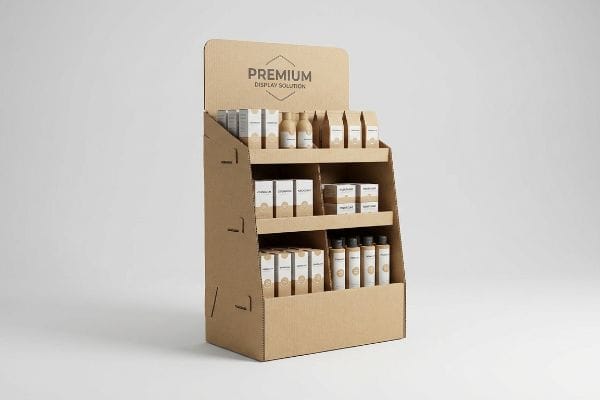
تشمل فئة صناديق العرض الكرتونية وحدات عرض المنتجات المصممة من الورق المقوى المموج لعرض المنتجات في متاجر التجزئة. تعمل هذه الوحدات المؤقتة على زيادة المبيعات الفورية، وتحسين رؤية المنتجات على الرفوف، وتحمل أحمال المنصات الثقيلة أثناء النقل، مع الالتزام التام بمعايير سلسلة التوريد العالمية ولوائح الامتثال الخاصة بمتاجر التجزئة الكبرى.
قبل الخوض في الفيزياء الهيكلية المعقدة لهؤلاء التجار، دعونا نحدد بدقة كيف تُعرّف الصناعة هذه المنتجات وتصنفها.
ما اسم العرض المصنوع من الكرتون؟
قد تبدو المصطلحات وكأنها متاهة من الاختصارات، لكن اختيار الاسم الصحيح يحدد مسار الهندسة بأكمله.
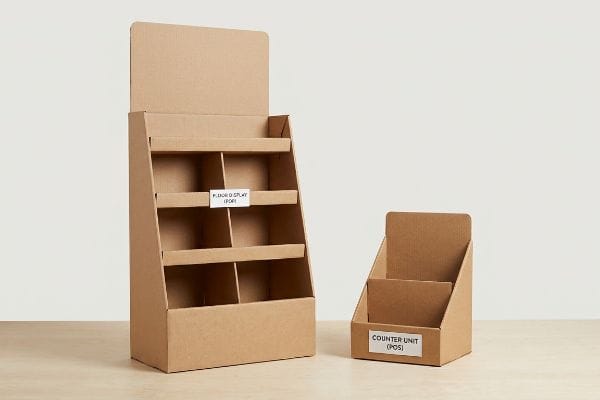
يُعدّ مصطلح "وحدة عرض من الورق المقوى" (POP) أو "وحدة نقاط البيع" (POS) هو المعيار الصناعي. وتشمل الأنواع الشائعة وحدات العرض القائمة بذاتها، ووحدات العرض الطرفية، ووحدات العرض الجانبية، ووحدات العرض السريع (PDQ)، ويُطلق على كل منها اسمٌ مُحددٌ يُشير إلى موضعها الفعلي وحدود امتثالها ضمن منطقة بيع بالتجزئة مُعينة.
إن معرفة الأسماء هي نظرية أساسية، لكن الخلط بينها في طلب الشراء هو بداية الكارثة المادية.
لماذا يؤدي الخطأ في تسمية معروضات الكرتون إلى رفضها؟
غالباً ما تستخدم العلامات التجارية مصطلحي POP وPOS بشكل متبادل،مفترضةً أن مصطلح "عرض" واحد يشمل أي وحدة عرض مؤقتة في المتجر. وكثيراً ما تطلب فرق التسويق المبتدئة من المصانع تصميم وحدة عالمية قابلة للتطوير، يمكن تصغيرها بسهولة لتناسب طاولة الدفع إذا لم تتمكن من حجز مساحة كافية في المتجر.
أرى هذا الالتباس الدلالي يُفسد الحملات التسويقية باستمرار. عندما تطلب مني وحدة عرض أرضية ، بينما تحتاج في الواقع إلى وحدة تسجيل نقاط بيع، فإنك تتجاهل متطلبات قانون الأمريكيين ذوي الإعاقة الصارمة، والتي تنص على أن يكون مدى الوصول الأمامي من 381 إلى 1219 ملم (15 إلى 48 بوصة). شاهدتُ ذات مرة إحدى العلامات التجارية وهي تحاول جاهدةً إدخال هيكل منصة نقالة في منطقة دفع ضيقة؛ فسمعتُ صوت احتكاك قوي للطبقة الكرتونية الخام وهي تُجر على منضدة التسجيل المعدنية، فرفض مدير المتجر الشحنة بأكملها على الفور. من خلال الفصل التام بين مسارات التصميم الهندسي لوحدات نقاط البيع ووحدات نقاط العرض، بناءً على مسمياتها الصناعية الدقيقة، أتجنب عمليات رد المبالغ المدفوعة الضخمة، وأضمن أن تتناسب الوحدة تمامًا مع المساحة المخصصة لها في الممر وفقًا للقانون.
| أخطاء شائعة للمبتدئين | الحل الاحترافي | فوائد أرضية البيع بالتجزئة |
|---|---|---|
| تسمية جميع الوحدات بالشاشات العامة | استخدم تسميات محددة لنقاط البيع أو نقاط التنشيط | يمنع رفض الامتثال المكاني |
| وحدات أرضية قابلة للتقليص للعدادات | قم ببناء ملفات عداد مميزة ذات مزمار دقيق | يوفر 30% من المواد المهدرة2 |
| تجاهل حدود الوصول القانوني | قم بتثبيت نقاط البيع وفقًا لنطاقات ADA3 | يضمن وضعًا مميزًا في صفحة الدفع |
لا أسمح أبدًا للعملاء باستخدام أسماء مبهمة في ملخصاتهم. أفرض استخدام مصطلحات دقيقة لأن تسمية التركيبات تحدد حسابات الأحمال الديناميكية المحددة وقيود المساحة المطلوبة لتحمل ظروف أرضية المتجر.
🛠️ مكتب هارفي: هل أنت غير متأكد من توافق مواصفات شاشتك الحالية مع معايير الوصول لذوي الاحتياجات الخاصة في المتاجر الكبرى؟ 👉 احصل على فحص شامل لشاشتك ↗ — تواصل مباشر مع مكتبي. أضمن لك عدم تلقي أي رسائل تسويقية آلية مزعجة.
ما هي تصنيفات الكراتين؟
إن فرز أنواع الكرتون لا يقتصر على اختيار شكل معين فحسب؛ بل يتعلق بمطابقة التصميم الهندسي مع واقع سلسلة التوريد الخاصة بك.
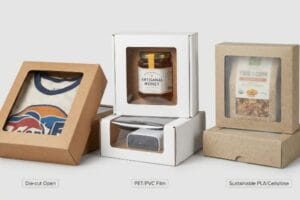
يتضمن تصنيف الكراتين بشكل أساسي التمييز بين صناديق الشحن اللوجستية القياسية والصناديق الجاهزة للبيع بالتجزئة. وتشمل التصنيفات الرئيسية في هذا القطاع: الحاويات ذات الفتحات العادية ذات الأغطية المغلقة بالكامل، والحاويات ذات الفتحات النصفية التي تتميز بأغطية مفتوحة لتسهيل وصول المستهلك إليها وعرضها السريع على الرفوف.
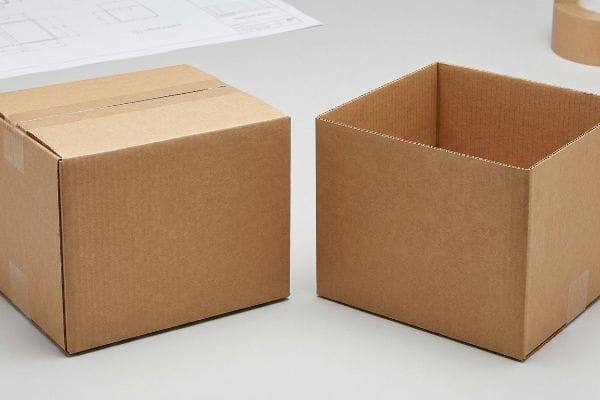
يُعد فهم هذه التصنيفات الهيكلية أمراً بالغ الأهمية لأن اختيار نمط الصندوق الخاطئ سيؤدي إلى استنزاف قوة المواد الخاصة بك بصمت قبل أن تصل حتى إلى المتجر.
كيف يؤثر تصنيف الكراتين على بقاء المنصات؟
كثيراً ما تستبدل فرق المشتريات الصناديق المغلقة بالكامل بالصناديق المفتوحة لتوفير تكاليف المواد الخام وتسهيل وصول المستهلكين إلى المنتج. يطلعون على كتالوج تصنيفات الكرتون ويفترضون أن إزالة الغطاء العلوي تجعل العبوة أكثر ملاءمةللمستهلك النهائي للوصول إلى المنتج.
هذا فخٌّ شائع أقع فيه خلال مراجعات التصميم بمساعدة الحاسوب (CAD) الأولية. يسأل المشترون عما إذا كان بإمكانهم ببساطة قصّ الأغطية العلوية لتصنيفها كصندوق عرض ، متجاهلين تمامًا أن هذه الأغطية المتصلة تُشكّل غطاءً علويًا بزاوية 360 درجة يُوزّع ضغط التحميل العلوي . عند إزالة هذا الغطاء، تُصبح الحواف المفتوحة شديدة الهشاشة؛ لقد ضغطتُ بإبهامي على هذه الزوايا غير المدعومة أثناء اختبار سحق الحواف (ECT) وشعرتُ بانثناء وانكسار الأخاديد الداخلية الضعيفة على الفور. عندما أُحوّل عميلًا إلى تصنيف مفتوح من الأعلى، أُعوّض ذلك حسابيًا من خلال محاذاة الألياف المموجة بشكل عمودي تمامًا والترقية إلى تصميم مزدوج الجدار، مما يُقلّل بشكل كبير من مخاطر السحق ويُجنّبنا غرامات باهظة في مجال الخدمات اللوجستية العكسية .
| أخطاء شائعة للمبتدئين | الحل الاحترافي | فوائد أرضية البيع بالتجزئة |
|---|---|---|
| قطع الأغطية العلوية من الصناديق القياسية | قم بالترقية إلى تنسيقات محددة جاهزة للبيع بالتجزئة | يزيل السحق من الدرجة الأولى |
| تجاهل ضعف الحبيبات الأفقي | قم بتوجيه الأخاديد الهيكلية عموديًا7 | يمنع انبعاج الجدران العمودية |
| بافتراض أن جميع الصناديق تتحمل الوزن | قم بتدعيم الحواف المفتوحة بجدران مزدوجة8 | يسمح بالتكديس الثقيل من الأعلى |
أحرص دائمًا على مراجعة تصنيفات الكراتين قبل الموافقة على أي تصميم هيكلي. إن التضحية بالغطاء العلوي لتوفير بضعة قروش يضمن حدوث انهيار كارثي نتيجة الضغط عند تكديس المنصات بشكل مزدوج في مستودع رطب.
🛠️ مكتب هارفي: هل أنت قلق من أن تتعرض صناديقك ذات الفتحة العلوية للتلف تحت وطأة أحمال النقل البحري الثقيلة؟ 👉 اطلب تدقيقًا للحمولة ↗ — حمّل الملف بأمان. صندوق بريدي مفتوح إذا كانت لديك أي أسئلة لاحقًا.
ما هو رمز النظام المنسق (HS Code) لعرض الأرضيات المصنوعة من الكرتون؟
يتطلب التعامل مع الرسوم الجمركية الدولية دقة مطلقة، حيث أن رقمًا خاطئًا واحدًا في فاتورتك التجارية يمكن أن يعرقل عملية إطلاق مشروعك بالكامل عند الحدود.
يُصنّف العرض الكرتوني عادةً تحت رمز النظام المنسق 4819، والذي يشمل الكراتين والصناديق والعلب المصنوعة من الورق المقوى أو الورق المقوى المموج. إلا أن دمج مواد مختلطة، مثل الشاشات الرقمية التفاعلية أو إضاءة LED، يُغيّر هذا التصنيف القانوني فوراً، مما يستدعي فرض تعريفات جمركية إلكترونية معقدة وشهادات سلامة عالمية إلزامية.
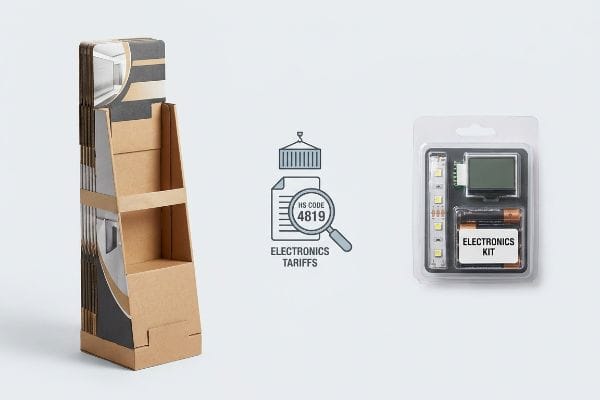
على الرغم من أن كتابة أربعة أرقام تبدو بسيطة، إلا أن التعامل مع رموز التجارة العالمية كإجراء شكلي عام في الأوراق الرسمية يمثل ثغرة لوجستية هائلة.
لماذا يؤدي رمز النظام المنسق لعرض الأرضيات الكرتونية إلى احتجاز الجمارك؟
كثيراً ما يسعى مديرو العلامات التجارية إلى تبسيط عمليات التوزيع العالمية من خلال تركيب أضواء LED مبهرة أو شاشات LCD في هياكل عرض منتجاتهم قبل الشحن البحري. ويفترضون أن الوحدة بأكملها ستمر بسلاسة عبر الجمارك بموجب تصنيفات التغليف الورقي القياسية منخفضة الرسوم الجمركية، لأن معظم المواد عبارة عن ورق مقوى مطبوع.
هذا الافتراض بأن الشحنة مصنوعة من مواد مختلطة أشبه بوضع سكين مطبخ في حقيبة اليد وتوقع أن يتجاهلها أمن المطار لأن باقي الحقيبة مليء بالملابس. أرى عملاءً يُصابون بالشلل بسبب إجراءات الاحتجاز الصارمة في الموانئ عندما يُعيد موظفو الجمارك تصنيف عبواتهم الورقية الضخمة على الفور كأجهزة كهربائية خاضعة للرقابة.إن عملية تقشير الشريط اللاصق المؤلمة بينما يقوم المفتشون الفيدراليون بفتح الكراتين الرئيسية بقوة لتدقيق البطاريات غير المعتمدة كابوس لا ترغب أبدًا في تجربته. لحل هذه المشكلة، أقوم بتصميم تجاويف دقيقة للأجهزة ذات قفل احتكاكي حتى نتمكن من فصل سلسلة التوريد قانونيًا، وشحن الإلكترونيات الصغيرة بشكل منفصل تمامًا عن البضائع الورقية ذات الرسوم الجمركية المنخفضة، وتجنب الرسوم الجمركية الكهربائية المعقدة تمامًا.
| أخطاء شائعة للمبتدئين | الحل الاحترافي | فوائد أرضية البيع بالتجزئة |
|---|---|---|
| لصق الشاشات مسبقًا في شاشات العرض الورقية | قم بشحن الإلكترونيات والورق بشكل منفصل | يتجنب التعرفات الكهربائية الباهظة |
| بافتراض أن المواد السائبة هي التي تحدد القوانين | التصنيف بناءً على العنصر الأكثر تنظيماً | يمنع مصادرة الشحنة بالكامل |
| استخدام مواد لاصقة دائمة في مجال التكنولوجيا | تجاويف قابلة للإزالة بقفل احتكاكي من تصميم المهندس | يُسهّل إعادة التدوير عند انتهاء العمر الافتراضي |
أرفض السماح للعلامات التجارية بدمج الأجهزة الإلكترونية النشطة في شحنات ورقية غير معتمدة. فصل سلسلة التوريد يحمي تصنيفك ضمن فئة الشحنات منخفضة الرسوم الجمركية ويحافظ على التزامك التام بجدول إطلاق منتجاتك الموسمية.
🛠️ مكتب هارفي: هل تنتهك وحدات عرض منتجاتك التفاعلية، سرًا، فئات التعريفات الجمركية الصارمة للاستيراد؟ 👉 اطلب مراجعة تعريفاتك الجمركية ↗ — لا توجد استمارات تُسبب مكالمات مبيعات لا تنتهي. قيمة حقيقية فقط.
ما هو وصف صندوق الكرتون؟
إن وصف عبواتك يتطلب أكثر من مجرد صفات جمالية؛ فهو يتطلب علم المواد الدقيق لضمان بقاء الهيكل سليماً.
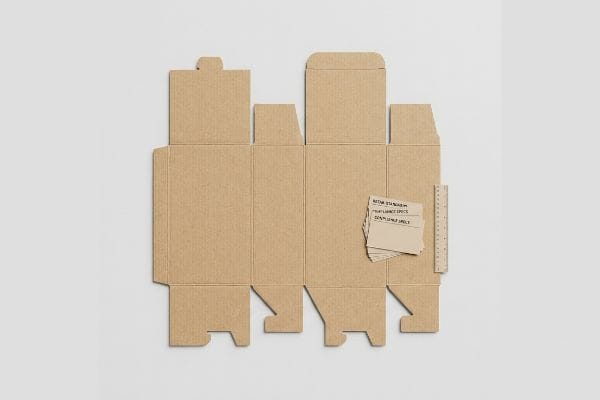
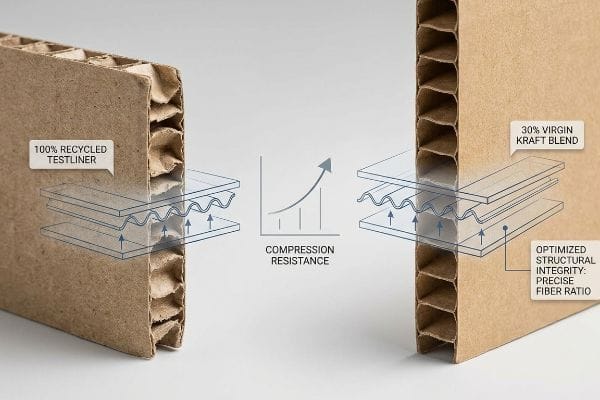
يجب أن يتضمن الوصف الدقيق لصناديق الكرتون تفاصيل دقيقة حول شكل التموجات، ونوع الورق المقوى، والتركيب المادي. فهو يُعرّف الهيكل ثلاثي الأبعاد المُصمّم هندسيًا، والمكون من طبقة مموجة محصورة بين طبقتين من الورق المقوى، والمصمم لامتصاص الصدمات الحركية وتحمّل الأحمال العلوية الديناميكية الثقيلة أثناء النقل الدولي.
لكن معرفة نظرية هذه المواصفات لا تكفي عندما تبدأ الآلات بالعمل وتسقط البضائع الثقيلة على الأرض.
لماذا يفشل الوصف العام لصندوق الكرتون في أرضية المصنع؟
غالباً ما تصف فرق المشتريات الساعية لتحقيق أهداف طموحة في مجال الاستدامة المؤسسية عبوات الشحن المثالية للبيع بالتجزئة بأنها مصنوعة بالكامل من مواد معاد تدويرها بنسبة 100%. ويقومون بصياغة طلبات الشراء بثقة، مفترضين أن هذه المادة الصديقة للبيئة تتمتع بنفس المتانة الفيزيائية ومقاومة الضغط التي تتمتع بها ألواح الأخشاب البكرالجديدة.
في منشأتي، أرى باستمرار كيف تصطدم هذه التوجيهات البيئية، وإن كانت حسنة النية، بواقع فيزياء الورق المجهرية القاسية. فعندما أقيس أداء ورق اختبار معاد تدويره بنسبة 100% تحت ضغط مكبس تقييم TAPPI T811 الثقيل، أشعر فعليًا بانهيار مقاومة الورق الصلبة، حيث تنقطع الألياف المستنفدة هيكليًا والمُعالجة بكثافة وتنهار على الفور. إذا اعتمدنا فقط على وصف بيئي مبالغ فيه دون مراعاة حسابات الألياف، فإن انبعاج القاعدة الناتج يُبطئ خطوط تجميع التعبئة المشتركة بنسبة تُقدر بـ 25% بسبب عمليات إعادة المحاذاة اليدوية. أحل هذه المشكلة بتعديل دقيق لقائمة المواد، حيث أحقن نسبة 30% من ورق الكرافت البكر ذي الألياف الطويلة مباشرةً في قنوات التحميل الأساسية لاستعادة قوة الضغط الحركي دون زيادة كمية المواد المستخدمة.
| أخطاء شائعة للمبتدئين | الحل الاحترافي | فوائد أرضية البيع بالتجزئة |
|---|---|---|
| إلزام استخدام بطانة اختبار مصنوعة من مواد معاد تدويرها بنسبة 100% | حقن 30% من ورق الكرافت البكر في الفلوت12 | يعيد قوة تحمل الأحمال الديناميكية |
| تجاهل استنفاد الألياف المجهرية | حدد الحد الأقصى لدورة إعادة التدوير13 | يمنع انهيار الفلوت الداخلي غير المرئي |
| استخدام اختبارات معملية مسطحة لحدود النقل | التحقق من الصحة باستخدام اختبار السقوط الحركي الكامل14 | يضمن بقاء الشاحن بكامل حمولته |
لا أقبل أبداً وصفاً غامضاً للمواد مليئاً بالمصطلحات التقنية في ورقة مواصفات الإنتاج. إنّ تطبيق نسبة ألياف دقيقة هو ما يحمي شحنتك من الانهيار تحت ضغط التخزين المزدوج في المستودع.
🛠️ مكتب هارفي: لا تدع عيبًا هيكليًا بحجم 2 مليمتر يُفسد إطلاقًا ضخمًا لـ 500 متجر. 👉 أرسل لي ملف تصميم القالب ↗ — سأُجري اختبارات دقيقة للحسابات قبل أن تُهدر ميزانيتك على الإنتاج الضخم.
خاتمة
يمكنك فرض استخدام بطانات اختبار رخيصة ومُعاد تدويرها بشكل مفرط لتحقيق أهداف الاستدامة البيئية، ولكن عندما تنقطع هذه الألياف المُستنفدة بفعل اهتزازات النقل البحري، يؤدي ذلك إلى انبعاج القاعدة، ما يُسبب رفضًا فوريًا من قِبل تجار التجزئة، ويُجبرهم على أسابيع من إعادة التعبئة اليدوية المُكلفة. هذه هي ورقة المواصفات الدقيقة التي يستخدمها أفضل 10 عملاء تجزئة لديّ لضمان عدم رفض أي منتج. توقف عن المُقامرة بمواصفات مواد ضعيفة، ودعني أُراجع شخصيًا مدى تحملات هيكلك من خلال مُراجعة سلسلة التوريد المجانية ↗ لضمان وصول مُنتجك التالي إلى أرضيات المستودعات بأمان.
"نقاط البيع مقابل نقاط البيع: ما الفرق؟ - ريبسلي"، https://www.repsly.com/blog/point-of-purchase-vs-point-of-sales-difference. توضح الأدلة الصناعية وكتب التسويق بالتجزئة الفرق التقني بين نقاط البيع (مجال التسويق العام) ونقاط البيع (مجال المعاملات) لإثبات أنهما ليسا متطابقين وظيفيًا. دور الدليل: توضيح المصطلحات؛ نوع المصدر: دليل معياري صناعي. يدعم: التمييز بين استخدام نقاط البيع ونقاط البيع. ملاحظة النطاق: يركز على مصطلحات البيع بالتجزئة. ↩
"معلومات أساسية حول نموذج الحد من النفايات"، https://www.epa.gov/waste-reduction-model/basic-information-about-waste-reduction-model. بيانات صناعية حول كفاءة استخدام المواد والحد من النفايات عند التحول من وحدات أرضية مصغرة إلى ملفات عدادات مخصصة من الورق المقوى ذي الثنيات الدقيقة. دور الدليل: التحقق الكمي؛ نوع المصدر: معيار تصنيعي. يدعم: ادعاء توفير 30% من المواد. ملاحظة النطاق: خاص بهندسة الورق المقوى. ↩
تحديث قانون الأمريكيين ذوي الإعاقة: دليل تمهيدي للشركات الصغيرة، https://www.ada.gov/resources/title-iii-primer/. المتطلبات القانونية لقانون الأمريكيين ذوي الإعاقة (ADA) فيما يتعلق بمدى الوصول وإمكانية الوصول إلى معروضات البيع بالتجزئة. دور الدليل: التحقق التنظيمي؛ نوع المصدر: معيار قانوني حكومي. يدعم: ضرورة مراعاة نطاقات ADA لوضع المنتجات عند نقاط الدفع. ملاحظة النطاق: ينطبق على بيئات البيع بالتجزئة في الولايات المتحدة. ↩
"تقييم النقل المغلق للسيارات: هل التكلفة الإضافية مبررة؟"، https://www.uship.com/blog/tips/enclosed-auto-transport-extra-cost/. التحقق من ممارسات الشراء المتعلقة بتحليل التكلفة والعائد لاستبدال حاويات الشحن المغلقة بحاويات مفتوحة لتسهيل وصول متاجر التجزئة. دور الدليل: التحقق من الحقائق؛ نوع المصدر: دليل إدارة سلسلة التوريد. يدعم: الادعاء بأن استبدال المواد يُستخدم لتوفير التكاليف والراحة. ملاحظة النطاق: التركيز على شراء مواد التعبئة والتغليف وفقًا لمعايير الصناعة. ↩
"تقدير قوة الضغط للكرتون المموج..."، https://pmc.ncbi.nlm.nih.gov/articles/PMC8467740/. شرح فني لكيفية توزيع السلامة الهيكلية للحاويات ذات الفتحات المنتظمة (RSC) للضغط الرأسي عبر الأغطية العلوية. دور الدليل: التحقق الفني؛ نوع المصدر: دليل هندسة التغليف. يدعم: الضرورة الهيكلية للأغطية العلوية لتوزيع الحمل. ملاحظة النطاق: خاص بهندسة كرتون RSC. ↩
"فهم قوة صناديق الشحن - EcoEnclose"، https://www.ecoenclose.com/blog/understanding-shipping-box-strength/?srsltid=AfmBOooRtGxOKy6sjMMVY_XKwgVWlTVTM53_-O04rLJNSGHGXjAcZBzq. بيانات تجريبية تقارن قوة الضغط وتقييمات اختبار سحق الحواف (ECT) للكرتون المموج أحادي الجدار مقابل ثنائي الجدار. دور الدليل: التحقق من الأداء؛ نوع المصدر: دراسة في علم المواد. يدعم: الادعاء بأن الألواح ثنائية الجدار تقلل من مخاطر السحق في الحاويات المفتوحة من الأعلى. ملاحظة النطاق: التركيز على قوة الضغط الرأسي. ↩
[ملف PDF] مواصفات الكرتون المموج - رابطة صناديق الألياف، https://www.fibrebox.org/assets/2025/09/Walmart_Corrugated-Board_Specifications_Automation_Packaging_Standards.pdf. تُظهر الوثائق الفنية المتعلقة بميكانيكا الكرتون المموج أن التموجات الرأسية تزيد من قوة التراص مقارنةً بالتموجات الأفقية. دور الدليل: التحقق الفني؛ نوع المصدر: دليل هندسي. يدعم: الادعاء بأن التموجات الرأسية تمنع انبعاج الجدار. ملاحظة النطاق: ينطبق على التموجات القياسية للكرتون المموج. ↩
"التصميم الأمثل لتغليف الكرتون المموج ذي الجدار المزدوج - PMC"، https://pmc.ncbi.nlm.nih.gov/articles/PMC8950760/. تؤكد معايير التغليف أن تصميمات الجدران المزدوجة تزيد من قيم اختبار مقاومة الحواف للضغط (ECT) وتدعم أحمالًا علوية أثقل. دور الدليل: إثبات هيكلي؛ نوع المصدر: معيار صناعي. يدعم: الادعاء بأن الجدران المزدوجة تسمح بالتكديس الثقيل. ملاحظة النطاق: خاصة بأنواع الصناديق ذات الفتحة العلوية. ↩
"4819.10.00.20 – جدول التعريفة المنسقة"، https://hts.usitc.gov/search?query=4819100020. مقارنة معدلات الرسوم الجمركية بين الفصل 48 من النظام المنسق (الورق/الكرتون) والمكونات الإلكترونية للتحقق من وضع "الرسوم المنخفضة" للأولى. دور الدليل: التحقق من الحقائق؛ نوع المصدر: جدول التعريفة الجمركية. يدعم: الادعاء بأن التغليف الورقي عادةً ما يخضع لرسوم أقل من الإلكترونيات. ملاحظة: تختلف معدلات الرسوم باختلاف بلد الاستيراد. ↩
"التصنيف الجمركي لحامل شاشة حاسوب من الصين."، https://rulings.cbp.gov/ruling/N336185. التحقق من اللوائح الجمركية المتعلقة بإعادة تصنيف السلع المختلطة من فئة الورق إلى فئة الأجهزة الكهربائية بناءً على المكونات المتكاملة. دور الدليل: التحقق من صحة الوقائع؛ نوع المصدر: دليل تنظيمي جمركي. يدعم: الادعاء بأن المواد المختلطة تستوجب تعريفات جمركية على الأجهزة الإلكترونية. ملاحظة النطاق: يركز على قانون التجارة الدولية. ↩
"قوة الضغط لعبوات الورق المقوى المموج مع..."، https://pmc.ncbi.nlm.nih.gov/articles/PMC10054506/. بيانات فنية تقارن اختبار سحق الحافة (ECT) وقوة الانفجار لورق مقوى معاد تدويره بنسبة 100% مقابل ألواح ألياف الخشب البكر. دور الدليل: تناقض فني؛ نوع المصدر: دراسة في علم المواد. يدعم: الادعاء بأن المواد المعاد تدويرها قد تفتقر إلى السلامة الهيكلية للمواد البكر. ملاحظة النطاق: يركز على مقاييس التغليف المموج. ↩
"دراسة تأثير الثقوب على قدرة تحمل الأحمال..."، https://pmc.ncbi.nlm.nih.gov/articles/PMC11396172/. التحقق الفني من النسبة المئوية المحددة للألياف البكر المطلوبة لاستعادة السلامة الهيكلية في البطانات المعاد تدويرها. دور الدليل: المواصفات الفنية؛ نوع المصدر: مجلة علوم المواد. يدعم: الادعاء بأن ألياف الكرافت البكر تستعيد قوة تحمل الأحمال. ملاحظة النطاق: التركيز على مواد التمويج. ↩
[ملف PDF] دراسة تأثير الصناديق الكرتونية المموجة على توزيع، https://www.unitload.vt.edu/content/dam/unitload_vt_edu/graduate-research-and-subpages-pictures-and-docs/thesis-and-dissertations-/Clayton%20-%20ETD%20-%20Investigation%20of%20the%20Effect%20of%20Corrugated%20Boxes%20on%20the%20Distribution%20of%20Compression%20Stresses%20on%20the%20Top%20Surface%20of%20Wooden%20Pallets.pdf. دليل علمي حول تدهور ألياف السليلوز مع تكرار دورات إعادة التدوير وتأثيره على الاستقرار الهيكلي. دور الدليل: آلية سببية. نوع المصدر: دليل هندسة صناعية. يدعم: ضرورة الحد من دورات إعادة التدوير لمنع الانهيار. ملاحظة النطاق: خاص بنضوب الألياف. ↩
[PDF] losvva la mos – OSTI، https://www.osti.gov/servlets/purl/7230585. تحليل مقارن للاختبارات الحركية مقابل الاختبارات الثابتة في التنبؤ ببقاء حاويات الشحن الكرتونية أثناء النقل في ظروف واقعية. دور الدليل: منهجية التحقق؛ نوع المصدر: هيئة توحيد معايير التغليف (مثل ISTA). يدعم: الادعاء بأن الاختبارات الحركية تضمن بقاء حاويات الشحن. ملاحظة النطاق: يقتصر على الحاويات المحملة بالكامل. ↩