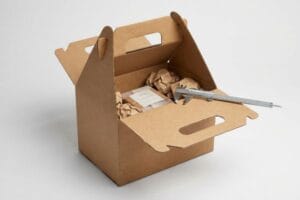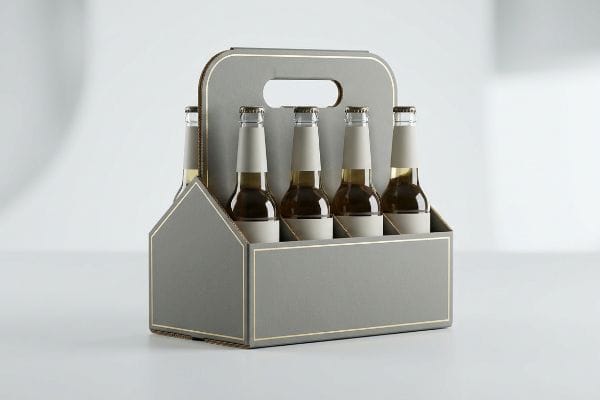
إن تحويل علبة المشروبات السداسية العادية إلى هدية فاخرة لا يقتصر على مجرد وضع بعض ورق القصدير على العلبة. بل يتطلب الأمر هندسة هيكلية دقيقة لضمان تحملها أثناء النقل.
نعم. يمكن استخدام حامل زجاجات سداسي مخصص كهدية بسهولة بفضل استخدام تشطيبات رسومية فاخرة مغلفة بتقنية الطباعة الحجرية، بالإضافة إلى دعامات هيكلية متينة. يضمن تحسين قاعدة الكرتون المموج مظهرًا أنيقًا للعبوة على الرف، مع توفير دعم آمن للأوزان الثقيلة من السوائل دون تمزق أو انهيار.
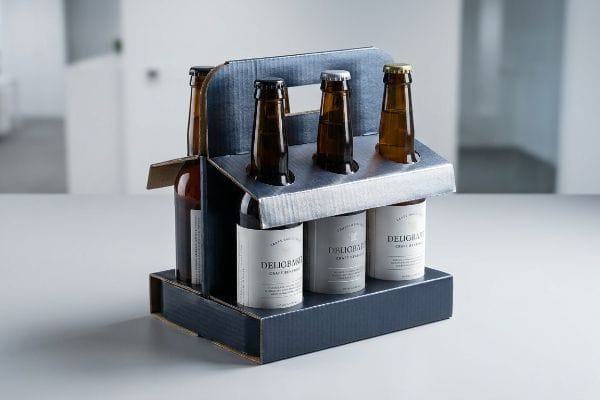
لكن سد الفجوة بين حامل المشروبات العادي وتجربة تقديم الهدايا الفاخرة هو ما يتعثر فيه معظم العلامات التجارية.
كيفية تغليف البيرة كهدية؟
يُعدّ تحويل التغليف العادي إلى تغليف هدايا بمثابة ضبط للنفس. فأسرع طريقة لتشويه سمعة علامة تجارية هي زجاجة مكسورة في موقف السيارات.
يتطلب تغليف البيرة كهدية تحقيق توازن بين المظهر الجمالي الراقي والمتانة الهيكلية. غالبًا ما تُحسّن العلامات التجارية اللمسات النهائية، ولكن يجب عليها تجنب إزالة تصنيف اختبار مقاومة الحواف (ECT) للمادة الكرتونية الأساسية. يُساعد الحفاظ على بنية هيكلية قوية على منع زجاجات البيرة الثقيلة من سحق الطبقات الخارجية المزخرفة أثناء النقل.
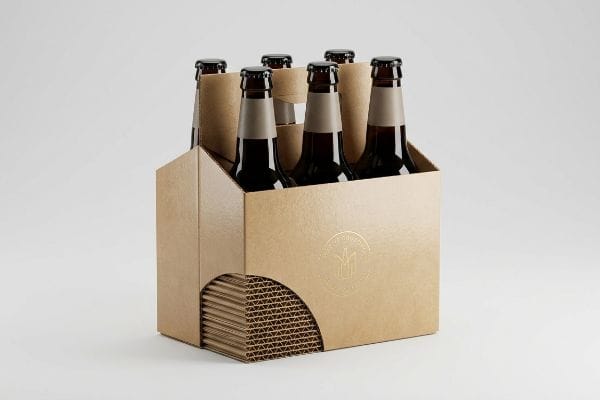
يبدو تحويل حامل عادي إلى هدية جاهزة أمرًا بسيطًا على الشاشة، لكن التنفيذ الفعلي لا يرحم.
الموازنة بين التشطيبات الفاخرة والسلامة الهيكلية لحزمة الستة
عندما تتجه العلامات التجارية نحو تقديم الهدايا، يكون أول ما يخطر ببالها هو فرض استخدام طبقات سميكة من رقائق معدنية أو أوراق خاصة باهظة الثمن. ولتعويض هذه الميزانية الإضافية المخصصة للتحسينات الشكلية، غالبًا ما تحاول فرق المشتريات تخفيض الدرجة الهيكلية للورق المقوى الأساسي (الدرجة1). يفترضون أن استخدام مادة أرق قليلاً لن يؤثر على حملة ترويجية قصيرة الأجل خلال موسم الأعياد.
حتى المصممون المخضرمون يقعون في هذا الفخ. شاهدتُ مؤخرًا إصدارًا فاخرًا لعيد الميلاد ينهار لأن العلامة التجارية خفّضت سرًا من جودة ورق الكرافت المستخدم لتوفير المال. عندما رفع البائع الحقيبة من مقبضها المقطوع، سمعتُ صوت تمزق حاد ومُقزز للطبقة العلوية تحت حمولة وزنها 5.4 كيلوغرام . ولإصلاح ذلك، قمتُ على الفور باستعادة كثافة التموجات الداخلية واستبدلتُ الرقائق المعدنية السميكة بطبقة مائية لامعة عالية الصلابة . حافظ هذا على انعكاس الفخامة، ومنع المقابض من الانكسار، وقضى تمامًا على الأضرار المكلفة التي قد تلحق بالمنتج في المتاجر.
| أخطاء شائعة للمبتدئين | الحل الاحترافي | فوائد أرضية البيع بالتجزئة |
|---|---|---|
| تخفيض تصنيف ECT لميزانية رقائق الألومنيوم | حافظ على 32ECT من ورق الكرافت البكر4 | يمنع انفجار المقبض |
| تجاهل وزن الحمولة الديناميكي | استخدم طلاءات مائية عالية الصلابة5 | يوفر تكاليف المواد الباهظة |
| الاعتماد على أوراق التجميل الرقيقة | تعزيز القطع المقطوعة الحاملة للأحمال6 | يزيل مخاطر سقوط الزجاج |
أرفض السماح لميزانيات الجماليات بأن تُطغى على متانة المواد. علبة الهدايا الجميلة لا قيمة لها على الإطلاق إذا تحطمت في المتجر قبل أن يمسكها الزبون.
🛠️ مكتب هارفي: هل أنت غير متأكد من أن ميزانيتك المخصصة لرقائق الألومنيوم تؤثر سلبًا على متانة هيكلك؟ 👉 اطلب تدقيقًا مجانيًا للمواد ↗ — تواصل مباشر مع مكتبي. أعدك بعدم تلقي أي رسائل تسويقية آلية مزعجة.
كيفية تخزين عبوة من ست زجاجات بيرة؟
يُعدّ تصميم حاويات النقل الجاف أمراً سهلاً. أما تصميم حاويات تتحمل الظروف المناخية القاسية داخل الثلاجات التجارية فيُمثل تحدياً هندسياً مختلفاً تماماً.
يتطلب تخزين عبوة من ست زجاجات بيرة بشكل صحيح تغليفًا مصممًا لتحمل التغيرات الشديدة في درجات الحرارة. فعندما ينتقل الكرتون المسامي العادي من الثلاجات الباردة إلى درجات حرارة الغرفة الرطبة، فإنه يمتص الرطوبة المحيطة. لذا، فإن استخدام حواجز مائية متخصصة يمنع الغلاف من التقوس أو التمزق أو الانهيار تحت تأثير التكثف الشديد.
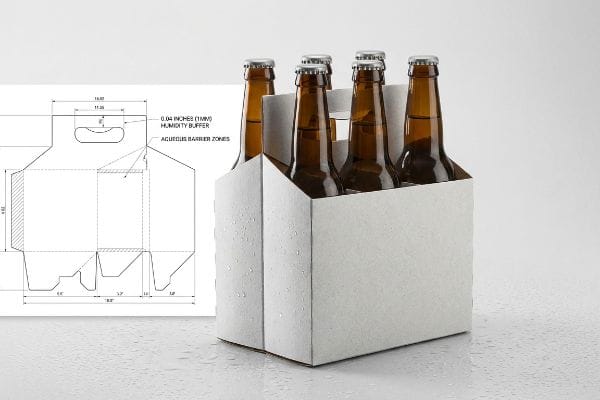
الاختبار الحقيقي لحامل المشروبات لا يحدث في مكتب جاف؛ بل يحدث في الواقع القاسي لمبردات البيع بالتجزئة.
التغلب على انتفاخ الرطوبة في تخزين البيرة الباردة
تُبنى معظم قوالب التصميم باستخدام سُمك الورق المقوى الجاف المطلق7.ويفترض المهندسون أن الحامل سيبقى في بيئات مُتحكم في مناخها طوال دورة حياته. ونادرًا ما يحسبون كيف تُغير البيئة الفيزيائية للتخزين البارد هندسة المادة8.
من الأسئلة الشائعة التي أتلقاها: لماذا تتعطل فتحات التعشيق فجأةً أثناء التعبئة المشتركة؟ أتذكر عملية طرح صيفية حيث كانت العبوات المسطحة مخزنة في مستودع رطب قبل التجميع. امتصت الطبقة الداخلية المسامية الرطوبة المحيطة وتمددت،مما تسبب في صرير ألسنة القفل وسحقها بعنف عندما ضغط عليها الموظف. حللت هذه المشكلة بإضافة خلوص دقيق قدره 1 مم (0.04 بوصة) في برنامج التصميم بمساعدة الحاسوب (CAD10 ) خصيصًا لفتحات الاستقبال. يضمن هذا الحاجز المدمج للرطوبة تجميعًا سلسًا وخاليًا من التمزق بغض النظر عن كمية الماء التي تمتصها ألياف الورق.
| أخطاء شائعة للمبتدئين | الحل الاحترافي | فوائد أرضية البيع بالتجزئة |
|---|---|---|
| التصميم مخصص للفرجار الجاف فقط | أضف حاجز رطوبة بسماكة 1 مم11 | يُسرّع وقت التجميع |
| الضغط على ألسنة القفل المنتفخة | توسيع فتحات استقبال التصميم بمساعدة الحاسوب12 | يمنع تمزق الطبقة العلوية |
| تجاهل هواء المستودع المحيط | مهندس فجوات احتكاك دقيقة13 | يمنع الاستخدام غير المتقن للشريط اللاصق |
أحرص دائماً على تصميم فاصل حراري رياضي في كل فتحة مخصصة لمبرد المشروبات. تخزين المشروبات بأمان يعني تصميم المنتج بما يتناسب مع خصائص الماء، وليس مع الورق فقط.
🛠️ مكتب هارفي: هل تتلف حافظات الطعام بمجرد وضعها في ثلاجة المتجر؟ 👉 احصل على قائمة التحقق من تحمل الرطوبة ↗ — حمّلها بأمان. صندوق رسائلي مفتوح إذا كانت لديك أي أسئلة لاحقًا.
ما هي بعض أفكار الهدايا الجيدة المتعلقة بالبيرة؟
ينبغي أن يُبرز غلاف المنتج الجميل قيمته، لا أن يُخفيه. أفضل أفكار الهدايا هي تلك التي تجمع بسلاسة بين التصميم الهندسي المتين وعرض المنتج بشكل جذاب.
تُركز أفكار هدايا البيرة المميزة على إبراز تصميمات مصانع البيرة الحرفية وتفاصيل ملصقاتها. تستخدم عبوات الهدايا الفعّالة نوافذ مقطوعة خصيصًا وحوافًا منخفضة لضمان بقاء رسومات الزجاجة الرئيسية واضحة. يُحفز هذا الوضوح الهيكلي عمليات الشراء الفورية من خلال تسليط الضوء على جودة المشروب العالية.
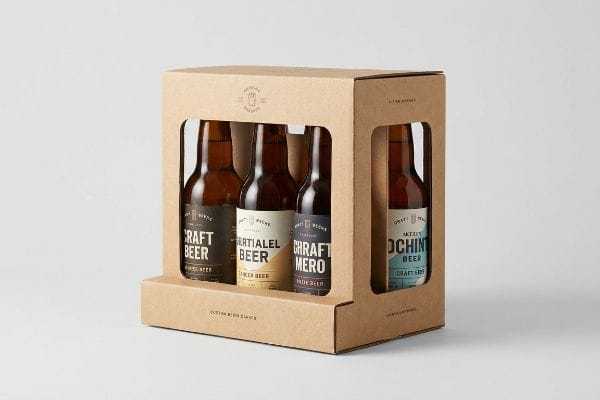
قد يكون من المغري المبالغة في تصميم الغلاف الخارجي، لكن أفكار الهدايا الأكثر ربحية تترك للمنتج المادي القيام بالدور الأكبر.
الرؤية الهيكلية الهندسية لهدايا المشروبات
عند التفكير في تصميم عبوات الهدايا، غالبًا ما تتعامل فرق التسويق المبتدئة مع الكرتون الخارجي المموج كلوحة إعلانية فارغة لعرض رسوماتهم. فهم يصممون ألواحًا جانبية طويلة وصلبة للغاية لضمان أقصى حمايةللزجاج . لسوء الحظ، هذا يخفي الملصق الرئيسي على الزجاجة تمامًا.
تخيل الأمر كأنك ترتدي معطفًا شتويًا ثقيلًا فوق بدلة رسمية أنيقة. من الأخطاء الشائعة التي يقع فيها المبتدئون تصميم حافة تثبيت مرتفعة جدًا،مما يحجب تصميم ملصق البيرة الجميل. ذات مرة، شاهدت مدير مبيعات محبطًا وهو يقطع دفعة جديدة من البيرة بقاطع كرتون حتى يتمكن المتسوقون من رؤية اسم البيرة. كقاعدة عامة، اجعل المنتج دائمًا في المقدمة والوسط. الآن، أستخدم أبعاد الزجاجة الدقيقة في برنامج النمذجة ثلاثية الأبعاد لتصميم حافة منحنية مخصصة، مما يضمن رؤية كاملة دون أي عوائق دون المساس بهيكل الزجاجة.
| أخطاء شائعة للمبتدئين | الحل الاحترافي | فوائد أرضية البيع بالتجزئة |
|---|---|---|
| إخفاء الملصقات خلف الجدران العالية | شفاه منحنية مقطوعة حسب الطلب | يحفز المبيعات الفورية الاندفاعية16 |
| التعامل مع الصندوق كلوحة إعلانية | دع تصميم الزجاجة يظهر | يمنع الموظفين من قطع الصناديق17 |
| تخمين ارتفاعات الصناديق العامة | أبعاد زجاجة الاستيراد ثلاثية الأبعاد18 | يؤمّن المنتج بشكل مثالي |
أُعطي الأولوية دائمًا للعلامة التجارية الأساسية للمنتج على حساب مساحة التغليف الثانوي. إن استخدام عبوة محكمة الإغلاق تُخفي البيرة يُعدّ حملة تسويقية فاشلة.
🛠️ مكتب هارفي: هل تُخفي شركة الشحن الثانوية لديك أفضل تصميمات ملصقاتك عن غير قصد؟ 👉 احصل على نموذج ثلاثي الأبعاد مجاني ↗ — لا مزيد من النماذج التي تُسبب مكالمات مبيعات لا تنتهي. قيمة حقيقية فقط.
كيفية تغليف زجاجة مشروب كحولي كهدية؟
إن تغليف الزجاج الثقيل يتطلب أكثر من مجرد ورق مزخرف. إنه يتطلب فهمًا عميقًا لكيفية انتقال الطاقة الحركية عبر بنية صلبة.
يتطلب تغليف زجاجة مشروب كحولي كهدية استخدام حشوات داخلية لمنع كسر الزجاج. فبدلاً من تغليف الزجاجة الصلبة بإحكام، تعتمد شركات التغليف الاحترافية على استخدام حشوات داخلية مصممة خصيصاً لتثبيت الزجاجة. تعمل هذه الحشوات الهوائية على امتصاص الصدمات أثناء النقل، مما يوفر حماية كاملة للهدية الهشة.
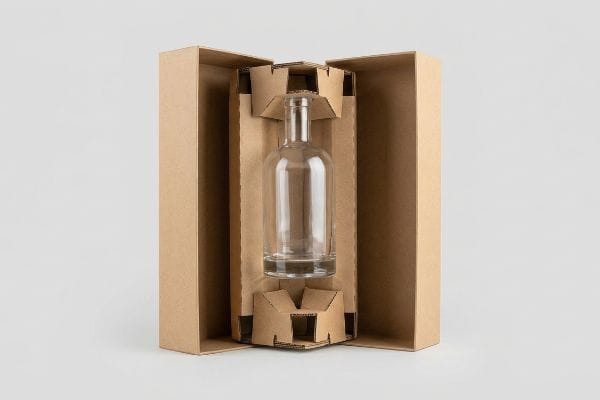
لكن معرفة نظرية الصدمة الحركية لا تكفي عندما تبدأ آلات الفرز بالعمل وتبدأ الطرود بالسقوط.
لماذا تفشل عملية التغليف القياسية في أرضية المصنع؟
عندما يحاول المشترون تحويل زجاجة واحدة إلى هدية فاخرة، غالبًا ما يطلبون علبة كرتونية قابلة للطي تُطابق أبعاد الزجاجة الخارجية تمامًا. يفترضون أن التغليف المحكم والصلب يوفر أقصى درجات الأمان. هذا افتراض خطير للغاية يتجاهل كيفية انتقال الطاقة الحركية عبر الأجسام الصلبة .
في منشأتي، أشهد بشكل روتيني انهيار علب الهدايا المحكمة الإغلاق هذه بشكل كارثي أثناء اختبارات السقوط التي تجريها الرابطة الدولية للنقل الآمن (ISTA)20.عندما لا تحتوي العلبة الكرتونية على أي مساحة عازلة داخلية، فإن أي صدمة على جدارها الخارجي الصلب تنقل 100% من قوة الصدمة الحركية مباشرةً إلى الزجاجة. إن صوت الزجاج المحطم داخل علبة خارجية سليمة تمامًا هو سيناريو مرعب شاهدته على طاولة الاهتزاز بقوة 150 رطلاً (68 كجم). أتغلب على هذه المشكلة بفرض وجود فراغ تعليق صارم 0.125 بوصة (3.17 مم)21 حول العبوة الرئيسية. من خلال إضافة حشوة من الورق المقوى المقطوع مسبقًا لحبس الهواء وعزل الزجاجة، أضمن امتصاص العبوة لصدمة السقوط، مما يوفر على العملاء آلاف الدولارات من مطالبات المسؤولية وتلف المخزون.
| أخطاء شائعة للمبتدئين | الحل الاحترافي | فوائد أرضية البيع بالتجزئة |
|---|---|---|
| هندسة تركيب دقيق بنسبة 1:1 | أضف فراغًا مكانيًا بمقدار 3.17 مم22 | يزيل الزجاج المتناثر |
| السماح للزجاج بملامسة الجدران الخارجية | استخدم قطعة ورق مقطوعة مسبقًا23 | يمتص الصدمات القوية أثناء النقل |
| مع تجاهل انتقال الطاقة الحركية | حبس الهواء كعازل حركي24 | يمنع عمليات رد المبالغ المدفوعة من قبل تجار التجزئة |
أرفض رفضاً قاطعاً تصنيع عبوات ثانوية محكمة الإغلاق للسوائل الزجاجية. إن هندسة فجوة هوائية رياضية هي الطريقة الوحيدة المؤكدة للنجاة من تقلبات سلاسل التوريد في الواقع العملي.
🛠️ مكتب هارفي: هل تعرف المسافة الدقيقة بالمليمتر بين زجاجتك وجدارها الخارجي المموج؟ 👉 أرسل لي ملف تصميم القالب ↗ — سأتحقق من الحسابات بدقة قبل أن تُهدر ميزانيتك على الإنتاج الضخم.
خاتمة
يمكنك اختيار مورد أرخص لتوريد مشروباتك خلال موسم الأعياد، ولكن عندما تنقل علب الهدايا الضيقة الصدمات الحركية مباشرةً إلى الزجاج، مما يتسبب في معدلات تكسر كارثية وإبطاء سلسلة التوريد بنسبة 25% تقريبًا، فإن التوفير يتبخر. هذه هي ورقة المواصفات الدقيقة التي يستخدمها أفضل 10 عملاء تجزئة لديّ لضمان عدم رفض أي طباعة. توقف عن التخمين بشأن التفاوتات الداخلية، ودعني شخصيًا أراجع ملفاتك من خلال خدمة التدقيق المسبق المجانية ↗ لاكتشاف أخطاء التأثير الجسيمة قبل الإنتاج.
"ما الذي يؤثر على سعر عبوات مستحضرات التجميل؟"، https://packccp.com/what-factors-affect-price-of-cosmetic-packaging-china/. شرح موجز لكيفية توثيق أدلة تغليف المنتجات أو دراسات حالة المشتريات في هذا القطاع للمفاضلة بين اللمسات الجمالية وسلامة بنية المواد. دور الدليل: الممارسة المهنية؛ نوع المصدر: تقرير صناعي. يدعم: الادعاء بأن فرق المشتريات تخفض جودة المواد لتعويض التكاليف. ملاحظة النطاق: خاص بالسلع الاستهلاكية المعبأة (CPG) والتغليف الموسمي. ↩
"ما هو وزن عبوة البيرة؟"، https://support.beercartel.com.au/en-US/what-is-the-weight-of-a-beer-pack–case-78490. شرح موجز لكيفية اعتماد معايير صناعة تغليف عبوات البيرة الزجاجية لهذا الوزن كوزن نموذجي لعبوة من ست زجاجات. دور الدليل: التحقق؛ نوع المصدر: مواصفات الصناعة. يدعم: مقاييس وزن تغليف البيرة. ملاحظة: يختلف الوزن باختلاف حجم الزجاجة وسُمك الزجاج. ↩
"ما هو الطلاء المائي؟ فوائده، تطبيقاته، ولماذا..."، https://millionpack.com/aqueous-coating/. شرح موجز للخصائص الكيميائية للطلاءات المائية عالية الصلابة وتطبيقاتها في توفير لمسة نهائية فاخرة دون مخاطر التقشر المرتبطة بالرقائق السميكة. دور الدليل: المواصفات الفنية؛ نوع المصدر: دليل الطباعة والتغليف. يدعم: استخدام الطلاءات المائية للحصول على لمسات نهائية مميزة. ملاحظة النطاق: خاص بالتركيبات عالية الصلابة. ↩
شرح تصنيفات اختبار مقاومة السحق على الحواف (ECT): ما تعنيه لتغليفك...، https://epackagesupply.com/blogs/packaging-guide/ect-ratings-explained-what-they-mean-for-your-corrugated-packaging?srsltid=AfmBOooDS9ypAWOIyz15rRjsuib5O2ID3aqKe85irLpqQYlEfvC0UgXf. تحدد معايير هندسة التغليف الحد الأدنى لتصنيف اختبار مقاومة السحق على الحواف (ECT) المطلوب للكرتون المموج لدعم حمولات الزجاج الثقيلة دون حدوث انهيار هيكلي. دور الدليل: المواصفات الفنية؛ نوع المصدر: معيار صناعي. يدعم: ضرورة 32 تصنيف ECT لمنع انفجار المقبض. ملاحظة النطاق: ينطبق على حوامل المشروبات المموجة. ↩
"الجزء الخامس: تأثير التركيبات عالية الصلابة على الطلاءات..."، https://hero.epa.gov/reference/2605361/. تؤكد بيانات علم المواد أن الطلاءات المائية عالية الصلابة تزيد من قوة سطح مواد التغليف ومتانتها تحت الإجهاد الديناميكي. دور الدليل: التحقق من خصائص المادة؛ نوع المصدر: ورقة بيانات فنية. يدعم: استخدام طلاءات محددة للتحكم في وزن الحمولة. ملاحظة: تعتمد الفعالية على سمك الطلاء والركيزة. ↩
"كيف تُحسّن الصواني المقطوعة بالقوالب المموجة تغليف..."، https://arvco.com/articles/how-corrugated-die-cut-trays-improve-packaging-for-food-beverage-and-produce/. تُشير إرشادات التصميم الهيكلي لحاويات المشروبات إلى أن تقوية المناطق المقطوعة بالقوالب تُقلل من تركيز الإجهاد وتمنع الانهيار الكارثي للعبوة. دور الدليل: أفضل ممارسات التصميم؛ نوع المصدر: دليل هندسة التغليف. يدعم: الحد من مخاطر كسر الزجاج. ملاحظة النطاق: يتعلق تحديدًا بالسلامة الهيكلية للحاويات المقطوعة بالقوالب. ↩
"تأثير خطوط الطي التناظرية والرقمية على الخصائص الميكانيكية..."، https://pmc.ncbi.nlm.nih.gov/articles/PMC9268991/. تؤكد الأدلة الصناعية الموثوقة أن القياسات الأساسية لتصميم الورق المقوى تعتمد عادةً على قيم السماكة الجافة. دور الدليل: التحقق من الحقائق؛ نوع المصدر: معيار هندسي؛ يدعم: الممارسة الشائعة في تصميم التغليف. ملاحظة النطاق: التركيز على إنشاء القالب الأولي. ↩
"التوازن بين الانكماش والتمدد الاسترطابي - PubMed"، https://pubmed.ncbi.nlm.nih.gov/26912221/. يتناول بحث في علم المواد عملية التورم الاسترطابي حيث تمتص ألياف السليلوز الرطوبة في البيئات الباردة والرطبة، مما يؤدي إلى تغيير أبعادها الفيزيائية. دور الدليل: برهان تقني؛ نوع المصدر: مجلة علمية؛ يدعم: تأثير التخزين البارد على هندسة المادة. ملاحظة النطاق: خاص بالمواد المسامية المصنوعة من الورق. ↩
"تأثيرات معامل التمدد الحراري والرطوبة..."، https://pmc.ncbi.nlm.nih.gov/articles/PMC8587952/. يُقدّم مصدر موثوق في علم المواد أو هندسة التغليف بياناتٍ حول الخصائص الاسترطابية لورق الكرتون المُغلّف وكيفية تسبب امتصاص الرطوبة في التمدد البُعدي. دور الدليل: التحقق التقني؛ نوع المصدر: دراسة في علم المواد. يدعم: الآلية الفيزيائية لانتفاخ ورق الكرتون في الظروف الرطبة. ملاحظة النطاق: خاص بالبطانات المسامية غير المطلية. ↩
"تأثيرات الرطوبة النسبية على قوة الضغط لـ..."، https://open.clemson.edu/all_theses/3225/. من شأن المعايير الهندسية لتصميم التغليف أن تُؤكد استخدام هوامش تفاوت محددة للحد من الاحتكاك والانحشار الناتج عن تمدد المادة. دور الدليل: معيار صناعي؛ نوع المصدر: دليل تصميم التغليف. يدعم: استخدام حاجز بسمك 1 مم لمقاومة التورم الناتج عن الرطوبة. ملاحظة: قد يوجد تباين بناءً على نوع الورق المقوى وسمكه. ↩
"تخزين البيرة: كل ما يحتاج المستورد معرفته"، https://www.hillebrandgori.com/media/publication/beer-storage-for-importers. وثائق فنية حول حدود تحمل التغليف للتورم الناتج عن الرطوبة في بيئات التبريد. دور الدليل: مواصفات فنية؛ نوع المصدر: دليل هندسي. يدعم: فعالية طبقة عازلة بسمك 1 مم للرطوبة. ملاحظة النطاق: خاصة بحوامل البيرة المصنوعة من الألياف. ↩
"تغليف من الورق المقوى المموج بتصميم مبتكر لتحسين المتانة..."، https://bioresources.cnr.ncsu.edu/resources/corrugated-board-packaging-with-innovative-design-for-enhanced-durability-during-transport/. إرشادات تصميم لضبط التفاوتات في نماذج التصميم بمساعدة الحاسوب (CAD) لاستيعاب تمدد المواد في سلاسل التبريد ذات الرطوبة العالية. دور الدليل: أفضل الممارسات؛ نوع المصدر: معيار التصميم الصناعي. يدعم: الحاجة إلى فتحات أوسع لمنع التمزق. ملاحظة النطاق: ينطبق على ألسنة الكرتون المتشابكة. ↩
"الملاءمة والاحتكاك وإدارة الفراغات في التغليف الواقي"، https://www.swiftpak.co.uk/insights/fit-friction-void-management-protective-packaging. بحث حول تأثير الرطوبة المحيطة على ملاءمة مكونات التغليف الاحتكاكية في بيئات المستودعات. دور الدليل: شرح الآلية؛ نوع المصدر: مجلة علوم المواد. يدعم: استخدام فجوات احتكاك دقيقة للاستغناء عن المواد اللاصقة الإضافية. ملاحظة النطاق: يركز على الاستقرار الهيكلي. ↩
"الحماية - رابطة صناديق الألياف"، https://www.fibrebox.org/protective/. شرح موجز لكيفية تقليل الصلابة الهيكلية وارتفاع الألواح في صناديق الكرتون المموج لانتقال الصدمات إلى الحاويات الزجاجية. دور الدليل: التحقق الفني؛ نوع المصدر: دليل هندسة التغليف. يدعم: العلاقة بين تصميم الألواح ومنع كسر الزجاج. ملاحظة النطاق: ينطبق على ألواح الألياف المموجة القياسية. ↩
"تصميم عبوات المشروبات: الهيكل يلتقي بالملصق - Tether"، https://tether.com/beverage-packaging-design/. معايير صناعية لتصميم العبوات الهيكلية تشرح تأثير ارتفاع حافة التثبيت على وضوح العلامة التجارية. دور الدليل: معيار فني؛ نوع المصدر: دليل هندسة التغليف. يدعم: الادعاء بأن ارتفاع حافة التثبيت المفرط يحجب تصميم المنتج. ملاحظة النطاق: يركز على عبوات هدايا المشروبات الموجهة للمستهلك. ↩
"تأثير العرض المرئي على سلوك الشراء الاندفاعي لدى المستهلك..."، https://www.academia.edu/26921302/The_Impact_of_Visual_Merchandising_on_Consumer_Impulse_Buying_Behaviour. شرح لكيفية زيادة وضوح المنتج والتعرف على العلامة التجارية في العبوة لسلوك الشراء الاندفاعي لدى المستهلك. دور الدليل: الارتباط؛ نوع المصدر: دراسة سلوك المستهلك. يدعم ذلك: فعالية تصميم الشفاه المنحنية المقطوعة مسبقًا في زيادة المبيعات. ملاحظة حول نطاق الدراسة: التركيز على سيكولوجية بيئة البيع بالتجزئة. ↩
"كيفية تجنب إخفاء المنتجات في متاجر التجزئة الكبيرة"، https://www.sutherlandpackaging.com/how-to-avoid-product-invisibility-in-big-box-retail/. دليل يُظهر أن نوافذ العرض المدمجة والشفافية تمنع موظفي التجزئة من إتلاف العبوات يدويًا لعرض المنتجات. دور الدليل: الملاحظة التشغيلية؛ نوع المصدر: تقرير لوجستيات التجزئة. يدعم: فائدة إظهار تصميم الزجاجة. ملاحظة النطاق: خاص بممارسات بيع المشروبات بالتجزئة. ↩
"دور التصميم بمساعدة الحاسوب في تصميم التغليف المخصص"، https://xpress-360.com/precision-and-perfection-the-role-of-cad-in-custom-packaging-design/. التحقق الفني من أن استخدام أبعاد ثلاثية الأبعاد دقيقة للحاويات باستخدام التصميم بمساعدة الحاسوب يضمن ملاءمة هيكلية مثالية ويقلل من حركة المنتج أثناء النقل. دور الدليل: المواصفات الفنية؛ نوع المصدر: دليل هندسة التغليف. يدعم: ضرورة استيراد الأبعاد ثلاثية الأبعاد لضمان ملاءمة محكمة. ملاحظة النطاق: يركز على الهندسة الهيكلية. ↩
"رغوة امتصاص الصدمات لحماية عبوات النقل"، https://www.generalplastics.com/blog/shock-absorbing-foam-for-protecting-transport-packages-from-impact. شرح علمي لانتقال الدفع والطاقة في الأنظمة الصلبة مقابل الأنظمة المخمدة لتبرير الحاجة إلى حواجز مكانية في التغليف. دور الدليل: مبدأ علمي؛ نوع المصدر: كتاب فيزياء أو دليل هندسة التغليف. يدعم: خطر الحاويات الصلبة الضيقة للمواد الهشة. ملاحظة النطاق: يركز على فيزياء امتصاص الصدمات. ↩
"إجراءات الاختبار - الرابطة الدولية للنقل الآمن"، https://ista.org/test_procedures.php. التحقق من بروتوكولات اختبار السقوط القياسية في الصناعة، وكيف يؤدي نقص التبطين الداخلي إلى فشل الحاويات الصلبة. دور الدليل: التحقق؛ نوع المصدر: وثائق قياسية في الصناعة. يدعم: الادعاء بأن التغليف المحكم يفشل في اختبارات النقل القياسية. ملاحظة النطاق: يركز على معايير الشحن التجاري. ↩
"أفضل الممارسات لتغليف وشحن المنتجات الزجاجية الهشة"، https://gorillashipper.com/how-to-package-and-ship-glass/?srsltid=AfmBOorVkn5fliFRSfpnnCL0iiSovvH4b1zQezeoU3SsozOPX4GaG_N- التحقق الفني من قياس فجوة الهواء المطلوبة لعزل عبوة زجاجية عن الصدمات الحركية. دور الدليل: المواصفات الفنية؛ نوع المصدر: دليل هندسة التغليف. يدعم: فعالية حاجز بسمك 0.125 بوصة في منع الكسر. ملاحظة: قد تختلف الفعالية بناءً على الكتلة الإجمالية للزجاجة. ↩
"49 CFR الجزء 178 - مواصفات التغليف - eCFR"، https://www.ecfr.gov/current/title-49/subtitle-B/chapter-I/subchapter-C/part-178. تحدد الإرشادات الهندسية للتغليف الواقي هوية دقيقة لمنع اصطدام الأجسام الصلبة. دور الدليل: المواصفات الفنية؛ نوع المصدر: معيار هندسة التغليف. يدعم: دقة الفراغ المكاني المطلوب لمنع تحطم الزجاج. ملاحظة: قد يختلف القياس باختلاف قطر الزجاجة. ↩
"حشوات مقطوعة بالقالب"، https://www.salazarpackaging.com/products/die-cut-inserts/. تؤكد الدراسات التي أُجريت على المواد المموجة والمقطوعة بالقالب قدرتها على تخميد الاهتزازات وامتصاص طاقة الصدمات. دور الدليل: التحقق التقني؛ نوع المصدر: مجلة علوم المواد. يدعم: فعالية الحشوات المقطوعة بالقالب في امتصاص صدمات النقل الثقيلة. ملاحظة نطاق البحث: يعتمد على كثافة المادة. ↩
"الوسائد الهوائية"، https://www.pregis.com/us-solutions/by-product/on-demand-inflatable-air-systems/options-consumables/airspeed-air-cushions/. يشرح بحث لوجستي حول التبطين الهوائي تبديد الطاقة الحركية من خلال ضغط الهواء. دور الدليل: أساس نظري؛ نوع المصدر: كتاب لوجستي. يدعم: استخدام الهواء المحبوس لتقليل التلف ورسوم البيع بالتجزئة. ملاحظة النطاق: محدود بسلامة مانع التسرب الهوائي. ↩