إن تخطي مرحلة النموذج الأولي المادي قبل الإنتاج الضخم يُعدّ مقامرة كبيرة. فأنت تُخاطر بفشل آلاف الوحدات لأن الحسابات النظرية نادراً ما تتوافق مع الواقع التجاري.
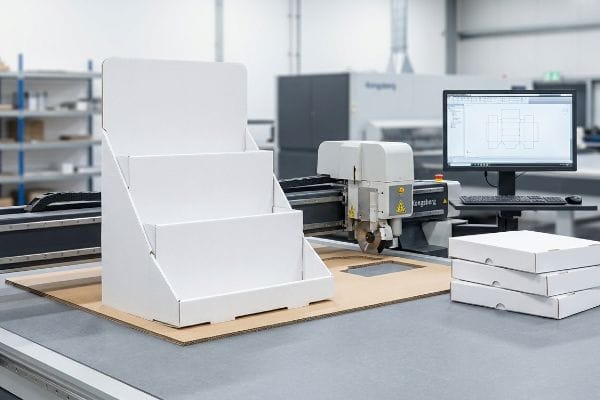
نعم. الحصول على عينة من شاشة العرض على سطح الطاولة إجراءٌ معتاد. نستخدم طاولات القطع CNC (التحكم الرقمي بالحاسوب) من كونغسبيرغ لتصميم نماذج أولية بيضاء غير مطبوعة خلال 24 ساعة، مما يضمن أن هيكل التصميم بمساعدة الحاسوب (CAD) يتحمل حمولتك بشكل مثالي قبل بدء الإنتاج بكميات كبيرة.
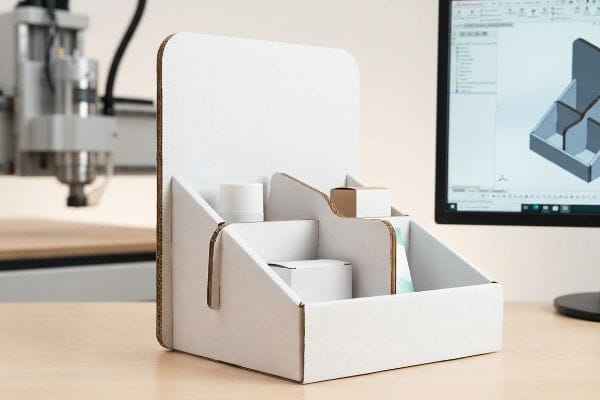
لكن في حين أن تقطيع عينة سريعة يبدو سهلاً من الناحية النظرية، فإن الفيزياء الفيزيائية وآلات المصانع تروي قصة مختلفة تماماً بمجرد أن تصل قطعة الكرتون فعلياً إلى خط الطباعة.
كيفية عرض مجموعة من الأشياء الصغيرة؟
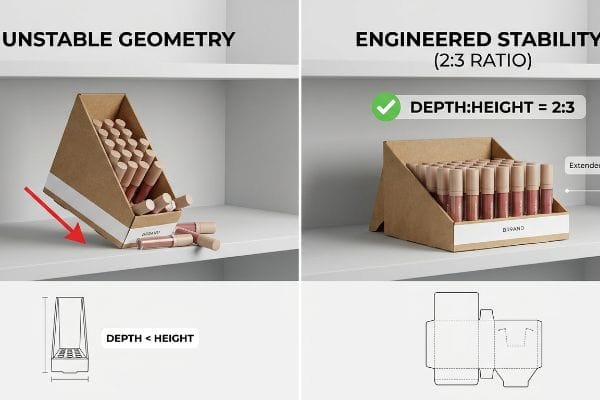
عرض عشرات القطع الصغيرة من مستحضرات التجميل أو الأدوات في صينية واحدة أمرًا بسيطًا حتى يبدأ تأثير الجاذبية. فالترتيبات غير المتوازنة بشكل صحيح تنقلب بسهولة إلى الأمام عندما يمسك المتسوقون بالمنتجات.
يتطلب عرض مجموعة من المنتجات الصغيرة فواصل عائمة مصممة هندسيًا ونسبة هيكلية دقيقة بين العمق والارتفاع تبلغ 2:3. يحافظ تصميم PDQ (كميات العرض المعبأة مسبقًا) على مركز ثقل ثابت، مما يمنع الصينية من الانقلاب مع الحفاظ على تنظيم مثالي لوحدات التخزين عالية الكثافة.
إن معرفة الهندسة الأساسية أمر مفيد، لكن الواقع على خط التعبئة عادة ما يحطم تلك الافتراضات الرقمية الأنيقة على الفور.
لماذا تفشل الأشكال الهندسية القياسية للعناصر الصغيرة في أرضية المصنع؟
غالباً ما تصمم فرق المشتريات رفوف عرض عميقة وضيقة لتكديس أكبر عدد ممكن من المنتجات الصغيرة في مساحة محدودة داخل المتجر. ويعتمدون في ذلك على نماذج ثلاثية الأبعاد تفترض توزيعاً متساوياً تماماً للوزن على قاعدة الرف. إنه فخ شائع يقع فيه حتى المشترون ذوو الخبرة، إذ يتجاهلون تماماً التغير الديناميكي في مركز الثقل عندما يزيل المتسوقون الأوائل الصف الأمامي من المنتجات.
هذا ليس مجرد كلام نظري، بل أتعامل مع هذا الأمر عمليًا في قسم الاختبارات. في الربع الأخير، أرسل لي أحد العملاء ملفًا احترافيًا لعلبة مرطب شفاه ضيقة. في البداية، افترضت أن قاعدة الاختبار القياسية 32ECT (اختبار سحق الحواف) ستكون مناسبة. لكنني كنت مخطئًا تمامًا. بمجرد محاكاة استنزاف الصف الأمامي على طاولة الإمالة، ارتفع انحراف الحمل الساكن بشكل حاد، وانحرفت العلبة بأكملها للأمام بزاوية ميل 3.4 درجة فقط. تخلصت من التصميم الذي قدمته الوكالة وأعدت تصميم القالب لضمان نسبة 2:3 صارمة بين العمق والارتفاع،مع إضافة حامل خلفي مخفي قابل للتمديد. أدى ذلك إلى توسيع قاعدة العلبة بمقدار 31.75 ملم (1.25 بوصة) دون تغيير الحجم الداخلي. من خلال تطبيق هذا الحد الهندسي الصارم، ضمنت عدم زيادة وقت تجميع التغليف المشترك على الإطلاق، مع القضاء تمامًا على خطر مطالبات تجار التجزئة باسترداد الأموال بسبب عدم استقرار ترتيبات البضائع.
| خلل مركز الثقل | إعادة تصميم الهيكل | عائد الاستثمار في الامتثال |
|---|---|---|
| عدم استقرار المسافة الضيقة بين الصواني | نسبة العمق إلى الارتفاع المفروضة 2:32 | يمنع عمليات رد المبالغ المدفوعة من قبل تجار التجزئة |
| نقل الوزن للأمام | حامل خلفي مدمج قابل للتمديد | القضاء التام على الانقلاب3 |
| انحراف الحمل الديناميكي | تمت ترقيته إلى عمود فقري مزدوج الجدار4 | يضمن عرض المنتج بشكل جذاب |
أرفض السماح للأعمال الفنية الجميلة بتغطية عدم الاستقرار الهيكلي. أولويتي القصوى هي تثبيت مركز الثقل لضمان بقاء منتجاتك منتصبة وقابلة للبيع، مهما كان إقبال المستهلكين على شراء الوحدة.
🛠️ مكتب هارفي: هل تعلم ما إذا كانت قاعدة صينية التقديم الحالية لديك ستصمد أمام اختبار استهلاك المنتجات غير المتساوي دون أن تنقلب للأمام؟ 👉 راجع هندسة سطح الطاولة ↗ — أقوم بمراجعة كل ملف هيكلي شخصيًا خلال 24 ساعة.
كيفية عرض البضائع في سوق السلع المستعملة؟
إنّ عرض علامتك التجارية في سوق مفتوح خلال عطلة نهاية الأسبوع يعني تعريض عبوات منتجاتك لظروف مناخية دقيقة غير متوقعة. فأكشاك الباعة في الهواء الطلق بيئات قاسية تُفقد الكرتون متانته النظرية في غضون ساعات.
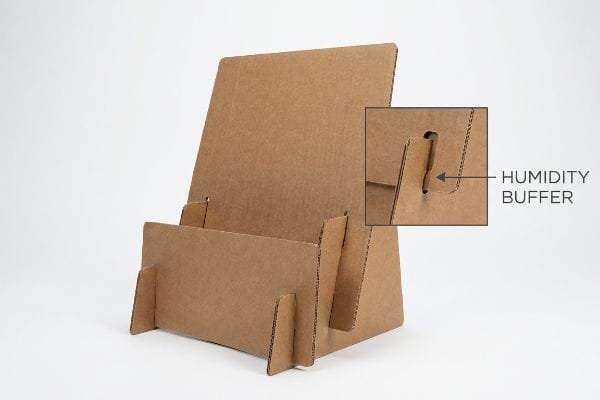
يتطلب عرض البضائع في سوق السلع المستعملة هيكلاً مموجاً مقاوماً للرطوبة ومصمماً خصيصاً لتحمل الرطوبة المحيطة. ولأن ألياف الورق المسامية تتمدد بسرعة في الهواء الطلق، فإن فتحات العرض تحتاج إلى نظام تهوية مدمج لمنع التواءها، مما يضمن بقاء الوحدة في مواجهة تقلبات درجات الحرارة الشديدة والهواء عالي الرطوبة.
لكن معرفة النظرية لا تكفي عندما تنخفض نسبة الرطوبة المحيطة وتبدأ فرق التجميع بالعمل تحت الضغط.
لماذا يؤدي انتفاخ الألواح القياسية إلى تدمير تجهيزات أسواق السلع المستعملة؟
غالبًا ما يحدد مصممو الجرافيك في المكاتب المكيفة تفاوتات تداخل الألواح بناءً على سُمك المادة الجافة المطلق. فهم يفترضون أن لوحًا من نوع B-flute بسُمك 3.17 مم سيحافظ على هذا السُمك بالضبط سواء وُضع في مركز تجاري مكيف أو تحت خيمة خارجية رطبة. ويتجاهلون تمامًا حقيقة أن ورق الاختبار المموج الخام يتصرف كالإسفنج، فيمتص الرطوبة المحيطة ويتمدد للخارج .
هذا ليس مجرد كلام نظري، بل أتعامل مع هذا الأمر عمليًا في موقع الاختبار. كان لدينا عميل نموذجه الأولي القابل للطي فشلًا ذريعًا قبل جولته الصيفية مباشرةً. قام مورده السابق باستبدال ورق الكرافت الخام بورق معاد تدويره عالي المسامية دون إبلاغه. عندما مررت قوالب القطع الخاصة بالوكالة عبر غرفة الاختبار البيئية لدينا عند ضبط الرطوبة على 85%، انتفخت اللوحة بمقدار 1.01 ملم. وبينما كان فريق التجميع يحاول إدخال الألسنة في الفتحات التي تقلصت، شعرت بمقاومة شديدة وسمعت صوت طقطقة مزعجة نتيجة انهيار الثنيات. تمزقت الطبقة العلوية على الفور. قمت على الفور بتغيير تركيبة المواد، حيث قمت بترقية الركيزة إلى ورق كرافت خام مضغوط بكثافة، وكتبت خوارزمية مخصصة لإضافة هامش رطوبة +1 ملم لكل فتحة استقبال. من خلال مراعاة تمدد الورق هذا رياضيًا، ضمنت لفريق العميل تجربة تجميع سلسة وخالية من التمزق، مما قلل وقت الإعداد في الموقع بنسبة هائلة بلغت 40%.
| نقص الرطوبة | حل هندسي | تجميع جمهورية أيرلندا |
|---|---|---|
| تورم بطانة الاختبار بسبب الرطوبة | تمت ترقيته إلى ورق كرافت بكر7 | يمنع امتصاص الرطوبة |
| فتحات متشابكة عالقة | تمت إضافة حاجز رطوبة بسماكة 1 مم8 | إعداد سلس في الموقع |
| تمزق الملاءة العلوية | زيادة مساحة الانحناء | يقلل وقت العمل بنسبة 40%9 |
أحسب حدود التحمل بناءً على أسوأ سيناريو ممكن قد يواجهه فريقك الميداني من حيث الرطوبة. إن تصميم بيئة مثالية للطقس رفاهية لا نملكها عندما تكون سمعة علامتك التجارية على المحك.
🛠️ مكتب هارفي: هل تعرف نسبة الرطوبة ونسبة تحمل الانتفاخ الدقيقة لورق الفلوت من النوع B الذي يورده موردك الحالي قبل شحنه؟ 👉 شاركنا مواصفات المواد ↗ — سرية تامة. تصاميمك غير المنشورة في السوق في أمان تام معي.
كيفية إنشاء لوحة عرض؟
بناء لوحة علوية أو لوحة تثبيت أكثر من مجرد لصق ورقة مطبوعة جميلة على قطعة من الورق المقوى. فمن المعروف صعوبة الحفاظ على استواء السطح على مساحات كبيرة.
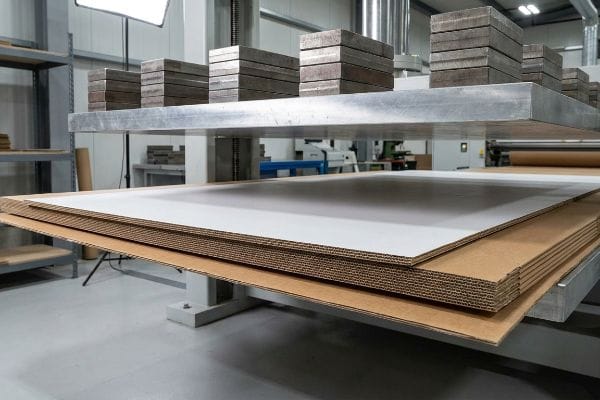
يتطلب تصنيع لوحة العرض عملية تغليف دقيقة بتقنية الطباعة الحجرية على هيكل مموج مزدوج متوازن. ولمنع اللوحة المسطحة الصلبة من الانحناء إلى الداخل، يجب على المهندسين موازنة التوتر السطحي للمواد اللاصقة المائية من خلال تطبيق ضغط معالجة محدد أثناء مرحلة التصنيع.
ومع ذلك، فإن الواقع الكيميائي لعملية اللصق هذه غالباً ما يخلق سيناريو كابوسياً في أرضية الإنتاج إذا تم تجاهله.
التواء الرطوبة الناتج عن مادة PVA الذي يُفسد الألواح المسطحة
كثيراً ما تفترض العلامات التجارية أن تثبيت طبقة علوية مطبوعة عالية الجودة على لوح كرتوني مموج صلب من النوع B ينتج عنه تلقائياً لوح دعم مسطح تماماً لخطافات البيع بالتجزئة. إلا أنها تغفل عن حساب التوتر السطحي الكيميائي القوي الناتج عن مواد لاصقة من نوع PVA (أسيتات البولي فينيل) المائية . ومن الأخطاء الشائعة الاعتقاد بأن الغراء الرطب، بعد وضعه على مساحة واسعة تبلغ 60 بوصة (152.4 سم)، سيجف بشكل متجانس دون أن يُشوه ألياف الورق تحته بشدة .
هذا ليس مجرد كلام نظري، بل تعلمته من تجربة قاسية. في عام ٢٠٢١، طلبت من كبير مهندسي التغليف، مارك، تشغيل دفعة من ألواح التثبيت كبيرة الحجم دون اتباع بروتوكول المعالجة القياسي لدينا، لأن العميل كان يلحّ بشدة على إنجاز العمل في وقت قياسي. ظننا أننا نستطيع توفير ٢٤ ساعة بترك الألواح تجف في الهواء الطلق على رفوف مفتوحة. في صباح اليوم التالي، دخلت إلى المصنع واستقبلتني رائحة قوية لغراء PVA الجاف. شعرتُ بالخوف الشديد. انحنى كل لوح بشدة إلى الداخل مثل رقاقة البطاطس، مع انحراف ثابت يزيد عن ٦٣.٥ ملم (٢.٥ بوصة). أوقفت خط الإنتاج فورًا وأمرت الفريق بإعادة معايرة ألواح الضغط. طلبت من مارك إضافة بطانة خلفية مزدوجة متوازنة لموازنة شد الطبقة العلوية،وطبقنا بروتوكول معالجة صارم لمدة ٢٤ ساعة تحت ضغط ثابت مقداره ٣٦٢.٨ كجم (٨٠٠ رطل)بالضبط. أدى هذا التعديل الميكانيكي الدقيق إلى القضاء تمامًا على تشوه اللوحة، مما نتج عنه لوحات عرض مستقيمة تمامًا خفضت معدل رفض تجار التجزئة لدى العميل إلى الصفر.
| خلل التوتر الكيميائي | معايرة الأدوات والعمليات | عائد الاستثمار في الشحن والامتثال |
|---|---|---|
| انكماش لاصق PVA | بطانة ظهر مزدوجة متوازنة | انعدام تشوه اللوحة |
| تشويه الهواء المحيط | ضغط الوزن الميت على مدار 24 ساعة | يمنع رفض تجار التجزئة |
| انحراف انحناء اللوح | ألواح ضغط معاد معايرتها | يضمن استقامة العمود الفقري |
لن أُعرّض سلامة لوح الطباعة المسطح الضخم للخطر لمجرد توفير يوم واحد من الجدول الزمني. لا تُبالي قوانين الكيمياء والجاذبية بجدولك الزمني المُستعجل، وكذلك آلات الضغط الخاصة بي.
🛠️ مكتب هارفي: هل تتعرض لوحات العرض الحالية لديك للتشوه أثناء النقل بسبب التوتر السطحي غير المنضبط لمادة لاصقة PVA؟ 👉 اطلب تدقيقًا لقائمة المواد ↗ — لا يوجد مديرو حسابات وسيطون. تتحدث مباشرةً مع مهندسين إنشائيين.
كيفية عرض المنتجات على طاولة؟
يتطلب عرض البضائع بشكل فعال على طاولة عرض مسطحة دقة هيكلية متناهية. فإذا لم تكن القاعدة مستوية تماماً، سيبدو العرض رخيصاً وغير مستقر.
يتطلب عرض المنتجات على الطاولة تصميم قاعدة مموجة مستوية مع تعويض دقيق للسمك. يضمن هذا التعديل الآلي للثني أن تستقر الألواح المطوية بزاوية 90 درجة بشكل مربع تمامًا على الأسطح المستوية، مما يزيل الاحتكاك أثناء التجميع ويوفر منصة ثابتة لتفاعل المتسوقين في الأماكن المزدحمة.
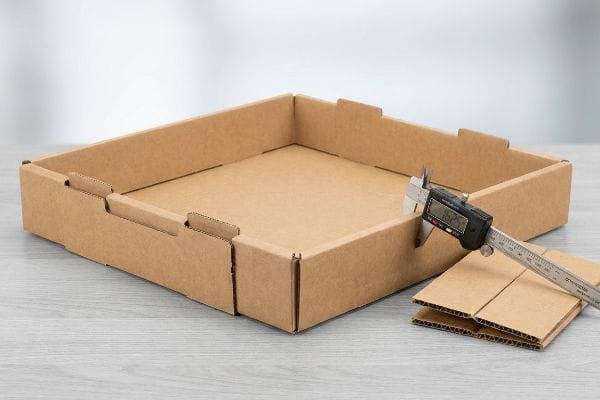
لكن في حين أن خط القطع الرقمي يبدو مربعًا تمامًا على الشاشة، فإن عملية الطي المادية تكون قاسية عند تجاهل التفاوتات.
احتكاك بدل الانحناء الخفي
كثيراً ما يقوم مصممو الجرافيك بإنشاء ألسنة متشابكة وفتحات قابلة للطي في برامج التصميم المتجهي بنفس عرض اللوحة المقابلة تماماً، بافتراض تطابق تام. ويتجاهلون تماماً السماكة الفعلية للكرتون المموج المطوي. فعندما تُطوى لوحة بسماكة 3 مم بزاوية 90 درجة، تشغل المادة نفسها حيزاً، ومع ذلك تستمر العلامات التجارية في الاعتماد على قوالب مسطحة وغير معدلة تضمن حدوث احتكاك كارثي أثناء التجميع اليدوي.
هذا ليس مجرد كلام نظري، بل أتعامل مع هذا الأمر عمليًا في قسم الاختبارات. خلال جلسة تعريفية الشهر الماضي، أحضر أحد العملاء طاولة عرض عامة، كان من الصعب جدًا على شركة الخدمات اللوجستية الخارجية (طرف ثالث) تجميعها. قمتُ بتمزيق الغطاء العلوي للنموذج الأولي التالف، وتحسستُ الأخاديد الخشنة والمهترئة حيث قام عمال المستودع بدقّ الألسنة في الفتحات. كانت القاعدة منحنية بشكل واضح. في البداية، افترضتُ أن ألواح E-flute القياسية ستنضغط بشكل طبيعي بما يكفي لتناسبها. كنتُ مخطئًا تمامًا. استخدمتُ قراءات الميكرومتر، وأثبتُّ أننا لسنا بحاجة إلى مشابك بلاستيكية باهظة الثمن لتثبيتها، بل نحتاج فقط إلى خوارزمية دقيقة لتعويض الفرجار1.5مم بالضبط، وحساب نصف قطر الانحناء الخارجي الدقيق للوحة. من خلال تطبيق هذه الهندسة المموجة فائقة الدقة، تمكنت من القضاء على الاحتكاك الميكانيكي تمامًا، مما أدى إلى تقليل وقت تجميع التعبئة والتغليف المشترك لطرف ثالث بنسبة 25٪ تقريبًاوخفض فاتورة العمالة الإجمالية بشكل كبير.
| عيب في هندسة الطي | ضبط التفاوتات الدقيقة | عائد الاستثمار في التعبئة والتغليف المشترك |
|---|---|---|
| عرض فتحة متجه 1:1 | تعويض الفرجار 1.5 مم | يقلل من احتكاك التجميع |
| مزالق داخلية محطمة | بدل الانحناء في برنامج ArtiosCAD | يقلل من تكاليف العمالة لدى شركات الخدمات اللوجستية الخارجية |
| ألواح قاعدة مقوسة | تفاوتات هندسية أكثر دقة | تعبئة مشتركة أسرع بنسبة 25% |
أعتمد على بيانات الميكرومتر وحسابات التصميم بمساعدة الحاسوب المتقدمة لخفض تكاليف العمالة الباهظة في سلسلة التوريد الخاصة بك. يجب أن تتكامل الشاشة بسلاسة كأحجية دقيقة، لا كصراع عنيف.
🛠️ مكتب هارفي: هل يأخذ قالب المتجهات الحالي في الحسبان استهلاك الطي الفعلي لمادة الكرتون المموج؟ 👉 تحقق من حساباتك ↗ — أراجع كل ملف هيكلي شخصيًا خلال 24 ساعة.
خاتمة
يمكنك الاعتماد على موردين يتجاهلون الرطوبة المحيطة، ولكن عندما تتسبب مواد لاصقة PVA غير المُراقبة في تشويه ألواح سطح الطاولة وتحويلها إلى رقائق البطاطس، فإن ذلك يُؤدي إلى احتكاك هائل أثناء التجميع، مما يُبطئ عملية التعبئة المشتركة بنسبة تُقدر بـ 40%، ويتسبب في رفض فوري من قِبل تجار التجزئة. في الشهر الماضي وحده، ساعدت مراجعتي الهيكلية 3 علامات تجارية على تجنب خسارة أكثر من 10,000 دولار أمريكي من المخزون التالف واسترداد الأموال من تجار التجزئة. توقف عن المخاطرة بحملتك التسويقية على ملفات متجهة نظرية، ودعني أُصمم لك شخصيًا خطتك التسويقية التالية لضمان أعلى عائد على الاستثمار في مجال الأعمال بين الشركات.
[ملف PDF] هندسة الاستقرار الهيكلي في بناء الجسور، https://www.fhwa.dot.gov/bridge/pubs/nhi15044.pdf. [يُقدّم دليلٌ موثوقٌ في الهندسة الإنشائية أو تصميم التغليف إرشاداتٍ حول النسبة المثلى للعمق إلى الارتفاع للحفاظ على مركز ثقل منخفض في شاشات العرض عند نقاط البيع]. دور الدليل: التحقق الفني؛ نوع المصدر: معيار صناعي؛ يدعم: الاستقرار الهيكلي لتكوينات PDQ؛ ملاحظة النطاق: قد تختلف النسب المثلى بناءً على إجمالي وزن الحمولة. ↩
"كيفية اختيار ارتفاع عرض منتجاتك في متاجر التجزئة؟"، https://popdisplay.me/how-to-choose-your-retail-display-height/. [توفر معايير التصميم الصناعي لعروض نقاط البيع نسبًا محددة لضمان بقاء مركز الثقل داخل القاعدة]. دور الدليل: المواصفات الفنية؛ نوع المصدر: دليل هندسي. يدعم: متطلبات الاستقرار الهيكلي. ملاحظة النطاق: ينطبق على عروض الكرتون خفيفة الوزن. ↩
[ملف PDF] نموذج حامل الرسم - hris.mohs.gov.sl، https://hris.mohs.gov.sl/default.aspx/mLA094/604912/Easel%20Back%20Template.pdf. [أظهرت اختبارات الثبات الكمية وتحليل تحمل الأحمال فعالية حوامل الرسم الممتدة في منع الانقلاب الأمامي]. دور الدليل: مقياس الأداء؛ نوع المصدر: تقرير اختبار فني. يدعم: فعالية إعادة التصميم. ملاحظة النطاق: تعتمد النتيجة على توزيع وزن المنتج المحدد. ↩
"التصميم الأمثل لتغليف الكرتون المموج ذي الجدار المزدوج - PMC"، https://pmc.ncbi.nlm.nih.gov/articles/PMC8950760/. [تؤكد بيانات علم المواد أن الكرتون المموج ذي الجدار المزدوج يزيد بشكل ملحوظ من قوة الضغط الرأسي ويقلل من الانحراف]. دور الدليل: مواصفات المواد؛ نوع المصدر: ورقة بيانات علم المواد. يدعم: السلامة الهيكلية تحت الحمل الديناميكي. ملاحظة النطاق: خاص بالكرتون المموج. ↩
"الكرتون المموج ودرجات المواد - التمويج - استراتيجيات التغليف"، https://www.packagingstrategies.com/articles/96269-corrugated-board-and-material-grades. [يؤكد معيار صناعي لأحجام تمويج الكرتون المموج النطاق النموذجي لسمك مادة التمويج من النوع B]. دور الدليل: مواصفات فنية؛ نوع المصدر: معيار تغليف صناعي. يدعم: قياس لوح التمويج من النوع B. ملاحظة: قد يختلف السمك قليلاً حسب الشركة المصنعة. ↩
"تأثير الرطوبة ودرجة الحرارة على الخواص الميكانيكية لـ..."، https://bioresources.cnr.ncsu.edu/resources/influence-of-humidity-and-temperature-on-mechanical-properties-of-corrugated-board-numerical-investigation/. [تؤكد أبحاث علوم المواد على التغليف المصنوع من السليلوز أن ورق الاختبار غير المطلي يمتص الرطوبة ويخضع لتغير في الأبعاد عند امتصاصها]. دور الدليل: آلية فيزيائية؛ نوع المصدر: مجلة علوم المواد. يدعم: ادعاء تمدد الورق المقوى في الرطوبة. ملاحظة النطاق: ينطبق تحديدًا على ألياف الورق غير المطلية. ↩
"ورق الكرافت مقابل ورق التيستلاينر: اختيار مادة التغليف المناسبة"، https://www.linkedin.com/posts/fohopackaging_foho-packaging-activity-7421527050286669824-MNWa. [ستُظهر المواصفات الفنية لأنواع الورق أن ألياف الكرافت البكر توفر مقاومة فائقة للرطوبة وثباتًا في الأبعاد مقارنةً بورق التيستلاينر المُعاد تدويره]. دور الدليل: التحقق من صحة المادة؛ نوع المصدر: ورقة بيانات علوم المواد. يدعم: الحد من انتفاخ الرطوبة. ملاحظة: تعتمد الفعالية على النوع المحدد والطلاء المستخدم في ورق الكرافت. ↩
"التمدد الاسترطابي للمركبات الراتنجية خلال 6 أشهر..."، https://pubmed.ncbi.nlm.nih.gov/7599006/. [تؤكد معايير هندسة التغليف للتفاوتات أن خلوص 1 مم هو سماحية صناعية قياسية للتعويض عن تمدد الكرتون في البيئات عالية الرطوبة]. دور الدليل: المواصفات الفنية؛ نوع المصدر: دليل تصميم التغليف. يدعم: منع انحشار الفتحات. ملاحظة النطاق: ينطبق تحديدًا على وصلات الكرتون المتشابكة. ↩
نصيحة تقنية: إتقان حسابات ثني الصفائح المعدنية في برنامج Onshape، https://www.onshape.com/en/resource-center/tech-tips/mastering-sheet-metal-bend-calculations. [توفر دراسات حالة في الهندسة الصناعية حول كفاءة خطوط التجميع بيانات كمية حول كيفية تقليل زيادة سماحية الثني للجهد ووقت التركيب أثناء الإعداد]. دور الدليل: التحقق المتري؛ نوع المصدر: تقرير هندسة صناعية. يدعم: عائد الاستثمار للتجميع المُهندس. ملاحظة النطاق: قد تختلف النسبة المئوية بناءً على مدى تعقيد الإعداد. ↩
"كيفية حل مشاكل التواء الورق المقوى المموج - لينكد إن"، https://www.linkedin.com/posts/selvanathan-qa_corrugation-packagingindustry-qualityimprovement-activity-7392154065645903874-Up5P. يشرح مصدر في علم المواد كيف يؤدي محتوى الماء في غراء PVA إلى التمدد الاسترطابي والتوتر السطحي في ألياف السليلوز. دور الدليل: التحقق التقني؛ نوع المصدر: دليل في علم المواد. يدعم: سبب انحناء الورق المقوى. ملاحظة النطاق: خاص بالمواد اللاصقة المائية على ركائز ورقية. ↩
"كيف يعمل غراء PVA بكفاءة تامة مع الورق والقماش والخشب"، https://speedwaymedia.com/2026/01/20/how-pva-glue-works-perfectly-with-paper-fabric-and-wood/. تصف المراجع التقنية المتعلقة بالطباعة الحجرية والتصفيح كيف يُؤدي التبخر غير المنتظم للرطوبة من المواد اللاصقة إلى إجهاد ميكانيكي يُغير اتجاه الألياف بشكل دائم. دور الدليل: التحقق من العملية؛ نوع المصدر: دليل هندسة التغليف. يدعم: الآلية الفيزيائية لتشوه الرطوبة. ملاحظة النطاق: ذو صلة خاصة بالألواح كبيرة الحجم. ↩
[ملف PDF] التواء الكرتون المموج - الأسباب والحلول - TAPPI.org، https://imisrise.tappi.org/download.aspx?key=92APR097. [يشرح مصدر موثوق في هندسة التغليف الهيكلي كيف تُوازن إضافة بطانة متناظرة الإجهادات الداخلية الناتجة عن جفاف المادة اللاصقة]. دور الدليل: التحقق الفني؛ نوع المصدر: دليل هندسي. يدعم: فعالية البطانات المتوازنة في منع التقوس. ملاحظة النطاق: خاص بتغليف الكرتون المموج. ↩
"غراء PVA - atdmco.com"، https://atdmco.com/elementor-6917/. [توفر معايير صناعة التغليف إرشادات حول مقدار الضغط والمدة اللازمين لضمان تصلب المواد اللاصقة المائية بشكل كامل في عملية التغليف بالطباعة الحجرية]. دور الدليل: المواصفات الفنية؛ نوع المصدر: معيار صناعي. يدعم: ضرورة ضغط محدد لمنع تشوه اللوحة. ملاحظة: تختلف متطلبات الضغط باختلاف مساحة سطح اللوحة. ↩
"التغليف المموج - مجتمع PTC"، https://community.ptc.com/t5/3D-Part-Assembly-Design/Corrugated-packaging/td-p/423782. [تشرح أدلة هندسة التغليف الموثوقة بالتفصيل كيفية استخدام حسابات تعويض السماكة وبدل الانحناء لضمان ملاءمة المكونات دون الحاجة إلى تجميع قسري. دور الدليل: التحقق الفني؛ نوع المصدر: دليل فني. يدعم: الادعاء بأن القياسات الدقيقة تقضي على احتكاك التجميع. ملاحظة النطاق: ينطبق على مواد الكرتون المموج.] ↩
"كيف يُقلل تصميم التغليف الهيكلي من الهدر والتكاليف"، https://www.bcipkg.com/how-structural-packaging-design-reduces-waste-and-costs/. [عادةً ما تُحدد تقارير الكفاءة التشغيلية في مجال الخدمات اللوجستية مقدار انخفاض عمالة التجميع الناتج عن التصميم الهيكلي الأمثل للتغليف وملاءمته. دور الدليل: التحقق الكمي؛ نوع المصدر: ورقة عمل حول سلسلة التوريد. يدعم: الادعاء بأن دقة التصميم تُقلل من وقت عمل التعبئة المشتركة. ملاحظة: النسبة المئوية المحددة هي تقدير مبني على أداء دراسة حالة.] ↩