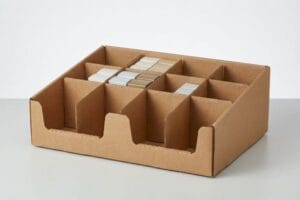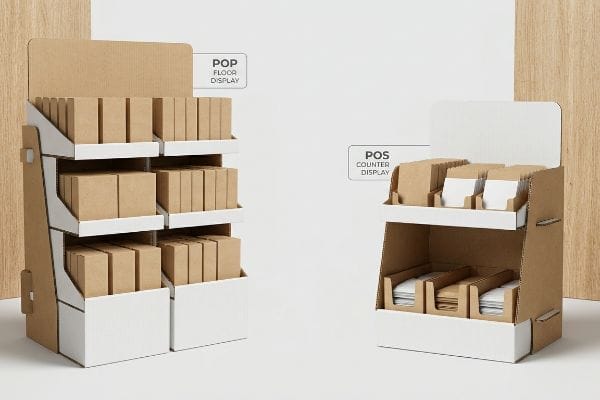
إن تحديد المسار الهيكلي الصحيح لحملتك التسويقية في قطاع التجزئة يعني الاختيار بين السيطرة على مساحة العرض ودقة عملية الدفع.
يتطلب اختيار شاشات العرض المناسبة، سواءً كانت شاشات نقاط البيع أو شاشات نقاط البيع الإلكترونية، تحليلاً دقيقاً لاستراتيجية البيع بالتجزئة الخاصة بك. تشغل شاشات نقاط البيع الممرات الرئيسية لجذب انتباه المتسوقين، بينما توضع أنظمة نقاط البيع الإلكترونية عند صناديق الدفع لتشجيع عمليات الشراء العفوية. ويساهم كلا النوعين في تعزيز ظهور العلامة التجارية عند استخدامهما بشكل استراتيجي.
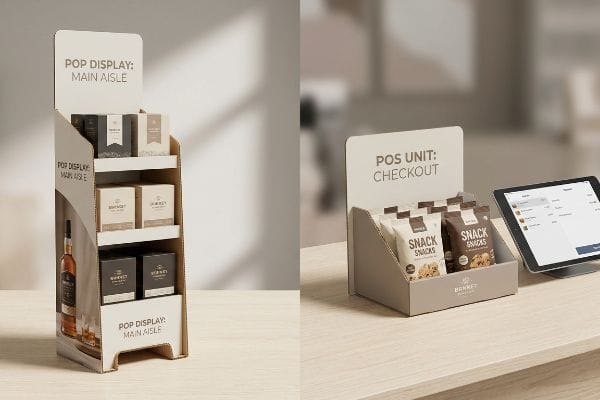
قبل اختيار التصميم الهيكلي، يجب على فرق المشتريات أن تتجاوز المفهوم الجمالي الأولي وأن تفهم الحقائق المادية المتميزة والحدود اللوجستية لكلتا منطقتي التسويق.
ما الفرق بين شاشة عرض نقاط البيع وشاشة عرض نقاط البيع؟
لا يكفي مجرد التصميم الجمالي البسيط عند مقارنة هاتين المنطقتين التجاريتين الخاضعتين لتنظيمات صارمة.
يكمن الفرق بين شاشة عرض نقاط البيع وشاشة عرض نقاط البيع في اختلافات لوجستية مكانية واضحة. تُصمم شاشات عرض نقاط البيع الأرضية وفقًا لأبعاد منصات التحميل القياسية لمتاجر التجزئة الكبرى (GMA) للممرات الرئيسية، بينما تخضع وحدات عرض نقاط البيع على الطاولات لقيود رياضية صارمة تتعلق بحدود الوصول الأمامي لذوي الاحتياجات الخاصة عند نقاط البيع بالتجزئة.
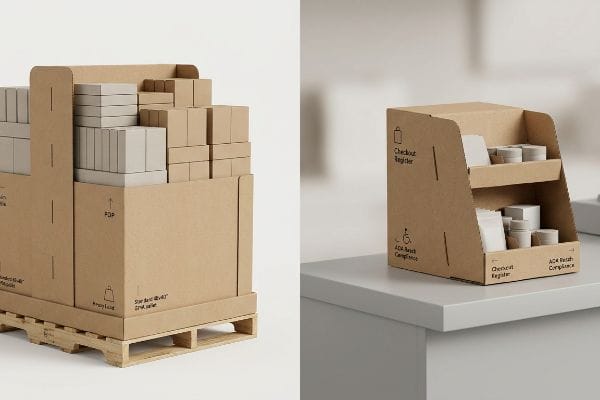
إن فهم هذه الحدود القانونية والمادية هو الخطوة الأولى قبل قطع أي مواد خام في أرضية المصنع.
القيود المكانية لقانون الأمريكيين ذوي الإعاقة مقابل قانون إدارة الموارد البشرية
يشير مصطلح "شاشة عرض نقاط البيع" (POP) عمومًا إلى هيكل أرضي ضخم قائم بذاته، مصمم لتحمل الأحمال الديناميكية الثقيلة وحركة المرور الكثيفةفي الممرات المركزية للمتاجر الكبيرة. أما شاشة عرض نقاط البيع (POS)، على النقيض من ذلك، فتُوضع على أسطح طاولات البيع بالتجزئة ، وتتطلب عتبات تحمل مختلفة تمامًا،إذ تعتمد على تصميم خفيف الوزن لضمان تحقيق مبيعات سريعة في اللحظات الأخيرة. ويكمن الاختلاف الجوهري بينهما في موقعهما الجغرافي والقواعد اللوجستية التي تحكم استخدامهما.
أُذكّر مديري المنتجات الجدد باستمرار بأنه لا يمكن استبدال هذين الشكلين بمجرد سحب زاوية في برنامج التصميم بمساعدة الحاسوب (CAD). يجب تثبيت وحدة الأرضية بدقة ضمن حدود منصة التحميل GMA البالغة 48×40 بوصة (1219×1016 مم) لضمان تحملها أثناء النقل في المستودع والتكديس المزدوج. في المقابل، يجب أن تتناسب وحدة الدفع تمامًا مع نطاق الوصول الأمامي المحدد من قبل ADA، والذي يتراوح بين 15 و48 بوصة (381-1219 مم) . إذا حاولتَ تقليص حجم وحدة أرضية كبيرة بنسبة 50% لتناسب منضدة، فإنك تُخلّ بالتوازن الهيكلي وتُعرّض نفسك لخطر تكاليف باهظة من مديري المتاجر الذين سيرفضون فورًا وحدات الدفع غير المطابقة للمواصفات.
| متري | استراتيجية أرضية نقاط البيع | واقع بديل لنقاط البيع |
|---|---|---|
| المرساة المكانية | قيود منصات التحميل في شركة GMA5 | الامتثال لقانون ADA Reach6 |
| الهدف الرئيسي | تشويش بصري بمدى 30 قدمًا | تحويل اللمس 3 بوصات |
| سعة التحميل | وزن ديناميكي ثقيل | سلع خفيفة الوزن تُشترى بدافع اللحظة |
يضمن الفصل الصحيح بين مسارات الهندسة لهذين الشكلين أن تتناسب حملتك بسلاسة مع النظام البيئي الصارم للبيع بالتجزئة دون تكبد عقوبات رفض الأبعاد.
🛠️ مكتب هارفي: هل تُؤثر صواني الدفع الثقيلة سلبًا على عائد استثمار الشحن قبل وصولها إلى المتجر؟ 👉 اطلب تدقيقًا للقيود المكانية ↗ — أقوم بمراجعة كل ملف هيكلي شخصيًا خلال 24 ساعة.
ما هي إحدى عيوب شاشات العرض الترويجية في نقاط البيع؟
يهيمن بائعو المنتجات على أرفف المتاجر، لكن مساحتهم الشاسعة تُسبب نقاط ضعف لوجستية خطيرة إذا لم يتم احتواؤها رياضياً.
من عيوب منصات العرض الترويجية في نقاط البيع قابليتها للتلف الهيكلي أثناء النقل نتيجة اختبار ضغط الصناديق. فنظرًا لأن منصات العرض الأرضية الكبيرة تتحمل حمولة ثقيلة، فإن حتى بروزًا طفيفًا للمنصة قد يتسبب في انبعاج الزوايا غير المثبتة تحت وزن الحمولة العلوية لحاويات الشحن المكدسة فوق بعضها.
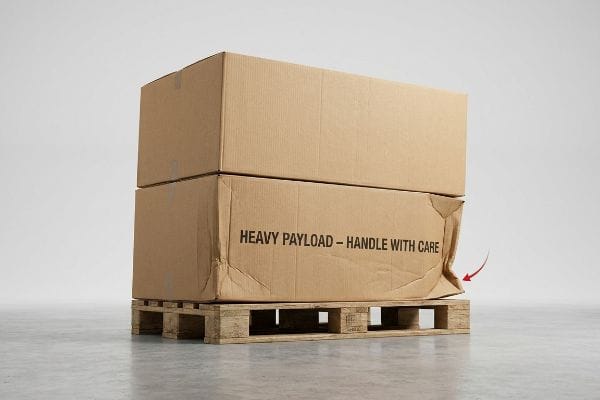
إن هذا الضعف المادي ليس مجرد إزعاج في المستودع؛ بل إنه يدمر ربحية الحملات التسويقية بشكل فعال قبل أن تصل البضائع إلى صالة البيع.
فشل انضغاط بروز المنصة
تتطلب المساحة الأرضية الكبيرة بطبيعتها استخدام منصات خشبية للتصدير في عمليات الشحن العالمية. إذا تم توسيع أبعاد الكرتون الرئيسي لزيادة كثافة الشحن إلى أقصى حد دون مراعاة المحيط الدقيق للقاعدة الخشبية، فإن الكرتون المموج الخام يفقد آلية الحماية الأساسية7 ضد الصدمات الحركية. عندما يتدلى الصندوق من الحافة، تتجاوز الجاذبية وضغط الحمل العلوي الزوايا الهيكلية8 ويركزان بالكامل على الألواح المركزية الأضعف.
عند تدقيقي لتصاميم العملاء، ألاحظ غالبًا أن فرق المشتريات تفترض أن استخدام ورق مقوى عالي التحمل سيحمي البضائع تلقائيًا بغض النظر عن كيفية وضعها على المنصة. يتجاهلون بذلك أساسيات فيزياء تكديس المستودعات. تستمد الكرتونة الرئيسية ما يصل إلى 60% من قوة ضغطها الرأسيمن محاذاة زواياها الأربع. إذا تجاوزت هذه الزوايا منصة GMA القياسية مقاس 48×40 بوصة (1219×1016 مم) ولو بمقدار نصف بوصة (12.7 مم)، فإنها لا تتحمل أي وزن.هذا الخطأ الحسابي يُجبر الطبقة السفلية غير المدعومة على الانحناء للخارج بشكل واضح، مما يجعل قوة المادة النظرية عديمة الفائدة ويؤدي إلى سحق كارثي أثناء النقل.
| متري | افتراضات الشراء | الخدمات اللوجستية الهندسية |
|---|---|---|
| حجم الكرتون | مُصمم لتحقيق أقصى كثافة | حاجز محيطي بسمك 0.5 بوصة11 |
| تحمل الحمل | قوة مادة الفلوت | محاذاة الزوايا بنسبة 60%12 |
| النجاة أثناء النقل | السقوط الحر القياسي | الاهتزاز الديناميكي المتراص13 |
إن تطبيق بروتوكول صارم لصندوق الإحاطة بدون بروز على جميع حاويات الشحن يقلل بشكل مصطنع من مساحة القاعدة، مما يضمن بقاء الزوايا الهيكلية مدعومة بالكامل بواسطة سطح الخشب.
🛠️ مكتب هارفي: هل تُضحي مساحة أرضيتك الكبيرة سرًا بنسبة 60% من قوة تحملها للضغط لمجرد وضع وحدة إضافية في الصندوق؟ 👉 اطلب تدقيقًا لكثافة الشحن ↗ — سرية تامة. تصاميمك التجارية غير المنشورة في أمان معي.
ما هي عيوب المتاجر المؤقتة؟
تُحدث عمليات التنشيط المؤقتة في متاجر البيع بالتجزئة حالة من الإلحاح الهائل لدى المستهلكين، لكن نشرها يكشف عن اختناقات لوجستية هائلة للعلامات التجارية التي تمولها.
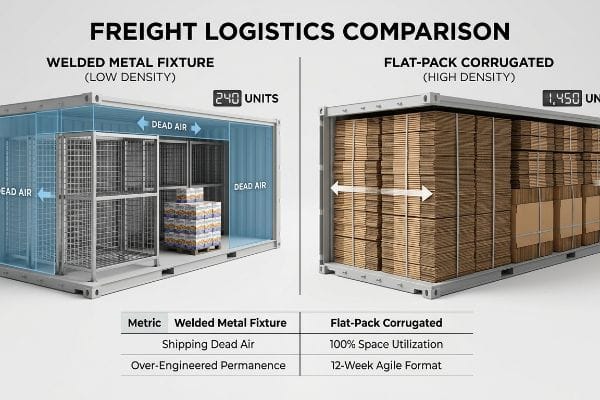
تتمحور عيوب المتاجر المؤقتة حول تكاليف الشحن والتركيب الباهظة. فنظرًا لأن هذه الفعاليات المؤقتة غالبًا ما تستخدم معدات دائمة مُجمّعة مسبقًا، تتكبد العلامات التجارية تكاليف شحن باهظة لمجرد نقل المنتجات غير المستخدمة عبر سلسلة التوريد العالمية، مما يؤدي إلى استنزاف سريع لهوامش الربح المحدودة لحملة قصيرة الأجل.
إن تغيير استراتيجية البيع بالتجزئة المادية الخاصة بك يعني تغيير طريقة نظرتك إلى فيزياء النقل والتكلفة الإجمالية الهيكلية للملكية.
غرامة الشحن الدائمة للأجهزة
عند التخطيط لتفعيل مؤقت، يظن العديد من المشترين خطأً أن الرفوف المعدنية المتينة أو المصنوعة من الأسلاك الملحومة هي الخيار الأمثل من حيث المتانة وسرعة التركيب. مع أن الفولاذ قوي بلا شك، إلا أن هذه المتانة الدائمة تُصبح عبئًا ماليًا كبيرًا على المتاجر المؤقتة. شحن تجهيزات معدنية جاهزة يعني استغلال كامل سعة الحاويات قبل الوصول إلى أي حدود وزن فعلية،مما يُؤدي إلى سلسلة توريد غير فعالة بشكل كبير.
هذا ليس مجرد كلام نظري، فقد تعلمت هذا الدرس بطريقة قاسية العام الماضي عندما أصرّ أحد عملاء الامتياز على وحدات عرض معدنية ثابتة (FSDUs) لجولة ترويجية مؤقتة لمدة ستة أسابيع. في عام ٢٠٢٣، طلبت من كبير مهندسي التغليف، مارك، مراجعة خطة تحميل الحاويات. صُدمتُ عندما فتحت أبواب حاوية ٤٠ قدمًا ورأيت مساحة فارغة تقريبًا بين الرفوف الملحومة؛ لم نتمكن من وضع سوى ٢٤٠ وحدة بداخلها. كنا ندفع مبالغ طائلة للشحن البحري لنقل فراغ. سحبتُ على الفور بيانات التصميم بمساعدة الحاسوب (CAD) وانتقلتُ إلى طاولات القطع بالتحكم الرقمي بالحاسوب (CNC)، وصممتُ بديلًا متينًا من الكرتون المموج قابلًا للطيّ يُطابق سعة التحميل. سمح لنا هذا التغيير بتعبئة ١٤٥٠ وحدة مسطحة في نفس الحاوية. أبذل الكثير من الوقت والمال في مختبري التجريبي حتى لا تُهدر أرباحك في متجرك. من خلال التخلي عن مصيدة المعدن الملحوم، قمنا بإلغاء غرامة الشحن الدائمة للأجهزة بنسبة 300%،مما وفر على العميل رسومًا لوجستية ضخمة.
| متري | تركيبات معدنية ملحومة | كرتون مموج قابل للطي |
|---|---|---|
| كثافة الحاوية | 240 وحدة لكل حاوية 40HQ16 | 1450 وحدة لكل حاوية 40HQ17 |
| نفايات الخدمات اللوجستية | شحن الهواء الميت | استغلال المساحة بنسبة 100%18 |
| مدة الحملة | ديمومة مصممة بإفراط | نموذج أجايل لمدة 12 أسبوعًا |
إن فرض استخدام الهياكل المموجة المصممة هندسيًا والمسطحة بدلاً من الهياكل المعدنية الدائمة لنوافذ البيع بالتجزئة قصيرة الأجل يضاعف بشكل كبير كثافة الشحن دون التضحية بالحمولة الديناميكية.
🛠️ مكتب هارفي: هل تدفع أسعار شحن بحري باهظة لمجرد شحن مساحات فارغة داخل هياكل معدنية مُجمّعة بالكامل؟ 👉 احصل على حاسبة حجم حاوية 40HQ ↗ — لا يوجد وسطاء. تتحدث مباشرةً مع مهندسي الإنشاءات.
أي نظام نقاط بيع أفضل للشركات الصغيرة؟
يتطلب تأمين مساحة العرض دقة مطلقة، مما يجعل اختيار المواد العامل الحاسم في مساحات البيع بالتجزئة الصغيرة.
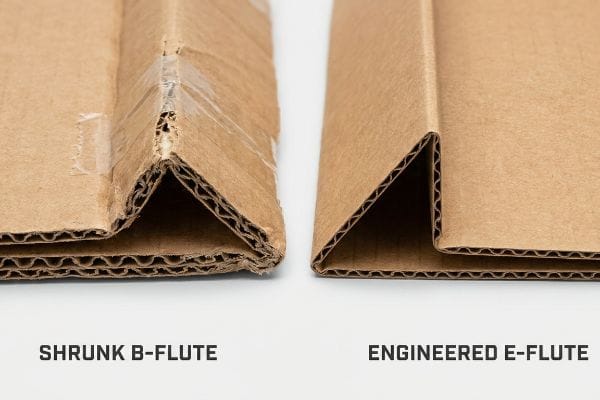
تعتمد أفضل أنظمة نقاط البيع للشركات الصغيرة على ألواح كرتونية رقيقة ذات تموجات دقيقة بدلاً من رفوف العرض الأرضية المصغرة. توفر وحدة العرض الخفيفة المصنوعة من ألواح E-flute طباعة عالية الدقة للعلامة التجارية، وتجميعًا يدويًا سلسًا، وأقصى قدر من المتانة الهيكلية دون تمزق الألسنة الدقيقة المزعجة التي تصاحب رفوف العرض الأرضية المصنوعة من ألواح B-flute الثقيلة غير المصنعة بشكل صحيح.
إن الفوز بمنطقة الدفع لا يتعلق ببساطة بتقليل حجم بصمتك؛ بل يتعلق بتغيير الخصائص الفيزيائية لركيزة التغليف الخاصة بك.
فشل اللسان الصغير القابل للانكماش
ألاحظ باستمرار ظهور علامات تجارية جديدة تستخدم قالبًا ناجحًا للغاية لأرضيات الكرتون المموج شديدة التحمل، ثم تصغره رياضيًا بنسبة 50% ليصبح وحدة سطح طاولة. يفترضون أن ملفًا متجهيًا واحدًا يعمل بكفاءة تامة على جميع الأبعاد. إلا أن هذا يتجاهل تمامًا خصائص المواد الفيزيائية لألواح الكرتون المموج السميكة من النوع B،والتي لا تنثني بسلاسة عند تصغير أنصاف أقطار الطي وعلامات التعشيق إلى أبعاد متناهية الصغر.
هذا ليس مجرد كلام نظري، بل أراه يحدث فعلاً في قسم الاختبارات عندما تعيد فرق المشتريات تدوير أصول التصميم الكبيرة دون تفكير لتوفير تكاليف الهندسة الأولية. في منشأتي، أختبر هذه الملفات المصغرة بشكل روتيني، والواقع العملي قاسٍ للغاية. عندما يحاول عامل التعبئة والتغليف طي لوح سميك من نوع B-flute بسمك 3 مم (20 ) في فتحة استقبال صغيرة بحجم 1.5 بوصة (38.1 مم)، تقاوم التموجات الكثيفة بقوة مقدار الانحناء الضيق. ينقطع الغلاف الورقي العلوي بعنف على طول خط الطي، وتتمزق الألسنة الصغيرة على الفور، مما يجبر العمال على استخدام شريط تغليف شفاف فوضوي لمجرد تثبيت الهيكل. قمت بقياسات الميكرومتر وأثبتنا أننا لسنا بحاجة إلى مشابك تثبيت بلاستيكية باهظة الثمن، كل ما احتجت إليه هو فرض استخدام ركيزة رقيقة من نوع E-flute(21) مع إعادة هندسة أقفال الاحتكاك بالكامل. بمجرد أن سمح لي فريق المشتريات بتعديل نوع المادة، قامت الركيزة نفسها بالعمل الشاق. من خلال فرض هذا الانتقال الدقيق للأنابيب المموجة من النوع E، ضمنت انخفاض وقت تجميع التعبئة المشتركة بمقدار 35 ثانية لكل وحدة، مما وفر للعملاء آلاف الدولارات من رسوم العمالة اليدوية في عملية تشغيل قياسية.
| متري | فلوت بي منكمش بنسبة 50% | نقاط بيع مصممة هندسيًا من مادة E-Flute |
|---|---|---|
| نصف قطر الطي | تمزق/انقطاع البطانة22 | ثنية نظيفة بزاوية 90 درجة23 |
| وقت التجميع | بطيء ويعتمد على الاحتكاك بشكل كبير | أقفال احتكاك سريعة |
| وكيل تجميع | شريط لاصق شفاف فوضوي | ألسنة صغيرة ذاتية القفل24 |
عند تكييف حملة لمنطقة الدفع، فإن التحجيم الرياضي المباشر لعناصر عرض المنتجات على الأرض يدمر سلامة المواد تمامًا، مما يجعل إعادة هندسة الملف بالكامل من أجل دقة الشفرات الدقيقة أمرًا ضروريًا للغاية.
🛠️ مكتب هارفي: هل تعاني رفوف العرض لديك من تمزق في الألسنة وتلف في شريط التغليف بسبب عدم كفاية مساحة الانحناء؟ 👉 اطلب تدقيقًا هيكليًا للتصميم ↗ — أقوم بمراجعة كل ملف هيكلي شخصيًا خلال 24 ساعة.
خاتمة
يتطلب النجاح في تجارة التجزئة إتقان ديناميكيات سلسلة التوريد المعقدة، بدءًا من منع سحق هياكل BCT الضخمة على حواف المنصات، وصولًا إلى منع تمزق الألسنة المعدنية السميكة المموجة على خط التجميع. وقد كشفت مراجعة هندسية دقيقة مؤخرًا عن خطأ فادح في التفاوتات المسموح بها (2 مم) في عملية طرح منتج وطني رئيسي قبل بدء الإنتاج. لا تدع نقاط الضعف الهيكلية الخفية تُهدر عائد استثمار حملتك التسويقية، ودعني أُجري شخصيًا تحليلًا مجانيًا لملفاتك الهيكلية باستخدام خدمة "خط الرؤية وتحليل التفاوتات" ↗.
"AG 1091A: عروض بضائع التجزئة في منطقة الواجهة"، https://www.seattle.gov/transportation/permits-and-services/permits/applicant-guides/ag-1091a. التحقق من متطلبات الهندسة الإنشائية لعروض التجزئة القائمة بذاتها في المناطق ذات الحركة المرورية العالية. دور الدليل: المواصفات الفنية؛ نوع المصدر: معيار هندسة تجهيزات التجزئة. يدعم: المتانة الإنشائية لعروض نقاط البيع. ملاحظة النطاق: ينطبق على بيئات متاجر التجزئة الكبيرة. ↩
"شاشات نقاط البيع مقابل شاشات نقاط البيع: ما الفرق؟"، https://popdisplay.me/pop-vs-pos-displays-whats-the-difference/. تحليل مقارن لقدرات تحمل الوزن لوحدات عرض المنتجات على أسطح الطاولات (نقاط البيع) مقابل وحدات العرض الأرضية (نقاط البيع). دور الدليل: مقارنة فنية؛ نوع المصدر: مواصفات تصنيع شاشات العرض. يدعم: التمييز في عتبات التحميل. ملاحظة النطاق: يركز على قيود أسطح الطاولات. ↩
"منصات التحميل الأمريكية التابعة لجمعية مصنعي البقالة (GMA). الأبعاد والأنواع والمزيد."، https://acrosslogistics.com/blog/en/american-pallet-gma. التحقق من أبعاد منصات التحميل القياسية المستخدمة في نقل البضائع داخل المستودعات، وفقًا لمعايير جمعية مصنعي البقالة (GMA). دور الدليل: المواصفات الفنية؛ نوع المصدر: معيار صناعي. يدعم: تحديد الأحجام القياسية لعناصر عرض المنتجات في نقاط البيع. ملاحظة النطاق: ينطبق بشكل أساسي على الخدمات اللوجستية في أمريكا الشمالية. ↩
الفصل الثالث: الأجزاء القابلة للتشغيل - Access-Board.gov، https://www.access-board.gov/ada/guides/chapter-3-operable-parts/. تأكيد متطلبات قانون الأمريكيين ذوي الإعاقة (ADA) فيما يتعلق بأعماق وارتفاعات الوصول الأمامي في أماكن البيع بالتجزئة العامة. دور الدليل: متطلب قانوني؛ نوع المصدر: لائحة حكومية. يدعم: القيود المكانية لوحدات نقاط البيع. ملاحظة النطاق: يشير إلى معايير إمكانية الوصول الفيدرالية الأمريكية. ↩
"أنواع عرض المنصات: كاملة، نصف، وربع - GreenDot Packaging"، https://greendotpackaging.com/understanding-pallet-display-types-full-half-and-quarter-pallet-displays/. التحقق من أحجام المنصات القياسية الصادرة عن جمعية مصنعي البقالة (GMA) وكيف تحد هذه الأبعاد من مساحة عرض نقاط البيع. دور الدليل: المواصفات الفنية؛ نوع المصدر: معيار صناعي. يدعم: القيود المكانية لعروض نقاط البيع. ملاحظة النطاق: خاص بالخدمات اللوجستية لتجارة التجزئة في أمريكا الشمالية. ↩
الفصل التاسع: العناصر المدمجة - Access-Board.gov، https://www.access-board.gov/ada/chapter/ch09/. التحقق من صحة لوائح قانون الأمريكيين ذوي الإعاقة (ADA) المتعلقة بأقصى مدى للوصول وارتفاعات الطاولات لضمان سهولة الوصول للأفراد ذوي الإعاقة. دور الدليل: متطلب قانوني؛ نوع المصدر: لائحة حكومية. يدعم: القيود المكانية لشاشات نقاط البيع. ملاحظة النطاق: ينطبق على مساحات البيع بالتجزئة العامة في الولايات المتحدة. ↩
"تقدير قوة الضغط لصناديق الكرتون المموج..."، https://pmc.ncbi.nlm.nih.gov/articles/PMC8467740/. توضح معايير التغليف الفنية كيف يؤثر بروز المنصات على قوة الضغط الرأسي للكرتون المموج. دور الدليل: التحقق الفني؛ نوع المصدر: معيار صناعي. يدعم: انخفاض السلامة الهيكلية. ملاحظة النطاق: يركز على مواصفات الكرتون المموج. ↩
[DOC] النسخة المُقدمة (672.09 كيلوبايت) - VTechWorks، https://vtechworks.lib.vt.edu/bitstreams/359cd5e6-7099-48a8-9a3b-60aeee6db278/download. تُظهر بيانات الهندسة الإنشائية لاختبارات ضغط الصناديق (BCT) كيفية انتقال توزيع الأحمال من الزوايا إلى الألواح المركزية أثناء البروز. دور الدليل: إثبات الآلية السببية؛ نوع المصدر: دراسة هندسة التغليف. الدعامات: آلية فشل حواف الصناديق غير المدعومة. ملاحظة النطاق: خاصة بالشحنات المكدسة بشكل مزدوج. ↩
[ملف PDF] دراسة تأثير الصناديق الكرتونية المموجة على توزيع الأحمال، https://www.unitload.vt.edu/content/dam/unitload_vt_edu/graduate-research-and-subpages-pictures-and-docs/thesis-and-dissertations-/Clayton%20-%20ETD%20-%20Investigation%20of%20the%20Effect%20of%20Corrugated%20Boxes%20on%20the%20Distribution%20of%20Compression%20Stresses%20on%20the%20Top%20Surface%20of%20Wooden%20Pallets.pdf. يمكن لدليل هندسة التغليف أو دراسة BCT تحديد النسبة المئوية للحمل الرأسي الذي تتحمله زوايا الصندوق الكرتوني المموج. دور الدليل: المواصفات الفنية؛ نوع المصدر: دليل هندسي. يدعم: الادعاء بأن الزوايا توفر الجزء الأكبر من الدعم الهيكلي. ملاحظة نطاق العمل: قد يختلف بناءً على نوع اللوح وتصميم الصندوق. ↩
"نمذجة تنبؤية لتأثير بروز المنصة على قوة ضغط الصندوق"، https://vtechworks.lib.vt.edu/items/d6fb70fe-bf11-40d2-a44c-3ba7918d06e3. تُحدد معايير الصناعة للشحن على المنصات والتغليف الهيكلي الحد الذي يُلغي عنده بروز المنصة الدعم الرأسي لزاوية الصندوق. دور الدليل: المواصفات الفنية؛ نوع المصدر: دليل لوجستي. يدعم: الادعاء بأن الحد الأدنى من البروز يؤدي إلى فقدان كامل لقدرة تحمل الزاوية. ملاحظة النطاق: خاص بواجهات منصات GMA القياسية. ↩
"التخطيط للتغليف والخدمات اللوجستية لعرض المنتجات في متاجر التجزئة - فرانك ماير"، https://www.frankmayer.com/blog/packaging-and-logistics-planning-for-retail-displays/. التحقق من معايير الصناعة الخاصة بالحواجز المحيطة لمنع بروز المنصات وانهيارها نتيجة الضغط. دور الدليل: المواصفات الفنية؛ نوع المصدر: دليل هندسة الخدمات اللوجستية. يدعم: ضرورة استخدام الحواجز لتجنب الانهيار الهيكلي. ملاحظة النطاق: خاص بالشحن القياسي للكرتون المموج. ↩
"دراسة تأثير صلابة سطح المنصة على الكرتون المموج..."، https://pmc.ncbi.nlm.nih.gov/articles/PMC8585293/. التحقق من الحد الأدنى لمحاذاة الزوايا اللازمة للحفاظ على قوة تحمل الأحمال الرأسية في الكراتين المكدسة. دور الدليل: مقياس فني؛ نوع المصدر: دراسة هندسية للتغليف. يدعم: تأثير المحاذاة على تحمل الأحمال. ملاحظة النطاق: يركز على قوة الضغط. ↩
[ملف PDF] تأثيرات اهتزازات النقل على الحاويات الكرتونية الموحدة، https://www.fpl.fs.usda.gov/documnts/fplrp/fplrp322.pdf. شرح فني لكيفية تأثير الاهتزاز أثناء النقل على استقرار المنصات المكدسة مقارنةً باختبارات السقوط الثابت. دور الدليل: مفهوم فني؛ نوع المصدر: بحث في لوجستيات سلسلة التوريد. يدعم: عوامل الخطر في سلامة النقل. ملاحظة النطاق: ينطبق على النقل لمسافات طويلة. ↩
"ما هو الوزن الحجمي وكيف يؤثر على تكاليف الشحن؟" https://gls-group.com/ES/en/blog/what-is-volumetric-weight-and-how-does-it-affect-shipping-costs. توفر مصادر لوجستية موثوقة بيانات حول الوزن الحجمي (الوزن التقريبي) وكيف يؤدي الشحن ذو الكثافة المنخفضة والحجم الكبير إلى عدم كفاءة في تكاليف الشحن. دور الدليل: التحقق الفني؛ نوع المصدر: دليل صناعة سلسلة التوريد. يدعم: التكلفة المالية لشحن الأجهزة المجمعة مسبقًا. ملاحظة النطاق: ينطبق على الشحنات غير المسطحة. ↩
"التعبئة المسطحة مقابل التجميع الكامل: أيهما أكثر فعالية من حيث التكلفة؟"، https://www.samtop.com/flat-pack-vs-fully-assembled-display/. يؤكد مصدر موثوق في مجال الخدمات اللوجستية لتجارة التجزئة أو إدارة سلسلة التوريد الزيادة الكبيرة في تكاليف الشحن (رسوم الشحن الإضافية) المرتبطة بنقل التجهيزات المعدنية المجمعة مسبقًا مقارنةً بالبدائل المعبأة بشكل مسطح. دور الدليل: التحقق الكمي؛ نوع المصدر: تقرير لوجستي صناعي أو ورقة عمل حول سلسلة التوريد. يدعم: الادعاء بأن التركيبات الثابتة تزيد بشكل كبير من تكاليف الشحن. ملاحظة: قد تختلف النسبة المئوية الدقيقة بناءً على أبعاد التجهيزات ومادتها. ↩
"حاوية تخزين جافة عالية السعة بطول 40 قدمًا | المواصفات والأبعاد"، https://www.bws.net/toolbox/container-specifications/40-foot-dry-high-cube. تؤكد بيانات لوجستية موثوقة السعة النموذجية لشحن تجهيزات البيع بالتجزئة الملحومة غير القابلة للطي في حاوية عالية السعة بطول 40 قدمًا. دور الدليل: التحقق من الحقائق؛ نوع المصدر: بيانات لوجستية للشحن. يدعم: عدم كفاءة المعدات الثابتة لوجستيًا. ملاحظة النطاق: ينطبق على أبعاد تجهيزات البيع بالتجزئة القياسية. ↩
"14 نوعًا من عروض البيع بالتجزئة | شيكاغو، إلينوي - ويرثيمر بوكس"، https://wertheimerbox.com/types-of-retail-displays/. توفر المواصفات الفنية لعروض البيع بالتجزئة المسطحة المصنوعة من الكرتون المموج إجمالي عدد الوحدات الممكنة لكل حاوية مكعبة عالية بطول 40 قدمًا. دور الدليل: التحقق من الحقائق؛ نوع المصدر: مواصفات الشركة المصنعة. يدعم: كثافة عالية من المواد المعيارية. ملاحظة النطاق: يختلف باختلاف مساحة العرض المحددة. ↩
"الكفاءة - جمعية صناديق الألياف"، https://www.fibrebox.org/efficient/. تُظهر معايير الصناعة للشحن المُفكك تقليل "الهواء الراكد" مقارنةً بالأثاث المُجمّع مُسبقًا. دور الدليل: مقياس الأداء؛ نوع المصدر: تحليل سلسلة التوريد. يدعم: الكفاءة اللوجستية للمواد المموجة. ملاحظة النطاق: الحد الأقصى النظري بناءً على التعبئة المتداخلة. ↩
[ملف PDF] مواصفات الكرتون المموج - رابطة صناديق الألياف، https://www.fibrebox.org/assets/2025/09/Walmart_Corrugated-Board_Specifications_Automation_Packaging_Standards.pdf. مواصفات فنية للتغليف تُفصّل سُمك الكرتون المموج من النوع B والحد الأدنى لنصف قطر الانحناء المطلوب لضمان السلامة الهيكلية. دور الدليل: التحقق الفني؛ نوع المصدر: دليل هندسة التغليف. يدعم: الادعاء بأن تصغير خطوط القطع يؤدي إلى تلف المادة بسبب السُمك. ملاحظة النطاق: ينطبق تحديدًا على أبعاد الكرتون المموج. ↩
"التحليل التحليلي لتحديد صلابة الانحناء لخمس طبقات..."، https://pmc.ncbi.nlm.nih.gov/articles/PMC8777652/. التحقق من السماكة القياسية للكرتون المموج من النوع B وقيوده الفيزيائية فيما يتعلق بنصف قطر الانحناء الضيق. دور الدليل: المواصفات الفنية؛ نوع المصدر: دليل علوم المواد. يدعم: الادعاء بأن سماكة الكرتون المموج من النوع B تسبب مقاومة في فتحات الاستقبال الضيقة. ملاحظة: قد تختلف السماكة قليلاً حسب الشركة المصنعة. ↩
"دليل استخدام الكرتون المموج من نوع E: استخداماته ومتى يُستخدم"، https://www.accbox.com/blog/a-guide-to-e-flute-corrugated-what-its-good-for-and-when-to-use-it/. مقارنة بين ركائز الكرتون المموج من نوع E وB لتجهيزات متاجر التجزئة الصغيرة، مع التركيز على قابلية الطي والمتانة الهيكلية. دور الدليل: مقارنة فنية؛ نوع المصدر: دليل هندسة التغليف. يدعم: الادعاء بأن الكرتون المموج من نوع E أفضل للتجميع على نطاق صغير. ملاحظة النطاق: يركز على مساحات متاجر التجزئة. ↩
"الدليل الشامل لصناديق الكرتون المموج - شور باكيدجينج"، https://www.shorr.com/resources/blog/ultimate-guide-corrugated-boxes/. وثائق فنية حول حدود الفشل الهيكلي للكرتون المموج من النوع B عند تعرضه لعمليات الانكماش. دور الدليل: التحقق الفني؛ نوع المصدر: مواصفات علم المواد. يدعم: الضعف الهيكلي للكرتون المموج من النوع B بعد الانكماش. ملاحظة النطاق: خاص بنسب الانكماش العالية. ↩
[ملف PDF] مواصفات الورق المقوى المموج - الأرشيف الوطني، https://www.archives.gov/files/preservation/storage/pdf/corrugated-board.pdf. معايير الصناعة للورق المقوى المموج من نوع E فيما يتعلق بدقة الطي وسلامة الثنيات. دور الدليل: معيار الأداء؛ نوع المصدر: معيار هندسة التغليف. يدعم: تفوق الورق المقوى المموج من نوع E في الطي ذي نصف القطر الضيق. ملاحظة النطاق: ينطبق على شاشات العرض الهندسية في نقاط البيع بالتجزئة. ↩
شرح تقنية E-flute: تقنية الميكرو فلوت للطباعة والتغليف، https://www.packaging-warehouse.com/en/adviser/e-flute-351. مواصفات تصميم آليات الميكرو-تاب المتشابكة في مواد الكرتون المموج عالي الكثافة. دور الدليل: التحقق من الآلية؛ نوع المصدر: دليل التصميم الصناعي. يدعم: جدوى التجميع بدون أدوات في تقنية E-flute. ملاحظة النطاق: خاص بتقنية الميكرو-تاب المقطوعة بدقة. ↩