شحن البضائع الهشة دون استخدام مواد تغليف هيكلية مصممة هندسيًا يضمن تلفها أثناء النقل. عندما تعتمد الأرباح على وصول البضائع إلى المتاجر بحالة ممتازة، فإن الاعتماد على صندوق عادي ليصمد خلال سلسلة التوريد يُعدّ مخاطرة كبيرة.
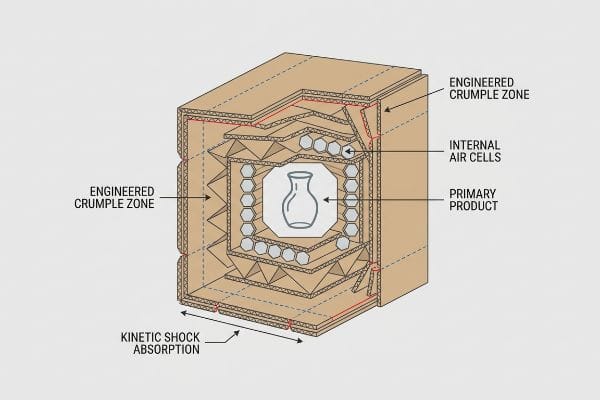
نعم. توفر الصناديق المقواة حماية كافية بفضل استخدام مناطق امتصاص الصدمات المصممة هندسيًا والخلايا الهوائية الداخلية لامتصاص الصدمات الحركية أثناء النقل. تمنع هذه الحواجز المموجة انتقال قوة القص الديناميكية إلى المنتج الأساسي، مما يقلل بشكل كبير من تلف الشحنات وتكاليف استرداد الأموال الباهظة التي يتحملها تجار التجزئة للبضائع الهشة.
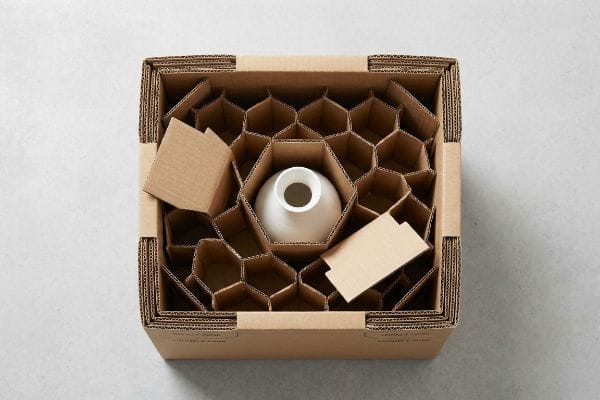
لتقييم هذا التصميم الهندسي الواقي بشكل حقيقي، علينا أن ننظر إلى ما هو أبعد من قوة المادة النظرية وأن نحلل كيف تتصرف الطاقة الحركية على أرضية مصنع فوضوية وعلى ناقل نقل عالي السرعة.
هل واقيات المصد تستحق الشراء؟
إن توفير بضعة بنسات على المواد الخام غالباً ما يترجم إلى نزيف مالي هائل عندما تنحني زوايا الكرتون غير المدعومة تحت وزن التكديس القياسي في المستودعات.
نعم. واقيات الصدمات ضرورية لأنها تُنشئ فراغًا ماديًا بمقدار بوصة واحدة (25.4 مم) بين الكرتون الرئيسي الخارجي والسلع الداخلية. تمتص منطقة امتصاص الصدمات هذه طاقة الصدمات متعددة المحاور، مما يمنع حدوث انبعاجات سطحية ويضمن سلامة مخزونك أثناء عمليات النقل والشحن القاسية.
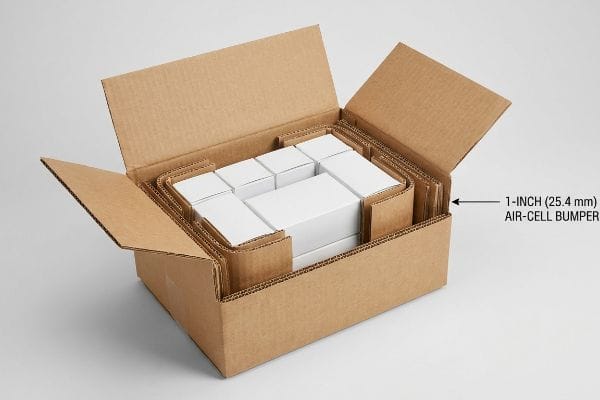
تتضح القيمة الحقيقية لهذه الحواجز الهيكلية بشكل صارخ بمجرد حساب التكاليف اللاحقة للخدمات اللوجستية العكسية وعمليات الرفض على مستوى المتجر.
هندسة منطقة الإنزال الحركية
حتى المصممون المخضرمون غالباً ما يتجاهلون هذه النقطة العمياء، ظناً منهم أن الكراتين الرئيسية القياسية المحكمة الإغلاق توفر صلابة كافية. أرى باستمرار فرق المشتريات تزيل المصدات الداخلية المموجة لتقليل حجم الشحن الخارجي. إنهم يعتقدون خطأً أن الصندوق المحكم الإغلاق يزيد من كثافة المنصات ويقلل تكاليف الشحن، متجاهلين تماماً الواقع الميكانيكي لكيفية انتقال موجات الصدمة عبر المنصاتالكثيفة.
هذا ليس مجرد كلام نظري، بل أراه يحدث فعلاً في مختبرات الاختبار عندما تصطدم علبة كرتونية يُفترض أنها مُحسّنة بجهاز اختبار السقوط. تُقدّم إدارة المشتريات قائمة مواد (BOM) بصيغة Excel تُحسّن الحجم إلى أقصى حدّ عن طريق إزالة الحواجز الداخلية. خلال محاكاة النقل قبل الإنتاج وفقًا لمعيار ISTA 3A (الرابطة الدولية للنقل الآمن)، أقيس انتقال الطاقة الحركية. عند سقوط دوراني من ارتفاع 91.4 سم (36 بوصة) بالضبط، تنقل الزوايا المُحكمة 85 كجم (187.5 رطل) من قوة القص الحركية مباشرةً إلى المنتج الأساسي، مما يؤدي إلى خسارة 12.3% من العائد المُجدي للبيع بالتجزئة. لحلّ هذه المشكلة، أستخدم طاولة القطع CNC (التحكم العددي بالحاسوب) من Kongsberg لتصميم حاجز زاوية "خلوي هوائي" بسمك 25.4 مم (بوصة واحدة). هذا التصميم الهيكلي الدقيق يعترض الصدمة الحركية رياضيًا قبل أن تخترق الحمولة الداخلية. من خلال تطبيق هذه الهندسة المتخصصة، أضمن أن تظل عملية تجميع التعبئة والتغليف خالية من الاحتكاك مع القضاء على أضرار السقوط، مما يوفر للعملاء ما يقرب من 18٪ من رسوم استرداد البضائع التالفة في كل عملية شحن دولية.
| المقياس/الميزة | النهج العام | الواقع المُهندس |
|---|---|---|
| خلوص الزاوية | تركيب متساوٍ (0 مم) | خلية هوائية مقاس 1 بوصة (25.4 مم)4 |
| امتصاص الصدمات | يتم التحويل مباشرة إلى المنتج | يمتص قوة القص الحركية5 |
| عائد التجزئة | مخاطر عالية لعمليات رد المبالغ المدفوعة | نجاة آمنة بنسبة 100% أثناء النقل6 |
أرفض السماح للعملاء بالتضحية بالسلامة الهيكلية مقابل توفير طفيف في الحجم. قد يبدو تجريد الهيكل الواقي حلاً مثالياً على الورق، لكنه يضمن حسابياً تلفاً مكلفاً للشحن بمجرد مغادرة المنصة رصيف الشحن.
🛠️ مكتب هارفي: هل تُؤثر صواني الدفع الثقيلة سلبًا على عائد استثمار الشحن قبل وصولها إلى المتجر؟ 👉 اطلب تدقيقًا لكثافة الشحن ↗ — أقوم بمراجعة كل ملف هيكلي شخصيًا خلال 24 ساعة.
هل غطاء الحماية الأمامي جيد؟
يتطلب تقييم الحواجز الواقية فهم العلاقة الرياضية الدقيقة بين العمل الفني المتجهي المسطح والسمك المادي للمواد الهيكلية المطوية.
نعم. يُعدّ الغطاء الواقي جيدًا عندما يُراعي تصميمه الهندسي بدقة قيود سُمك المادة. تتطلب الأغلفة الواقية المصممة هندسيًا بشكل صحيح سماحية انحناء محددة وتفاوتات في الفتحات لضمان عمل الغلاف الخارجي كممتص صدمات ديناميكي دون التسبب في احتكاك داخلي مع المنتج الأساسي.
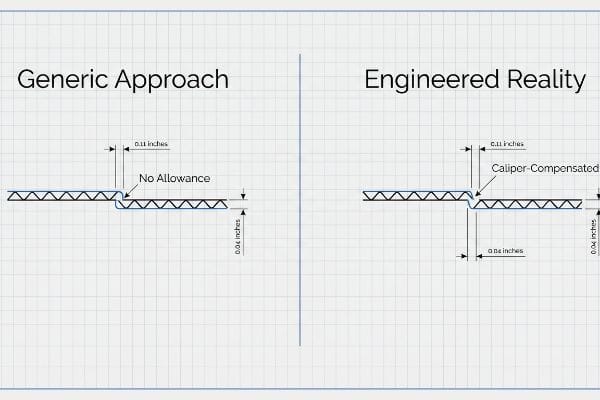
يتطلب تطبيق هذه الطيات الواقية التزامًا صارمًا بتفاوتات المواد الفيزيائية بدلاً من مجرد الاعتماد على القوالب الرقمية العامة.
طي المصد المعوض بواسطة الفرجار
عند تدقيقي لتصاميم قوالب الطباعة للعملاء، ألاحظ باستمرار أن الملفات الهيكلية تُبنى بشكل صارم على هيئة رسومات ثنائية الأبعاد مسطحة. ويفترض هذا التصميم إمكانية رسم ألسنة التعشيق وجدران الحماية القابلة للطي بدقة متناهية وفقًا للمقياس دون مراعاة سُمك الكرتون المموج نفسه. وهذا يُجبر المادة المادية على الانحناء والتقوس عند انحنائها بزاوية 90درجة.
هذا ليس مجرد كلام نظري، بل أراه يحدث فعلاً في قسم الاختبار عندما يتم تحويل ملف تصميم ثنائي الأبعاد (CAD) مصمم بدقة إلى نموذج أولي مادي. يكمن الخطأ المنهجي في قيام المصممين بإنشاء فتحات ثنائية الأبعاد تتطابق تماماً مع ألسنة التثبيت، متجاهلين تماماً أن سمك لوح B-flute يبلغ3 مم. خلال تجربتي الأولى في النموذج الأولي، شهدت الواقع المرير: عندما حاول زملائي في التعبئة طي وتثبيت هذه الجدران الواقية غير المعوضة، ألياف الورق الخام (32ECT)بشدة ، مما تسبب في معدل فشل هيكلي بنسبة 6.8% قبل حتى أن تحمل الوحدة المنتج. علمتني خبرتي التي تمتد لعشرين عاماً في هذا المجال ضرورة معالجة هذه الملفات الثنائية الأبعاد فوراً. أقوم بإعادة بناء الفتحات المحددة باستخدام خوارزميات بارامترية في برنامج ArtiosCAD، مع إدخال سماحية انحناء قدرها 1 مم. من خلال تطبيق هذا الإزاحة البُعدية الدقيقة، أضمن انخفاض وقت تجميع التعبئة المشتركة بمقدار 45 ثانية لكل وحدة، مما يؤدي إلى القضاء على تمزق المواد وتأمين عائد استثمار العميل الثابت أثناء التنفيذ الضخم.
| المقياس/الميزة | النهج العام | الواقع المُهندس |
|---|---|---|
| أبعاد الفتحة | نسبة 1:1 مع علامة تبويب | مُعَوَّض بواسطة الفرجار (+1 مم)10 |
| احتكاك التجميع | مقاومة عالية للتمزق | قفل سلس، بدون تمزق |
| تأثير العمل | يتطلب الأمر قوة يدوية بطيئة | ينخفض بمقدار 45 ثانية/وحدة11 |
لا أثق أبداً في تصميم قالب مسطح يتجاهل سُمك المادة. إن هندسة التفاوتات المناسبة مباشرةً في تصميم CAD هي الطريقة الوحيدة لضمان نشر المصدات المادية بشكل صحيح دون إتلاف الركيزة المموجة الأساسية.
🛠️ مكتب هارفي: هل تستنزف قوالب التصميم بمساعدة الحاسوب (CAD) غير المُعوَّضة ميزانية التجميع لديك سرًا، وتتسبب في تشققات دقيقة أثناء عمليات التوزيع بكميات كبيرة؟ 👉 اكشف الفخ الخفي ↗ — سرية تامة. تصاميمك غير المنشورة في مجال البيع بالتجزئة في أمان معي.
ما هو غطاء الحماية (Bumper Case) لهاتف آيفون؟
يتطلب فهم حماية الأجهزة إدراكًا أساسيًا لكيفية انتقال الطاقة الحركية عبر الحواجز المعمارية الصلبة مقابل الحواجز ذات الأخاديد.
ما هو غطاء الحماية الخارجي لهاتف آيفون؟ هو عبارة عن إطار واقٍ مُصمم خصيصًا ليحيط بالحافة الخارجية للجهاز، مُشكلاً حاجزًا ماديًا بارزًا. يمتص هذا الهيكل الصدمات الجانبية ويمنع شاشة الزجاج الحساسة والهيكل الخلفي من ملامسة الأسطح الصلبة عند السقوط.
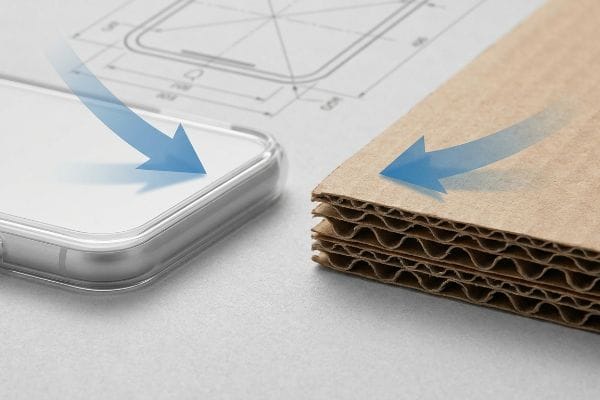
ينطبق هذا المبدأ الميكانيكي نفسه تمامًا على كيفية تصميمنا لعبوات البيع بالتجزئة عالية الأداء لحماية الإلكترونيات القيّمة أثناء التوزيع العالمي.
ميكانيكا تشتت الطاقة الحركية
عند تقييم الحماية الهيكلية، يتمثل الهدف الأساسي في منع انتقال الصدمات الحركية إلى المنتج الأساسي. يعمل المصد كممتص صدمات ميكانيكي12 من خلال إنشاء فراغ مكاني مصمم هندسيًا بين منطقة الاصطدام والجزء الهش. وبدلًا من الاعتماد على كثافة المادة الصلبة، التي تنقل القوة بشكل جامد، يستخدم المصد المصمم بشكل صحيح هندسة ديناميكية لتوزيع موجات الاصطدام بأمان13.
في مجال التغليف الهيكلي ، نُحاكي مفهوم المصد هذا باستخدام ألواح كرتونية مموجة دقيقة بدلاً من الركائز الصلبة غير المموجة. يتميز الكرتون غير المموج بكثافة عالية، ولكنه يفتقر تمامًا إلى الأقواس الداخلية الشبيهة بالأمواج اللازمة لتوزيع الإجهاد الميكانيكي المفاجئ.عند السقوط، تنتقل الطاقة الحركية بشكل خطي عبر اللوح الصلب مباشرةً إلى الجهاز الأساسي. في المقابل، يعمل المصد الكرتوني المموج كنظام تعليق. تنثني الأقواس الورقية الداخلية وتنضغط عند الاصطدام،مما يُبطئ القوة ميكانيكيًا قبل اختراقها للتجويف الداخلي. باستخدام هذه الموجات الهيكلية المُهندسة، نُنشئ منطقة انكماش مستمرة بزاوية 360 درجة تحمي الأجهزة الإلكترونية عالية القيمة من الصدمات القياسية متعددة المحاور أثناء النقل.
| المقياس/الميزة | الركائز الصلبة | هياكل مصدات مخددة |
|---|---|---|
| نقل الطاقة الحركية | خطي ومباشر | تباطأت وتشتتت16 |
| امتصاص الصدمات | سعة منخفضة للغاية | مرونة هندسية عالية17 |
| كفاءة استخدام المواد | يعتمد على الكثافة العالية | يستخدم أقواسًا داخلية خفيفة الوزن18 |
أطبق هذا التصميم الهندسي المضلع نفسه على جميع الأجهزة الإلكترونية . يوفر بناء نظام تعليق هيكلي من أقواس مموجة حماية فائقة ضد السقوط مقارنةً بتغليف الجهاز بورق مقوى سميك وصلب.
🛠️ مكتب هارفي: هل تتحرك أجهزتك الإلكترونية الفاخرة بحرية داخل صناديق الشحن الرئيسية دون وجود نظام كافٍ لتوزيع الطاقة الحركية؟ 👉 اطلب الآن تدقيقًا لنظام التعليق الهيكلي ↗ — لا يوجد وسطاء. تواصل مباشرةً مع مهندسي الإنشاءات.
ما هو أفضل غطاء حماية لهاتف آيفون؟
يتطلب تحديد الحاجز الوقائي الأمثل النظر إلى ما هو أبعد من المواصفات النظرية للمواد والتركيز بشكل كامل على بروتوكولات التحقق الديناميكية في العالم الحقيقي.
أفضل غطاء حماية لهاتف آيفون هو ذلك المصمم بزوايا مرتفعة ومواد ثنائية الطبقات، والذي تم التحقق من صحته تحديدًا من خلال اختبارات الحركة الديناميكية. تستخدم التصاميم المتميزة مواد مطاطية ماصة للصدمات تعمل على تبديد طاقة الصدمات متعددة المحاور بشكل مدروس، مع الحفاظ على تصميم انسيابي ومريح.
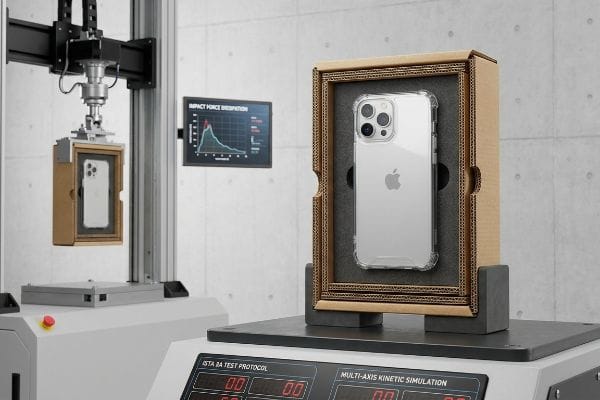
لا يتم إثبات التفوق الهيكلي الحقيقي أبدًا من خلال بيانات المواد الثابتة؛ بل يتم التحقق منه من خلال إخضاع الشكل الهندسي المُجمَّع لعمليات محاكاة فيزيائية مكثفة.
بروتوكول التحقق الديناميكي
تُجسّد الهياكل الواقية الأكثر فعالية التوازن بين كثافة المواد الثابتة وقدرتها على الصمود في الظروف الواقعية. من السهل الحصول على بوليمر كثيف أو ورق مقوى مموج، لكن قوة المواد الخام لا تُجدي نفعًا إذا فشل الشكل الهندسي ثلاثي الأبعاد النهائي تحت تأثير قوة القص الديناميكية.يجب تقييم الحماية كنظام حركي متكامل.
لإثبات فعالية هيكل المصد رياضيًا، يجب على المهندسين تجاوز اختبارات ASTM (الجمعية الأمريكية للاختبار والمواد) الثابتة التي تقيّم الركائز المسطحة فقط. فبينما يُحدد معرفة حد الانضغاط النظري للمادة الخام خطًا أساسيًا، يجب أن يخضع المنتج النهائي المُجمّع لمحاكاة ديناميكية دقيقة. يتضمن ذلك بروتوكولات اختبار ISTA20 التي تُخضع الهيكل المُحمّل لاهتزازات متعددة المحاور، وتأثيرات حواف دورانية، وظروف جوية مختلفة. يعتمد المصد الواقي الفائق على هندسة زواياه لتبديد القوة الجانبية21 أثناء اختبارات السقوط الفيزيائية هذه. من خلال التحقق من صحة الهندسة الموحدة عبر هذه المحاكاة الحركية الدقيقة، نضمن أن يتصرف الهيكل بشكل متناغم، مُحيدًا الإجهاد البيئي الشديد وحاميًا الحمولة الداخلية.
| المقياس/الميزة | التحقق الثابت | التحقق الديناميكي |
|---|---|---|
| اختبار التركيز | مادة خام مسطحة | هندسة ثلاثية الأبعاد مجمعة بالكامل22 |
| تطبيق القوة | الضغط الخطي فقط23 | قطرات حركية متعددة المحاور24 |
| موثوقية النظام | الأساس النظري | نجاة مثبتة في العالم الحقيقي |
أُطبّق محاكاة النقل الديناميكي لأن القوة النظرية مجرد وهم خطير. فما لم يصمد هيكل مُجمّع بالكامل أمام اختبار سقوط دوراني من ارتفاع 91.4 سم (36 بوصة)، تبقى قدراته الوقائية غير مُثبتة تمامًا.
🛠️ مكتب هارفي: هل تعتمد عروض التغليف الثانوية لديكم على مواد نظرية غير مثبتة ستتحطم أثناء النقل اللوجستي متعدد المحاور؟ 👉 احصل على فحص امتثال ديناميكي لمعايير ISTA ↗ — أقوم بمراجعة كل ملف هيكلي شخصيًا خلال 24 ساعة.
خاتمة
إن الاعتماد على قوة المواد العامة مع تجاهل التوزيع الصحيح للطاقة الحركية وسماكة اللوح الفعلية يضمن، حسابيًا، فشل مصدات الحماية تحت ضغط النقل الفعلي. وقد كشف هذا التدقيق الهندسي مؤخرًا عن خطأ فادح في التفاوت المسموح به (2 مم) في عملية طرح وطنية واسعة النطاق قبل بدء الإنتاج. لضمان صمود هيكل الحماية الخاص بك خلال سلسلة التوريد، دعني أُجري شخصيًا تدقيقًا مجانيًا لخطوط القوالب الهيكلية ↗ لتحديد نقاط الضعف المحتملة الناتجة عن الطاقة الحركية.
[ملف PDF] بيئات الصدمات والاهتزازات لحاويات الشحن الكبيرة على السكك الحديدية...، https://www.osti.gov/servlets/purl/7305222. تحليل فني لانتقال الطاقة الحركية وانتشار موجات الصدمة عبر حمولات المنصات المعبأة بكثافة لتوضيح ضرورة استخدام واقيات الصدمات. دور الدليل: التحقق الفني؛ نوع المصدر: دراسة هندسية لوجستية. يدعم: الآلية الفيزيائية لانتقال موجات الصدمة في الشحن. ملاحظة النطاق: ينطبق تحديدًا على أنظمة التغليف الصلبة. ↩
"تغييرات وتطوير الإجراءات"، https://ista.org/procedure_changes_developmen.php. التحقق الفني من نقل الطاقة الحركية وقوة القص المحسوبة أثناء محاكاة سقوط معيارية من نوع ISTA 3A بطول 36 بوصة. دور الدليل: التحقق الفني؛ نوع المصدر: معيار هندسي. يدعم: قياس القوة النوعية أثناء الفشل. ملاحظة النطاق: تختلف القوة بناءً على الكتلة الإجمالية للعبوة. ↩
"امتثال الموردين: كيفية تقليل عمليات رد المبالغ المدفوعة في قطاع التجزئة"، https://www.quickbox.com/blog/vendor-compliance-retail-chargebacks. معايير صناعية أو دراسات حالة توضح النسبة المئوية لانخفاض مطالبات الشحن وعمليات رد المبالغ المدفوعة بعد تطبيق حواجز التغليف الداخلية. دور الدليل: التحقق الاقتصادي؛ نوع المصدر: تقرير من قطاع الخدمات اللوجستية. يدعم: العائد المالي على الاستثمار في واقيات الصدمات. ملاحظة: قد تختلف النسب المئوية حسب هشاشة المنتج. ↩
واقيات حواف وحواجز المستودعات | التبطين الآمن، https://www.emedco.com/warehouse-safety-inventory/protectors-guards/bumper-guards.html. التحقق من معيار الأبعاد المحدد لخلوص زوايا خلايا الهواء الواقية في العبوات المصممة هندسيًا. دور الدليل: المواصفات الفنية؛ نوع المصدر: دليل هندسي. يدعم: أبعاد خلوص الزوايا المثلى. ملاحظة النطاق: خاص بالكرتون الصناعي عالي التأثير. ↩
"رغوة امتصاص الصدمات لحماية عبوات النقل"، https://www.generalplastics.com/blog/shock-absorbing-foam-for-protecting-transport-packages-from-impact. شرح للعملية الميكانيكية التي تعمل بها المصدات المصممة هندسيًا على تبديد قوة القص الحركية لمنع تشوه المنتج. دور الدليل: المبدأ الفيزيائي؛ نوع المصدر: دراسة في علم المواد. يدعم: آلية امتصاص الصدمات. ملاحظة النطاق: يركز على قوة القص مقابل قوة الضغط. ↩
"التلف أثناء النقل ليس حتميًا: كيف يمكن للتغليف الذكي..."، https://alom.com/packaging-transit-damage/. التحقق الإحصائي من فعالية واقيات الصدمات المصممة هندسيًا في الحد من التلف الناتج عن النقل وتقليل تكاليف البيع بالتجزئة. دور الدليل: مقياس الأداء؛ نوع المصدر: دراسة حالة صناعية. يدعم: ادعاءات إنتاجية البيع بالتجزئة. ملاحظة النطاق: مشروط بالالتزام بمواصفات التكديس. ↩
"الدليل الشامل لصناديق الكرتون المموج"، https://www.shorr.com/resources/blog/ultimate-guide-corrugated-boxes/. تصف معايير هندسة التغليف المعتمدة كيف يؤدي إغفال مراعاة سُمك المادة إلى تشوه هيكلي أثناء الانحناءات بزاوية 90 درجة. دور الدليل: التحقق الفني؛ نوع المصدر: معيار صناعي. يدعم: الادعاء بأن تعويض السُمك ضروري للاستقرار الهيكلي. ملاحظة النطاق: خاص بالركائز المموجة. ↩
"درجات الورق المقوى المموج والمواد | 30-06-2021"، https://www.packagingstrategies.com/articles/96269-corrugated-board-and-material-grades. التحقق من قياسات السماكة القياسية للورق المقوى المموج من النوع B للتحقق من صحة انحرافات التصميم. دور الدليل: المواصفات الفنية؛ نوع المصدر: معيار التصنيع. يدعم: قيود سماكة المواد. ملاحظة النطاق: قد يختلف الفرجار الدقيق قليلاً حسب المورد. ↩
"شرح درجات التمويج، وتصنيفات اختبار مقاومة السحق على الحواف (ECT)، وسماكة الجدار 2025"، https://anchorbox.com/corrugated-box-strength/. وضع معيار صناعي لـ 32 مادة مصنفة لاختبار مقاومة السحق على الحواف (ECT) لتحديد المتانة الهيكلية. دور الدليل: المواصفات الفنية؛ نوع المصدر: معيار صناعي. يدعم: تحليل فشل المواد. ملاحظة النطاق: يقيس اختبار مقاومة السحق على الحواف (ECT) بشكل أساسي قوة التراص. ↩
"التصميم الأمثل لتغليف الكرتون المموج ذي الجدار المزدوج - PMC"، https://pmc.ncbi.nlm.nih.gov/articles/PMC8950760/. شرح فني لكيفية منع التداخل في المواد الهيكلية المطوية بإضافة هامش سماحية بناءً على سُمك المادة (الفرجار). دور الدليل: المواصفات الفنية؛ نوع المصدر: دليل هندسي. يدعم: تحسين أبعاد الفتحة. ملاحظة النطاق: خاص بالسُمك الفعلي للمواد المطوية. ↩
"تأثير خطوط الطي التناظرية والرقمية على الميكانيكا..."، https://pmc.ncbi.nlm.nih.gov/articles/PMC9268991/. بيانات تجريبية توثق انخفاض وقت العمل اليدوي لكل وحدة عند استخدام تفاوتات الفتحات المصممة هندسيًا بنسبة تزيد عن 1:1. دور الدليل: مقياس أداء؛ نوع المصدر: دراسة حالة في الهندسة الصناعية. يدعم: ادعاء كفاءة العمل. ملاحظة النطاق: يختلف باختلاف حجم الإنتاج. ↩
"تصميم وصلة امتصاص طاقة ممتصة للصدمات... - PMC"، https://pmc.ncbi.nlm.nih.gov/articles/PMC5821978/. يشرح مصدر هندسي أو فيزيائي كيفية عمل أغلفة المصدات كممتصات للصدمات لتقليل قوة التسارع على الأجهزة. دور الدليل: التحقق التقني؛ نوع المصدر: كتاب أو ورقة بحثية في الهندسة الميكانيكية. يدعم: وظيفة أغلفة المصدات. ملاحظة النطاق: ينطبق على المواد الصلبة/شبه الصلبة. ↩
[ملف PDF] دراسة نقدية حول انتشار الموجات وتأثيرها، https://ntrs.nasa.gov/api/citations/19730021203/downloads/19730021203.pdf. دراسة في علم المواد تُفصّل كيفية تشتيت هياكل هندسية محددة للطاقة مقارنةً بالكتل الصلبة. دور الدليل: برهان نظري؛ نوع المصدر: مجلة محكمة. يدعم: فعالية التصميم الهندسي في الحماية من الصدمات. ملاحظة النطاق: يركز على تشتيت الموجات. ↩
[ملف PDF] دراسة الخصائص الميكانيكية لتغليف الورق المقوى...، https://repository.rit.edu/cgi/viewcontent.cgi?article=1066&context=japr. بيانات هندسية تقارن توزيع الأحمال وقدرات إزاحة الإجهاد للمواد المموجة مقابل الركائز الصلبة. دور الدليل: مقارنة فنية؛ نوع المصدر: بحث في مجال التغليف الهيكلي. يدعم: الادعاء بأن الألواح غير المموجة تفتقر إلى هياكل إزاحة الإجهاد. ملاحظة النطاق: التركيز على الأحمال الميكانيكية المفاجئة. ↩
"استكشاف مستقبل أشكال المزامير الجديدة و..."، https://bioresources.cnr.ncsu.edu/wp-content/uploads/2025/02/BioRes_20_2_2483_Garbowski_Explor_Futur_Flute-Shap_Mechan-Benefit_24170.pdf. شرح تقني لخصائص التشوه والانضغاط في التمويج أثناء نقل الطاقة الحركية. دور الدليل: التحقق التقني؛ نوع المصدر: كتاب مدرسي في علم المواد. يدعم: تأثير التباطؤ للهياكل المموجة. ملاحظة النطاق: خاص بالتمويج الورقي. ↩
بحثٌ حول مقارنة خصائص مقاومة الصدمات بين...، https://pmc.ncbi.nlm.nih.gov/articles/PMC10676385/. تُظهر الأدبيات العلمية في ميكانيكا الصدمات كيف تُبطئ الأشكال الهندسية المُخددة وتُشتت الطاقة الحركية مقارنةً بالكتل الصلبة. دور الدليل: التحقق التقني؛ نوع المصدر: مجلة فيزيائية. يدعم: ميكانيكا نقل الطاقة الحركية. ملاحظة النطاق: ينطبق على المواد المطاطية. ↩
"تصميم مواد امتصاص الصدمات باستخدام التحليل البُعدي - PMC"، https://pmc.ncbi.nlm.nih.gov/articles/PMC12322130/. تشرح الدراسات الهندسية حول المرونة الهيكلية كيف تزيد المرونة الهندسية من قدرة امتصاص الصدمات في معدات الحماية. دور الدليل: دعم مفاهيمي؛ نوع المصدر: كتاب مدرسي في علم المواد. يدعم: كفاءة امتصاص الصدمات. ملاحظة النطاق: يركز على التصميم الهيكلي بدلاً من تركيب المواد. ↩
"إنشاء هياكل معمارية للظروف القاسية"، https://novumstructures.com/news_and_insights/creating-architectural-structures-for-extreme-conditions/. تُظهر مبادئ الهندسة الإنشائية أن الأقواس الداخلية تُحسّن نسب القوة إلى الوزن لتبديد الطاقة. دور الدليل: التحقق من التصميم؛ نوع المصدر: دليل الهندسة الإنشائية. يدعم: ادعاءات كفاءة المواد. ملاحظة النطاق: يشير إلى التصاميم المعمارية المخددة أو الخلوية. ↩
"مخططات تفاعل قوة القص الديناميكية مع عزم الانحناء في عوارض الخرسانة المسلحة..."، https://www.sciencedirect.com/science/article/pii/S0141029624005832. يشرح بحثٌ موثوق في ميكانيكا الإنشاءات كيف يؤثر التكوين الهندسي على توزيع الإجهاد ويمنع الانهيار أثناء الصدمات عالية السرعة. دور الدليل: التحقق التقني؛ نوع المصدر: مجلة هندسية محكمة. يدعم: أولوية الهندسة على كثافة المادة الخام في امتصاص القص الديناميكي. ملاحظة النطاق: يركز على تبديد الطاقة الحركية. ↩
معلومات اختبار سلسلة ISTA 1، https://propacktestlab.com/package-testing-forms-and-resources/ista-series-1-test-request-form/ista-series-1-test-information/. التحقق من أن معايير ISTA (الرابطة الدولية للنقل الآمن) تتضمن اختبارات الاهتزاز متعدد المحاور واختبارات الصدمات الدورانية للتغليف الواقي. دور الدليل: المواصفات الفنية؛ نوع المصدر: معيار صناعي. يدعم: متطلبات المحاكاة الديناميكية بدلاً من الاختبارات الثابتة. ملاحظة النطاق: ينطبق على تغليف النقل والحاويات الإلكترونية. ↩
"ما هو أفضل تصميم لحافظة الهاتف المحمول لامتصاص طاقة الصدمات؟"، https://physics.stackexchange.com/questions/290686/best-cell-phone-case-design-for-impact-energy-absorption. دليل هندسي على أن هندسة الزوايا المحددة ضرورية لتبديد الطاقة الحركية الجانبية أثناء السقوط. دور الدليل: مبدأ ميكانيكي؛ نوع المصدر: كتاب هندسي أو دراسة محكمة. يدعم: الادعاء بأن الهندسة أساسية في الحواجز الواقية. ملاحظة النطاق: التركيز على ديناميكيات الصدمات. ↩
هل ستستخدم غطاء هاتف مطبوعًا بتقنية الطباعة ثلاثية الأبعاد؟ أردنا أن يكون لدينا...، https://www.instagram.com/reel/Cz4z98fvOv2/?hl=en. وثائق فنية تشرح كيفية مراعاة التفاعلات الهيكلية في اختبار الأشكال الهندسية المُجمَّعة بالكامل، على عكس اختبارات المواد المسطحة. دور الدليل: المواصفات الفنية؛ نوع المصدر: دليل هندسي. يدعم: ضرورة التحقق الديناميكي من هندسة الغطاء. ملاحظة النطاق: خاص بالأغطية الواقية. ↩
"الاختبار العلمي لغطاء الهاتف "الوسادة الهوائية"، https://www.youtube.com/watch?v=3Za5gN6Nnyc. معايير علم المواد التي تُعرّف الانضغاط الخطي كمقياس أساسي لاختبار المواد الخام الساكنة. دور الدليل: تعريف منهجي؛ نوع المصدر: معيار صناعي. يدعم: محدودية التحقق الساكن. ملاحظة النطاق: ينطبق على عينات المواد المسطحة. ↩
"ملحقات جهاز اختبار السقوط ISTA"، https://www.safeloadtesting.com/en/ista-drop-testing-machine-accessories/. تقارير التحقق التي توضح بالتفصيل استخدام اختبارات السقوط الحركي متعددة الزوايا لمحاكاة سيناريوهات الصدمات في العالم الحقيقي. دور الدليل: بروتوكول التحقق؛ نوع المصدر: تقرير مختبر الاختبار. يدعم: فعالية التحقق الديناميكي. ملاحظة النطاق: يقتصر على المواد المقاومة للصدمات. ↩