هل سئمت من رؤية منصات عرض منتجاتك المصممة بشكل جميل تنهار قبل حتى أن تصل إلى الممر؟ إن الفشل الهيكلي يدمر هوامش الربح بشكل أسرع من التسويق السيئ.
يتطلب صنع صناديق العرض الكرتونية المصنوعة يدويًا هندسة هيكلية دقيقة وعلمًا للمواد، وليس مجرد طي بسيط. يعتمد النجاح على حساب سماكة التموجات بدقة، وفهم حدود امتصاص الرطوبة، ومنع إجهاد ألياف الورق لضمان بقاء صناديق العرض الخاصة بك في بيئات سلسلة التوريد القاسية وأحمال البضائع الثقيلة.
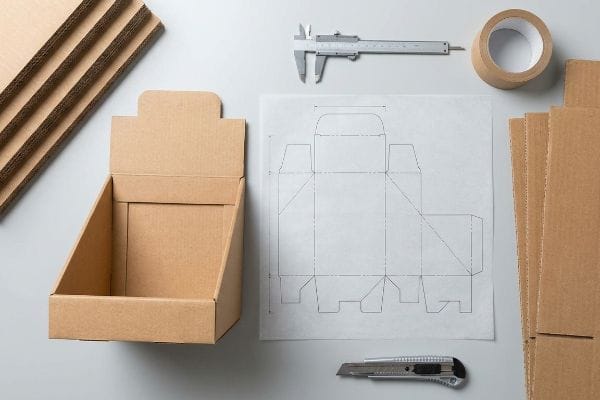
دعوني أكشف لكم كيف نصمم هذه الهياكل لأكبر تجار التجزئة في أمريكا الشمالية.
كيف تجعل صندوق الكرتون متيناً؟
من المحزن أن نرى عملية طرح ضخمة في قطاع التجزئة تنهار تحت وطأة ثقلها لمجرد أن أحدهم تجاهل القوانين الأساسية للفيزياء.
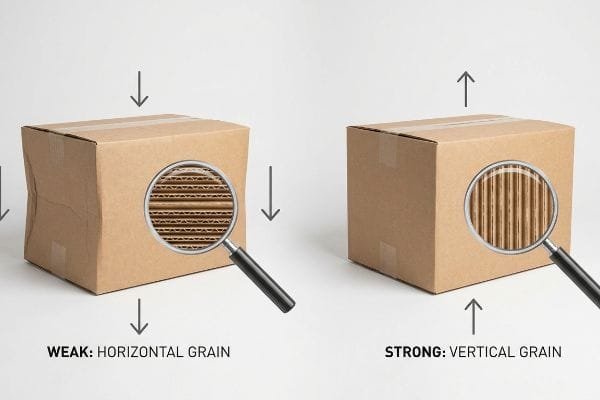
تعتمد متانة صندوق الكرتون كلياً على محاذاة تموجات الورق الداخلية عمودياً. يعمل هذا التوجيه المحدد للألياف كسلسلة من الأعمدة الدقيقة الحاملة للأحمال، مما يزيد من قوة الضغط الإجمالية ويمنع الجدران الجانبية من الانهيار بشكل كارثي تحت الوزن الهائل لمنصات التخزين المكدسة فوق بعضها.
إن الحصول على المواد الخام المناسبة ليس سوى نصف المعركة؛ فمعرفة كيفية توجيهها بالضبط يغير كل شيء.
الفيزياء الخفية لاتجاه الحبيبات المموجة
يتعامل معظم المصممين المبتدئين مع الورق المقوى كما لو كان مادة سحرية موحدة. ينصبّ تركيزهم بالكامل على اختيار أعلى تصنيف متاح في اختبار مقاومة الحواف (ECT)، ظنًا منهم أن ورق الكرافت الخام باهظ الثمن سيحل تلقائيًا أي ضعف هيكلي. يصممون تخطيطاتهم المسطحة لتقليل هدر المواد في ورقة الطباعة، ويديرون الألواح بالطريقة الأنسب لتوفير المال على المواد الخام.
ألاحظ هذا الخطأ الشائع لدى المبتدئين عندما يرسل لي العملاء تصاميمهم المسطحة للمراجعة. فهم يضغطون القطع معًا كما لو كانت قطع أحجية، مما يجبر ألياف الخشب على أن تكون أفقية عبر الألواح الرئيسية الحاملة للوزن. ذات مرة، شاهدت مدير علامة تجارية متحمسًا وهو يضع مرطبانات زجاجية في صينية جديدة، ليسمع صوت طقطقة حادة ومؤلمة للورق المقوى الخام عندما انكسرت الجوانب على الفور. عندما تكون ألياف الخشب أفقية، تفقد الأقواس الداخلية قوتها الرأسية تمامًالمقاومة الجاذبية. لذا، يجب إجبار اتجاه الألياف على أن يكون عموديًا تمامًا، حتى لو تطلب ذلك استخدام كمية أكبر من المواد في قالب القطع، لضمان بقاء الوحدة سليمة في صالة العرض.
| أخطاء شائعة للمبتدئين | الحل الاحترافي | فوائد أرضية البيع بالتجزئة |
|---|---|---|
| تصميمات قابلة للتدوير لتوفير المساحة | فرض اتجاه الحبوب عموديًا | يمنع سحق القاعدة |
| بالاعتماد فقط على مواصفات المواد الخام | مسارات التحميل الديناميكية الهندسية | يتحمل تكديس المنصات الثقيلة |
| تجاهل اتجاه الفلوت الداخلي | محاذاة المزامير مع الجاذبية | يمنع تلف المنتجات المكلف |
لا أتنازل أبدًا عن اتجاه الألياف العمودي للجدران الحاملة. إن التضحية بسلامة الهيكل الأساسي لمجرد توفير بضعة سنتات على تصميم الألواح الخام هو طريق مضمون لاسترداد مبالغ باهظة من تجار التجزئة.
🛠️ مكتب هارفي: هل تشكّين في أن قالب القطع الحالي لديكِ يُدير الثنيات في الاتجاه الخاطئ؟ 👉 احصلي على تدقيق مجاني لقالب القطع ↗ — تواصل مباشر مع مكتبي. أضمن لكِ عدم تلقي أي رسائل تسويقية آلية مزعجة.
كيفية صنع صندوق عرض من الكرتون؟
إن تحويل قطعة فنية مطبوعة مسطحة إلى منتج تجاري ثلاثي الأبعاد عملي يتطلب أكثر بكثير من مجرد رسم خطوط خارجية على الشاشة.
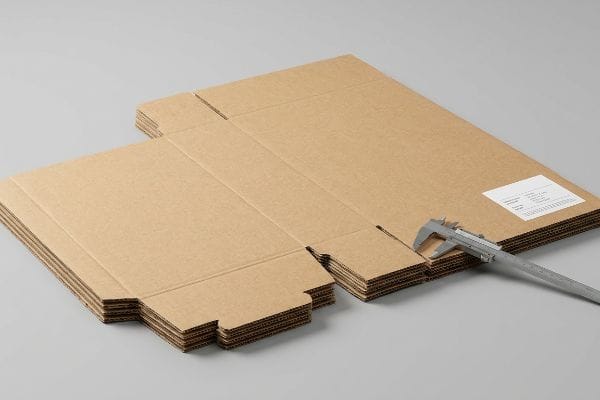
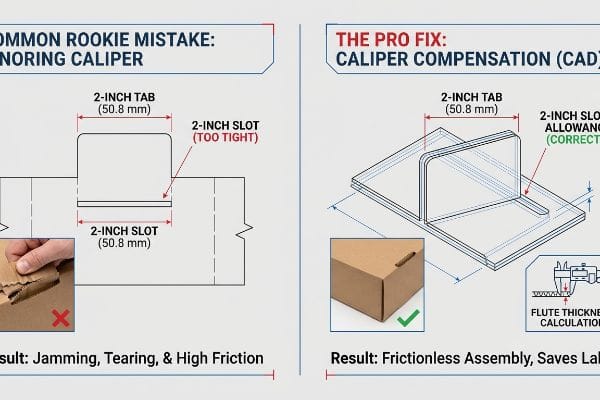
يتطلب تصنيع صندوق العرض حسابات هندسية معقدة بمساعدة الحاسوب لمراعاة سُمك المادة. فإذا تم رسم ألسنة متشابكة مسطحة دون حساب مقدار الانحناء الفعلي المسموح به للركيزة المموجة، فسيتعرض الهيكل النهائي لتشوه شديد وتمزق وانهيار كامل أثناء عملية التجميع السريع في المصنع.
إن التصميم الجرافيكي الجميل عديم الفائدة تماماً إذا كان الهيكل المادي يقاومك بنشاط أثناء عملية البناء.
النجاة من فخ تعويض الفرجار
عادةً ما يقوم مصممو الجرافيك بإنشاء ألسنة التعشيق وفتحات الطي باستخدام برامج الرسومات المتجهة القياسية، مما ينتج عنه قياسات متطابقة تمامًا. يفترضون أن لسانًا بطول بوصتين (50.8 مم) سينزلق بسلاسة في فتحة بطول بوصتين (50.8 مم) دون أي احتكاك. هذا المنطق يبدو منطقيًا على شاشة رقمية مسطحة حيث لا تمتلك الخطوط المرسومة أي كتلة أو سمك مادي.
لكن إليكم الحقيقة المُرّة في قسم التعبئة والتغليف. تستهلك ألواح الكرتون السميكة ذات الثنيات الدقيقة مساحةً كبيرةً عند انحنائها بزاوية 90 درجة. لقد رأيتُ عمال تعبئة مُحبطين يُعانون خلال نوبات عملهم، يُحاولون جاهدين إدخال ألسنة غير مُحاذية في فتحات ضيقة للغاية. يُولّد السطح السميك المُموّج احتكاكًا هائلاً، مما يُجبرهم على سحق ثنيات الورق وتمزيق الطبقة العلوية المطبوعة لإغلاق الصندوق. إذا لم تستخدموا برامج التصميم بمساعدة الحاسوب (CAD) لتوسيع فتحات الاستقبال حسابيًا ومراعاة سُمك الطيّة،فسيؤدي ذلك إلى تأخيرات كبيرة في العمل.
| أخطاء شائعة للمبتدئين | الحل الاحترافي | فوائد أرضية البيع بالتجزئة |
|---|---|---|
| رسم 1:1 عرض اللسان والفتحة | تطبيق بدلات الانحناء الآلية5 | يوفر 25 ثانية من التجميع لكل وحدة |
| مع تجاهل سمك المادة | باستخدام حسابات تعويض الفرجار6 | يمنع تمزق الطبقة العلوية |
| بالاعتماد على قوة الطي اليدوية | فجوات الخلوص الهندسي7 | يغني عن الحاجة إلى الشريط اللاصق |
أُلزم بتطبيق نظام آلي لضبط انحناءات القوالب قبل وصولها إلى طاولات القطع. عملية التجميع السلسة لا تقتصر على المظهر الجمالي فحسب، بل تُقلل بشكل كبير من ساعات العمل اليدوي المكلفة.
🛠️ مكتب هارفي: هل يلجأ فريق التجميع لديكم باستمرار إلى شريط التغليف الشفاف لأن ألسنة التثبيت تنفصل باستمرار؟ 👉 حمّل دليل التفاوتات المسموح بها في التجميع ↗ — حمّله بأمان. صندوق رسائلي مفتوح إذا كانت لديك أي أسئلة لاحقًا.
كيفية صنع حامل عرض من الكرتون؟
إنّ الاختفاء عن الأنظار هو أسرع طريقة لاستنزاف ميزانية التسويق في بيئة البيع بالتجزئة. لديك ثلاث ثوانٍ فقط لإيقاف عربة تسوق متحركة.
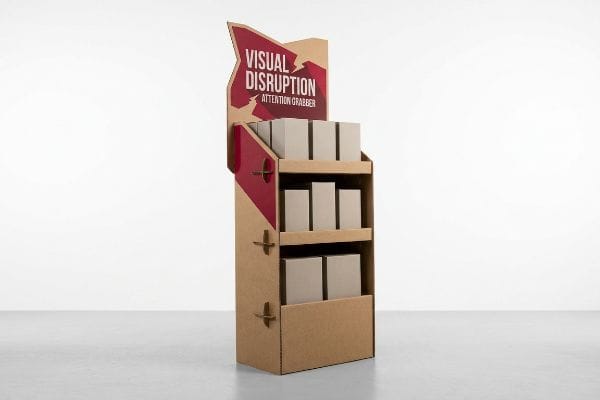
يتطلب تصميم حامل عرض كرتوني لافت للنظر استخدام أشكال هندسية جريئة مقطوعة بدقة وطباعة ألوان موضعية عالية التباين. من خلال كسر النمط المتناظر المعتاد في متاجر التجزئة، تخلق توترًا نفسيًا فوريًا يجذب انتباه المتسوق من مسافة ثلاثة أقدام في ممرات المتاجر الكبيرة المزدحمة.
لم يعد وضع شعار علامة تجارية كبير على سلة مهملات مستطيلة قياسية كافياً لكسر جمود المستهلك الحديث.
إتقان قاعدة التفاعل المكاني
تُراجع معظم فرق التسويق منتجاتها المعروضة للبيع بالتجزئة بدقة متناهية على شاشات الكمبيوتر ذات الإضاءة الخلفية، مع التركيز الشديد على تفاصيل الطباعة. ويتعاملون مع المنتج نفسه كما لو كان إعلانًا في مجلة، فيملؤونه بفقرات مطولة من مزايا المنتج. ويفترضون أنه إذا طُبعت المعلومات بوضوح، فسيتوقف المستهلك تلقائيًا لقراءتها.
تخيّل متجرًا كبيرًا كطريق سريع مزدحم؛ لا أحد يقرأ لوحة إعلانية مفصلة إذا كان يمرّ بها بسرعة. أرى باستمرار علامات تجارية تشحن هذه الصناديق المستطيلة المليئة بالنصوص، ثم يتجاهلها المتسوقون تمامًا. للتخفيف من هذا الإرهاق الذهني، عليك تصميم عناصر هيكلية محددة لمسافات مختلفة. أنت بحاجة إلى عناوين ضخمة غير متماثلة مقطوعة بشكل بارز لجذب الأنظار من مسافة 9.1 متر ، وأرفف مريحة موضوعة بدقة في منطقة الرؤية 1270 مم لتسهيل الوصول إليها، وحافة منخفضة لتسهيل الإمساك بها.
| أخطاء شائعة للمبتدئين | الحل الاحترافي | فوائد أرضية البيع بالتجزئة |
|---|---|---|
| طباعة فقرات نصية كثيفة | استخدام عناوين بارزة مقطوعة بالقالب | يلفت الانتباه من مسافة 30 قدمًا |
| بناء صناديق مربعة تمامًا | إضافة توتر بصري غير متماثل | يُعطّل الرؤية العمياء في الممرات |
| صنع شفاه أمامية ذات قدرة عالية على الاحتفاظ | شفاه متدلية لرؤية بنسبة 85% | يزيد من تحويلات النبضات |
أقوم بإزالة النصوص التسويقية الثانوية بدقة خلال مرحلة الهندسة الإنشائية. إذا لم يُؤثر تصميمك المادي على الممر بصريًا من مسافة بعيدة، فإن النص الصغير على اللوحة الأساسية يصبح غير ذي صلة تمامًا.
🛠️ مكتب هارفي: هل تختفي عروض منتجاتك وسط زحام ممرات متاجر الجملة؟ 👉 اطلب تقييمًا بصريًا شاملاً ↗ — لا استمارات تُسبب مكالمات مبيعات لا تنتهي. قيمة حقيقية فقط.
ما هي الأشياء التي يجب تجنب تخزينها في صناديق الكرتون؟
تتميز المواد المموجة بمتانتها الفائقة، لكنها ليست سحرية. فوضع حمولة غير مناسبة في هيكل مسطح قياسي يضمن كارثة لوجستية جسيمة.
يجب تجنب تخزين أي بضائع ثقيلة وغير متماثلة بشكل مفرط في صناديق كرتونية، حيث قد تتحرك هذه البضائع أثناء النقل. فالأحمال الديناميكية غير المتوازنة تُحدث قوى قص حركية شديدة مباشرة في زوايا الكرتون المموج المطوية، مما يؤدي إلى استنزاف ألياف الورق الهيكلية بشكل دائم، ويتسبب فورًا في انهيار كارثي للجدران الجانبية في ظل ظروف الشحن العادية.
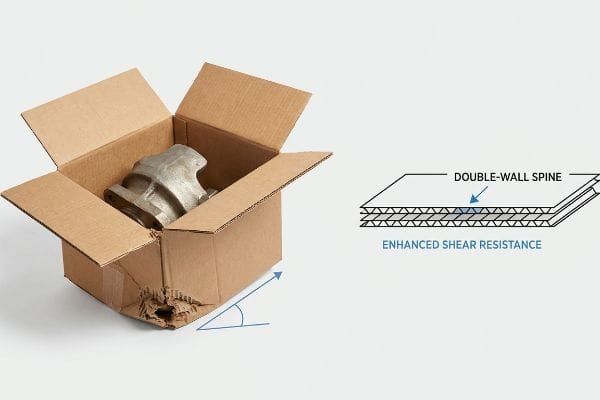
لكن معرفة النظرية لا تكفي عندما تبدأ آلات الاختبار التشخيصي الثقيلة بالعمل في أرضية المصنع.
لماذا تفشل حدود الوزن القياسية في أرضية المصنع؟
تعتمد فرق المشتريات غالبًا على حسابات الأحمال الساكنة الأساسية عند تصميم صواني التوزيع الخاصة بها . فهم يطلعون على ورقة مواصفات المواد النظرية، ويتأكدون من قدرة الكرتون الخام على تحمل وزن ثابت يبلغ 45.3 كيلوغرامًا من المنتج في مكتب مكيف، ثم يوافقون فورًا على بدء الإنتاج بكميات كبيرة. ويفترضون أن الجاذبية الساكنة هي القوة الفيزيائية الوحيدة التي ستواجهها عبواتهم.
هذا ليس مجرد كلام نظري، بل أرى هذا الافتراض نفسه ينهار في مختبري عند محاكاة نقل الشحنات الجزئية (LTL). في منشأتي، عندما يتجاوز وزن الوحدة المعبأة مسبقًا 64.6 كيلوغرامًا (142.5 رطلًا)، لم تعد السقطات الرأسية العادية تشكل الخطر الرئيسي. أجريتُ اختبارات السقوط الدوراني للحواف 3A (وفقًا لمعايير الرابطة الدولية للنقل الآمن)على، وكانت النتائج كارثية. يُحدث الوزن غير المتماثل للمنتج الداخلي تأثير بندول حركي هائل، مما يؤدي إلى تمزيق زوايا اللوح الداخلي بعنف عند نقطة فشل لا تتجاوز 3.5 ملم (0.14 بوصة). قمتُ بقياسات الميكرومتر وأثبتُّ أننا لسنا بحاجة إلى واقيات زوايا بلاستيكية باهظة الثمن؛ كل ما احتجتُ إليه هو تطبيق هيكل مزدوج الجدار رياضيًا وتضييق هامش الخطأ في القطع بالقالب بمقدار 1.2 ملم. من خلال تثبيت مقاومة القص الدوراني هذه بدقة، أضمن انخفاض وقت تجميع التعبئة المشتركة بمقدار 35 ثانية لكل وحدة، مما يمنع تمامًا معدل فشل هيكلي بنسبة 15٪كان من شأنه أن يتسبب في خسائر مالية هائلة للعلامة التجارية.
| أخطاء شائعة للمبتدئين | الحل الاحترافي | فوائد أرضية البيع بالتجزئة |
|---|---|---|
| الثقة في حدود الوزن الثابتة في المختبر | محاكاة قوة القص الحركية13 | يتحمل النقل بالشحنات الجزئية |
| تخزين البضائع الثقيلة غير المتماثلة | العمود الفقري ذو الجدار المزدوج الهندسي14 | يمنع تمزق الزوايا |
| إضافة واقيات بلاستيكية باهظة الثمن | تشديد التفاوتات المسموح بها في القطع بالقالب15 | يقلل من تكاليف المواد الخام |
أرفض رفضاً قاطعاً السماح بالإنتاج الضخم للأحمال الثقيلة غير المتماثلة دون إجراء اختبار قص دوراني ديناميكي أولاً. الاعتماد فقط على مقاييس الألواح المسطحة والثابتة يُعدّ ثغرة لوجستية ستؤدي في النهاية إلى تدمير هوامش ربحكم.
🛠️ مكتب هارفي: هل تعرف مدى تحمل كرتونتك الرئيسية الحالية لقوى القص الحركي عند تعرضها لسقوط الشحنات الدوراني؟ 👉 أرسل لي ملف تصميم القالب ↗ — سأقوم باختبار الحسابات قبل أن تُهدر ميزانيتك على الإنتاج الضخم.
خاتمة
يمكنك البحث عن أرخص المواد الخام في السوق، ولكن عندما يتسبب عدم توازن حمولتك في حدوث عطل كارثي ناتج عن القص الدوراني أثناء نقل البضائع، ستواجه رفضًا فوريًا من تجار التجزئة وتكاليف باهظة. هذه هي ورقة المواصفات الدقيقة التي يستخدمها أفضل 10 عملاء لي في قطاع التجزئة لضمان عدم رفض أي منتج وتنفيذ هيكلي مثالي. توقف عن التخمين بشأن دقة الطي الحرجة، ودعني شخصيًا أراجع ملفاتك من خلال خدمة التدقيق المجاني قبل الطباعة ↗ لتحديد نقاط الضعف الحركية الخطيرة قبل بدء الإنتاج بكميات كبيرة.
"نمذجة مبسطة لمقاومة سحق الحواف للألواح متعددة الطبقات..."، https://pmc.ncbi.nlm.nih.gov/articles/PMC9821909/. تعريف تقني لاختبار مقاومة سحق الحواف (ECT) وكيفية قياسه لقوة الضغط للكرتون المموج. دور الدليل: المواصفات الفنية؛ نوع المصدر: معيار صناعي. يدعم: الممارسة الصناعية لاستخدام اختبار مقاومة سحق الحواف (ECT) لتحديد قدرة تحمل الأحمال. ملاحظة النطاق: خاص بالكرتون المموج الليفي. ↩
[ملف PDF] دراسة تأثير الصناديق الكرتونية المموجة على توزيع الإجهادات، https://www.unitload.vt.edu/content/dam/unitload_vt_edu/graduate-research-and-subpages-pictures-and-docs/thesis-and-dissertations-/Clayton%20-%20ETD%20-%20Investigation%20of%20the%20Effect%20of%20Corrugated%20Boxes%20on%20the%20Distribution%20of%20Compression%20Stresses%20on%20the%20Top%20Surface%20of%20Wooden%20Pallets.pdf. يؤكد مصدر هندسي متخصص أن التوجيه الأفقي للأخاديد يُلغي الحاجة إلى الدعامة العمودية اللازمة لتحمل الأحمال الرأسية. دور الدليل: التحقق الفني. نوع المصدر: دليل في علم المواد. يدعم: الادعاء بأن الألياف الأفقية تفشل تحت تأثير الجاذبية. ملاحظة نطاقية: يشير تحديدًا إلى مقاومة الضغط الرأسي. ↩
«أهم النصائح لتصميم الألسنة والفتحات لتجميع أجزاء الصفائح المعدنية»، https://www.youtube.com/watch?v=DHcrX_ZnByA. توضح الوثائق الفنية المتعلقة بتصميم التغليف الهيكلي سبب فشل التجميع عند استخدام أبعاد متطابقة للألسنة والفتحات، وذلك بسبب اختلاف سماكة المادة. دور الدليل: تناقض فني؛ نوع المصدر: دليل هندسي. يدعم: ضرورة مراعاة التفاوتات في التجميع المادي. ملاحظة النطاق: ينطبق على ركائز الكرتون المموج والكرتون القابل للطي. ↩
"التحليل التحليلي لصلابة الانحناء لخمس طبقات..."، https://pmc.ncbi.nlm.nih.gov/articles/PMC8777652/. توضح الوثائق الفنية المتعلقة بتصميم التغليف الهيكلي ضرورة حساب بدل الانحناء بناءً على سُمك المادة لضمان ملاءمة الأجزاء المتشابكة. دور الدليل: التحقق الفني؛ نوع المصدر: دليل هندسي. يدعم: متطلبات التعويض الرياضي في برامج التصميم بمساعدة الحاسوب (CAD) لسُمك المادة. ملاحظة النطاق: ينطبق تحديدًا على الركائز المموجة. ↩
"تصميم الكرتون المموج - مجموعات جوجل"، https://groups.google.com/g/comp.cad.solidworks/c/bV6mhVT7YiQ. وثائق فنية حول كيفية حساب سماحية الانحناء مع مراعاة سُمك المادة في طي الكرتون. دور الدليل: التحقق الفني؛ نوع المصدر: دليل هندسي. يدعم: منهجية التصميم الهيكلي الاحترافي للكرتون. ملاحظة النطاق: ينطبق على ألواح الكرتون المموجة والقابلة للطي. ↩
"التصميم الأمثل لتغليف الكرتون المموج ذي الجدار المزدوج - PMC"، https://pmc.ncbi.nlm.nih.gov/articles/PMC8950760/. معايير رياضية لضبط خطوط القطع بناءً على سُمك المادة لضمان دقة التركيب. دور الدليل: التحقق الفني؛ نوع المصدر: معيار تصميم صناعي. يدعم: منع تلف المواد أثناء التجميع. ملاحظة النطاق: يركز على الكرتون عالي السُمك. ↩
"كيفية تجميع صندوق نقل بدون شريط لاصق. فيكتوري باكيدجينج... - يوتيوب"، https://www.youtube.com/watch?v=Ni4Q6ljFgYo. إرشادات حول تصميم التفاوتات وفجوات التخليص لإنشاء تقاطعات محكم الاحتكاك تُغني عن استخدام المواد اللاصقة. دور الدليل: التحقق الفني؛ نوع المصدر: دليل هندسة التغليف. يدعم: الادعاء بأن التباعد المحدد يُغني عن استخدام الشريط اللاصق. ملاحظة النطاق: يختلف باختلاف نوع الكرتون. ↩
"تصميم متاجر التجزئة لعرض المنتجات بشكل فعّال وتسهيل حركة العملاء"، https://www.business.qld.gov.au/industries/manufacturing-retail/retail-wholesale/retail-displays. تحليل متخصص حول خطوط الرؤية في متاجر التجزئة والمسافة التي تجذب عندها العناصر الهيكلية انتباه المستهلك في المتاجر الكبيرة. دور الدليل: التحقق؛ نوع المصدر: دليل تصميم متاجر التجزئة. يدعم: فعالية اللافتات الكبيرة في جذب الانتباه من مسافة بعيدة. ملاحظة: يختلف النطاق حسب عرض الممر. ↩
"الوضع النموذجي للمنتجات حسب المنطقة على رفوف البيع بالتجزئة وتأثيره..."، https://www.bpc.works/en/news/typical-product-placement-by-zone-on-the-retail-shelf-and-its-impact-on-packaging-design/. بيانات هندسة العوامل البشرية المتعلقة بـ "منطقة الوصول الأمثل" - الارتفاع المثالي لوضع المنتجات لزيادة تفاعل المستهلك ووصوله إلى أقصى حد. دور الدليل: مواصفات واقعية؛ نوع المصدر: دراسة هندسة العوامل البشرية للمستهلك. يدعم: وضع أرفف مريحة لجذب انتباه المستهلك. ملاحظة النطاق: بناءً على متوسط مدى وصول البالغين. ↩
"تحليل مبسط للقوة الديناميكية لتغليف الكرتون..."، https://pmc.ncbi.nlm.nih.gov/articles/PMC10385285/. التحقق من معايير الصناعة لاختبارات الأحمال الساكنة في عمليات الشراء، وكيفية اختلافها عن اختبارات الأحمال الديناميكية. دور الدليل: التحقق من صحة العملية التقنية؛ نوع المصدر: دليل هندسة التغليف. يدعم: الادعاء بأن الحسابات الساكنة غير كافية. ملاحظة النطاق: خاص بتغليف التوزيع بالتجزئة. ↩
[PDF] ISTA 3A، https://ista.org/docs/3Aoverview.pdf. التحقق من بروتوكولات اختبار معيار ISTA 3A لمحاكاة ظروف شحن البضائع الجزئية (LTL) وتأثيرات الحواف الدورانية. دور الدليل: معيار فني؛ نوع المصدر: جهة اعتماد صناعية. يدعم: صحة منهجية الاختبار الموصوفة. ملاحظة النطاق: ينطبق على عمليات محاكاة النقل العامة للطرود الصغيرة/الشحنات الجزئية (LTL). ↩
"تقدير قوة الضغط لصناديق الكرتون المموج لـ..."، https://pmc.ncbi.nlm.nih.gov/articles/PMC9864211/. بيانات تجريبية أو دراسات حالة تؤكد وجود علاقة بين التوزيع غير المتماثل للأحمال ومعدلات الفشل في عبوات الكرتون المموج أحادي الجدار. دور الدليل: المقارنة المعيارية؛ نوع المصدر: أبحاث لوجستية. يدعم: الادعاء بأن حالات الفشل الهيكلي المحددة شائعة في غياب إجراءات التخفيف. ملاحظة: قد تختلف البيانات باختلاف القطاع الصناعي. ↩
"تقدير قوة الضغط لصناديق الكرتون المموج..."، https://pmc.ncbi.nlm.nih.gov/articles/PMC8467740/. شرح فني لكيفية ضمان سلامة التغليف أثناء الشحن من خلال محاكاة القوى الديناميكية مقارنةً بالاختبارات الثابتة. دور الدليل: التحقق الفني؛ نوع المصدر: دليل هندسي. يدعم: فعالية المحاكاة الحركية. ملاحظة النطاق: ينطبق على ديناميكيات شحن البضائع الجزئية (LTL). ↩
"صلابة الانحناء للكرتون المموج متعدد الطبقات غير المتماثل"، https://bioresources.cnr.ncsu.edu/resources/bending-stiffness-of-unsymmetrical-multilayered-corrugated-board-influence-of-boundary-conditions/. بيانات هندسية توضح كيف تمنع الهياكل ذات الجدران المزدوجة المقواة الانهيار عند دعم توزيعات وزن غير متساوية. دور الدليل: مواصفات فنية؛ نوع المصدر: معيار صناعة التغليف. يدعم: منع انفجار الزوايا. ملاحظة النطاق: خاص بالبضائع الثقيلة. ↩
"ما هو القطع بالقوالب في التغليف؟ دليل للصناديق المقطوعة بالقوالب"، https://gentlever.com/die-cutting-in-packaging/. تحليل لكيفية تقليل القطع الدقيق بالقوالب للحاجة إلى مواد دعم ثانوية وخفض التكلفة. دور الدليل: برهان اقتصادي؛ نوع المصدر: دراسة حالة تصنيعية. يدعم: خفض تكاليف المواد الخام. ملاحظة النطاق: يركز على كفاءة التصنيع. ↩