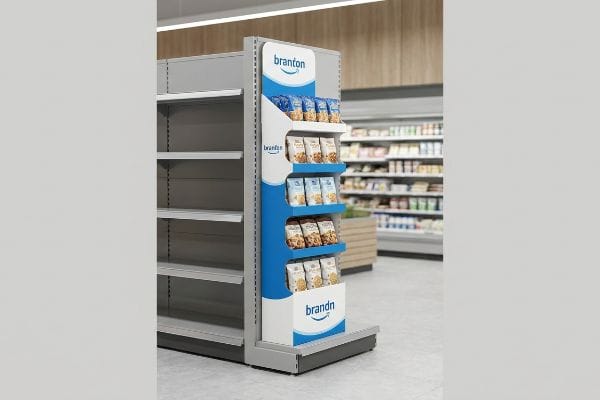
إن إطلاق حملة بيع بالتجزئة دون فهم مزايا عرض الجناح القوي هو طريقة مضمونة لخسارة المبيعات الاندفاعية في ممرات المتاجر الكبيرة المزدحمة.
تشمل مزايا وحدات العرض الجانبية الكهربائية استغلال المساحات الرأسية غير المستخدمة في متاجر التجزئة على أكمل وجه، وتحفيز عمليات الشراء العفوية ذات الهوامش الربحية العالية، وزيادة ظهور العلامة التجارية. تتجاوز هذه الوحدات المدمجة سهلة التركيب ازدحام الرفوف التقليدية، مما يسمح للعلامات التجارية الاستراتيجية بالحصول على مواقع مميزة في نهاية الممرات دون الحاجة إلى دفع تكاليف منصات عرض كبيرة.

لكن إدراك قيمتها ليس سوى الخطوة الأولى؛ إن تصميمها لتتحمل فعلياً الضغط الميكانيكي لأرضية البيع بالتجزئة هو المكان الذي تفشل فيه معظم الحملات.
ما هي شاشة عرض الطاقة؟
قبل حساب عائد الاستثمار (ROI)، تحتاج إلى فهم واضح لماهية هذا الأصل الهيكلي في الواقع المادي.
وحدة عرض باور وينغ هي وحدة عرض صغيرة الحجم تُعلق بسلك، مصممة للتثبيت مباشرة على جانب أرفف العرض القياسية. تُعرف أيضاً باسم "سايد كيكس"، وتستفيد هذه الوحدات متعددة الاستخدامات من مشابك معدنية متخصصة لتحويل مساحات الممرات المهملة فوراً إلى مناطق عرض ثانوية قيّمة وبارزة للمنتجات.
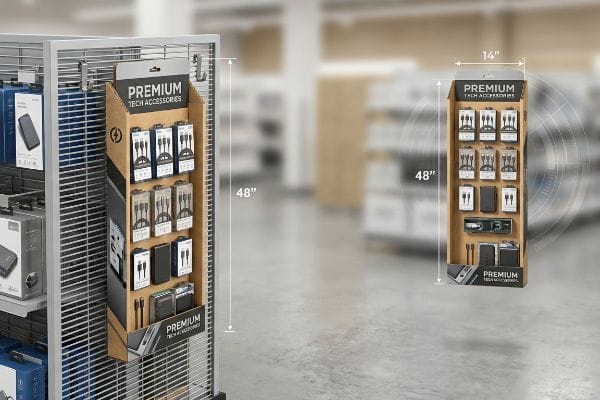
على الرغم من أن المفهوم يبدو بسيطاً للغاية، إلا أن التنفيذ المادي يتطلب التزاماً صارماً بالتصميمات الهندسية القياسية لمتاجر التجزئة الكبيرة.
الآليات الكامنة وراء دمج شاشة Power Wing
يتجاهل معظم مؤسسي العلامات التجارية المنتجات الثانوية، فيقومون بتقليص حجم قوالب عرض المنتجات الموجودة لديهم، ويلصقون خطافات بلاستيكية عادية على اللوحة الخلفية. وينطلقون من افتراض أن أي لوح كرتوني خفيف الوزن سيفي بالغرض على رفوف الأسلاك المعدنية القياسية، طالما أن التصميم الفني يتوافق مع إرشادات العلامة التجارية.
إليكم الحقيقة: عند تجاهل المعيار الصارم رقم 1 لوحدات العرض الجانبية في الولايات المتحدة، والذي يبلغ ارتفاعه 48 بوصة (1219.2 مم) وعرضه 14 بوصة (355.6 مم)، فإنكم تخلقون فوضى لوجستية عارمة في المتجر. حتى المصممون المخضرمون غالبًا ما يبالغون في عرض الوحدة، مما يؤدي إلى إعاقة حركة المرور في الممر الرئيسي. عندما يكافح موظفو المتجر لوضع وحدة عرض جانبية كبيرة الحجم وغير مطابقة للمواصفات على الرف، أسمع صوت تمزق الورق المقوى الخام المزعج عند فتح اللوحة الخلفية الحاملة. تسقط الوحدة، وتتناثر المنتجات، ويقوم مدير المتجر على الفور بإلقاء الوحدة بأكملها في مكبس النفايات. من خلال التصميم الهندسي الدقيق وفقًا للمعيار العالمي 14 بوصة (355.6 مم) واستخدام مشابك معدنية متينة على شكل حرف S، نتخلص من احتكاك التركيب ونضمن تعليق وحدة العرض بشكل عمودي تمامًا. هذه الدقة توفر وقتًا ثمينًا في التعبئة والتغليف المشترك، وتؤمن موقعًا متميزًا لوحدة العرض في الممر.
| أخطاء شائعة للمبتدئين | الحل الاحترافي | فوائد أرضية البيع بالتجزئة |
|---|---|---|
| تصميم عروض عشوائية | حد صارم يبلغ 14 بوصة (355.6 مم)2 | يمنع إعاقة حركة المرور في الممرات |
| باستخدام خطافات بلاستيكية رخيصة | مشابك معدنية شديدة التحمل على شكل حرف S3 | يمنع تمزق اللوحة الخلفية |
| تقليص وحدات الأرضيات | خطوط قطع مخصصة ذات أخاديد دقيقة4 | تركيب سلس للموظف |
لا أترك العملاء يخمنون أبعاد الرفوف الجانبية. إن ربط ملفات التصميم بمساعدة الحاسوب (CAD) بدقة بهندسة رفوف الأسلاك القياسية هو الطريقة الوحيدة لضمان التوافق الشامل عبر آلاف تصميمات المتاجر دون التسبب في رفض فوري عند الاستلام.
🛠️ مكتب هارفي: هل ملفاتك الجانبية مُرتبة بدقة وفقًا لمعايير المتاجر الكبرى؟ 👉 احصل على تدقيق مجاني لملفاتك ↗ — تواصل مباشر مع مكتبي. أضمن لك عدم تلقي أي رسائل تسويقية آلية مزعجة.
ما هي مزايا عرض المنتجات في واجهات المحلات؟
بالإضافة إلى الرفوف المسطحة القياسية، فإن دمج الفراغات الهيكلية الاستراتيجية يمكن أن يغير بشكل جذري كيفية تفاعل المستهلكين فعليًا مع بائع البضائع الخاص بك.
تشمل مزايا واجهات العرض تحسينًا ملحوظًا في الرؤية، وإمكانية رؤية المنتجات من جميع الزوايا، والامتثال التام لمتطلبات متاجر الجملة. وبفضل دمج الفراغات الهيكلية المقطوعة مسبقًا، تحافظ هذه الواجهات على خطوط رؤية واضحة داخل المتجر، وتتيح للمستهلكين التسوق بسلاسة من خلال ممرات متقاطعة متعددة.
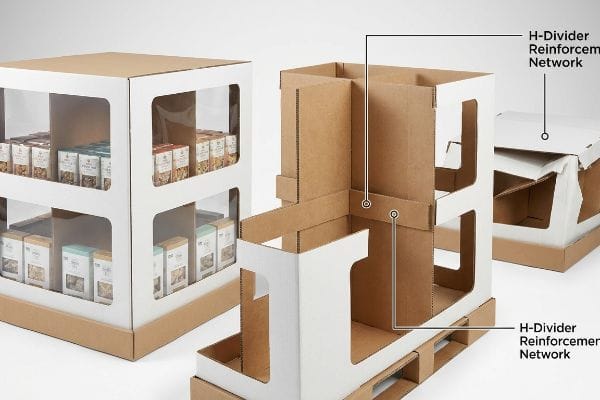
ومع ذلك، فإن إحداث ثقوب كبيرة في هيكل مموج يتحمل الأحمال ينطوي على مخاطر ميكانيكية جسيمة إذا لم يتم تصميمه بدقة مطلقة.
تحقيق التوازن بين الوضوح والضغط في واجهات العرض
تُفضّل فرق التسويق فكرة تصميم المتجر المفتوح لأنه يُعظّم عرض المنتجات من جميع زوايا المتجر. ومن الشائع جدًا أن يقوم المصمم برسم نوافذ مستطيلة ضخمة على الجوانب الأربعة لقاعدة المنصة، مُفترضًا أن الأعمدة الركنية المتبقية ستتحمل تلقائيًا وزن البضائع المعروضة فوقها.
هذا فخ خطير يقع فيه حتى فرق المشتريات ذات الخبرة. عند إزالة هذه الكمية الكبيرة من مادة اختبار سحق الحواف (32ECT) لإنشاء نوافذ عرض، فإنك تُدمر تمامًا قدرة القاعدة على تحمل الأحمال الديناميكية،تبدأ بالانحناء تحت حمولة علوية تزن 226.7 كجم؛ كان بإمكانك أن تشعر بمقاومة ورق الكرافت الخام وهي تنهار قبل أن تنحني الزوايا الهيكلية للخارج وتنكسر بشكل كارثي. ولإصلاح هذا، نستخدم شبكة تقوية داخلية على شكل حرف H.منخلال تحديد مناطق الضغط بدقة وإخفاء الدعامات المموجة ذات الجدار المزدوج خلف الدعامات المتبقية، نستعيد قوة اختبار ضغط الصندوق (BCT) المفقودة. هذا يضمن لك الحفاظ على رؤية 360 درجة دون التعرض لانهيار كبير في القاعدة في مستودع رطب، مما يقلل بشكل كبير من مسؤوليتك عن البضائع التالفة.
| أخطاء شائعة للمبتدئين | الحل الاحترافي | فوائد أرضية البيع بالتجزئة |
|---|---|---|
| قطع الفراغات الكبيرة جدًا | نسب إتمام عمليات الشراء المحسوبة8 | يحافظ على النفاذية البصرية |
| الاعتماد على الزوايا الفارغة | فواصل مخفية على شكل حرف H9 | يمنع السحق الثقيل الناتج عن التحميل العلوي |
| تجاهل تدهور BCT10 | الترقية إلى أعمدة مزدوجة الجدار | يمنع انهيار المستودع |
أنبه العلامات التجارية دائماً إلى أن الظهور المميز في متاجر التجزئة لا يمكن أن يكون على حساب الجوانب الفيزيائية. إذا كنت ترغب في أن تجذب النوافذ الواسعة المقطوعة بشكل متقن المتسوقين، فعليك تعويض النقص في الكثافة الهيكلية بشكل مصطنع من خلال تعزيزات داخلية موجهة.
🛠️ مكتب هارفي: هل تتساءل عما إذا كان تصميم منصة التحميل ذات النوافذ سيتحمل حمولة علوية تبلغ 500 رطل؟ 👉 اطلب فحص سعة الحمولة ↗ — حمّل الملف بأمان. صندوق رسائلي مفتوح إذا كانت لديك أي أسئلة لاحقًا.
ما هي أنواع الشاشات الخمسة؟
يتطلب التنقل في النظام البيئي للبيع بالتجزئة نشر الشكل الهيكلي الصحيح تمامًا لكل منطقة محددة من المتجر.
تتضمن أنواع العرض الرئيسية الخمسة وحدات أرضية، ووحدات عرض على أسطح الطاولات، ووحدات عرض على منصات نقالة، ووحدات تغليف جاهزة للعرض على الرفوف، ووحدات عرض معلقة. كل تصميم هيكلي مميز مُحسَّن رياضيًا لجذب حركة الزوار، وزيادة كثافة المخزون، وتحقيق معدلات تحويل عالية الربحية ضمن مناطق محددة من ممرات البيع بالتجزئة تخضع لرقابة صارمة.

على الرغم من أن معرفة الفئات الخمس أمر بسيط، إلا أن الانتقال السلس لحملة منتج واحدة عبر هذه التنسيقات المختلفة يمثل حقل ألغام لوجستي.
إتقان القيود المكانية عبر أنواع العرض المختلفة
تحاول العديد من شركات التسويق بيع العلامات التجارية حملات قابلة للتوسع بشكل كبير، واعدةً بإمكانية تصغير شاشة عرض أرضية ضخمة (POP) بنسبة 50% لتصبح وحدة عرض على سطح طاولة (POS) . إنهم يتعاملون مع تنسيقات البيع بالتجزئة المادية كما لو كانت صورًا رقمية قابلة لتغيير الحجم على شاشة الكمبيوتر.
تخيل الأمر كمحاولة تركيب محرك شاحنة في سيارة صغيرة؛ فالحسابات المكانية ببساطة لا تنطبق على جميع الأحجام. إذا أخذتَ منصة عرض أرضية مصممة لمنصة قياسية من جمعية مصنعي البقالة (GMA) بأبعاد 48×40 بوصة (1219×1016 مم)،عشوائي لتناسب طاولة الدفع، فإنك بذلك تنتهك بشكل صارخ معايير قانون الأمريكيين ذوي الإعاقة (ADA) الصارمة المتعلقة بمدى الوصول الأمامي، والذي يتراوح بين 15 و48 بوصة (381-1219 مم). لقد رأيتُ مديري متاجر يرفضون فورًا وحدات الدفع غير المتوافقة هذه لأن العملاء لا يستطيعون الوصول إليها بسبب حوافها الكبيرة. بدلًا من اتباع نهج التصغير العشوائي، أفصل مسارات التصميم بشكل دائم. نبني وحدات العرض الأرضية خصيصًا لتحمل أحمال المستودعات المتغيرة، ونصمم وحدات العرض على الطاولة خصيصًا لتوفير وصول مريح وسهل. هذه الدقة في التصميم متعدد الأحجام تقضي تمامًا على أي رسوم إضافية على تجار التجزئة، وتضمن سهولة الوصول إلى منتجك.
| أخطاء شائعة للمبتدئين | الحل الاحترافي | فوائد أرضية البيع بالتجزئة |
|---|---|---|
| تقلص وحدات الأرضيات بنسبة 1:1 | خطوط هندسة CAD منفصلة | يزيل حالات رفض التسجيل |
| تجاهل العوامل المضادة لبيئة العمل | الامتثال لمتطلبات قانون الأمريكيين ذوي الإعاقة (ADA) فيما يتعلق بالوصول الأمامي15 | يضمن سهولة وصول العملاء |
| سوء تقدير حدود البصمة | الالتزام بقواعد منصات التحميل GMA16 | عملية استلام سلسة في المستودع |
أرفض السماح للعملاء باستخدام قالب واحد يناسب جميع أقسام المتجر. إن التعامل مع صينية العرض على سطح الطاولة ومنصة عرض البضائع على المنصات كنظامين ماديين منفصلين تمامًا هو السبيل الوحيد لضمان تطبيق سلس على مستوى الدولة.
🛠️ مكتب هارفي: هل تُخالف وحدات سطح مطبخك، سرًا، لوائح الوصول الصارمة الخاصة بتجار التجزئة؟ 👉 اطلب تقييمك الهيكلي ↗ — لا توجد استمارات تُؤدي إلى مكالمات مبيعات لا نهاية لها. قيمة حقيقية فقط.
لماذا يُعد عرض المنتجات مهماً؟
إن فهم الغرض النهائي من عملية الترويج الخاصة بك يميز بين عملية تنشيط بيع بالتجزئة مربحة وبين عبء تخزين مكلف.
يُعدّ عرض المنتجات أمراً بالغ الأهمية لأنه يُحدّد مسار عملية الشراء الفعلية في بيئة البيع بالتجزئة. فالتصميم الأمثل لعرض المنتجات يُقاطع بشكلٍ فعّال عملية الشراء التلقائية لدى المتسوقين، ويُنظّم المخزون المعقد بصرياً، ويُقلّل بشكلٍ كبير من الجهد الذهني المطلوب لتحفيز عملية شراء فورية ذات هامش ربح عالٍ من على الرف.

إن جعل شاشة العرض تبدو جيدة في مختبر تصميم معزول أمر سهل، ولكن إليك الحقيقة القاسية عندما تقوم بشحن 5000 منها إلى متاجر كبيرة مزدحمة.
لماذا يفشل تجار التجزئة التقليديون في اختبار الواقع 3-3-3
كثيراً ما تصمم فرق التسويق عروض البيع بالتجزئة خصيصاً للعرض عن قربعلى شاشات الكمبيوتر ذات الإضاءة الخلفية. وينطلقون من فرضية أنه إذا كان تصميم العبوة جذاباً من مسافة ذراع، فإن الهيكل المادي سيجذب بطبيعة الحال أعداداً هائلة من الزوار من مختلف أنحاء المتجر.
في منشأتي، أرى باستمرار كيف ينهار هذا الافتراض النظري تمامًا أمام واقع قاعدة التفاعل المكاني 3-3-3 . إذا لم يجذب عرضك الانتباه من مسافة 30 قدمًا، ويتفاعل معه من مسافة 3 أقدام، ويحقق التحويل من مسافة 3 بوصات، فإنه يصبح غير مرئي تمامًا للمستهلك. عندما أقيس منطقة التفاعل المادية لمنتج جانبي قياسي مطبوع بشكل مسطح، فإن غياب القطع ثلاثي الأبعاد يعني أنه يندمج تمامًا مع خلفية المتجر الفوضوية. نعالج هذه المشكلة عن طريق خفض الحافة الأمامية بشكل دقيق لضمان رؤية المنتج بنسبة 85% بالضبط ، ونستبدل تدرجات ألوان CMYK الباهتة (سماوي، أرجواني، أصفر، أبيض) بألوان بانتون مركزة. من خلال تطبيق هذه المعايير البصرية والهيكلية الصارمة، أضمن انخفاض وقت تجميع التغليف المشترك بمقدار 25 ثانية لكل وحدة، وأن منتجك ينجو بالفعل من فترة انتباه المتسوق المشتت التي لا تتجاوز ثلاث ثوانٍ.
| أخطاء شائعة للمبتدئين | الحل الاحترافي | فوائد أرضية البيع بالتجزئة |
|---|---|---|
| تصميم مخصص للتصوير عن قرب فقط | تطبيق قاعدة 3-3-3 الصارمة20 | يجذب حركة المرور من مسافة 30 قدمًا |
| شفاه ذات قدرة عالية على الاحتفاظ | 85% كحد أدنى لظهور المنتج21 | يحفز التحويلات اللمسية السريعة |
| باستخدام ألوان CMYK الباهتة | ألوان بانتون الموضعية تغمر22 | يخترق إضاءة المتجر القاسية |
أتابع هذه المقاييس الخاصة بالتفاعل المباشر مع العملاء بدقة متناهية. إذا لم ينجح مندوب المبيعات في جذب انتباه الزبائن من مسافة ثلاثة أقدام، فلن يكون لجودة الكرتون أو المنتج الموجود بداخله أي قيمة تُذكر.
🛠️ مكتب هارفي: هل يجتاز عرض منتجاتك الحالي اختبار التفاعل السريع في متاجر التجزئة خلال 3 ثوانٍ فقط؟ 👉 أرسل لي ملف تصميمك ↗ — سأقوم بتحليل الحسابات بدقة قبل أن تُهدر ميزانيتك على الإنتاج الضخم.
خاتمة
يمكنك تجاهل تدهور BCT، ولكن عندما تتعرض لوحة 32ECT المعيبة للتلف تحت ضغط تحميل ثقيل في المستودع، سيؤدي ذلك إلى رفض فوري من قِبل بائع التجزئة، مما يقضي تمامًا على هامش ربحك. هذه هي ورقة المواصفات الدقيقة التي يستخدمها أفضل 10 عملاء تجزئة لديّ لضمان عدم رفض أي منتج. توقف عن التخمين بشأن تحمل الأحمال، ودعني شخصيًا أراجع ملفاتك الهيكلية من خلال تدقيق تصميم القوالب المجاني ↗ لاكتشاف أي ثغرات هندسية خطيرة قبل بدء الإنتاج الضخم.
"وحدات عرض جانبية مخصصة من نوع Power Wing"، https://www.creativedisplaysnow.com/display/power-wing-sidekick-displays/. تتحقق معايير عرض المنتجات في قطاع التجزئة من المتطلبات البُعدية المحددة لوحدات العرض الجانبية للحفاظ على سهولة الوصول إليها في الممرات وتوافقها مع تجهيزات العرض. دور الدليل: التحقق الفني؛ نوع المصدر: دليل صناعي؛ يدعم: الأبعاد المادية لوحدات العرض الطرفية في الولايات المتحدة؛ ملاحظة النطاق: ينطبق على بيئات التجزئة الأمريكية القياسية. ↩
"14 نوعًا من عروض البيع بالتجزئة | شيكاغو، إلينوي - ويرثيمر بوكس"، https://wertheimerbox.com/types-of-retail-displays/. تُؤكد معايير عروض البيع بالتجزئة المعتمدة أو إرشادات الشركات المصنعة على حد العرض البالغ 14 بوصة للأجنحة المتحركة لضمان خلو الممرات والامتثال لقانون الأمريكيين ذوي الإعاقة (ADA). دور الدليل: التحقق الفني؛ نوع المصدر: معيار صناعي. يدعم: قيود العرض المادية لمنع إعاقة حركة المرور. ملاحظة النطاق: قد تختلف الحدود المحددة باختلاف بائع التجزئة. ↩
"مشابك باور وينج - ابتكارات التسويق"، https://www.merchandisinginventives.com/Power-Wing-Clips-s/92.htm. بيانات من علم المواد أو مواصفات المنتج تقارن قوة القص لمشابك معدنية على شكل حرف S مقابل خطافات بلاستيكية في منصات العرض المموجة. دور الدليل: التحقق من صحة المواد؛ نوع المصدر: المواصفات الفنية. يدعم: منع تمزق اللوحة الخلفية. ملاحظة النطاق: يركز على السلامة الهيكلية تحت الوزن. ↩
"تغليف ذو تموجات دقيقة | علب كرتون EF N-Flute - نتباك"، https://www.netpak.com/en/packaging-resources/industry-articles/micro-flute-packaging-efn-flute/. وثائق هندسية للتغليف تشرح الخصائص الهيكلية للكرتون المموج ذي التموجات الدقيقة لعرض المنتجات في نقاط البيع الصغيرة. دور الدليل: مواصفات التصنيع؛ نوع المصدر: دليل هندسي. يدعم: استخدام قوالب قطع محددة لتركيب سلس. ملاحظة النطاق: يقتصر على مواد الكرتون المموج. ↩
"أعمدة الزوايا تحمي حمولات متاجر الجملة - ملخص التغليف"، https://www.packagingdigest.com/packaging-design/corner-posts-protect-clubstore-loads. بيانات هندسية فنية حول توزيع الأحمال على حواف المنصات المصنوعة من الكرتون المموج أو البلاستيك للتحقق مما إذا كانت أعمدة الزوايا وحدها قادرة على تحمل وزن البضائع المتغير. دور الدليل: التحقق الفني؛ نوع المصدر: دليل الهندسة الإنشائية أو دليل تصميم التغليف. يدعم: الجدوى الإنشائية لعروض المنصات ذات النوافذ. ملاحظة النطاق: خاص بمواد عرض المنصات. ↩
"تحليل مبسط للقوة الديناميكية لعبوات الكرتون..."، https://pmc.ncbi.nlm.nih.gov/articles/PMC10385285/. يُفصّل مصدر موثوق في مجال التغليف المموج كيفية تقليل الفراغات الهيكلية لقدرة تحمل الأحمال الرأسية. دور الدليل: التحقق الفني؛ نوع المصدر: دليل في علم المواد. يدعم: التأثير الهيكلي لفتحات النوافذ. ملاحظة النطاق: يركز على مواصفات 32ECT. ↩
"التصميم الأمثل لتغليف الكرتون المموج ذي الجدار المزدوج - PMC"، https://pmc.ncbi.nlm.nih.gov/articles/PMC8950760/. تشرح الأدلة الفنية لتصميم عروض الكرتون المموج استخدام الفواصل الداخلية لزيادة قوة الكرتون المموج. دور الدليل: المواصفات الفنية؛ نوع المصدر: دليل هندسة التغليف. يدعم: فعالية الفواصل على شكل حرف H في استعادة الحمولة. ملاحظة النطاق: ممارسة صناعية قياسية لعروض البيع بالتجزئة. ↩
"تصميم متاجر التجزئة لعرض المنتجات بشكل فعّال وتسهيل حركة العملاء"، https://www.business.qld.gov.au/industries/manufacturing-retail/retail-wholesale/retail-displays. شرح موجز لكيفية استخدام معايير الصناعة لتصميم عروض نقاط البيع نسبًا محددة لتحقيق التوازن بين وضوح المنتج وسلامة الهيكل. دور الدليل: المواصفات الفنية؛ نوع المصدر: دليل تصميم متاجر التجزئة. يدعم: استخدام النسب المحسوبة للحفاظ على وضوح الرؤية. ملاحظة النطاق: خاص بتصميم الفراغات الهيكلية في عرض البضائع. ↩
"التصميم الهيكلي لعرض المنتجات في متاجر التجزئة التفاعلية..."، https://www.bcipkg.com/display-structural-design-for-interactive-retail-displays/. شرح موجز لكيفية إعادة توزيع التعزيزات الهيكلية الداخلية على شكل حرف H للضغط الرأسي لمنع الانهيار الهيكلي. دور الدليل: مبدأ هندسي؛ نوع المصدر: دليل هندسة التغليف. يدعم: الادعاء بأن فواصل H تمنع السحق الناتج عن الأحمال العلوية الثقيلة. ملاحظة النطاق: ينطبق على شاشات العرض المصنوعة من الكرتون المموج. ↩
"تقدير قوة ضغط صناديق الكرتون المموج لـ..."، https://pmc.ncbi.nlm.nih.gov/articles/PMC9864211/. شرح موجز لكيفية قياس اختبار ضغط الصندوق (BCT) لفقدان قدرة تحمل الأحمال، وكيف يزيد الجدار المزدوج من حمل الانبعاج الحرج. دور الدليل: مقياس تقني؛ نوع المصدر: بحث في علوم المواد. يدعم: ضرورة وجود دعامات ذات جدار مزدوج لمنع انهيار المستودعات. ملاحظة النطاق: يركز على قوة ألواح الألياف المموجة. ↩
"وحدات عرض كرتونية أرضية لمتاجر التجزئة - DOZPackaging"، https://www.dozpackaging.com/products/retail-stores-floor-cardboard-pop-displays. توفر معايير عرض المنتجات في متاجر التجزئة المواصفات الفنية ومتطلبات وضع وحدات العرض الأرضية في نقاط البيع، مع تفصيل أبعادها الهيكلية. دور الدليل: تعريف فني؛ نوع المصدر: دليل صناعي. يدعم: الشكل الهيكلي المحدد لوحدات العرض الأرضية. ملاحظة النطاق: ينطبق على بيئات البيع بالتجزئة الفعلية. ↩
وحدات عرض على أسطح الطاولات، https://www.lighthousedisplay.com/products/countertop-display-units/. تحدد معايير عرض المنتجات في متاجر التجزئة المتطلبات المكانية والوظيفية لوحدات العرض على أسطح نقاط البيع، مع التركيز على المساحات المحدودة وقيود منطقة الدفع. دور الدليل: تعريف فني؛ نوع المصدر: دليل صناعي. يدعم: الشكل الهيكلي المحدد لوحدات العرض على أسطح الطاولات. ملاحظة النطاق: ينطبق على بيئات البيع بالتجزئة الفعلية. ↩
منصات نقالة "48×40" من جمعية مصنعي البقالة (GMA) | أكبر مصنّع ومورّد لمنصات النقل، https://www.palletone.com/products/gma-pallets/. التحقق من أبعاد منصات النقل القياسية لجمعية مصنعي البقالة (GMA) لضمان الدقة الهيكلية. دور الدليل: التحقق الواقعي؛ نوع المصدر: معيار صناعي. يدعم: مواصفات حجم منصات النقل. ملاحظة النطاق: معيار أمريكا الشمالية. ↩
الفصل الثالث: الأجزاء القابلة للتشغيل - Access-Board.gov، https://www.access-board.gov/ada/guides/chapter-3-operable-parts/. التحقق من معايير إمكانية الوصول وفقًا لقانون الأمريكيين ذوي الإعاقة (ADA) فيما يتعلق بنطاقات الوصول الأمامي لعروض البيع بالتجزئة. دور الدليل: التحقق التنظيمي؛ نوع المصدر: قانون. يدعم: قياسات الامتثال لإمكانية الوصول. ملاحظة النطاق: خاص بإرشادات قانون الأمريكيين ذوي الإعاقة (ADA) في الولايات المتحدة. ↩
"عدادات المبيعات والخدمة - Access-Board.gov"، https://www.access-board.gov/ada/guides/animations/sales-and-service-counters.html. التحقق من إرشادات قانون الأمريكيين ذوي الإعاقة (ADA) فيما يتعلق بحدود الوصول الأمامي لتجهيزات البيع بالتجزئة. دور الدليل: معيار فني؛ نوع المصدر: لائحة حكومية. يدعم: متطلبات إمكانية الوصول لبيئة العمل المريحة للعدادات. ملاحظة النطاق: ينطبق على بيئات البيع بالتجزئة في الولايات المتحدة. ↩
"أنواع عرض المنصات: كاملة، نصف، وربع - GreenDot Packaging"، https://greendotpackaging.com/understanding-pallet-display-types-full-half-and-quarter-pallet-displays/. تأكيد أبعاد منصات جمعية مصنعي البقالة (GMA) كمعيار صناعي للشحن والاستلام في قطاع التجزئة. دور الدليل: معيار صناعي؛ نوع المصدر: دليل لوجستي. يدعم: قيود المساحة والتوافق مع المستودعات. ملاحظة النطاق: المعيار الأساسي للخدمات اللوجستية في أمريكا الشمالية. ↩
"أهمية نماذج العرض في متاجر التجزئة - فرانك ماير"، https://www.frankmayer.com/blog/why-retail-display-prototypes-are-an-important-stage-in-the-manufacturing-process/. يُقدّم مصدر موثوق في مجال تجارة التجزئة أو تجربة المستخدم في المتاجر شرحًا للفجوة بين وضوح التصميم الرقمي ووضوح الرؤية الفعلية داخل المتجر. دور الدليل: تأكيد؛ نوع المصدر: ورقة بحثية أو دليل تصميم. يدعم: الميل إلى تجاهل وضوح الرؤية عن بُعد في المراحل الأولية للتصميم. ملاحظة النطاق: ينطبق على سير العمل التسويقي القياسي للشركات. ↩
"أهمية قاعدة الثلاثة في تصميمات متاجركم المخصصة"، https://mcintyredisplays.com/blog/custom-store-displays/. التحقق من صحة قاعدة 3-3-3 كمنهجية معترف بها في مجال البيع بالتجزئة لتعزيز تفاعل المستهلكين وزيادة المبيعات بناءً على المسافة. دور الدليل: إطار مفاهيمي؛ نوع المصدر: دليل تسويق التجزئة. يدعم: العتبات المحددة للانتباه والتحويل. ملاحظة: قد تختلف المنهجيات باختلاف قطاع التجزئة. ↩
"15 نصيحة لعرض منتجات جذابة في متاجر التجزئة لزيادة المبيعات"، https://wertheimerbox.com/15-tips-for-attractive-retail-product-displays-that-sell-more-products/. التحقق الفني من نسبة وضوح المنتج المثالية فيما يتعلق بارتفاع الحافة الأمامية في عروض نقاط البيع. دور الدليل: المواصفات الفنية؛ نوع المصدر: معيار التصميم الصناعي. يدعم: الادعاء بأن التفاوتات الهيكلية تحدد مستوى الوضوح. ملاحظة: تعتمد الفعالية على أبعاد المنتج. ↩
"قاعدة 80/20 في التسويق - بلومريتش"، https://www.bloomreach.com/en/library/guides/80-20-rule-of-merchandising. شرح لقاعدة 3-3-3 في التسويق البصري فيما يتعلق بجذب العملاء على مسافات محددة. دور الدليل: معيار صناعي؛ نوع المصدر: دليل تصميم متاجر التجزئة. يدعم: فعالية القاعدة في جذب العملاء. ملاحظة: قد تختلف الفعالية بناءً على تصميم المتجر. ↩
"كيفية زيادة معدلات التحويل في متاجر البيع بالتجزئة - برنامج MRI"، https://www.mrisoftware.com/blog/how-to-increase-conversions-in-retail/. تحليل لكيفية ارتباط عتبات رؤية المنتج المحددة بزيادة التفاعل اللمسي ومعدلات التحويل. دور الدليل: مقياس أداء؛ نوع المصدر: دراسة سلوك المستهلك. يدعم: معيار الرؤية بنسبة 85%. ملاحظة النطاق: خاص ببيئات البيع بالتجزئة الفعلية. ↩
ألوان بانتون الموضعية وألوان CMYK في طباعة التغليف - مطبعة مايرز، https://meyers.com/meyers-blog/cmyk-vs-spot-colors-in-packaging-printing-what-cpg-brands-need-to-know/. مقارنة فنية بين ألوان بانتون الموضعية وطباعة CMYK في بيئات إضاءة متاجر التجزئة عالية الوهج. المصدر: مواصفات فنية؛ نوع المصدر: معيار صناعة الطباعة. يدعم: استخدام الألوان الموضعية للتغلب على الإضاءة القوية. ملاحظة: ينطبق على إنتاج الطباعة الاحترافية. ↩