إنّ عرض منتجك الغذائي في متاجر البيع بالتجزئة يُعدّ إنجازاً عظيماً، لكنّ الحفاظ عليه مرئياً وآمناً وسهل الشراء هو بداية التحدي الحقيقي. دعونا نستعرض آليات ذلك.
تُعدّ وحدات عرض المواد الغذائية تجهيزات هيكلية متخصصة مصممة لعرض السلع الاستهلاكية بشكل آمن. وتستخدم هذه الوحدات مواد مموجة عالية المتانة وطلاءات عازلة مقاومة للرطوبة لزيادة وضوح المنتجات، والحفاظ على معايير الصحة والسلامة، وتحسين استخدام مساحة الأرضية، مما يؤدي في النهاية إلى زيادة عمليات الشراء العفوية في بيئات التسوق ذات الحركة الكثيفة.
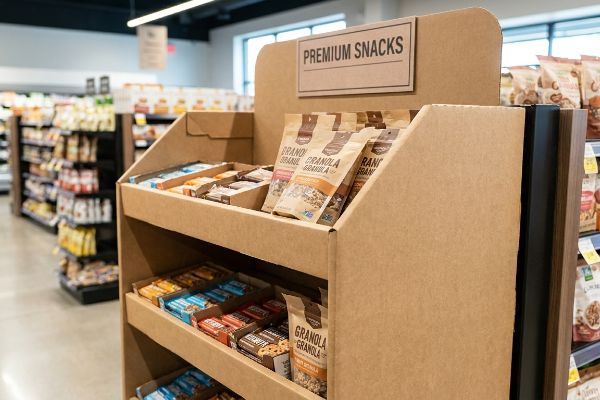
على الرغم من أن المفهوم الأساسي يبدو بسيطاً، إلا أن البقاء على قيد الحياة في النظام البيئي القاسي لممر البقالة يتطلب هندسة دقيقة وتنفيذاً لا تشوبه شائبة.
ممّا تُصنع منصات عرض الطعام؟
إن اختيار المواد يحدد سلامة الغذاء وبقاء الهيكل.
تُصنع منصات عرض الطعام في الغالب من ورق مقوى مموج عالي الجودة، وغالبًا ما تُستخدم فيها بطانات كرافت سميكة لضمان أقصى قدر من المتانة. وتتضمن الوحدات المؤقتة الحديثة طلاءات عازلة متخصصة مائية وخالية من مركبات PFAS لمقاومة الرطوبة والشحوم، مما يضمن الامتثال للمعايير البيئية مع الحفاظ على سلامة الهيكل بشكل كامل في ظل متطلبات حمولة المواد الاستهلاكية الثقيلة.

إن اختيار الورق المناسب ليس سوى نصف المعادلة؛ فالمواد الكيميائية المستخدمة في معالجة هذا الورق هي التي تمنع حدوث كارثة في مجال البيع بالتجزئة.
الكيمياء الخفية للركائز الآمنة غذائياً
الكرتون العادي مسامي للغاية،مما يجعله عرضة للرطوبة الموجودة في محلات البقالة. ويفترض العديد من المشترين أن الأحبار العادية والورنيشات الأساسية كافية لتغليف الوجبات الخفيفة أو المشروبات المغلقة.
تظهر المشكلة عندما يقوم موظفو المتاجر بمسح الأرضيات أو عندما يهاجم تكثف الرطوبة من وحدات التبريد القريبة ألياف الورق الخام. أرى كثيرًا من المصممين المخضرمين يحددون طلاءات البولي القياسية، غير مدركين للوائح الكيميائية الصارمة في صناعة الأغذية. في منشأتي، أُلزم باستخدام طلاءات مائية خالية من مركبات PFAS (مواد البيرفلورو ألكيل والبولي فلورو ألكيل)خصيصًا لتغليف السلع الاستهلاكية سريعة التداول. أتذكر ملمس المقاومة الشمعية والناعمة لحاجز مائي مُصاغ حديثًا عندما اختبرناه مقابل غشاء بولي قياسي. تقشّر الغشاء القياسي وتشقّق تحت الرطوبة العالية، بينما حافظت تركيبتنا المائية على ثباتها، مما أبقى القاعدة صلبة. يضمن هذا التغيير الكيميائي غير المرئي ظاهريًا بقاء العرض في البيئات الرطبة دون انتهاك المتطلبات البيئية، مما ينقذ الحملة في النهاية من الرفض المفاجئ من متاجر التجزئة والحجر الصحي المكلف للمنتجات.
| أخطاء شائعة للمبتدئين | الحل الاحترافي | فوائد أرضية البيع بالتجزئة |
|---|---|---|
| تحديد الطلاءات البوليمرية العامة | استخدام الحواجز المائية الخالية من PFAS3 | يمنع رفض رموز الصحة |
| تجاهل رطوبة الأرضية | إضافة مانع تسرب سفلي بقياس 2 بوصة (50.8 مم)4 | يمنع انهيار الطبقة الدنيا |
| باستخدام ورق اختبار معاد تدويره رقيق | الترقية إلى ورق كرافت بكر5 | يحمل المعلبات الثقيلة بأمان |
أرفض السماح لخطأ كيميائي دقيق بإفساد عملية طرح منتجات ضخمة في متاجر البقالة. إن تحسين التركيب الكيميائي للأسطح يضمن بقاء استثمارك في مجال التسويق فعالاً في ظل ظروف البيع القاسية في المتاجر الكبرى.
🛠️ مكتب هارفي: هل تخالف مواصفات موادك الحالية معايير الامتثال الجديدة لمواد البقالة؟ 👉 اطلب تدقيقًا للمواد ↗ — تواصل مباشر مع مكتبي. أعدك بعدم تلقي أي رسائل تسويقية آلية مزعجة.
لماذا يُعدّ عرض الطعام مهماً؟
إن التركيبات المصممة هندسياً بشكل جيد ليست مجرد رفوف؛ بل هي محرك مبيعات نشط.
يُعدّ عرض المواد الغذائية أمراً بالغ الأهمية لأنه يُغيّر روتين المتسوقين ويُحفّز عمليات الشراء العفوية. ومن خلال تحسين وضع المنتجات، وتعزيز ظهور العلامة التجارية، وتنظيم البضائع ذات الكثافة العالية، تُساهم تجهيزات العرض المُصممة هندسياً في زيادة سرعة البيع بالتجزئة بشكل ملحوظ، وتحويل المساحات غير المُستغلة في الممرات إلى نقاط بيع مُربحة ومُستدامة.
إلى جانب مجرد حمل الصناديق، يجب أن تتوافق هذه الهياكل رياضياً مع سلوك التسوق البشري لتوليد عائد استثمار قابل للقياس.
التصميم لمنطقة إضراب التجزئة
تركز معظم فرق العلامات التجارية بشكل كامل على التصميم الجرافيكي الجذاب، متجاهلةً الهيكل المادي. فهم يفترضون أن صندوقًا كبيرًا وملونًا في نهاية الممر سيجذب انتباه المتسوقين تلقائيًا.
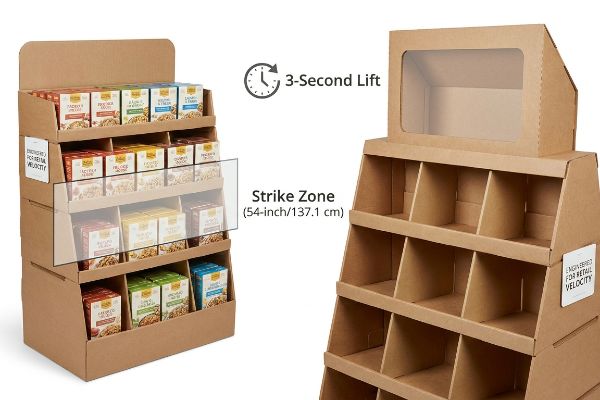
لكن التأثير البصري يعتمد كلياً على الارتفاع المادي. حتى فرق المشتريات ذات الخبرة غالباً ما تدفع منتجاتها الرئيسية إلى الرفوف السفلية لمجرد زيادة سعة العرض الإجمالية. أُذكّر عملائي باستمرار بقاعدة "منطقة الجذب" التي تتراوح بين 127 و137.1 سم. شاهدتُ ذات مرة عرضاً أرضياً مطبوعاً بشكلٍ جميل يفشل فشلاً ذريعاً لأن الوجبات الخفيفة المميزة وُضعت أسفل مستوى نظر المتسوق الطبيعي. من خلال رفع البضائع الأساسية إلى مستوى الرؤية البشرية الحرج، والاعتماد على فاصل داخلي متين على شكل حرف H لتحمّل الوزن المرفوع، نجذب الانتباه خلال "فترة الرفع القصيرة". هذا التعديل الرأسي البسيط يزيد من التفاعل الفوري، مما يُترجم مباشرةً إلى دوران أسرع للمخزون ورضا أكبر لدى المتسوقين.
| أخطاء شائعة للمبتدئين | الحل الاحترافي | فوائد أرضية البيع بالتجزئة |
|---|---|---|
| وضع العناصر الأساسية على الأرض | الرفع إلى منطقة 54 بوصة (137.1 سم)6 | يزيد من معدل التقاط الاندفاع |
| ازدحام التصميم المرئي | خلق نقطة تركيز واضحة | يلفت الانتباه في 3 ثوانٍ7 |
| تجاهل توزيع الأحمال | باستخدام فواصل داخلية مموجة على شكل حرف H8 | يمنع تقوس الرفوف |
أحرص دائماً على تصميم المنتجات بحيث تكون في مستوى نظر المتسوق أولاً، تاركاً تشريح جسم الإنسان يحدد التصميم الهندسي. إذا لم يلحظوا المنتج فوراً، فلن يشتروه.
🛠️ مكتب هارفي: هل منتجك الرئيسي محصور في منطقة رمادية بصرية ضمن هيكلك الحالي؟ 👉 أرسل لي تصميمك ↗ — حمّله بأمان. صندوق رسائلي مفتوح إذا كانت لديك أي أسئلة لاحقًا.
ما هو عرض الأطعمة الطازجة؟
يؤدي تسويق المنتجات الزراعية إلى ظهور متغيرات بيئية قاسية لا تواجهها السلع الجافة أبداً.
وحدة عرض الأطعمة الطازجة هي وحدة عرض متخصصة مصممة لعرض المنتجات سريعة التلف والمخبوزات. تتميز هذه الوحدات بتهوية فائقة، ومقاومة للرطوبة، وسهولة الصيانة، وذلك باستخدام ألسنة قفل مصممة بدقة لمنع أي خلل هيكلي في بيئات متاجر البقالة ذات الرطوبة العالية والمناطق المبردة.
عندما تُدخل الرطوبة المحيطة من المنتجات الطازجة، فإن حسابات التصميم بمساعدة الحاسوب (CAD) النظرية غالباً ما تنهار على أرضية المتجر الفعلية.
البقاء على قيد الحياة في ممر المنتجات الزراعية
يتطلب تصميم المنتجات الطازجة عادةً التعامل مع أنظمة ترطيب المنتجات، وتكثيف التبريد، والتحكم المتغير في المناخ. وتتلف المواصفات القياسية للكرتون المموج بسرعة عند تعرضها لهذه الرطوبة الموضعية .
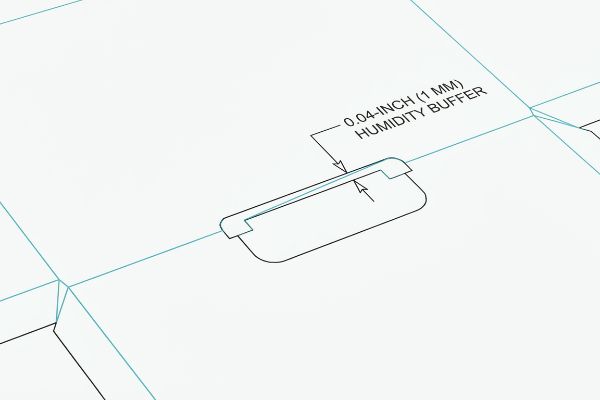
تكمن المشكلة الأكبر قبل وصول المنتج إلى المتجر. فالمصممون، وهم يجلسون في مكاتب مكيفة، يحددون دقة فتحات القوالب بناءً على قياسات دقيقة للورق المقوى الجاف تمامًا. وقد رأيتُ شركات التعبئة والتغليف تُعاني في تجميع هذه الوحدات في مستودعات رطبة خلال فصل الصيف. يمتص الورق الرطوبة من الهواء ويتمدد. ويتحول صوت "الفرقعة" المألوف للسان القفل إلى صوت تمزق مزعج وغير مريح، حيث يُقاوم ورق E-flute المتمدد الفتحة الضيقة. ولحل هذه المشكلة، أقوم تلقائيًا بتصميم حاجز رطوبة بسمك 1 مم (0.04 بوصة) في فتحات استقبال ملفاتنا البارامترية. يضمن هذا التمدد الدقيق عملية تجميع سلسة لشركة التعبئة والتغليف، مما يمنع تمزق الأوراق العلوية ويقلل بشكل كبير من تكاليف العمالة اليدوية حتى قبل تحميل المنتجات الغذائية الطازجة.
| أخطاء شائعة للمبتدئين | الحل الاحترافي | فوائد أرضية البيع بالتجزئة |
|---|---|---|
| فتحات الرسم للألواح الجافة | إضافة حاجز بسمك 0.04 بوصة (1 مم) | يمنع تمزق لسان التجميع |
| مع تجاهل الرطوبة المحيطة | باستخدام حسابات الرطوبة البارامترية | تسريع عملية التعبئة المشتركة في المستودعات |
| فرض روابط وثيقة | أقفال لسان هندسية بدون احتكاك | يقلل من إجهاد يد العامل |
لا أثق أبداً بمخطط جاف لبيئة رطبة. إن تضمين تلك المساحة الصغيرة جداً للتهوية في الملف الهيكلي يوفر ساعات من الإحباط المكلف أثناء التجميع.
🛠️ مكتب هارفي: هل تتعرض معروضاتك للتمزق عند شحنها إلى مستودعات ذات مناخ رطب؟ 👉 احصل على فحص التفاوتات الهيكلية ↗ — لا توجد استمارات تُسبب مكالمات مبيعات لا تنتهي. قيمة حقيقية فقط.
كيفية عرض الطعام للبيع؟
وضع البضائع على الرفوف هو تخزين؛ أما تصميمها لبيعها فيتطلب هندسة بصرية استراتيجية.
لعرض المنتجات الغذائية للبيع بفعالية، يجب استخدام أرفف مائلة وارتفاعات حواف محسوبة بدقة لزيادة مساحة عرض المنتجات. تُقدّم العروض المصممة بشكل صحيح شعار العلامة التجارية الرئيسي مباشرةً للمستهلك، مما يقلل من الظلال المرئية ويزيل أي عوائق مادية لتشجيع عمليات الشراء العفوية بكميات كبيرة وبسهولة.
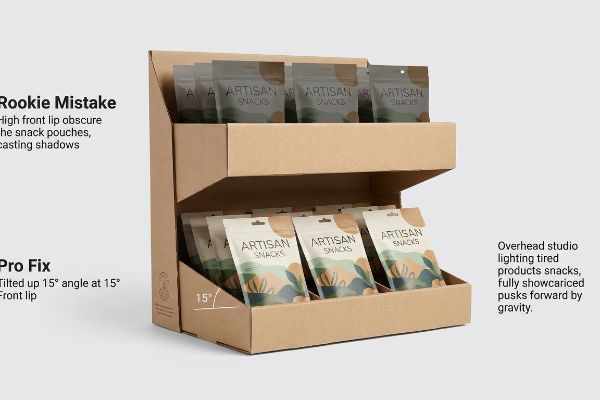
لا يكون تنظيم المنتج فعالاً إلا إذا تمكن المستهلك من التعرف على العلامة التجارية بسهولة من مسافة بعيدة.
هندسة عرض المنتج
تقوم العديد من العلامات التجارية بتصميم رفوف عميقة ومسطحة تُشبه الكهوف المظلمة لمنتجاتها. ورغم أن هذا التصميم يتسع لكمية كبيرة من البضائع، إلا أنه يحجبها تماماً ويجبر المتسوق على البحثعنها.
قد يبدو الرف العميق والمسطح رائعًا على شاشة العرض، لكنه يُشكّل منطقة ظل كبيرة تحت إضاءة المتاجر القوية. حتى فرق التسويق الخبيرة غالبًا ما تطلب حوافًا أمامية مرتفعة لمنع المنتجات من السقوط، وبالتالي إخفاء عبواتها باهظة الثمن. أحرص دائمًا على تطبيق قاعدة "المنتج أولًا"، لضمان أن تُظهر الحافة الأمامية 85% على الأقل من العبوة الأساسية . أتذكر جيدًا انزلاق كيس الوجبات الخفيفة بسلاسة عندما قمنا بتركيب رف مائل بزاوية "Chin-Up"، حيث يميل الجزء السفلي منه للأعلى بزاوية 15 درجة بالضبط . هذه الزاوية، المدعومة بالجاذبية، تدفع المنتج للأمام بشكل طبيعي وتلتقط الضوء العلوي، مما يُزيل الظلال ويضمن بروز شعار العلامة التجارية وسط التشويش البصري، وبالتالي يرفع معدلات تحويل المبيعات بشكل مباشر.
| أخطاء شائعة للمبتدئين | الحل الاحترافي | فوائد أرضية البيع بالتجزئة |
|---|---|---|
| استخدام طبقات ذات قاع مسطح | إمالة الرفوف لأعلى بمقدار 15 درجة14 | يزيل مناطق الظل الداكنة |
| شفاه أمامية طويلة ومقيدة | إبقاء 85% من العبوة مرئية15 | يعزز التعرف على العلامة التجارية |
| إجبار المتسوقين على الحفر | تصاميم زاوية التغذية بالجاذبية16 | يحافظ على المنتجات في وضعها الأمامي تلقائيًا |
أصمم الرفوف لعرض المنتج، لا لإخفائه. فالزاوية المحسوبة بدقة تحوّل صندوق المخزون الراكد إلى أداة تسويقية فعّالة وبارزة.
🛠️ مكتب هارفي: هل يخفي غطاء رأسك الممتلئ التغليف الذي أنفقت آلاف الدولارات على تصميمه؟ 👉 احصل على تحسين ظهورك ↗ — وصول مباشر إلى مكتبي. أعدك بعدم تلقي أي رسائل تسويقية آلية مزعجة.
كيفية عرض طبق الطعام؟
يتطلب عرض المنتجات الكثيفة والعريضة مثل الأطباق أو علب الهدايا التزامًا صارمًا بقوانين الفيزياء المتعلقة بأسطح الطاولات.
لعرض طبق الطعام بأمان، يجب تصميم وحدة عرض عريضة تُوازن قوى الانقلاب الناتجة عن ثقل الجزء العلوي. استخدام قواعد داعمة أو حوامل عرض ممتدة يضمن أقصى قدر من الثبات، مما يحافظ على البضائع العريضة والثقيلة في وضع مستقيم وآمن تمامًا لتفاعل العملاء على منصات الدفع المميزة.
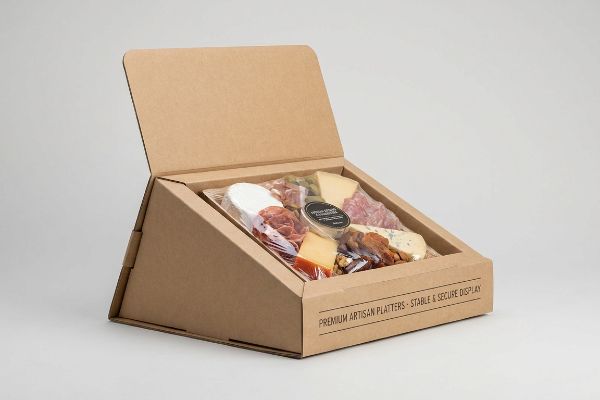
تتطلب الأطباق الثقيلة ذات القيمة العالية هندسة هيكلية متخصصة لمنعها من أن تصبح عبئاً على الصندوق.
إتقان نقطة التحول
صُممت وحدات نقاط البيع القياسية عادةً للمنتجات خفيفة الوزن مثل ألواح الحلوى أو مرطب الشفاه. يؤدي وضع أطباق الطعام العريضة والكثيفة في هذه القوالب العامة إلى الإخلال بمركز ثقلها .
من الأخطاء الشائعة الاعتقاد بأن الصندوق الأعمق يعني بالضرورة ثباتًا أكبر. أرى المشترين يحاولون وضع أطباق العطلات الثقيلة في صواني العرض السريع القياسية ، ليكتشفوا أنها تتأرجح بشكل خطير عند مرور أحد الزبائن. في متجري، أطبق بدقة قاعدة نسبة العمق إلى الارتفاع 2:3 للأغراض الثقيلة.أتذكر أنني ضغطت بيدي بقوة على نموذج أولي محمل، وشعرت بمقاومة الحامل الخلفي الممتد الذي أضفناه لموازنة عزم الدوران الأمامي الشديد. من خلال زيادة مساحة القاعدة حسابيًا واستخدام قاع مخفي لتثبيت الوزنأيقوى انقلاب. هذا يضمن ثبات الوحدة تمامًا عند نقطة الدفع، مما يمنع الانسكابات العرضية ويحمي منطقة الدفع ذات الحركة الكثيفة في المتجر.
| أخطاء شائعة للمبتدئين | الحل الاحترافي | فوائد أرضية البيع بالتجزئة |
|---|---|---|
| باستخدام صواني ضيقة وعامة | تطبيق نسبة عمق إلى ارتفاع تبلغ 2:3 | يمنع الوحدات ذات الوزن الزائد من الانقلاب |
| مع تجاهل عزم الدوران الأمامي | إضافة مسند خلفي ممتد | يؤمن العرض عند الدفع |
| ضع الأشياء الثقيلة بشكل مسطح | تطبيق قاع زائف صلب | يرفع القرص ويثبته |
لن أدع الحسابات الخاطئة تحوّل أطباق الطعام الفاخرة إلى خطر انقلاب. يضمن تثبيت الشكل الهندسي الأساسي أن يلفت منتجك الأنظار دون إحداث فوضى.
🛠️ مكتب هارفي: هل تتأرجح وحدات سطح الطاولة الثقيلة لديك بشكل خطير على طاولة الدفع في المتجر؟ 👉 احصل على حساب ثبات ↗ — حمّل الملف بأمان. صندوق بريدي مفتوح إذا كانت لديك أي أسئلة لاحقًا.
ما هو عداد عرض الطعام؟
يتطلب الانتقال من الطابق الرئيسي إلى منطقة الدفع اجتياز حقل ألغام من القيود القانونية واللوجستية.
يُعدّ ركن عرض الطعام منطقةً متخصصةً لعرض المنتجات عند نقاط البيع، ويقع في ممرات الدفع لدى المتاجر. صُممت هذه الوحدات المدمجة بدقةٍ متناهيةٍ لتتوافق مع لوائح سهولة الوصول المادية، مع الحرص على زيادة المبيعات الفورية لكل بوصة مربعة في أكثر مناطق المتجر ازدحامًا.
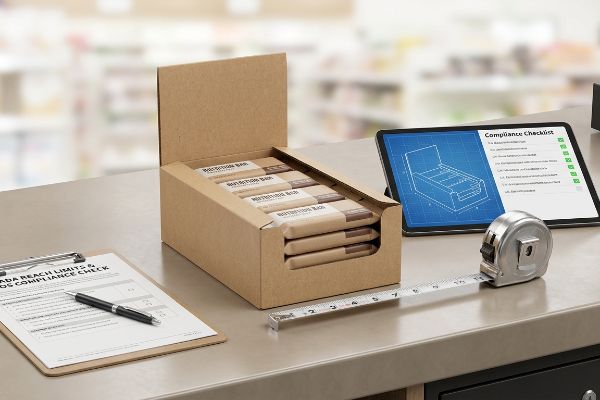
لكن معرفة النظرية لا تكفي عندما يقوم مدير المتجر بإخراج شريط قياس عند صندوق الدفع.
لماذا تفشل تقنية "التقليص ليناسب" عند الدفع؟
كثيراً ما تروج شركات التجارة لتصميم "قابل للتطوير" حيث يمكن ببساطة تقليص مساحة وحدة عرض كبيرة بنسبة 50% لتصبح بمثابة منصة عرض. وهذا يتجاهل تماماً القواعد القانونية والمكانية الصارمة التي تحكم هاتين المنطقتينالمنفصلتين.
يُعدّ تثبيت شاشة عرض واحدة في المختبر أمرًا سهلاً، لكن إليك الحقيقة المُرّة عند شحن 500 شاشة. في منشأتي، أرى باستمرار عملاءً يحاولون دمج نماذجهم اللوجستية، مُفترضين أن تصميم منصة نقالة مُصغّرة من جمعية مُصنّعي البقالة (GMA) يُناسب تمامًا طاولة الدفع. عندما أقيس مدى الوصول الأمامي المطلوب وفقًا لقانون الأمريكيين ذوي الإعاقة (ADA) من 15 إلى 48 بوصة (38.1-121.9 سم)خصيصًا لتتوافق مع حدود الوصول الرأسي بدلاً من اختبارات ضغط الأرضيات. من خلال الفصل الدائم لهذه المقاييس، أضمن اجتياز الحسابات الهيكلية لعمليات تدقيق تجار التجزئة فورًا، مما يُوفّر على العملاء آلاف الدولارات من عمليات رد الأموال المُحتملة من المديرين الذين يرفضون وحدات التسجيل غير المُطابقة.
| أخطاء شائعة للمبتدئين | الحل الاحترافي | فوائد أرضية البيع بالتجزئة |
|---|---|---|
| تقليص عرض أرضي | إنشاء خط قطع منفصل لنقاط البيع23 | يمنع حدوث تعارضات في مساحة الدفع |
| تجاهل حدود الوصول | الربط بالامتثال لقانون الأمريكيين ذوي الإعاقة (ADA) الرياضيات24 | يتجنب رفض تجار التجزئة |
| حدود عداد التخمين | باستخدام مربعات إحاطة مكانية صلبة | يضمن وضعًا مميزًا في سجل المبيعات |
لا أتعامل مع وحدة العرض على المنضدة على أنها مجرد صندوق أرضي صغير. إن التصميم الهندسي وفقًا لمعايير التاجر الصارمة هو السبيل الوحيد للبقاء في منطقة الدفع.
🛠️ مكتب هارفي: لا تدع عيبًا هيكليًا بحجم 2 مليمتر يُفسد إطلاقًا ضخمًا لـ 500 متجر. 👉 أرسل لي ملف تصميم القالب ↗ — سأُجري اختبارات دقيقة للحسابات قبل أن تُهدر ميزانيتك على الإنتاج الضخم.
خاتمة
يمكنك اختيار مورد أرخص، ولكن عندما تتجاوز هندسة نقاط البيع غير المُعايرة حدود وصول المتجر أو تتشوه في بيئة رطبة، ينتج عن ذلك تشوه هيكلي خطير يؤدي إلى رفض فوري من قِبل بائع التجزئة وأسابيع من إعادة العمل اليدوي المكلف. يستخدم أكثر من 500 مدير علامة تجارية قائمة التحقق الخاصة بي قبل الطباعة لتجنب هذه الأخطاء القاتلة في المراحل المبكرة. توقف عن التخمين بشأن التفاوتات الهيكلية ودعني شخصيًا أقوم بمراجعة ملفات مشروعك من خلال تدقيق خطوط القطع المجاني ↗ لاكتشاف نقاط الاحتكاك الكارثية قبل الإطلاق.
"كيف تؤثر الرطوبة على الصناديق الكرتونية المموجة"، https://www.flexp.com/blog/humidity-affects-corrugated-boxes/. [يمكن التحقق من طبيعة ألياف السليلوز الماصة للرطوبة في الكرتون غير المعالج من خلال دليل في علم المواد أو دليل هندسة التغليف]. دور الدليل: التحقق الفني؛ نوع المصدر: مرجع في علم المواد. يدعم: قابلية المادة للتأثر بالرطوبة. ملاحظة النطاق: ينطبق على الركائز الكرتونية المموجة غير المطلية. ↩
"مبتكرو الطلاءات الحاجزة يوازنون بين الأداء وإمكانية إعادة التدوير..."، https://www.packaginginsights.com/news/basf-flint-qwarzo-recyclable-barrier-coatings.html. [تؤكد الوثائق الفنية الصادرة عن مهندسي التغليف أو هيئات سلامة الأغذية فعالية واعتماد الطلاءات الحاجزة المائية الخالية من مركبات PFAS في مواد التلامس مع الأغذية]. دور الدليل: المواصفات الفنية؛ نوع المصدر: معيار صناعي/ورقة بحثية فنية. يدعم: استخدام الطلاءات الحاجزة الآمنة لمنتجات السلع الاستهلاكية سريعة التداول. ملاحظة النطاق: يركز على مقاومة الرطوبة والشحوم. ↩
سوق طلاءات تغليف الأغذية المائية الخالية من مركبات PFAS، https://www.futuremarketinsights.com/reports/pfas-free-aqueous-food-packaging-coatings-market. [يؤكد مصدر موثوق في مجال مواد تغليف الأغذية أن الحواجز المائية تحل محل مركبات PFAS لتلبية معايير السلامة الصحية وتجنب الرفض من الجهات التنظيمية]. دور الدليل: المواصفات الفنية؛ نوع المصدر: دليل إرشادي تنظيمي. يدعم: الانتقال إلى الطلاءات غير السامة. ملاحظة النطاق: يركز على انتقال المواد الكيميائية وقوانين الصحة. ↩
[ملف PDF] إرشادات التحكم بالرطوبة لتصميم المباني وإنشائها... - وكالة حماية البيئة الأمريكية، https://www.epa.gov/sites/default/files/2014-08/documents/moisture-control.pdf. [تحدد الأدلة الهندسية الفنية للتغليف المموج الحد الأدنى لارتفاع اللحام المطلوب لمنع تأثير الخاصية الشعرية للرطوبة من الإضرار بالسلامة الهيكلية]. دور الدليل: مقياس هيكلي؛ نوع المصدر: دليل فني. يدعم: منع انهيار الطبقة السفلية. ملاحظة النطاق: ينطبق على أسطح التلامس مع الأرضيات. ↩
"تغليف المواد الغذائية من الورق المعاد تدويره: الجوانب الكيميائية والفيزيائية والبصرية..."، https://pmc.ncbi.nlm.nih.gov/articles/PMC9576889/. [تُظهر دراسات مقارنة المواد أن ألياف الكرافت البكر توفر قوة تحمل أعلى بكثير ومقاومة ضغط أعلى من ألياف الاختبار المعاد تدويرها للأحمال الثقيلة]. دور الدليل: مقارنة المواد؛ نوع المصدر: ورقة بحثية صناعية. يدعم: سلامة السلع المعلبة الثقيلة. ملاحظة النطاق: يعتمد على درجة الورق المقوى ونوع التموج. ↩
"إرشادات لمحلات البقالة بالتجزئة - بيئة العمل المريحة لـ..."، https://www.osha.gov/sites/default/files/publications/OSHA3192.pdf. [يُمكن لمصدر موثوق في مجال تجارة التجزئة التحقق من الارتفاع الأمثل لمنطقة عرض المنتجات لضمان أقصى قدر من الرؤية والوصول]. دور الدليل: التحقق الفني؛ نوع المصدر: معيار صناعي. يدعم: الارتفاع الأمثل لوضع المنتجات. ملاحظة النطاق: خاص بمستوى نظر البالغين المتوسط. ↩
"لماذا تتضاءل فترات انتباهنا، مع الدكتورة غلوريا مارك؟"، https://www.apa.org/news/podcasts/speaking-of-psychology/attention-spans. [تدعم الأبحاث في علم نفس المستهلك أو التسويق العصبي الادعاء بأن النقاط البصرية المحورية يجب أن تجذب انتباه المتسوق خلال فترة زمنية قصيرة جدًا]. دور الدليل: مقياس تجريبي؛ نوع المصدر: دراسة أكاديمية. يدعم: توقيت جذب الانتباه البصري. ملاحظة النطاق: قد يختلف باختلاف فئة المنتج. ↩
"كيفية تجنب ترهل الرفوف - شركة برانشينج آوت وود"، https://www.branchingoutwood.com/blog/avoid-sagging-shelves. [ستوضح الوثائق الفنية المتعلقة بهندسة التغليف كيفية توزيع فواصل H للحمل الرأسي لمنع الانهيار الهيكلي للرفوف]. دور الدليل: التحقق الهيكلي؛ نوع المصدر: دليل هندسي. يدعم: منع تقوس الرف. ملاحظة نطاق العمل: تعتمد الفعالية على وزن المادة. ↩
"الحفاظ على متانة الكرتون المموج في ظل الرطوبة العالية..."، https://www.sciencedirect.com/science/article/abs/pii/S0266353810003192. [يؤكد مصدر هندسي متخصص في التغليف أن ألواح الألياف المموجة القياسية تعاني من فقدان كبير في قوة الضغط وانهيار هيكلي عند تعرضها للرطوبة العالية]. دور الدليل: التحقق من فشل المادة؛ نوع المصدر: دليل هندسي. يدعم: عدم كفاية الكرتون المموج القياسي لمناطق حفظ الأطعمة الطازجة. ملاحظة النطاق: ينطبق على المواد المموجة غير المقاومة للرطوبة. ↩
[ملف PDF] مواصفات الورق المقوى المموج - الأرشيف الوطني، https://www.archives.gov/files/preservation/storage/pdf/corrugated-board.pdf. [تحدد معايير التغليف الفنية للورق المقوى المموج تعديلات التفاوتات اللازمة للتعويض عن التمدد الناتج عن الرطوبة في البيئات عالية الرطوبة]. دور الدليل: التحقق الفني؛ نوع المصدر: دليل هندسة التغليف؛ يدعم: التفاوتات الدقيقة القياسية في الصناعة لمخازن الرطوبة؛ ملاحظة النطاق: خاص بالورق المقوى المموج من النوع E. ↩
"التسويق البصري وأجواء المتجر: مراجعة متكاملة..."، https://www.sciencedirect.com/science/article/pii/S0148296322006233. [يُمكن لمصدر موثوق في تصميم متاجر التجزئة أو علم نفس المستهلك أن يُبيّن كيف تُؤدي الرفوف العميقة غير المائلة إلى حجب الرؤية وتكوين حواجز مادية تُقلل من احتمالية الشراء]. دور الدليل: داعم؛ نوع المصدر: ورقة بحثية متخصصة أو كتاب في مجال التسويق. يدعم: التأثير السلبي للصواني المسطحة العميقة على سهولة الوصول إلى المنتجات. ملاحظة النطاق: ينطبق بشكل أساسي على بيئات متاجر بيع المواد الغذائية بالتجزئة التي تُشجع على الشراء الاندفاعي. ↩
"تنفيذ العرض المرئي: كيف يضمن تجار التجزئة..."، https://www.gopazo.com/blog/visual-merchandising-execution. [تحدد معايير الصناعة للعرض المرئي الحد الأدنى لمساحة السطح المرئي للعبوة المطلوبة للحفاظ على هوية العلامة التجارية وتفاعل المستهلك]. دور الدليل: المواصفات الفنية؛ نوع المصدر: دليل تصميم متاجر التجزئة. يدعم: مقاييس الرؤية. ملاحظة النطاق: قد تختلف المعايير المرجعية حسب فئة المنتج. ↩
"14 نوعًا من عروض البيع بالتجزئة | شيكاغو، إلينوي - ويرثيمر بوكس"، https://wertheimerbox.com/types-of-retail-displays/. [أظهرت دراسات حول هندسة الرفوف والرؤية المريحة أن زوايا ميل محددة تُحسّن عرض المنتجات وتقلل الظلال البصرية]. دور الدليل: المواصفات الفنية؛ نوع المصدر: أبحاث التسويق. يدعم: فعالية الرفوف المائلة. ملاحظة النطاق: خاص بوضع الرفوف في المستويات السفلية. ↩
"مستقبل رؤية المنتجات على الرفوف: كيف يُسهم علم تجارة التجزئة والتقنيات الناشئة..."، https://www.inuru.com/post/shelf-visibility-future-retail-2030. [تُظهر معايير عرض المنتجات في متاجر التجزئة أن ميلًا بزاوية 15 درجة يُحسّن خط الرؤية ويُقلل من مناطق الظل للمنتجات في الرفوف السفلية]. دور الدليل: مواصفات فنية؛ نوع المصدر: دليل صناعة التجزئة. يدعم: تحسين ميل الرفوف. ملاحظة النطاق: مُخصصة تحديدًا للرفوف السفلية. ↩
"رفع مستوى العلامة التجارية مقابل الوعي بالعلامة التجارية مقابل التعرف على العلامة التجارية: دليل"، https://happydemics.com/blog/en/brand-lift-vs-brand-awareness-vs-brand-recognition-key-differences-and-how-to-measure-each/. [تشير أبحاث علم نفس المستهلك حول البحث البصري إلى أن عتبات الرؤية التي تبلغ حوالي 85% من العبوة تُعدّ بالغة الأهمية للتعرف السريع على العلامة التجارية]. دور الدليل: مقياس كمي؛ نوع المصدر: دراسة سلوك المستهلك. يدعم: تعظيم التعرف على العلامة التجارية. ملاحظة النطاق: ينطبق على عبوات السلع الاستهلاكية سريعة التداول القياسية. ↩
"رفوف عرض تعمل بالجاذبية | خدمات ميدويست للتجزئة"، https://www.midwestretailservices.com/gravity_feed_display_shelving.html. [تشرح مبادئ التصميم الصناعي لأنظمة التغذية بالجاذبية كيفية استخدام زوايا الميل المحسوبة للجاذبية للحفاظ على عرض المنتجات بشكل تلقائي في واجهة المتجر]. دور الدليل: التصميم الفني؛ نوع المصدر: دليل التصميم الصناعي. يدعم: عرض المنتجات بشكل آلي. ملاحظة النطاق: يعتمد على احتكاك المنتج ووزنه. ↩
"كم تبلغ تكلفة تجميع شاشات العرض في نقاط البيع؟"، https://www.industrialpackaging.com/blog/point-of-purchase-display-cost. [تحدد معايير تصميم وتجهيزات عرض المنتجات في متاجر التجزئة حدود الوزن والحجم المسموح بها لوحدات نقاط البيع العامة]. دور الدليل: مرجع أساسي في الصناعة؛ نوع المصدر: مواصفات تجارية. يدعم: الادعاء بأن الوحدات القياسية غير مناسبة للبضائع الثقيلة. ملاحظة النطاق: يشير إلى قوالب نقاط البيع الشائعة في متاجر التجزئة. ↩
"PLTW IED 5.7 – أمثلة على قوة الانقلاب – يوتيوب"، https://www.youtube.com/watch?v=XbXJa6Yv9pQ. [تشرح المبادئ الأساسية لعلم السكون ومركز الكتلة كيف أن زيادة ارتفاع أو عرض الحمل بالنسبة لقاعدته تزيد من خطر الانقلاب]. دور الدليل: التحقق الفني؛ نوع المصدر: كتاب فيزياء. يدعم: الضرورة الهندسية للوحدات ذات القاعدة العريضة. ملاحظة النطاق: تطبيق عام للميكانيكا الكلاسيكية. ↩
"كيفية اختيار ارتفاع عرض منتجاتك في متاجر التجزئة؟"، https://popdisplay.me/how-to-choose-your-retail-display-height/. [يُحدد دليل فني في مجال تجارة التجزئة أو الهندسة الإنشائية النسب المثالية بين العمق والارتفاع لمنع الانقلاب. دور الدليل: التحقق الفني؛ نوع المصدر: دليل هندسي. يدعم: النسبة المحددة لتحقيق الاستقرار. ملاحظة النطاق: خاص بعروض أسطح الطاولات.] ↩
"7 أخطاء شائعة في تصميم شاشات العرض في نقاط البيع بالتجزئة - بينيت باكيدجينج"، https://bpkc.com/blogs/blog/7-common-mistakes-with-pop-retail-displays. [تُظهر مبادئ الفيزياء وتصميم المنتجات أن خفض مركز الثقل باستخدام أوزان القاعدة يمنع الانقلاب. دور الدليل: شرح تقني؛ نوع المصدر: دليل تصميم المنتجات. يدعم: استخدام قيعان وهمية لتحقيق الثبات. ملاحظة النطاق: يتعلق بوضع الثقل.] ↩
معايير إمكانية الوصول وفقًا لقانون الأمريكيين ذوي الإعاقة (ADA) - Access-Board.gov، https://www.access-board.gov/ada/. [تُحدد المصادر الموثوقة بشأن إمكانية الوصول في متاجر التجزئة، مثل معايير قانون الأمريكيين ذوي الإعاقة، متطلبات محددة للمسافة والارتفاع لمناطق الدفع تختلف عن لوائح عرض المنتجات العامة]. دور الدليل: التحقق الفني؛ نوع المصدر: إرشادات تنظيمية. يدعم: الادعاء بأن عروض المنتجات على الأرضيات والعدادات تخضع لقيود قانونية مختلفة. ملاحظة النطاق: يتعلق الأمر بشكل أساسي بقوانين إمكانية الوصول والسلامة. ↩
معايير قانون الأمريكيين ذوي الإعاقة للتصميم المُيسّر، الباب الثالث، اللائحة 28 CFR...، https://www.ada.gov/law-and-regs/design-standards/1991-design-standards/. [تُحدد معايير قانون الأمريكيين ذوي الإعاقة للتصميم المُيسّر نطاقات القياس الرسمية للوصول الأمامي غير المُعاق لضمان سهولة الوصول للأفراد ذوي الإعاقة]. دور الدليل: مواصفات فنية؛ نوع المصدر: معيار تنظيمي. يدعم: متطلبات الارتفاع القانونية لسهولة الوصول إلى عروض البيع بالتجزئة. ملاحظة النطاق: ينطبق تحديدًا على الوصول الأمامي غير المُعاق. ↩
قوالب صناديق عرض مجانية - تنزيل قوالب قطع قابلة للطباعة - باكدورا، https://www.pacdora.com/dielines/display-box-dielines. [تتطلب معايير الصناعة لتصنيع نقاط البيع قوالب قطع محددة لضمان أن تؤدي عمليات القطع المسطحة إلى شكل ثلاثي الأبعاد يتناسب مع مساحات البيع بالتجزئة المحددة]. دور الدليل: المواصفات الفنية؛ نوع المصدر: دليل التصميم الصناعي. يدعم: استخدام قوالب قطع منفصلة لمنع تعارضات مساحة الدفع. ملاحظة النطاق: يشير إلى مرحلة التخطيط الهيكلي لإنتاج العرض.] ↩
الفصل التاسع: العناصر المدمجة - Access-Board.gov، https://www.access-board.gov/ada/chapter/ch09/. [يحدد قانون الأمريكيين ذوي الإعاقة (ADA) أقصى ارتفاعات ونطاقات وصول دقيقة لمنصات الخدمة لضمان سهولة الوصول للأفراد ذوي الإعاقة]. دور الدليل: متطلب قانوني؛ نوع المصدر: لائحة حكومية. يدعم: الادعاء بأن الالتزام بهذه القياسات يمنع رفض بائع التجزئة. ملاحظة النطاق: ينطبق تحديدًا على قوانين إمكانية الوصول في الولايات المتحدة.] ↩