تقضي شهورًا في تطوير منتجك، لتجده في النهاية مدفونًا على رفٍّ فوضوي. إذا استغرق الأمر من البائعين عشر دقائق لترتيب منتجاتك، فأنت الخاسر.
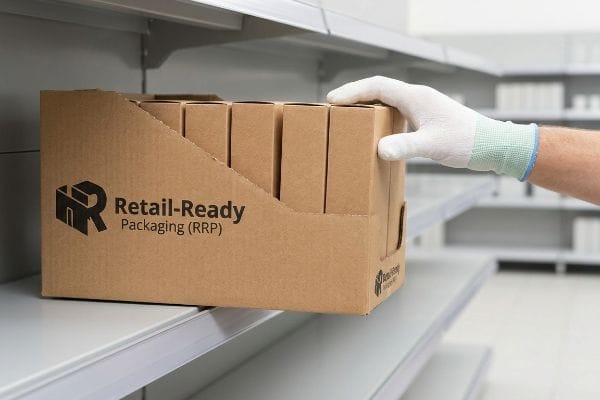
نظام التغليف الجاهز للبيع بالتجزئة (RRP) هو نظام تغليف ثانوي مبسط مصمم لنقل المنتجات مباشرة من سلسلة التوريد إلى رفوف المتاجر دون الحاجة إلى تفريغها يدويًا. تضمن هذه الاستراتيجية الهيكلية سرعة التخزين، ووضوح العلامة التجارية، وتقليل أخطاء المناولة إلى أدنى حد في بيئات العمل التجارية سريعة الوتيرة.
دعونا نحلل بالتفصيل كيف تحوّل الهندسة الإنشائية صندوق شحن بسيط إلى محرك مبيعات صامت في صالة البيع بالتجزئة.
لماذا تعتبر التعبئة والتغليف مهمة في قطاع التجزئة؟
المنتج الرائع الموجود داخل علبة متضررة هو منتج فاشل. يُقيّم المتسوقون الجودة في ثوانٍ، والعلب الخارجية التالفة تُدمر ثقة العلامة التجارية فوراً.
تُعدّ العبوات في قطاع التجزئة بمثابة خط الدفاع الأول والوسيلة التسويقية الرئيسية للسلع الاستهلاكية. فهي تحمي المنتجات من التلف اللوجستي، وتُعبّر عن القيم الأساسية للعلامة التجارية، وتُحدّد مدى سرعة تعرّف المتسوق على المنتج واختياره له بدلاً من المنتجات المنافسة.
لكن تصميم علبة تبدو جيدة على شاشة الكمبيوتر لا يعني شيئاً إذا لم تتمكن من الصمود في الرحلة المادية إلى الممر.
رحلة الخمسين لمسة إلى رفوف البيع بالتجزئة
تركز معظم فرق العلامات التجارية بشكل كامل على التصميم الجرافيكي ومطابقة ألوان بانتون عند تطوير عبواتها الخارجية. ويفترضون أن عملية نقل المنتج من شركة التعبئة والتغليف إلى متاجر التجزئة الكبرى عملية سلسة وآلية. أما السلامة الهيكلية، فغالباً ما تُهمل، وتُعتمد على قالب جدار واحد قياسي لتوفير تكاليف الموادالأولية.
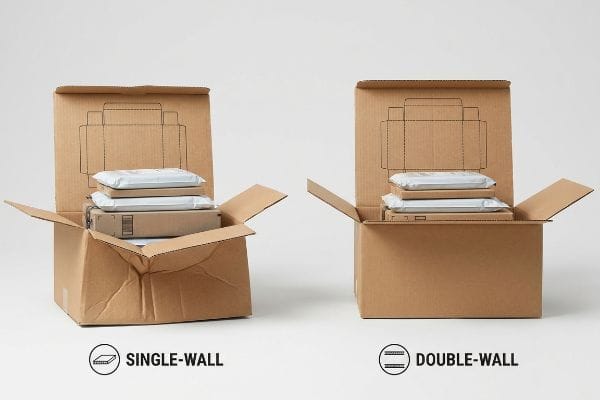
كثيرًا ما أرى علامات تجارية ناشئة في مجال السلع الاستهلاكية المعبأة ترسل لي تصاميم جذابة، لكنها لا تتوافق مع قاعدة "الخمسين لمسة" التي أطبقها. ففي دورة التوزيع العادية، يتم التعامل مع صندوق البيع بالتجزئة، أو إسقاطه، أو دفعه، 50 مرة على الأقلقبل أن يراه العميل. في الشهر الماضي، أحضر لي أحد العملاء تصميمًا فاخرًا بجدار واحد، بدا رائعًا في قاعة الاجتماعات. ولكن عندما أجريت عليه محاكاة نقل بسيطة، أثبت صوت الطقطقة المزعج والمقزز للهيكل المموج تحت حمولة 18.1 كيلوغرامًا أنه لن يصمد في المستودع. قمنا على الفور بترقية القاعدة إلى هيكل مموج مزدوج الجدار. هذا التعديل الفيزيائي البسيط منع انبعاج القاعدة، مما أدى إلى تجنب رفض تجار التجزئة للمنتجات، ووفر لهم ما يقدر بنحو 20% من تكاليف استرداد قيمة المخزونالتالف.
| أخطاء شائعة للمبتدئين | الحل الاحترافي | فوائد أرضية البيع بالتجزئة |
|---|---|---|
| باستخدام قواعد أحادية الجدار | ترقية مموجة بجدار مزدوج4 | يمنع سحق القاع |
| تجاهل تكرار التعامل | التصميم وفقًا لقاعدة الخمسين لمسة5 | يمنع رفض المنتجات في الممرات |
| أعط الأولوية للرسومات فقط | اختبار حدود الحمل المادي | يحمي هوامش الربح |
لا أسمح لأي عميل بإتمام العمل الفني إلا بعد التأكد من متانة الأساس. فترقية المواد الأساسية هي أرخص وسيلة تأمين ضد عمليات استرداد الأموال الكارثية من متاجر التجزئة.
🛠️ مكتب هارفي: هل أنت غير متأكد من قدرة هيكلك الحالي على تحمل ظروف العمل الشاقة في المستودع؟ 👉 احصل على تدقيق هيكلي مجاني ↗ — تواصل مباشر مع مكتبي. أضمن لك عدم تلقي أي رسائل تسويقية آلية مزعجة.
ماذا يعني مصطلح "جاهز للبيع بالتجزئة"؟
تسمع هذا المصطلح يُستخدم بكثرة من قبل مشتري الشركات، ولكنه ليس مجرد عبارة تسويقية، بل هو متطلب رياضي وتشغيلي دقيق.
تعني عبارة "جاهز للبيع بالتجزئة" أن العبوة الرئيسية لا تتطلب أي تفريغ أو قص أو مناولة إضافية من قبل موظفي المتجر. يمكن تحويل العبوة بسهولة إلى منصة عرض تحمل العلامة التجارية، مما يسمح بوضع دفعات كاملة من المنتج مباشرة على أرفف المتجر في ثوانٍ.
النظرية التشغيلية بسيطة: اسحب لسانًا مثقبًا، وأزل الغطاء، وابدأ البيع على الفور.
نقاط الضعف الخفية في صناديق العرض المفتوحة من الأعلى
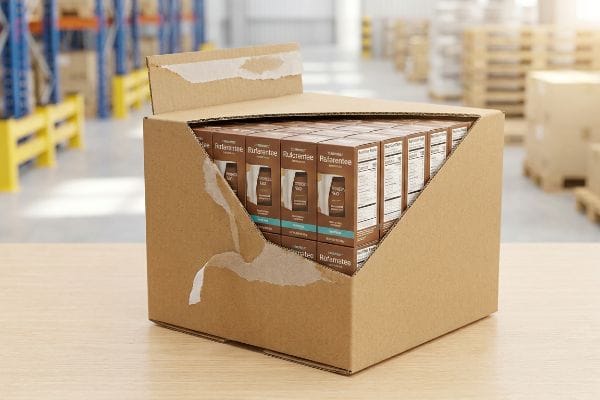
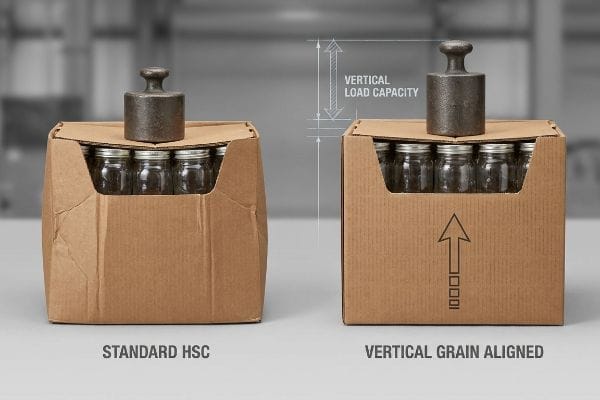
يُفضّل المشترون طلب صناديق مفتوحة من الأعلى لتسريع عملية إعادة التخزين. والطريقة المعتادة هي استبدال الحاوية التقليدية ذات الفتحات (RSC) بحاوية نصف مفتوحة (HSC).وبإزالة الأغطية العلوية، تُصبح الحاوية بمثابة صينية عرض مستقلة.
هذا هو الفخ الذي تقع فيه حتى فرق المشتريات ذات الخبرة: إزالة الأغطية العلوية تُدمر الغلاف العلوي بزاوية 360 درجة. اختبرتُ مؤخرًا تصميم حاوية تخزين عالية الأداء (HSC) لأحد العملاء، والمُخصصة لحمل مرطبانات زجاجية. بدون الغطاء الذي يُثبت الزوايا الرأسية، كانت الحواف العلوية عُرضة بشدة للإجهاد الانضغاطي. عند محاكاة تكديس منصة نقالة ثقيلة، سمعتُ صوت تمزق الورق المقوى الخام بوضوح، حيث انحنت الجدران الجانبية غير المدعومة للخارج وانهارت. لحل هذه المشكلة، قمتُ بتعويض الأغطية المفقودة حسابيًا من خلال محاذاة ألياف الورق المموجة بشكل رأسي تمامًا لزيادة قوة اختبار سحق الحواف (TAPPI) وفقًا لمعايير الرابطة الفنية لصناعة اللب والورق (TAPPI). باستعادة قدرة التحميل الرأسية، تمكّنا من القضاء على أضرار النقل أثناء تكديس الحاويات المزدوجة، مما حال دون حدوث تأخيرات كبيرة في عمليات التسليم.
| أخطاء شائعة للمبتدئين | الحل الاحترافي | فوائد أرضية البيع بالتجزئة |
|---|---|---|
| باستخدام صناديق HSC القياسية | محاذاة اتجاه الألياف عموديًا7 | يتحمل التكديس المزدوج |
| مع تجاهل الأجزاء العلوية المفقودة | تحسين قوة ملف تعريف اللوحة8 | يمنع انفجار الجدران |
| بافتراض أن المحتويات تتحمل الوزن | تصميم الصندوق لتحمل الأحمال9 | يمنع تلف البضائع |
أذكّر المشترين دائمًا بأنّ إزالة بعض المواد لتسهيل الاستخدام تعني ضرورة التعويض رياضيًا عن فقدان المتانة. فالعلبة سهلة الفتح عديمة الفائدة للبائع إذا وصلت إليه محطمة تمامًا.
🛠️ مكتب هارفي: هل تفقد صناديق التخزين المفتوحة لديك 40% من قوتها أثناء النقل البحري؟ 👉 احصل على تقييمك من Dieline ↗ — حمّل بأمان. صندوق رسائلي مفتوح إذا كانت لديك أي أسئلة لاحقًا.
ما هي فوائد التغليف الجاهز للعرض على الرفوف؟
من الواضح أن سرعة ترتيب البضائع أمرٌ مهم، لكن القوة الحقيقية تكمن في سيكولوجية المتسوقين. لديك ثوانٍ معدودة فقط لمقاطعة شخص يسير في ممر مزدحم.
تشمل مزايا التغليف الجاهز للعرض على الرفوف سرعة إعادة ملء المخزون، وتعزيز إبراز العلامة التجارية، وتحسين رؤية المنتج. يقلل هذا التصميم الهيكلي من تكاليف العمالة لتجار التجزئة، بينما يجبر المتسوقين على ملاحظة البضائع المنظمة والمعروضة بشكل واضح بدلاً من المنتجات المتناثرة.

لكن تحقيق أقصى قدر من هذا التشتيت البصري يتطلب التزامًا صارمًا بالهندسة الفيزيائية، وليس مجرد ألوان زاهية على الشاشة.
قاعدة الرؤية بنسبة 85% لأرفف التخزين
عند تصميم صينية عرض، غالباً ما يبالغ المصممون في رفع حافتها الأمامية، ظناً منهم أن ذلك يوفر احتواءً أفضل ومساحة أكبر لطباعة الشعارات. فهم يتعاملون مع الصينية كلوحة إعلانية بدلاً من كونها وسيلة لعرض المنتج، مما يخفي المنتج الذي يحاولون بيعه.
أُطلق على هذا الخطأ اسم "خطأ الجدار الكرتوني". أرسل لي مدير علامة تجارية ذات مرة تصميمًا رائعًا لصينية مطبوعة، لكن حافتها الأمامية كانت بارتفاع 10.16 سم، مما حجب النصف السفلي من زجاجات الشامبو. عندما قمت بتجميع النموذج، كان احتكاك الحافة الصلبة المصنوعة من الورق المقوى (B-flute)شديدًا لدرجة أنه كان يُسبب احتكاكًا مزعجًا، مما يعني أن المتسوق سيُعاني بشدة لسحب الزجاجة من الصينية. قمنا على الفور بتطبيق قاعدة "المنتج أولًا"، وقمنا بتعديل ملف التصميم بمساعدة الحاسوب (CAD) لتقليل ارتفاع الحافة، مما يضمن بقاء 85% على الأقل من المنتج الرئيسي مرئيًا.هذا التصميم المنخفض قضى على الاحتكاك، مما سهّل على المتسوقين التقاط المنتج، وحسّن بشكل كبير من جاذبيته على الرفوف.
| أخطاء شائعة للمبتدئين | الحل الاحترافي | فوائد أرضية البيع بالتجزئة |
|---|---|---|
| الشفة الأمامية مرتفعة جدًا | تطبيق قاعدة الرؤية بنسبة 85%12 | يزيد من انتشار العلامة التجارية |
| حجب العنصر الأساسي | خفض مستوى القطع بالقالب13 | يجعل الإمساك سهلاً |
| التعامل مع الصينية كلوحة إعلانية | إبراز المنتج | يُسرّع من عملية اتخاذ قرارات الشراء |
أنصح عملائي باستمرار بترك المنتج يتحدث عن نفسه. يجب أن يكون الصندوق بمثابة منصة أنيقة لإبراز العلامات التجارية الرئيسية، لا حاجزاً يخفيها.
🛠️ مكتب هارفي: هل تُخفي صينية العرض الحالية لديك عن غير قصد ميزات منتجك الأكثر مبيعًا؟ 👉 اطلب فحصًا هندسيًا ↗ — لا توجد استمارات تُؤدي إلى مكالمات مبيعات لا نهاية لها. فقط قيمة خالصة.
ما هي عبوات البيع بالتجزئة؟
من السهل الخلط بين صناديق الشحن الصناعية وصناديق الشحن الموجهة للمستهلكين. قد تبدو متشابهة في أرضية المصنع، لكن أهدافها النهائية مختلفة تمامًا.
تُعدّ عبوات البيع بالتجزئة هي العبوة النهائية التي تحمل العلامة التجارية، والتي تُقدّم مباشرةً إلى المستهلك النهائي. وعلى عكس عبوات الشحن العادية، فهي تتضمن رسومات عالية الدقة، وتشطيبات مقاومة للخدوش، وميزات هيكلية مصممة خصيصًا للتأثير على قرارات الشراء في ظل الإضاءة التجارية القوية.
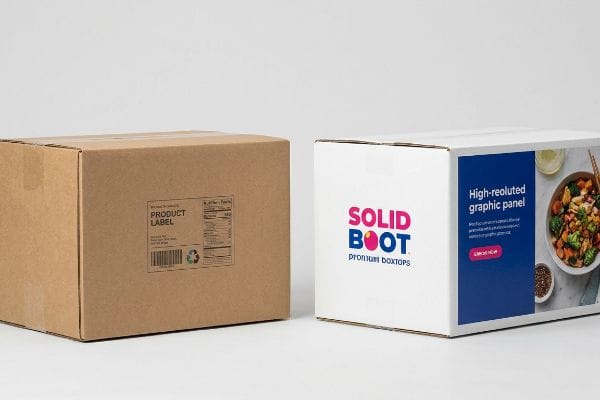
إن إجراء هذا التحول من صندوق بني باهت إلى وحدة بيع بالتجزئة نابضة بالحياة يتطلب التعامل مع بعض الحقائق الكيميائية الفوضوية في عملية الطباعة.
النجاة من فخ الطين ذي الألوان النصفية
يُقدّم معظم مصممي الجرافيك أعمالهم الفنية الخاصة بالمتاجر باستخدام ملفات تعريف الألوان القياسية CMYK (سماوي، أرجواني، أصفر، أبيض)، متوقعين أن تقوم آلة الطباعة الآلية بنسخ ما يرونه على شاشاتهم ذات الإضاءة الخلفية بدقة متناهية. ويفترضون أن الطباعة القياسية بأربعة ألوان تعمل بسلاسة تامة على جميع أنواع المواد .
الواقع المادي للطباعة على ورق مقوى مموج مسامي أسوأ بكثير. فعندما أطبع ملفات الألوان الأربعة القياسية على ورق غير معالج، تتغلغل نقاط التظليل النصفية الصغيرة المتداخلة بشكل غير متساوٍ في ألياف الورق الخام. في الموسم الماضي، اشتكى أحد العملاء من أن شعاره الأحمر الجريء بدا باهتًا ومحببًا تحت أضواء الممرات الفلورية. كانت رائحة الحبر الرطب لا تزال نفاذة على العينة عندما أدركت أن عملية المزج البصري لديهم قد فشلت ميكانيكيًا. اعترضت الملف وفرضت "بروتوكول غمر اللون الموضعي"، مستبدلاً مزيج الطباعة بحبر بانتون موضعي واحد ممزوج بدقة . هذا يضمن تدفقًا كثيفًا وسلسًا تمامًا للصبغة، مما يزيل تمامًا حبيبات التظليل النصفية ويضمن أقصى قدر من الوضوح عالي التباين من مسافة 6 أمتار.
| أخطاء شائعة للمبتدئين | الحل الاحترافي | فوائد أرضية البيع بالتجزئة |
|---|---|---|
| باستخدام ألوان الطباعة القياسية | التحول إلى ألوان بانتون الموضعية | يمنع تشوه شعار العلامة التجارية |
| الثقة في الشاشات الرقمية | تعويض امتصاص الورق | يتألق تحت الأضواء القوية |
| طباعة الصور النصفية على ورق الكرافت | حبر صبغي صلب يغمر | يزيد من وضوح الرؤية في الممرات |
أرفض أن تبدو علامة تجارية فاخرة وكأنها منتج رخيص مقلد بسبب رداءة جودة الحبر. إن إتقان استخدام الألوان الموضعية على الكرتون المموج هو ما يميز عبوات البيع بالتجزئة الحقيقية عن صناديق الشحن العادية.
🛠️ مكتب هارفي: هل تبدو ألوان شركتك باهتة وغير واضحة على الورق المقوى؟ 👉 احصل على تدقيق مجاني لما قبل الطباعة ↗ — تواصل مباشر مع مكتبي. أعدك بعدم تلقي أي رسائل تسويقية آلية مزعجة.
ما الفرق بين تغليف الشركات المصنعة الأصلية وتغليف البيع بالتجزئة؟
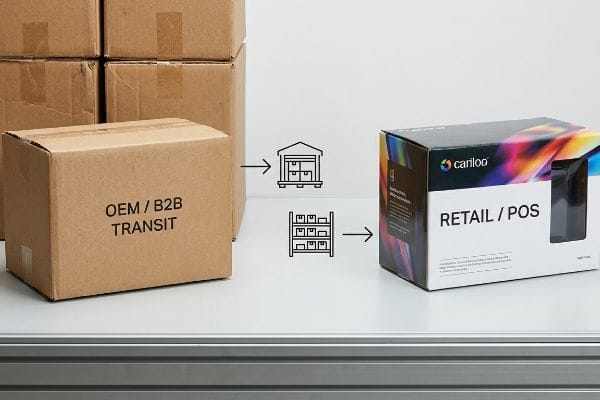
تُستخدم صناديق الشركات المصنعة للمعدات الأصلية (OEM) لنقل القطع بأمان. أما عبوات البيع بالتجزئة فتُستخدم لكسب معركة نفسية في ممر مزدحم.
يكمن الفرق بين تغليف المصنّع الأصلي وتغليف التجزئة في الجمهور المستهدف. يركز تغليف المصنّع الأصلي على الحماية الصناعية الأساسية والتكلفة المنخفضة للنقل بين الشركات. أما تغليف التجزئة فيتطلب جماليات راقية، وطلاءات متخصصة، وتجربة فتح سهلة للمستهلك لزيادة المبيعات في نقاط البيع.
لكن معرفة النظرية لا تكفي عندما تبدأ الآلات بالعمل، خاصة عندما تحاول العلامات التجارية طمس الخطوط الفاصلة لتوفير بضعة بنسات.
الإرهاق الخفي للبريد الصادر المعاد تدويره
كثيراً ما تحاول الشركات الناشئة تمويل عملياتها اللوجستية ذاتياً عن طريق إعادة استخدام صناديق التجارة الإلكترونية الواردة لتلبية طلبات التجزئة الصادرة بين الشركات. فهم يرون صندوقاً سليماً ظاهرياً ويفترضون أنه يحتفظ بقوته الأصلية من المصنعكصندوقشحن صناعي من الشركة المصنعة الأصلية يحتاج فقط إلى ملصق جديد.
في منشأتي، أشاهد بشكل روتيني الآثار المدمرة لتلف صناديق البريد المعاد تدويرها. تعمل الألواح المموجة كممتصات للصدمات الميكانيكية. خلال رحلة الطرود الأولية، تمتص هذه الألواح الصدمات الدقيقة والرطوبة التي تُضعف ألياف الورق بشكل دائم. عند قياس هذه الصناديق المعاد استخدامها، ألاحظ غالبًا انخفاضًا هائلًا بنسبة 35% في قوة تحملها للضغط،ويصبح ملمس الكرتون طريًا بشكل خطير. عندما يقوم العملاء بتحميل هذه الصناديق المتهالكة على منصة نقالة قياسية بأبعاد 48×40 بوصة (121.9×101.6 سم)، تنثني الطبقات السفلية بصمت تحت وطأة الوزن. لمنع ذلك، ألتزم التزامًا صارمًا باستخدام مواد جديدة، وتحديدًا صناديق شحن جديدة من نوع ISTA (الرابطة الدولية للنقل الآمن) وAmazon SIOC (الشحن في الحاوية الخاصة) وفقًا لمعايير ISTA (الرابطة الدولية للنقل الآمن) 6-Amazon SIOC (الشحن في الحاوية الخاصة)19.برفض الصناديق التالفة، نضمن الحفاظ على قدرة تحمل الزوايا للحمل الديناميكي الكامل، مما يمنع تمامًا تلفيات النقل ويحافظ على جداول التسليم في مسارها الصحيح.
| أخطاء شائعة للمبتدئين | الحل الاحترافي | فوائد أرضية البيع بالتجزئة |
|---|---|---|
| إعادة استخدام صناديق التجارة الإلكترونية | اشتراط استخدام مواد خام جديدة | يوقف سحق الطبقة الدنيا |
| بافتراض سلامة الصورة | إجراء اختبارات السقوط المعيارية | يمنع تلف الشحنات |
| طمس علب المصنع الأصلي وعلب البيع بالتجزئة | شركات شحن متخصصة في الهندسة بين الشركات | يمنع عمليات رد المبالغ المدفوعة من قبل تجار التجزئة |
لا أُغامر أبدًا بتوزيع منتجاتي على مستوى البلاد باستخدام ألياف ورقية بالية. فالبضعة سنتات التي توفرها بإعادة استخدام مغلف بريدي قديم ستكلفك آلاف الدولارات عندما يرفض المستودع منصة نقالة منهارة.
🛠️ مكتب هارفي: هل تعلم مقدار فقدان كرتونتك الرئيسية الحالية لقوة الضغط في الرطوبة العالية؟ 👉 أرسل لي ملف تصميم القالب ↗ — سأقوم باختبار الحسابات قبل أن تُهدر ميزانيتك على الإنتاج الضخم.
خاتمة
يمكنك اختيار مورد أرخص، ولكن عندما تنهار مغلفات البريد المعاد تدويرها تحت وطأة حمولة ثقيلة، فإنك تخاطر برفض كارثي من قِبل تجار التجزئة، مما يؤخر إطلاق منتجك بالكامل بنسبة 30% تقريبًا. يستخدم أكثر من 500 مدير علامة تجارية قائمة التحقق الخاصة بي قبل الطباعة لتجنب هذه الأخطاء القاتلة في المراحل المبكرة. توقف عن التخمين بشأن التفاوتات الهيكلية، ودعني أراجع ملفاتك شخصيًا من خلال خدمة التدقيق المجاني قبل الطباعة ↗ لاكتشاف هذه الأخطاء المكلفة قبل وصولها إلى خط الإنتاج.
"دليل لفهم أنواع الصناديق الكرتونية المموجة - Xetgo"، https://xetgo.com/types-of-corrugated-boxes/. [يقدم مصدر موثوق في هندسة التغليف تحليلًا تفصيليًا لجدوى استخدام الكرتون المموج أحادي الجدار مقارنةً بالبدائل متعددة الجدران في الخدمات اللوجستية لتجارة التجزئة]. دور الدليل: التحقق الفني؛ نوع المصدر: معيار/دليل صناعة التغليف. يدعم: الادعاء بأن القوالب أحادية الجدار تُعدّ إجراءً أساسيًا لتوفير التكاليف على الرغم من المخاطر الهيكلية. ملاحظة: تختلف الفعالية باختلاف وزن المنتج ومسافة الشحن. ↩
"كيف تُسهم التعبئة والتغليف في استراتيجية البيع بالتجزئة متعددة القنوات للعلامات التجارية؟"، https://meyers.com/meyers-blog/packaging-efficiency-improvements/. [توفر بيانات الخدمات اللوجستية لسلسلة التوريد متوسط عدد عمليات المناولة التي تواجهها وحدة السلع الاستهلاكية المعبأة من الإنتاج إلى رفوف البيع بالتجزئة]. دور الدليل: مقياس؛ نوع المصدر: دراسة في قطاع الخدمات اللوجستية. يدعم: الأساس المنطقي لقاعدة الخمسين لمسة. ملاحظة نطاق الدراسة: تعتمد التقديرات على عدد الوسطاء في سلسلة التوريد. ↩
"كيفية تجنب عمليات رد المبالغ المدفوعة والحصول على شهادة SIPP - Packwire"، https://packwire.com/blog/amazon-fba-compliance-guide?srsltid=AfmBOopjVseE5JqiES90Dn54l7gMdrUMMrCbgcfH7JtPbt0cW_6YpTWY. [يُظهر تحليل مقارن لترقيات التغليف انخفاضًا ملحوظًا في عمليات رد المبالغ المدفوعة التي يفرضها تجار التجزئة نتيجةً لانخفاض أضرار الشحن]. دور الدليل: مقياس مالي؛ نوع المصدر: دراسة حالة صناعية. يدعم: الجدوى الاقتصادية لترقيات التغليف الهيكلي. ملاحظة: تختلف النسب المئوية بناءً على هشاشة المنتج وطريقة تعامل شركة الشحن. ↩
"مقارنة الصناديق ذات الجدار الواحد والصناديق ذات الجدار المزدوج: فهم ..."، https://arvco.com/articles/comparing-single-wall-and-double-wall-boxes-understanding-the-differences/. [تُظهر بيانات علم المواد المتعلقة بالكرتون المموج أن تصميم الجدار المزدوج يزيد بشكل ملحوظ من قوة الضغط الرأسي ومقاومة الثقب مقارنةً بالجدار الواحد]. دور الدليل: المواصفات الفنية؛ نوع المصدر: دليل هندسة التغليف. يدعم: منع تكسر قاع الصناديق في شحن التجزئة. ملاحظة نطاق البحث: تعتمد الفعالية على تركيبة التموجات المستخدمة. ↩
[ملف PDF] إعادة التفكير في التغليف - DHL، https://www.dhl.com/content/dam/dhl/global/core/documents/pdf/glo-core-rethinking-packaging-trend-report.pdf. [تقيس أطر إدارة سلسلة التوريد متوسط عدد عمليات التسليم اليدوية والآلية التي يخضع لها المنتج من المصنع إلى رفوف البيع بالتجزئة لتحديد مدى متانة التغليف اللازمة]. دور الدليل: مقياس صناعي؛ نوع المصدر: ورقة عمل لوجستية. يدعم: تقليل حالات رفض المنتجات في الممرات بسبب التلف أثناء النقل. ملاحظة النطاق: يختلف معدل التلامس بناءً على مدى تعقيد مركز التوزيع. ↩
"التغليف الجاهز للعرض على الرفوف والتغليف الجاهز للبيع بالتجزئة - شرح"، https://tritonstore.com.au/shelf-ready-packaging-and-retail-ready-packaging/. [تُعرّف معايير الصناعة للتغليف الكرتوني المموج الحاوية ذات الفتحات النصفية (HSC) كبديل قياسي للحاوية ذات الفتحات العادية (RSC) لصناديق البيع بالتجزئة المفتوحة. دور الدليل: المواصفات الفنية؛ نوع المصدر: دليل صناعة التغليف. يدعم: الطريقة القياسية لإنشاء صناديق البيع بالتجزئة. ملاحظة النطاق: ينطبق على تغليف الكرتون المموج.] ↩
"(PDF) قوة تكديس الصناديق الكرتونية المموجة - ResearchGate"، https://www.researchgate.net/publication/359252290_Stacking_Strength_of_Corrugated_Boxes. [تؤكد الوثائق الفنية المتعلقة بميكانيكا الكرتون المموج أن محاذاة التموجات الرأسية تُحسّن قوة الضغط الرأسي للتكديس]. دور الدليل: التحقق الفني؛ نوع المصدر: دليل هندسة التغليف. يدعم: قدرة التكديس الهيكلية. ملاحظة النطاق: ينطبق على الكرتون المموج. ↩
"تقدير قوة الضغط للكرتون المموج..."، https://pmc.ncbi.nlm.nih.gov/articles/PMC8467740/. [توضح معايير صناعة التغليف كيف أن زيادة جودة أو قوة شكل الكرتون تعوض عن فقدان الصلابة الهيكلية في الحاويات المفتوحة]. دور الدليل: التحقق الفني؛ نوع المصدر: مواصفات صناعية. يدعم: منع انفجار الجدران. ملاحظة النطاق: خاص بعروض البيع بالتجزئة المفتوحة. ↩
"حلول التغليف تستفيد من منهج التصميم المتطور"، https://evolution.skf.com/packaging-solutions-benefit-from-sophisticated-design-approach-2/. [توضح مبادئ هندسة التغليف ضرورة تصميم حاويات تتحمل وزن الأحمال العلوية بغض النظر عن محتوياتها الداخلية]. دور الدليل: التحقق الفني؛ نوع المصدر: دليل فني. يدعم: منع سحق المنتج. ملاحظة النطاق: يركز على تصميم تحمل الأحمال. ↩
"التحليل التحليلي لصلابة الانحناء لخمس طبقات..."، https://pmc.ncbi.nlm.nih.gov/articles/PMC8777652/. [تؤكد المواصفات الفنية للكرتون المموج خصائص السماكة والصلابة الهيكلية لمادة B-flute]. دور الدليل: المواصفات الفنية؛ نوع المصدر: دليل هندسة التغليف. يدعم: الادعاء المتعلق بصلابة المادة التي تُحدث احتكاكًا فيزيائيًا. ملاحظة النطاق: يشير إلى أبعاد الكرتون المموج القياسية في الصناعة. ↩
"5 متطلبات للتغليف الجاهز للعرض على الرفوف"، https://greatnorthernpackaging.com/2025/11/19/5-requirements-for-shelf-ready-packaging/. [توفر معايير الصناعة لتصميم عبوات البيع بالتجزئة بيانات حول كيفية ارتباط مساحة سطح المنتج المرئية بنية الشراء وتفاعل المتسوقين]. دور الدليل: معيار تقني؛ نوع المصدر: دليل تسويق التجزئة. يدعم: فعالية قاعدة الرؤية بنسبة 85%. ملاحظة النطاق: ينطبق على السلع الاستهلاكية المعبأة في بيئات البيع بالتجزئة. ↩
"تغليف جاهز للبيع بالتجزئة: زيادة المبيعات بالتركيز على..."، https://www.packagingcorp.com/resource-hub/industry-insights/retail-ready-packaging-increase-sales-by-focusing-on-merchandiser-and-consumer-needs/. [تُحدد إرشادات تصميم البيع بالتجزئة المعتمدة العلاقة بين ارتفاع حافة الصينية ووضوح المنتج لتحسين تعرف المستهلك عليه]. دور الدليل: مواصفات فنية؛ نوع المصدر: معيار صناعي. يدعم: قاعدة وضوح 85%. ملاحظة النطاق: قد تختلف متطلبات النسبة المئوية المحددة حسب فئة المنتج. ↩
"خبراء يُحللون سوق التغليف الثانوي"، https://www.packagingdigest.com/packaging-design/experts-profile-secondary-packaging-market. [تشرح أدلة هندسة التغليف كيف يُقلل تقليل ارتفاع القوالب المقطوعة في الصواني الجاهزة للعرض على الرفوف من العوائق المادية أمام المستهلكين]. دور الدليل: التحقق الفني؛ نوع المصدر: دليل تصميم التغليف. يدعم: الادعاء بأن القوالب المنخفضة تُسهّل عملية الإمساك. ملاحظة النطاق: يركز على سهولة الوصول المادي وبيئة العمل. ↩
"مقارنة بين ألوان CMYK والألوان الموضعية في طباعة التغليف"، https://meyers.com/meyers-blog/cmyk-vs-spot-colors-in-packaging-printing-what-cpg-brands-need-to-know/. [يشرح دليلٌ مرجعيٌّ موثوقٌ في صناعة الطباعة كيف تؤثر مسامية الركيزة ولونها على امتصاص الحبر ودقة اللون النهائية]. دور الدليل: تصحيحٌ فنيٌّ؛ نوع المصدر: كتابٌ مرجعيٌّ في الصناعة. يدعم: فرضية أن اختيار الركيزة يؤثر على نتائج الطباعة. ملاحظة النطاق: ينطبق على مواد تغليف التجزئة. ↩
"ما هو تضخم النقاط في الطباعة؟ | نشر ريحان صديق حول هذا الموضوع"، https://www.linkedin.com/posts/rehan-siddique-440b5a1b1_dotgain-printing-activity-7371590745176260608-LryZ. [تشرح الوثائق الفنية الخاصة بالطباعة على الركائز المسامية كيف يؤدي امتصاص الحبر وتضخم النقاط إلى تدهور جودة الصورة في عملية الطباعة]. دور الدليل: التحقق الفني؛ نوع المصدر: دليل صناعة الطباعة. يدعم: ظاهرة امتصاص الحبر على الورق المقوى الخام. ملاحظة النطاق: ينطبق على المواد المموجة غير المغلقة. ↩
"مقارنة بين نظامي بانتون وCMYK في تصميم عبوات تحمل علامات تجارية مخصصة - EcoEnclose"، https://www.ecoenclose.com/blog/pantone-vs-cmyk-for-custom-branded-packaging?srsltid=AfmBOoqj1zsMzHvUAHxZmDWExFD8ZhtI5ICFHPuDz7AVcBjPdoWCmkbk. [تشير الأدلة المرجعية المعتمدة في طباعة العبوات إلى أن الألوان الموضعية توفر عتامة وتناسقًا لونيًا فائقين على الأسطح المسامية مقارنةً بمزيج CMYK]. دور الدليل: معيار صناعي؛ نوع المصدر: كتاب في فنون الطباعة. يدعم: فعالية الألوان الموضعية في إزالة تشويش الطباعة النصفية. ملاحظة النطاق: يركز على وضوح التباين العالي. ↩
"السلامة الهيكلية، إنها مهمة. - جمعية صناديق الألياف"، https://www.fibrebox.org/news/structural-integrity-it-matters/. [يمكن لمصدر في علوم المواد أو هندسة التغليف أن يشرح كيف تنخفض قوة الضغط ومقاومة الانفجار بعد أن يخضع الصندوق لدورة الشحن الأولى]. دور الدليل: التحقق الفني؛ نوع المصدر: ورقة عمل صناعية أو كتاب هندسي. يدعم: الادعاء بأن السلامة الظاهرية لا تساوي السلامة الهيكلية. ملاحظة النطاق: ينطبق تحديدًا على مواد ألواح الألياف المموجة]. ↩
"تقدير قوة الضغط لصناديق الكرتون المموج لـ..."، https://pmc.ncbi.nlm.nih.gov/articles/PMC9864211/. [دراسة فنية حول تدهور الكرتون المموج ستوفر بيانات كمية حول فقدان قوة الانفجار في العبوات المعاد استخدامها]. دور الدليل: التحقق الكمي؛ نوع المصدر: ورقة بحثية في علوم المواد أو دليل هندسة التغليف. يدعم: الادعاء المتعلق بالإجهاد الهيكلي للأظرف البريدية المعاد تدويرها. ملاحظة نطاق البحث: قد تختلف معدلات التدهور بناءً على الدرجة الأولية لألياف الورق. ↩
[ملف PDF] 6-amazon.com-sioc – الرابطة الدولية للنقل الآمن، https://ista.org/docs/6AmazoncomSIOCOverview.pdf. [تحدد وثائق الاعتماد الرسمية من الرابطة الدولية للنقل الآمن أو إرشادات أمازون الخاصة بالتنفيذ مواصفات الأداء لتغليف SIOC]. دور الدليل: مواصفات فنية؛ نوع المصدر: معيار اعتماد صناعي. يدعم: فعالية استخدام حاويات شحن موحدة من مواد خام لضمان سعة التحميل. ملاحظة النطاق: خاص بالنظام اللوجستي لأمازون]. ↩